21 routes
Cross-border routes
Trips that cross borders by train, car, boat and on foot, with the map, the cities in each country, the itineraries and what changes from one side to the other.
See the routes
 Search
 Brazil
 Argentina
 Bolivia
 Chile
 Colombia
 Ecuador
 Guyana
 French Guiana
 Falkland Islands (Malvinas)
 Paraguay
 Peru
 Suriname
 Uruguay
 Venezuela
 Germany
 Austria
 Belgium
 Croatia
 Denmark
 Spain
 Finland
 France
 Greece
 the Netherlands
 Hungary
 Ireland
 Iceland
 Italy
 Luxembourg
 Norway
 Poland
 Portugal
 the United Kingdom
 the Czech Republic
 Sweden
 Switzerland
 Turkey
 the United States
 Mexico
 the Dominican RepublicTurkey
 South Africa
 Australia
 Fiji
The countries of Europe on Cidade Turismo, with things to do in each one, their routes and their flavors.
23 countries 32 routes 308 destinations 645 cities
Across Cidade Turismo: 43 countries · 78 routes · 556 destinations · 1,492 cities
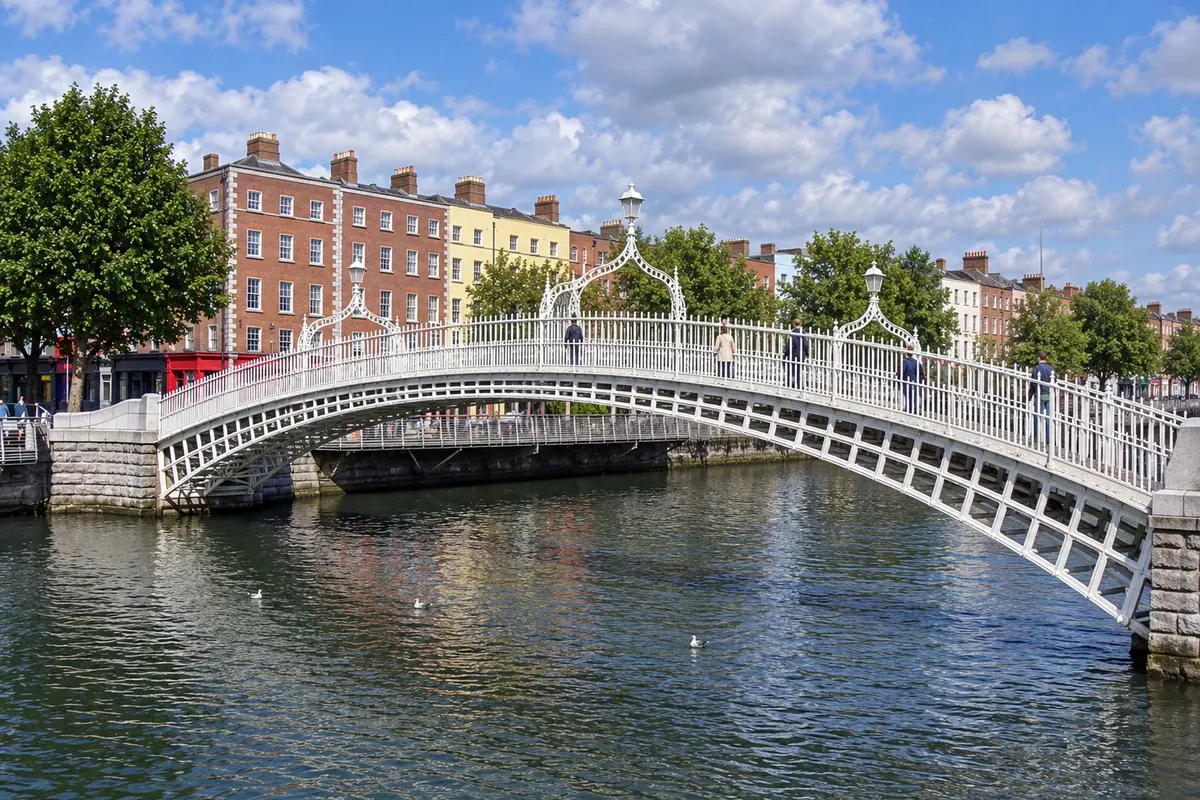
In the photo: Ha'penny Bridge — Dublin, Ireland see the guide to Ireland →
Illustrative images. The pictures in this guide are illustrations based on the real place, not photographs, and may differ from it.

The guide
The countries of Europe that already have a guide, the main destinations in each one, the routes that cross borders and the typical flavors, all on one page.
The countries
Each country has its own guide: the routes, the destinations, the cities and what to know before you go. New countries are added all the time.
21 routes
Trips that cross borders by train, car, boat and on foot, with the map, the cities in each country, the itineraries and what changes from one side to the other.
See the routesThe countries
 17 destinations · 35 cities
 13 destinations · 25 cities
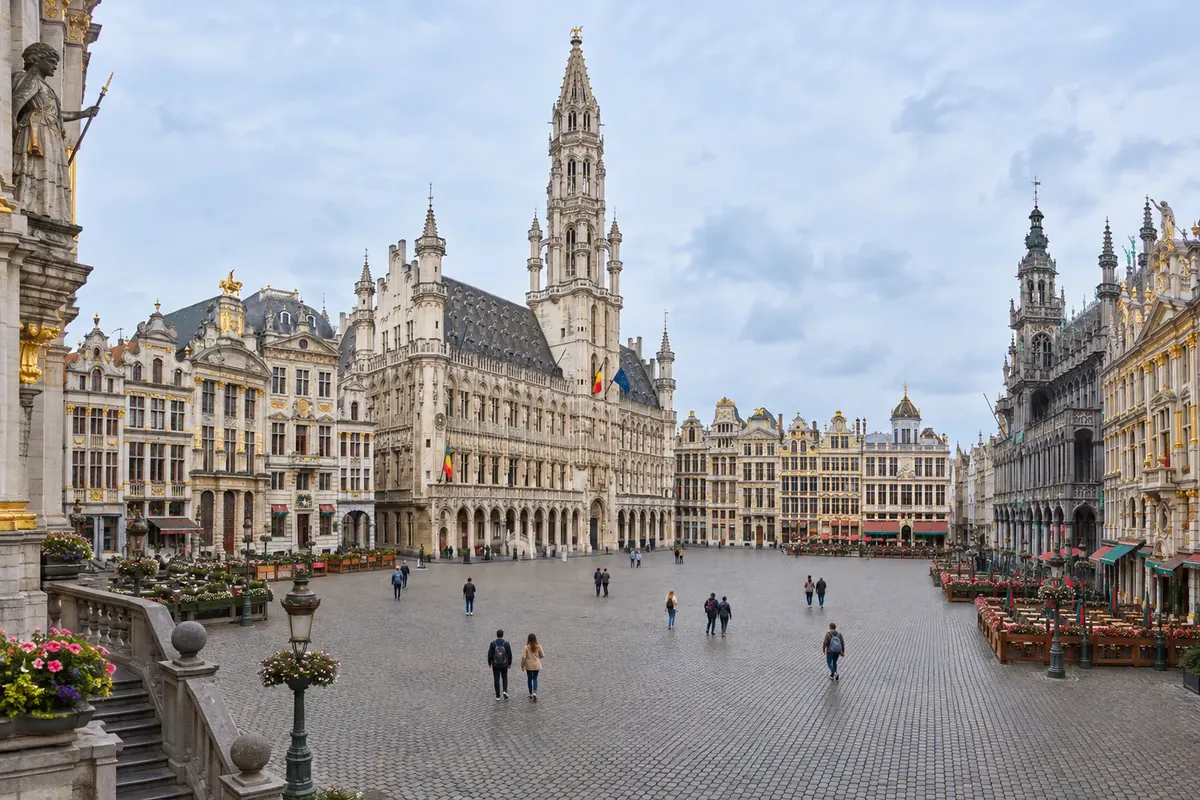 11 destinations · 34 cities · 5 routes
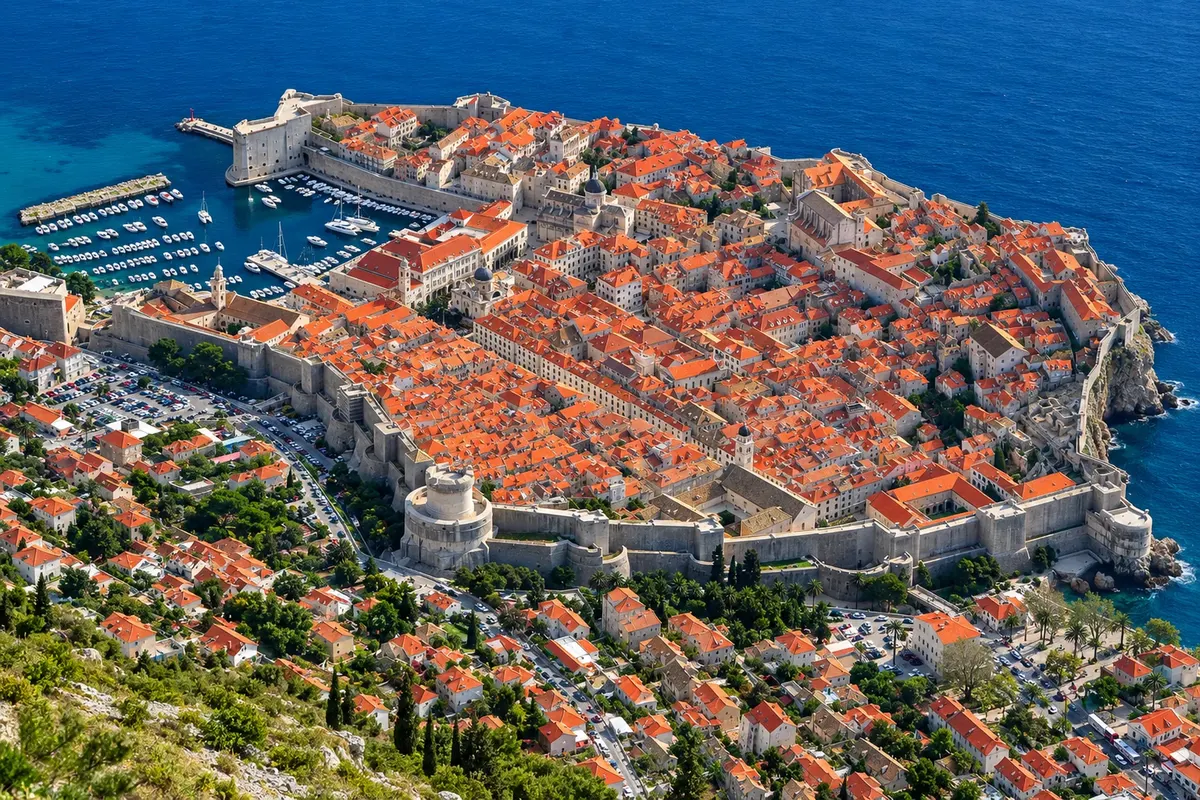 10 destinations · 19 cities
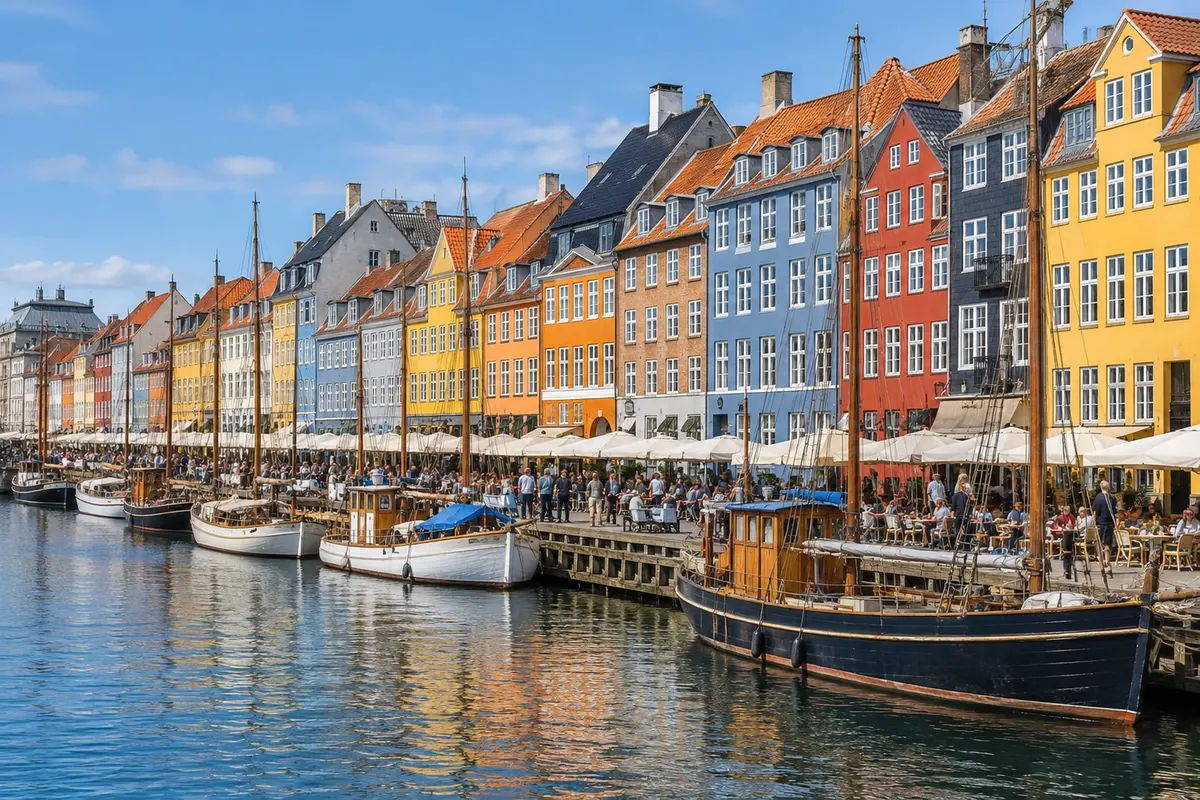 15 destinations · 23 cities
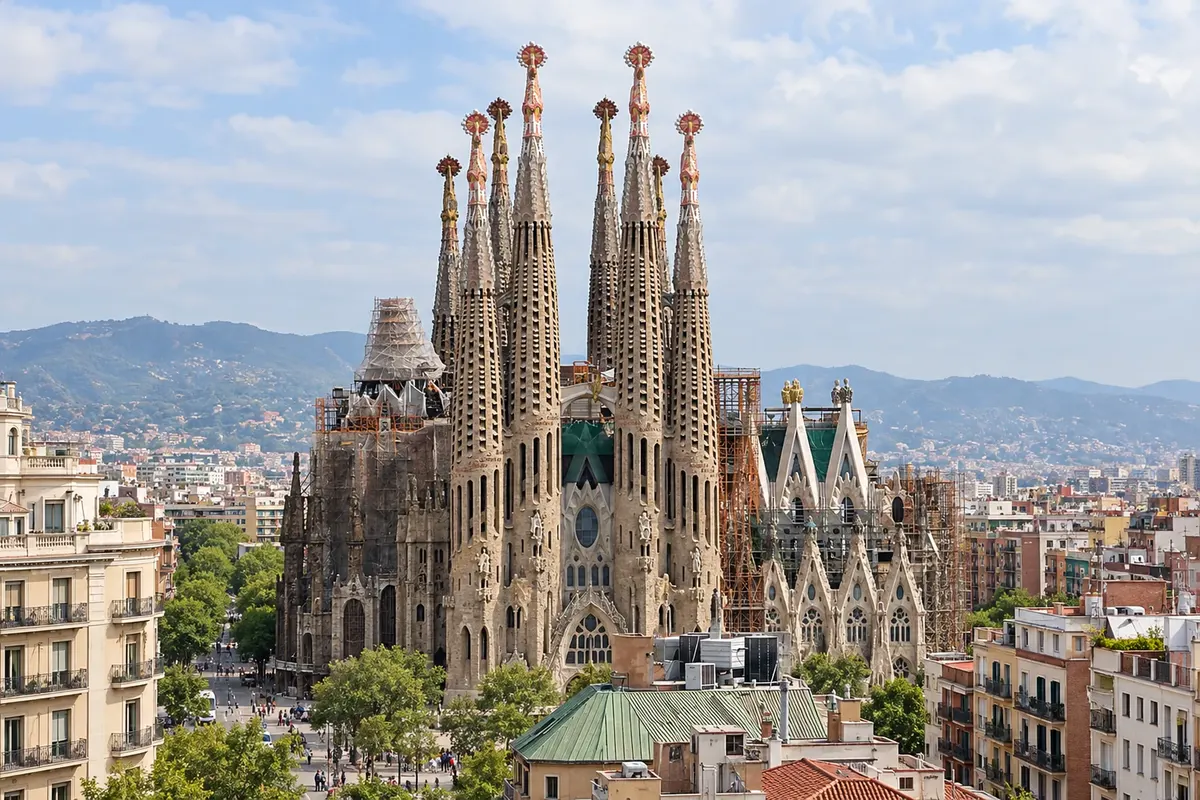 22 destinations · 57 cities · 5 routes
 15 destinations · 17 cities
 17 destinations · 43 cities · 1 route
 10 destinations · 16 cities
 6 destinations · 9 cities
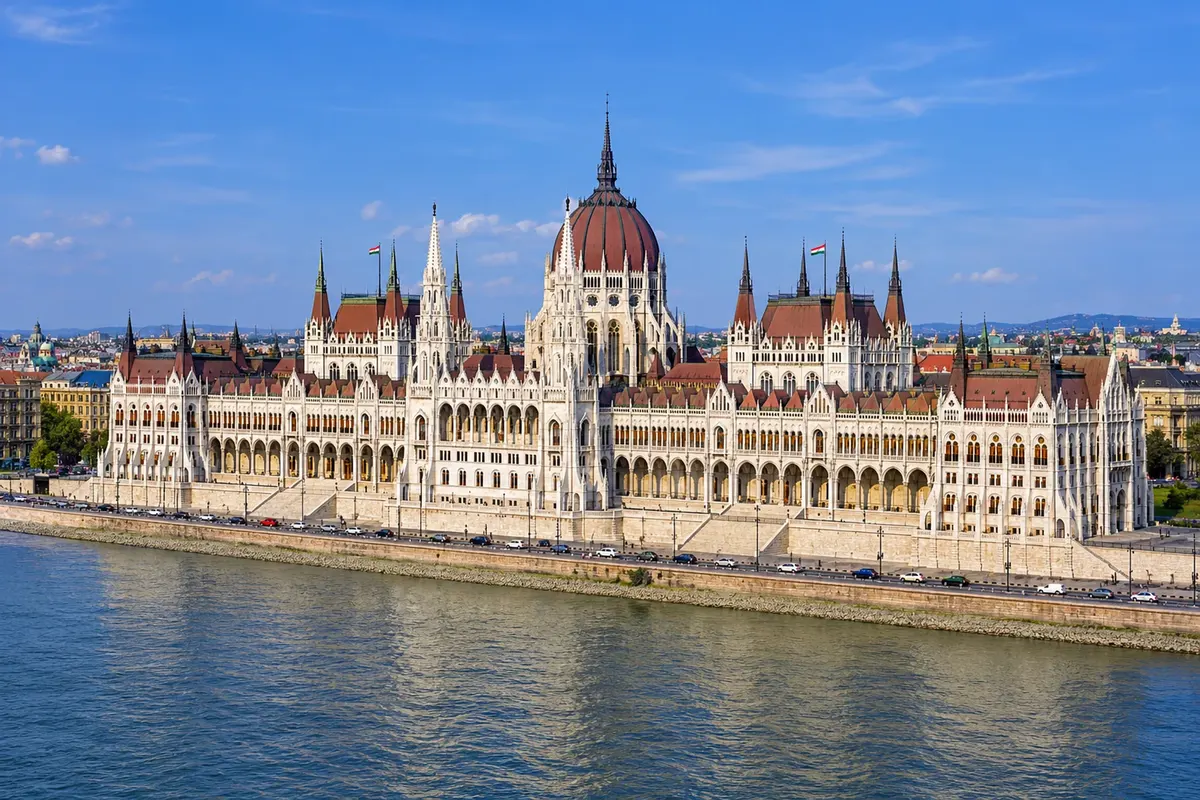 12 destinations · 22 cities
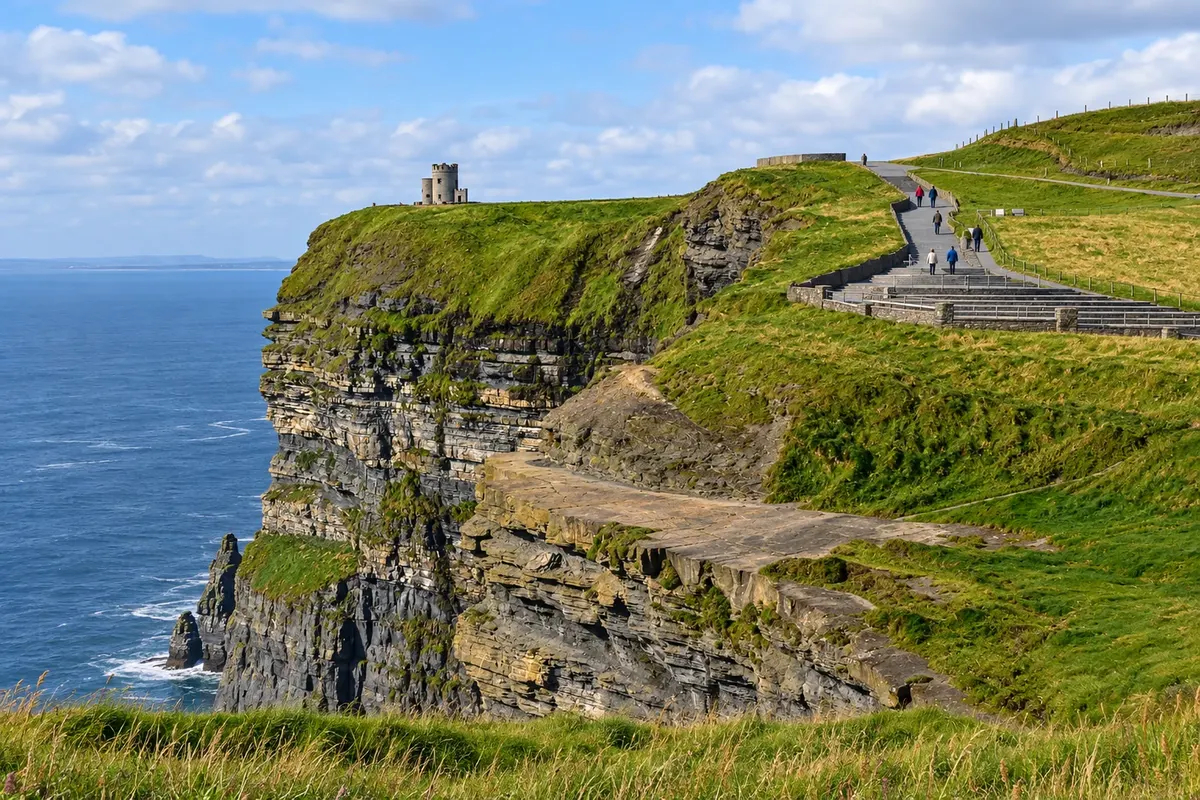 10 destinations · 19 cities
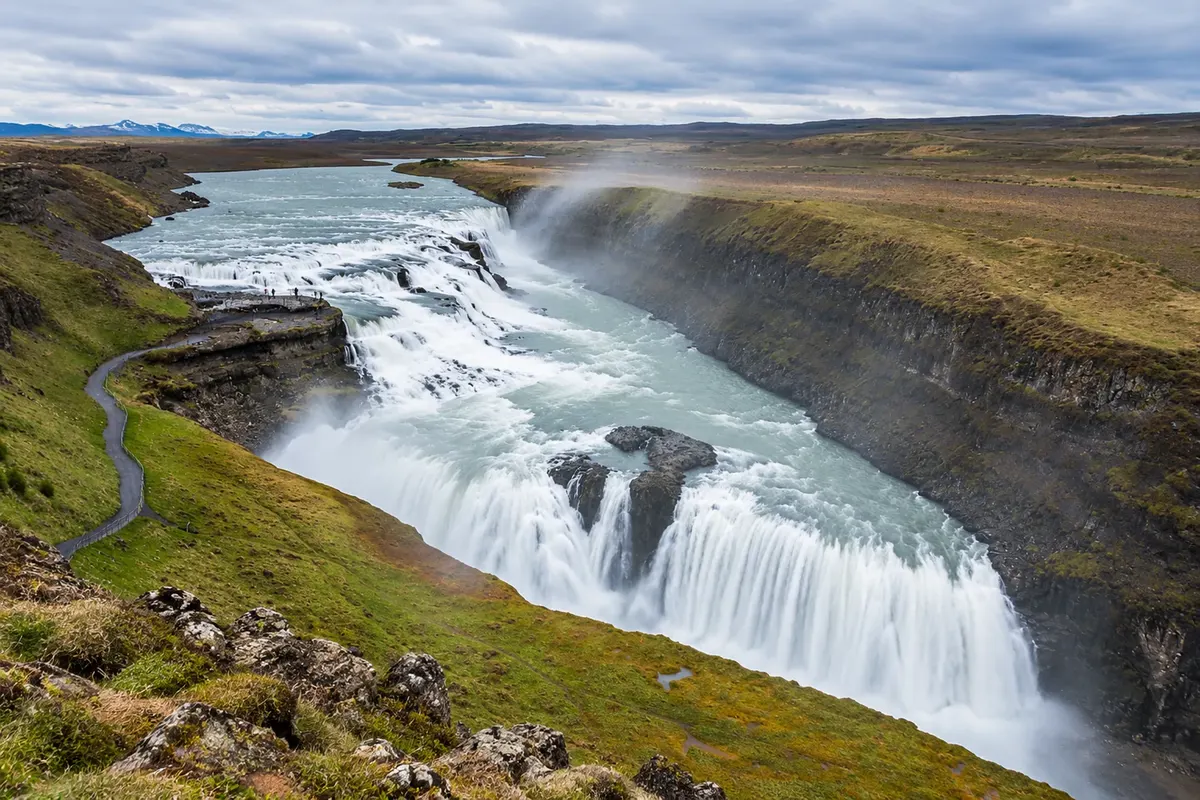 10 destinations · 20 cities
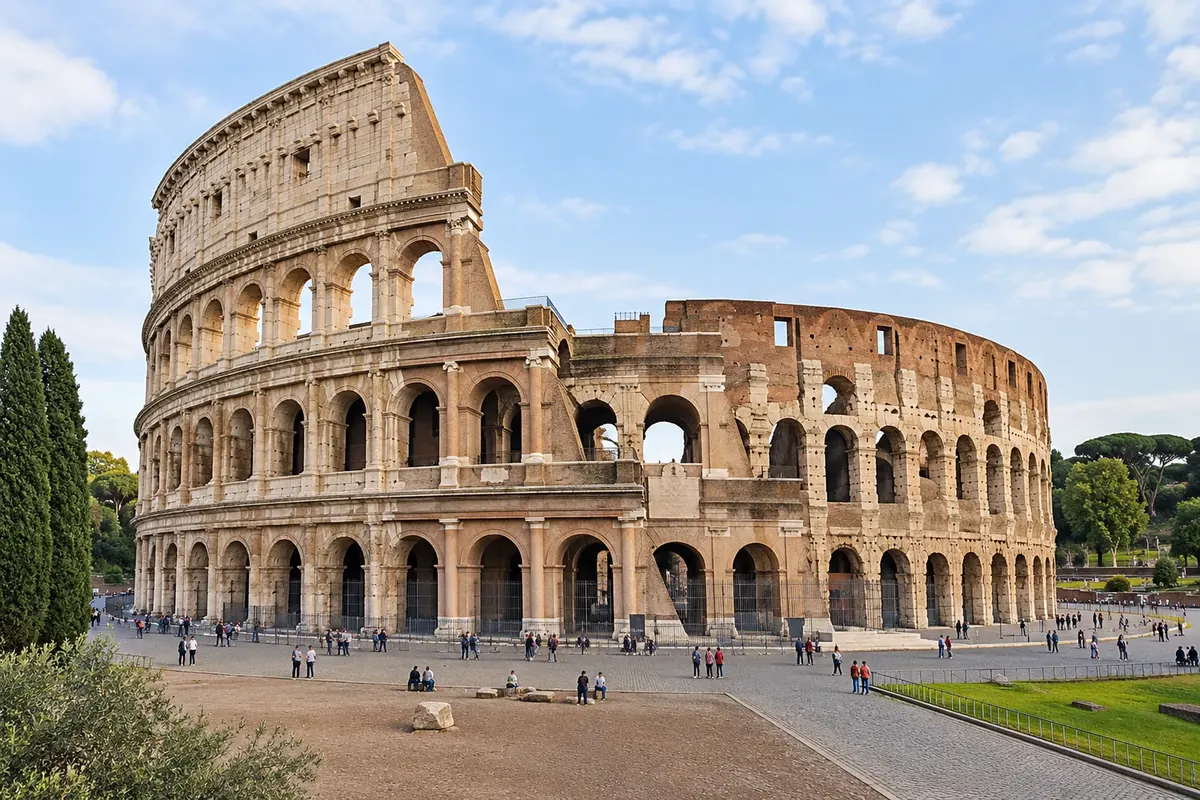 17 destinations · 56 cities
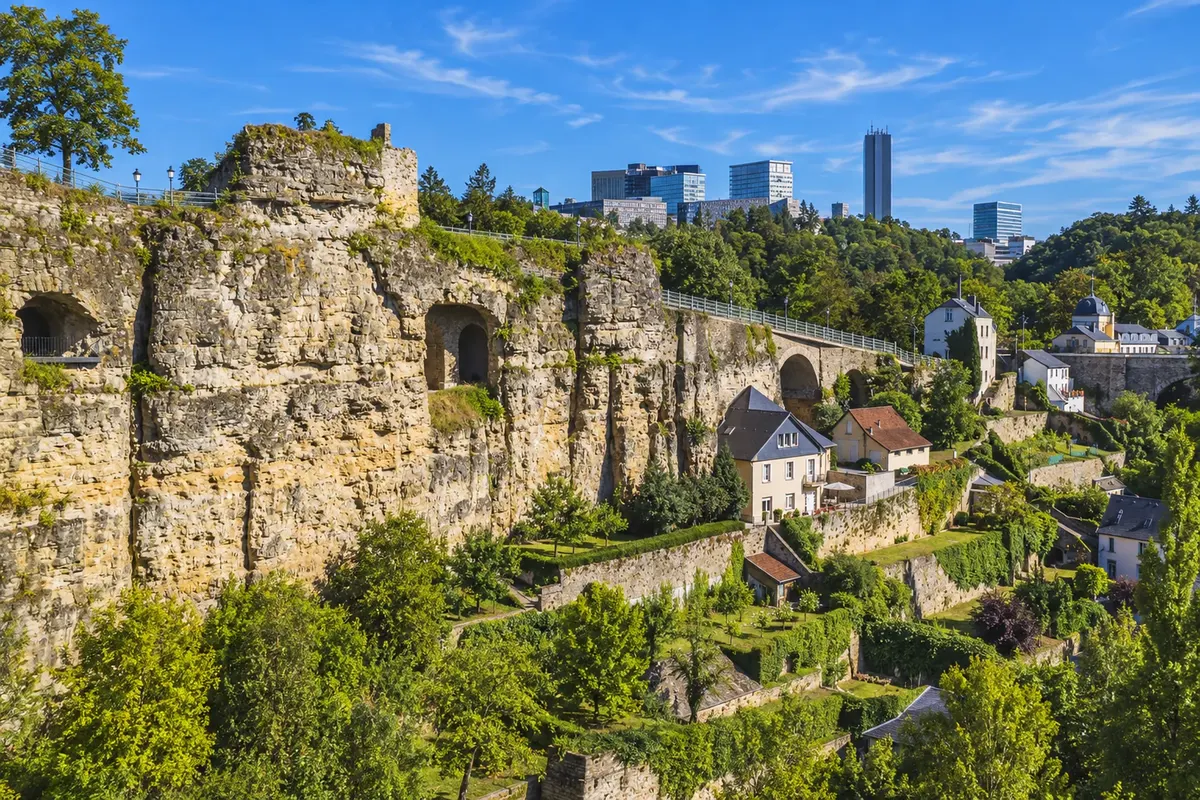 5 destinations · 9 cities
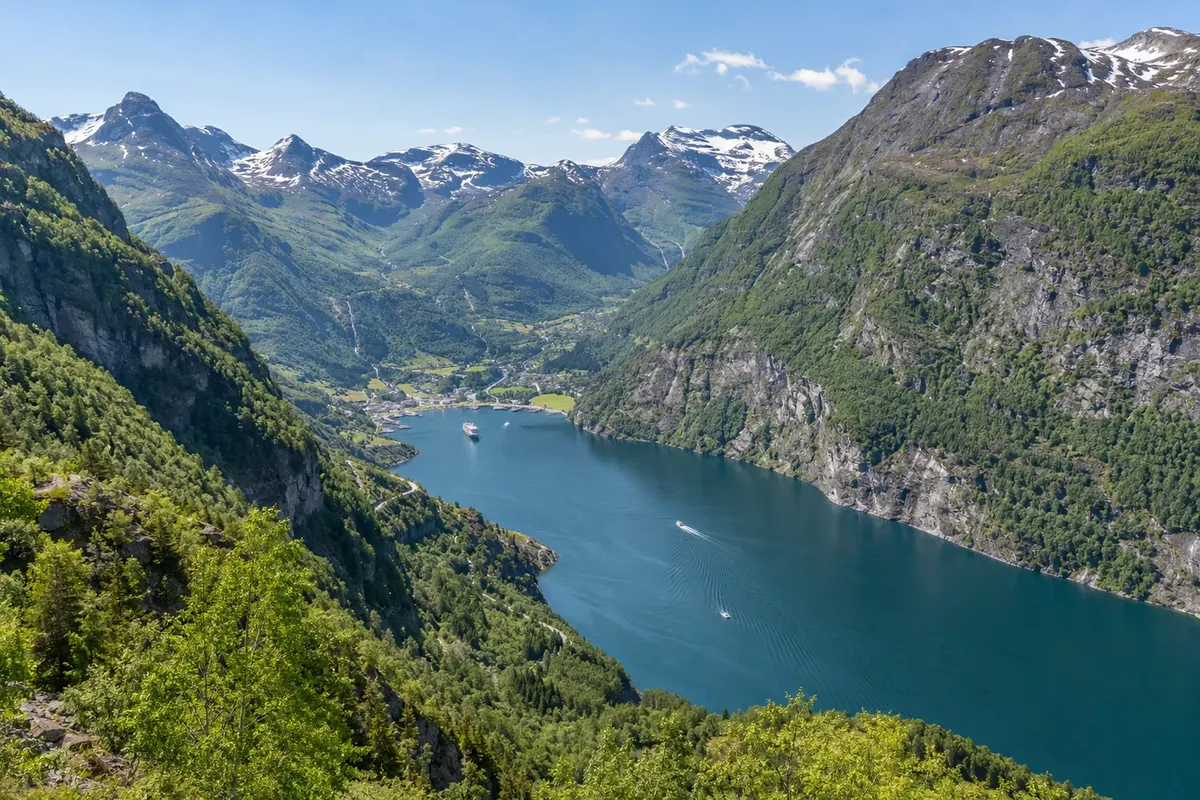 21 destinations · 27 cities
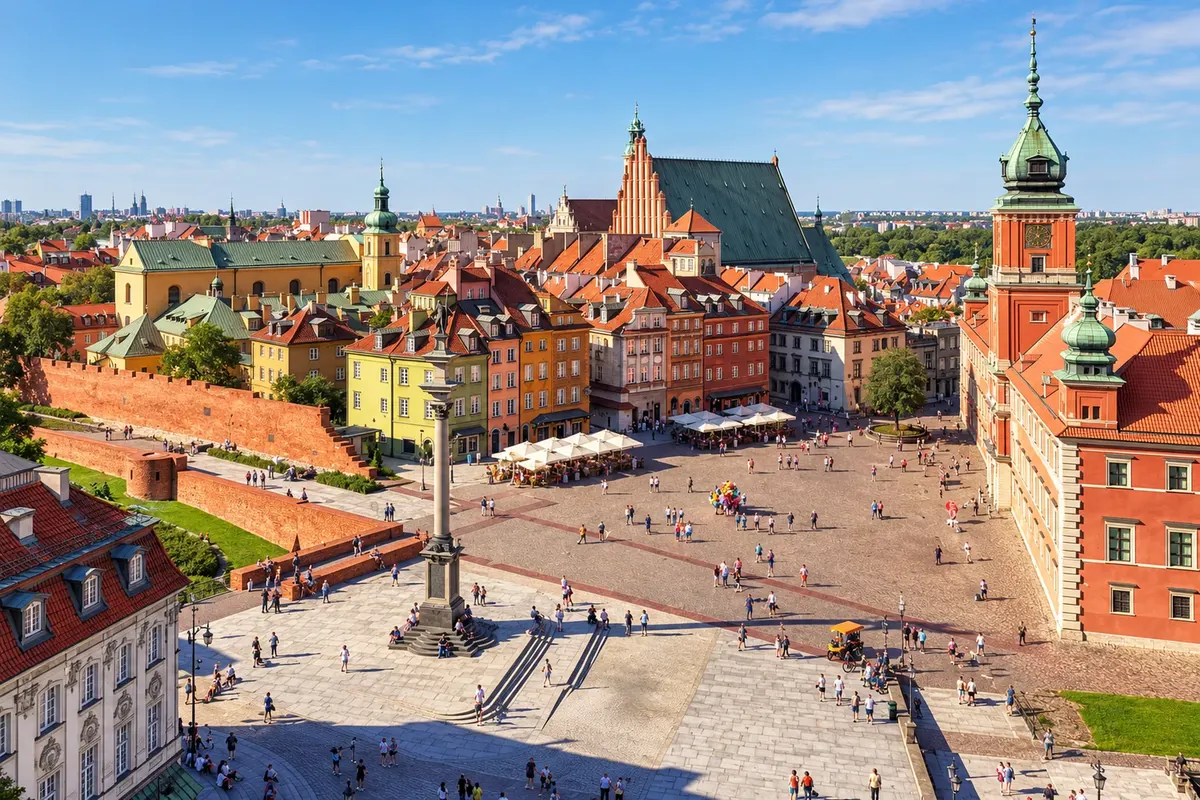 16 destinations · 33 cities
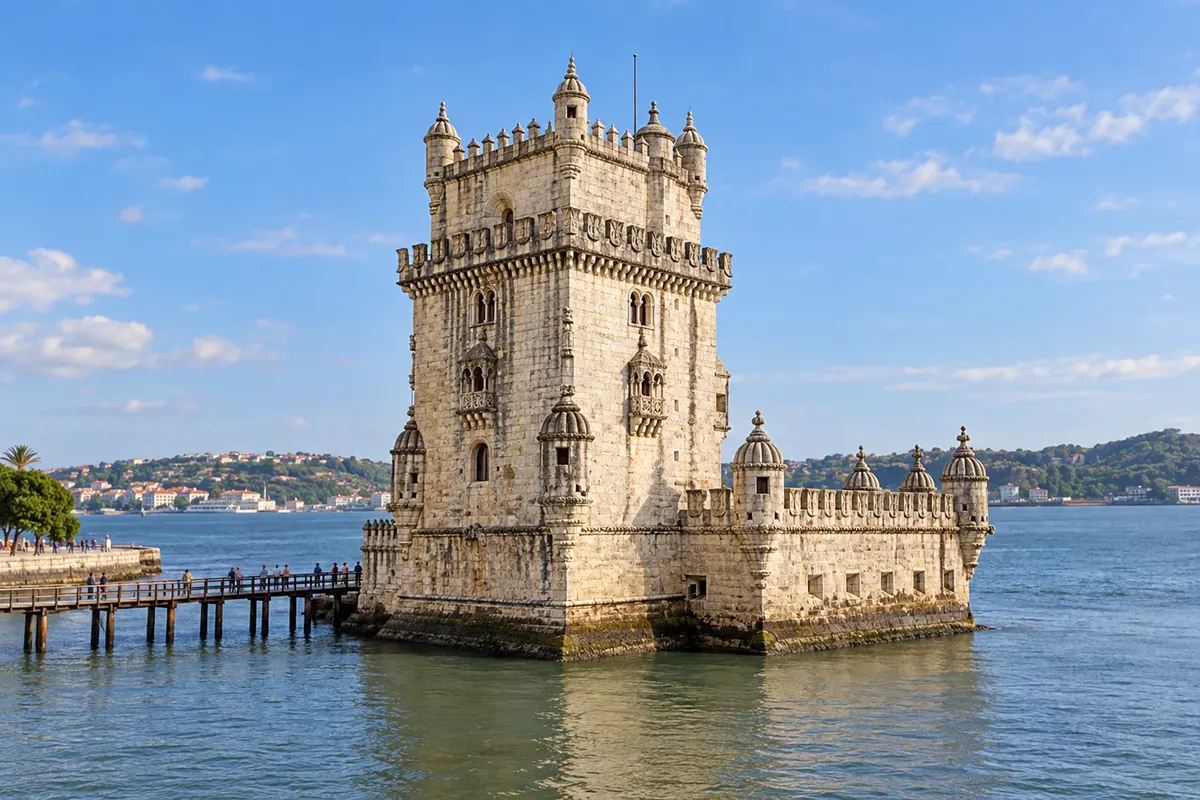 13 destinations · 30 cities
 12 destinations · 22 cities
 11 destinations · 21 cities
 14 destinations · 24 cities
 9 destinations · 14 cities
 22 destinations · 70 cities
Germany
Austria
Belgium
Croatia
Denmark
Spain
Finland
France
Greece
the Netherlands
Hungary
Ireland
Iceland
Italy
Luxembourg
Norway
Poland
Portugal
the United Kingdom
the Czech Republic
Sweden
Switzerland
Turkey
 Albania
 Andorra
 Belarus
 Bosnia and Herzegovina
 Bulgaria
 Cyprus
 Slovakia
 Slovenia
 Estonia
 Gibraltar
 Guernsey
 the Isle of Man
 the Åland Islands
 the Faroe Islands
 Jersey
 Kosovo
 Latvia
 Liechtenstein
 Lithuania
 North Macedonia
 Malta
 Moldova
 Monaco
 Montenegro
 Romania
 Russia
 San Marino
 Serbia
 Svalbard
 Ukraine
 Vatican City
The linked countries already have a guide. The others are added little by little, each one once its guide is complete.
Things to do in Europe
The main destinations in each country in the guide. Each destination has its own page, with the cities, the attractions, the tours, when to go and how to get there.
Things to do in Germany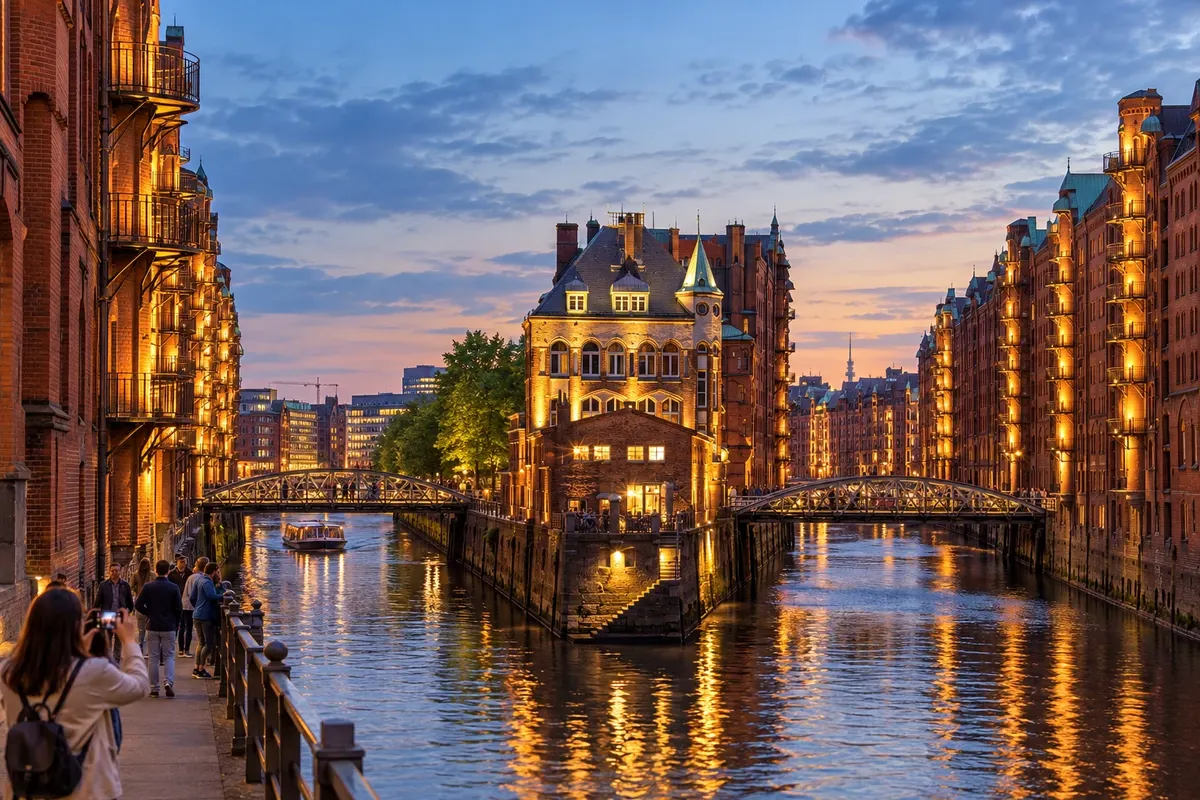
Port city on the Elba river, with the brick warehouses of the Speicherstadt, the Elbphilharmonie, the Alster lakes and boat trips around the harbor.
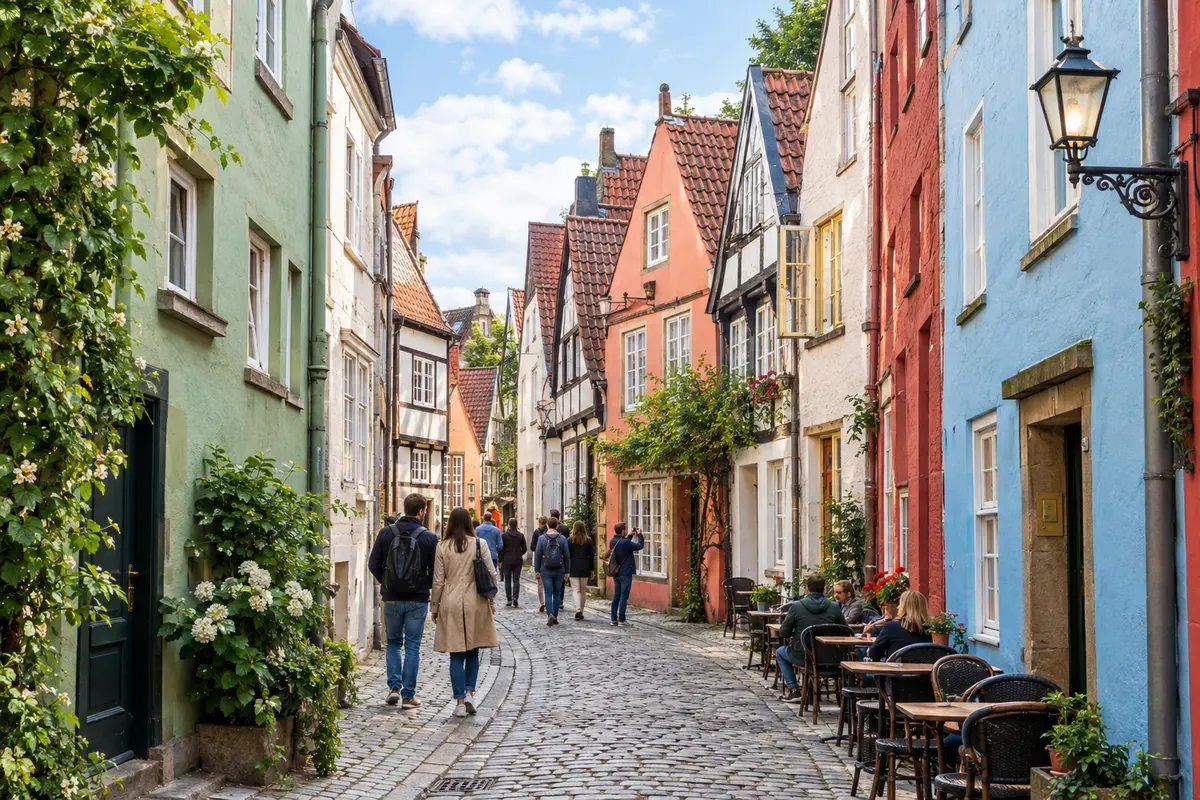
Hanseatic city on the banks of the Weser River, with the town hall and the Roland inscribed on the UNESCO World Heritage List, the statue of the Músicos de Bremen and the emigrant port in Bremerhaven.
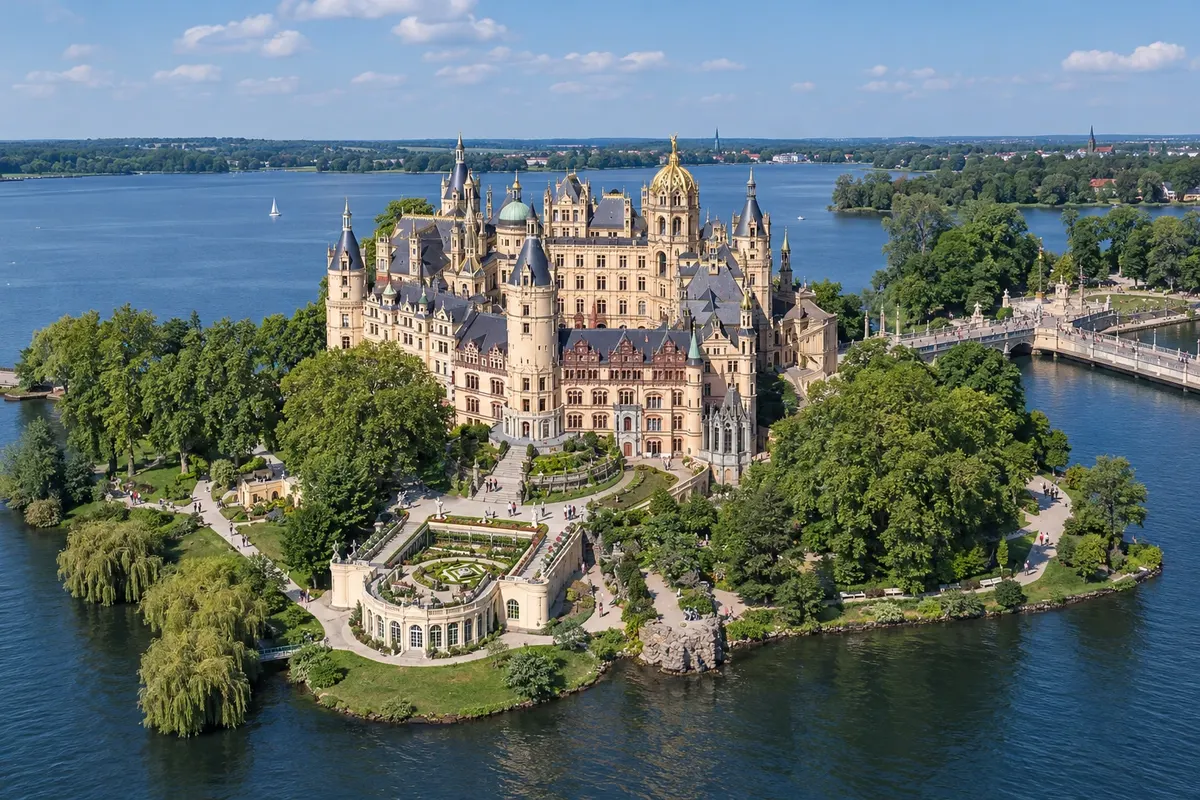
Lübeck, the former capital of the Hanseatic League, and Rostock with Warnemünde: Gothic brick, ports, marzipan and sandy beaches on the Baltic Sea.
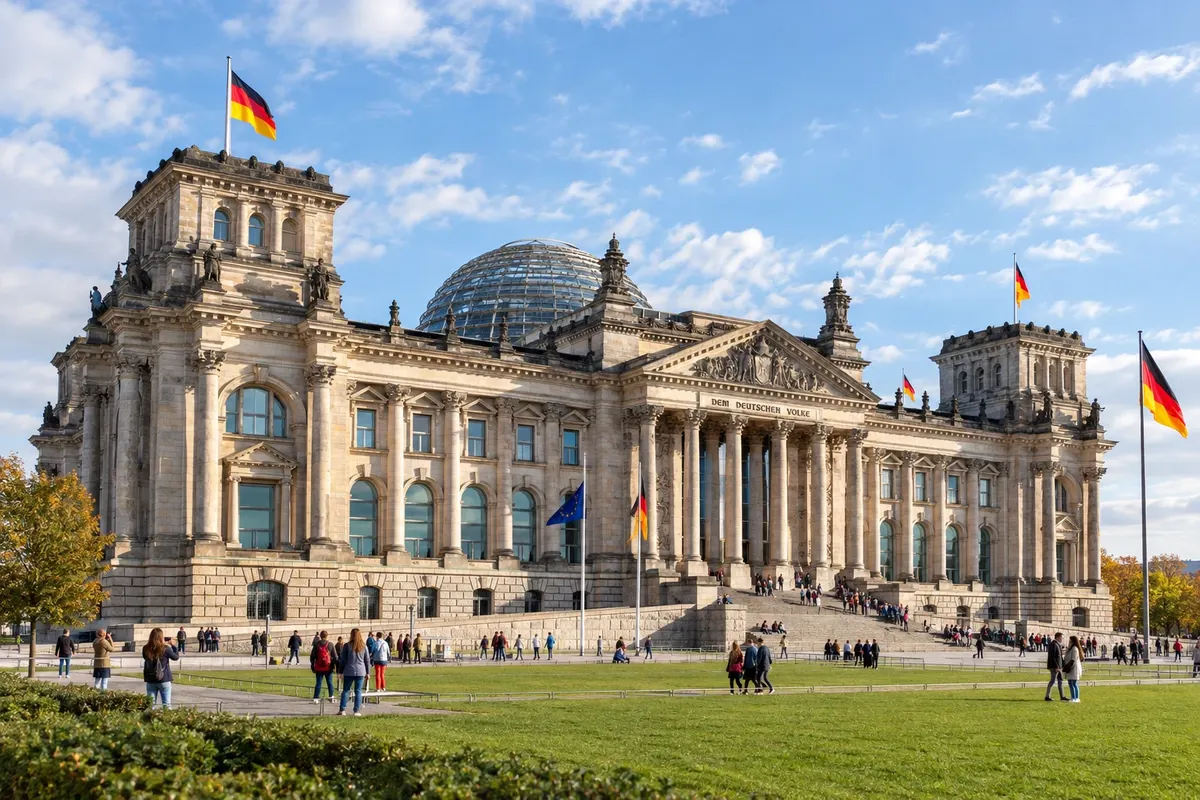
The German capital, with the memory of the Wall and the Second World War, the Museumsinsel and lively neighborhoods, and nearby Potsdam, with the palaces and gardens of the kings of Prússia.
Things to do in Austria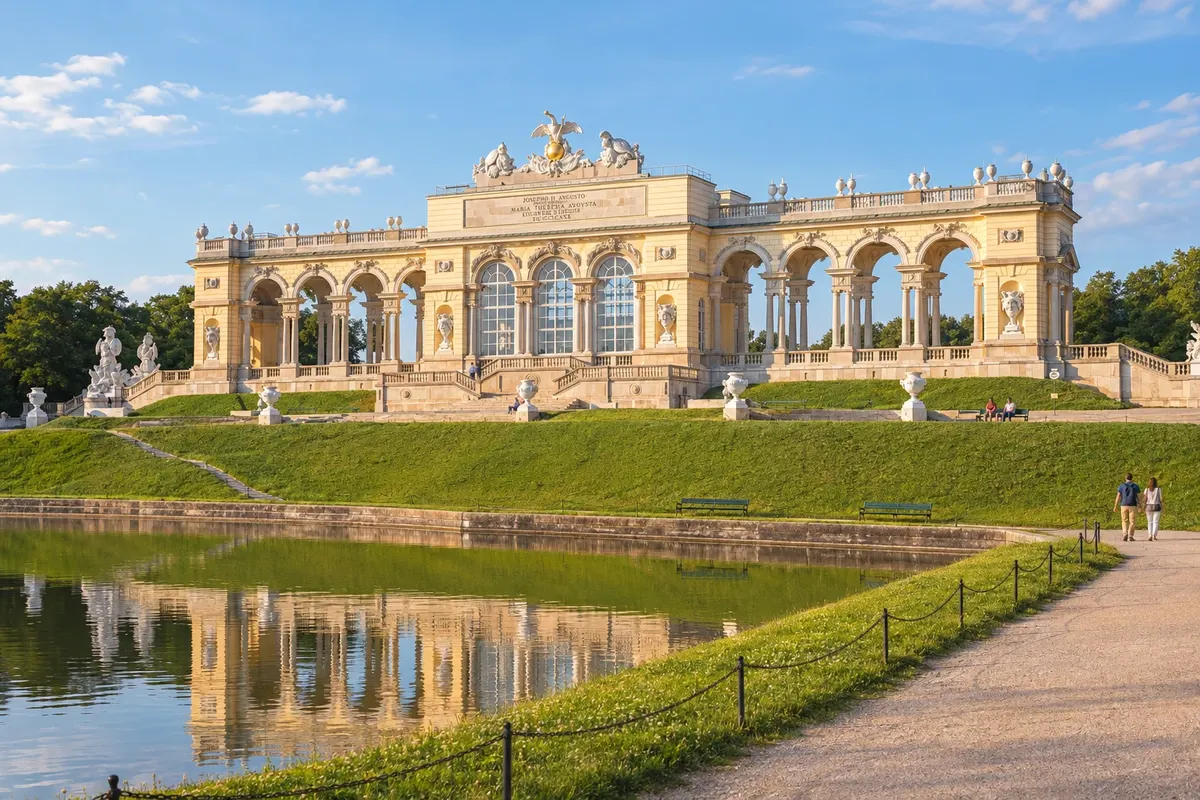
Capital, palaces, museums and historic center; Baden and Carnuntum are full-day excursions.
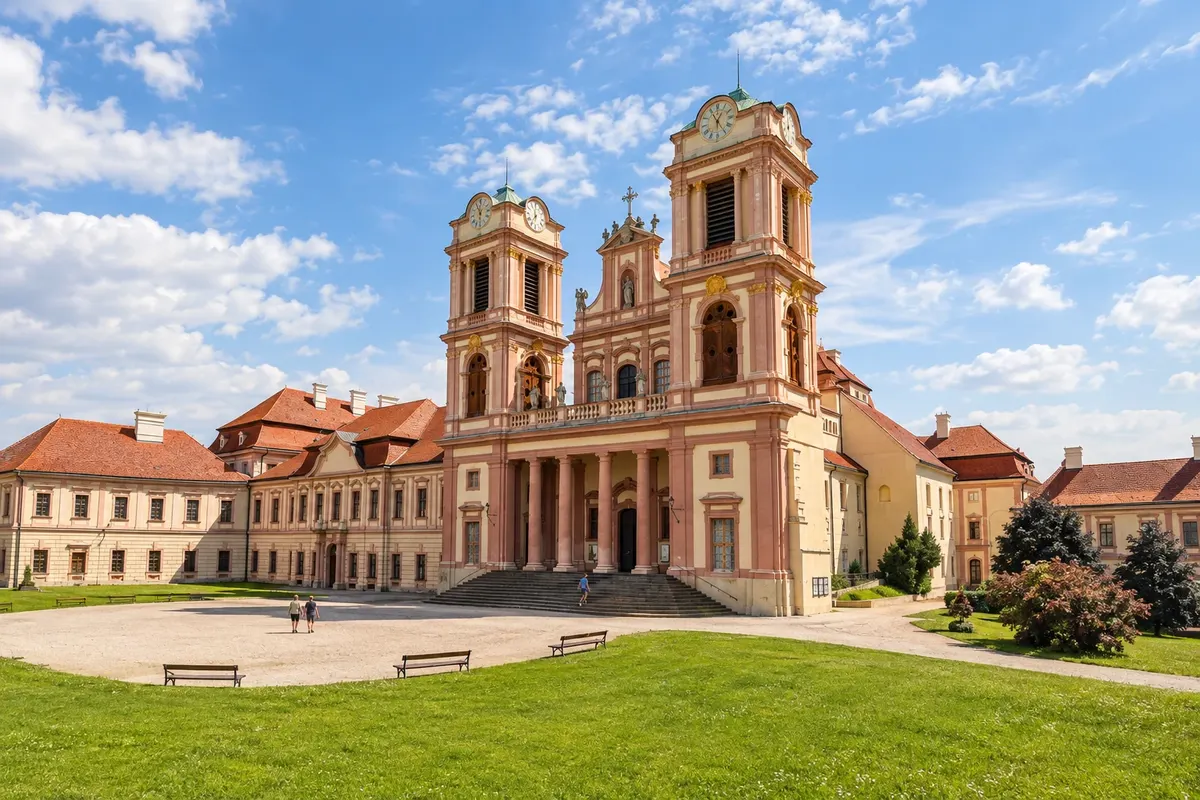
Danube cultural landscape, abbeys and vineyards; small towns gathered in the valley.
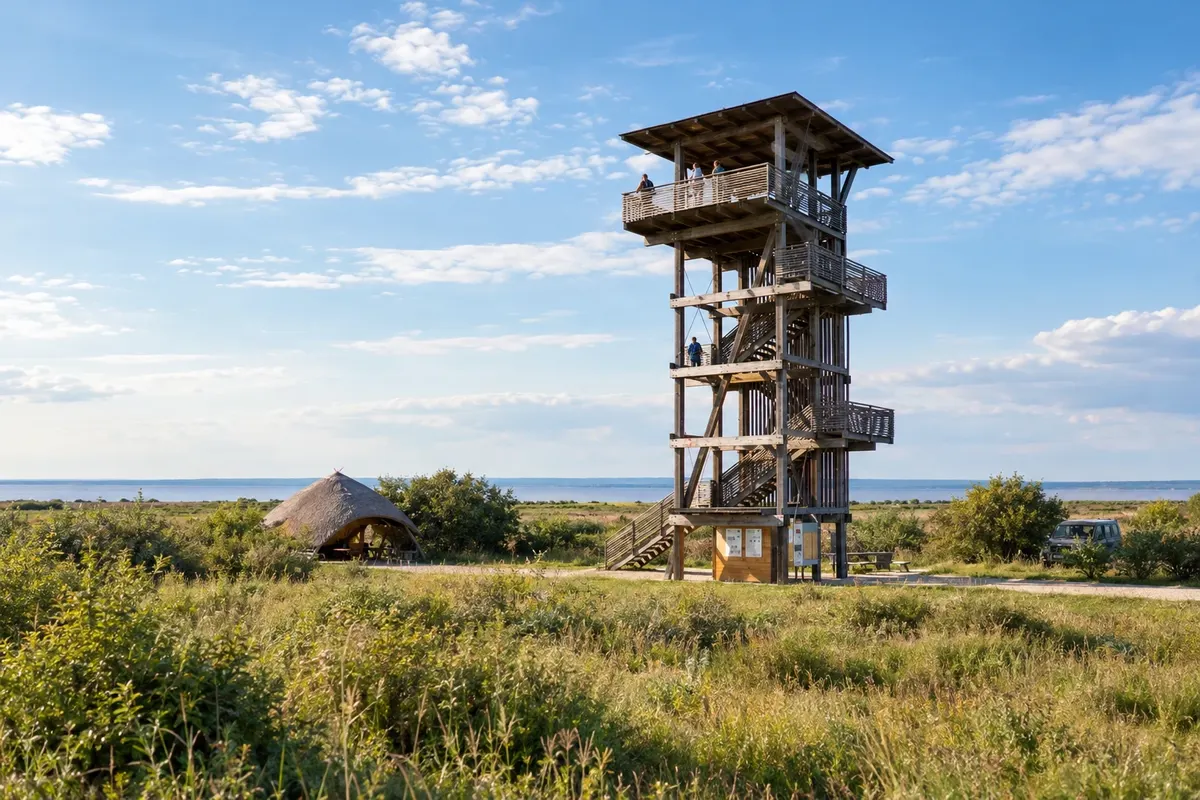
Transboundary cultural landscape of the lake, Esterházy Palace and the history of Haydn.
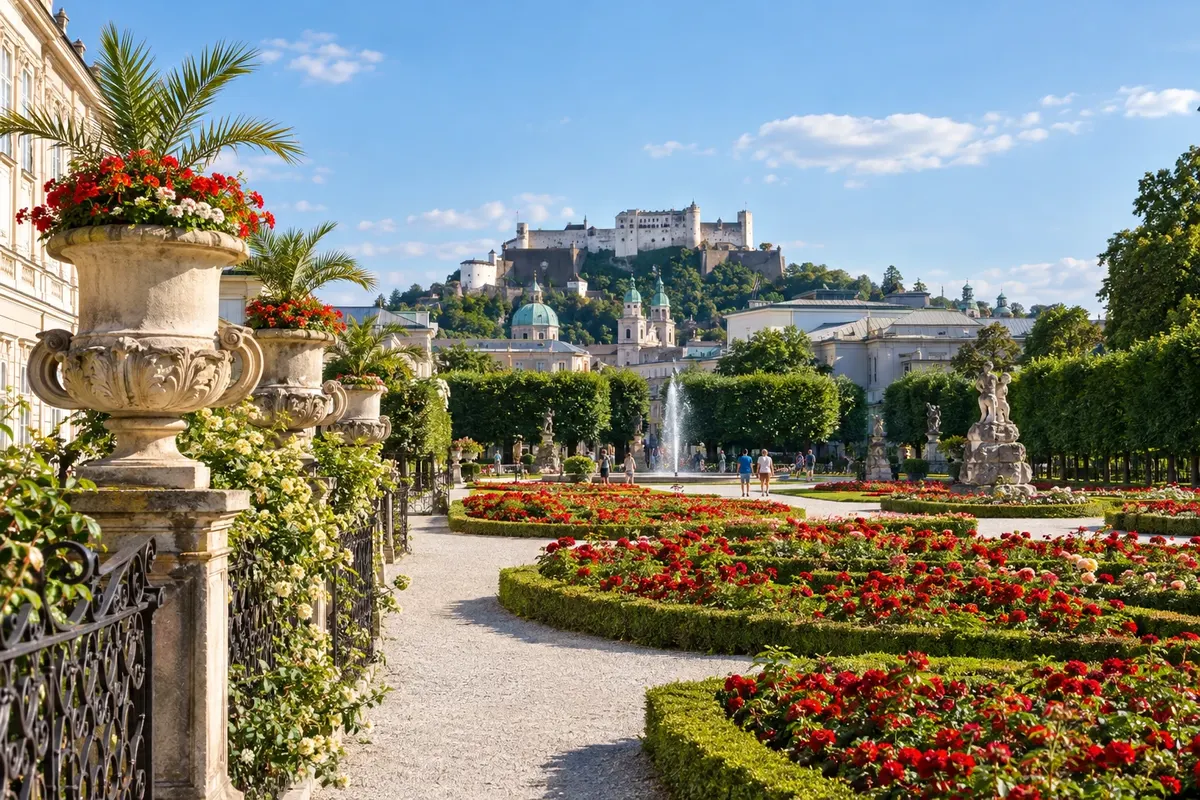
Historic center recognized by UNESCO, fortress and musical heritage.
Things to do in Croatia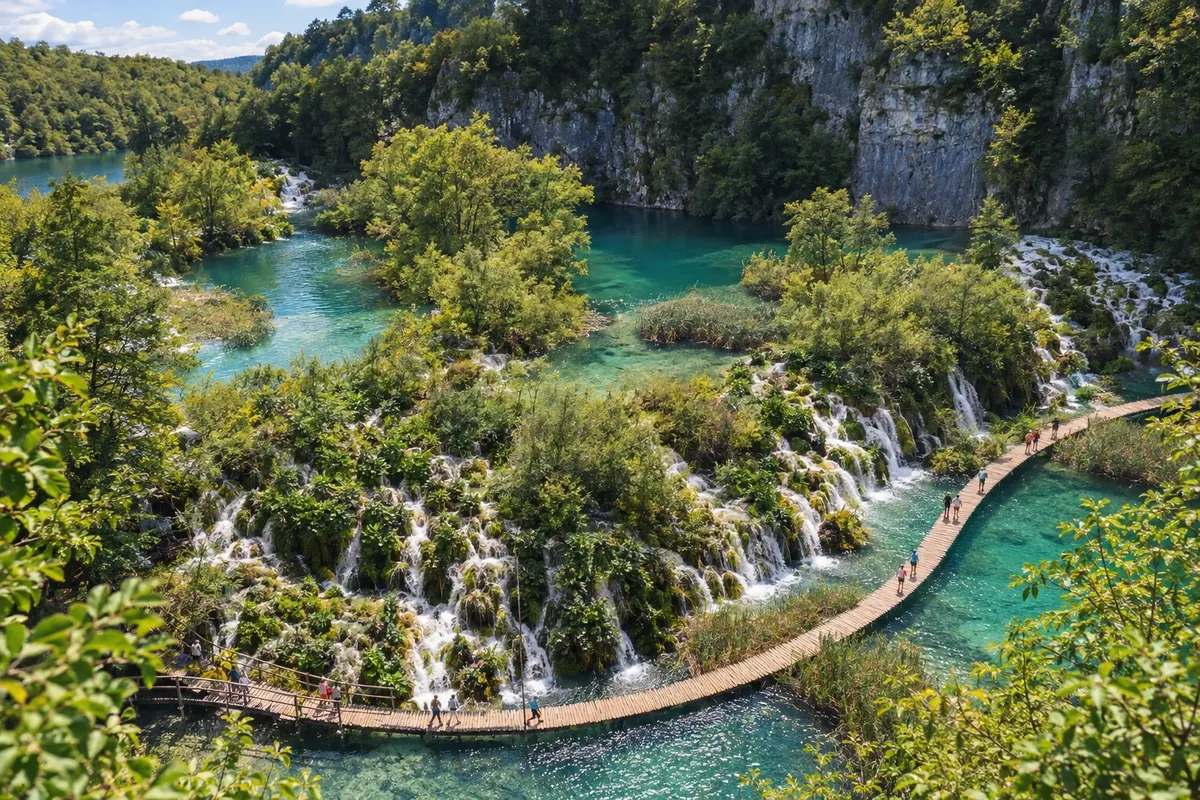
The Croatian capital, the mills of Rastoke and an inland base to visit the Plitvice lakes.
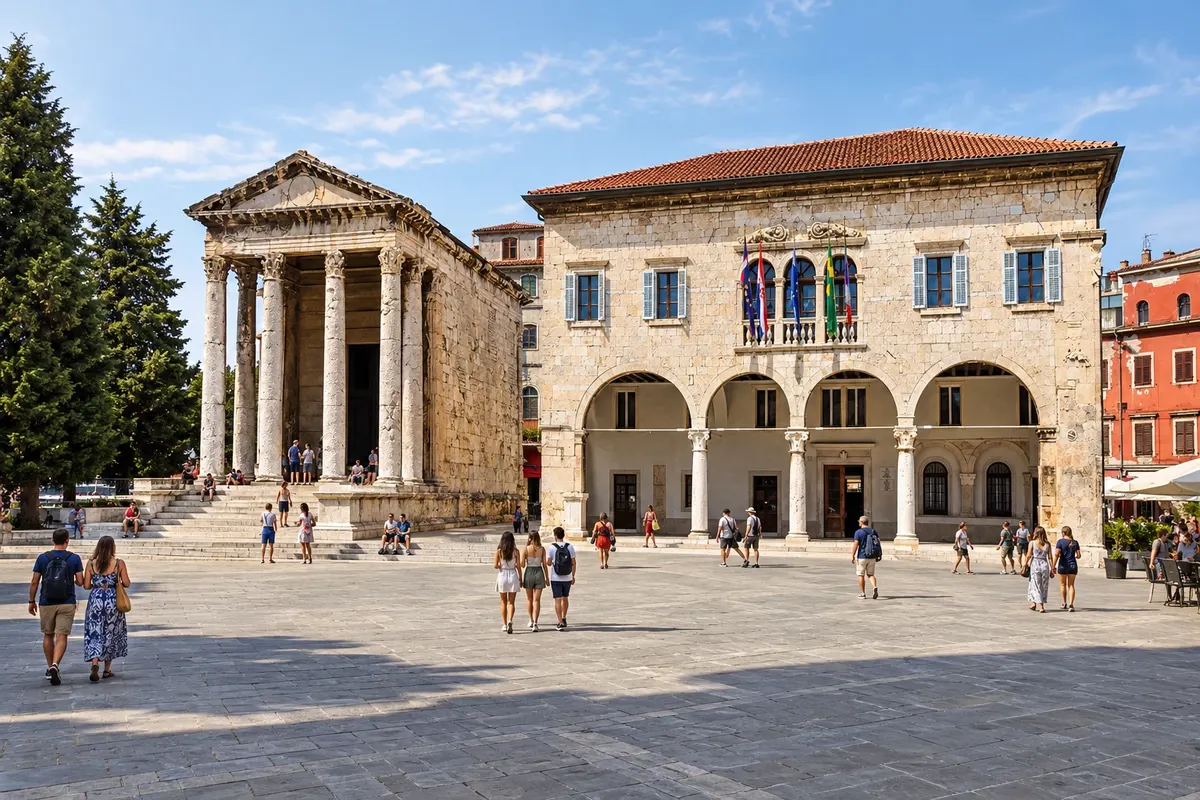
The Roman Arena of Pula, the coastal streets of Rovinj and the mosaics of the Euphrasian Basilica in Poreč.
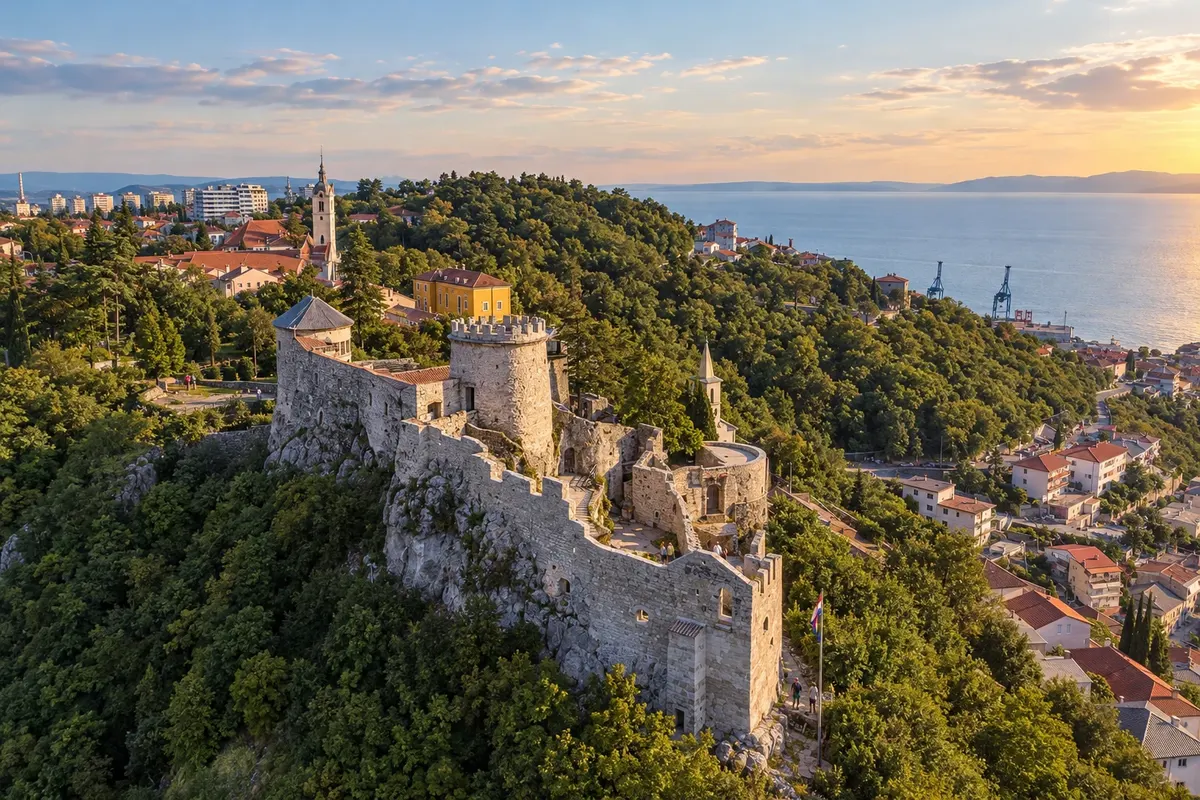
Rijeka and Trsat, the gardens and Lungomare of Opatija, and the historic center of Krk, on an island linked by a bridge.
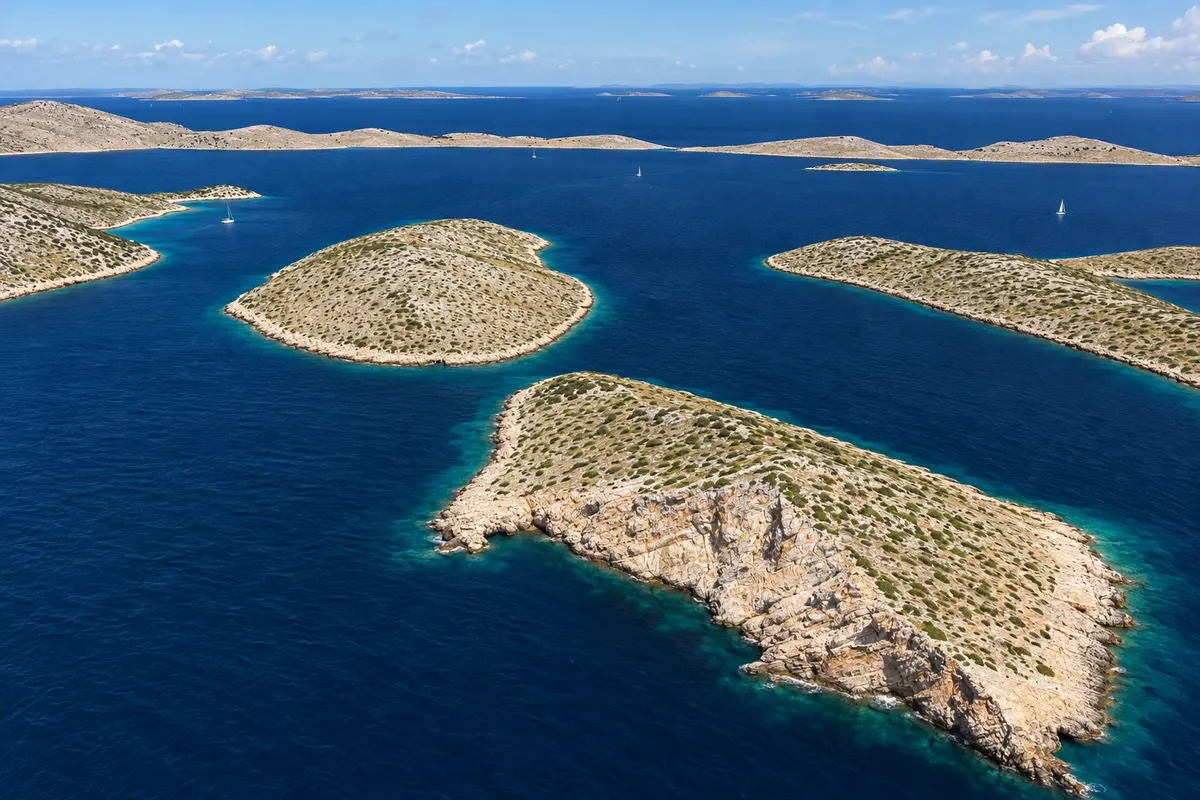
A peninsula with Roman remains, fortifications and the Sea Organ, plus departures to Paklenica and Kornati.
Things to do in Denmark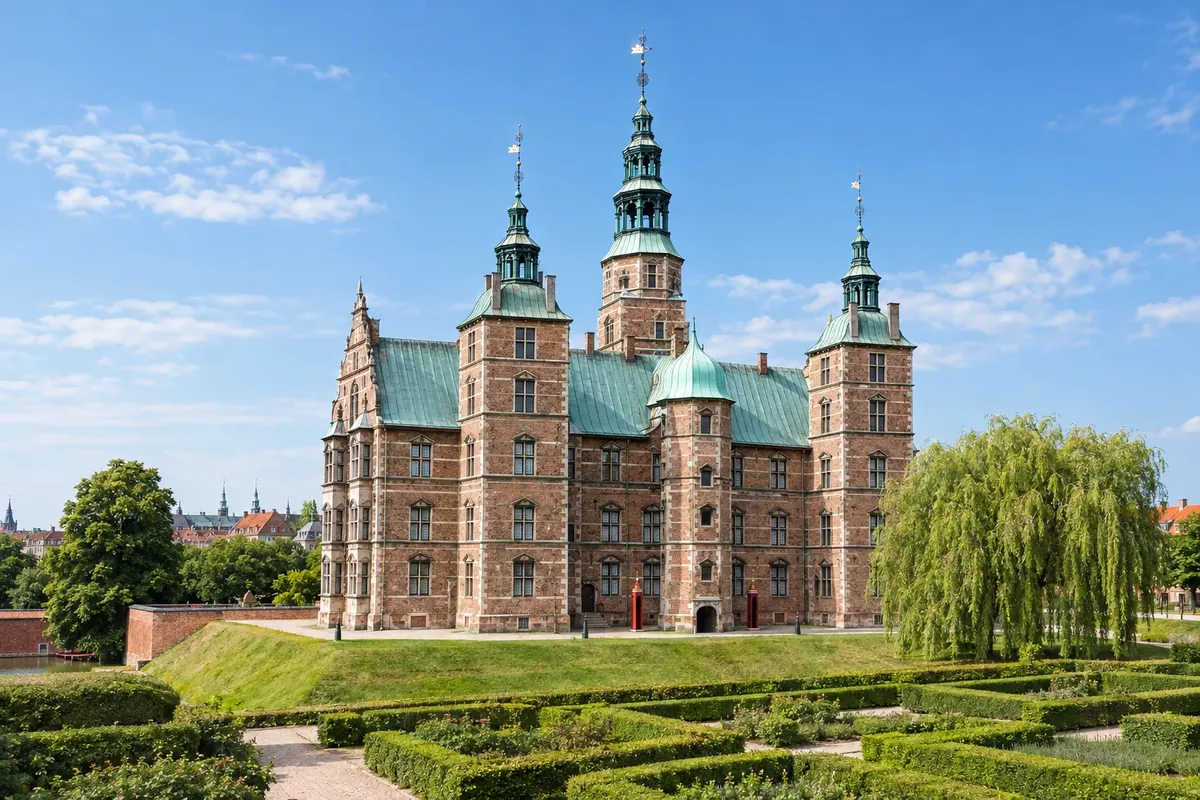
The Danish capital on the shores of the Øresund: the Nyhavn canal, the Tivoli, the royal palaces, art and design museums, the Pequena Sereia and a city best explored by bicycle.
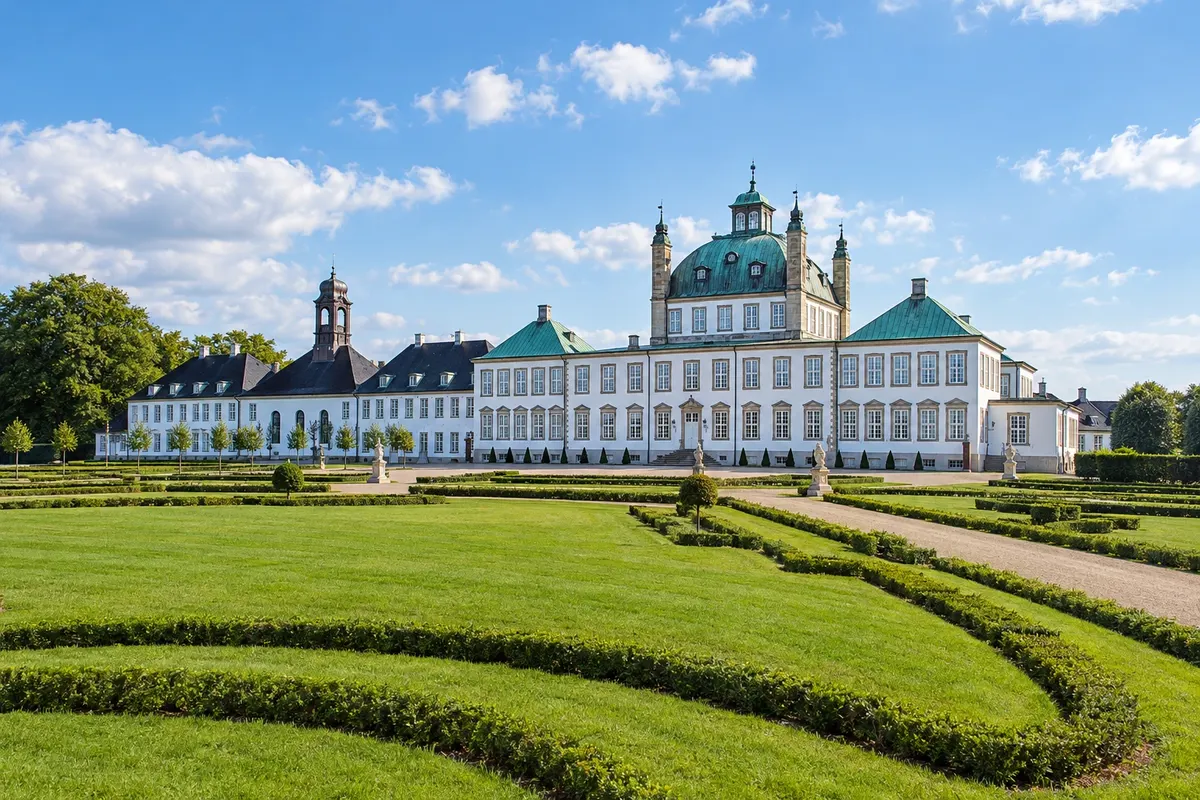
The castles of northern Zealand: Kronborg, Hamlet's castle overlooking the Øresund Strait in Helsingør, and Frederiksborg, the Renaissance palace on a lake in Hillerød.
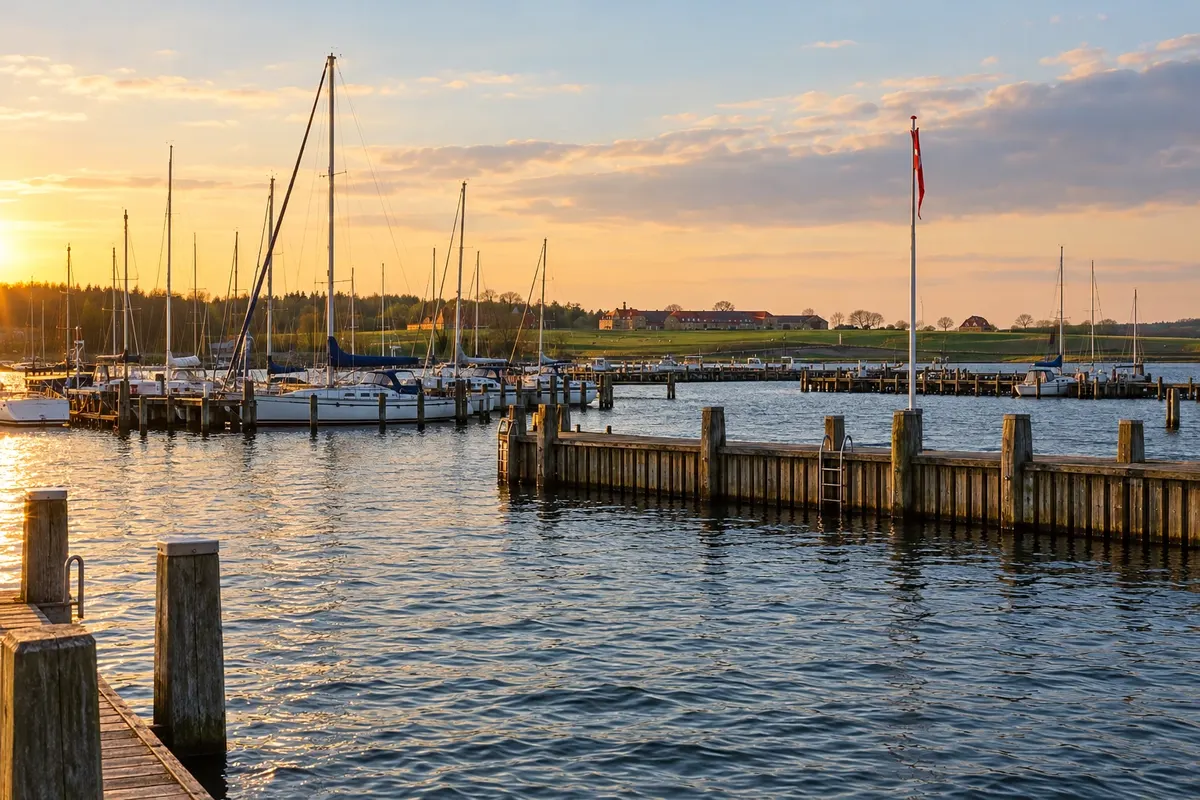
The old royal town at the head of the Roskilde fjord: the Catedral de Roskilde, where the Danish kings are buried, a UNESCO World Heritage Site, and the Museu dos Navios Vikings, 25 minutes by train from Copenhague.
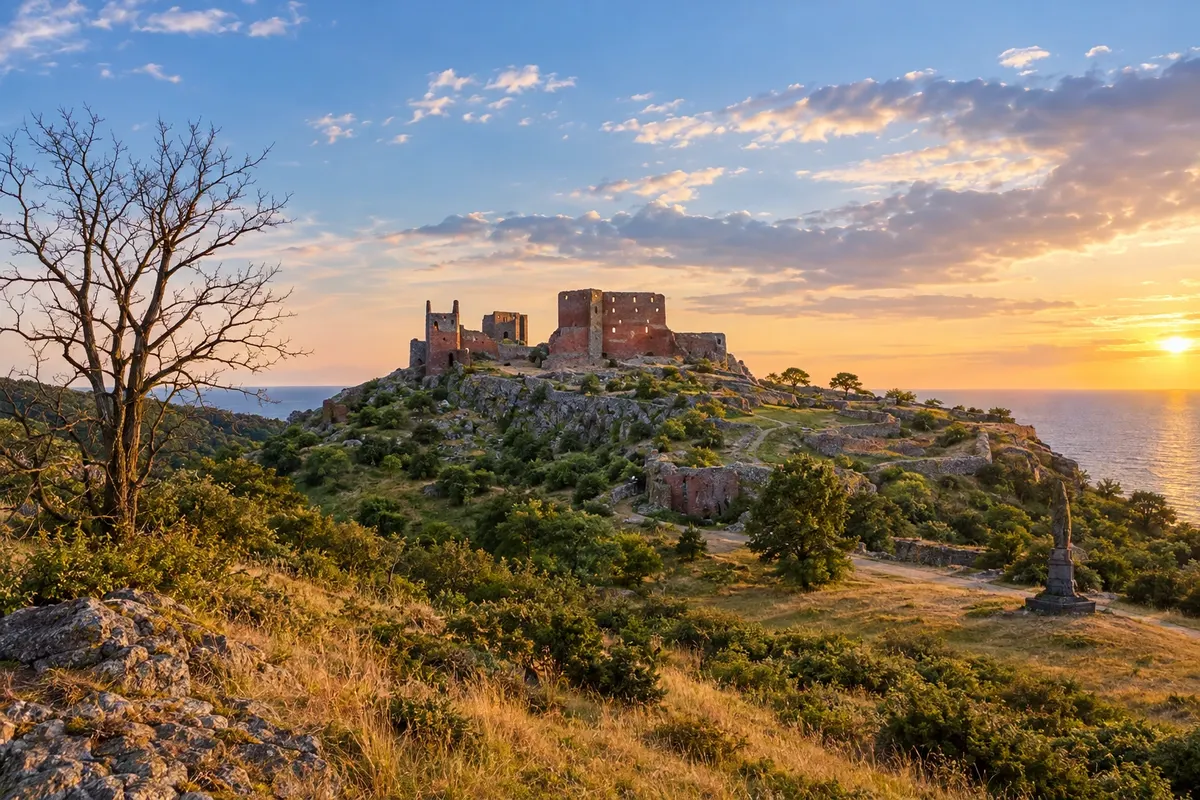
The granite island in the Baltic, east of Copenhague: cliffs on the north coast, the ruins of Hammershus, the round churches, villages with herring smokehouses and the sand of Dueodde.
Things to do in SpainThings to do in Finland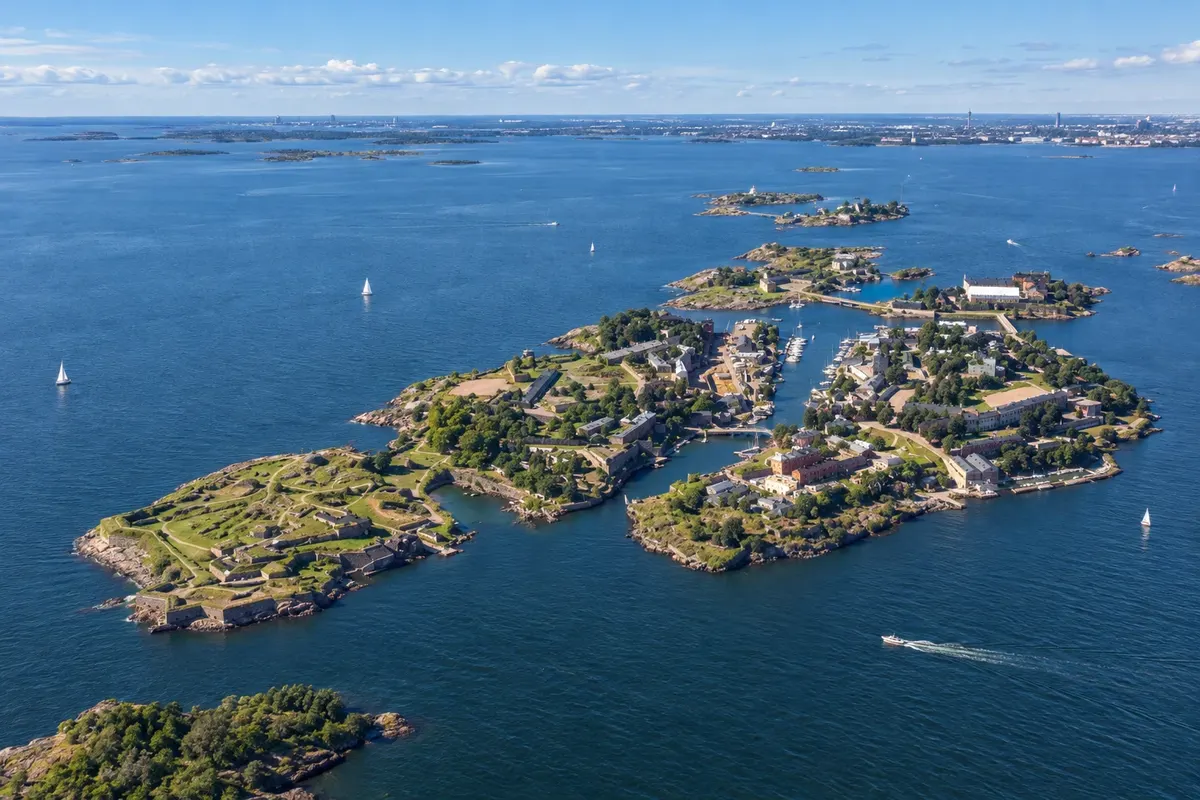
Maritime fortress, churches, museums and Aalto's architecture in a capital linked to the Baltic.
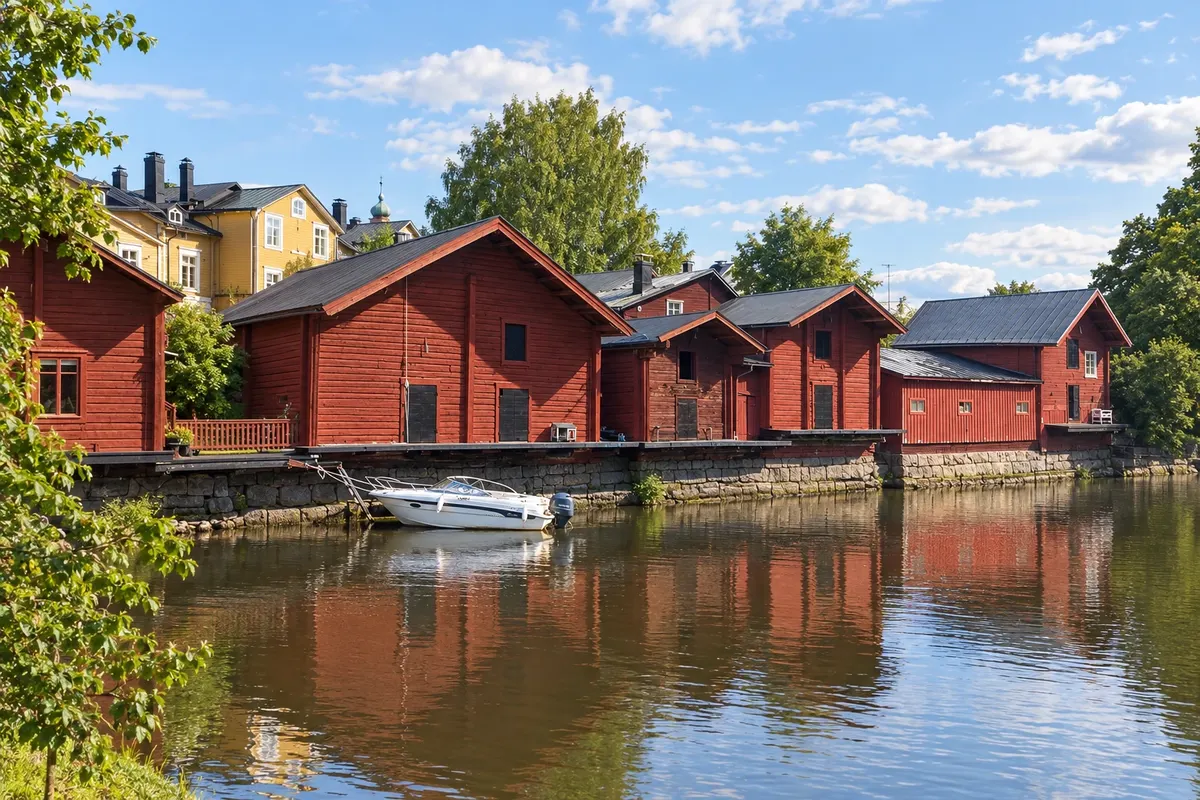
Wooden houses, red warehouses and a medieval cathedral beside the Porvoonjoki river.
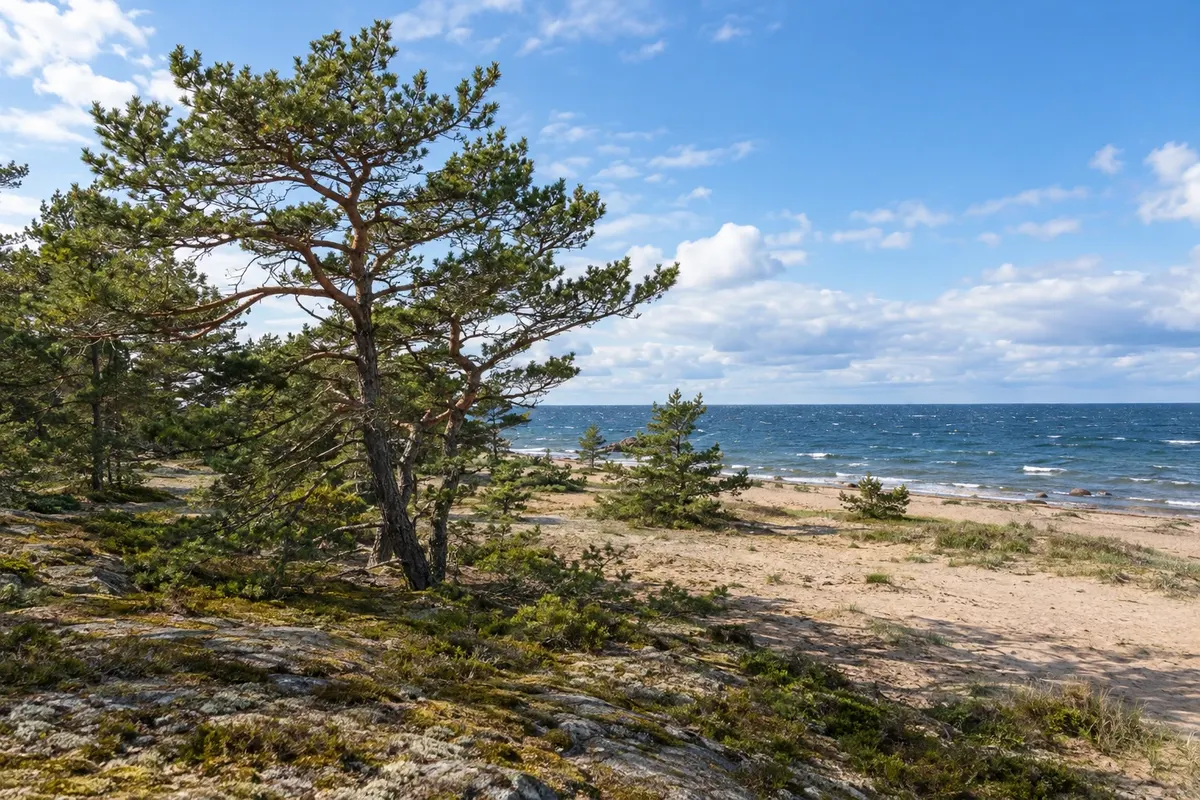
Castle, museums along the Aura, Aalto architecture and departures to the islands of southwest Finland.
Things to do in France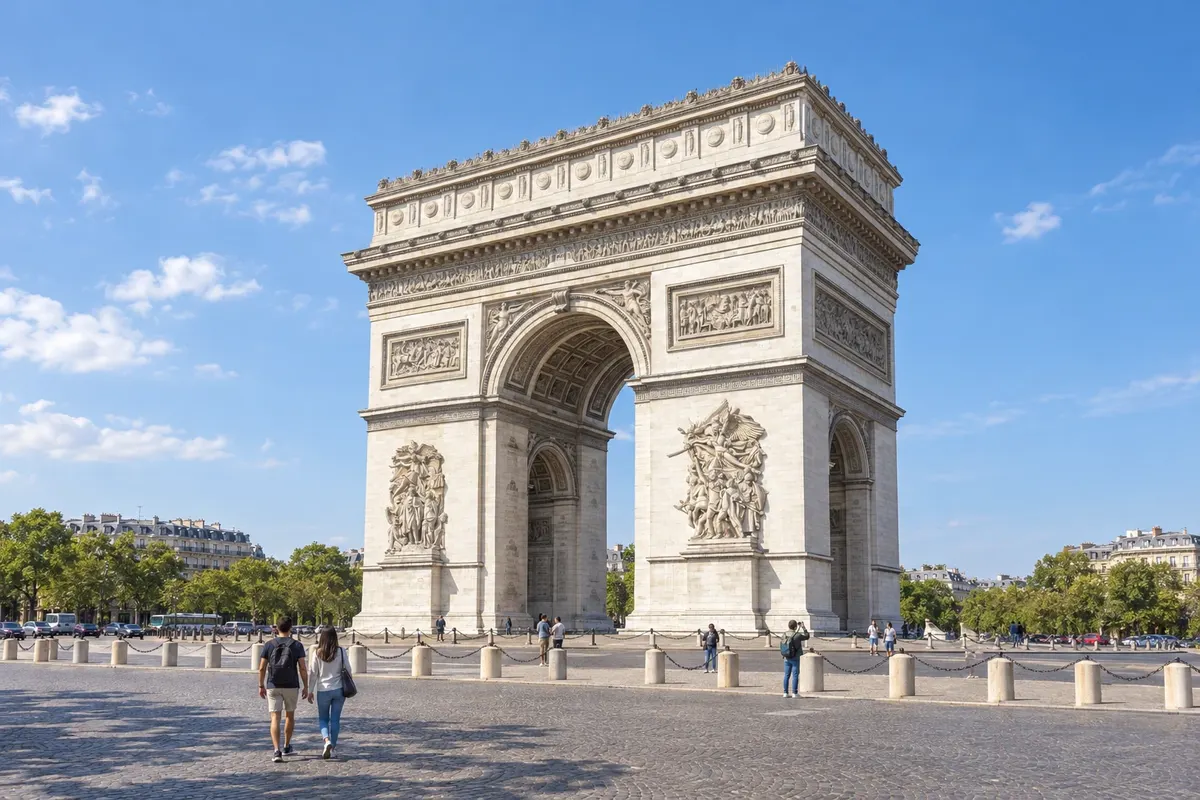
The French capital on the banks of the Seine: museums such as the Louvre and the d'Orsay, the Tour Eiffel, Notre-Dame, neighborhoods like the Marais and Montmartre, and fast trains to the rest of the country.
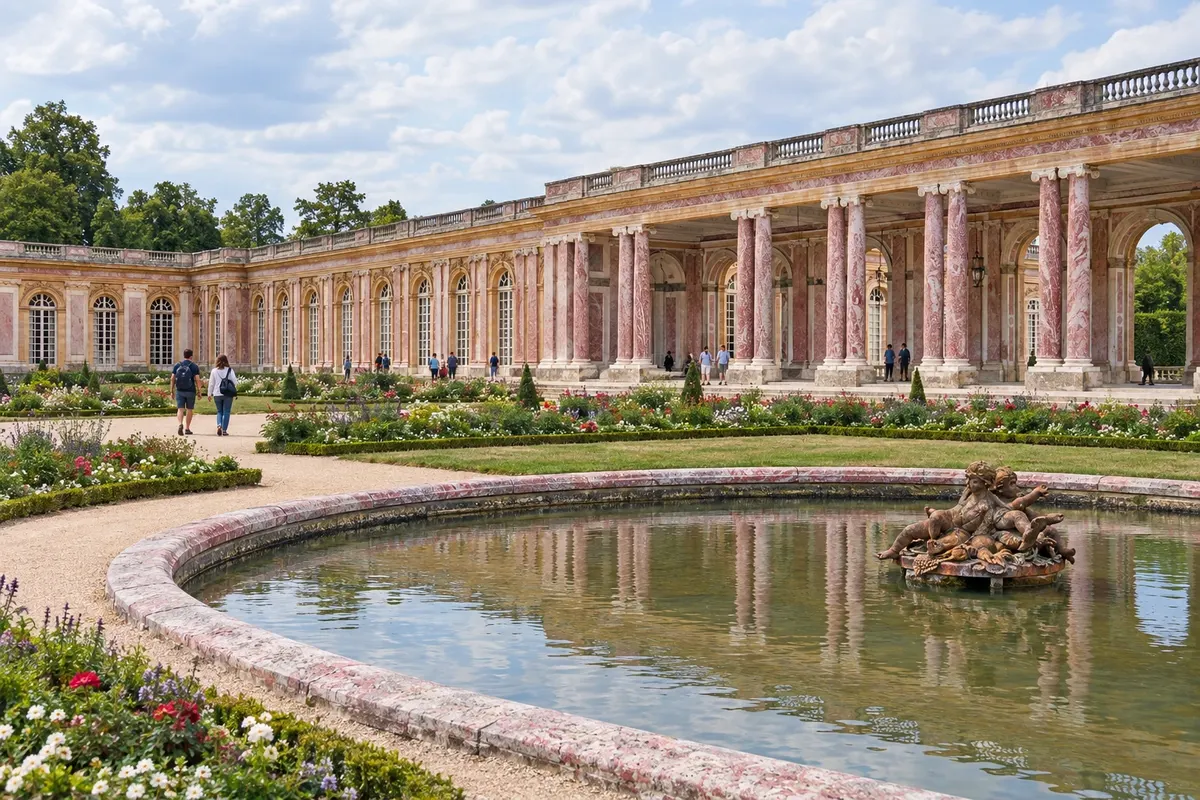
The royal palaces of Versalhes and Fontainebleau, the forest popular with painters and climbers, and the castle of Vaux-le-Vicomte — all less than an hour by train from Paris.
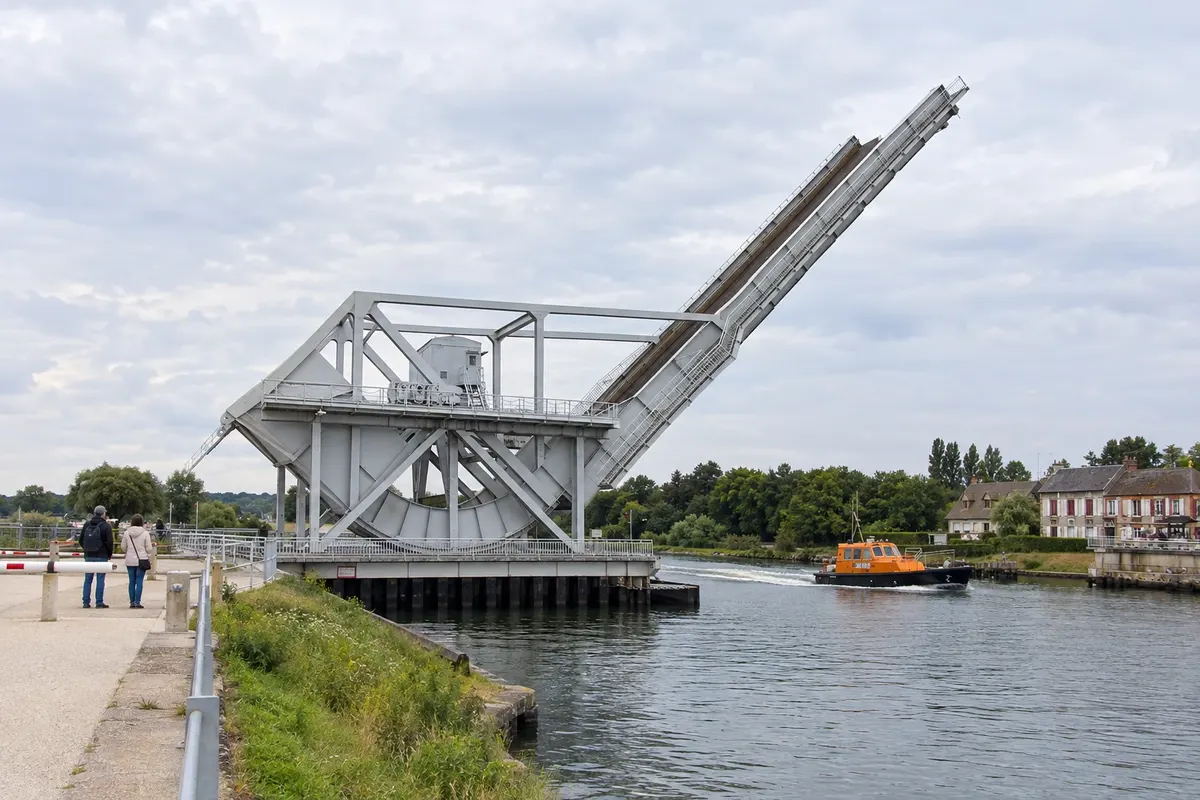
Joan of Arc's Rouen, the port of Honfleur, the D-Day beaches near Bayeux and the abbey of Mont-Saint-Michel, ringed by the tides.
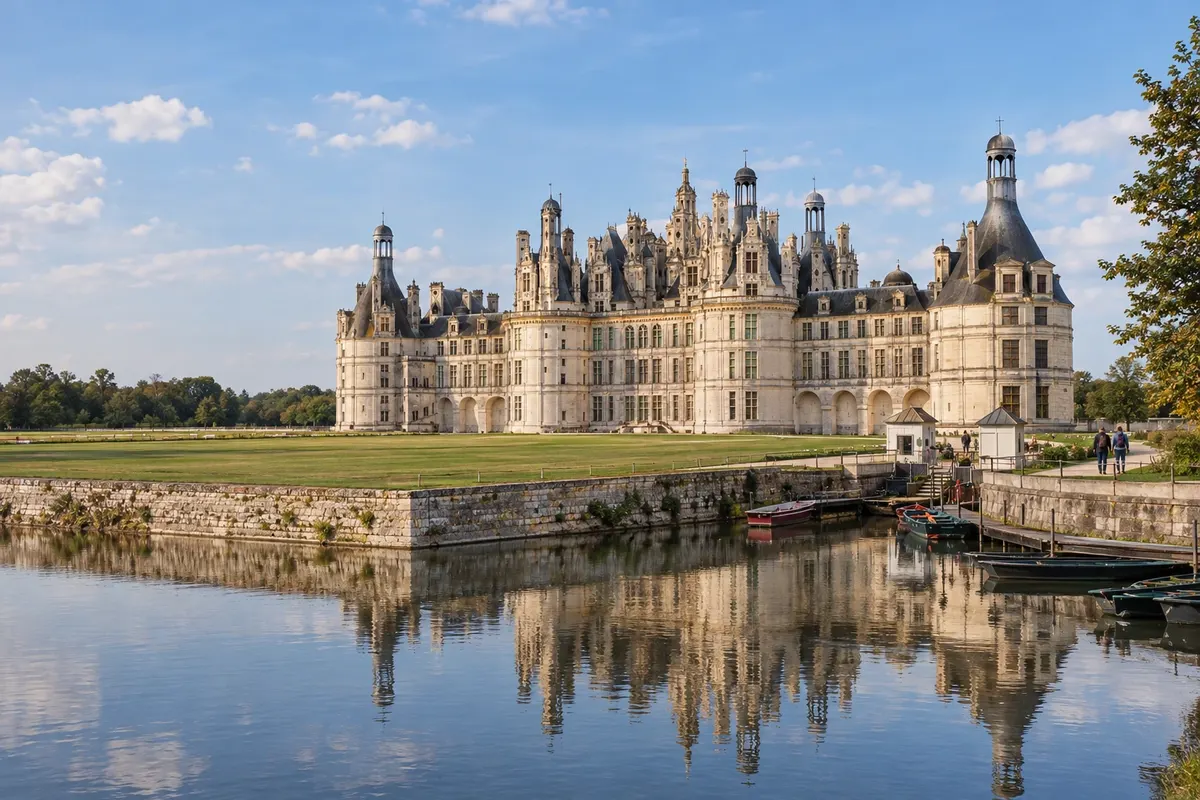
Renaissance castles along the Loire and its tributaries, based in Tours, Amboise and Blois, with a direct train from Paris.
Things to do in Greece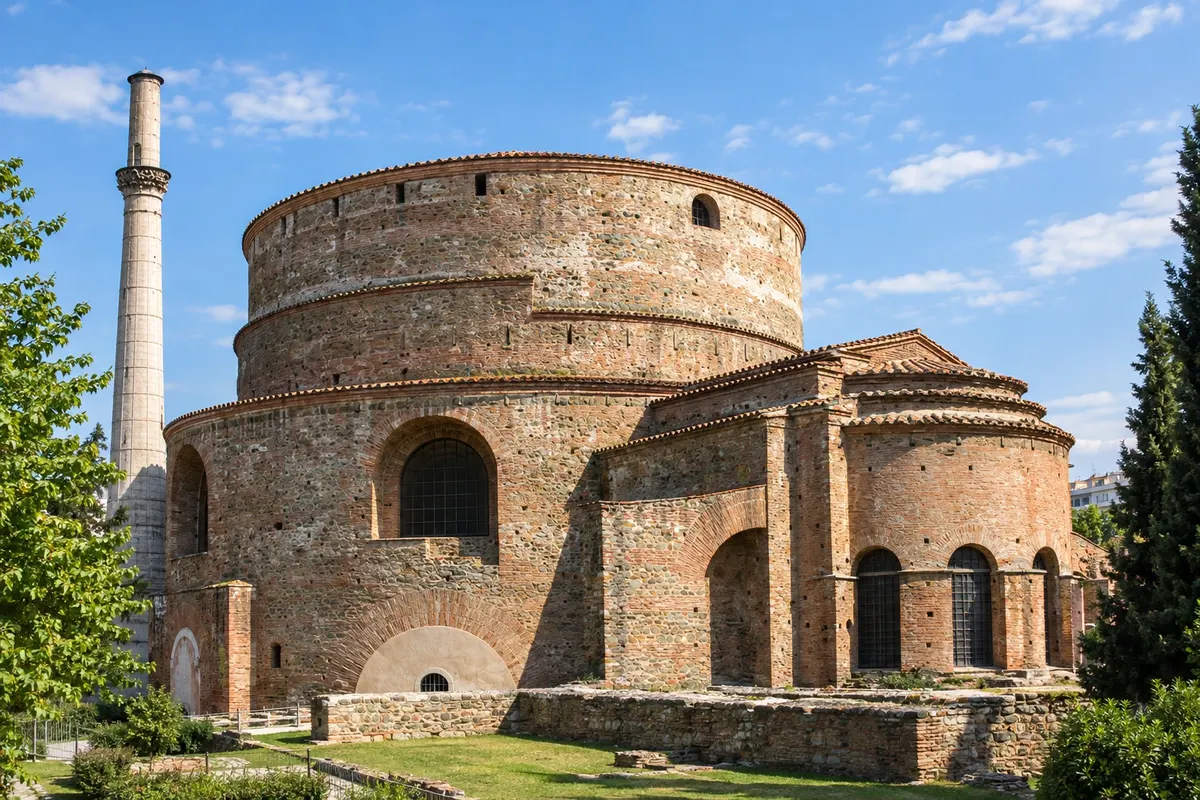
The second city of Greece, on the bay of Termaico: Torre Branca, Byzantine churches listed by UNESCO, markets, the long waterfront and, an hour by car, the royal tombs of Macedonia.
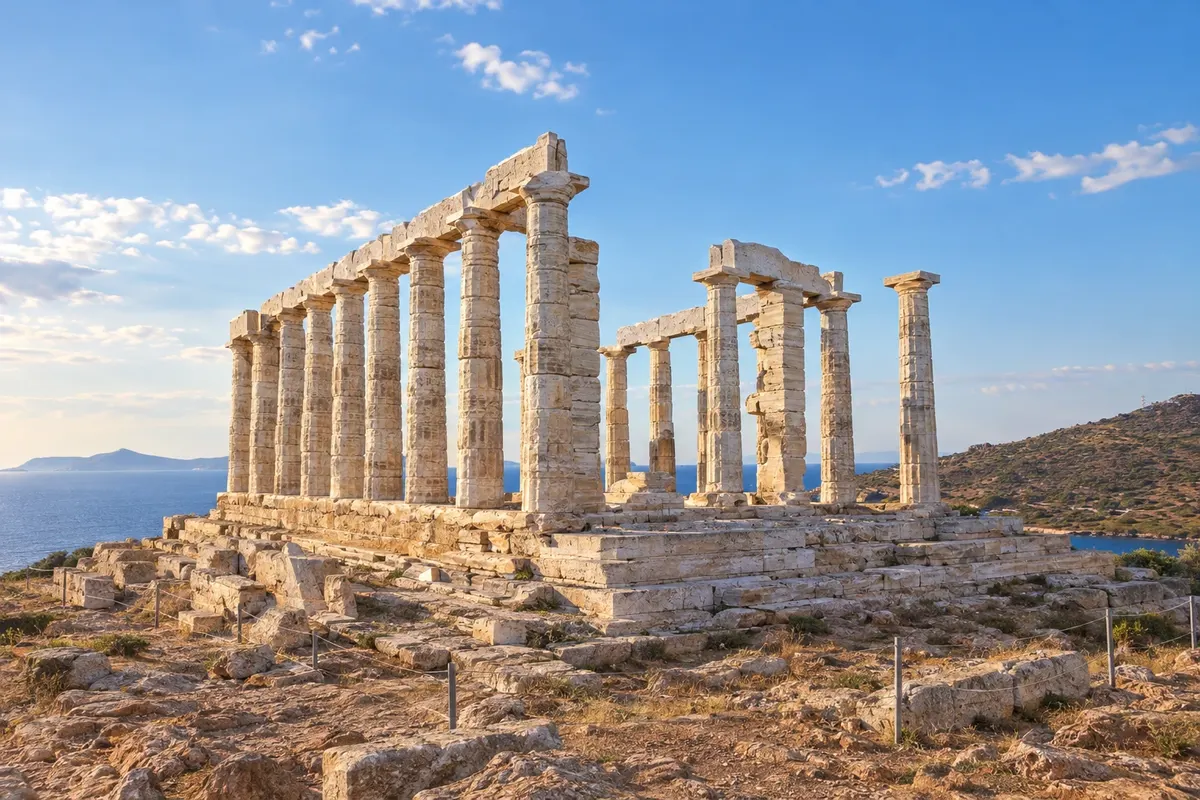
The Acrópole and the Partenon, the ancient agoras, top-tier museums, neighborhoods of narrow streets beneath the rock, and the changing of the guard at Syntagma square: the Greek capital is the gateway to the country.
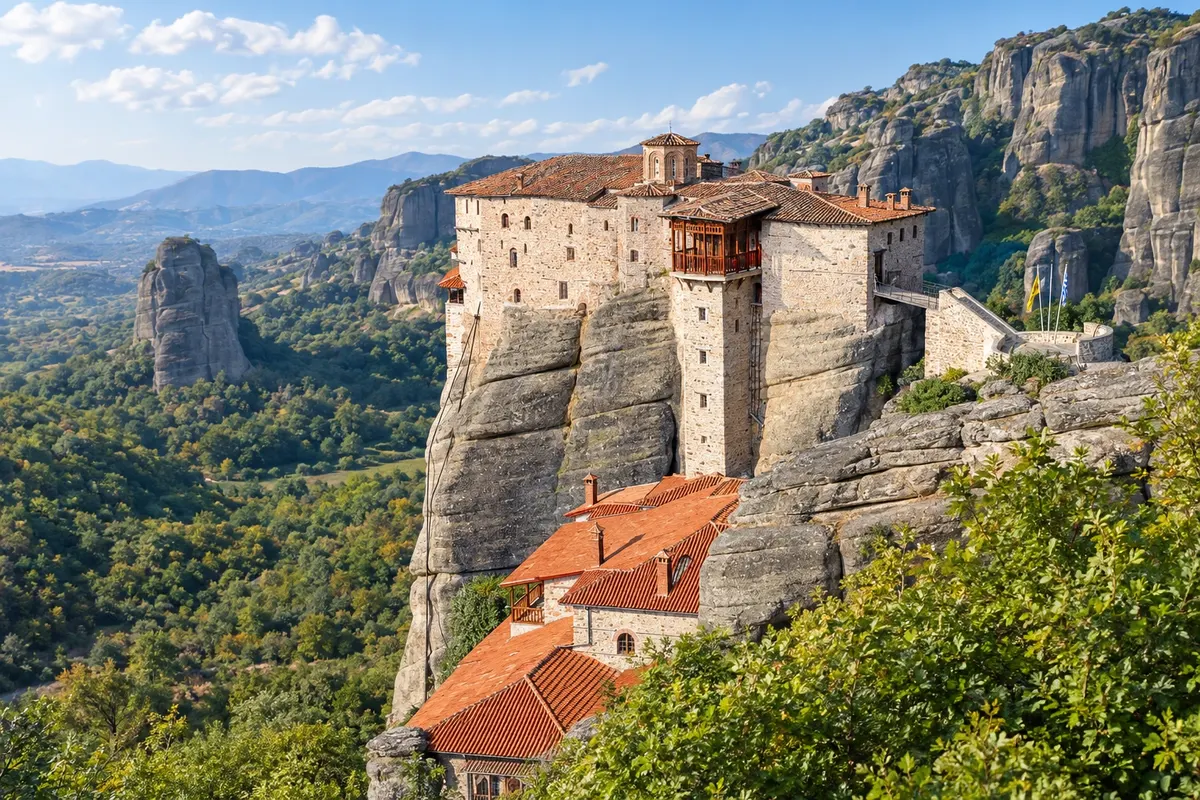
Six Orthodox monasteries atop rock towers in Tessália, a World Heritage Site: stairways carved into the rock, 16th‑century frescoes and ancient trails between Kalambaka and Kastraki.
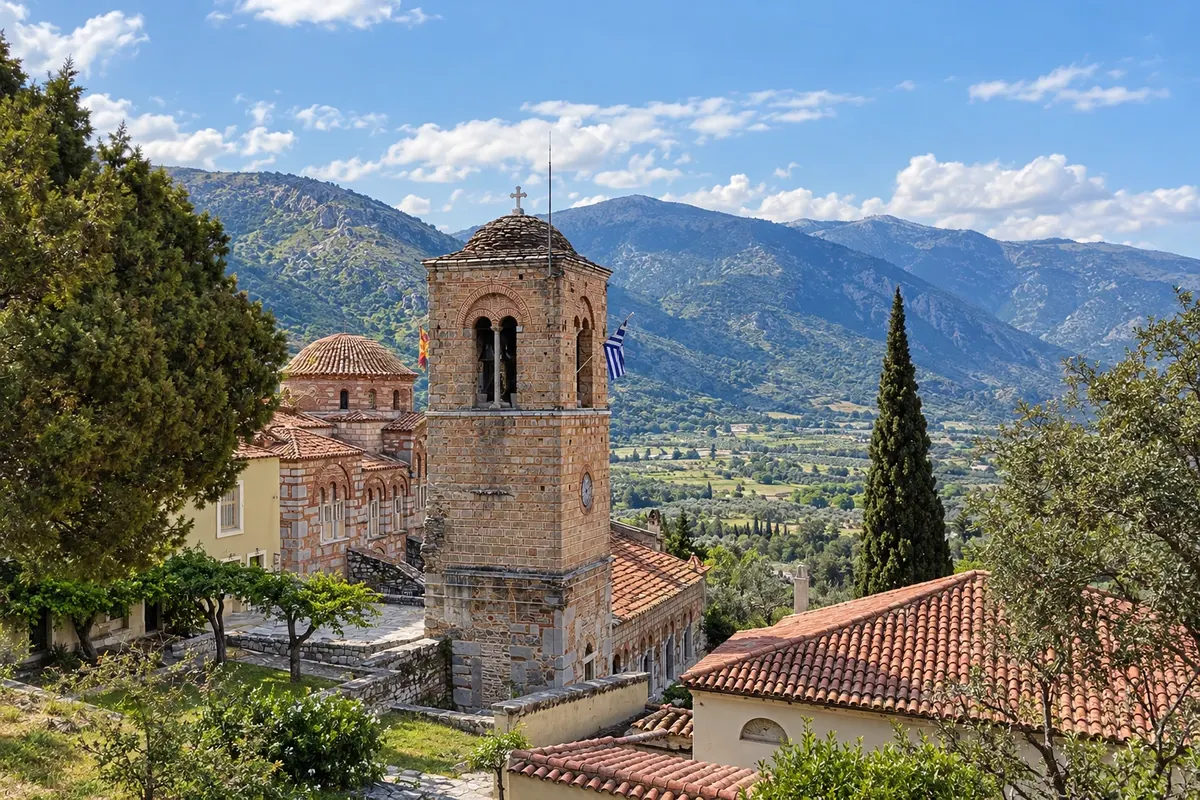
The sanctuary of Apollo and the most famous oracle of Antiquity, on the slope of Parnaso: temple, theater, stadium, the museum with the Auriga and, around it, the mountain village of Arachova and the golfo de Corinto.
Things to do in the Netherlands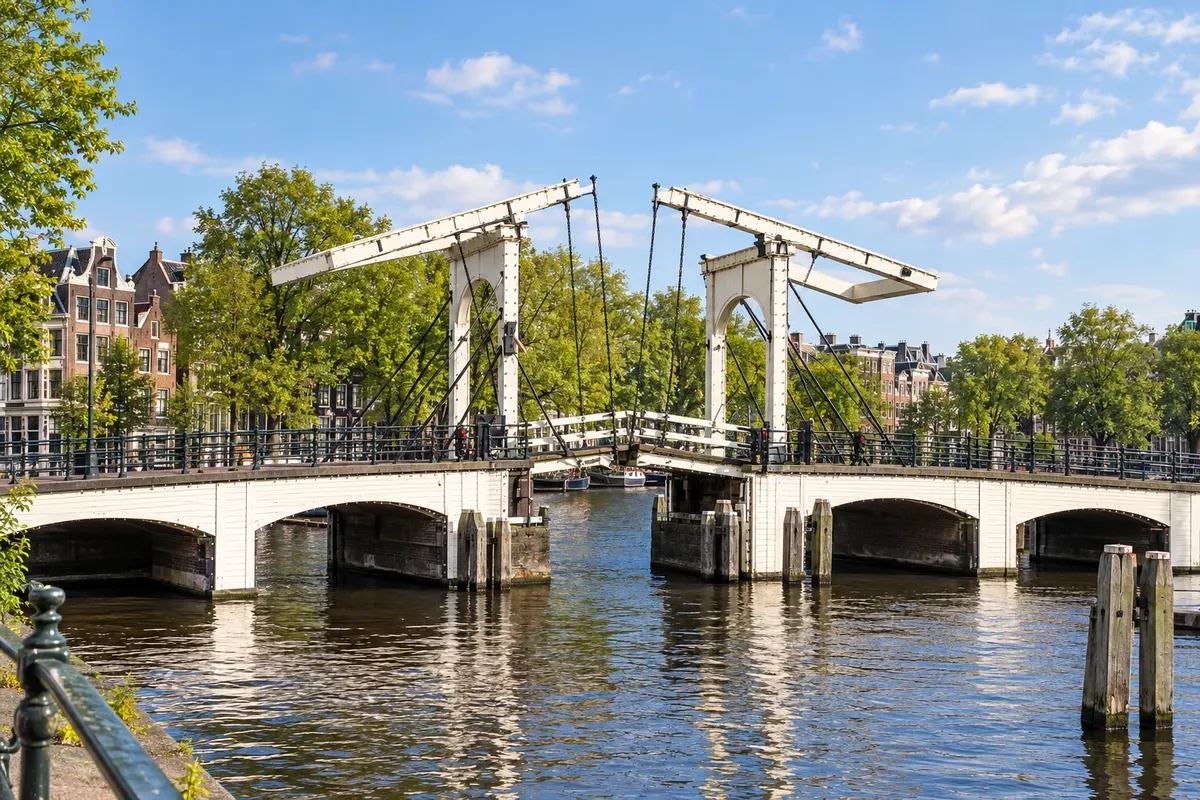
17th-century canals, the museums of Rembrandt, Vermeer and Van Gogh, the house of Anne Frank and a whole city that moves by bicycle.
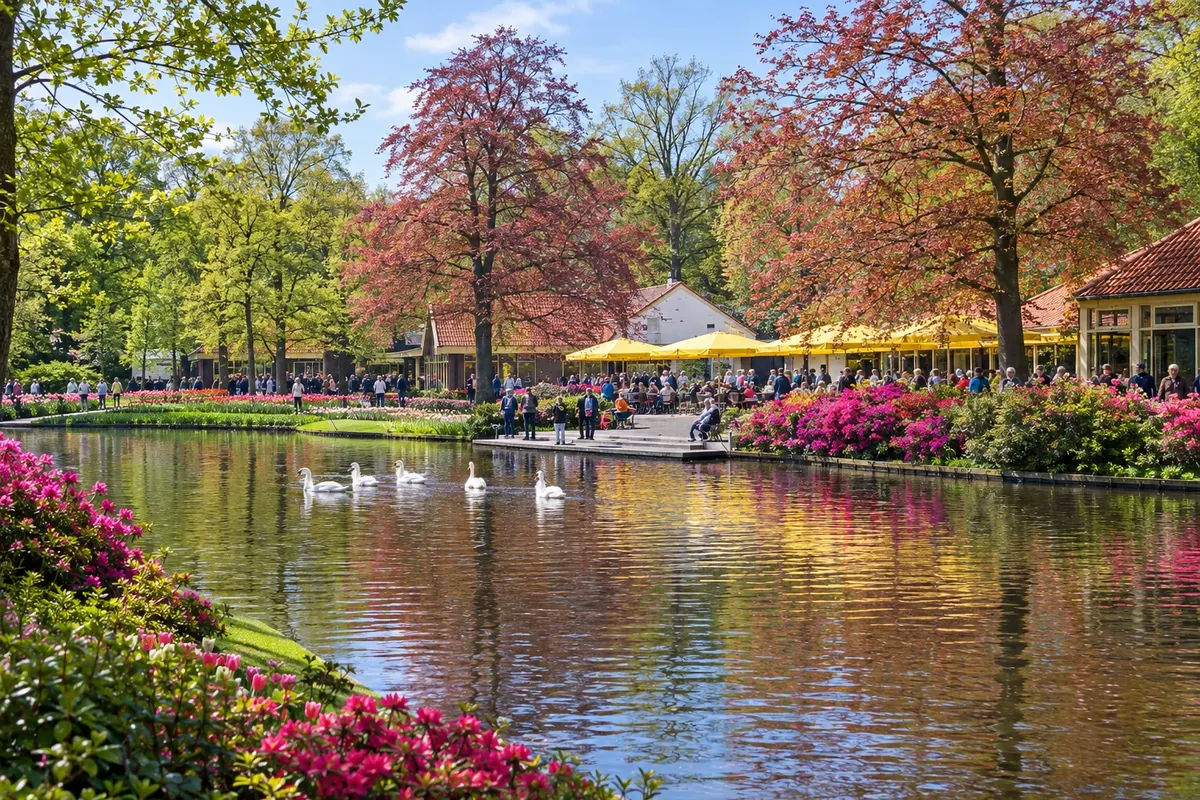
Haarlem, Zaandam and Volendam are minutes from Amsterdã: a Gothic church and museums, the mills of Zaanse Schans and fishing villages on the shore of the Markermeer.
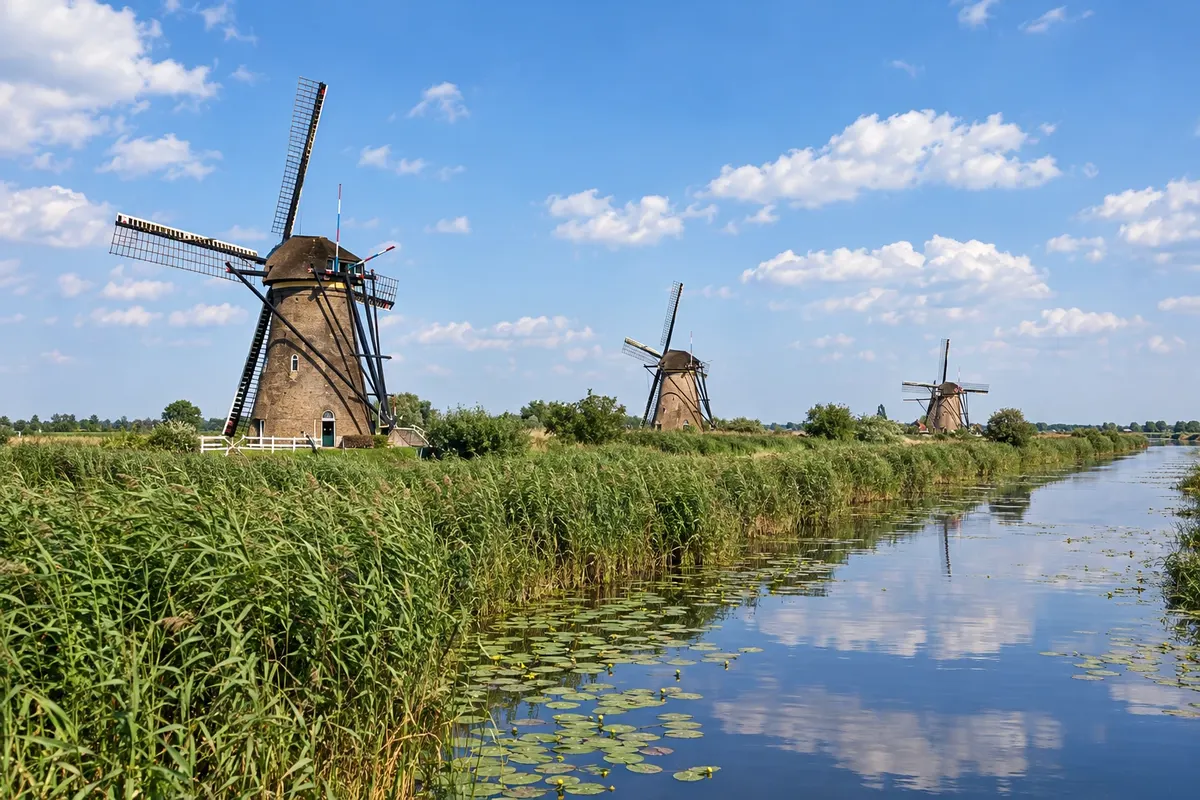
Roterdã, the largest port in Europe, rebuilt with modern architecture after 1940, and the 19 windmills of Kinderdijk, a World Heritage Site, reachable by a boat trip.
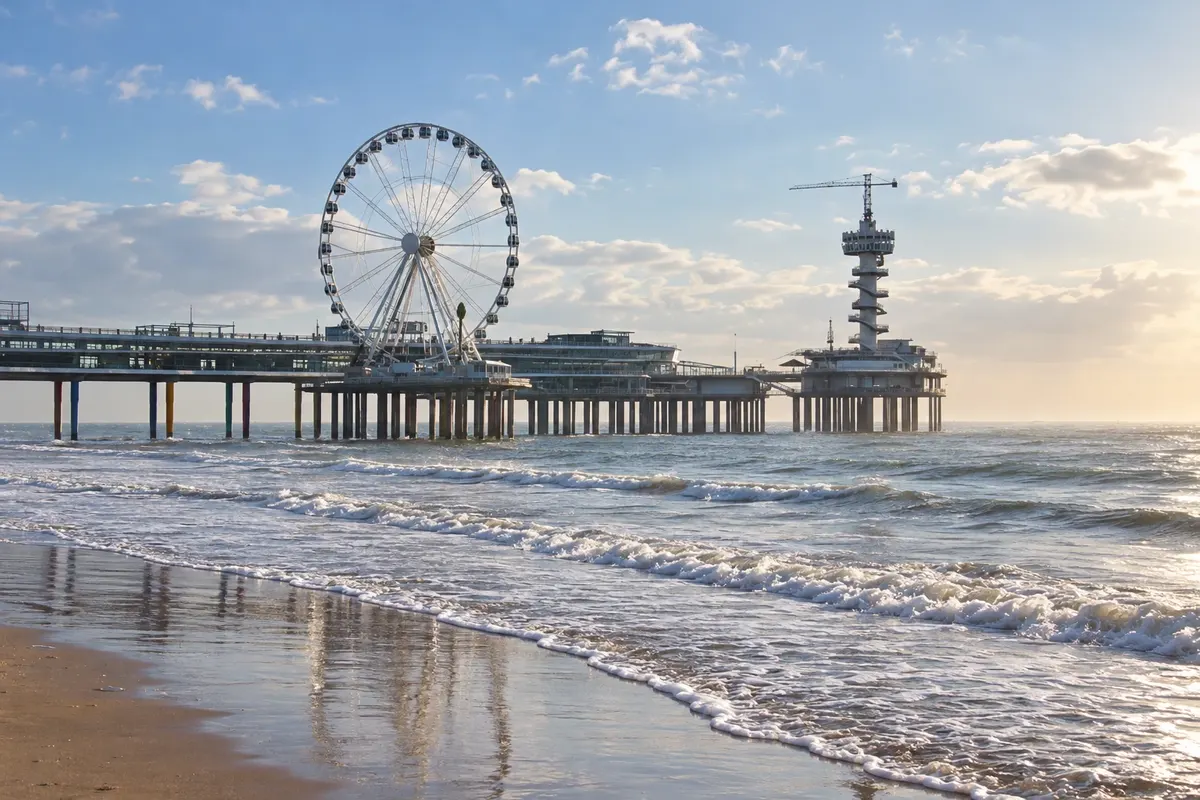
The seat of government and of the king, with Vermeer museums, international courts and a beach on the Mar do Norte, and next to it Delft, the city of blue-and-white pottery.
Things to do in Hungary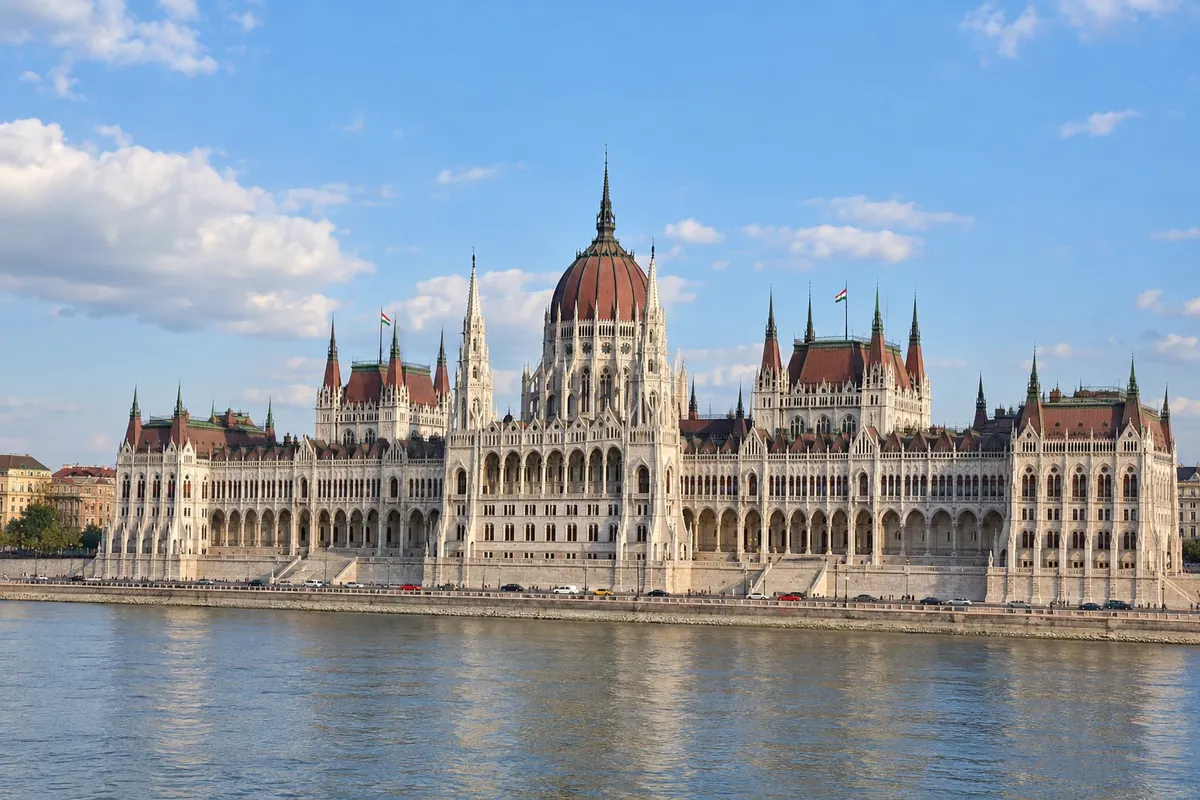
Danube, Buda viewpoints, Pest museums and thermal baths in the Hungarian capital.
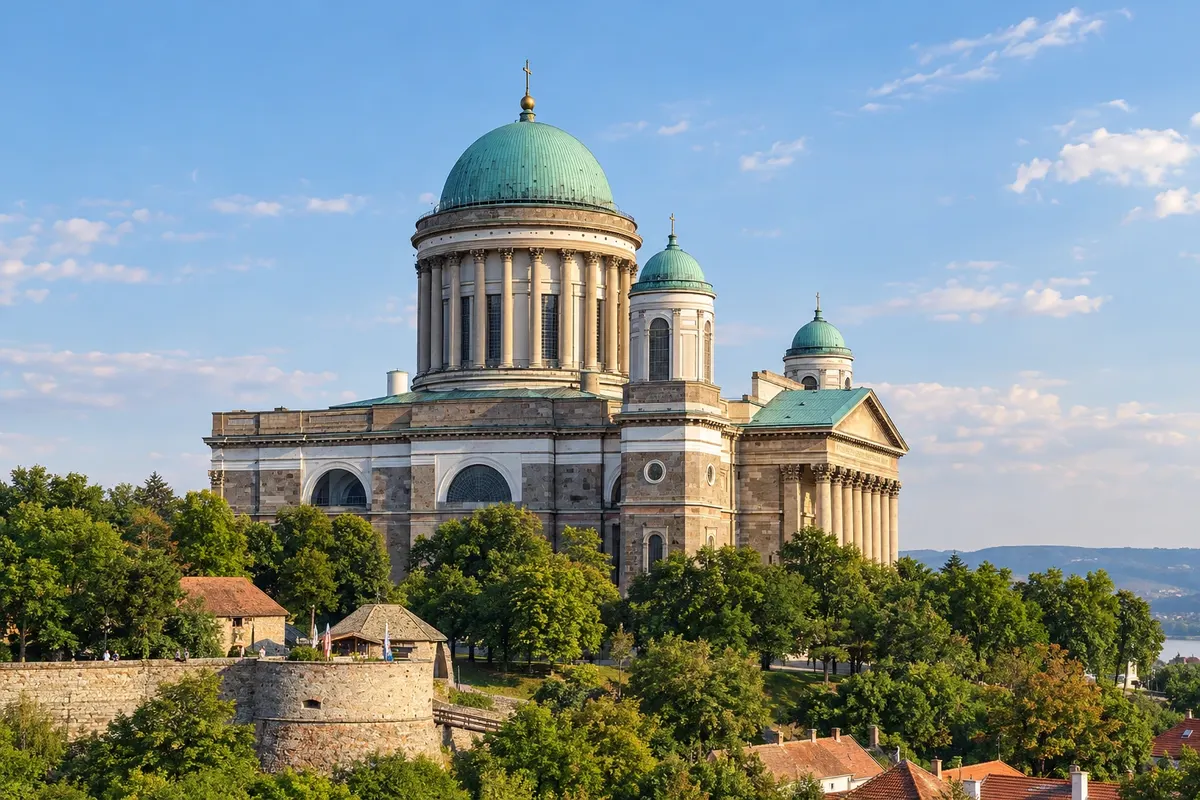
Szentendre, Visegrád and Esztergom amid cobbled streets, a citadel and the Danube bank.
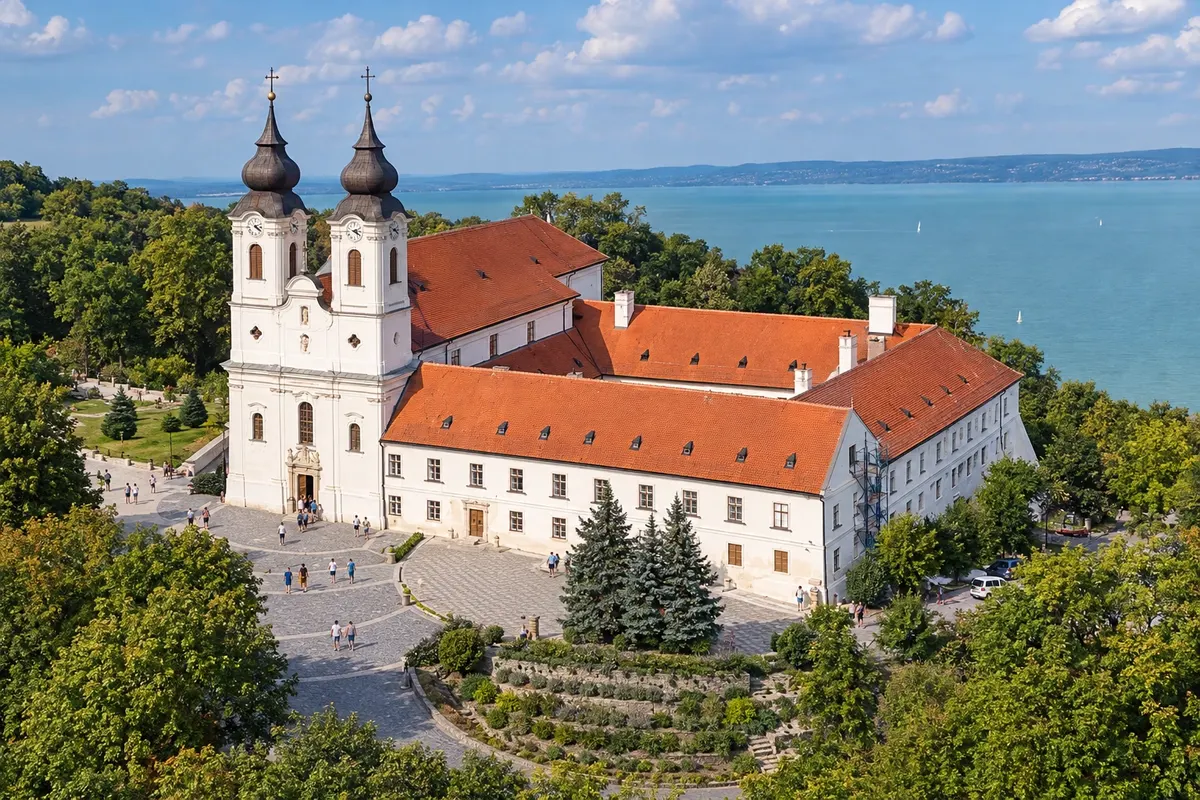
Balatonfüred waterfronts, Tihany abbey, Keszthely palace and thermal water in Hévíz.
Things to do in Ireland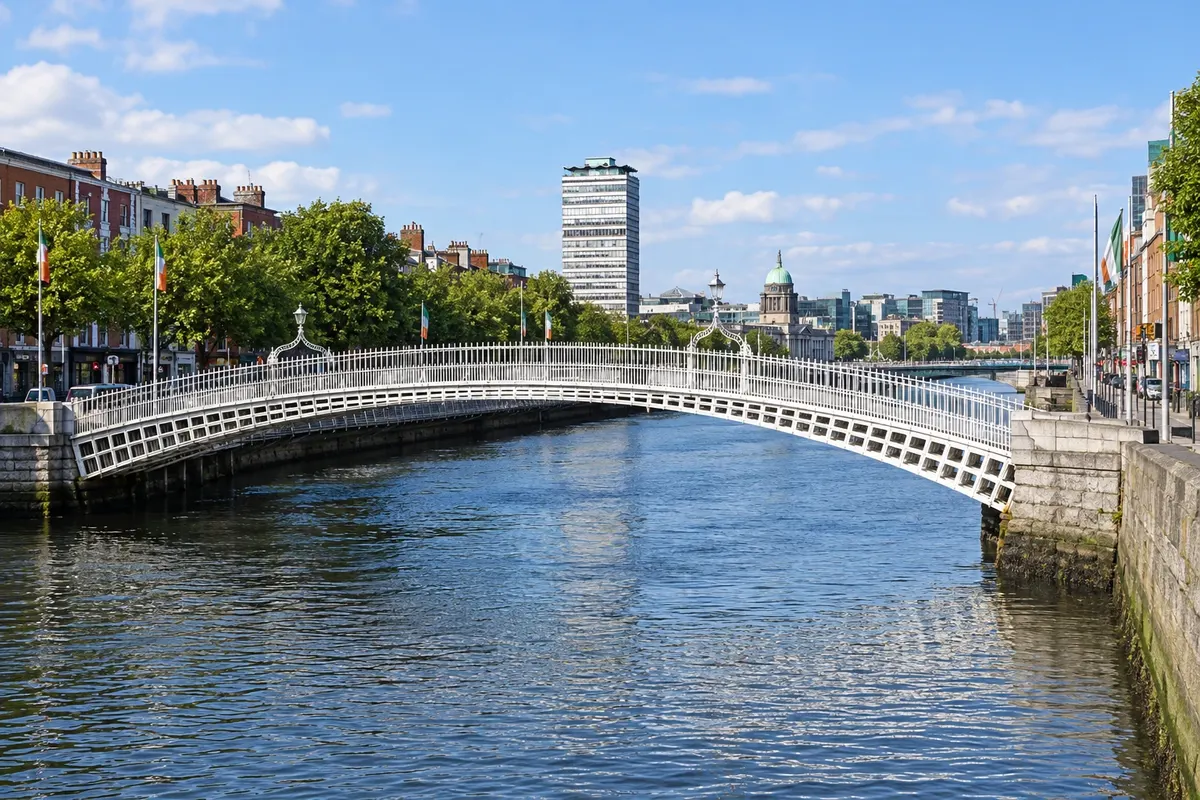
The capital of Ireland on the banks of the River Liffey: the Book of Kells at Trinity College, medieval cathedrals, Kilmainham Gaol, pubs with live music and, a half-hour train ride away, the fishing port of Howth.
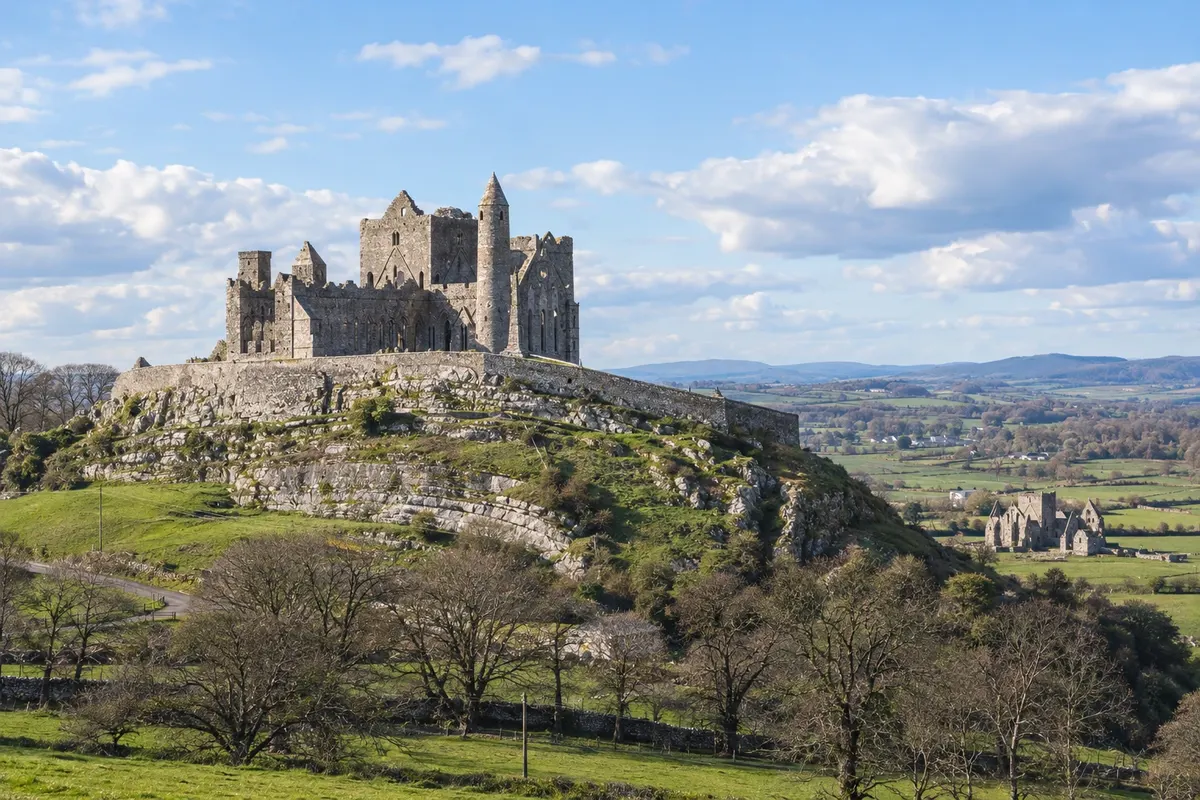
Kilkenny, the medieval city of the Butler castle and St Canice cathedral, linked by the Medieval Mile, and, about an hour away, the Rock of Cashel, the hill of the kings of Munster crowned with ruins.
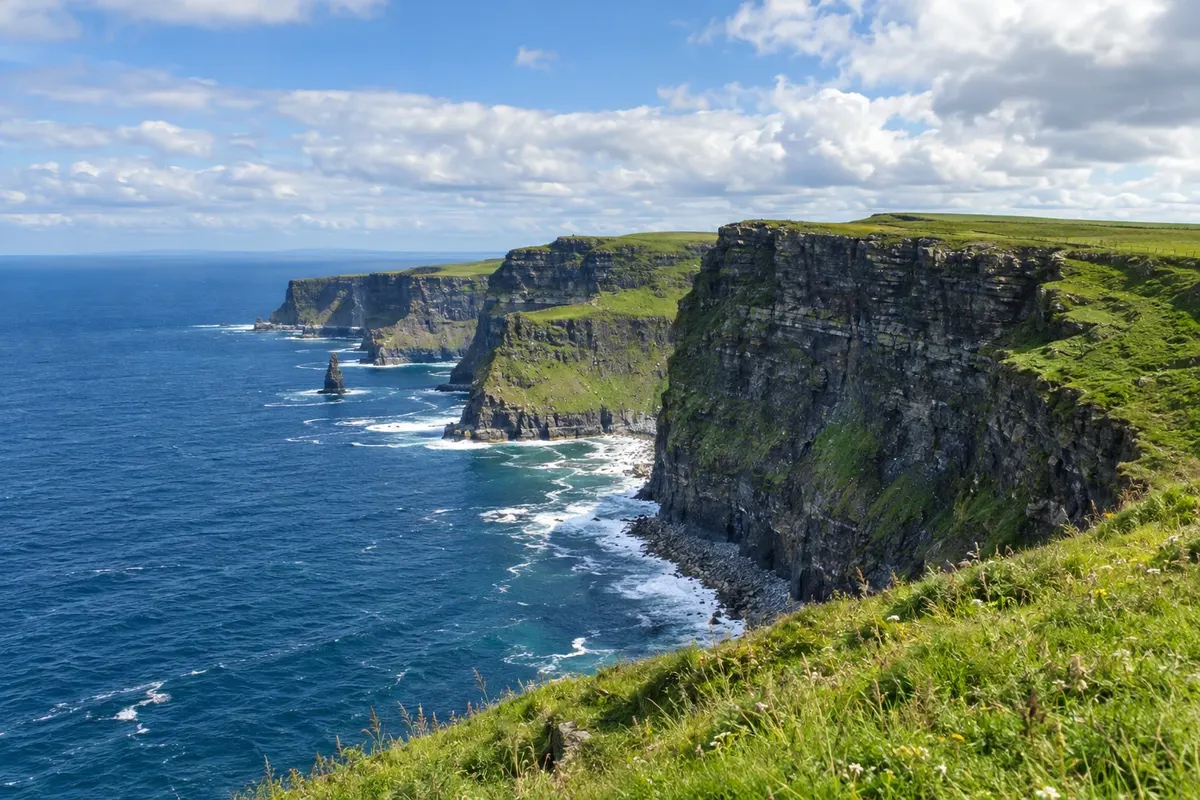
The Falésias de Moher, rising up to 214 metres above the Atlantic, the limestone landscape of the Burren, the village of Doolin with music in its pubs, and the town of Ennis, with the 13th‑century Franciscan friary.
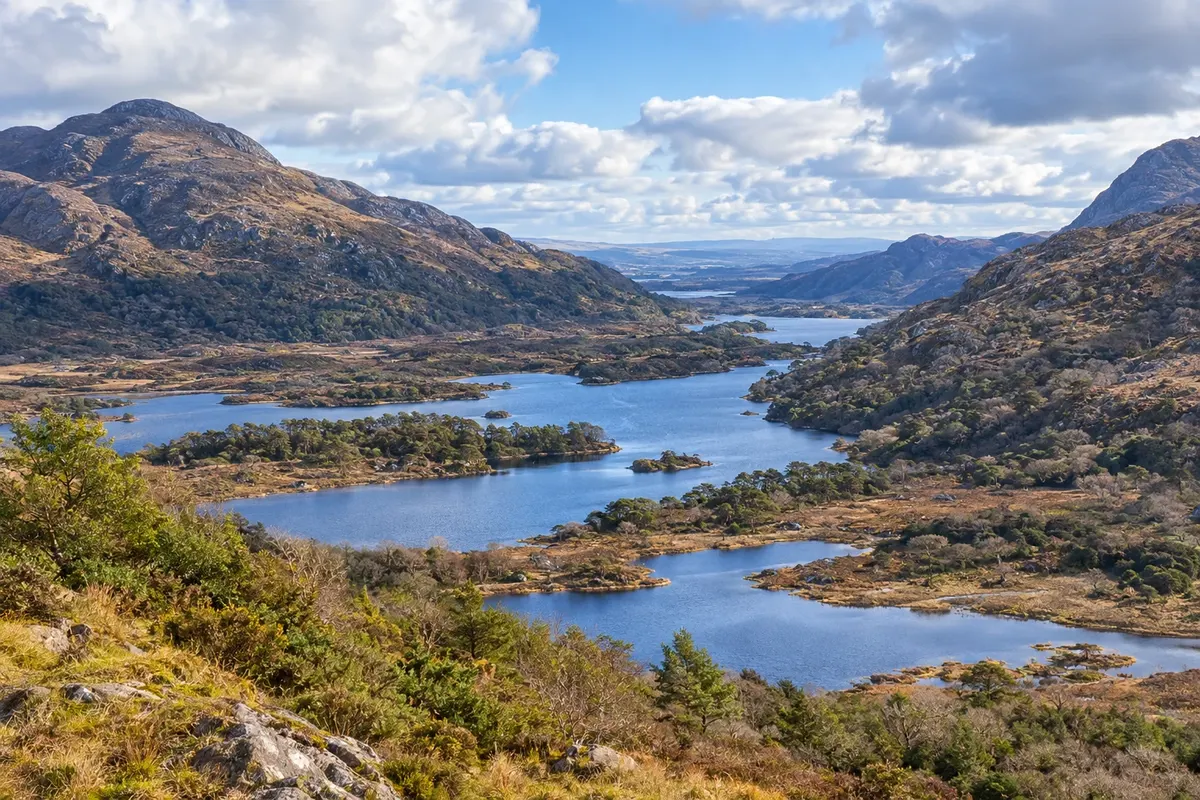
Lakes and mountains of Killarney National Park, Muckross House and Ross Castle, the Ring of Kerry circuit, Dingle harbour with the Slea Head Drive and the small town of Kenmare.
Things to do in Iceland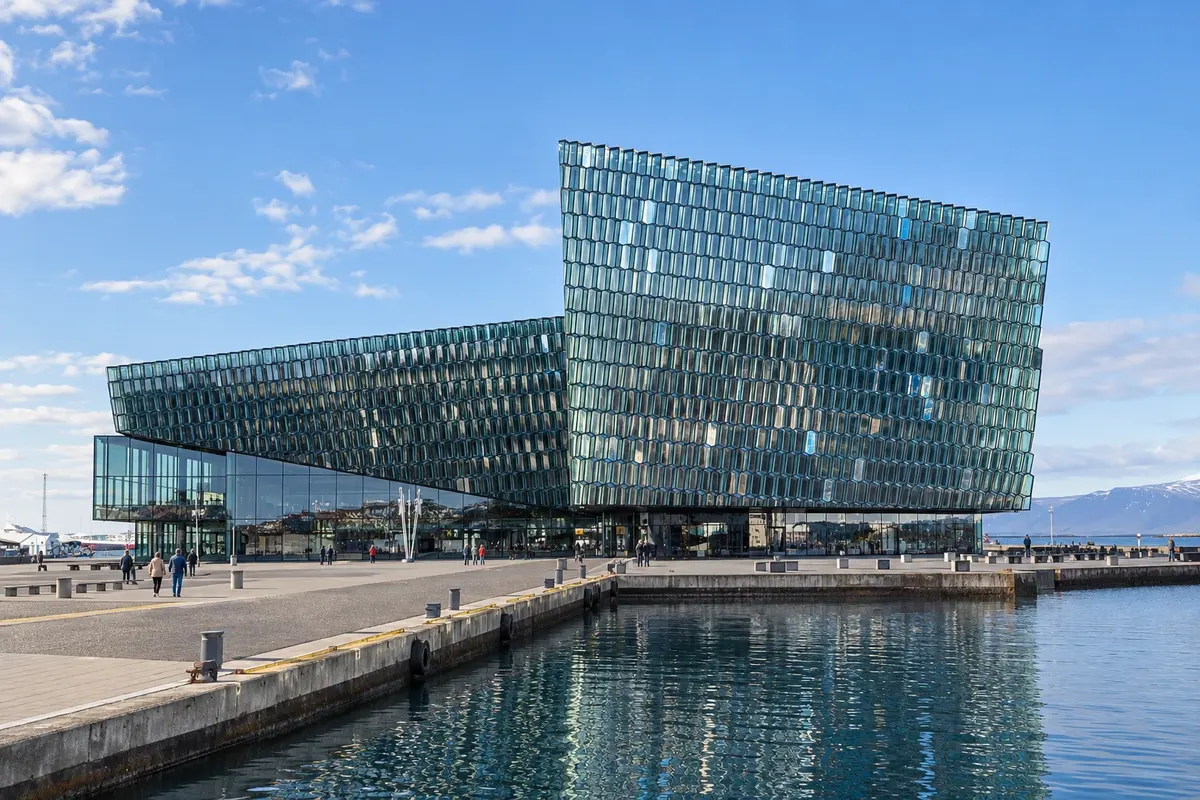
Concrete and glass architecture, Icelandic history and walks between the lake and the harbor in the country’s capital.
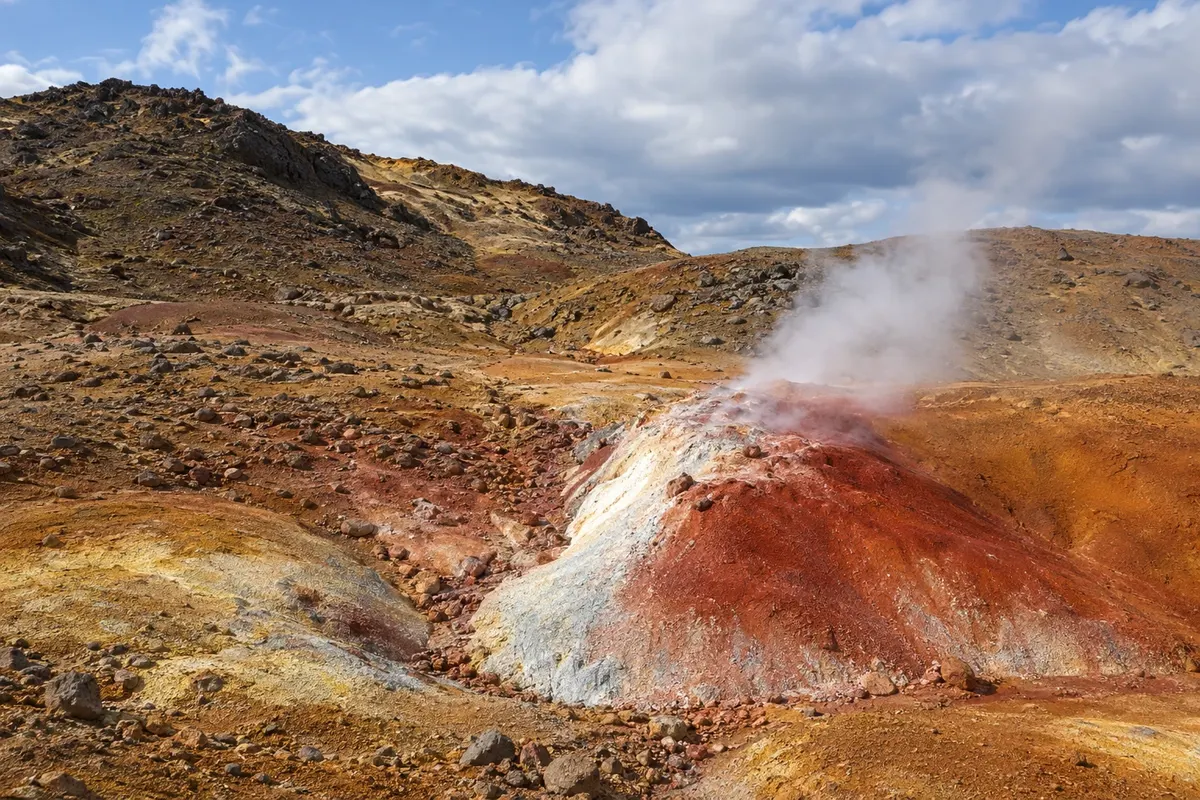
Lighthouses, fissures and steam fields on a volcanic peninsula next to the international airport.
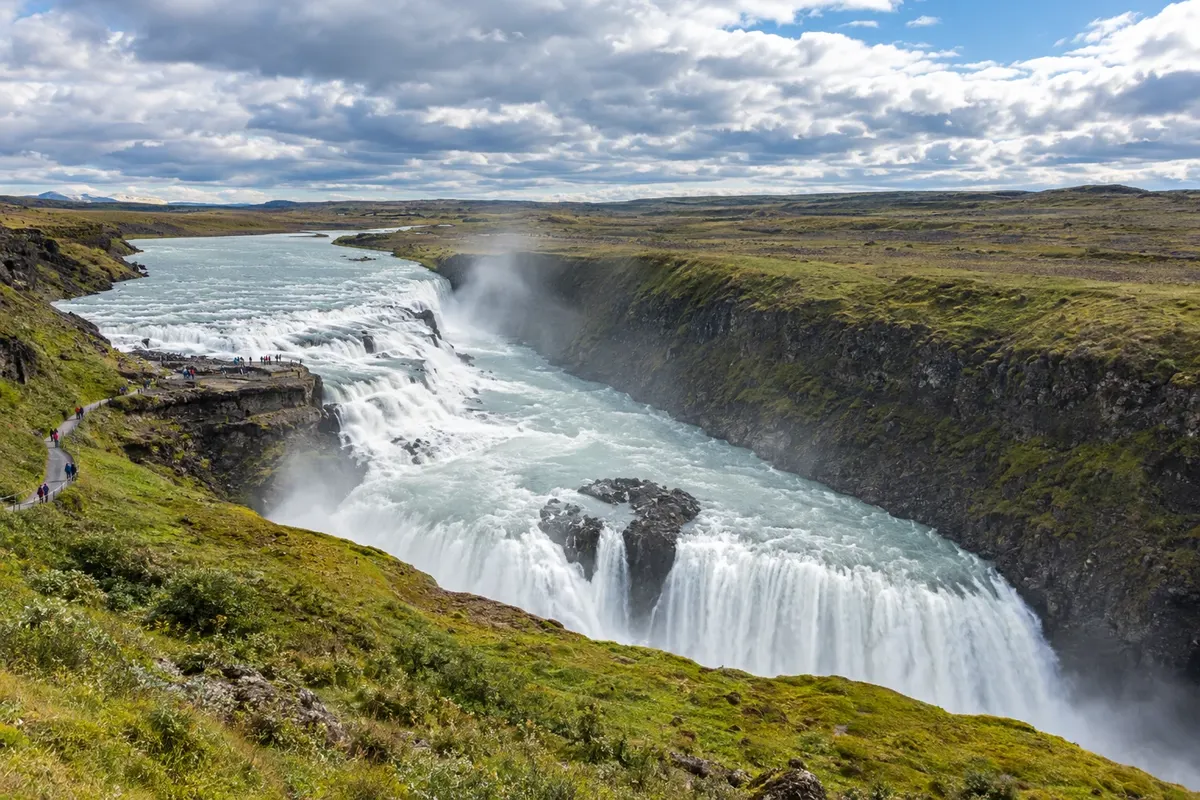
Fissures of Þingvellir, the Geysir hot springs and the Gullfoss falls on a circuit through the southern interior.
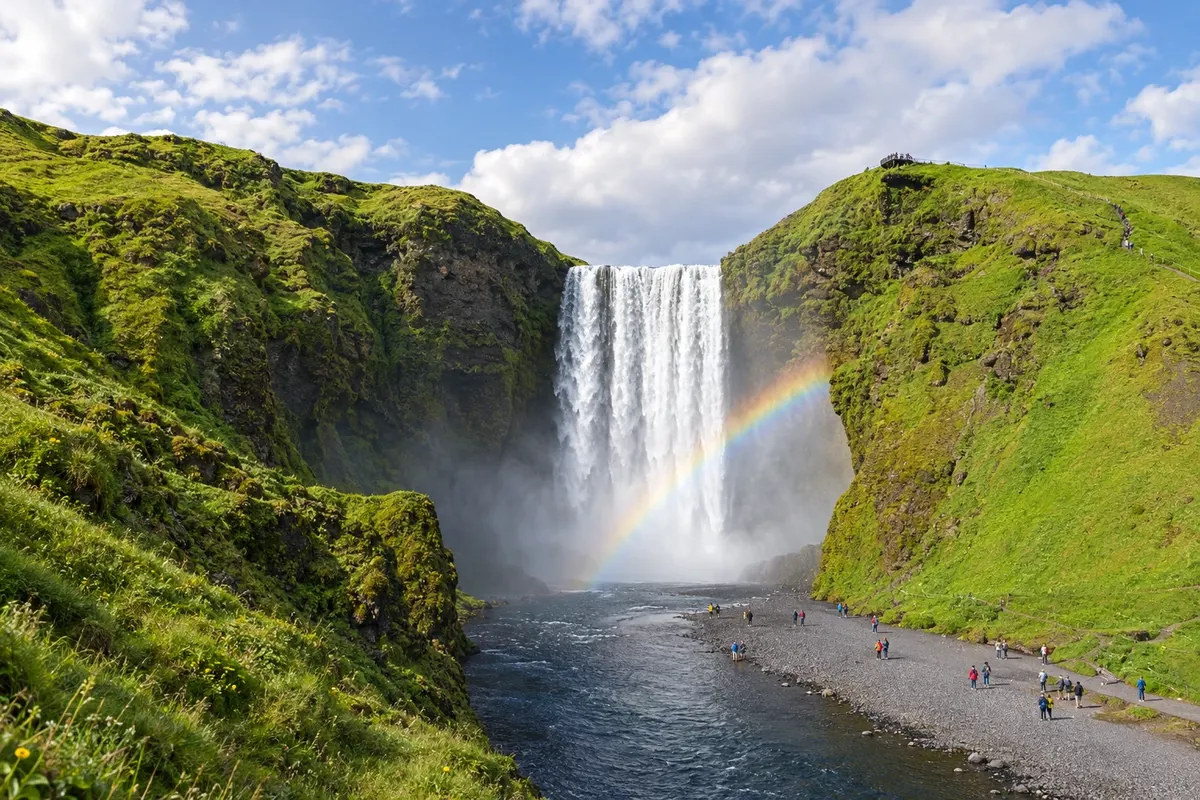
Black-sand beaches, waterfalls and routes inland between Hvolsvöllur, Vík and Kirkjubæjarklaustur.
Things to do in Italy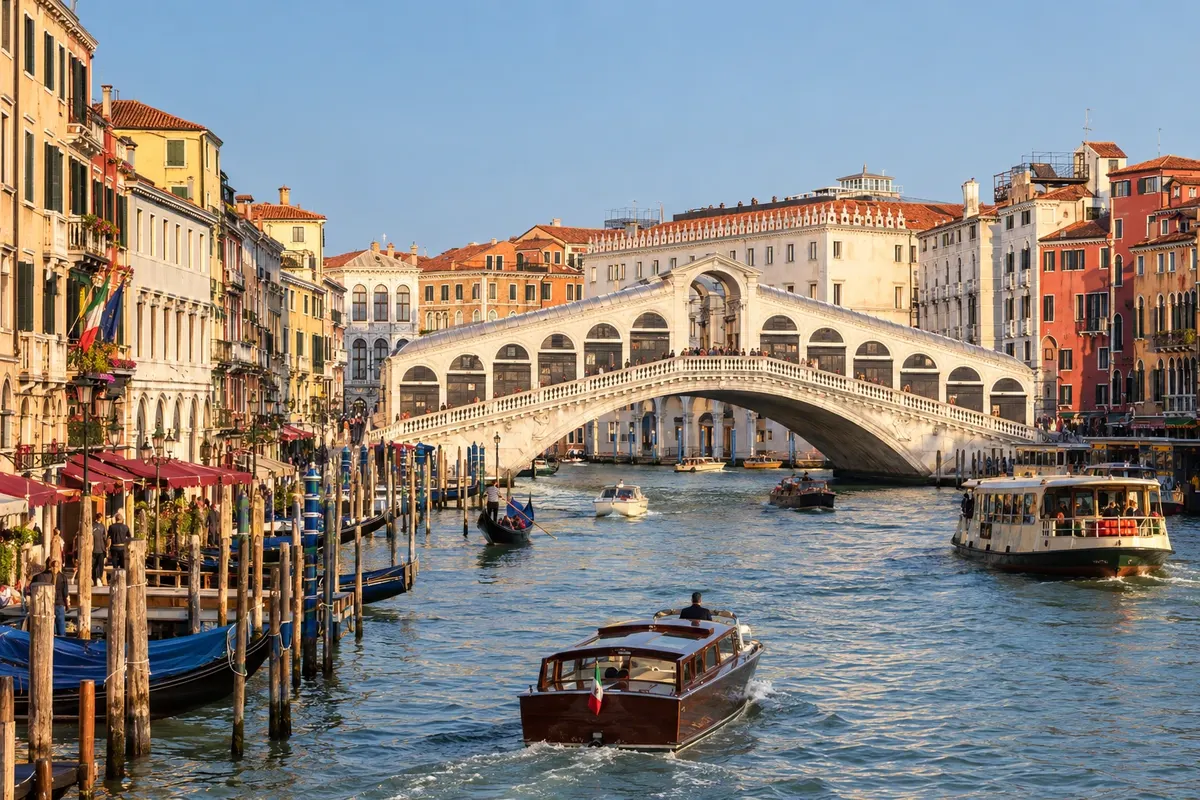
The city built on the lagoon, without cars, with canals instead of streets, the Basílica de São Marco, the Palácio Ducal and the islands of Murano, Burano and Torcello.
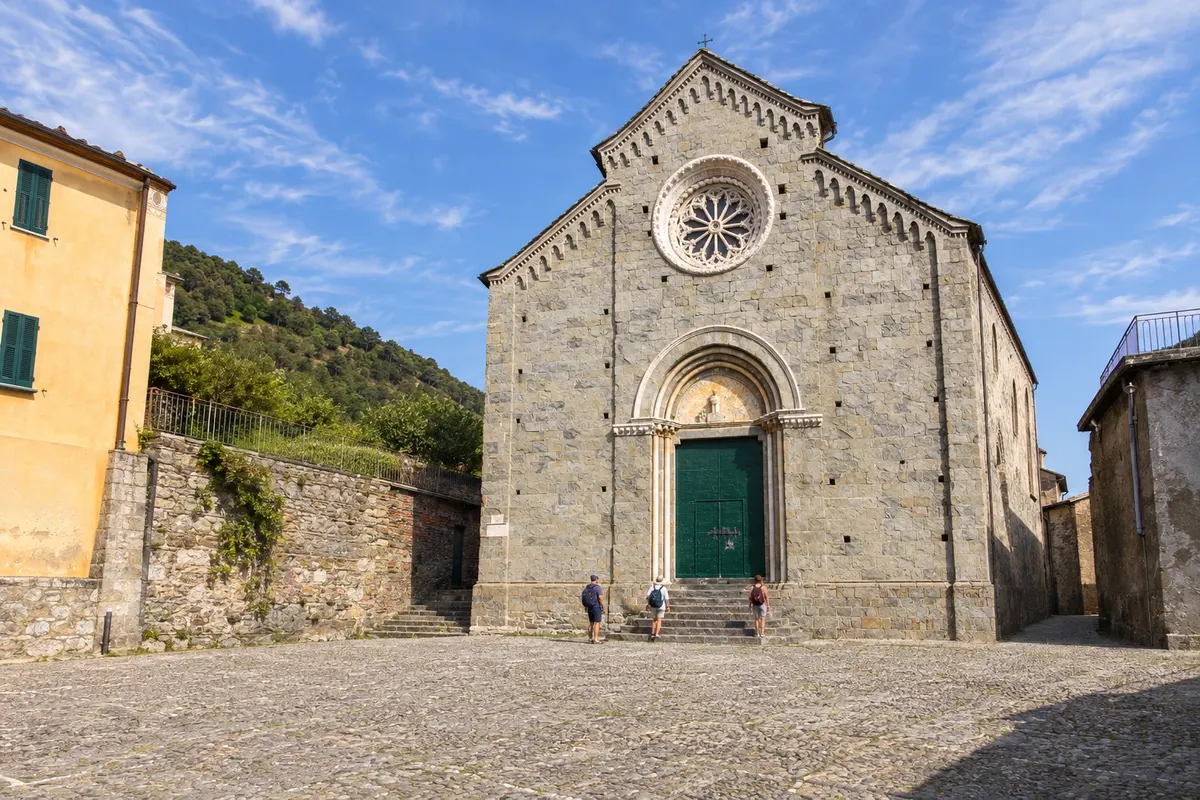
Five fishing villages clinging to the cliffs of Ligúria, connected by train, boat and trails through terraced vineyards.
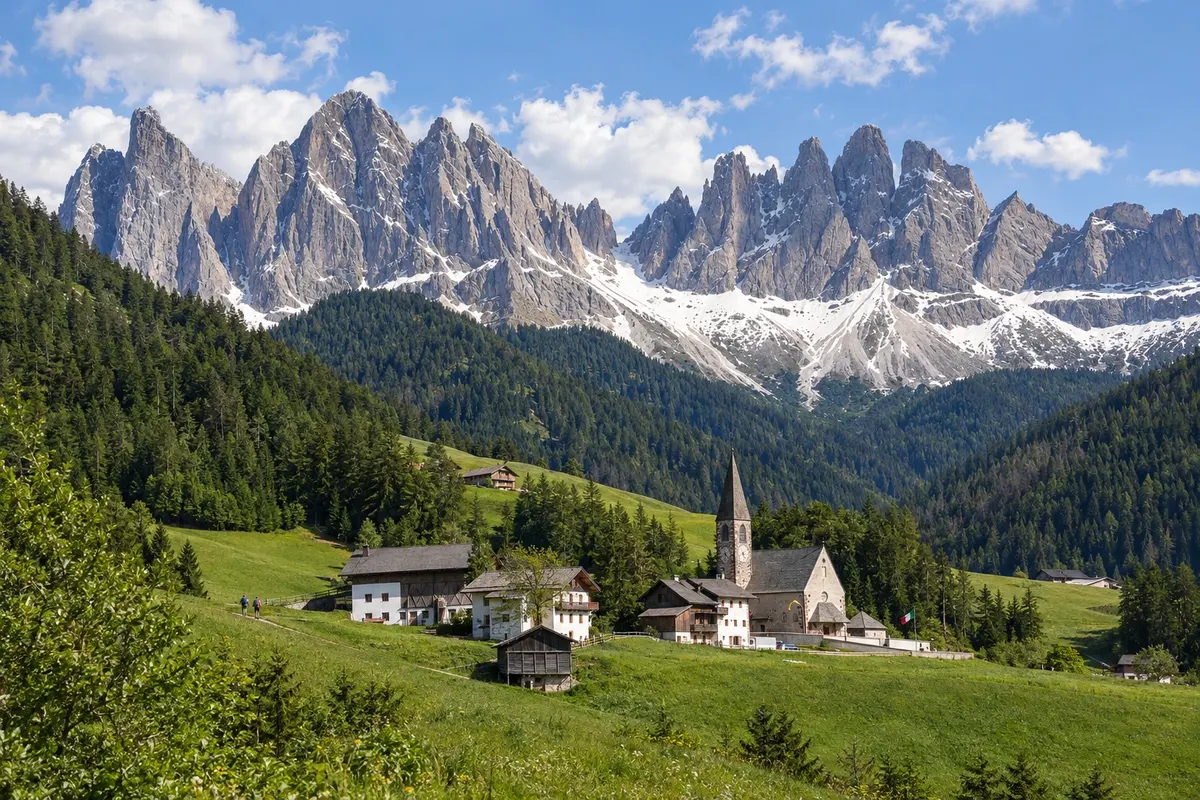
Pale-rock mountains in northern Italy, with cable cars, alpine lakes and trails, between Bolzano, the Val Gardena and Cortina d'Ampezzo.
Things to do in Luxembourg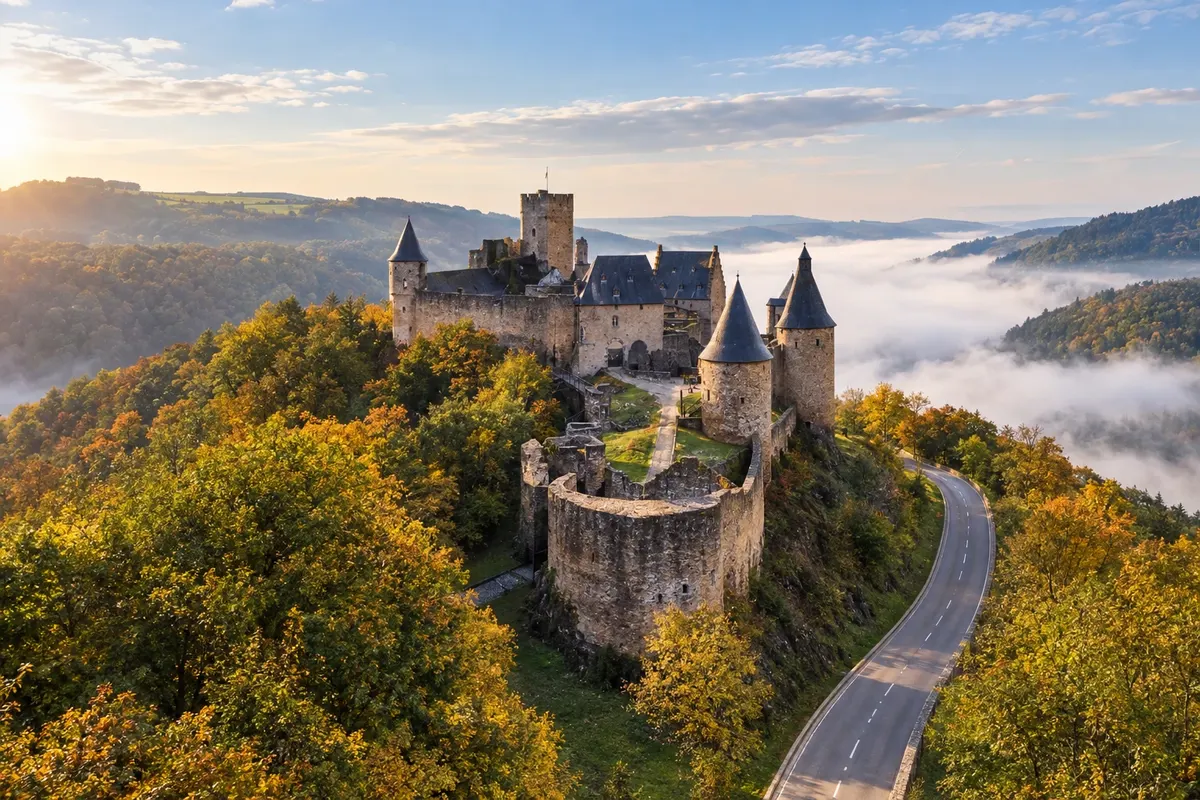
The hilly north of Luxemburgo: Vianden castle overlooking the Our, Clervaux with the exhibition The Family of Man, Bourscheid castle and the memory of the Batalha das Ardenas.
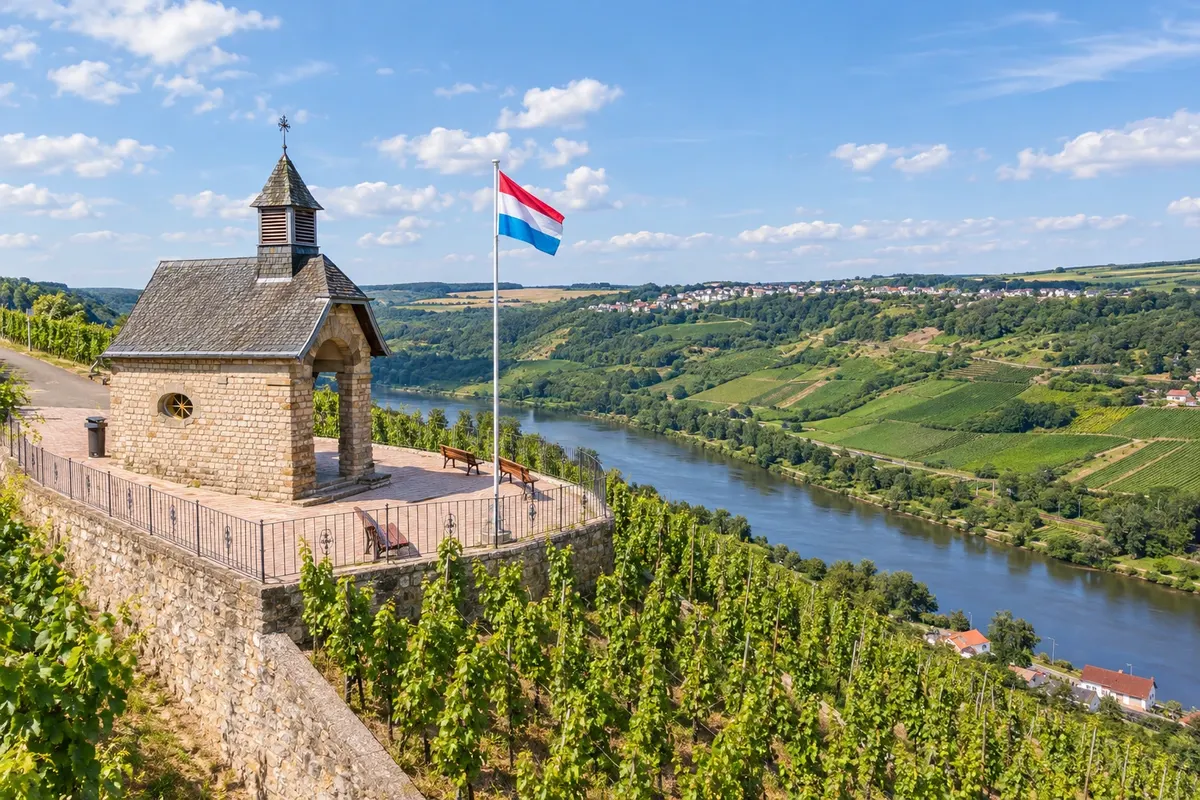
Vineyards on slopes above the Mosela River, crémant cellars cut into the rock, boat trips and Schengen, the village on the tripoint where the agreement that opened European borders was signed.
Things to do in Norway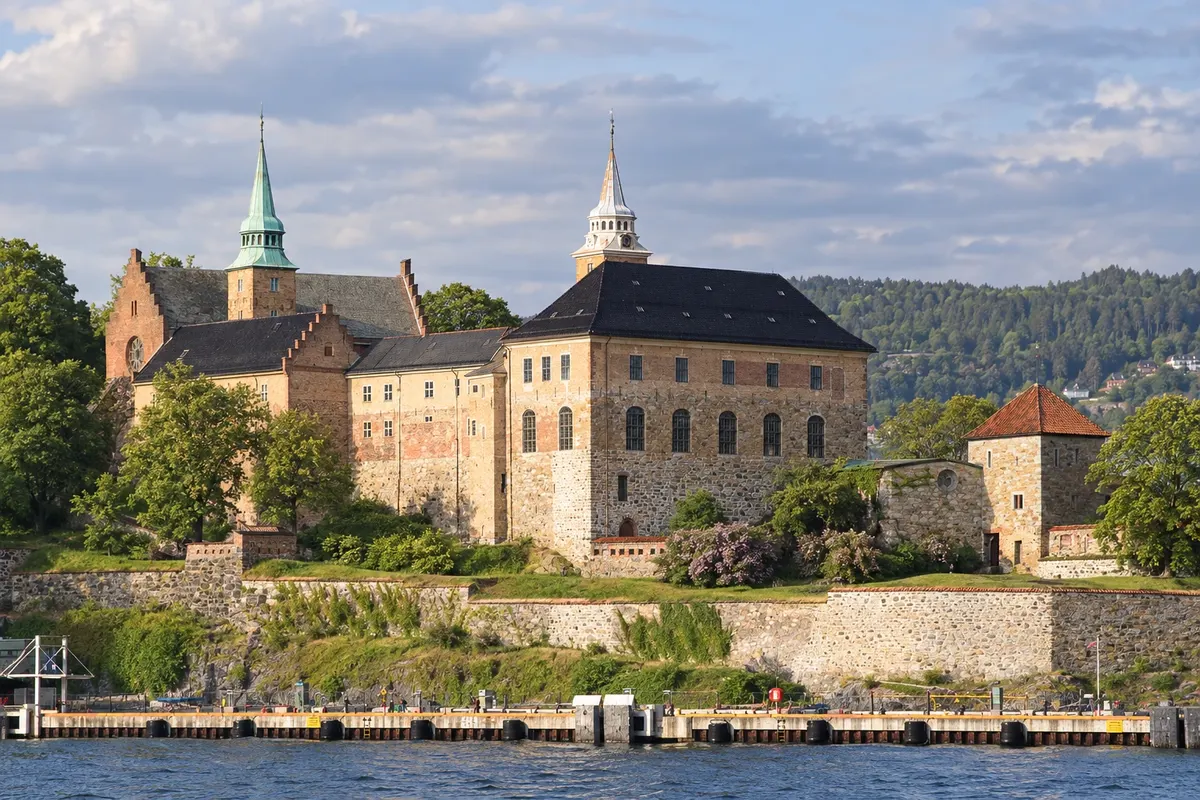
The capital of Norway at the end of the Oslofjord: the Ópera with a marble roof, the Munch, Parque Vigeland, the ship museums of Bygdøy and the Holmenkollen forest half an hour from the center.
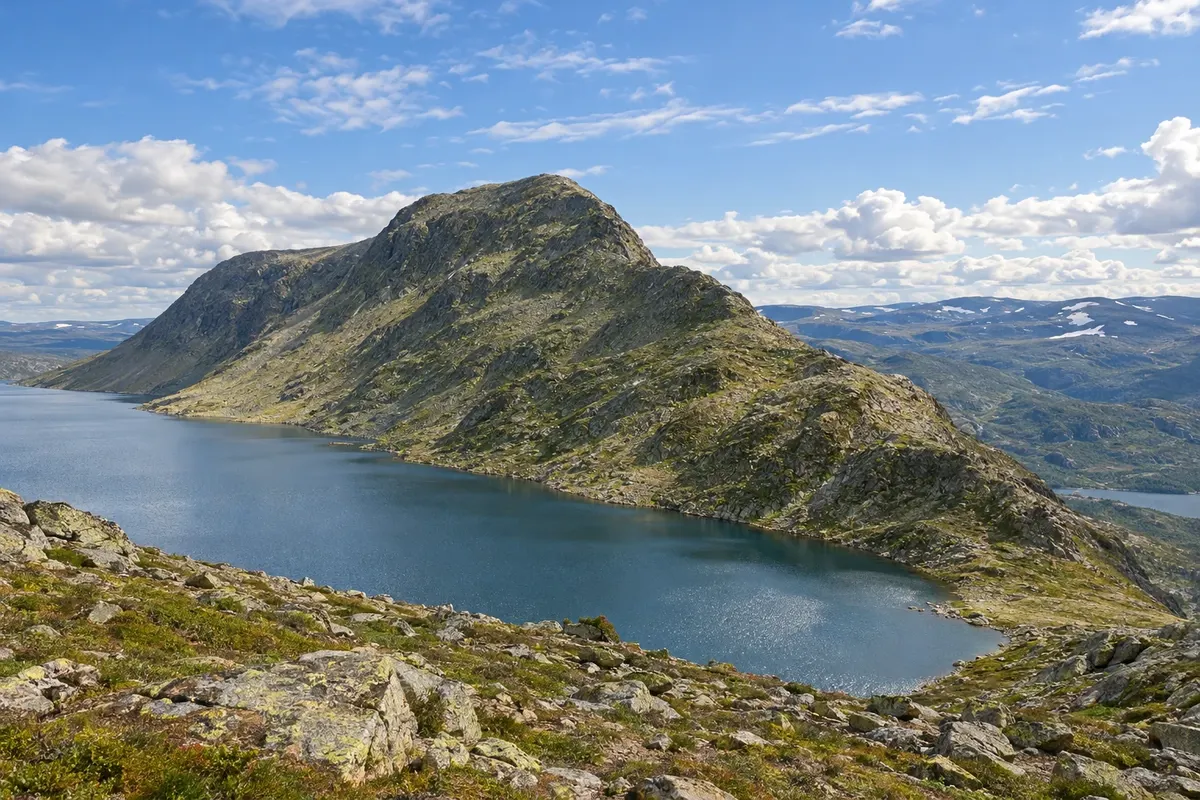
Mountains, lakes and high-altitude trails, with Lom as a base for the wooden church, the mountain centre and access to Galdhøpiggen and Besseggen.
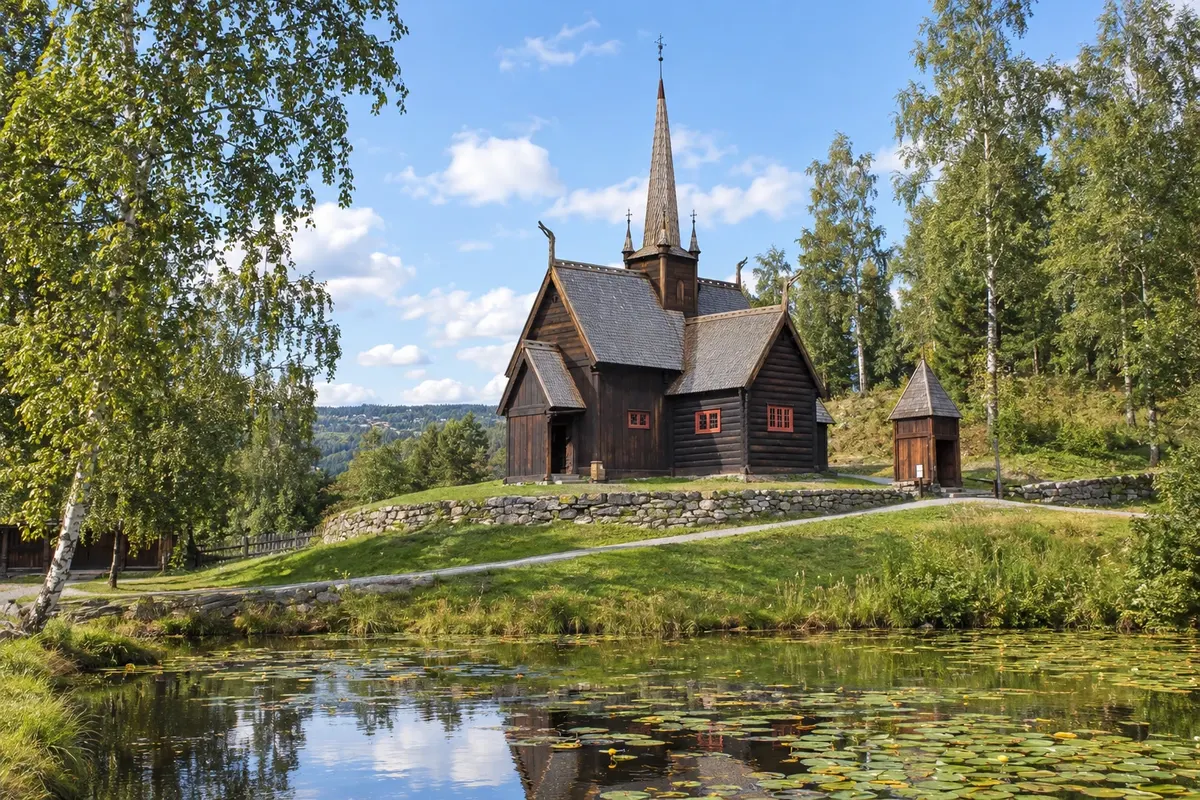
Wooden houses, the Maihaugen open-air museum, Norwegian art and the Winter Games facilities in the Mjøsa valley.
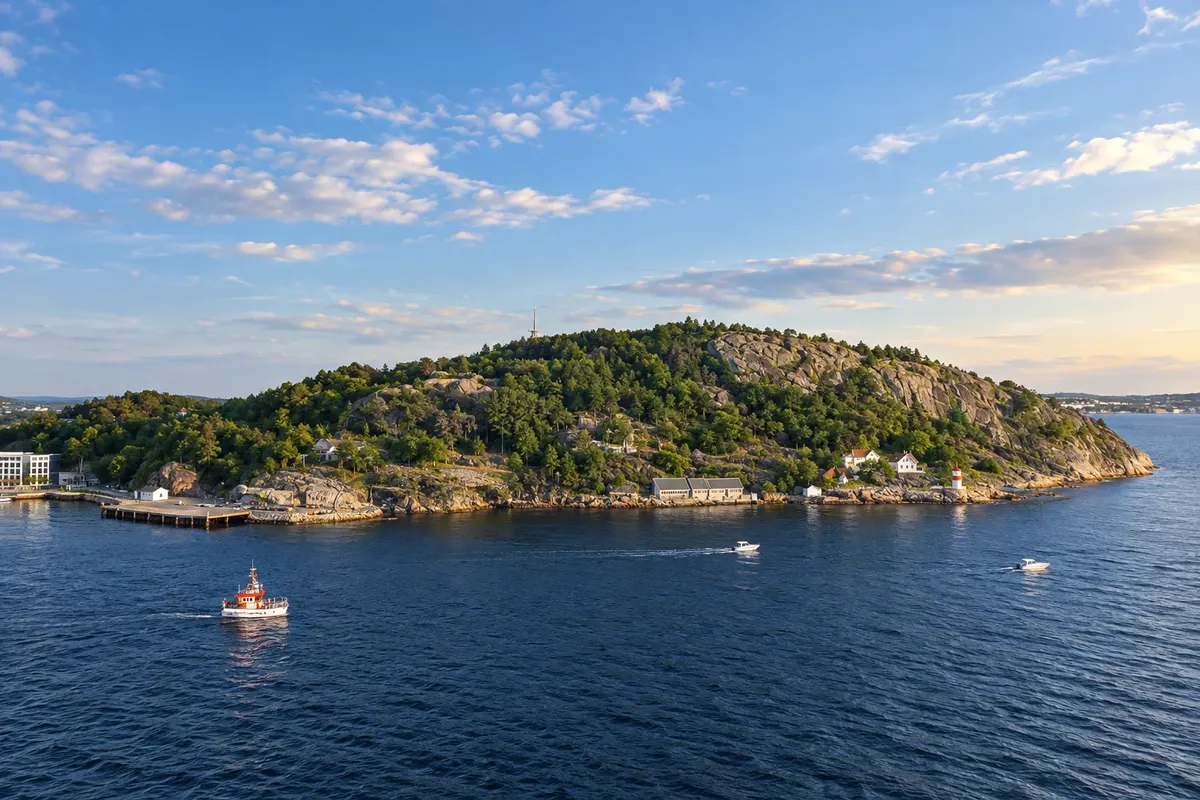
The southern coast with the wooden houses of Posebyen, the walks of Odderøya, the art at Kunstsilo and a leisure day at Dyreparken.
Things to do in Poland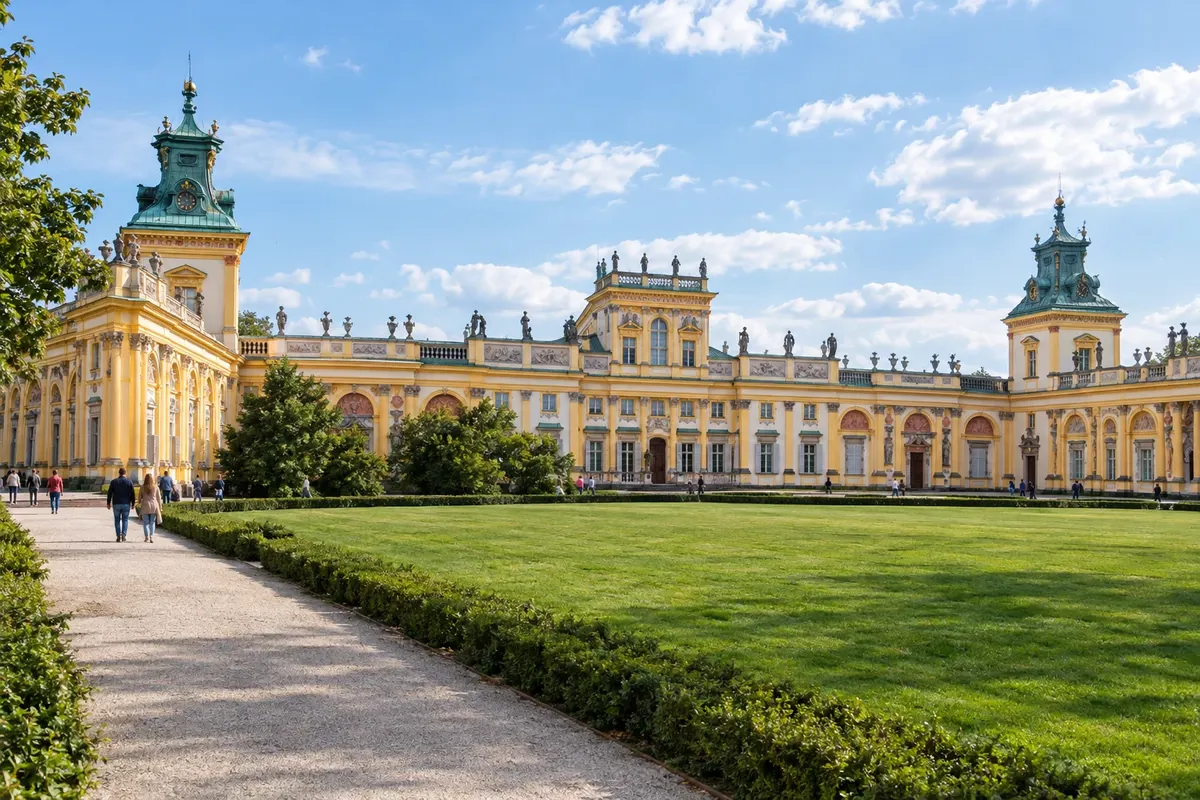
Capital of the country, UNESCO-reconstructed centre and royal residences.
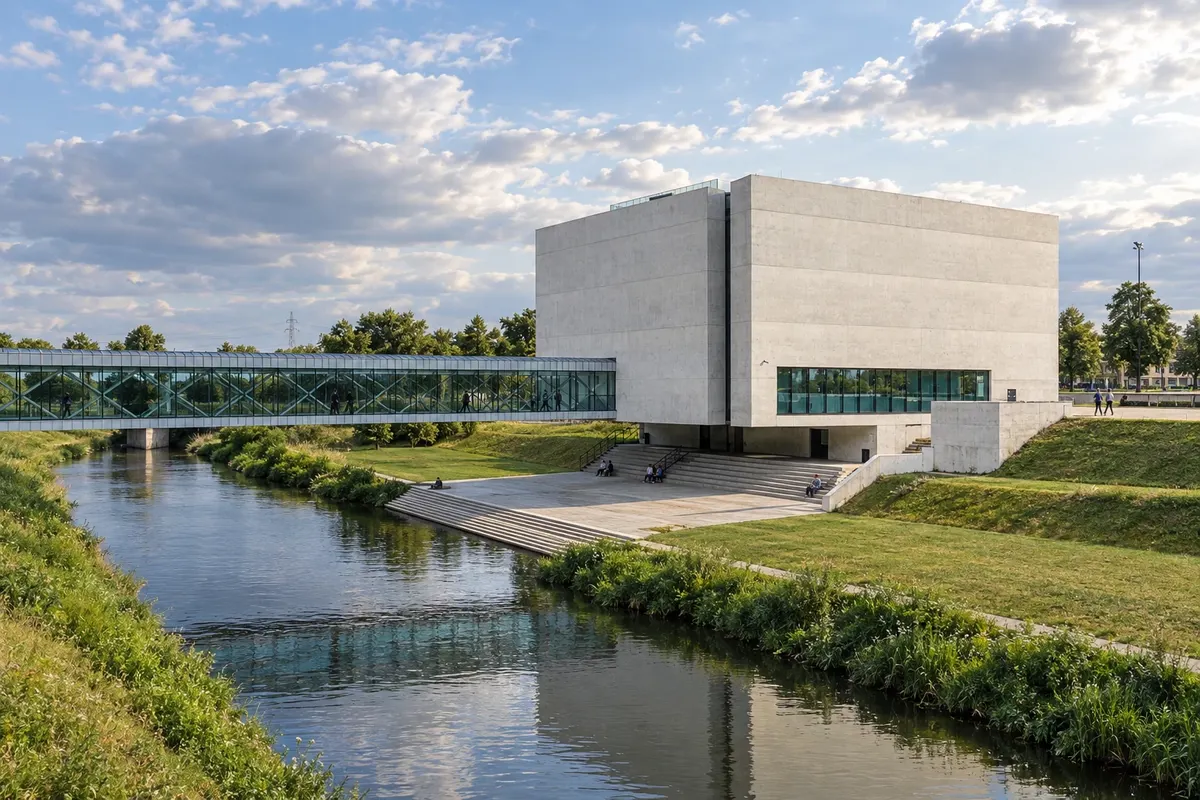
Renaissance square, cathedral island and origins of the country.
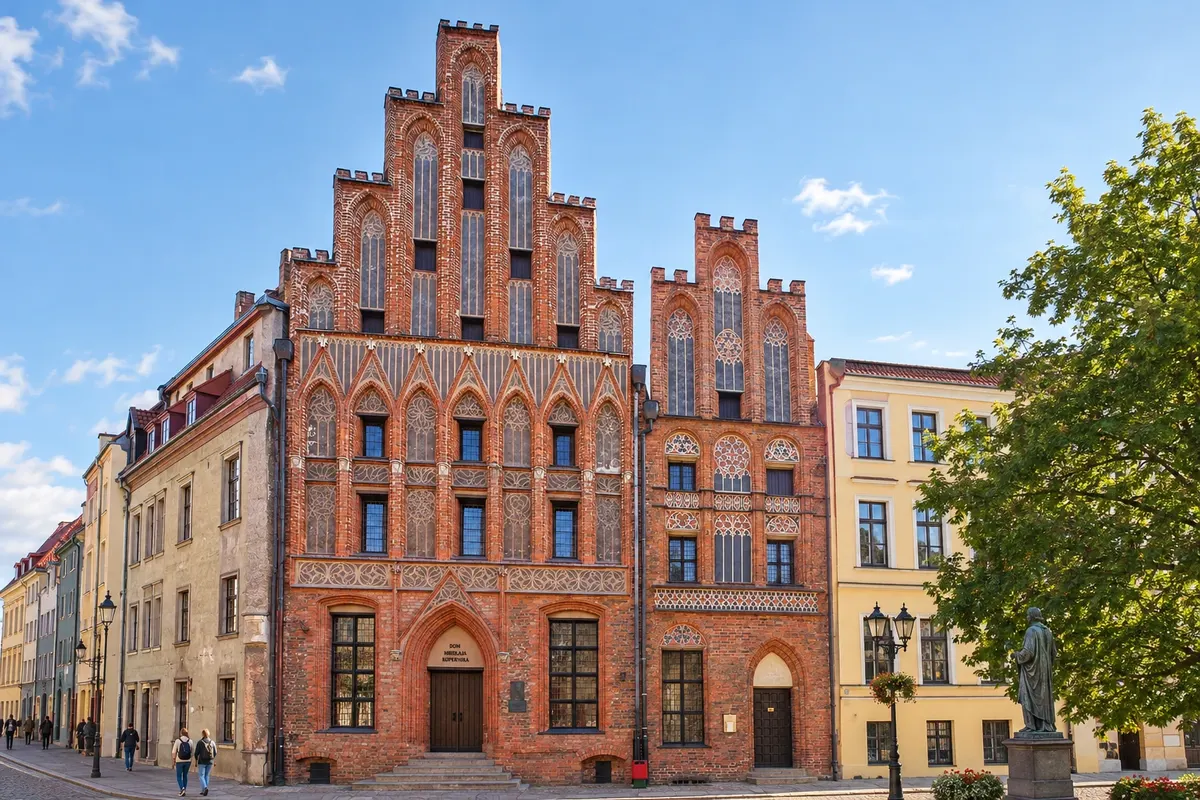
UNESCO medieval centre and Brda river urban landscape.
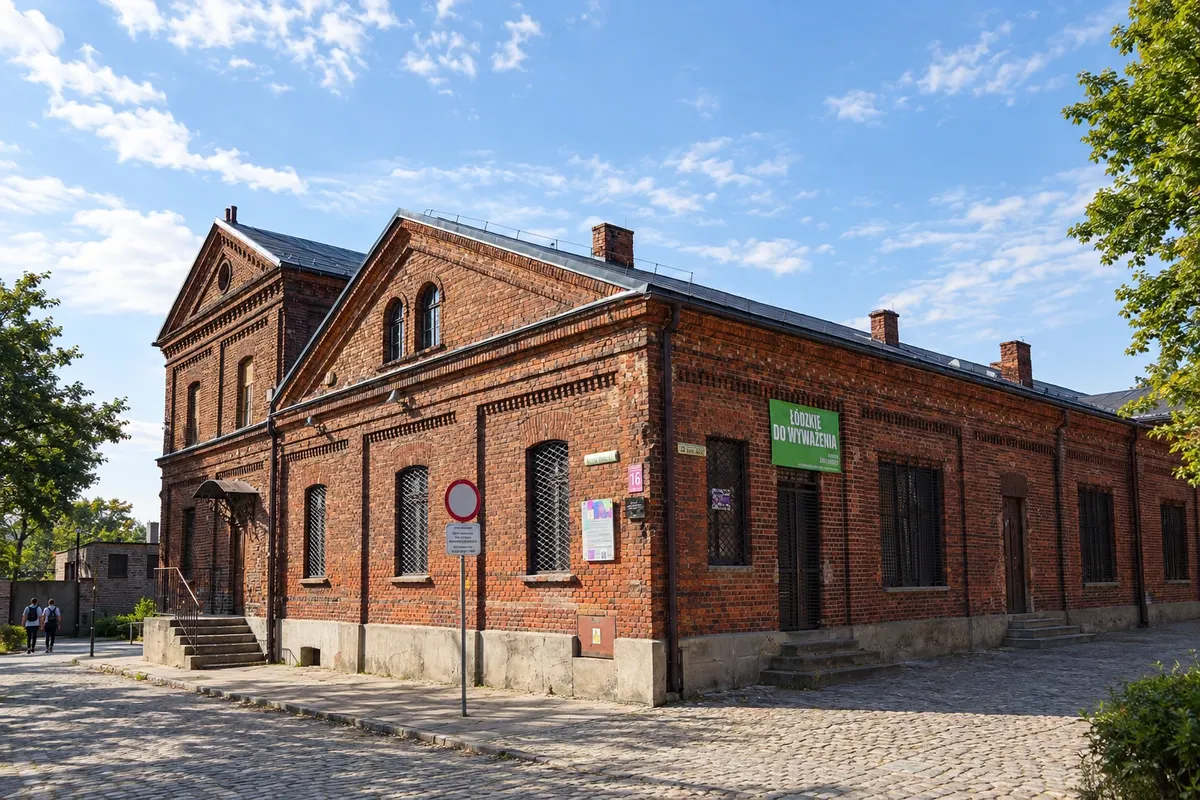
Textile heritage, cinema and factory repurposing.
Things to do in Portugal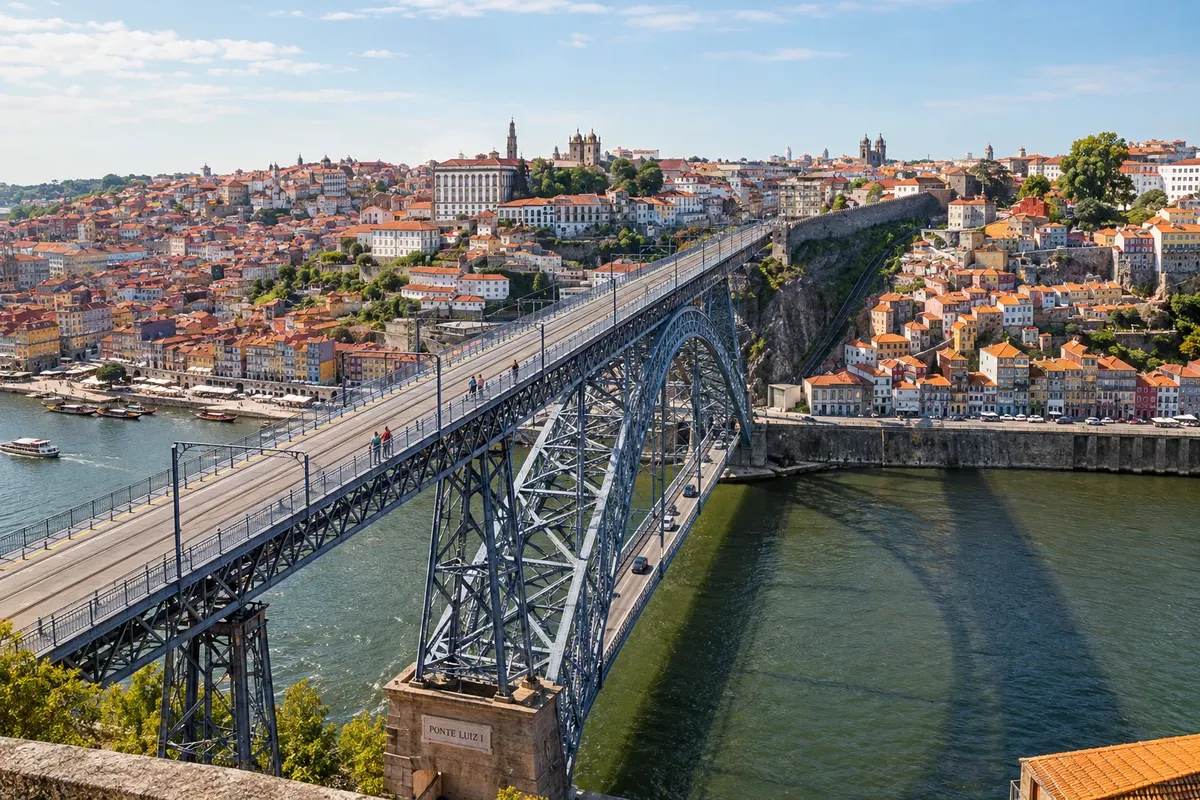
The second city of Portugal, with colorful houses descending to the Douro, the Ribeira, the Ponte Luís I, the tiles of São Bento and the port wine cellars in Gaia.
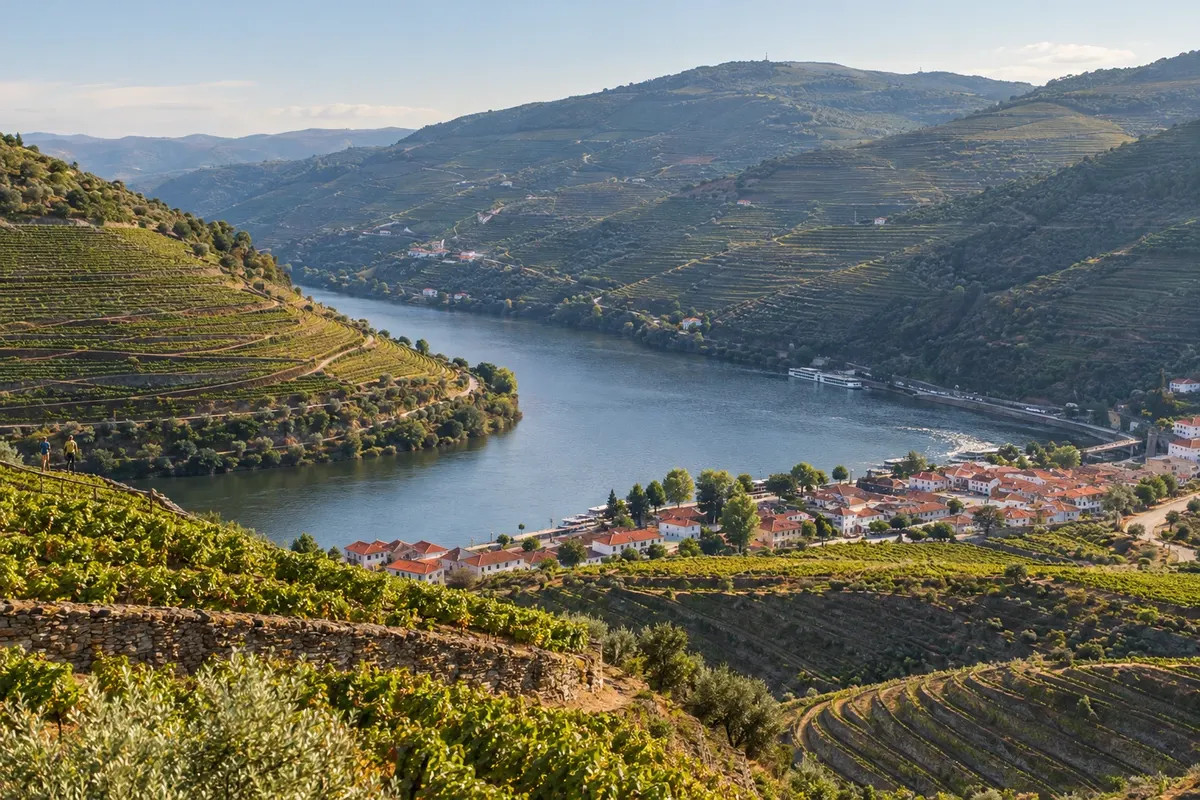
Slopes of terraced vineyards on the Rio Douro, birthplace of the vinho do Porto, with Peso da Régua, Pinhão and Lamego, about two hours from Porto.
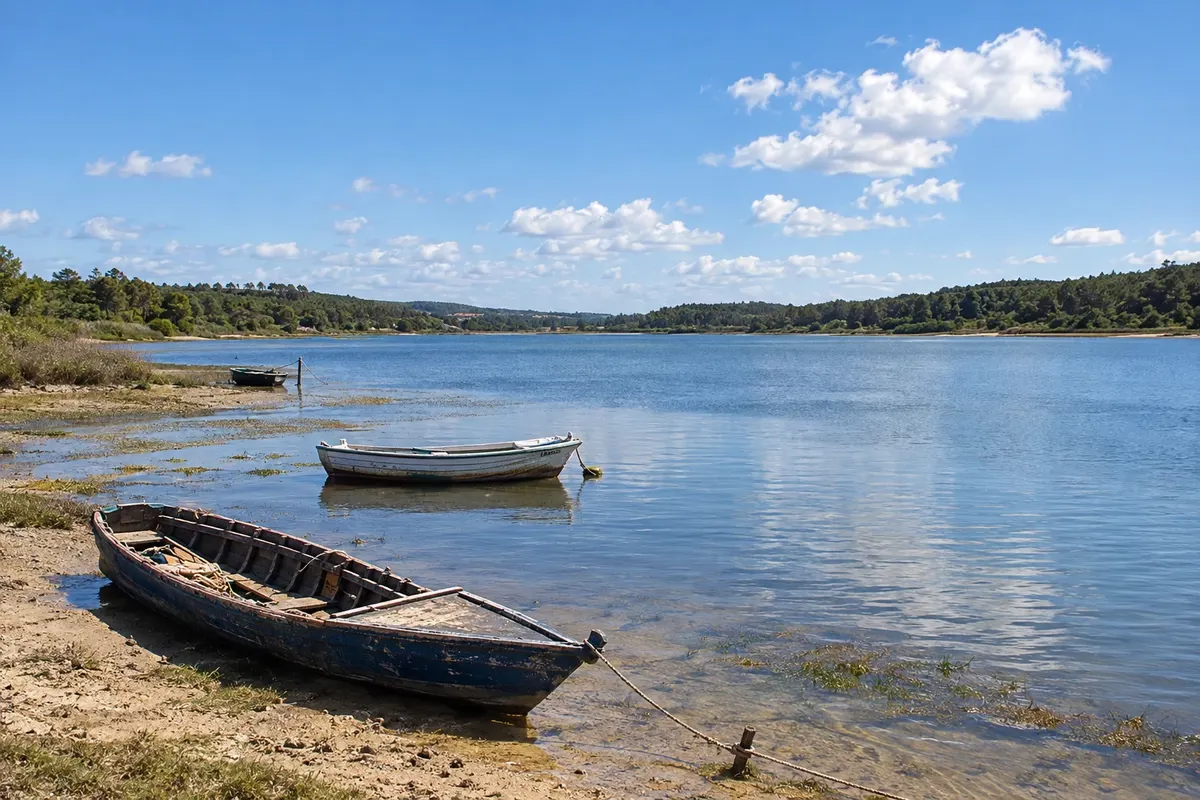
Walled medieval village, a fishing beach with some of the world's biggest waves in winter and two World Heritage monasteries, about an hour from Lisbon.
Things to do in the United Kingdom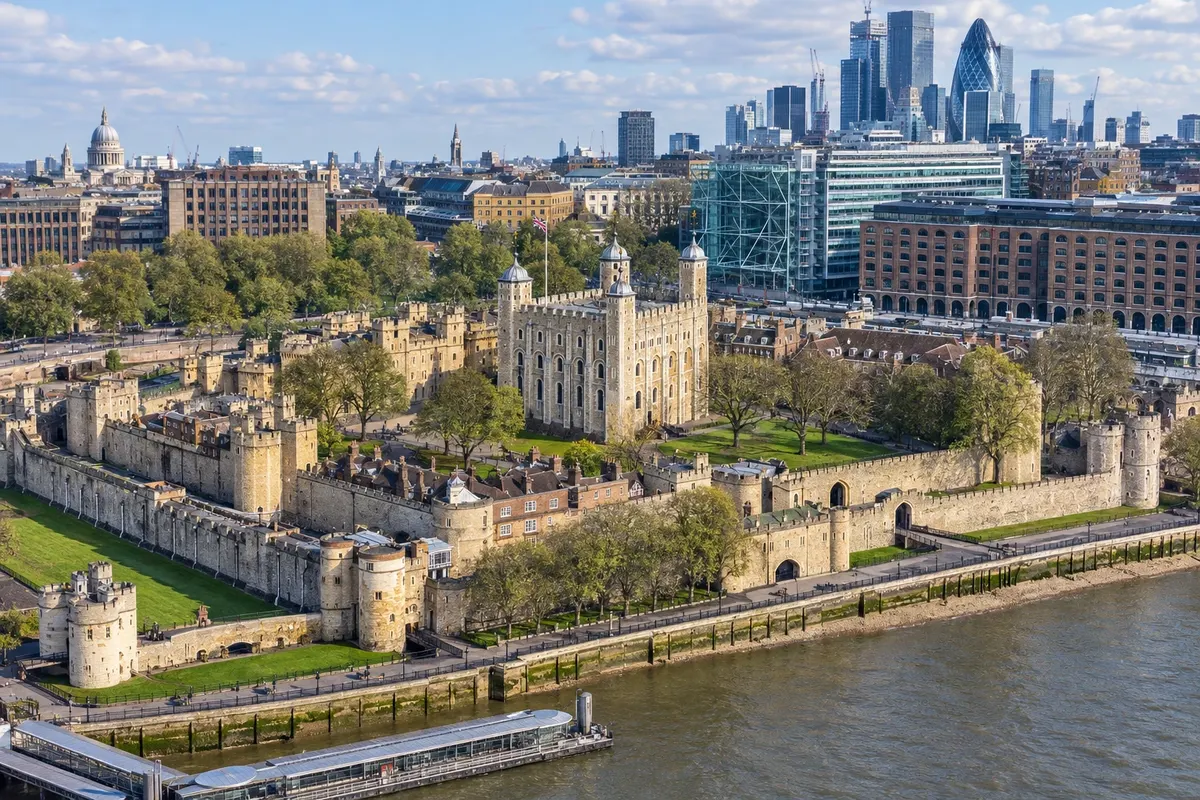
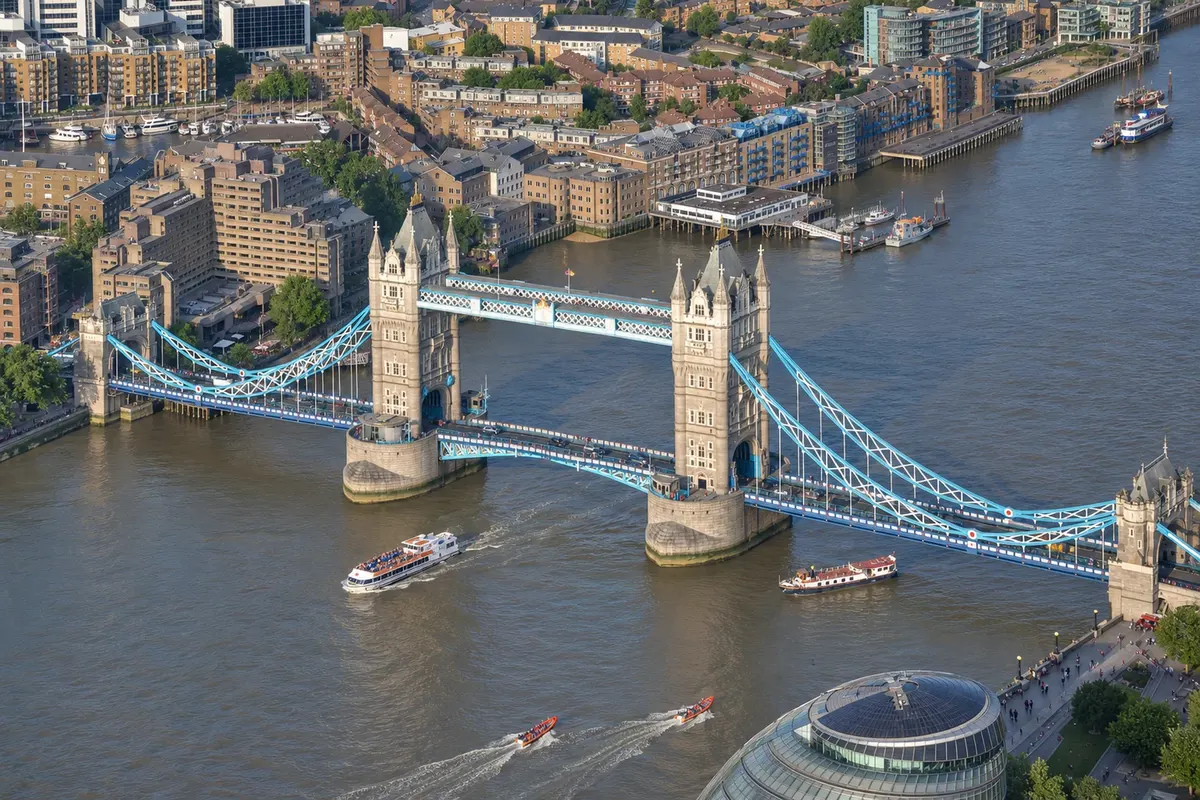
The capital of the United Kingdom on the banks of the Tâmisa: the Torre and the Tower Bridge, Westminster and Big Ben, the Palácio de Buckingham, museums with huge collections, royal parks, markets and Greenwich.
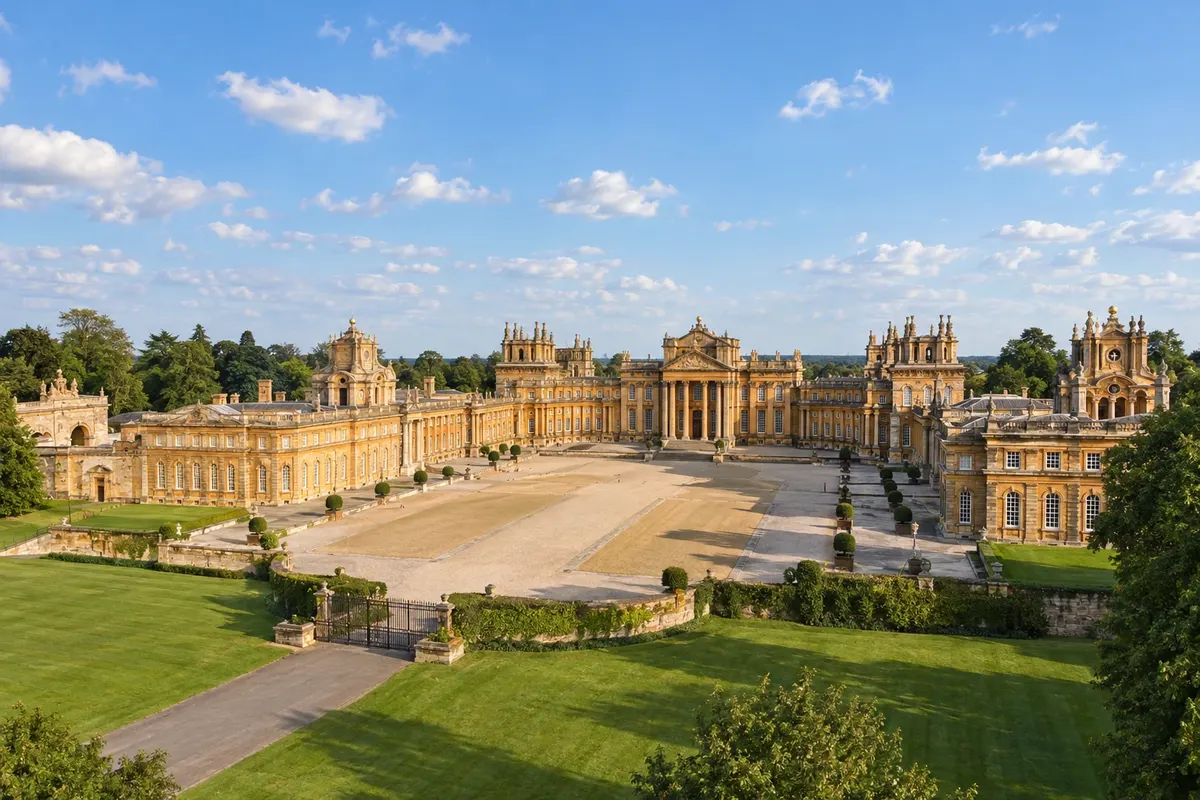
The city of the oldest university in the English‑speaking world, with colleges, the Bodleiana and the Radcliffe Camera, and the honey‑stone villages of the Cotswolds: Bourton-on-the-Water, Bibury and Castle Combe.
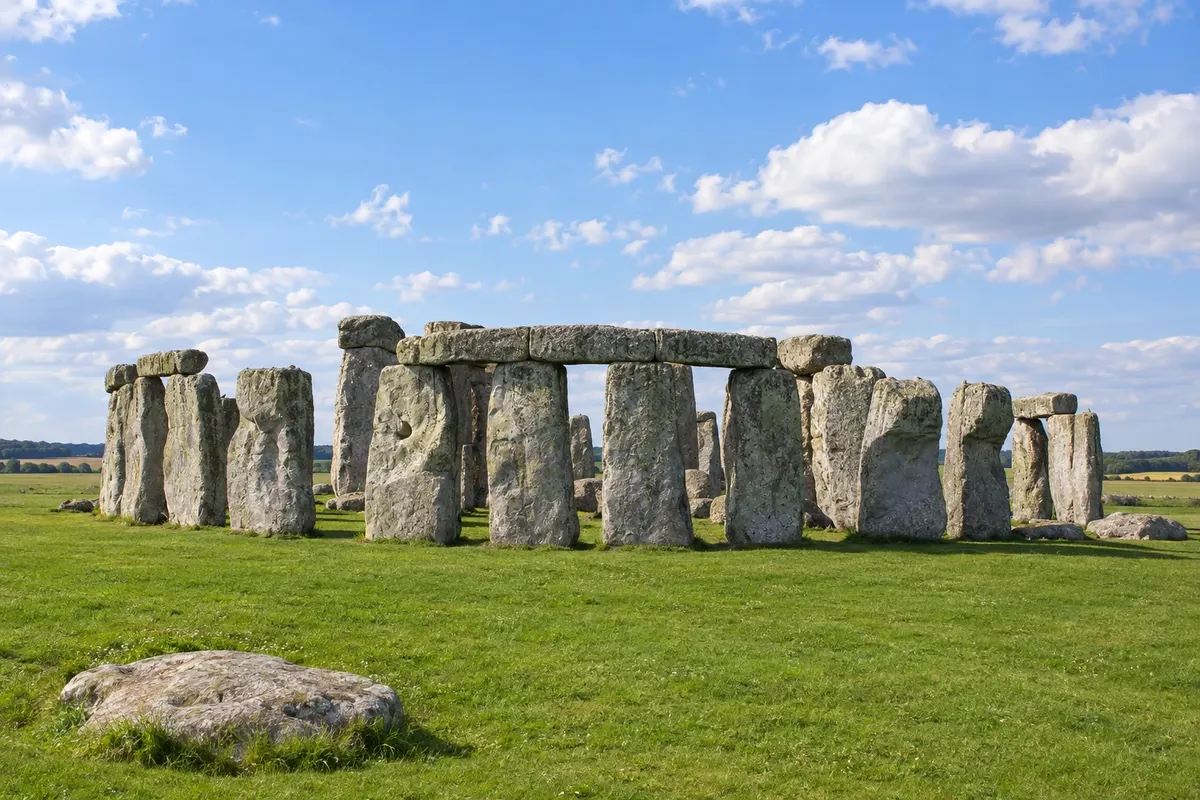
As Termas Romanas and the pale-stone Georgian town of Bath, with the Royal Crescent and the Pulteney Bridge, and, on the Salisbury plain, Stonehenge, the catedral de Salisbury and the Magna Carta.
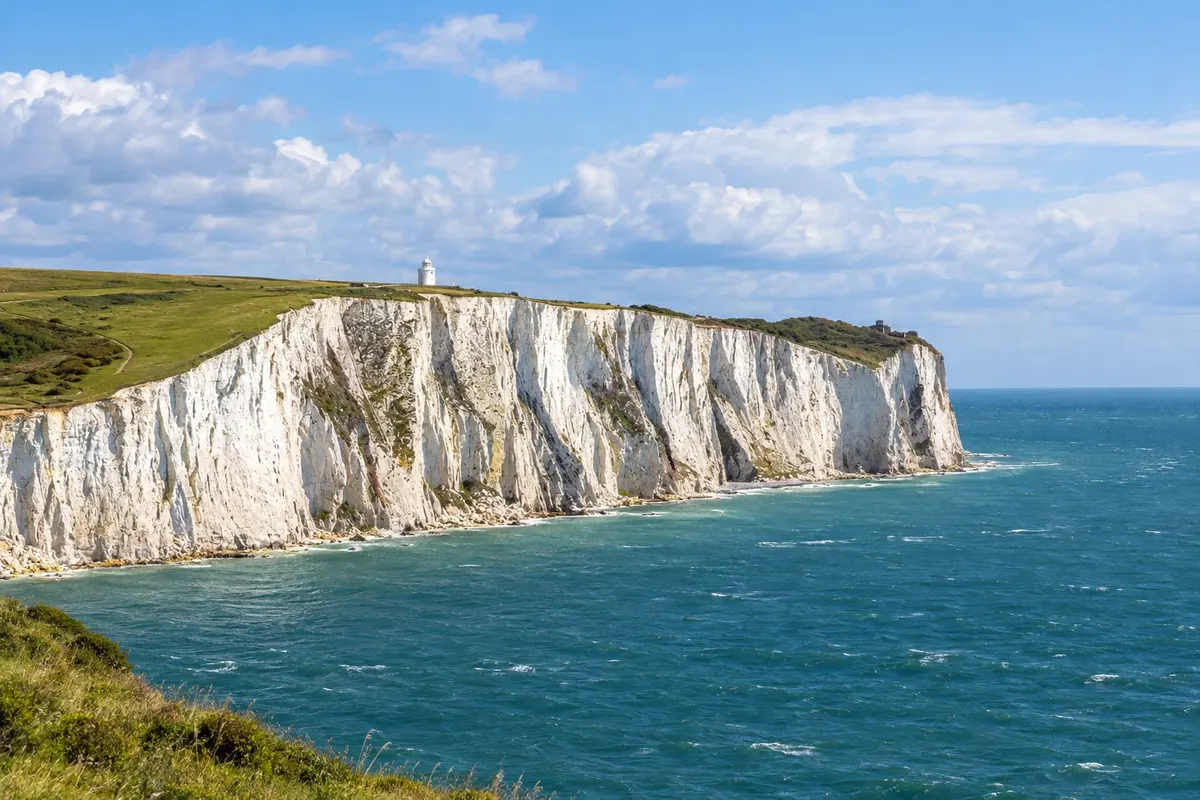
The city of the mother cathedral of the Anglican Church, of Thomas Becket and the Canterbury Tales, the starting point of the Via Francígena, and on the coast, the Castelo de Dover and the Falésias Brancas.
Things to do in the Czech Republic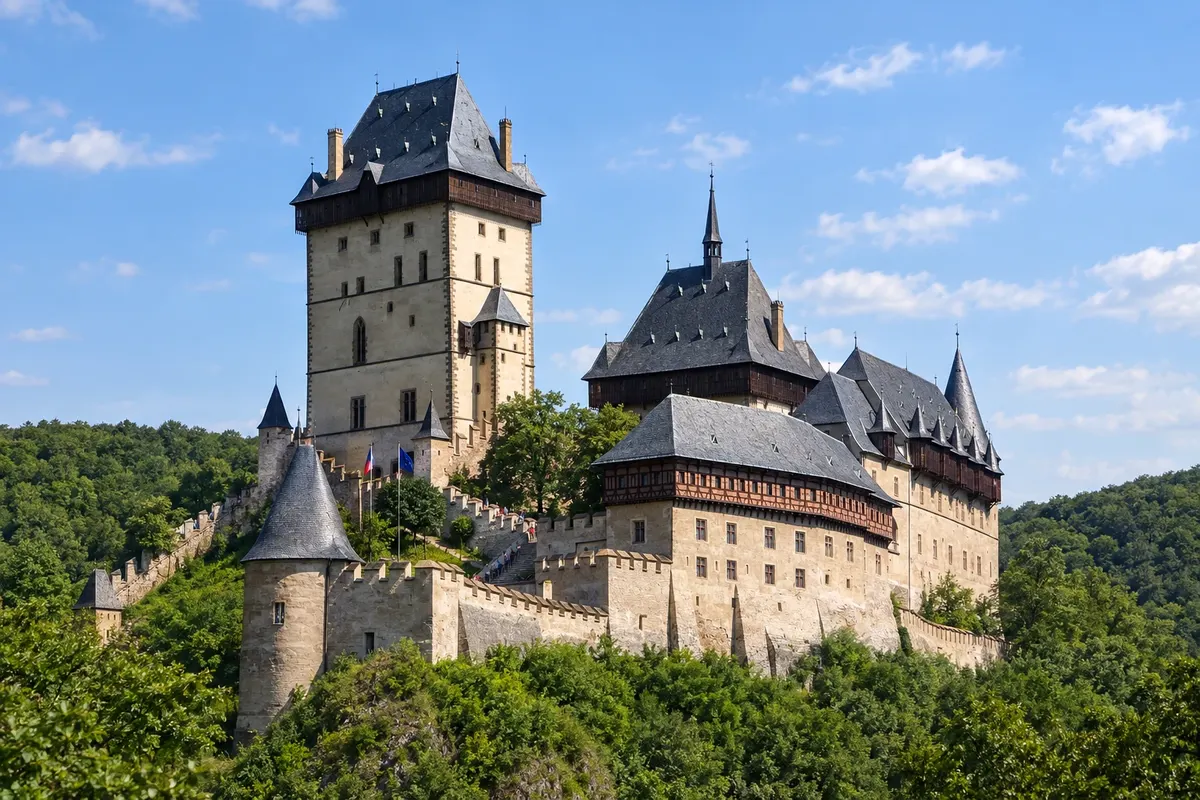
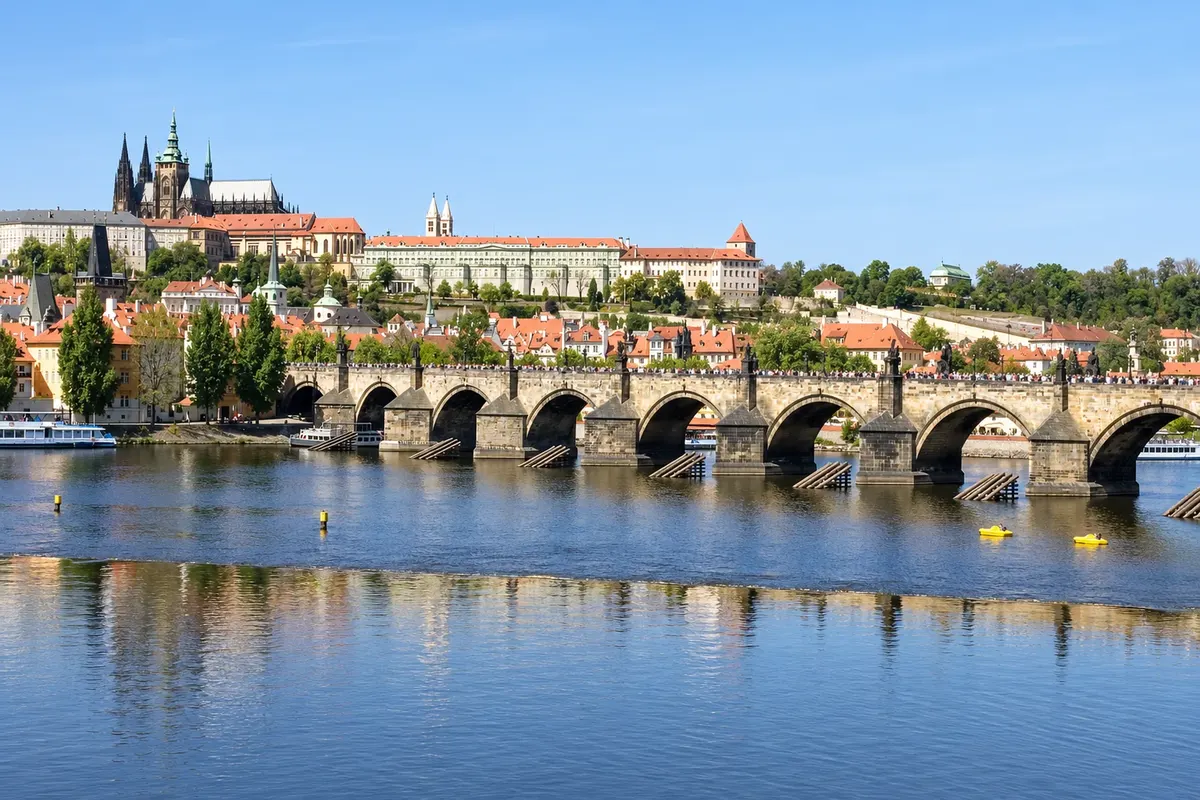
Bridges over the Vltava, castle, museums and old neighborhoods to explore on foot and by tram.
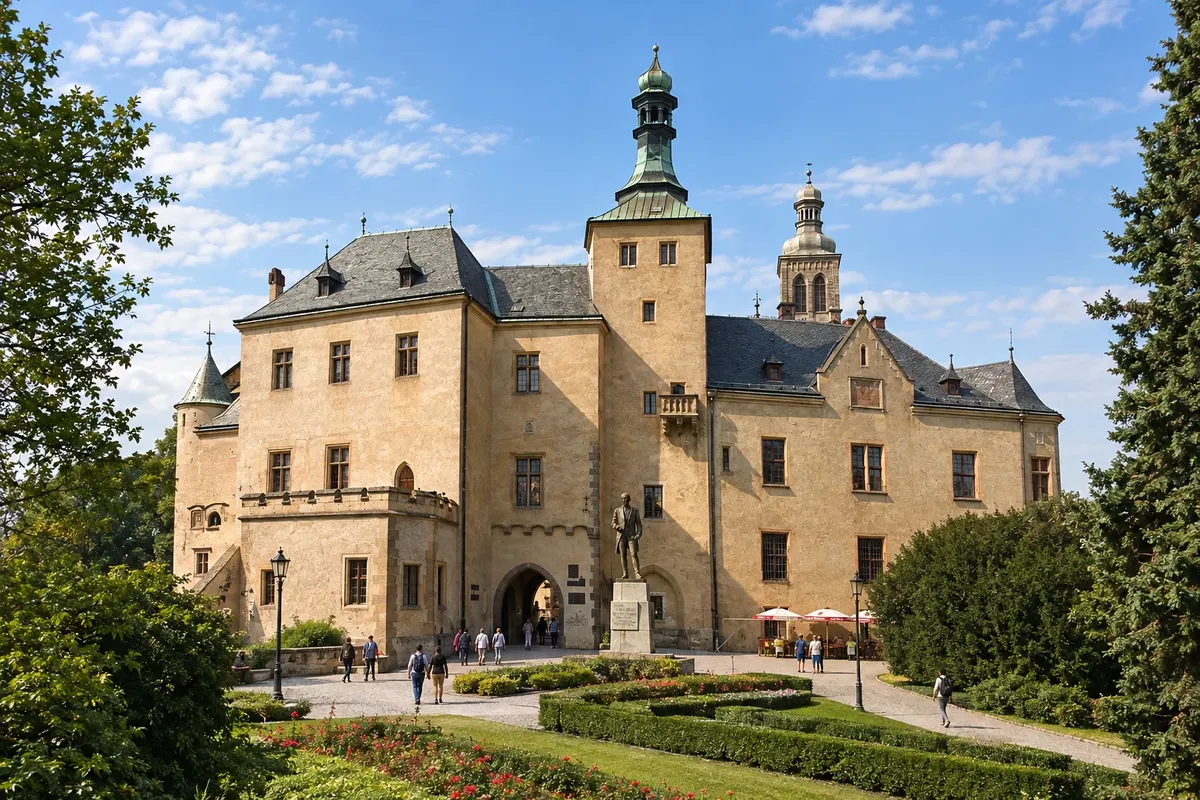
The history of silver in Gothic churches, in the Italian Courtyard and in the monuments of Sedlec.
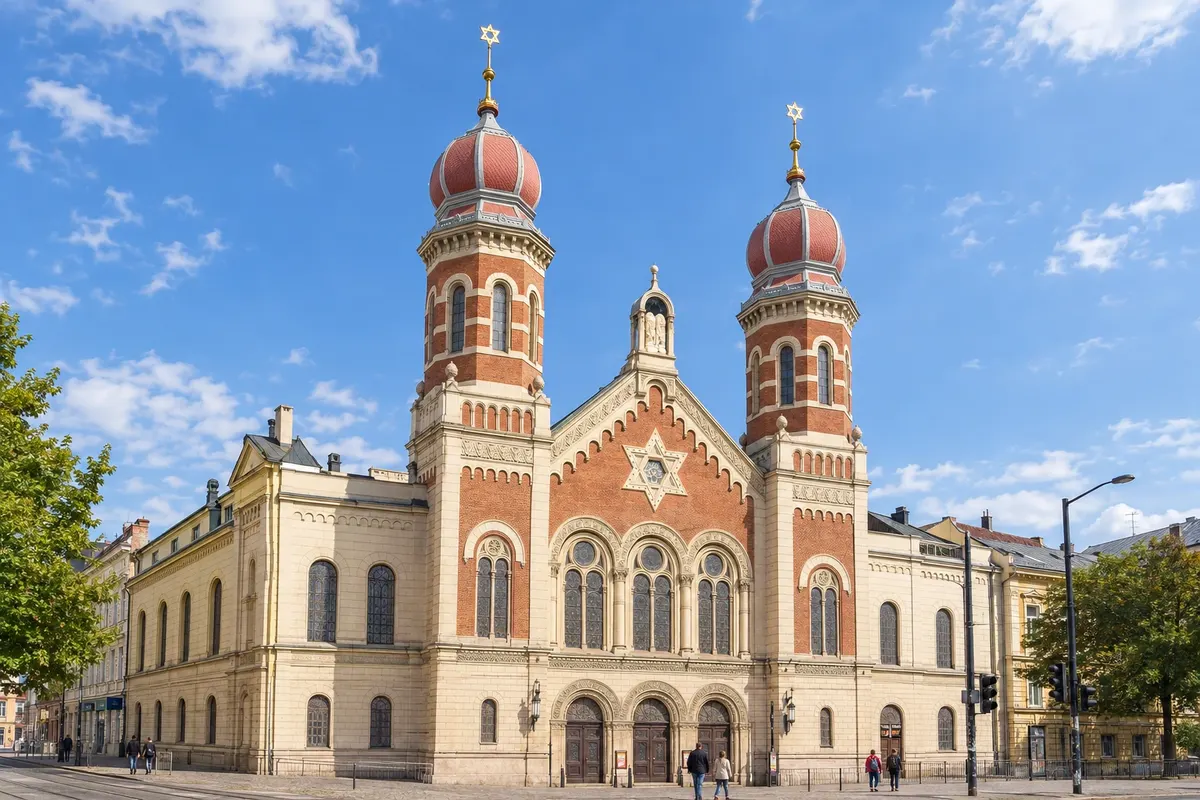
Gothic architecture, a large synagogue and modernist interiors in the city linked to the pilsner tradition.
Things to do in Sweden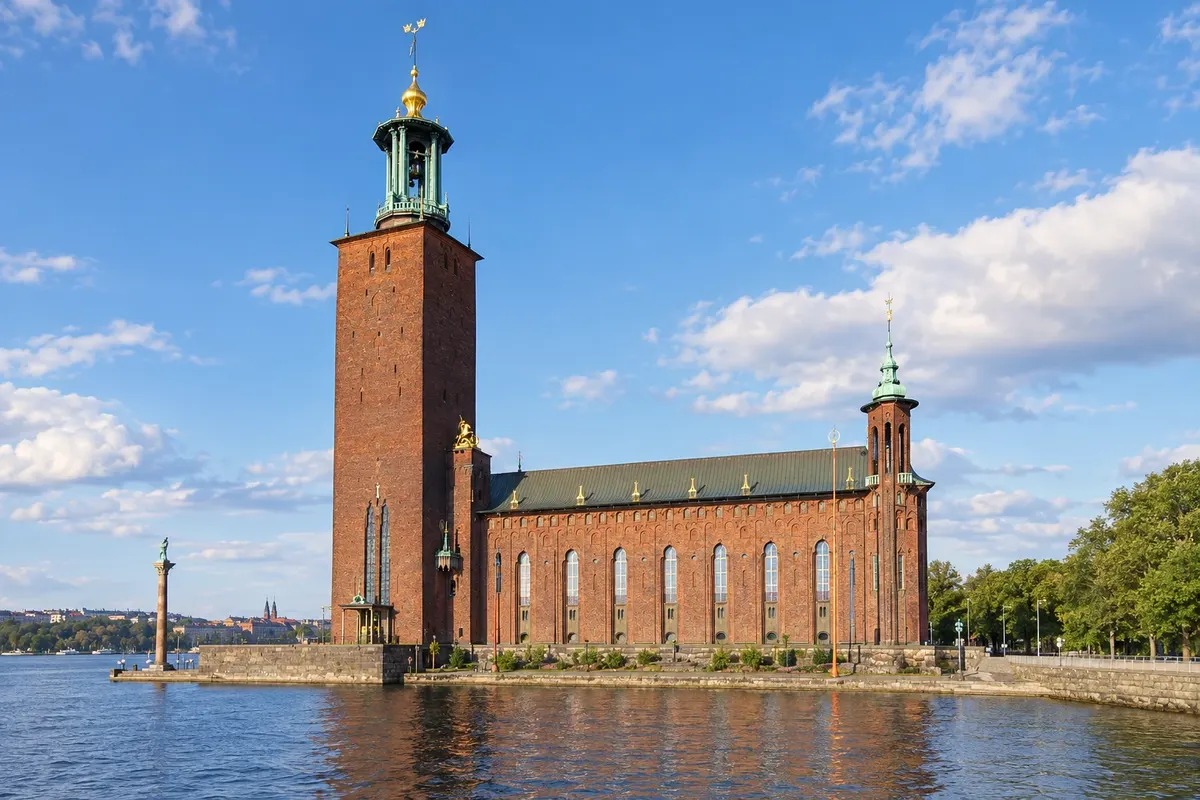
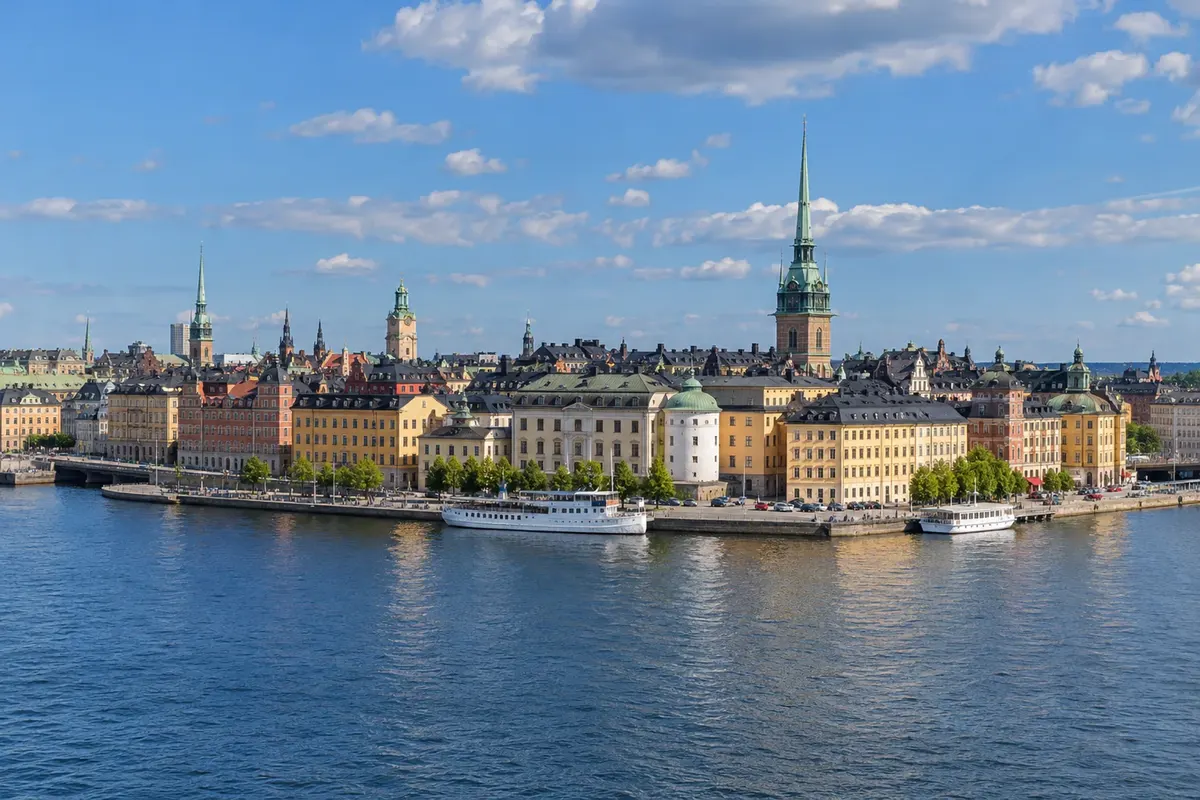
The Swedish capital spread over fourteen islands between lake Mälaren and the Baltic: Gamla Stan, the Palácio Real, the ship Vasa, Skansen, museums in Djurgården and the archipelago an hour away by boat.
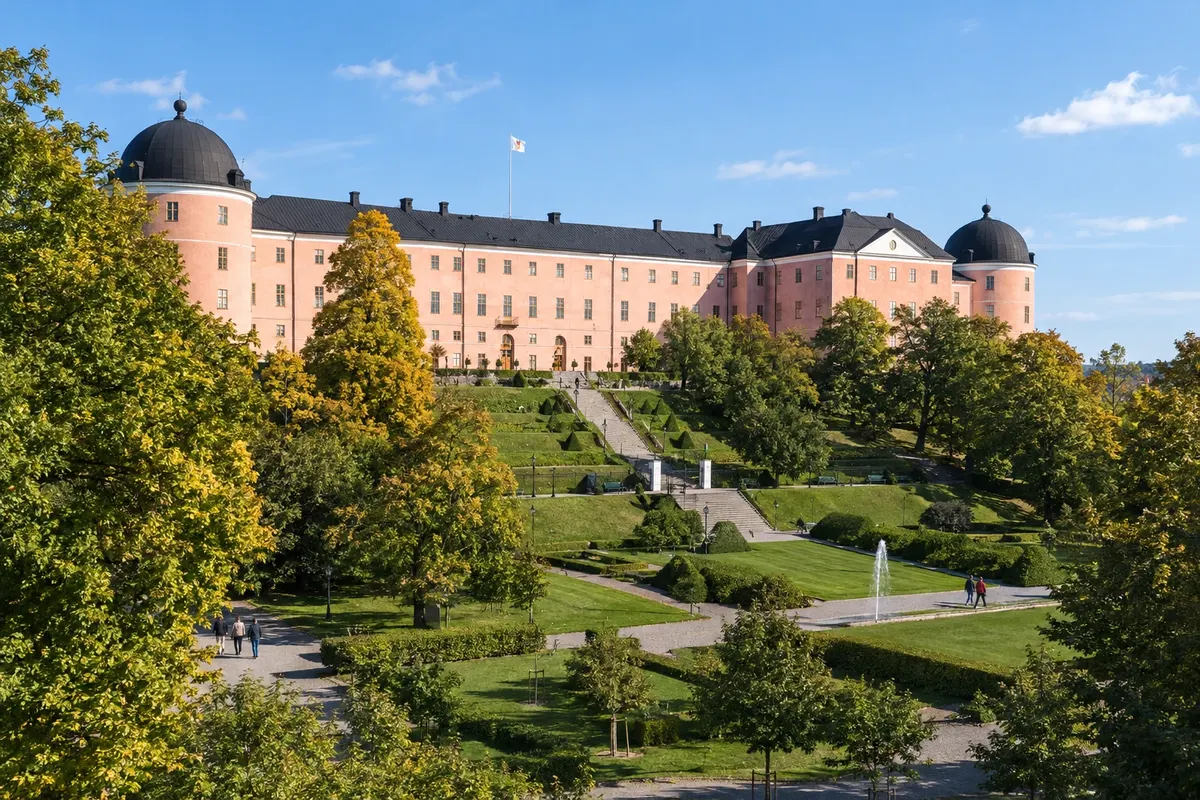
The oldest university city in the Nordic countries, 40 minutes by train from Stockholm: the Gothic cathedral, the pink castle, the Gustavianum, the Jardim de Lineu and the royal tombs of Gamla Uppsala.
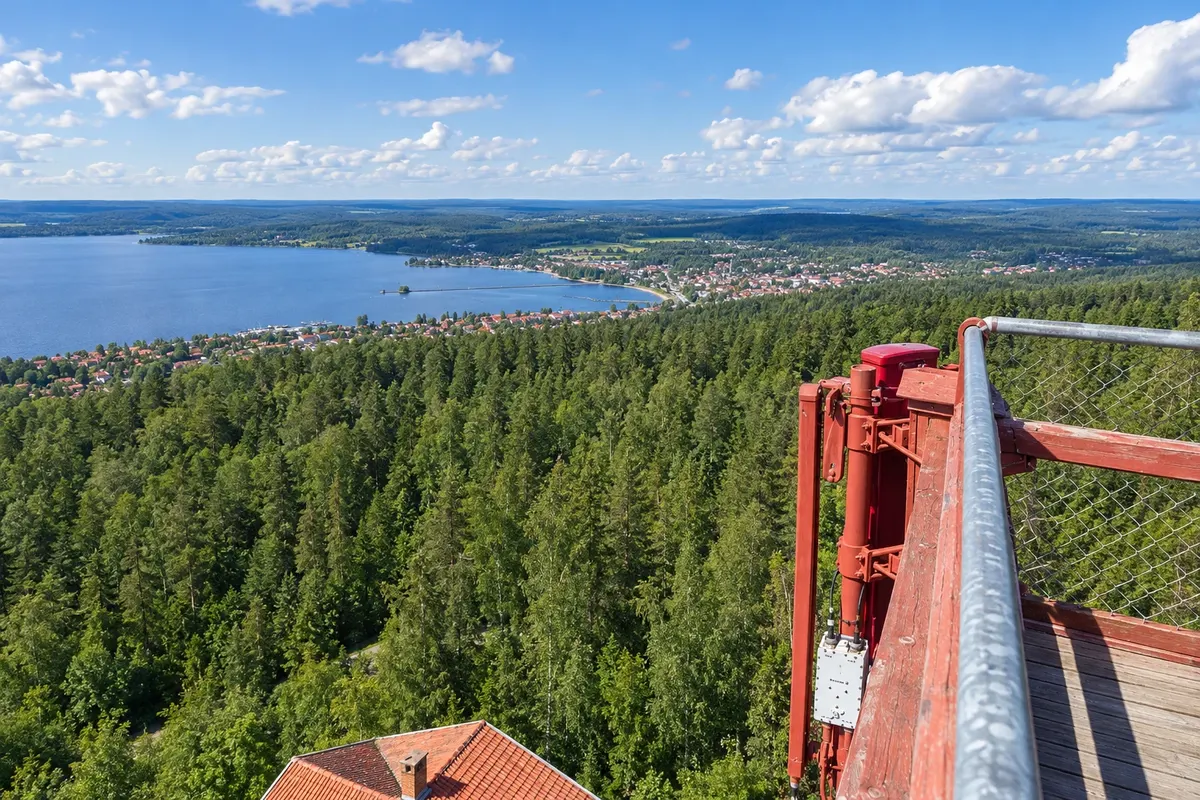
Red houses, lakes and Midsommar: the Falun copper mine, a World Heritage Site, the house of painter Carl Larsson, Mora and the Anders Zorn museum, Lake Siljan and the Dala horses.
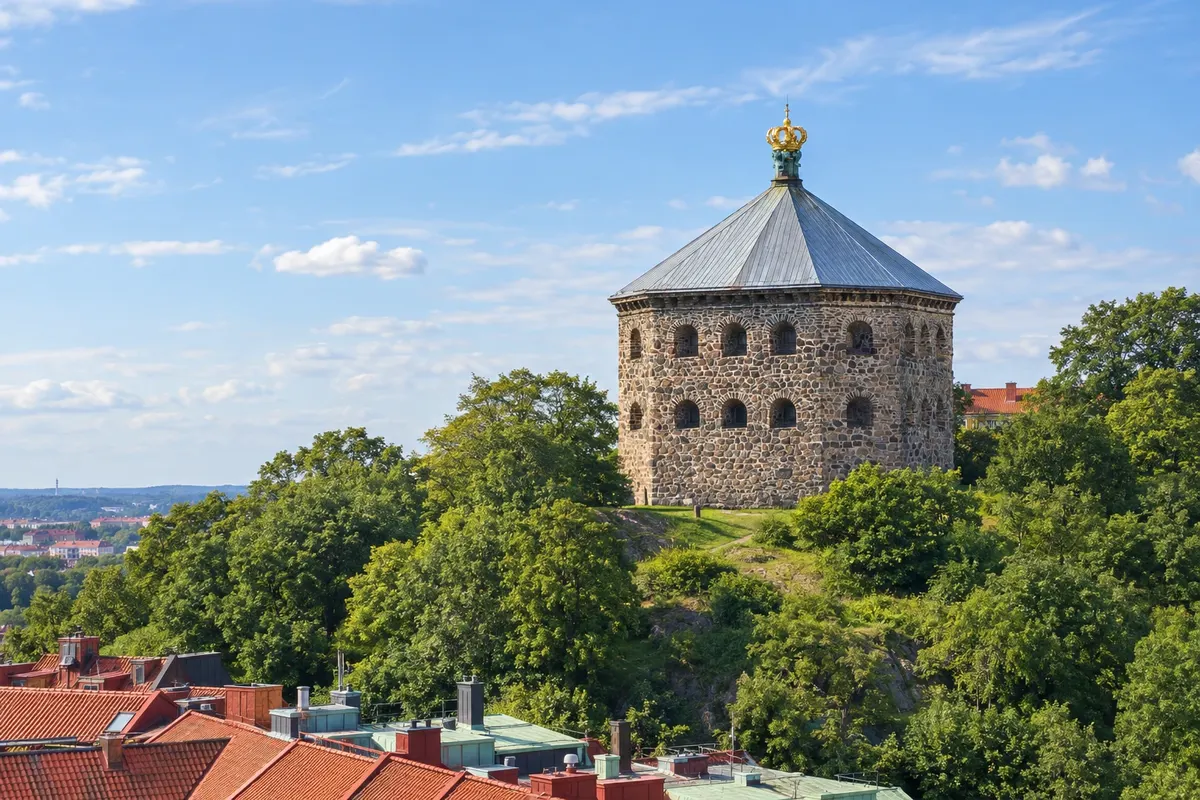
Sweden's second city on the west coast: 17th‑century canals, the wooden Haga district, Liseberg park, museums at Götaplatsen and car‑free islands about half an hour by tram and boat.
Things to do in Switzerland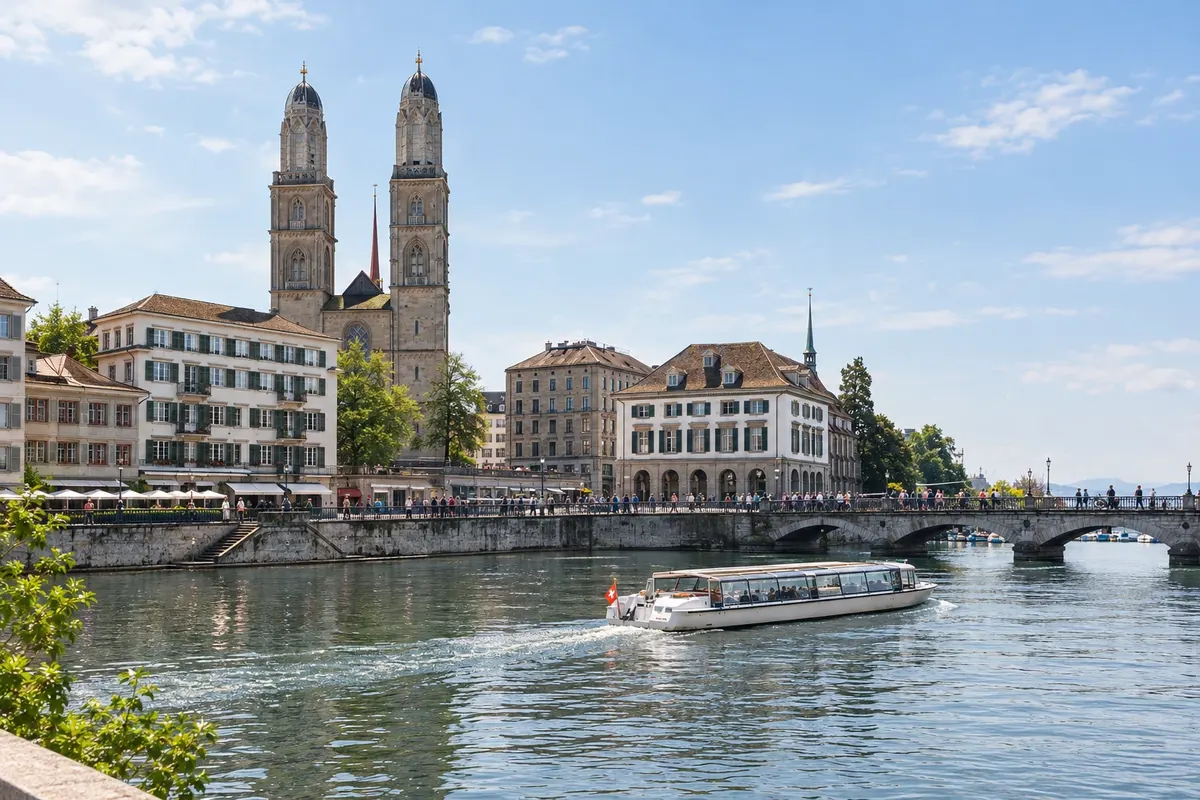
The city at the northern tip of Lake Zurique, with a medieval center on both banks of the Limmat River, museums, churches with stained glass by Chagall and Giacometti, and trains to the whole country.
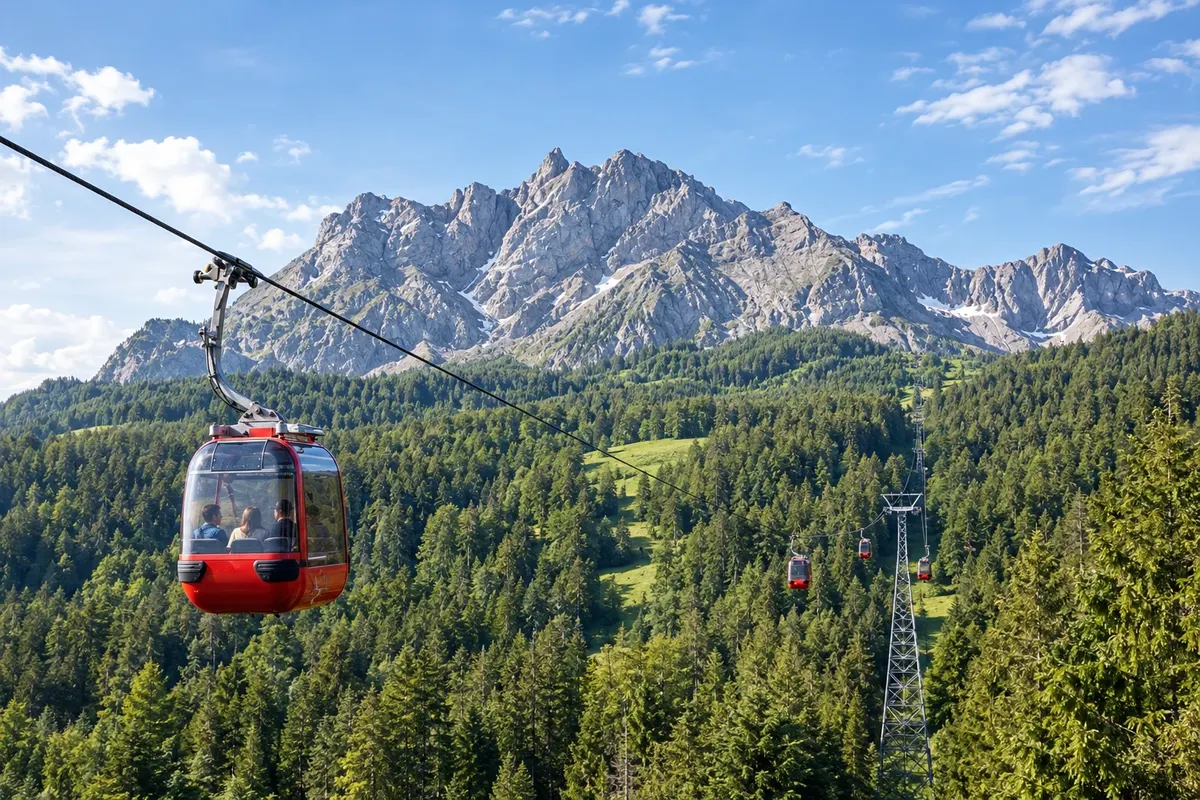
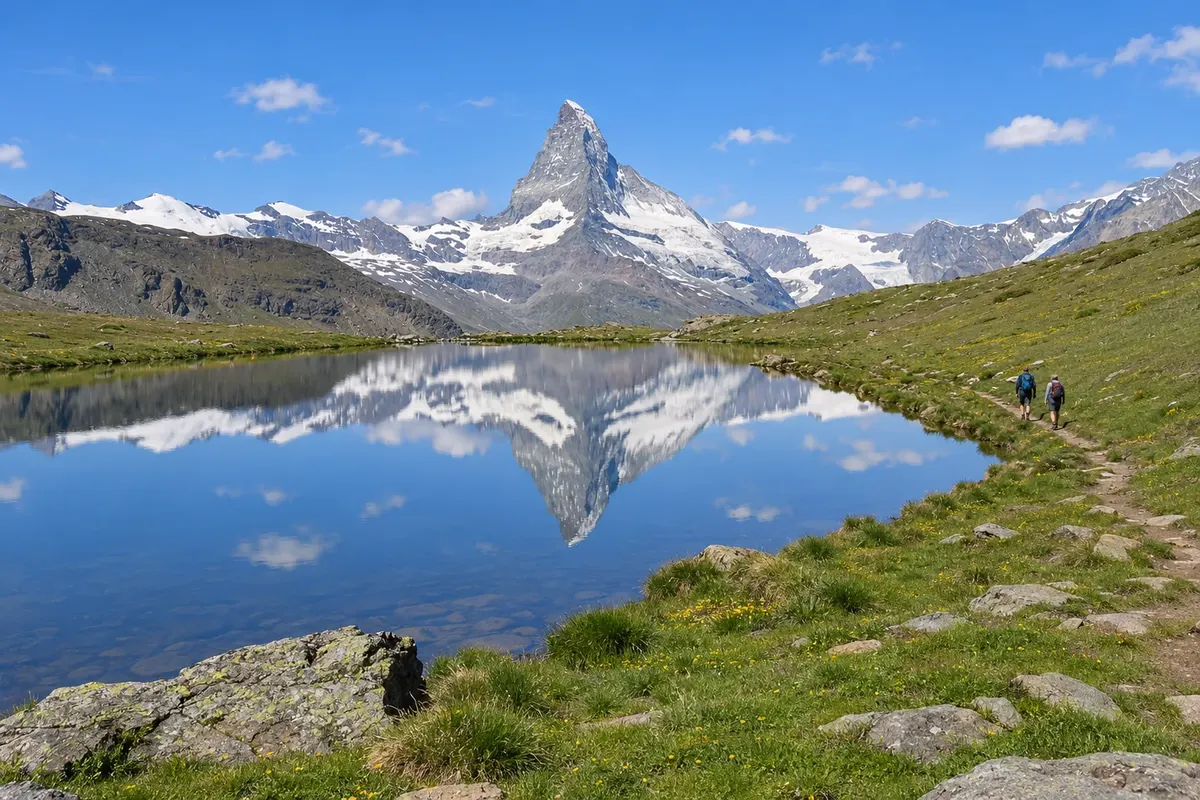
Lucerna, with wooden bridges over the Reuss River and the Lake of the Four Cantons, and the surrounding mountains: Pilatus, Rigi and, in Engelberg, the Titlis with a glacier at 3,020 m.
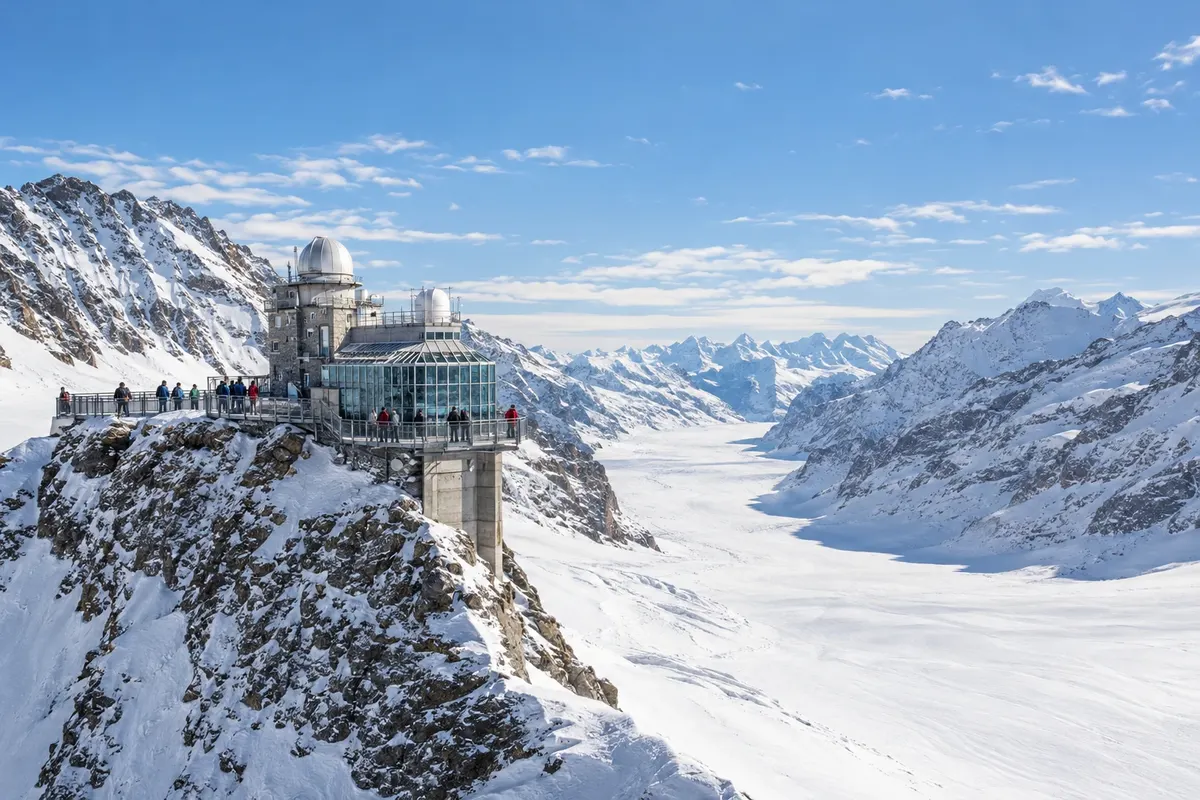
Interlaken, between the lakes Thunersee and Brienzersee, and the valleys of Grindelwald and Lauterbrunnen, from which trains and cable cars climb to the Jungfraujoch, the Schilthorn and car-free villages.
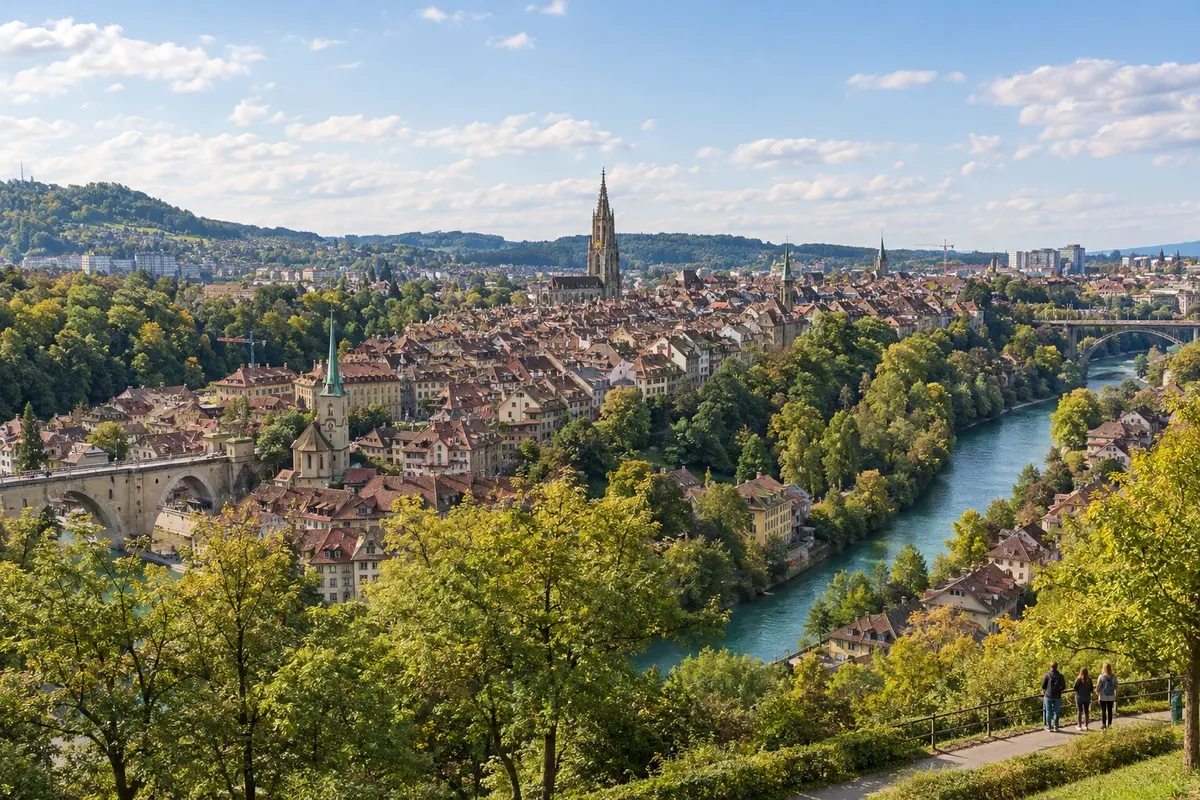
The federal city of the Suíça, seat of the government and parliament, with a medieval centre of arcades, fountains and towers on a bend of the Aare river, listed by UNESCO.
Things to do in Turkey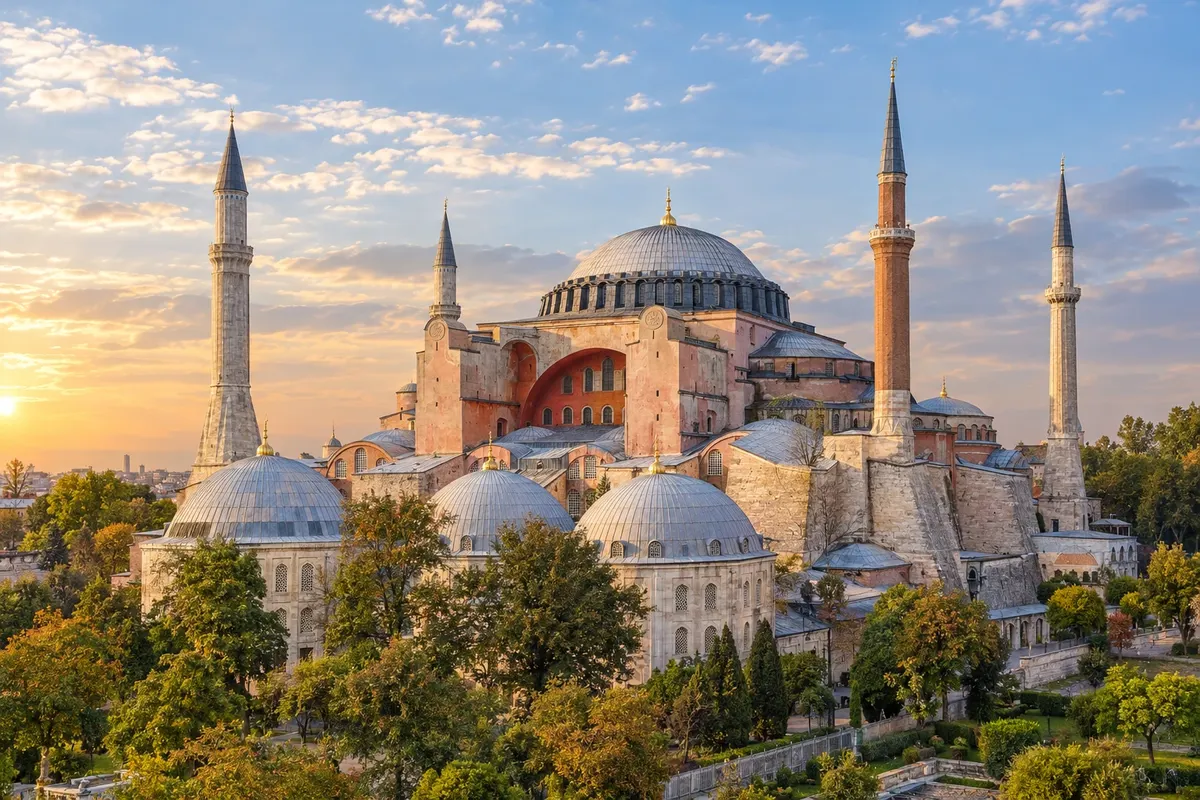
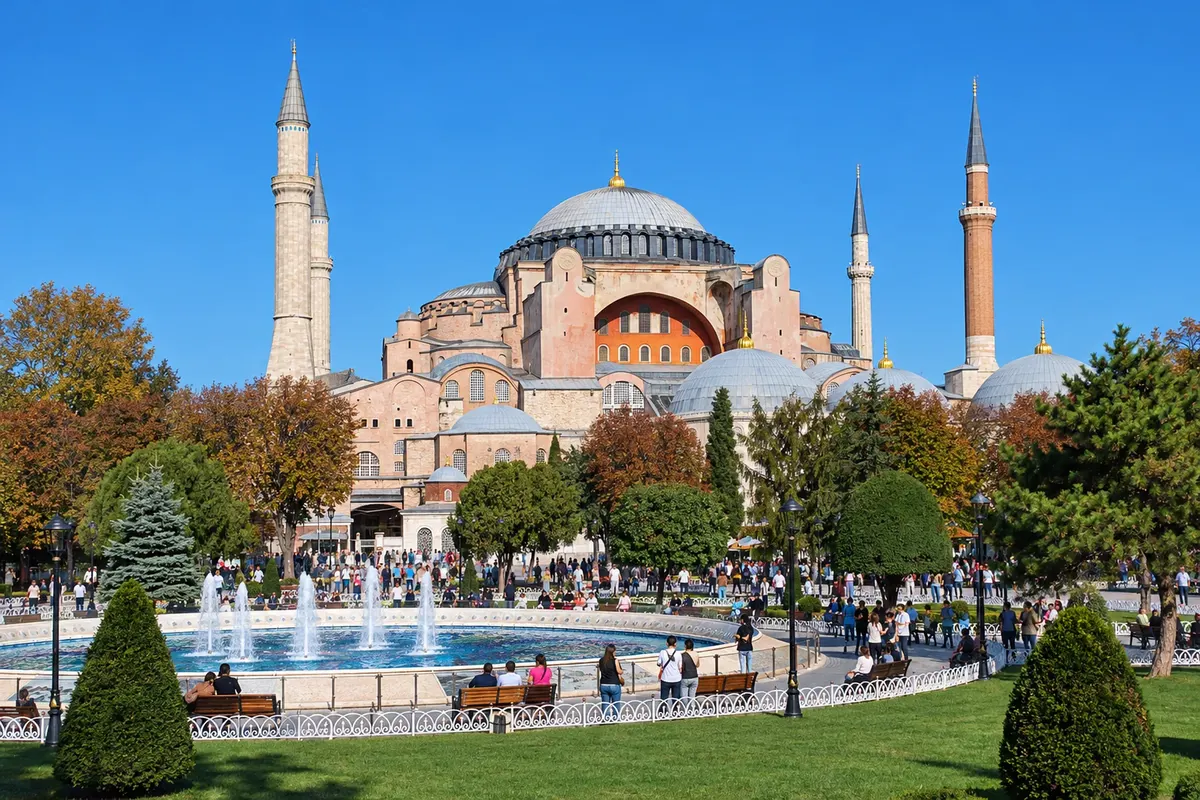
Between Europe and Asia, Hagia Sophia, Ottoman palaces, bazaars and the Bosphorus organize the first trip to Turkey’s largest city.
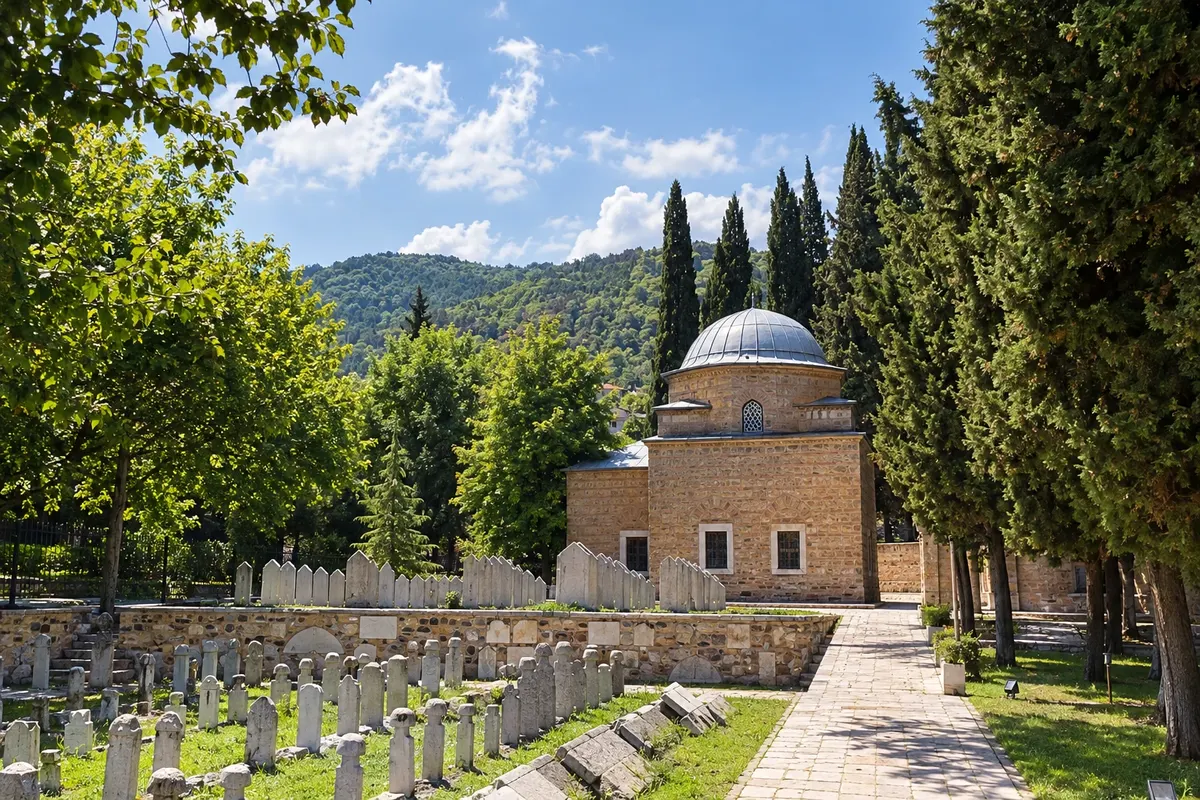
The first Ottoman history appears in the markets and mosques of Bursa, in the houses of Cumalıkızık and in ancient Nicaea, beside İznik lake.
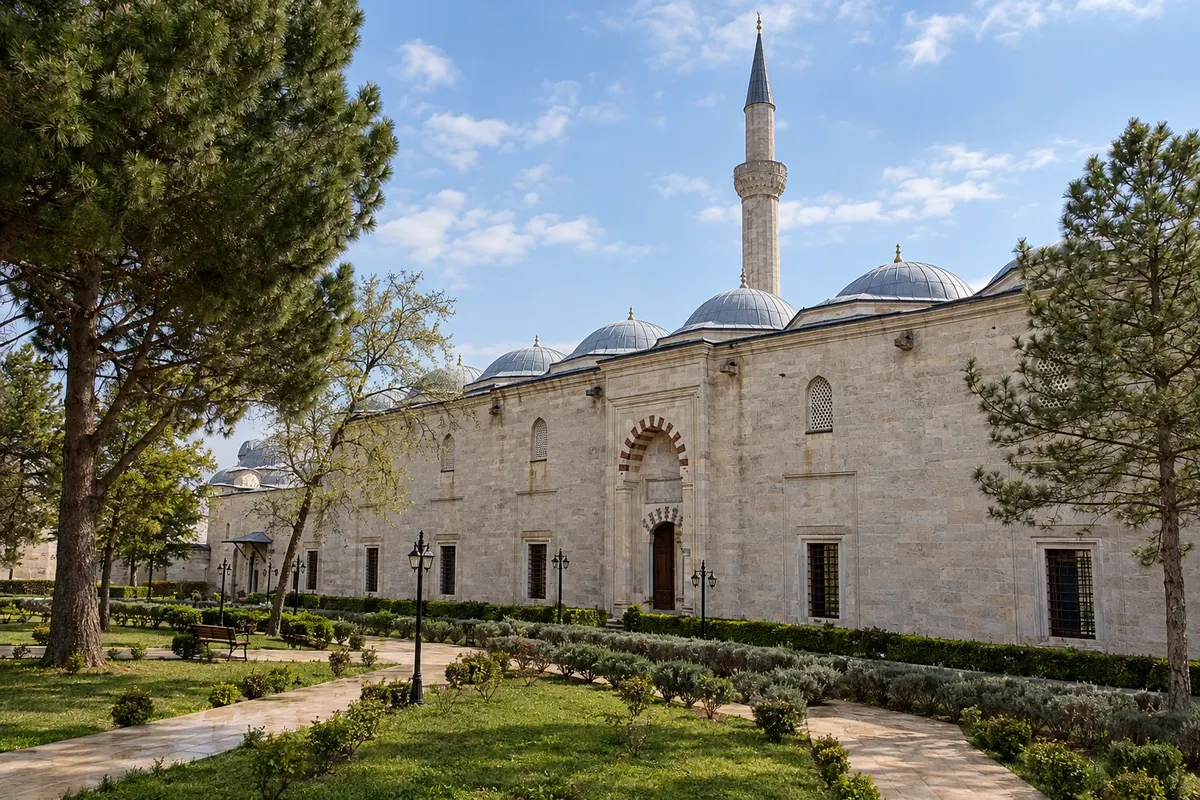
In European Thrace, the former Ottoman capital brings together Sinan's Selimiye, mosques from different periods and a museum in a former hospital.
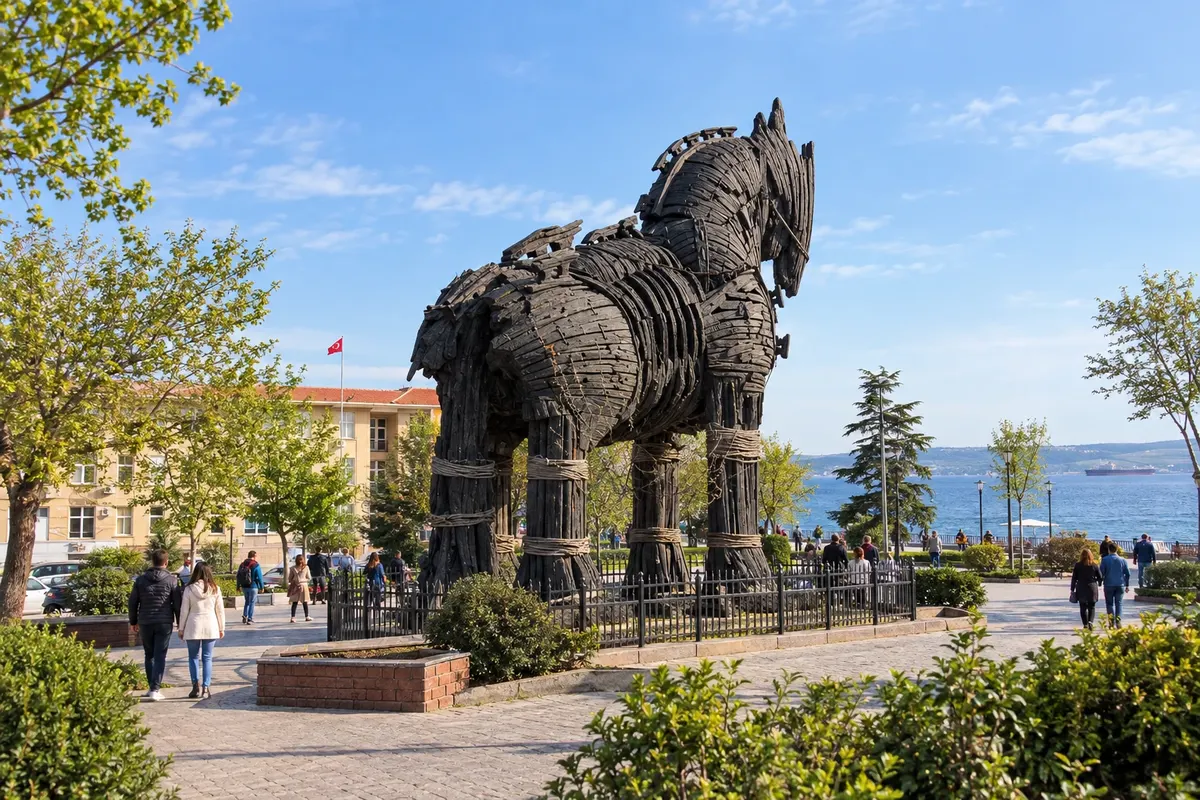
Troy in Anatolia and the Gallipoli memorials in Europe come together on a route along the Dardanelles, with Assos and the island of Bozcaada.
Flavors of the countries · Europe
Typical dishes, sweets and drinks from each country, each one with the city or region it represents. Choose a country to see all its flavors.