Berlim and Potsdam

Berlim · Brandemburgo · Germany

Berlim and Potsdam

The German capital, with the memory of the Wall and the Second World War, the Museumsinsel and lively neighborhoods, and nearby Potsdam, with the palaces and gardens of the kings of Prússia.

Leste

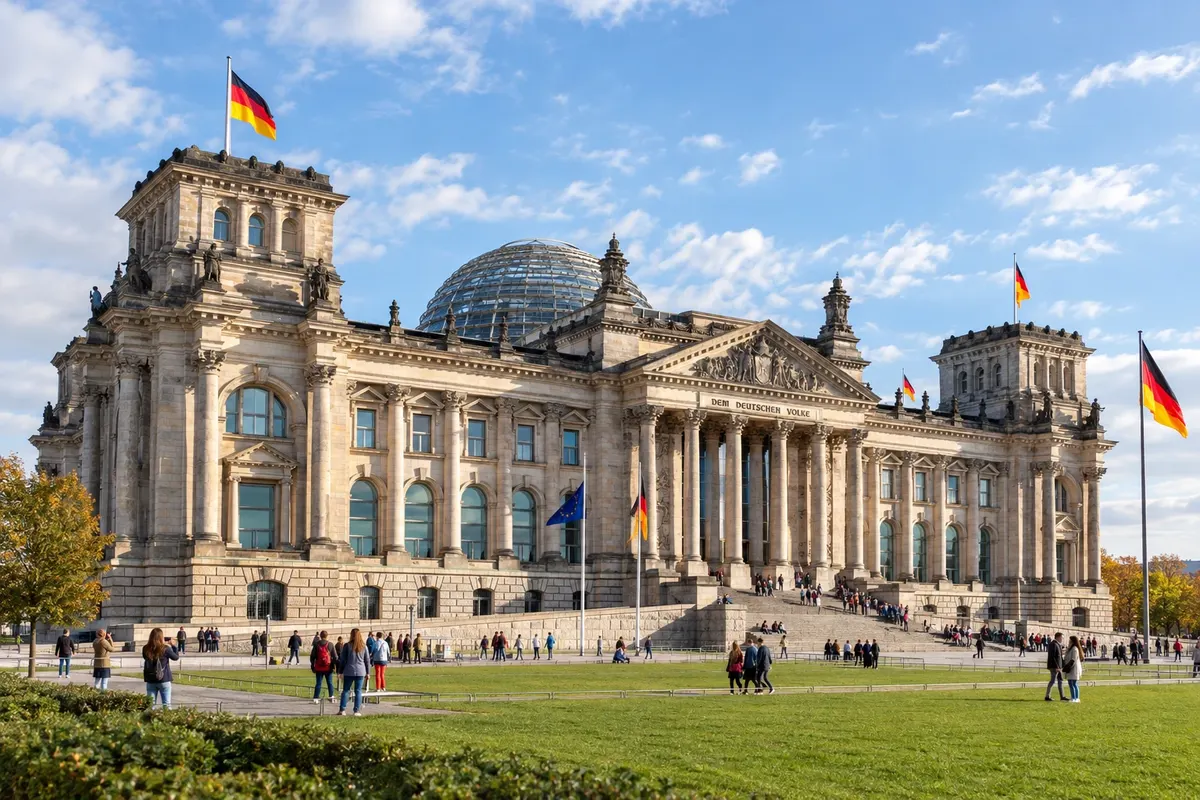
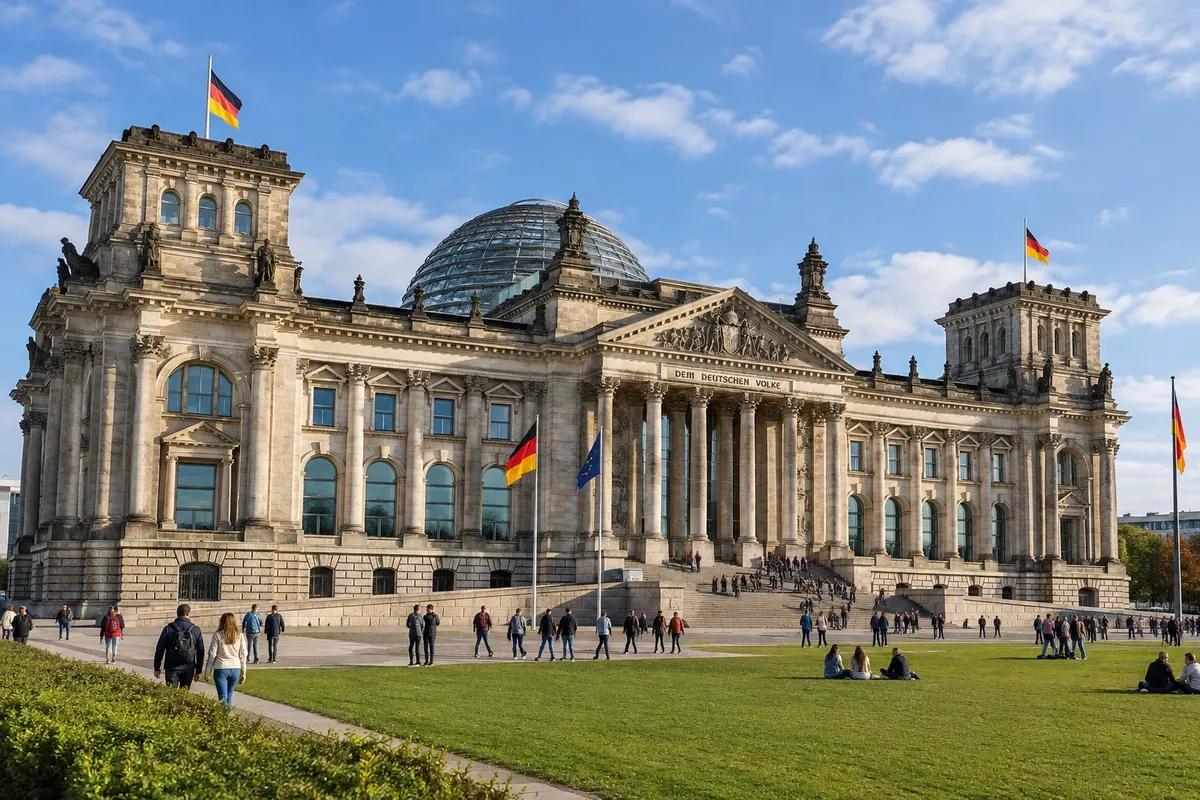
In the photo: Reichstagsgebäude, Berlim

Illustrative images. The pictures in this guide are illustrations based on the real place, not photographs, and may differ from it.

Get it on Google Play Send your photos

Get to know the place

A region to enjoy
at your own pace.

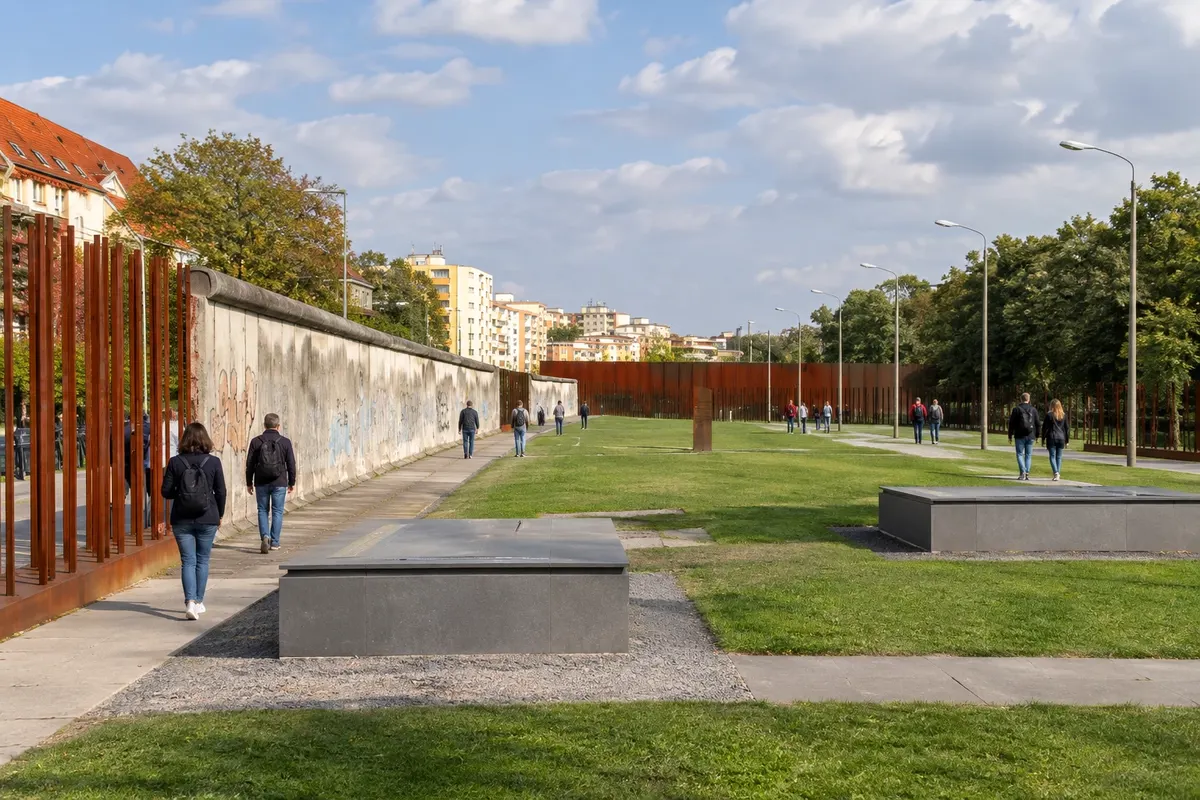
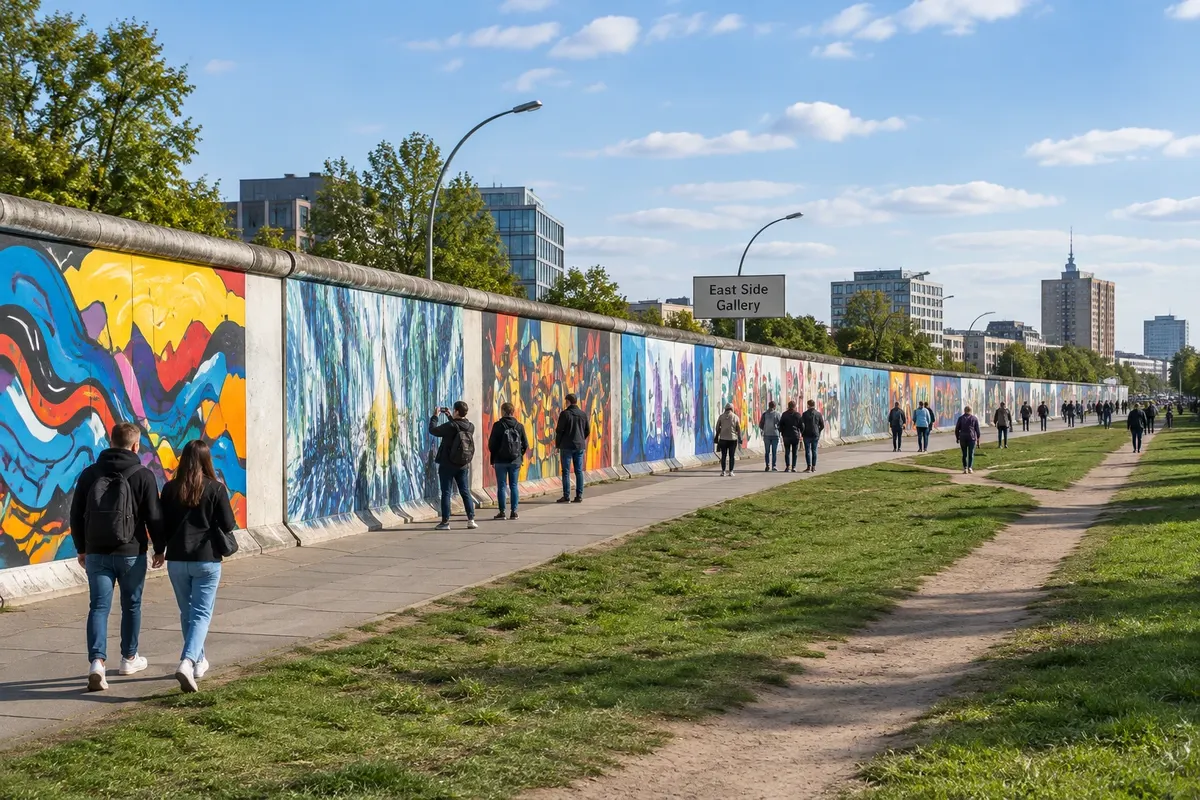
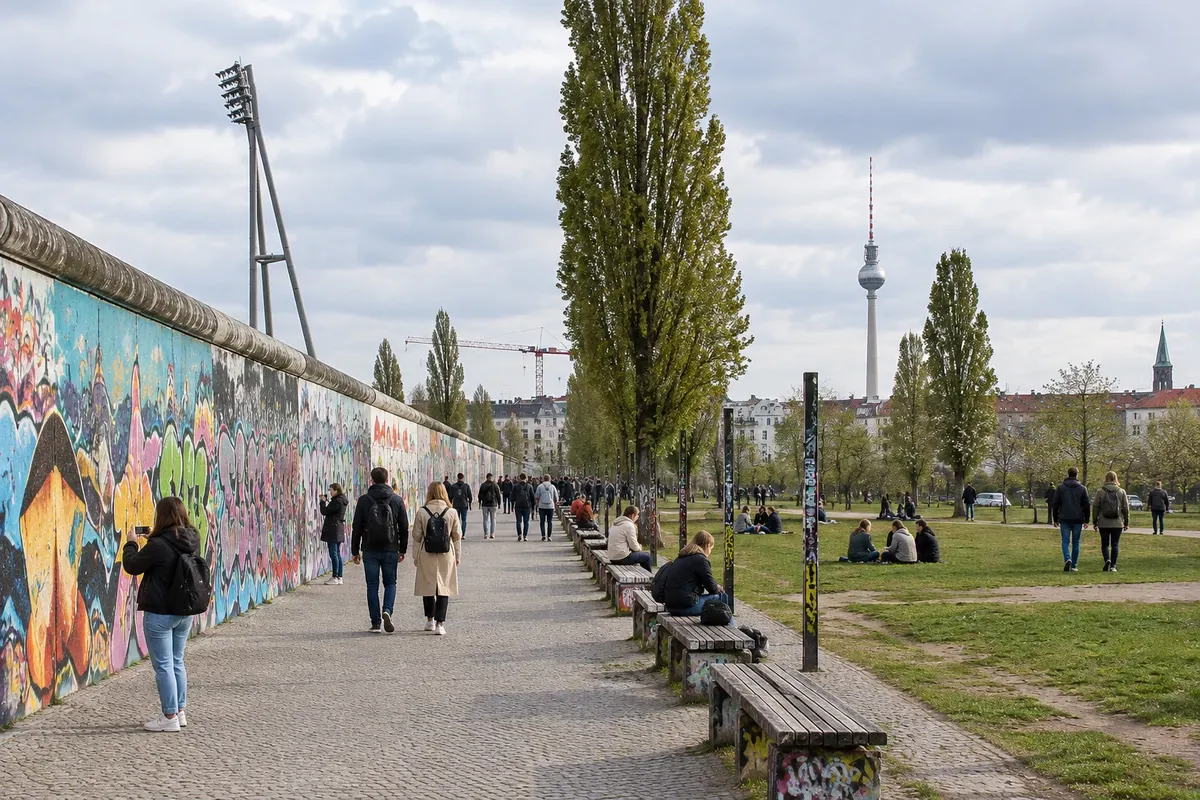
Berlim is the capital and largest city of Germany. It was the capital of Prússia and of the German Empire, was divided by a wall from 1961 to 1989 and became a single city again with the country's reunification in 1990. That history is visible in the streets: markers on the ground show where the Wall ran, and sections remain standing on Bernauer Straße and at the East Side Gallery.

In the historic center, the Brandenburger Tor opens onto the boulevard Unter den Linden, which leads to the Museumsinsel, the Island of Museums, a complex declared a World Heritage Site by UNESCO. Nearby are the Berliner Dom, the television tower at Alexanderplatz and the Reichstag, the parliament seat, with a glass dome open to the public by reservation. The Holocaust memorials and the Topographie des Terrors address the Nazi era in a sober tone.

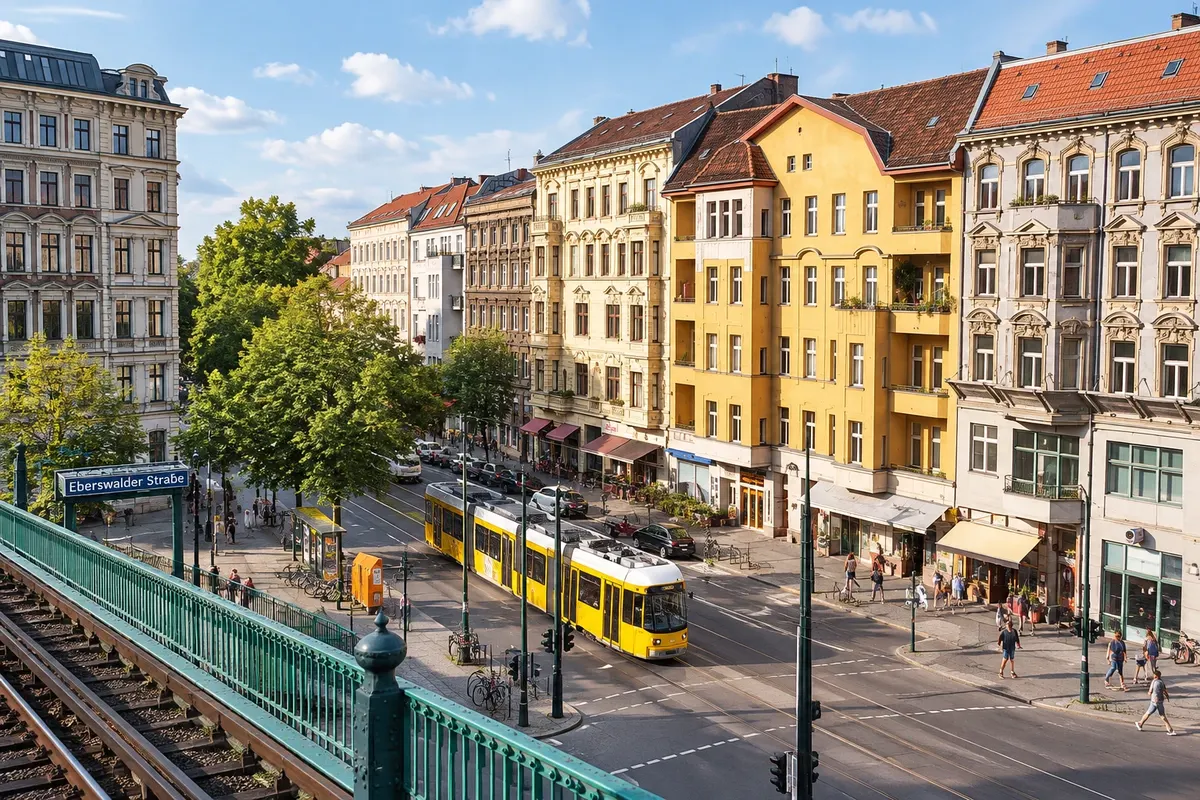
The city is large and spread out, but transport is straightforward: S-Bahn (city train), U-Bahn (metro), trams and buses use the same ticket, divided into zones A, B and C. Each neighborhood has its own feel: Kreuzberg and Friedrichshain with bars and street art, Prenzlauer Berg with restored old buildings and cafés, Charlottenburg with the palace and the Kurfürstendamm avenue.

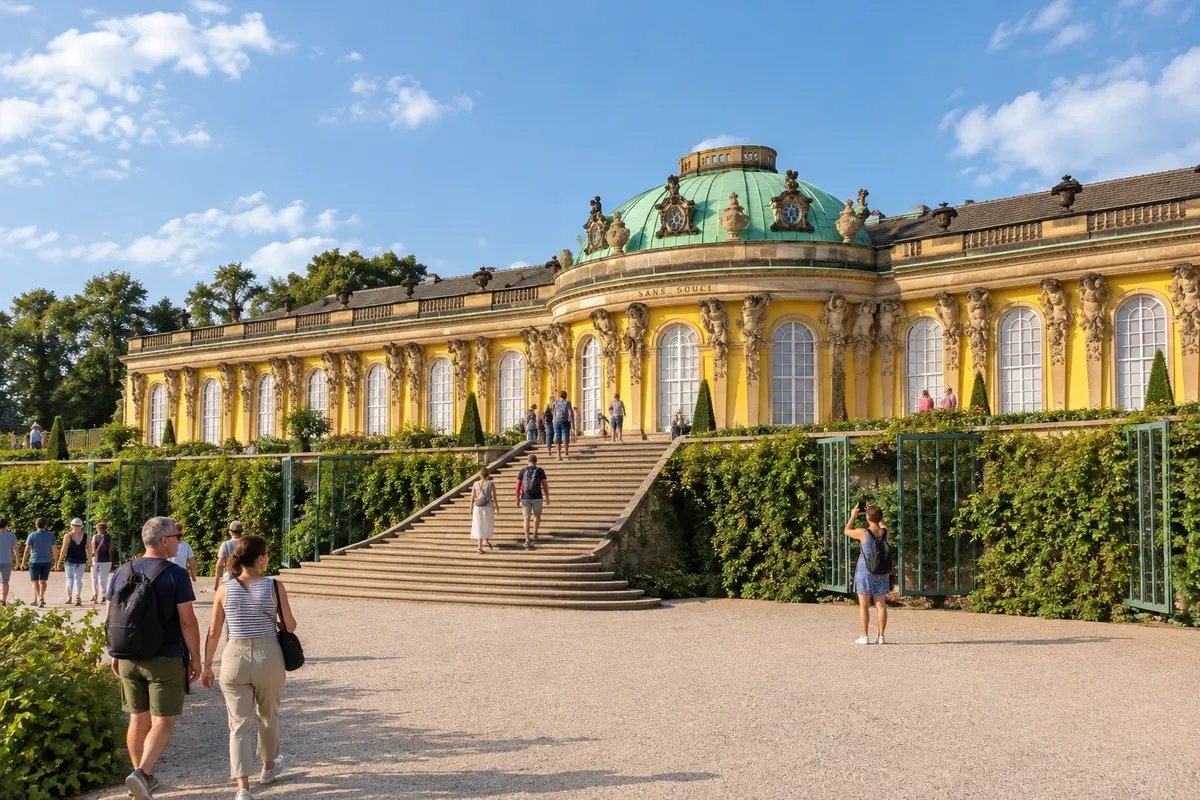
Potsdam lies adjacent to Berlim, to the southwest, and is the capital of the state of Brandemburgo. It was the summer residence of the kings of Prússia, and the palaces and parks, led by the Palácio de Sanssouci, are also a World Heritage Site. Regional trains and the S-Bahn connect the two cities in under an hour, which makes Potsdam the most common day trip from Berlim.

This destination brings together 2 cities: Berlim, Potsdam.

Share: WhatsApp
Traveler, share your experiences through photos Up to 5 photos of each place you visited.

One destination, many paths

The cities on this trip

Start with one city or combine several in your itinerary.

Where Berlim and Potsdam is
BerlimPotsdam

Contornos: © BKG (2026), dl-de/by-2-0. Adaptação do Cidade Turismo.

How to get there: Berlim and Potsdam

✈ Flughafen Berlin Brandenburg Willy Brandt (BER) · 27 km to Berlim

Confirm before buying. The airport is Berlin Brandenburg (BER), linked to the center by train. From Hamburg, Munich or Frankfurt, the ICE train of Deutsche Bahn arrives at Berlin Hauptbahnhof, the central station. Potsdam is less than an hour from Berlim by train.

Suggested arrival point: Berlim

The local experience

Things to do in Berlim and Potsdam

Brandenburger Tor
Berlim · Berlim · Monument

Brandenburger Tor

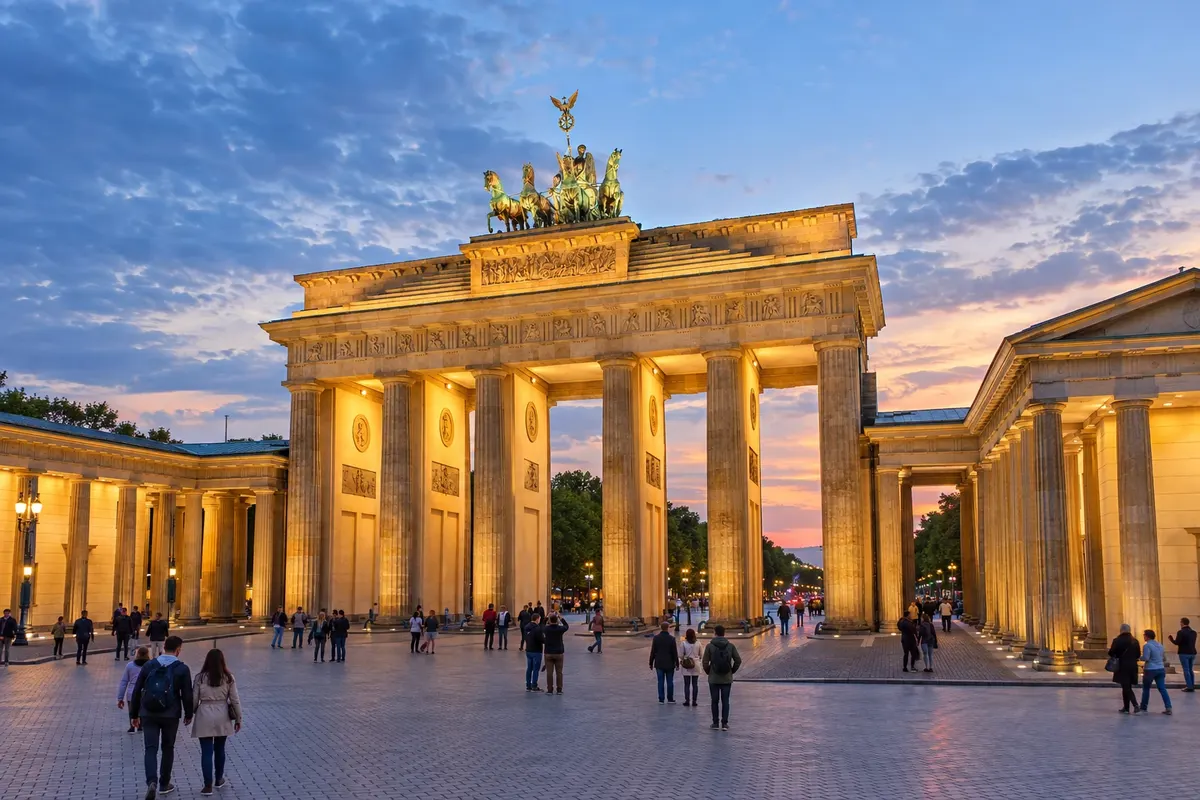
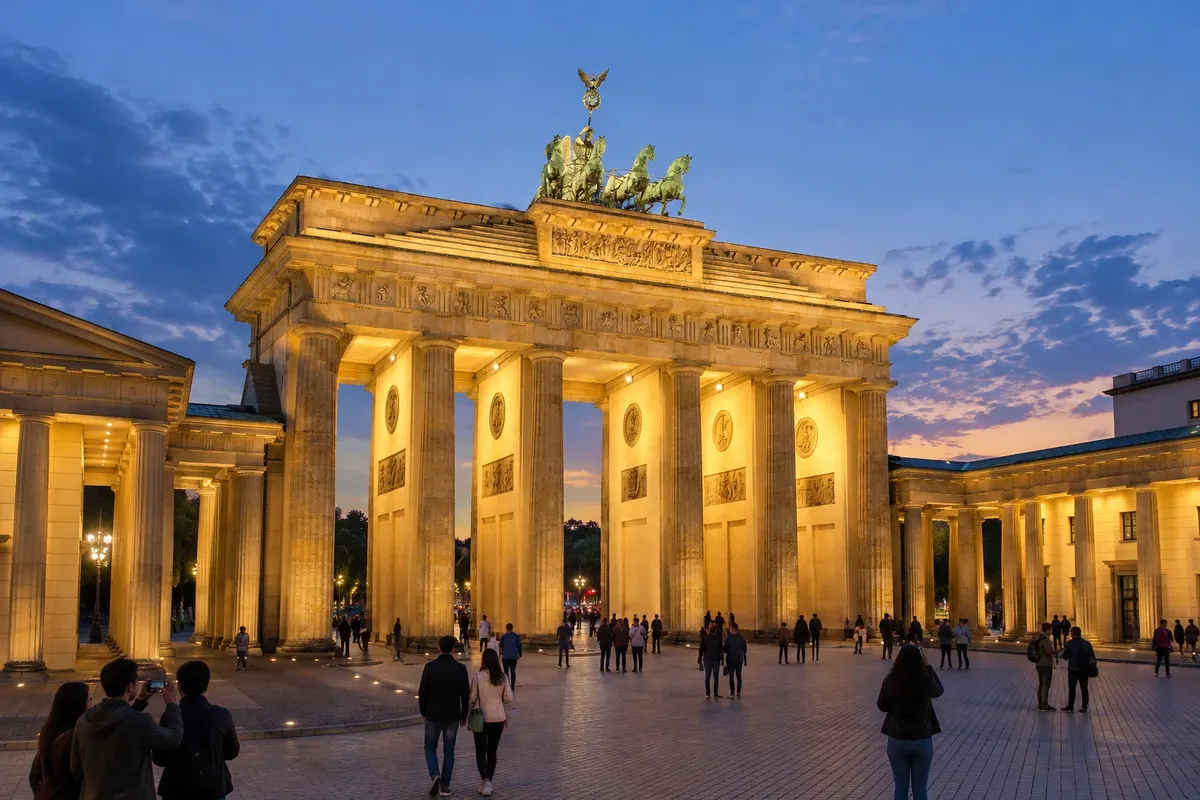
Neoclassical gate from the late 18th century, topped by the Quadriga. It stood isolated next to the Wall during the division and became a symbol of German reunification.

Schloss Sanssouci
Potsdam · Brandemburgo · Palace

Schloss Sanssouci

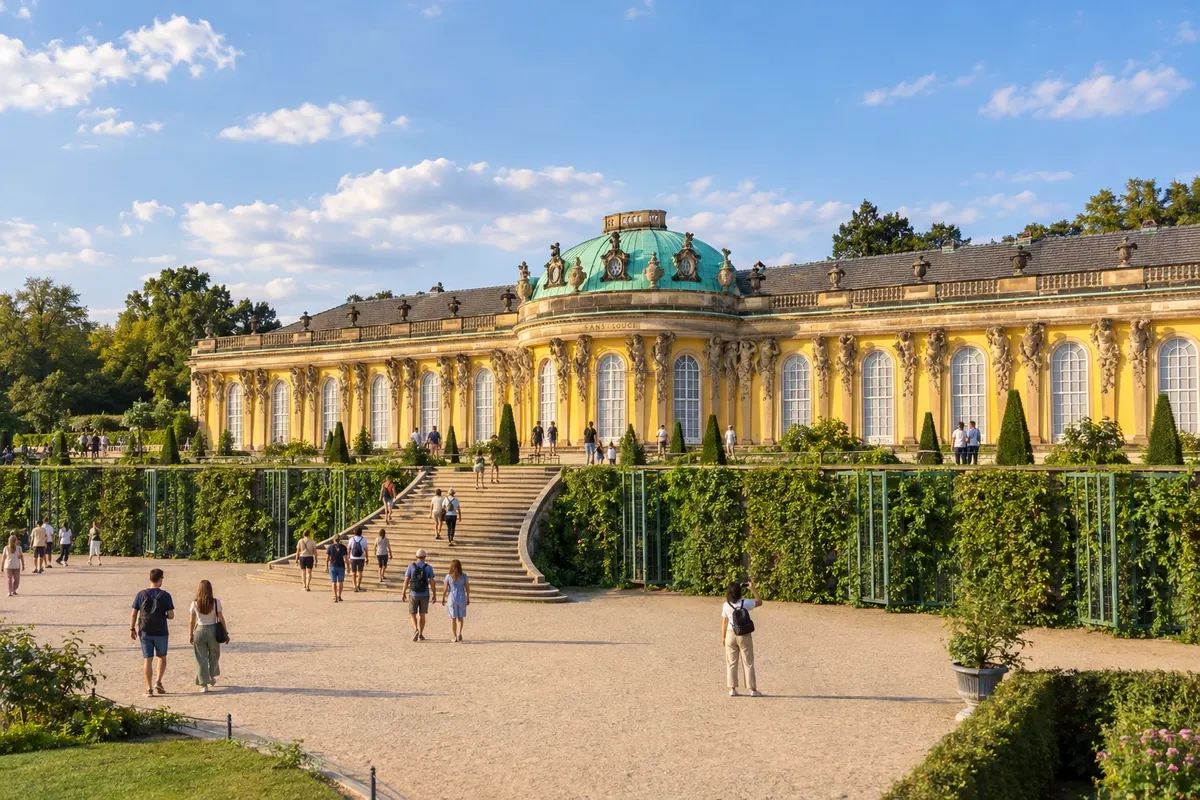
Summer palace of Frederick the Great, atop vineyard terraces. 18th-century Rococo, original rooms and the king's tomb on the upper terrace.

Park Sanssouci
Potsdam · Brandemburgo · Park

Park Sanssouci

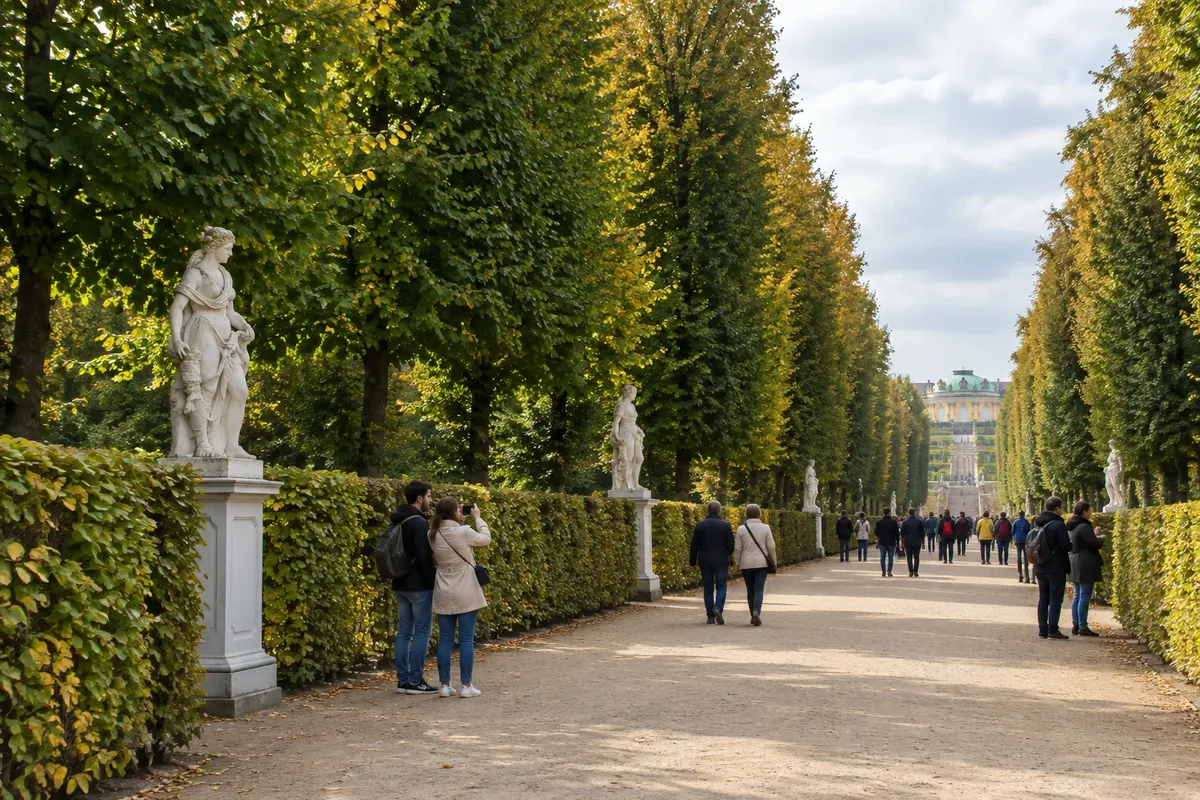
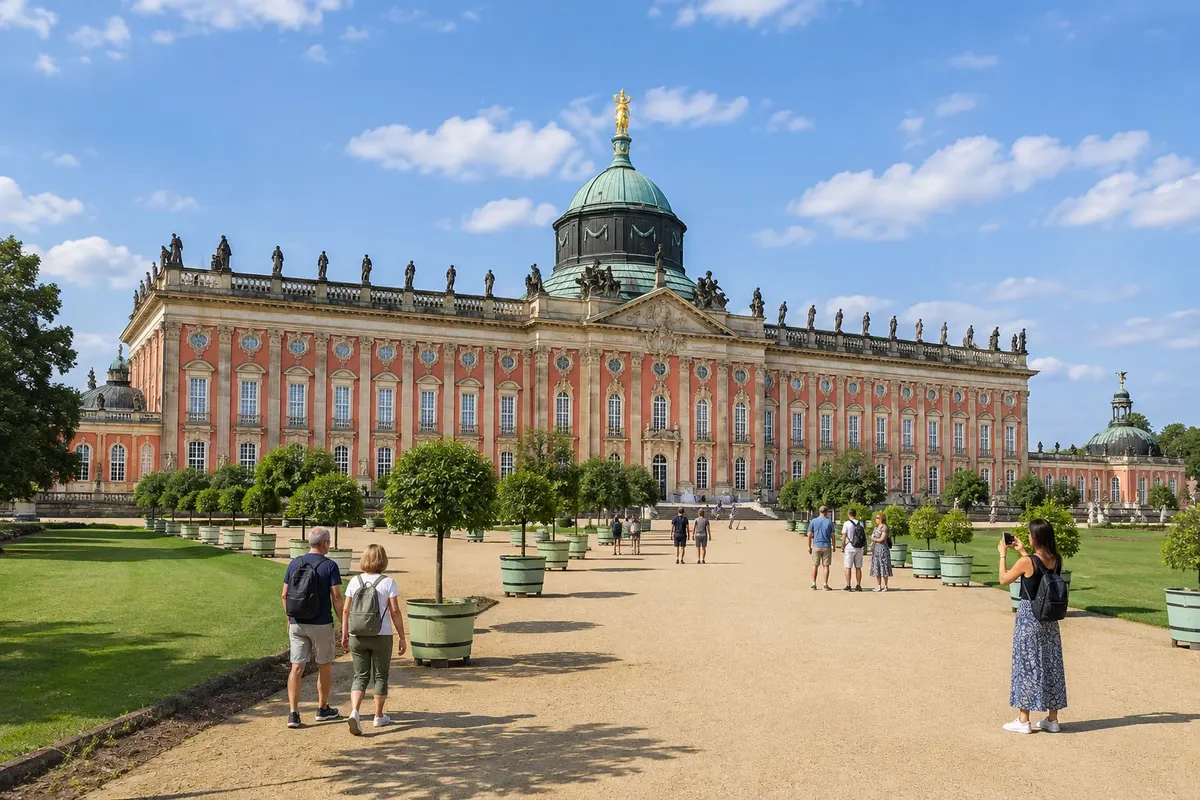
Royal park of about 300 hectares, a World Heritage Site, with palaces, fountains, the Casa Chinesa, the Friedenskirche and paths that connect Sanssouci to the Neues Palais.

Reichstagsgebäude
Berlim · Berlim · Architecture

Reichstagsgebäude

Seat of the German parliament, the Bundestag. The glass dome, with a spiral ramp and a rooftop terrace, is open to visitors with advance booking on the parliament's website.

See 35 more places in Berlim and Potsdam
Denkmal für die ermordeten Juden Europas
Berlim · Berlim · Memorial

Denkmal für die ermordeten Juden Europas

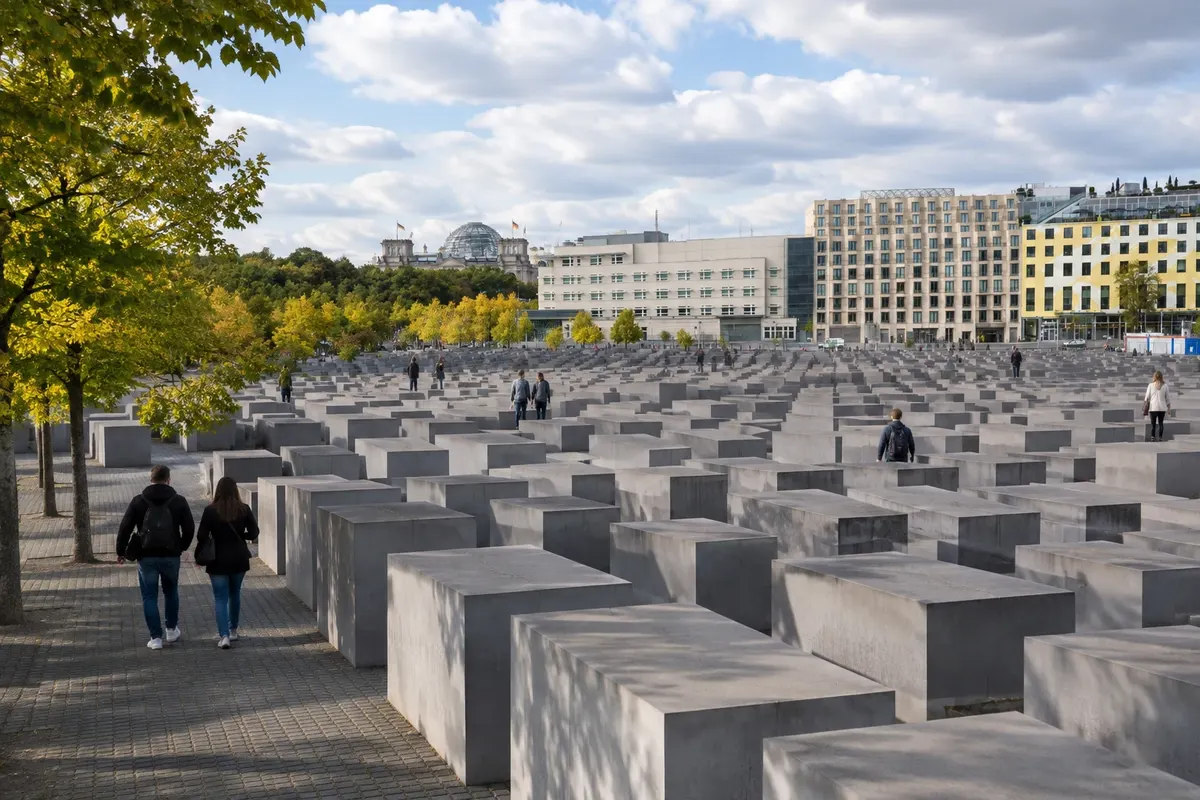
Memorial to the roughly six million Jews killed by Nazism: a field of 2,711 concrete blocks south of the Brandenburger Tor, with an underground information center.

Neues Palais
Potsdam · Brandemburgo · Palace

Neues Palais

Monumental Baroque palace on the western edge of the Park Sanssouci, built by Frederick the Great after the Seven Years' War. It has the Grottensaal and a theatre.

Gedenkstätte Berliner Mauer
Berlim · Berlim · Memorial

Gedenkstätte Berliner Mauer

Main Berlin Wall memorial, along 1.4 km of Bernauer Straße. It preserves a section of the death strip, with a watchtower, chapel and documentation center.

Neuer Garten
Potsdam · Brandemburgo · Park

Neuer Garten

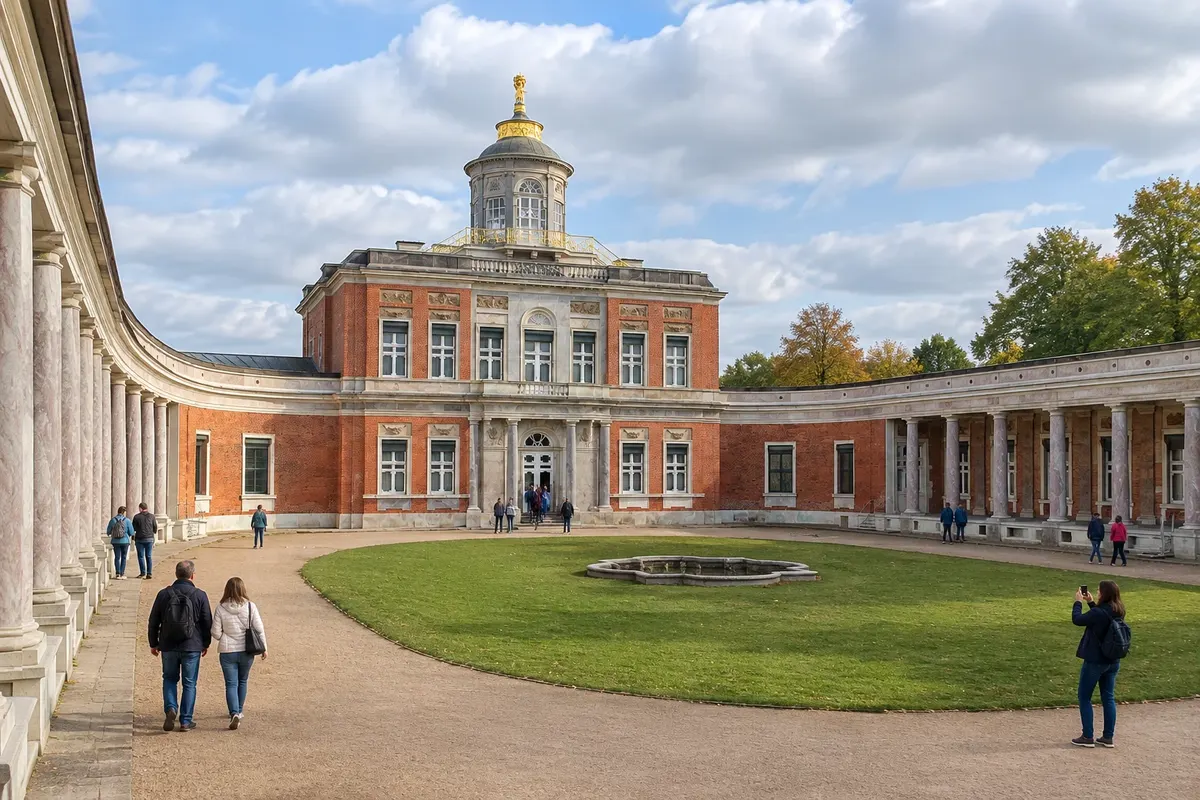
Park on the shores of the Heiliger See and Jungfernsee lakes, where the Marmorpalais and the Cecilienhof palace are located, the venue of the Potsdam Conference in 1945.

East Side Gallery
Berlim · Berlim · Monument

East Side Gallery

The longest remaining stretch of the Berlin Wall still standing, about 1.3 km along the river Spree, covered with paintings made by artists from various countries in 1990.

Holländisches Viertel
Potsdam · Brandemburgo · Historic neighborhood

Holländisches Viertel

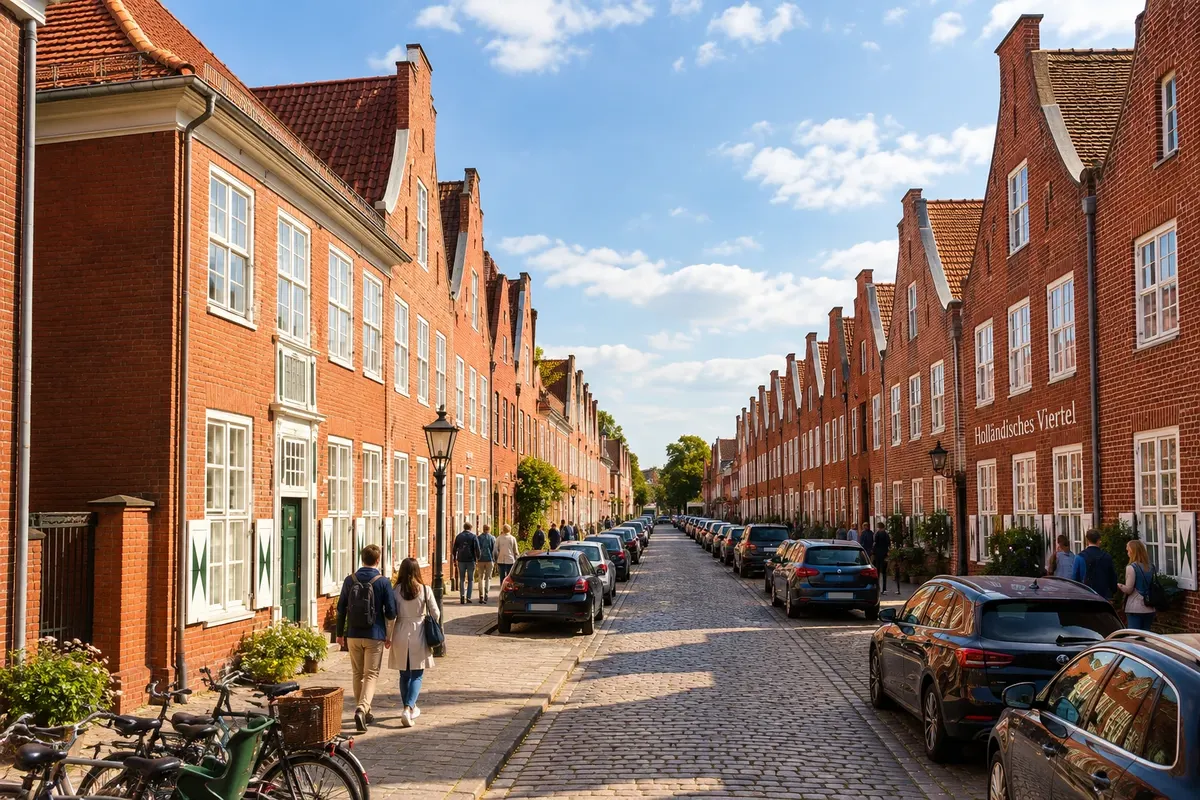
Neighborhood of 134 exposed-brick houses in Dutch style, built between 1733 and 1742 in central Potsdam. Today it has cafés, shops and restaurants.

Brandenburger Tor
Potsdam · Brandemburgo · Monument

Brandenburger Tor

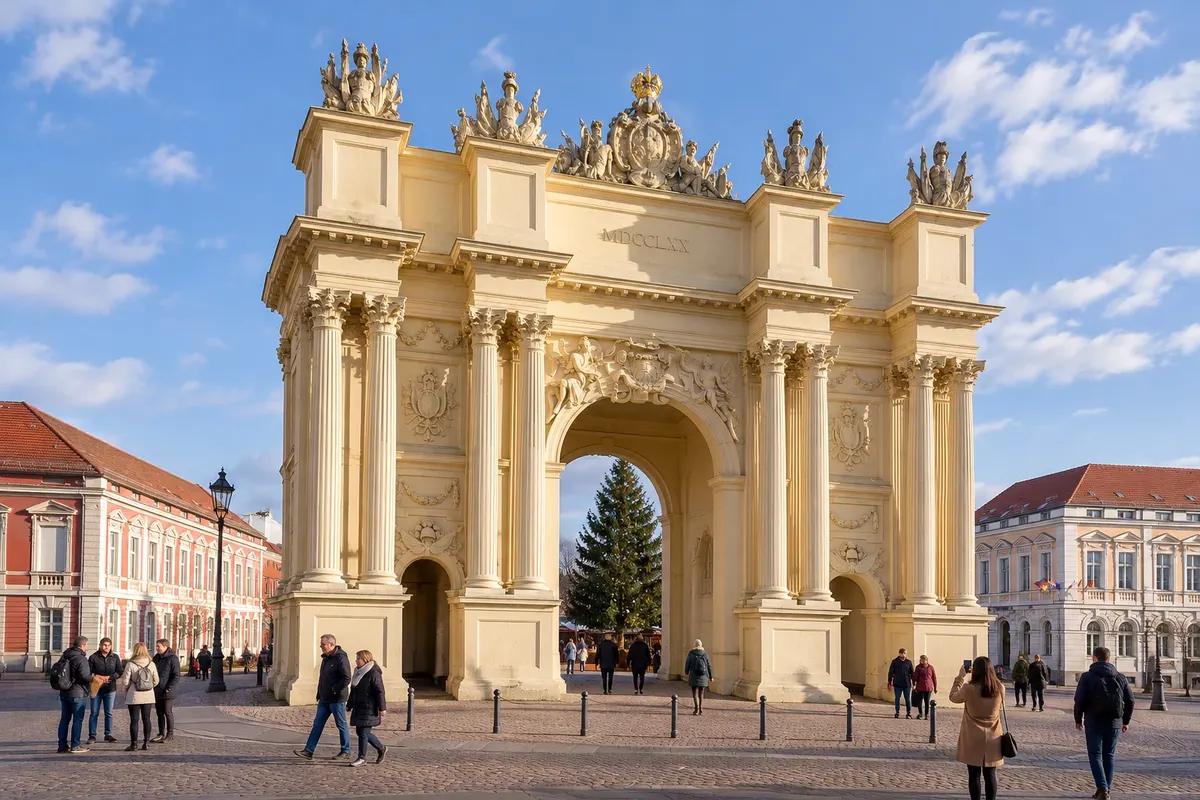
Potsdam gate in the form of a Roman triumphal arch, built in 1770 and 1771, two decades before the Brandenburger Tor in Berlin.

Checkpoint Charlie
Berlim · Berlim · Historic site

Checkpoint Charlie

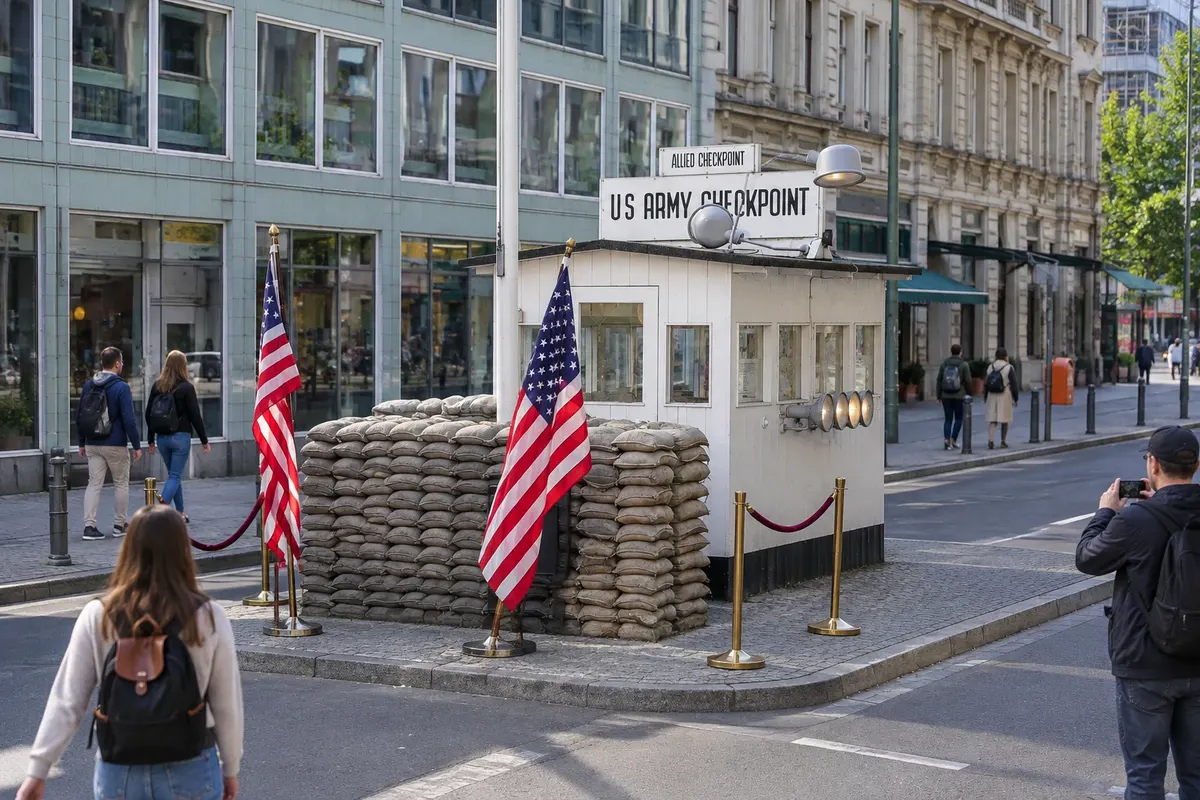
The former checkpoint between the American and Soviet sectors on Friedrichstraße, scene of the 1961 tank standoff. Today there is a replica of the guardhouse and panels about the history.

Alter Markt
Potsdam · Brandemburgo · Square

Alter Markt

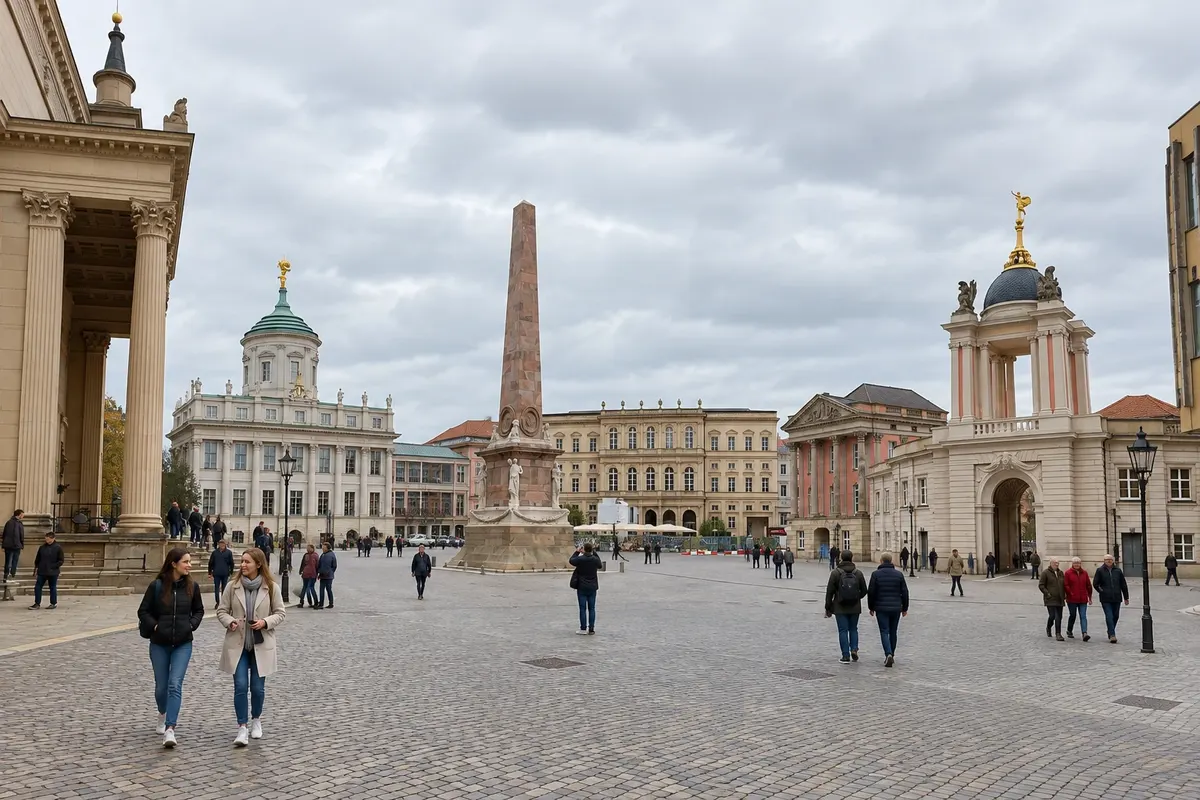
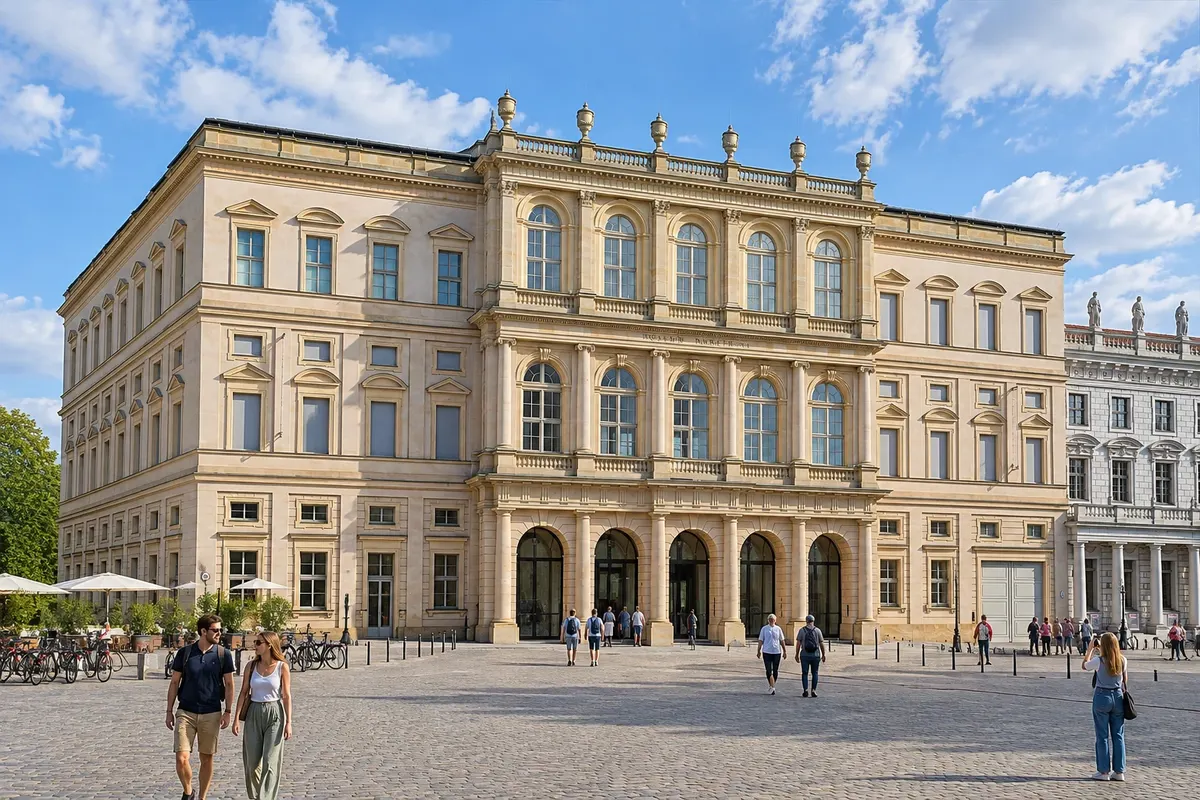
Historic square in the centre of Potsdam, surrounded by the Nikolaikirche with its green dome, the old Rathaus, the Palácio Barberini and the reconstructed Stadtschloss.

Topographie des Terrors
Berlim · Berlim · Memorial

Topographie des Terrors

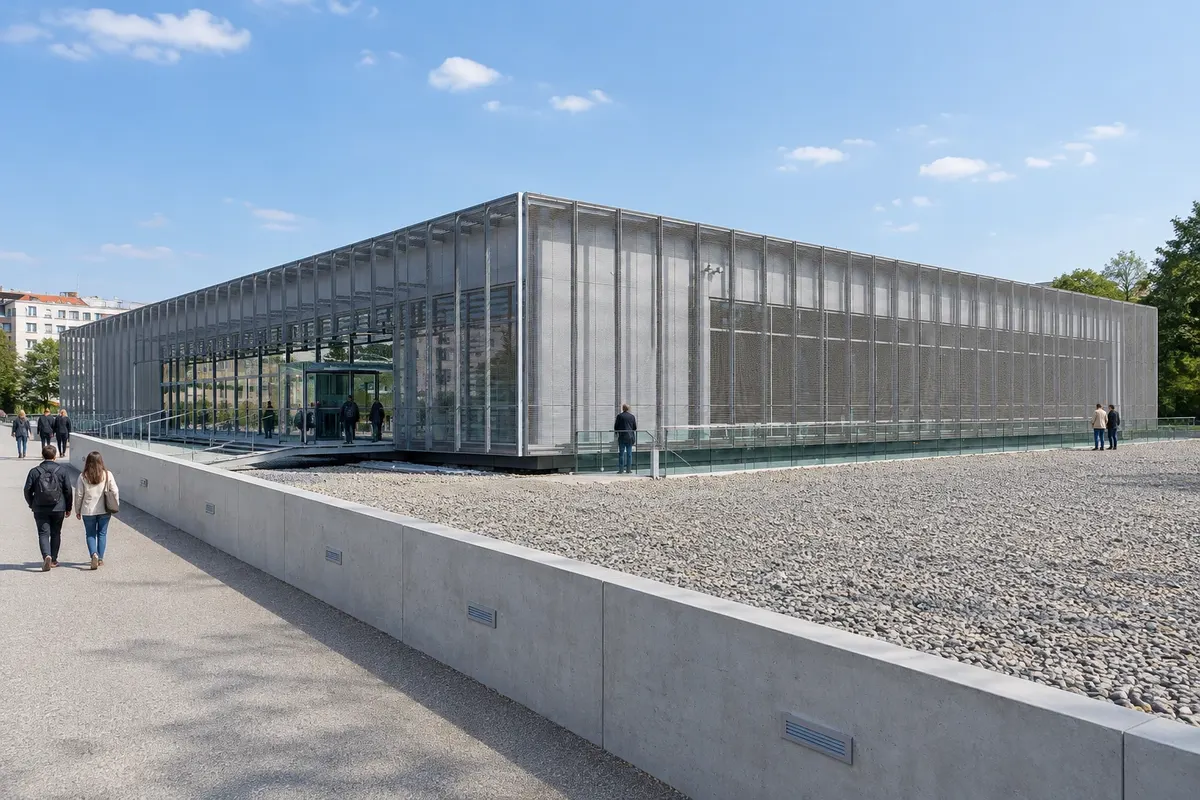
Documentation center about the crimes of the Nazi regime, on the site where the Gestapo and the SS command were located. Beside it is an original section of the Wall.

Museum Barberini
Potsdam · Brandemburgo · Museum

Museum Barberini

Art museum on the Alter Markt, in a reconstructed palace inspired by the Palazzo Barberini in Rome. It has a notable collection of Impressionist painting.

Museumsinsel
Berlim · Berlim · Museum

Museumsinsel

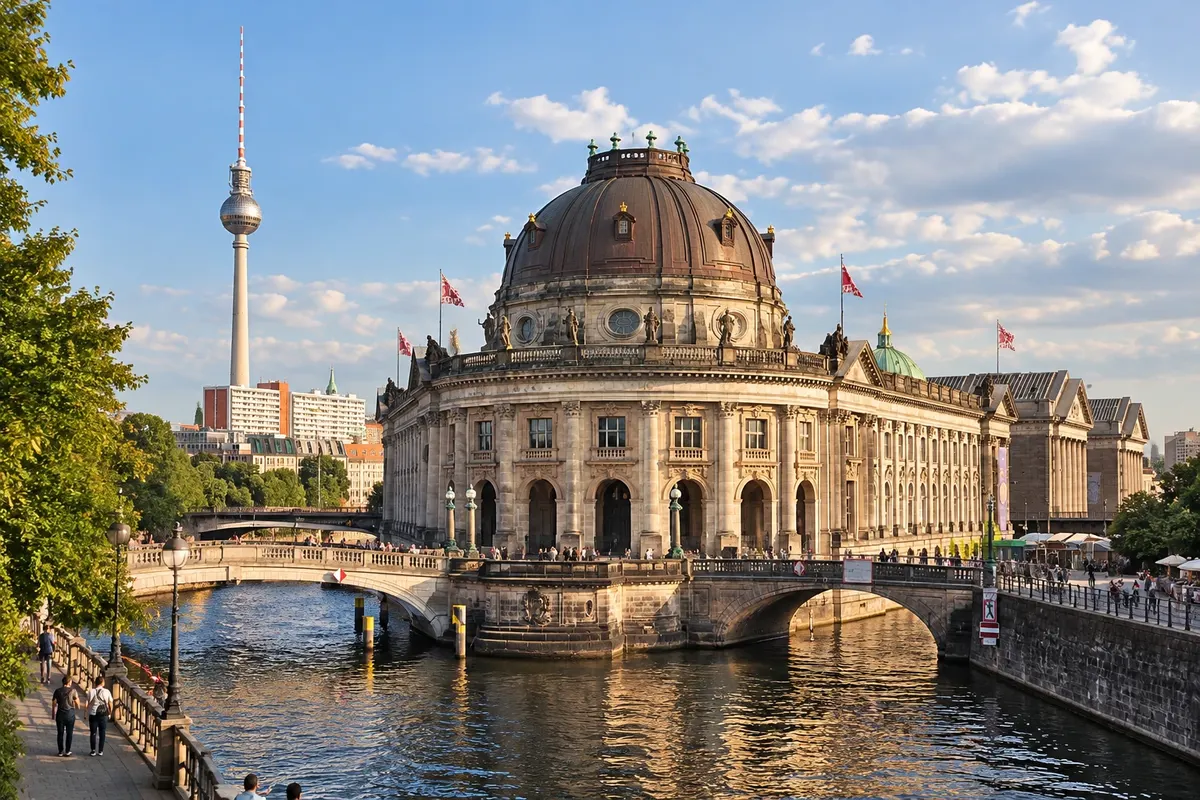
A group of museums on the northern tip of an island in the River Spree, a UNESCO World Heritage Site. The Altes Museum, the Neues Museum, the Alte Nationalgalerie and the Bode-Museum are open.
Berliner Dom
Berlim · Berlim · Cathedral

Berliner Dom

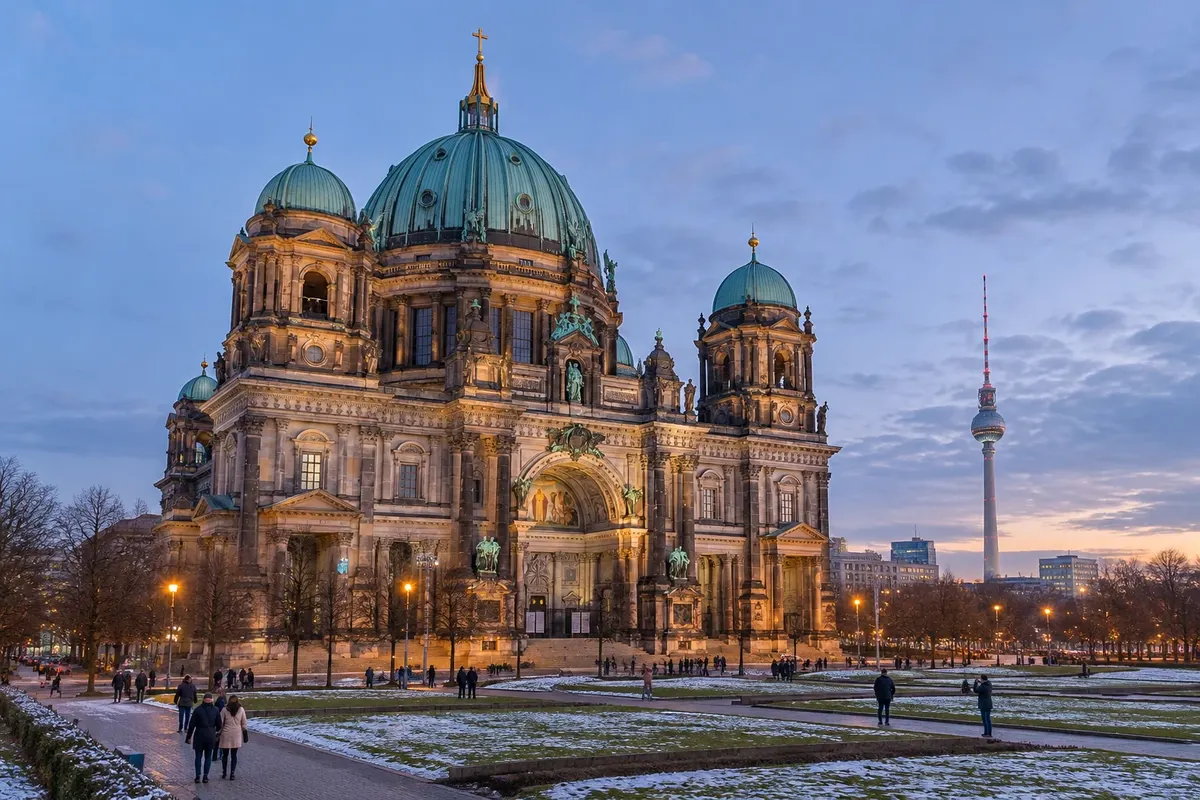
The largest Protestant church in Germany, next to the Museum Island, with a richly decorated interior, the Hohenzollern crypt and a gallery in the dome with views over the city center.
Glienicker Brücke
Potsdam · Brandemburgo · Bridge

Glienicker Brücke

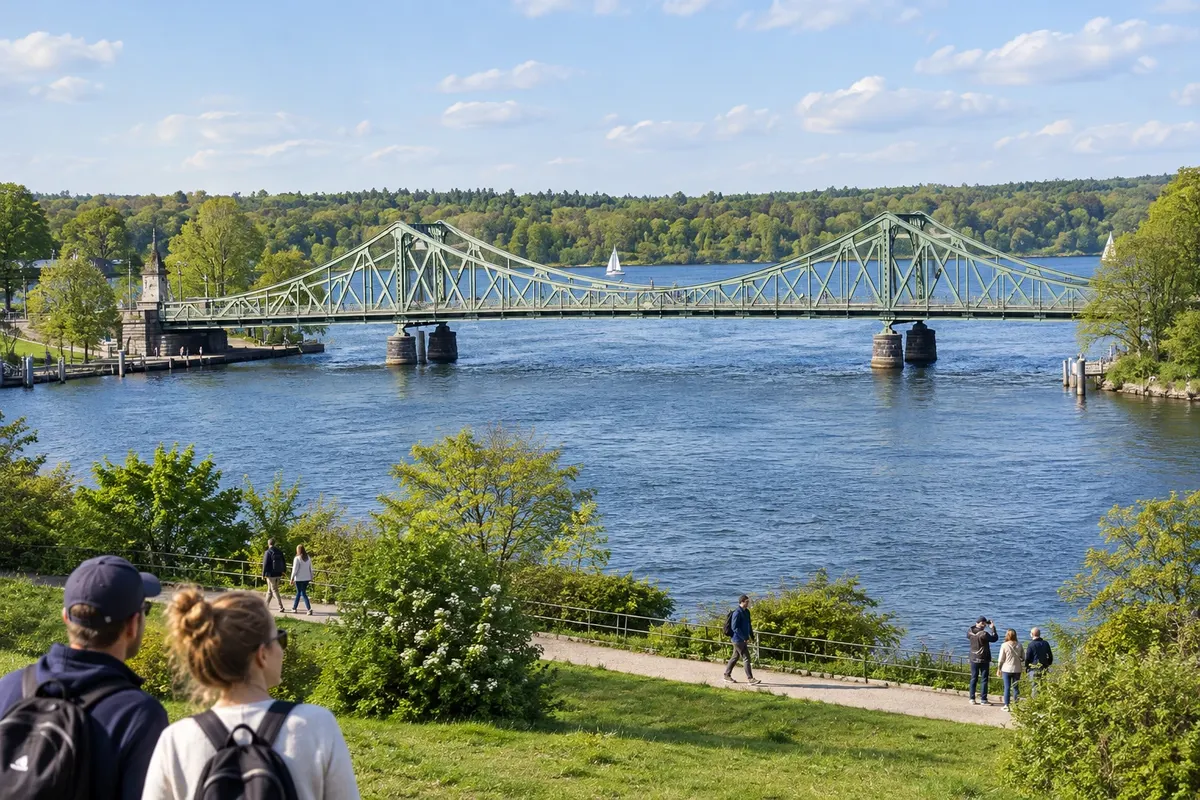
Iron bridge over the river Havel between Potsdam and Berlin, famous for the spy exchanges between East and West during the Cold War.
Berliner Fernsehturm
Berlim · Berlim · Observation deck

Berliner Fernsehturm

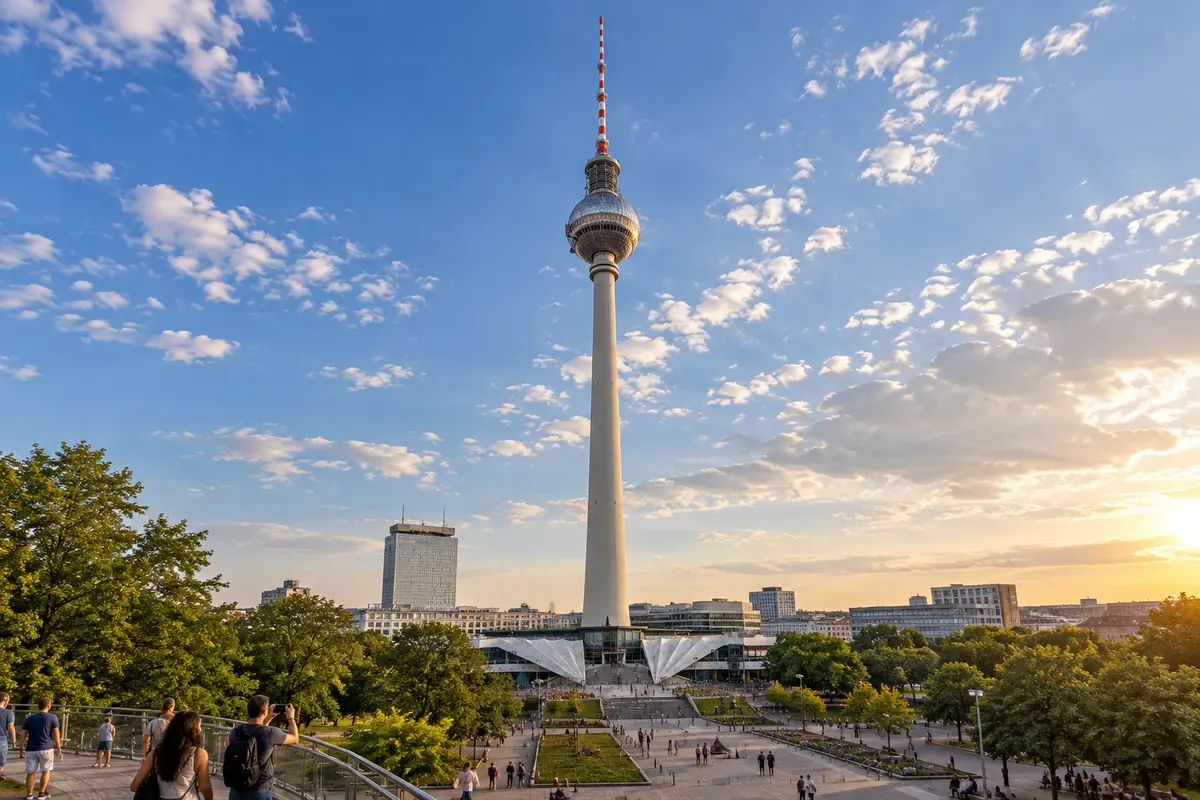
At 368 metres, the television tower at Alexanderplatz is the tallest structure in Germany. The sphere contains an observation deck and a rotating restaurant with views over the whole city.

Alexanderplatz
Berlim · Berlim · Square

Alexanderplatz

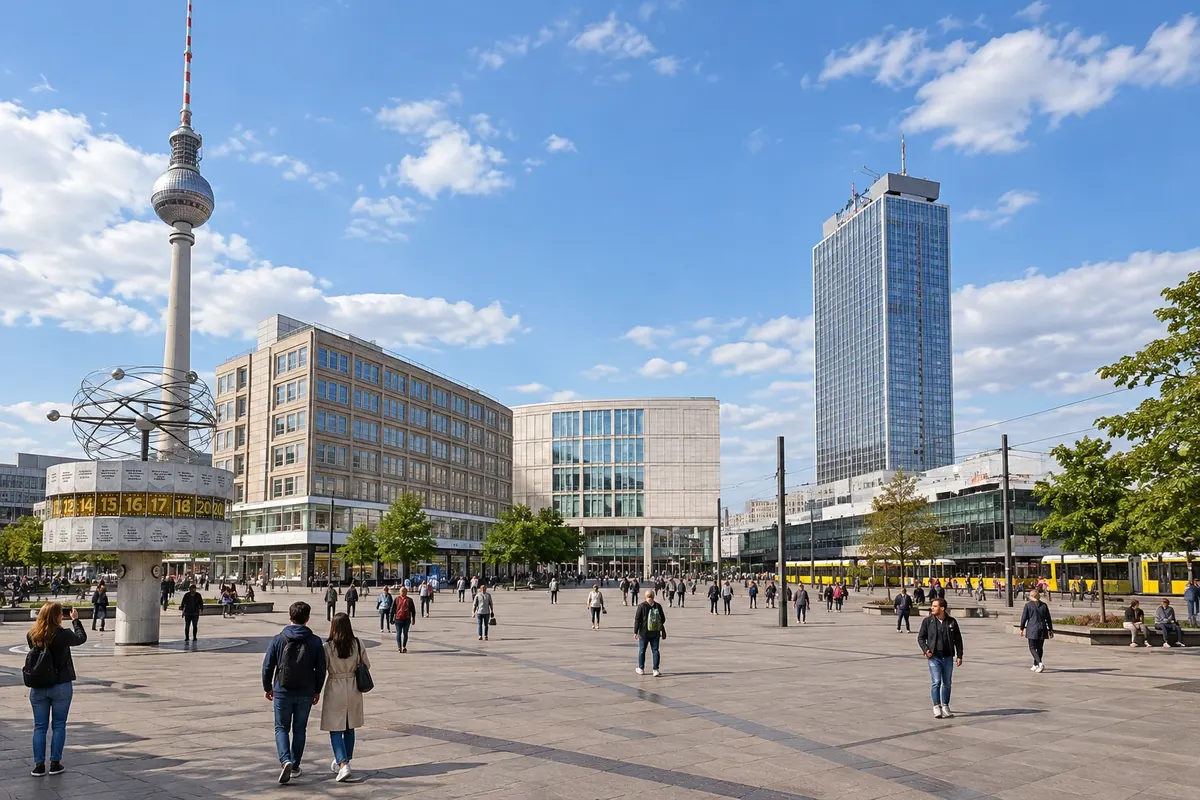
The large square in the eastern part of Berlin, featuring the Relógio Mundial, the Brunnen der Völkerfreundschaft and the television tower. It is one of the city’s major transport hubs.

Gendarmenmarkt
Berlim · Berlim · Square

Gendarmenmarkt

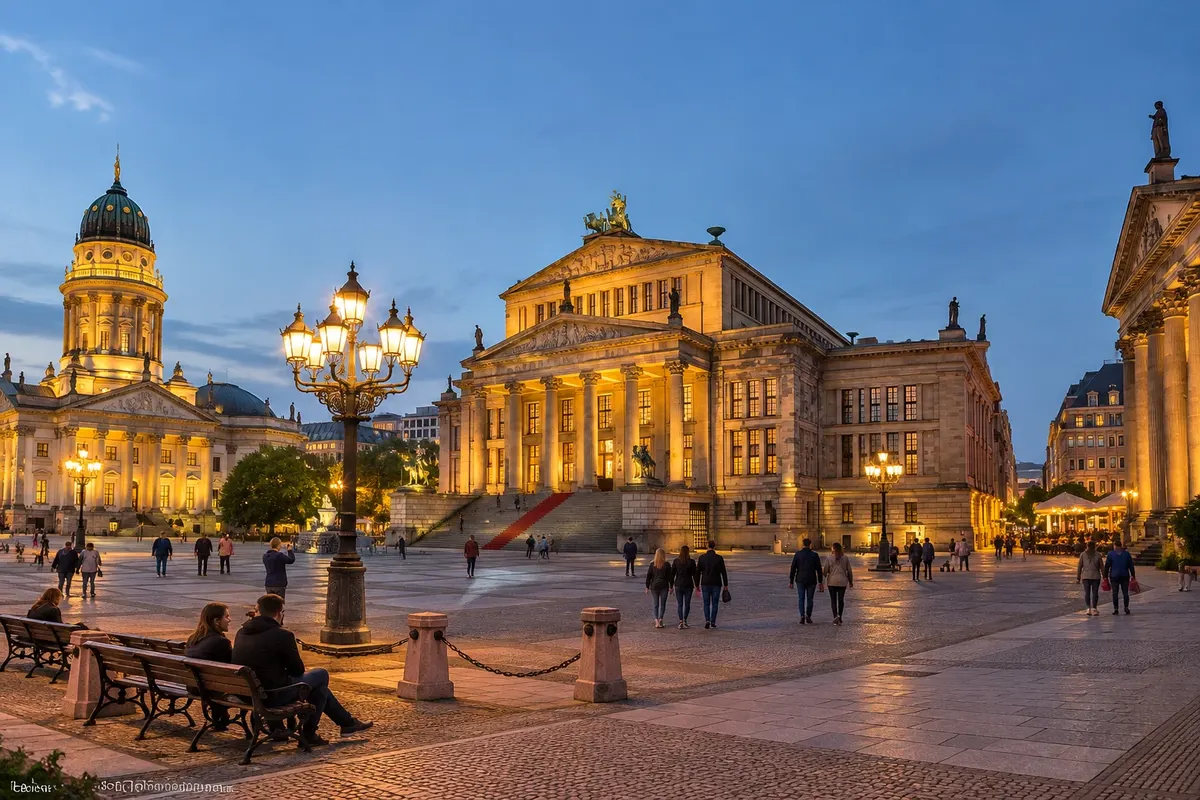
A 17th-century square in central Berlin, with Schinkel’s Konzerthaus between two nearly identical domed churches: the Deutscher Dom and the Französischer Dom.

Unter den Linden
Berlim · Berlim · Street

Unter den Linden

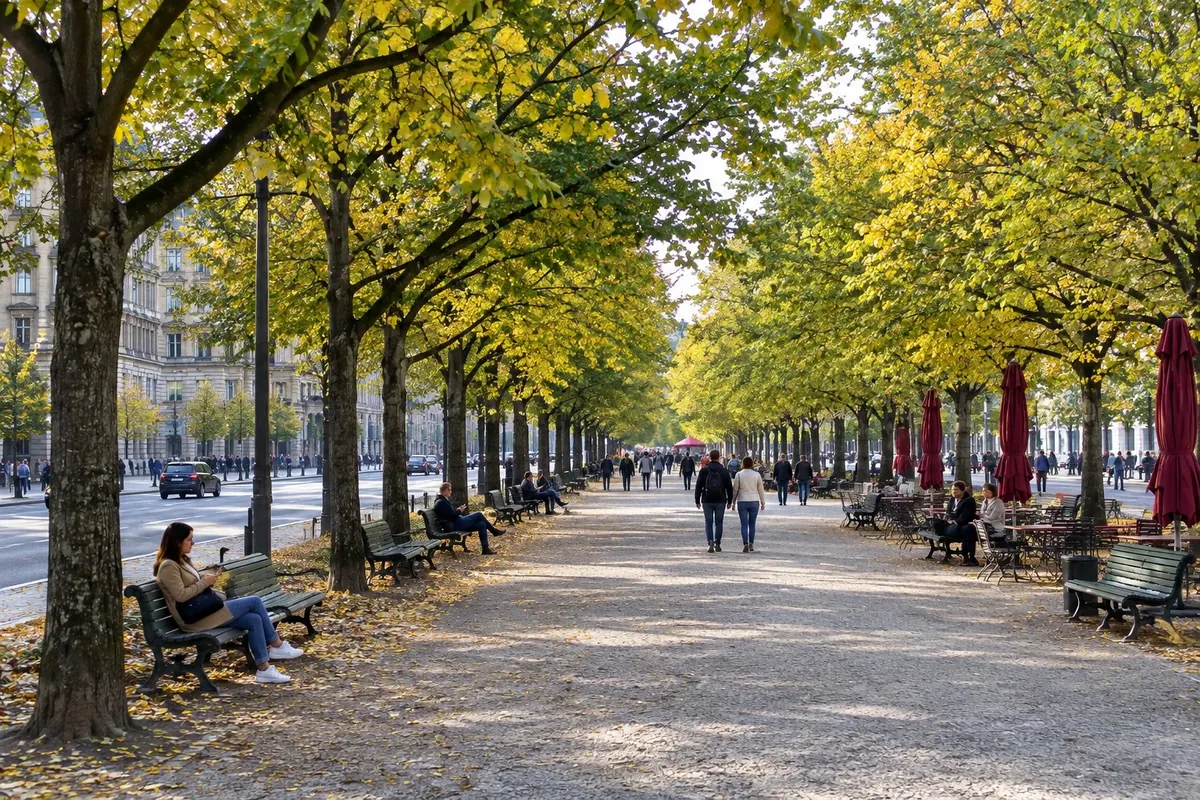
The historic boulevard of Berlin, about 1.5 km between the Brandenburger Tor and the Ilha dos Museus, lined with linden trees and Prussian buildings: the opera, the university and the Neue Wache.

Großer Tiergarten
Berlim · Berlim · Park

Großer Tiergarten

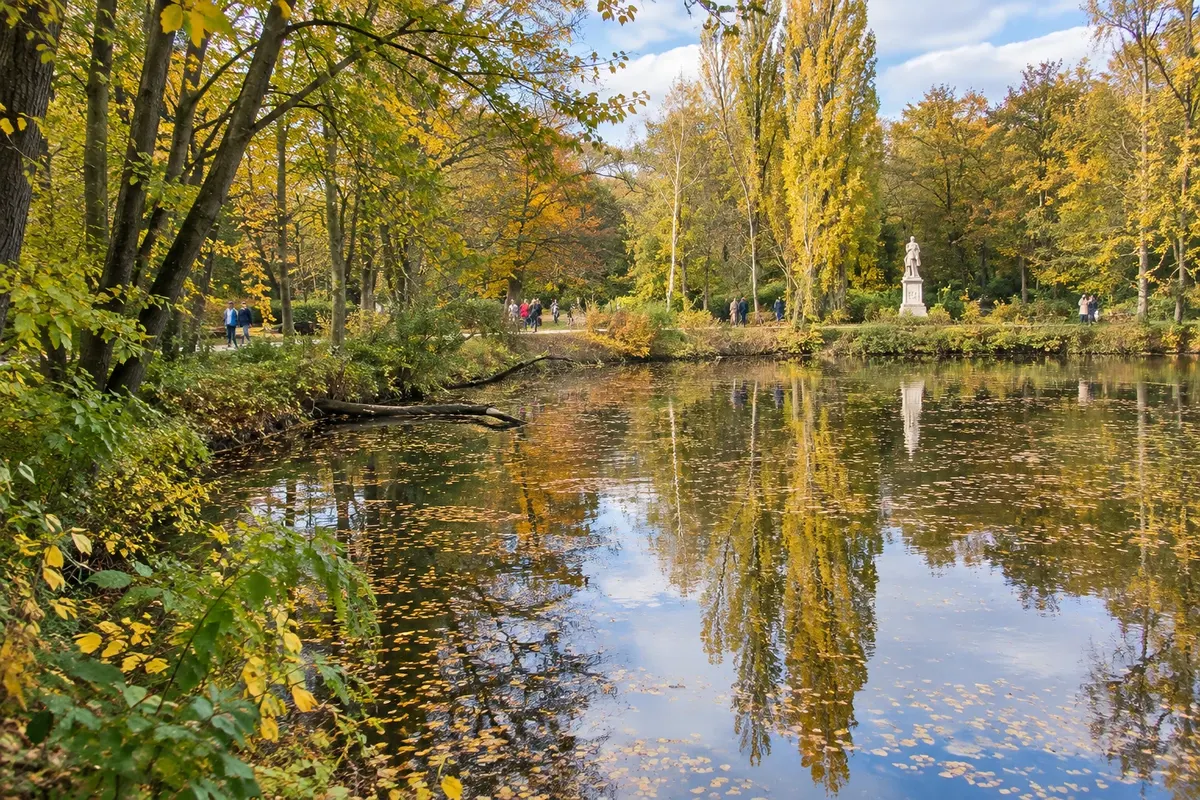
Berlin's large central park, formerly the princes' hunting grounds. At its center stands the Siegessäule, the Victory Column, with an observation deck beneath the golden statue.

Potsdamer Platz
Berlim · Berlim · Square

Potsdamer Platz

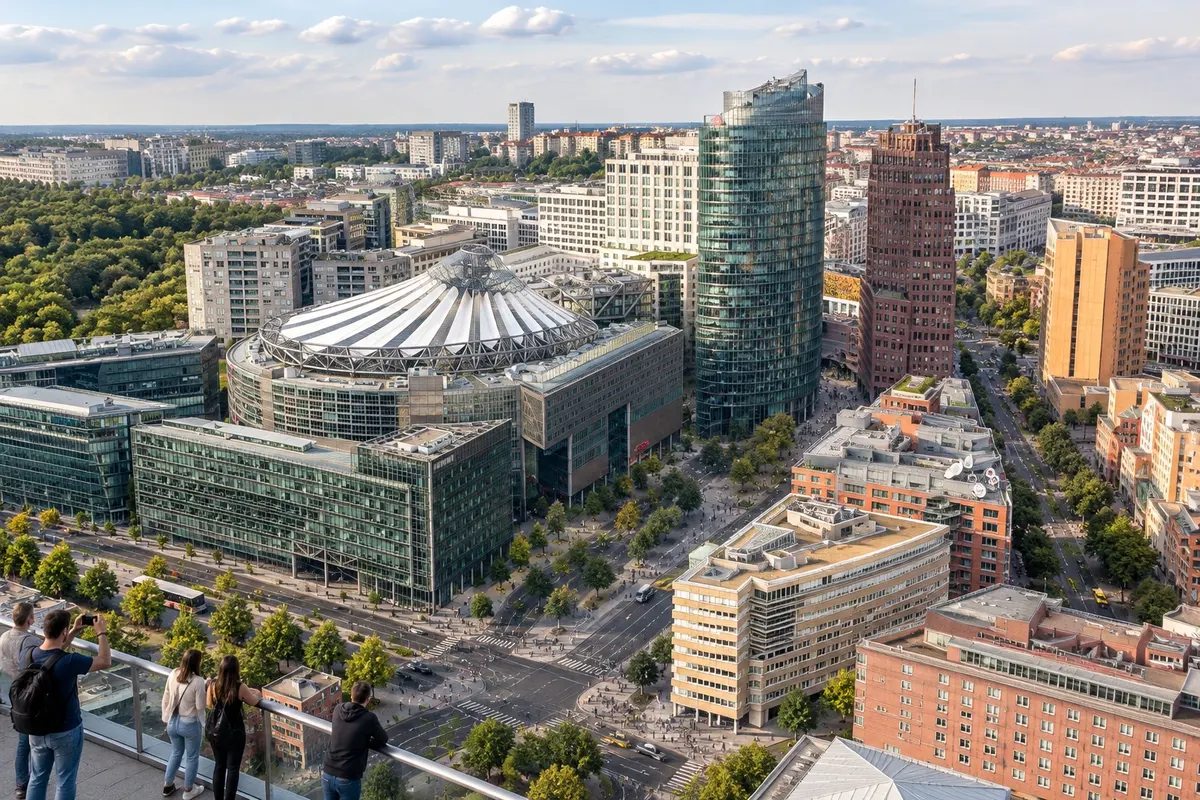
Formerly the busiest square in Europe, it became an empty lot during the division of Berlin and was rebuilt with skyscrapers in the 1990s. It has panels of the Wall and an observation point.

Kaiser-Wilhelm-Gedächtniskirche
Berlim · Berlim · Church

Kaiser-Wilhelm-Gedächtniskirche

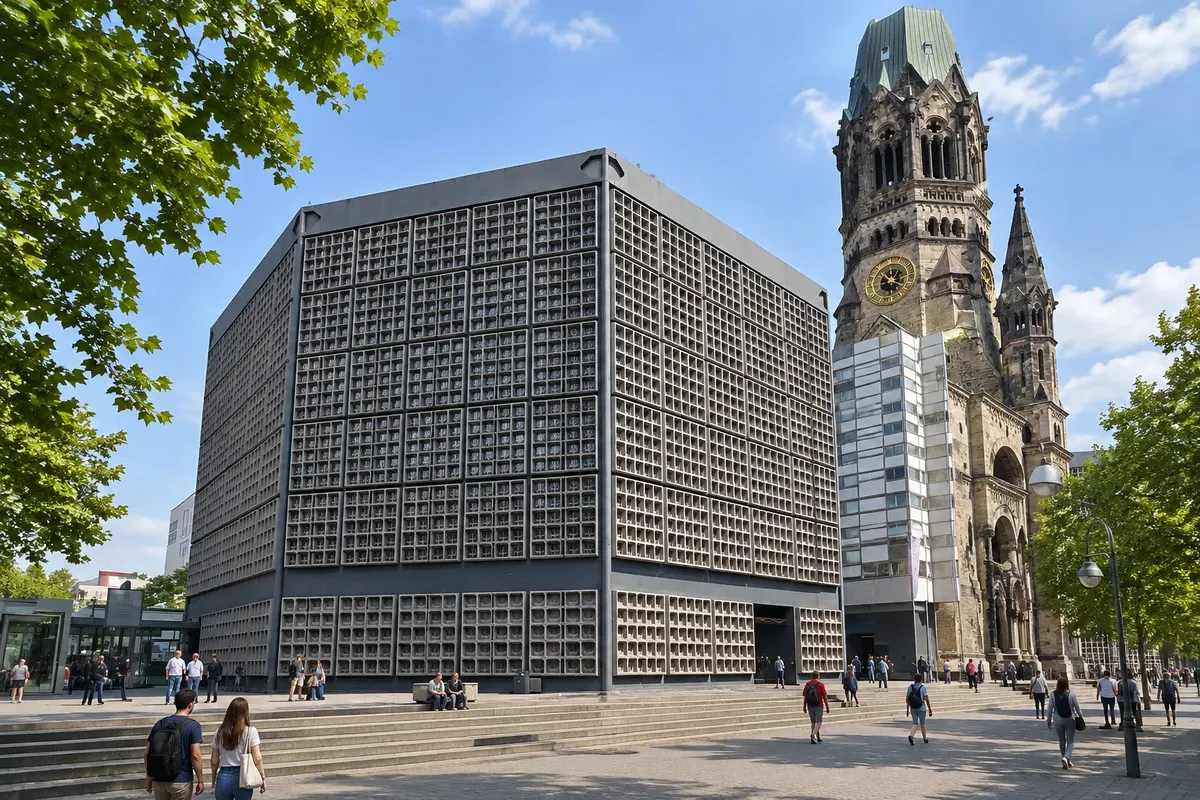
The ruined tower of a 19th-century church, preserved as a reminder of the war, next to the new church by Egon Eiermann, with blue glass walls. It is on Breitscheidplatz.

Schloss Charlottenburg
Berlim · Berlim · Palace

Schloss Charlottenburg

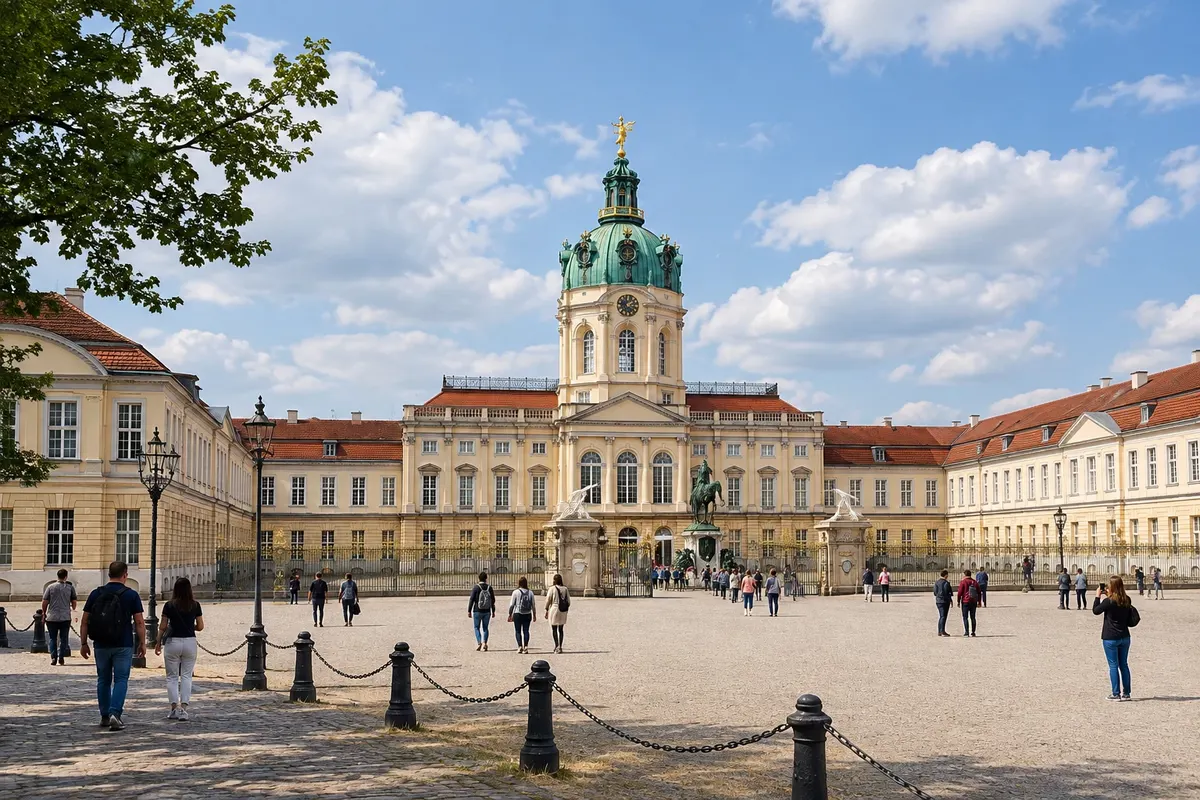
The largest palace in Berlin, summer residence of the kings of Prussia between 1701 and 1888, with Baroque and Rococo halls and a large garden on the banks of the river Spree.

Jüdisches Museum Berlin
Berlim · Berlim · Museum

Jüdisches Museum Berlin

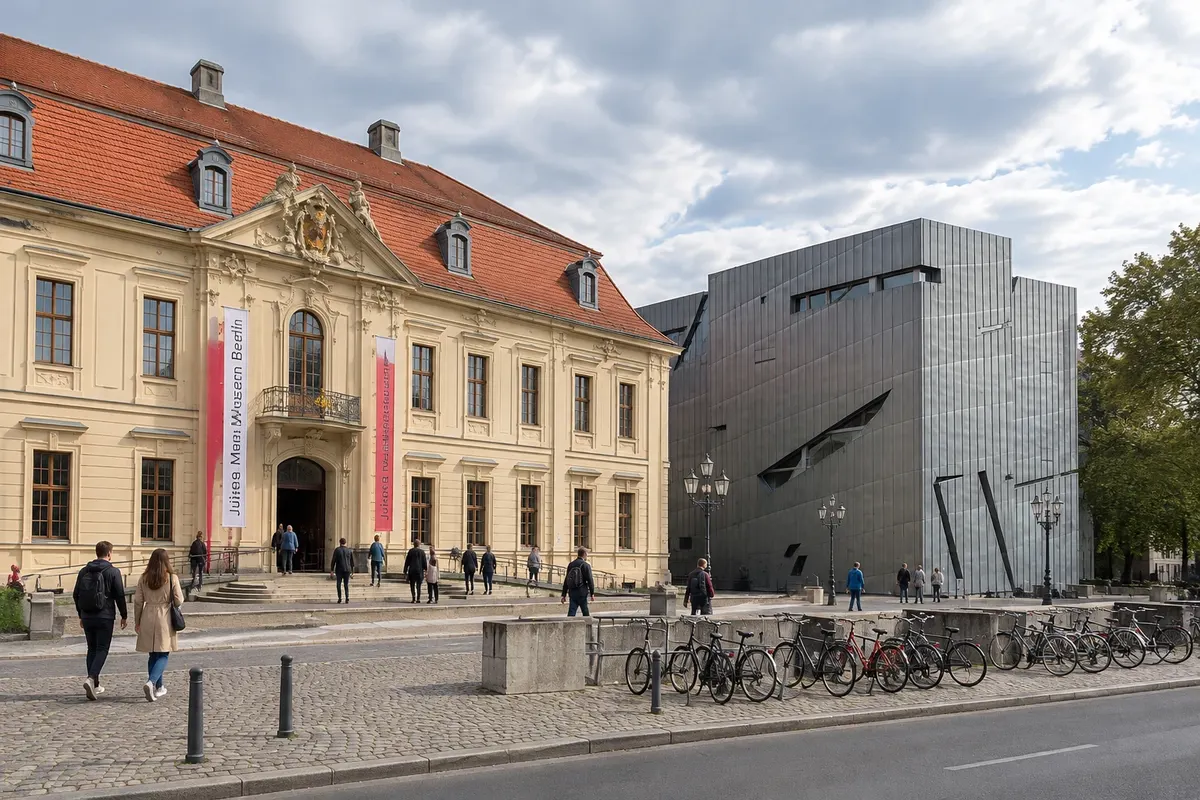
One of the largest Jewish museums in Europe, in Kreuzberg. Daniel Libeskind's zigzag building tells the story of Jews in Germany up to the present day.

DDR Museum
Berlim · Berlim · Museum

DDR Museum

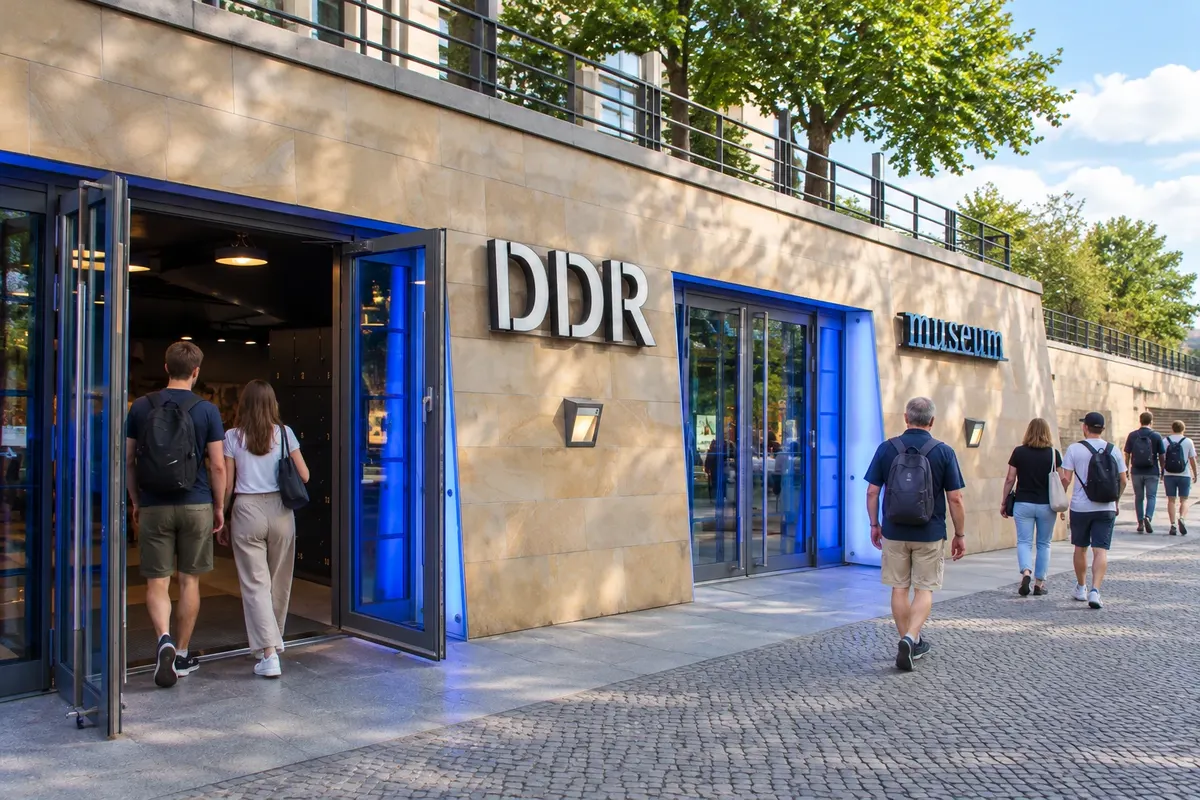
Interactive museum about everyday life in East Germany, on the banks of the river Spree, opposite the Berlin Cathedral. It has a period apartment and a Trabant simulator.

Tränenpalast
Berlim · Berlim · Museum

Tränenpalast

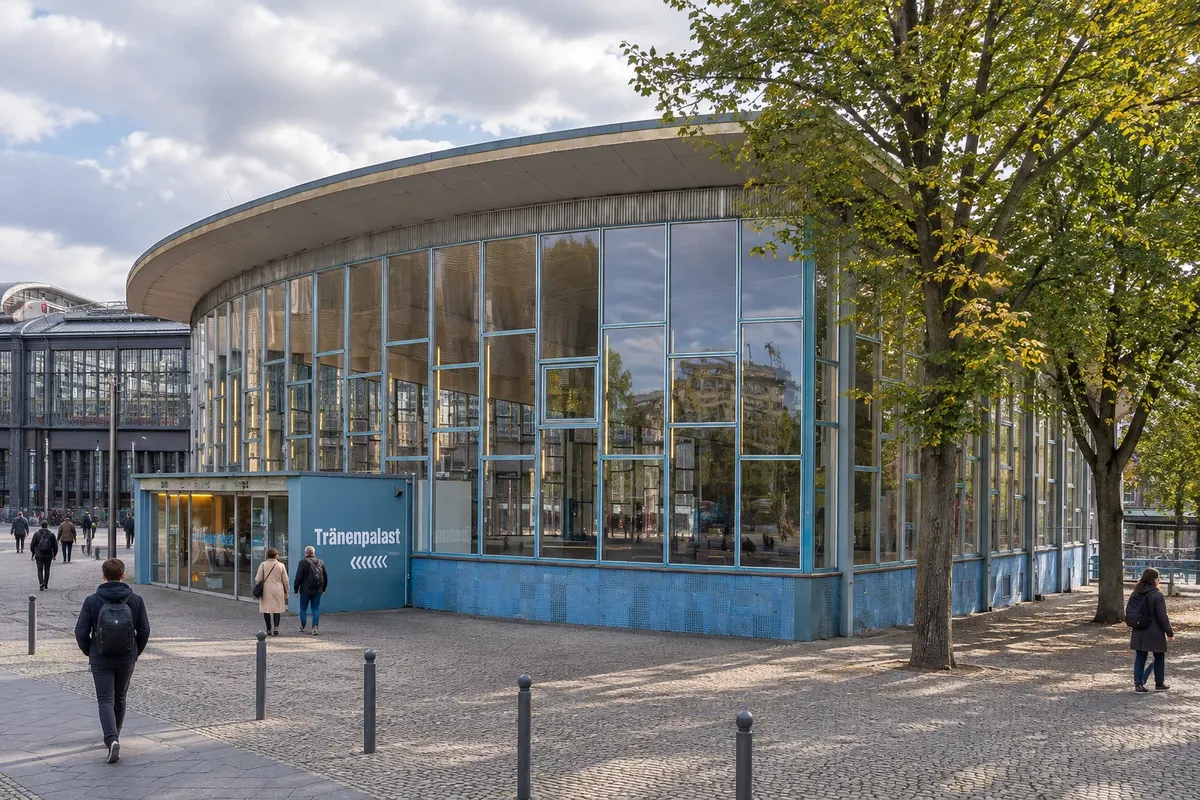
Former border control hall at Friedrichstraße station, where East and West families said goodbye. Today it is a museum about the division of Germany.

Humboldt Forum
Berlim · Berlim · Museum

Humboldt Forum

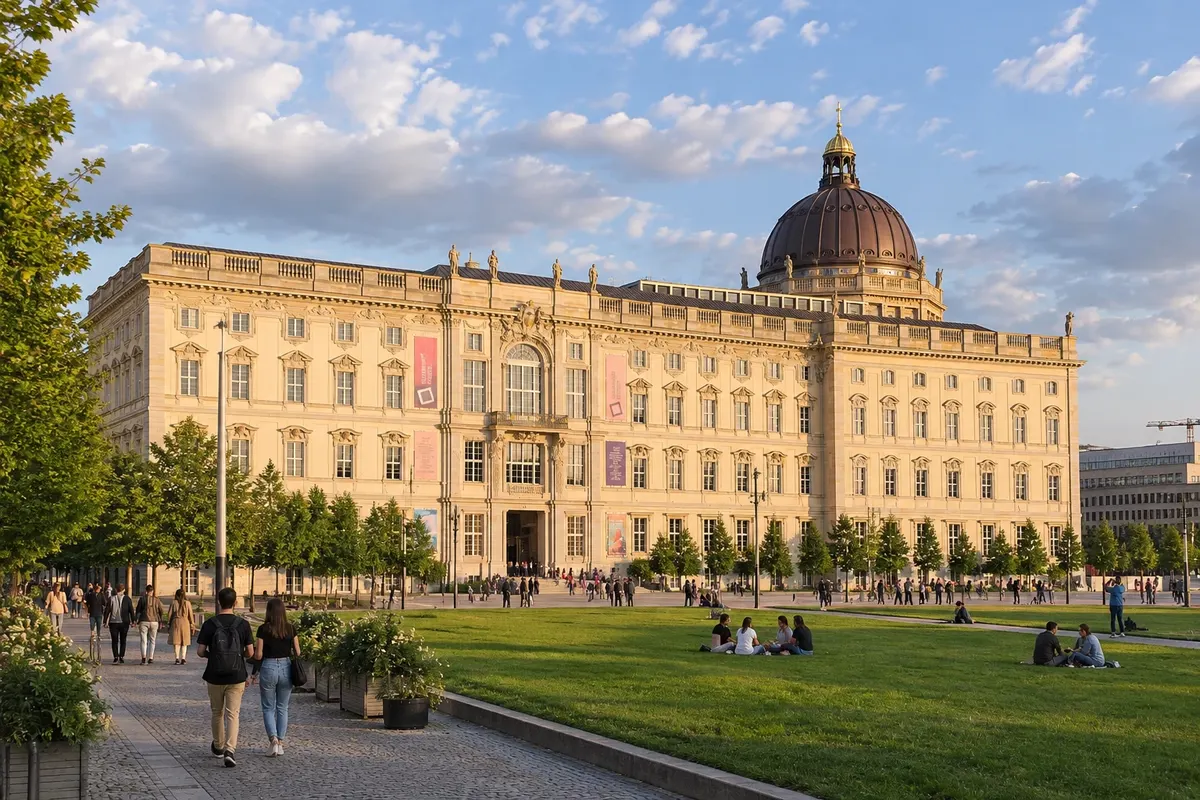
Cultural center in the reconstructed Berliner Schloss, facing the Museumsinsel. It brings together collections from Africa, Asia, the Americas and Oceania and an exhibition about Berlin.

Gemäldegalerie
Berlim · Berlim · Museum

Gemäldegalerie

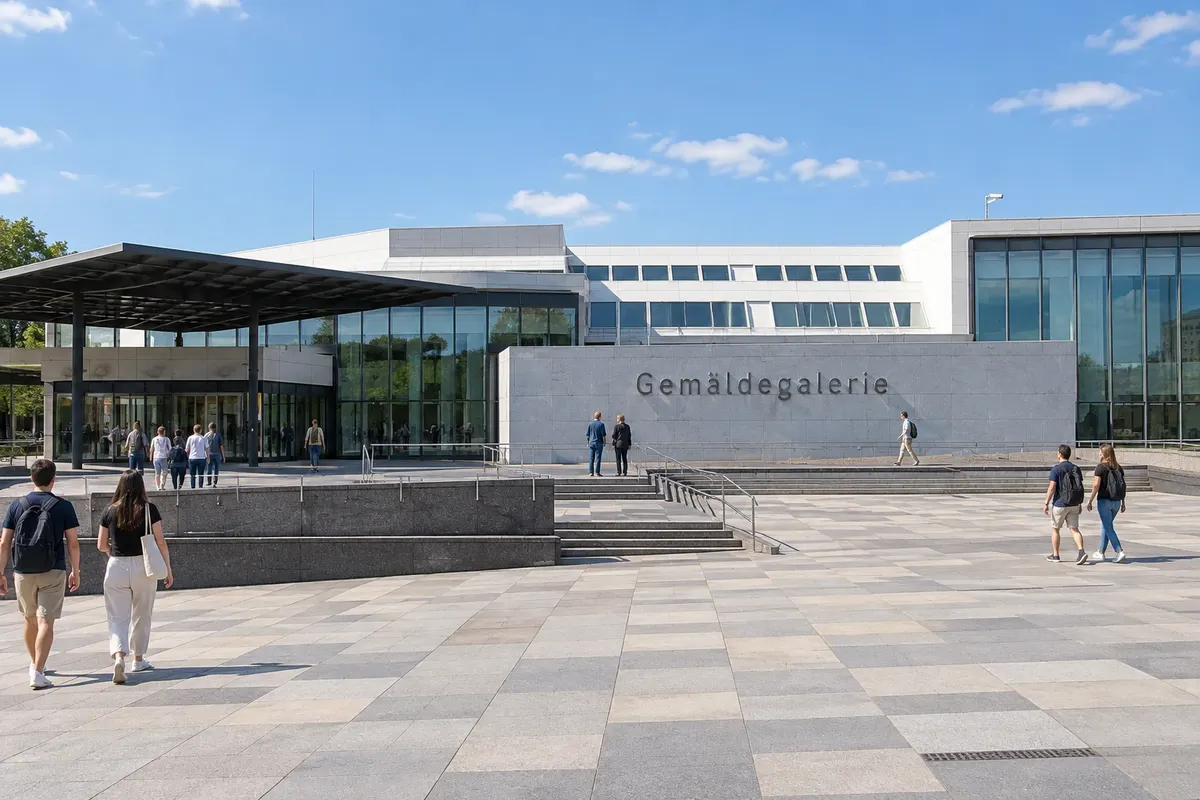
Museum of European painting from the 13th to the 18th century at the Kulturforum, with works by Rembrandt, Vermeer, Caravaggio, Botticelli, Dürer, Rubens and Bruegel.

Hackesche Höfe
Berlim · Berlim · Architecture

Hackesche Höfe

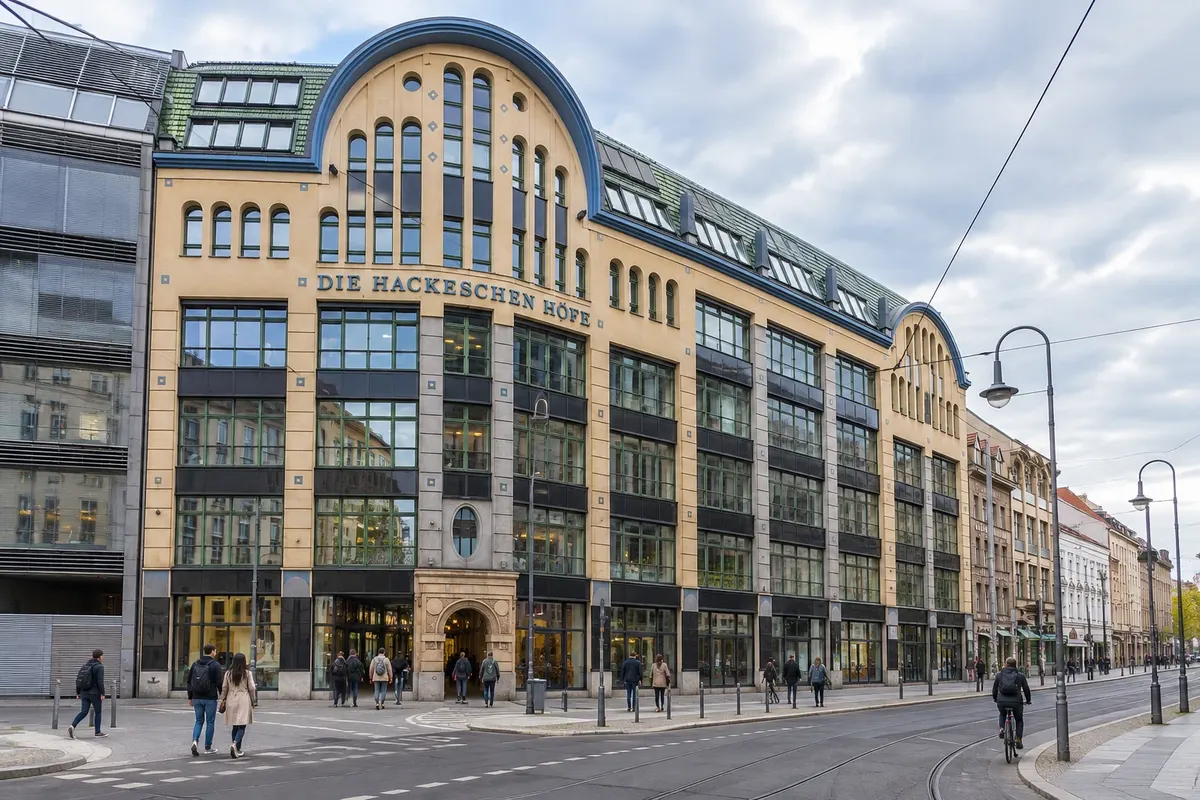
Group of eight interconnected courtyards, built from 1905 to 1907, in the Mitte neighborhood. The first courtyard has Art Nouveau façades in colorful ceramic; the others house shops, cafés and a cinema.

Mauerpark
Berlim · Berlim · Park

Mauerpark

Park on the former path of the Wall between Prenzlauer Berg and Wedding, famous for its flea market and the outdoor Sunday karaoke.

Kreuzberg
Berlim · Berlim · Neighborhood

Kreuzberg

Multicultural neighborhood south of the center, with a strong Turkish presence, cafés, bars, markets, the Landwehrkanal and the Oberbaumbrücke over the Spree.

Prenzlauer Berg
Berlim · Berlim · Neighborhood

Prenzlauer Berg

Neighborhood of restored late-19th-century buildings, on the former eastern side, with tree-lined squares, cafés, the Kulturbrauerei and Berlim's oldest water tower.

Tempelhofer Feld
Berlim · Berlim · Park

Tempelhofer Feld

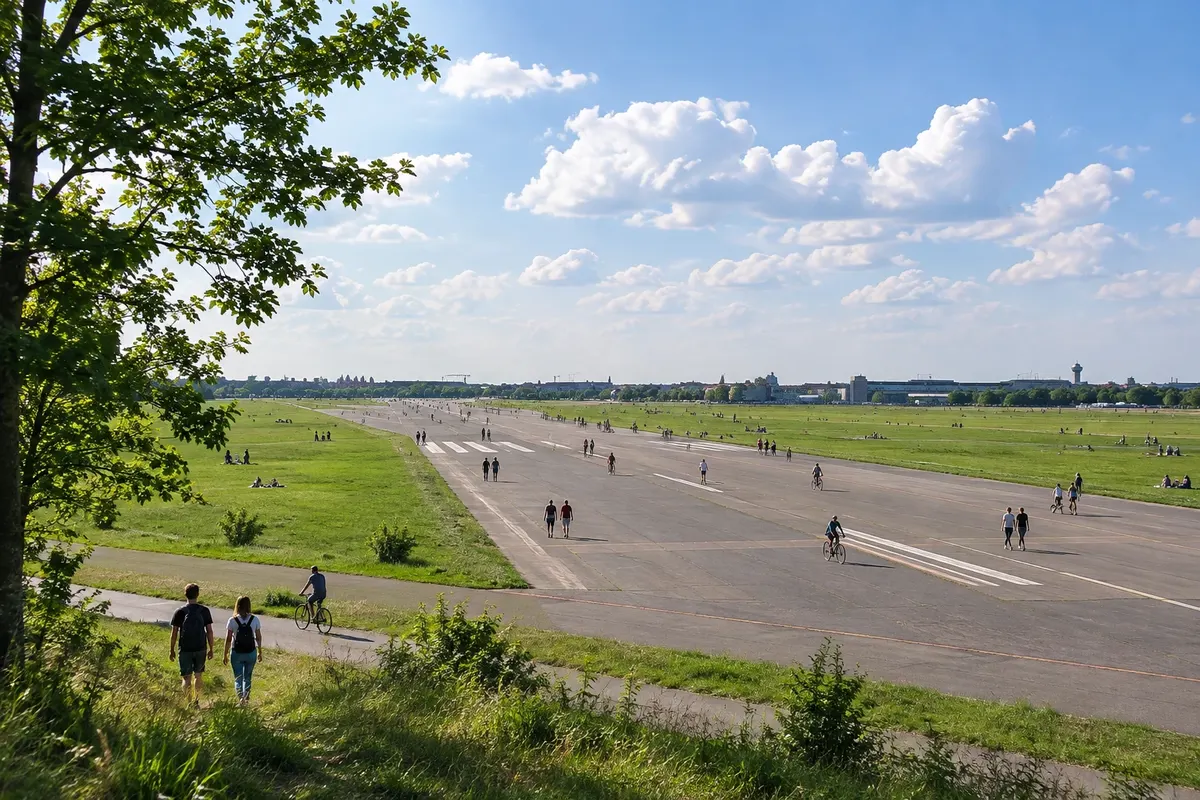
Former Tempelhof airport turned into a park of more than 300 hectares. The runways have become space for cycling, skating, flying kites and picnicking.

Olympiastadion Berlin
Berlim · Berlim · Architecture

Olympiastadion Berlin

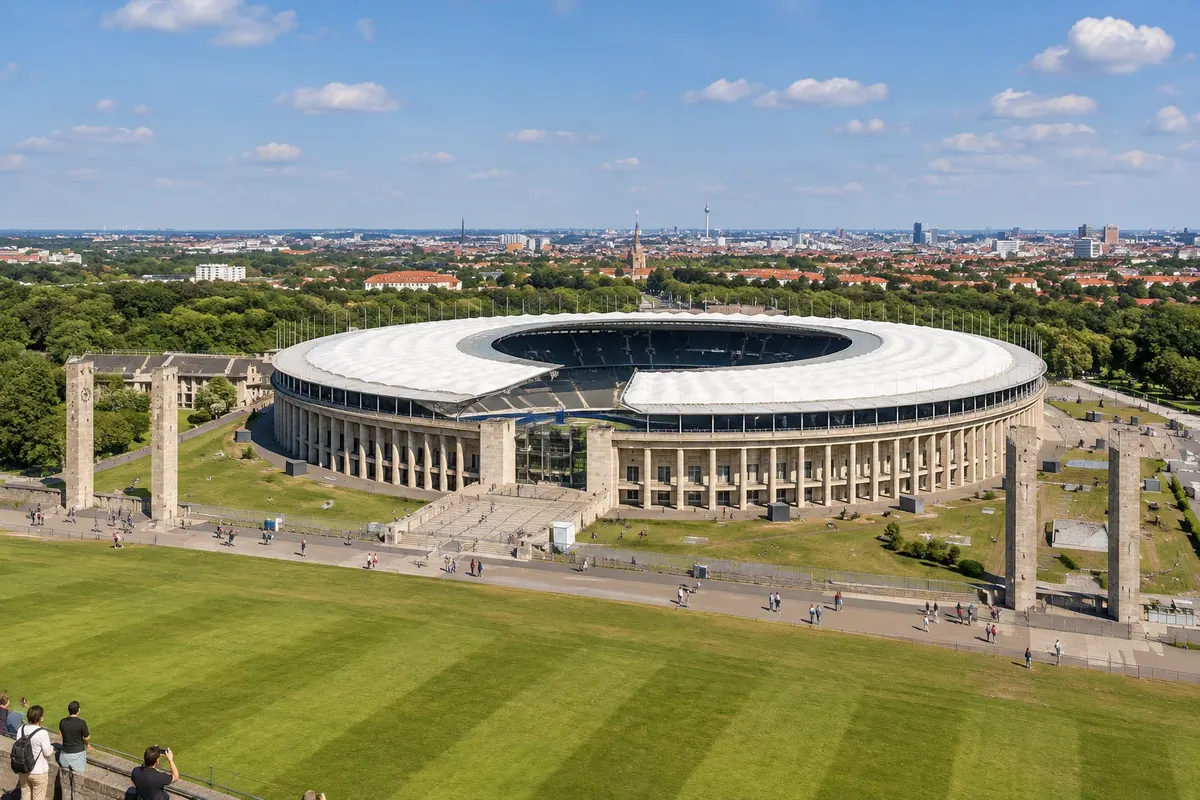
Stadium built for the 1936 Olympic Games, now home to Hertha BSC. It hosted the 2006 World Cup final and offers guided and self-guided tours.

Deutsches Technikmuseum
Berlim · Berlim · Museum

Deutsches Technikmuseum

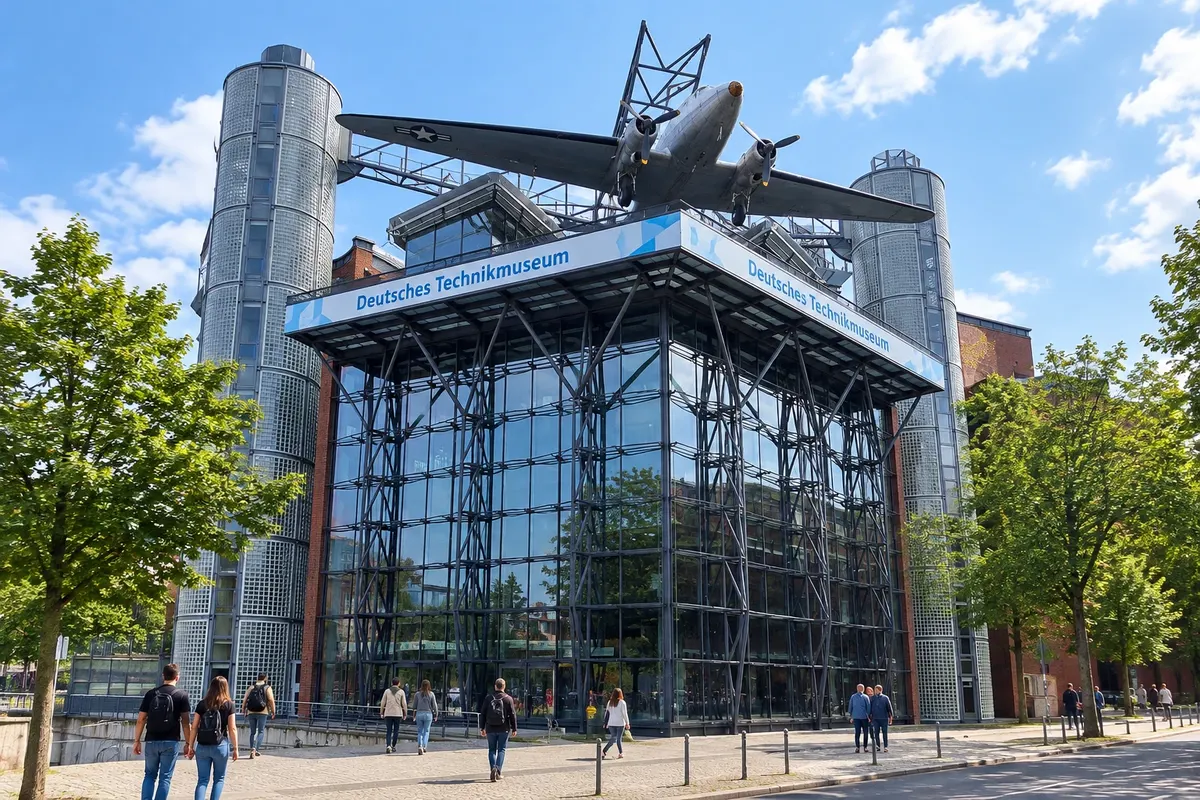
Large technology museum in Kreuzberg, housed in former railway sheds, with locomotives, airplanes, ships and the Science Center Spectrum.

Gedenkstätte und Museum Sachsenhausen
Berlim · Berlim · Memorial

Gedenkstätte und Museum Sachsenhausen

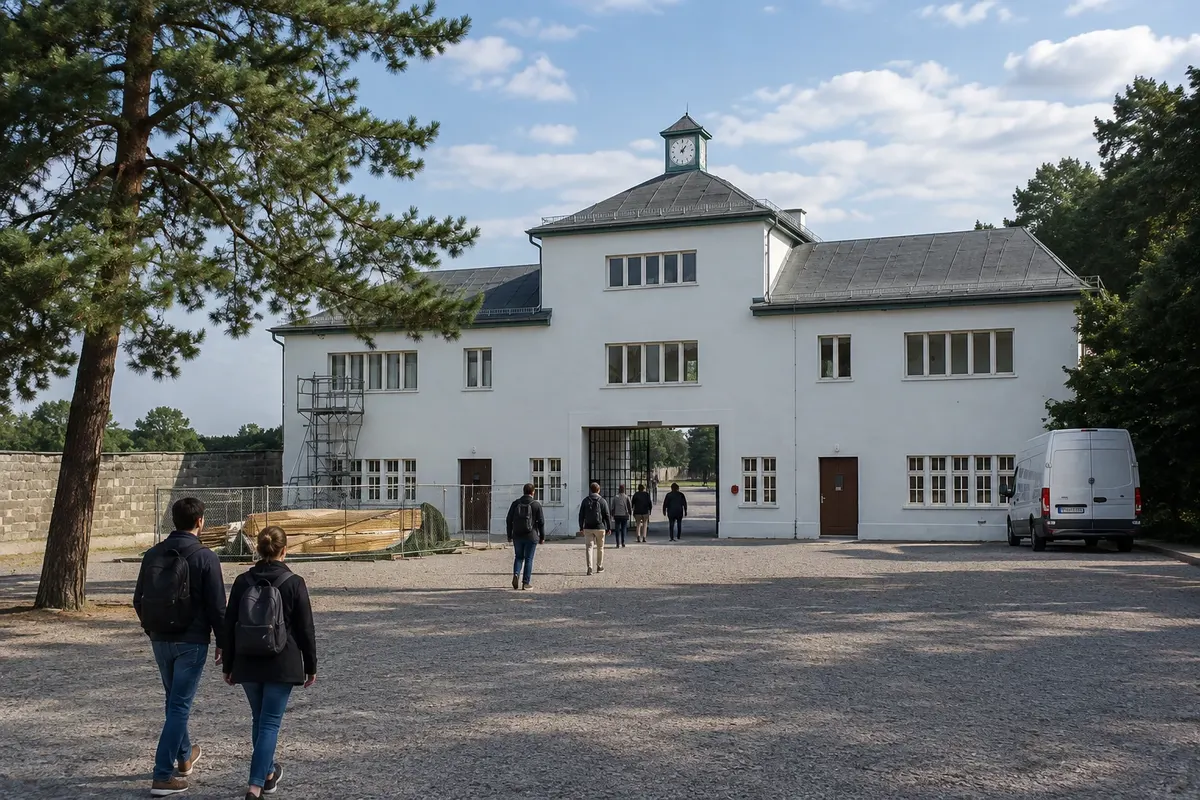
Memorial at the former Sachsenhausen concentration camp in Oranienburg, north of Berlin. A place of remembrance with exhibitions in the original buildings.

Before you go

Practical information

A little planning leaves more time to enjoy the journey.

When to go

From May to September the days are long and the parks and the banks of the Spree fill up; summer runs from June to August. Autumn is usually cool and good for museums. Winter, from December to February, is cold and it gets dark early, but the Christmas markets usually run from late November until close to Christmas.

The seasons shown are the most usual ones; nature doesn't always follow the calendar.

How many days to stay

Three days are enough to see the historic center, the Museumsinsel, the Wall memorial sites and some of Charlottenburg and Kreuzberg. With four days you have a whole day left for Potsdam and the Sanssouci parks. Museum lovers can stay much longer, because the city has dozens of them.

Which city to stay in

Mitte is the central neighborhood, close to the Brandenburger Tor, the Museumsinsel and Alexanderplatz, and everything can be done on foot or by tram. Prenzlauer Berg, to the north, is more residential, with cafés and tree-lined streets. Kreuzberg and Friedrichshain attract those looking for nightlife. Charlottenburg, to the west, near the Kurfürstendamm and the Zoologischer Garten, is quieter. Staying near an S-Bahn or U-Bahn station makes things much easier, including trips to Potsdam.

Respect the place

Take your trash with you, follow the signs and support local businesses. In natural areas, follow the visiting guidelines.

Get your questions answered

Frequently asked questions about Berlim and Potsdam

How many days should I allocate for Berlim and Potsdam?

For Berlim, three days is a good start: one for the historic center and the Reichstag, one for the Museumsinsel and Alexanderplatz, and another for the Wall sites and Charlottenburg. Add one day for Potsdam, with the Palácio de Sanssouci and the old town.

Do I need a car in Berlim?

No. Public transport covers the whole city and reaches Potsdam and the airport. The center is inside an environmental zone (Umweltzone), where only cars with the sticker may circulate, and parking is difficult. Remember to validate your ticket at the machines when it does not come with a printed date and time.

Can you do Potsdam as a day trip from Berlim?

Yes. The regional train leaves from Berlin Hauptbahnhof and reaches Potsdam in about half an hour; the S-Bahn takes around 40 minutes. Potsdam is in transport zone C, so buy a ticket for zones A, B and C. One day allows you to see the park and the Palácio de Sanssouci, the Dutch Quarter and the town center.

Explore other destinations Search by state and city
Back