Brazil
 Argentina
 Chile
Chile Colombia
 Peru
Peru Uruguay
 Germany
 Spain
Spain France
 Greece
 the Netherlands
 Ireland
 Italy
Italy Portugal
 the United Kingdom
 Switzerland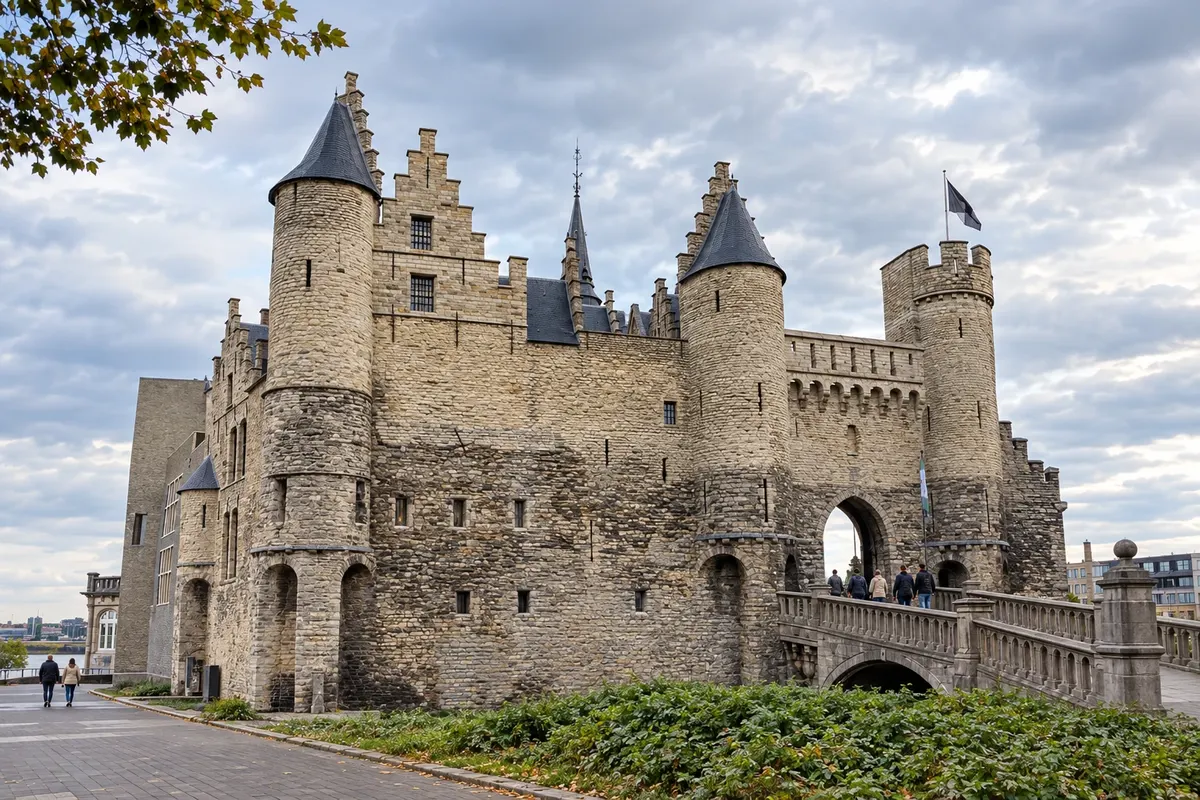
5 routes
Routes
Tourist journeys linking cities and destinations. Each route has a map, legs, how many days and the best time to go.
See the routes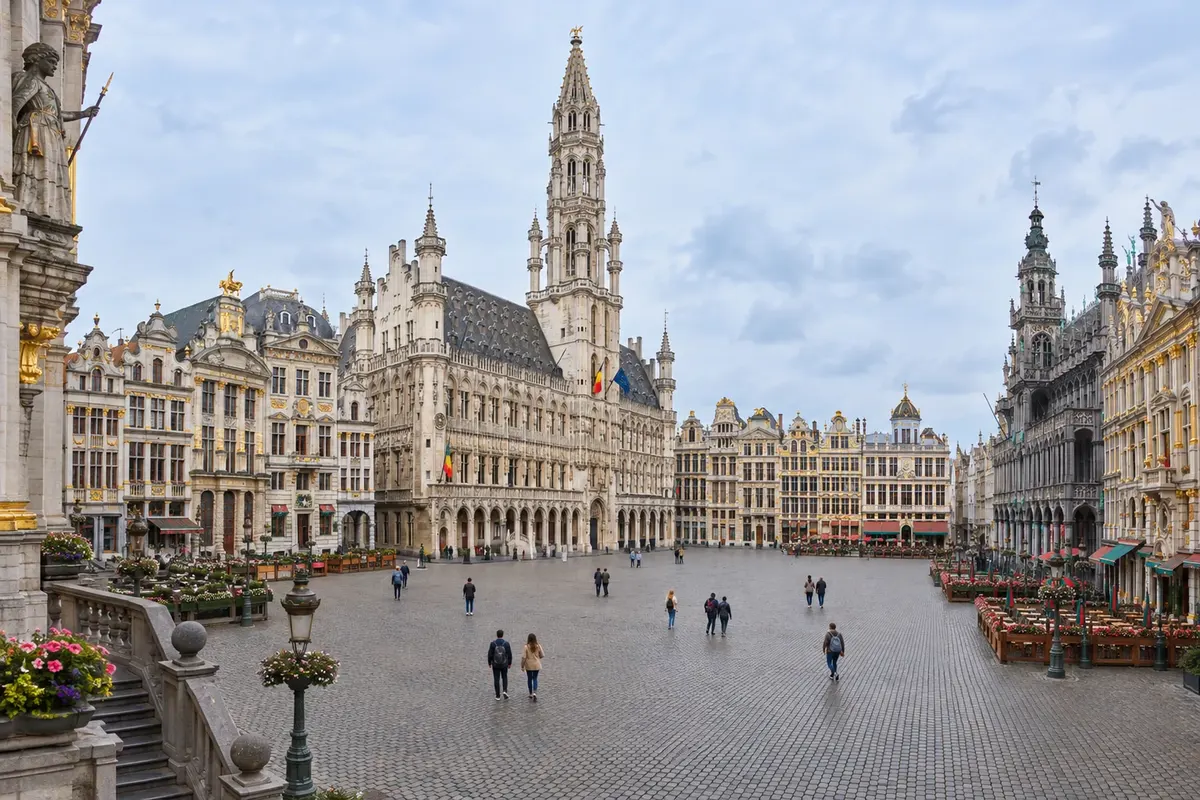
Routes, destinations and cities in Belgium, with things to do, when to go and how to get there.
5 routes 2 destinations 3 provinces 7 cities
Across Cidade Turismo: 7 countries · 51 routes · 151 destinations · 592 cities
In the photo: Grand-Place — Bruxelas
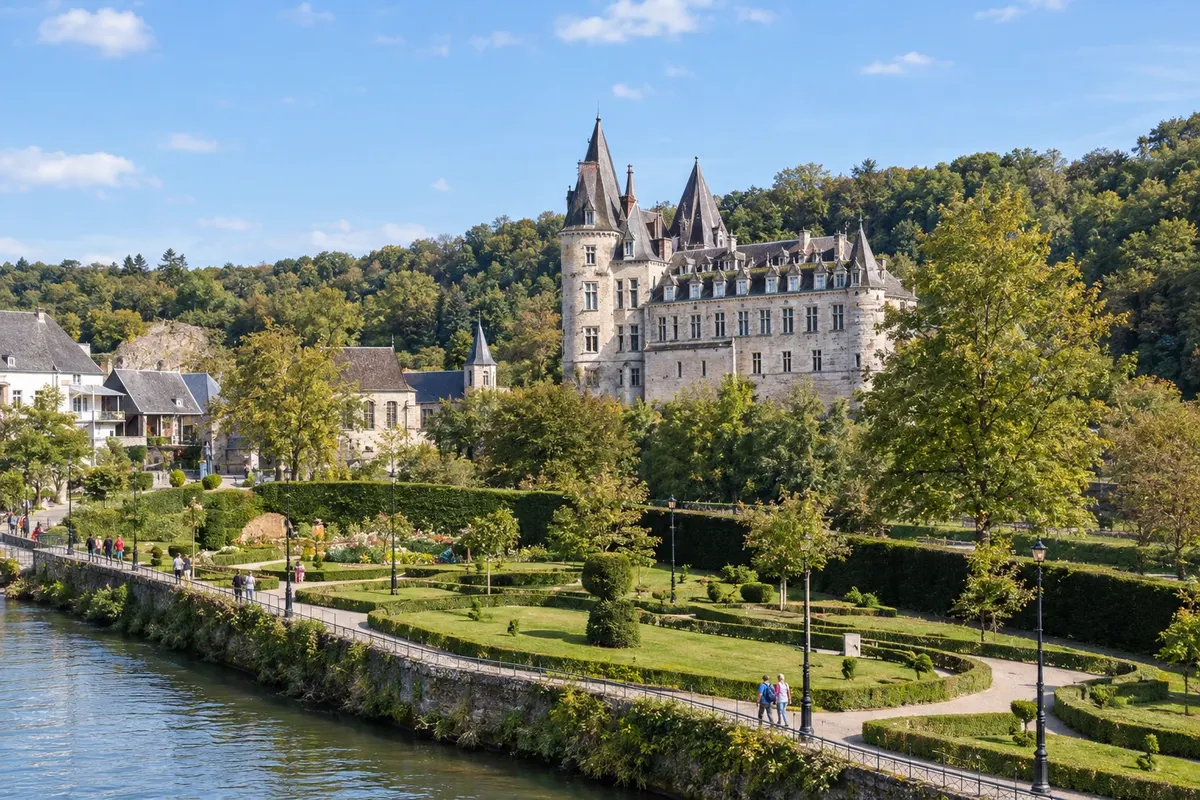
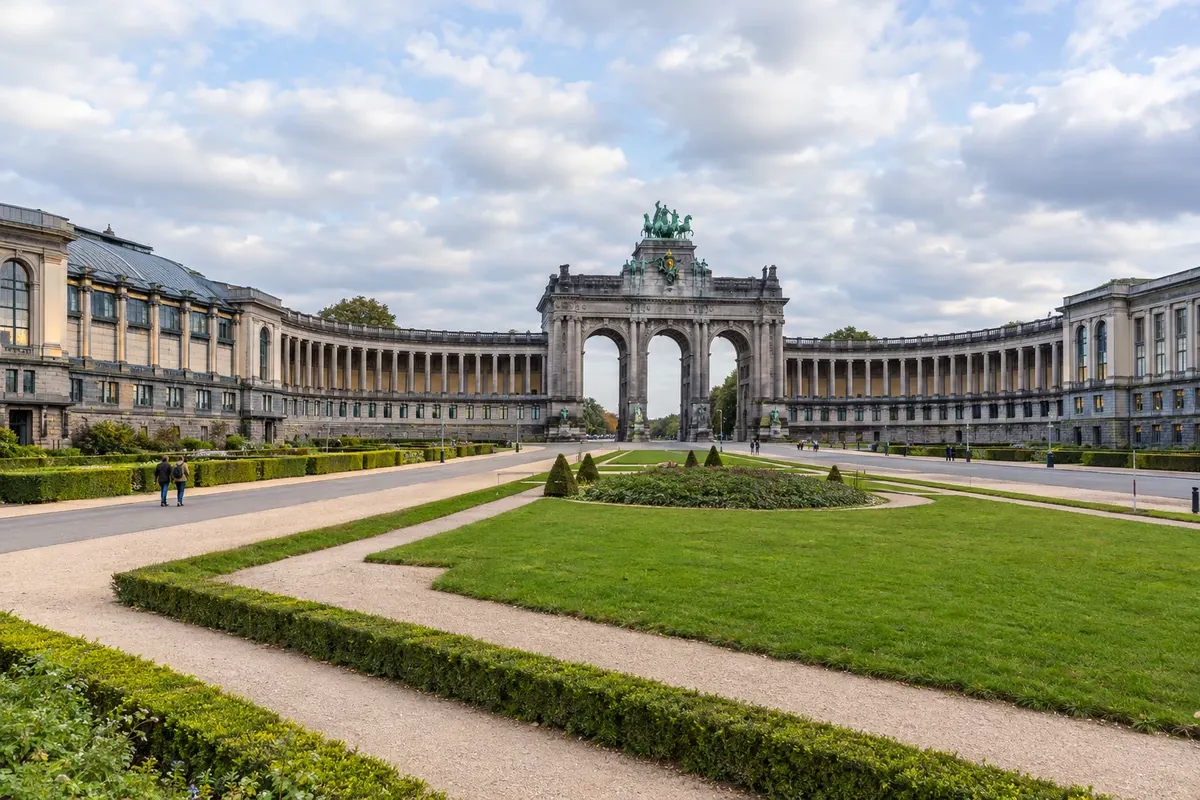
Illustrative images. The pictures in this guide are illustrations based on the real place, not photographs, and may differ from it.

The guide
Cidade Turismo is a travel guide built city by city, now also in Belgium. For each place you'll find things to do, attractions with their own page, when to go and how to get there.
The guide has three ways in, so you can start wherever you like: routes, which link towns along one journey; destinations, which are the tourist regions; and the provinces, with the main cities in each one.
The texts are written from official tourism sources, such as national and regional tourism offices, national parks and city halls, and new cities and routes keep being added to the guide.
About Cidade Turismo: who we are and how the guide is made →
5 routes
Tourist journeys linking cities and destinations. Each route has a map, legs, how many days and the best time to go.
See the routes2 destinations
The tourist regions in Belgium, each with its towns: things to do, when to go and how to get there.
See the destinations7 cities in 3 provinces
The guide by province: each one with its destinations, cities and routes, and each city with its attractions.
See provinces and citiesThe map
Tap a region to see the names. Use two fingers to zoom in.
Contornos: © NGI-IGN, AdminVector, CC BY 4.0. Adaptação do Cidade Turismo.
Where to start
Six cities from the guide, changing every day.
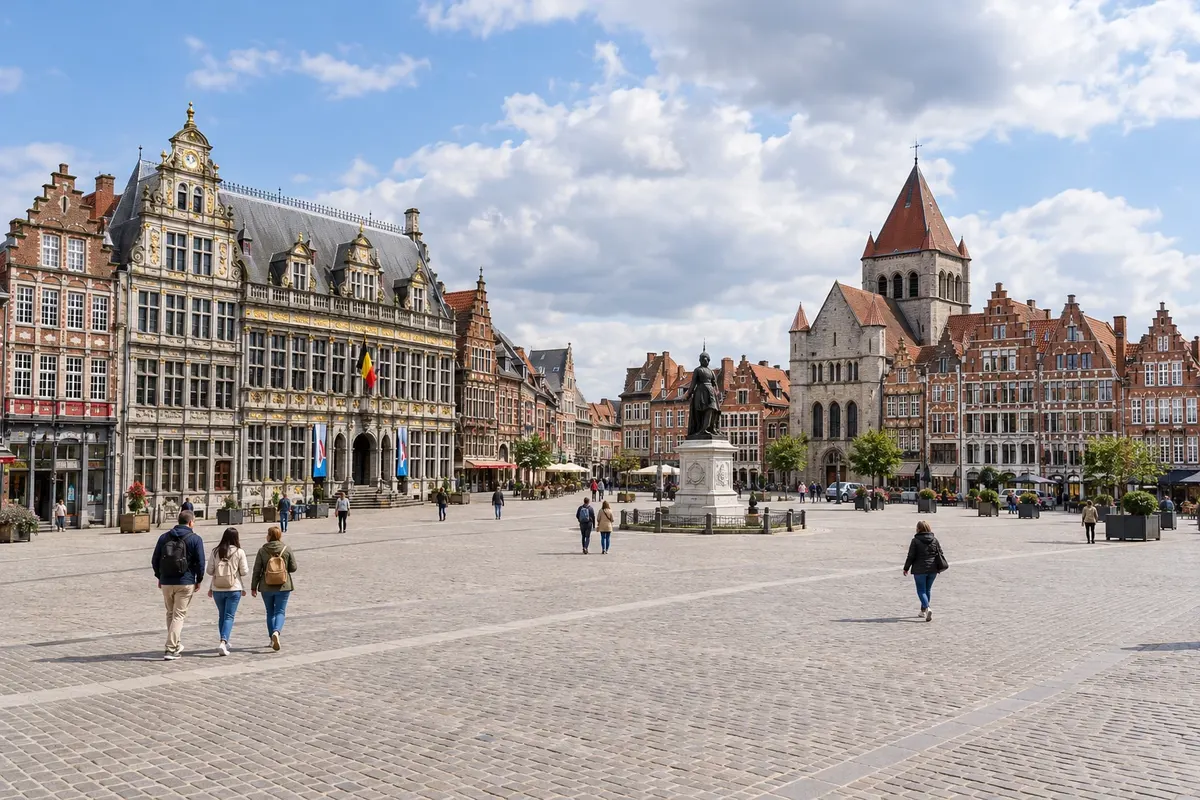
Tournai, Doornik in Flemish, is one of the oldest cities in Belgium; it was the capital of the Franks and French is spoken there. The centre revolves around the Cathédrale Notre-Dame, with five towers, and the Beffroi de Tournai, both UNESCO World Heritage sites, and the triangular Grand-Place. On the banks of the Escalda is the Pont des Trous, a medieval gate over the river. The museums are the Musée des Beaux-Arts, designed by Victor Horta, and the TAMAT, dedicated to tapestry.
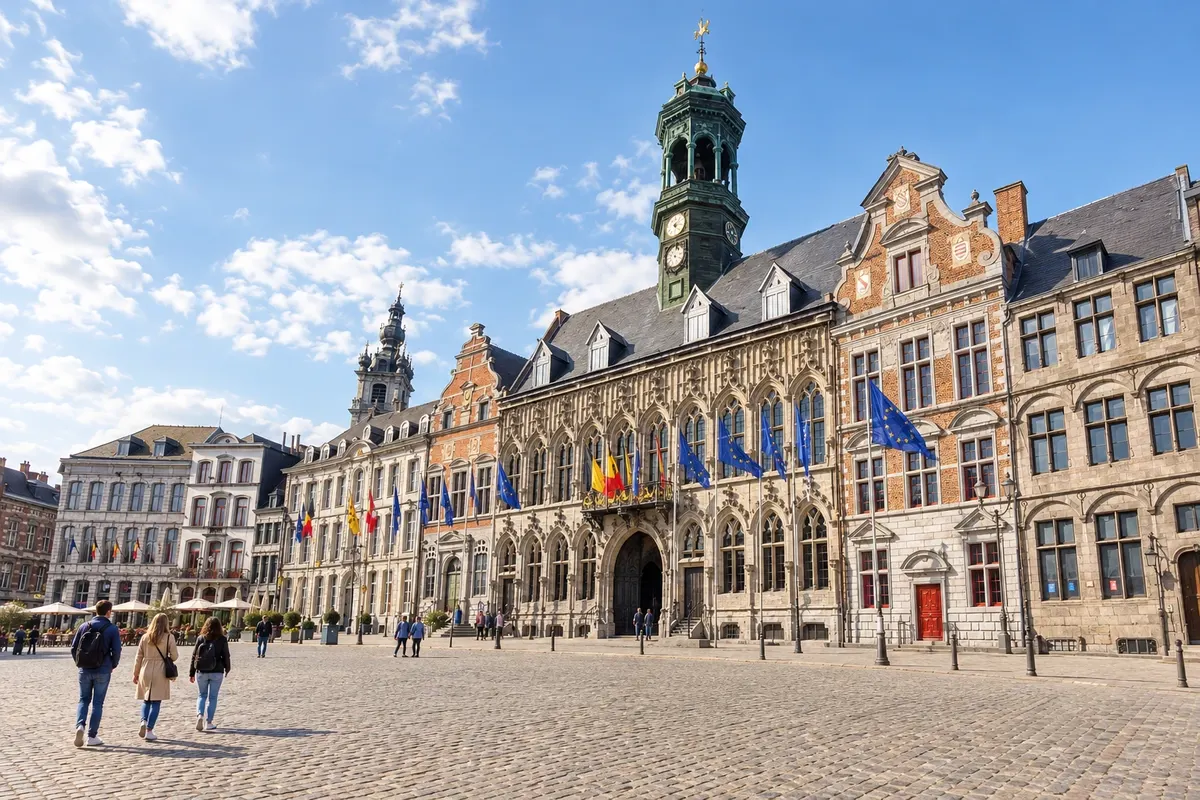
Mons, Bergen in Flemish, is the capital of Hainaut and is French-speaking. The center climbs the hill around the Grand-Place, the Hôtel de Ville with the lucky monkey and the Beffroi de Mons, a UNESCO World Heritage site, up to the Collégiale Sainte-Waudru, the starting point of the Doudou. Museums include the Mundaneum, the BAM and the Mons Memorial Museum. In the surroundings are the Maison Van Gogh in Cuesmes, the flint mines of Spiennes, the Grand-Hornu and, in Brugelette, the Pairi Daiza zoo.
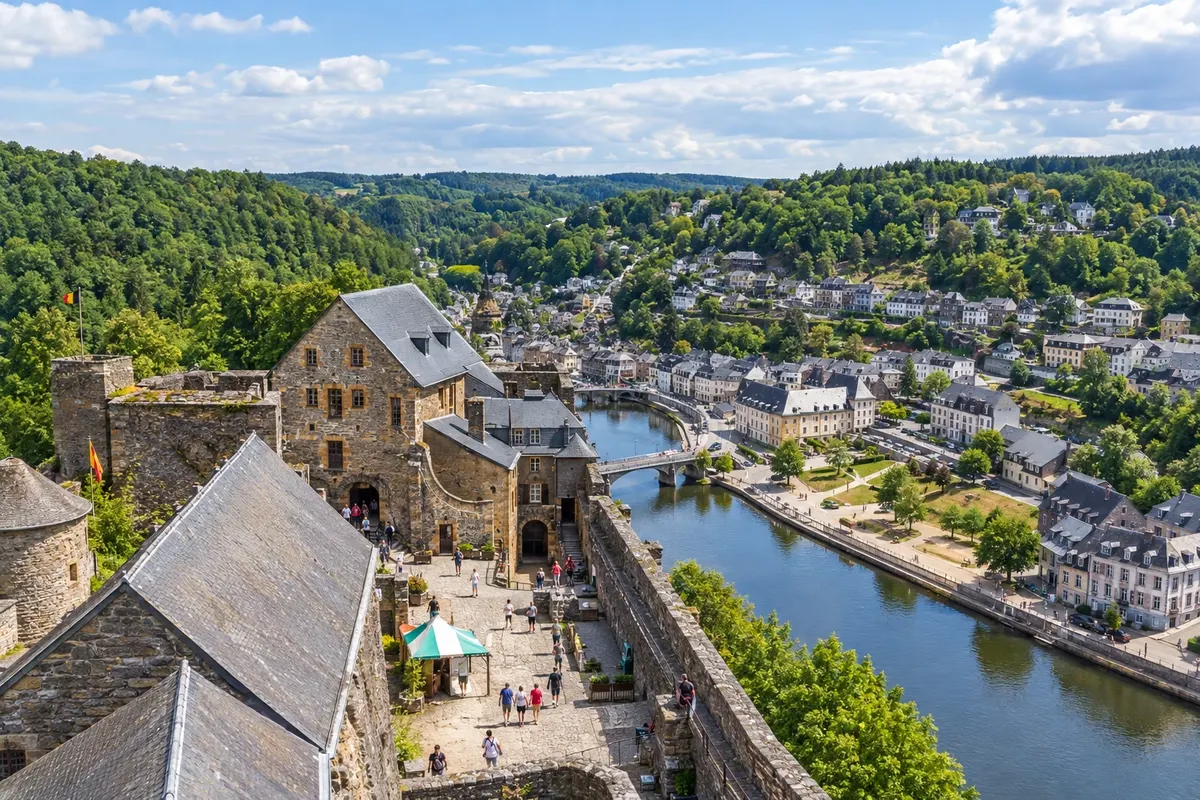
Bouillon is a small town on a tight bend of the Semois, in the southern part of Belgium's province of Luxembourg, near the French border. French is spoken. Perched on three rocky peaks is the Château de Bouillon, linked to Godfrey of Bouillon, leader of the First Crusade. The town also has the Musée ducal and the Bouillon Medieval Experience, and a few kilometres away is the Tombeau du Géant viewpoint.
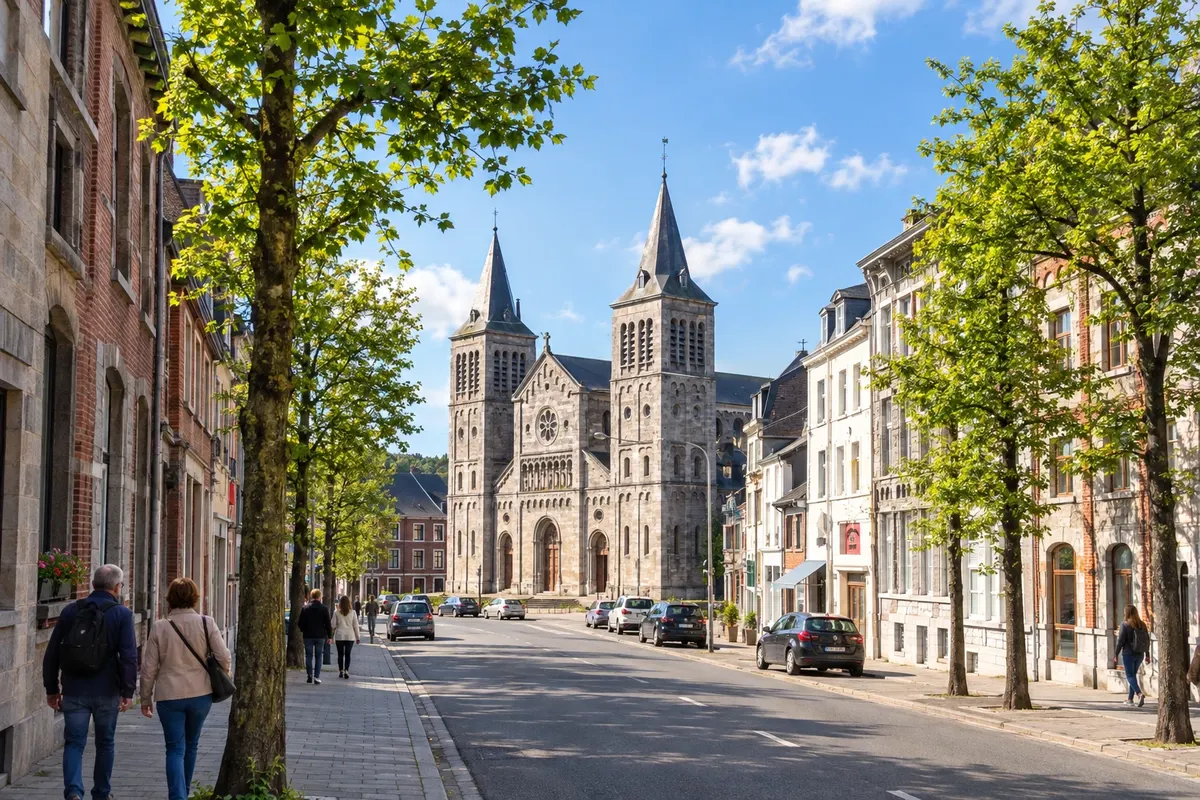
City of the Famenne, in the province of Namur, on the edge of the Ardennes. The name comes from the medieval castle, the "rocha forte", first mentioned in 1155, whose ruins still dominate the center. In Han-sur-Lesse, a locality of the municipality, the river Lesse cuts through a limestone hill underground and forms the Grottes de Han, beside a 250-hectare wildlife park. Between Rochefort and Jemelle lies Malagne, a 1st-century Gallo-Roman villa.
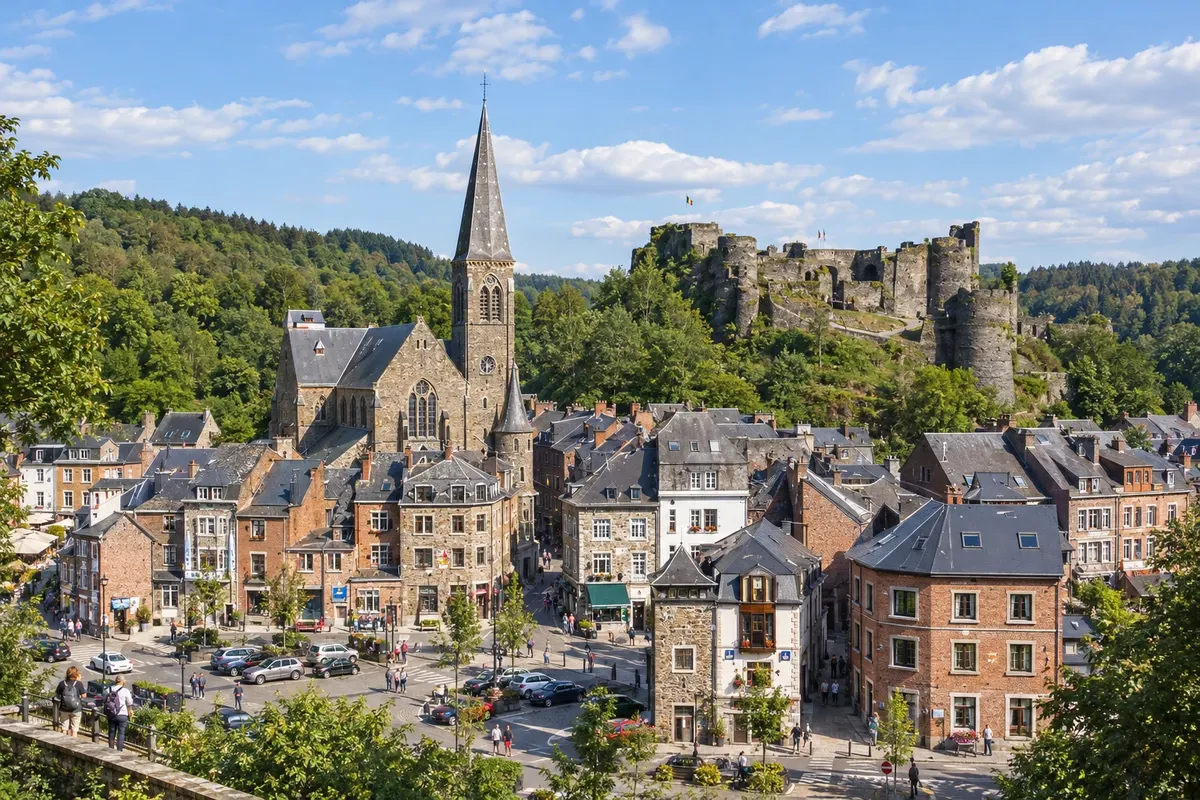
La Roche-en-Ardenne is a small town tucked into a bend of the Ourthe in the Belgian province of Luxembourg. French is spoken. It was marked by the Battle of the Ardennes: it was taken by the Germans in December 1944 and liberated in January 1945, with much of the town destroyed. Today it features the Château féodal, the Musée de la Bataille des Ardennes, the British Achilles tank and the Deister viewpoint.
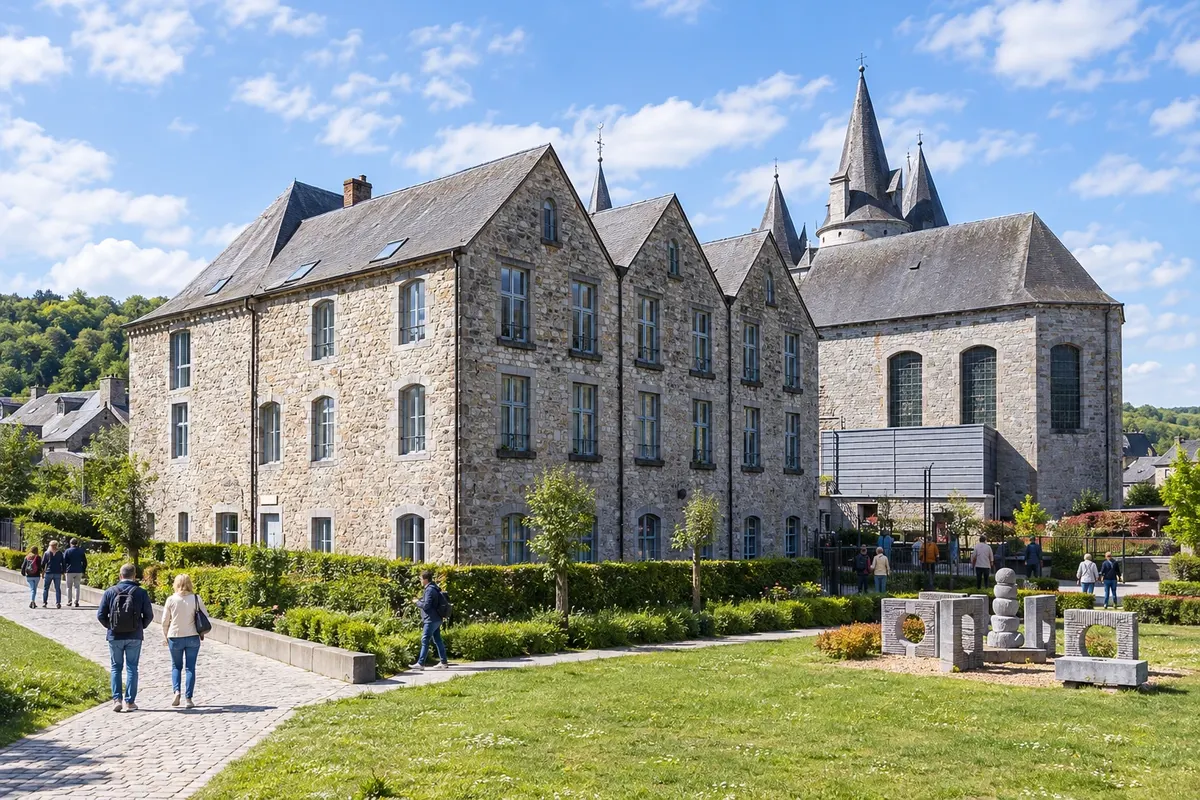
Durbuy is a small medieval town in the Ourthe valley, in the northern part of the Belgian province of Luxembourg, where French is spoken. It received its city charter in 1331 and likes to present itself as the smallest city in the world. The centre has cobbled streets, the Halle aux Blés, the counts' castle d'Ursel (viewed from the outside), the Parc des Topiaires and the Rocher de la Falize. The Wéris dolmens are about 10 km away.

Traveler area
The app
Save the destinations you want to visit, send your travel photos and get the guide's news.
FAQ
A travel guide to Belgium organized into routes, destinations, provinces and cities. Each city has things to do, attractions, when to go and how to get there.
A route is a journey linking several towns. A destination is a tourist region with its towns. A city is the place itself, with its attractions.
They are illustrations based on the real place, not photographs, and may differ from it. Photos sent by travelers are shown separately, as travelers' photos.
Type the name in the search box: it can be a route, destination, province, city or attraction. Or start from Routes, Destinations or Provinces and cities in the menu.
Yes. Destinations already translated are available in Spanish and English at cidadeturismo.com, and the rest are being added.
Yes, for Android, on Google Play. With it you can save the destinations you want to visit and get the guide's news.