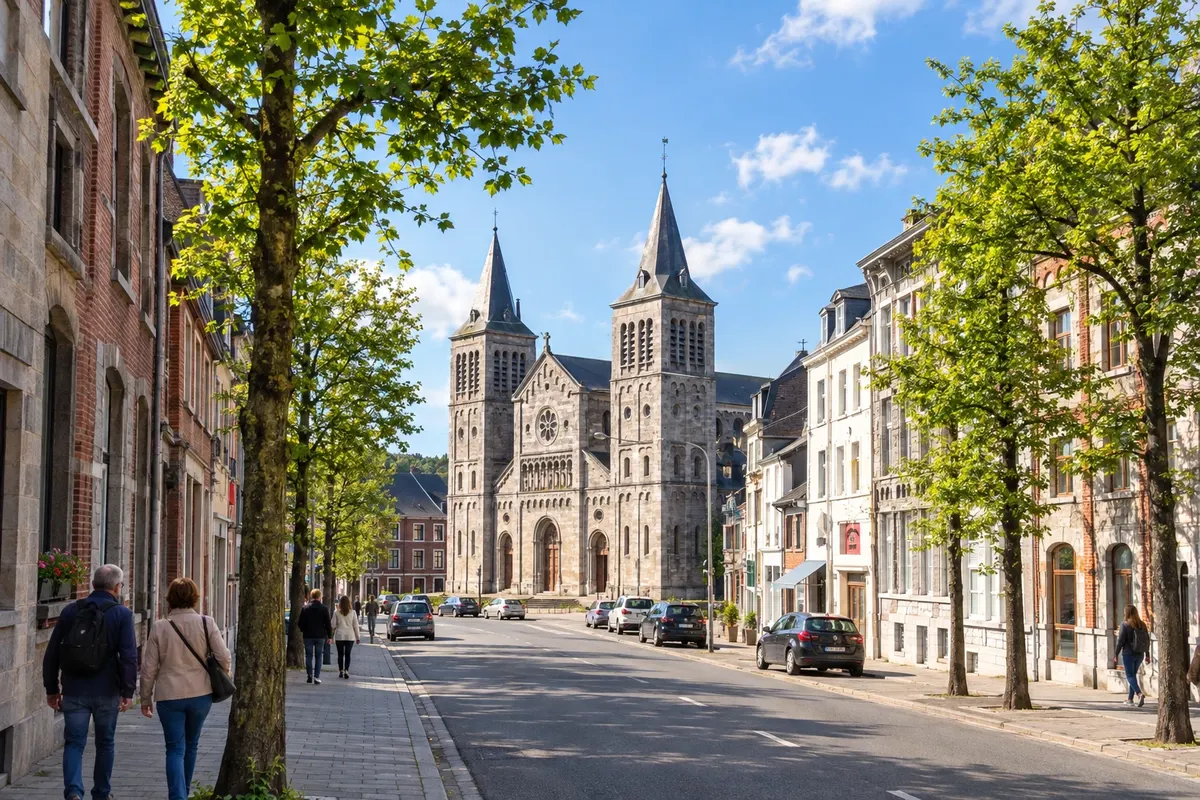
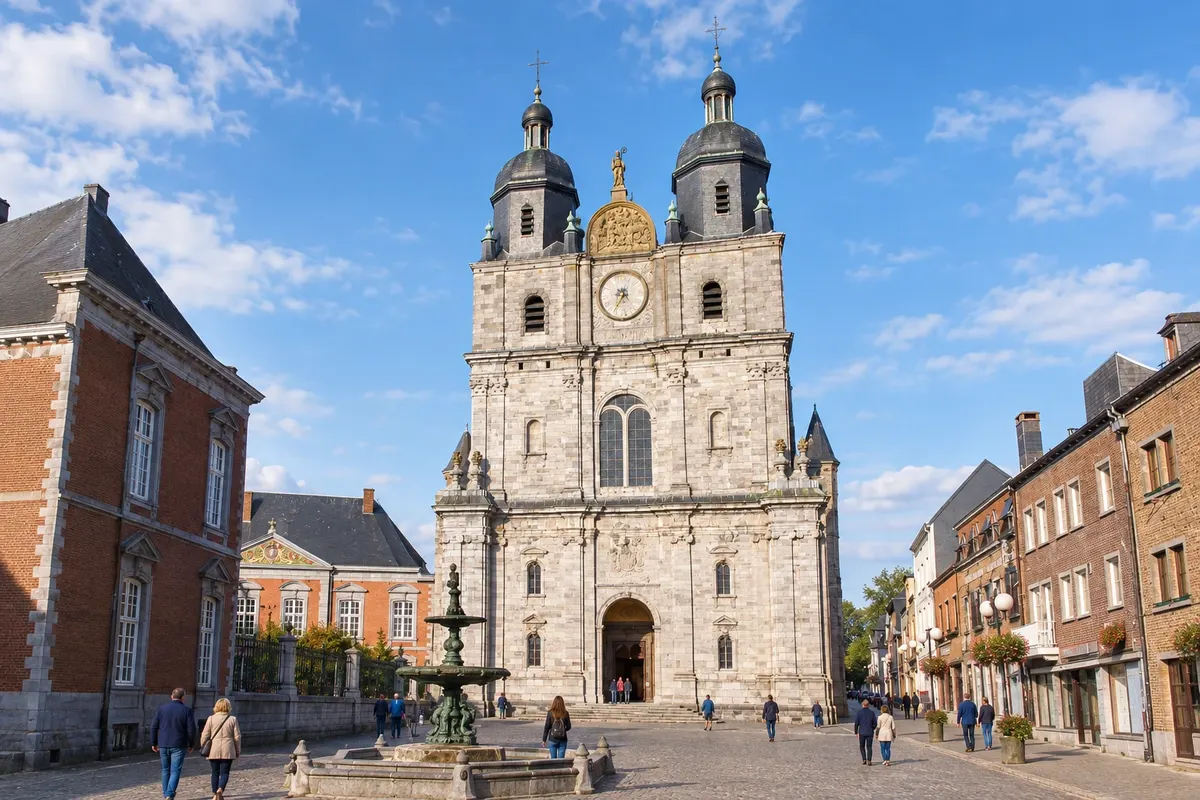
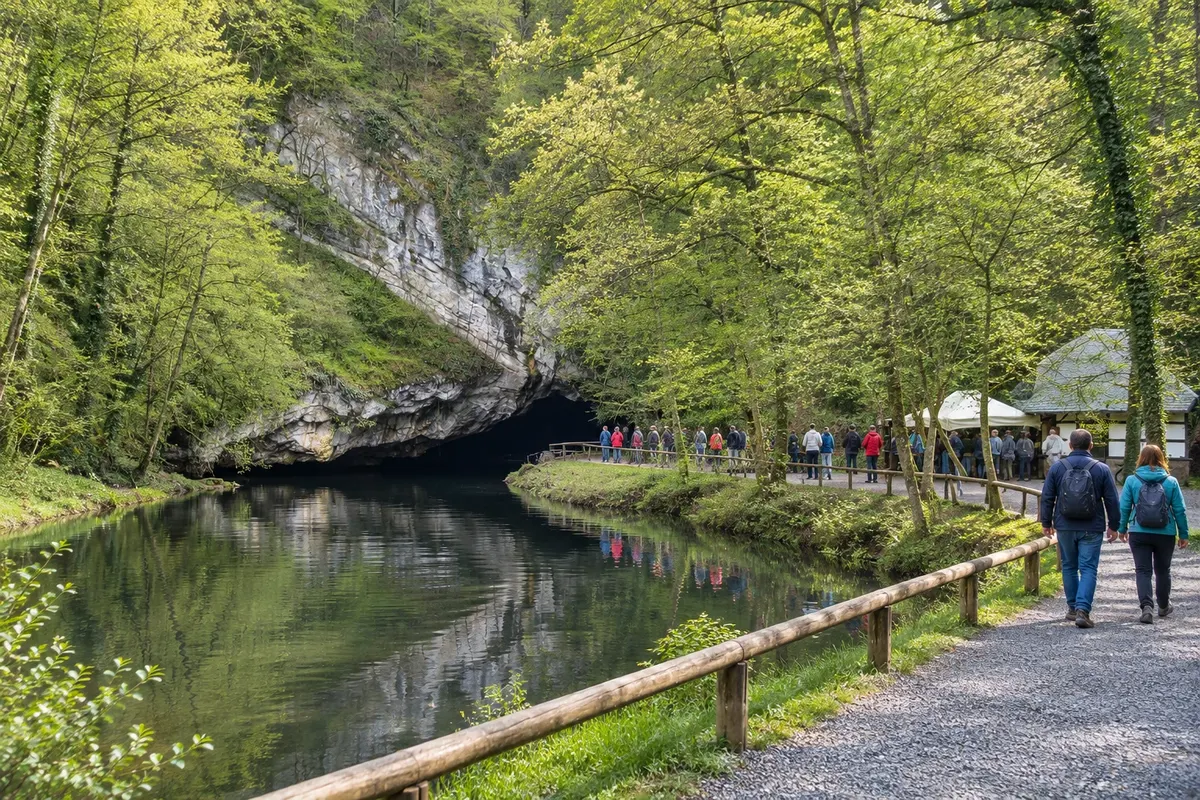
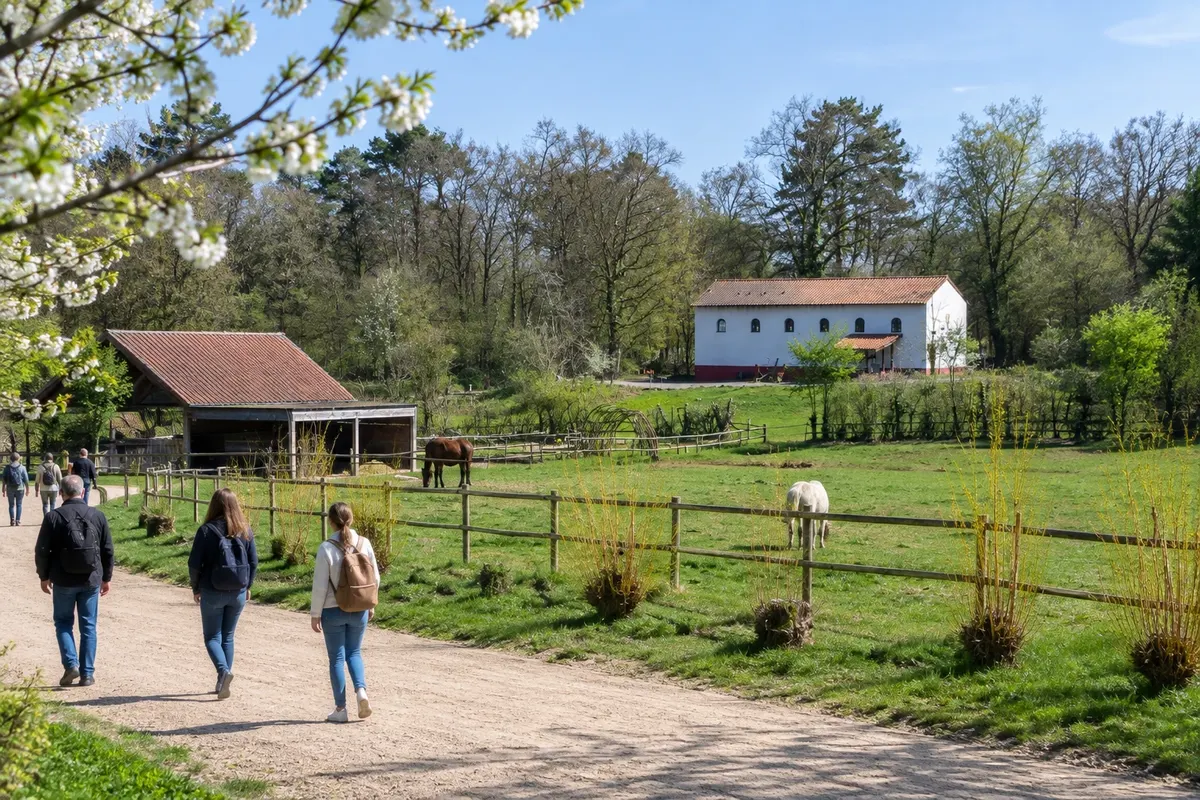
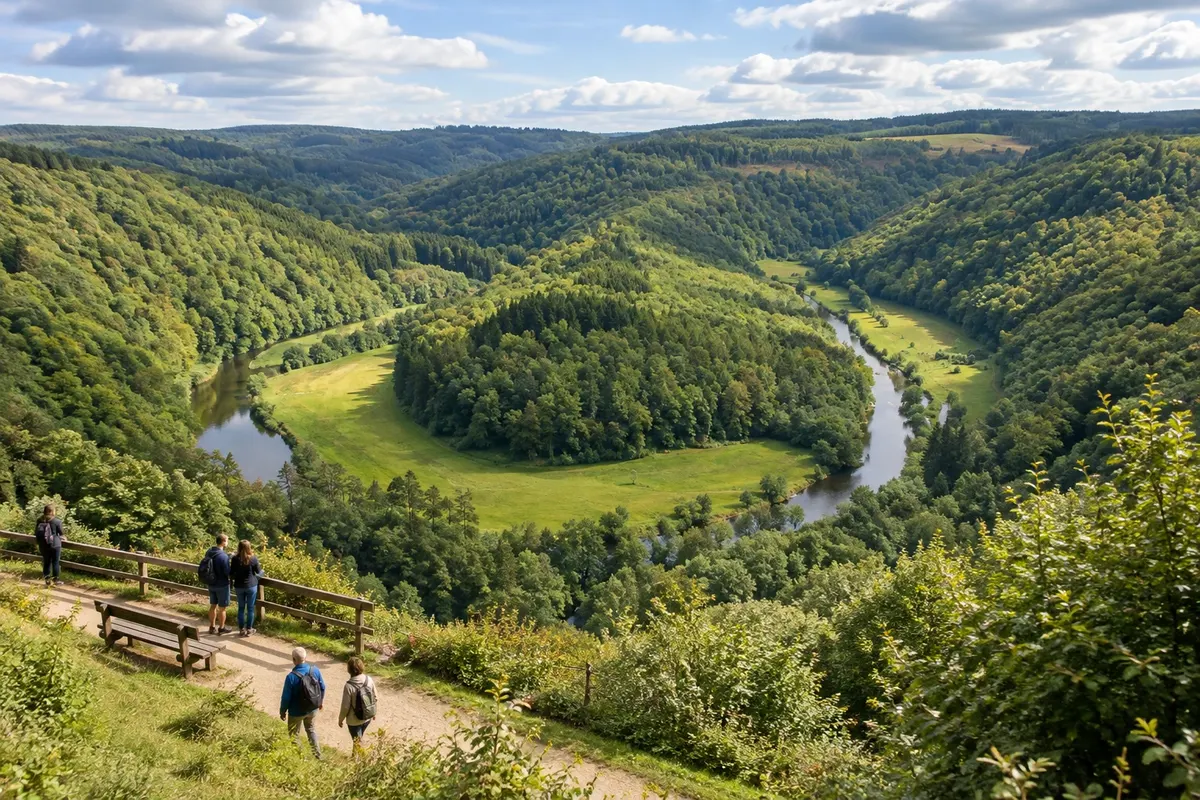
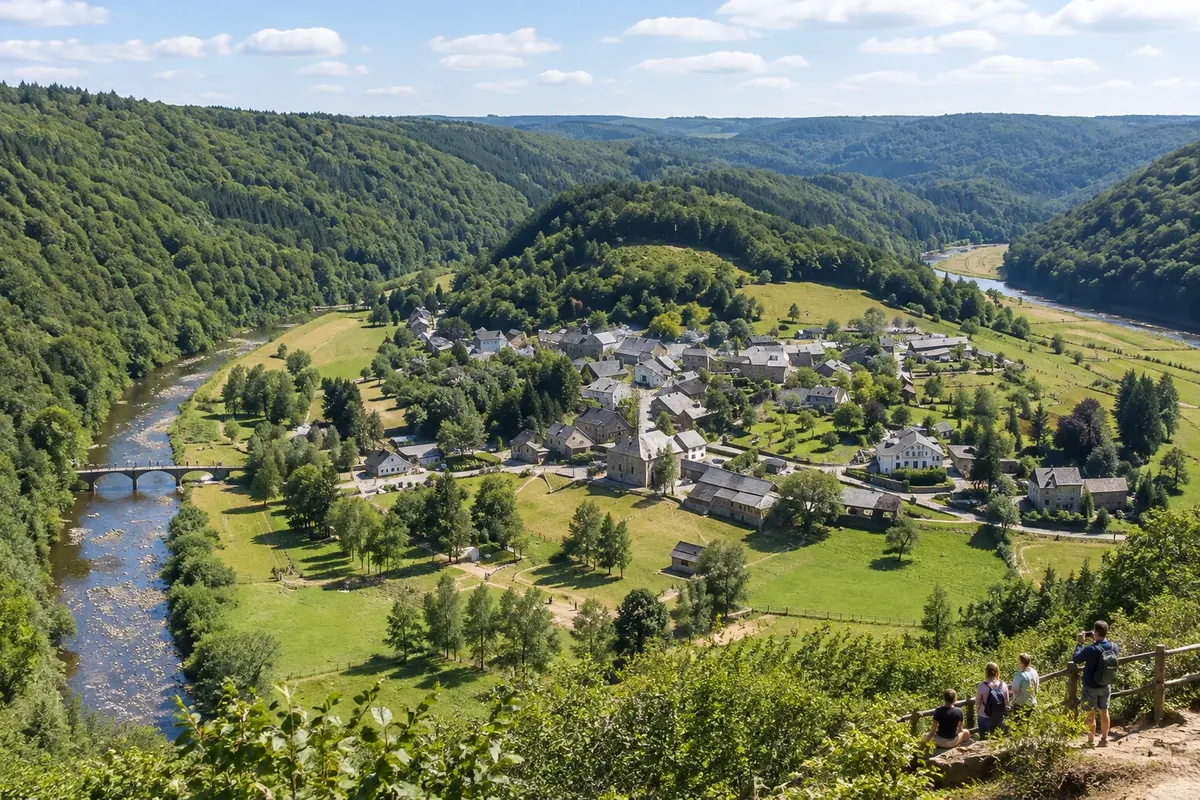
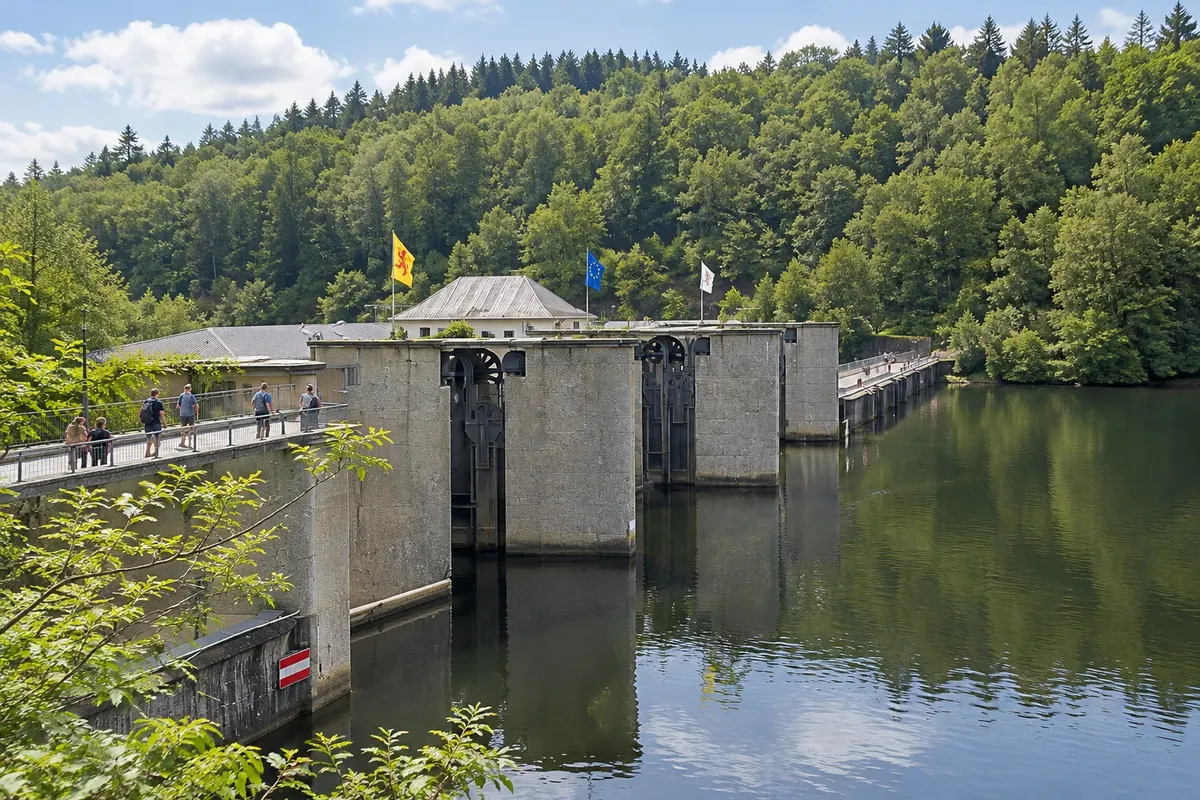
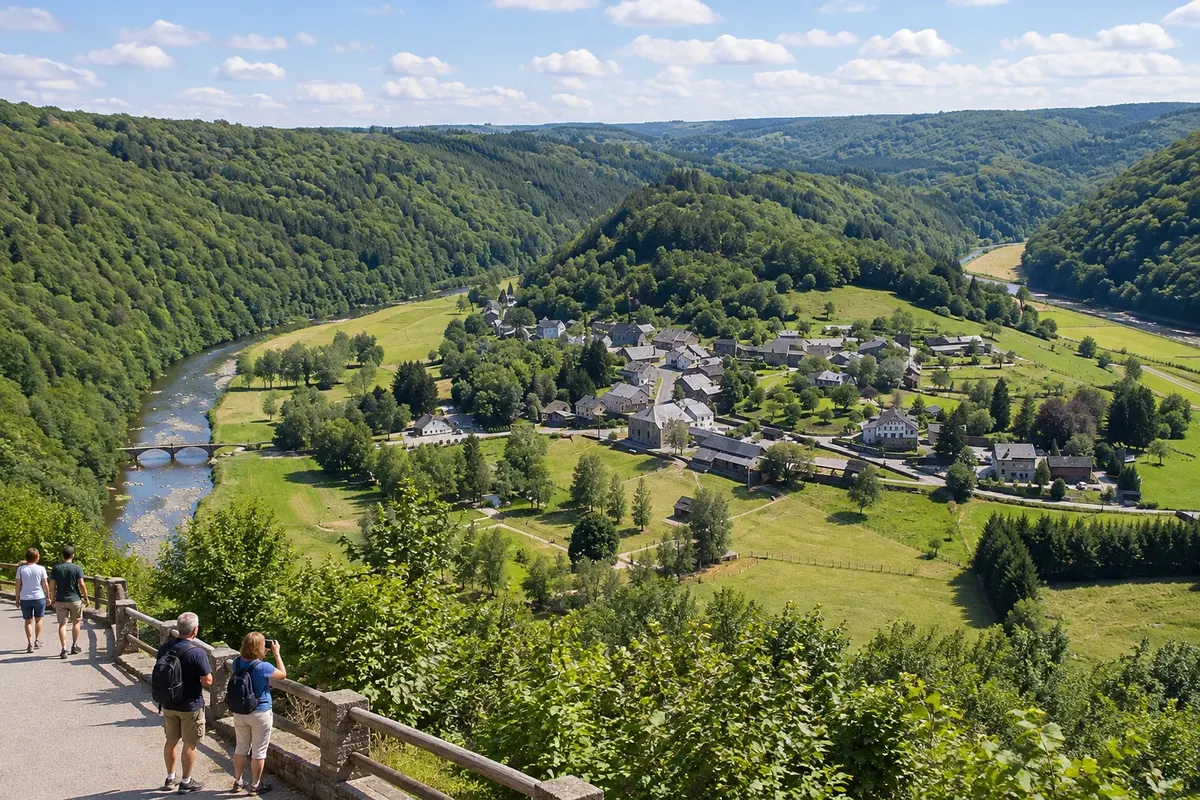
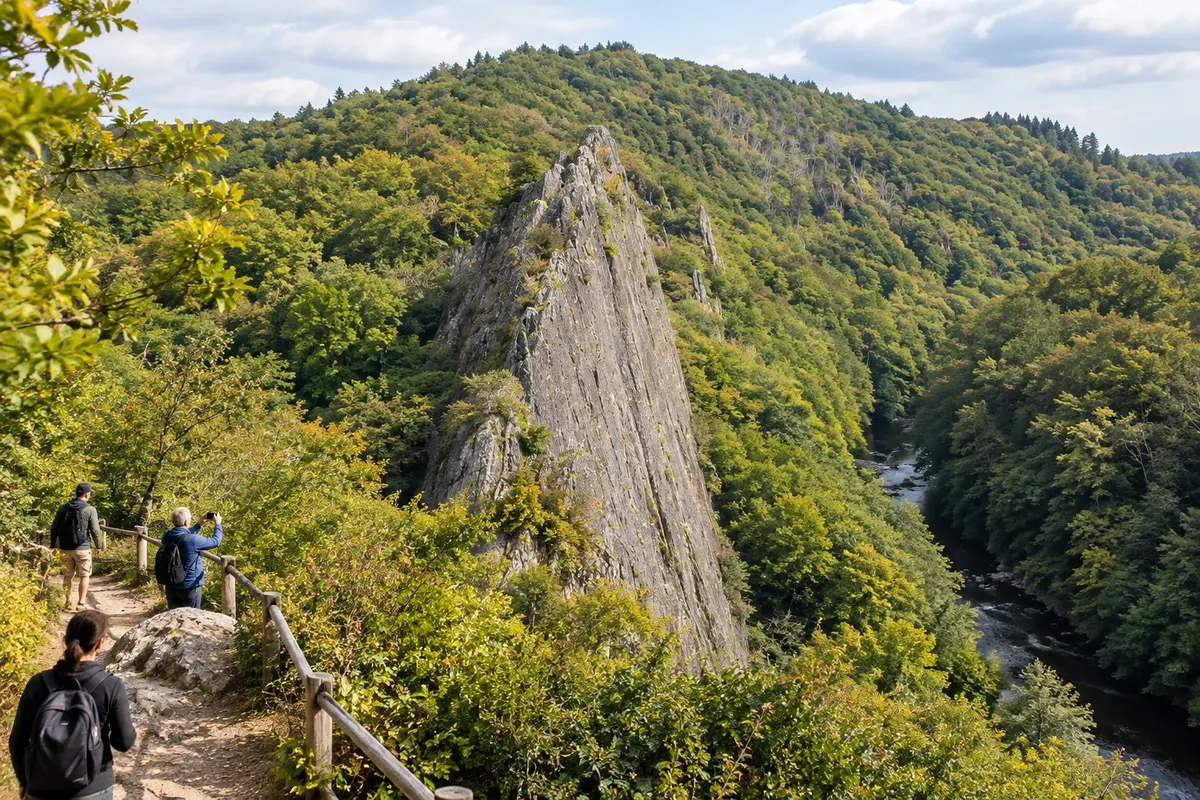
The Ardennes are the hilly, forested region of southeast Belgium, in Wallonia, where French is spoken. The massif continues into northern Luxembourg (the Grand Duchy), into the French department of Ardennes and into the German Eifel. The Romans called this woodland Arduenna Silva. Fast rivers like the Ourthe and the Semois have carved deep valleys, and towns grew clinging to those water bends.
It has that name because it was part of the old Duchy of Luxembourg and remained with Belgium in 1839, while the rest became the neighboring country. The provincial capital is Arlon. No passport stamp or different currency: you are still in Belgium.
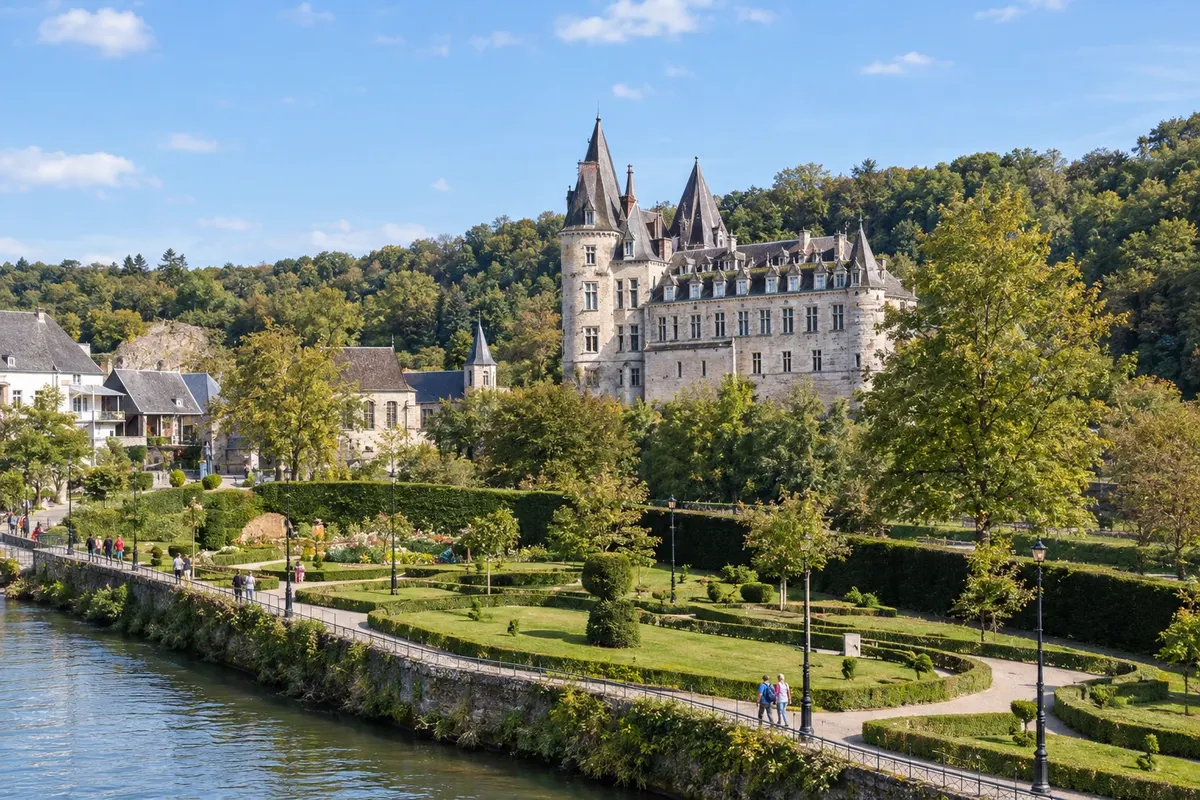
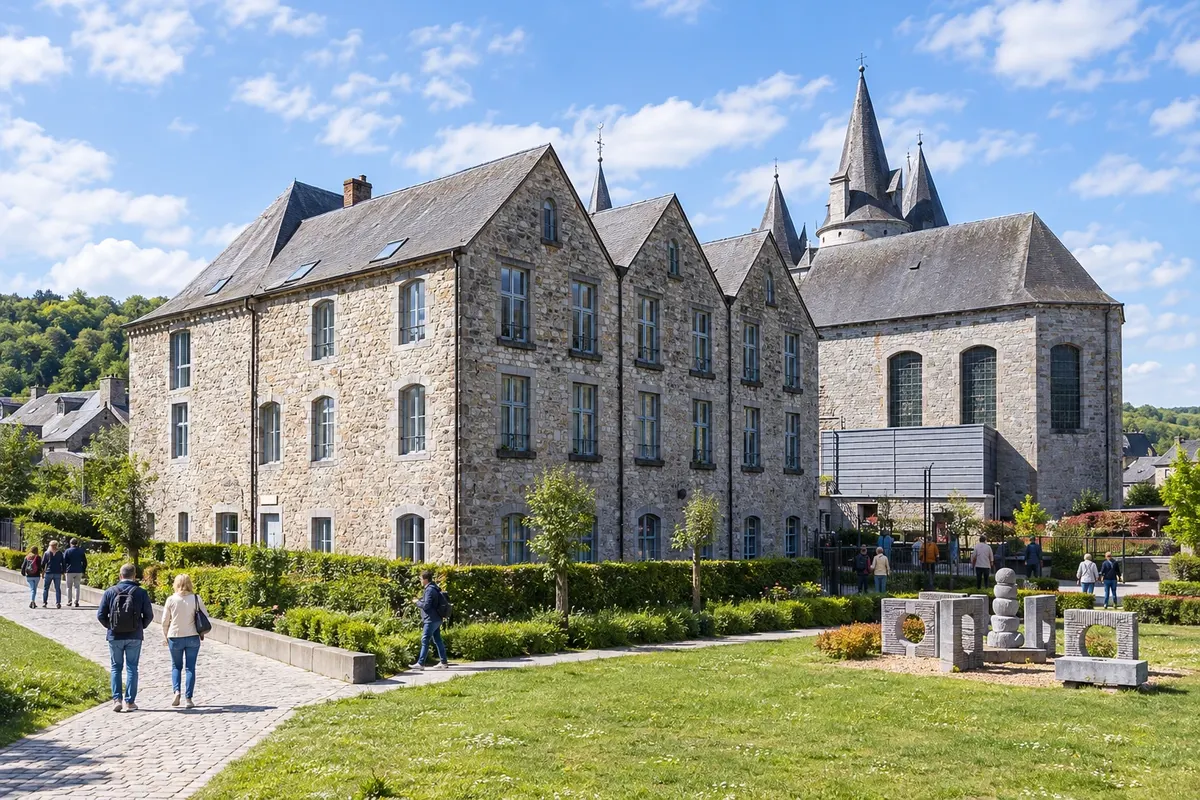
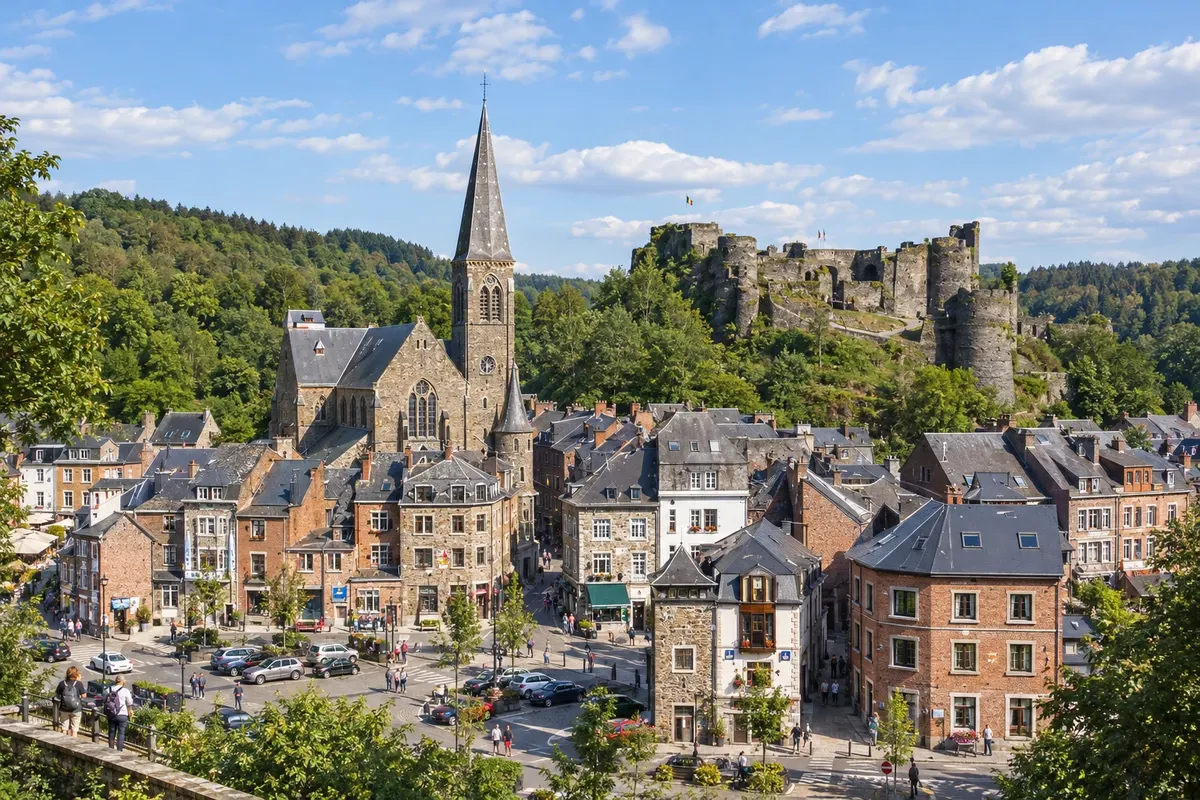
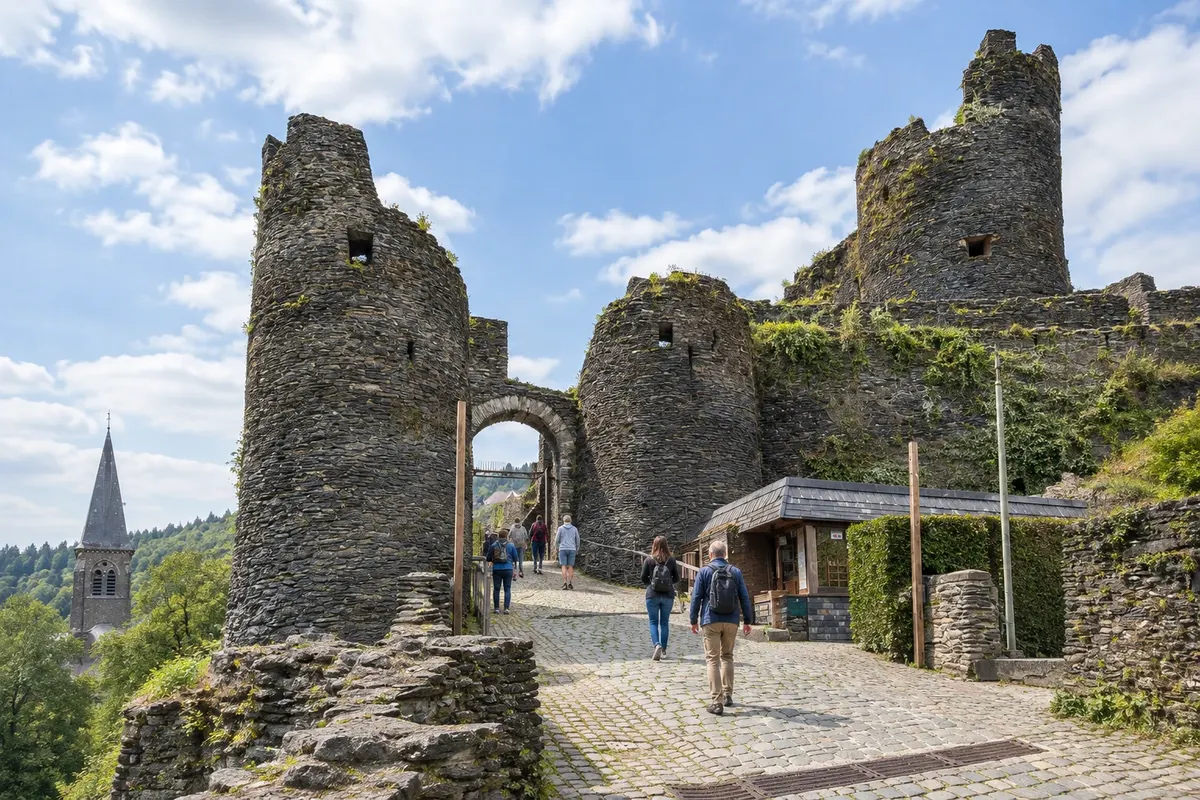
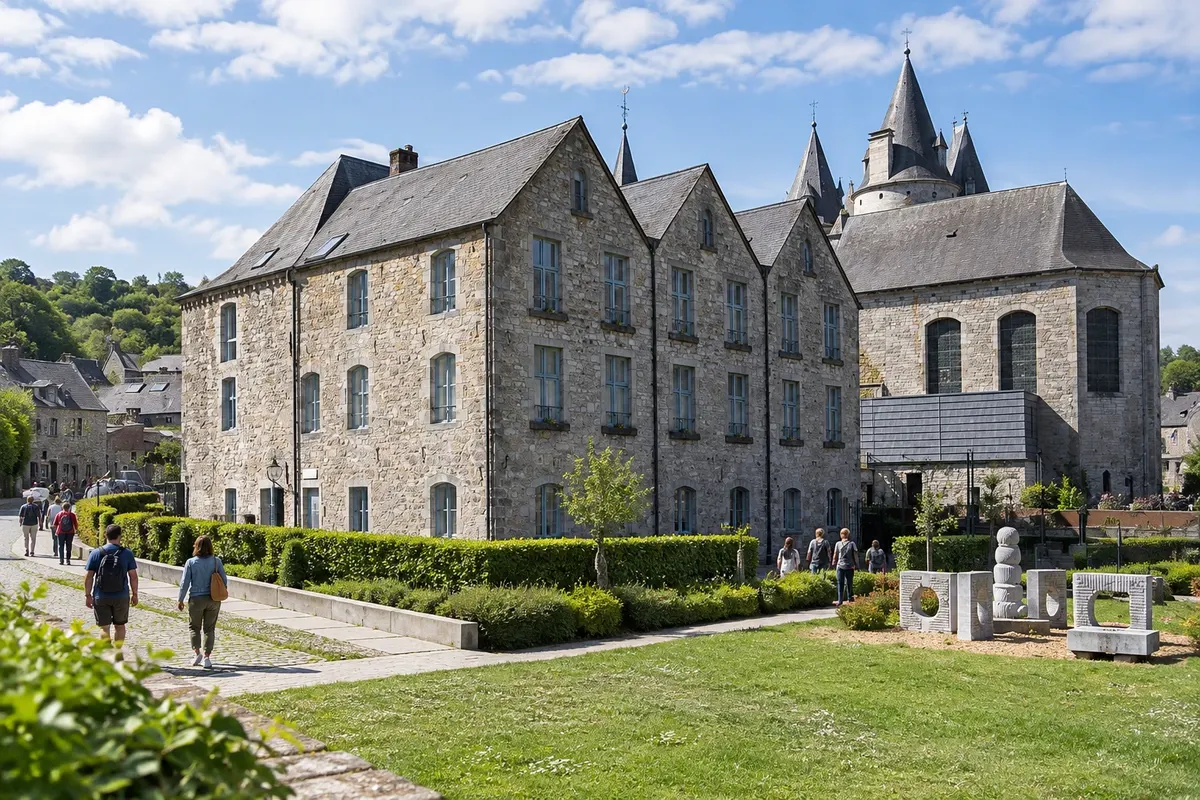
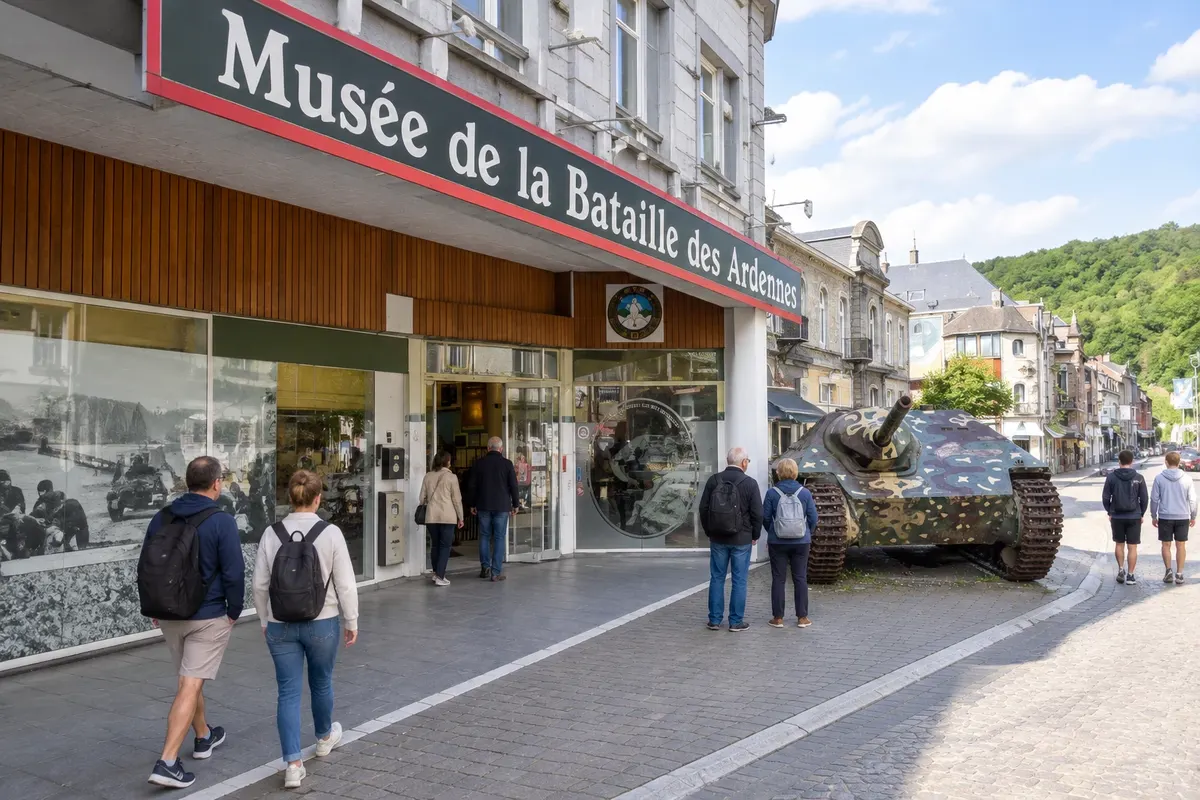
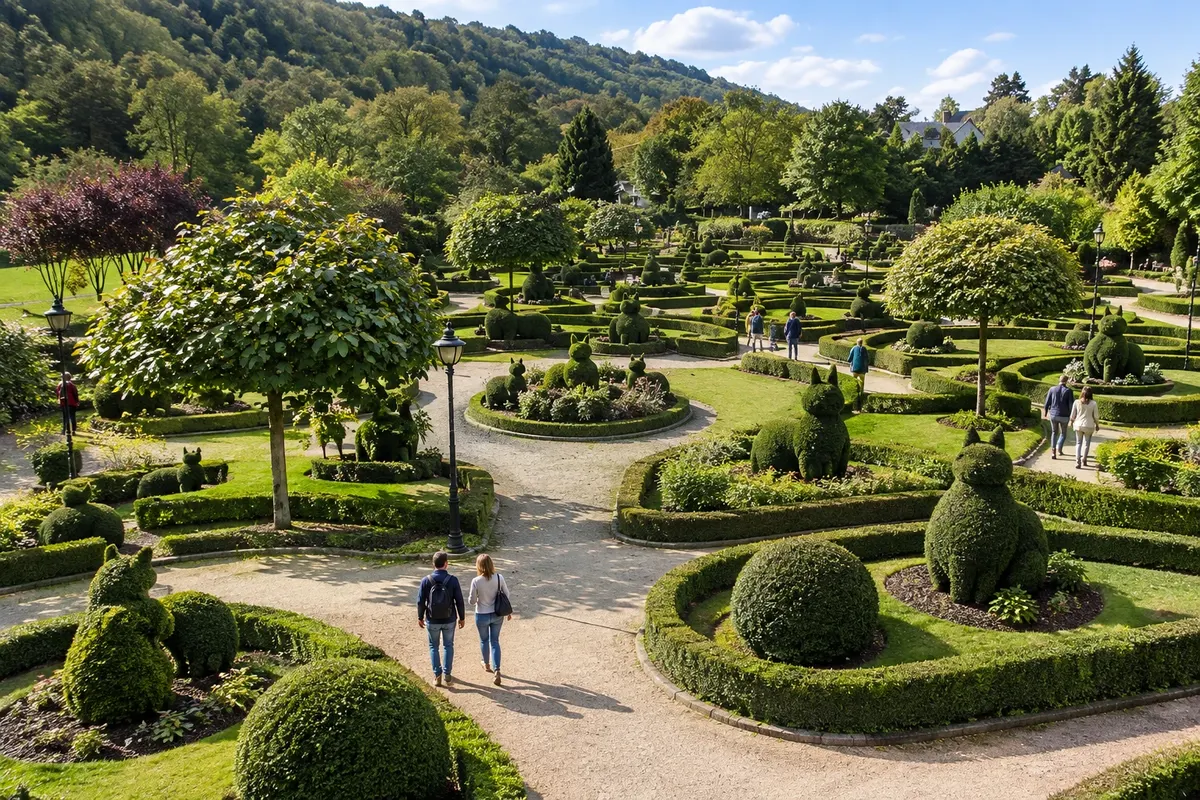
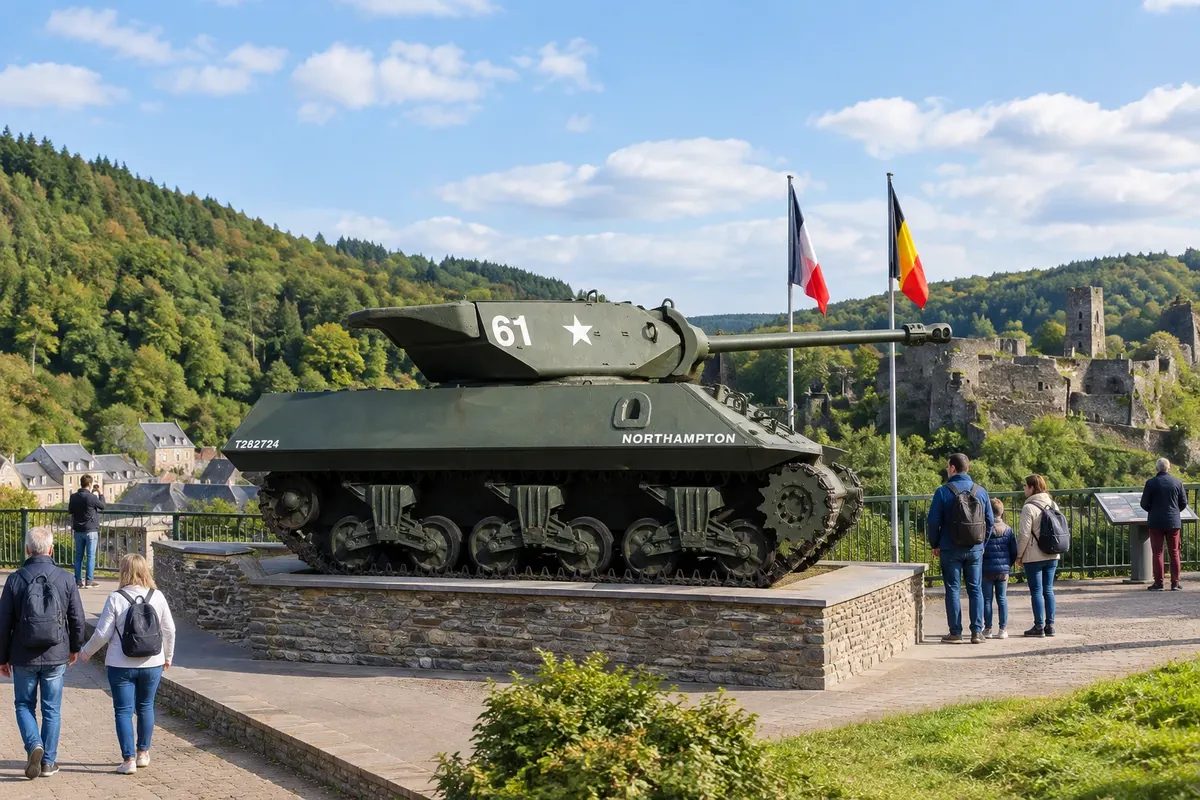
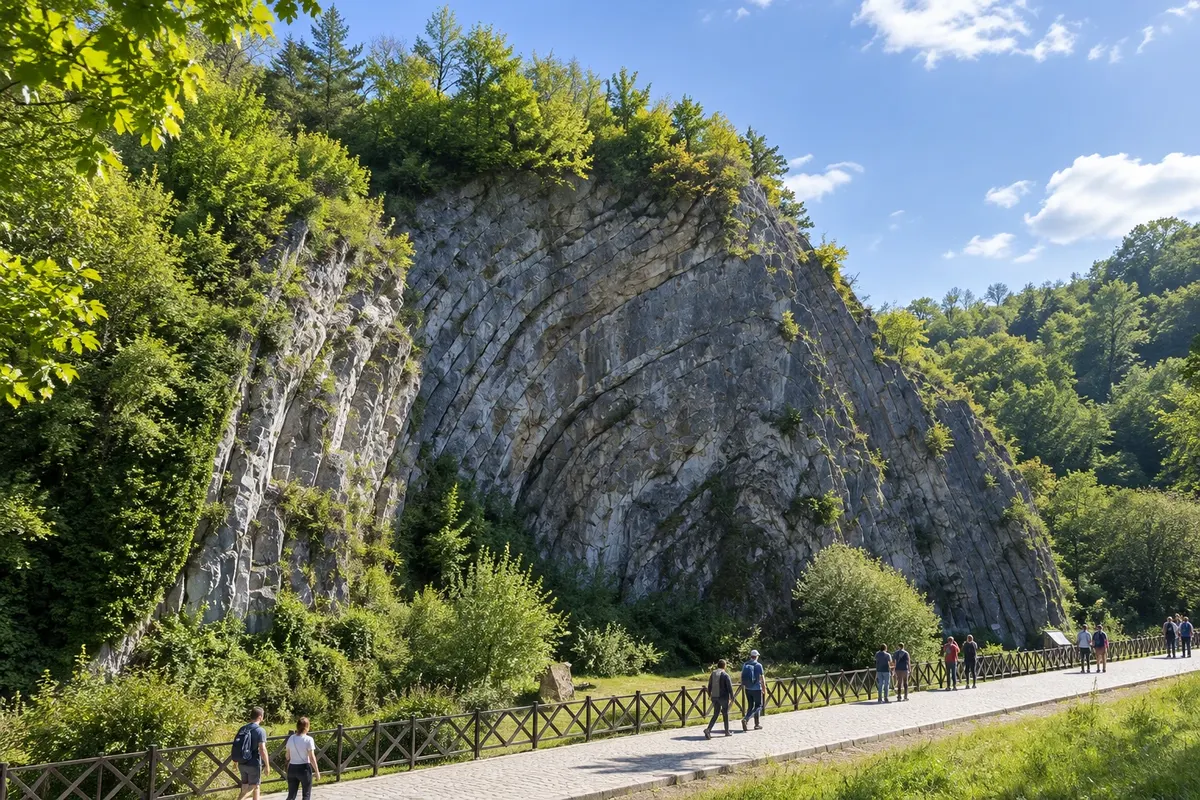
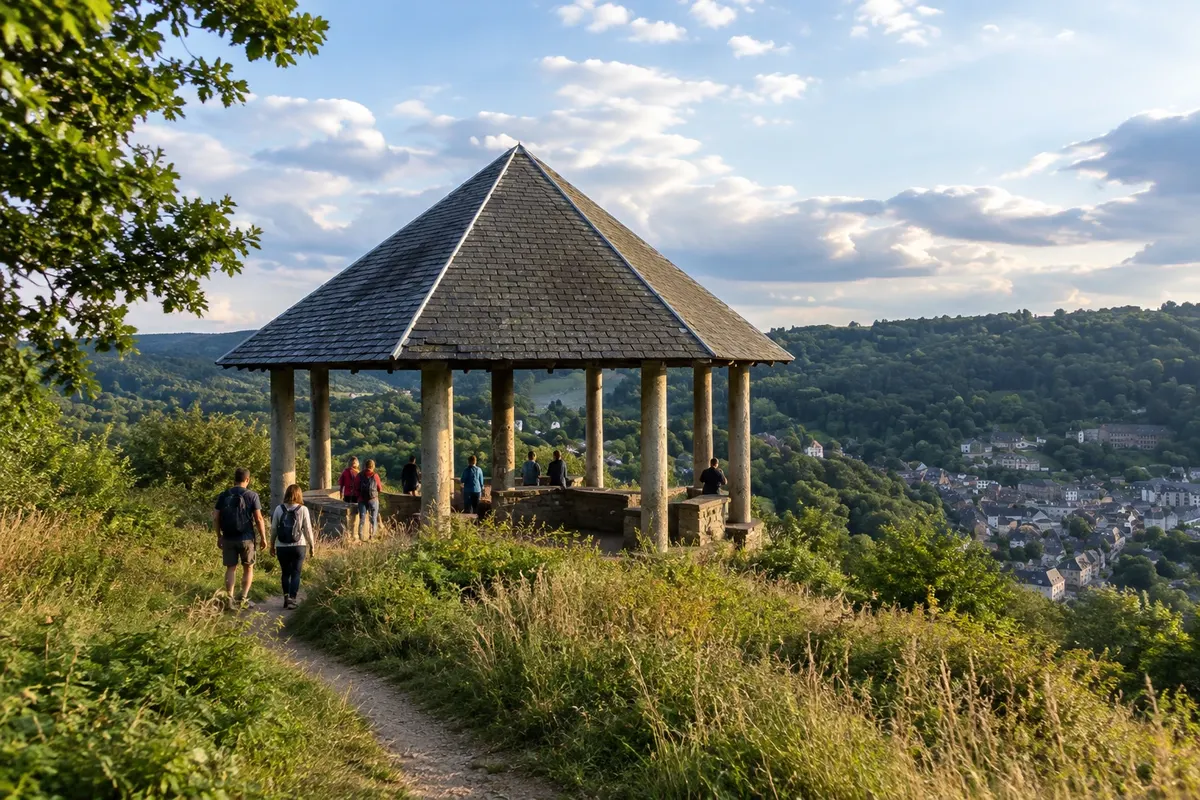
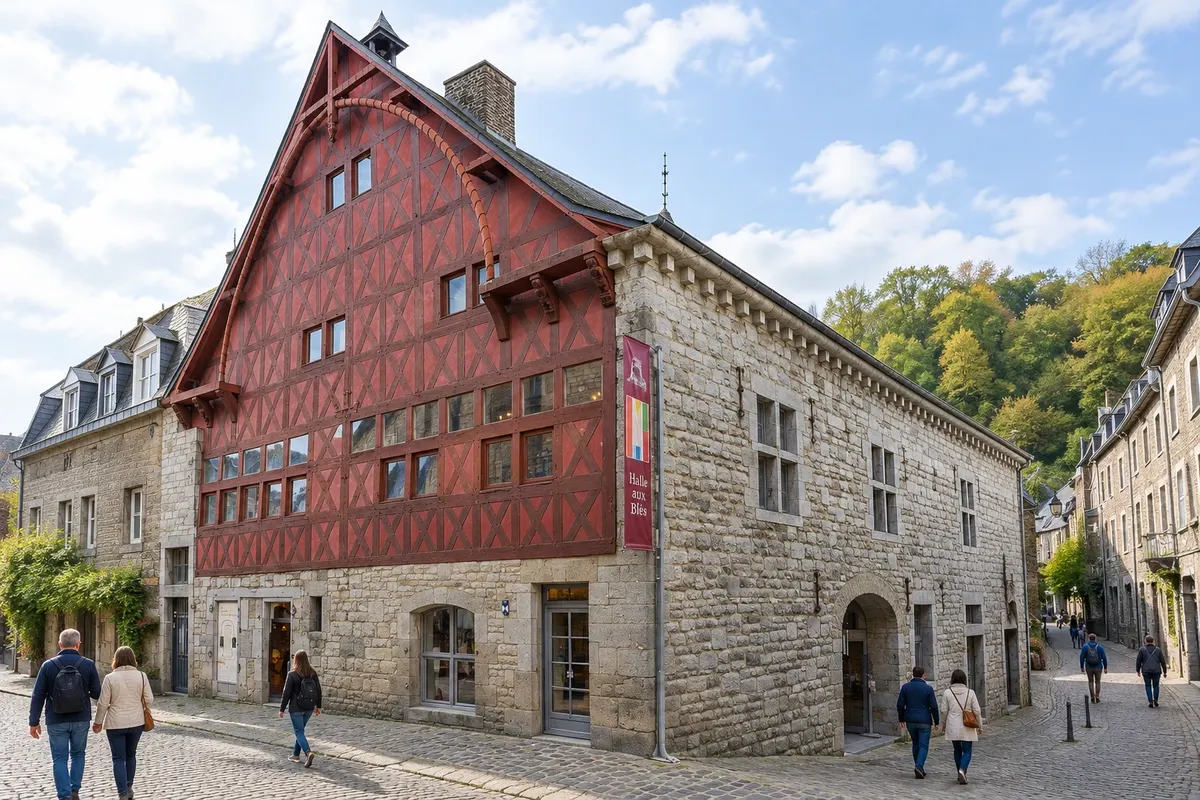
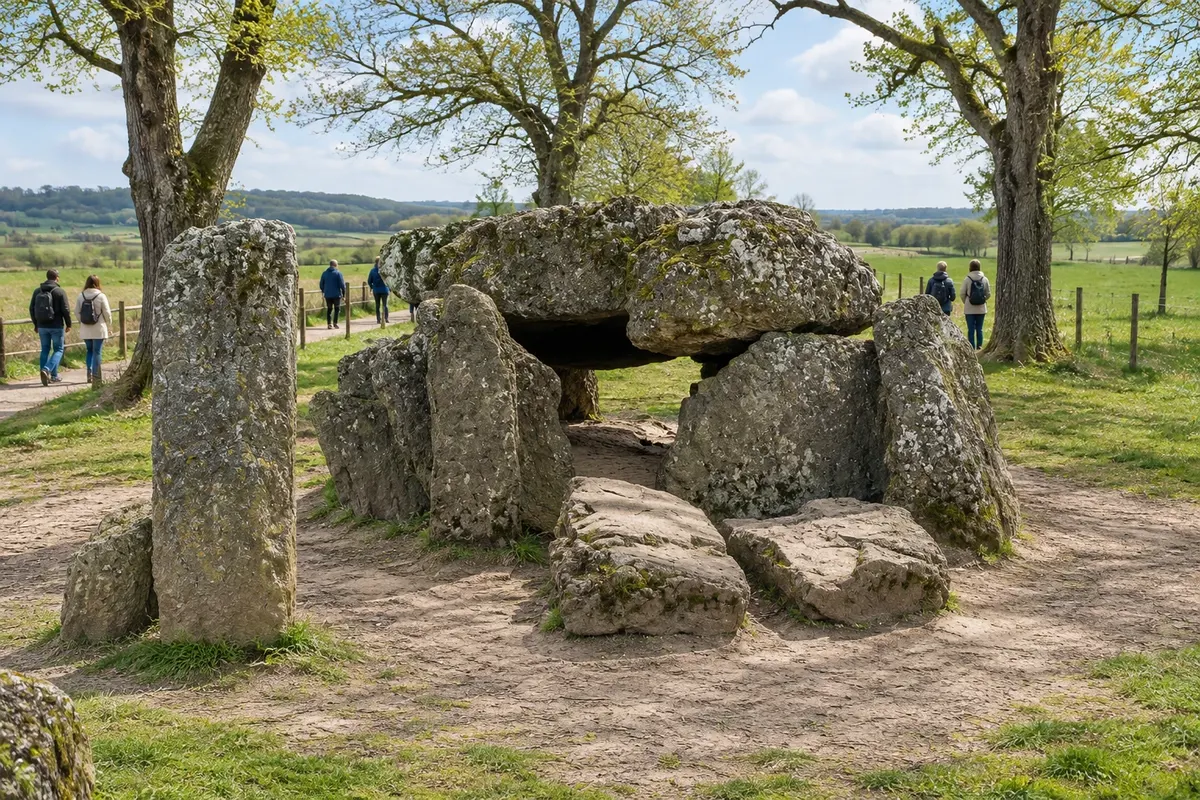
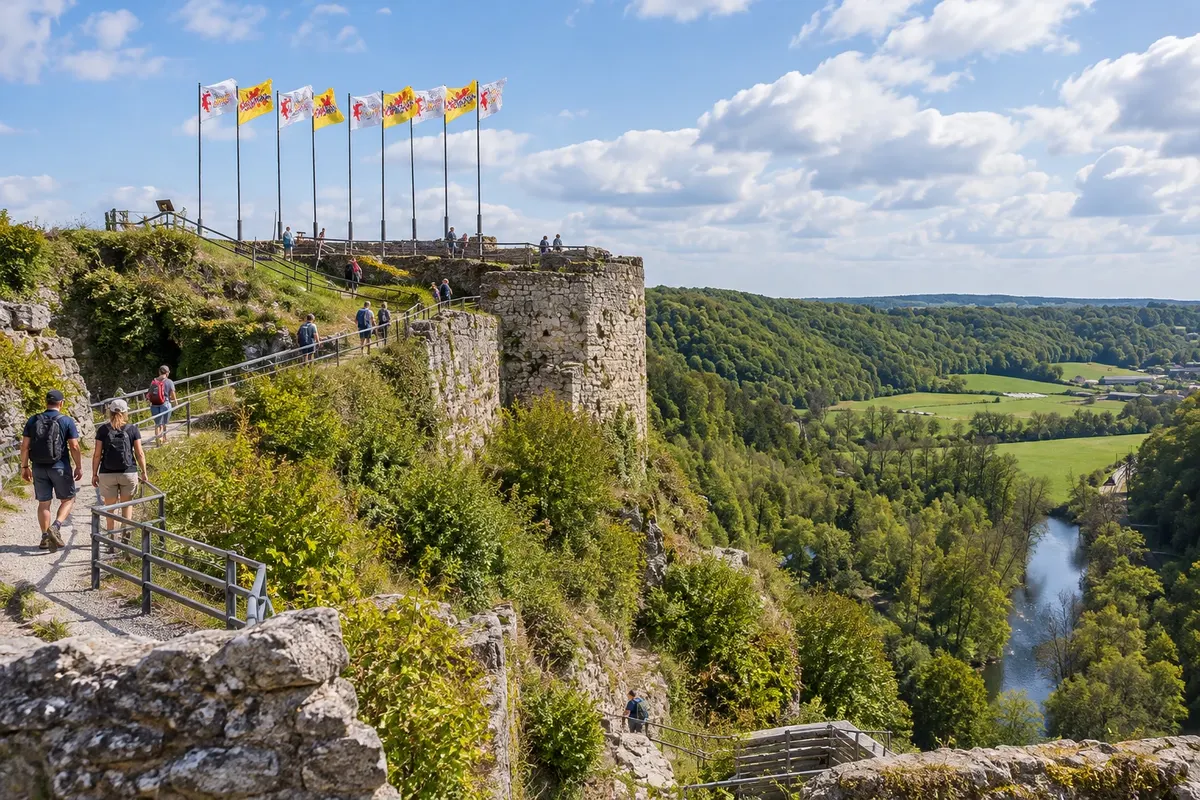
Durbuy grew inside a meander of the Ourthe, at the foot of the castle of the Counts d'Ursel. It has cobbled streets, the Parc des Topiaires with more than 250 boxwood figures, the Rocher de la Falize, the Halle aux Blés and, a few kilometres away, the Wéris dolmens. La Roche-en-Ardenne, further south, was devastated in the Battle of the Ardennes (winter 1944–45). Today it combines the Château féodal, the Musée de la Bataille des Ardennes, the British Achilles tank and the Deister viewpoint.
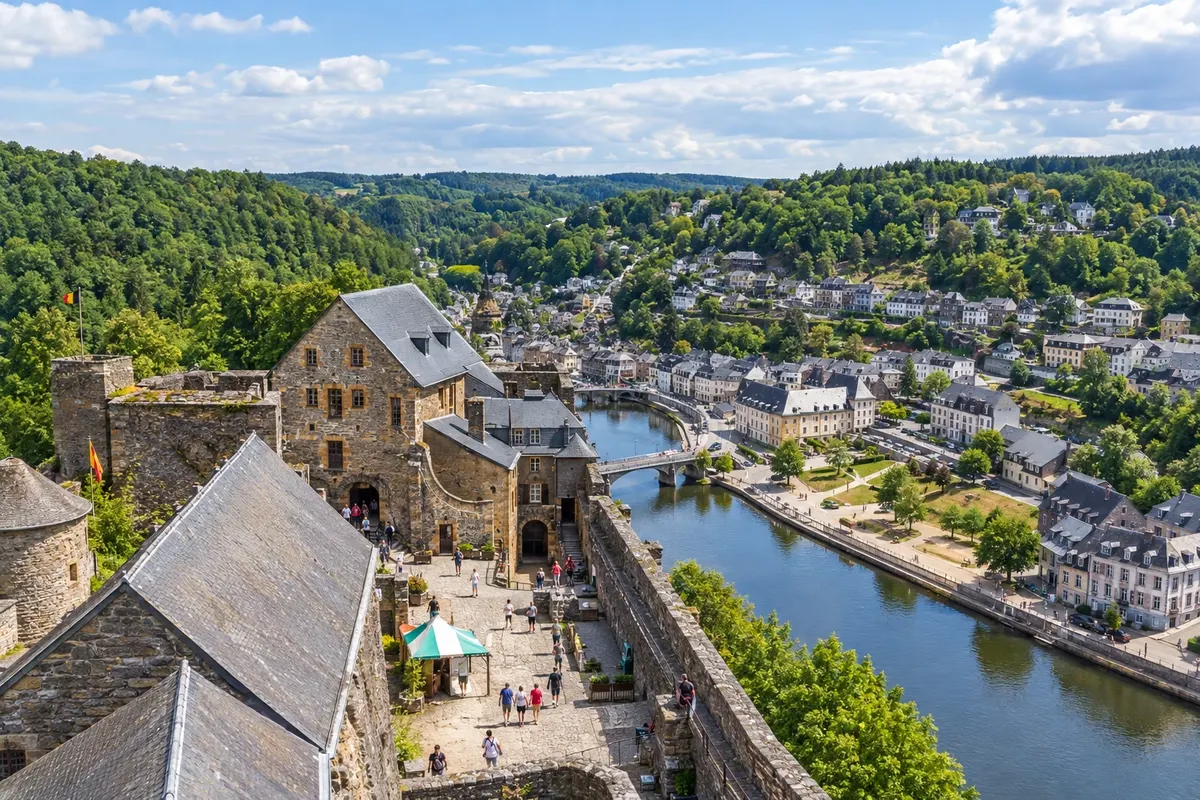
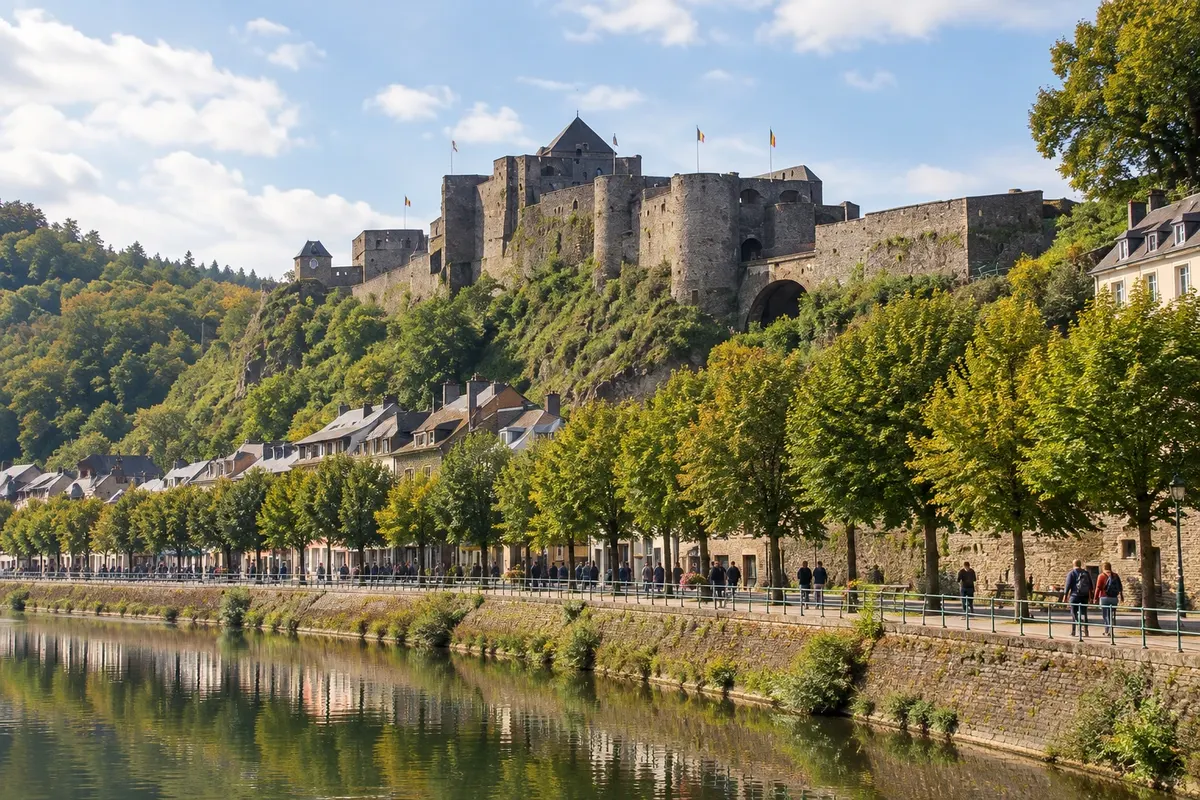
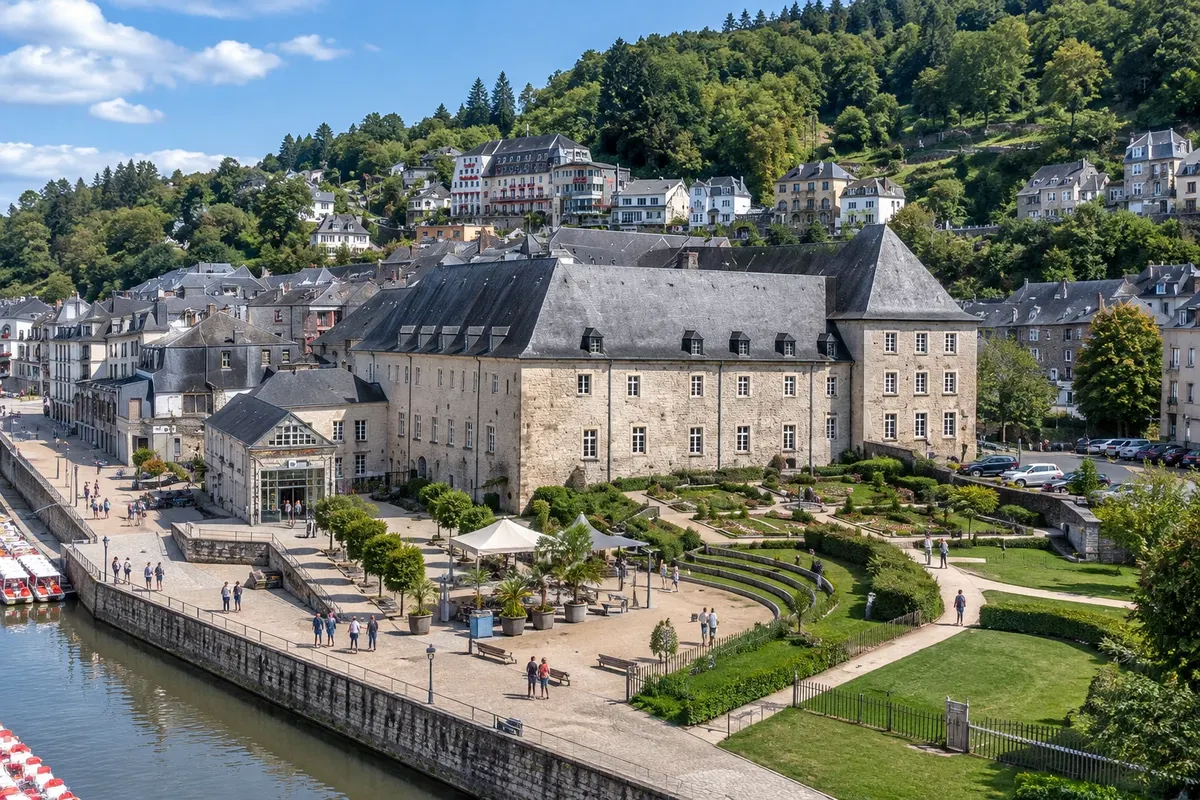
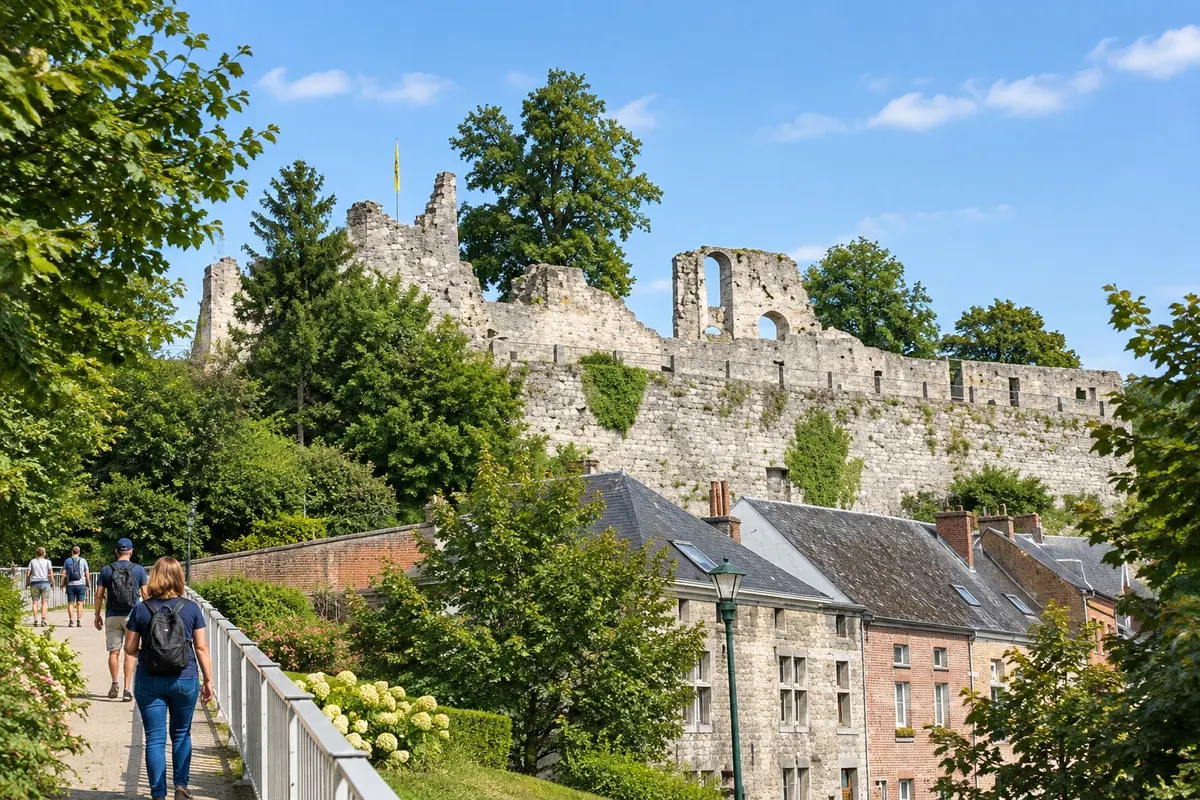
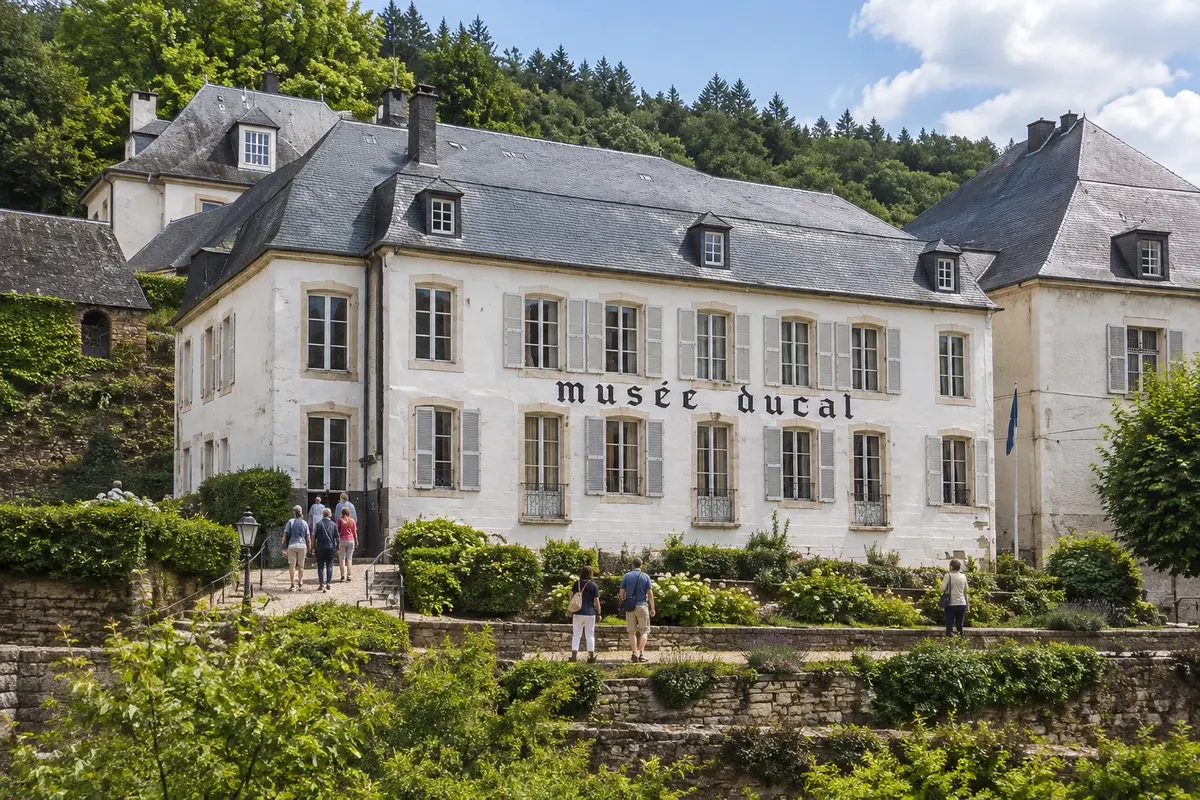
Bouillon, already close to France, sits on a bend of the Semois and is dominated by the Château de Bouillon, linked to Godfrey of Bouillon, leader of the First Crusade. The town also has the Musée ducal and the Bouillon Medieval Experience, and along the road to Botassart is the Tombeau du Géant viewpoint. Trains get you nearby but do not enter these towns, and a car makes things much easier.
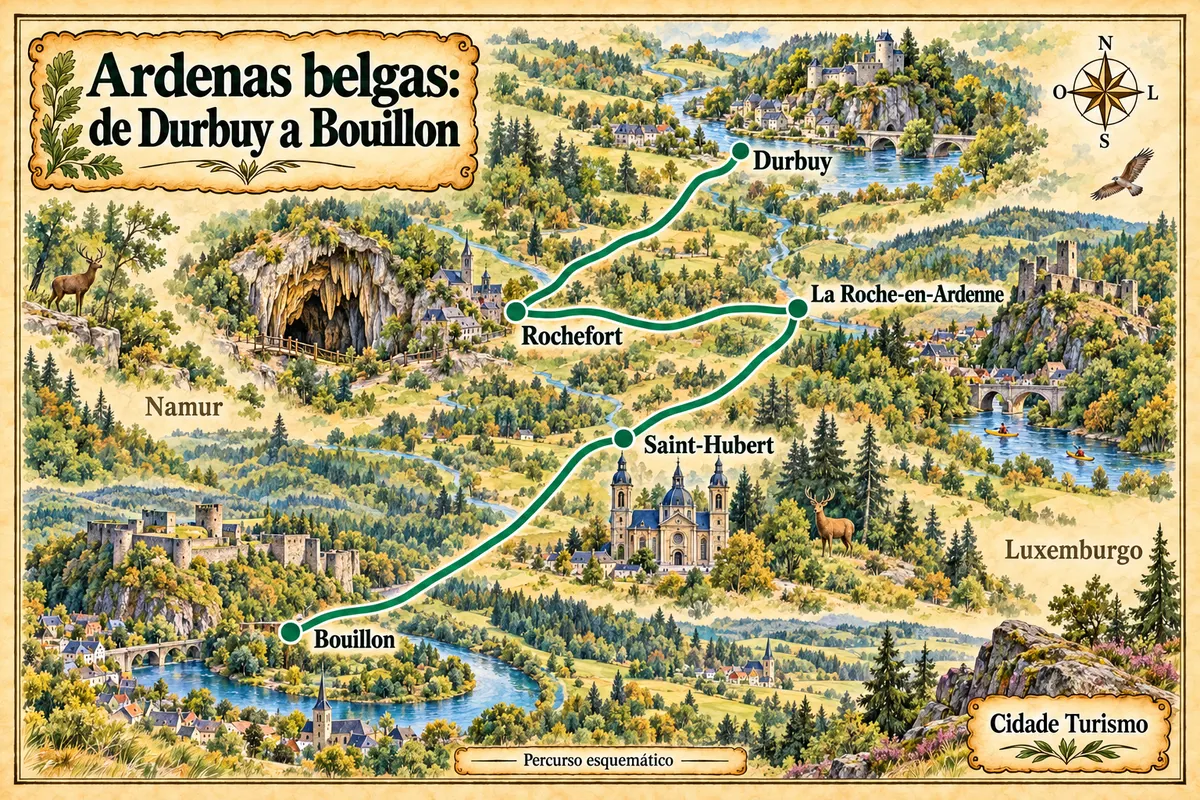
This destination brings together 5 cities: Durbuy, La Roche-en-Ardenne, Bouillon, Rochefort, Saint-Hubert.


 Brazil
 Argentina
 Chile
Chile Colombia
 Peru
Peru Uruguay
 Germany
 Spain
Spain France
 Greece
 the Netherlands
 Ireland
 Italy
Italy Portugal
 the United Kingdom
 Switzerland