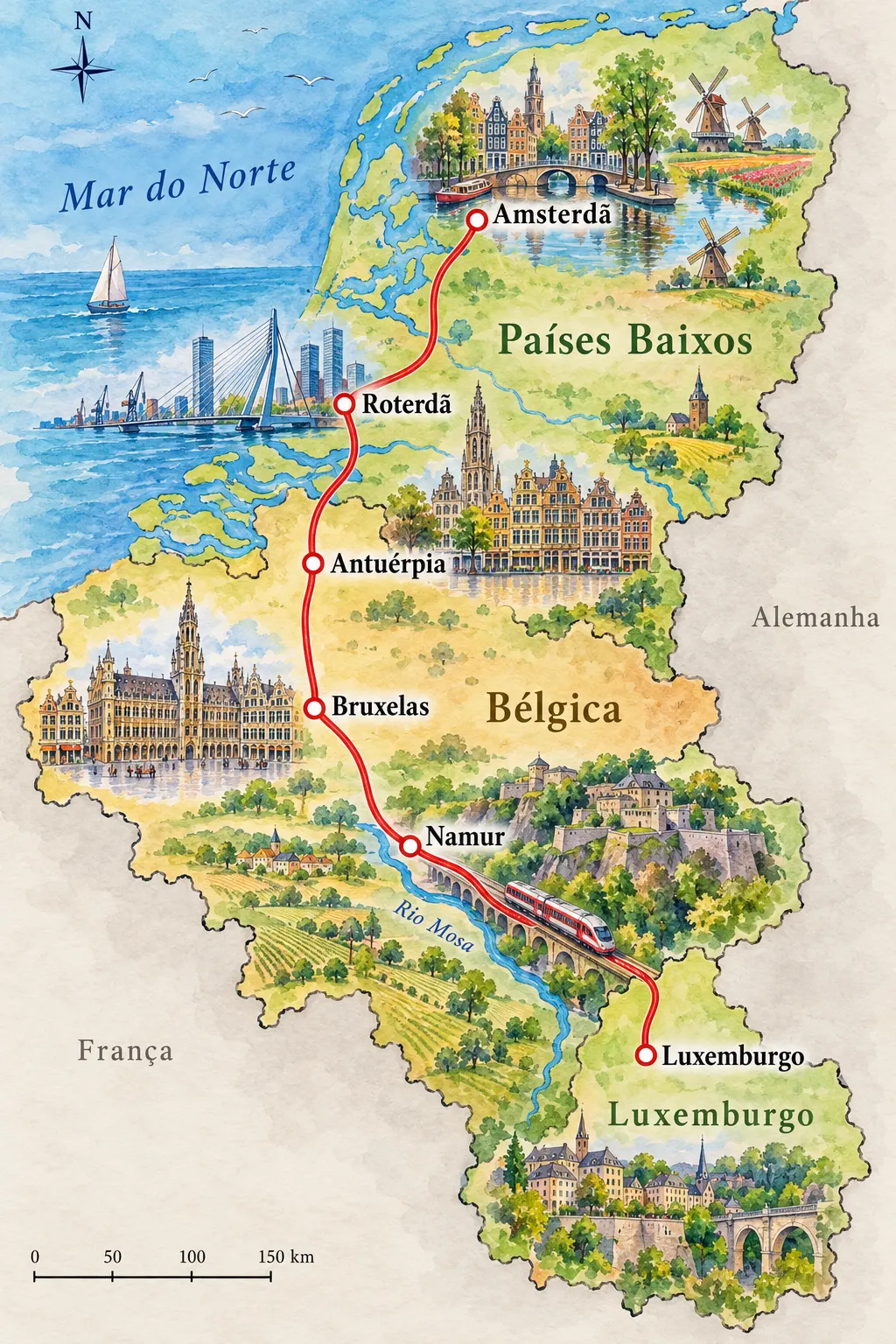
Roterdã is located in the delta of the river Mosa (Maas), in the province of South Holland, and the city lives off the sea: its port is the largest in Europe and stretches about 40 kilometers to the North Sea.
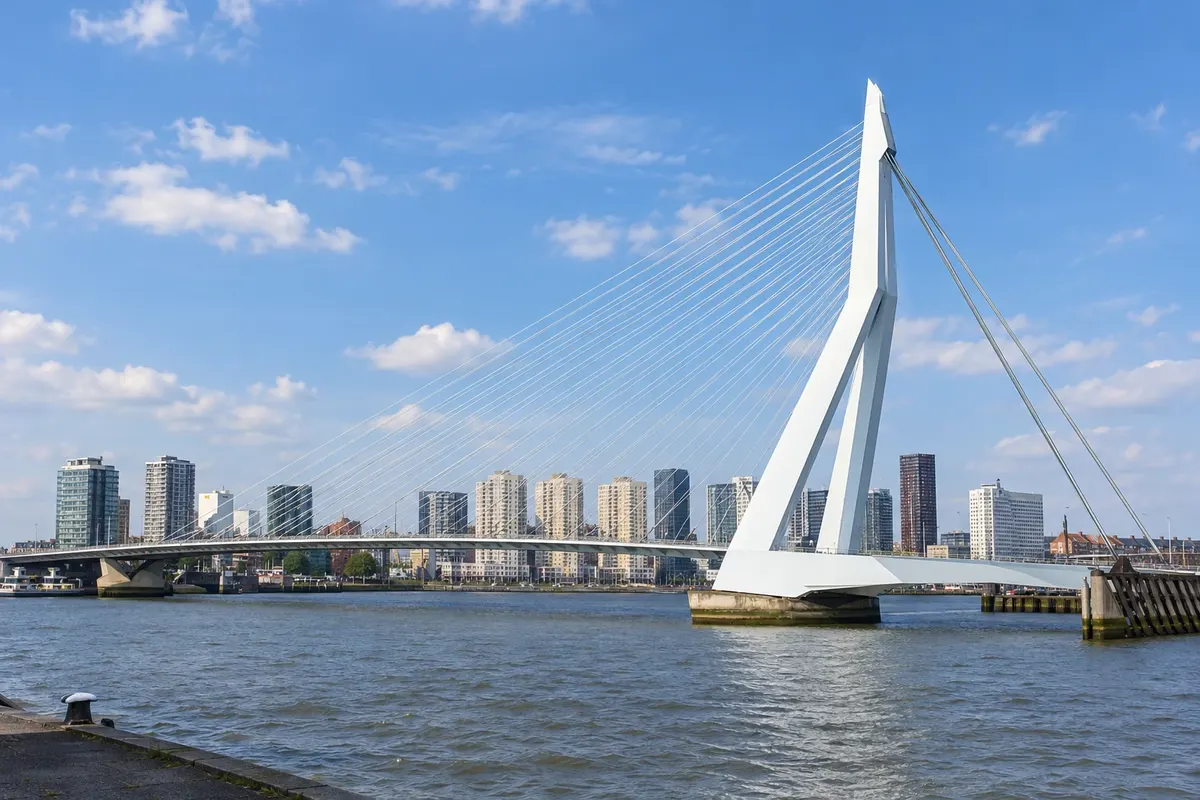
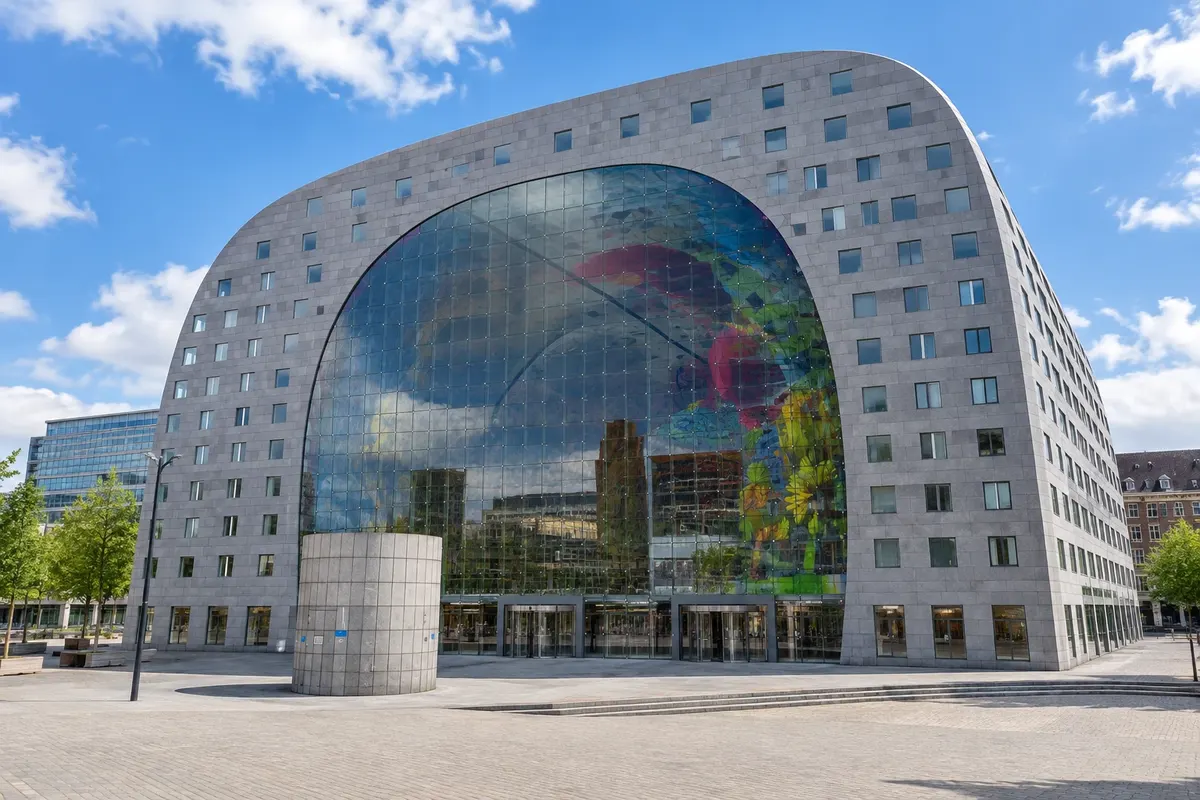
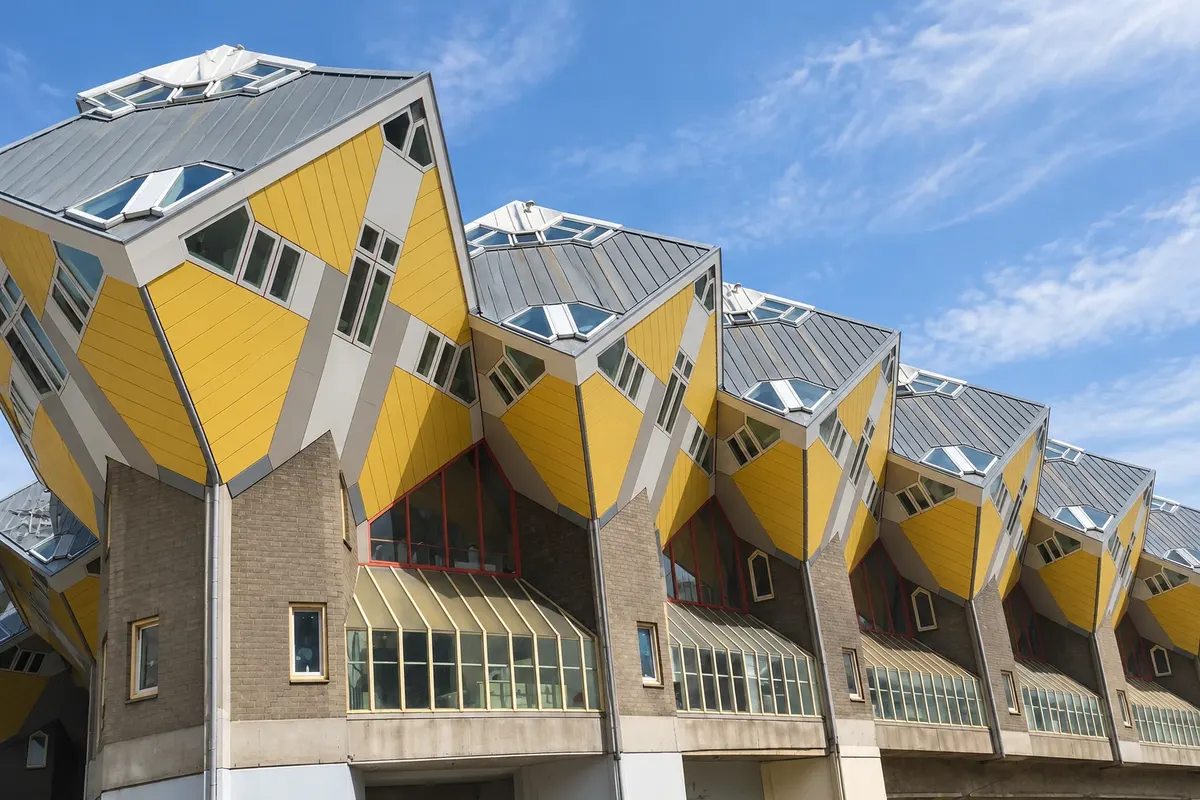
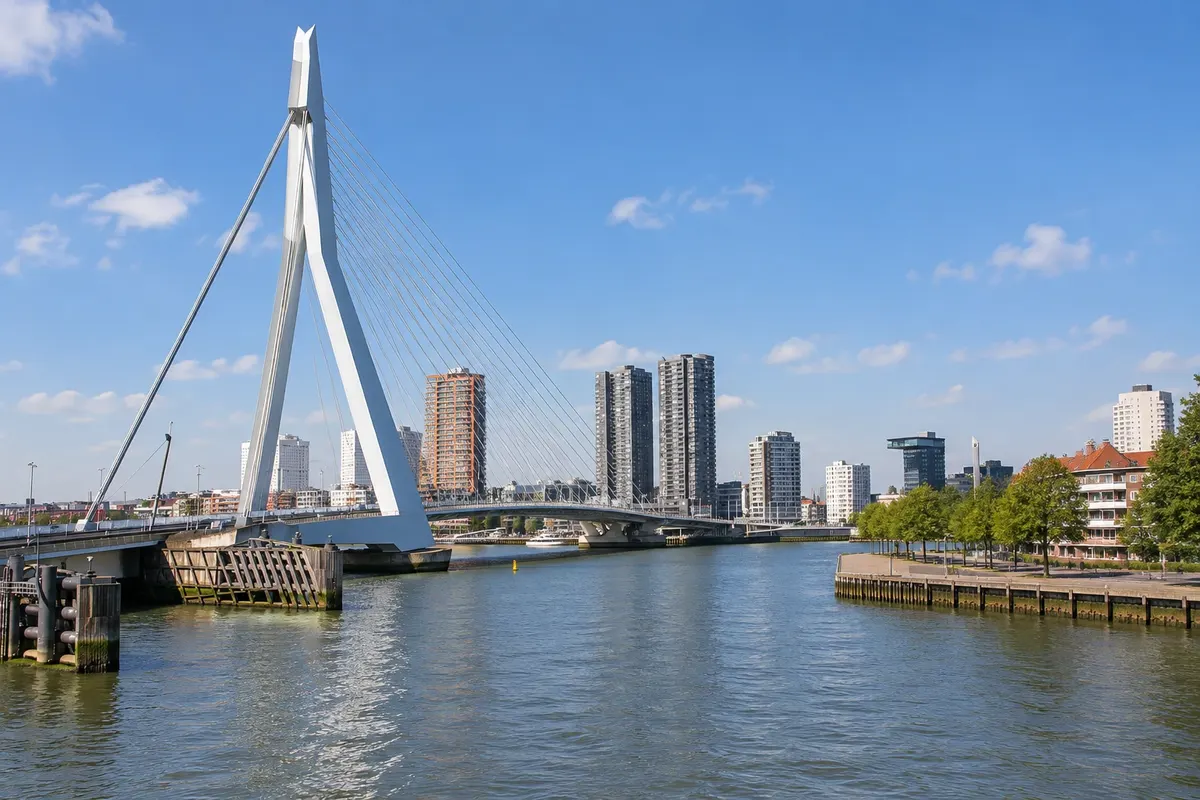
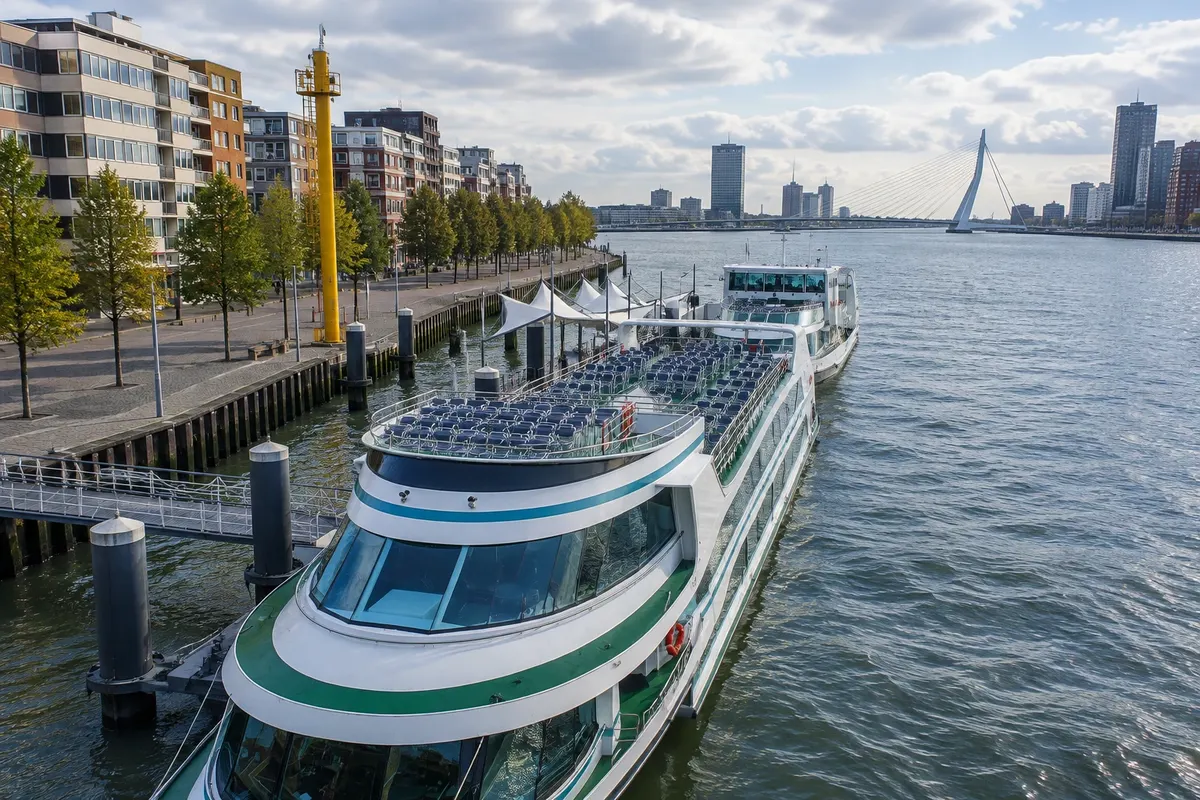
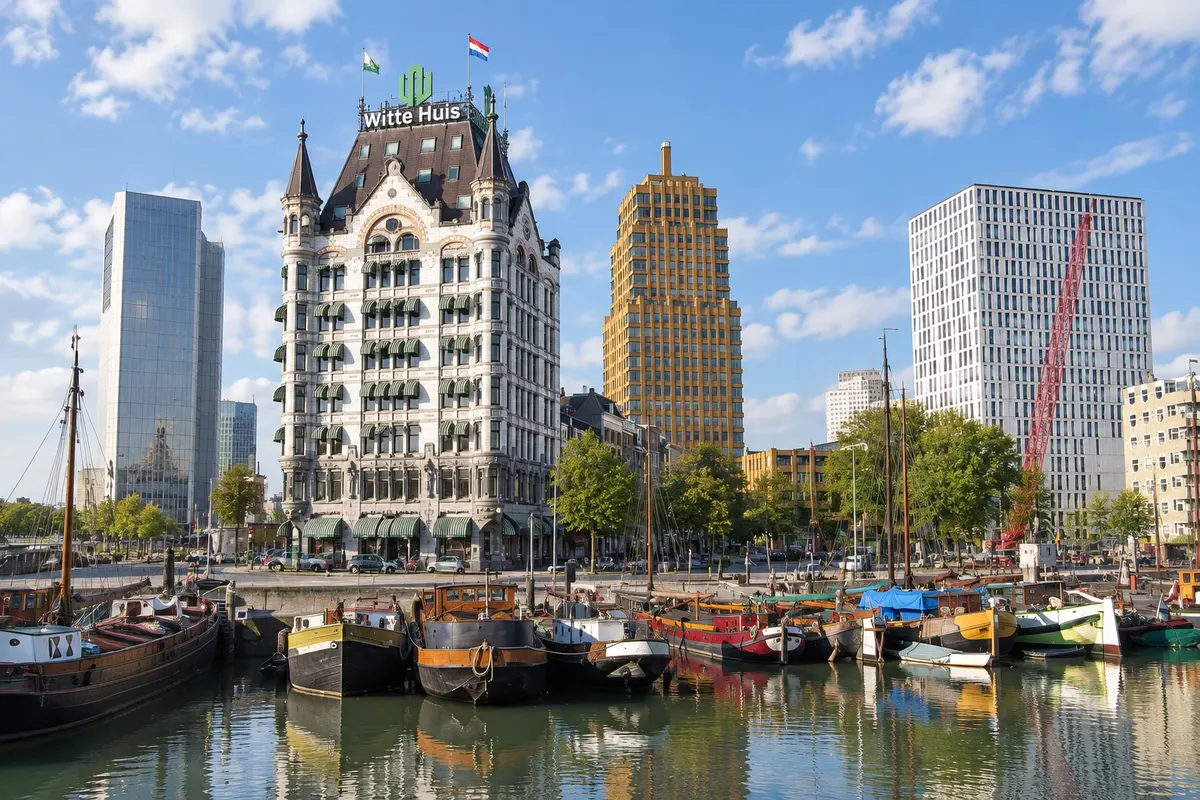
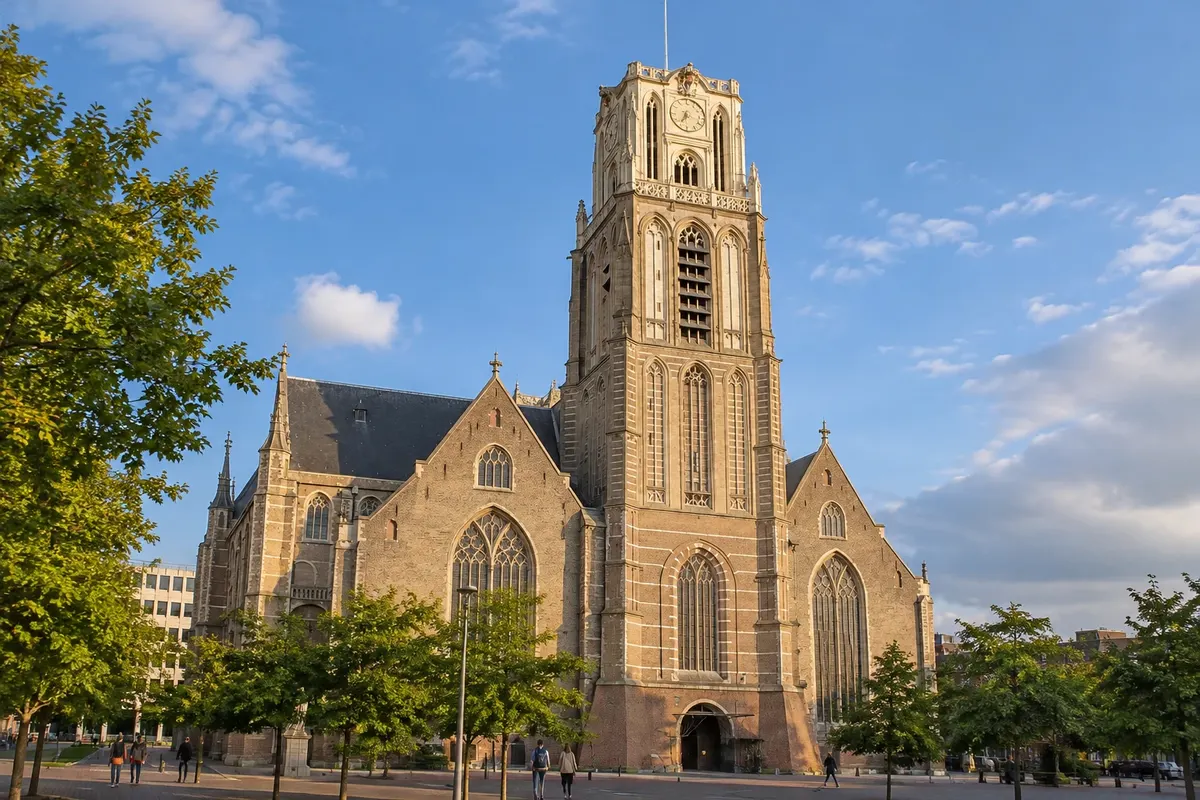
On 14 May 1940, at the start of the German occupation, a bombing destroyed almost the entire historic center and left thousands dead and homeless. The city chose not to copy the past: it rebuilt the center with modern architecture, and today buildings like the Markthal, the cube houses by Piet Blom and the Erasmusbrug bridge define Roterdã. Visitors arriving by train already notice this at Rotterdam Centraal station, opened in 2014, with its pointed steel-and-glass roof. The Laurenskerk, a Gothic church that survived the bombing, and the Witte Huis recall the city that was.
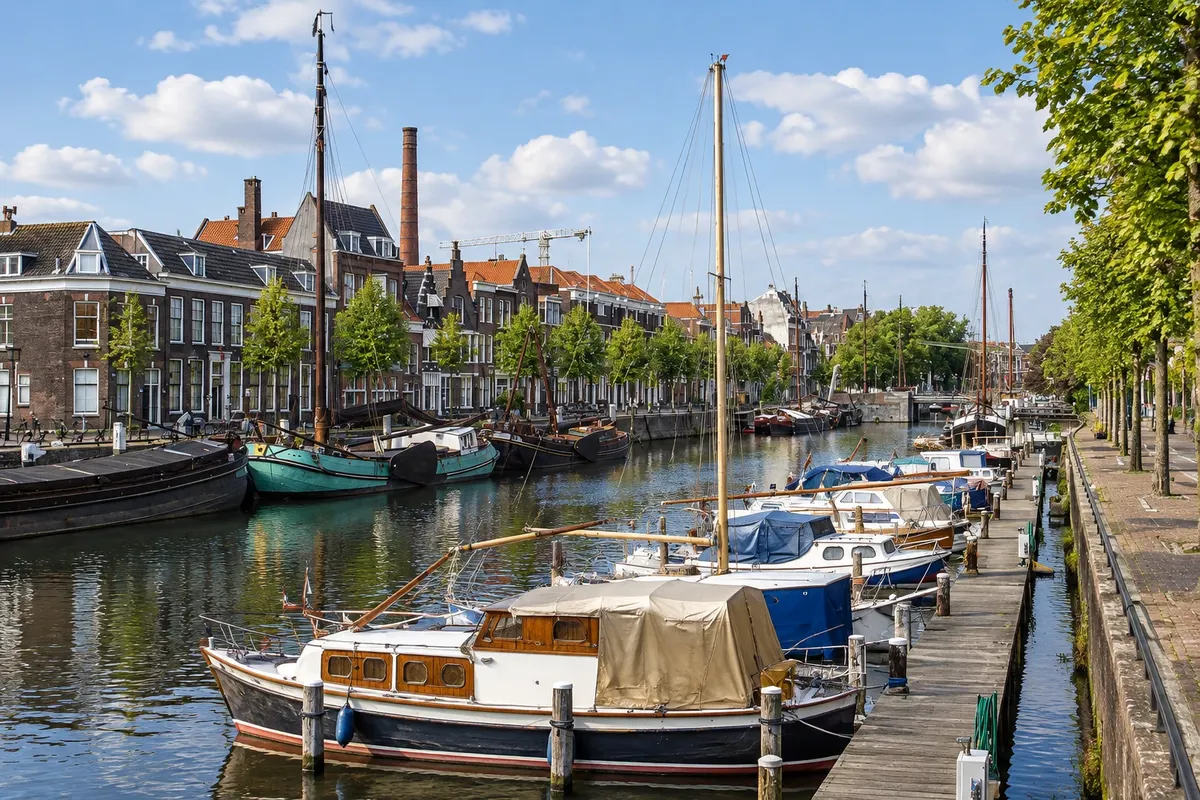
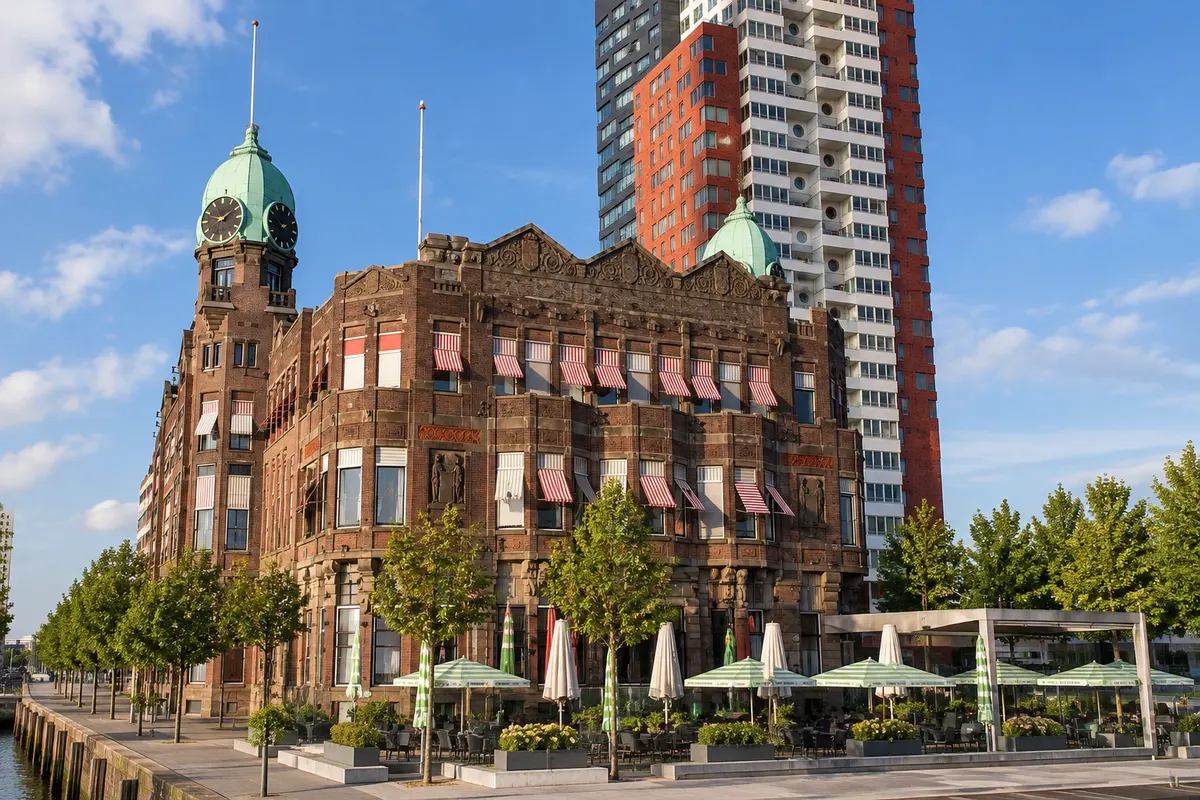
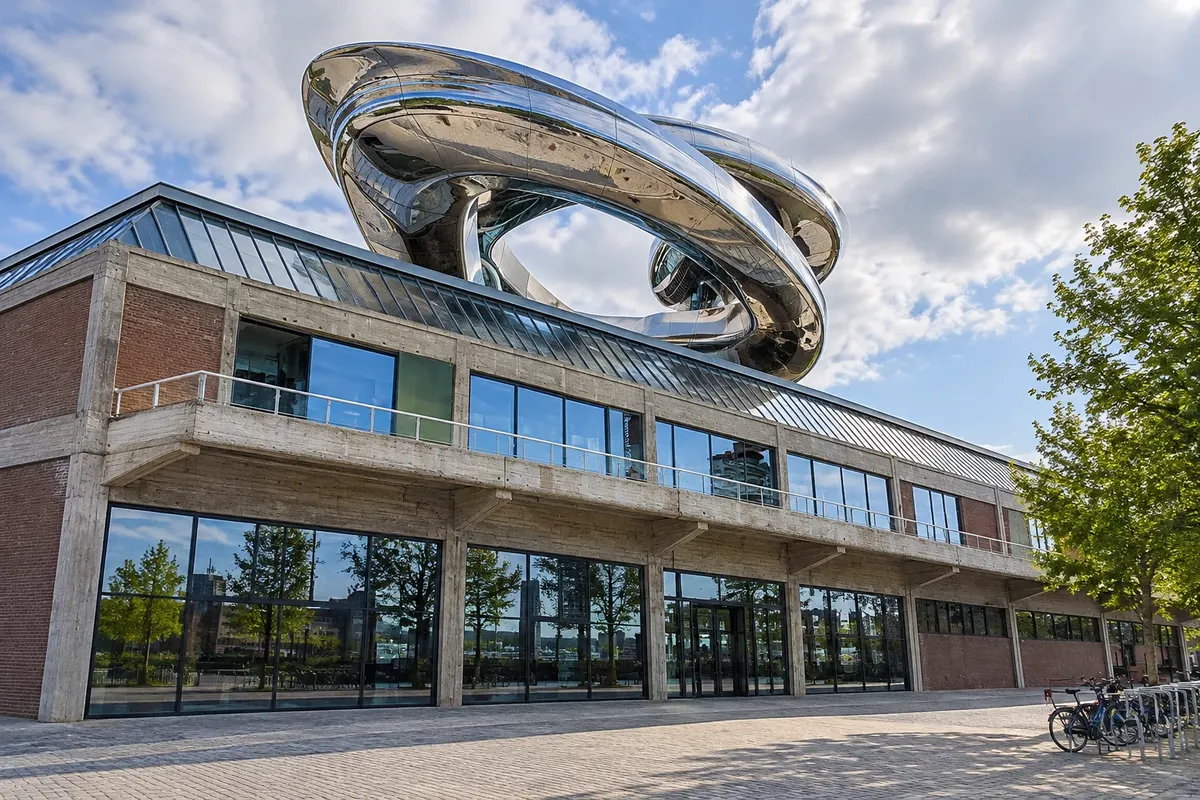
Not everything was destroyed. Delfshaven, the old port from which the Pilgrims sailed to America in 1620, preserves houses and canals from past centuries. On the other side of the river, the Hotel New York building was the headquarters of the shipping company that carried millions of emigrants to America— a story told at the Fenix museum in Katendrecht.
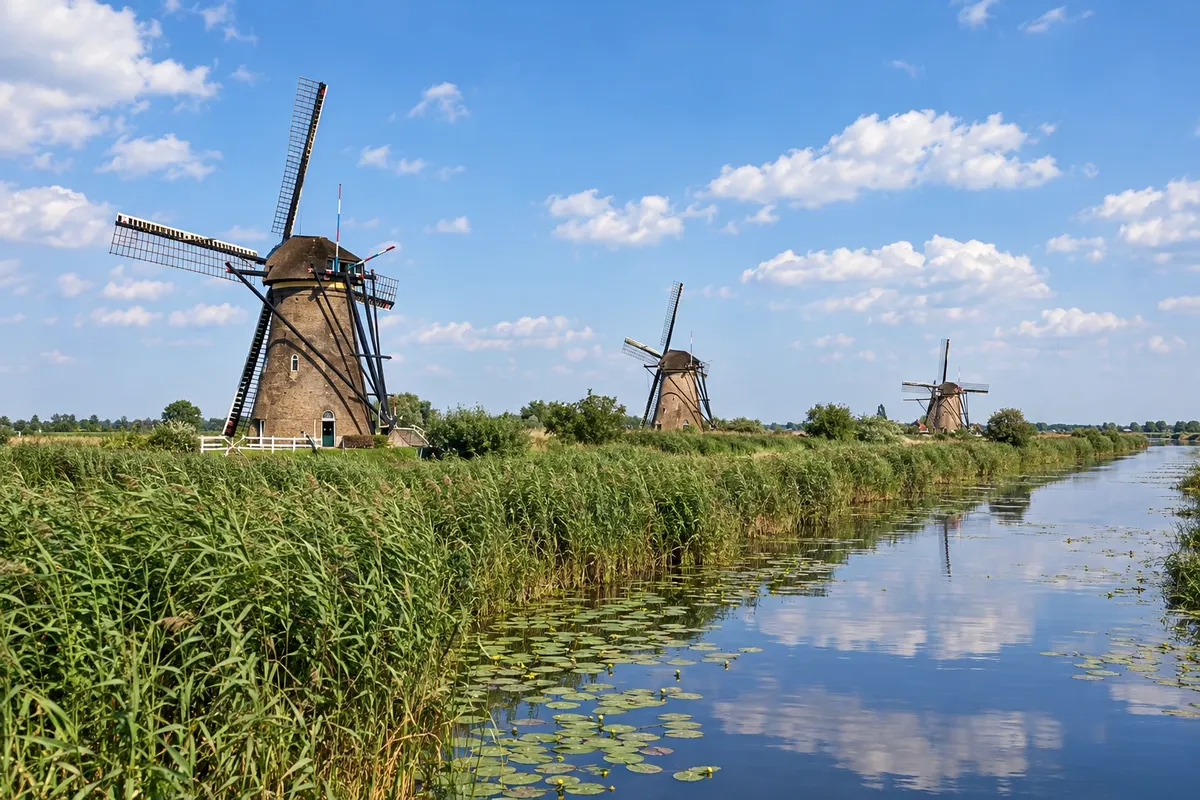
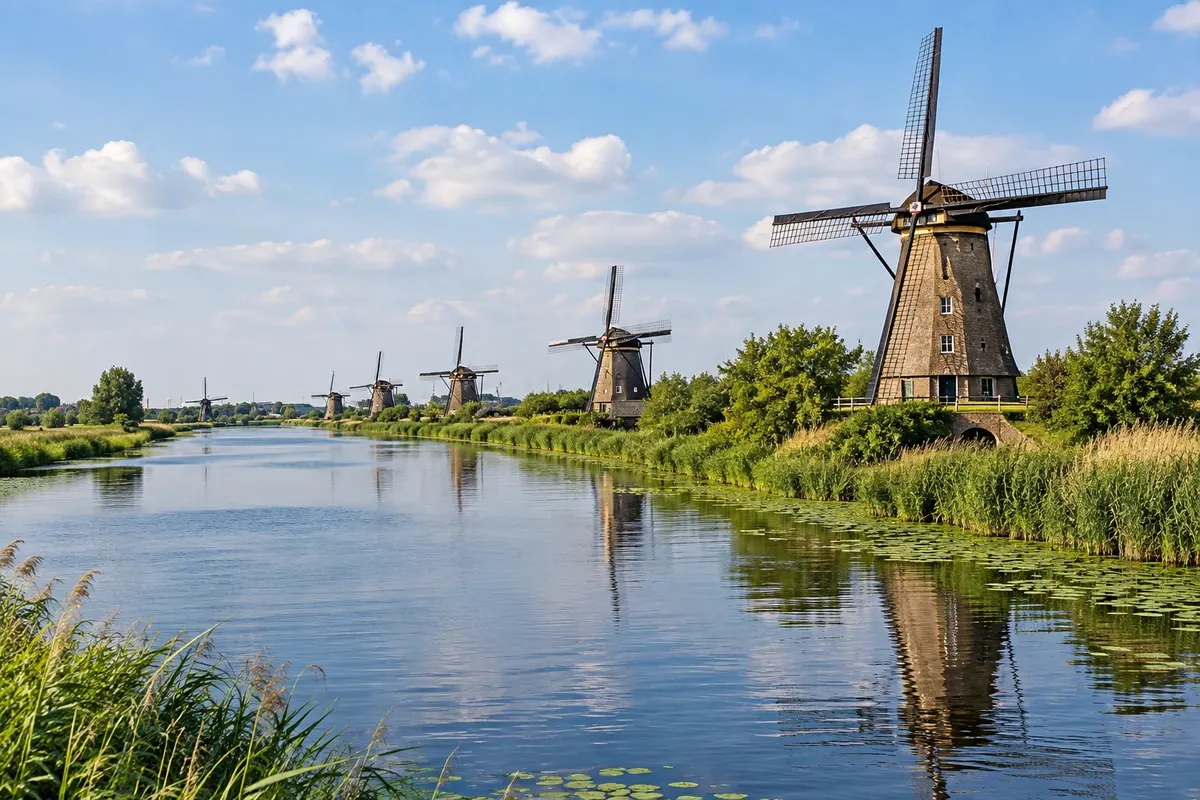
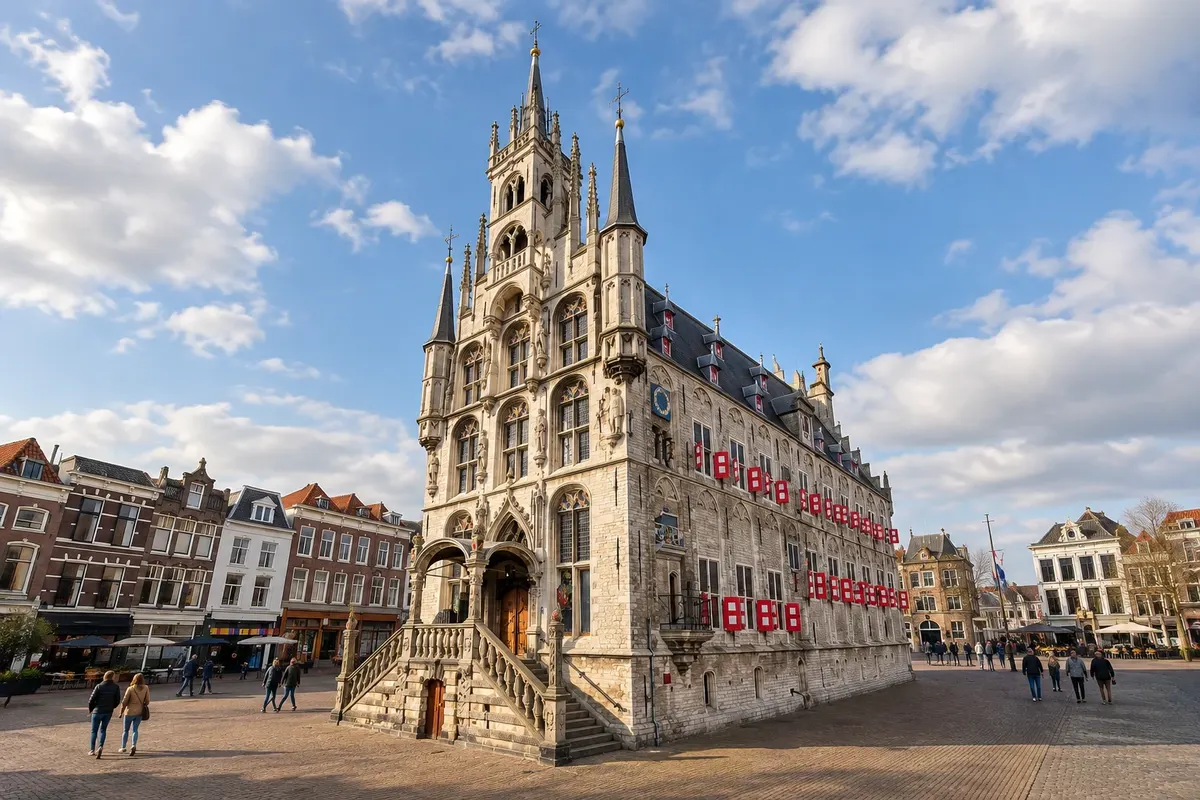
A half-hour boat ride along the river takes you to Kinderdijk, where 19 18th-century windmills drained the plain lying below the river level; the ensemble was listed as a UNESCO World Heritage Site in 1997. Gouda, land of cheese, is about 20 minutes by train. The word 'molen', which appears on signs, means windmill; 'centraal' is the central station.
This destination brings together 1 city: Roterdã.


 Brazil
 Argentina
 Chile
Chile Colombia
 Peru
Peru Uruguay
 Germany
 Belgium
 Spain
Spain France
 Greece
 Ireland
 Italy
Italy Luxembourg
 Portugal
 the United Kingdom
 Switzerland