

 Brazil
 Argentina
 Chile
Chile Colombia
 Peru
Peru Uruguay
 Germany
 Belgium
 Spain
Spain France
 Greece
 Ireland
 Italy
Italy Luxembourg
 Portugal
 the United Kingdom
 Switzerland
Market
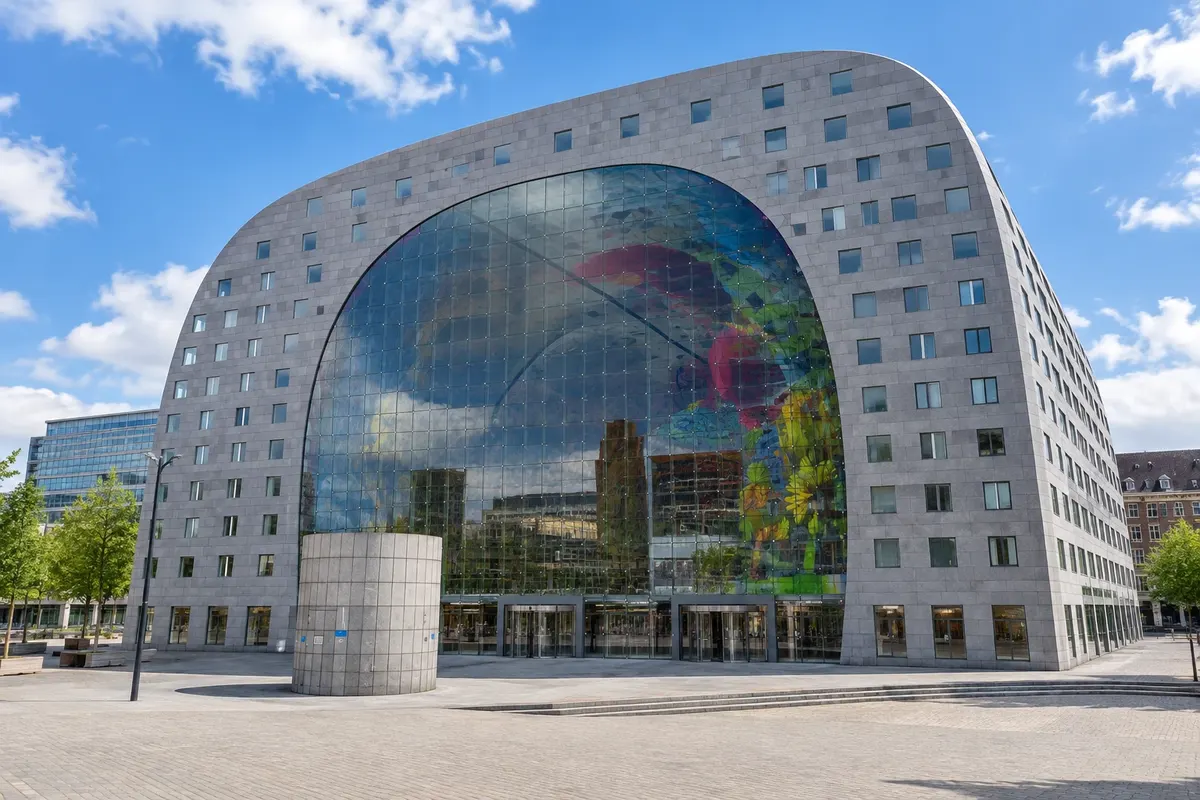
Markthal
A covered market inside a giant arch of apartments, with the entire ceiling painted with fruits, vegetables, fish and flowers. It sits on the Binnenrotte square, next to the cube houses.
Holanda Meridional · the Netherlands
In the destination Roterdã and Kinderdijk.
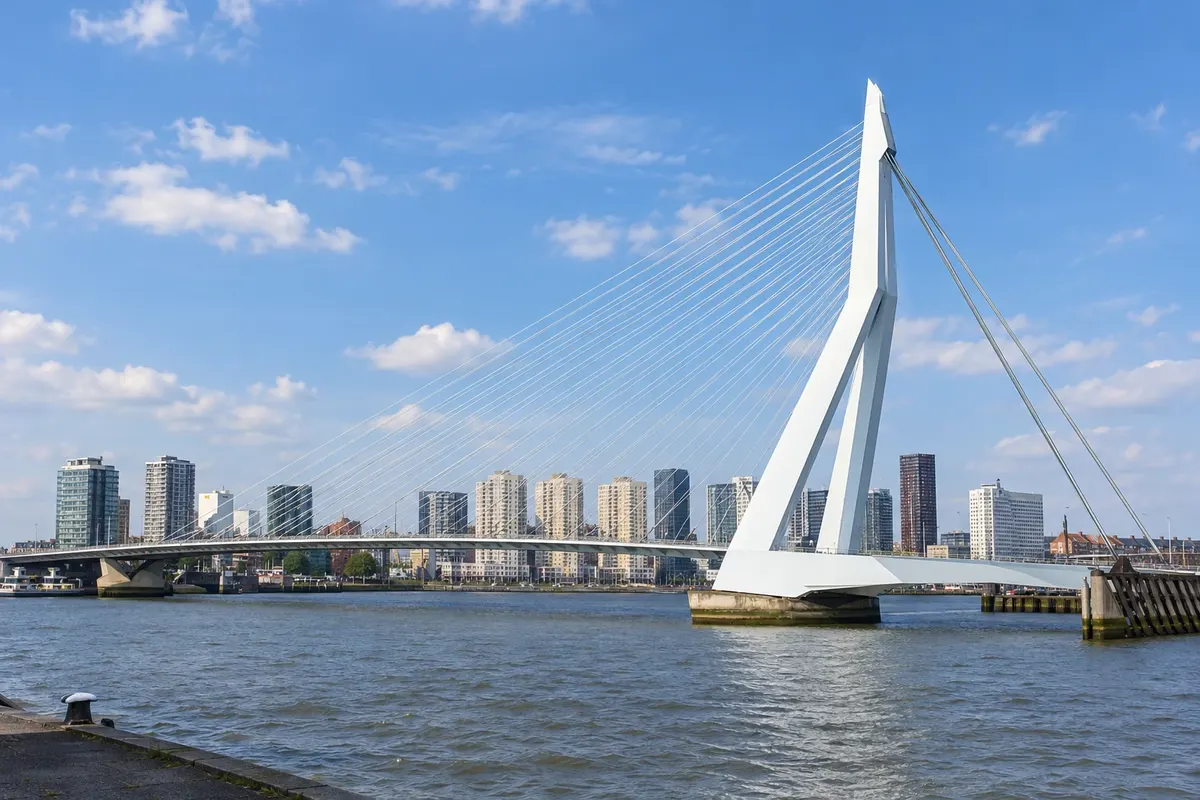
In the photo: Erasmusbrug, Roterdã
Illustrative images. The pictures in this guide are illustrations based on the real place, not photographs, and may differ from it.
The city
Second largest city of the Holanda and home to the largest port in Europe, Roterdã had its center destroyed in the bombing of 14 May 1940 and rebuilt it with modern architecture: the Markthal, the cube houses and the Erasmusbrug. Arriving by train, you get off at Rotterdam Centraal. The Laurenskerk, the Witte Huis and Delfshaven recall the old city. The Depot Boijmans, the Kunsthal and the Fenix are the museums, and Kinderdijk is half an hour away by boat.
There's no accommodation in the guide yet in Roterdã.
There are no restaurants in the guide yet in Roterdã.
Know a good one? Recommend it to ushow to get there · how many days · itinerary · questions
Rotas entre países
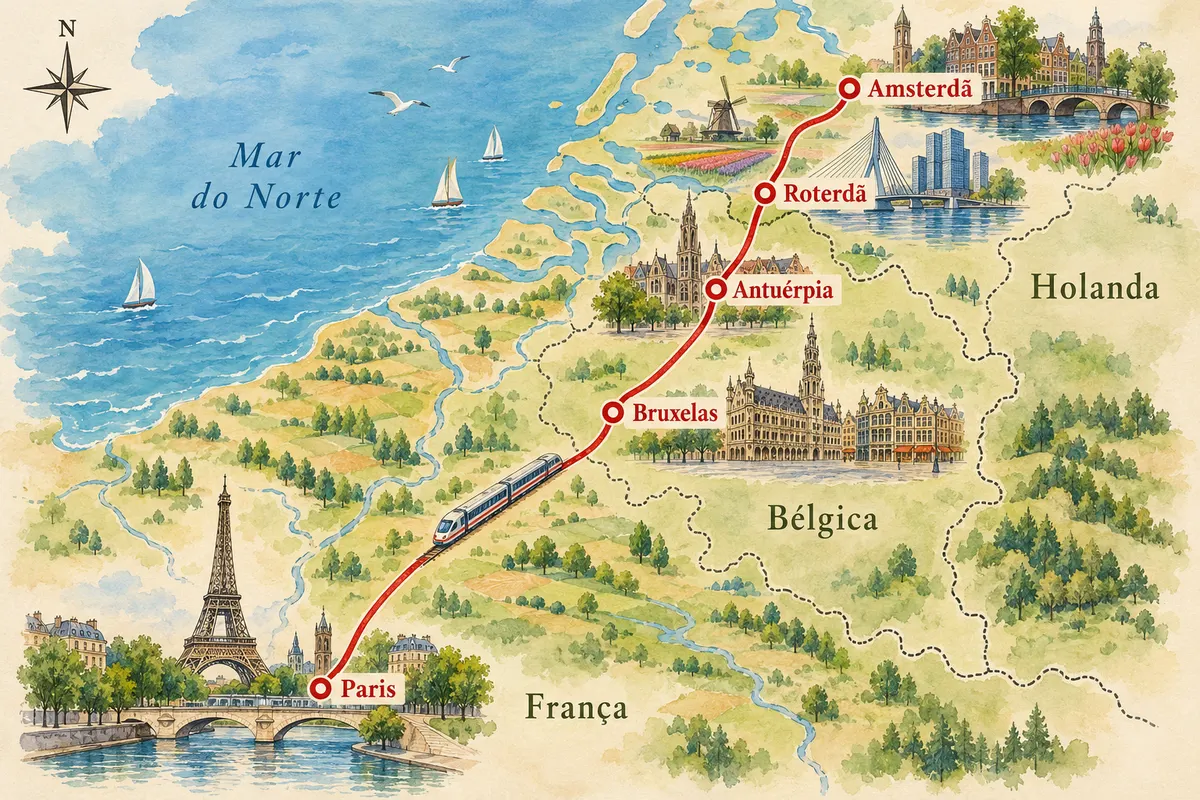
By train through the centres of Paris, Brussels, Antwerp, Rotterdam and Amsterdã: three countries in a little over three hours, from central station to central station.
Rotas entre países
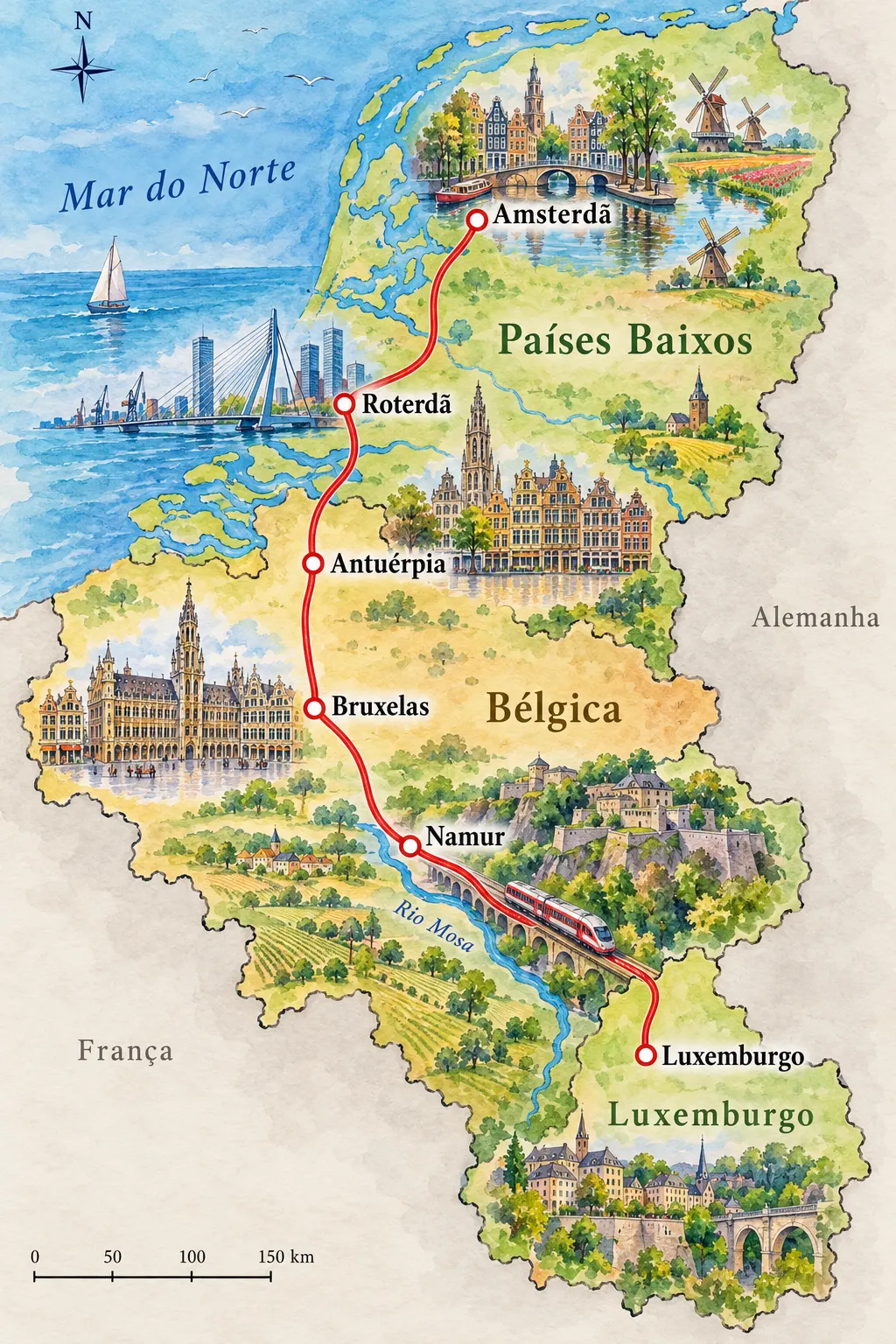
The three Benelux countries by train: from Amsterdã to Bruxelas in about two hours, and from Bruxelas to Luxemburgo through the Ardennes, with Roterdã, Antuérpia and Namur along the way.
The local experience
A covered market inside a giant arch of apartments, with the entire ceiling painted with fruits, vegetables, fish and flowers. It sits on the Binnenrotte square, next to the cube houses.
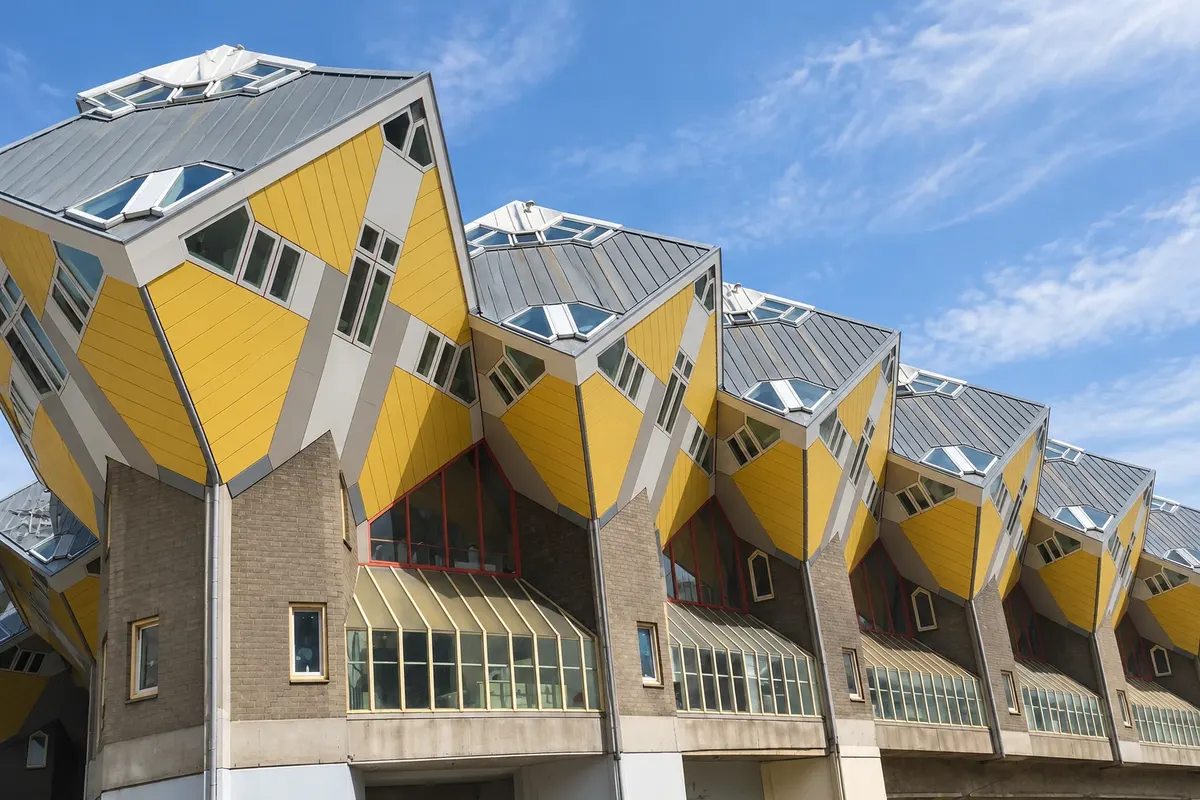
A group of tilted cube-shaped houses supported on pillars, designed by Piet Blom. One of them, the Kijk-Kubus, is a show-house museum and can be visited inside.
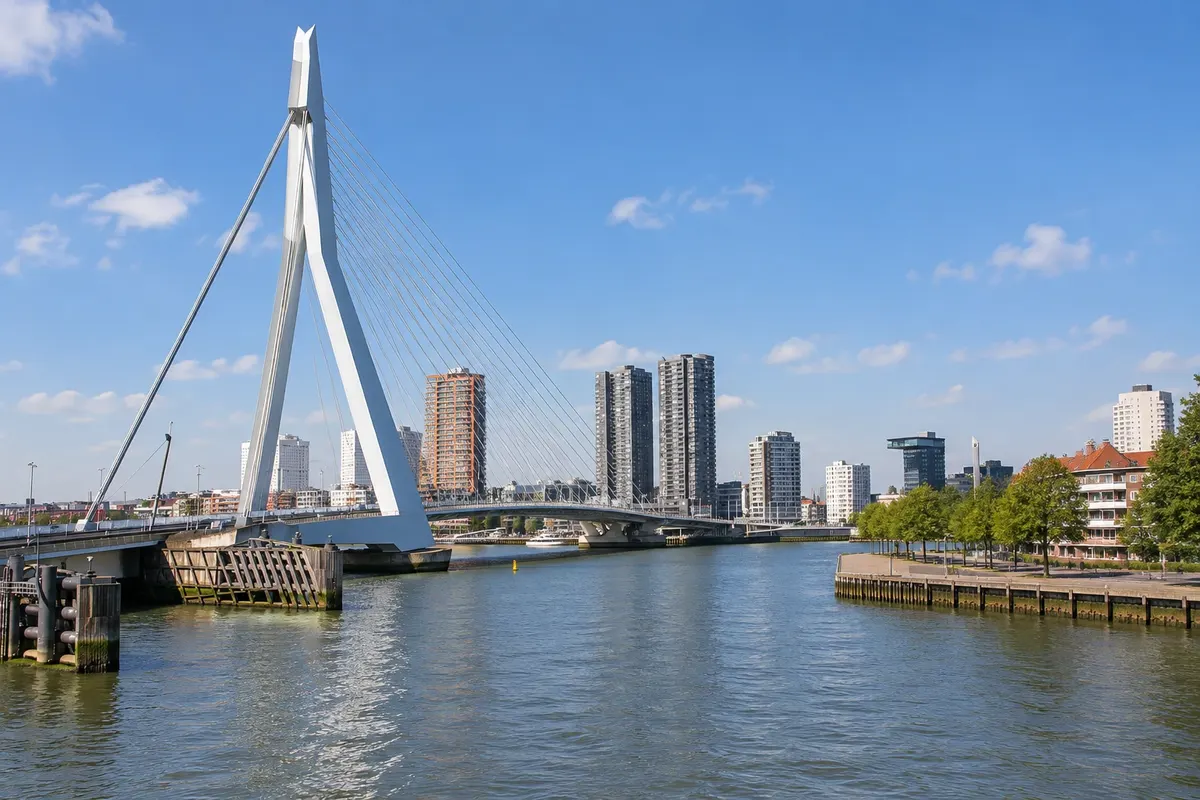
White cable-stayed bridge from 1996 over the Nieuwe Maas, linking the centre to the Kop van Zuid. The shape of the mast earned it the nickname De Zwaan, the swan.
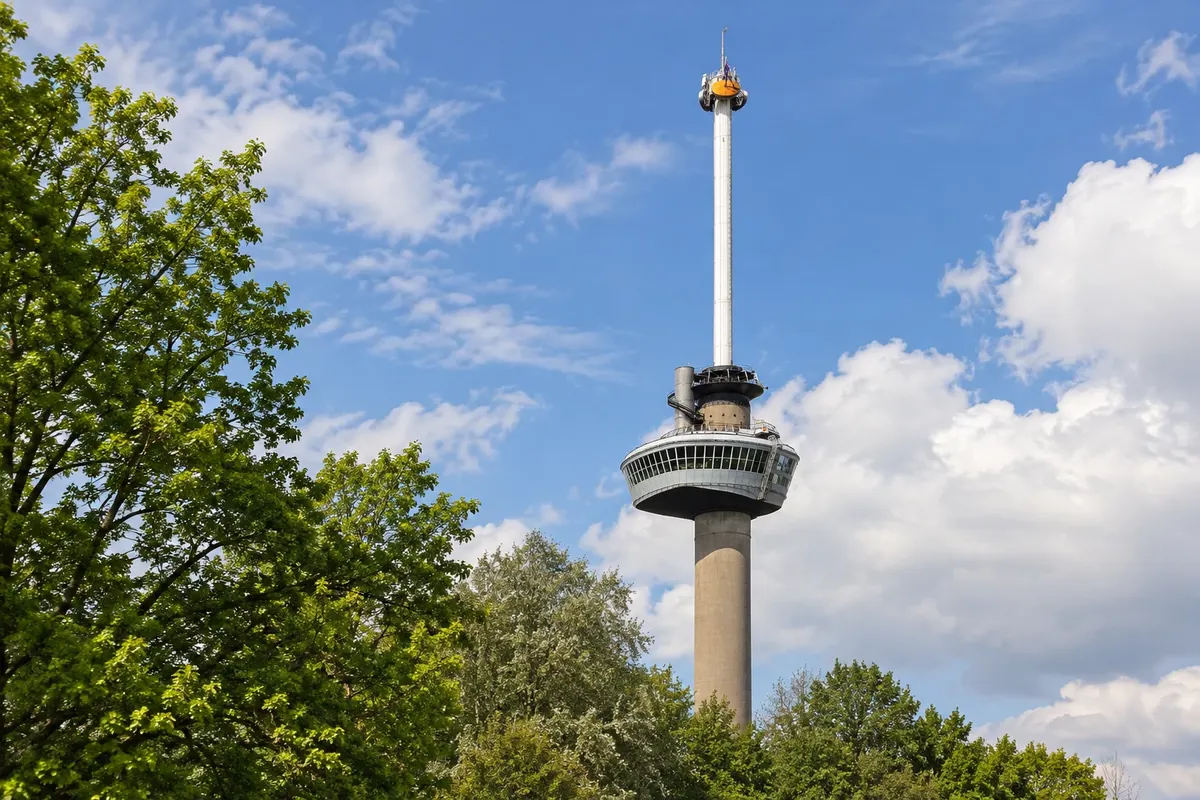
Observation tower from 1960 next to Het Park, with a viewing platform at about 100 metres and a rotating cabin that rises to 185 metres. It is the highest publicly accessible point in Roterdã.
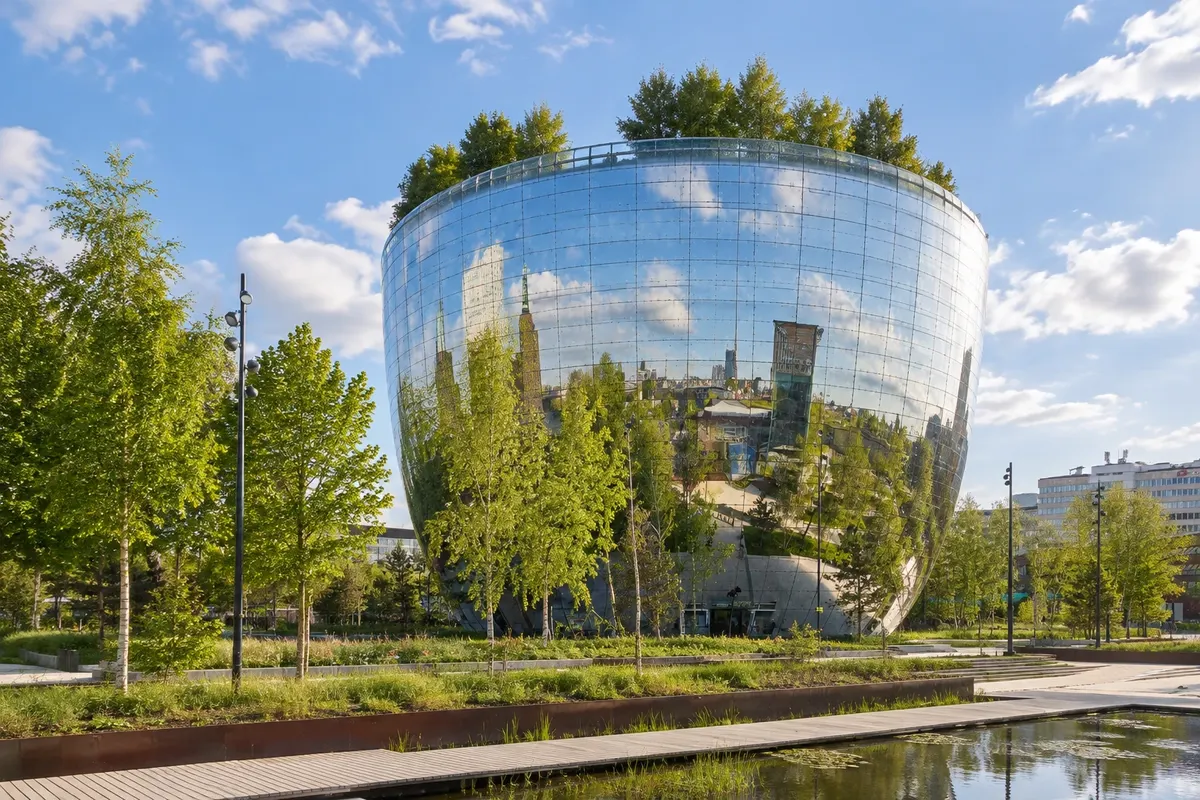
The first art depot in the world open to the public: a mirrored, bowl-shaped building in Museumpark that houses the entire collection of the Museu Boijmans Van Beuningen.
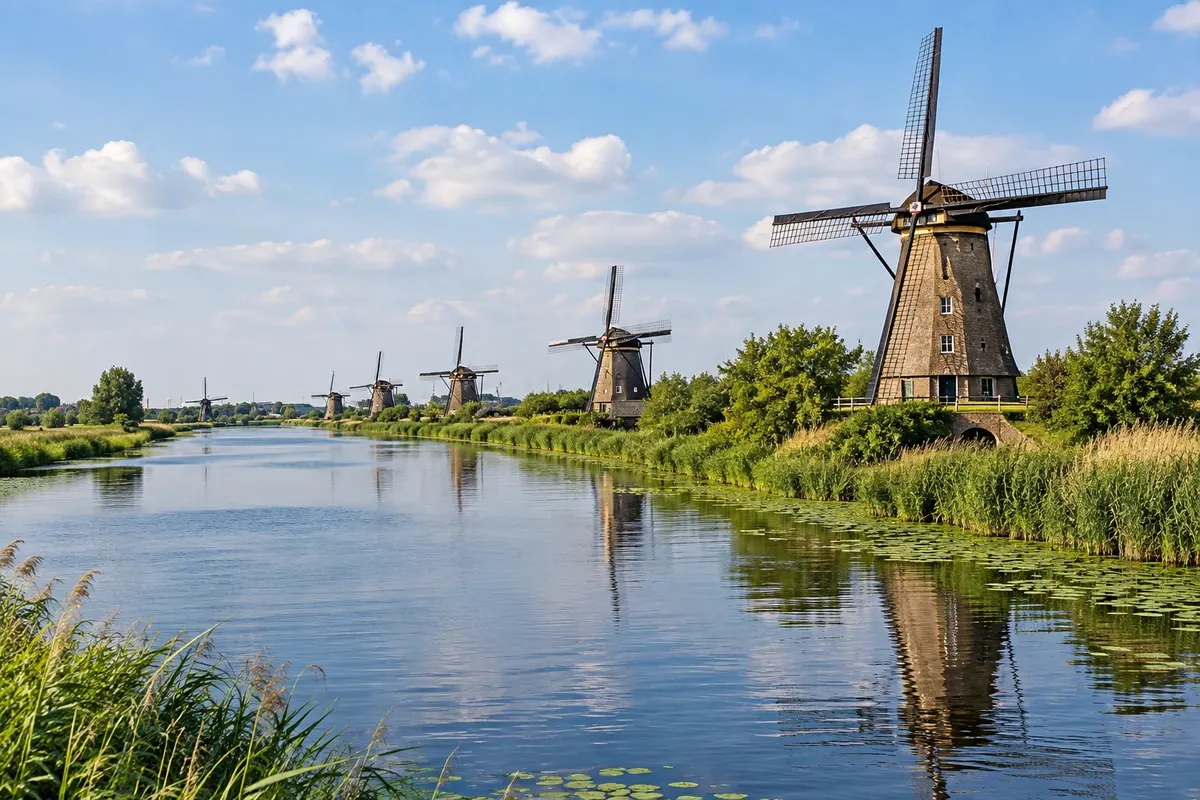
Nineteen 18th-century windmills lined up along canals that drained the polders of the Alblasserwaard. A UNESCO World Heritage site since 1997, about a half-hour by boat from Roterdã.
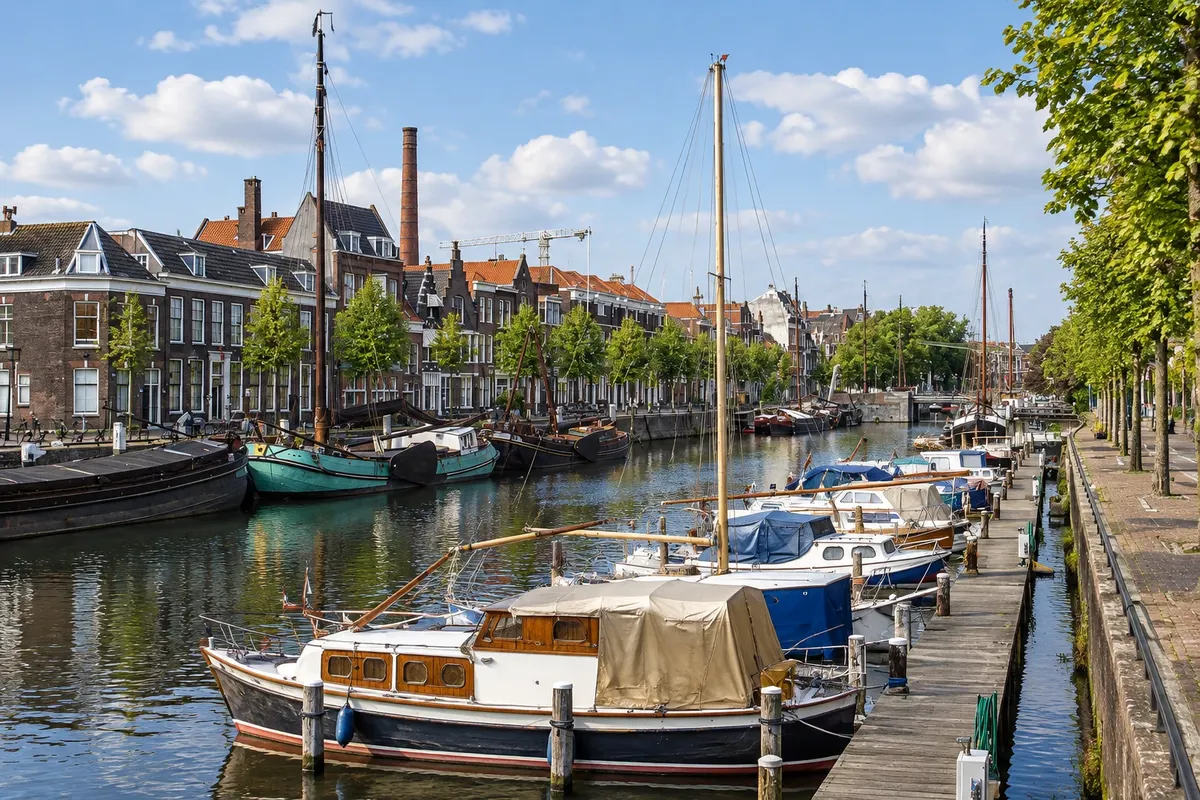
Delft's old port, now part of Roterdã, which escaped the 1940 bombing. 17th- and 18th-century houses, canals, a windmill and the church from which the Pilgrims set off for America in 1620.
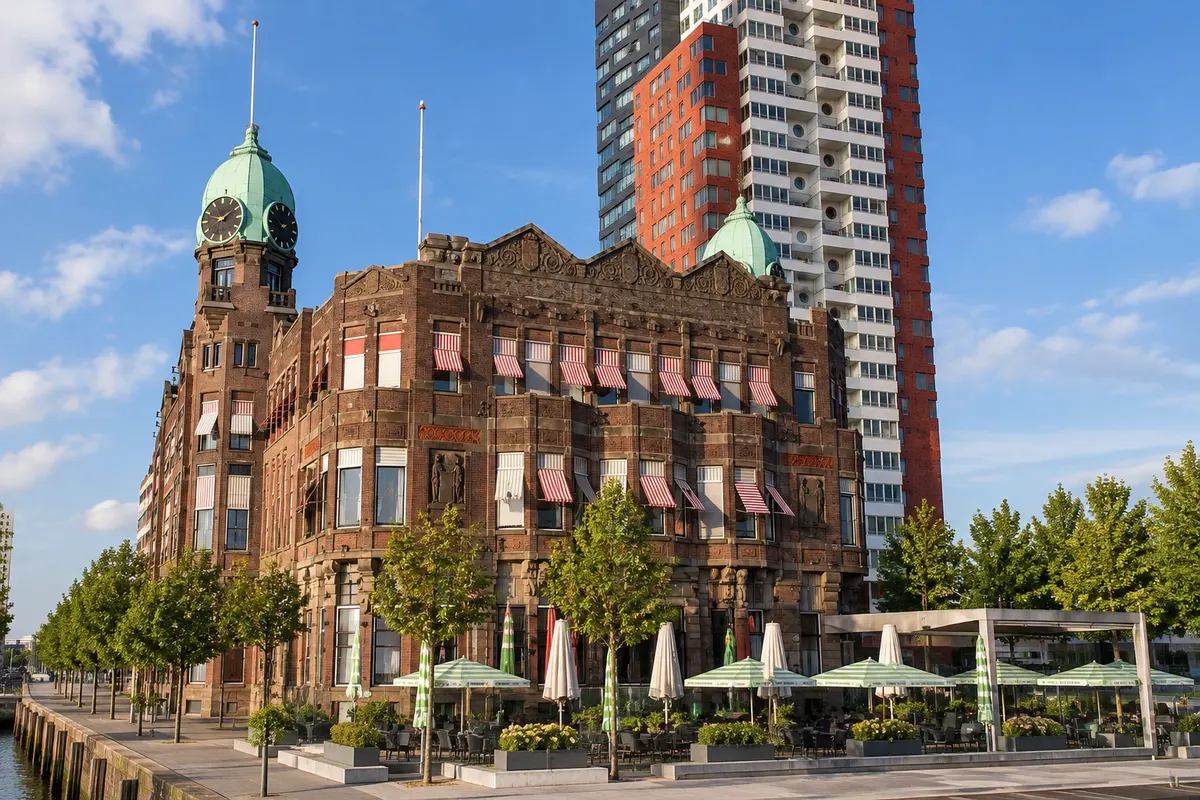
Former headquarters of the shipping company Holland-Amerika Lijn, now a hotel and restaurant at the tip of the Wilhelminapier. From there millions of emigrants departed for New York.
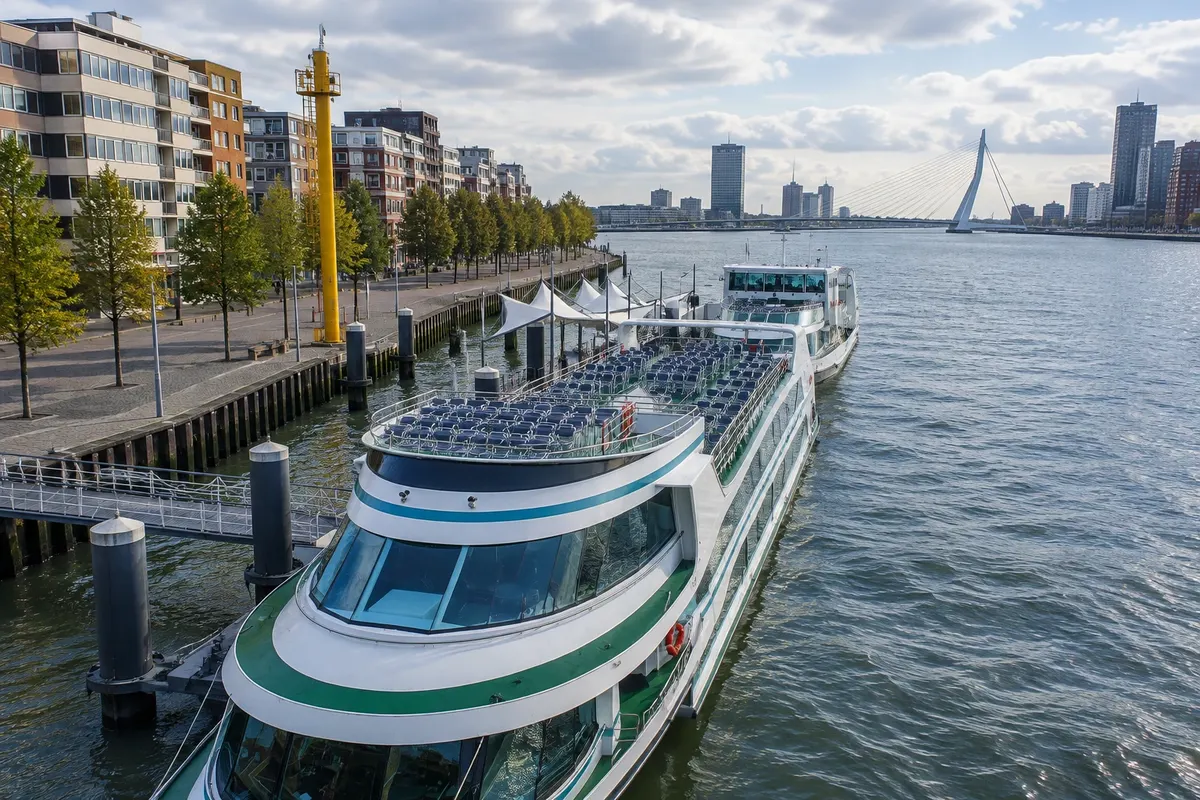
A boat tour of around 75 minutes along the river and the docks of the port of Roterdã, leaving from the foot of the Erasmusbrug. It's the simplest way to see Europe's largest port up close.
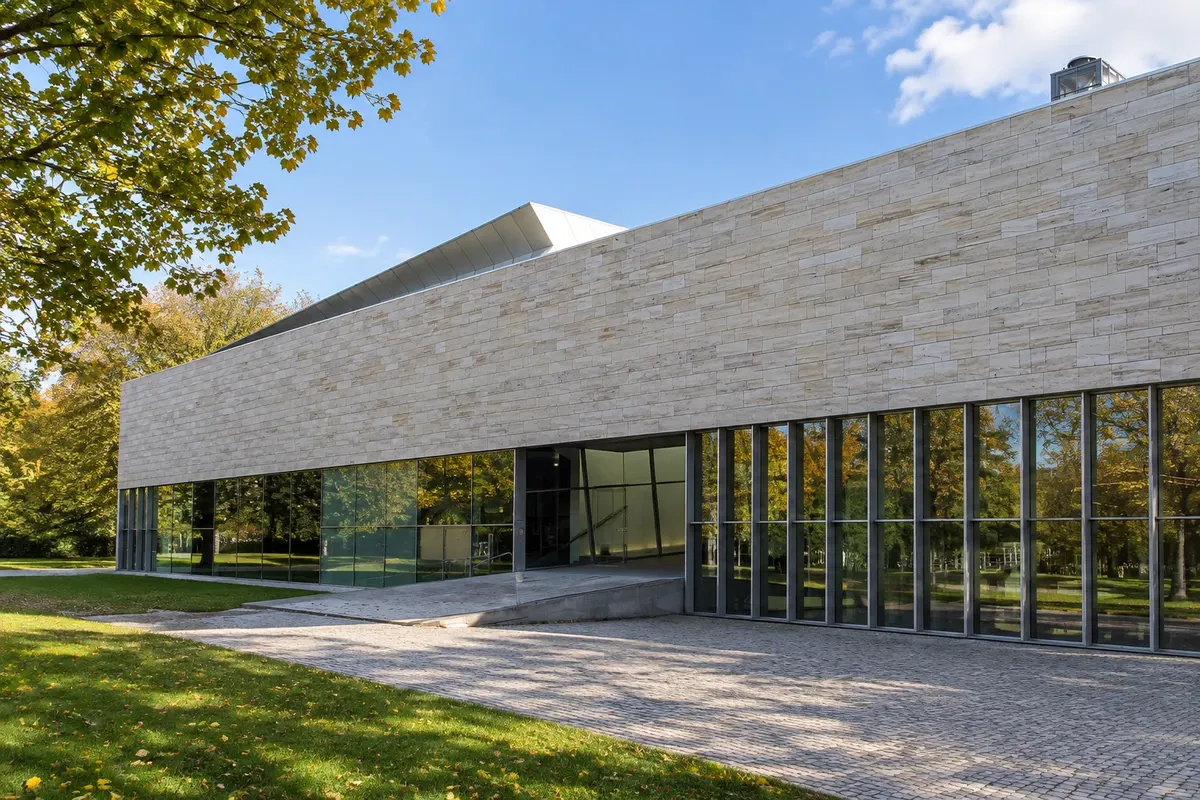
A center for temporary exhibitions designed by Rem Koolhaas, in the Museumpark. It has no permanent collection: it hosts several shows at the same time, from painting to design and fashion.
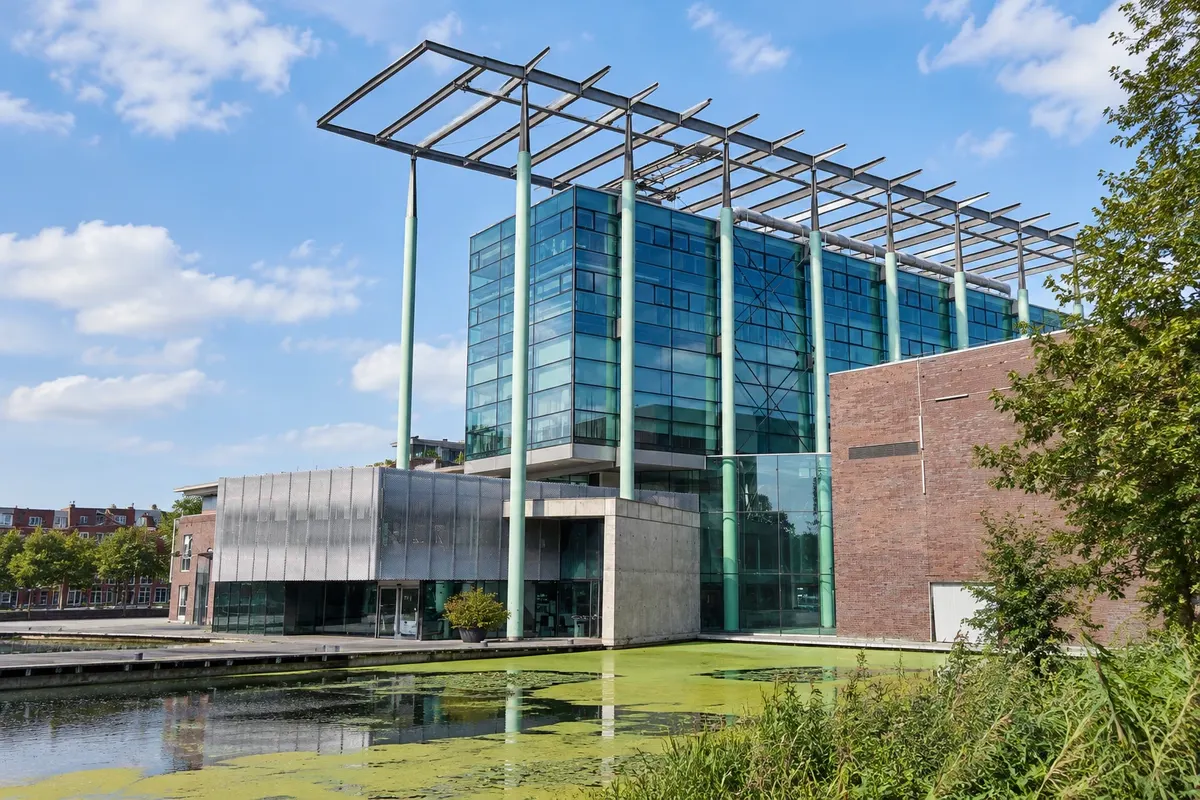
Museum of architecture, design and digital culture in the Museumpark, which houses the country's national architecture archive. Next door, the Huis Sonneveld is a modernist house from the 1930s open to visitors.
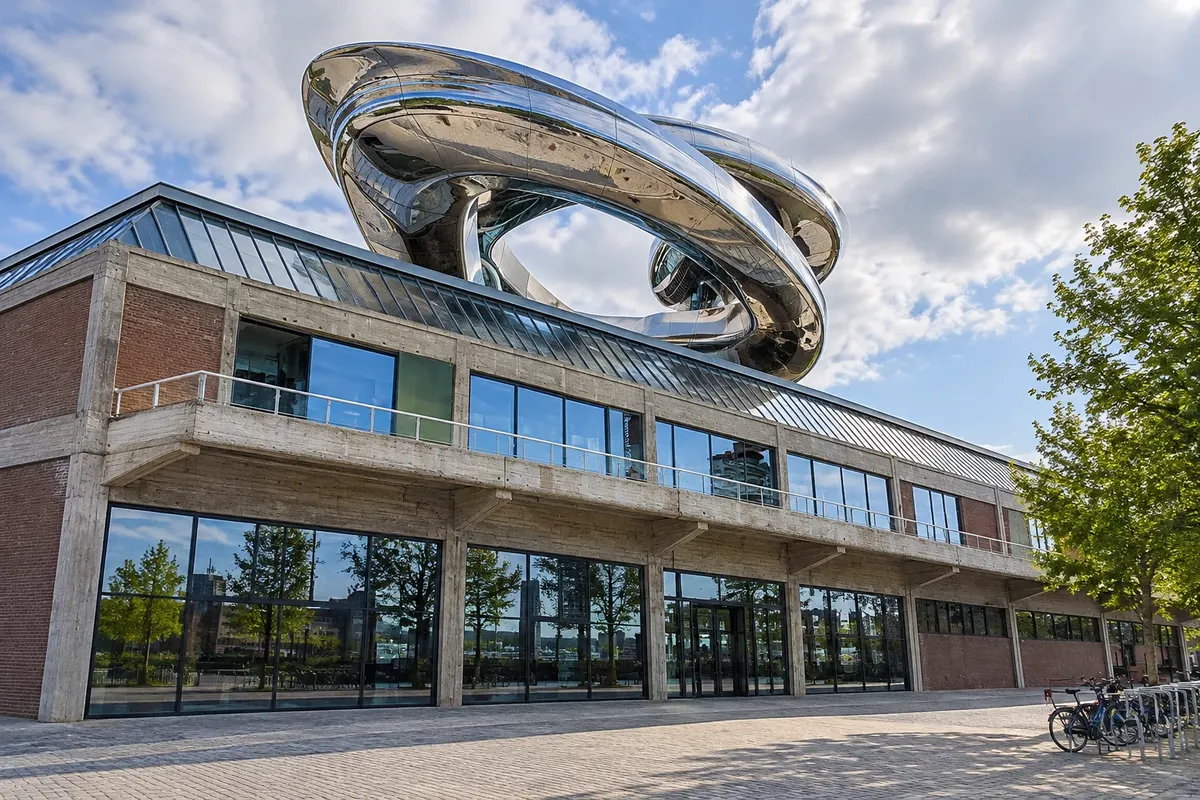
A museum of art about migration in a former port warehouse in Katendrecht, facing the quay from which emigrants of the Holland-Amerika Lijn departed. It features the Tornado double spiral staircase at the top.
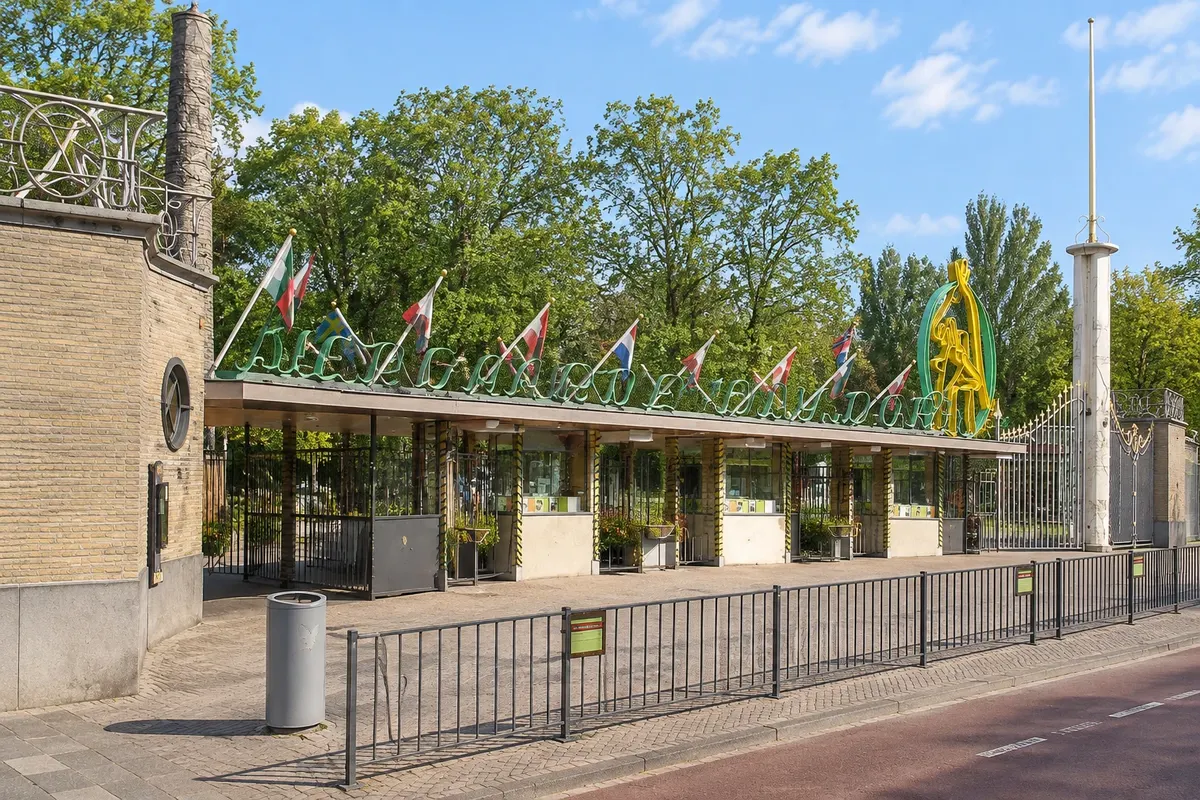
One of the oldest zoos in the Netherlands, covering 34 hectares organized by world regions and with a large aquarium, the Oceanium. It is just a few minutes from Rotterdam Centraal.
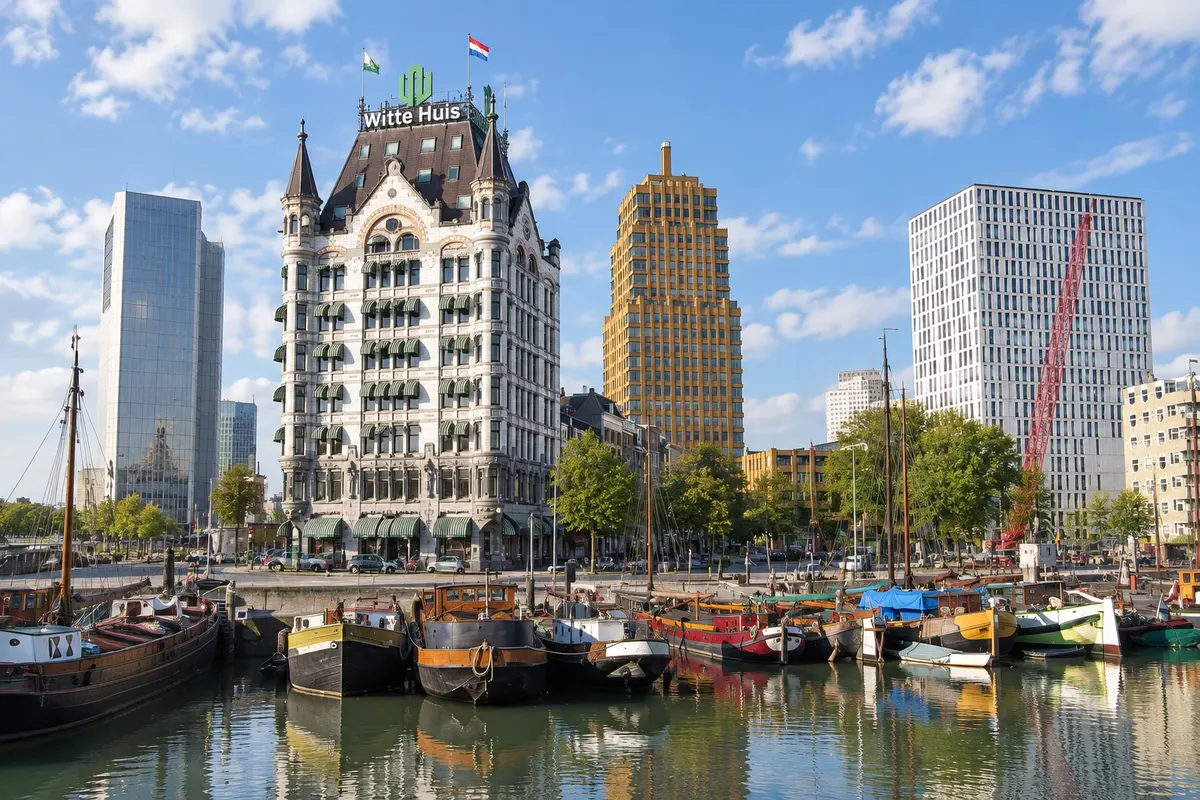
One of Rotterdam's oldest harbours, with historic boats, waterside terraces and the Witte Huis, the 1898 art nouveau skyscraper that survived the 1940 bombing.
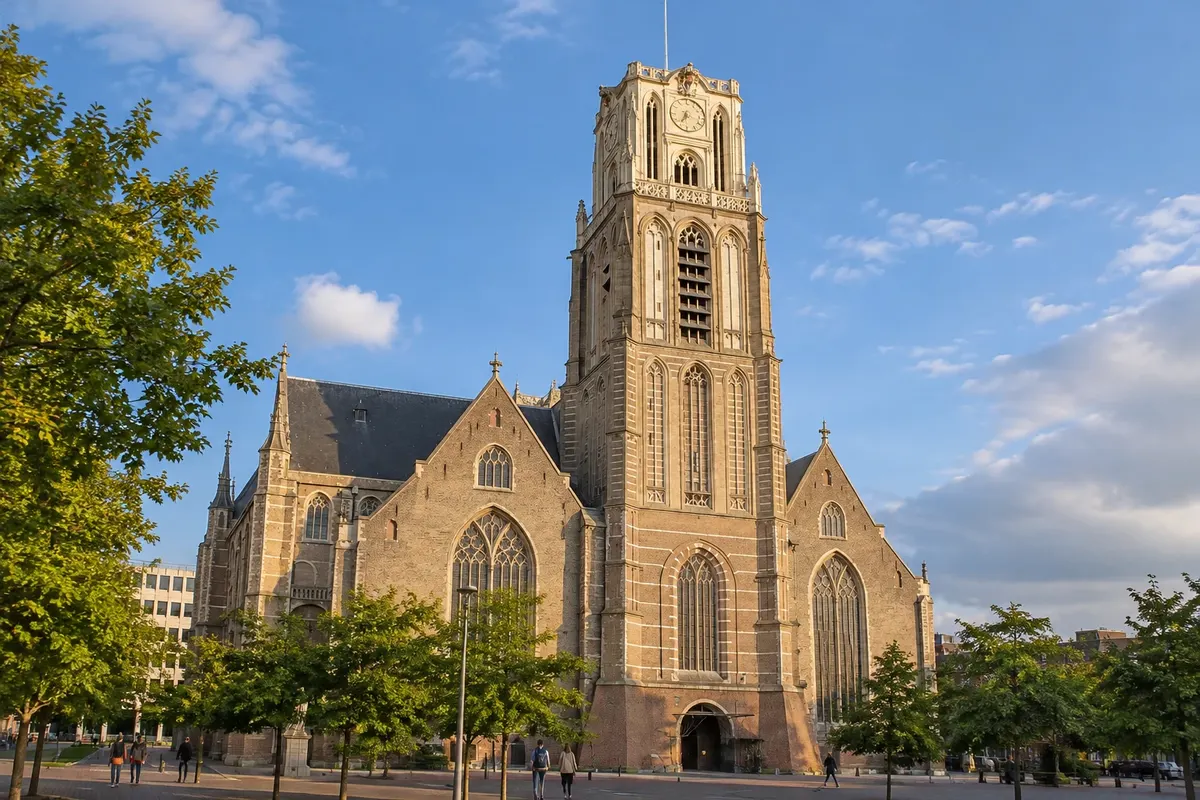
A 15th-century Gothic church, the last building remaining from medieval Rotterdam. Heavily damaged in the 1940 bombing, it was restored and today houses monumental organs and a tower that is open to visitors on certain days.
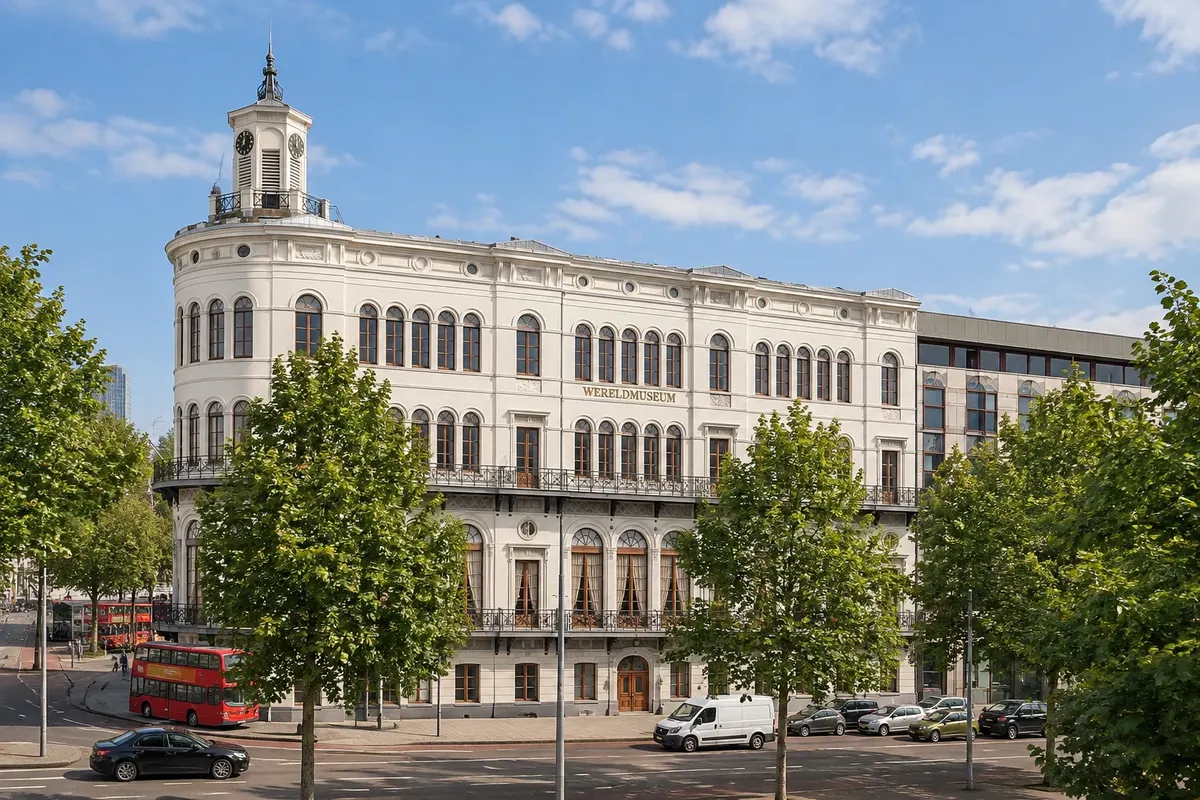
Museum of world cultures in an 1851 riverside building that used to house a yacht club. It holds objects from Asia, Africa, Oceania and the Americas brought by generations of sailors and traders.
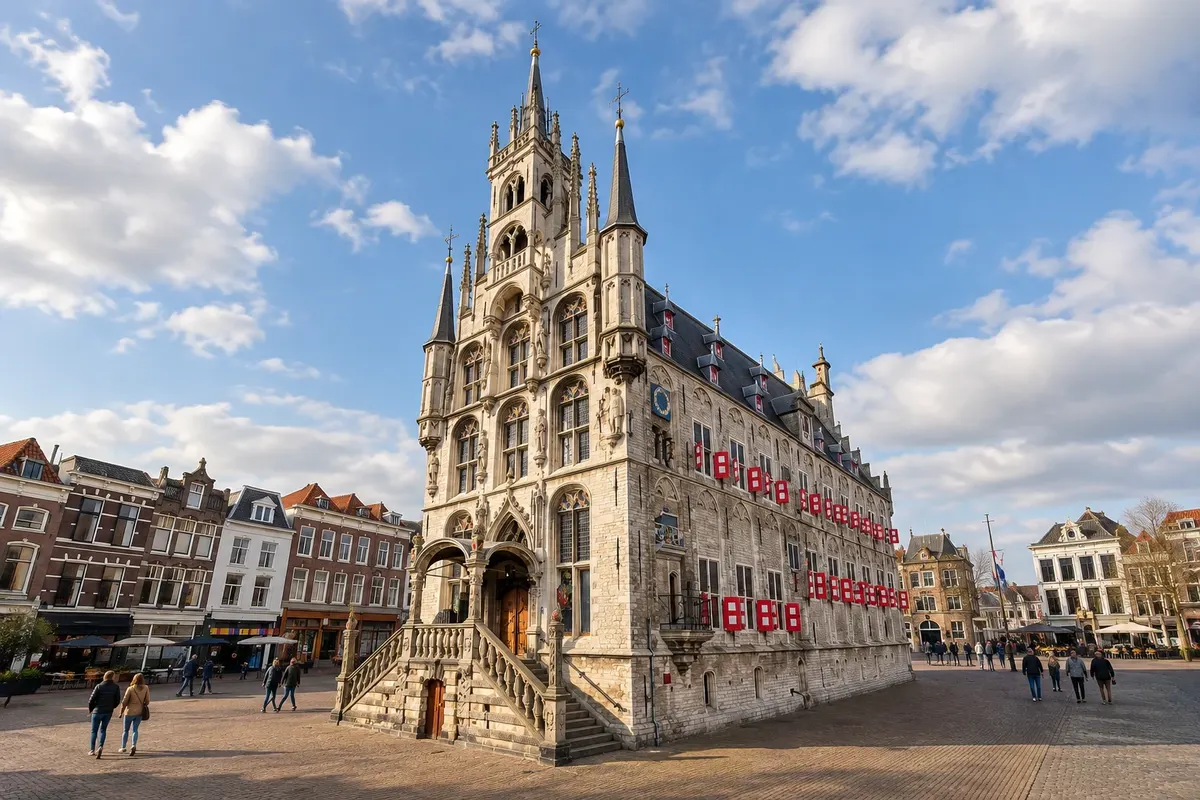
Cheese town about 25 kilometers from Roterdã, with a Gothic town hall in the middle of the market square and the Waag, the old cheese weigh-house. On Thursday mornings from April through the end of August there is a traditional cheese market.