Bremen is in northwestern Germany, on the banks of the Weser River, about an hour by train from Hamburg. It is one of the country's city-states: together with Bremerhaven on the coast, it forms the state of the Free Hanseatic City of Bremen. The maritime trading tradition of the Hanseatic League shows in the façades, in converted warehouses and in the local pride in the word "hanseatic".
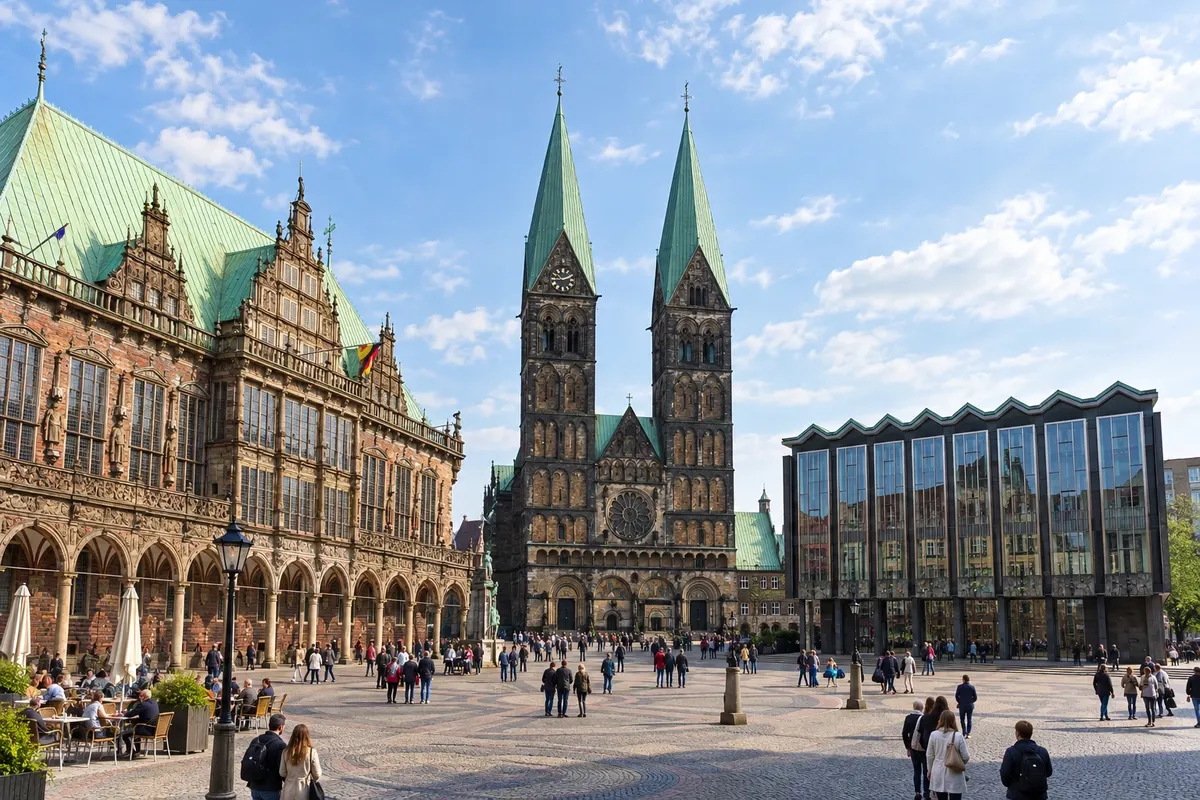
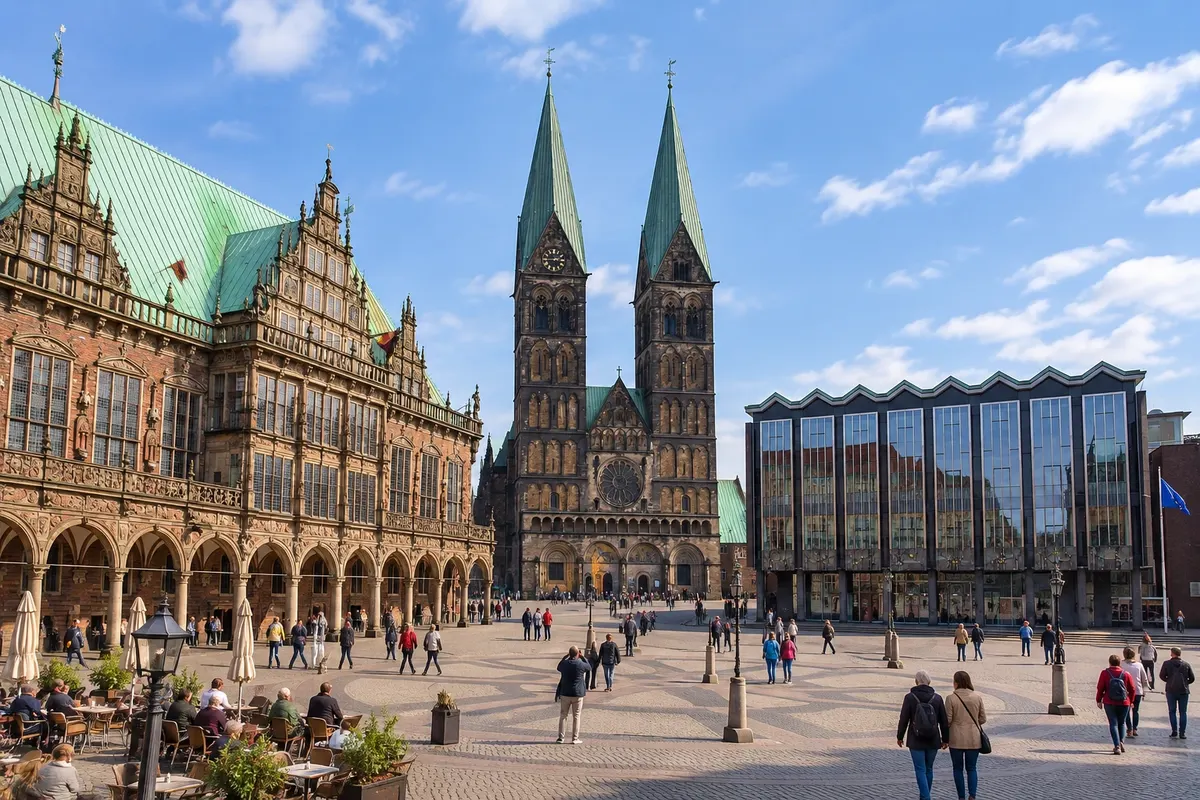
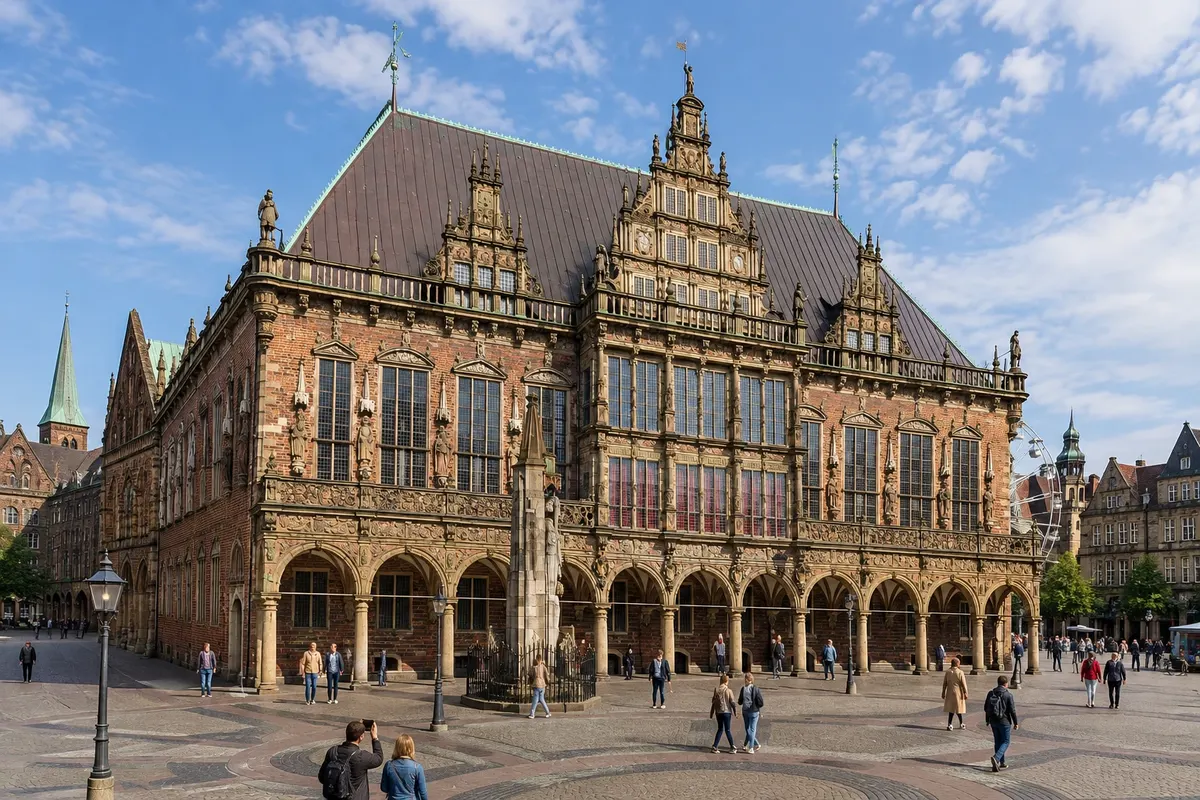
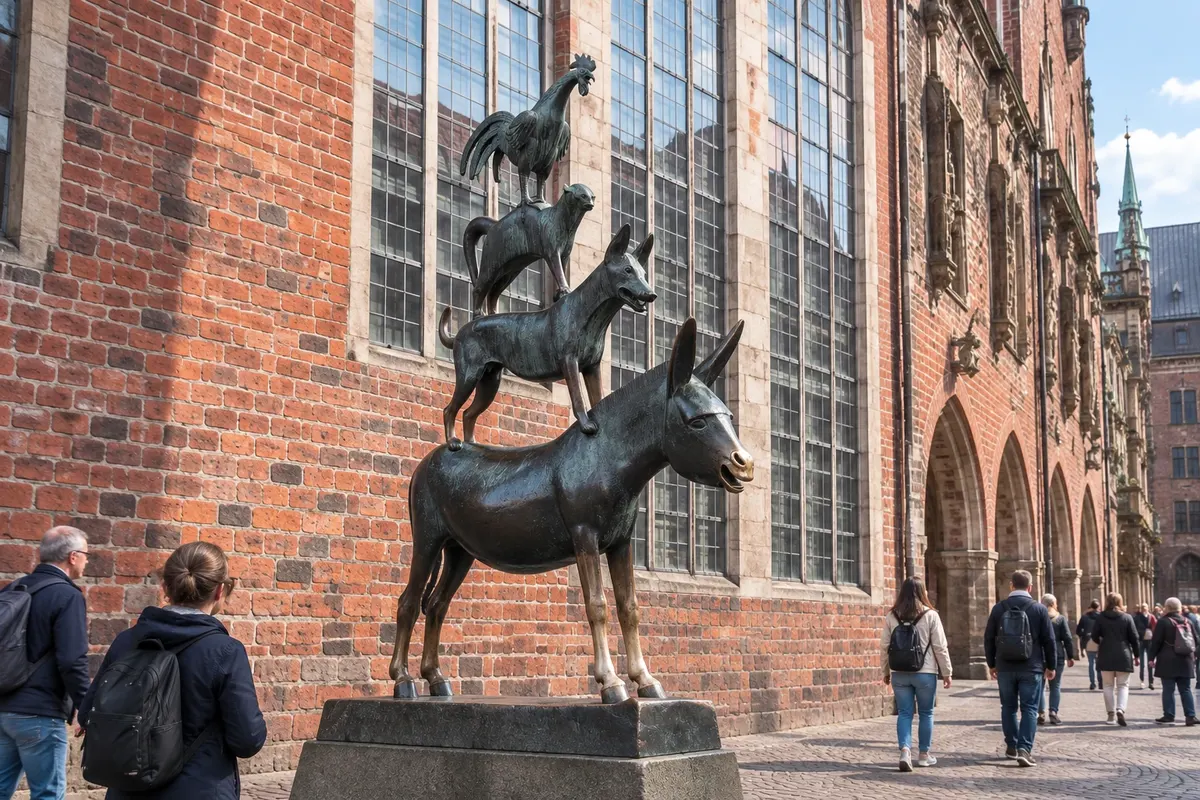
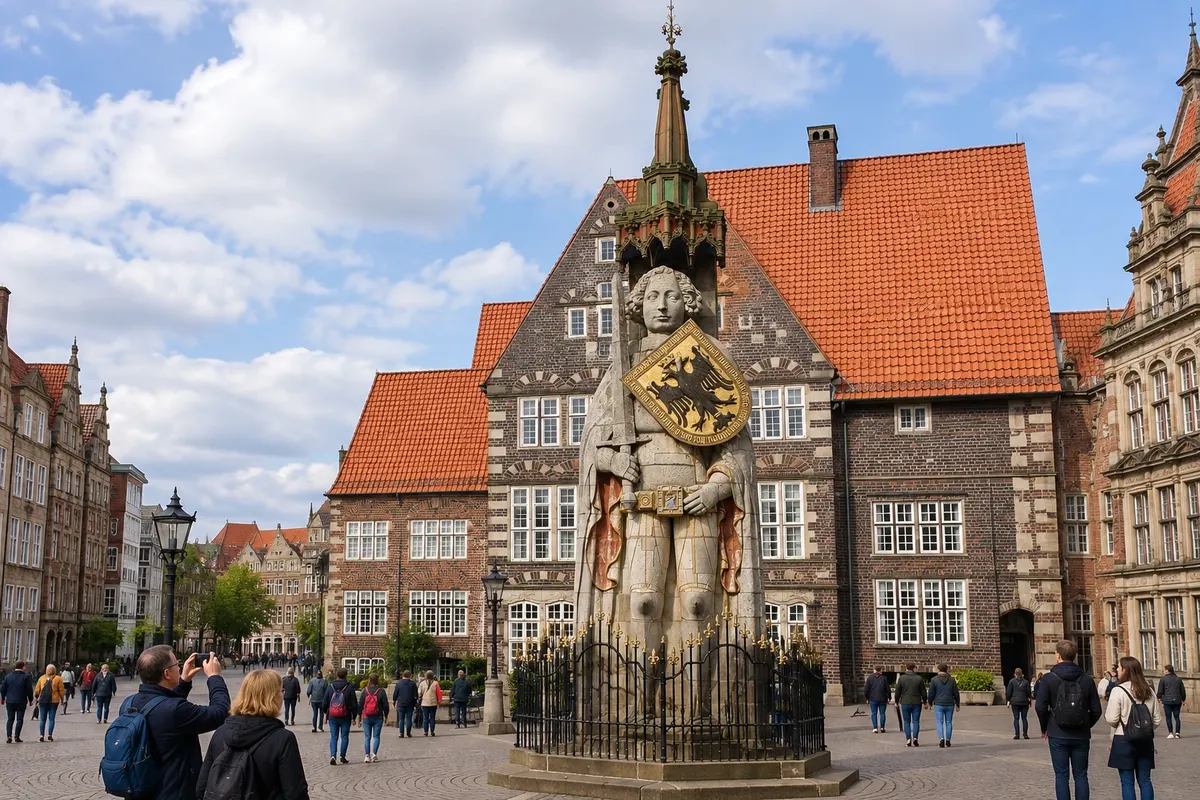
The center is compact and best explored on foot. On the Marktplatz, the market square, are the town hall (Rathaus), built between 1405 and 1410 with a Renaissance façade from the early 17th century, and the stone Roland statue from 1404. Both were declared a World Heritage Site by UNESCO in 2004. Beside the town hall is the bronze sculpture of the Músicos de Bremen: the donkey, the dog, the cat and the rooster from the Brothers Grimm tale.
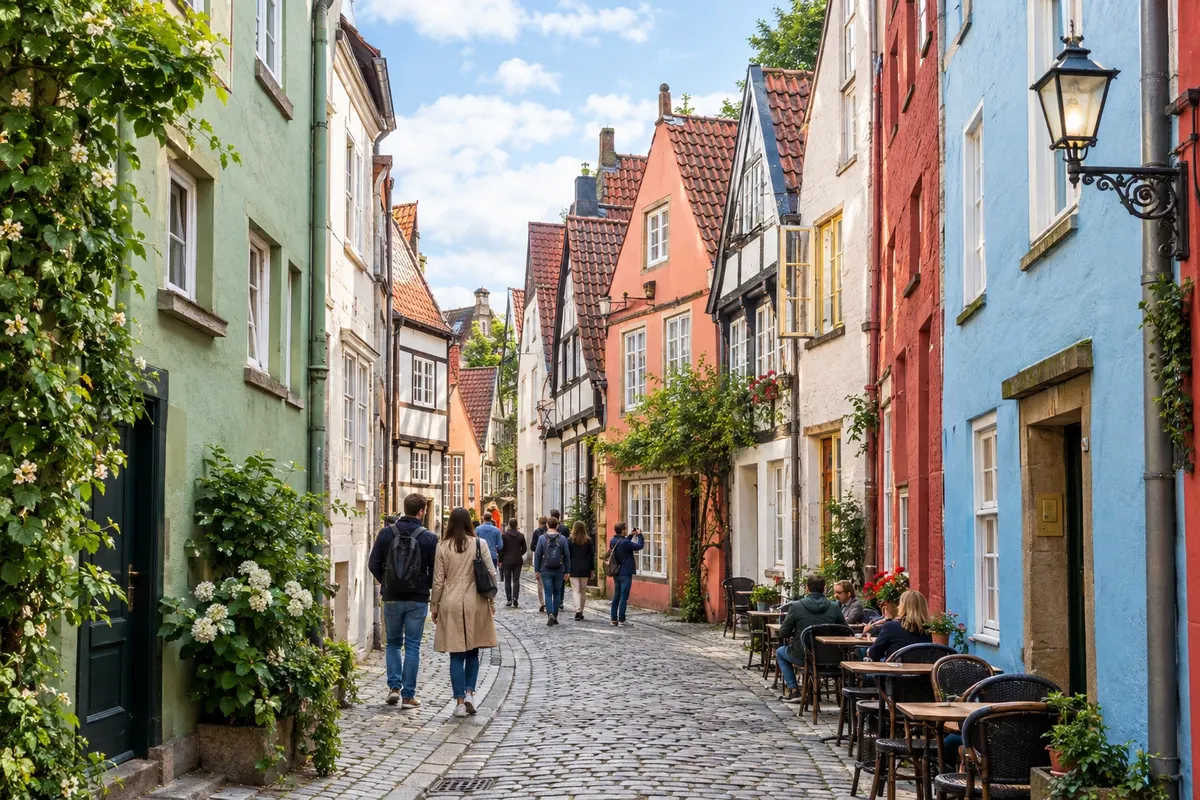
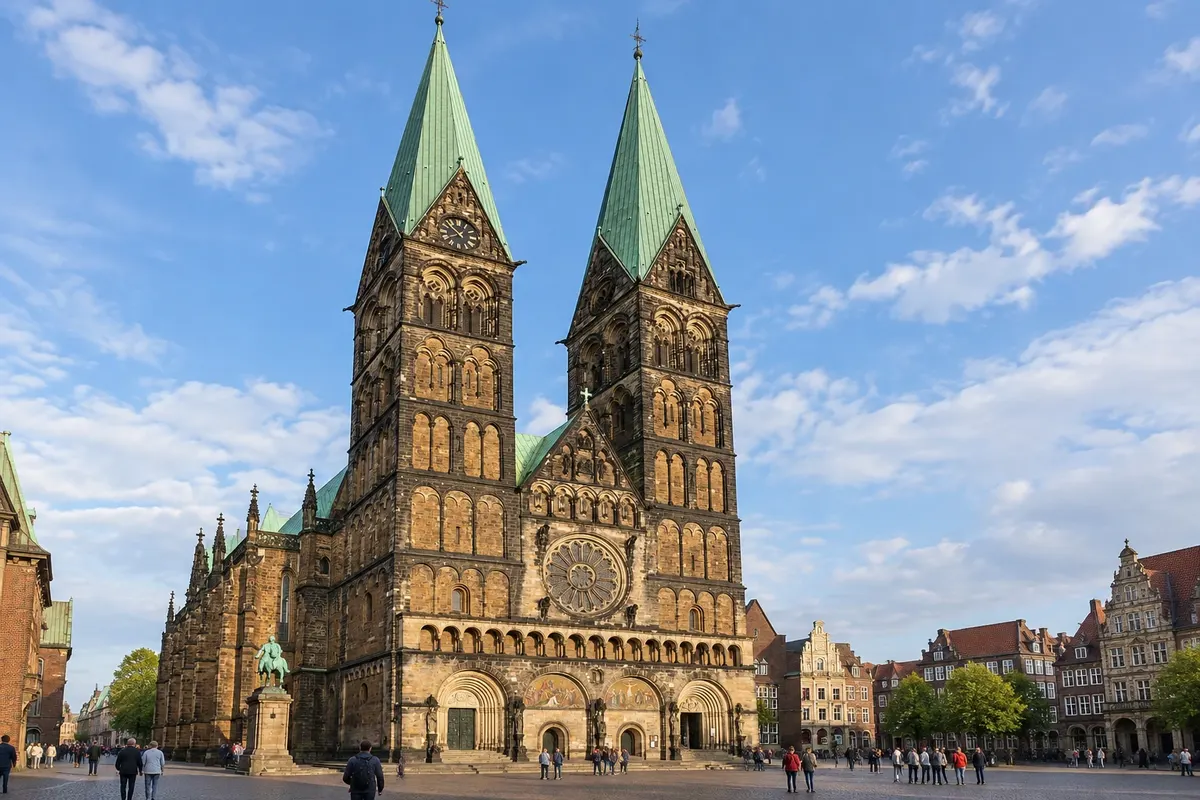
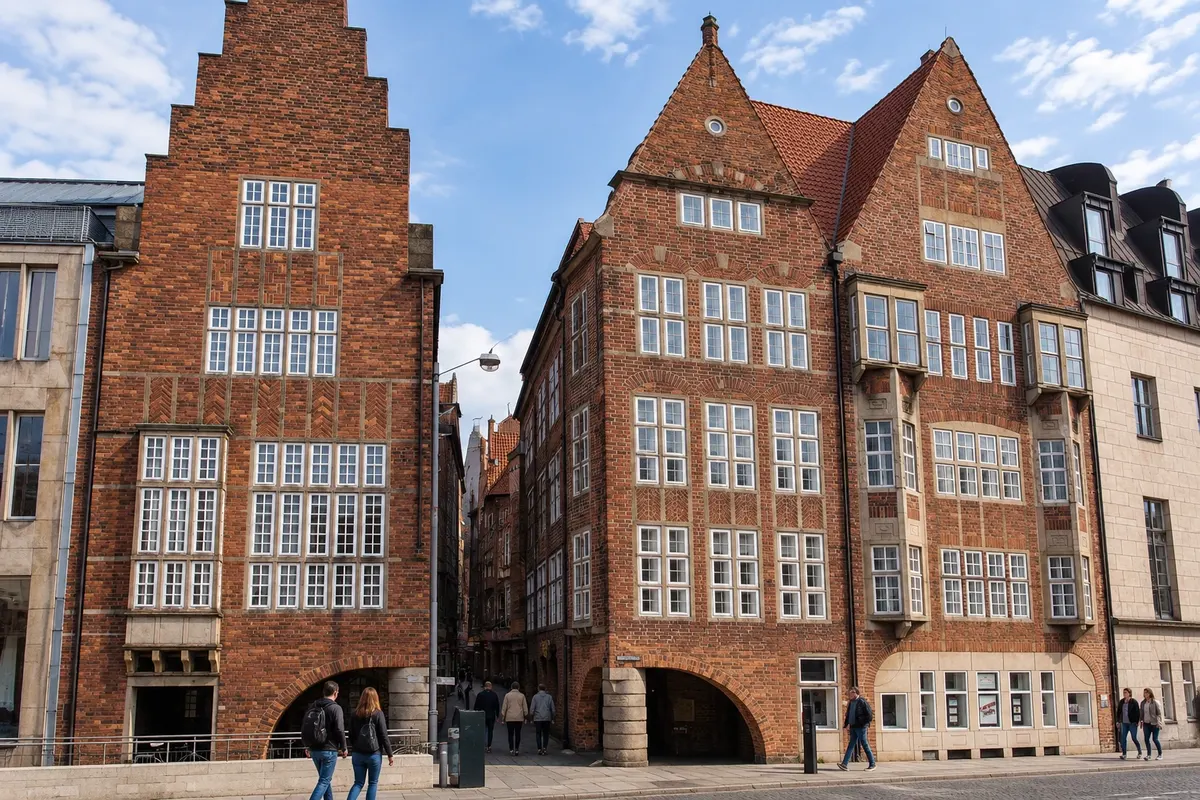
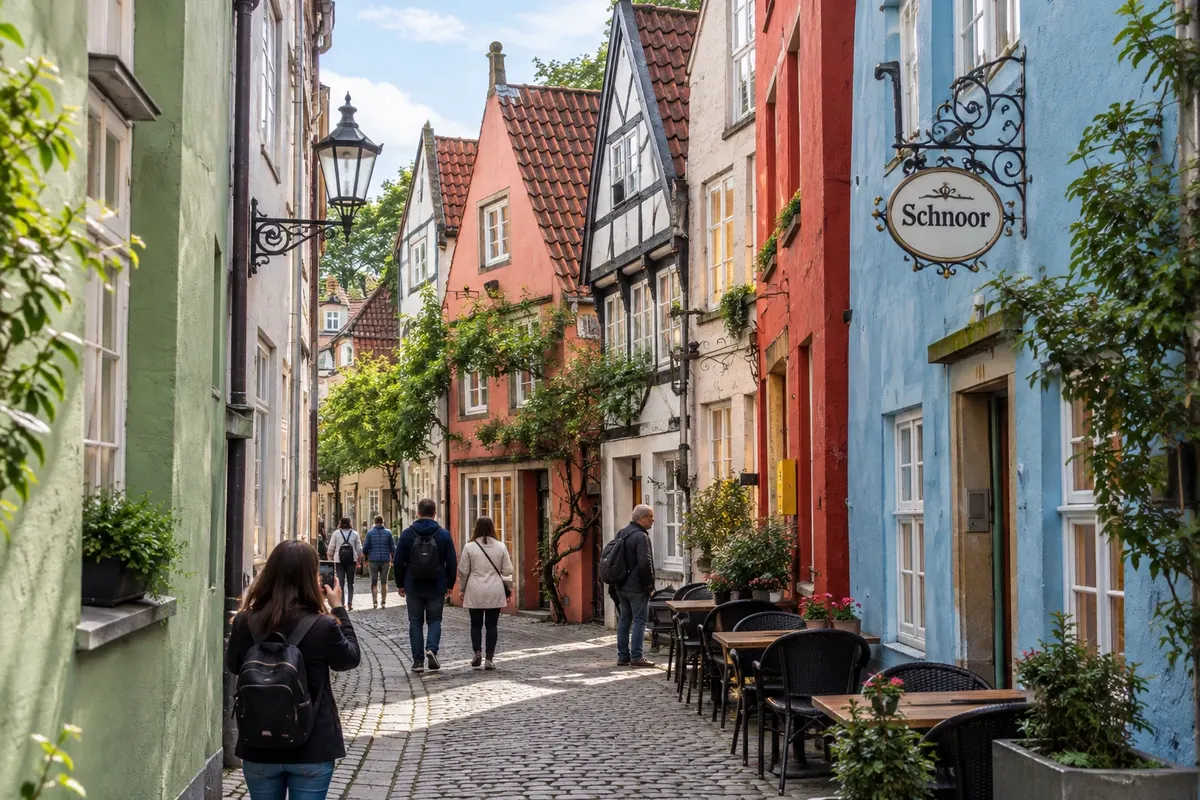
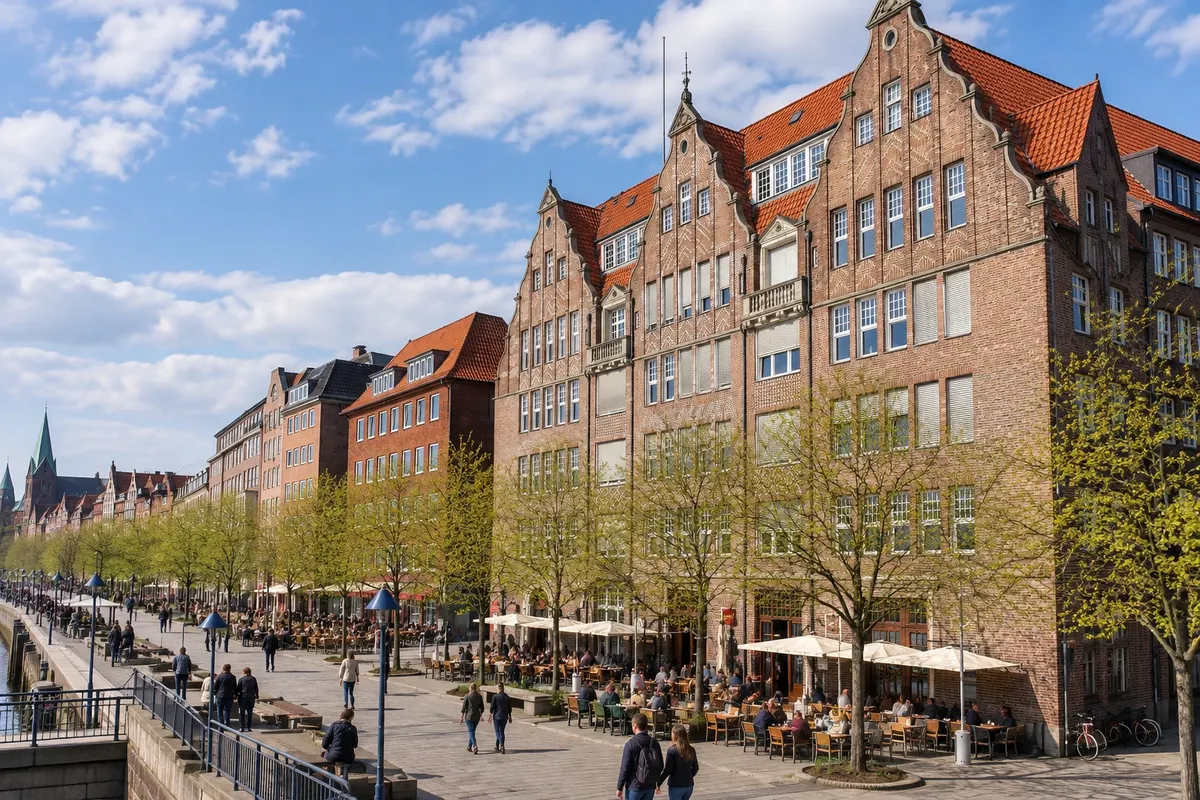
A few steps away are St. Peter's Cathedral (St. Petri Dom), with a climbable tower and a crypt where naturally mummified bodies can be seen; the Böttcherstraße, a brick street rebuilt in the 1920s with art museums; the Schnoor, a neighborhood of narrow lanes and old houses; and the Schlachte, a former quay turned promenade with bars and restaurants along the Weser.
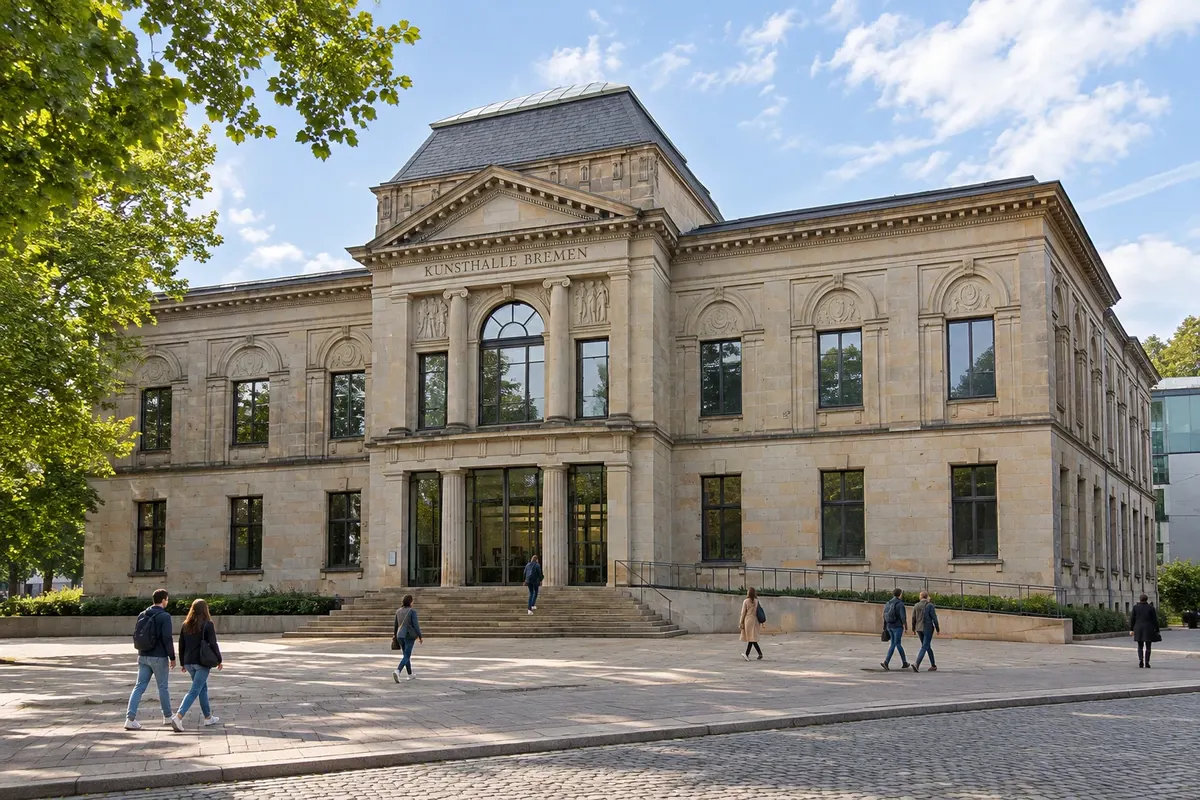
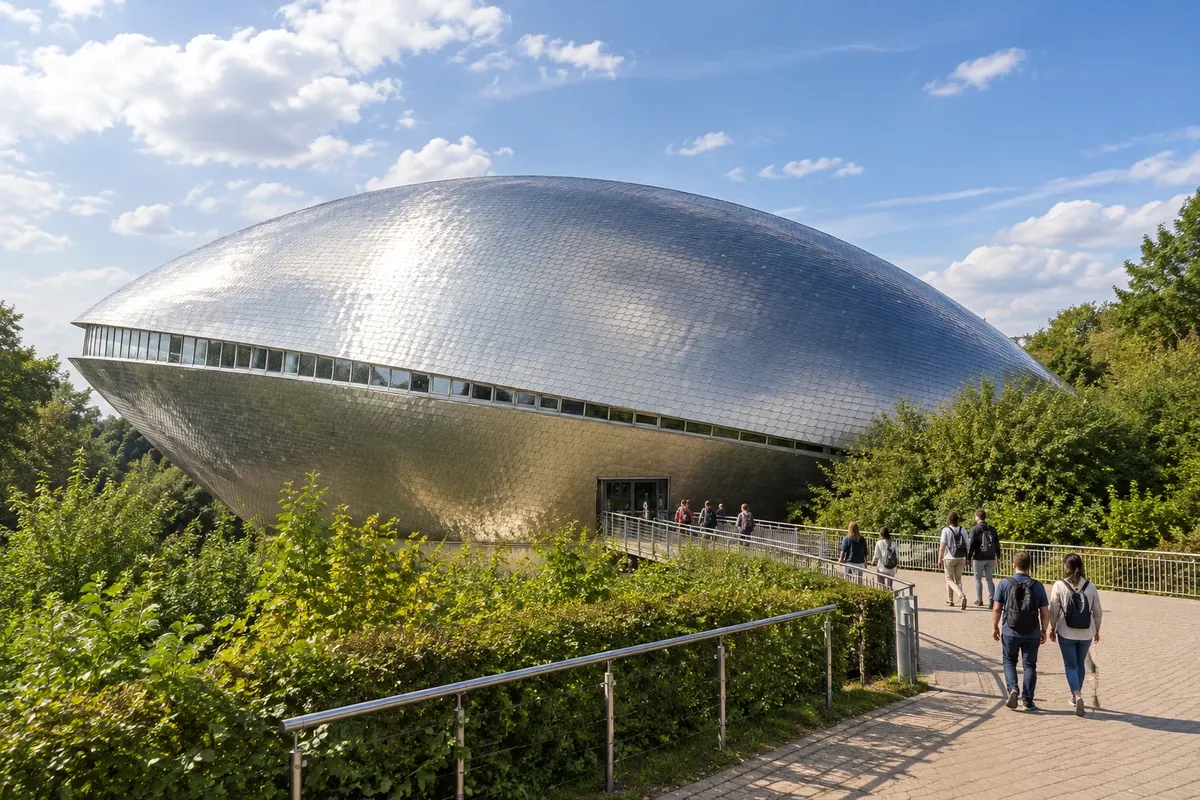
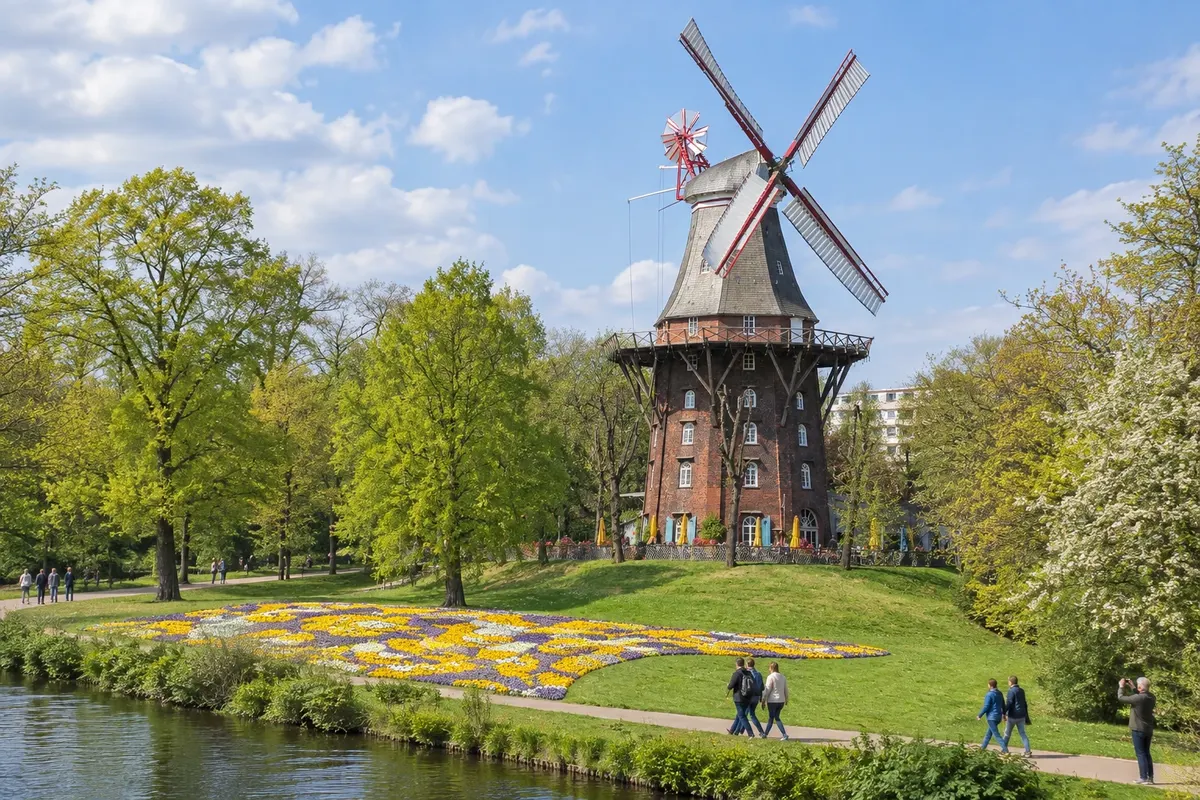
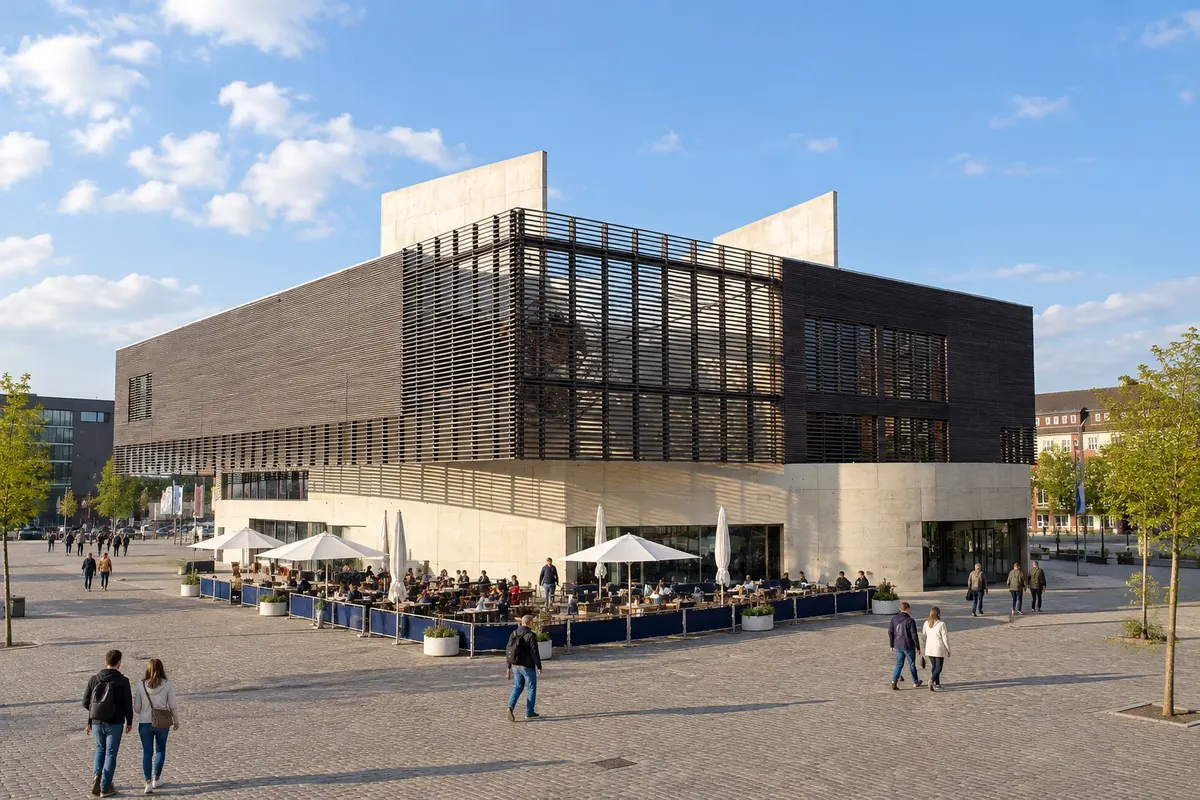
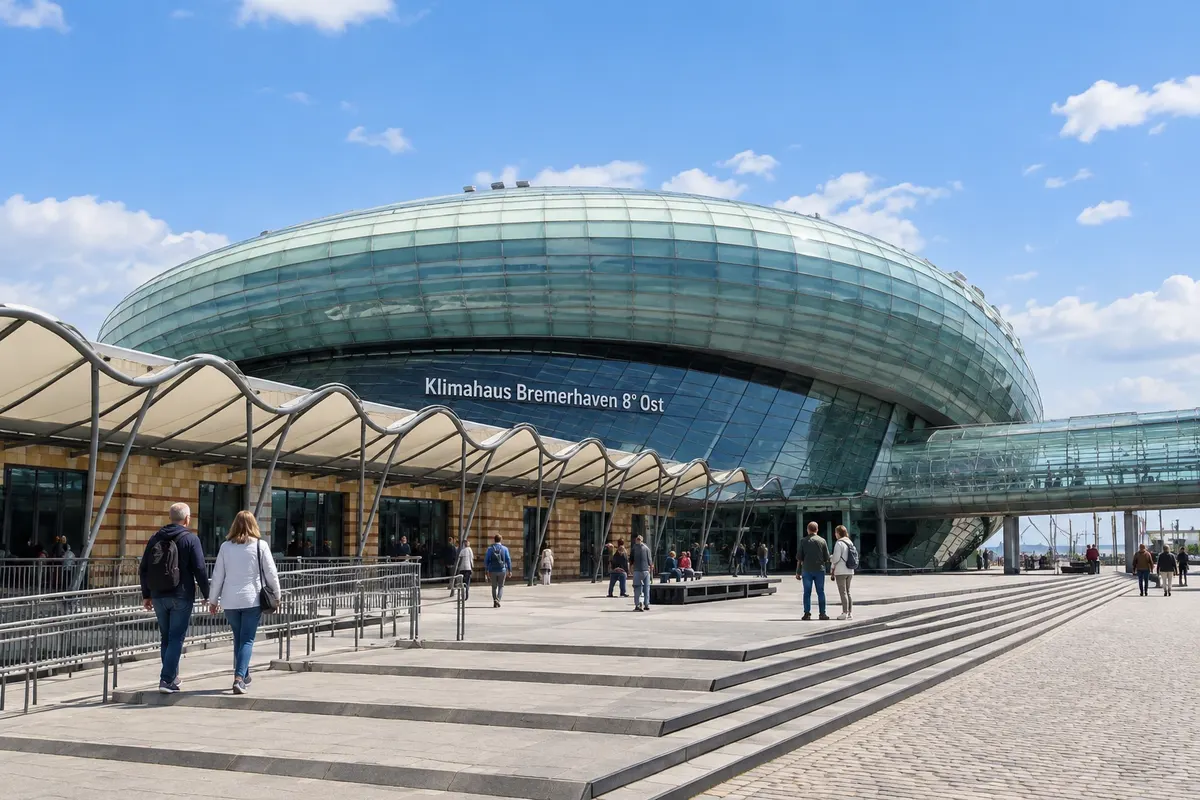
For those who want more, there are art and world-culture museums, a science center near the university and a park that encircles the center in place of the old city walls. About 35 minutes by train, Bremerhaven holds two museums worth a day trip: the Haus der Auswanderer (Casa do Emigrante), about those who left Europe for the Americas from the city's port, and the Klimahaus, a journey through the world's climate zones.
This destination brings together 1 city: Bremen.


 Brazil
 Argentina
 Chile
Chile Colombia
 Peru
Peru Uruguay
 Belgium
 Spain
Spain France
 Greece
 the Netherlands
 Ireland
 Italy
Italy Portugal
 the United Kingdom
 Switzerland