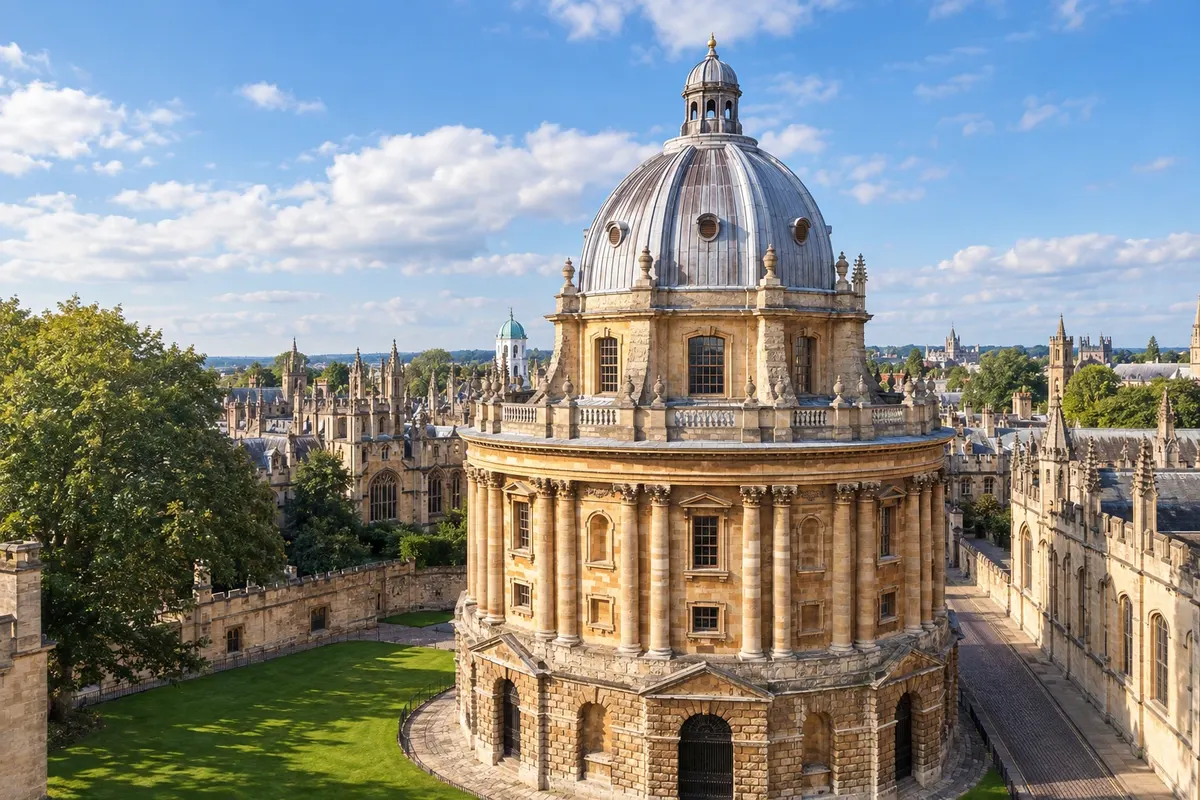
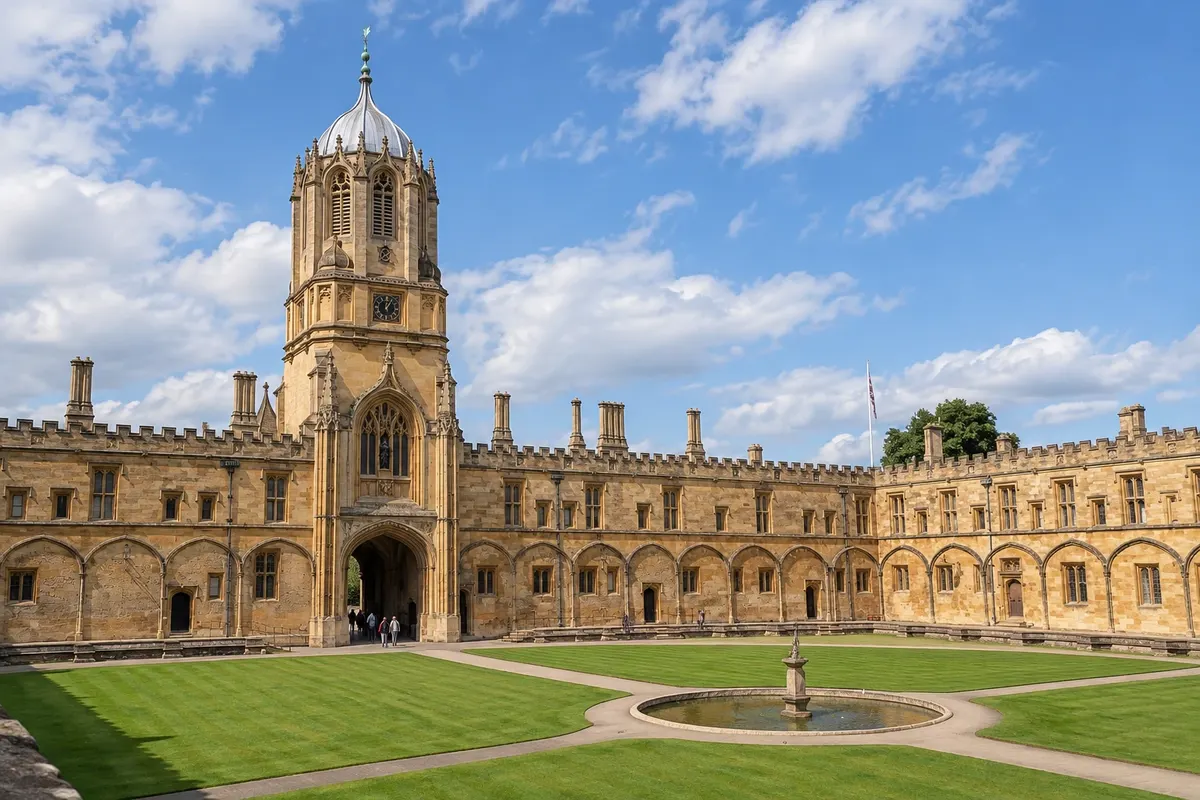
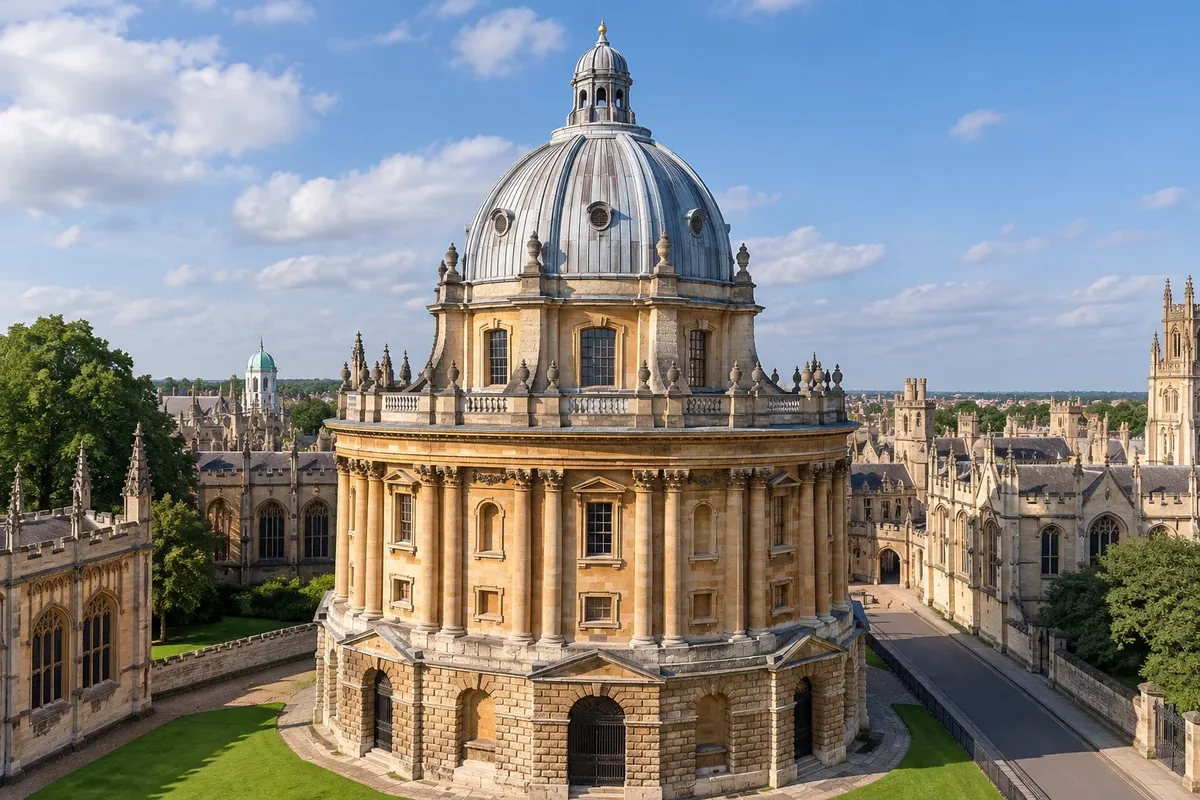
Oxford lies about 90 km northwest of London, at the meeting of the rivers Thames—called the Isis there—and the Cherwell. The university has records of teaching since the late 11th century and is the oldest in the English‑speaking world. There is no single campus: 36 colleges and several halls are spread through the centre, each with a chapel, dining hall and inner courtyards, the quads, surrounded by honey‑coloured stone buildings. Hence the nickname the city of dreaming spires.
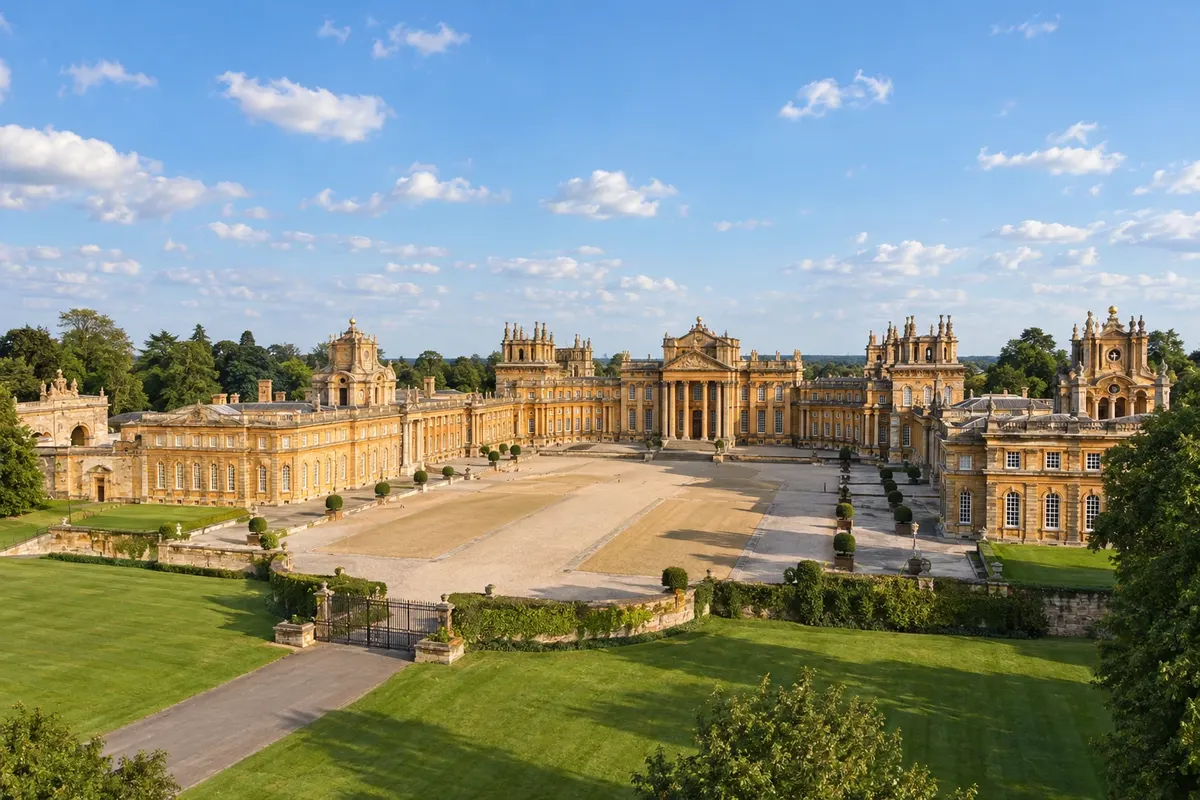
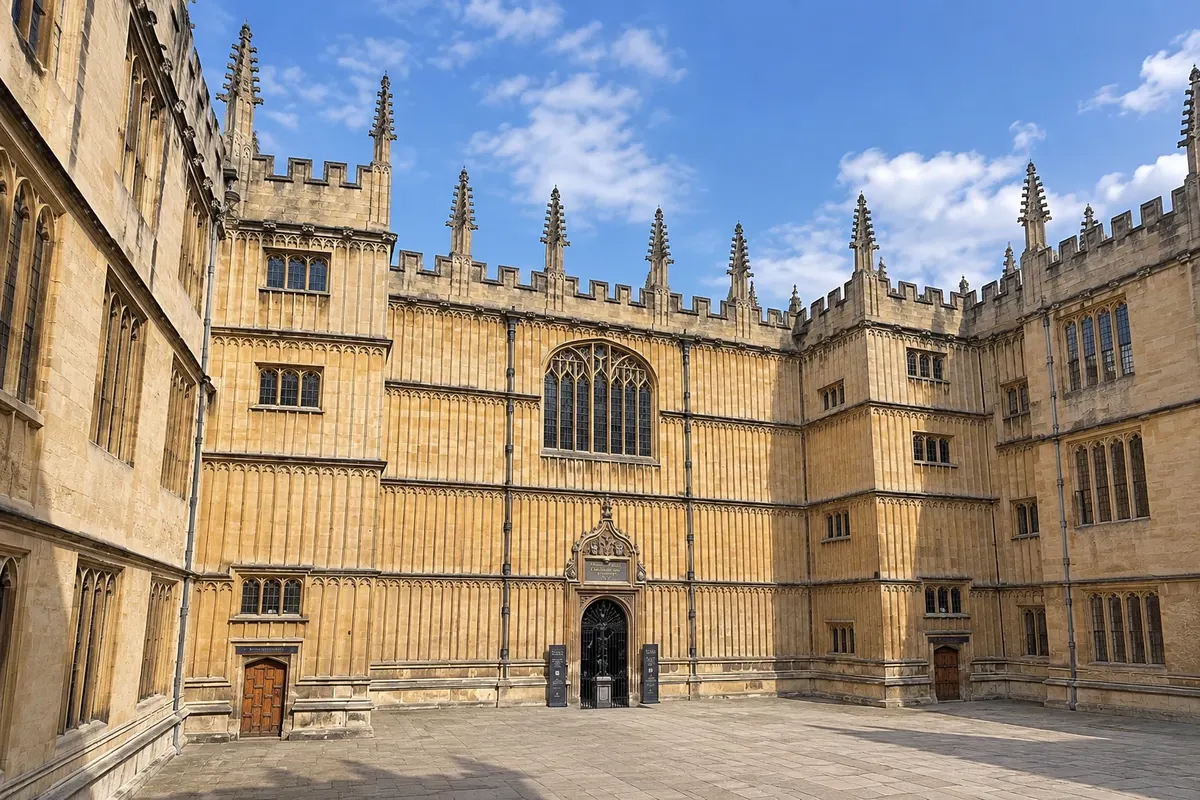
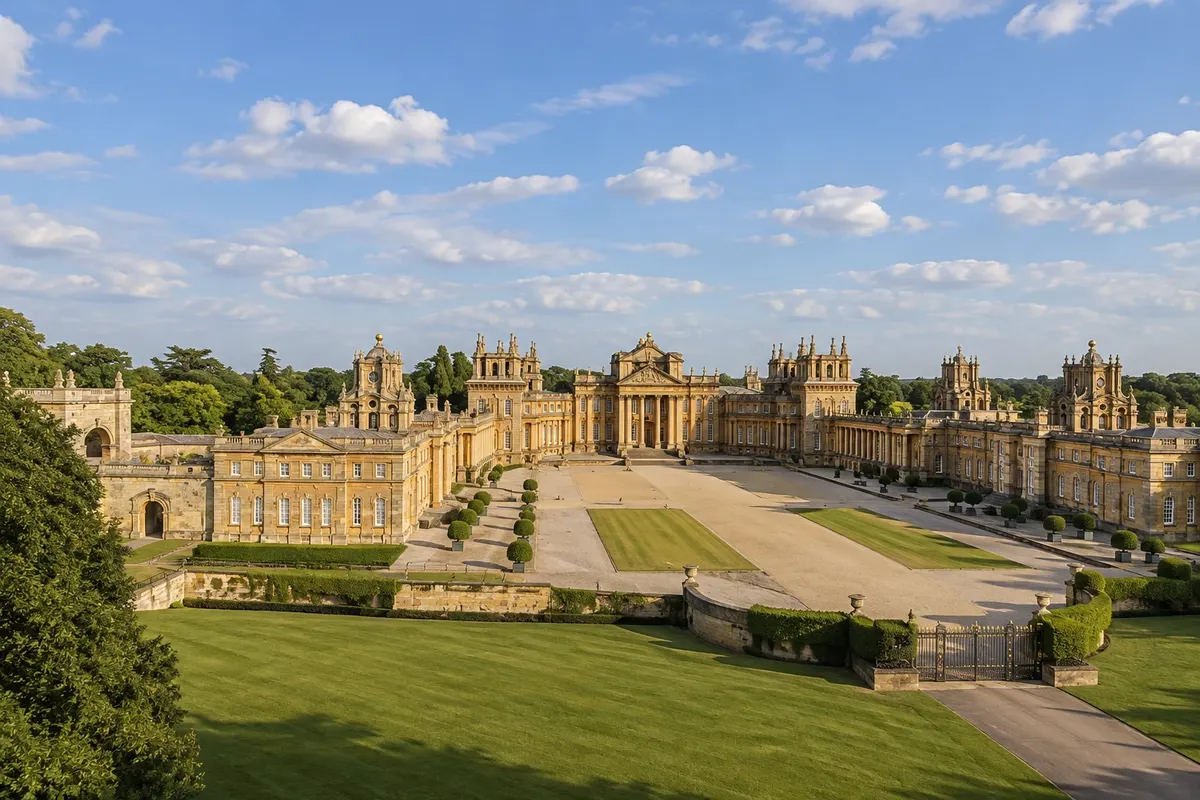
The route includes Christ Church, the college with the city’s cathedral and the dining hall that inspired Hogwarts in the Harry Potter films; the Biblioteca Bodleiana, with the medieval Divinity School; the Radcliffe Camera, the rotunda that became the city’s symbol; and the Ashmolean, the oldest museum in Britain open to the public. Thirteen kilometres away, in Woodstock, is the Palácio de Blenheim, where Winston Churchill was born.
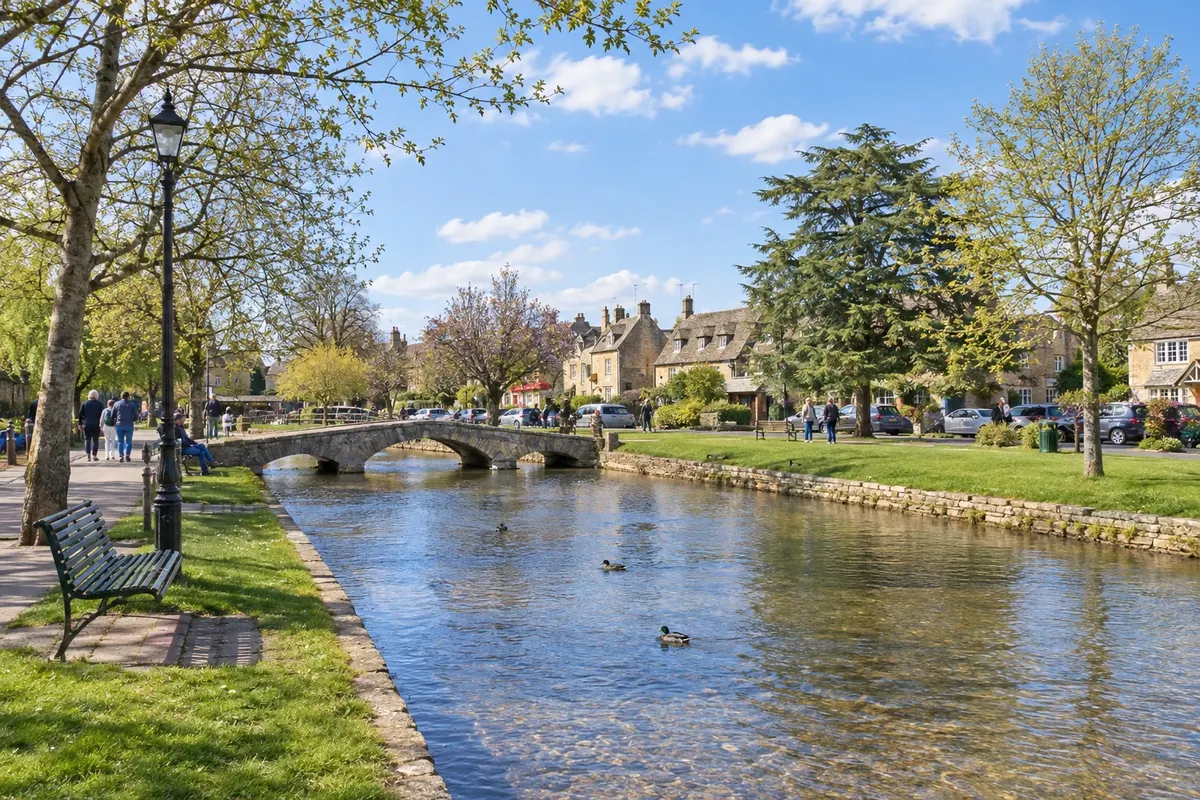
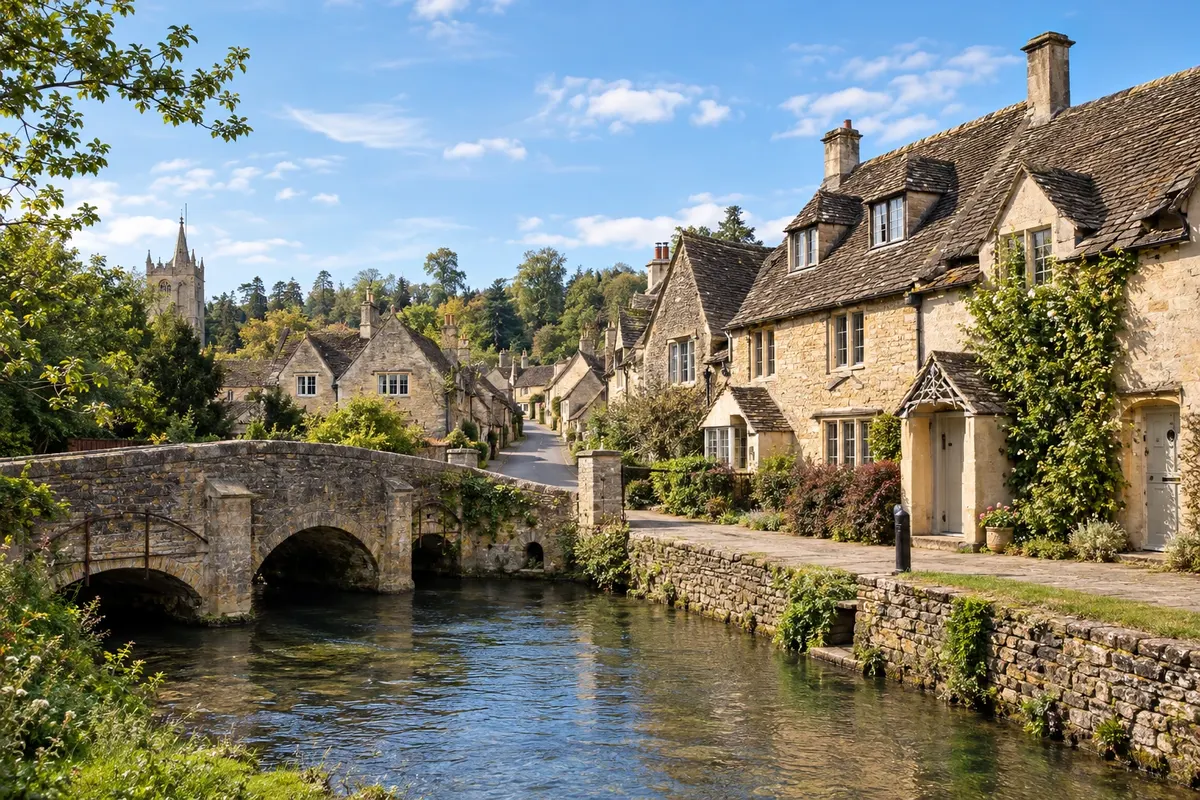
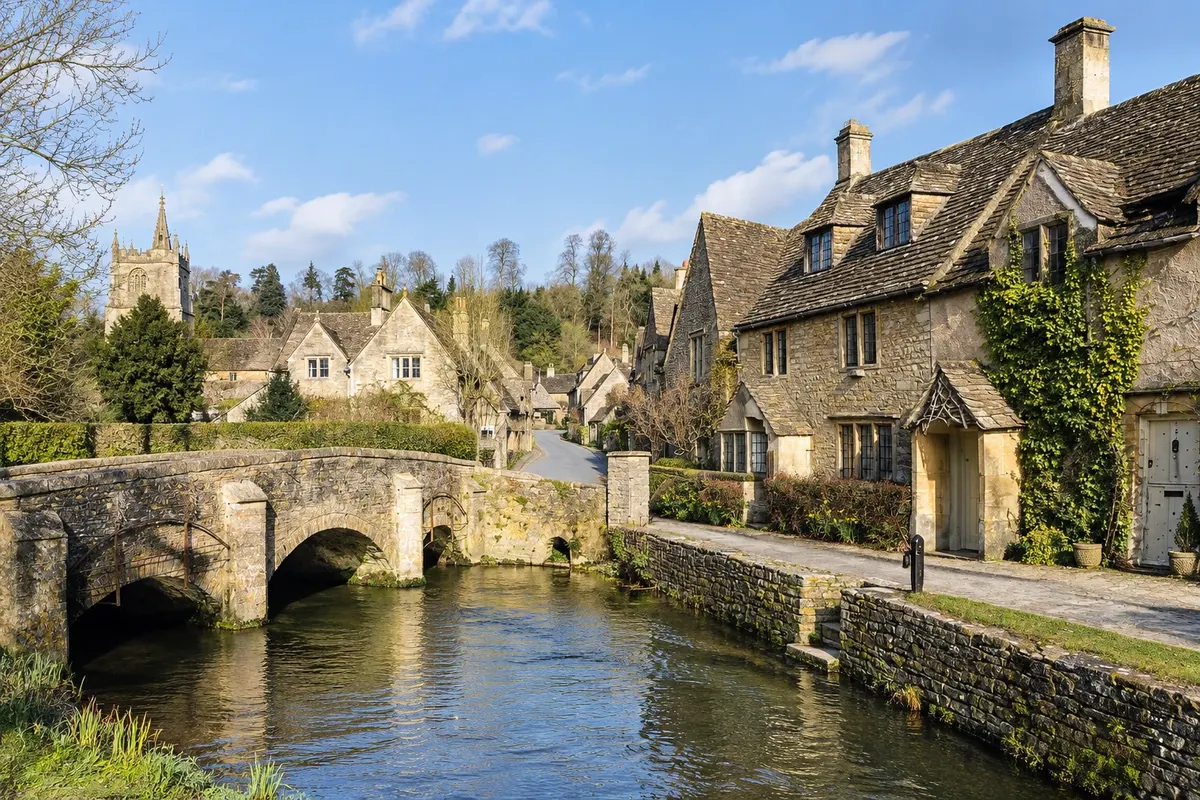
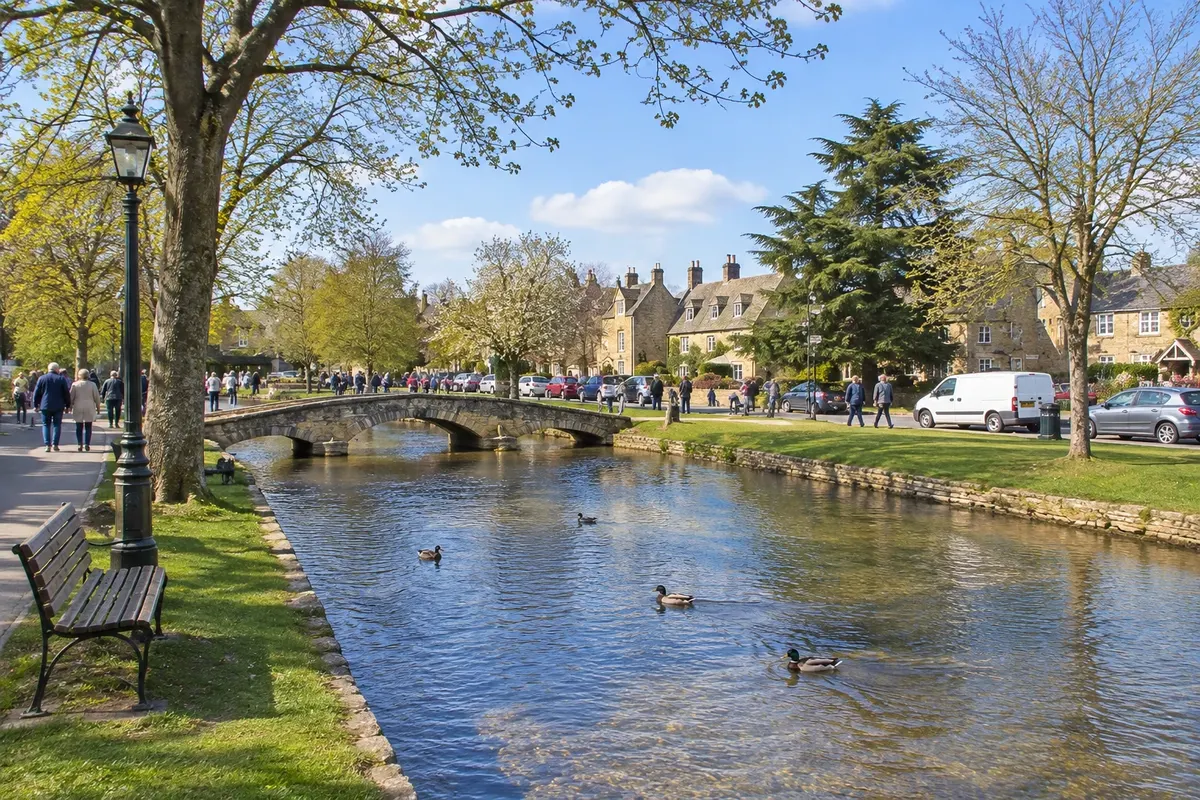
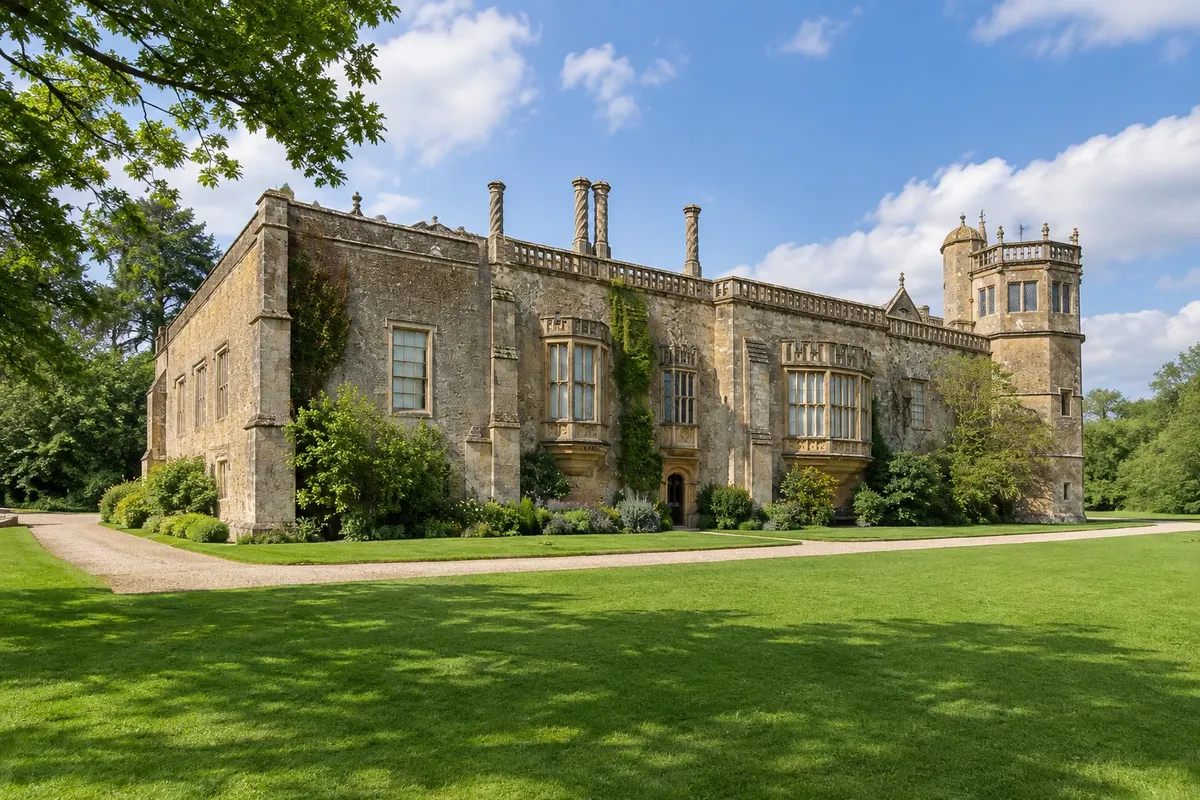
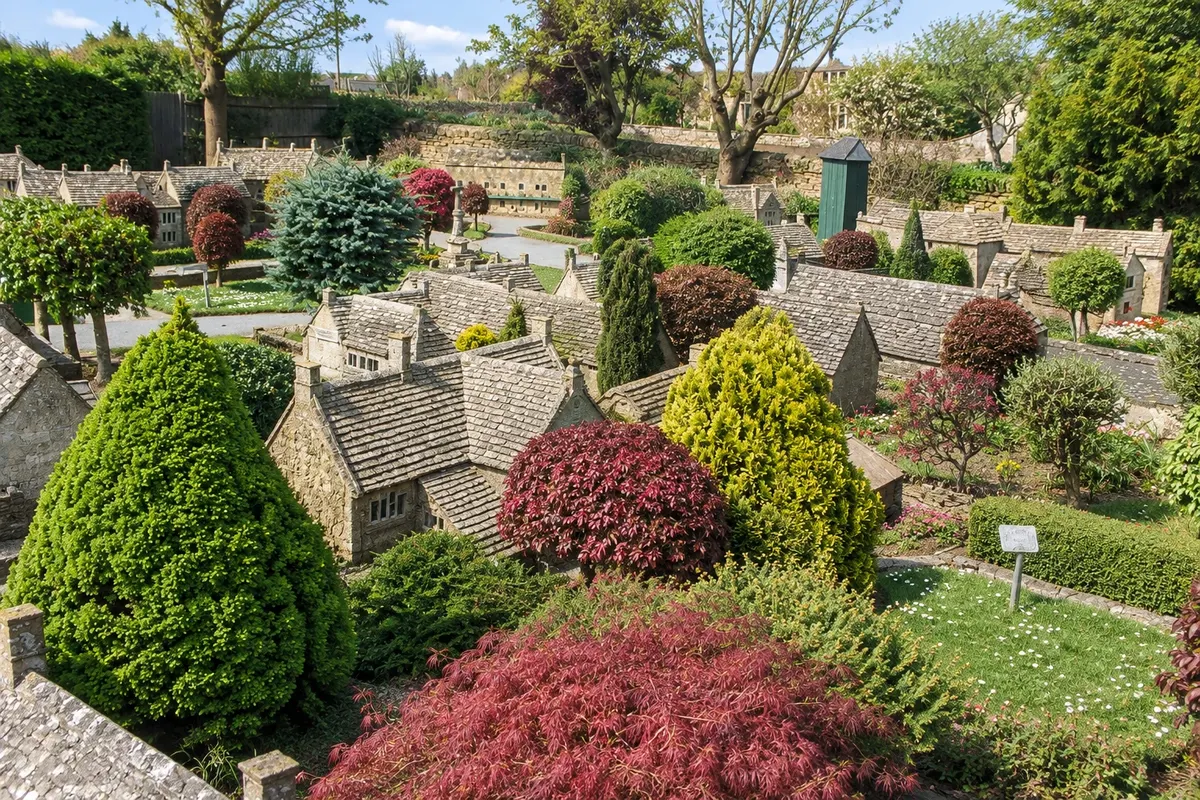
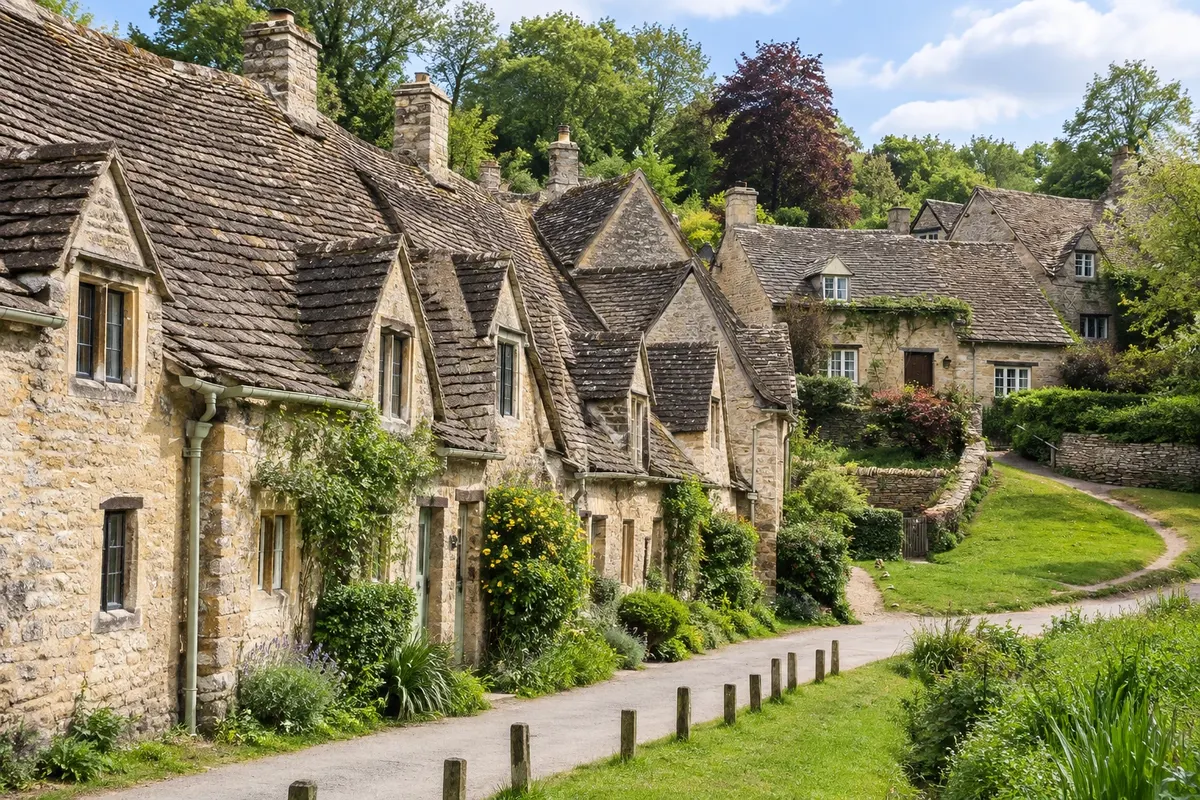
To the west begin the Cotswolds, a region of low hills, dry‑stone walls and sheep pastures, protected as an Area of Outstanding Natural Beauty. The villages were enriched by the medieval wool trade and built with the local, yellowish limestone. Bourton-on-the-Water has the River Windrush running shallow beneath low stone bridges; Bibury has the row of weavers’ cottages of Arlington Row; Castle Combe, further south in Wiltshire, is a one‑street village with a medieval market and a bridge over the stream.
You drive on the left, on narrow roads between stone walls. With two or three nights you can combine the city and the villages at a relaxed pace.
This destination brings together 3 cities: Oxford, Bourton-on-the-Water, Castle Combe.


 Brazil
 Argentina
 Chile
Chile Colombia
 Peru
Peru Uruguay
 Germany
 Belgium
 Spain
Spain France
 Greece
 the Netherlands
 Ireland
 Italy
Italy Luxembourg
 Portugal
 Switzerland