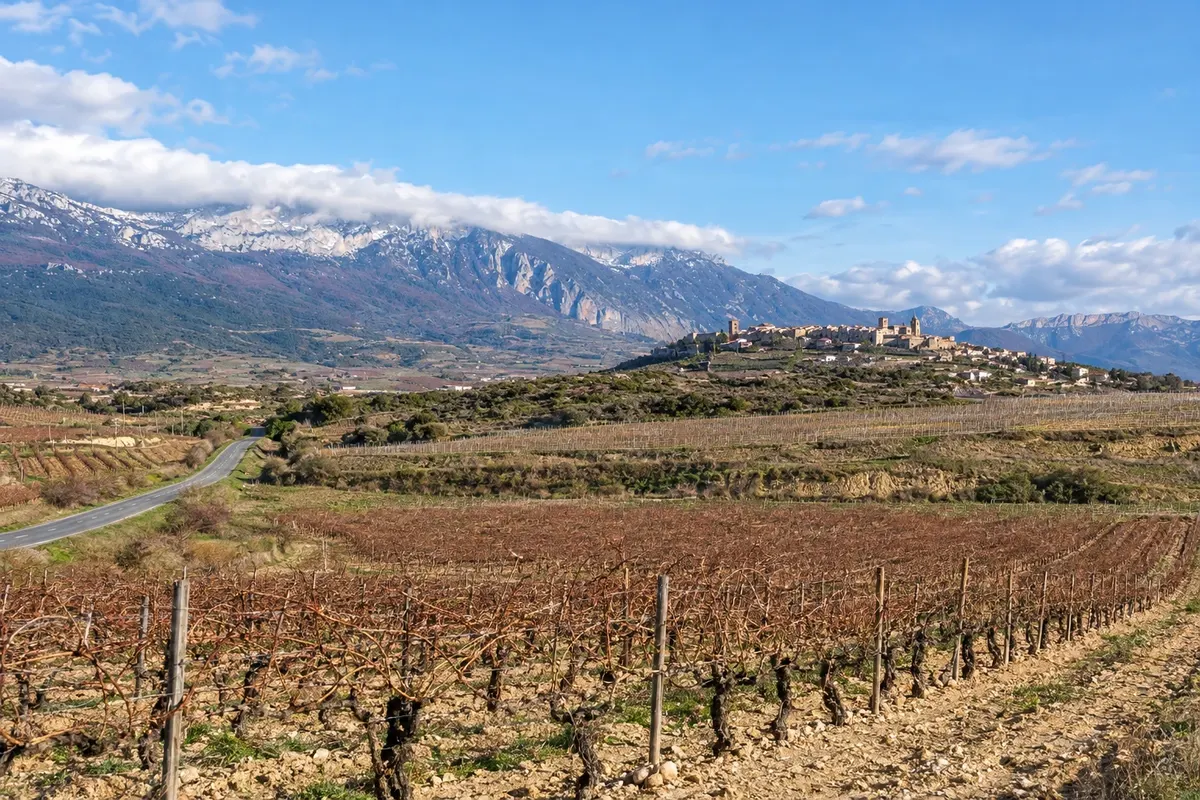
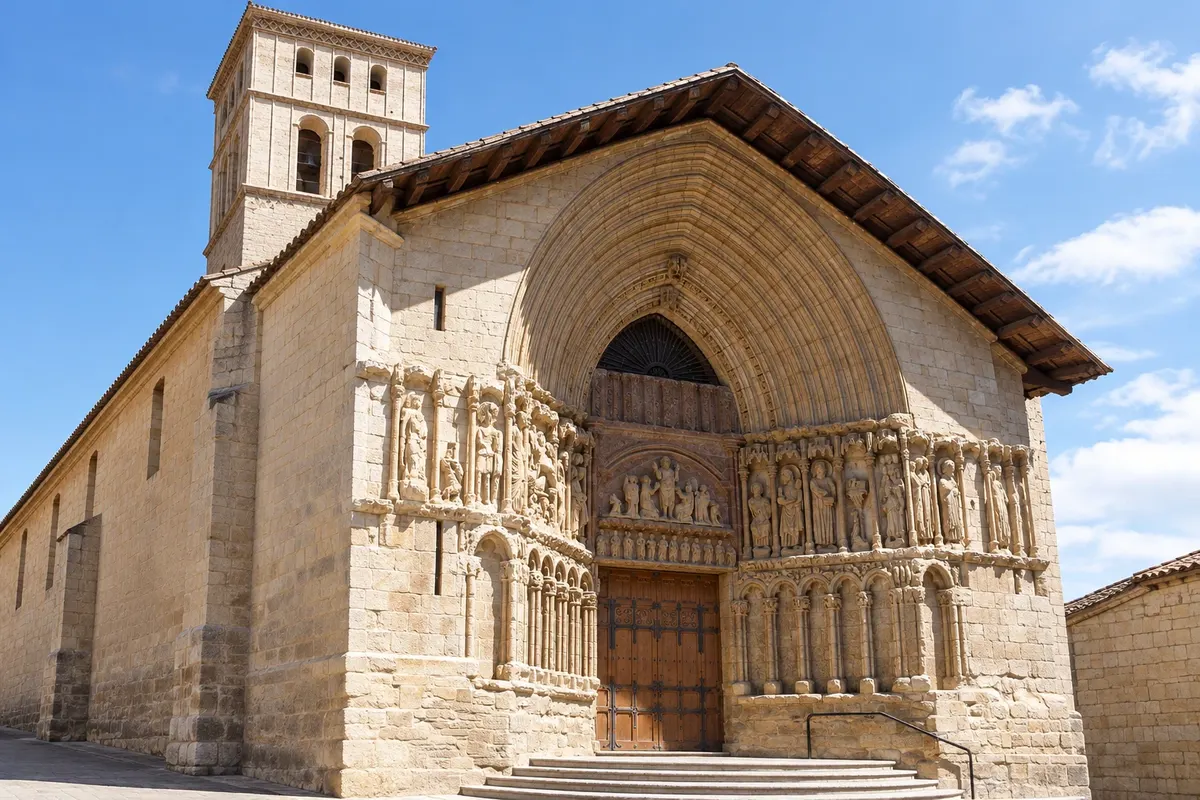
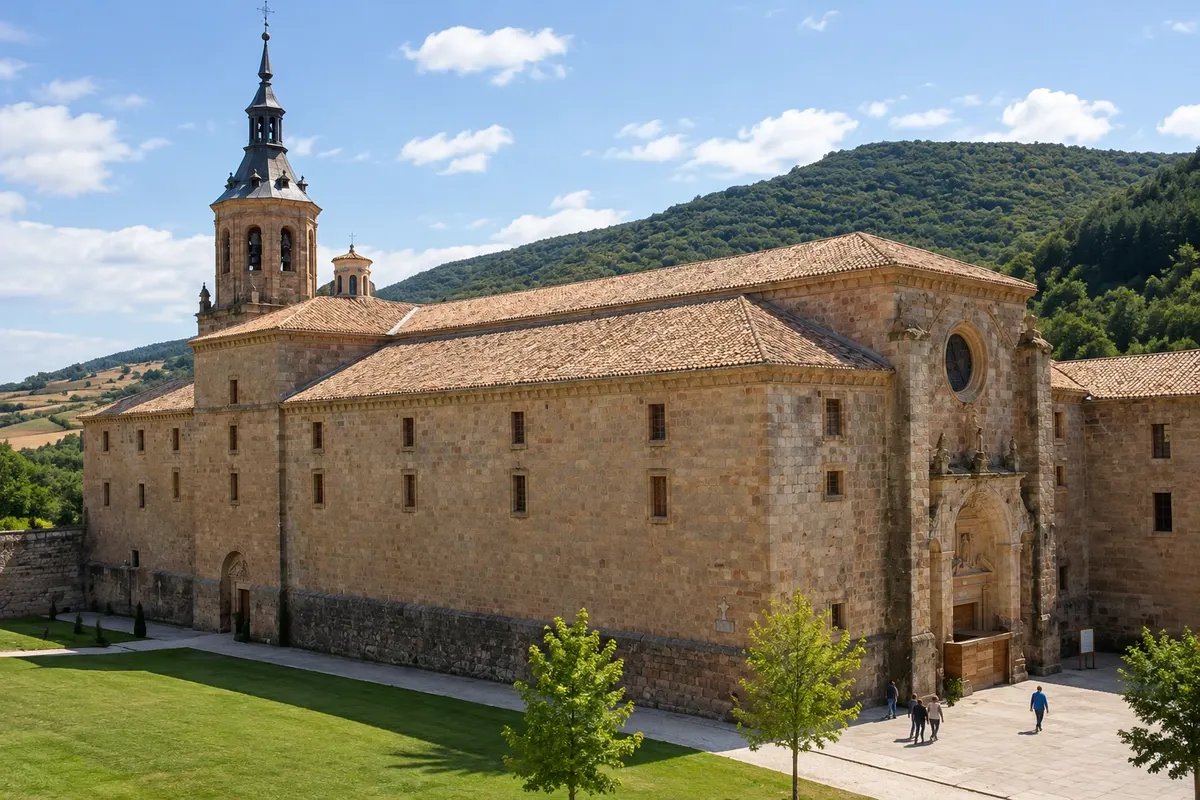
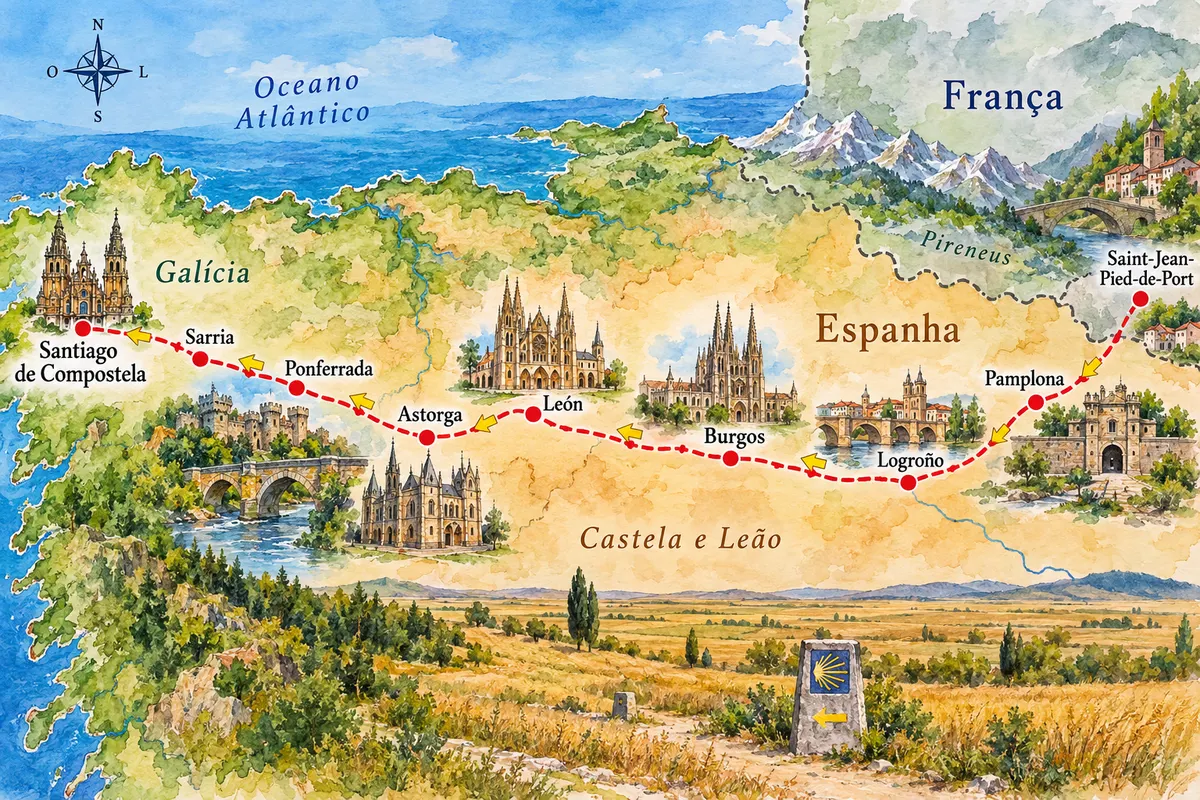
Navarra and La Rioja are two neighboring communities in northern Spain, between the Pyrenees and the Ebro river valley. Navarra stretches from the mountains on the border with France to the southern plains; La Rioja, much smaller, occupies the banks of the Ebro and is one of the country's best-known wine regions. The Caminho Francês de Santiago crosses both, from Roncesvalles to Pamplona and from Pamplona to Logroño, passing through stone towns such as Puente la Reina and Estella.
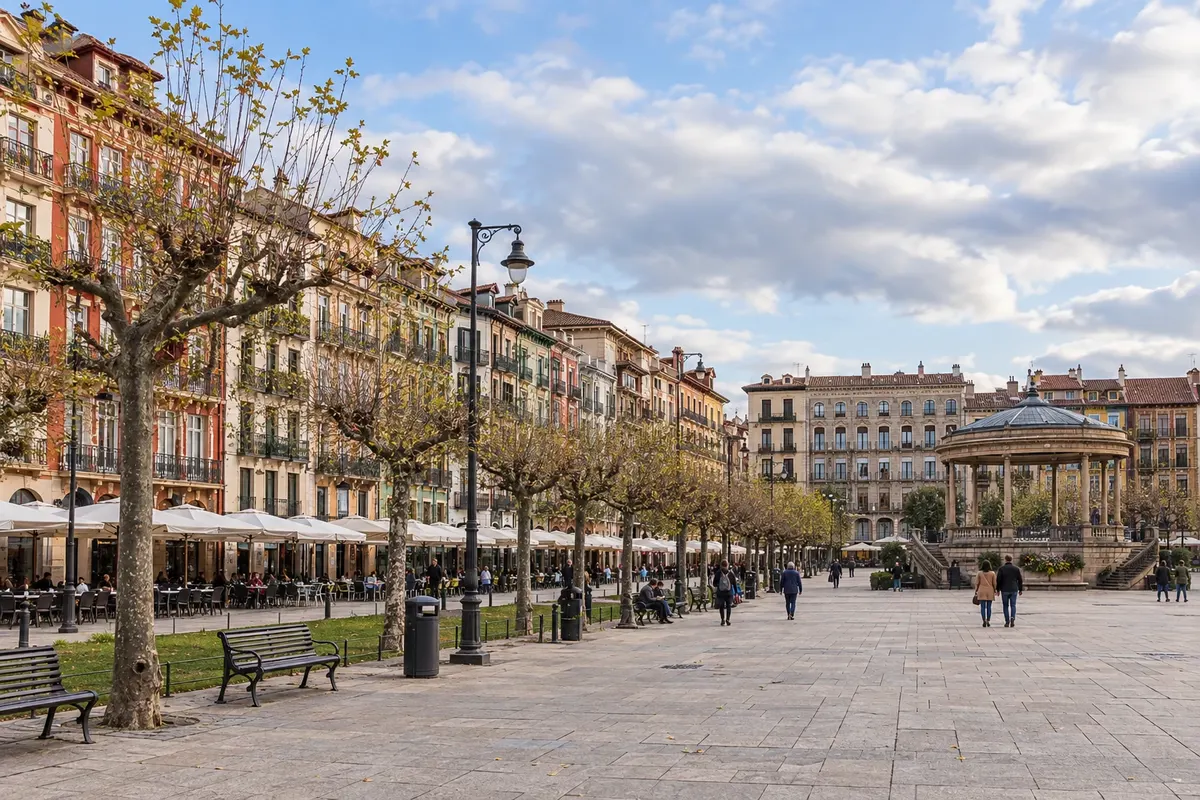
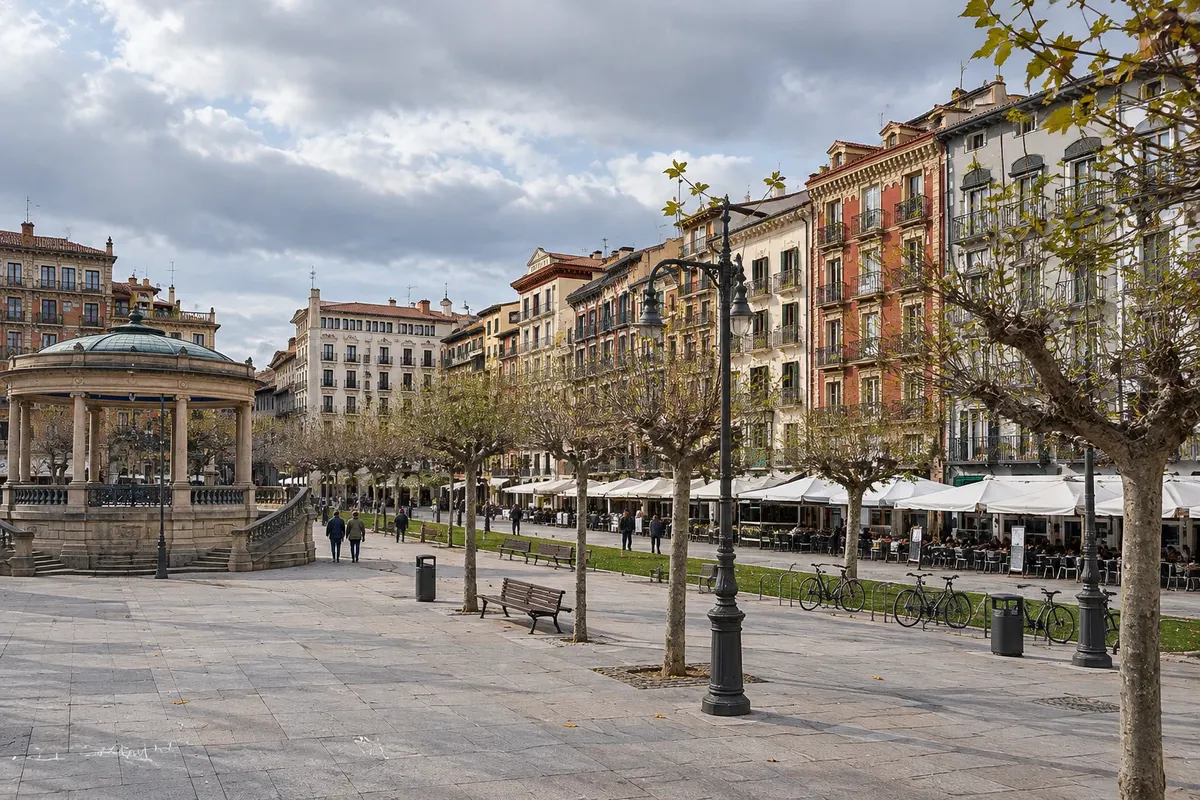
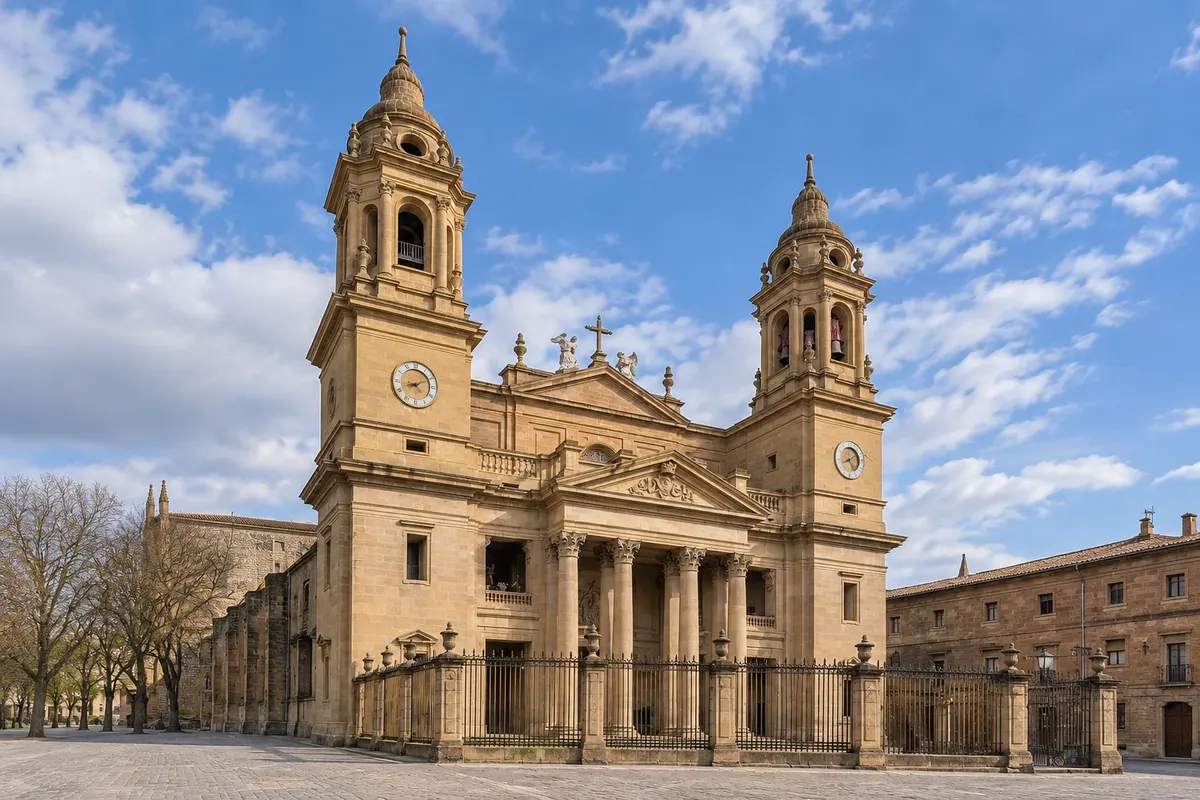
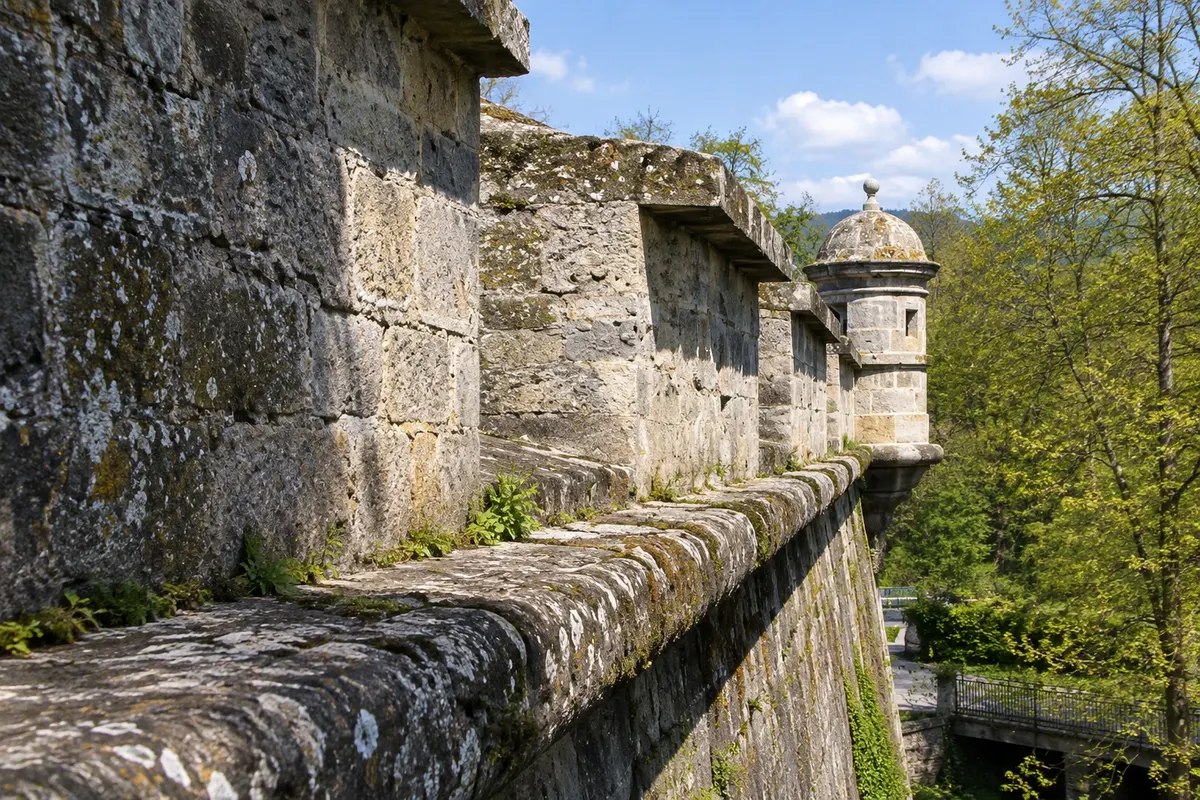
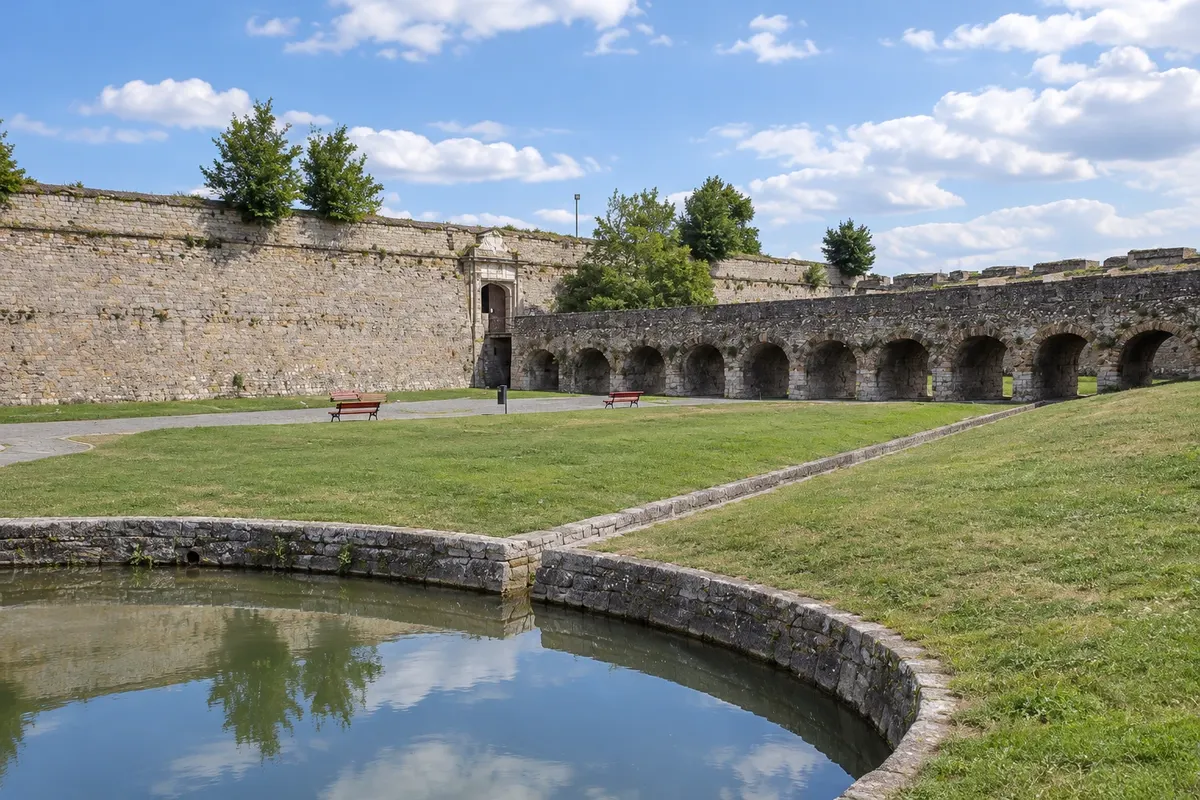
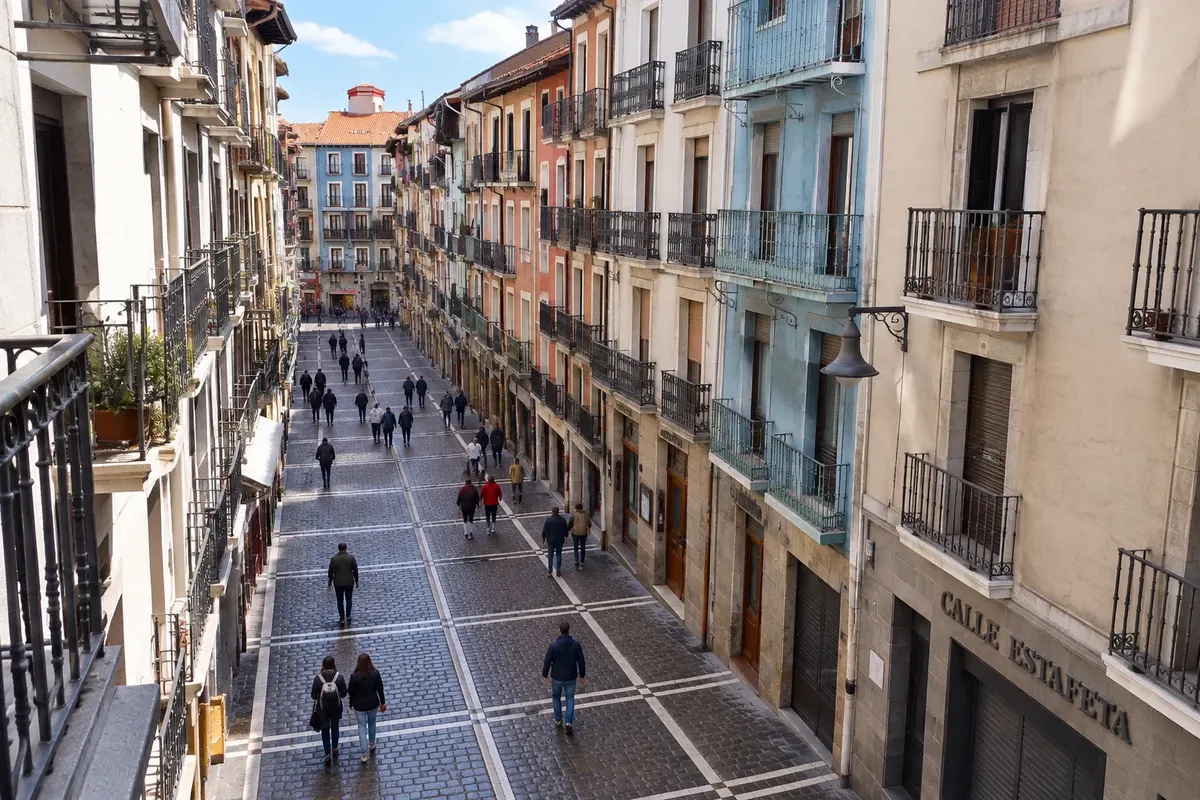
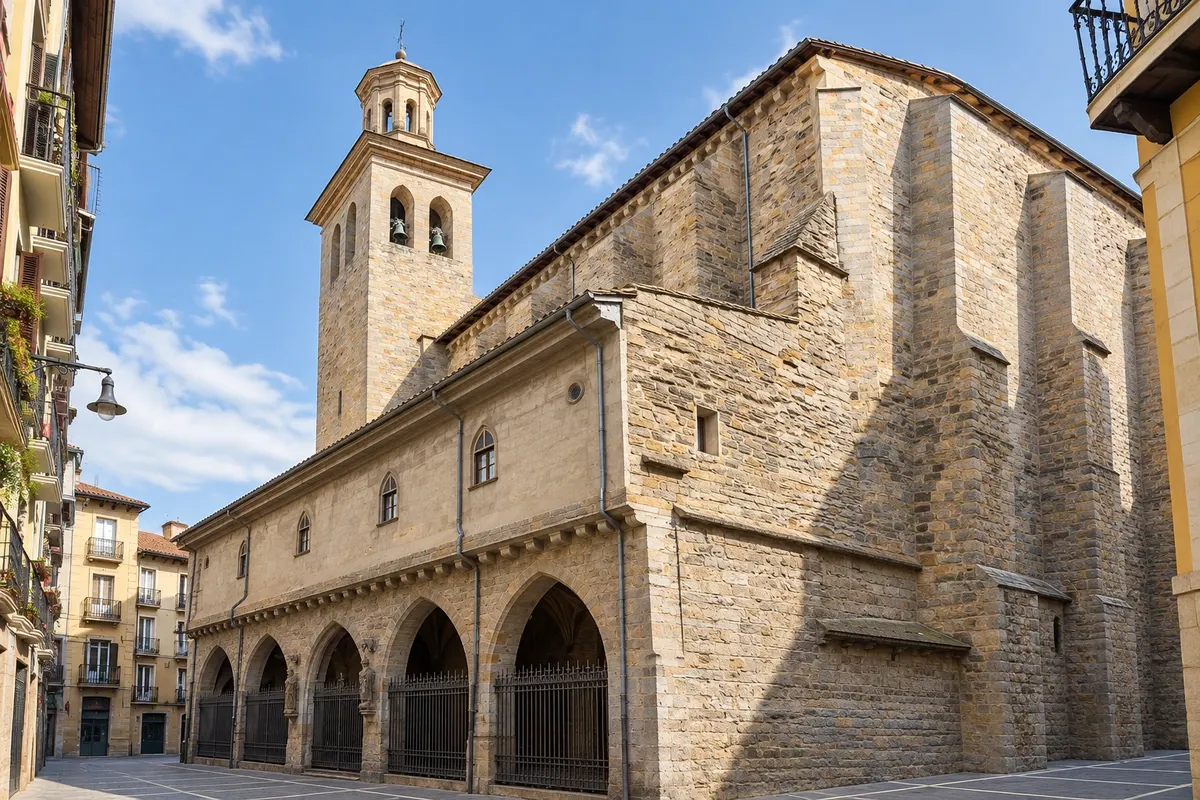
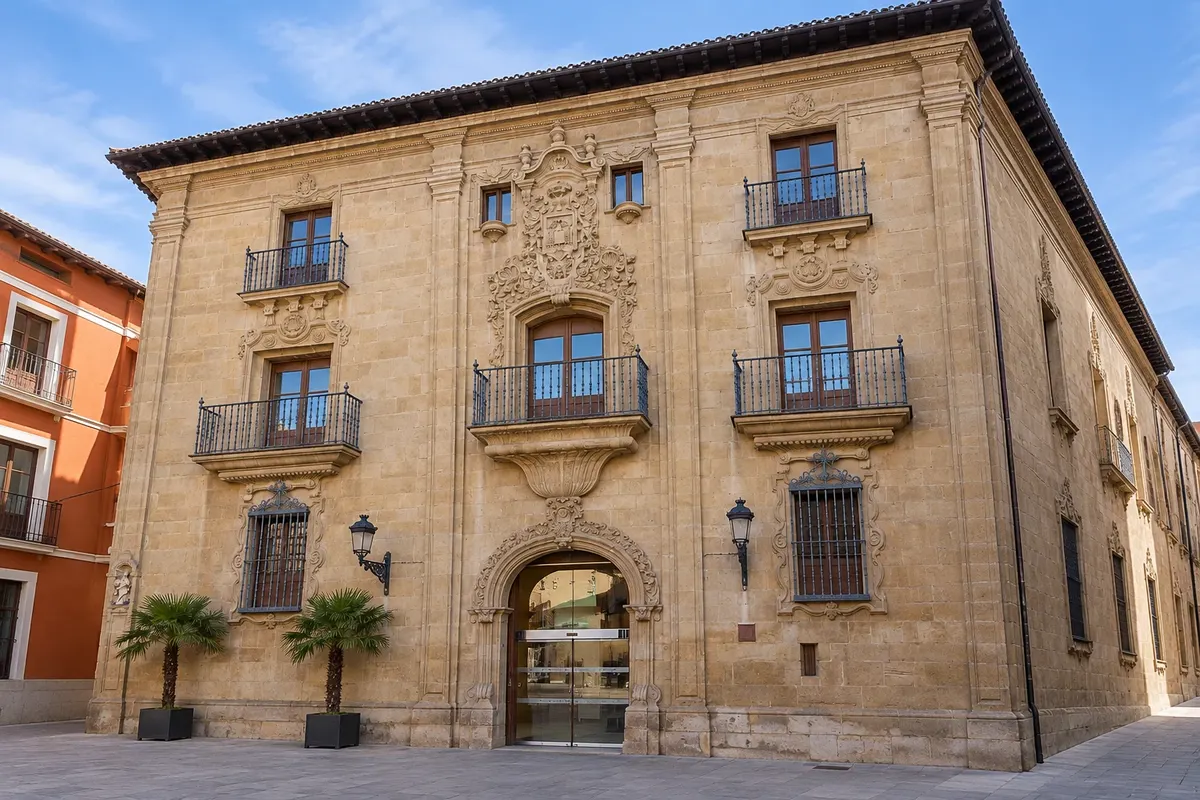
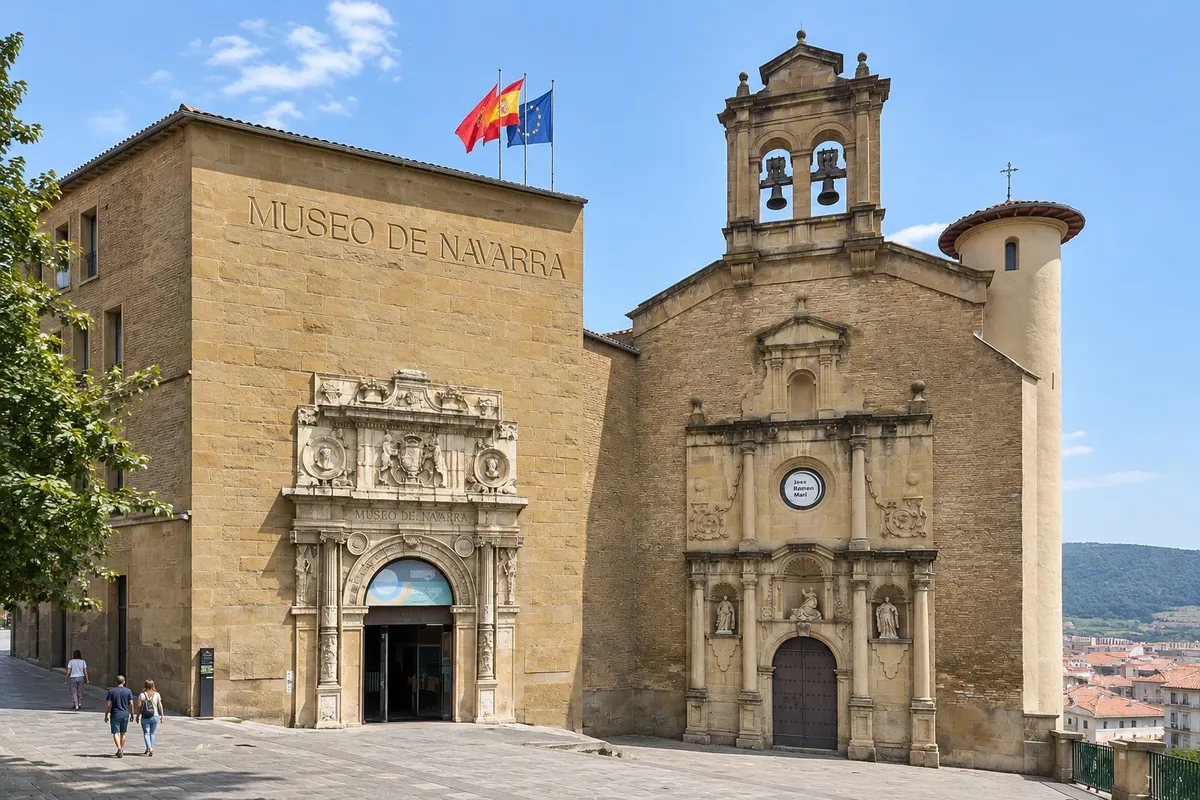
Pamplona, the capital of Navarra, is a walled city with a star-shaped citadel, a 14th-century Gothic cathedral with a cloister, and the Plaza del Castillo, the center of city life. It is internationally famous for the San Fermín festivities, from July 6 to 14, with the encierro, the running of the bulls through the city center's streets on the mornings of the festival, which the writer Ernest Hemingway described in a novel. For the rest of the year, the city lives off the pinchos bars in the old town.
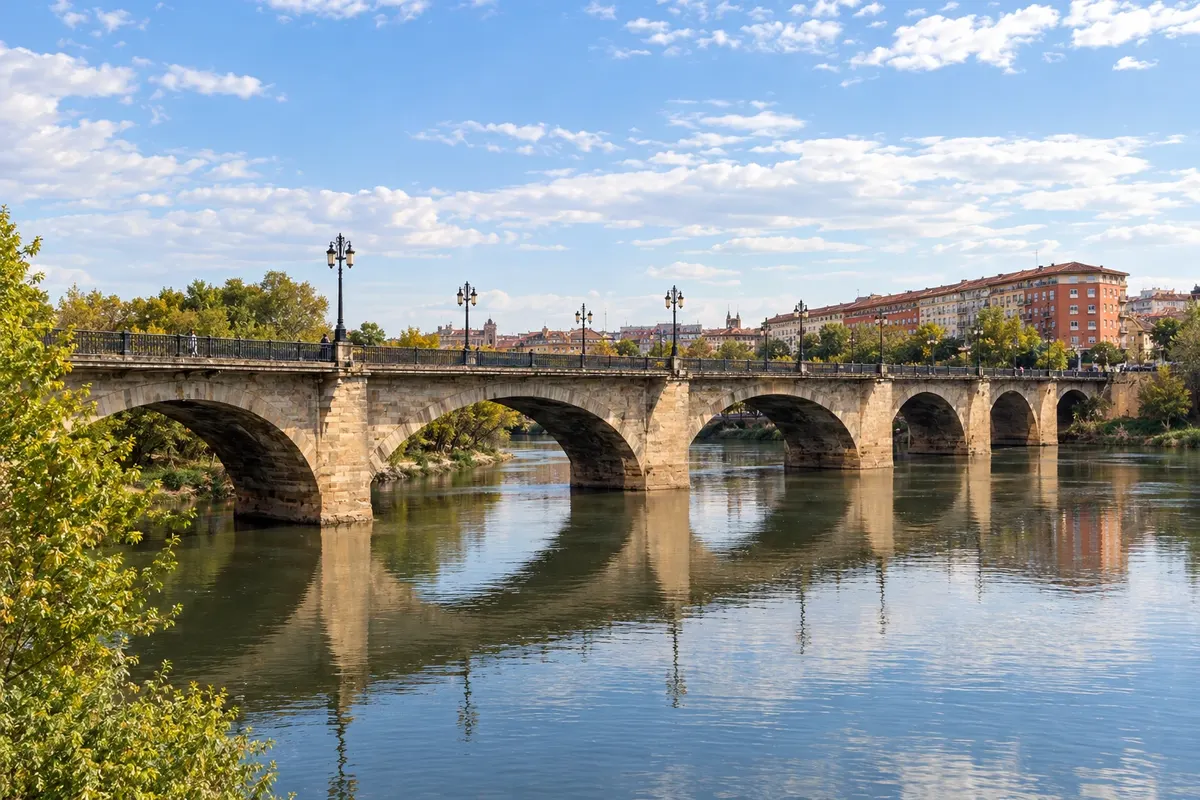
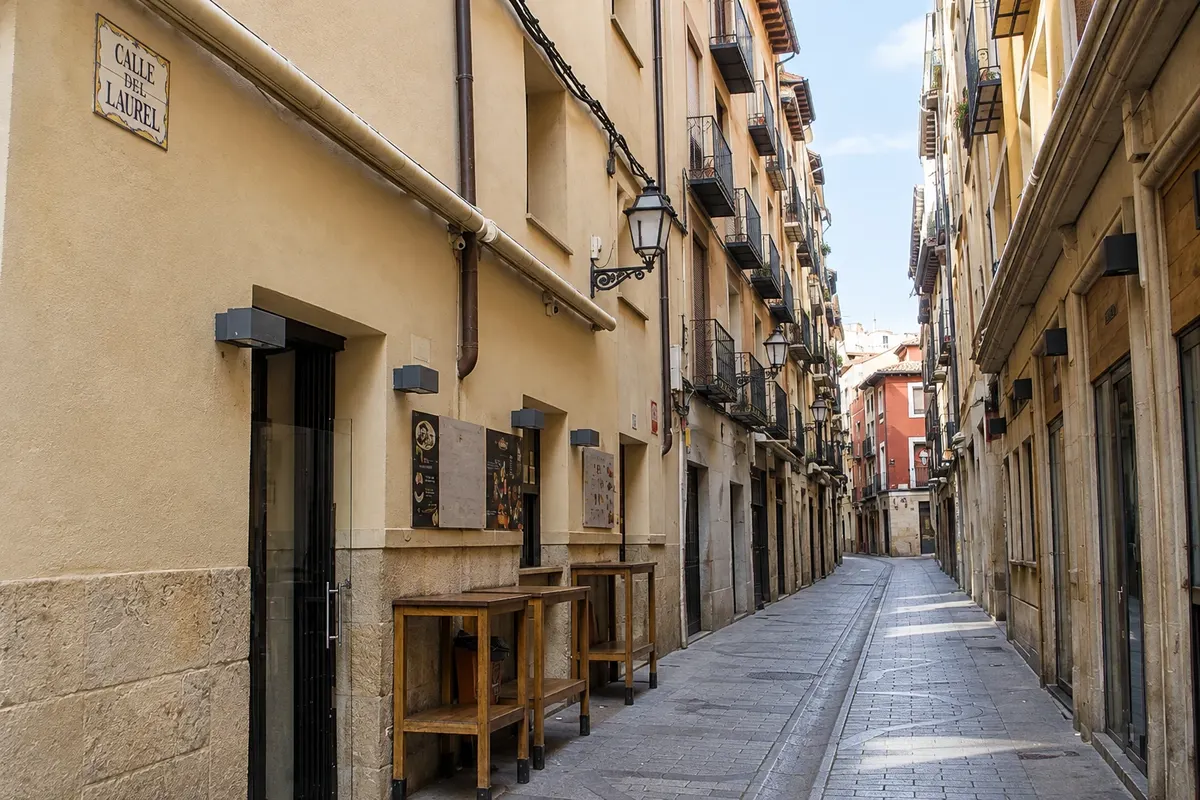
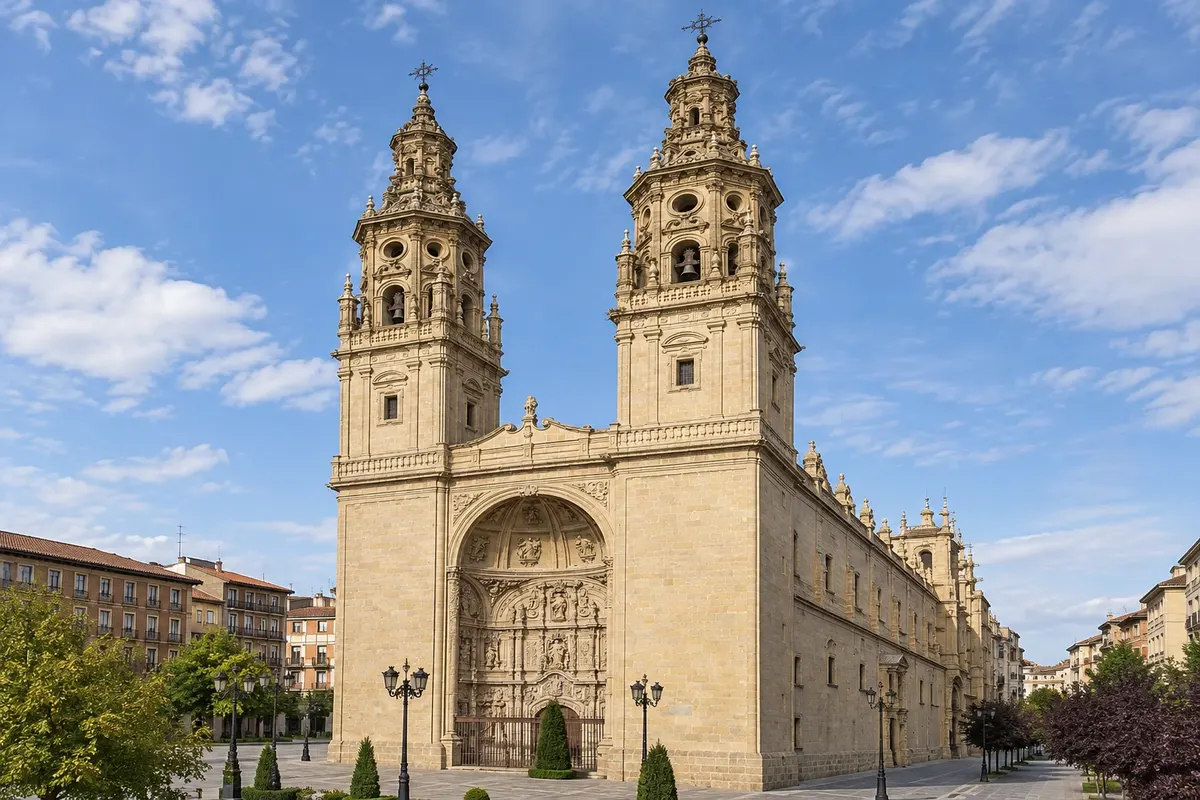
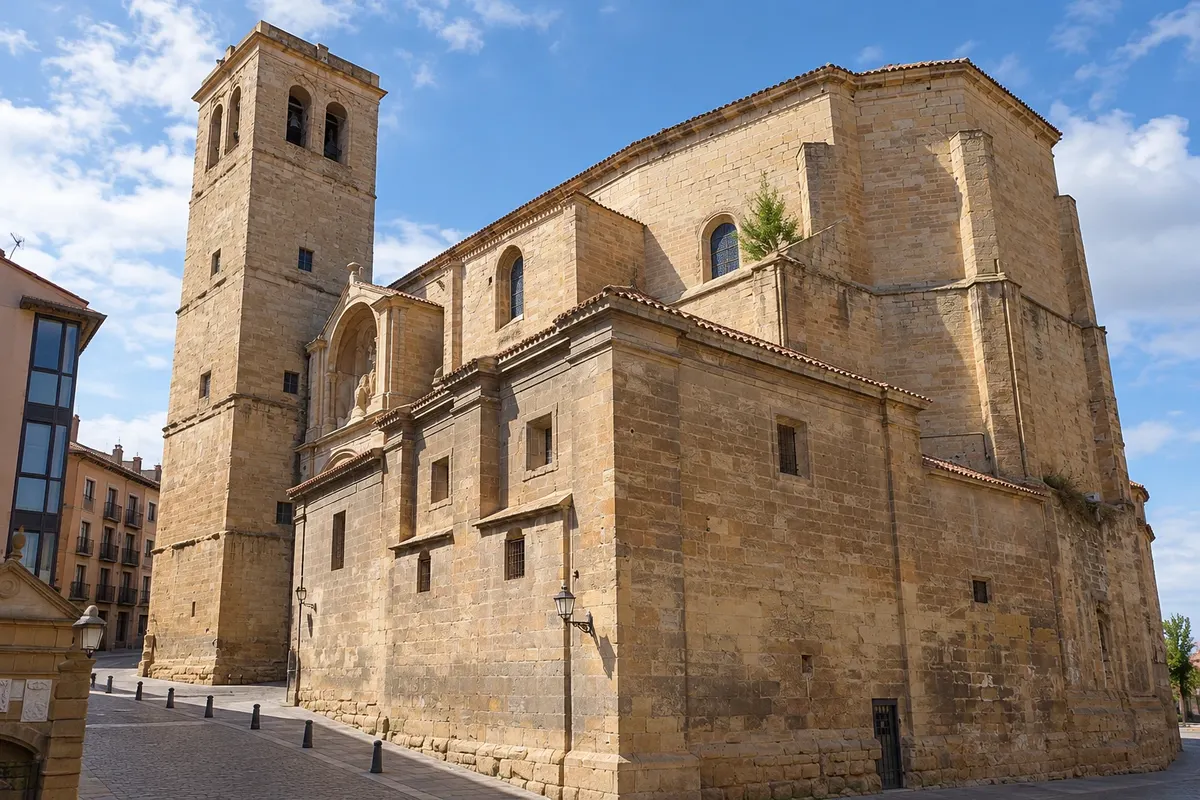
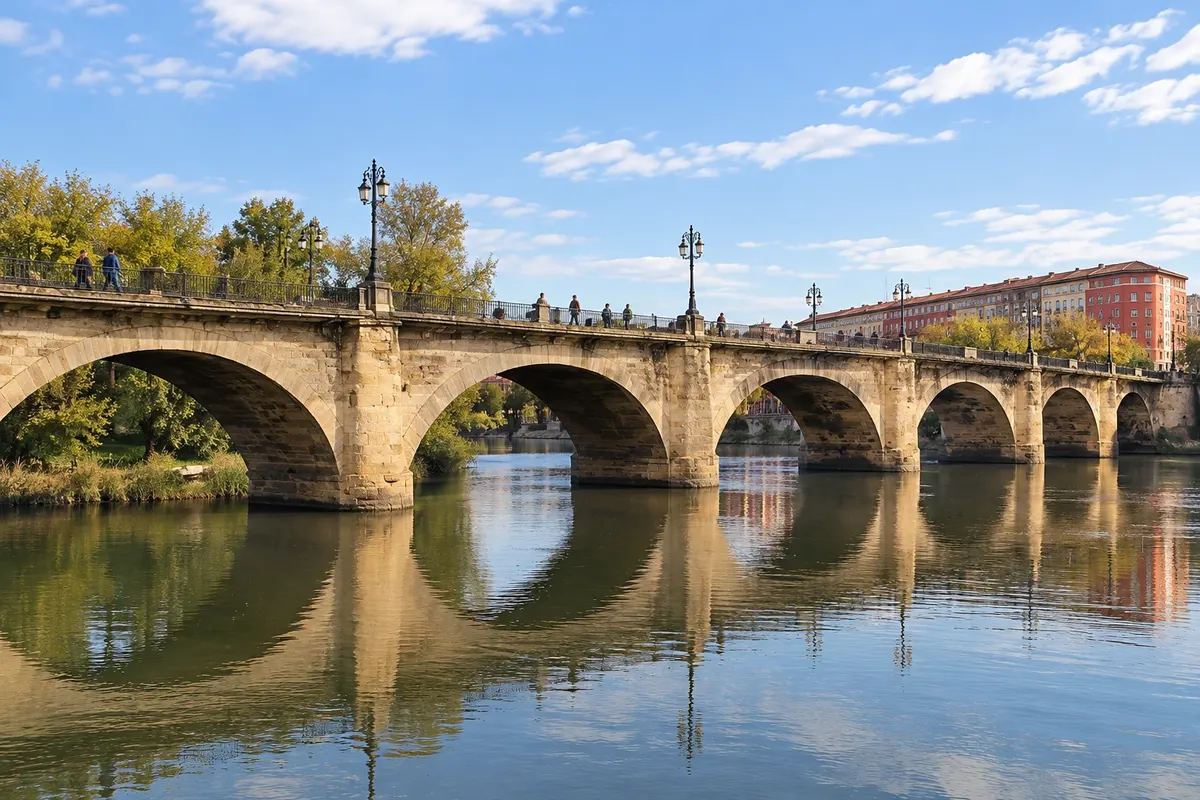
Logroño, the capital of La Rioja, sits on the banks of the Ebro. The Camino enters over the stone bridge and follows the Rúa Vieja, and at night Calle del Laurel and the surrounding streets bring together dozens of pinchos bars. Around the city and in the towns of the Rioja Alta, like Haro and Laguardia, are the wineries, many offering tours and tastings, and wine, made from tempranillo grapes, is part of the local culture and festivities.
Spanish is spoken in both communities; in northern Navarra euskera, the Basque language, is also spoken and appears on signs, such as Iruña for Pamplona. The two cities are about 90 km apart, a little over an hour by bus.
This destination brings together 2 cities: Pamplona, Logroño.


 Brazil
 Argentina
 Chile
Chile Colombia
 Peru
Peru Uruguay
 Germany
 Belgium
 France
 Greece
 the Netherlands
 Ireland
 Italy
Italy Luxembourg
 Portugal
 the United Kingdom
 Switzerland