Brazil
 Argentina
 Chile
Chile Colombia
 Peru
Peru Uruguay
 Germany
 Belgium
 France
 Greece
 the Netherlands
 Ireland
 Italy
Italy Luxembourg
 Portugal
 the United Kingdom
 Switzerland
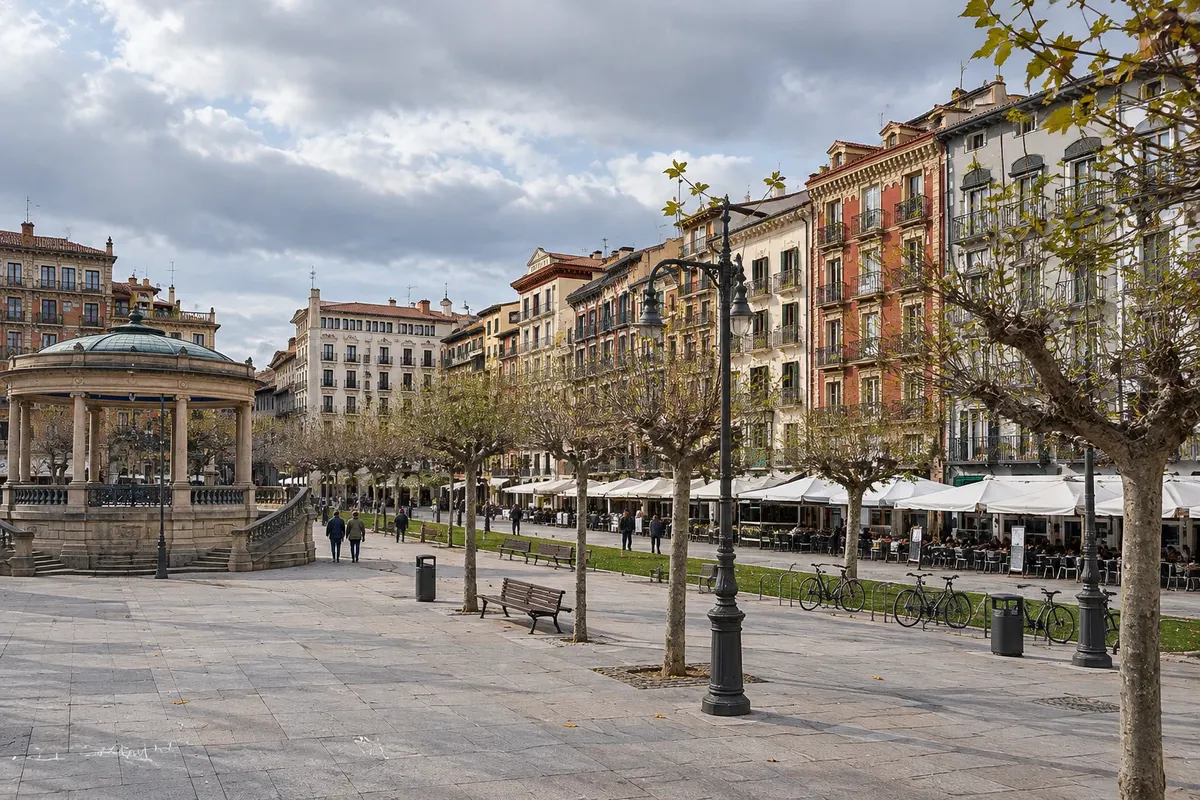
Square
Plaza del Castillo
The main square of Pamplona, with a bandstand, arcades and historic cafés such as Café Iruña, associated with Hemingway and the San Fermín festivities.
Navarra · Spain Capital
In the destination Navarra and La Rioja.
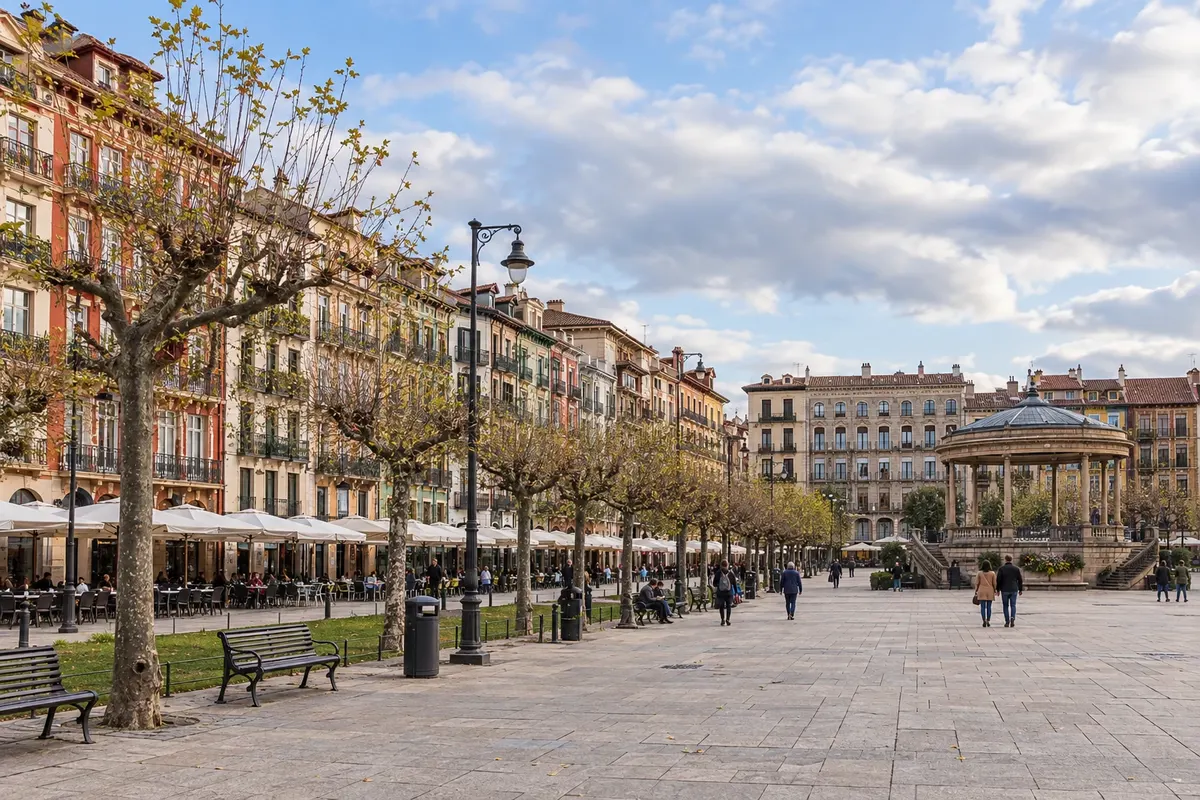
In the photo: Plaza del Castillo, in central Pamplona
Illustrative images. The pictures in this guide are illustrations based on the real place, not photographs, and may differ from it.
The city
Pamplona, Iruña in Basque, is the capital of Navarra and the first large town on the Caminho Francês, where pilgrims enter through the Portal de Francia. The old town clusters around the Plaza del Castillo, with the Café Iruña frequented by Hemingway, the Gothic cathedral with its 14th-century cloister, the church of San Saturnino and the Museu de Navarra. Around them are the walls and the star-shaped citadel. During the San Fermín festivities, from July 6 to 14, bulls run through the central streets in the encierro. Year-round the city is known for its pinchos bars. Spanish and Basque are spoken.
There's no accommodation in the guide yet in Pamplona.
There are no restaurants in the guide yet in Pamplona.
Know a good one? Recommend it to ushow to get there · how many days · itinerary · questions
The local experience
The main square of Pamplona, with a bandstand, arcades and historic cafés such as Café Iruña, associated with Hemingway and the San Fermín festivities.
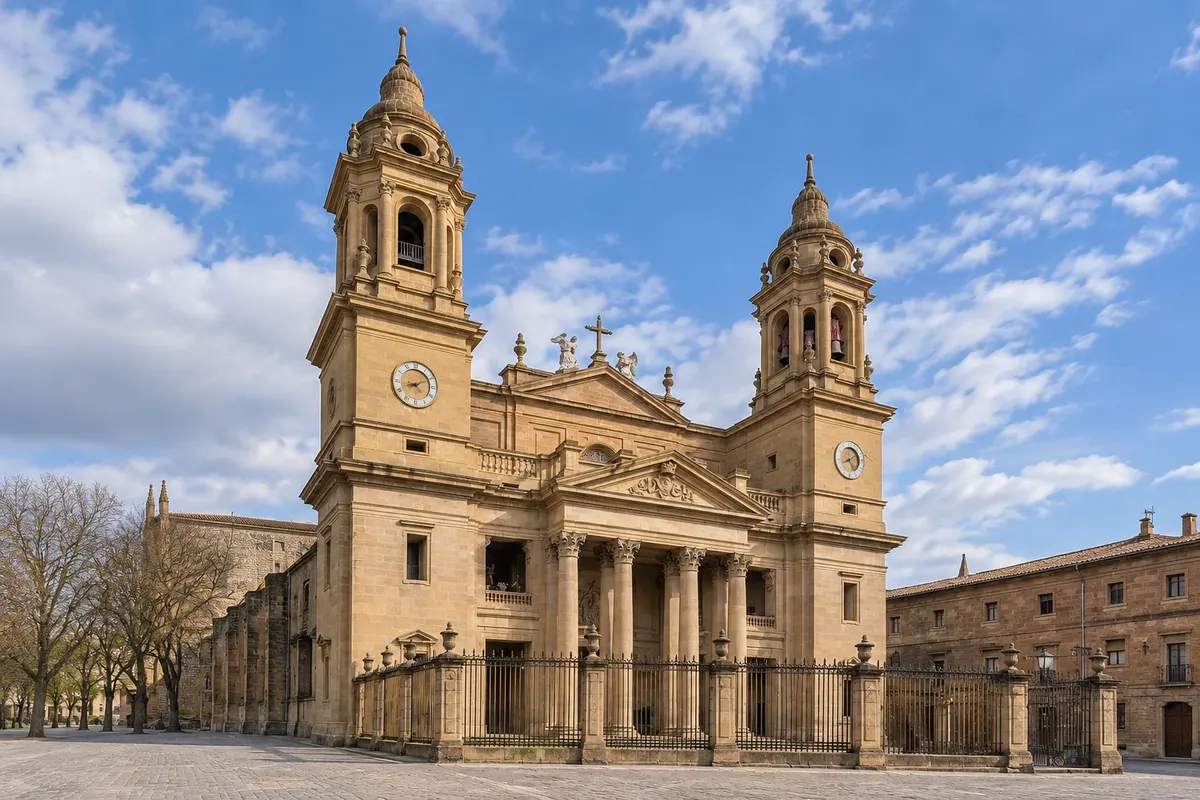
Gothic cathedral of Pamplona, with a neoclassical façade, the 14th-century cloister, the Gothic kitchen and the tomb of Charles III of Navarre, in one of the most complete cathedral complexes in Spain.
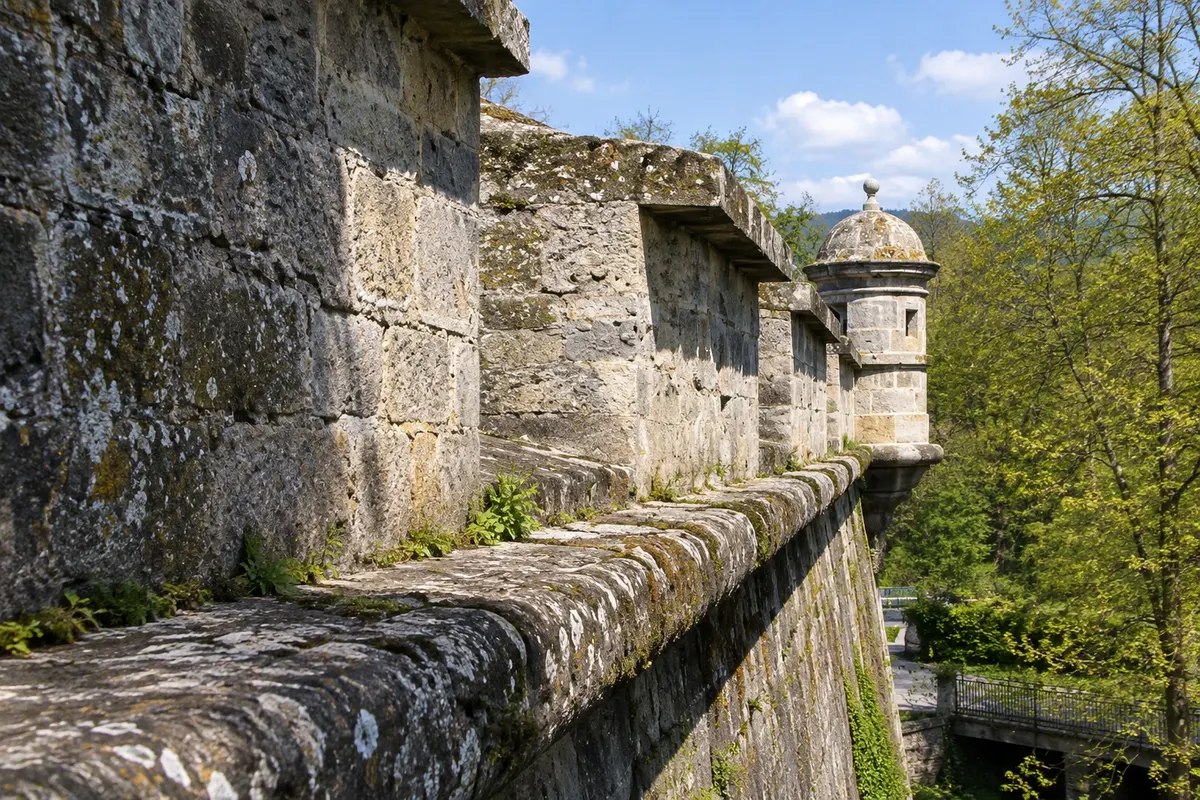
The walls that encircle the north and east of the old town, with the Portal de Francia—where pilgrims enter—and the Caballo Blanco viewpoint.
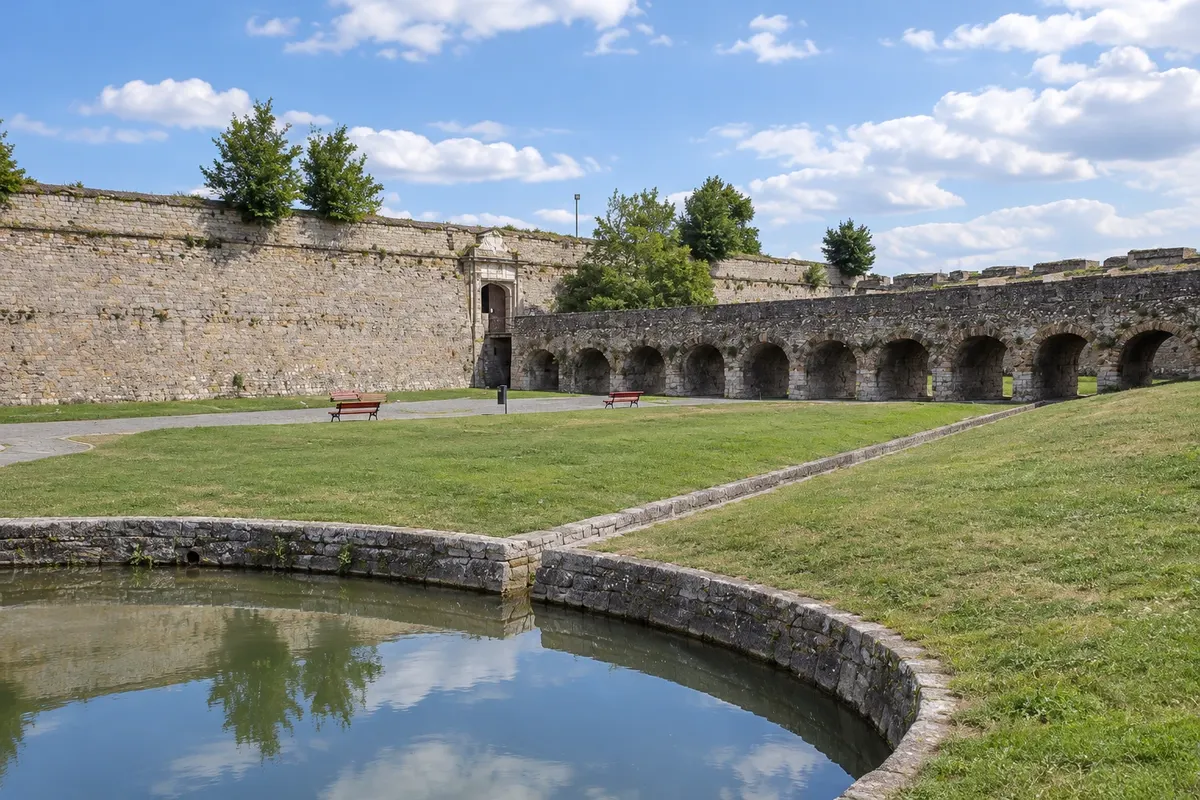
Renaissance citadel in the shape of a five-pointed star, commissioned by Philip II in 1571; today it is a park and cultural center, surrounded by the Vuelta del Castillo park.
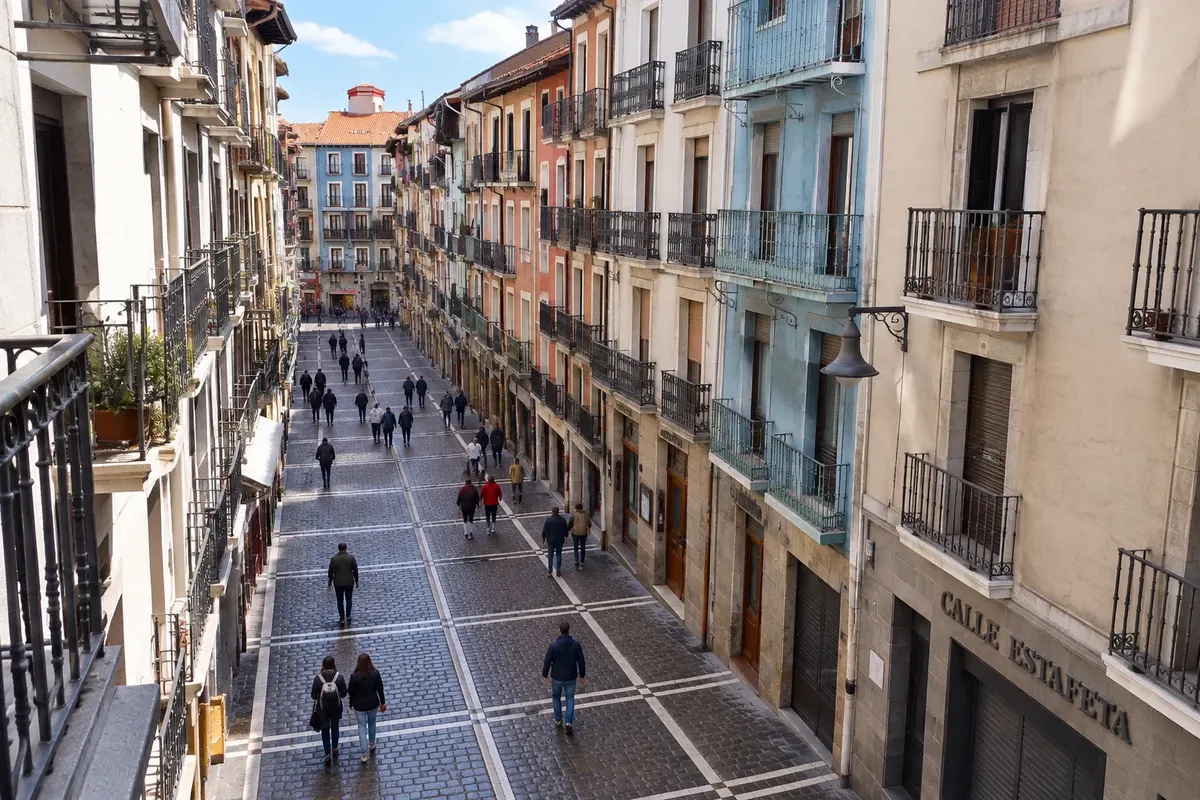
The roughly 850-metre route through the streets of the old town where the bulls run on the mornings of the San Fermín festival, from the Cuesta de Santo Domingo to the bullring.
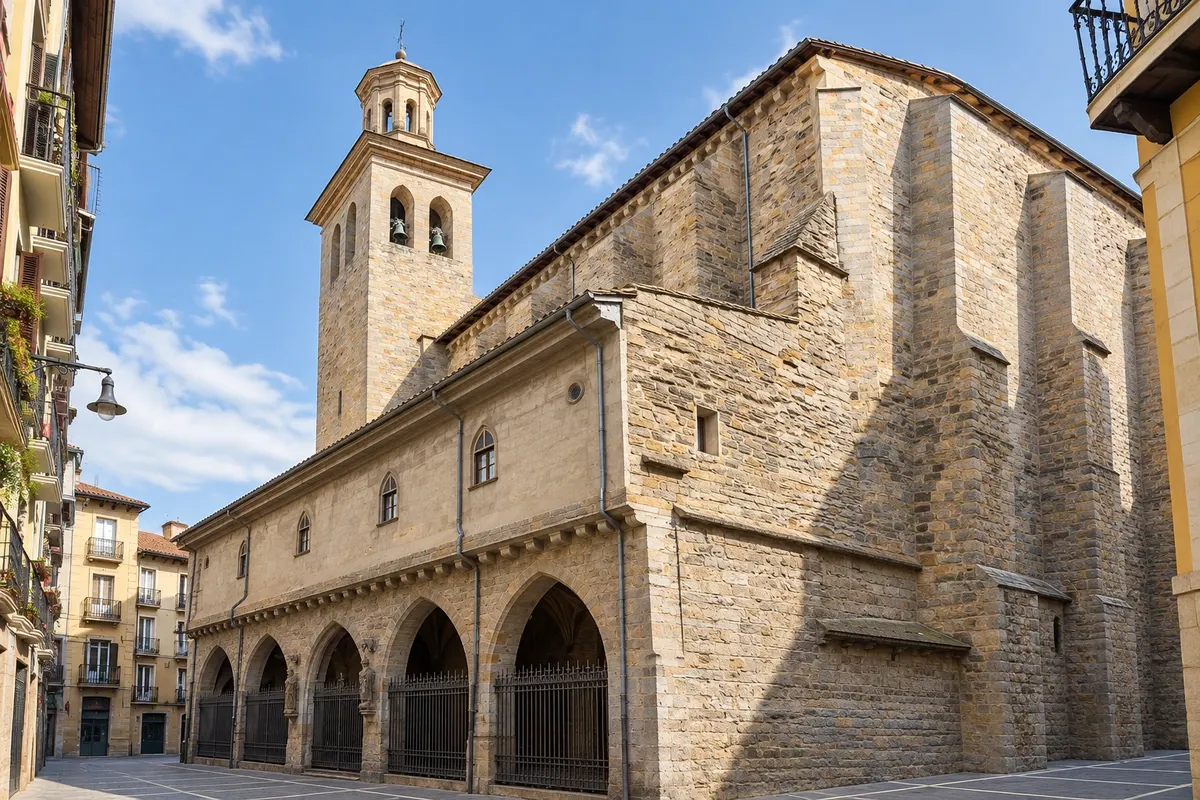
13th‑century Gothic church with fortress‑like towers, in the old borough of San Cernin, linked to the tradition of the arrival of Christianity in Pamplona.
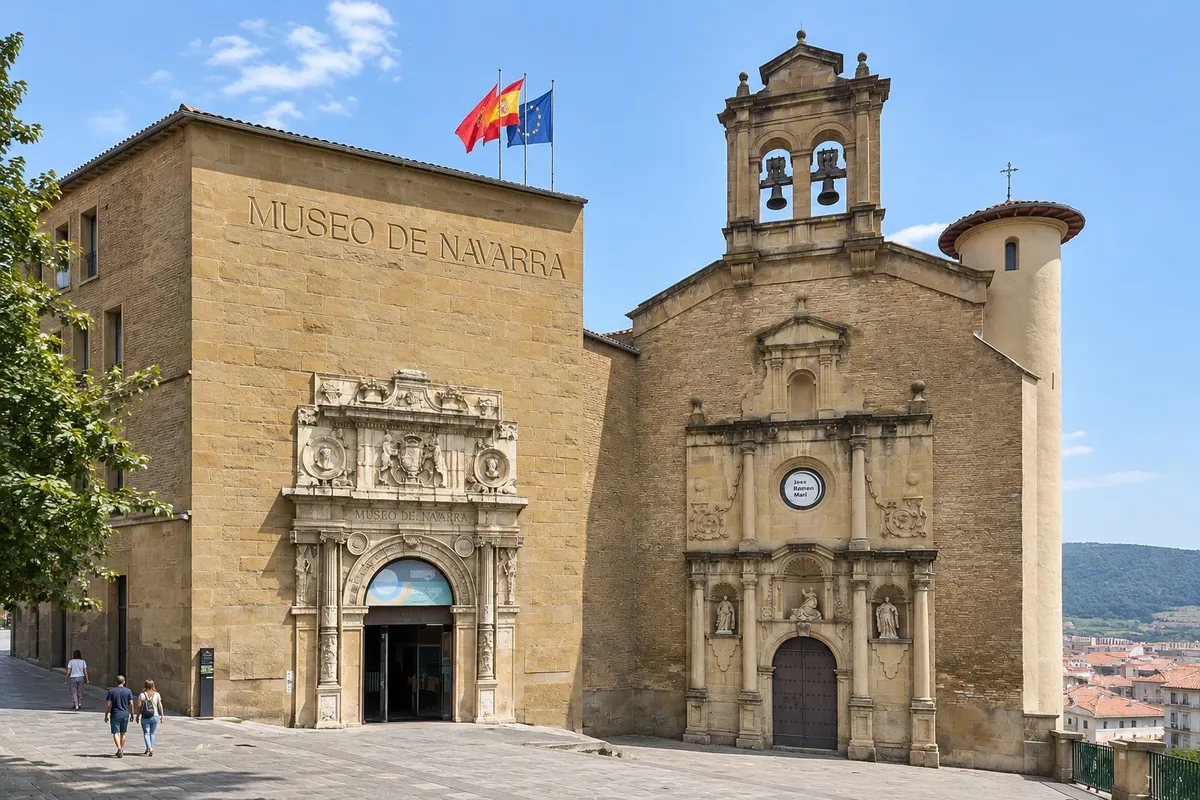
The Museu de Navarra is an art and archaeology museum housed in the former 16th‑century hospital, with Roman mosaics, the Leyre ivory chest, Gothic paintings and a portrait by Goya.
Rotas entre países
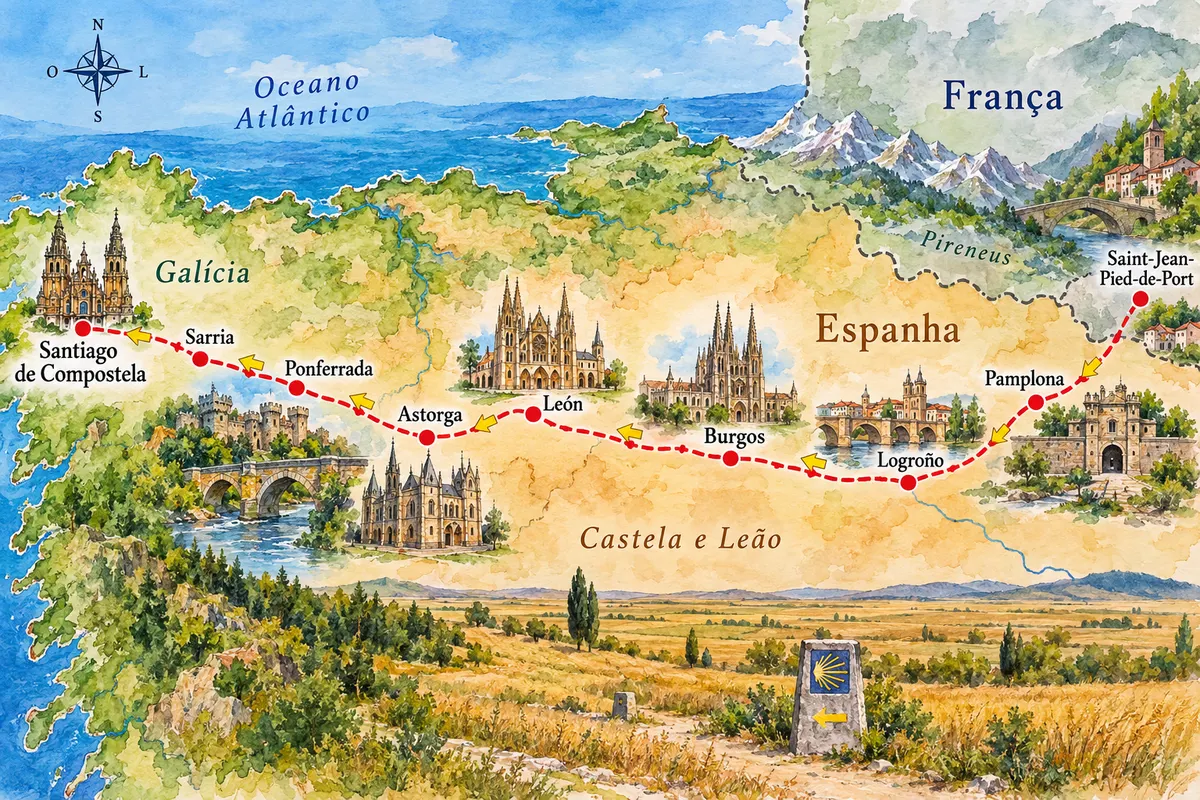
The most walked pilgrimage route to Santiago de Compostela: from the French Pyrenees to Galicia, on foot, via Pamplona, Burgos and León, following the yellow arrows.