Porto

Porto · Portugal

Porto

The second city of Portugal, with colorful houses descending to the Douro, the Ribeira, the Ponte Luís I, the tiles of São Bento and the port wine cellars in Gaia.

North

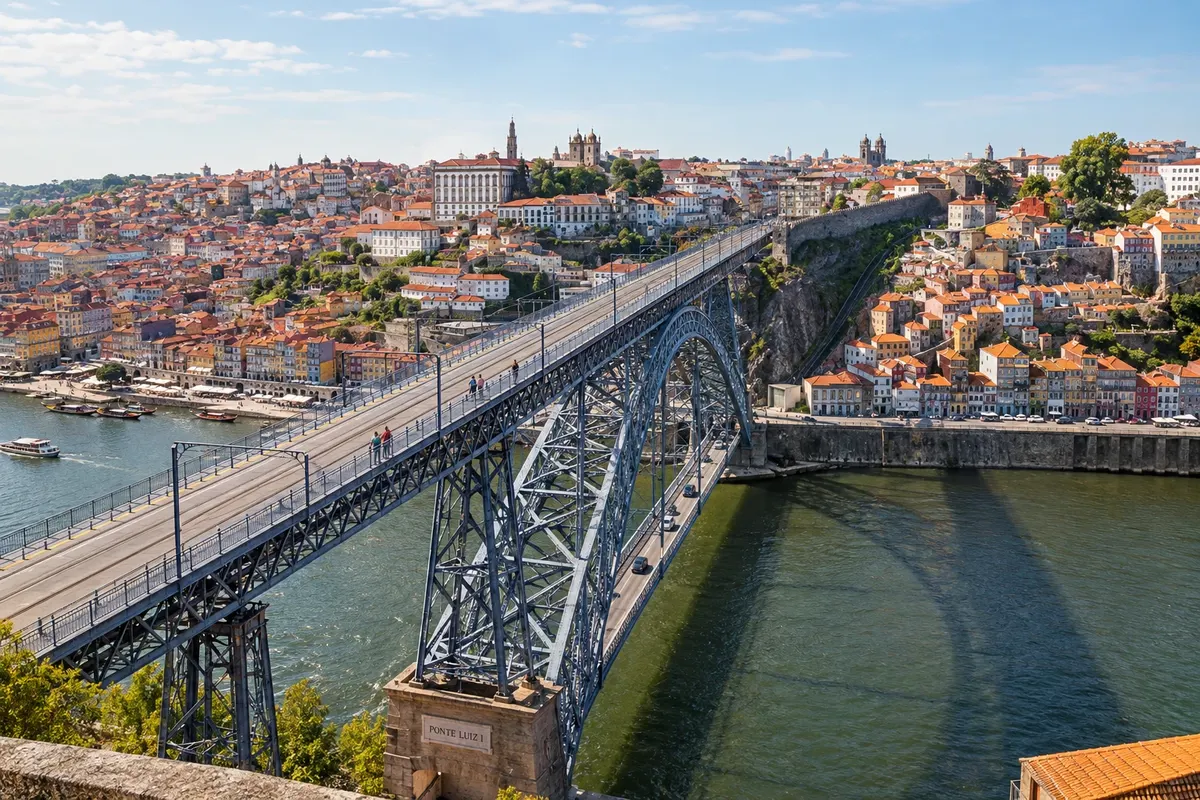
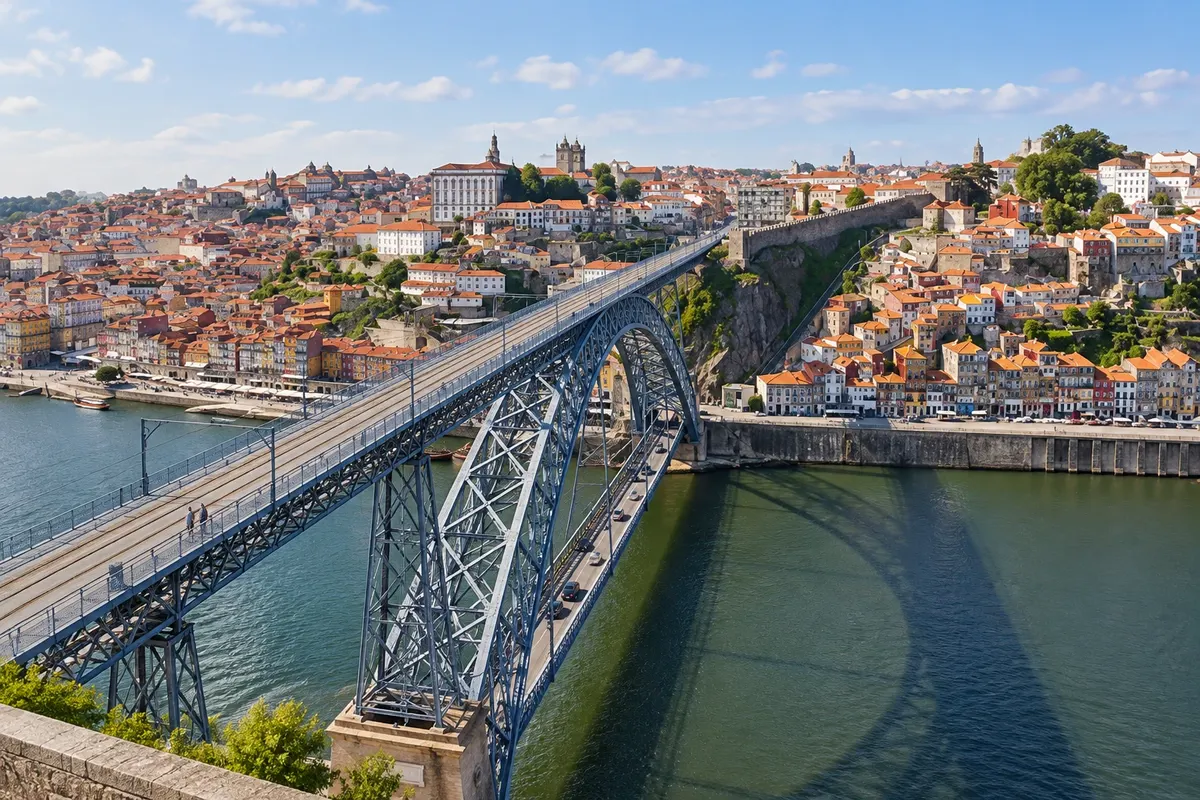
In the photo: Ponte de D. Luís between Porto and Gaia

Illustrative images. The pictures in this guide are illustrations based on the real place, not photographs, and may differ from it.

Get it on Google Play Send your photos

Get to know the place

A region to enjoy
at your own pace.

Porto lies on the north bank of the Douro River, a few kilometers from the Atlantic, and is Portugal’s second city. The historic center slopes down to the river and, together with the Ponte Luís I and the Mosteiro da Serra do Pilar on the opposite bank, has been a UNESCO World Heritage Site since 1996.

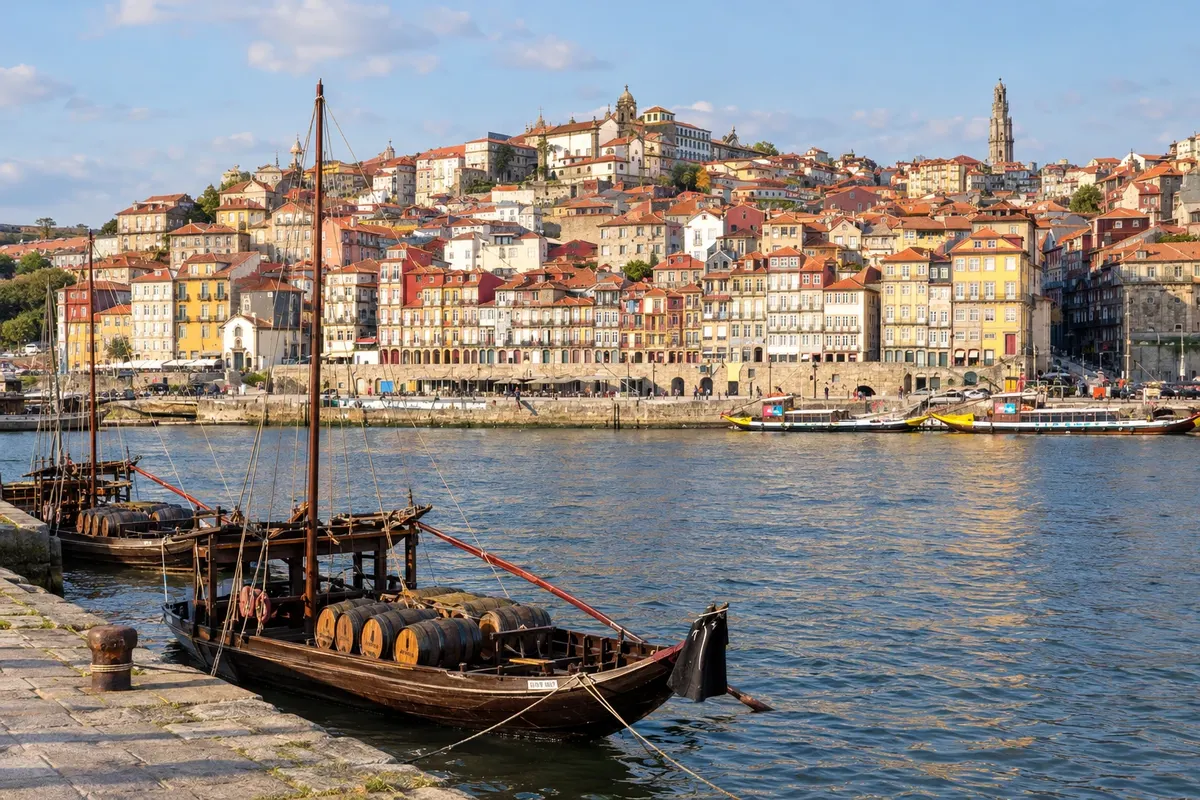
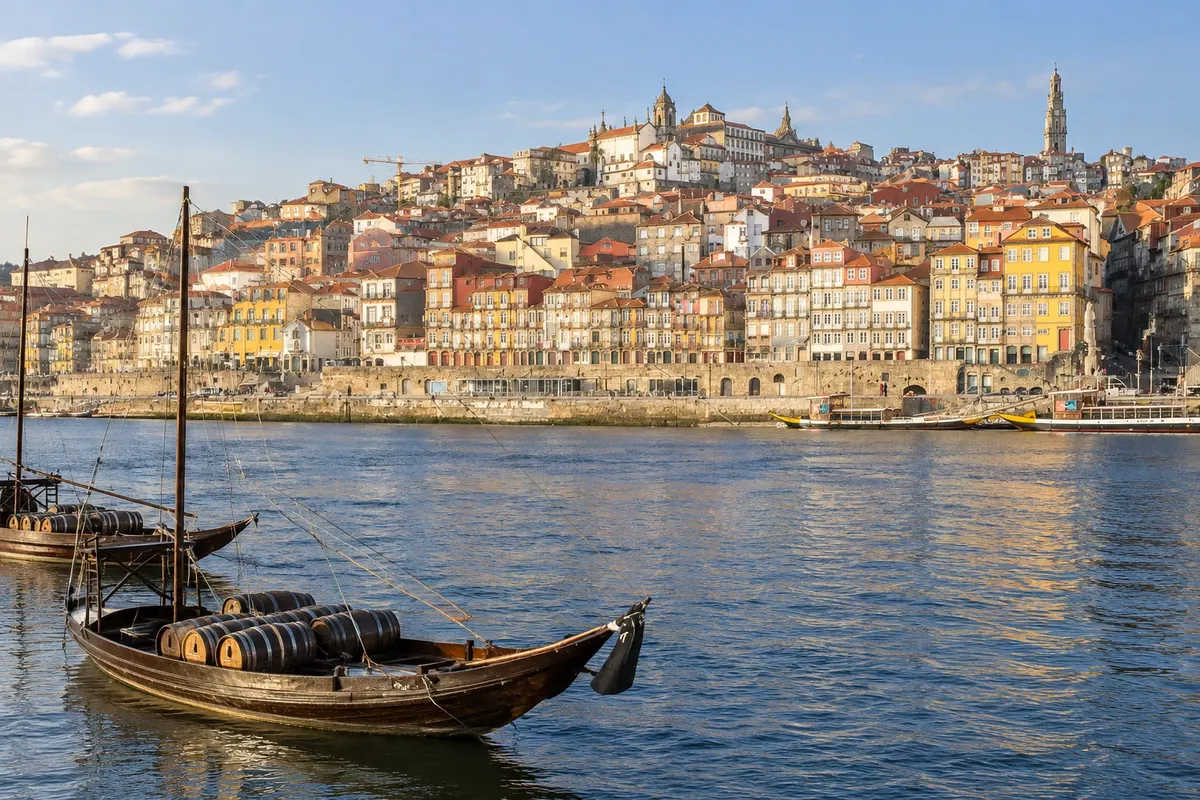
Down by the river, the Ribeira has narrow, colorful houses facing the water, from where boats depart under the city’s six bridges. Higher up are the Sé, the Palácio da Bolsa, the Church of São Francisco, São Bento Station with its tile panels, the Torre dos Clérigos and the Livraria Lello. Avenida dos Aliados, Mercado do Bolhão and Capela das Almas mark the 20th-century center.

On the other bank, Vila Nova de Gaia houses the caves where Port wine has aged for centuries, as well as the WOW museum quarter, the Jardim do Morro and the cable car. To the west the city reaches the sea at the Foz do Douro, and between the center and the coast are the Fundação de Serralves and the Casa da Música.

The northern accent differs from Lisboa’s, and the city has its own dishes, like the francesinha, a sandwich covered in cheese and sauce, and tripas à moda do Porto.

This destination brings together 2 cities: Porto, Vila Nova de Gaia.

Share: WhatsApp
Traveler, share your experiences through photos Up to 5 photos of each place you visited.

One destination, many paths

The cities on this trip

Start with one city or combine several in your itinerary.

Where Porto is
PortoVila Nova de Gaia

Contornos: Direção-Geral do Território, CAOP 2025, CC BY 4.0. Adaptação do Cidade Turismo.

How to get there: Porto

✈ Aeroporto Francisco Sá Carneiro (OPO), in Maia · 17 km to Porto

Francisco Sá Carneiro Airport (OPO) is about 17 km from the center, connected by metro. Check before booking. From Lisboa, the train takes about three hours to Campanhã.

Suggested arrival point: Porto

The local experience

Things to do in Porto

Caves de Vinho do Porto
Vila Nova de Gaia · Porto · Winery

Caves de Vinho do Porto

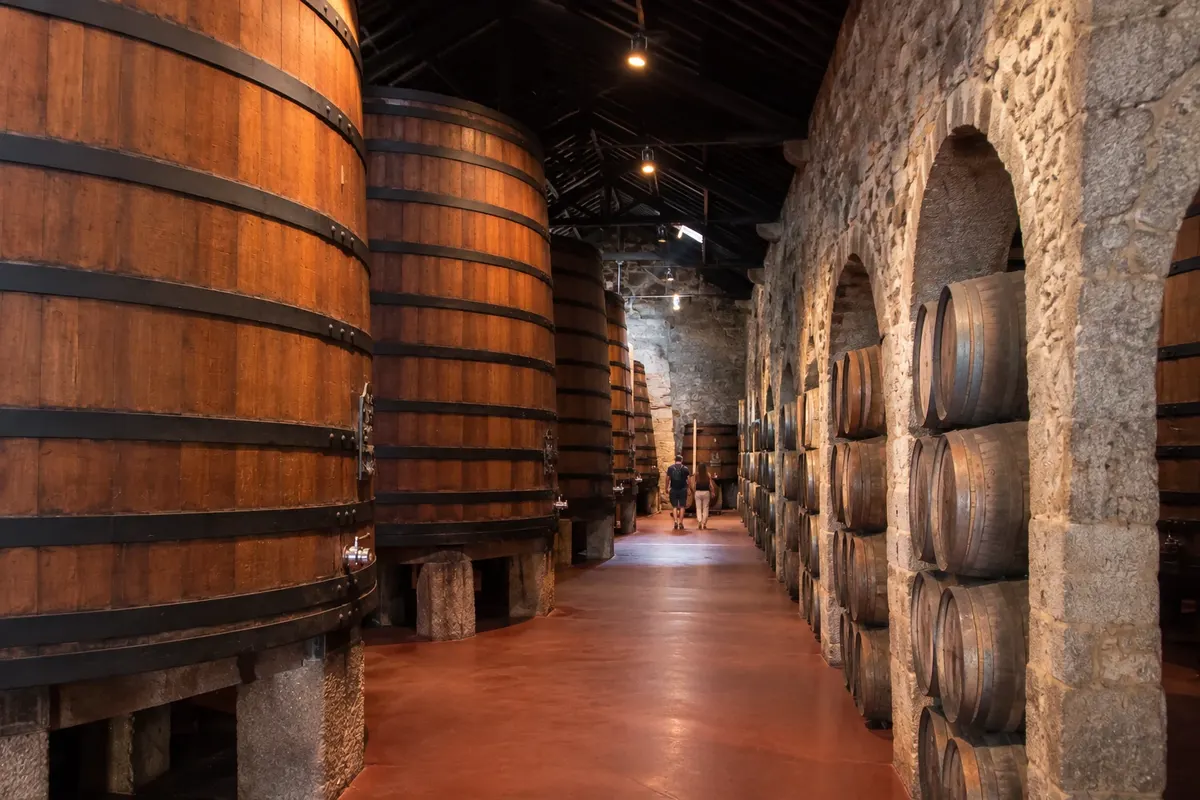
The cellars at the Cais de Gaia, where Port wine has been aged in barrels for centuries. Houses such as Sandeman, Taylor's, Graham's, Cálem and Ferreira host visits with tastings.

Ribeira
Porto · Porto · Historic neighborhood

Ribeira

Porto's riverside, with narrow, colorful houses, cafés and restaurants on the Cais da Ribeira, facing Gaia and the Ponte Luís I. It's where the boats that pass under the Douro bridges depart.

Ponte Luís I
Porto · Porto · Bridge

Ponte Luís I

Iron bridge from 1886 over the Douro, with two decks: the upper one, for the metro and pedestrians, links Porto's high ground to the Serra do Pilar; the lower one links the Ribeira to the Cais de Gaia.

WOW – World of Wine
Vila Nova de Gaia · Porto · Museum

WOW – World of Wine

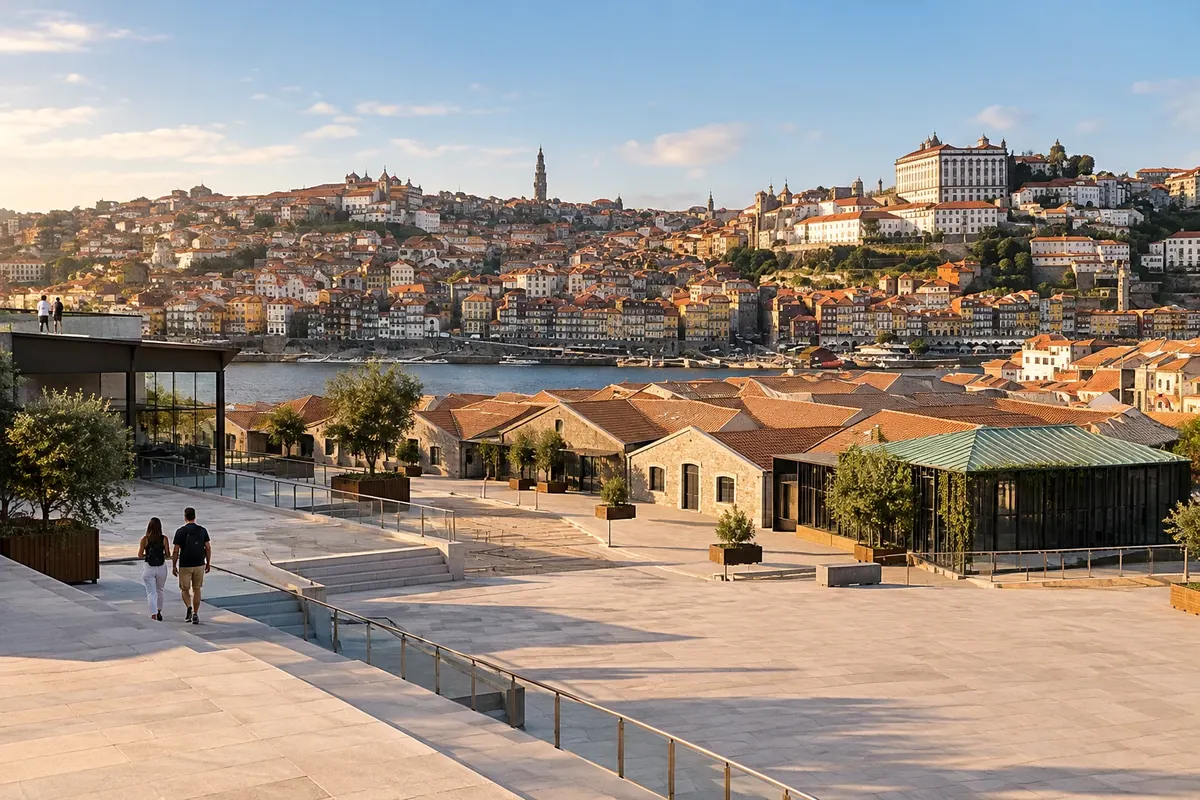
Cultural quarter set in former Port wine warehouses on the hill above the Cais de Gaia, with thematic museums about wine, cork, chocolate and Porto's history, as well as restaurants and a view terrace.

See 19 more places in Porto
Estação de São Bento
Porto · Porto · Station

Estação de São Bento

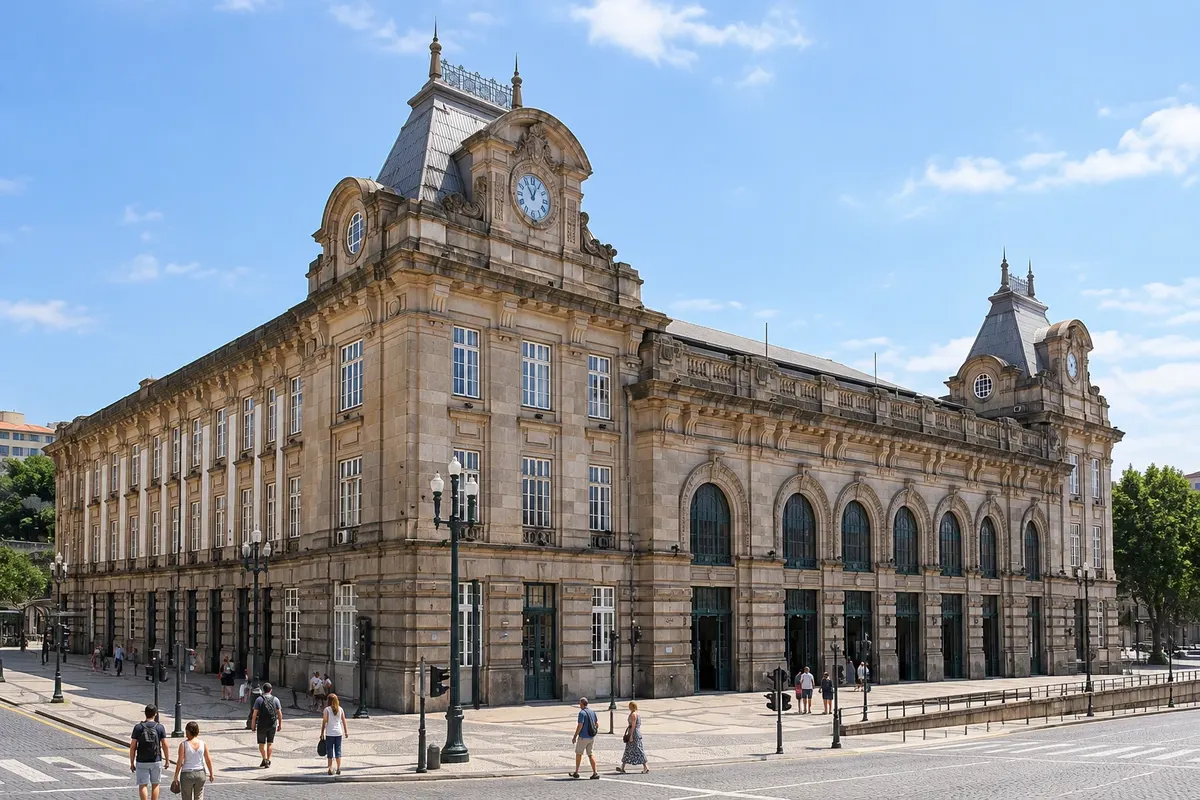
Central train station in Porto, inaugurated in 1916, whose hall is covered by about 20,000 tiles by Jorge Colaço depicting scenes from Portugal's history.

Mosteiro da Serra do Pilar
Vila Nova de Gaia · Porto · Monastery

Mosteiro da Serra do Pilar

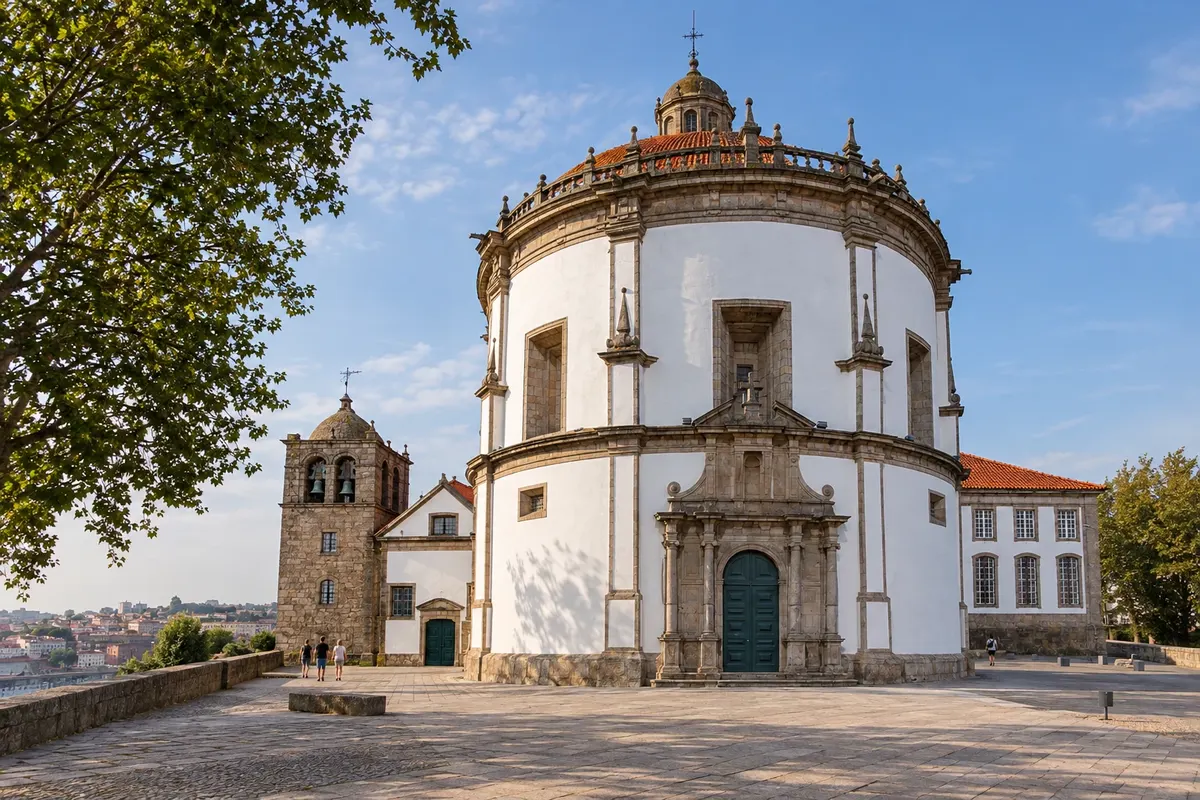
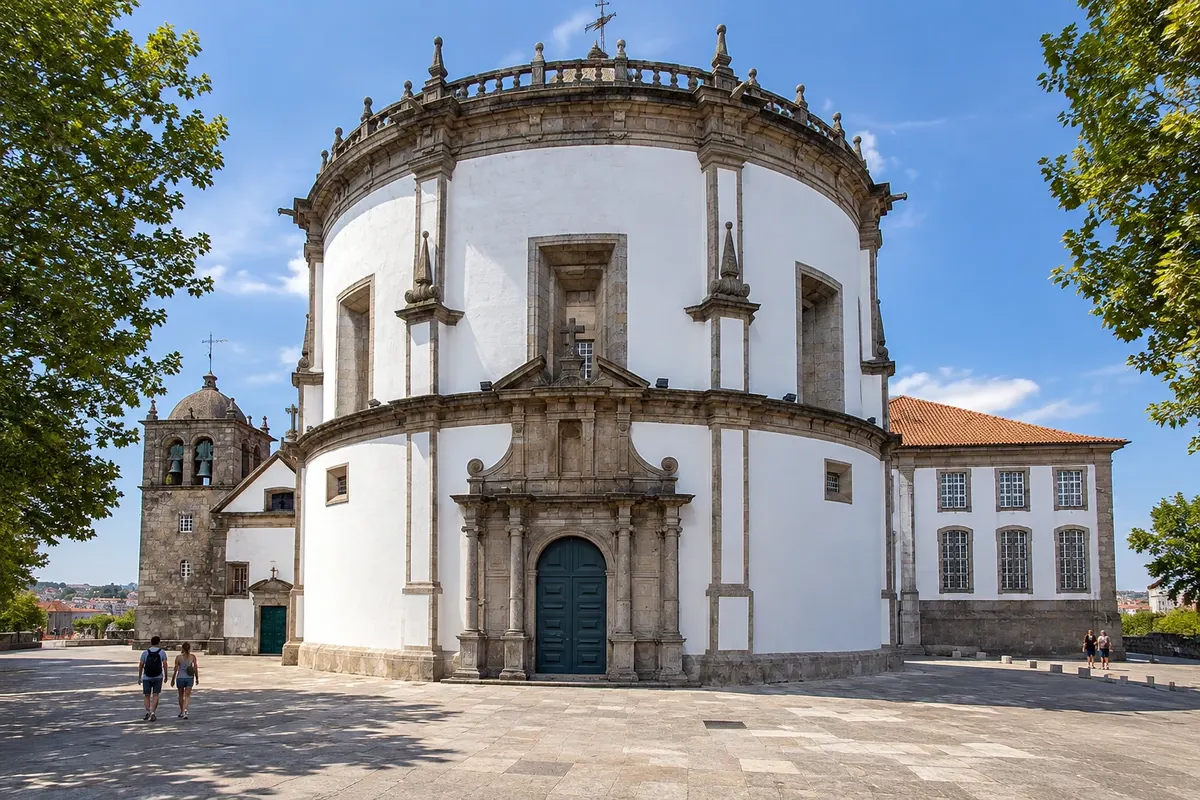
16th-century monastery on the heights of Gaia, opposite the Ponte Luís I, with a circular church and cloister. The viewpoint in front offers the widest view of Porto's historic centre.

Jardim do Morro
Vila Nova de Gaia · Porto · Garden

Jardim do Morro

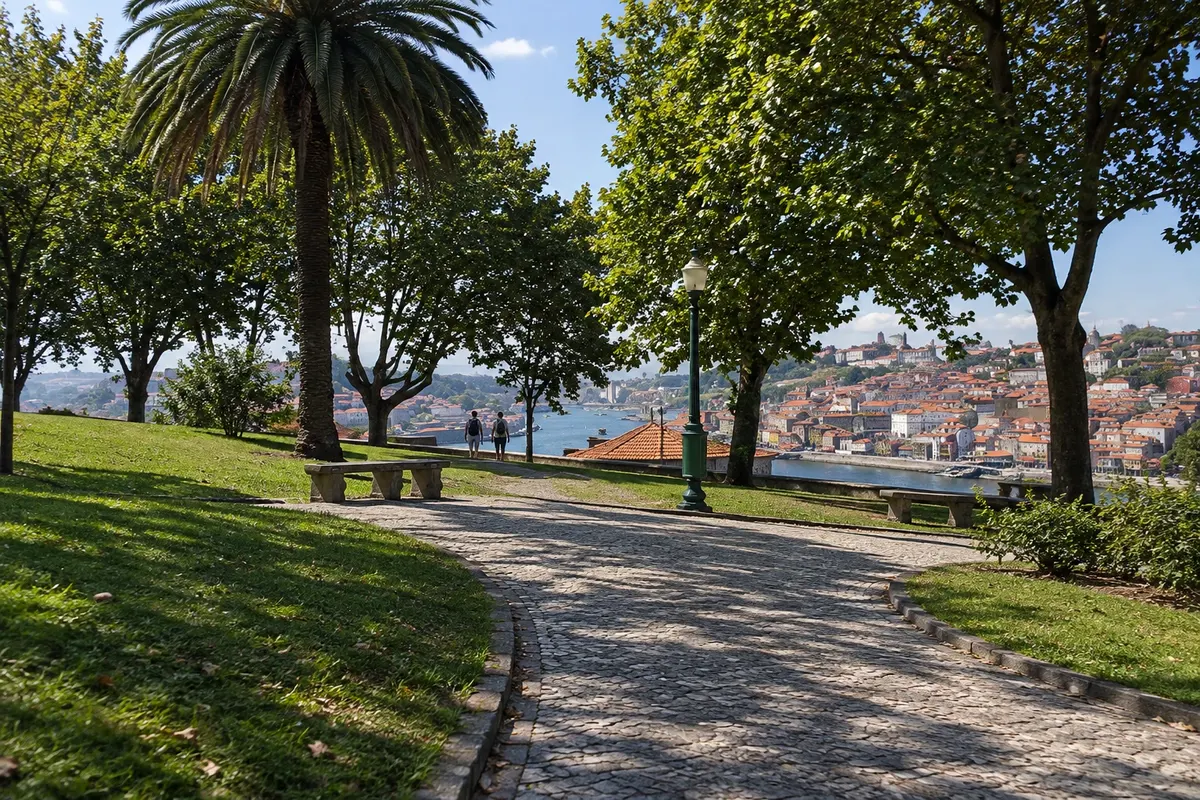
Garden on the top of Gaia's slope, next to the Ponte Luís I and the metro station, popular in the late afternoon for its view of the Ribeira. From here the cable car departs down to the Cais de Gaia.

Livraria Lello
Porto · Porto · Bookshop

Livraria Lello

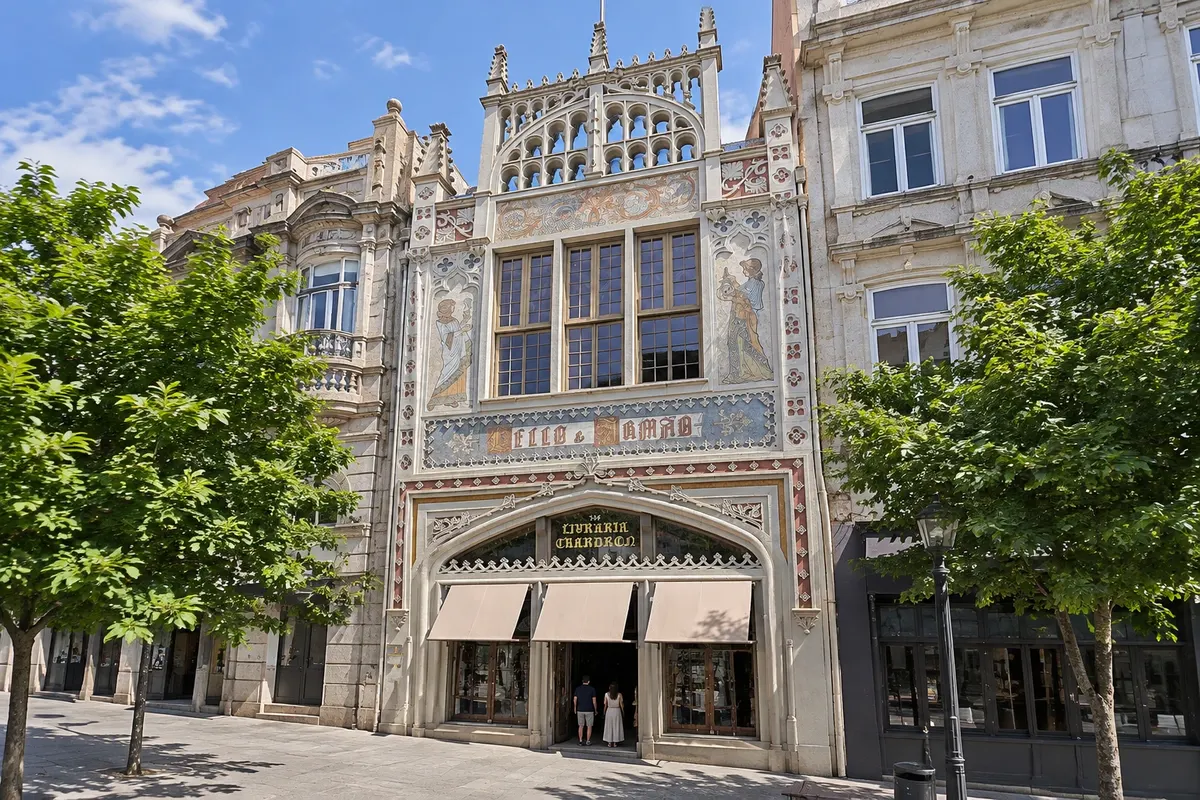
Bookshop from 1906 with a neo‑Gothic façade and carved wooden interior, a skylight stained glass in the ceiling and a curved red staircase. It is one of the most visited bookshops in the world, with controlled entry.

Capela do Senhor da Pedra
Vila Nova de Gaia · Porto · Church

Capela do Senhor da Pedra

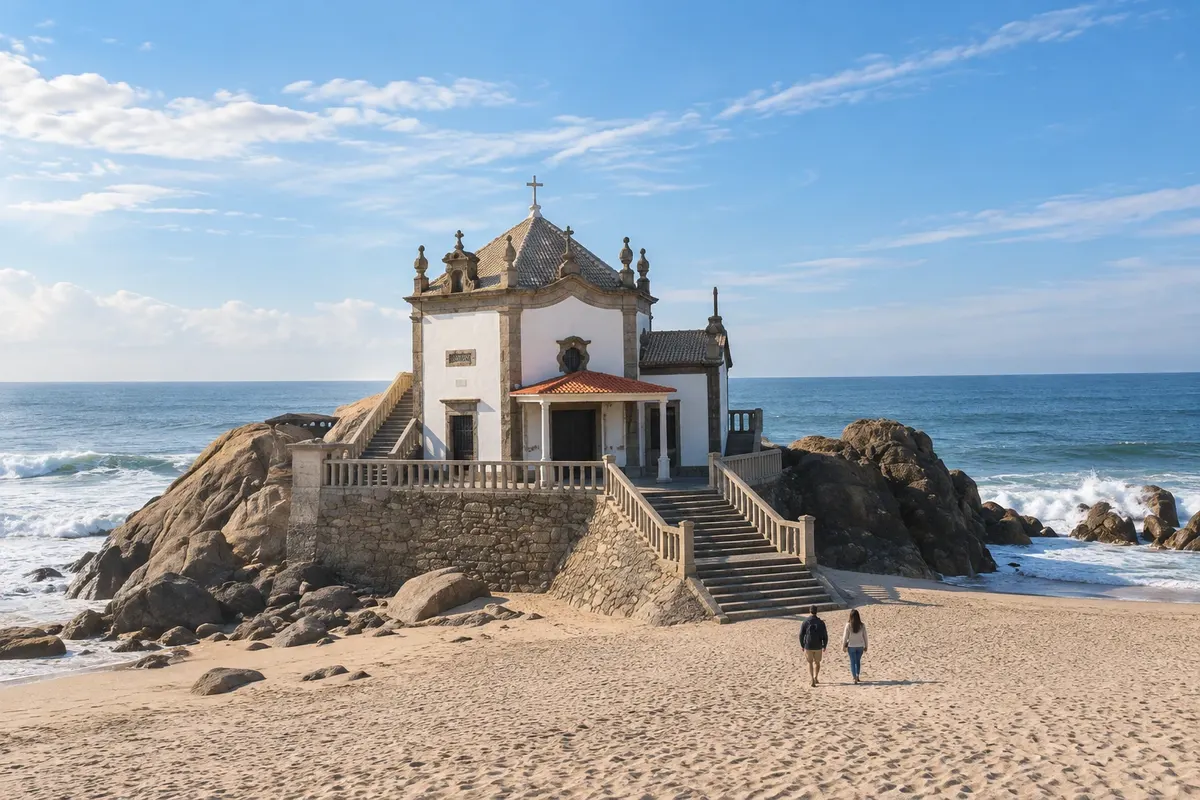
Small 17th-century hexagonal chapel built on a rock at the edge of Miramar beach, south of Gaia, surrounded by the sea at high tide.

Igreja e Torre dos Clérigos
Porto · Porto · Church

Igreja e Torre dos Clérigos

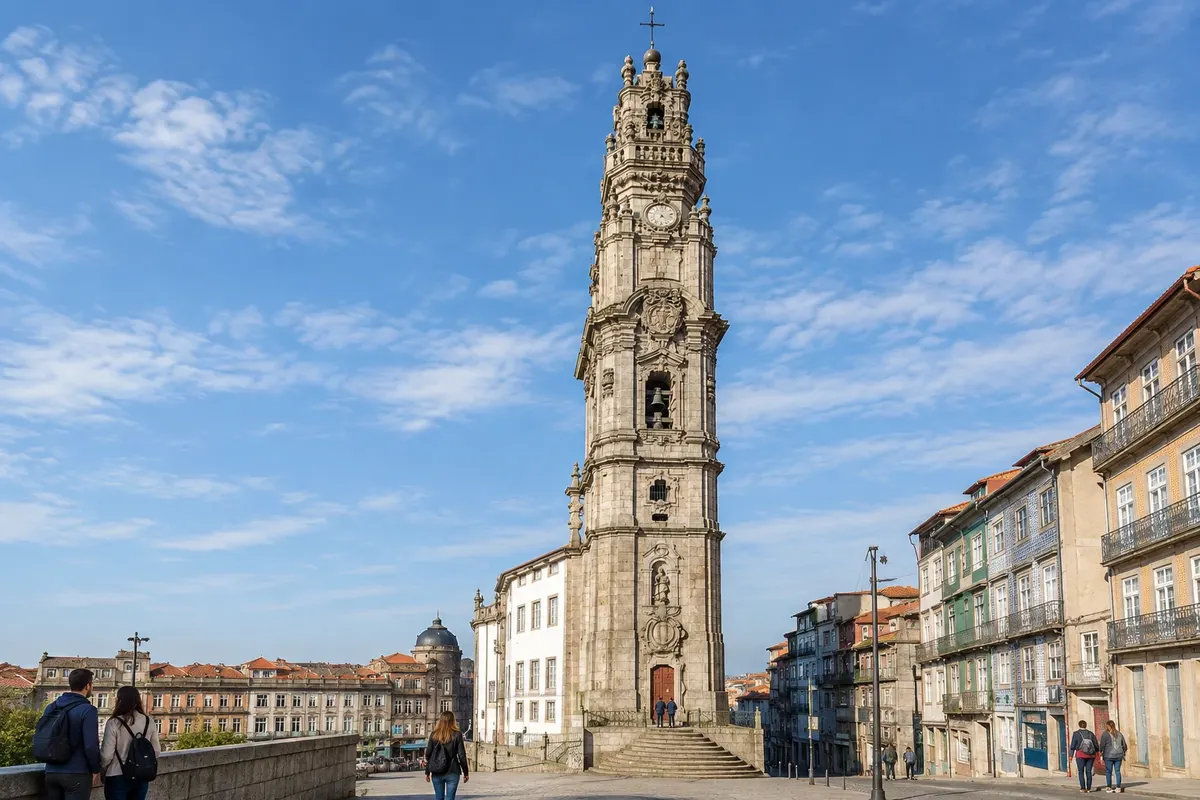
Baroque church from the 18th century with a tower of around 75 metres, a symbol of Porto, by the Italian Nicolau Nasoni. The climb of about 240 steps leads to a viewpoint over the city and the river.

Sé do Porto
Porto · Porto · Cathedral

Sé do Porto

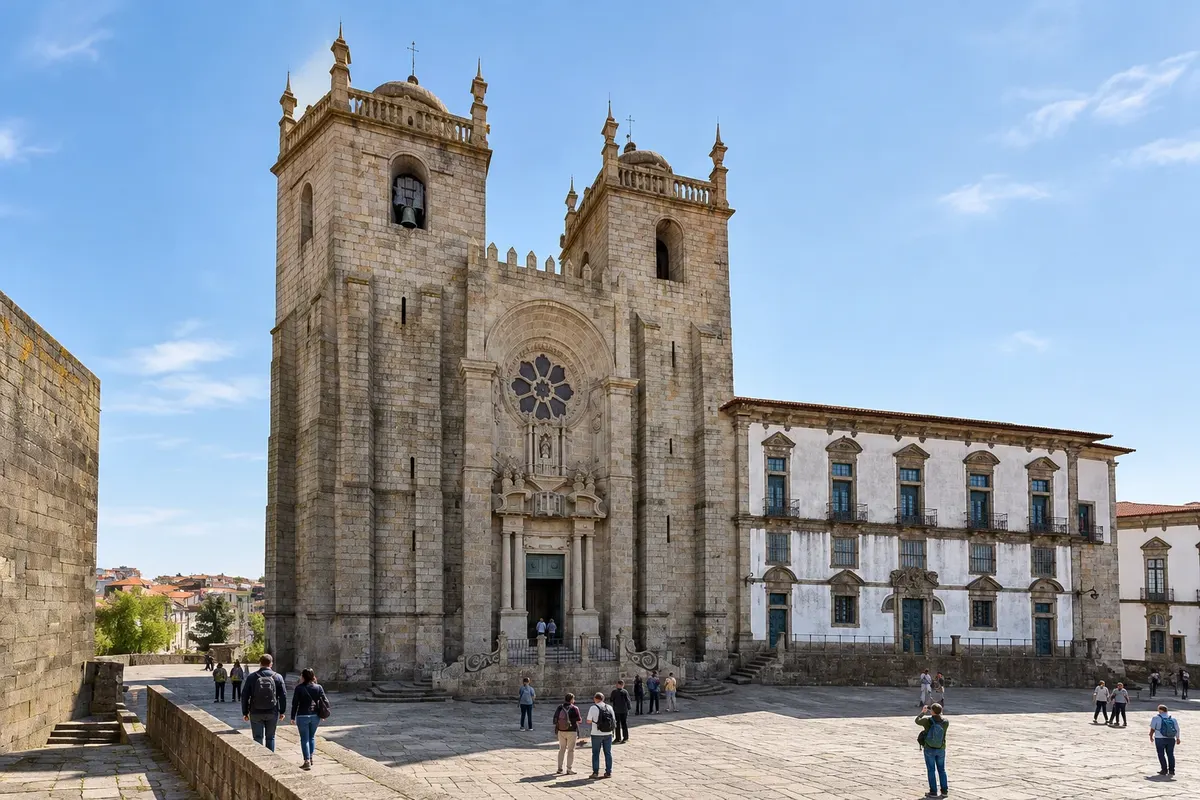
Romanesque cathedral from the 12th century atop the city’s oldest hill, with a fortress‑like appearance, a Gothic cloister covered in tiles and a square with views over the Ribeira and Gaia.

Palácio da Bolsa
Porto · Porto · Palace

Palácio da Bolsa

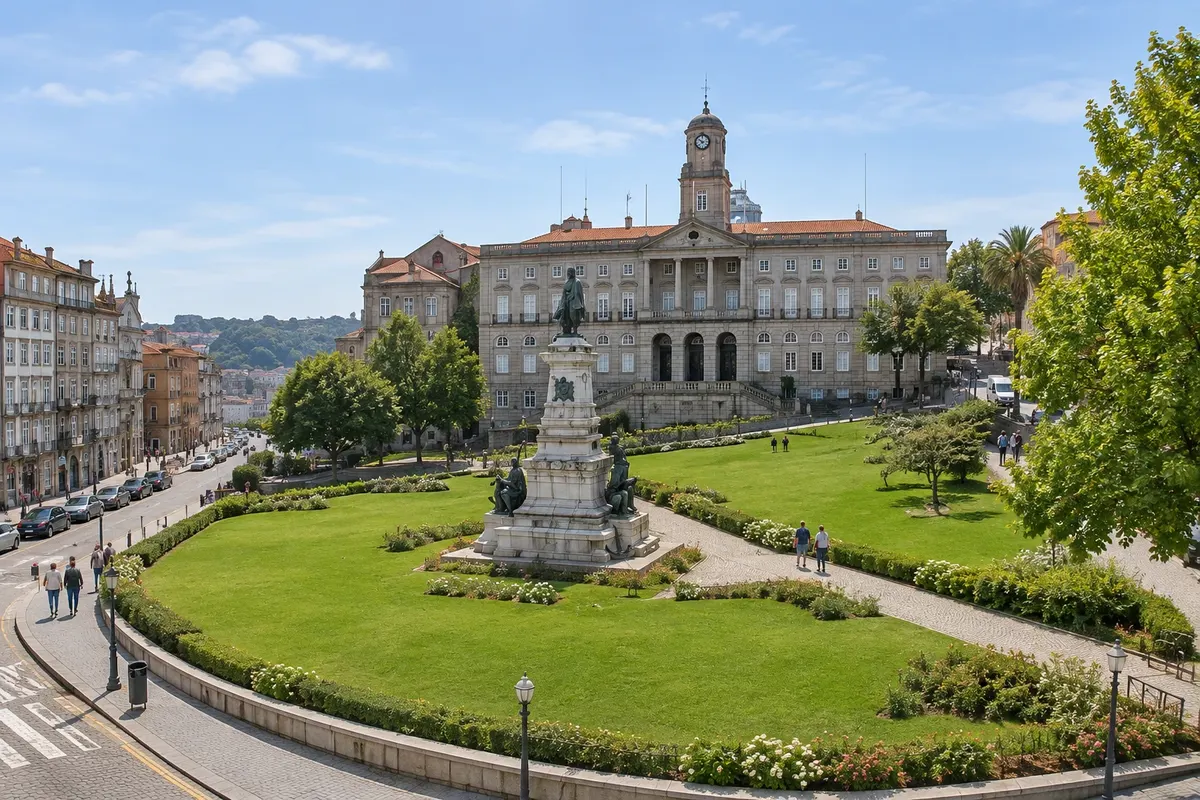
Headquarters of the Associação Comercial do Porto, built from 1842 on the site of an old convent, with decorated rooms and the Salão Árabe, inspired by the Alhambra. Visits are only with a guide.

Igreja de São Francisco
Porto · Porto · Church

Igreja de São Francisco

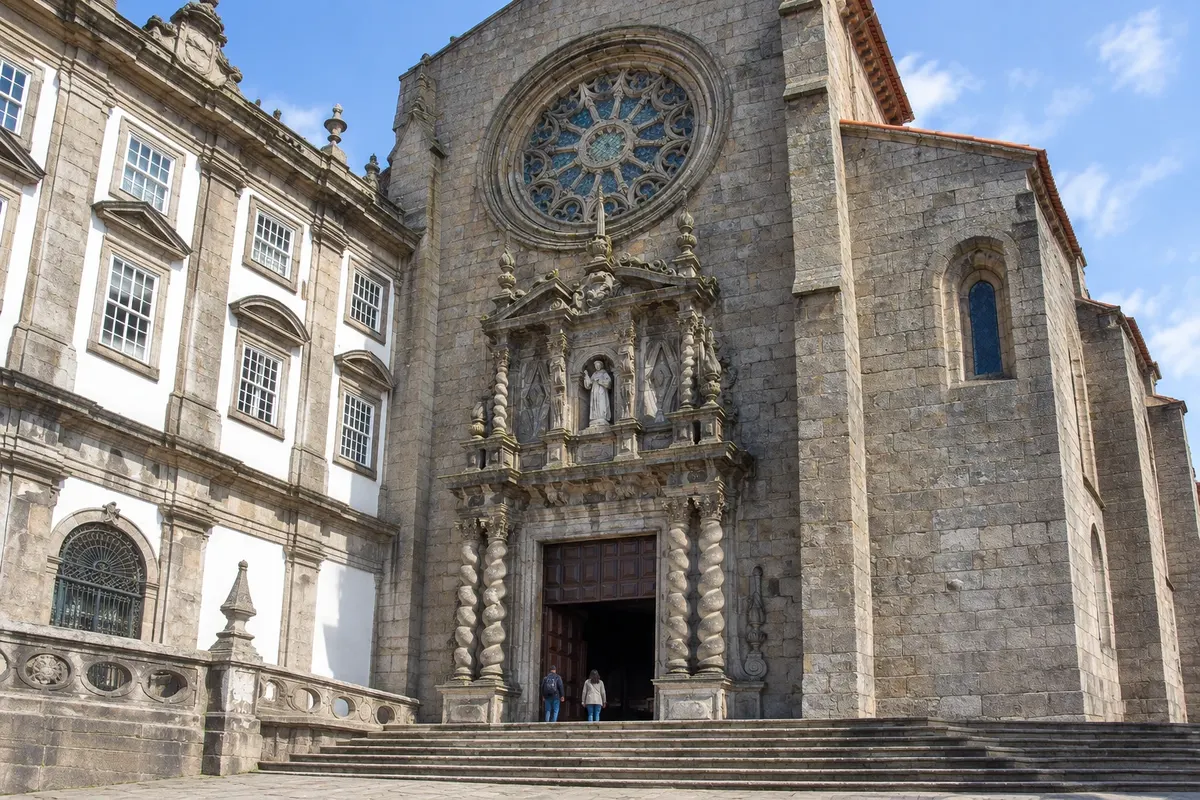
Gothic church from the 14th century that hides one of the richest Baroque interiors in Portugal, covered in gilded woodwork, featuring a carved Tree of Jesse. Beneath the church there are catacombs that can be visited.

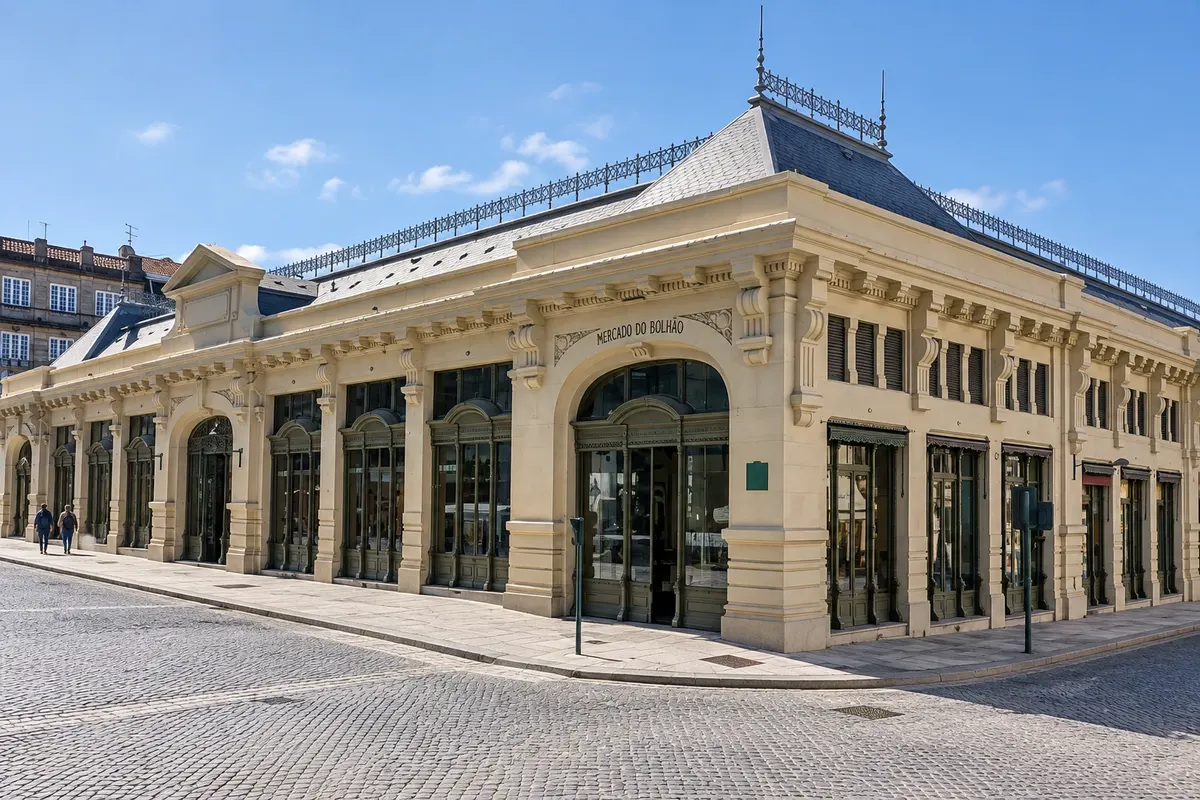
Mercado do Bolhão
Porto · Porto · Market

Mercado do Bolhão

Traditional market of Porto, in an early 20th-century building with two floors around a courtyard, where fruits, fish, meat, flowers, cheeses and regional products are sold.

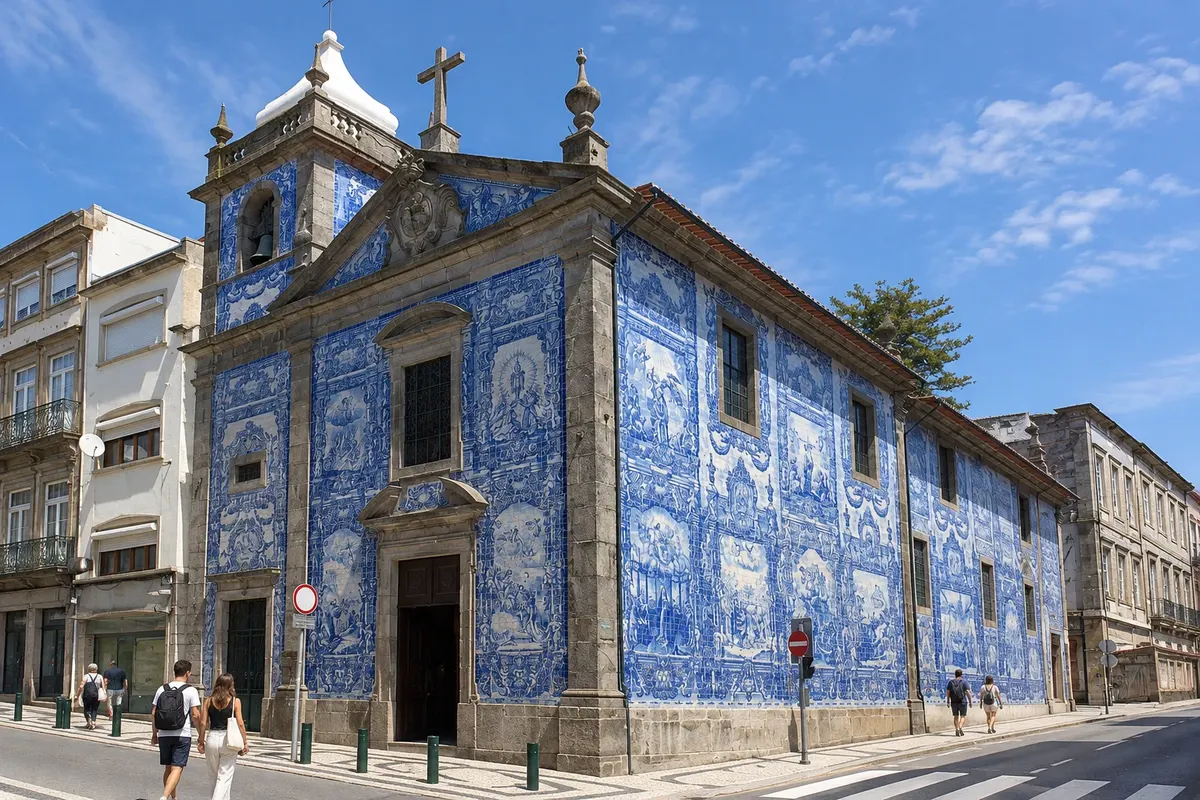
Capela das Almas
Porto · Porto · Church

Capela das Almas

18th-century chapel whose façade and side are covered by about 15,000 blue and white tiles from 1929, depicting scenes from the lives of São Francisco and Santa Catarina. It is on Rua de Santa Catarina.

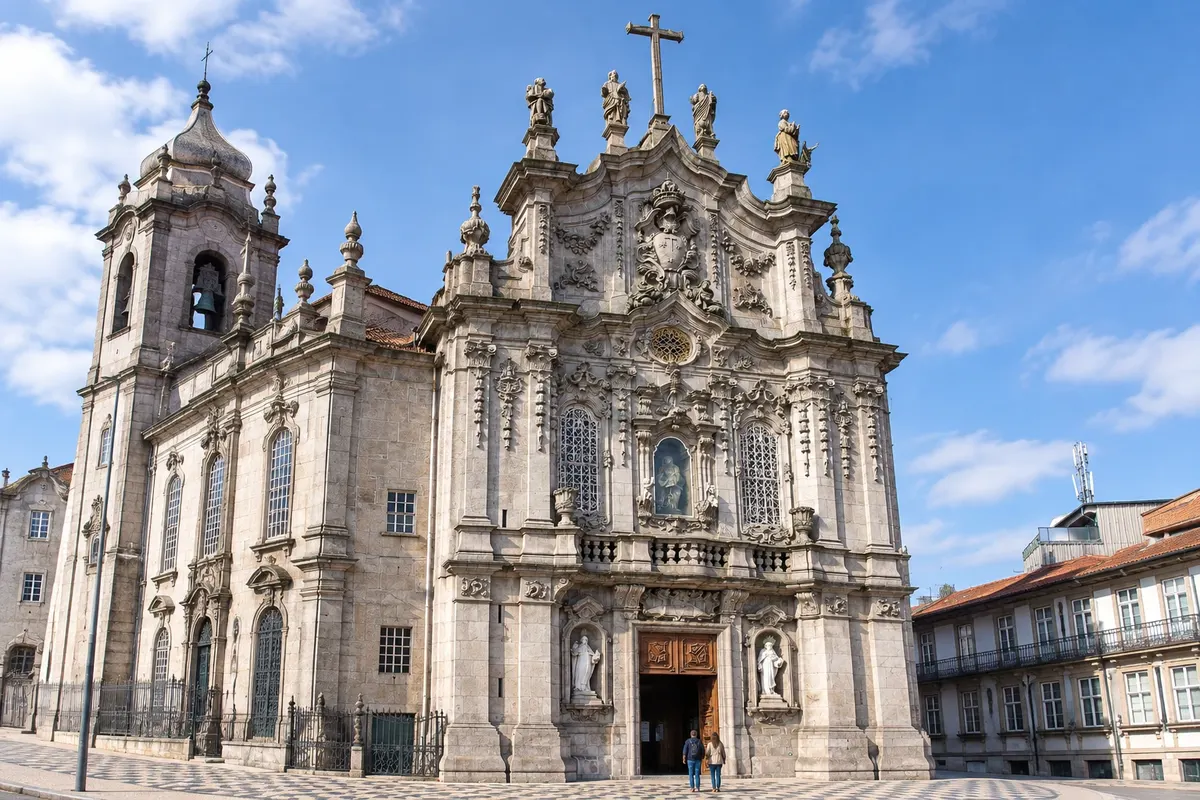
Igrejas do Carmo e das Carmelitas
Porto · Porto · Church

Igrejas do Carmo e das Carmelitas

Two neighboring churches from the 17th and 18th centuries separated by a narrow house about one meter wide. The side of the Igreja do Carmo features a large tile panel from 1912.

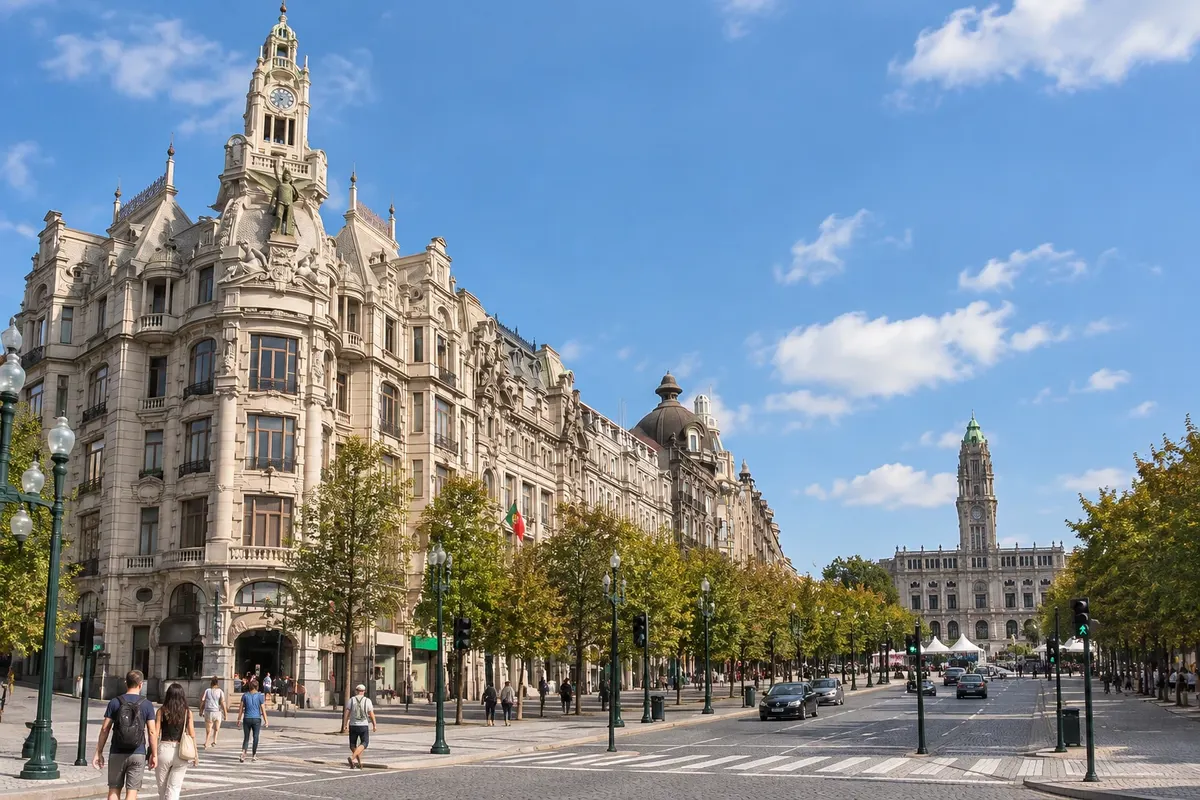
Avenida dos Aliados
Porto · Porto · Avenue

Avenida dos Aliados

The main avenue in central Porto, flanked by early 20th-century buildings and crowned by the Câmara Municipal with a tower of about 70 meters. It is the setting for the city's festivals and celebrations.

Jardins do Palácio de Cristal
Porto · Porto · Garden

Jardins do Palácio de Cristal

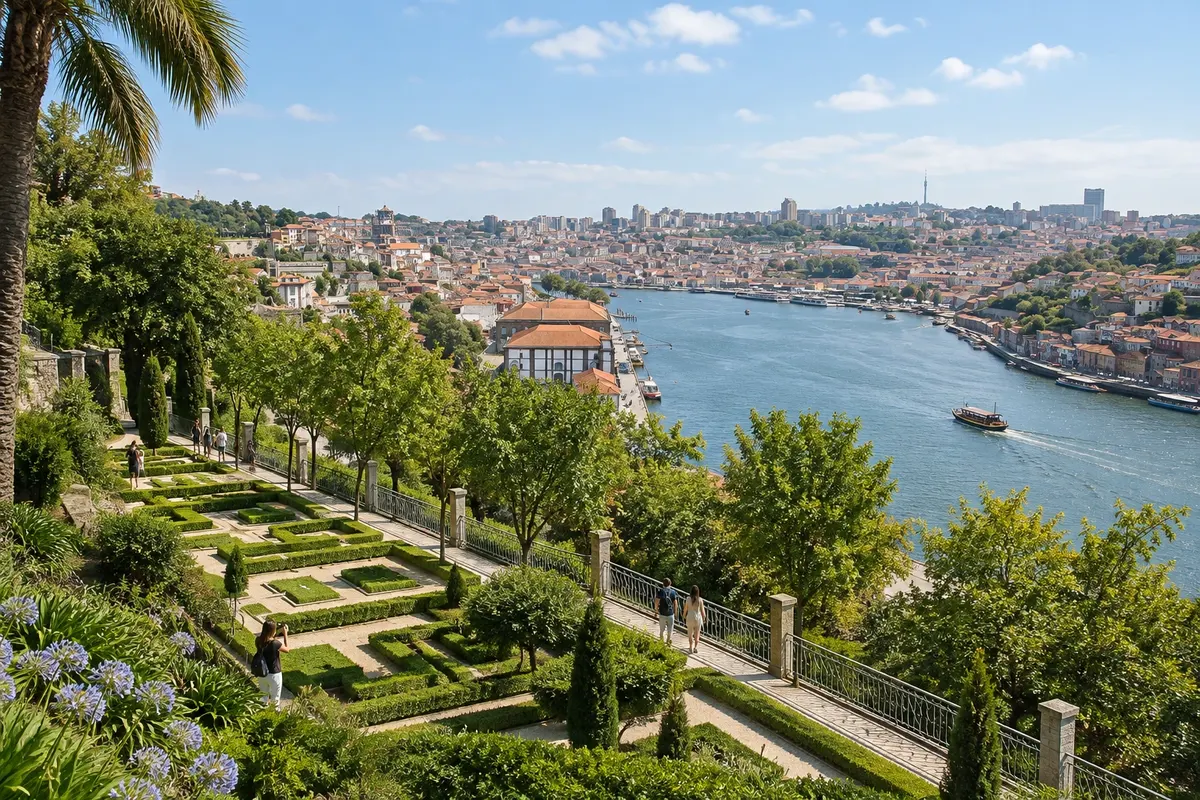
Romantic 19th-century garden on the top of a slope above the Douro, with free-roaming peacocks, tree-lined paths, rose beds and viewpoints over the river and Gaia.

Museu Nacional Soares dos Reis
Porto · Porto · Museum

Museu Nacional Soares dos Reis

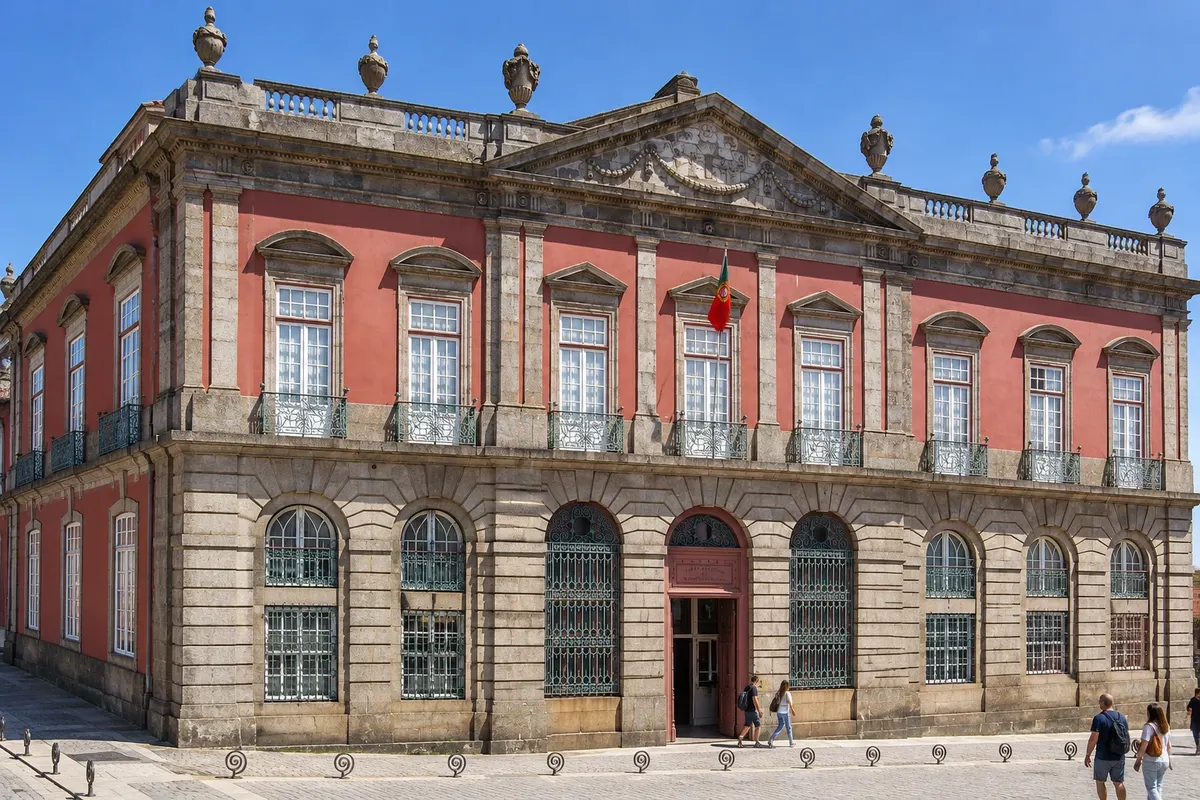
The first public art museum in Portugal, founded in 1833 at the Palácio dos Carrancas. It houses 19th-century Portuguese painting and sculpture, with emphasis on the sculptor António Soares dos Reis.

Casa da Música
Porto · Porto · Concert hall

Casa da Música

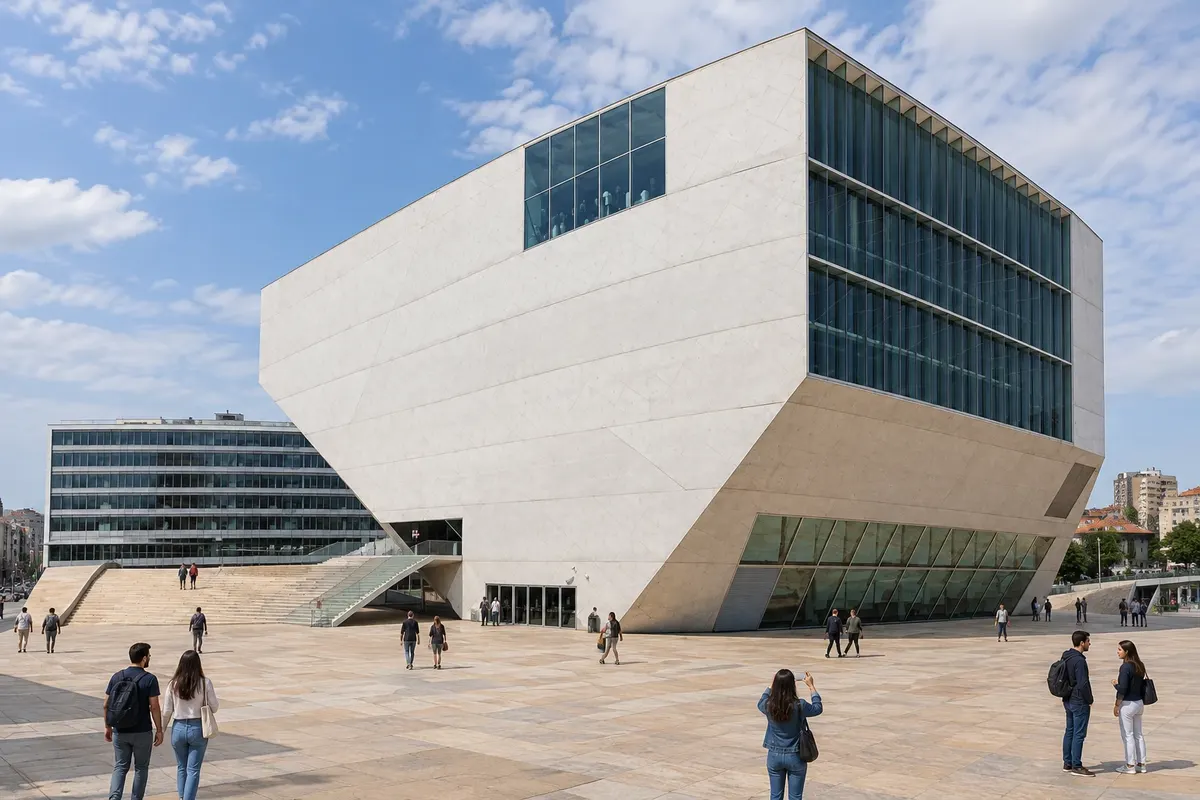
Concert hall with angular white concrete forms, designed by the Dutch architect Rem Koolhaas and opened in 2005, offering guided tours and a program of classical, jazz and pop music.

Fundação de Serralves
Porto · Porto · Museum

Fundação de Serralves

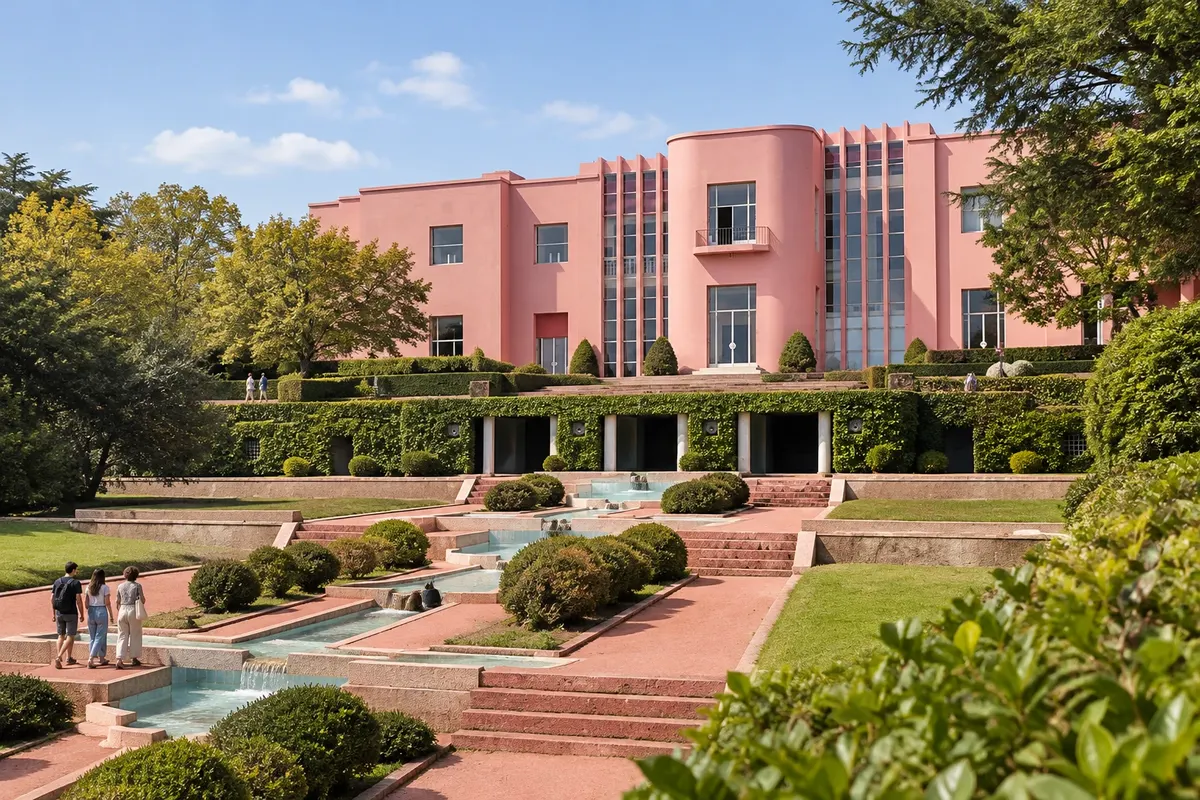
Contemporary art museum designed by Álvaro Siza, a pink art déco house and an 18-hectare park with gardens, lakes, a farm and a treetop walkway.

Foz do Douro
Porto · Porto · Neighborhood

Foz do Douro

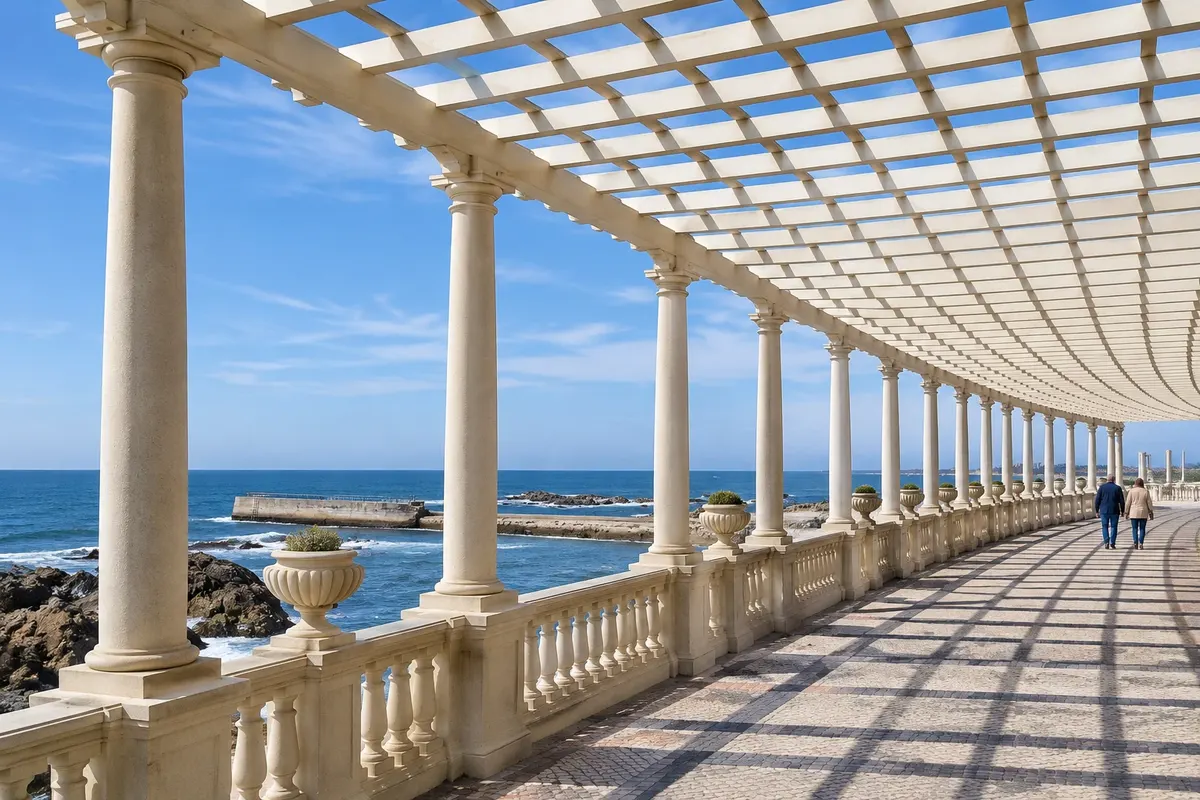
Neighborhood where the Douro meets the Atlantic, with the Jardim do Passeio Alegre, the farolim de Felgueiras, the pérgola da Foz and a stretch of beaches and esplanadas that continues to Matosinhos.

Elétrico do Porto – Linha 1
Porto · Porto · Stroll

Elétrico do Porto – Linha 1

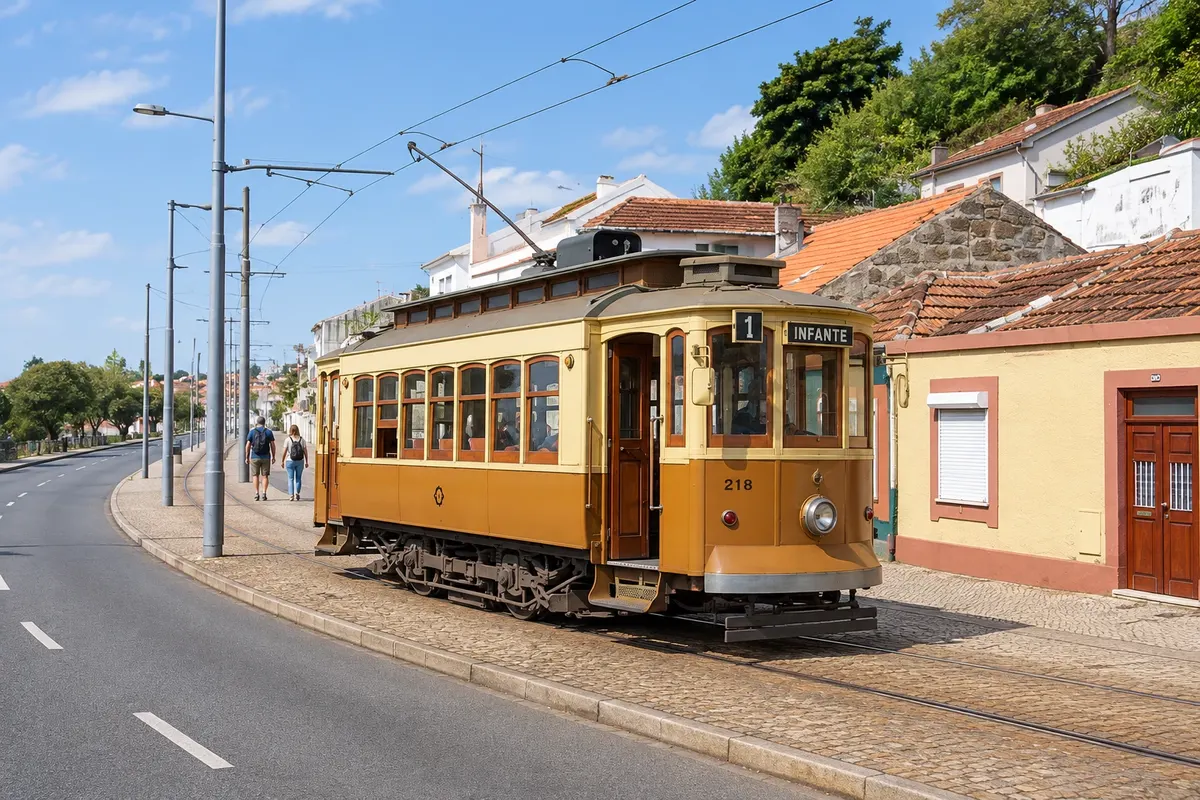
Historic tram line that connects Infante, near the Ribeira, to Foz do Douro along the riverbank, operating old wooden cars. The Museu do Carro Elétrico is along the route.

Before you go

Practical information

A little planning leaves more time to enjoy the journey.

When to go

From May to September days are usually longer and drier. In June, the São João festival on the night of June 23–24 fills the streets. Winter, from November to March, is rainy and colder than in Lisboa. The Douro harvest typically runs from late August to October.

The seasons shown are the most usual ones; nature doesn't always follow the calendar.

How many days to stay

Two days cover the Ribeira, the Sé, São Bento, the Clérigos, the Lello and the cellars in Gaia. With three or four days you can include Serralves, the Foz and the Casa da Música, and leave a day for the Vale do Douro.

Which city to stay in

The Baixa, between the Aliados, Trindade and Santa Catarina, has metro access and lets you walk to almost everything. The Ribeira sits on the riverbank, with steep slopes up to the center. Cedofeita and the Clérigos area concentrate restaurants and bars. Vila Nova de Gaia, by the quay, looks over Porto and is close to the cellars. The Foz and Boavista are more residential, near the sea and Serralves.

Respect the place

Take your trash with you, follow the signs and support local businesses. In natural areas, follow the visiting guidelines.

Get your questions answered

Frequently asked questions about Porto

How to go from Lisboa to Porto?

By train, in about three hours to Campanhã station, with a connection to São Bento in the center. There are also buses and short flights.

How many days to stay in Porto?

Two days for the historic center and the cellars in Gaia; three or four to include Serralves, the Foz and a day trip to the Vale do Douro.

Do you need a car in Porto?

No. The center is walkable, though hilly, and the metro, buses and trams reach the airport, the Foz and Gaia. A car is only useful for the Vale do Douro.

Can you do a day trip to the Vale do Douro?

Yes, by train on the Linha do Douro, departing from São Bento or Campanhã, or on organized tours with a boat and visits to quintas. The train trip to Peso da Régua takes about two hours.

When is the São João festival in Porto?

On the night of June 23 to 24, with street parties, grilled sardines, fireworks over the Douro and the tradition of tapping people on the head with small plastic hammers.

Explore other destinations Search by state and city
Back