


Eurostar Paris–Amsterdã
By train through the centres of Paris, Brussels, Antwerp, Rotterdam and Amsterdã: three countries in a little over three hours, from central station to central station.
Search
Trips that cross borders by train, car, boat and on foot, with the map, the cities in each country, the itineraries and what changes from one side to the other.
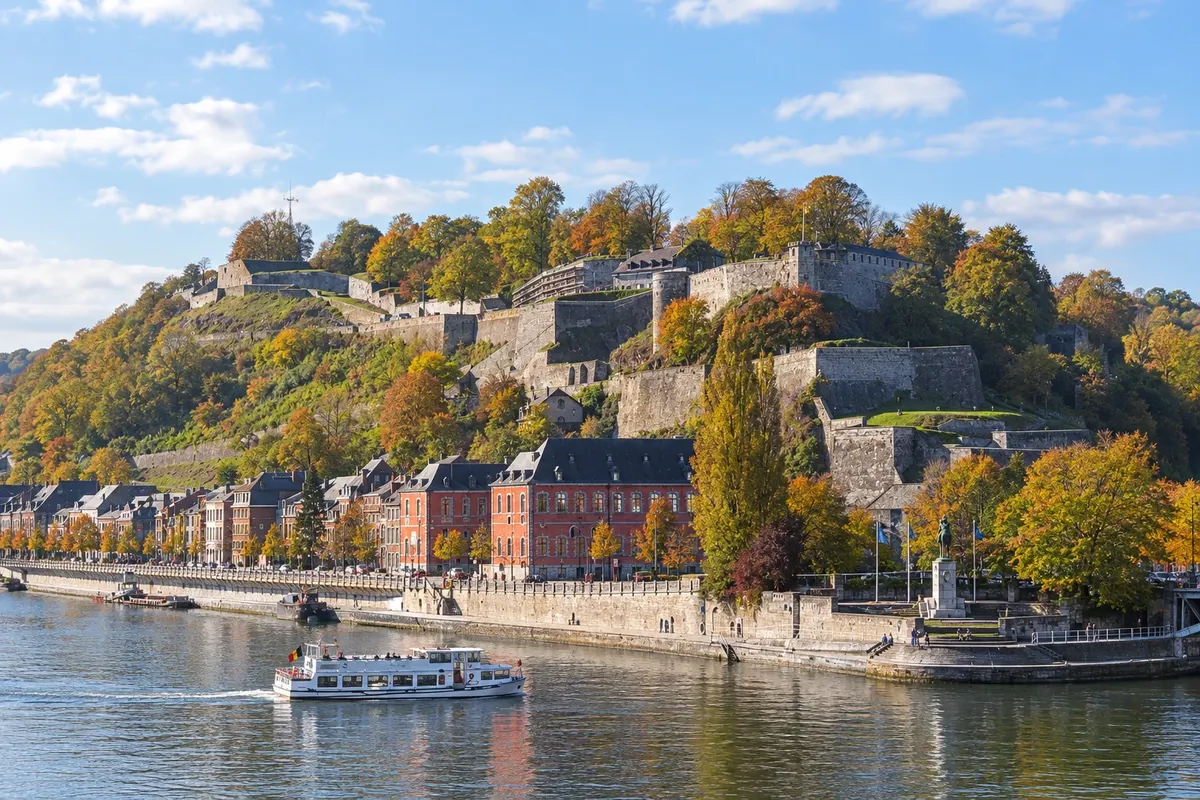
In the photo: Citadel of Namur above the river Mosa — Benelux by train: Amsterdã–Bruxelas–Luxemburgo →
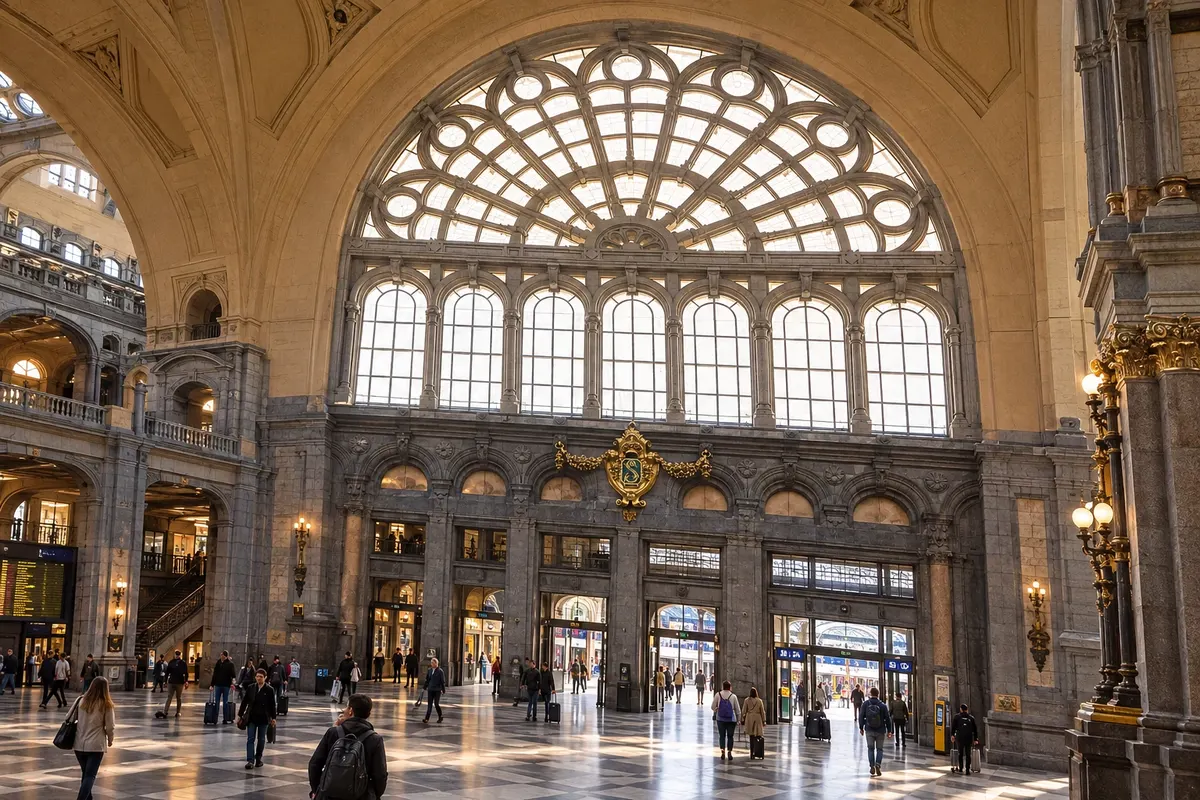
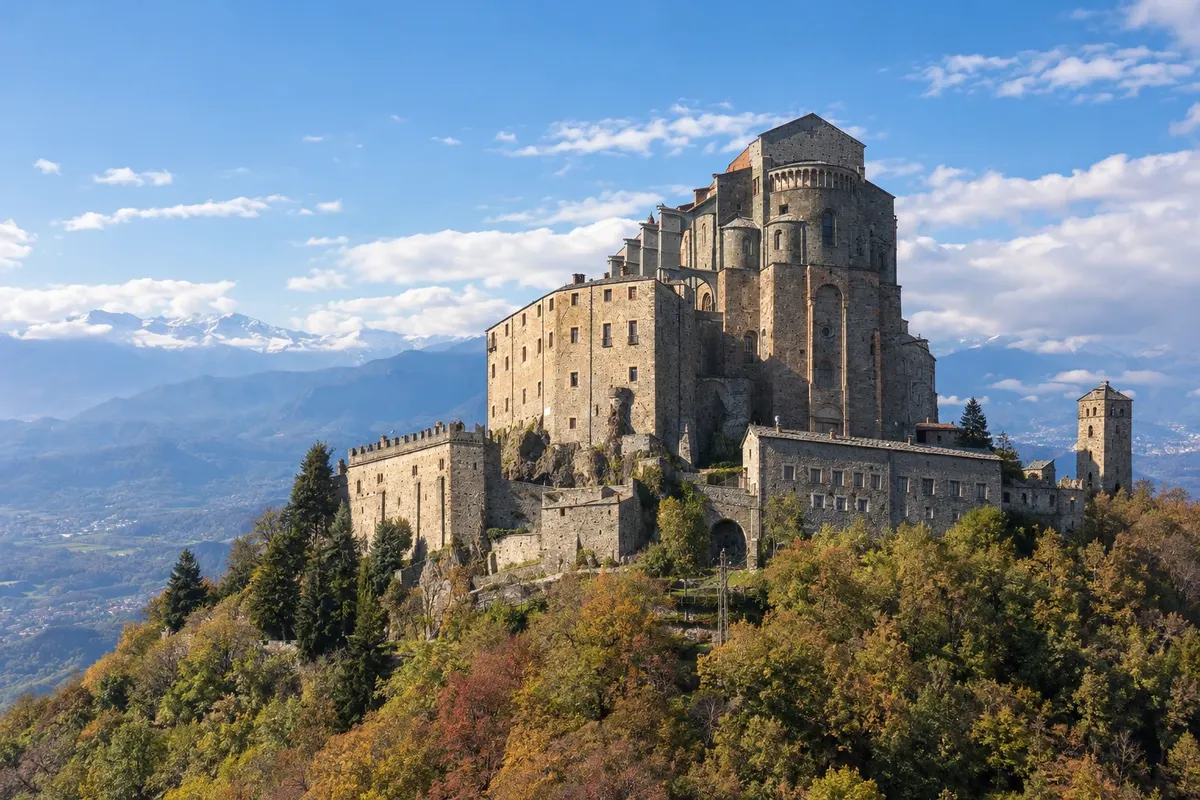
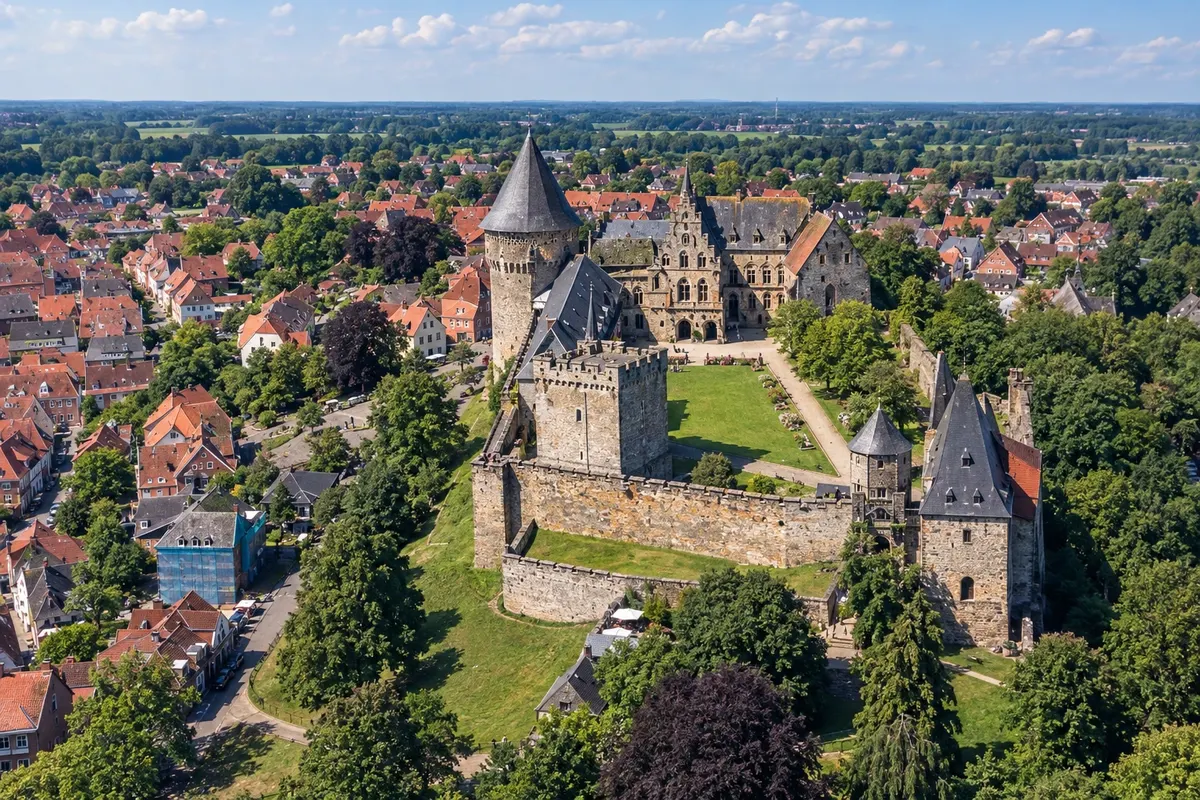
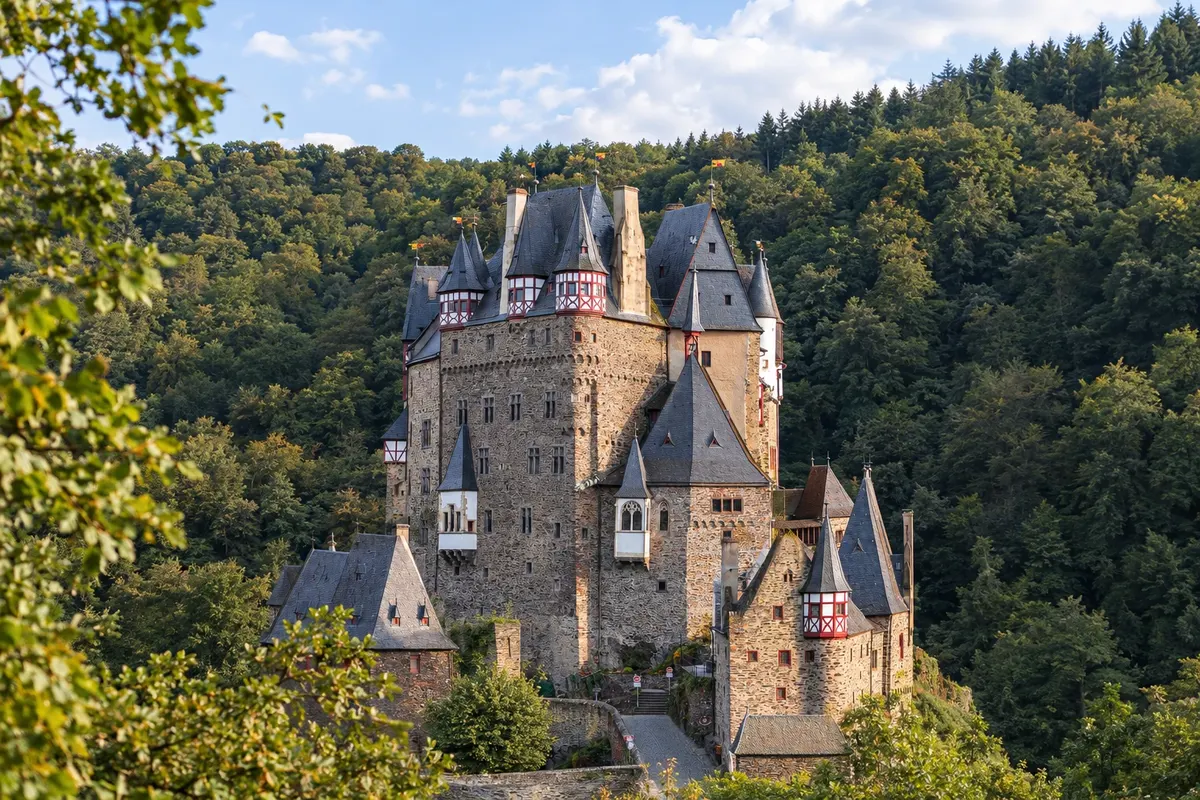
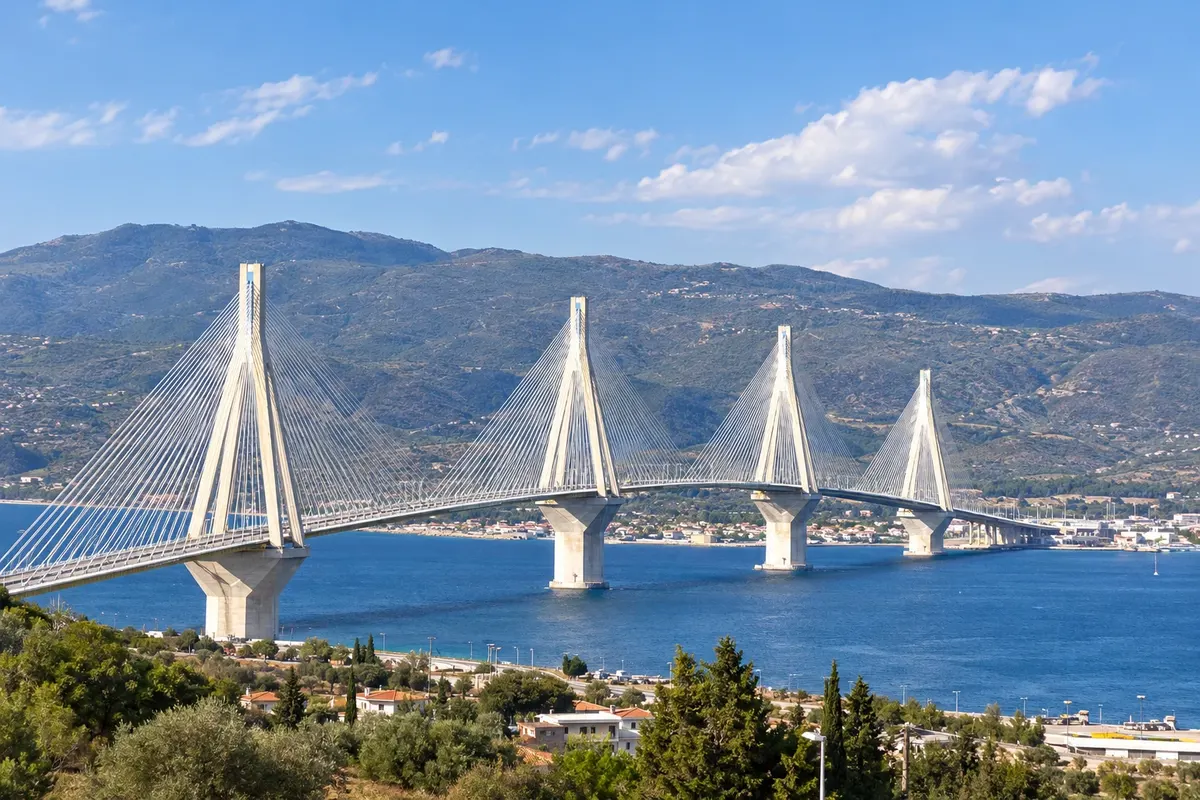
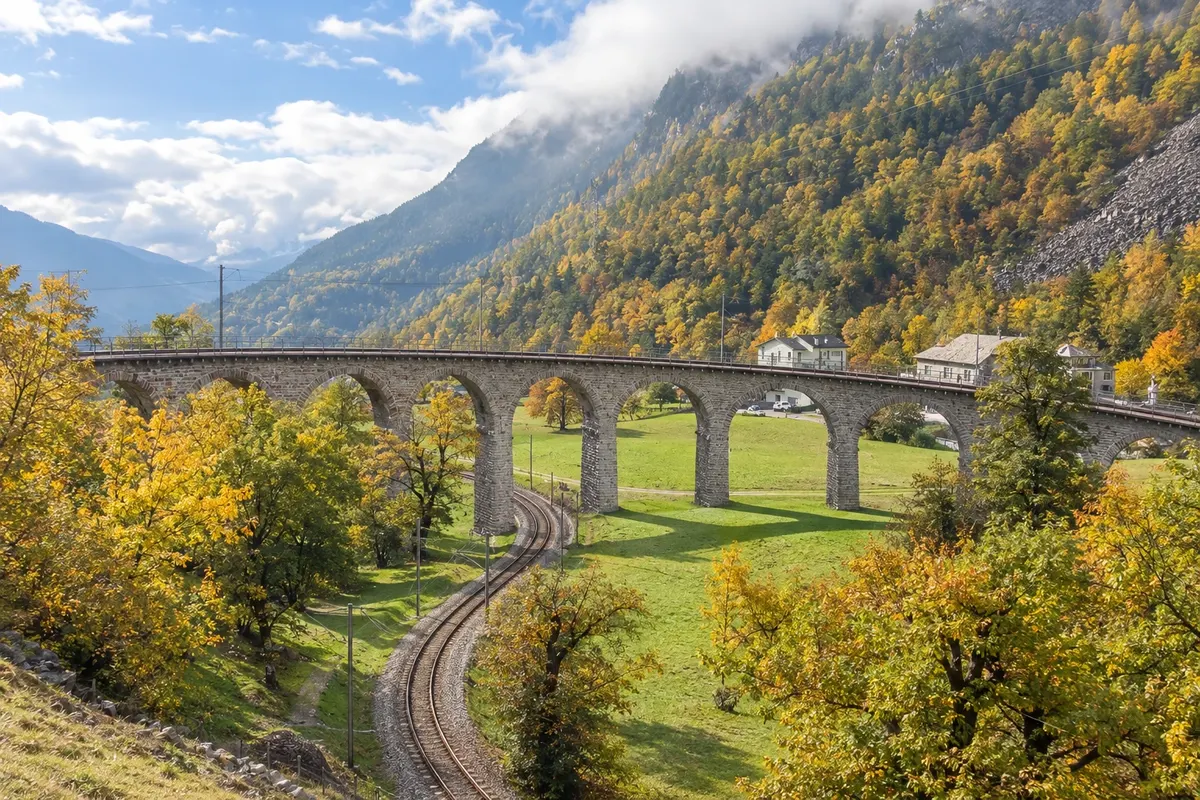
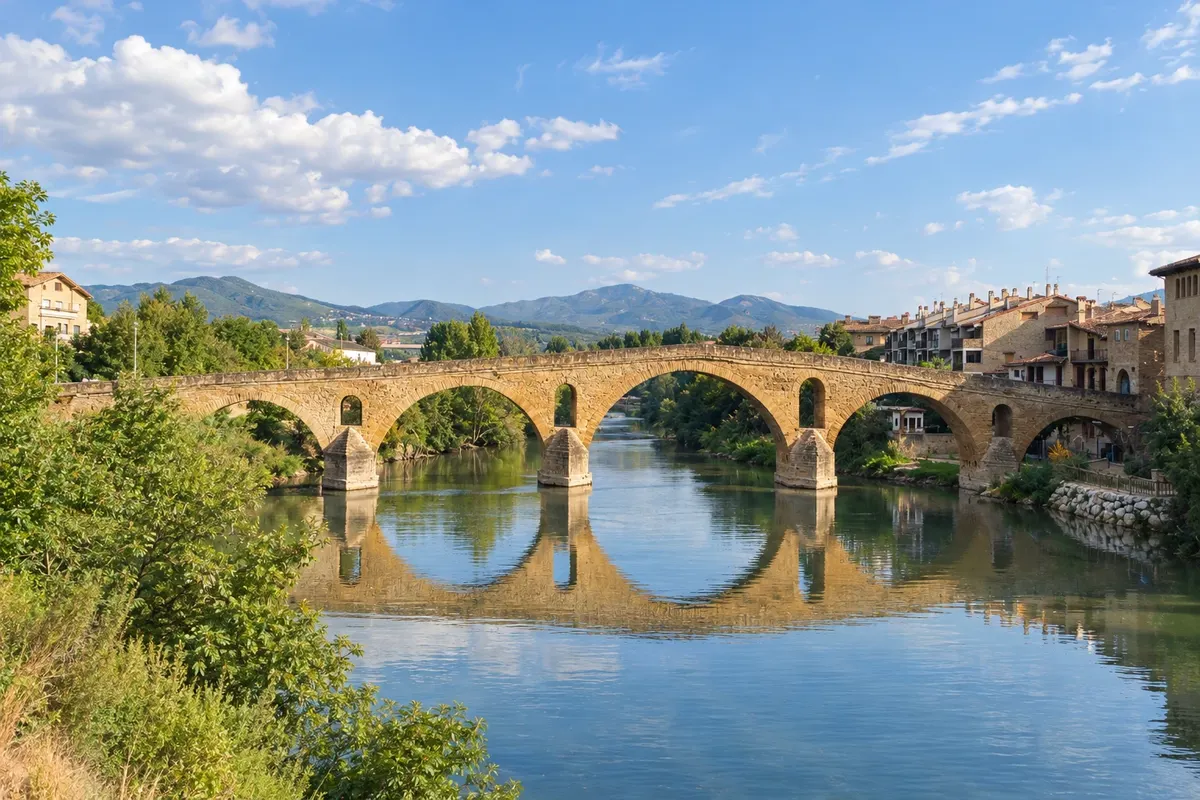
Illustrative images. The pictures in this guide are illustrations based on the real place, not photographs, and may differ from it.
The map
The routes

By train through the centres of Paris, Brussels, Antwerp, Rotterdam and Amsterdã: three countries in a little over three hours, from central station to central station.

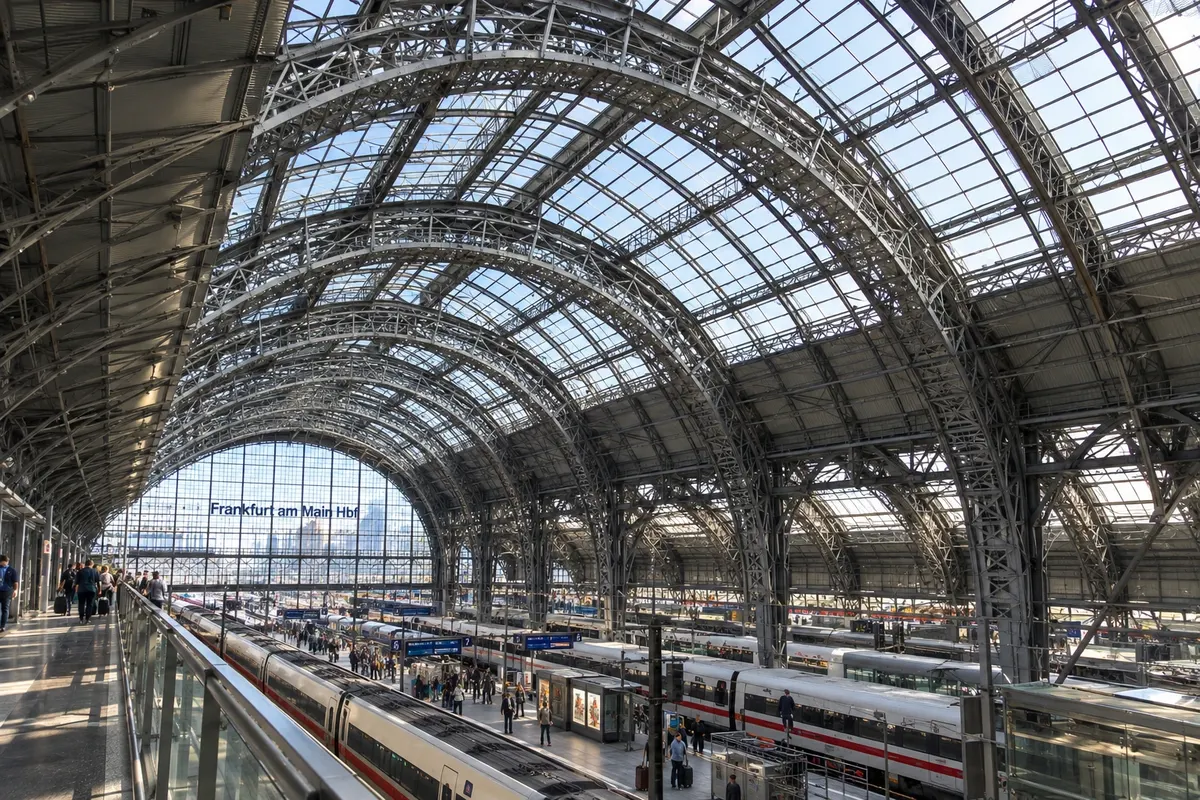
By train from Paris to Munich via Frankfurt and Nuremberg: TGV and ICE connect France to southern Germany from central station to central station.
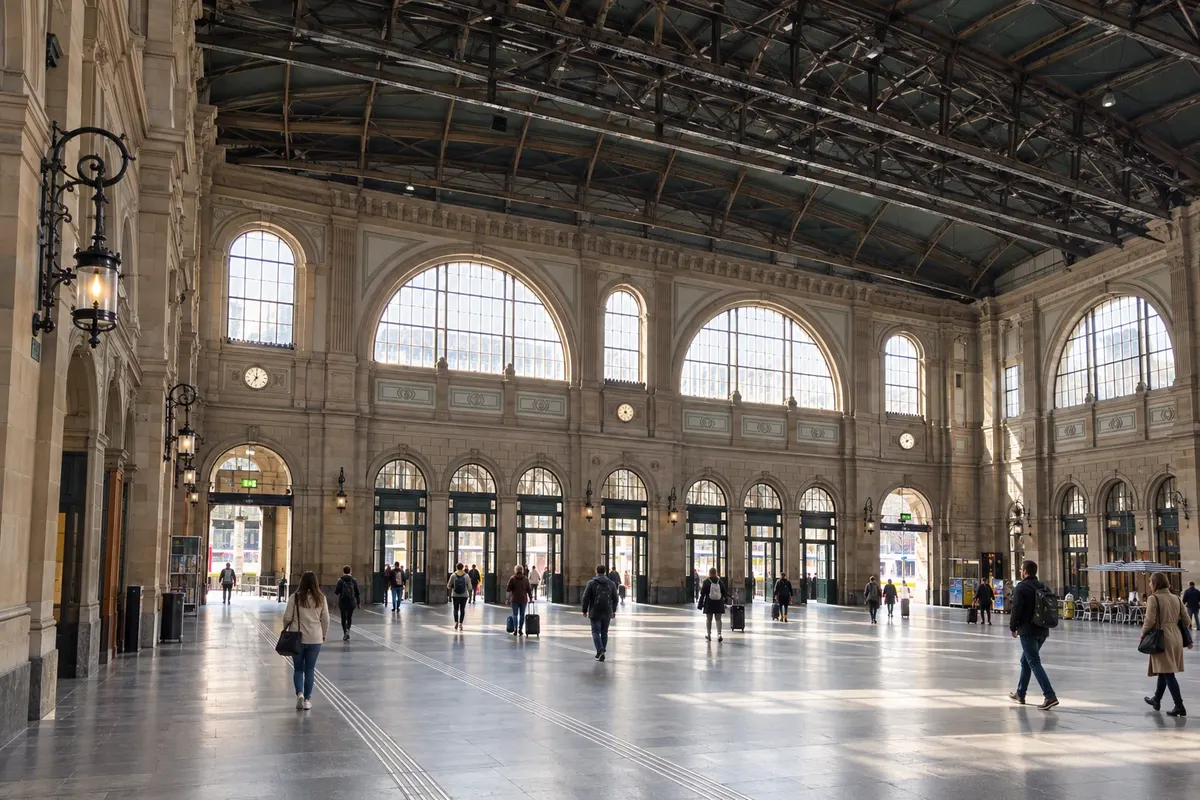
By train from Paris to Zurique in about four hours, without transfers: from the Gare de Lyon to the centre of the largest city in Suíça, passing through Alsácia and Basileia.

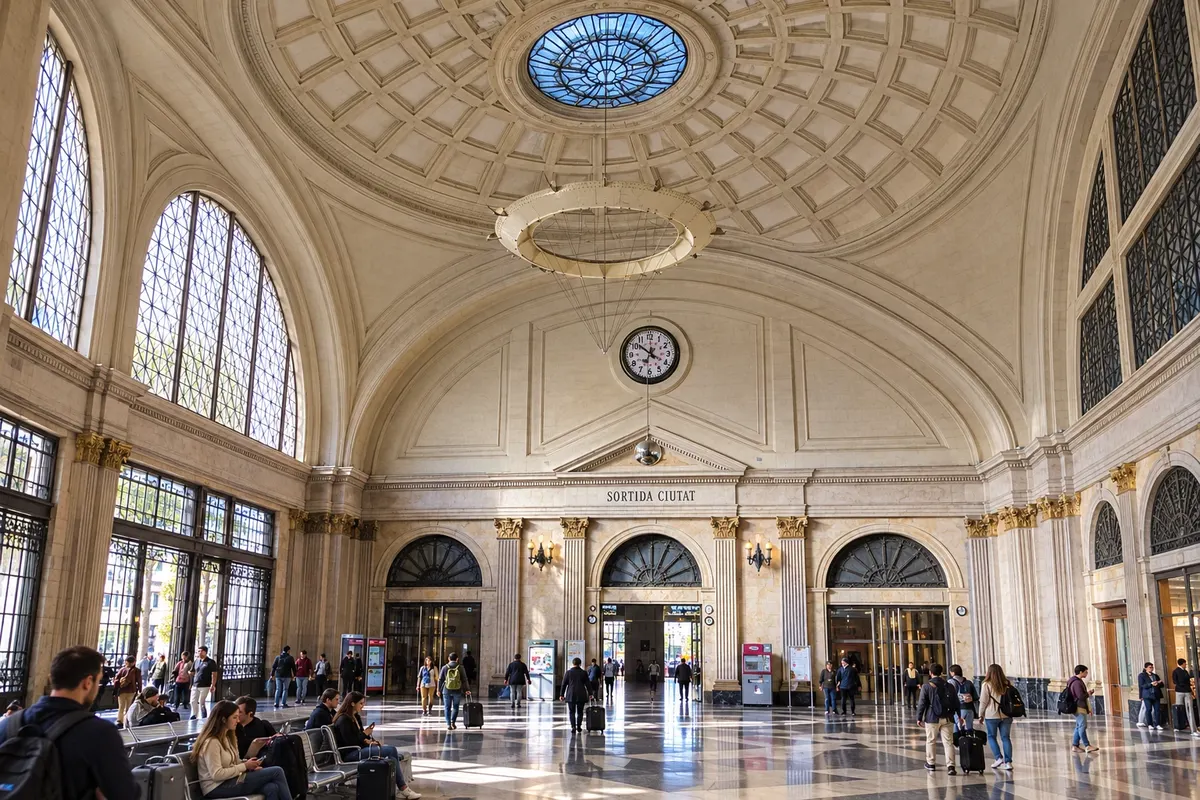
By train from Paris to Barcelona, crossing the sul da França and the Pireneus, with stops in Figueres and Girona: from central station to central station in about six and a half hours.

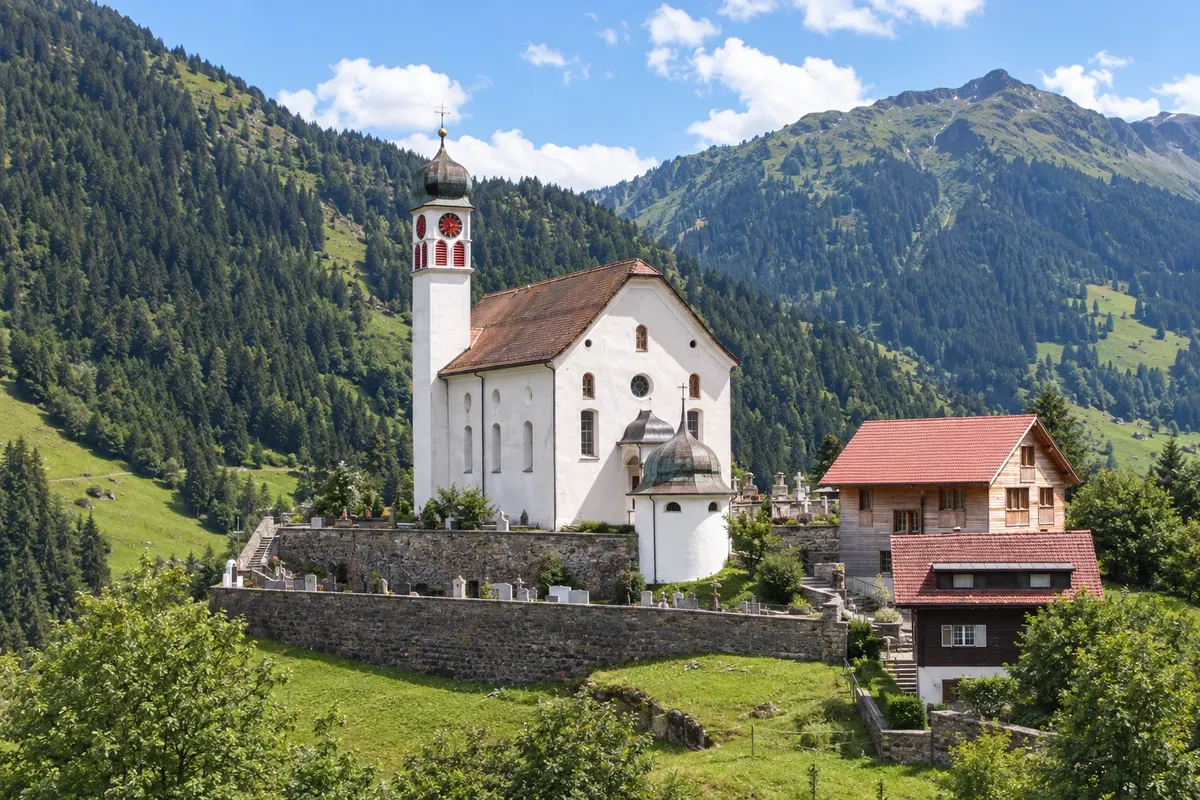
By train from Suíça to Itália across the Alpes: from Zurique to Milão via the túnel de base do Gotardo, with Lucerna, lago de Como and, for those with time, the old panoramic mountain line.

By car on both sides of the Rhine: the Rota dos Vinhos da Alsácia, with villages of half-timbered houses among vineyards, and the mountain roads of the Floresta Negra, between Estrasburgo, Colmar, Freiburg and Baden-Baden.

By train from Italy to France through the Alps: Milão, Turim, the Maurienne valley, Lyon and Paris in about seven hours, with no transfers.

By train from the Netherlands to Berlim: about six hours without changes, through the Dutch interior and northern Germany, from central station to central station.
By train from Belgium to Germany: Bruxelas, Liège, Colônia and Frankfurt in about three hours, from central station to central station.
The three Benelux countries by train: from Amsterdã to Bruxelas in about two hours, and from Bruxelas to Luxemburgo through the Ardennes, with Roterdã, Antuérpia and Namur along the way.

On foot from Portugal to Santiago de Compostela: the pilgrimage route that starts in Lisboa or Porto, follows the yellow arrows and ends at the praça do Obradoiro.

By car between the peninsula's two capitals: Évora's Alentejo, Roman Mérida and medieval Cáceres on the route from Lisboa to Madri.

From Porto to Galicia by train: the Celta crosses the Minho to Vigo, and a regional train takes about an hour to reach Santiago de Compostela.

Along the river Mosela, from Luxemburgo to Germany: vineyards on slopes, half-timbered villages, Roman Trier, Cochem’s castle and the confluence with the Rhine in Koblenz.

From Puglia to Greece by sea: overnight ferries depart from Bari and Brindisi and arrive in the morning at Igoumenitsa, in Epirus, or continue to Patras, the gateway to the Peloponnese.

The red train that crosses the Alps from Suíça to Itália: viaducts, spiral tunnels, glaciers and the lago Bianco, from Chur to Tirano in about four hours, with a bus to Lugano.

The most walked pilgrimage route to Santiago de Compostela: from the French Pyrenees to Galicia, on foot, via Pamplona, Burgos and León, following the yellow arrows.

The ancient pilgrims' route to Roma: from Canterbury Cathedral, through France and Switzerland, over the Alps via the Grande São Bernardo and across Tuscany to São Pedro Square.

The Camino de Santiago along the Atlantic: from Porto to Galícia along the coast, via Vila do Conde, Viana do Castelo, A Guarda, Baiona and Vigo, to the cathedral of Santiago.

Two capitals on the island of Ireland in about two hours by train, along the coast of the Irish Sea, with no border checks on the way.

By train under the Canal da Mancha: from St Pancras, in central Londres, to central Paris or to Bruxelas in just over two hours.