Trier

Renânia-Palatinado · Germany

Trier

In the destination Vale do Mosela.

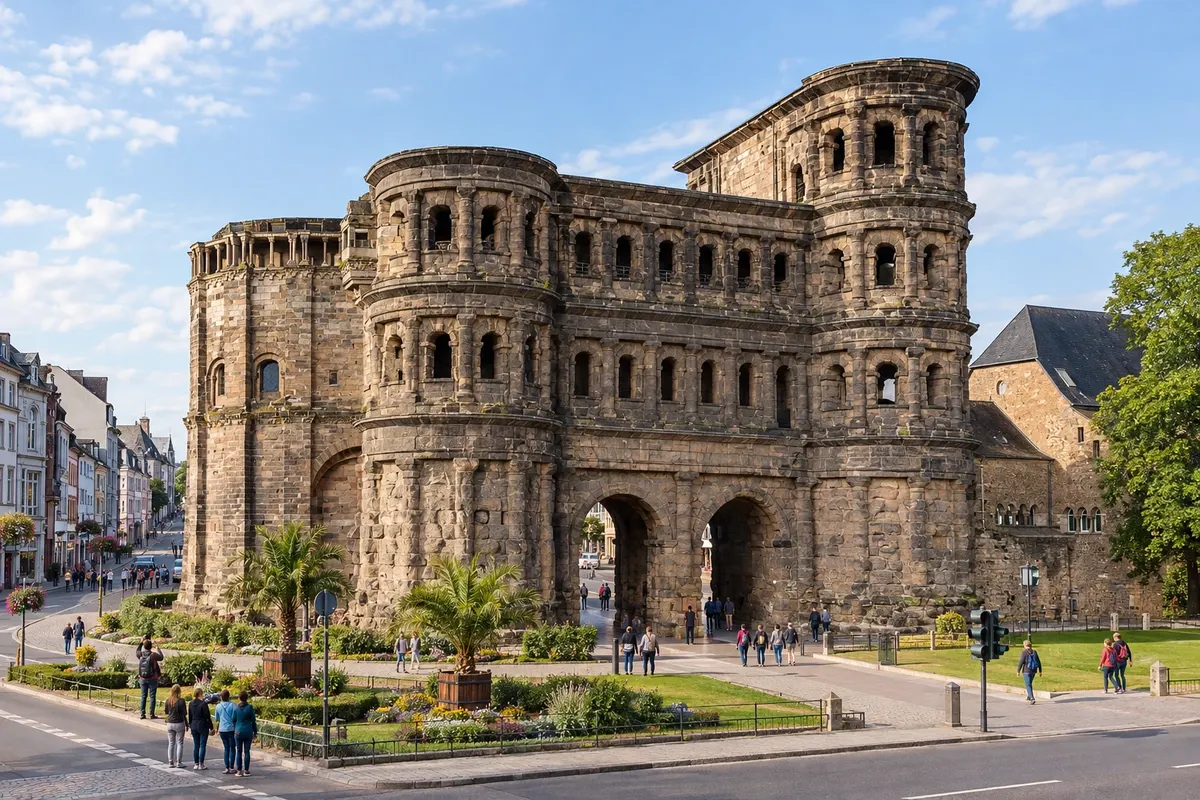
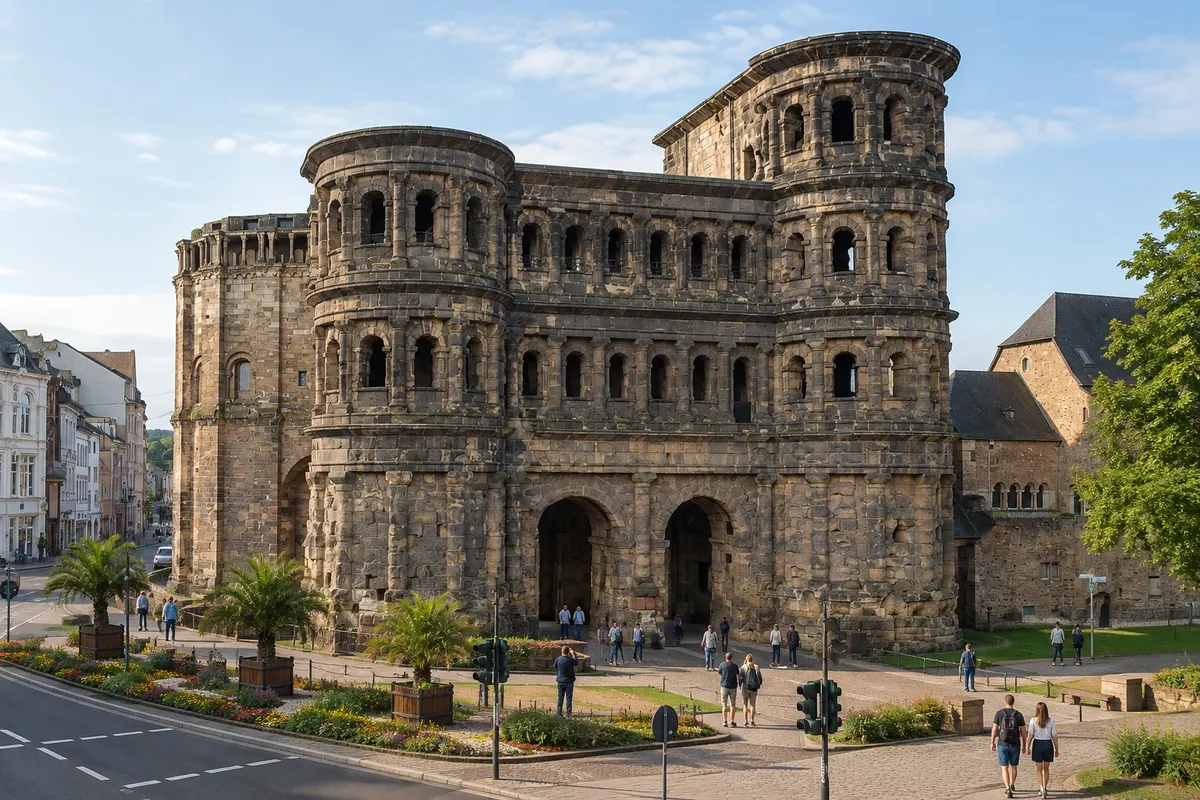
In the photo: Porta Nigra, Trier

Illustrative images. The pictures in this guide are illustrations based on the real place, not photographs, and may differ from it.

Get it on Google Play Send your photos

The city

What to expect from Trier.

Trier, on the banks of the Mosela and near Luxembourg, was founded by the Romans as Augusta Treverorum and is considered the oldest city in Germany. Porta Nigra, Konstantinbasilika, Kaiserthermen, the amphitheatre, the Römerbrücke, the cathedral and Liebfrauenkirche are a UNESCO World Heritage Site. The Rheinisches Landesmuseum houses the Roman finds, and the house where Karl Marx was born has become a museum. The Hauptmarkt is the city centre.

Share: WhatsApp

Where to stay

There's no accommodation in the guide yet in Trier.

Where to eat

There are no restaurants in the guide yet in Trier.

Know a good one? Recommend it to us

Your trip

how to get there · how many days · itinerary · questions

The local experience

What to see in Trier

Porta Nigra
Monument

Porta Nigra

Roman sandstone gate built around AD 170, the only one of the four gates of the old Augusta Treverorum still standing. It became a church in the Middle Ages and was returned to its Roman form by order of Napoleon.

Trierer Dom
Cathedral

Trierer Dom

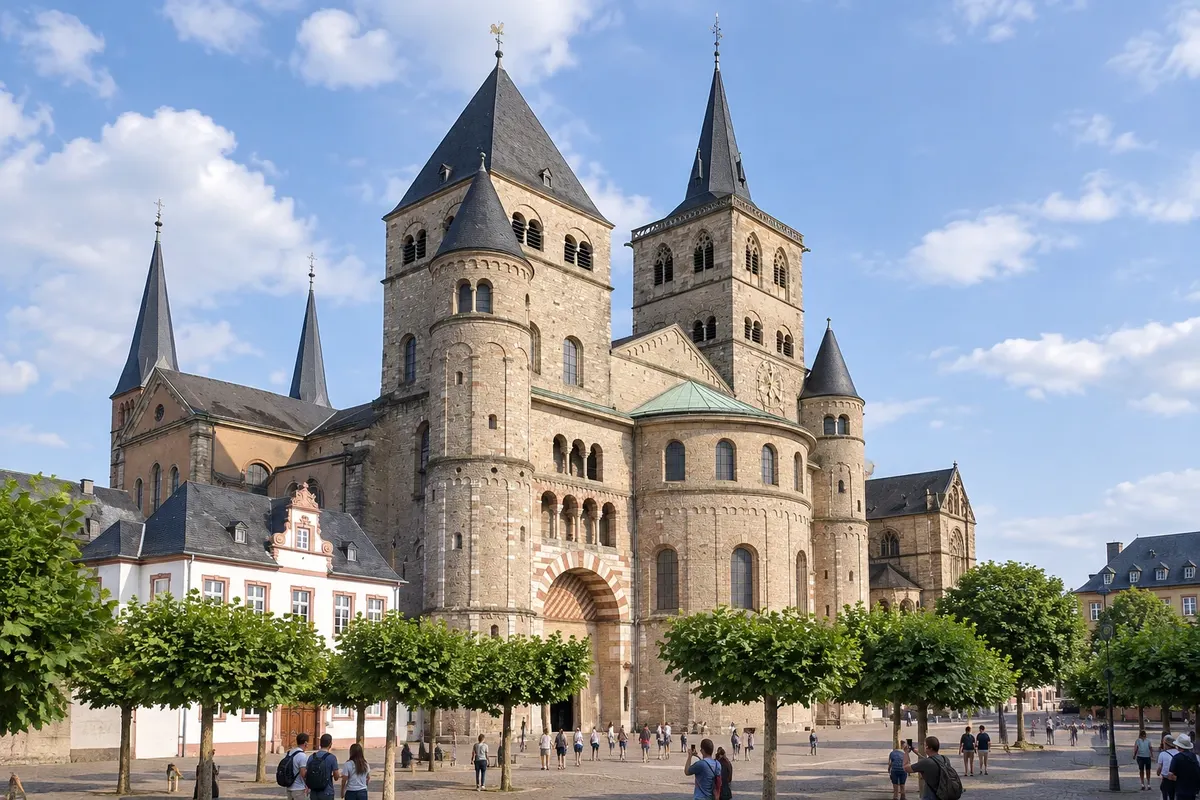
Catedral de São Pedro, with a Roman core from the 4th century, considered the oldest church in Germany still in use. It houses the Túnica Sagrada, a relic rarely displayed, and a treasury of sacred art.

Liebfrauenkirche
Church

Liebfrauenkirche

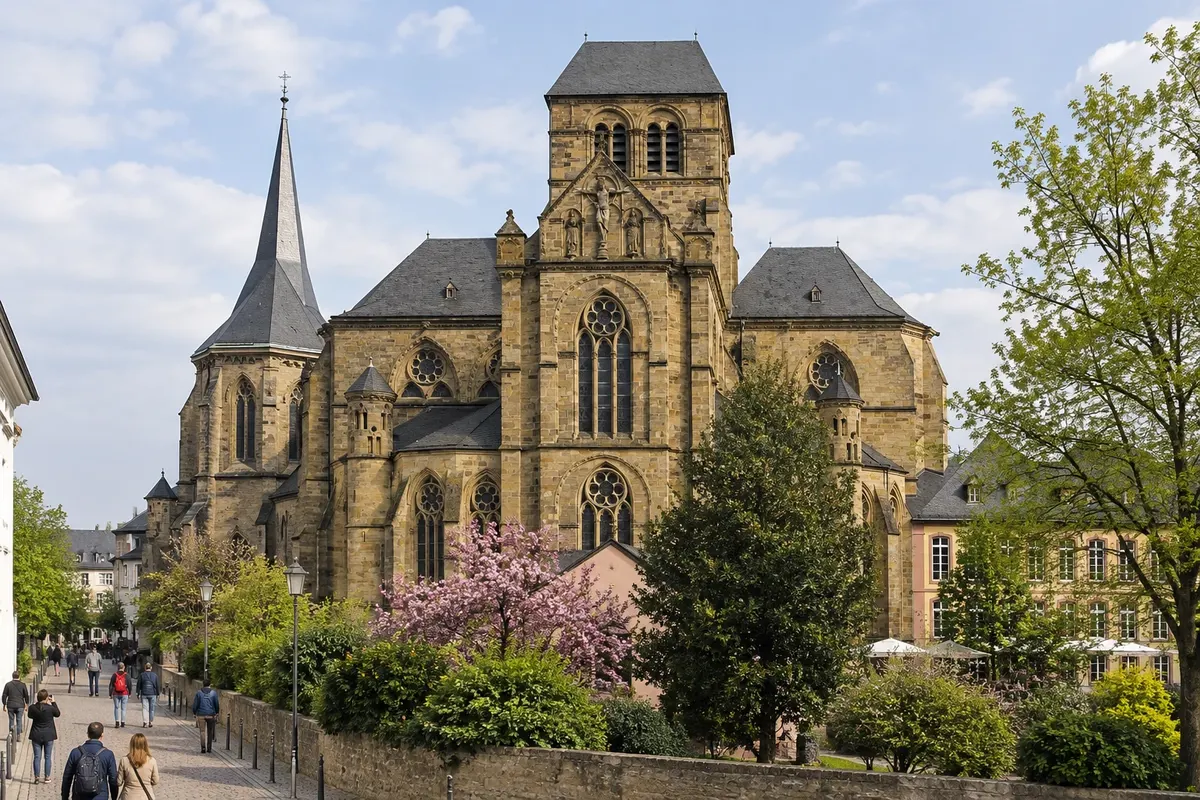
Igreja de Nossa Senhora, next to the cathedral, built from around 1230. Together with the Elisabethkirche of Marburg, it is considered the oldest Gothic church in Germany.

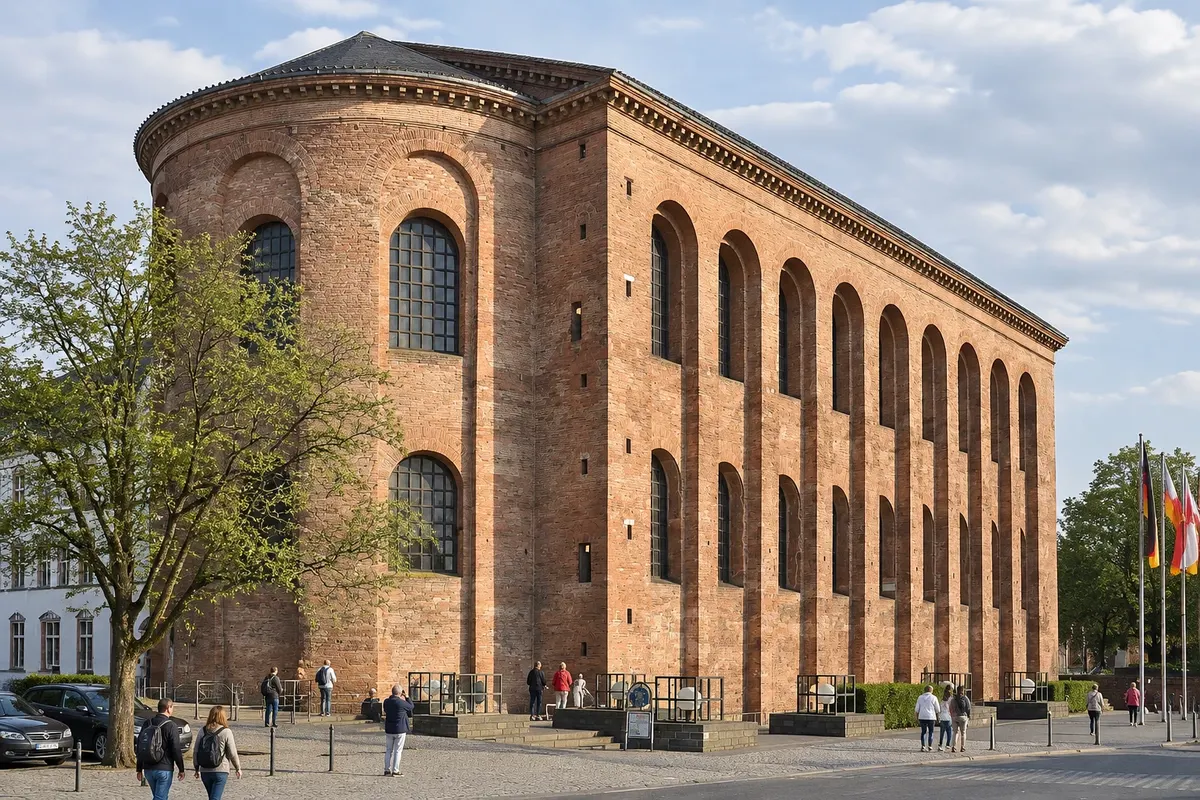
Konstantinbasilika
Historic site

Konstantinbasilika

Former audience hall of Emperor Constantine's palace, from the early 4th century, measuring 67 meters long and 33 meters high. Since 1856 it has been used as a Protestant church.

See 6 more places in Trier
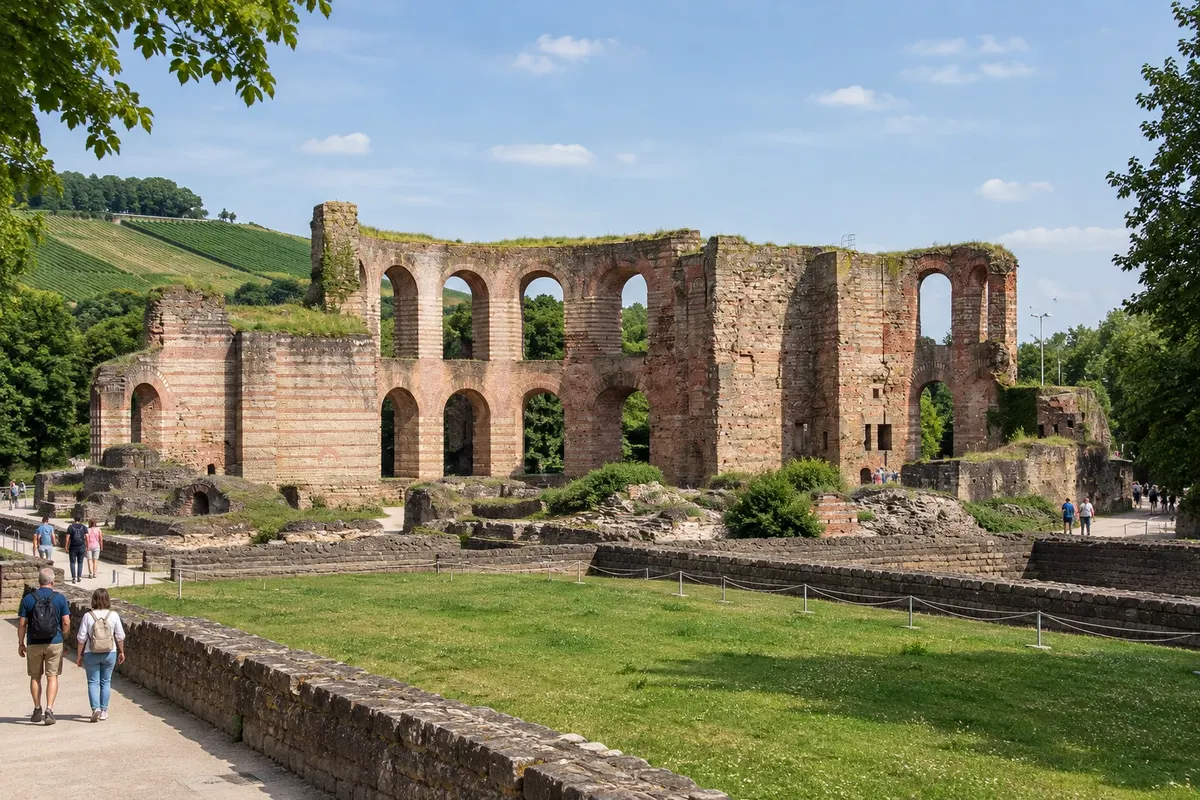
Kaiserthermen
Archaeological site

Kaiserthermen

Imperial baths begun around the year 300 and never completed as bathing facilities. They became a Roman barracks and, in the Middle Ages, part of the city wall. The underground service galleries can be explored on foot.
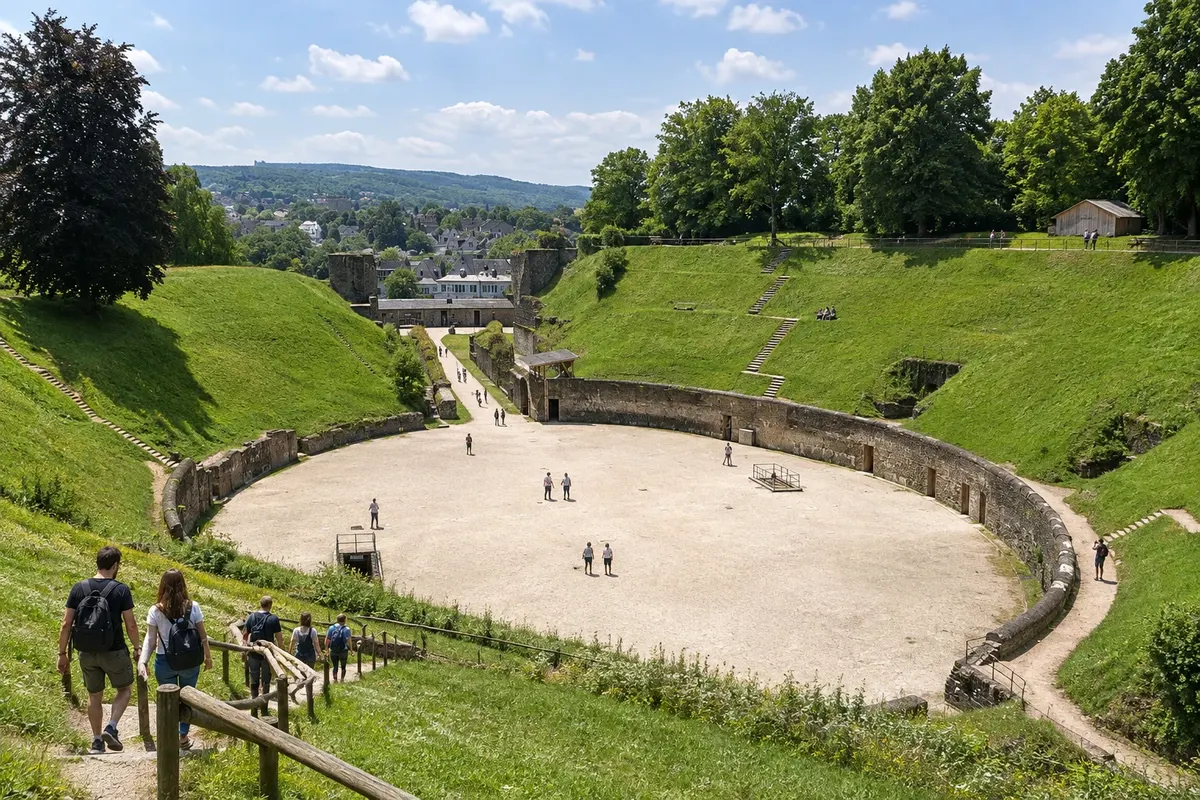
Amphitheater Trier
Archaeological site

Amphitheater Trier

2nd-century Roman amphitheatre, with capacity for about 20,000 people, used for gladiator fights and animal spectacles. The cellar beneath the arena can be visited.
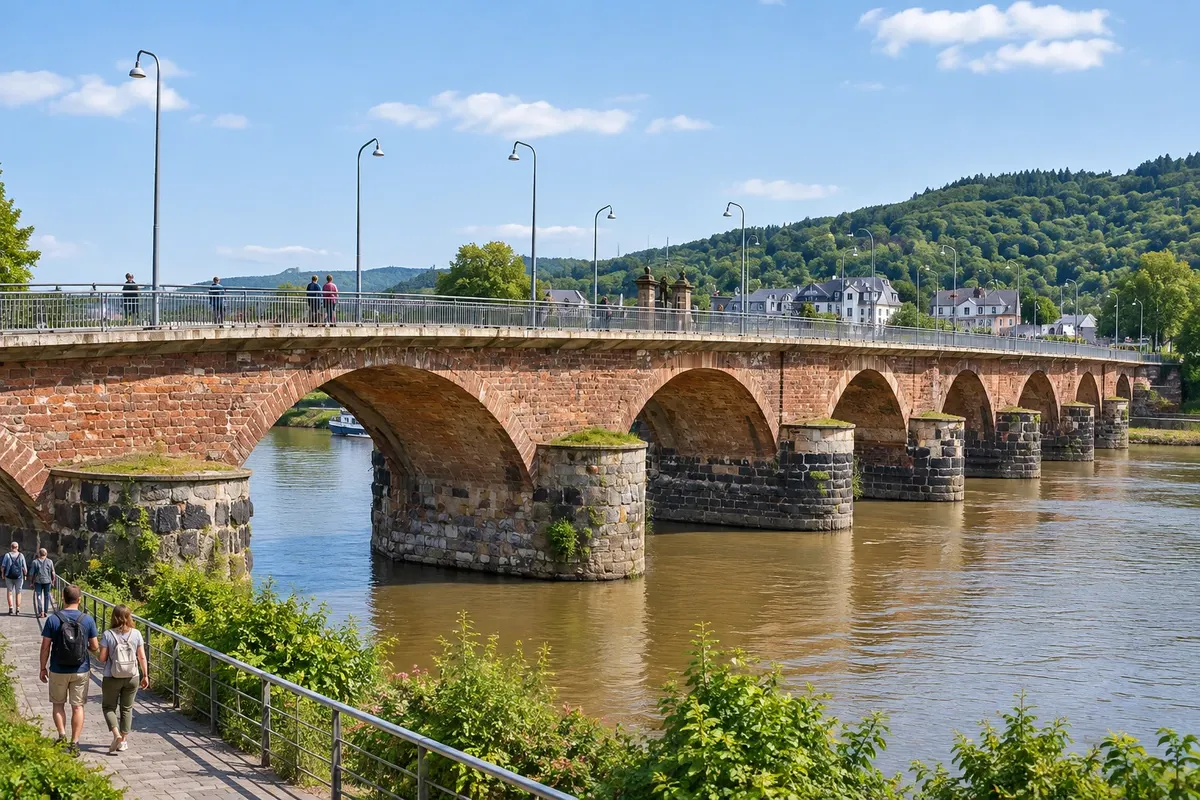
Römerbrücke
Bridge

Römerbrücke

Bridge over the Mosela with stone piers built between 142 and 150 AD, considered the oldest bridge in Germany. It remains open to traffic.
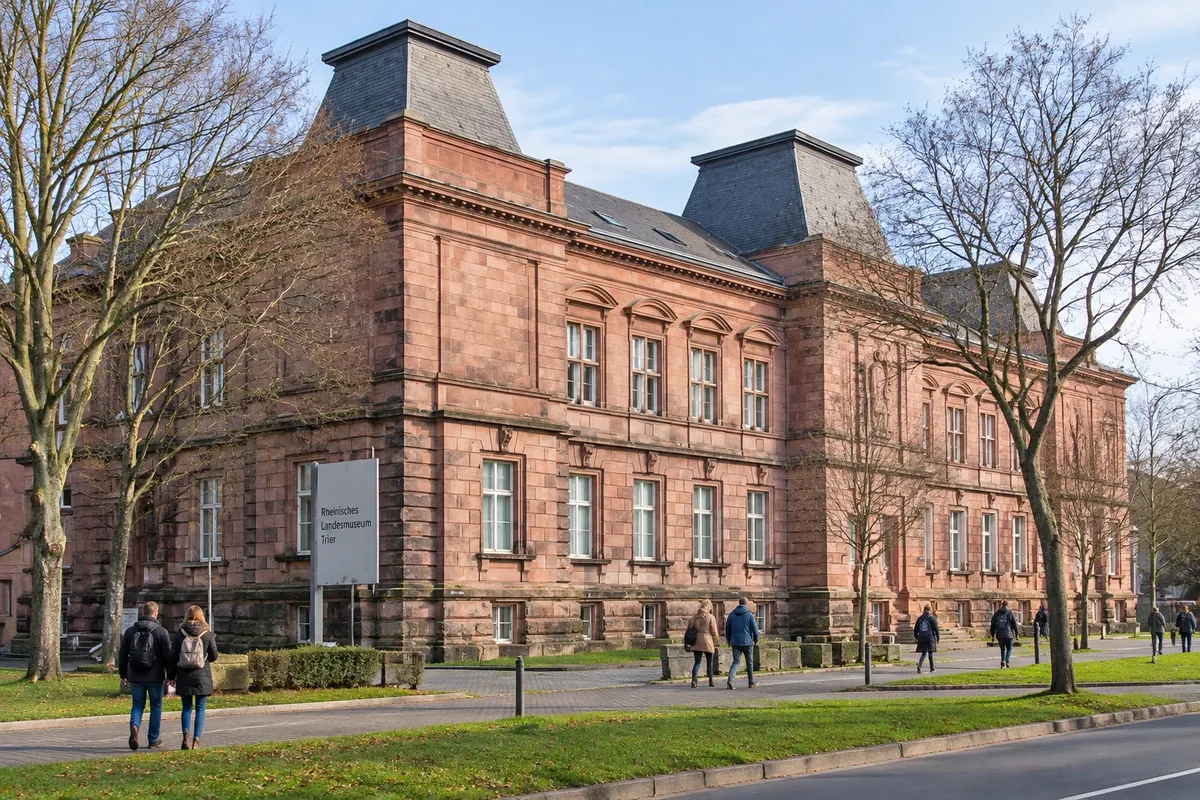
Rheinisches Landesmuseum Trier
Museum

Rheinisches Landesmuseum Trier

Archaeological museum with the largest collection of Roman mosaics north of the Alps, the wine boat of Neumagen and the Trier treasure of gold coins, with over 2,600 pieces.
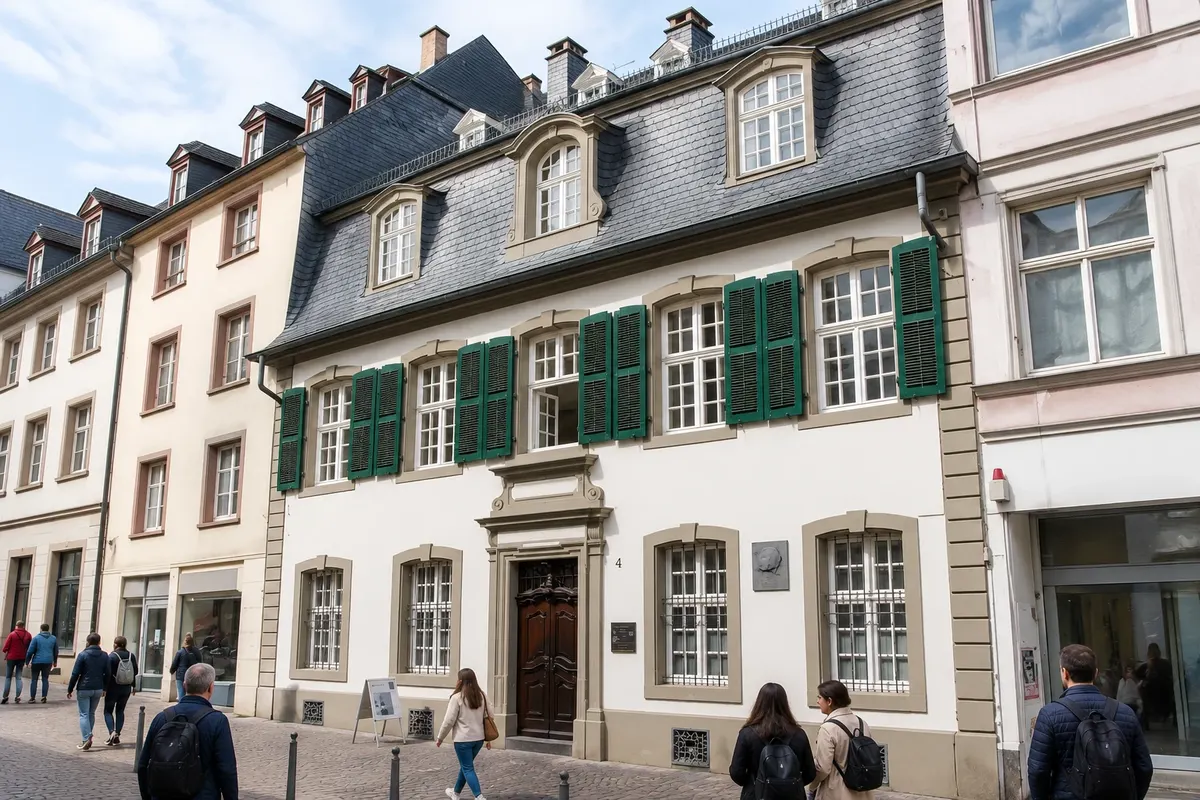
Museum Karl-Marx-Haus
House museum

Museum Karl-Marx-Haus

Baroque house from 1727 where Karl Marx was born on 5 May 1818; today it is a museum about his life, his ideas and their influence, maintained by the Friedrich Ebert Foundation.
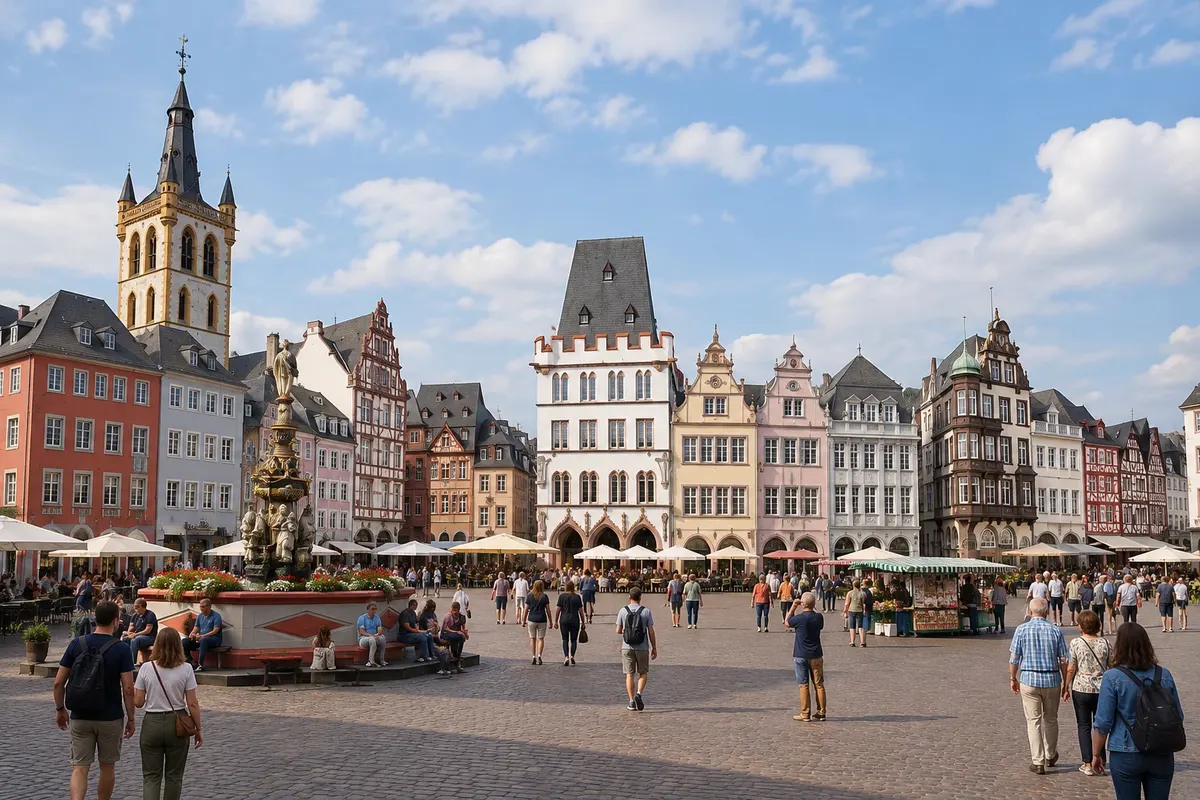
Hauptmarkt
Square

Hauptmarkt

Main square of Trier, with the market cross of 958, the St. Peter fountain of 1595, the Steipe and façades from various periods. From here you can walk to the Porta Nigra, the cathedral and the Church of St. Gangolf.


Traveler, share your experiences through photos Up to 5 photos of each place you visited.
See the destination Vale do Mosela Find another city
Back