

 Brazil
 Argentina
 Chile
Chile Colombia
 Peru
Peru Uruguay
 Germany
 Belgium
 Spain
Spain France
 Greece
 the Netherlands
 Ireland
 Italy
Italy Portugal
 the United Kingdom
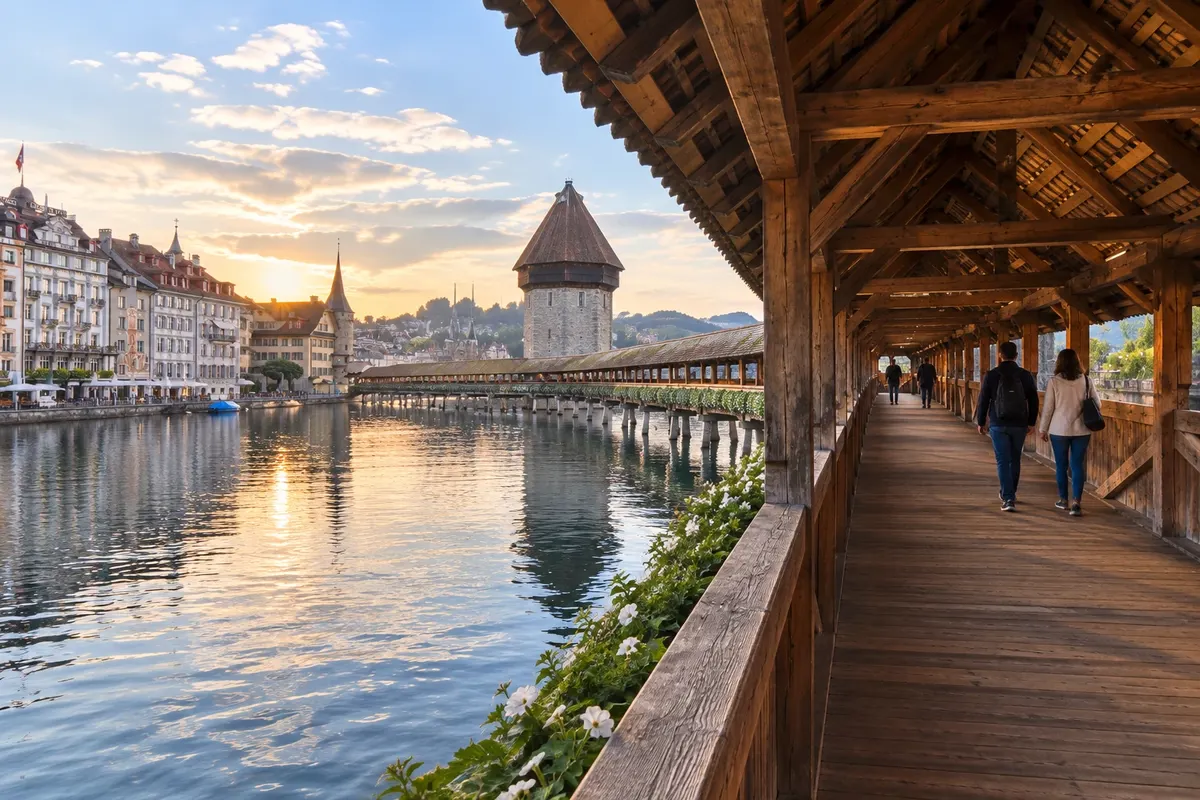
Historic monument
Kapellbrücke
Covered wooden bridge over the river Reuss, built around 1365, with 17th-century paintings on the ceiling and the octagonal Wasserturm tower beside it.
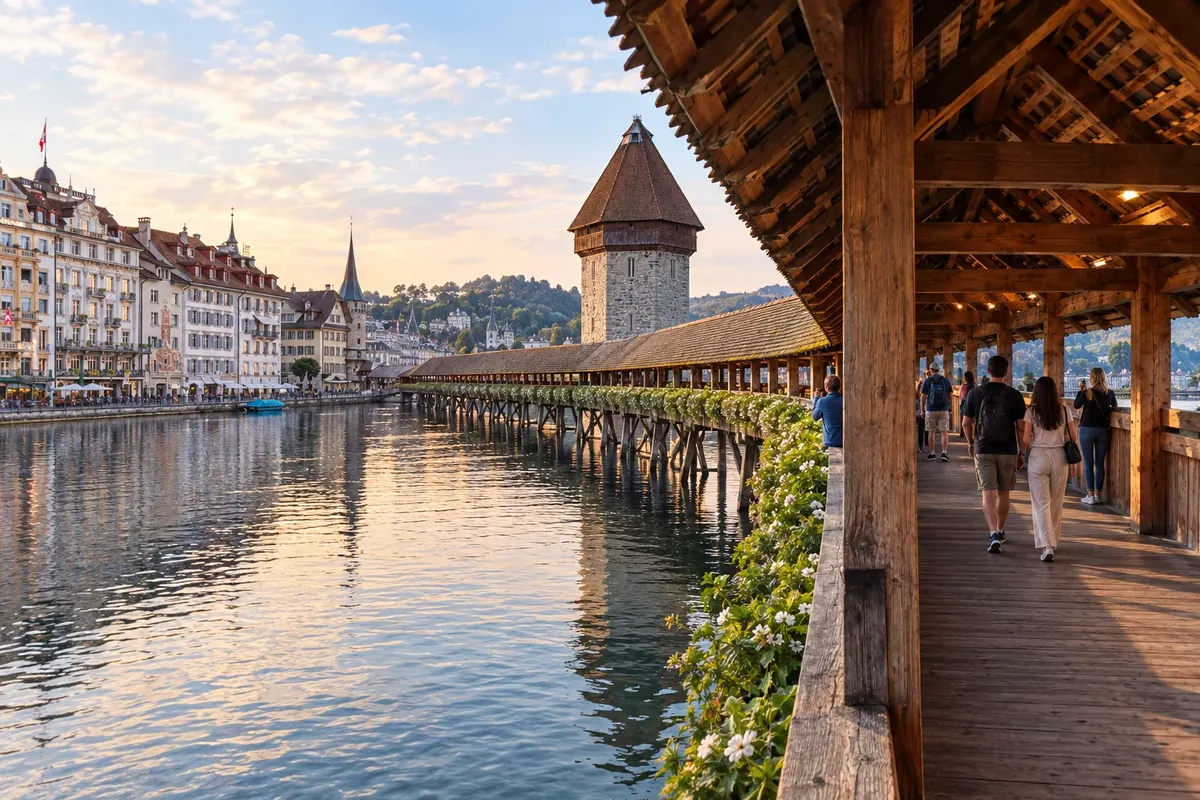
Lucerna · Switzerland Capital
In the destination Lucerna and the mountains.
In the photo: Kapellbrücke and River Reuss, Lucerne
Illustrative images. The pictures in this guide are illustrations based on the real place, not photographs, and may differ from it.
The city
Capital of the canton of Lucerne, at the point where the river Reuss leaves the Lake of the Four Cantons. It has the Kapellbrücke and the Spreuerbrücke, covered wooden bridges, the Altstadt with painted facades, the Museggmauer wall, the Löwendenkmal, the KKL by Jean Nouvel and the Swiss Museum of Transport. It is the base for ascending Pilatus, Rigi, Stanserhorn and Bürgenstock.
There's no accommodation in the guide yet in Lucerna.
There are no restaurants in the guide yet in Lucerna.
Know a good one? Recommend it to ushow to get there · how many days · itinerary · questions
The local experience
Covered wooden bridge over the river Reuss, built around 1365, with 17th-century paintings on the ceiling and the octagonal Wasserturm tower beside it.
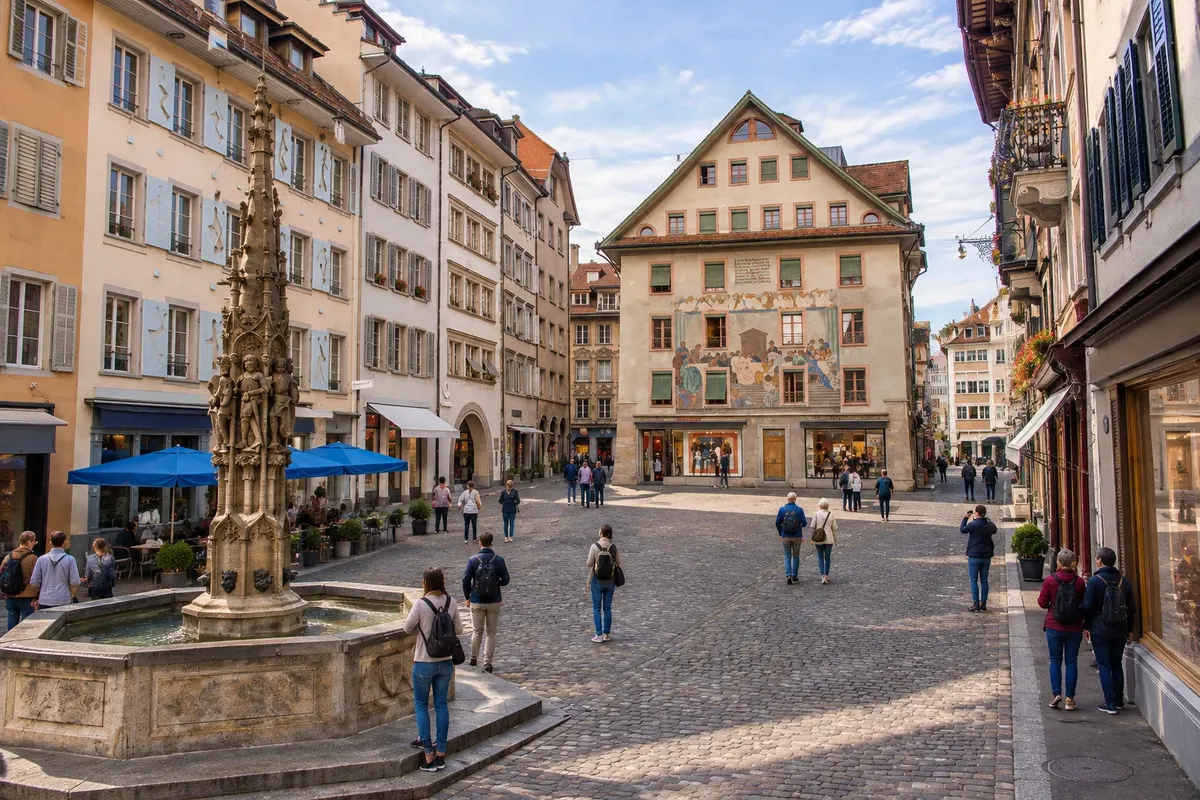
The medieval centre on the right bank of the Reuss, with the Kornmarkt and the old Rathaus, the Weinmarkt and its 1481 fountain, the Hirschenplatz and streets of painted façades.
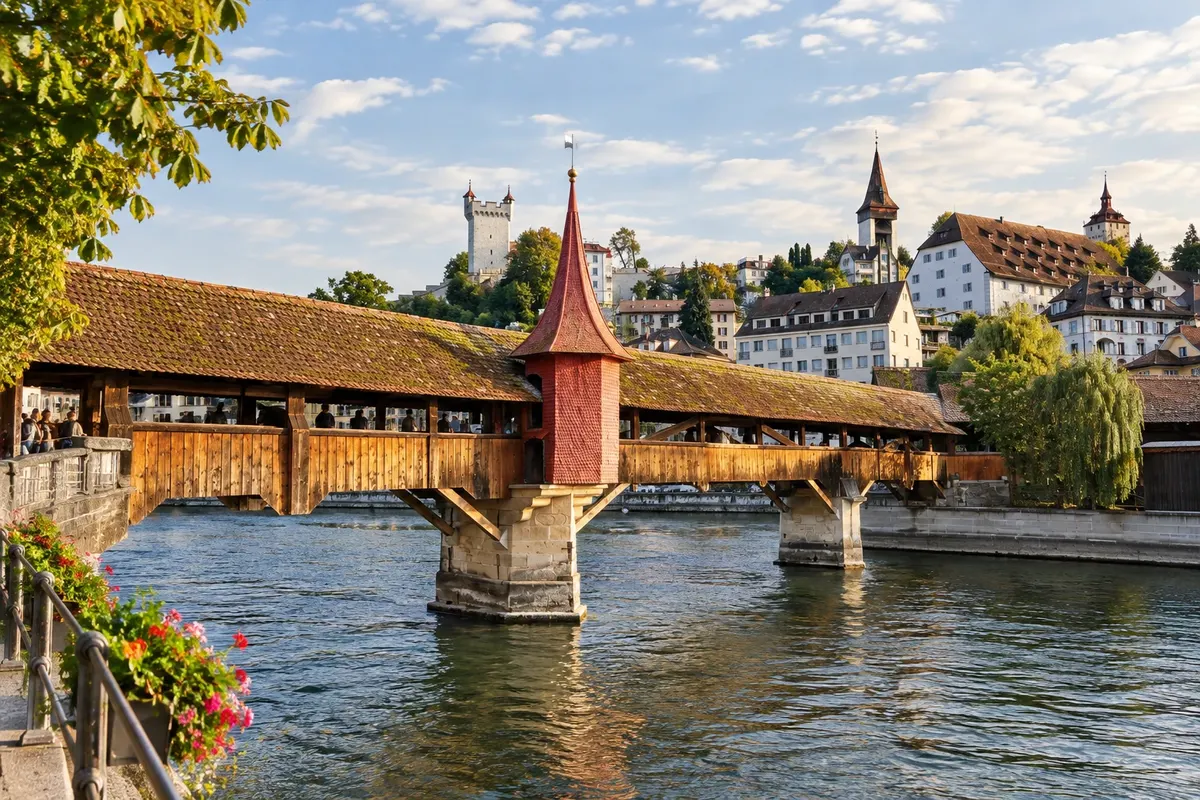
Lucerne’s second covered bridge, 81 m long, with the Totentanz (Dance of Death) painting series made in the 17th century by Kaspar Meglinger and a small chapel in the middle.
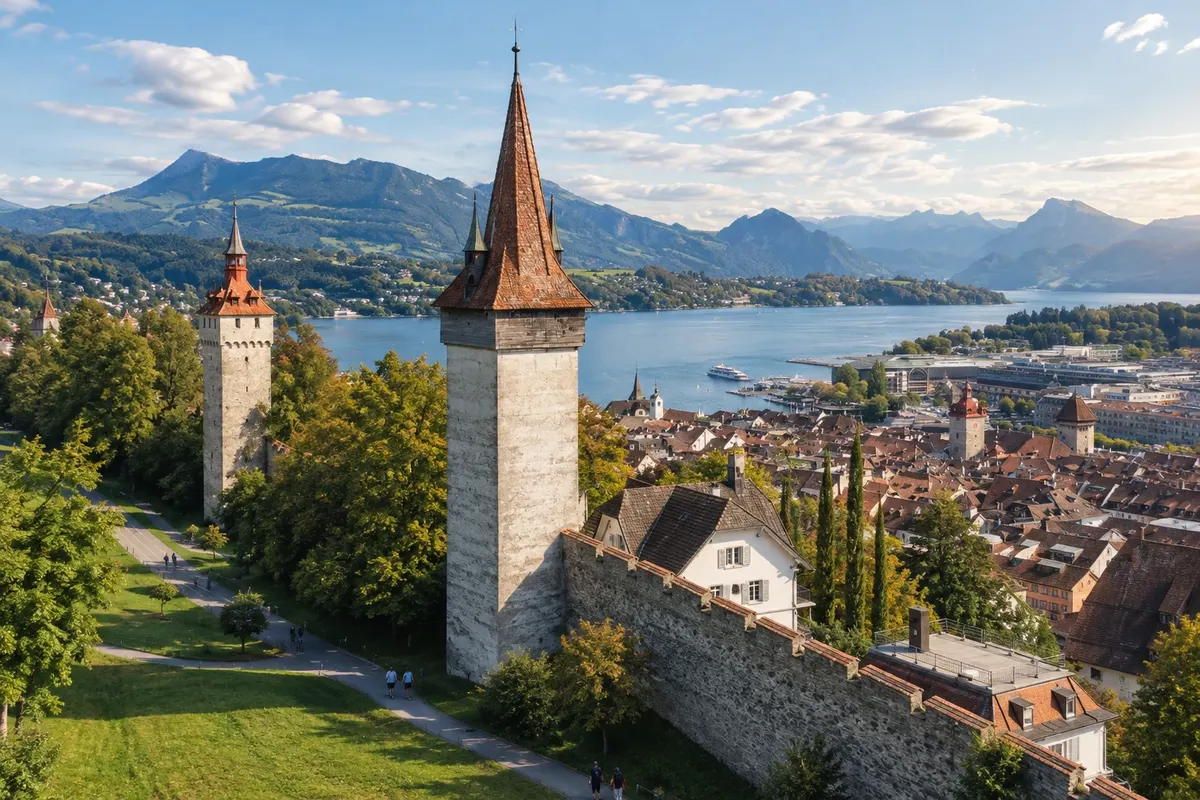
Section of Lucerne's old city wall, about 870 m long with nine towers, four of them open from April to October, offering views over the roofs, the lake and the Alps.
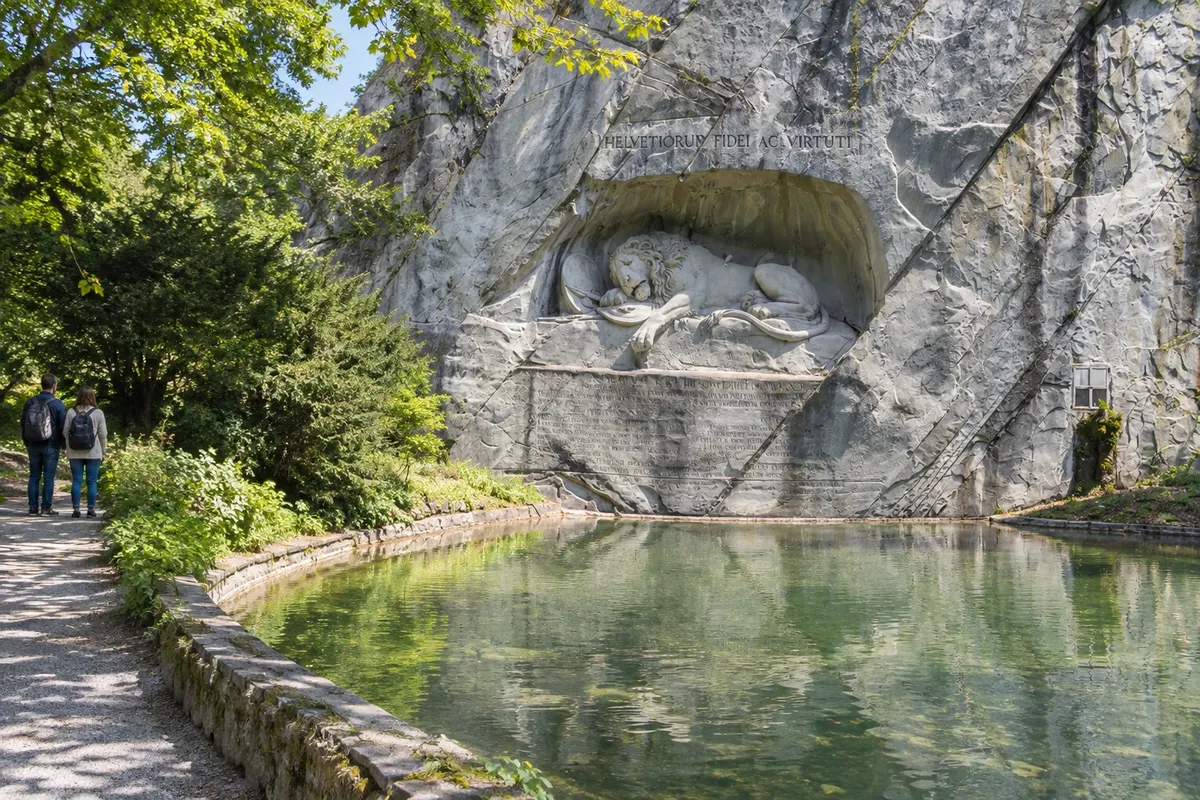
Wounded lion carved in 1820 and 1821 into a rock wall, 10 m long, in memory of the Swiss Guards killed at the Palácio das Tulherias in Paris in 1792.
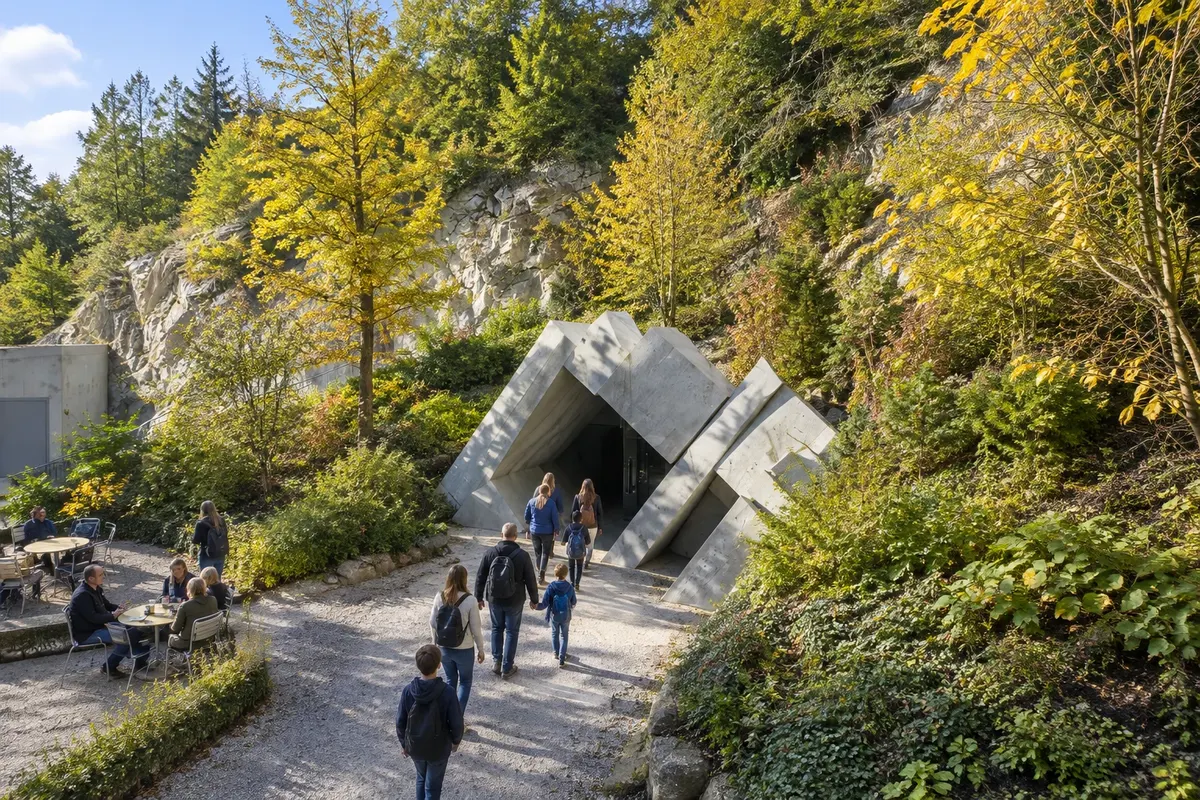
Stone kettles carved by a glacier about 20,000 years ago, discovered in 1872, with a museum, a mirror maze, rock galleries and an observation tower.
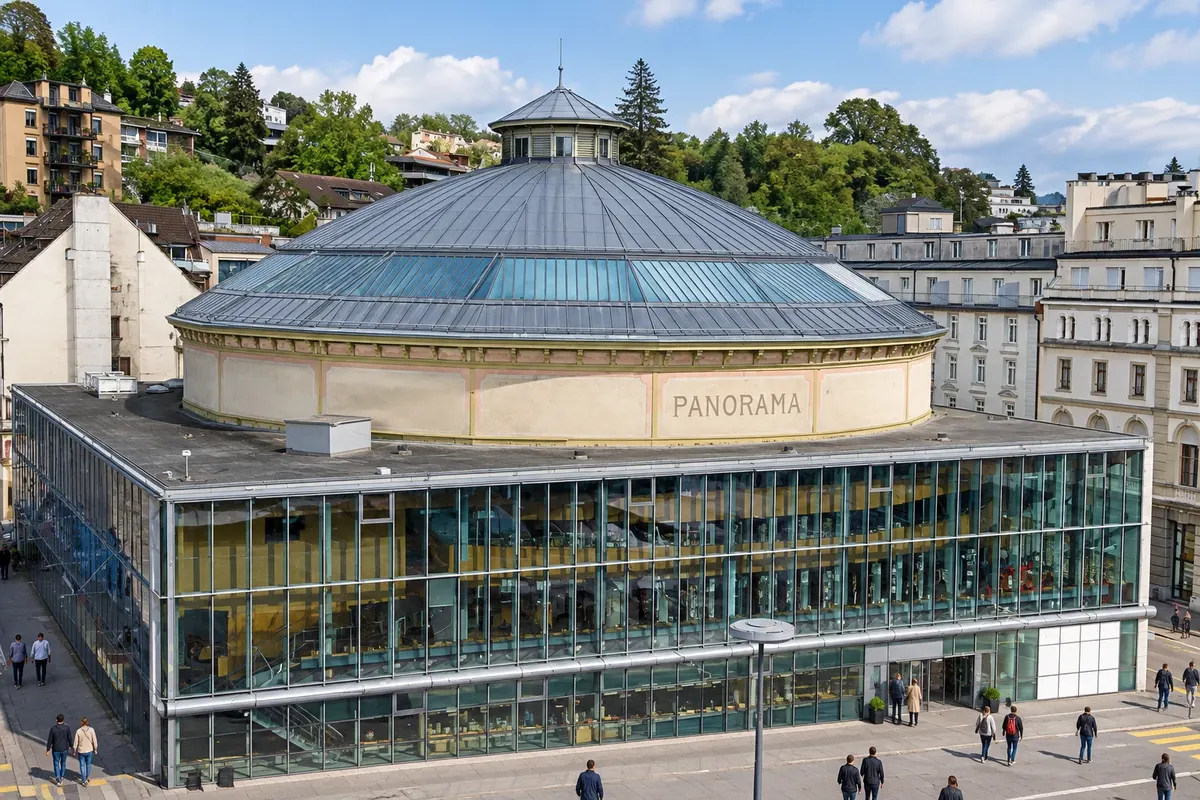
A 112 m circular painting by Édouard Castres from 1881, showing the arrival in Suíça of General Bourbaki's French army in 1871, in a round building near the Leão.
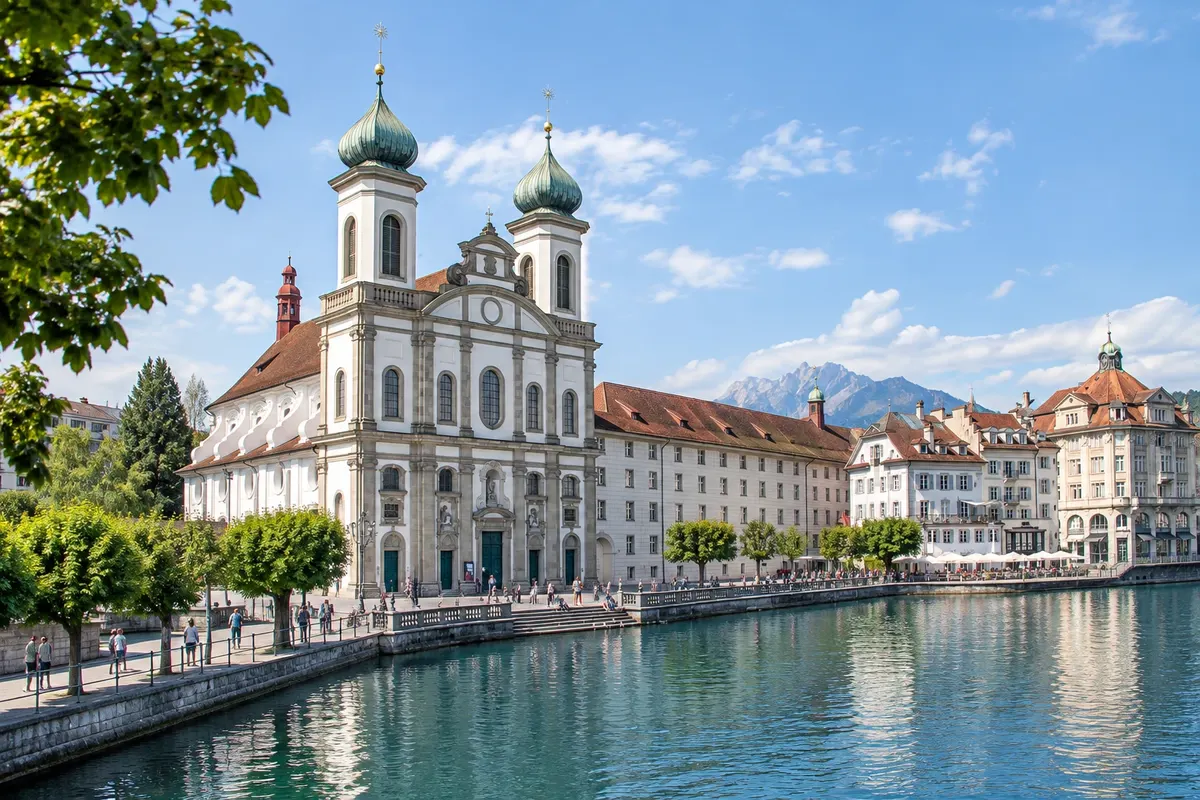
Jesuit church built from 1666 to 1677 on the left bank of the Reuss, the first large Baroque church in Suíça, with a white and gold interior and two domed towers.
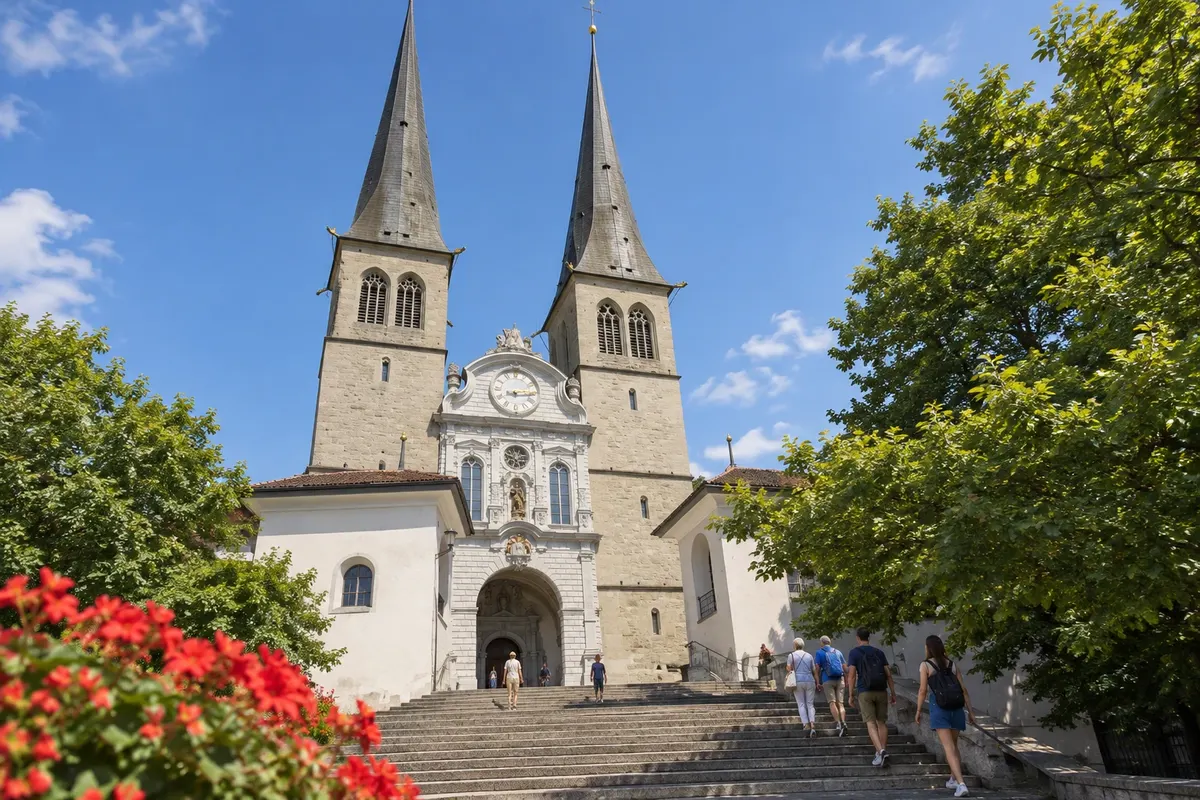
Church of São Leodegário, rebuilt from 1633 to 1639 in Renaissance style after a fire, with medieval towers of 69 m, an arcaded cemetery and a large 17th‑century organ.
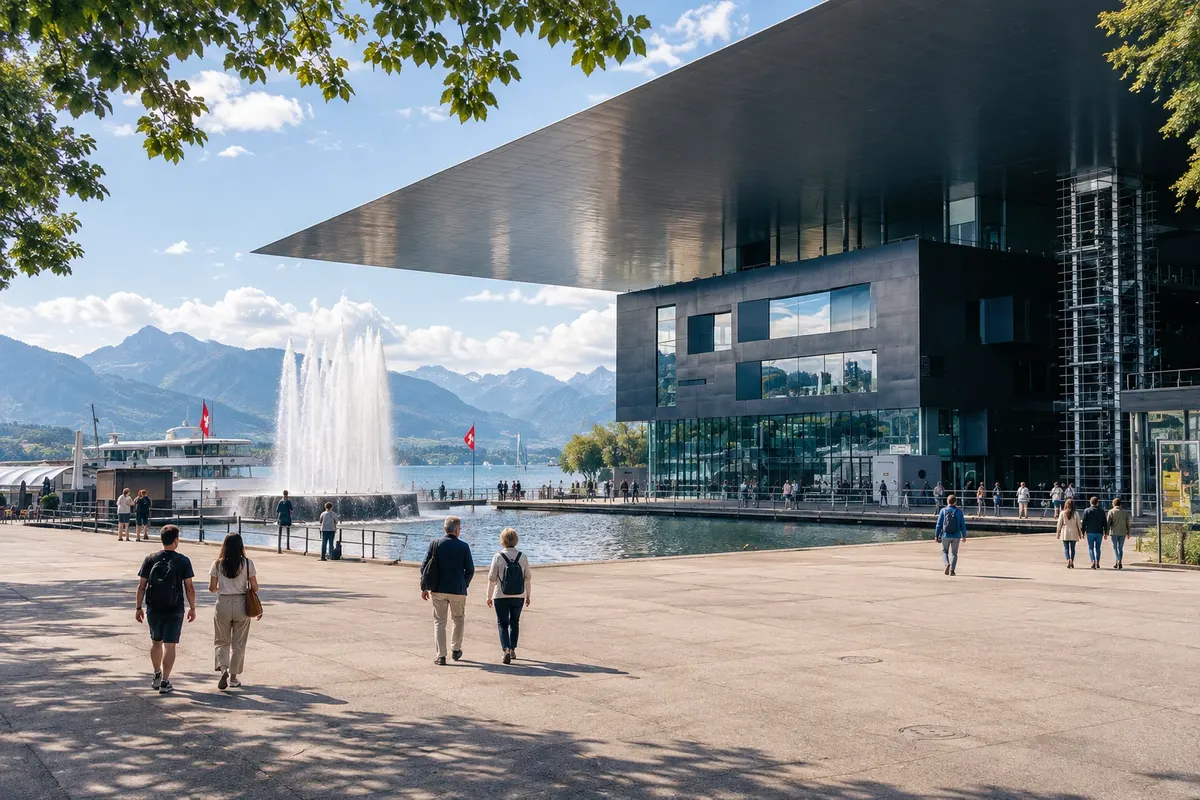
Culture and congress center designed by Jean Nouvel, on the lakeside, with a 45 m cantilevered roof, a concert hall with acoustics by Russell Johnson and the Kunstmuseum Luzern.
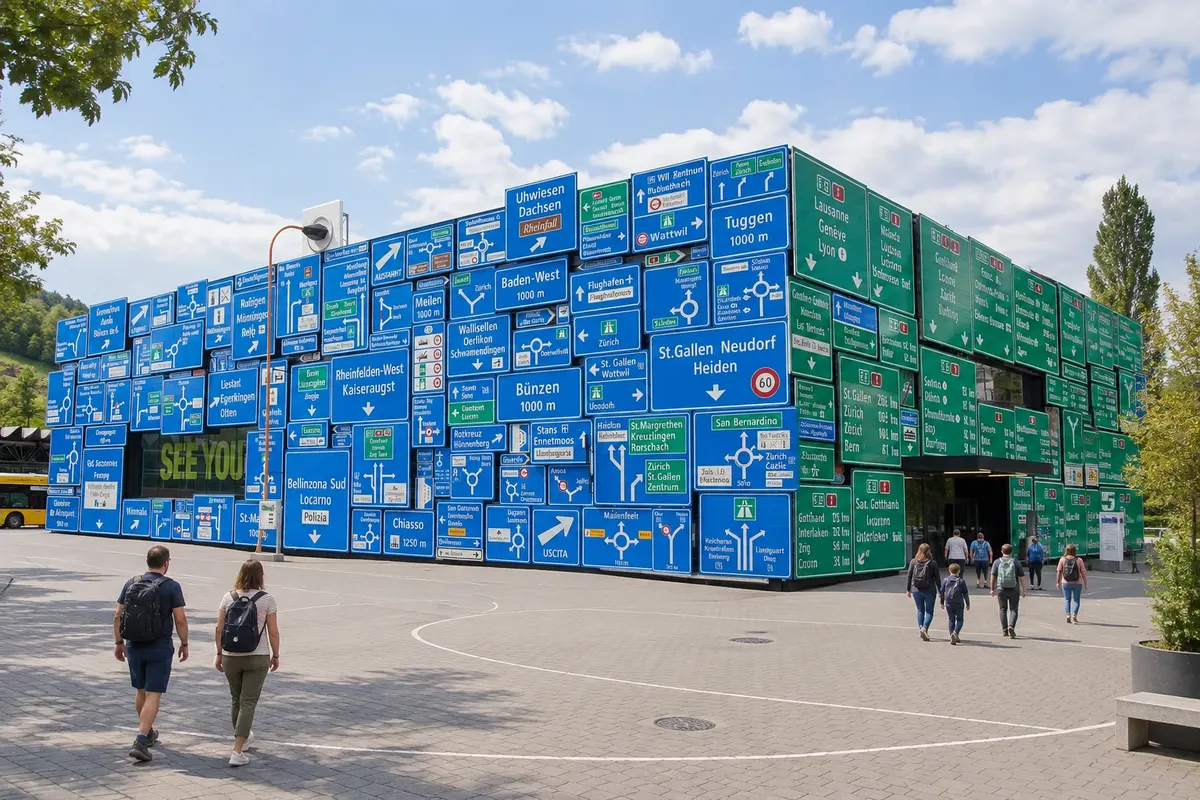
Museu Suíço dos Transportes, opened in 1959 on the lakefront, with trains, cars, airplanes, boats and cable cars, a planetarium, a large-screen cinema and an exhibition about chocolate.
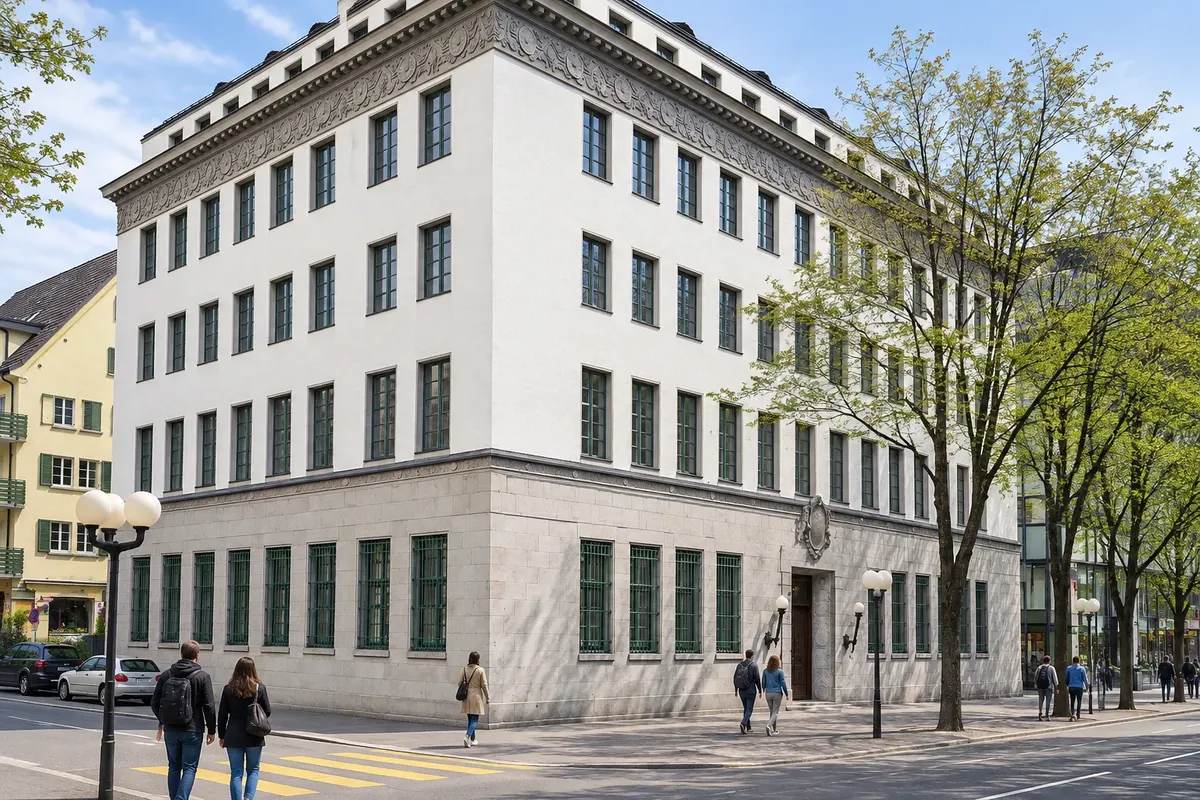
Modern art museum in a former 1922 bank, with around 180 works by Picasso and 125 by Paul Klee, as well as Monet, Pissarro, Seurat and others, gathered by Siegfried and Angela Rosengart.
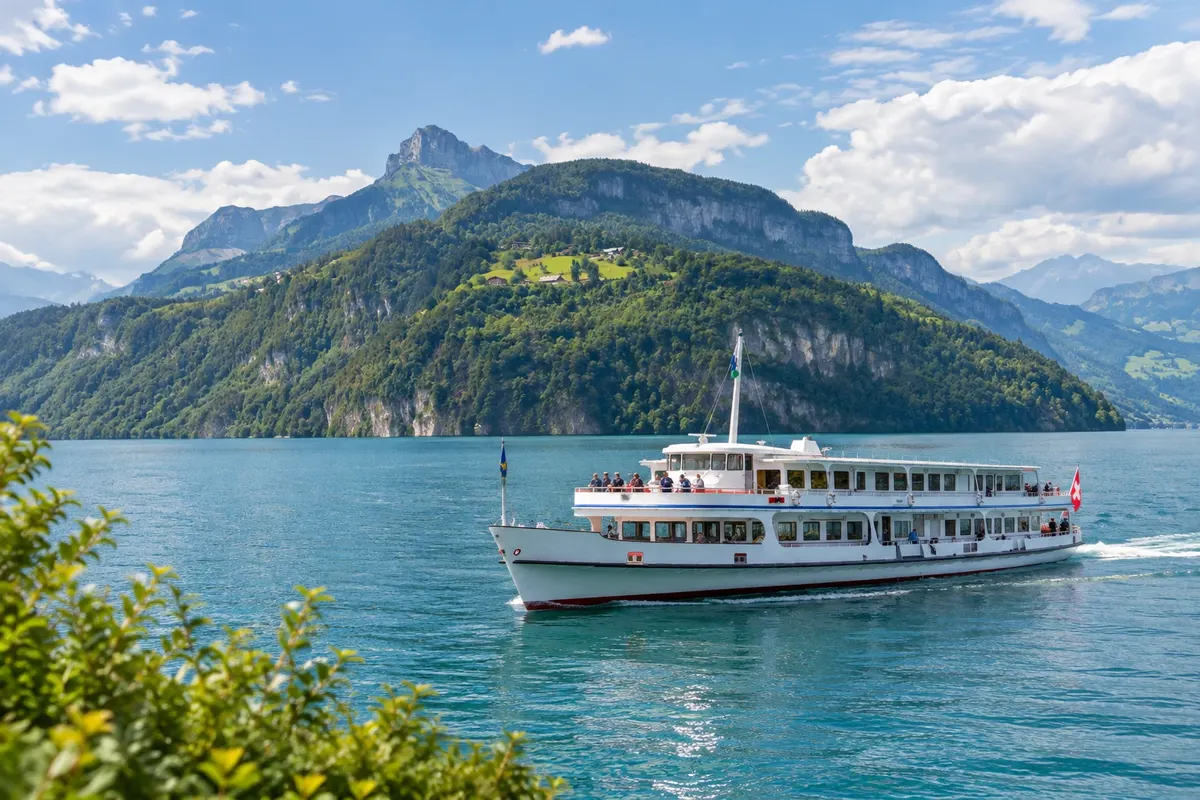
The Lake of the Four Cantons, with indented shores among mountains, is navigated by SGV boats, including five paddle steamers built between 1901 and 1928.
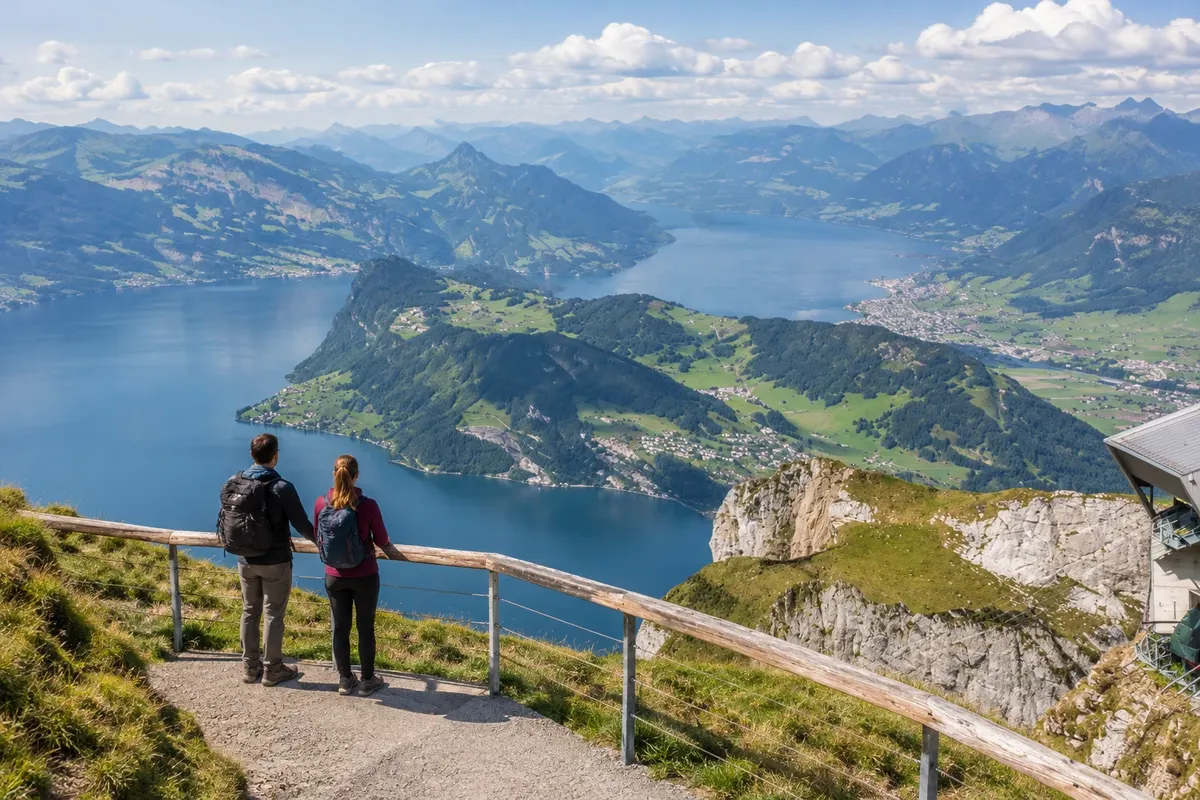
Mountain south of Lucerna, with a cogwheel railway dating from 1889 and gradients up to 48%, the Dragon Ride cable car and a gondola to Kriens; at the top, viewpoints and trails above 2,000 m.
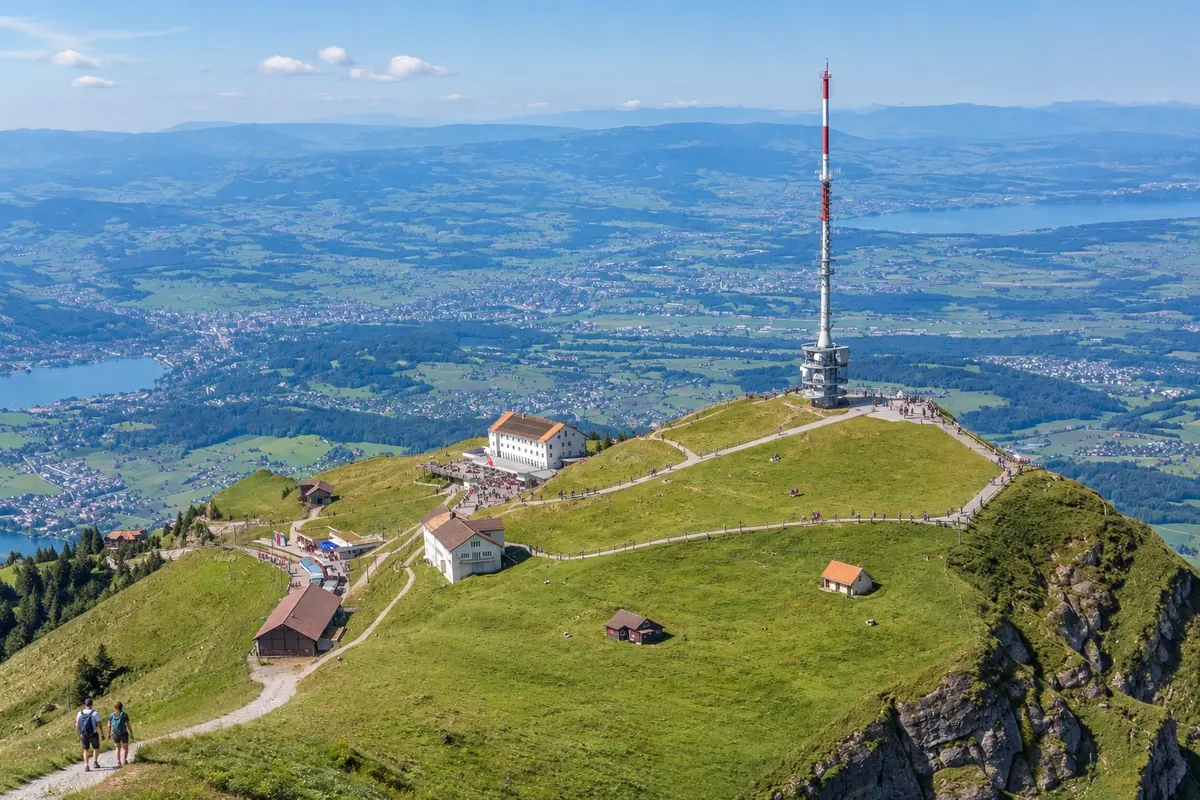
Massif between the lakes of Lucerne, Zug and Lauerz, with its summit at Rigi Kulm, 1,797 m, served by the first mountain railway in Europe, opened in 1871.
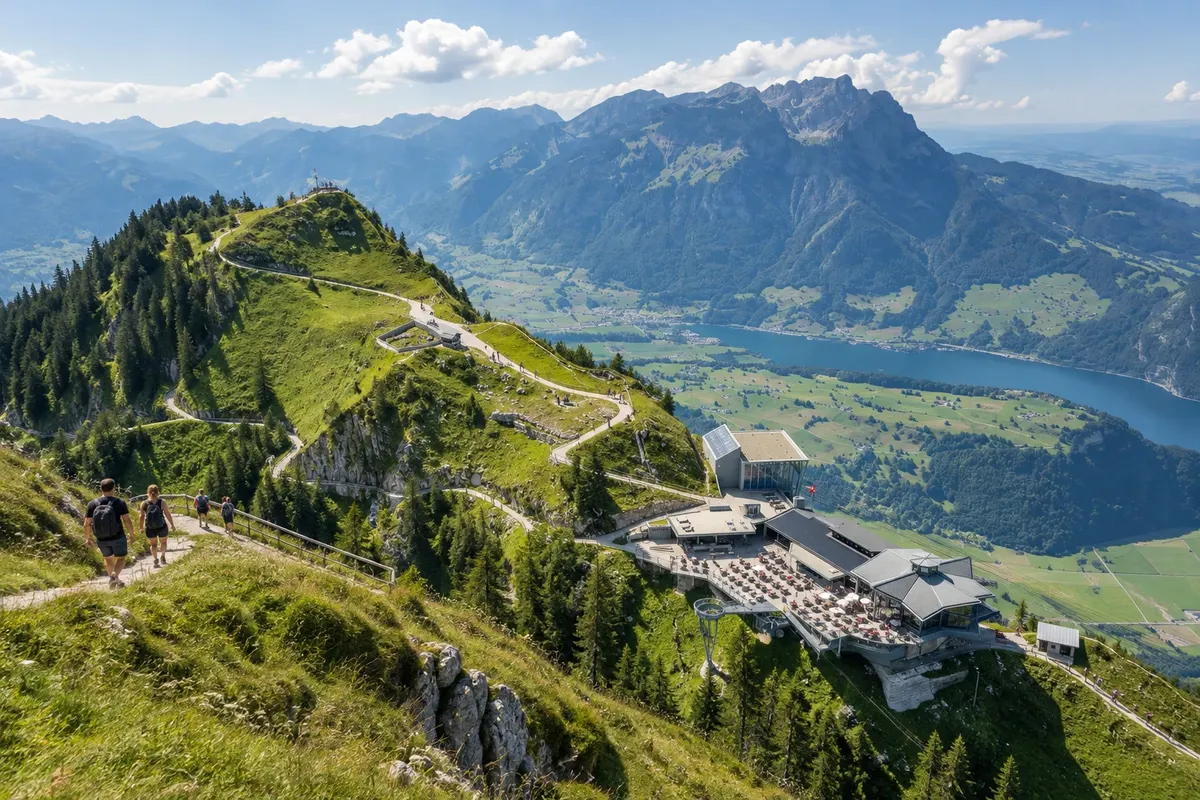
Mountain of 1,898 m above Stans, with a wooden-wagon funicular from 1893 and the CabriO cable car, two-storey with an open top, that reaches the summit where a rotating restaurant is located.
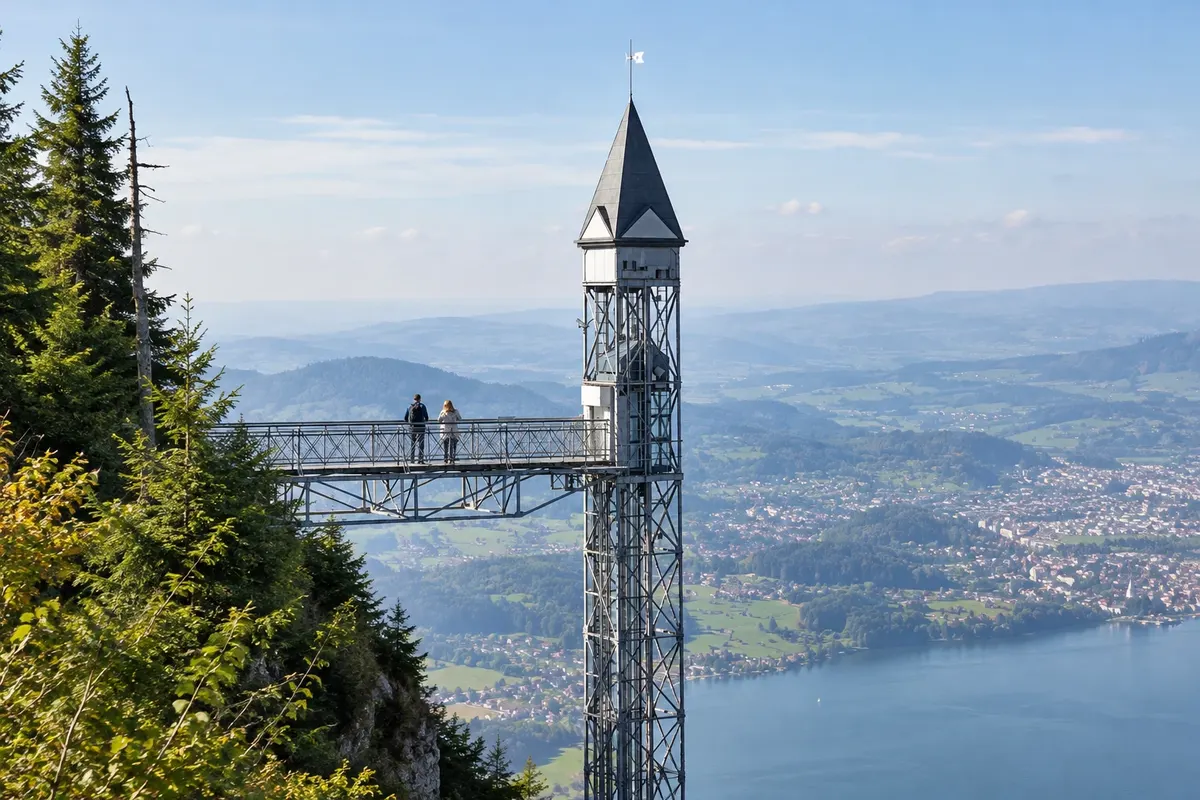
Promontory over the lake, reached by boat and an 1888 funicular, with the Felsenweg path on the slope and the Hammetschwand elevator, which rises 153 m outdoors to 1,132 m.
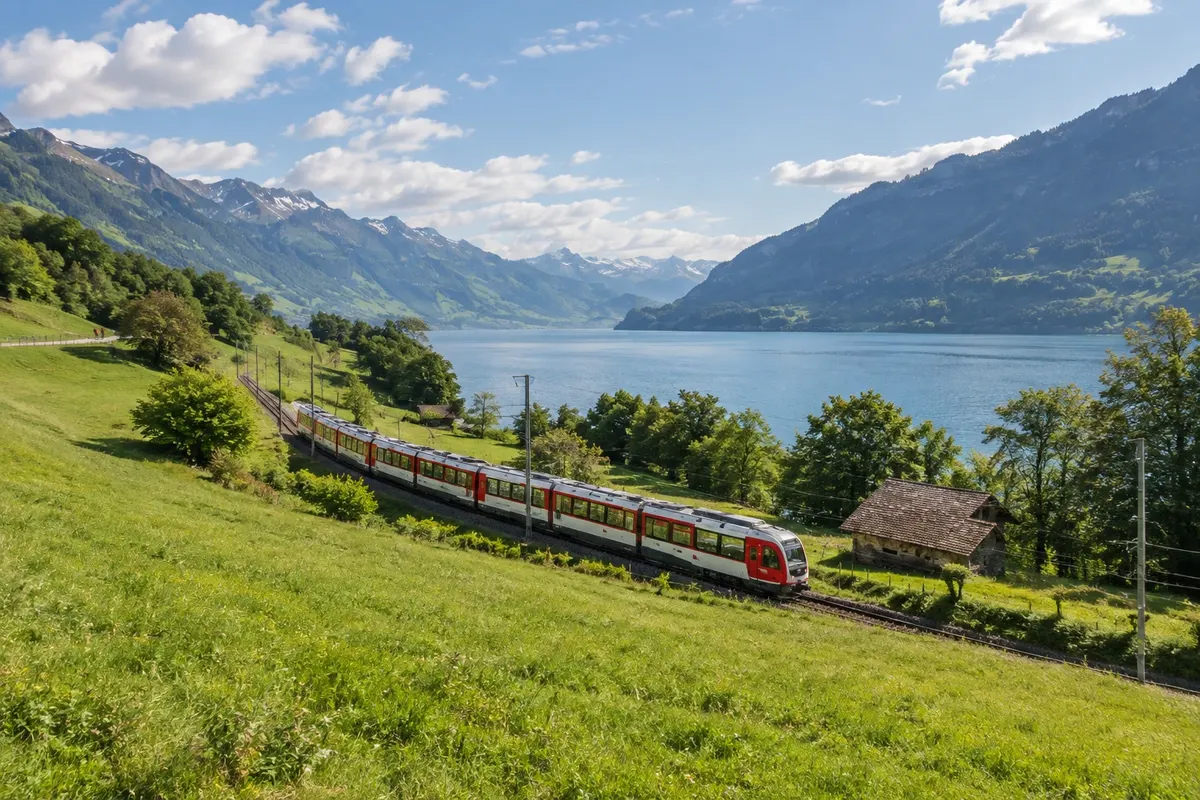
Zentralbahn train that links Lucerne to Interlaken in about 1 hour 50 minutes, climbing the Brünig Pass at 1,008 m and passing Lakes Sarnen, Lungern and Brienz.