

 Brazil
 Argentina
 Chile
Chile Colombia
 Peru
Peru Uruguay
 Germany
 Belgium
 Spain
Spain Greece
 the Netherlands
 Ireland
 Italy
Italy Portugal
 the United Kingdom
 Switzerland
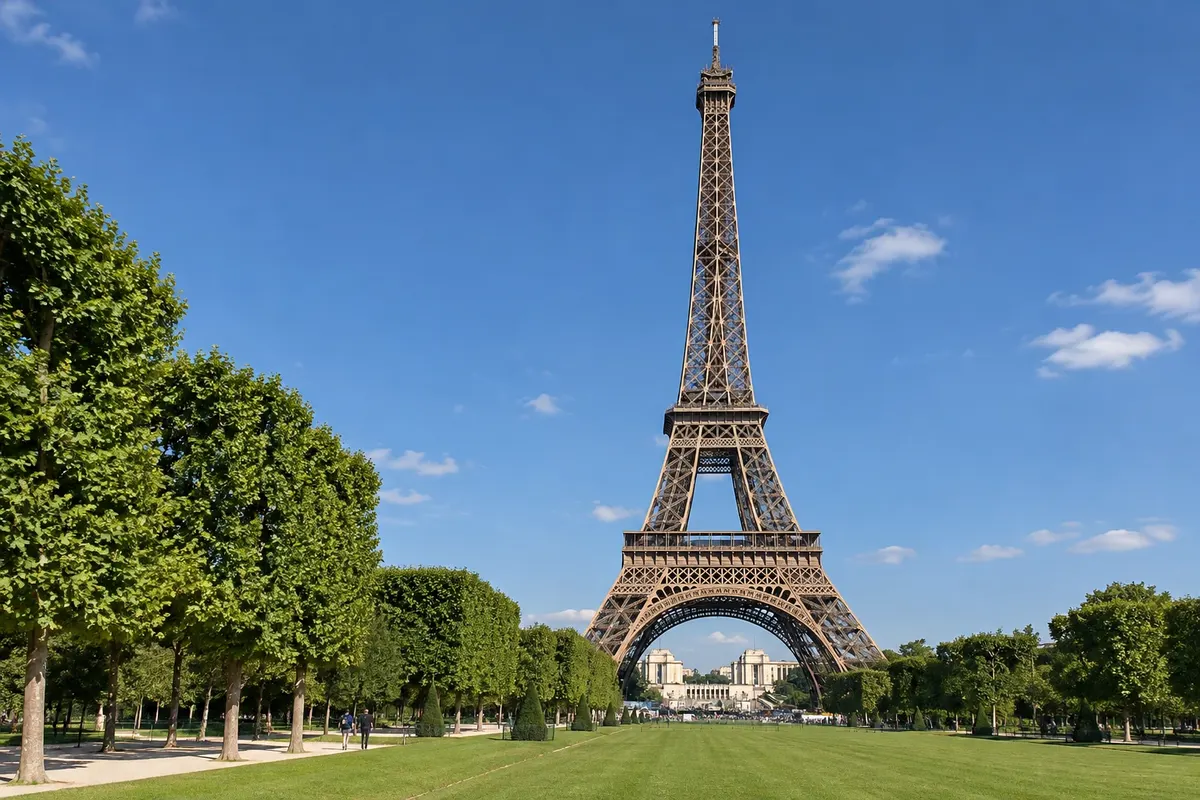
Monument
Tour Eiffel
The 330-metre iron tower built for the 1889 Exposition Universelle, on the banks of the Seine in the Champ-de-Mars. Elevators and stairs take you to the levels and to the top, at 276 metres.
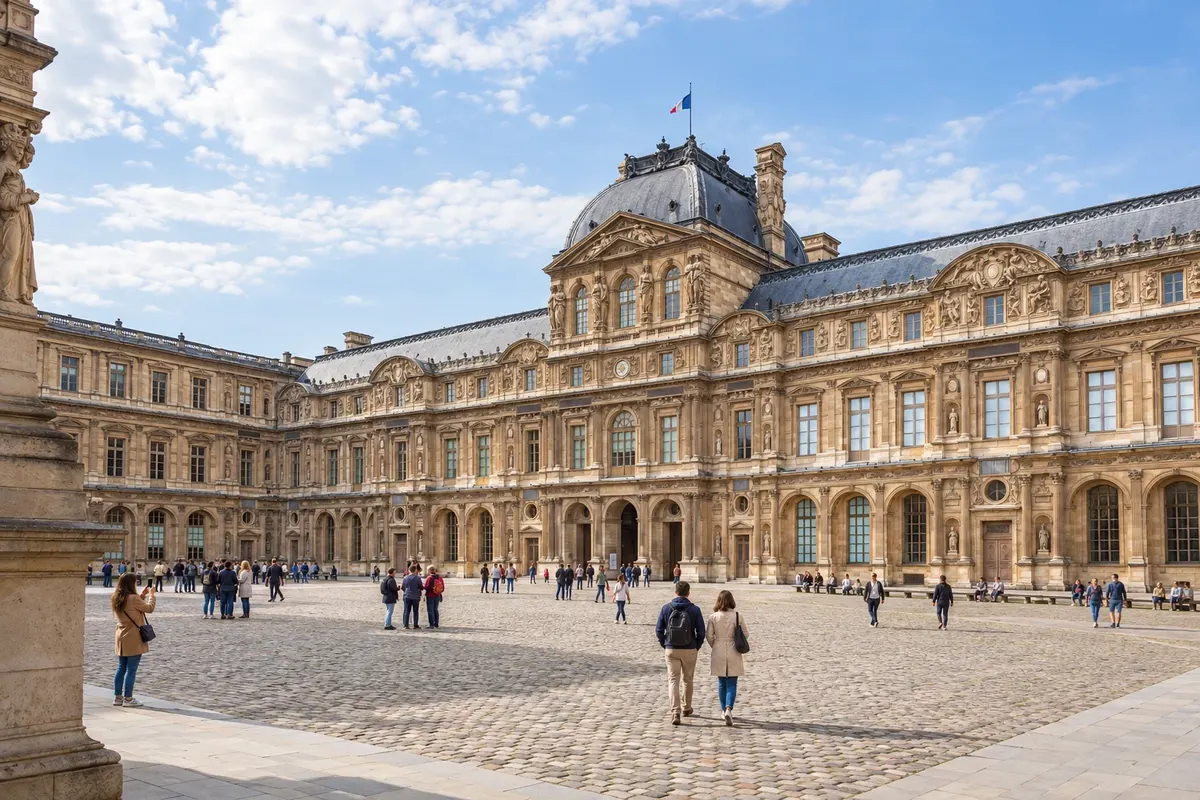
Ilha de França · France Capital
In the destination Paris.
In the photo: Cour Carrée of the Palais du Louvre · Paris
Illustrative images. The pictures in this guide are illustrations based on the real place, not photographs, and may differ from it.
The city
Capital of France, on the banks of the Seine. On the Île de la Cité are Notre-Dame, the Sainte-Chapelle and the Conciergerie; on the right bank, the Louvre, the Tuileries, the Concorde, the Champs-Élysées and the Arc de Triomphe, the Marais and Montmartre; on the left bank, the Tour Eiffel, the Musée d'Orsay, the Invalides, the Quartier Latin and the Jardin du Luxembourg.
There's no accommodation in the guide yet in Paris.
There are no restaurants in the guide yet in Paris.
Know a good one? Recommend it to ushow to get there · how many days · itinerary · questions
The local experience
The 330-metre iron tower built for the 1889 Exposition Universelle, on the banks of the Seine in the Champ-de-Mars. Elevators and stairs take you to the levels and to the top, at 276 metres.
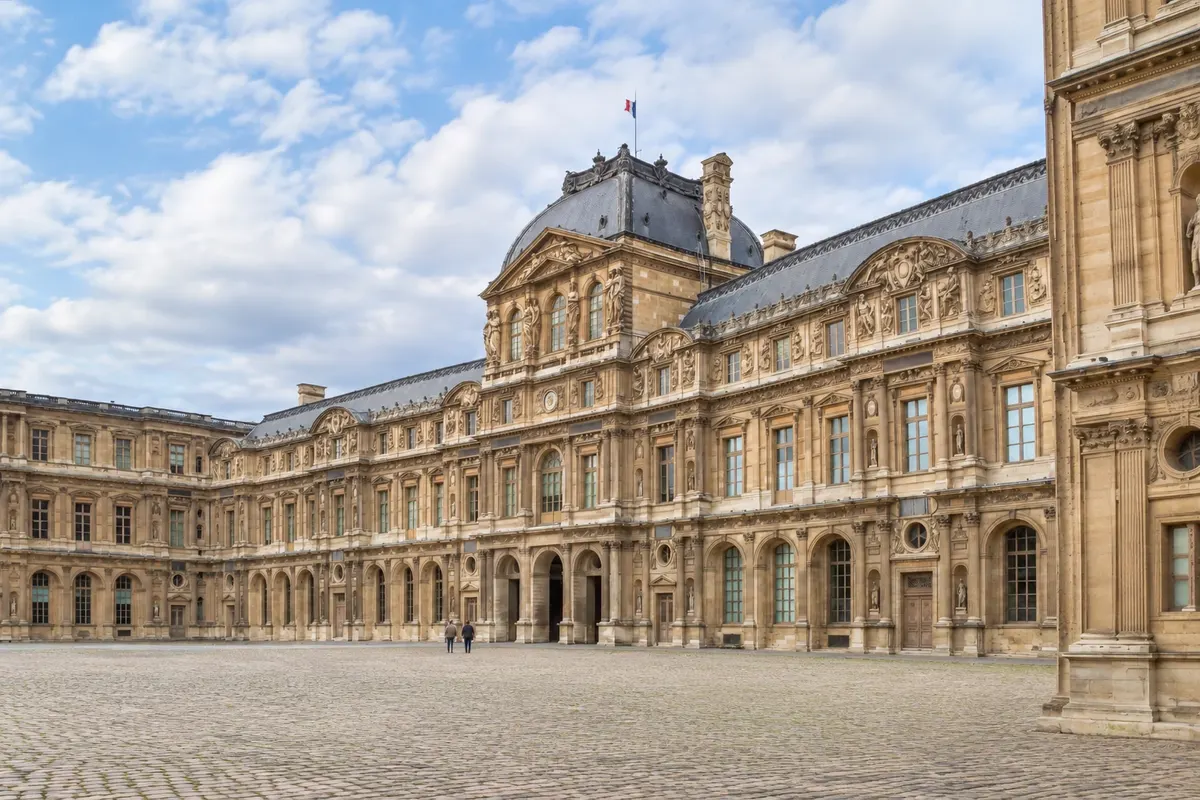
Former palace of the kings of France, converted into a museum in 1793. It houses the Mona Lisa, the Venus de Milo and the Winged Victory of Samothrace, among tens of thousands of works on display. The main entrance is through the glass pyramid.
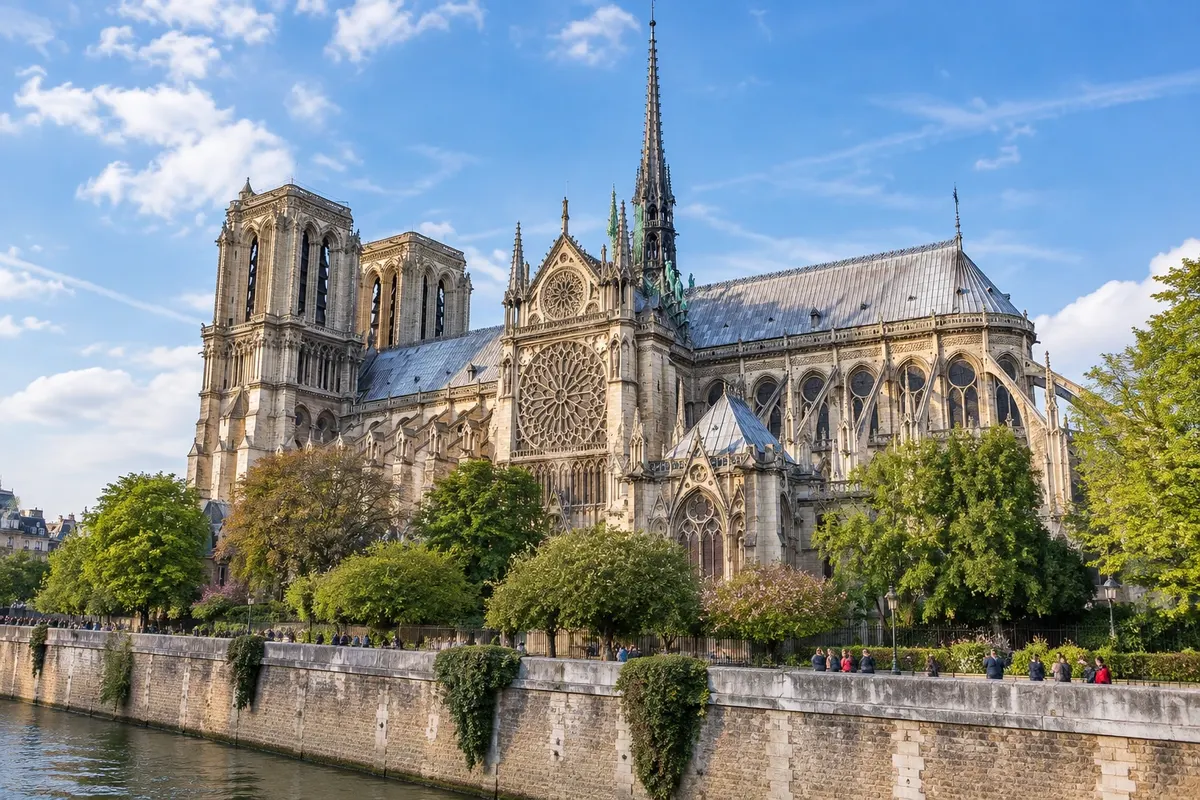
Gothic cathedral begun in 1163 on the Île de la Cité, with three large medieval rose windows. Entrance to the nave is free; the climb to the towers, with 424 steps, requires a reservation.
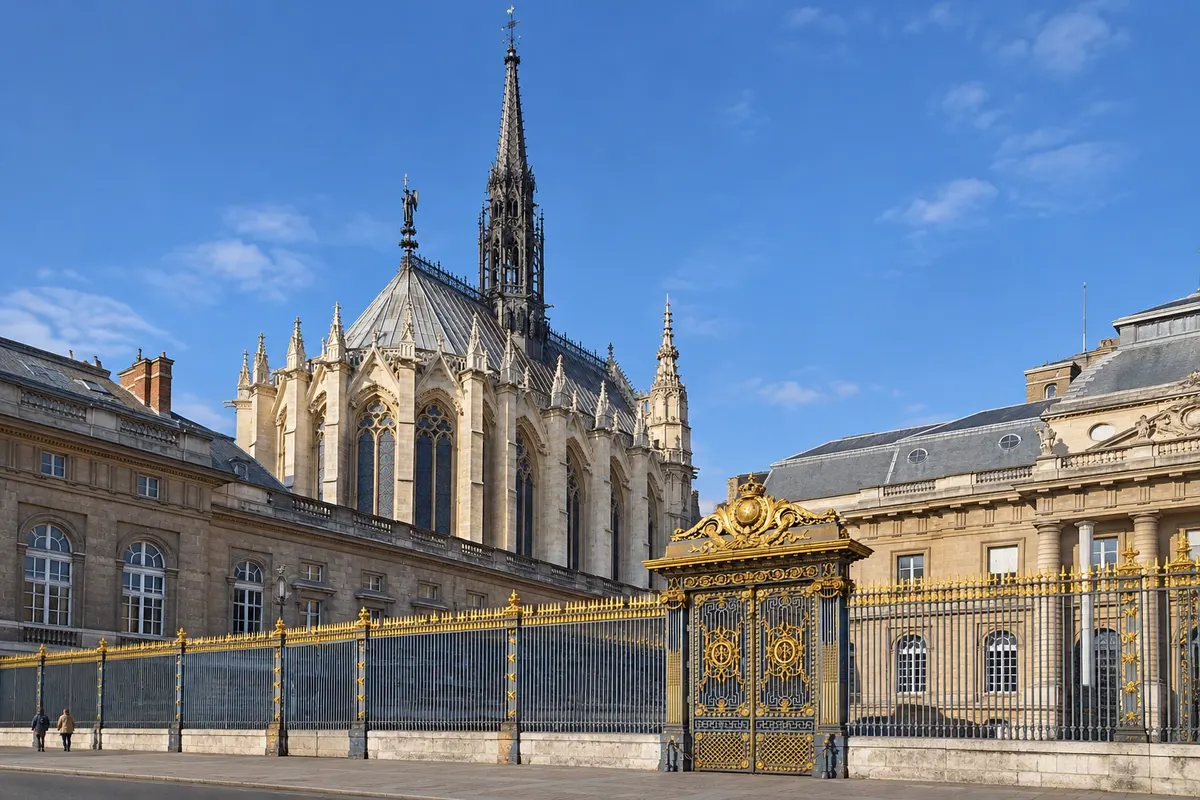
Gothic chapel consecrated in 1248, built by Louis IX to house the Crown of Thorns. The upper chapel has 15 large stained-glass windows with biblical scenes that cover almost all the walls.
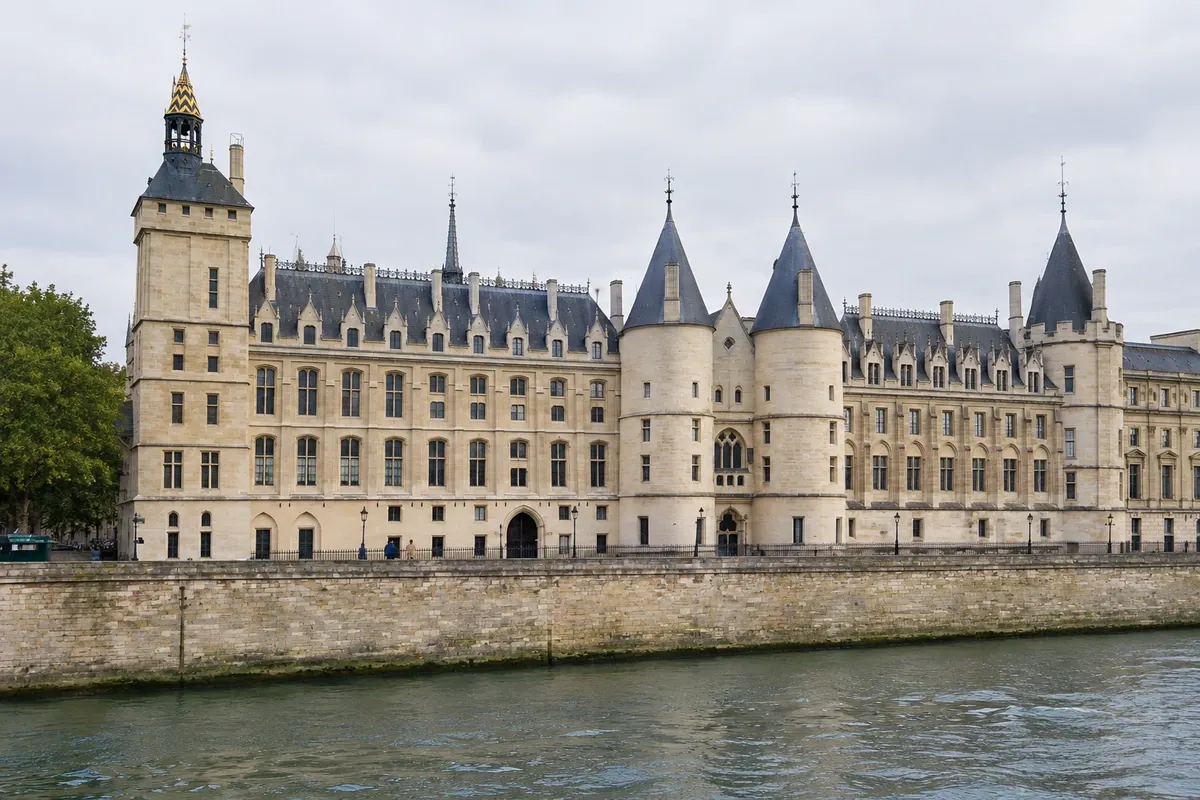
Part of the former royal palace on the Île de la Cité that became a prison during the French Revolution. It features the enormous Salle des Gens d'Armes, a Gothic hall, and a chapel in the place of Marie Antoinette's cell.
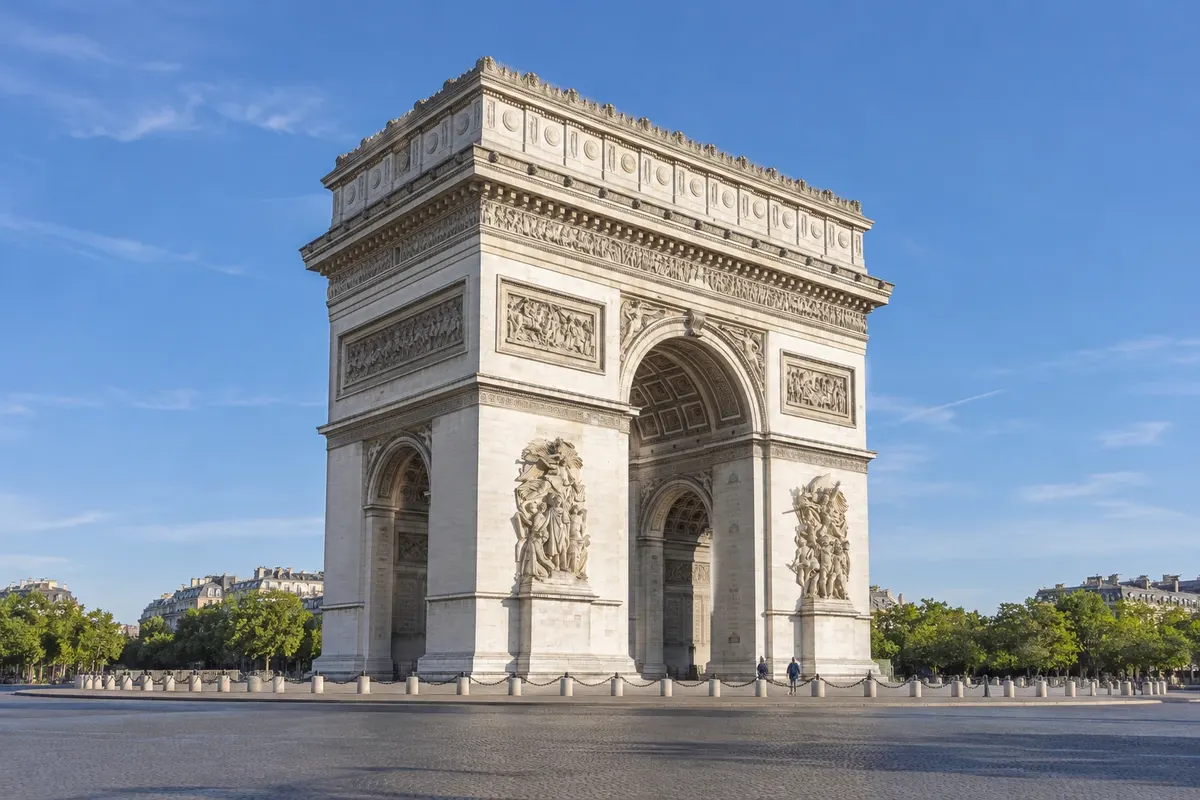
An arch of about 50 meters ordered by Napoleon in 1806, at the top of the Avenue des Champs-Élysées. Beneath it lies the Túmulo do Soldado Desconhecido; at the top, a terrace with views over the 12 avenues radiating from the square.
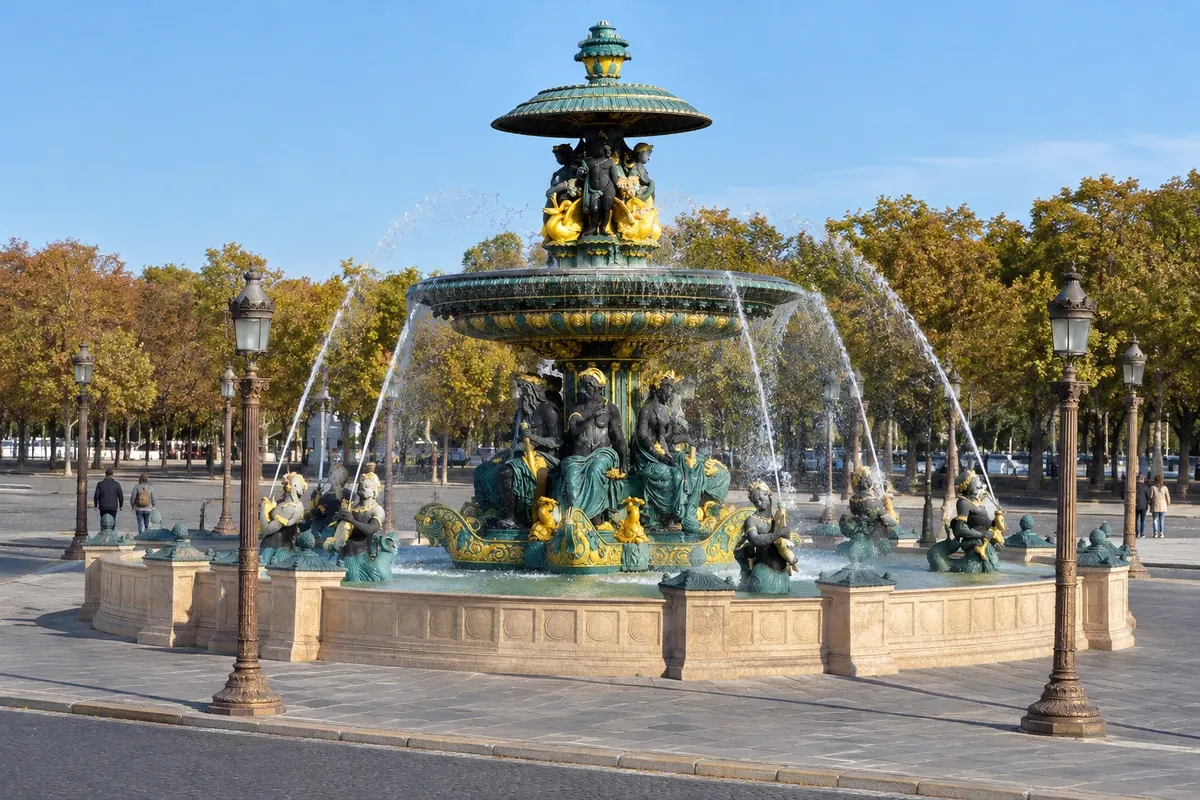
The largest plaza in Paris, between the Jardin des Tuileries and the Champs-Élysées. In the center stands the obelisk of Luxor, about 3,300 years old; it was there that Louis XVI was guillotined in 1793.
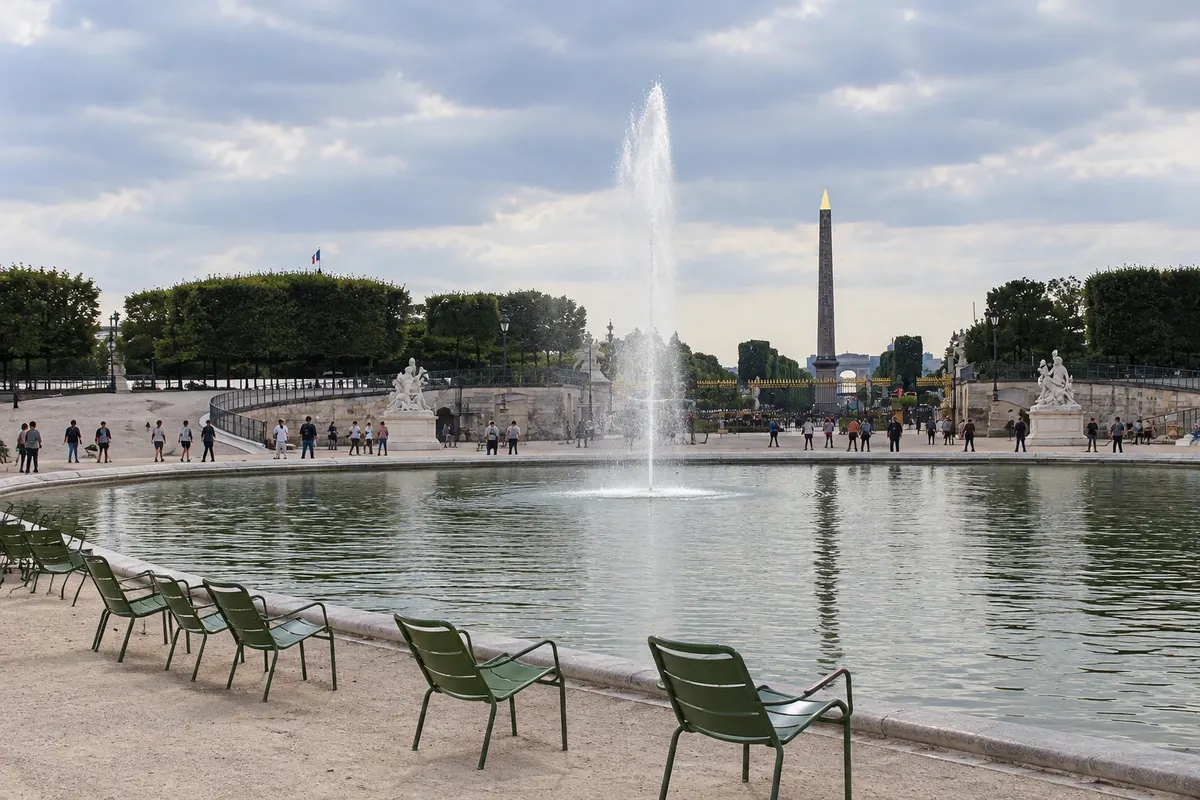
A 25-hectare garden between the Louvre and the Place de la Concorde, created by Catherine de' Medici and redesigned by Le Nôtre in 1664. It has ponds, statues and green chairs scattered along the alleys.
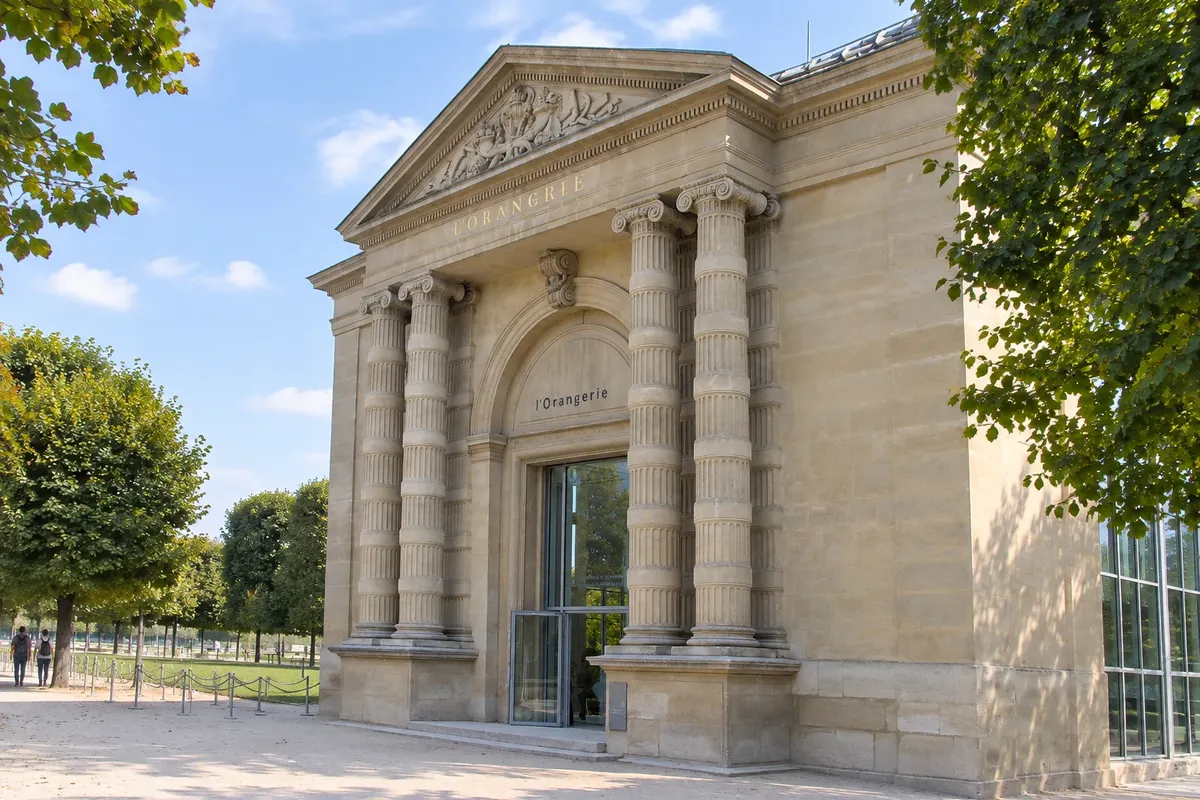
Museum on the west corner of the Jardin des Tuileries with Claude Monet's Water Lilies: eight panels installed in two oval rooms. On the lower floor, works by Renoir, Cézanne, Matisse, Picasso and Modigliani.
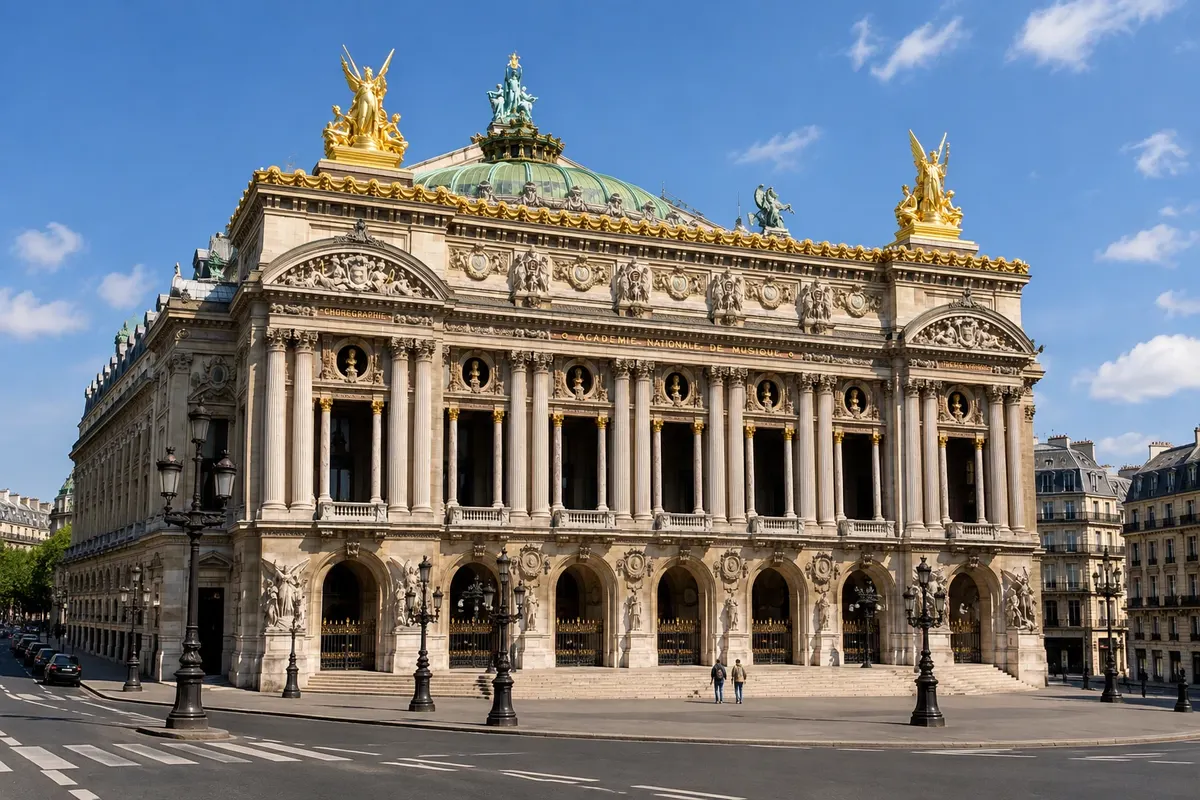
The opera house by Charles Garnier, inaugurated in 1875, with the grand marble staircase, the gilded Grand Foyer and the auditorium ceiling painted by Marc Chagall. Visits are by timed entry.
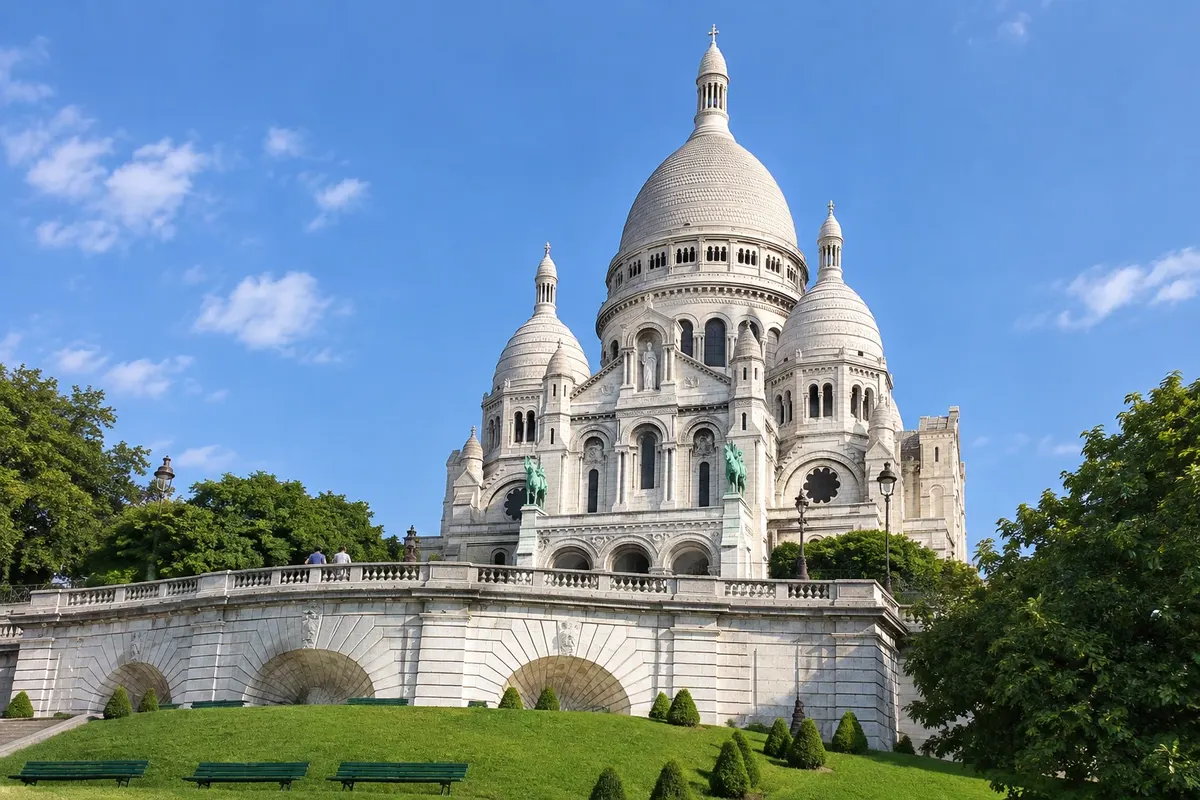
White-stone basilica atop the hill of Montmartre, built from 1875 to 1914. The staircase in front offers one of the widest views of Paris. Beside it are the Place du Tertre and the streets of the old painters' village.
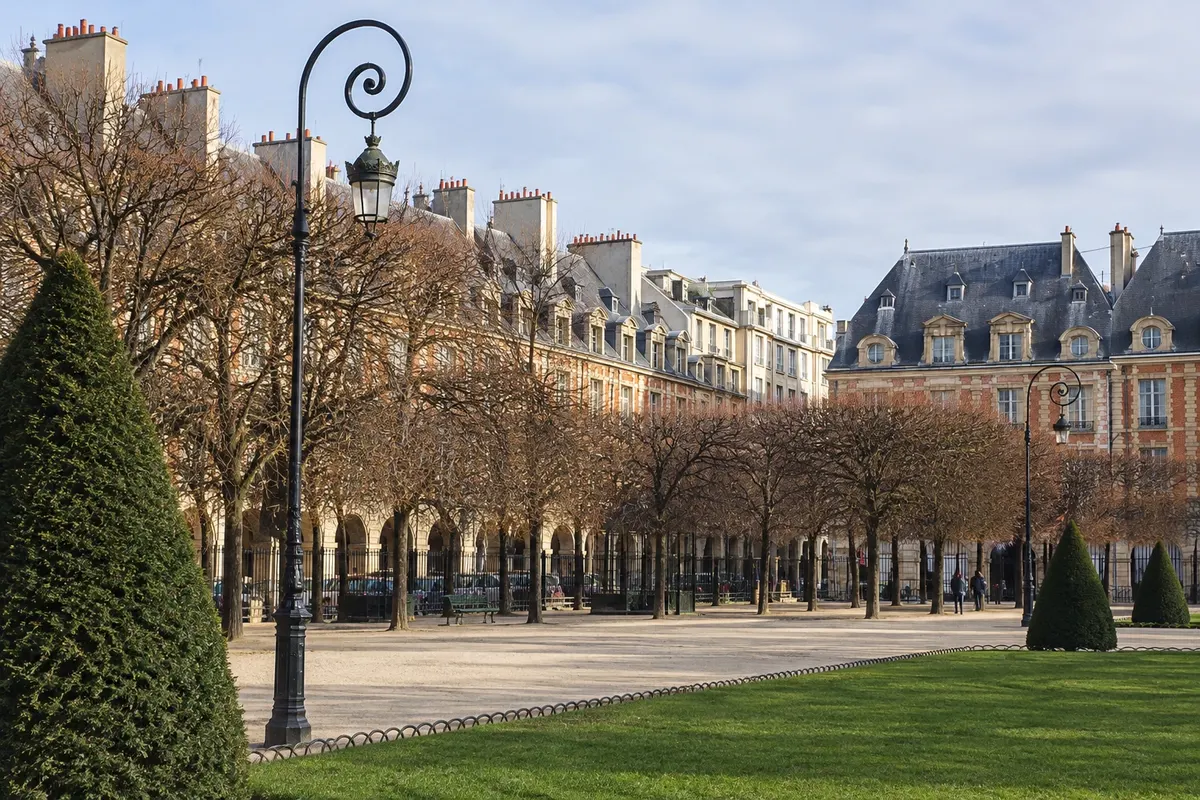
The oldest planned square in Paris, dating from 1612, surrounded by brick and stone houses with arcades. It lies in the heart of the Marais, the neighborhood of medieval streets and 17th-century townhouses.
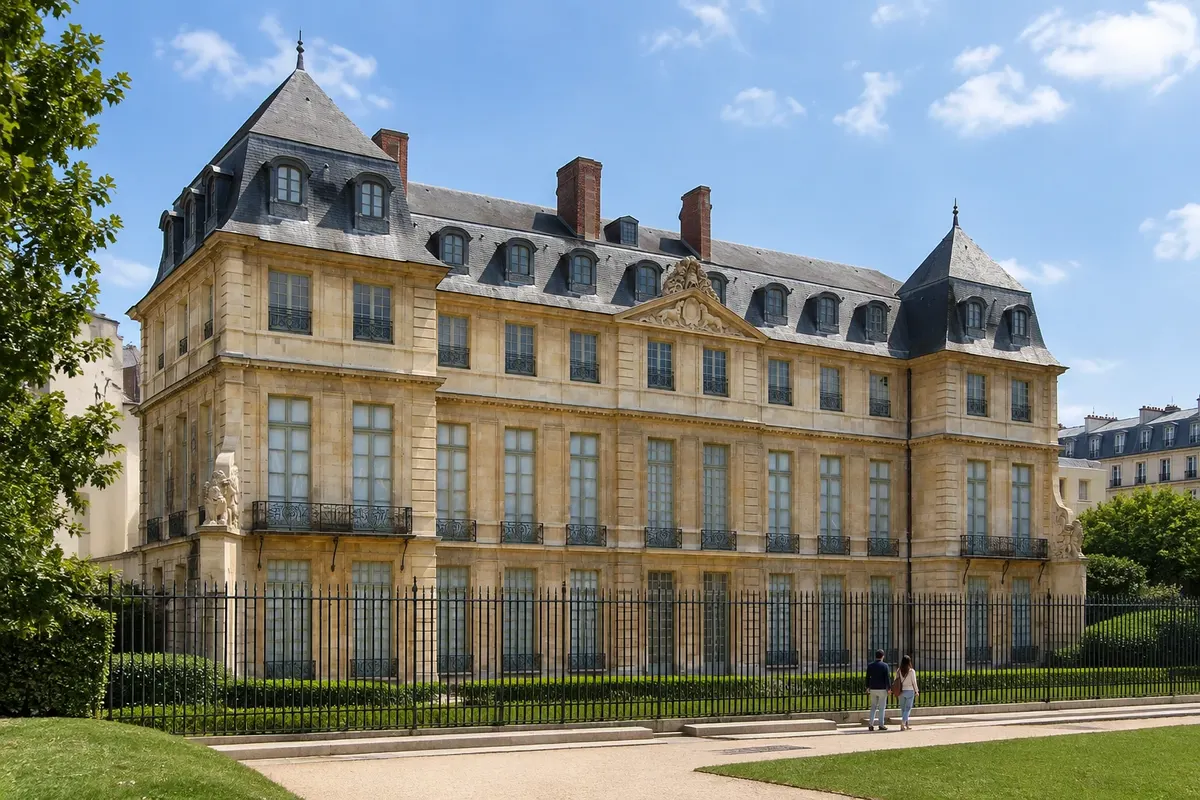
Museum in the Hôtel Salé, a 17th‑century townhouse in the Marais, with more than 5,000 works by Pablo Picasso: paintings, sculptures, drawings, ceramics and prints, as well as the artist’s personal documents.
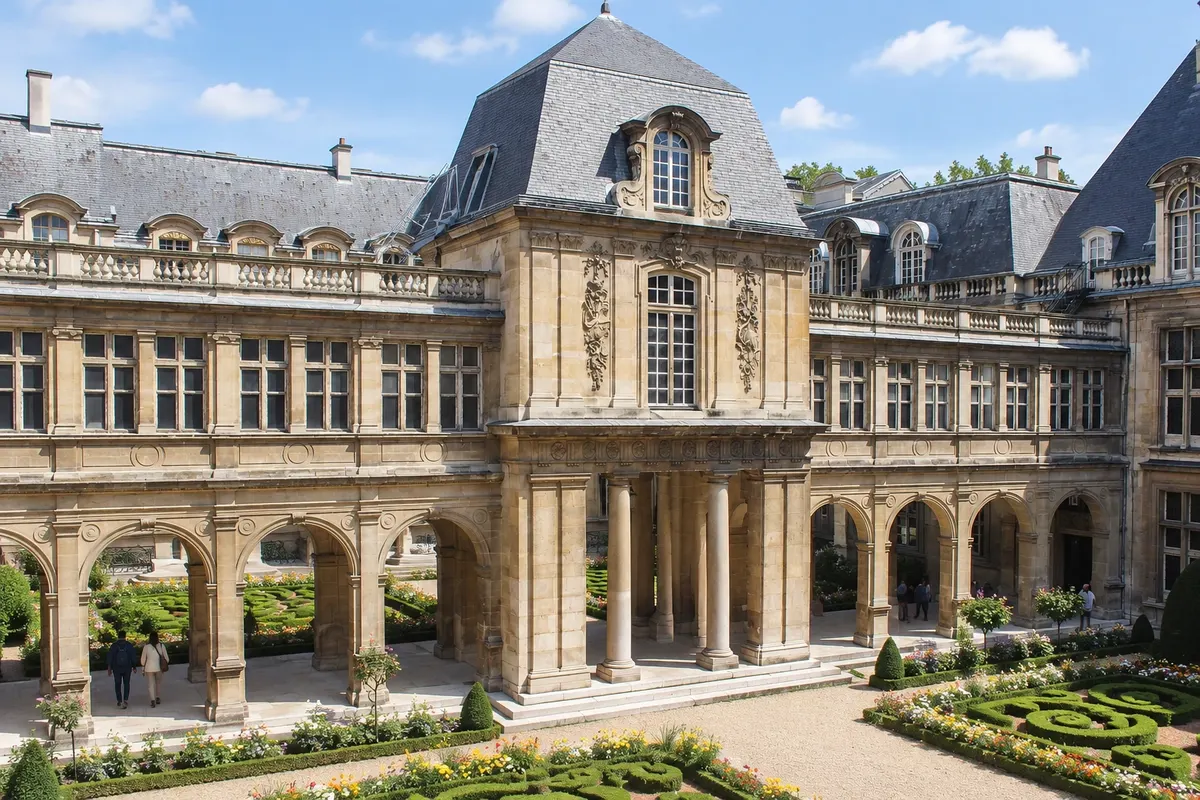
The museum of the history of Paris, housed in two townhouses in the Marais. It tells the city’s story from prehistory to the present, with models, old shop signs, objects from the Revolution and Marcel Proust’s bedroom. The permanent collection is free.
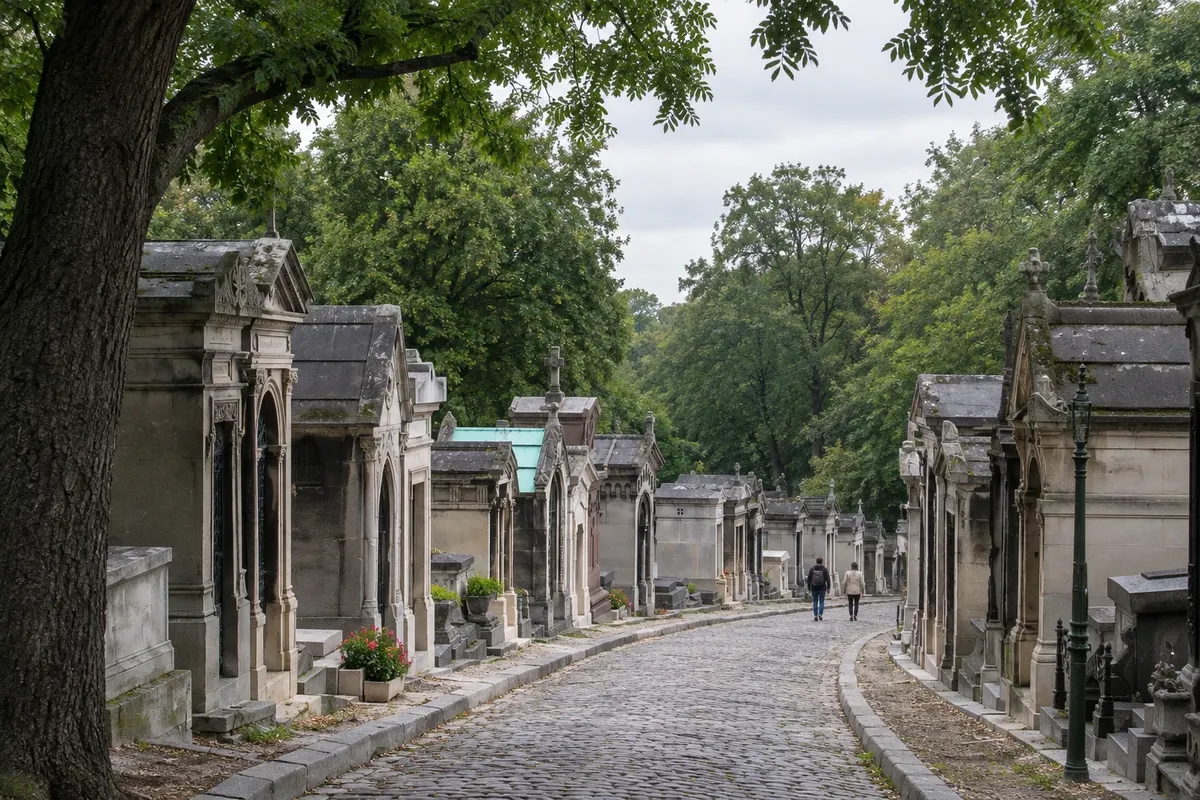
The largest cemetery in Paris, opened in 1804, with 44 hectares of tree‑lined avenues. It is the resting place of Chopin, Oscar Wilde, Édith Piaf, Molière, Jim Morrison and Allan Kardec, among others.
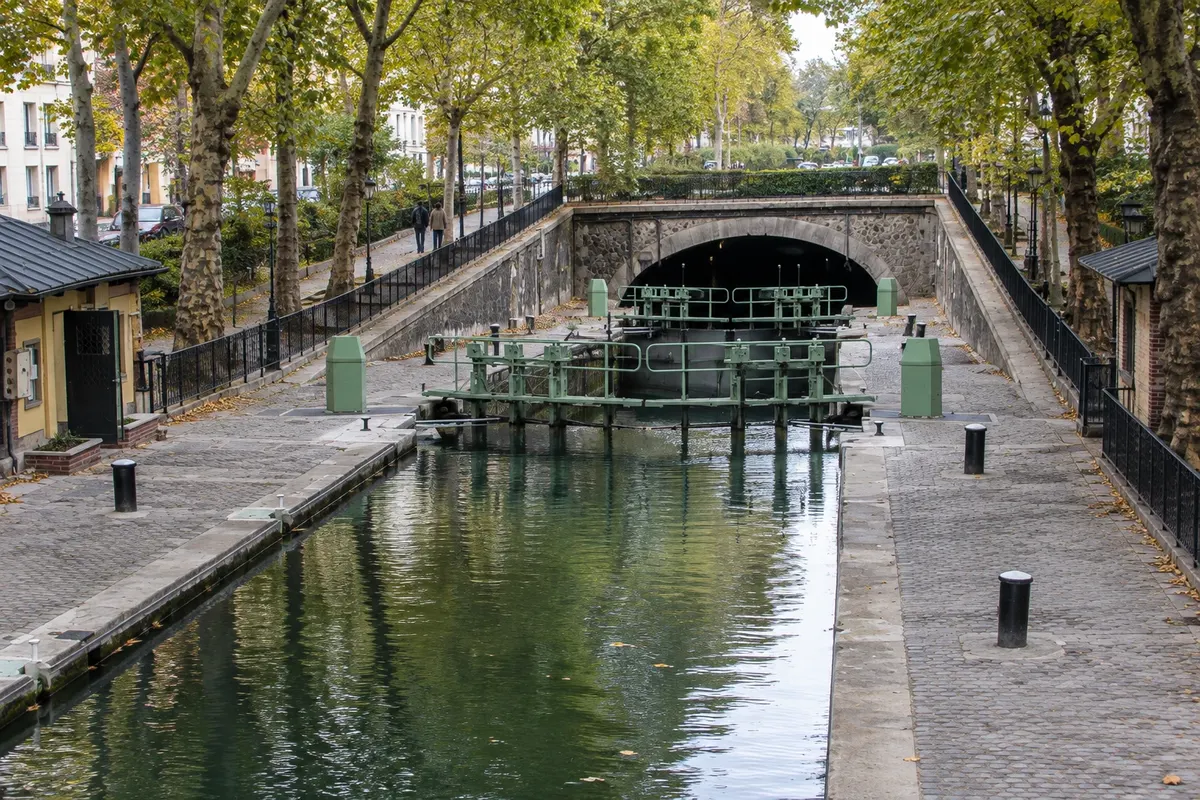
Canal of 4.6 km opened in 1825, with locks, iron bridges and tree-lined banks in the 10th arrondissement. The quays become a meeting point for Parisians in the late afternoon.
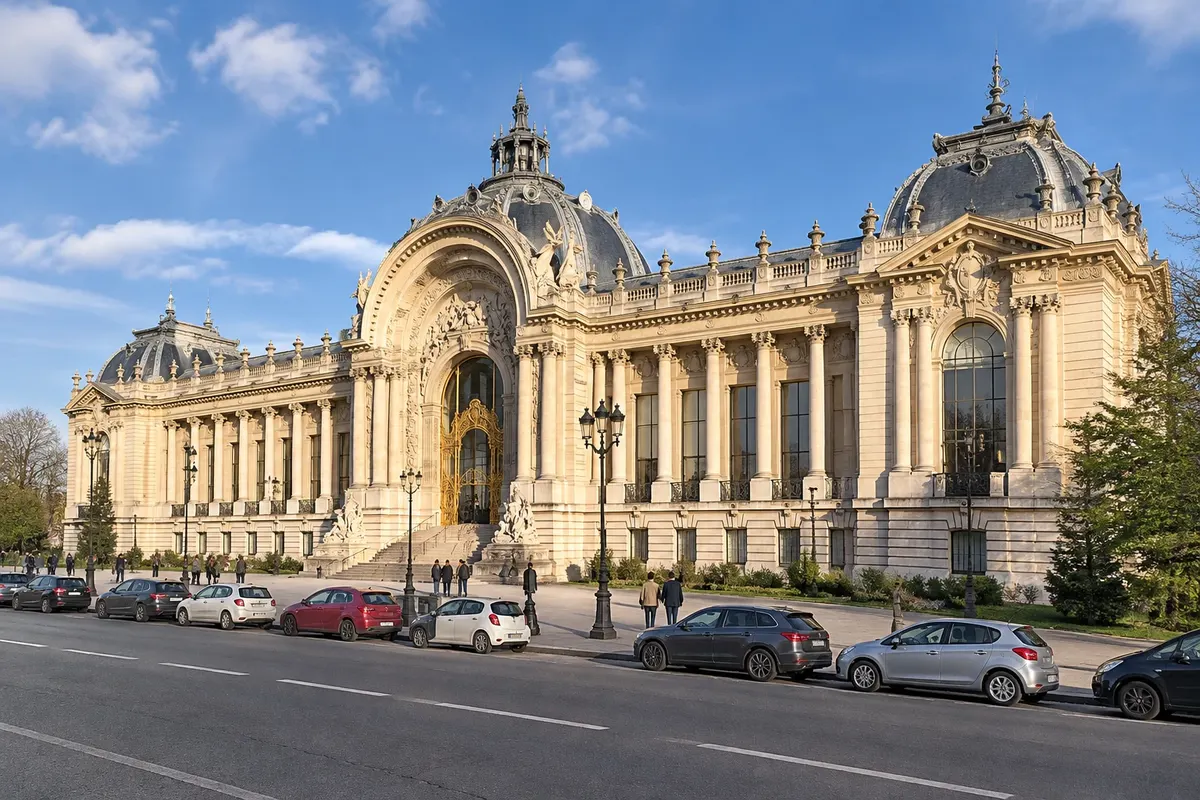
Palace built for the 1900 Exposition Universelle, today the Museu de Belas Artes da Cidade de Paris. The permanent collection is free. Facing it are the Grand Palais and, on the river, the Pont Alexandre III.
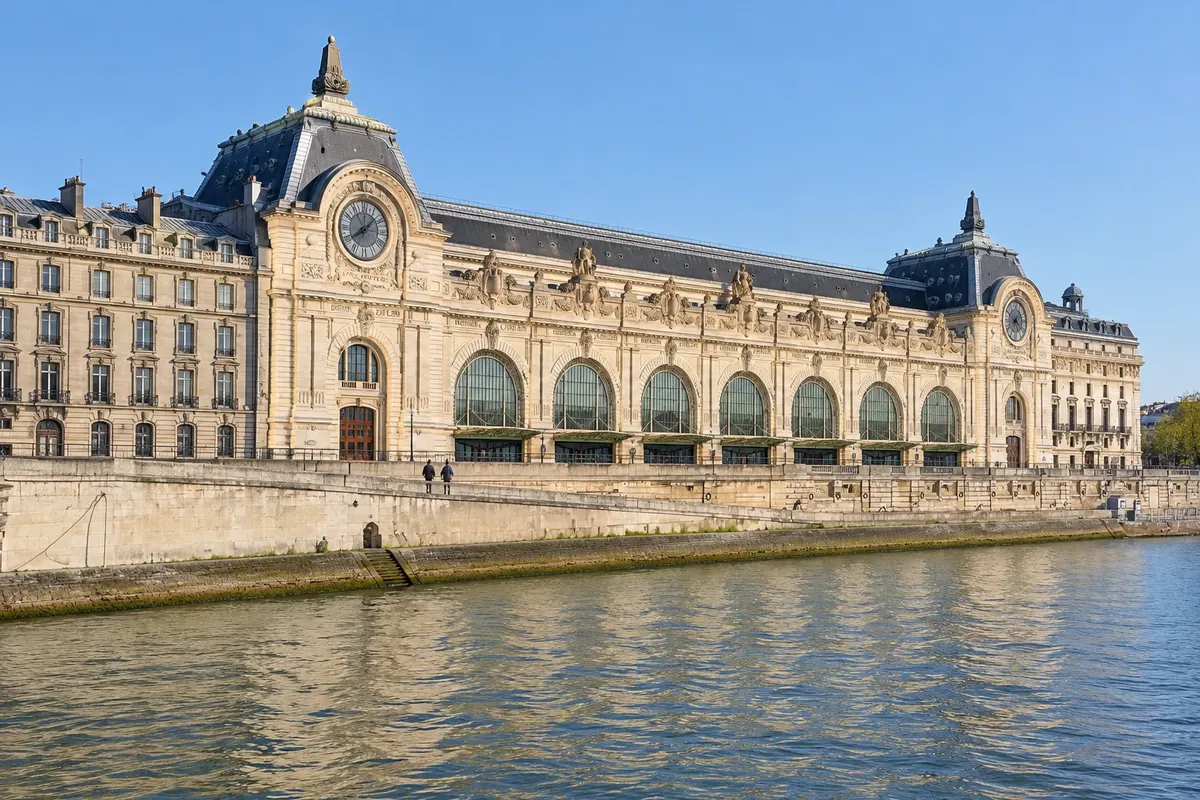
Former railway station on the banks of the Seine that houses the world's largest collection of Impressionists: Monet, Renoir, Degas, Manet, Van Gogh, Cézanne and Gauguin, with French art from 1848 to 1914.
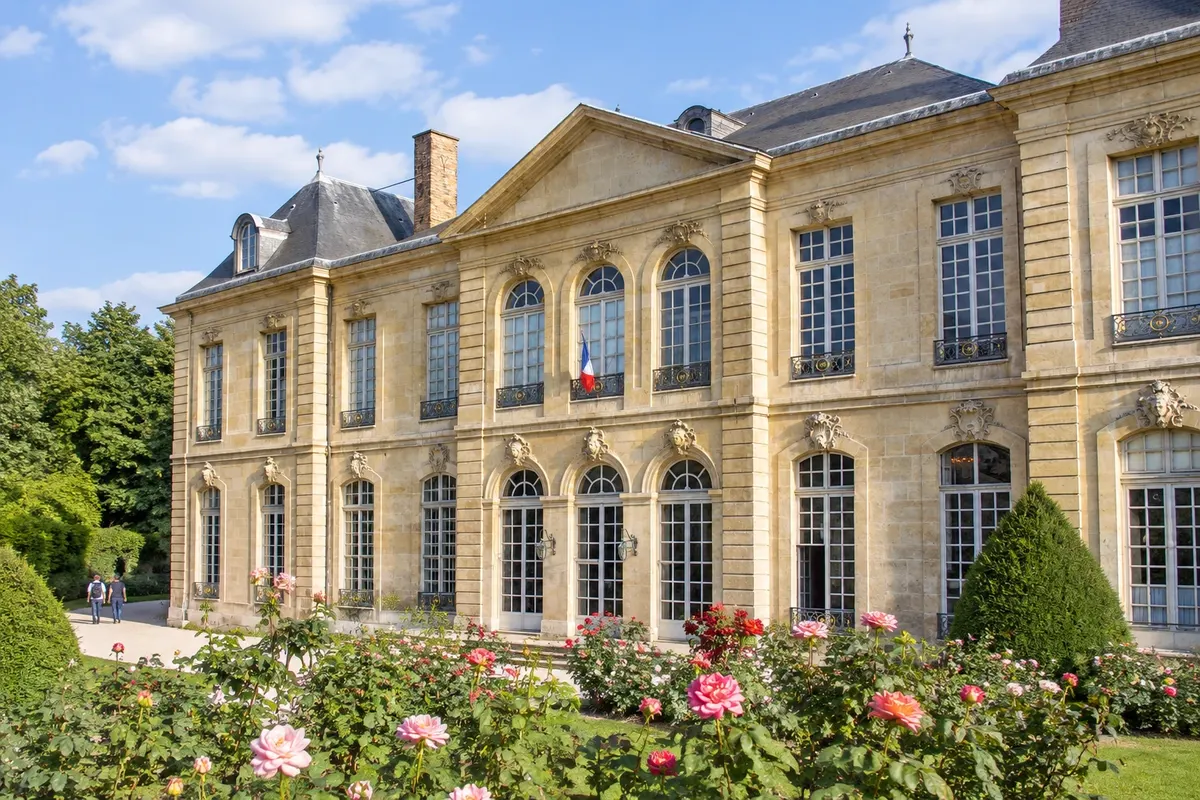
18th-century mansion with a garden where some of Auguste Rodin's best-known sculptures stand, such as The Thinker, The Kiss, The Gates of Hell and The Burghers of Calais.
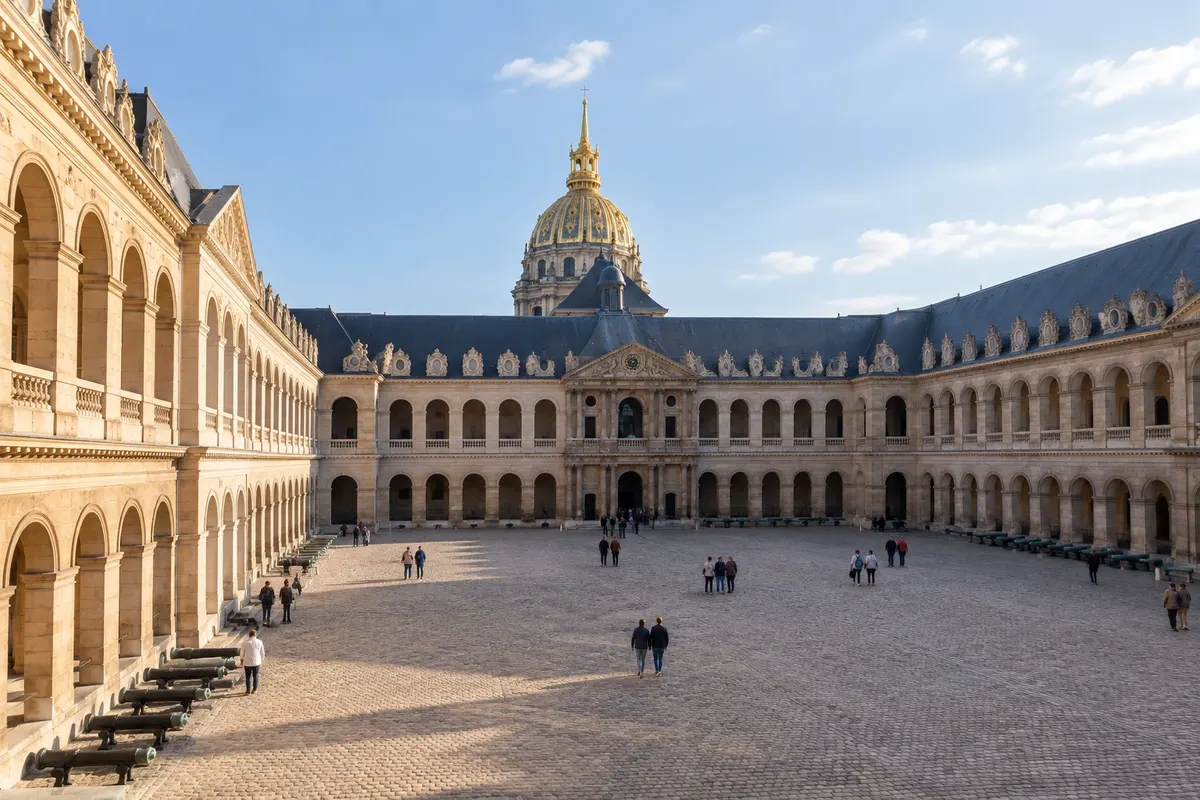
17th-century complex created by Louis XIV for veteran soldiers, featuring the golden dome of the Dôme des Invalides, Napoleon's tomb and the Musée de l'Armée, one of the largest military museums in the world.
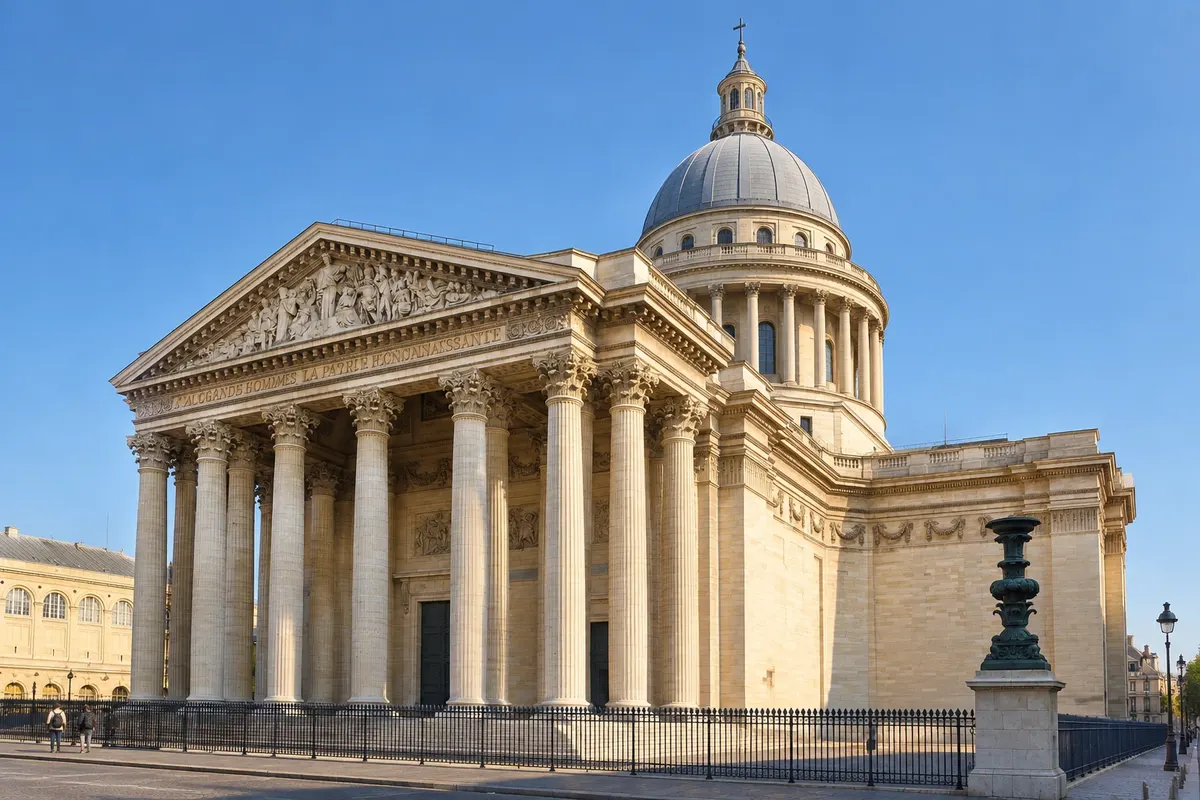
A neoclassical temple on the top of the Quartier Latin where Voltaire, Victor Hugo, Émile Zola and Marie Curie are buried, with the Foucault pendulum under the dome. Around it are the Sorbonne and rue Mouffetard.
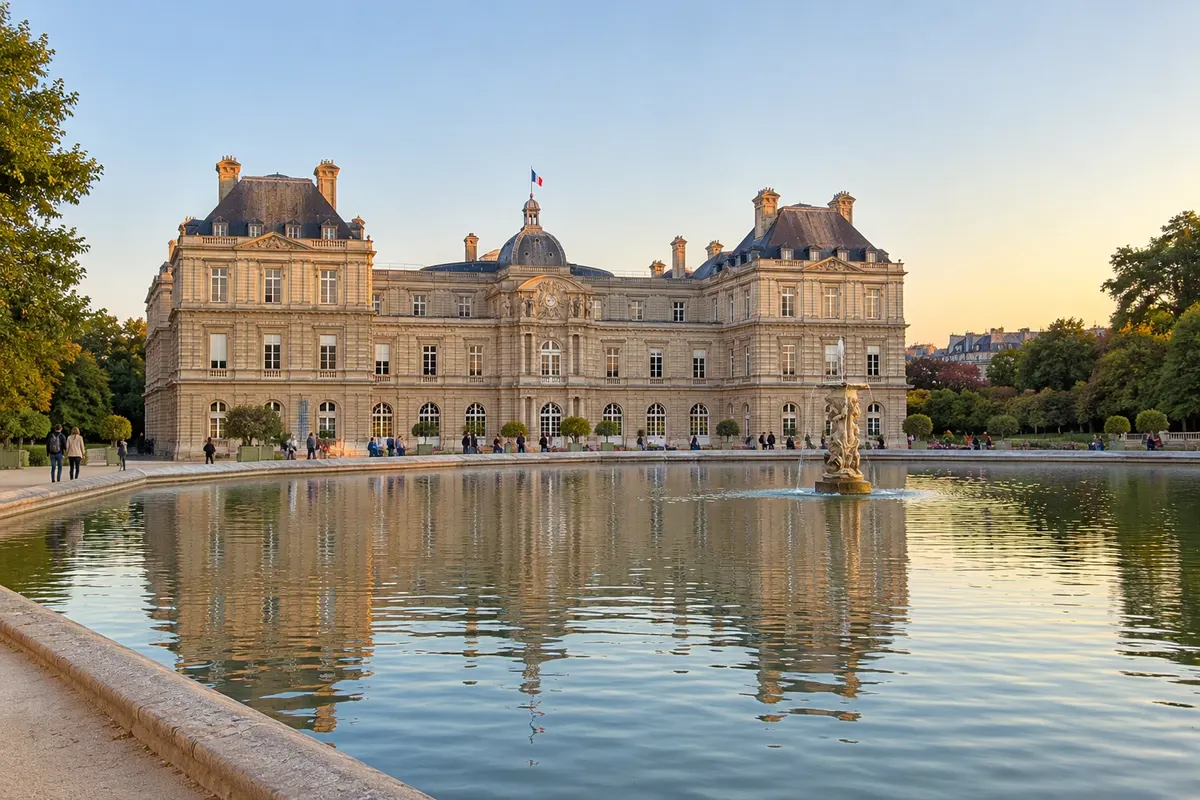
A 23-hectare garden created by Marie de' Medici in 1612, featuring the Palais du Luxembourg (Senate), the Médicis Fountain, the large boating pond and the green chairs where Parisians spend their afternoons.
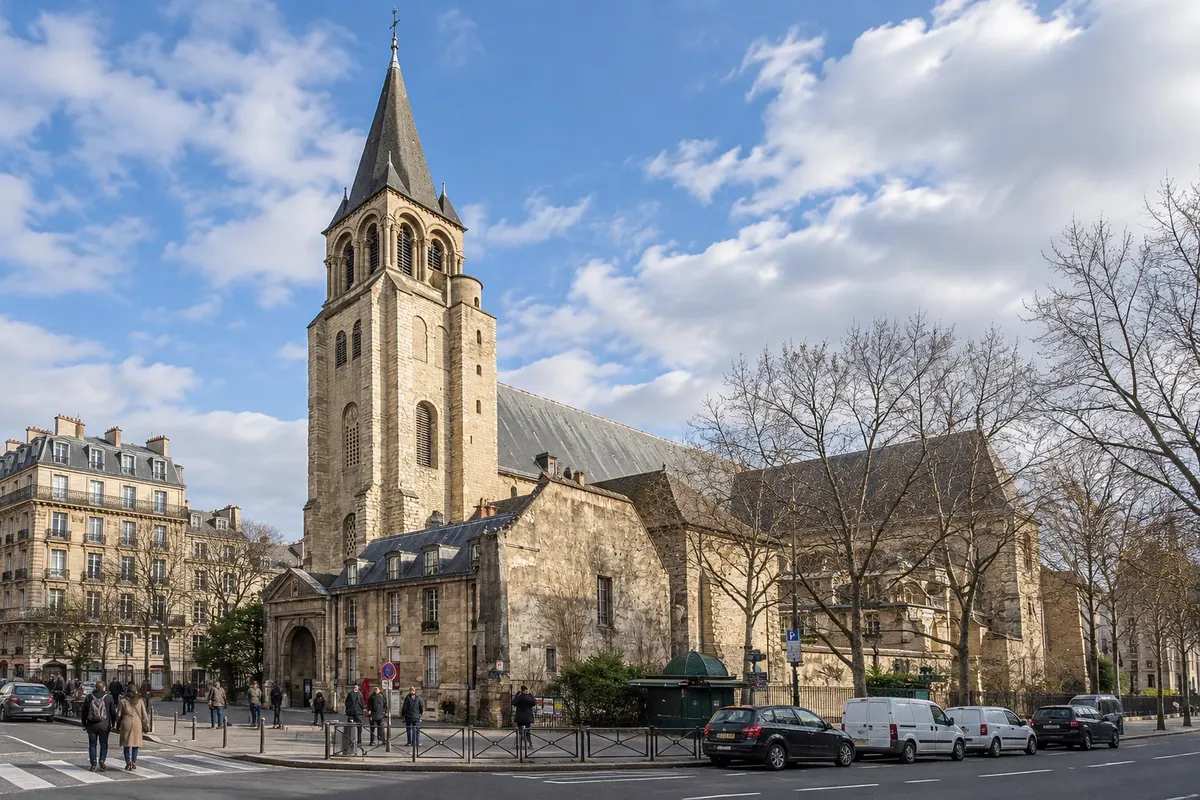
Left-bank neighborhood around the oldest church in Paris, known for literary cafés, bookshops, art galleries and boutiques. The church has a tower dating from the year 1000.
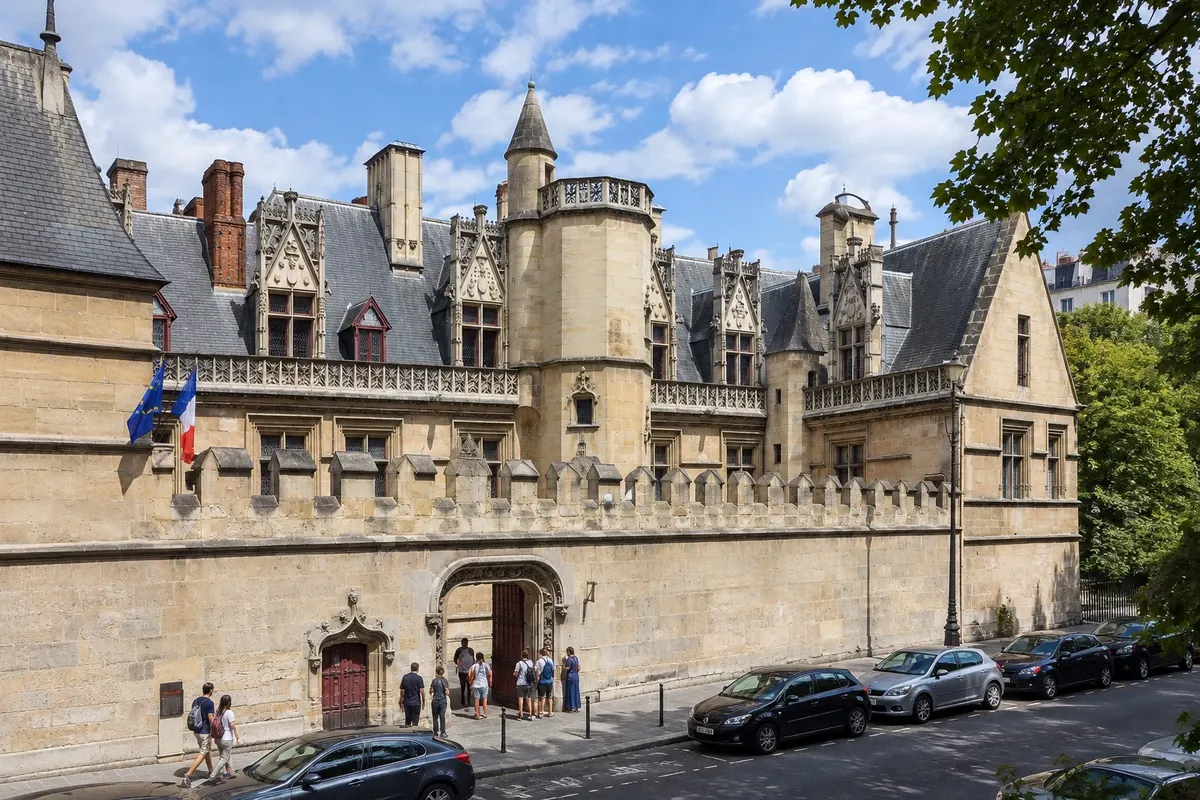
Medieval museum housed in a 15th-century Gothic mansion built over Roman baths. It holds the six tapestries of The Lady and the Unicorn and sculptures rescued from Notre-Dame.
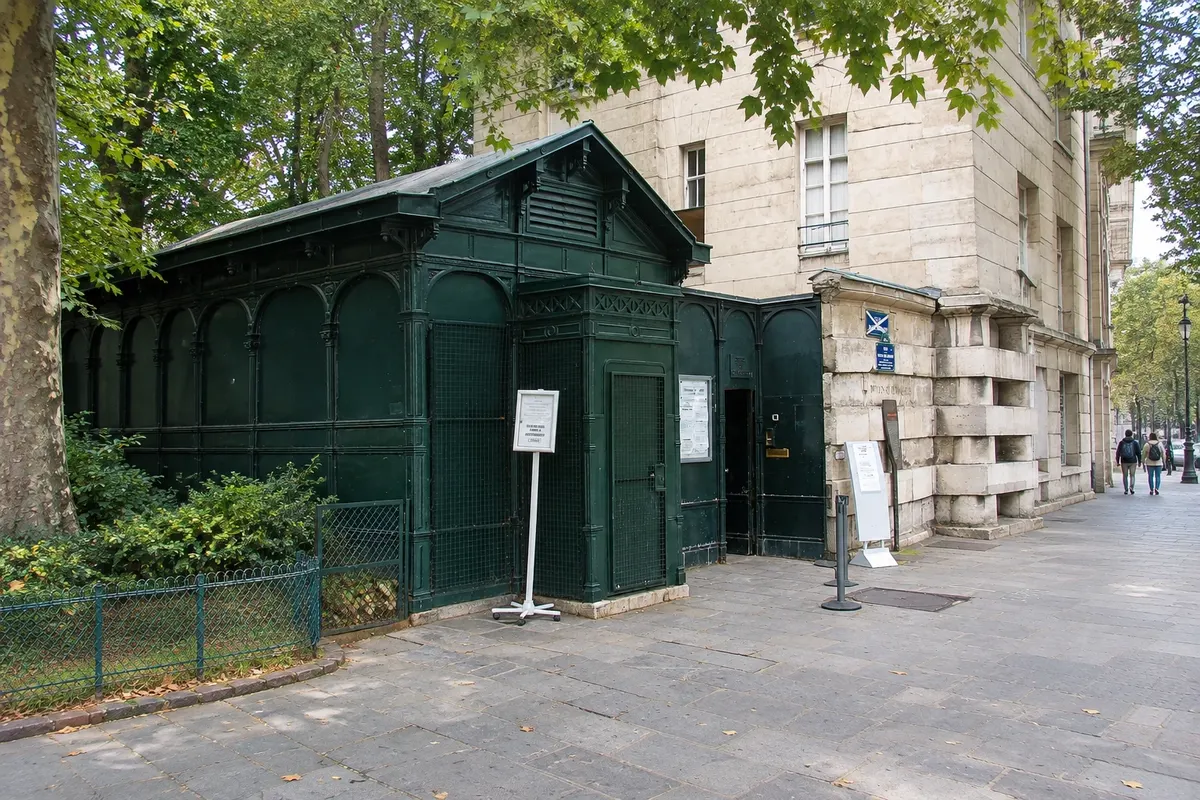
Underground ossuary about 20 meters deep, in former quarries, containing the remains of more than six million Parisians arranged in walls of bones along roughly 1.5 km of galleries.
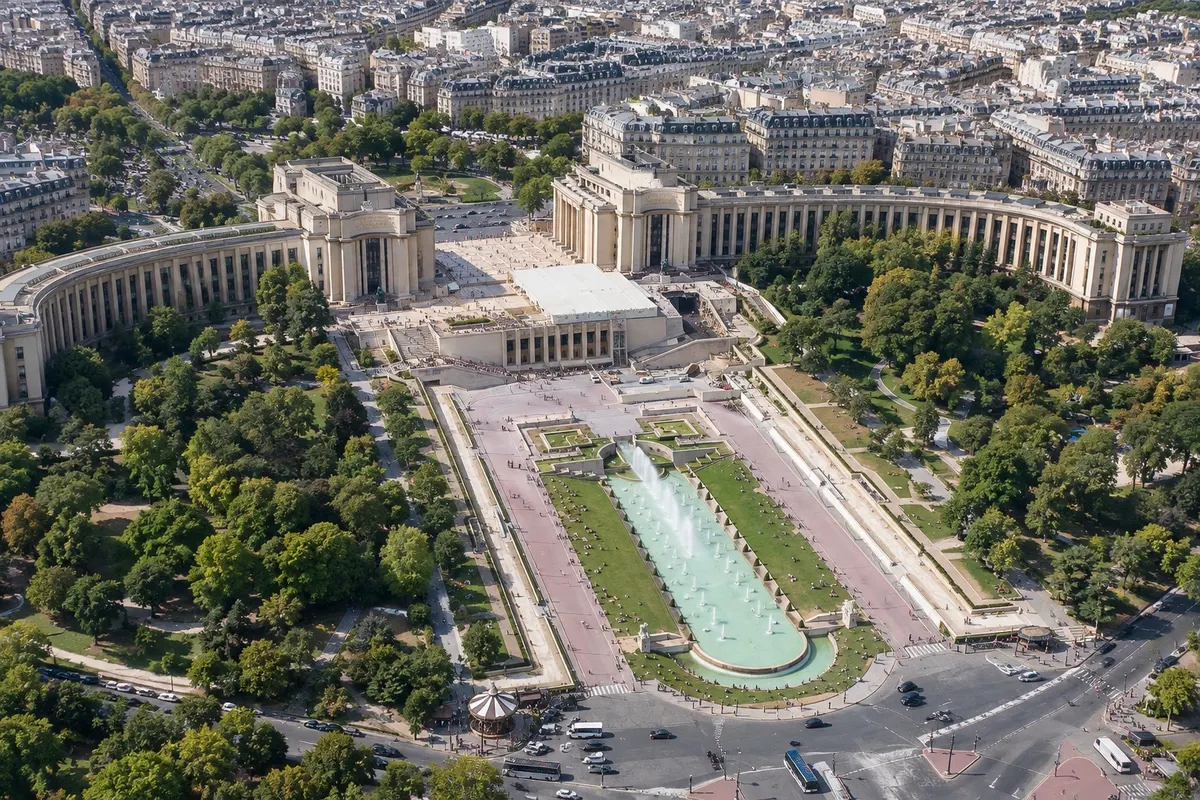
1930s palace on the hill of Trocadéro, facing the Torre Eiffel. The esplanade between the two wings is the classic spot to photograph the tower, and the palace houses museums of anthropology, naval history and architecture.
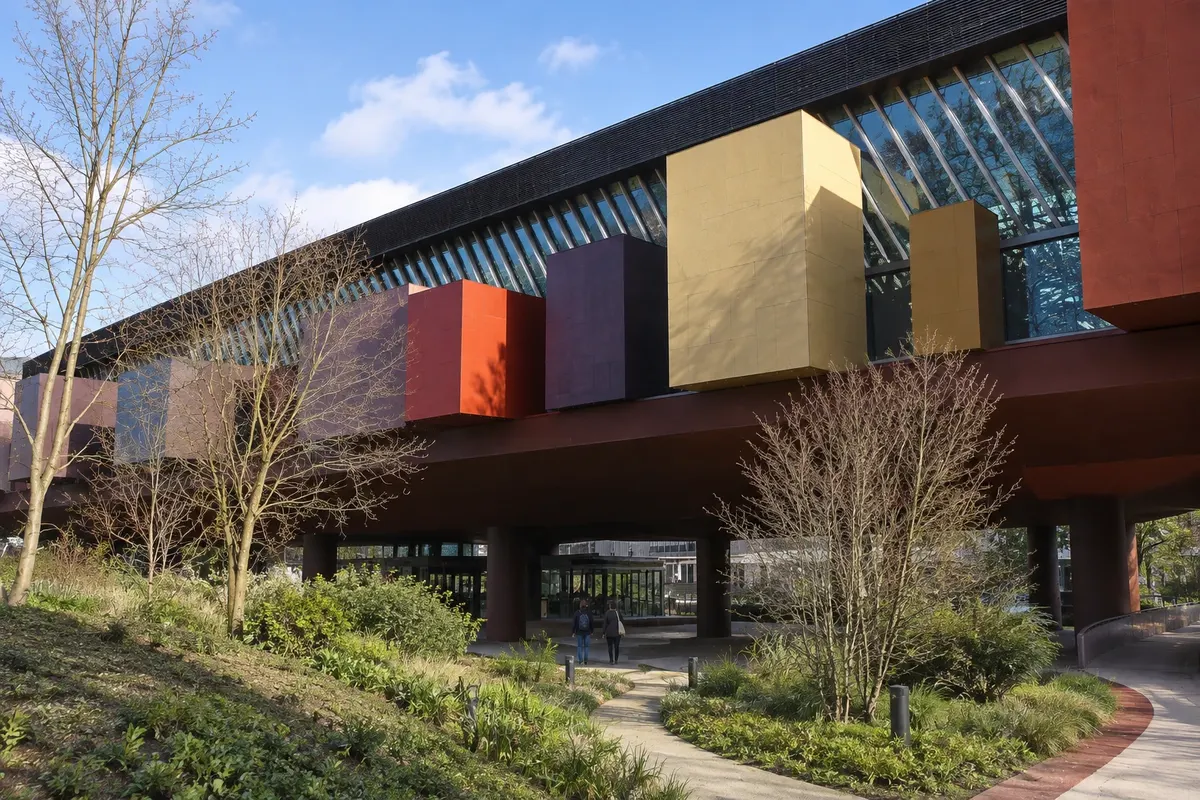
Museu de Jean Nouvel near the Torre Eiffel dedicated to the arts and cultures of Africa, Asia, Oceania and the Americas, with a facade covered in plants and a garden enclosed by a glass wall.
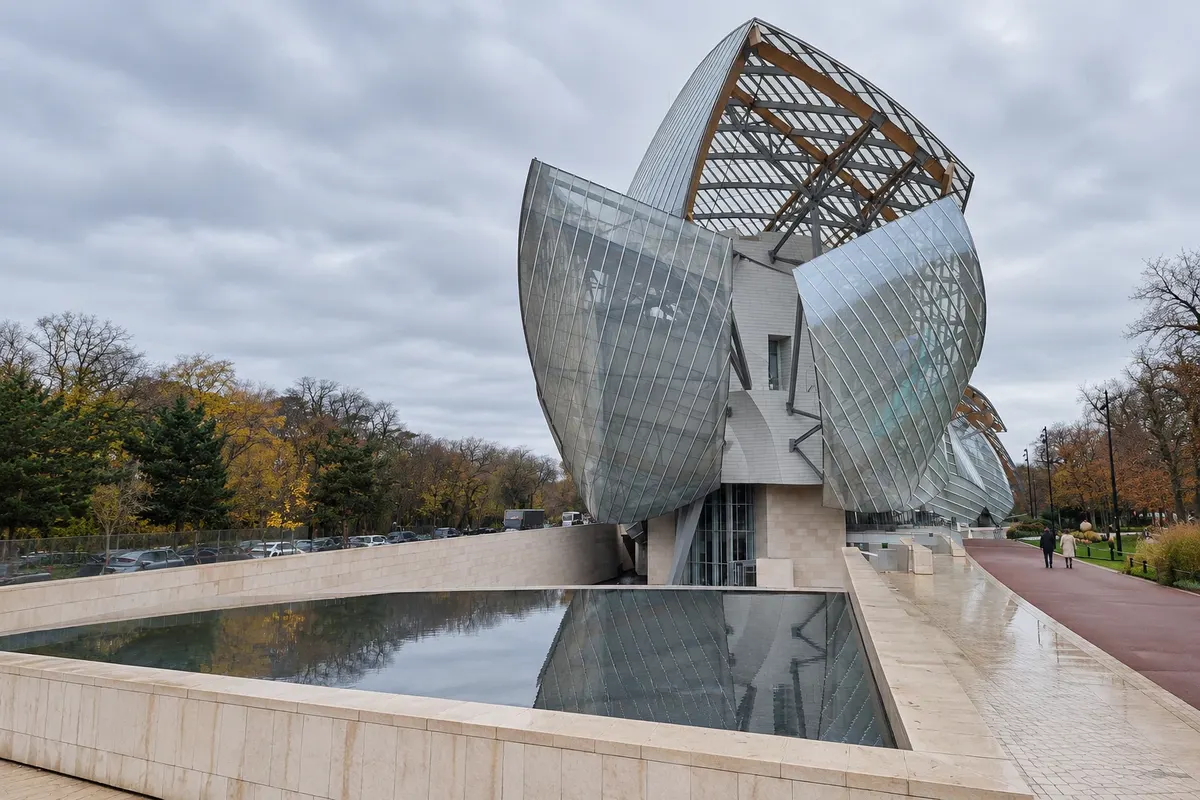
Frank Gehry's contemporary art center in the Bois de Boulogne, with glass 'sails', terraces overlooking La Défense and major temporary exhibitions. Next to it are the park and the Jardin d'Acclimatation.
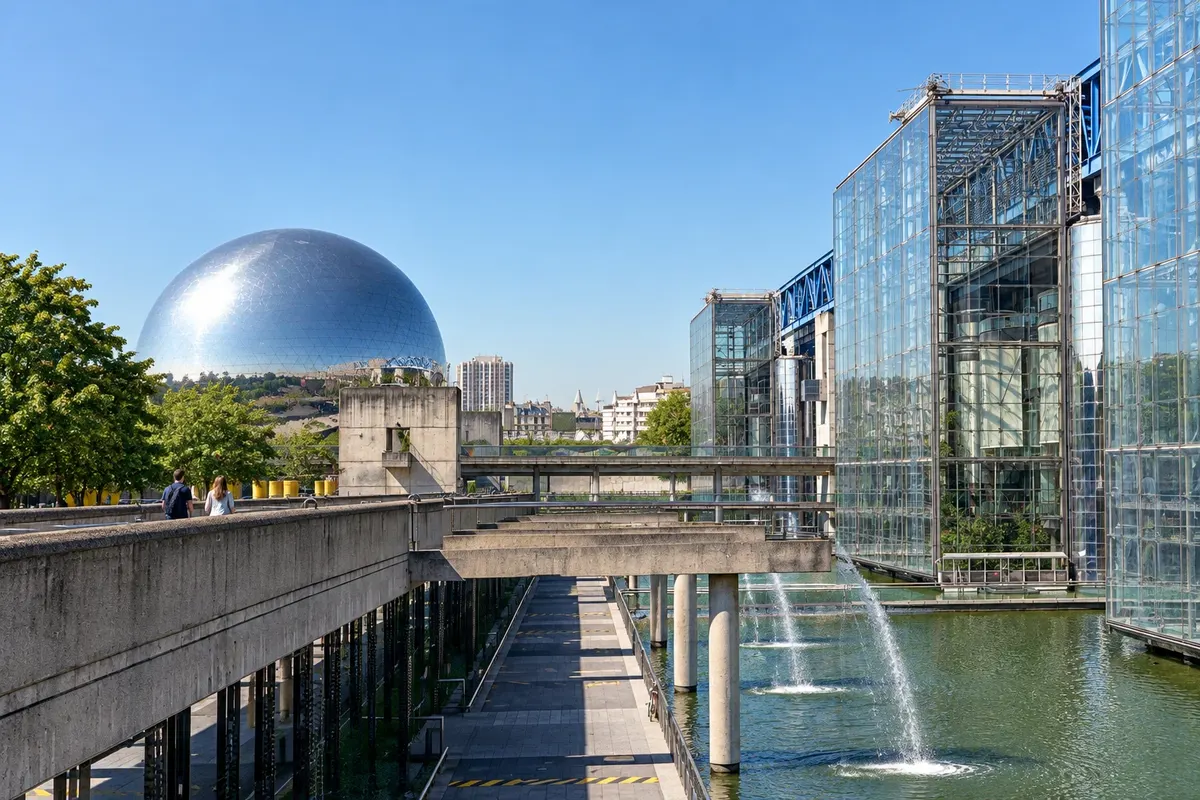
The largest science museum in Europe, in the Parc de la Villette, with a planetarium, a real submarine, the mirrored dome of the Géode and areas for children. Around it is a 55-hectare park with the Philharmonie de Paris.
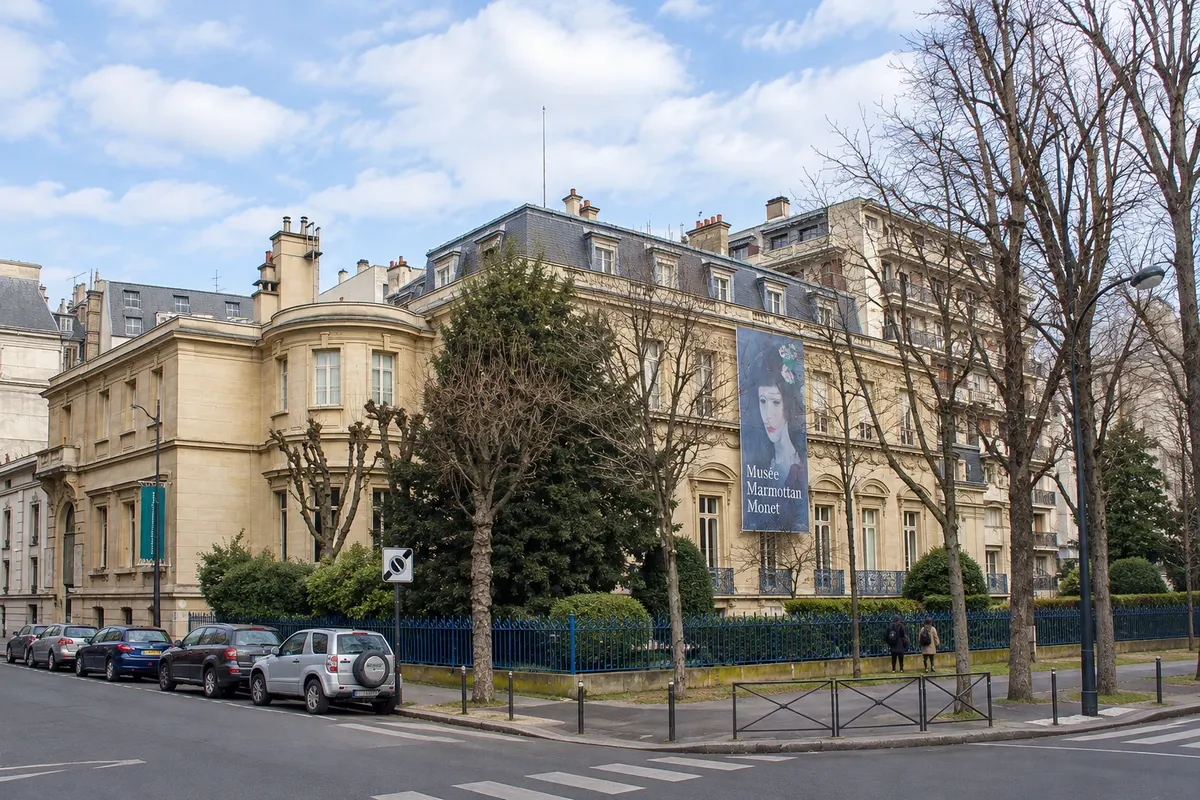
Mansion in the 16th arrondissement with the largest collection of Claude Monet's works in the world, including Impression, soleil levant, the painting that gave its name to Impressionism, and many Water Lilies.
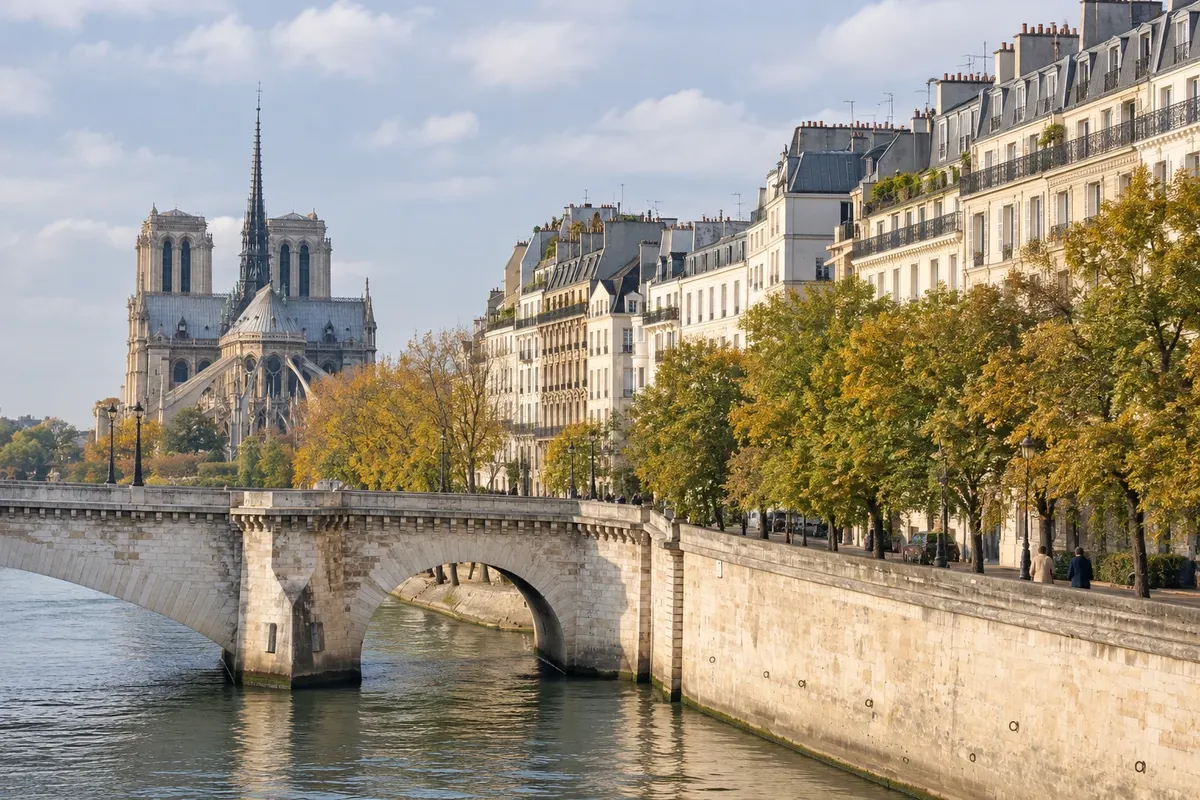
Île Saint-Louis, an island just behind Notre-Dame, with 17th-century mansions, tree-lined quays and a main street of shops, cheese shops and ice-cream parlors. A short, quiet walk in central Paris.
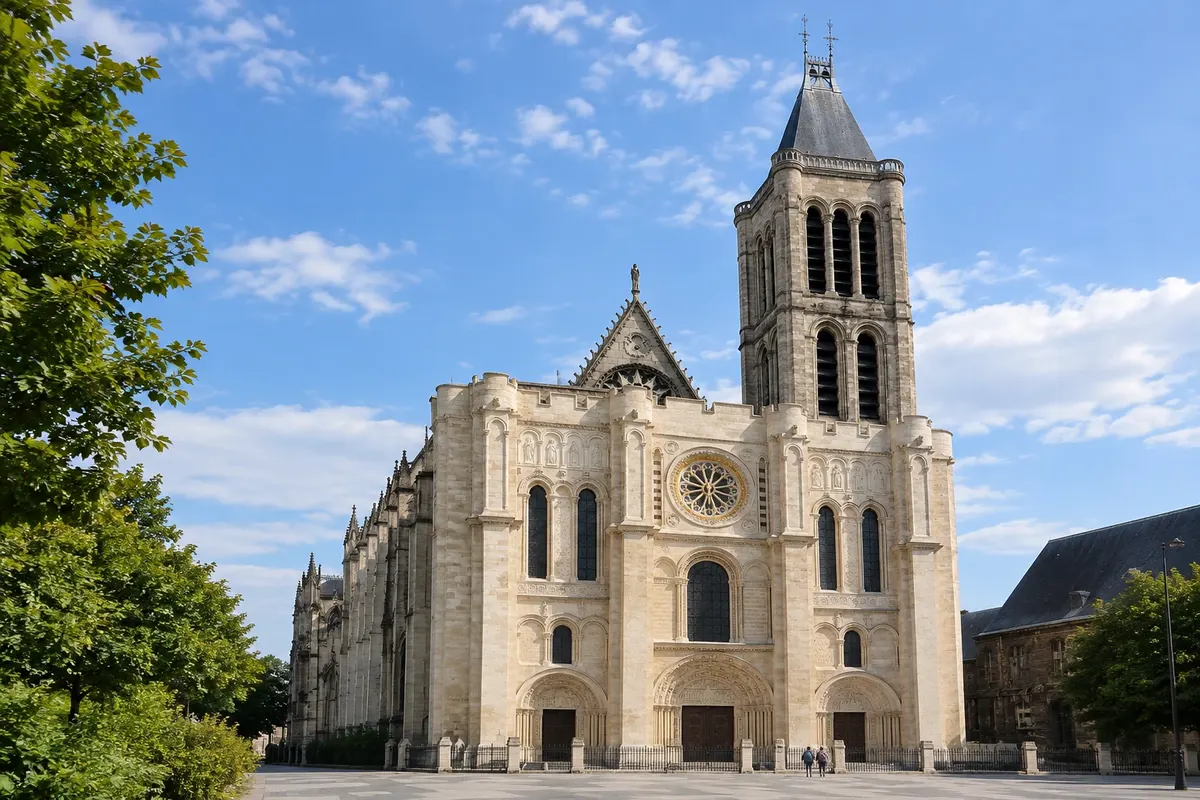
Basilica north of Paris where nearly all the kings of France were buried, with more than 70 tombs and recumbent statues. Its choir, from 1144, is considered a landmark in the birth of Gothic architecture.
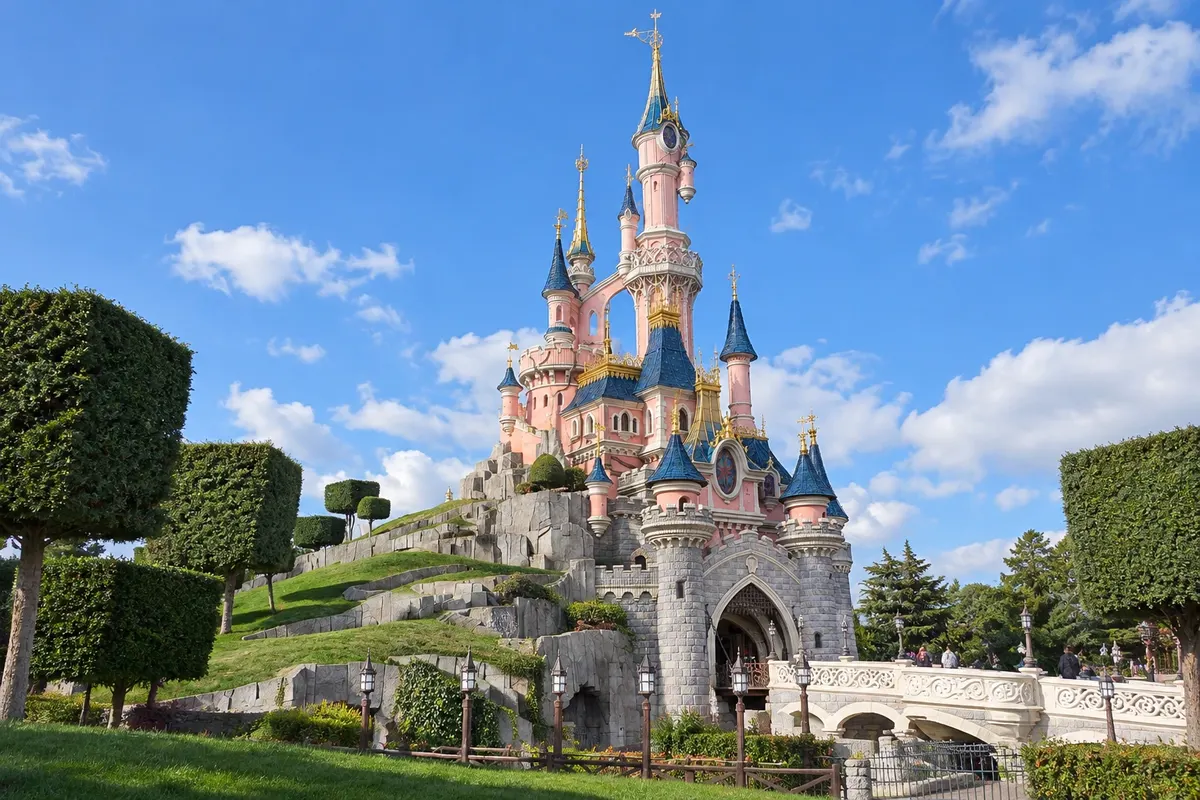
Disney complex about 32 km east of Paris, with two theme parks, the Disneyland Park, of the Castelo da Bela Adormecida, and Disney Adventure World, plus Disney Village and its own hotels.