Brazil
 Argentina
 Chile
Chile Colombia
 Peru
Peru Uruguay
 Germany
 Belgium
 France
 Greece
 the Netherlands
 Ireland
 Italy
Italy Luxembourg
 Portugal
 the United Kingdom
 Switzerland
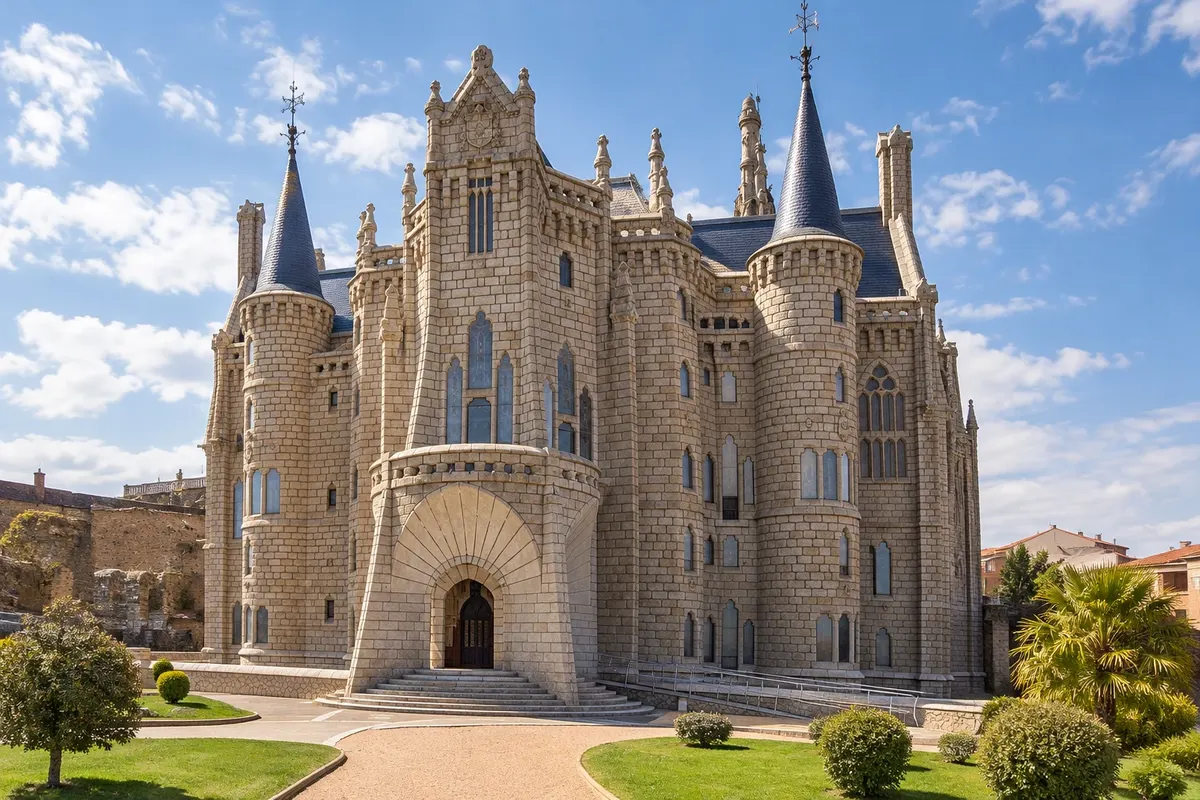
Palace
Palacio Episcopal de Astorga
Neogothic Palace designed by Gaudí, built between 1889 and 1915, of white granite with towers, which houses the Museu dos Caminhos, about the Caminho de Santiago.
Castela e Leão · Spain
In the destination Burgos and León.
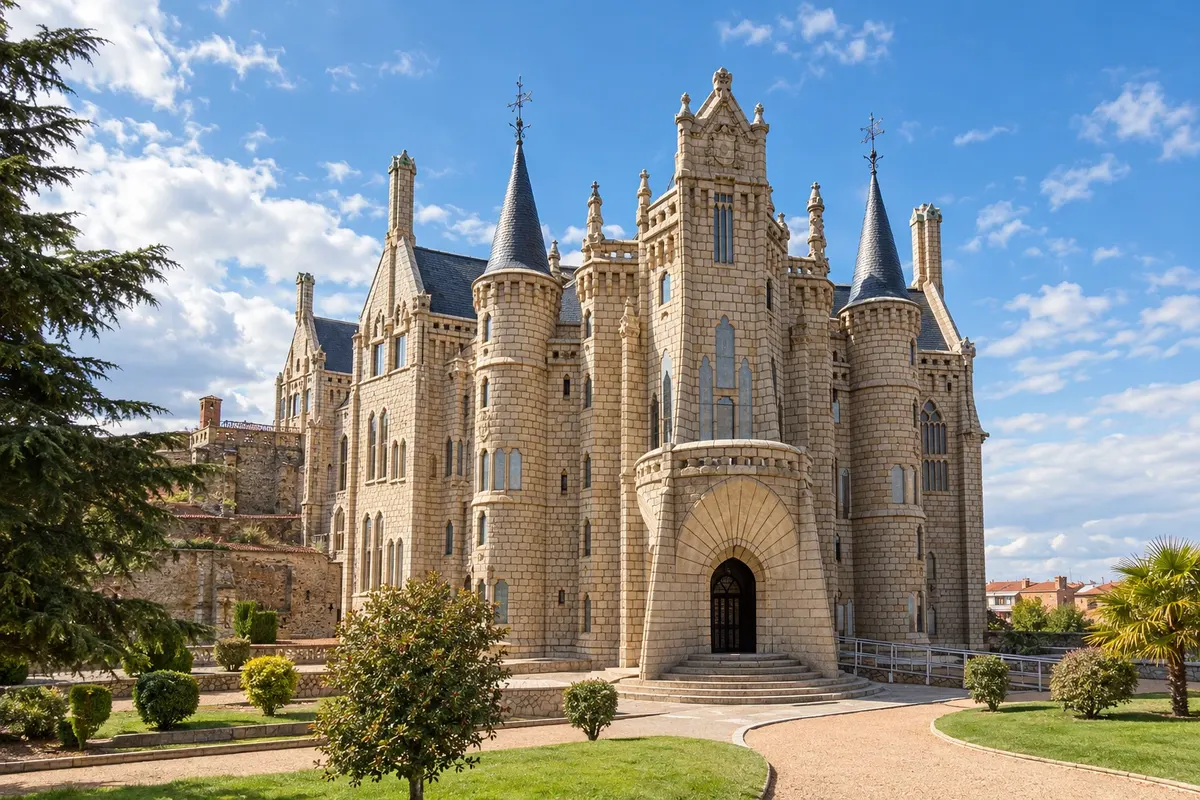
In the photo: Palacio Episcopal de Gaudí in Astorga.
Illustrative images. The pictures in this guide are illustrations based on the real place, not photographs, and may differ from it.
The city
Astorga is a small town in the province of León, capital of the Maragatería, on a hill surrounded by more than 2 km of Roman-origin wall. Founded as Asturica Augusta, it preserves Roman remains and a museum in the former ergástula. The Palácio Episcopal de Gaudí stands next to the Gothic cathedral, and in the Plaza Mayor two maragato figures strike the hours. The town is known for chocolate, mantecadas and the cozido maragato. It is where the Caminho Francês meets the Via de la Plata. The village of Castrillo de los Polvazares is 5 km away. Spanish is spoken.
There's no accommodation in the guide yet in Astorga.
There are no restaurants in the guide yet in Astorga.
Know a good one? Recommend it to ushow to get there · how many days · itinerary · questions
The local experience
Neogothic Palace designed by Gaudí, built between 1889 and 1915, of white granite with towers, which houses the Museu dos Caminhos, about the Caminho de Santiago.
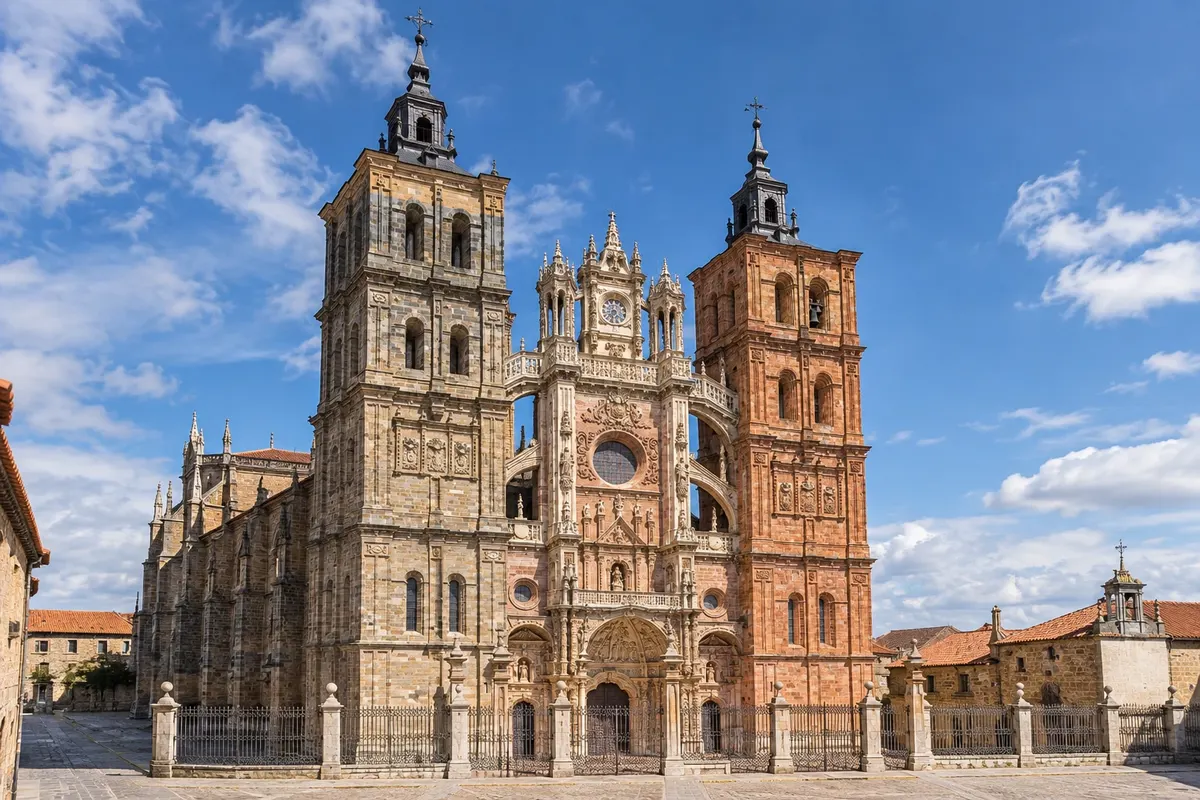
Gothic cathedral begun in 1471, with a baroque façade, towers over 60 metres and the Renaissance altarpiece by Gaspar Becerra.
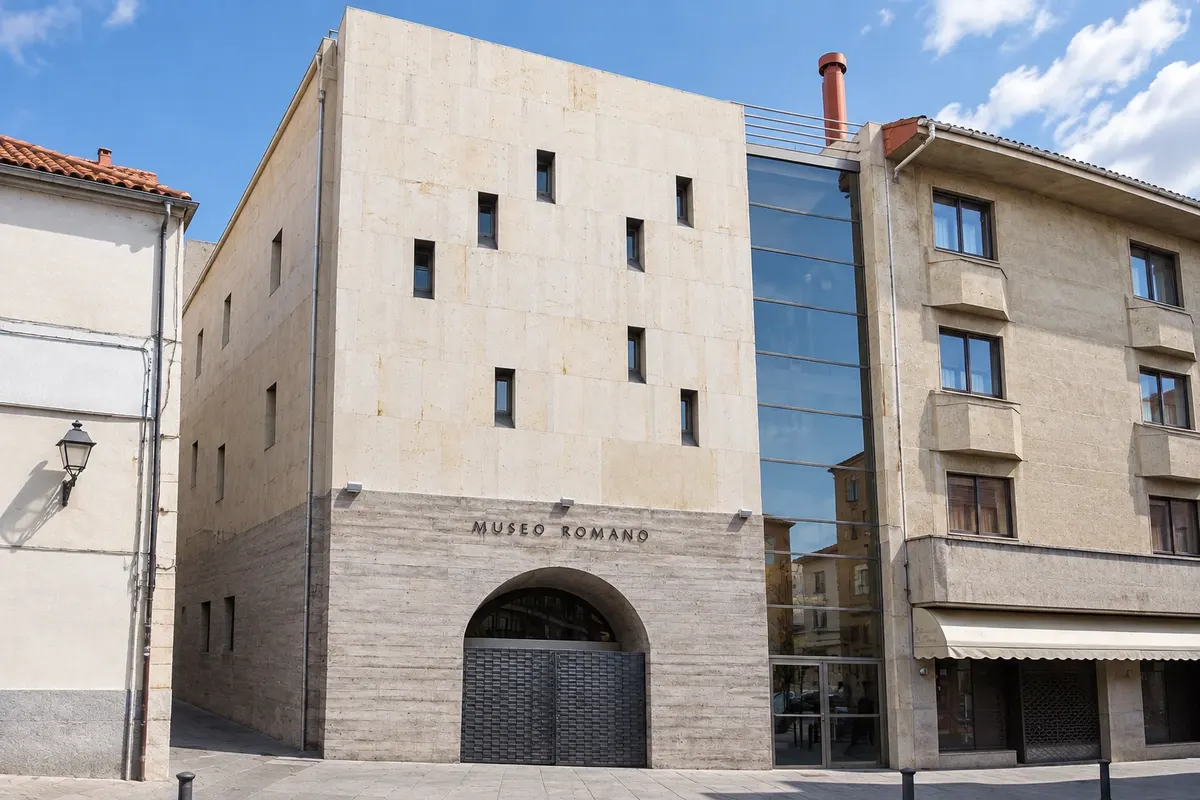
Museum of the ancient Asturica Augusta in the ergástula, a Roman gallery with a vault, starting point of the Roman route that goes past baths, sewers and mosaics in the centre.
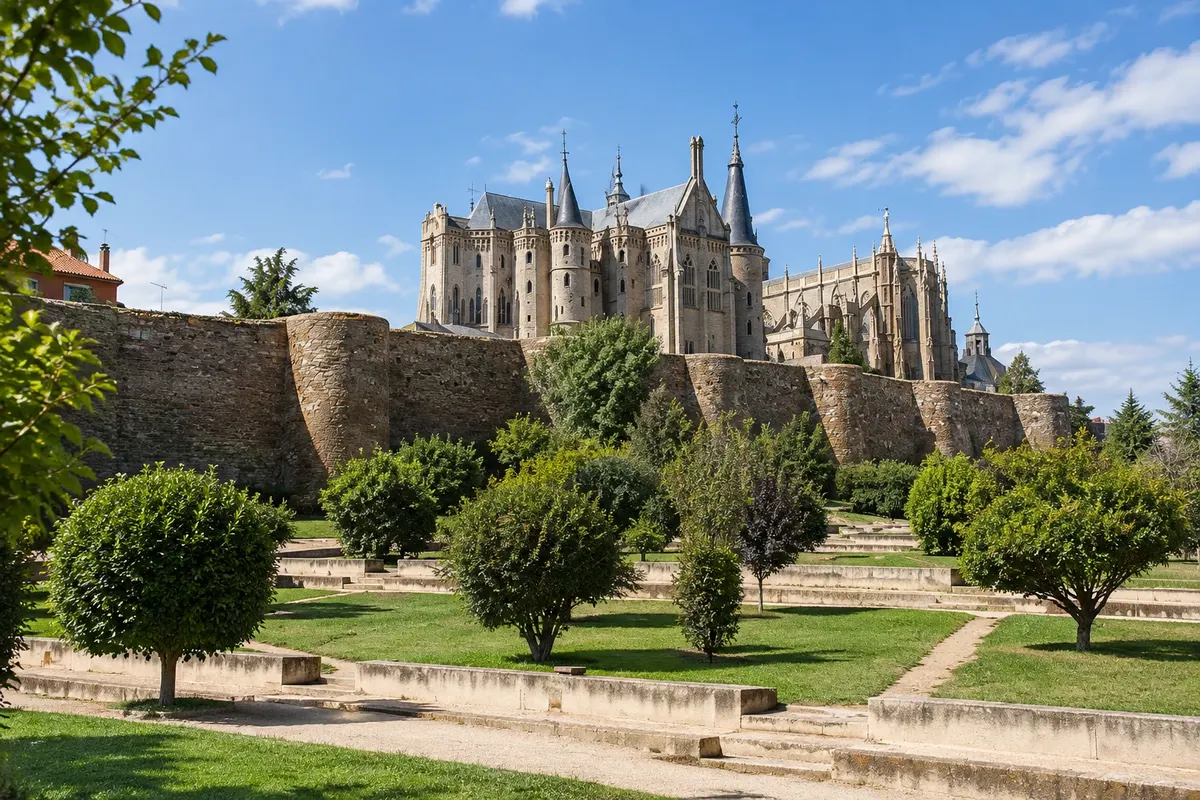
Wall of Roman origin, from the 3rd and 4th centuries, over 2 km around the old town, with semicircular towers (cubos) and a walkway on top of part of it.
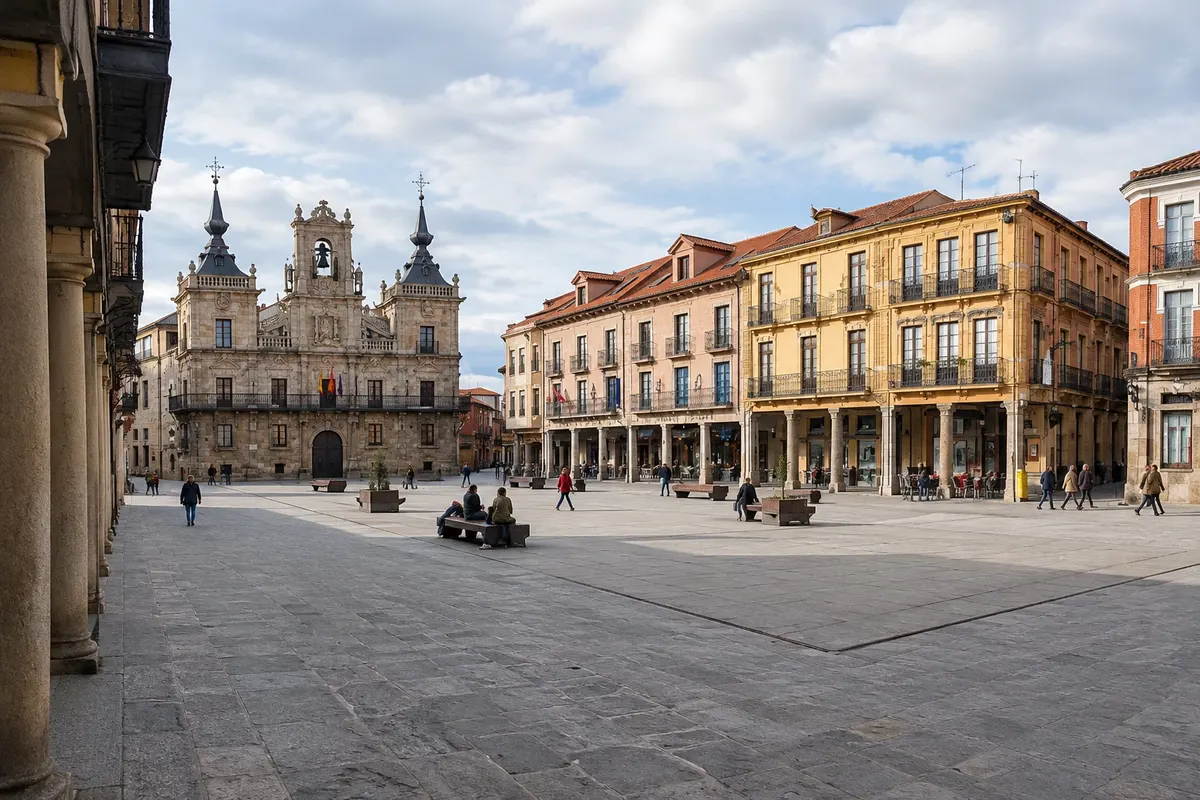
Astorga's main square, with the 17th-century Baroque town hall and the clock where two figures in maragato costumes strike the hours.
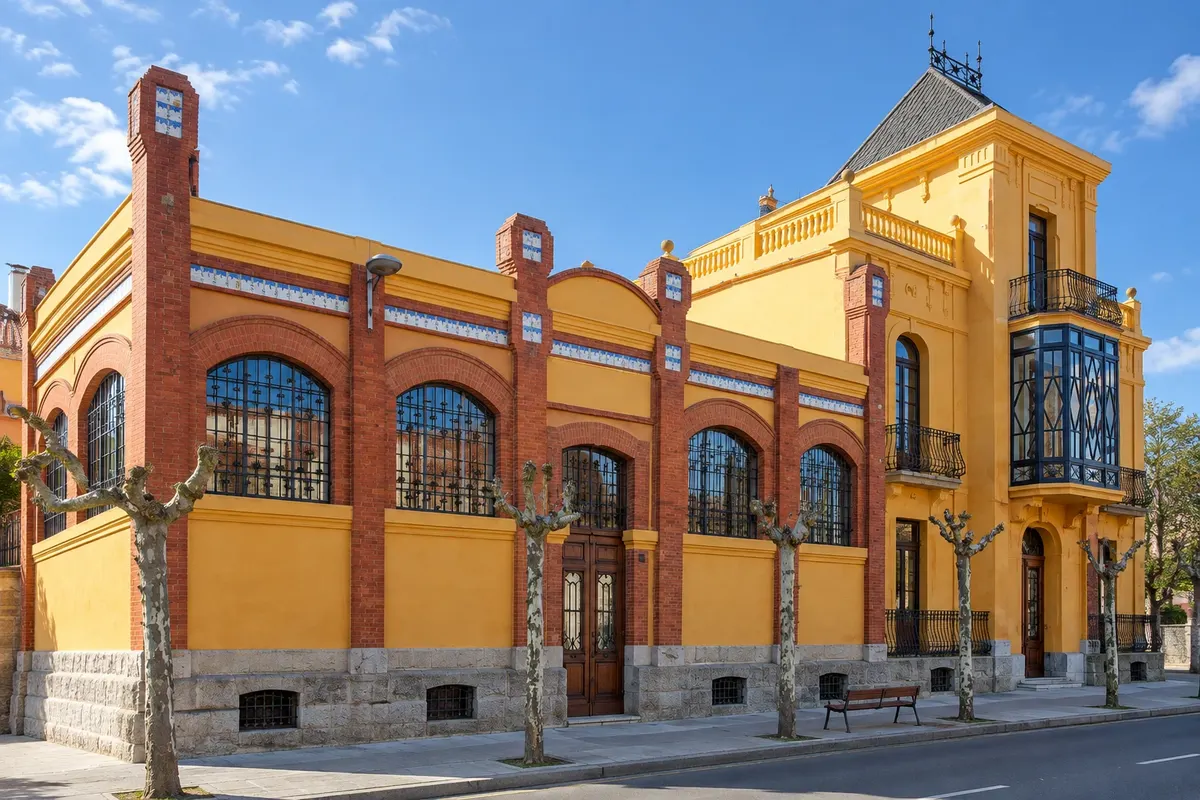
Museum about Astorga's chocolate industry, which once had dozens of factories, with machines, utensils, labels and vintage posters, and a tasting at the end.
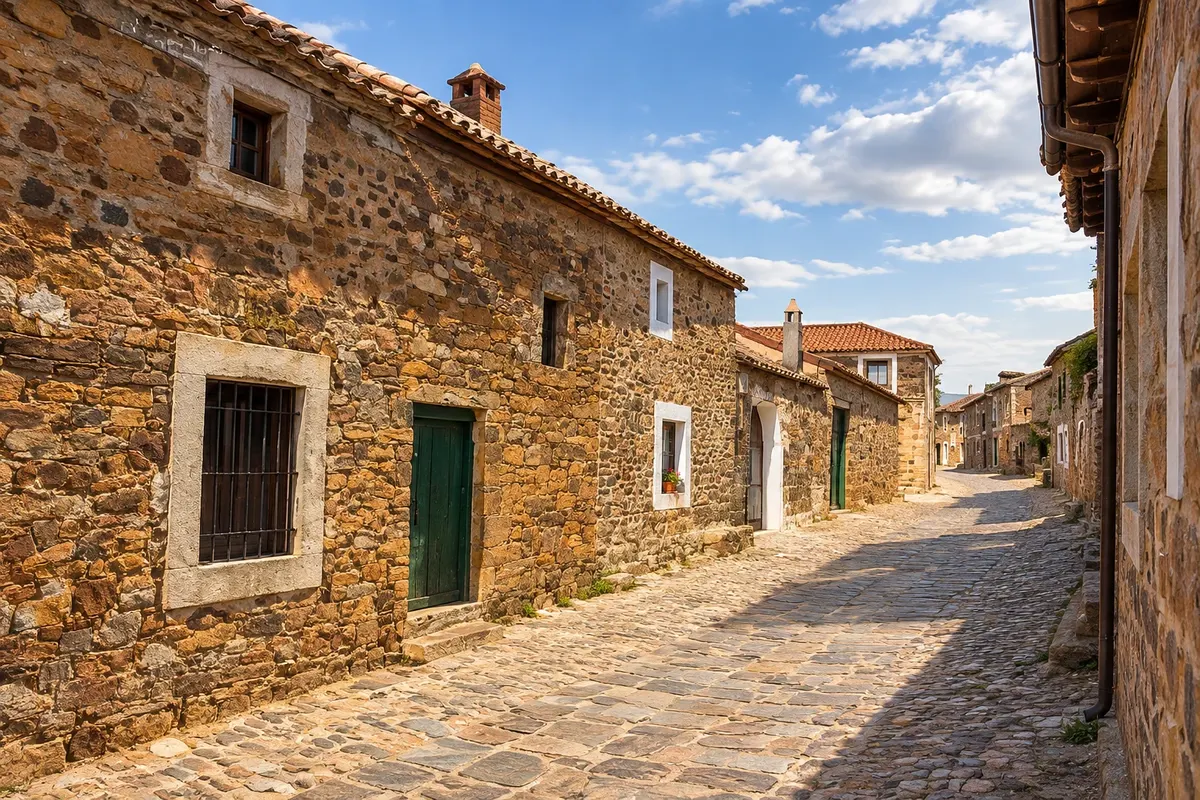
Maragato village 5 km from Astorga, a historic ensemble of reddish stone houses, cobbled streets and large gates from the old muleteers, known for the cozido maragato.
Rotas entre países
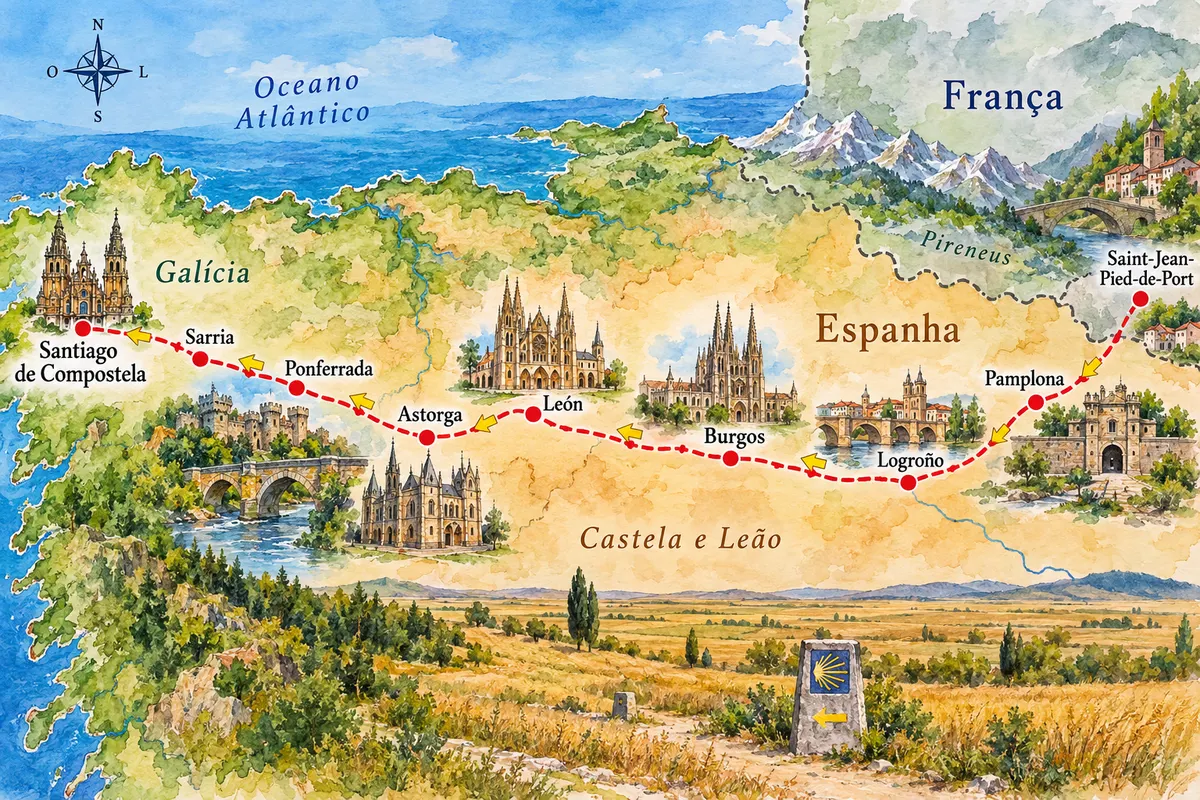
The most walked pilgrimage route to Santiago de Compostela: from the French Pyrenees to Galicia, on foot, via Pamplona, Burgos and León, following the yellow arrows.