Burgos and León

Castela e Leão · Spain

Burgos and León

The Gothic cathedrals of Burgos and León, the fossils of Atapuerca, Gaudí's palace in Astorga and the Templar castle of Ponferrada, along the Caminho Francês.

Centro

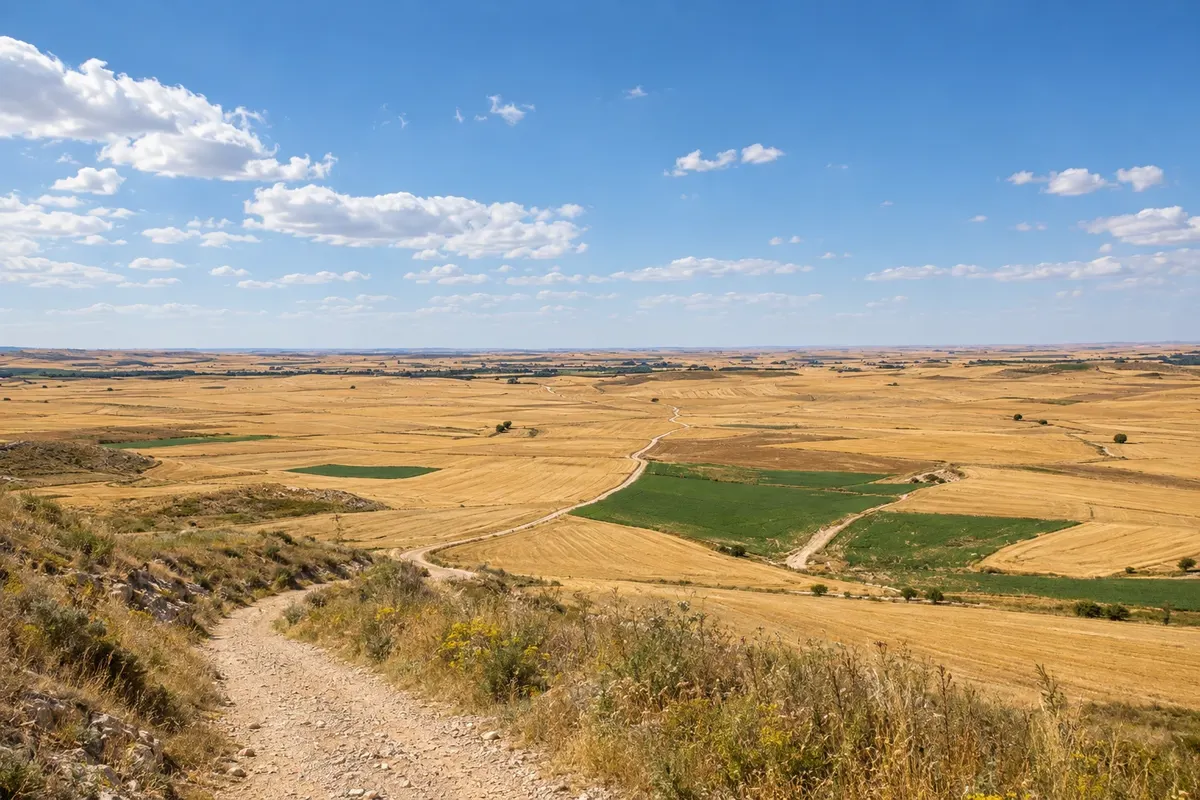
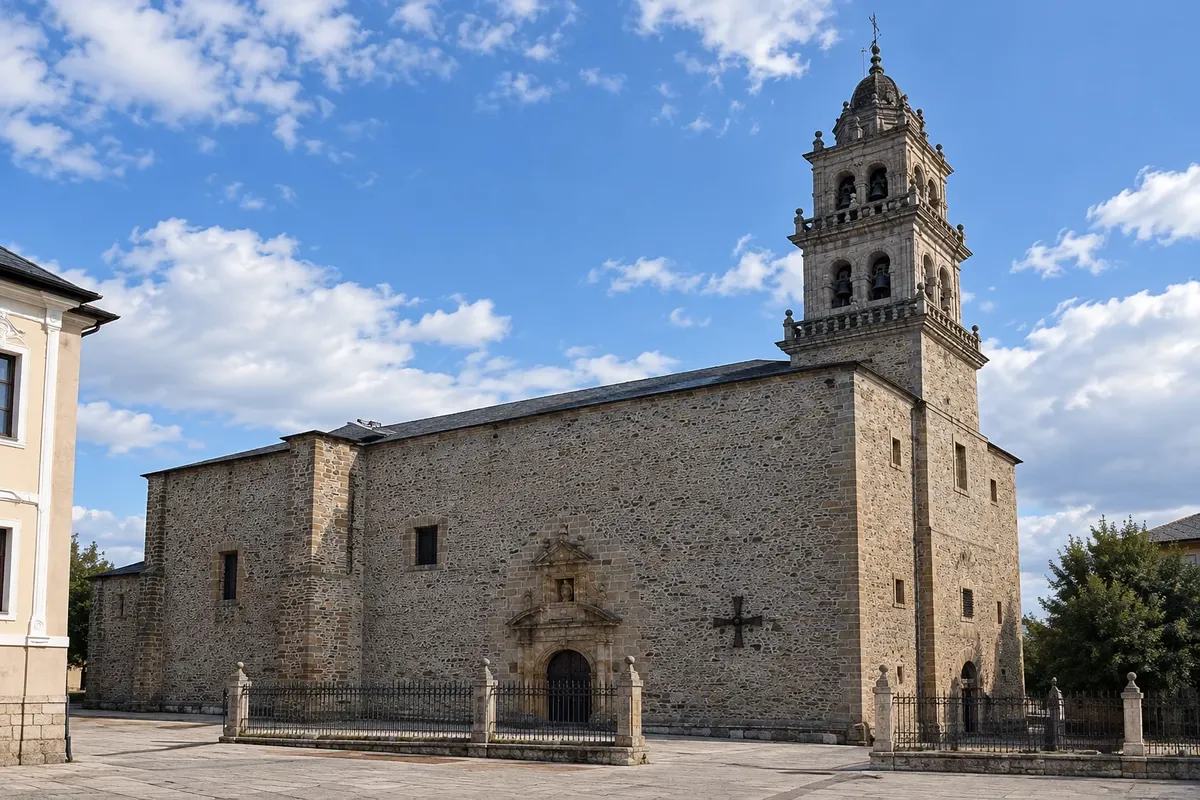
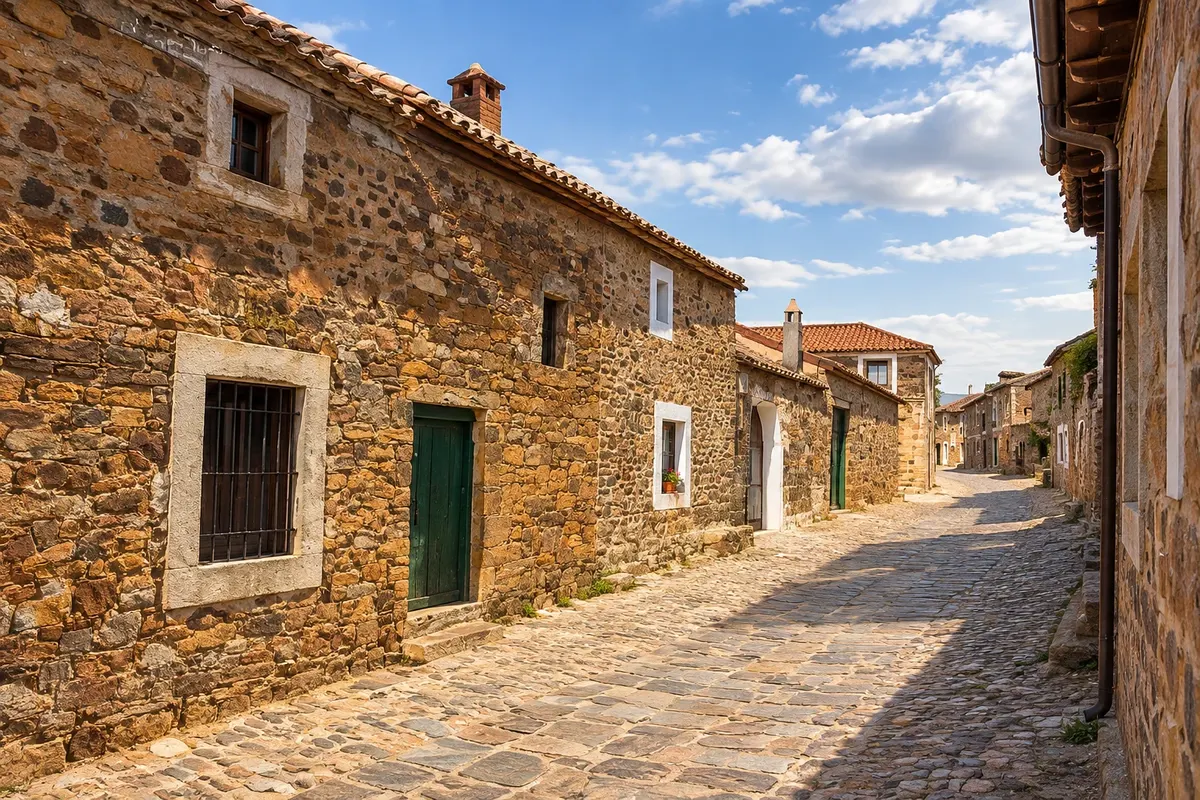
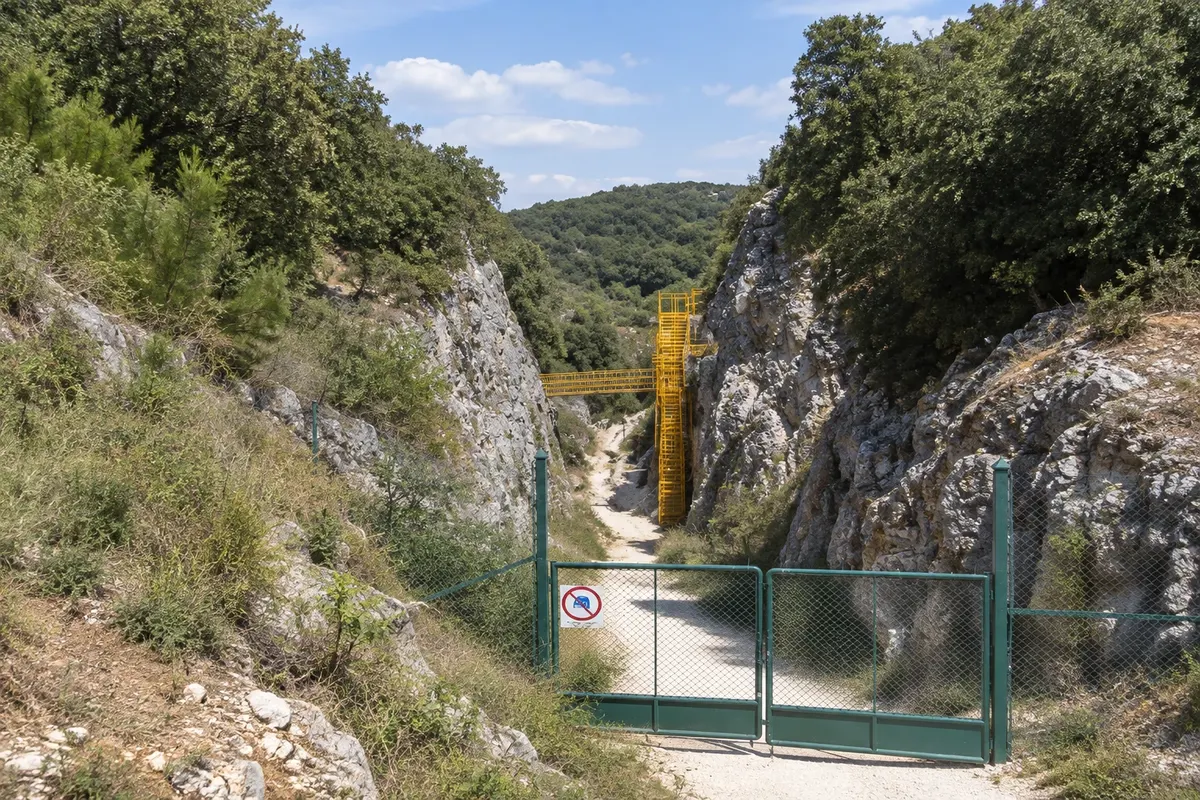
In the photo: Meseta of the Caminho Francês near Castrojeriz

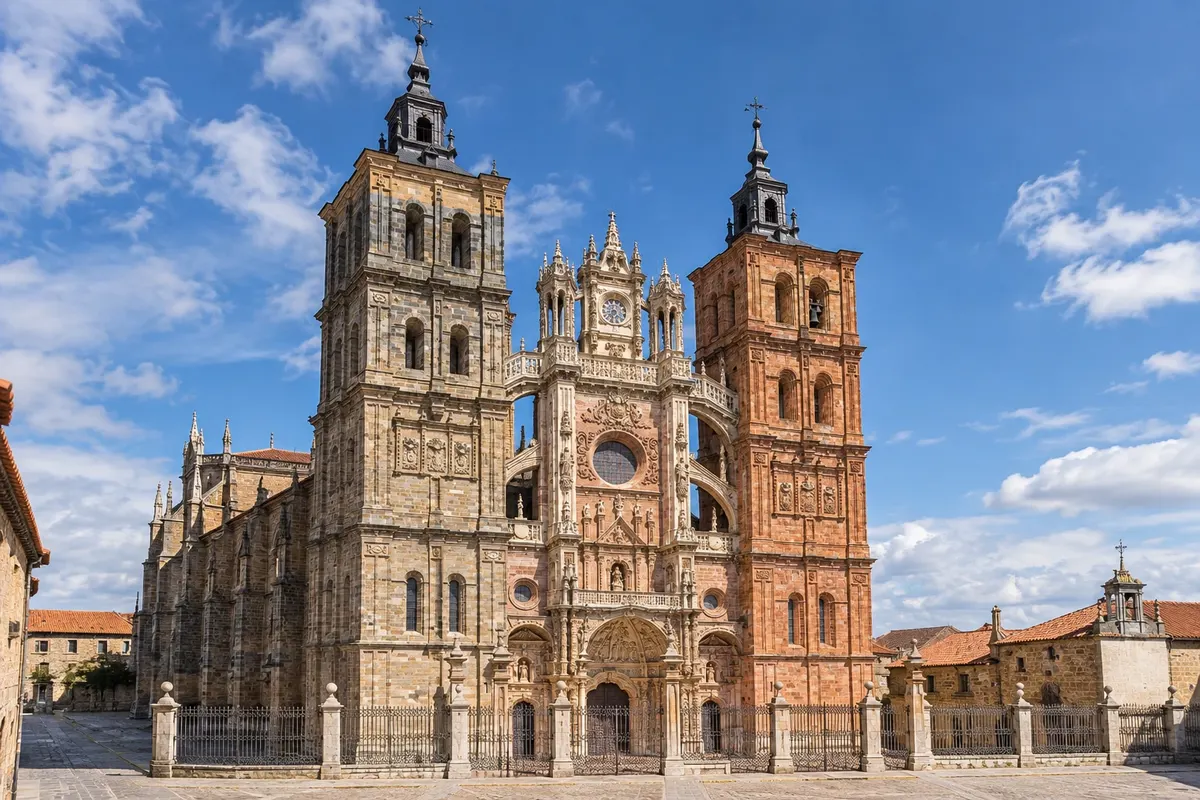
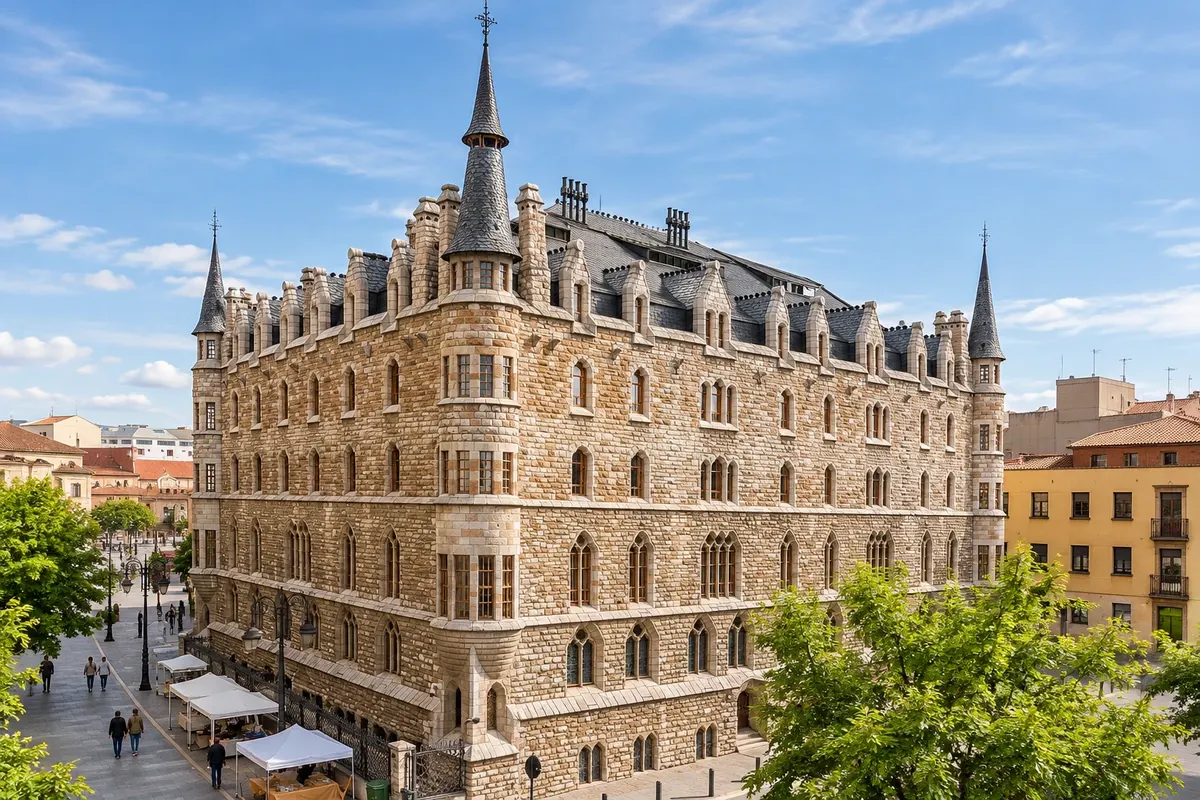
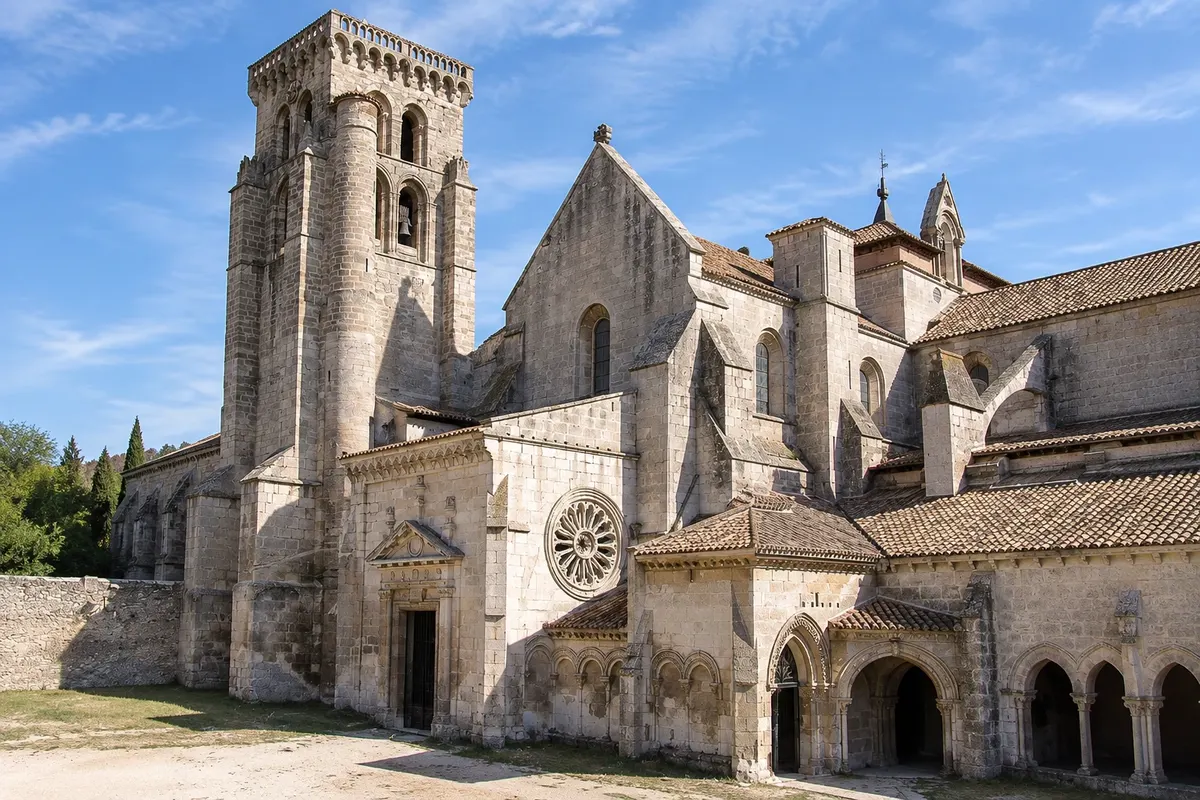
Illustrative images. The pictures in this guide are illustrations based on the real place, not photographs, and may differ from it.

Get it on Google Play Send your photos

Get to know the place

A region to enjoy
at your own pace.

Burgos and León are two provinces of Castile and León on the northern Spanish plateau, crossed east–west by the Caminho Francês de Santiago. Between them lies the Meseta, the high plain of wheat fields, open sky and adobe-and-stone villages such as Castrojeriz, Frómista and Sahagún, which pilgrims cross in about a week. West of León, the landscape changes to the hills of the Maragatería and the green Bierzo valley.

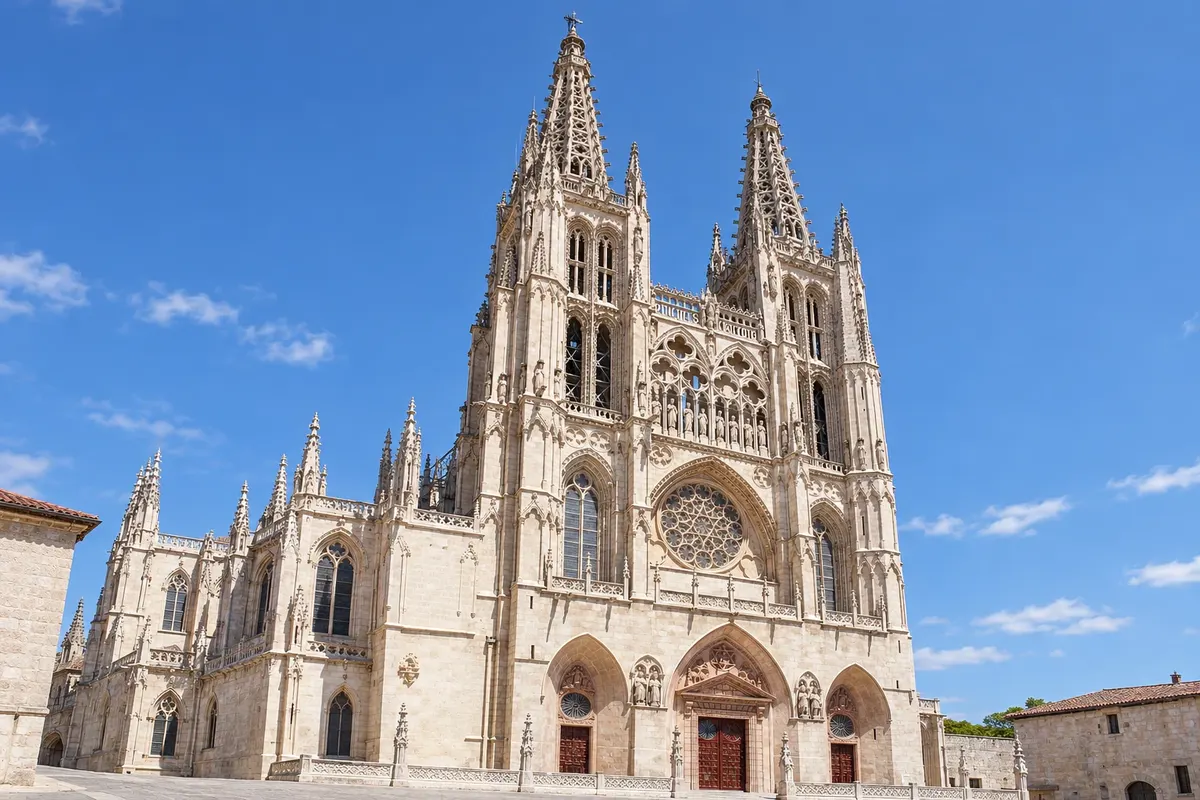
Burgos, the former capital of Castile and the land of El Cid, has a Gothic World Heritage cathedral with the hero's tomb. About 15 km away, the Atapuerca range holds some of Europe's oldest human remains, displayed at the Museu da Evolução Humana in the city. León has the other great Gothic cathedral of the region, known for its medieval stained glass, the Panteón de los Reyes de San Isidoro and Casa Botines by Gaudí.

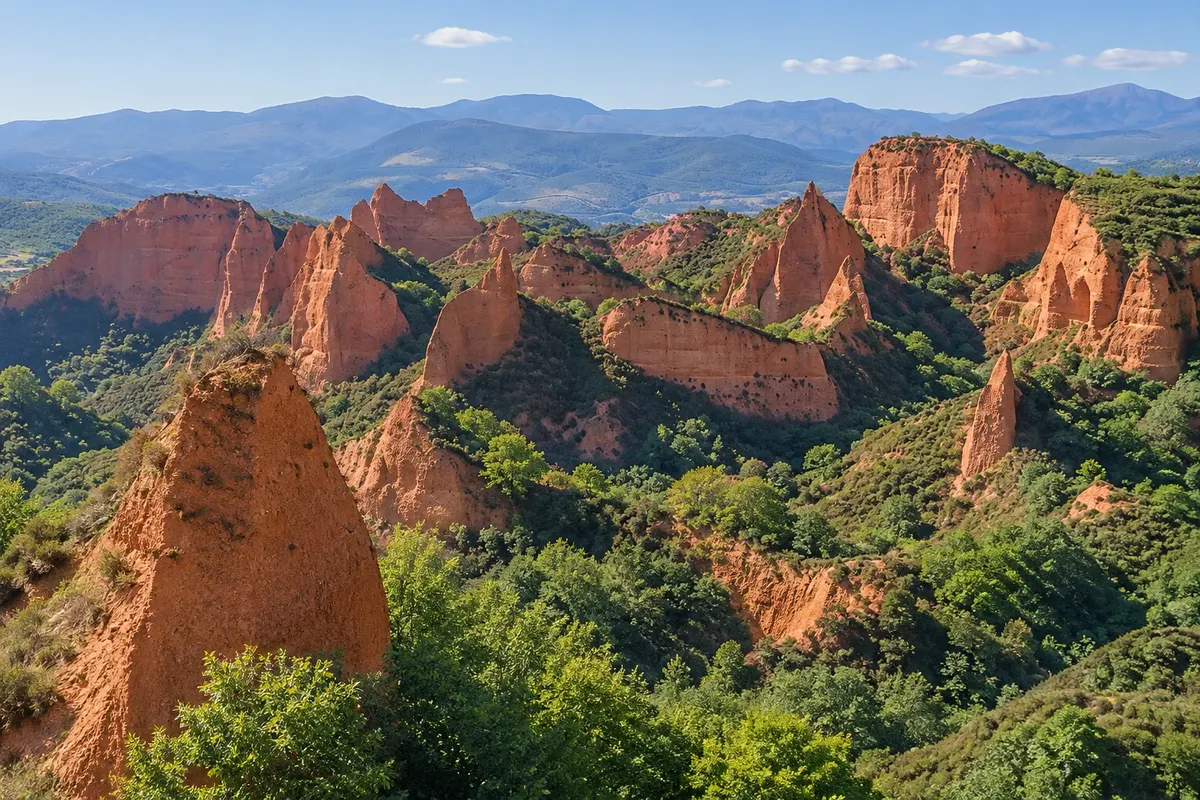
Further west, Astorga, ringed by a Roman wall, has the Palácio Episcopal de Gaudí and a tradition of chocolate and cozido maragato. Ponferrada, the capital of Bierzo, has the Templars' castle above the river Sil and, about 25 km away, the Médulas, ancient Roman gold mines, a World Heritage site of red earth among chestnut trees.

The four cities lie on the rail line linking central Spain to Galicia, which makes the route doable without a car. Spanish is spoken. The climate is continental: hot days and cool nights in summer, cold winters.

This destination brings together 4 cities: Burgos, León, Astorga, Ponferrada.

Share: WhatsApp
Traveler, share your experiences through photos Up to 5 photos of each place you visited.

One destination, many paths

The cities on this trip

Start with one city or combine several in your itinerary.

Where Burgos and León is
BurgosLeónAstorgaPonferrada

Contornos: IGN/CNIG, unidades administrativas, CC BY 4.0. Adaptação do Cidade Turismo.

How to get there: Burgos and León

✈ Aeroporto de Madri-Barajas (Aeropuerto Adolfo Suárez Madrid-Barajas) (MAD), in Madri · 240 km to Burgos

✈ Aeroporto de Bilbao (Aeropuerto de Bilbao) (BIO), in Loiu · 160 km to Burgos

Check before buying. International flights arrive at Madri. From there, trains take about 1h30 to 2h30 to Burgos and about 2 hours to León. The train continues from León to Astorga and Ponferrada, and links Burgos to León in about 1h30 to 2 hours.

Suggested arrival point: Burgos

Burgos
Castela e Leão · Burgos and León Suggested arrival point

Burgos

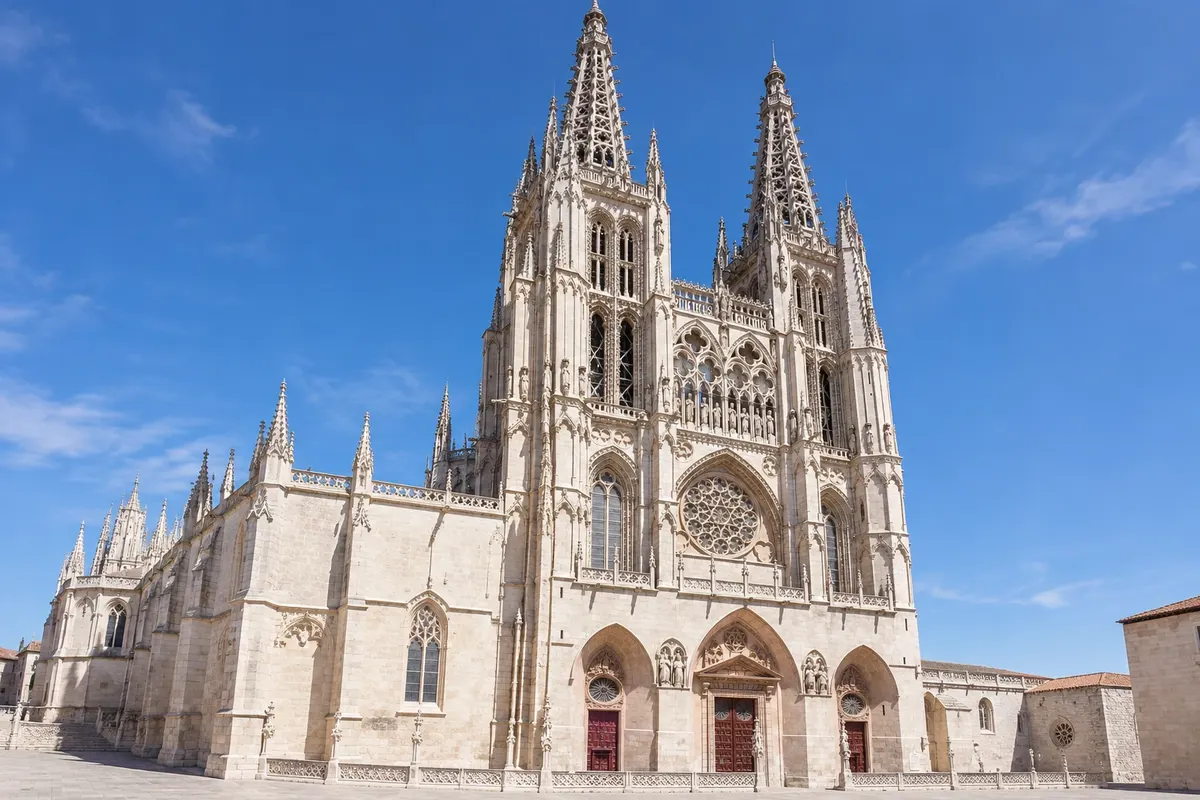
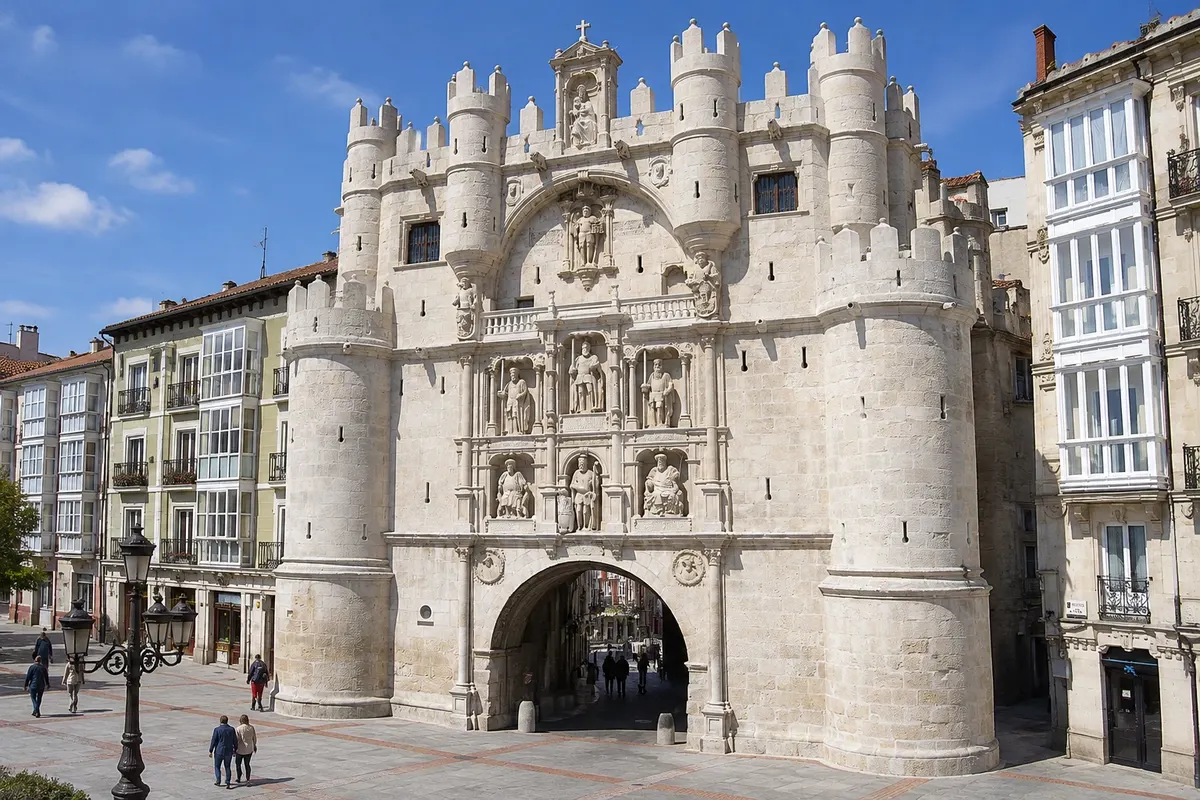
Burgos is a city in Castilla y León on the banks of the rio Arlanzón, the former capital of Castilla and the land of El Cid. The Gothic cathedral, a World Heritage Site, features lace-like spires, the capela do Condestável and El Cid's tomb. Pilgrims enter the centre through the Arco de Santa María. The city also has the royal monastery of Las Huelgas, the cartuxa de Miraflores, the Casa del Cordón and the castle on the hill. The Museu da Evolução Humana displays the Atapuerca fossils, a prehistoric World Heritage site about 15 km away. Spanish is spoken.
León
Castela e Leão · Burgos and León

León

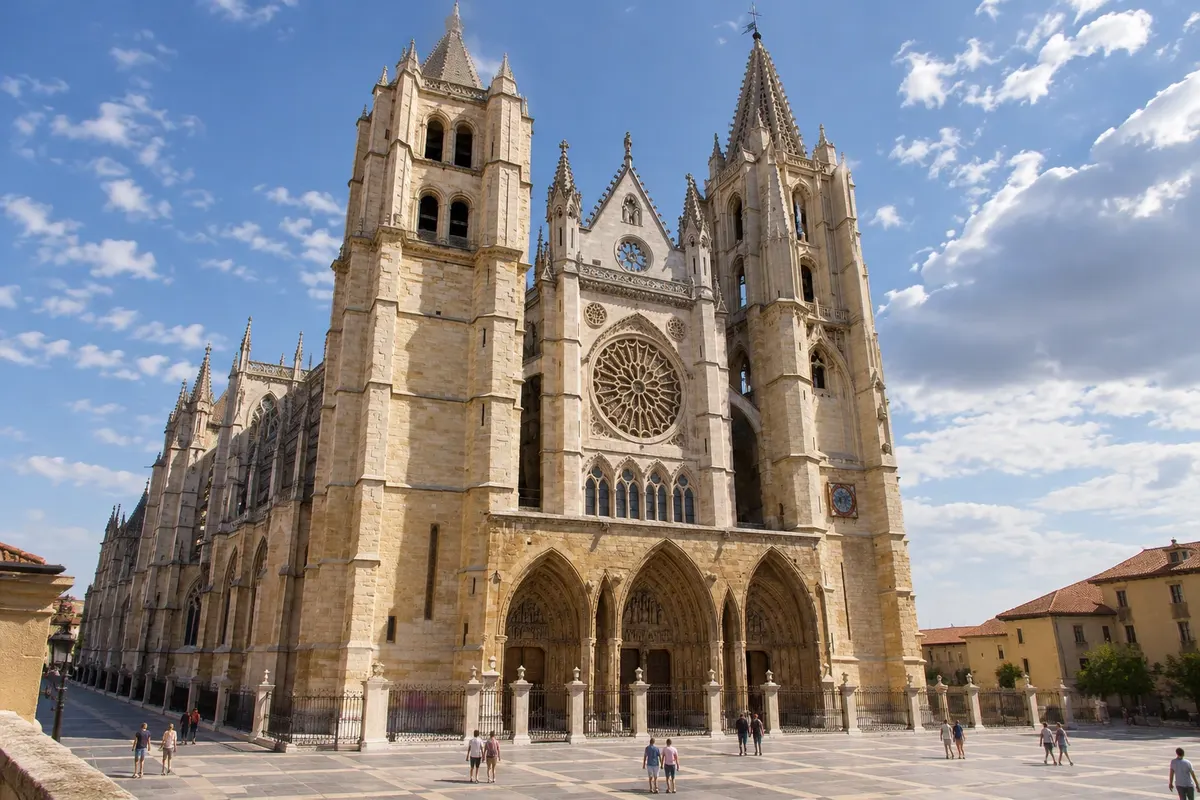
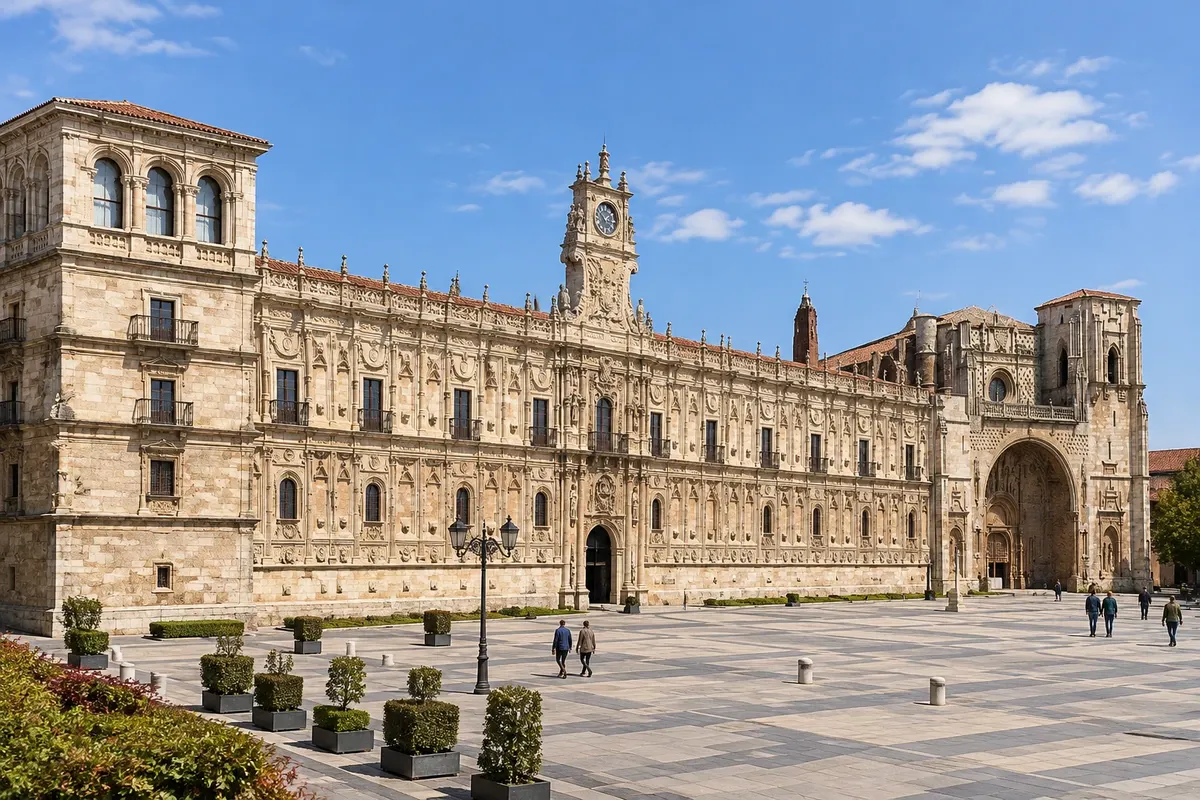
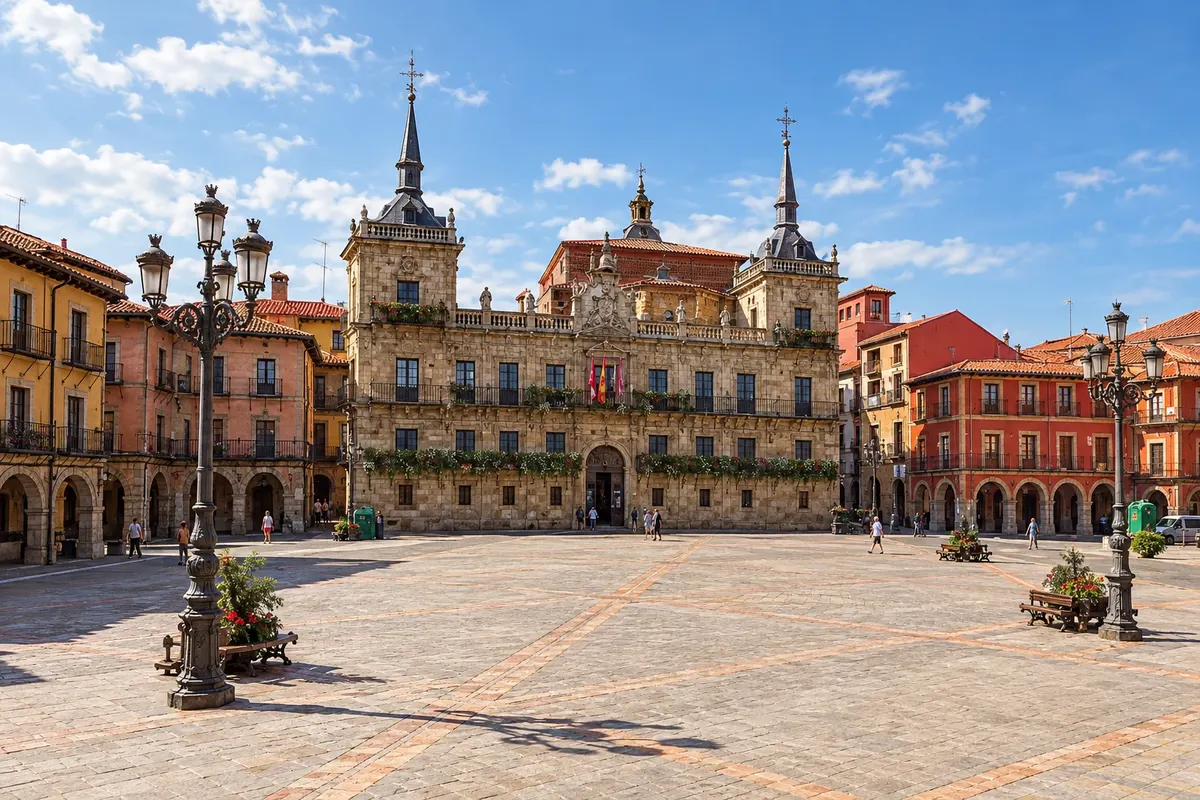
León is the capital of the province of the same name, in Castile and León, born from a Roman camp and the capital of the old Kingdom of León. It is one of the main stops on the Caminho Francês. The Gothic cathedral has one of the largest sets of medieval stained-glass windows in the world, and San Isidoro houses the Pantheon of the Kings, with Romanesque paintings. Gaudí left the Casa Botines, now a museum, and the Hostal de San Marcos has a plateresque façade. The MUSAC displays contemporary art. At night, the Barrio Húmedo around the Plaza Mayor fills with tapas bars. Spanish is spoken.

Astorga
Castela e Leão · Burgos and León

Astorga

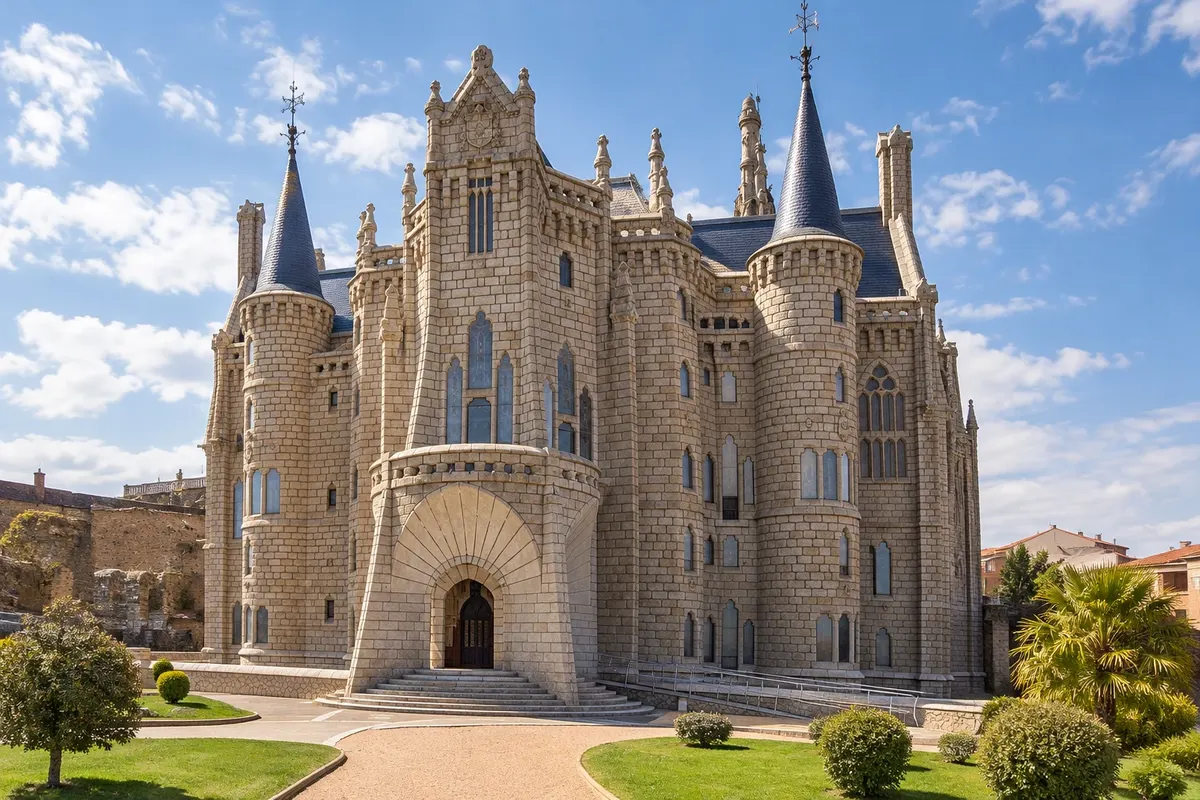
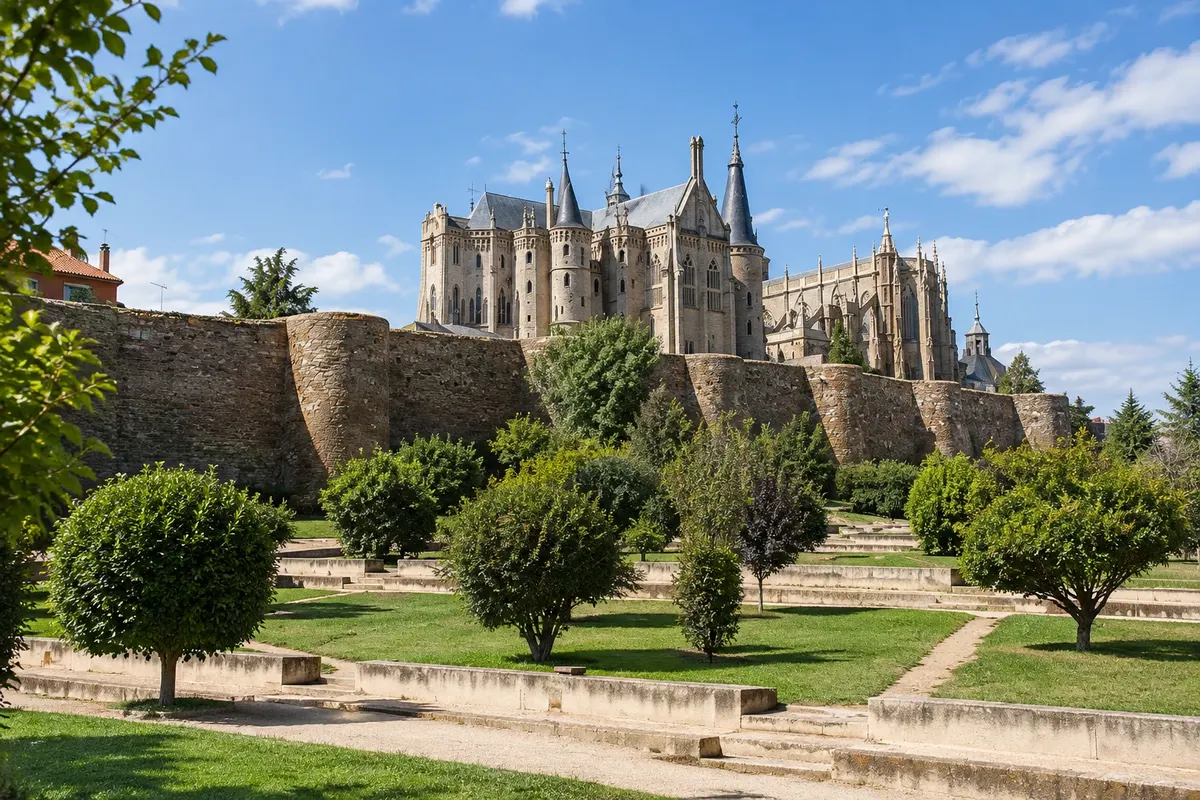
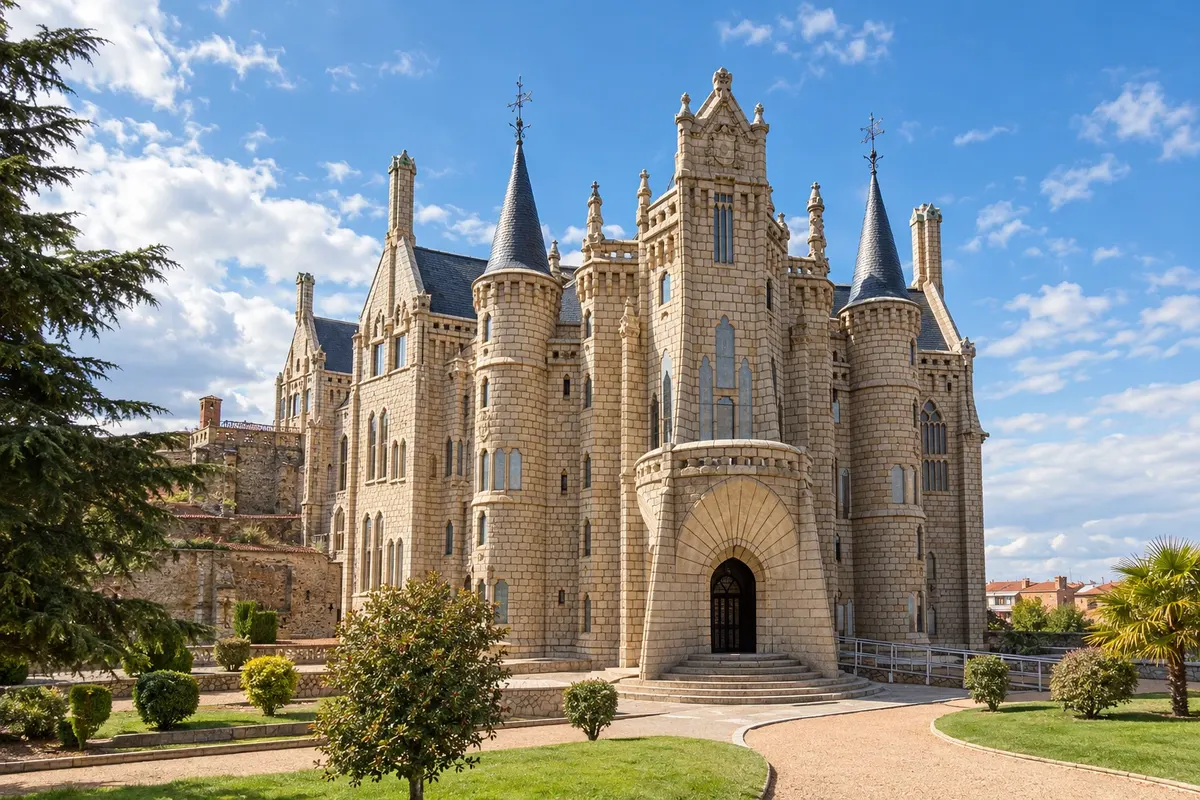
Astorga is a small town in the province of León, capital of the Maragatería, on a hill surrounded by more than 2 km of Roman-origin wall. Founded as Asturica Augusta, it preserves Roman remains and a museum in the former ergástula. The Palácio Episcopal de Gaudí stands next to the Gothic cathedral, and in the Plaza Mayor two maragato figures strike the hours. The town is known for chocolate, mantecadas and the cozido maragato. It is where the Caminho Francês meets the Via de la Plata. The village of Castrillo de los Polvazares is 5 km away. Spanish is spoken.
Ponferrada
Castela e Leão · Burgos and León

Ponferrada

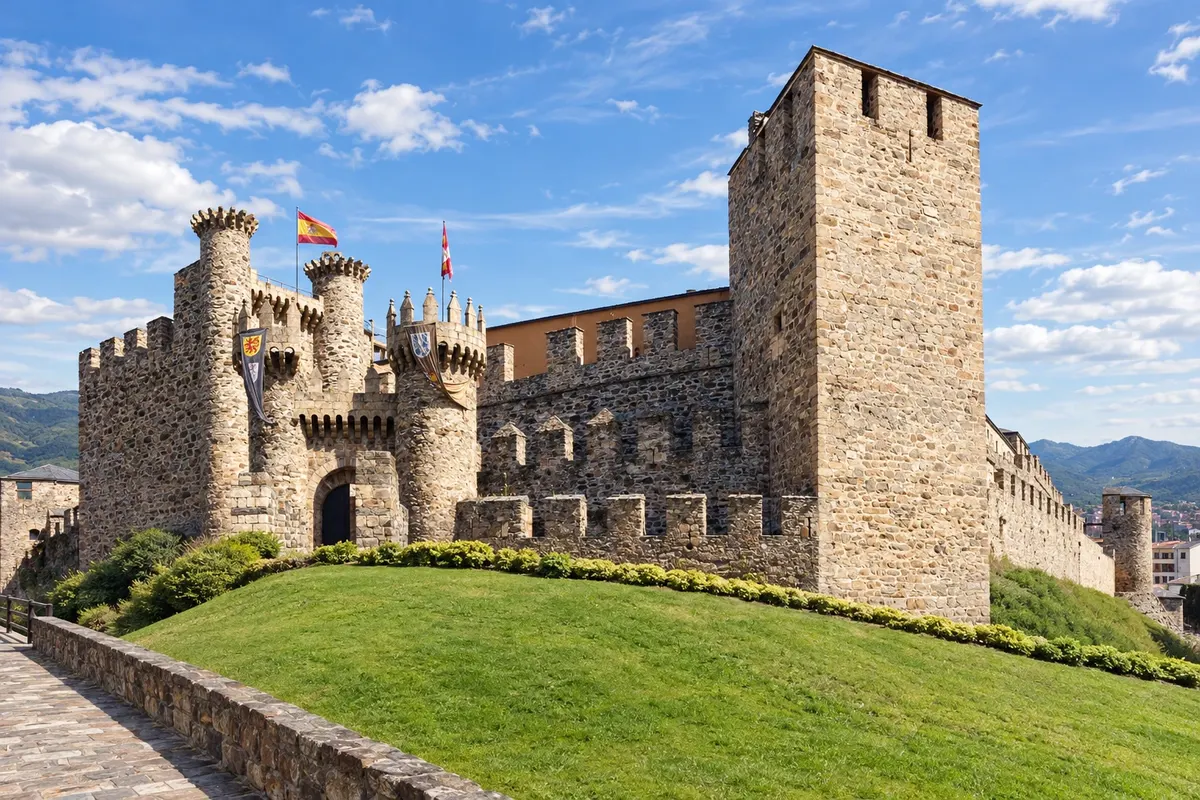
Ponferrada is the capital of the comarca of Bierzo, in the west of the province of León, at the meeting of the rivers Sil and Boeza. The name comes from the iron-reinforced bridge built in the 11th century for pilgrims, and the town remains a stop on the Caminho Francês. The castelo dos Templários dominates the old town, alongside the basílica da Encina and the Museu do Bierzo. The old power station became the Museu da Energia. Nearby are the Médulas, Roman gold mines that are a World Heritage Site, and Peñalba de Santiago, with a Mozarabic church from the 10th century. Spanish is spoken.
The local experience

Things to do in Burgos and León

Castillo de los Templarios
Ponferrada · Castela e Leão · Castle

Castillo de los Templarios

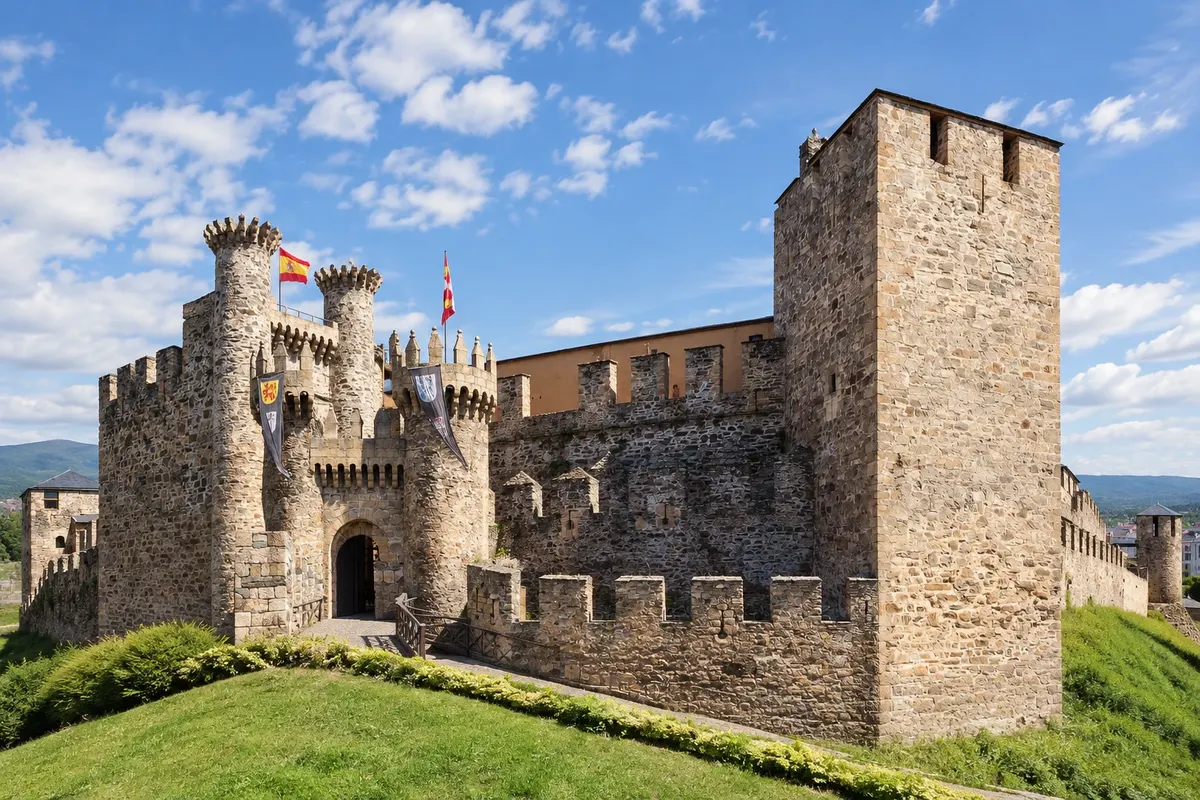
Fortress from the 12th to 15th centuries at the confluence of the Sil and Boeza rivers, linked to the Order of the Temple, with walls, towers, courtyards and a library of reproductions of old books.

Catedral de Burgos
Burgos · Castela e Leão · Church

Catedral de Burgos

Gothic cathedral begun in 1221, a World Heritage Site, with lace-like spires, the capela do Condestável, the Escada Dourada and El Cid's tomb.

Catedral de León
León · Castela e Leão · Church

Catedral de León

13th-century Gothic cathedral, the Pulchra Leonina, known for the medieval stained-glass windows that replace almost all the walls and fill the nave with colour.

Palacio Episcopal de Astorga
Astorga · Castela e Leão · Palace

Palacio Episcopal de Astorga

Neogothic Palace designed by Gaudí, built between 1889 and 1915, of white granite with towers, which houses the Museu dos Caminhos, about the Caminho de Santiago.

See 24 more places in Burgos and León
Arco de Santa María
Burgos · Castela e Leão · Monument

Arco de Santa María

The former main gate of the wall, rebuilt in the 16th century as a triumphal arch with statues of El Cid, Count Fernán González and Carlos V, through which pilgrims enter the centre.

Basílica de la Virgen de la Encina
Ponferrada · Castela e Leão · Church

Basílica de la Virgen de la Encina

Renaissance and Baroque basilica from the 16th and 17th centuries, dedicated to the patroness of Bierzo, with a tall tower and the image of the Virgem da Azinheira in the sacristy.

Catedral de Astorga
Astorga · Castela e Leão · Church

Catedral de Astorga

Gothic cathedral begun in 1471, with a baroque façade, towers over 60 metres and the Renaissance altarpiece by Gaspar Becerra.

Real Colegiata de San Isidoro
León · Castela e Leão · Church

Real Colegiata de San Isidoro

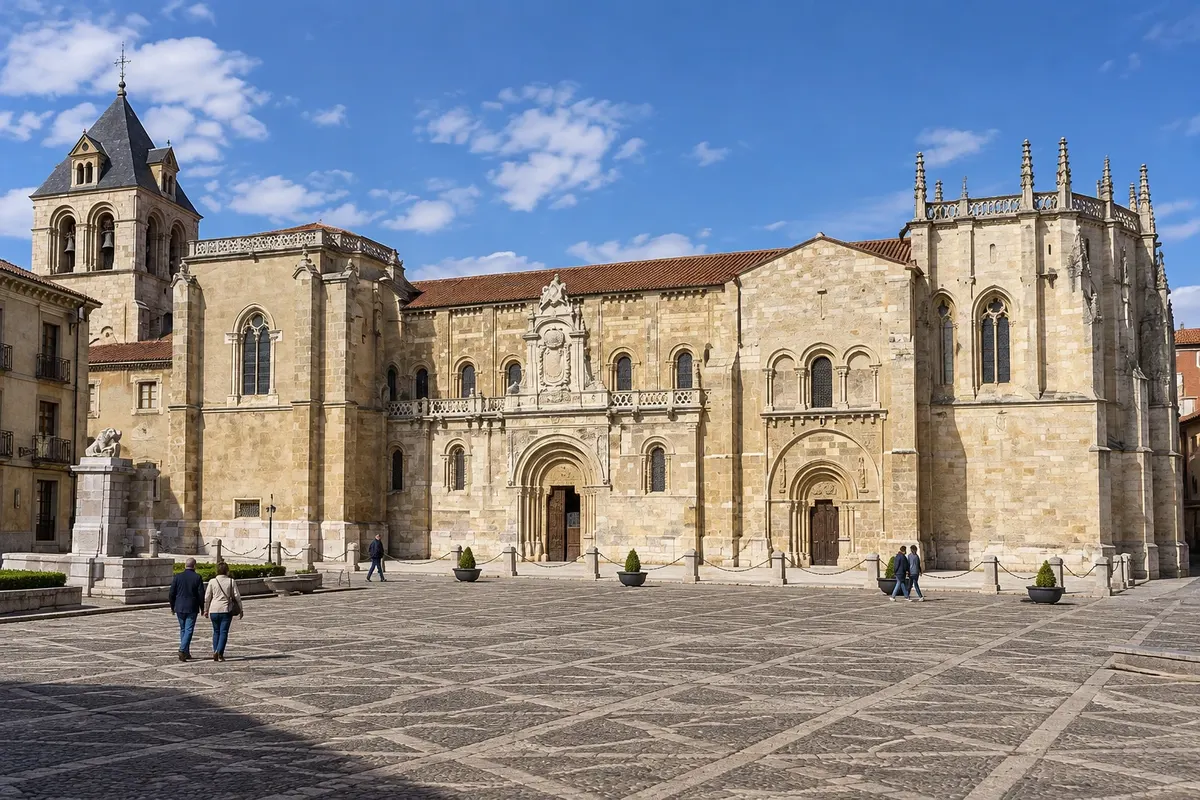
Romanesque complex from the 11th and 12th centuries with the Pantheon of the Kings of León, covered with 12th‑century mural paintings, and the museum housing the chalice of Doña Urraca.

Casa Botines
León · Castela e Leão · Museum

Casa Botines

Building by Gaudí constructed between 1891 and 1892, with corner towers and a castle-like appearance, today a museum with the interiors and an art collection.

Monasterio de Santa María la Real de Las Huelgas
Burgos · Castela e Leão · Monastery

Monasterio de Santa María la Real de Las Huelgas

Cistercian nunnery founded in 1187 by King Alfonso VIII and Eleanor of England, royal pantheon of Castela, with a museum of medieval textiles.

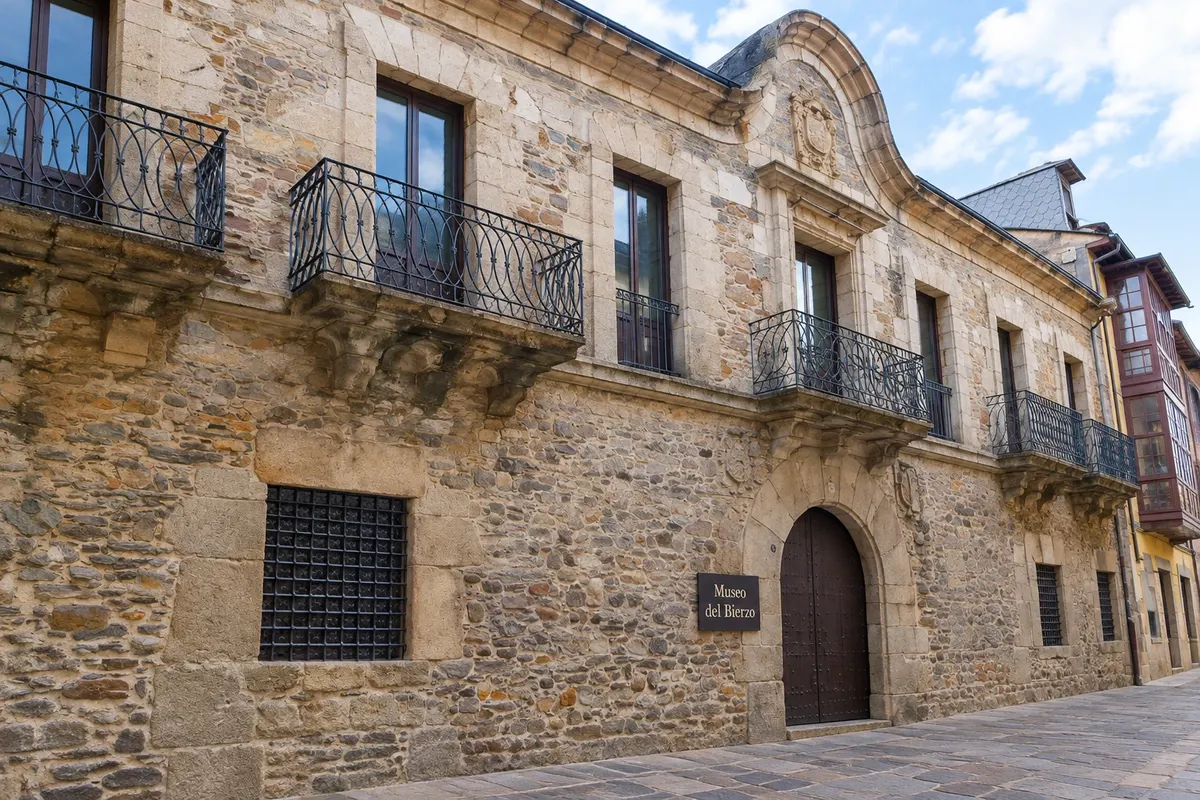
Museo del Bierzo
Ponferrada · Castela e Leão · Museum

Museo del Bierzo

Museum of the history of Bierzo in the palácio dos Condes de Toreno, from the 16th century, a former town hall and jail, next to the torre do relógio.

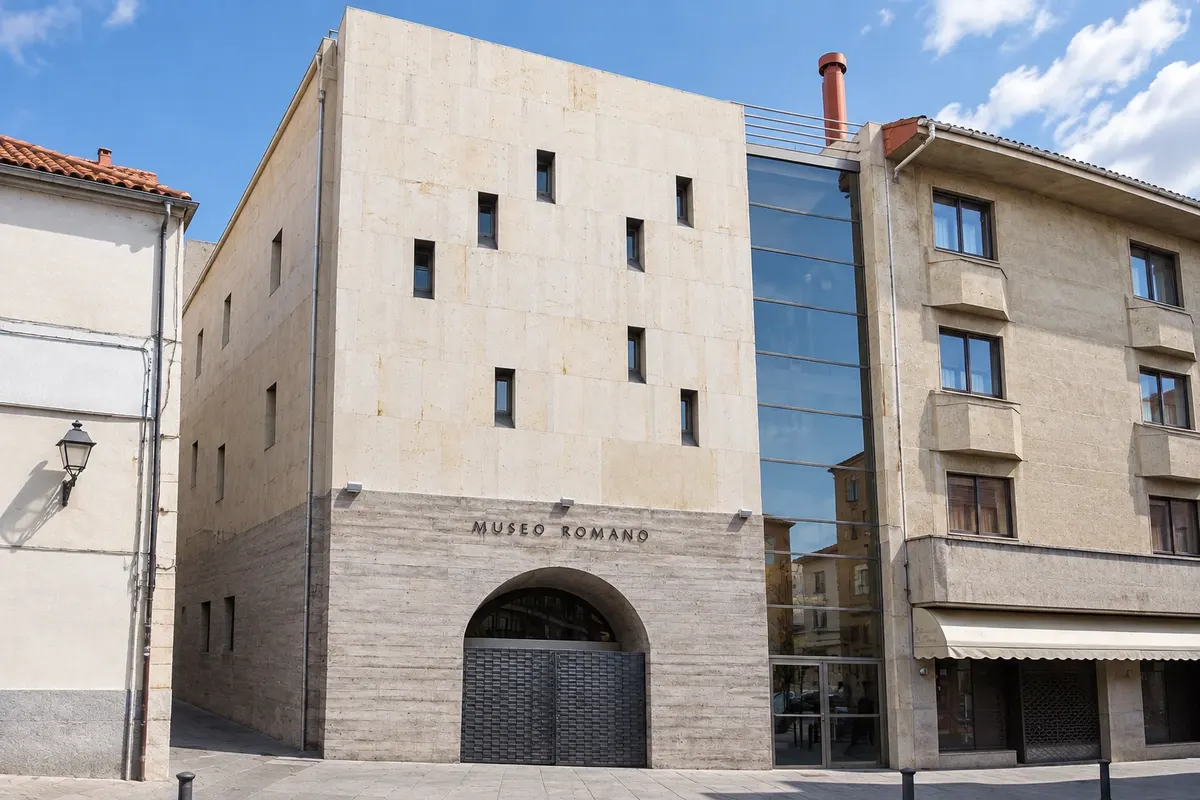
Museo Romano de Astorga
Astorga · Castela e Leão · Museum

Museo Romano de Astorga

Museum of the ancient Asturica Augusta in the ergástula, a Roman gallery with a vault, starting point of the Roman route that goes past baths, sewers and mosaics in the centre.

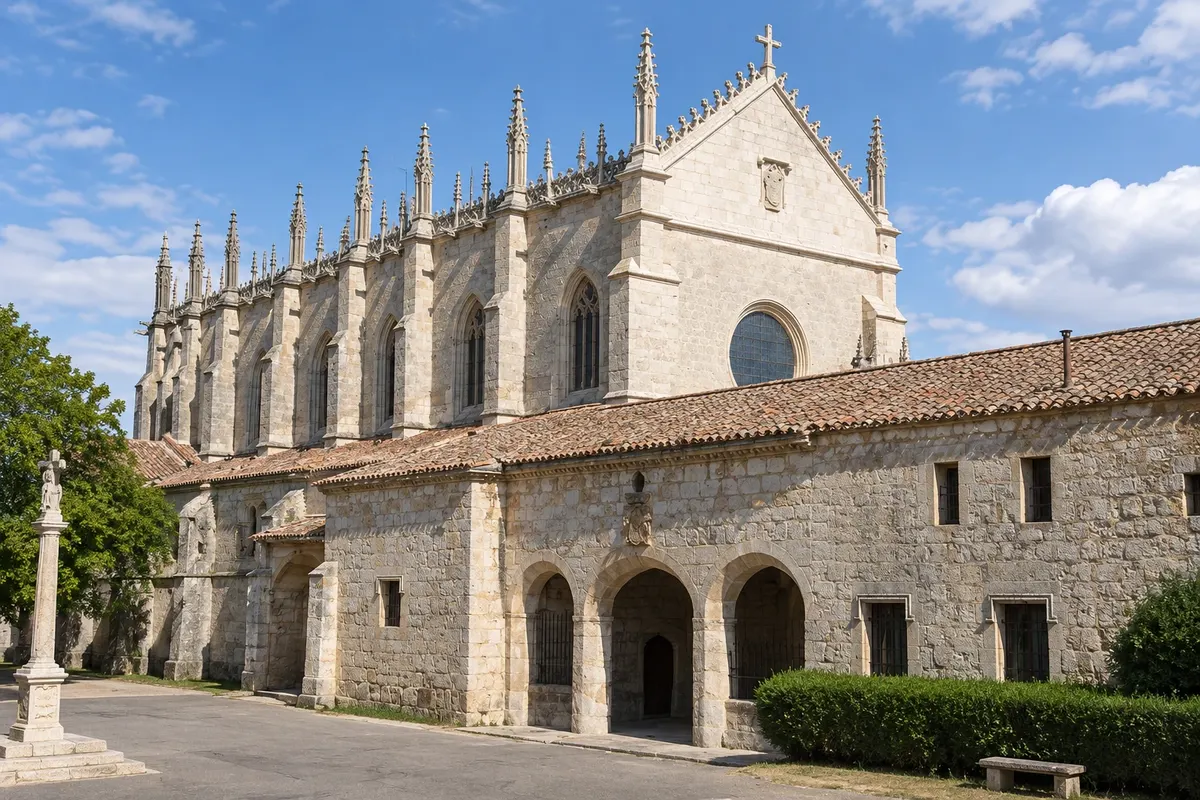
Cartuja de Miraflores
Burgos · Castela e Leão · Monastery

Cartuja de Miraflores

Carthusian monastery from the late 15th century about 3 km from the centre, with a Gothic church, a gilded reredos and the alabaster tombs of Juan II and Isabel of Portugal, carved by Gil de Siloé.

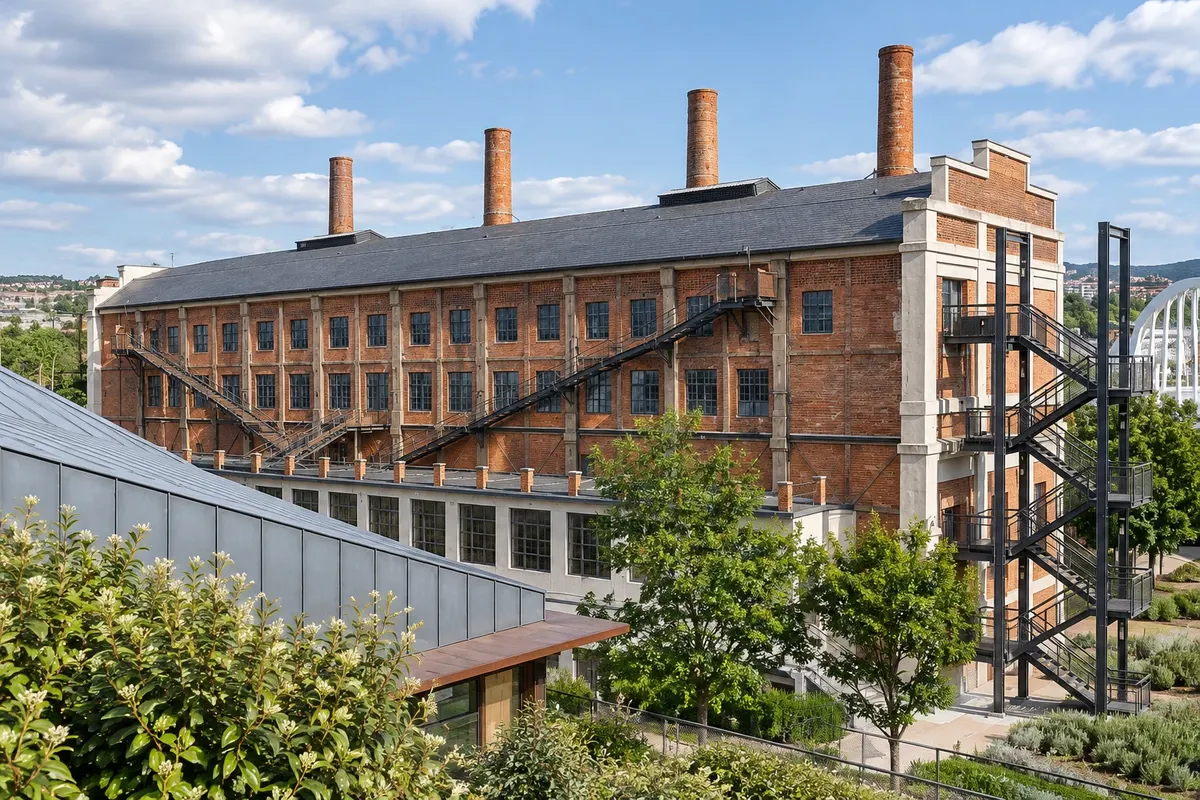
La Fábrica de Luz. Museo de la Energía
Ponferrada · Castela e Leão · Museum

La Fábrica de Luz. Museo de la Energía

Museum in the former coal-fired power station of the Minero Siderúrgica de Ponferrada, which operated from 1920 to 1971, featuring the original machines and the history of coal in Bierzo.

Muralla de Astorga
Astorga · Castela e Leão · Fortification

Muralla de Astorga

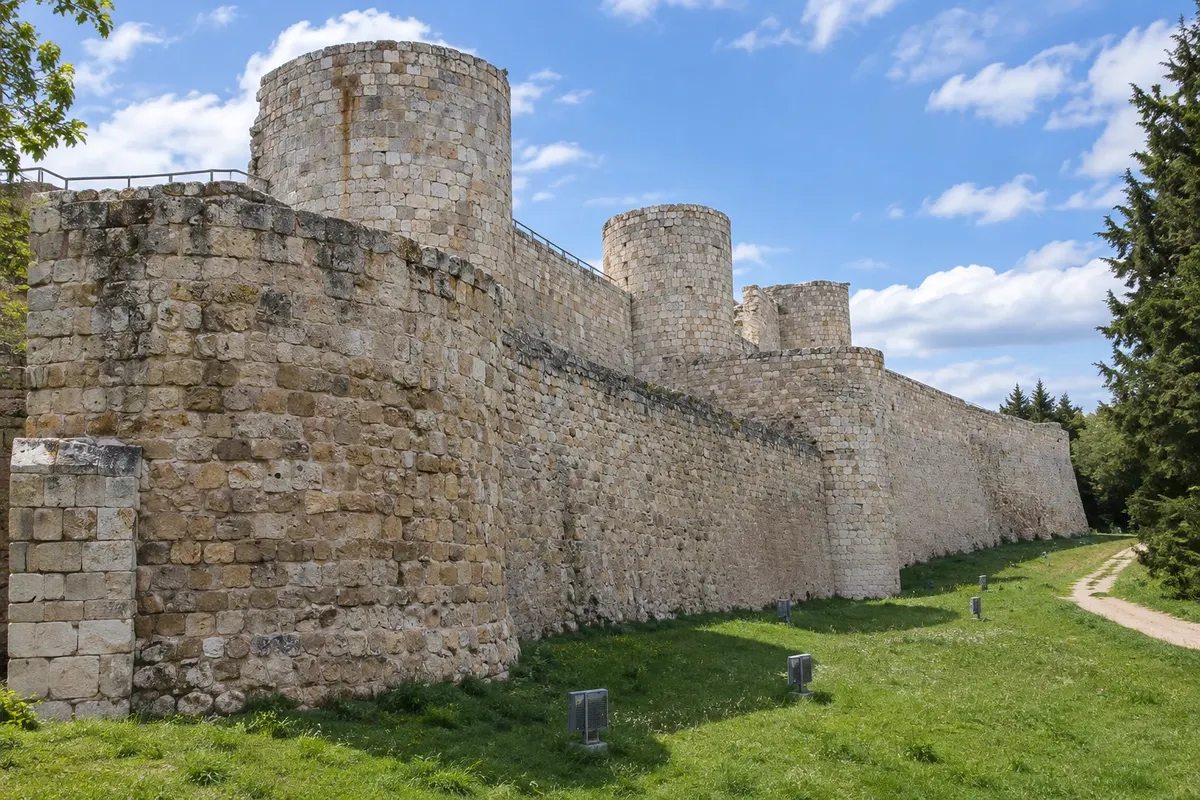
Wall of Roman origin, from the 3rd and 4th centuries, over 2 km around the old town, with semicircular towers (cubos) and a walkway on top of part of it.

Palacio de los Guzmanes
León · Castela e Leão · Palace

Palacio de los Guzmanes

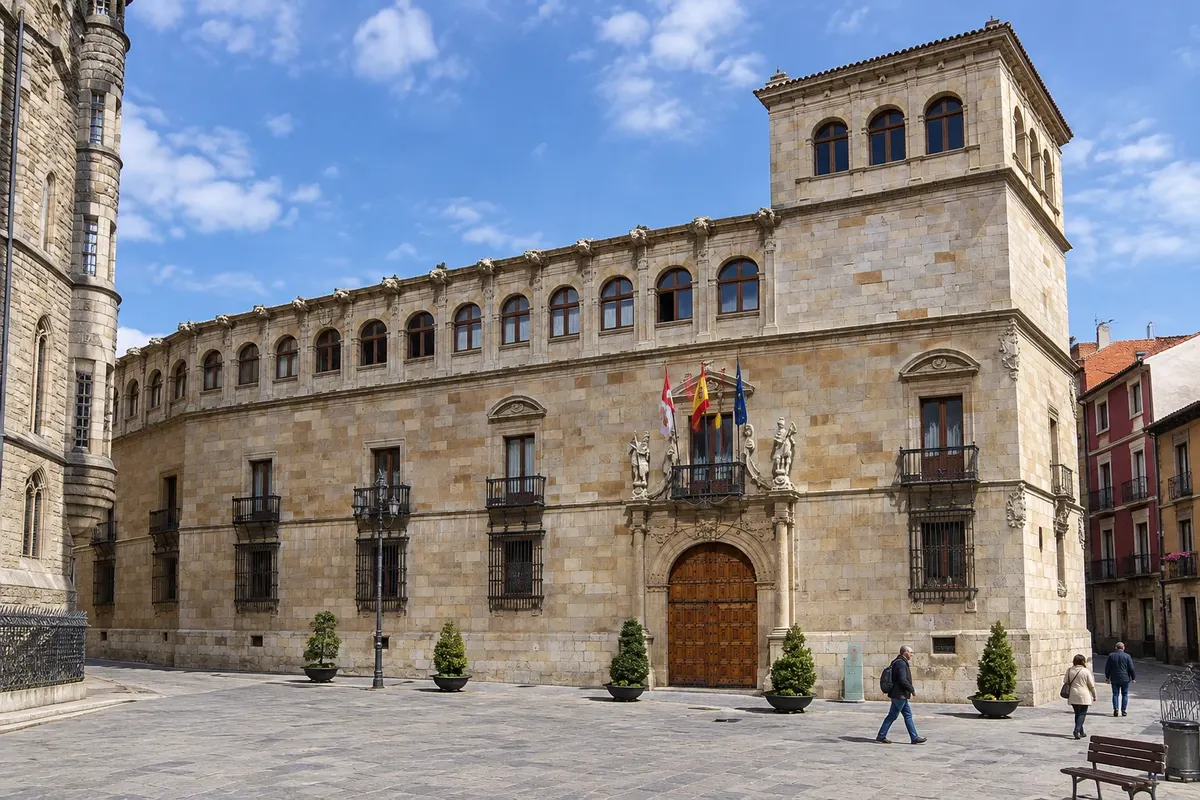
16th-century Renaissance palace, next to Casa Botines, with an arcaded courtyard, seat of the Diputación de León.

Hostal de San Marcos
León · Castela e Leão · Historic monument

Hostal de San Marcos

Former pilgrims' hospital and seat of the Ordem de Santiago on the banks of the Bernesga river, with a long 16th-century plateresque façade, today a parador, with the church open to visitors.

Las Médulas
Ponferrada · Castela e Leão · Cultural landscape

Las Médulas

The largest open‑pit gold mine of the Roman Empire, about 25 km from Ponferrada, a World Heritage Site, with red earth formations among chestnut woods, galleries and the Orellán viewpoint.

Museo de la Evolución Humana
Burgos · Castela e Leão · Museum

Museo de la Evolución Humana

Museum opened in 2010 on the banks of the Arlanzón, with fossils and finds from the Atapuerca sites and exhibitions on human evolution.

Plaza Mayor de Astorga
Astorga · Castela e Leão · Square

Plaza Mayor de Astorga

Astorga's main square, with the 17th-century Baroque town hall and the clock where two figures in maragato costumes strike the hours.

Castillo de Burgos
Burgos · Castela e Leão · Castle

Castillo de Burgos

Ruins of the castle on the hill behind the cathedral, dating back to the 9th century, with underground galleries and a viewpoint offering views of the city and the cathedral's spires.

Iglesia de Santiago de Peñalba
Ponferrada · Castela e Leão · Church

Iglesia de Santiago de Peñalba

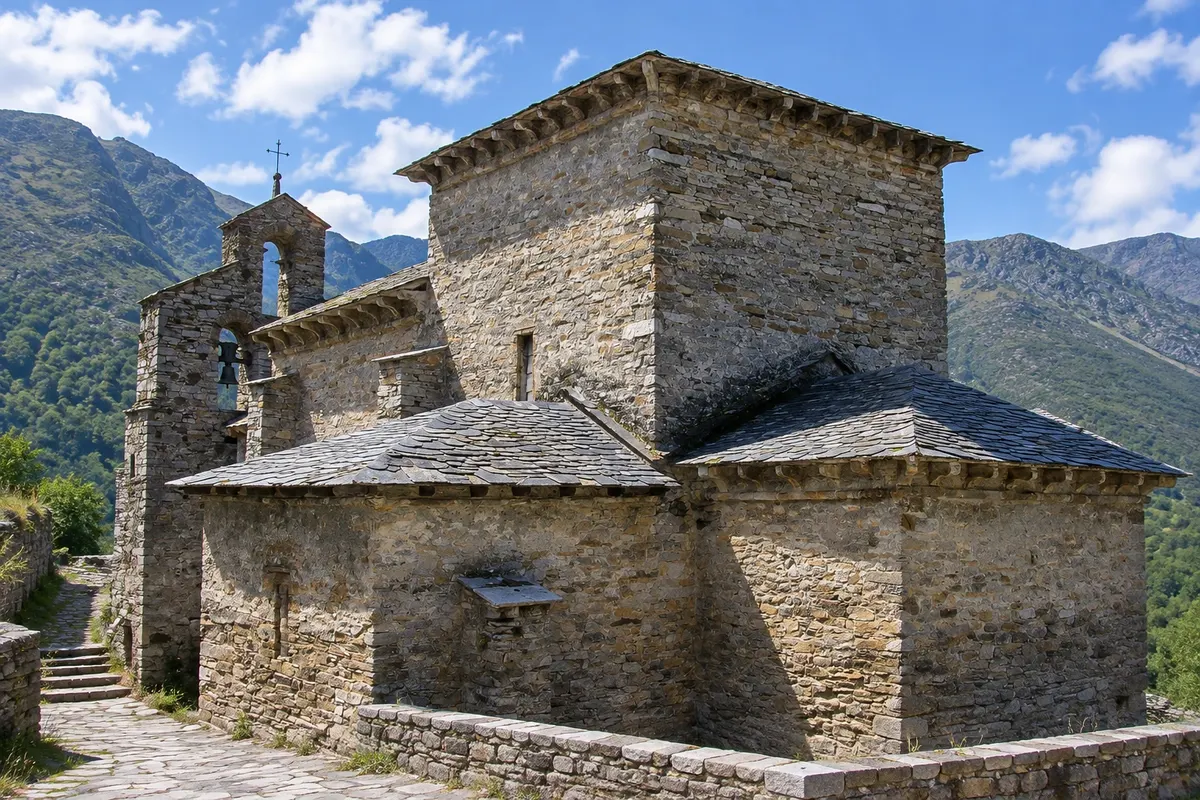
Mozarabic church inaugurated in 937 in the mountain village of Peñalba de Santiago, about 20 km from Ponferrada, with horseshoe arches, in the vale do Silêncio.

MUSAC
León · Castela e Leão · Museum

MUSAC

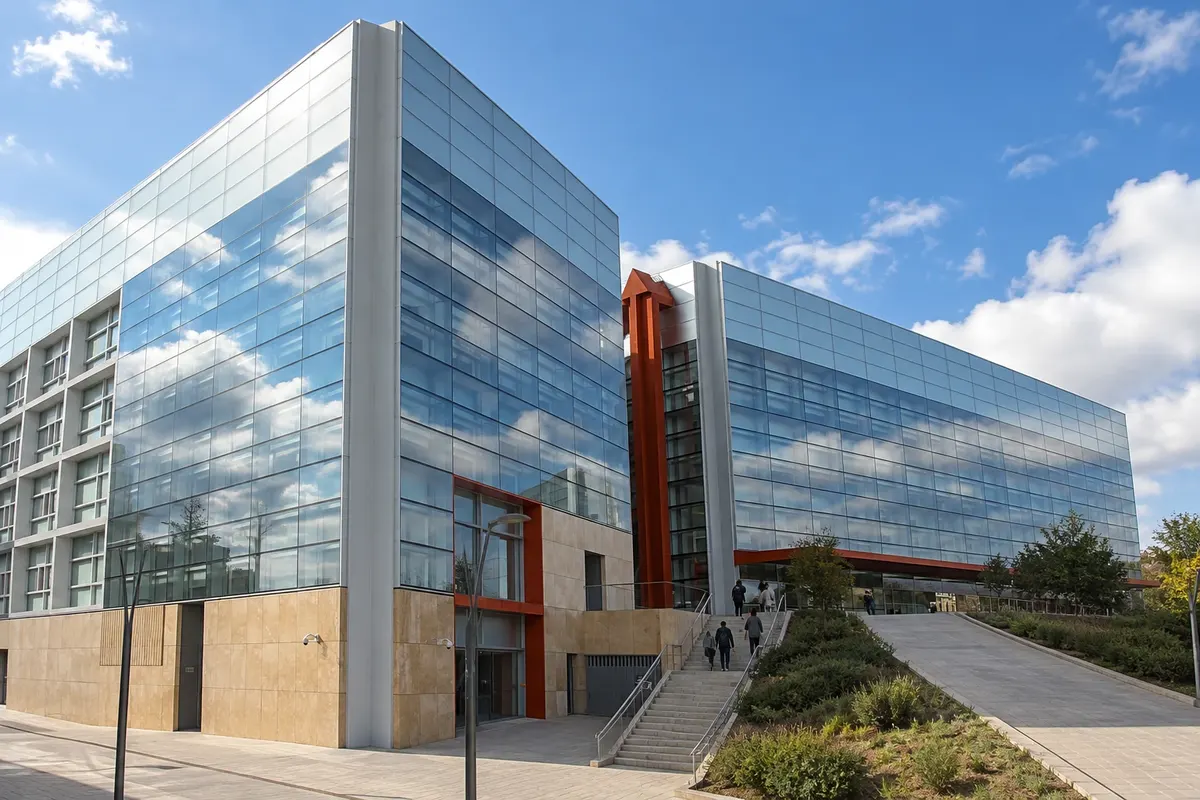
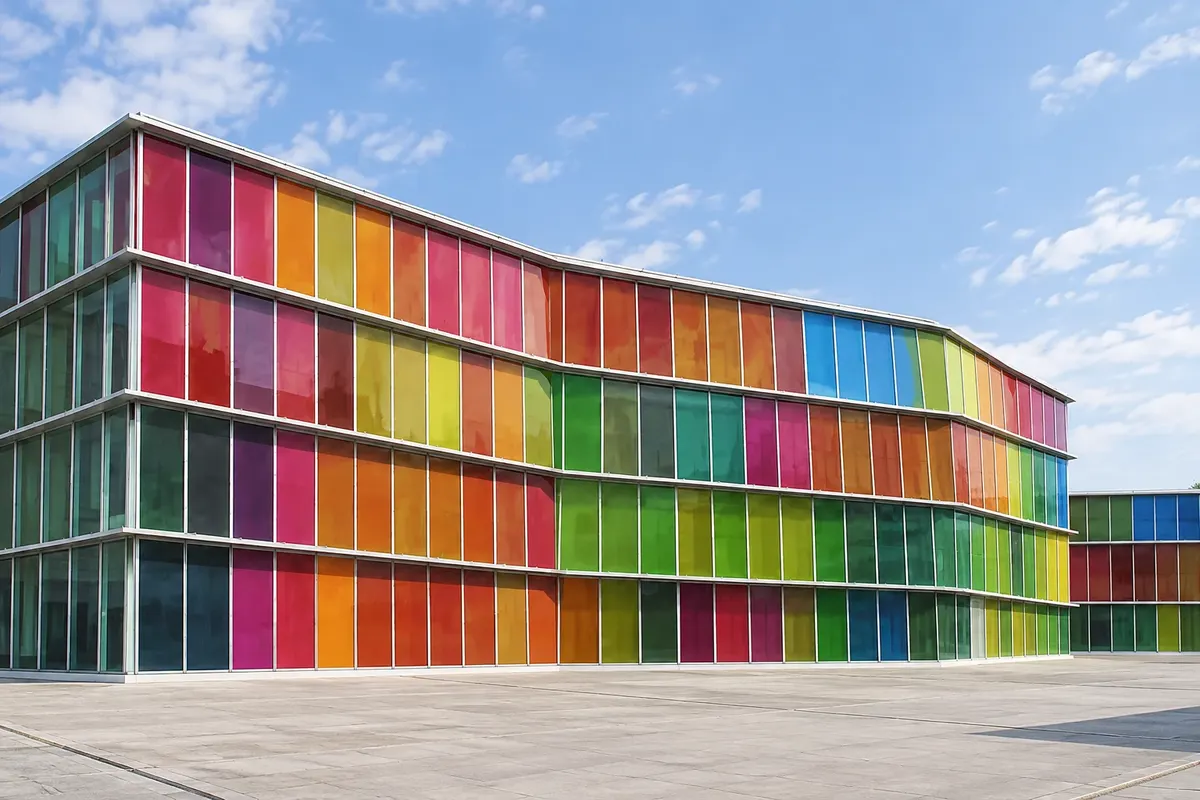
Museu de arte contemporânea de Castela e Leão, opened in 2005, in a building with a façade of colored glass inspired by the cathedral's stained glass.

Museo del Chocolate
Astorga · Castela e Leão · Museum

Museo del Chocolate

Museum about Astorga's chocolate industry, which once had dozens of factories, with machines, utensils, labels and vintage posters, and a tasting at the end.

Casa del Cordón
Burgos · Castela e Leão · Palace

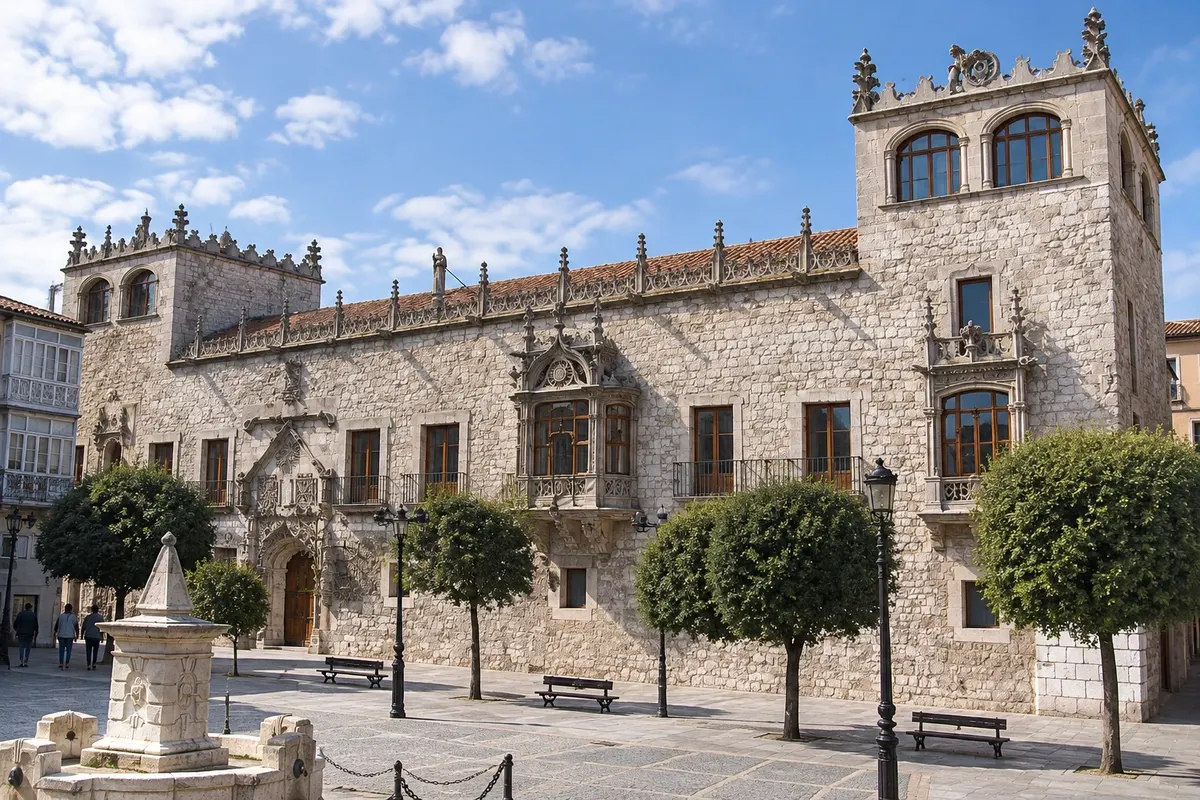
Casa del Cordón

15th-century Gothic palace of the Constables of Castile, with the Franciscan cord carved into the façade, where the Catholic Monarchs received Columbus after his second voyage to America.

Castrillo de los Polvazares
Astorga · Castela e Leão · Village

Castrillo de los Polvazares

Maragato village 5 km from Astorga, a historic ensemble of reddish stone houses, cobbled streets and large gates from the old muleteers, known for the cozido maragato.

Plaza Mayor y Barrio Húmedo
León · Castela e Leão · Historic centre

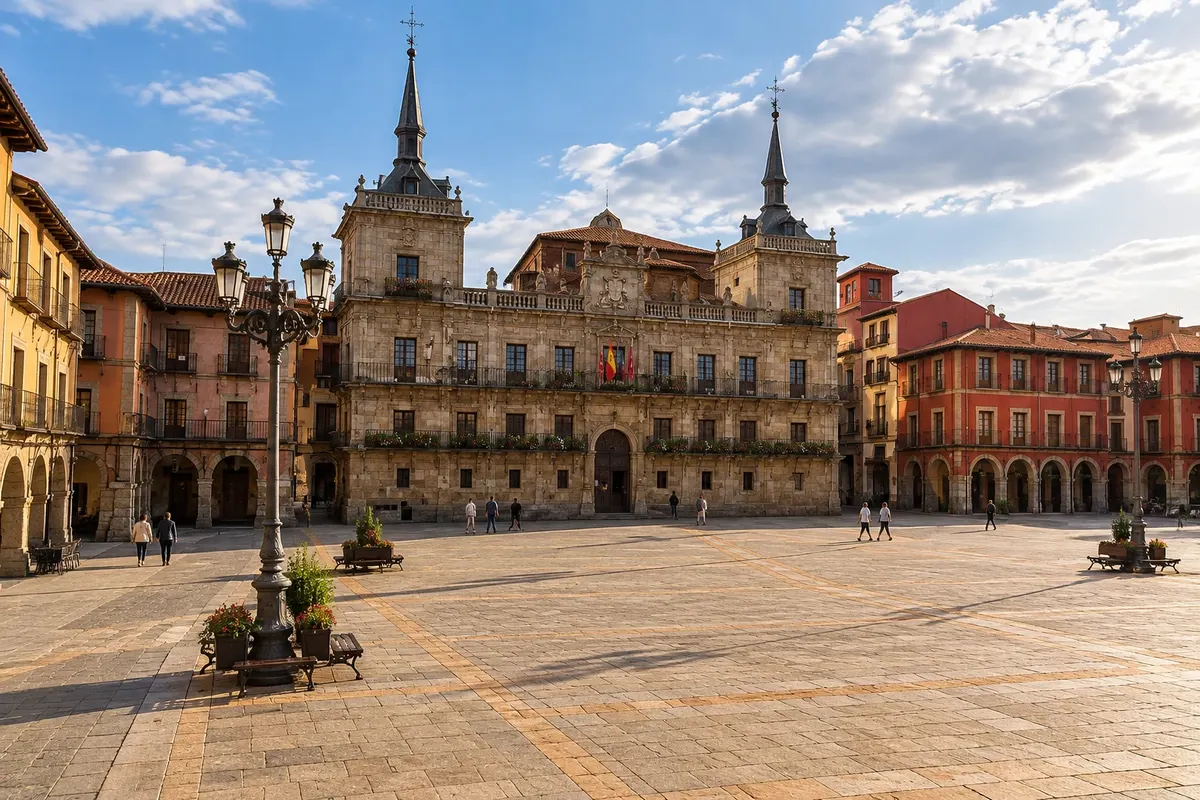
Plaza Mayor y Barrio Húmedo

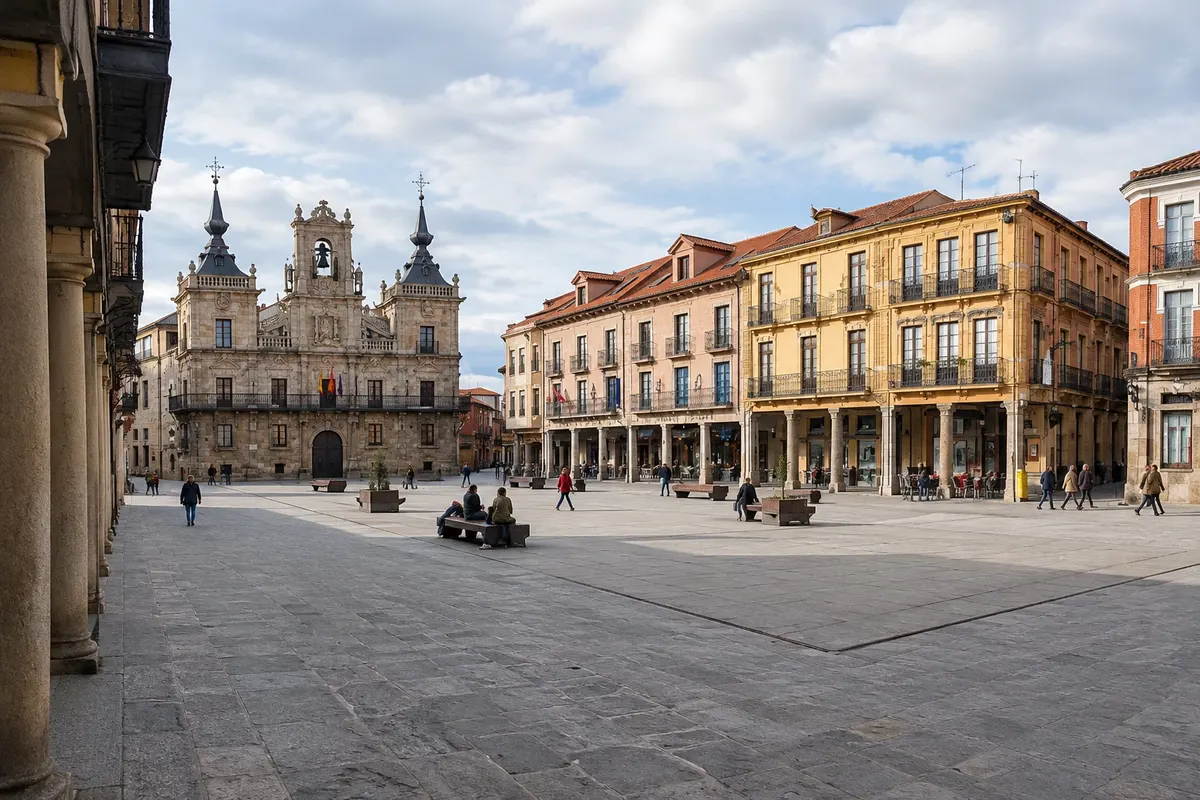
The 17th-century Baroque main square and the surrounding bar district, the Barrio Húmedo, the center of León’s tapas nights.

Yacimientos de la Sierra de Atapuerca
Burgos · Castela e Leão · Archaeological site

Yacimientos de la Sierra de Atapuerca

Prehistoric sites in the sierra of Atapuerca, about 15 km from Burgos, Patrimônio Mundial, with caves where some of the oldest human remains in Europe were found.

Before you go

Practical information

A little planning leaves more time to enjoy the journey.

When to go

From May to October the days are long and the weather is more stable. In summer the Meseta gets hot and is exposed at midday. Autumn brings the colors of the chestnut trees in the Bierzo. Winter is cold, with frosts and sometimes snow.

The seasons shown are the most usual ones; nature doesn't always follow the calendar.

How many days to stay

Five to seven days: two in Burgos, with Atapuerca; two in León; one in Astorga; one or two in Ponferrada, with the Médulas. If you have less time you can choose Burgos and León, two days in each.

Which city to stay in

In Burgos, the center between the cathedral and the Espolón lets you see the monuments on foot; the train station is far away, about 5 km. In León, the old town near the cathedral and the Barrio Húmedo is lively at night; the ensanche area near Casa Botines is calmer. In Astorga and Ponferrada, it's best to stay within the old town, near the cathedral and the castle.

Respect the place

Take your trash with you, follow the signs and support local businesses. In natural areas, follow the visiting guidelines.

Get your questions answered

Frequently asked questions about Burgos and León

Can you visit Burgos and León by train?

Yes. The four cities are on the line that links Madri with Galicia: Burgos and León have trains between them in about 1h30 to 2 hours, and from León there are trains to Astorga and Ponferrada. For Atapuerca and the Médulas, a car or organized tours are helpful.

Which cathedral should you visit, Burgos or León?

Both, if possible. Burgos' cathedral impresses with its spires, chapels and the tomb of El Cid; León's is remarkable for its medieval stained glass that fills the nave with color on sunny days.

What is the Meseta of the Caminho de Santiago?

It's the stretch of the Caminho Francês between Burgos and León, a high plain of open fields and small villages that pilgrims cross in about a week.

How to visit Atapuerca?

Visits to the sites, about 15 km from Burgos, are guided and have limited places, departing from the villages of Atapuerca and Ibeas de Juarros, and on some days from the Museu da Evolução Humana. Book in advance.

Are the Médulas near Ponferrada?

Yes, about 25 km away, roughly 35 minutes by car. Public transport is limited; there are organized tours from Ponferrada.

Rotas entre países

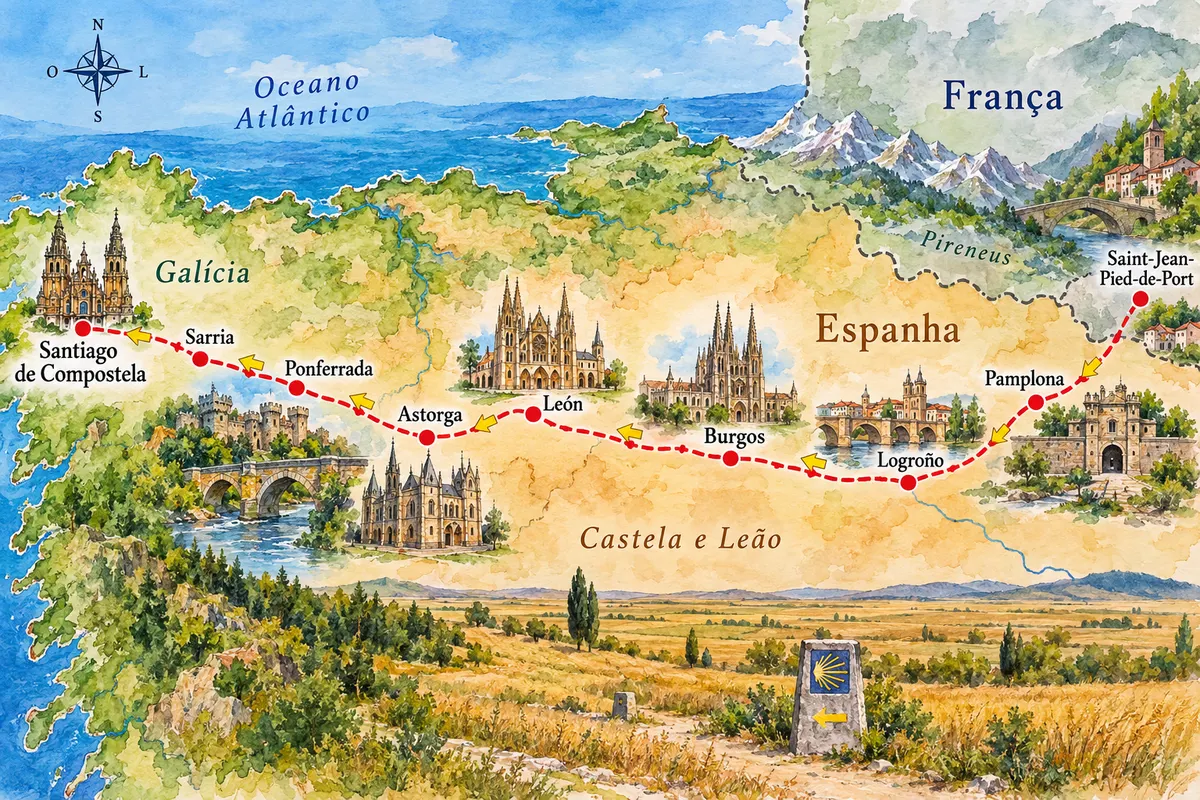
Burgos and León is on the French Way of the Camino de Santiago on foot

The most walked pilgrimage route to Santiago de Compostela: from the French Pyrenees to Galicia, on foot, via Pamplona, Burgos and León, following the yellow arrows.

Illustrative map, not to scale. Tap a city to open its page.
Illustrated map of French Way of the Camino de Santiago on foot
Explore the French Way of the Camino de Santiago on foot
Explore other destinations Search by state and city
Back