Brazil
 Argentina
 Chile
Chile Colombia
 Peru
Peru Uruguay
 Germany
 Belgium
 France
 Greece
 the Netherlands
 Ireland
 Italy
Italy Luxembourg
 Portugal
 the United Kingdom
 Switzerland
Church
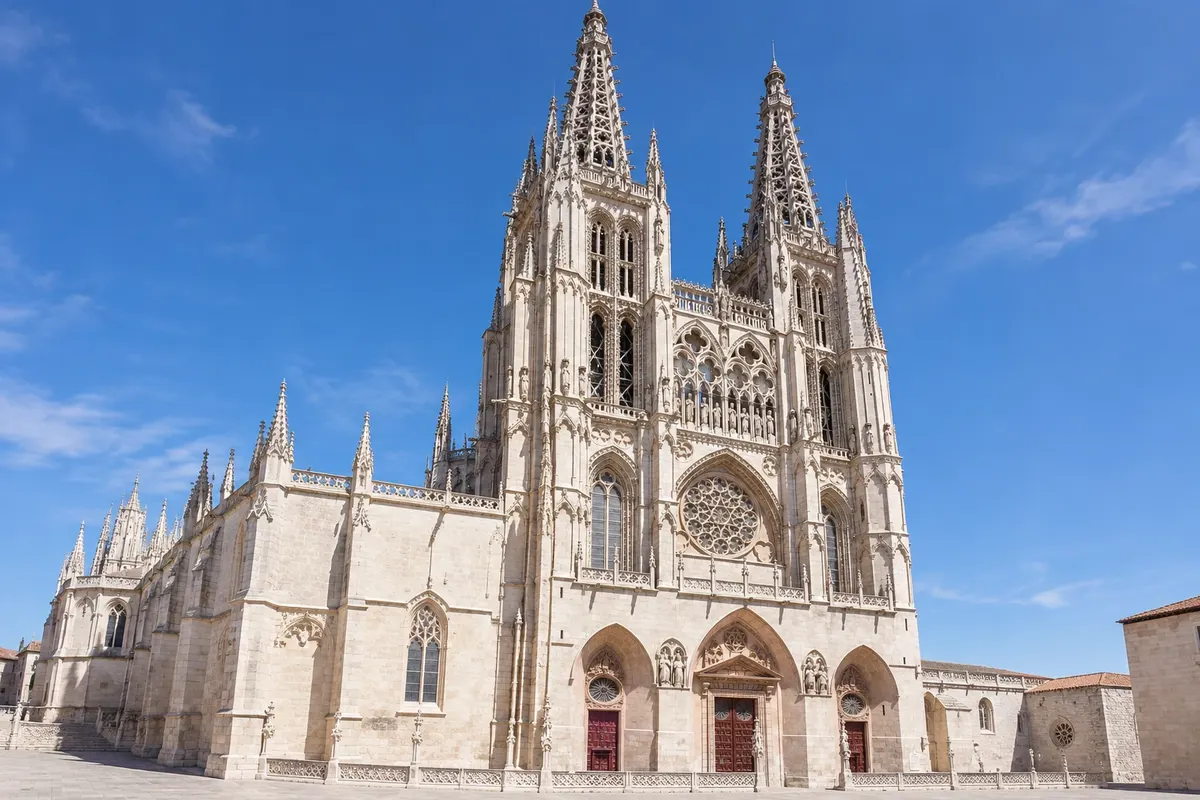
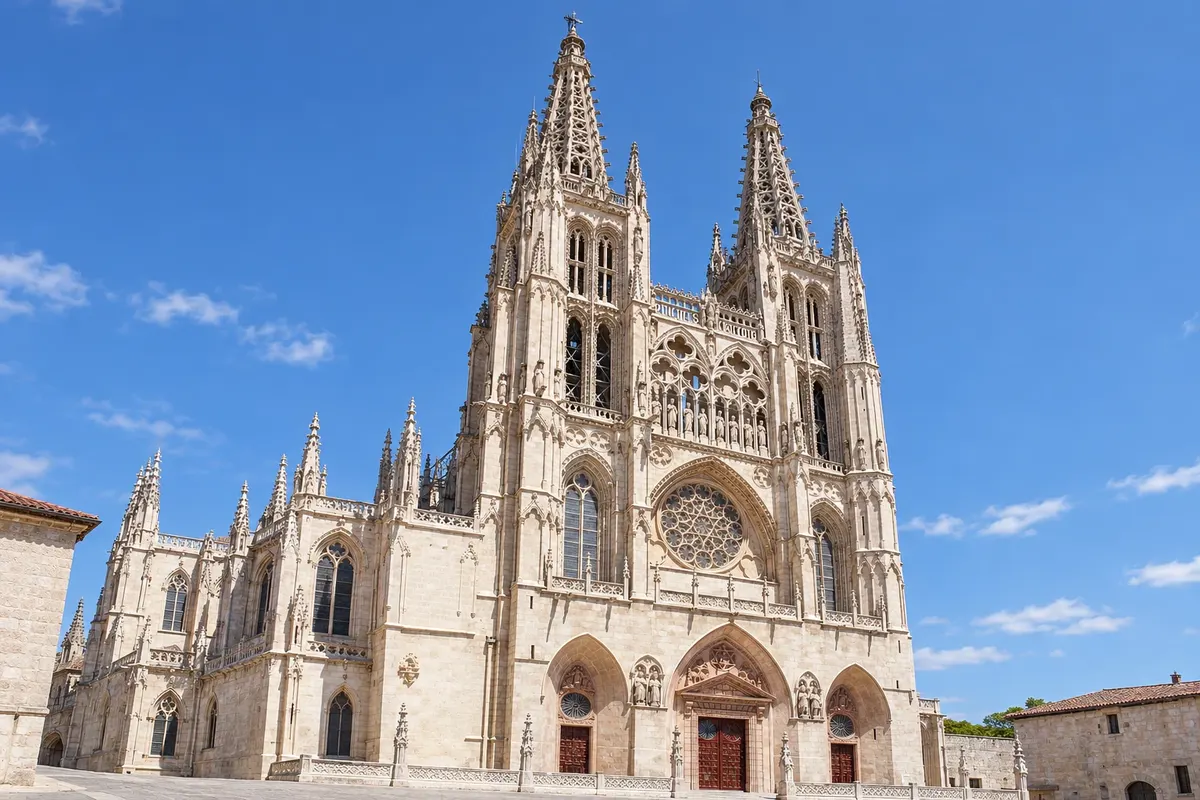
Catedral de Burgos
Gothic cathedral begun in 1221, a World Heritage Site, with lace-like spires, the capela do Condestável, the Escada Dourada and El Cid's tomb.
Castela e Leão · Spain
In the destination Burgos and León.
In the photo: Catedral de Burgos, in Burgos.
Illustrative images. The pictures in this guide are illustrations based on the real place, not photographs, and may differ from it.
The city
Burgos is a city in Castilla y León on the banks of the rio Arlanzón, the former capital of Castilla and the land of El Cid. The Gothic cathedral, a World Heritage Site, features lace-like spires, the capela do Condestável and El Cid's tomb. Pilgrims enter the centre through the Arco de Santa María. The city also has the royal monastery of Las Huelgas, the cartuxa de Miraflores, the Casa del Cordón and the castle on the hill. The Museu da Evolução Humana displays the Atapuerca fossils, a prehistoric World Heritage site about 15 km away. Spanish is spoken.
There's no accommodation in the guide yet in Burgos.
There are no restaurants in the guide yet in Burgos.
Know a good one? Recommend it to ushow to get there · how many days · itinerary · questions
The local experience
Gothic cathedral begun in 1221, a World Heritage Site, with lace-like spires, the capela do Condestável, the Escada Dourada and El Cid's tomb.
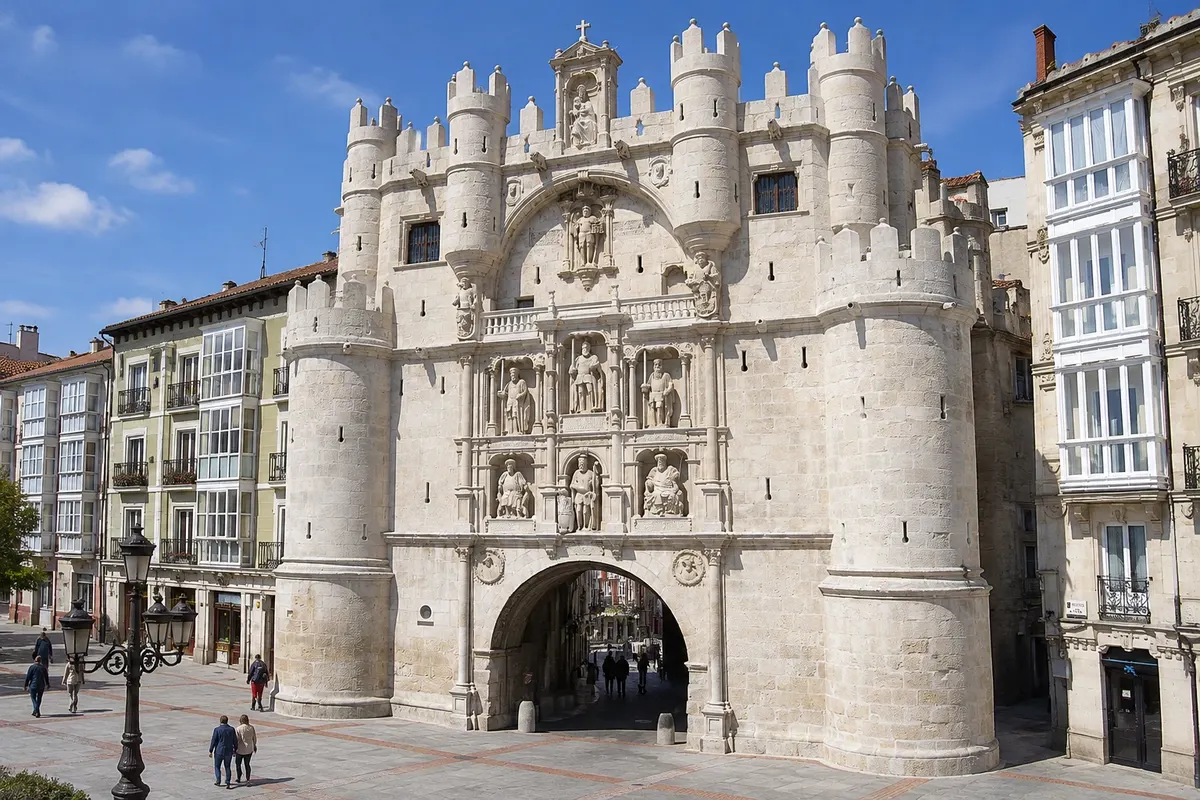
The former main gate of the wall, rebuilt in the 16th century as a triumphal arch with statues of El Cid, Count Fernán González and Carlos V, through which pilgrims enter the centre.
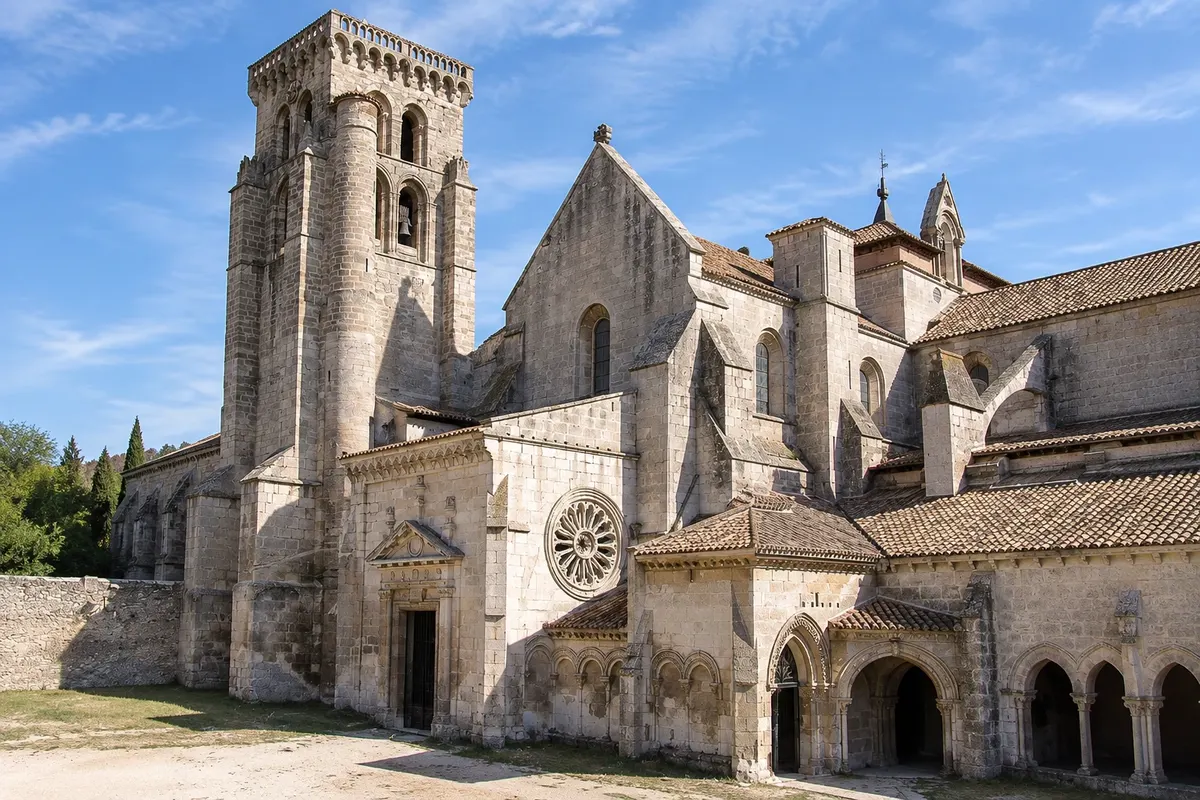
Cistercian nunnery founded in 1187 by King Alfonso VIII and Eleanor of England, royal pantheon of Castela, with a museum of medieval textiles.
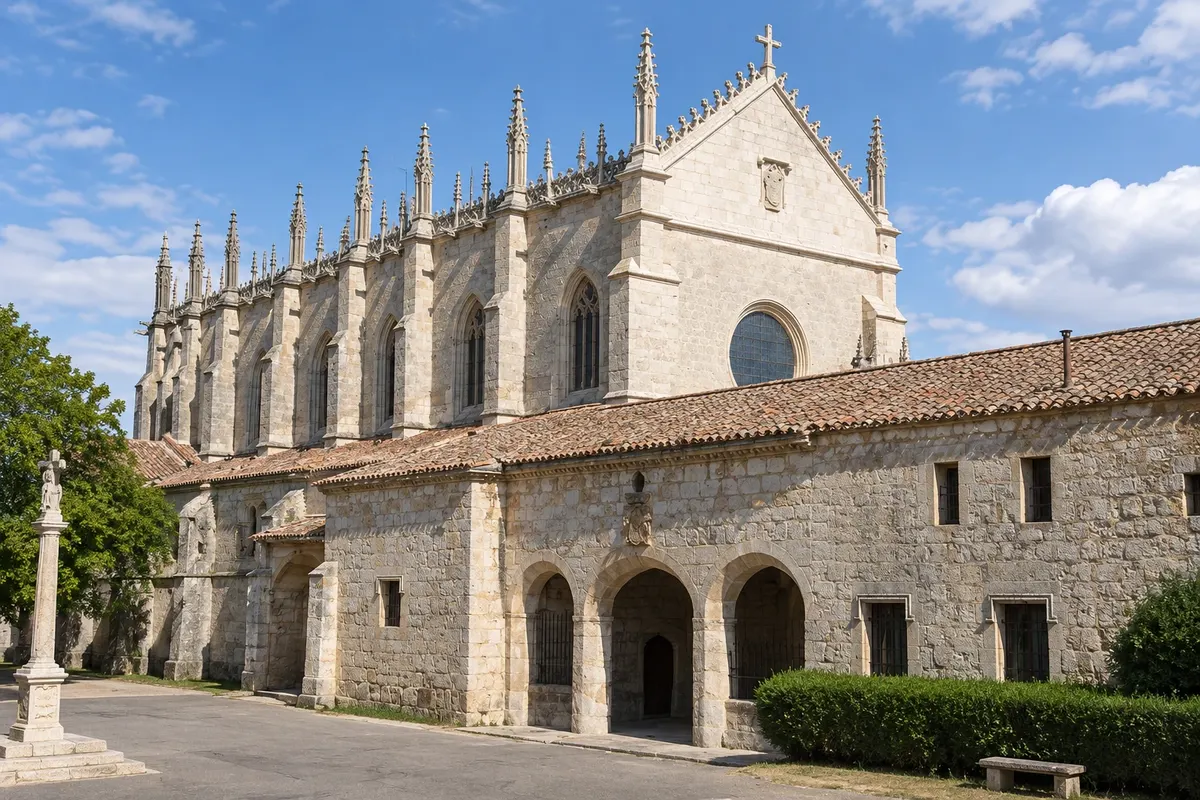
Carthusian monastery from the late 15th century about 3 km from the centre, with a Gothic church, a gilded reredos and the alabaster tombs of Juan II and Isabel of Portugal, carved by Gil de Siloé.
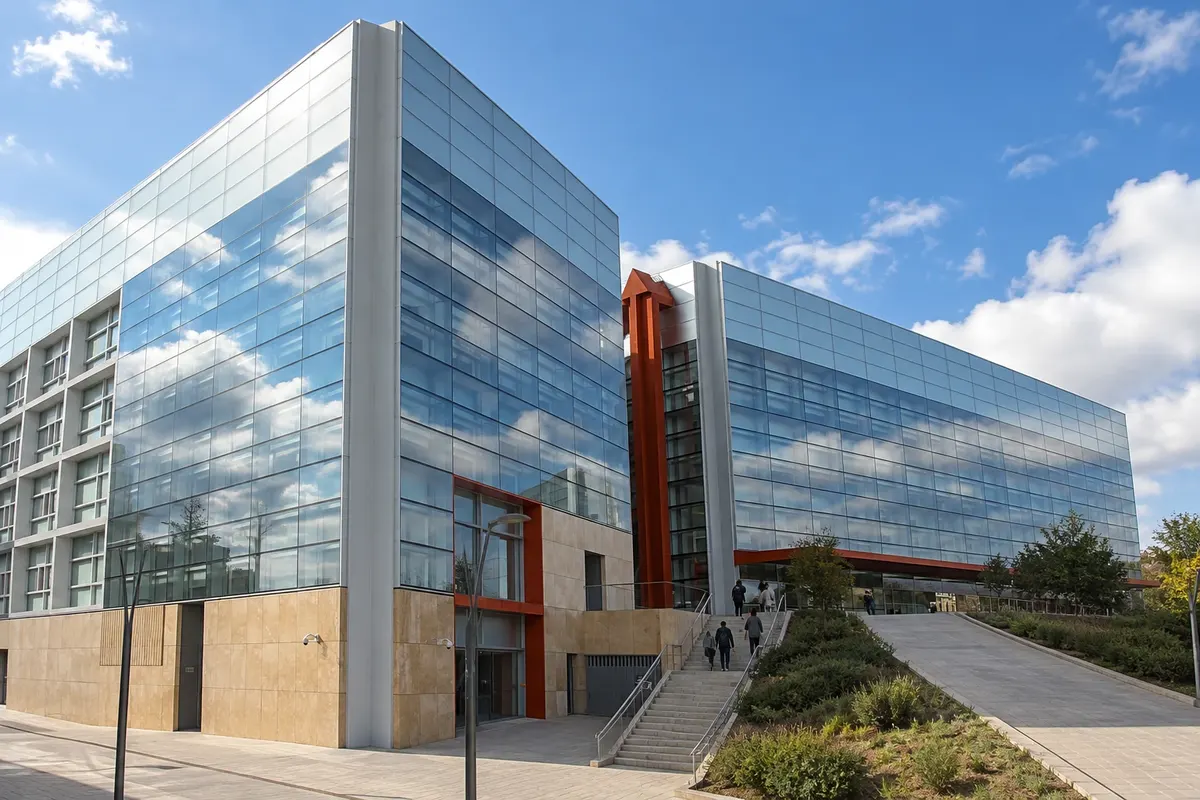
Museum opened in 2010 on the banks of the Arlanzón, with fossils and finds from the Atapuerca sites and exhibitions on human evolution.
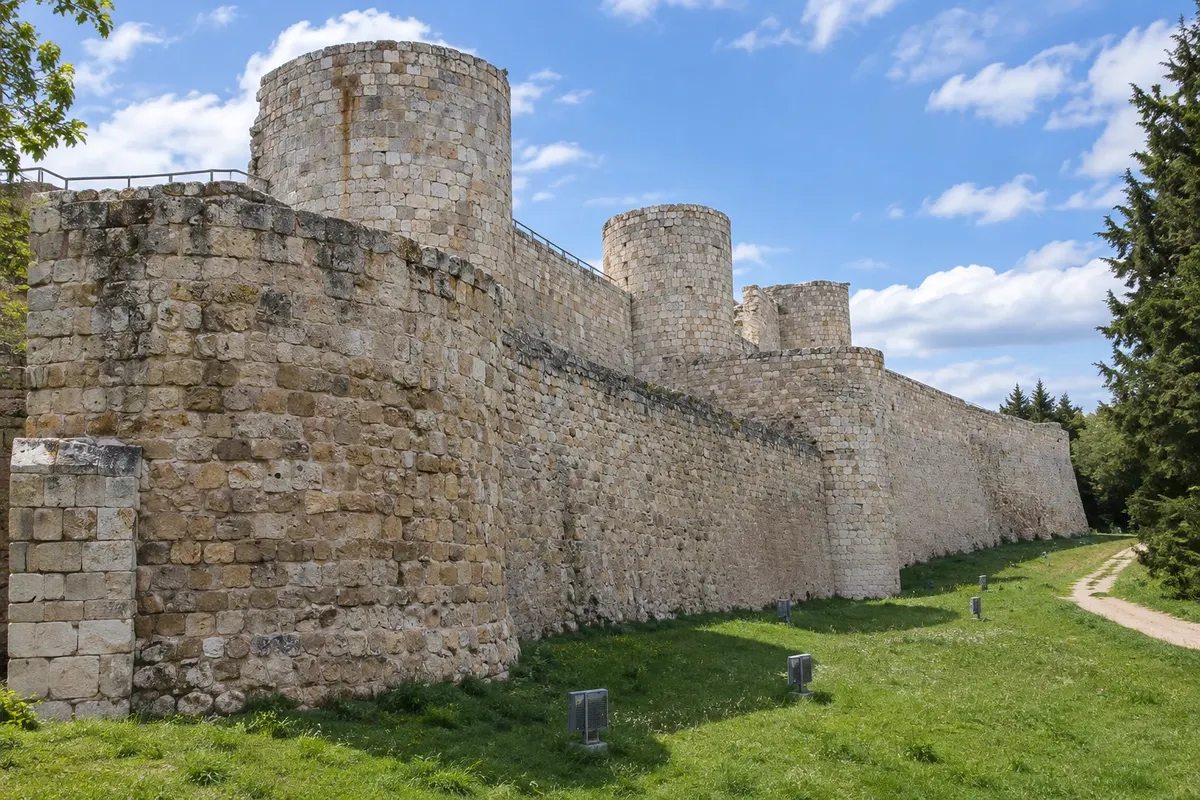
Ruins of the castle on the hill behind the cathedral, dating back to the 9th century, with underground galleries and a viewpoint offering views of the city and the cathedral's spires.
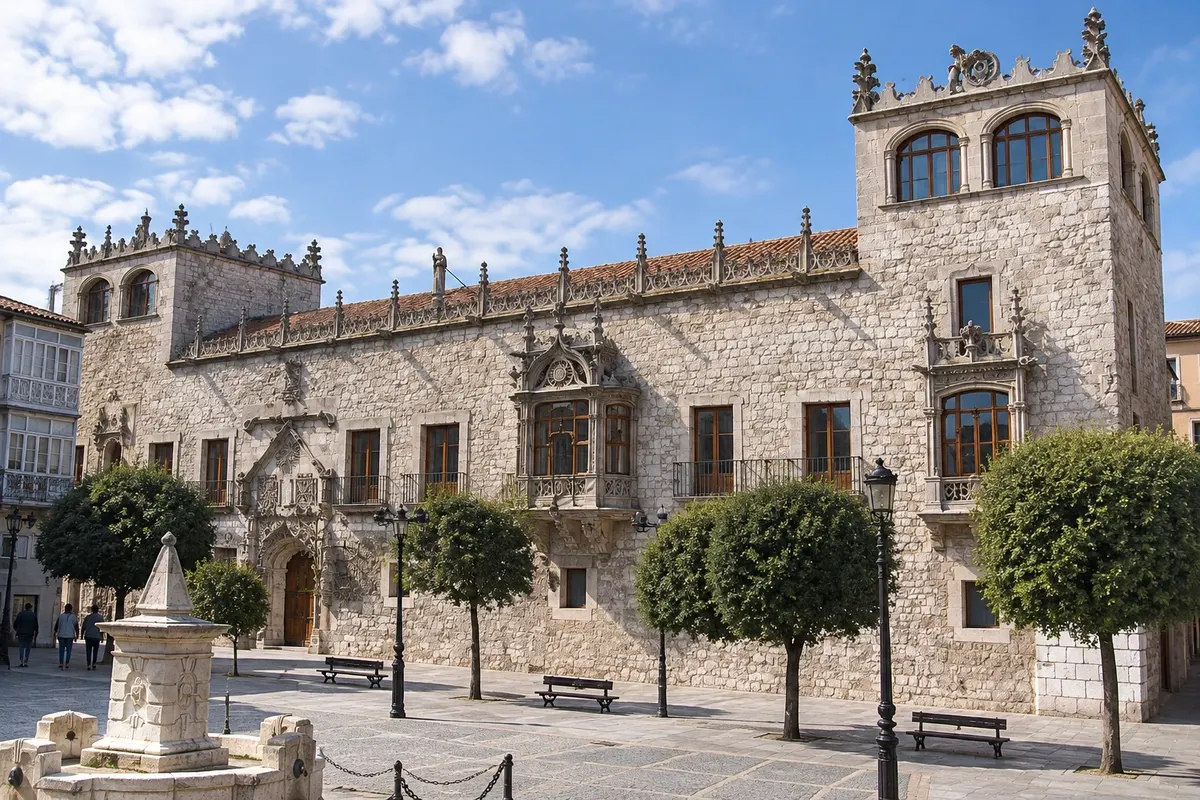
15th-century Gothic palace of the Constables of Castile, with the Franciscan cord carved into the façade, where the Catholic Monarchs received Columbus after his second voyage to America.
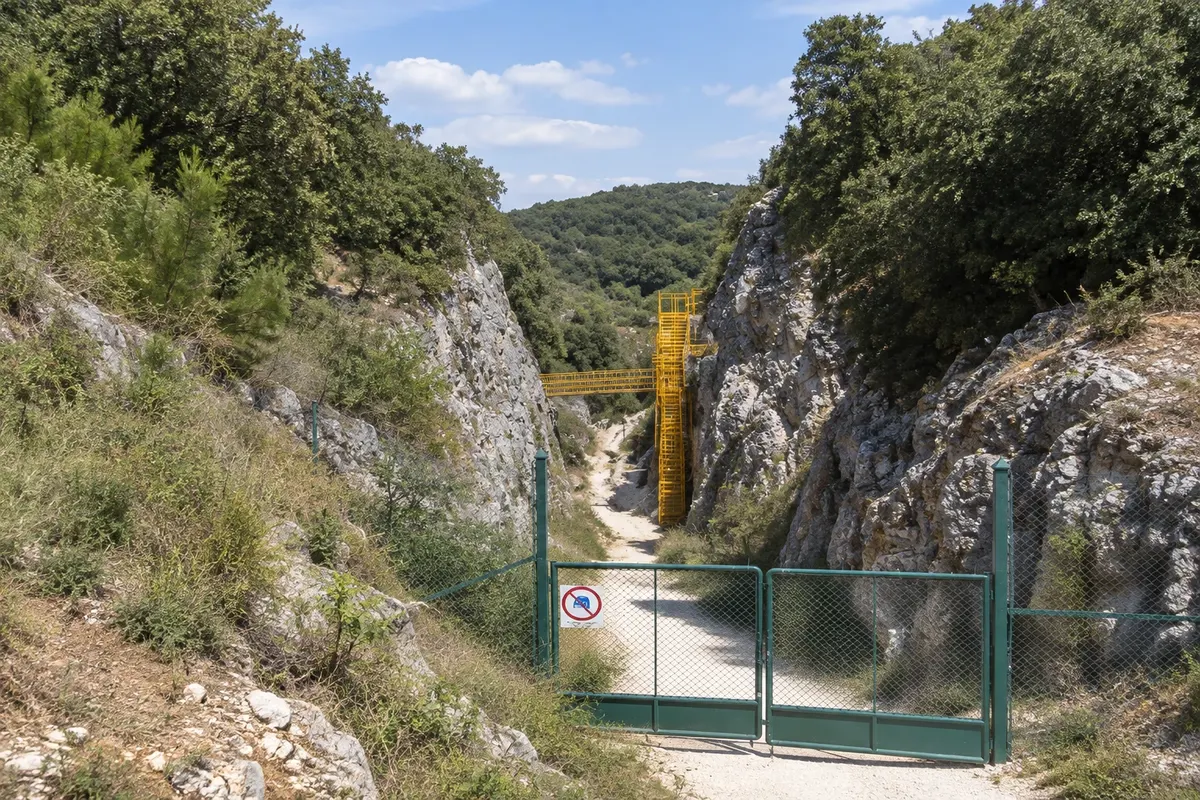
Prehistoric sites in the sierra of Atapuerca, about 15 km from Burgos, Patrimônio Mundial, with caves where some of the oldest human remains in Europe were found.
Rotas entre países
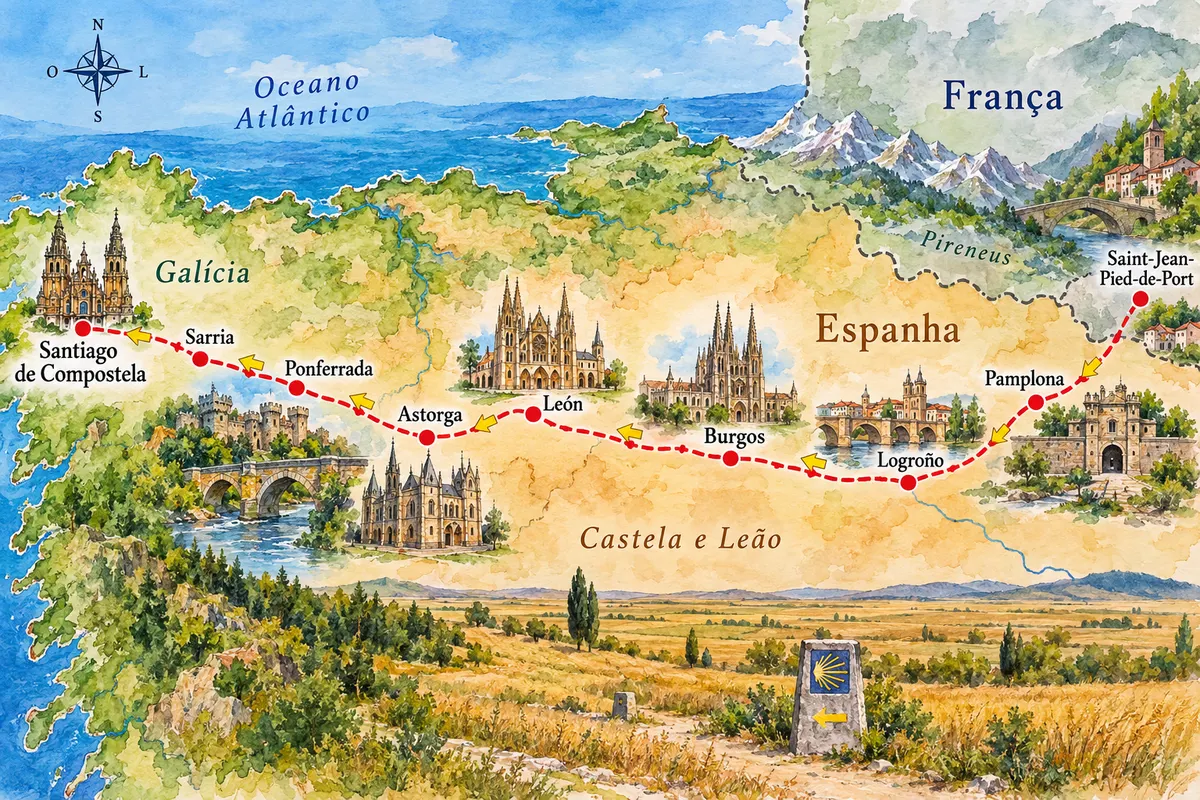
The most walked pilgrimage route to Santiago de Compostela: from the French Pyrenees to Galicia, on foot, via Pamplona, Burgos and León, following the yellow arrows.