Brazil
 Argentina
 Chile
Chile Colombia
 Peru
Peru Uruguay
 Germany
 Belgium
 Spain
Spain France
 Greece
 the Netherlands
 Ireland
 Luxembourg
 Portugal
 the United Kingdom
 Switzerland
Historic monument
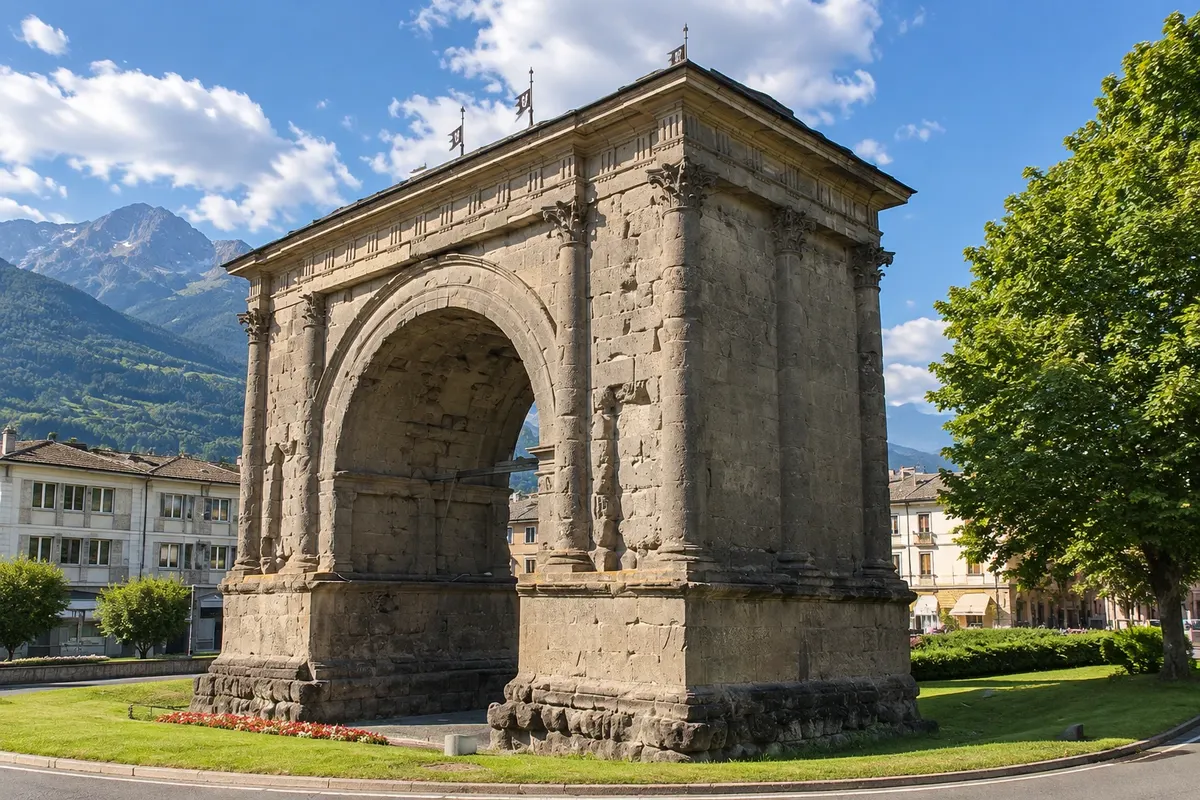
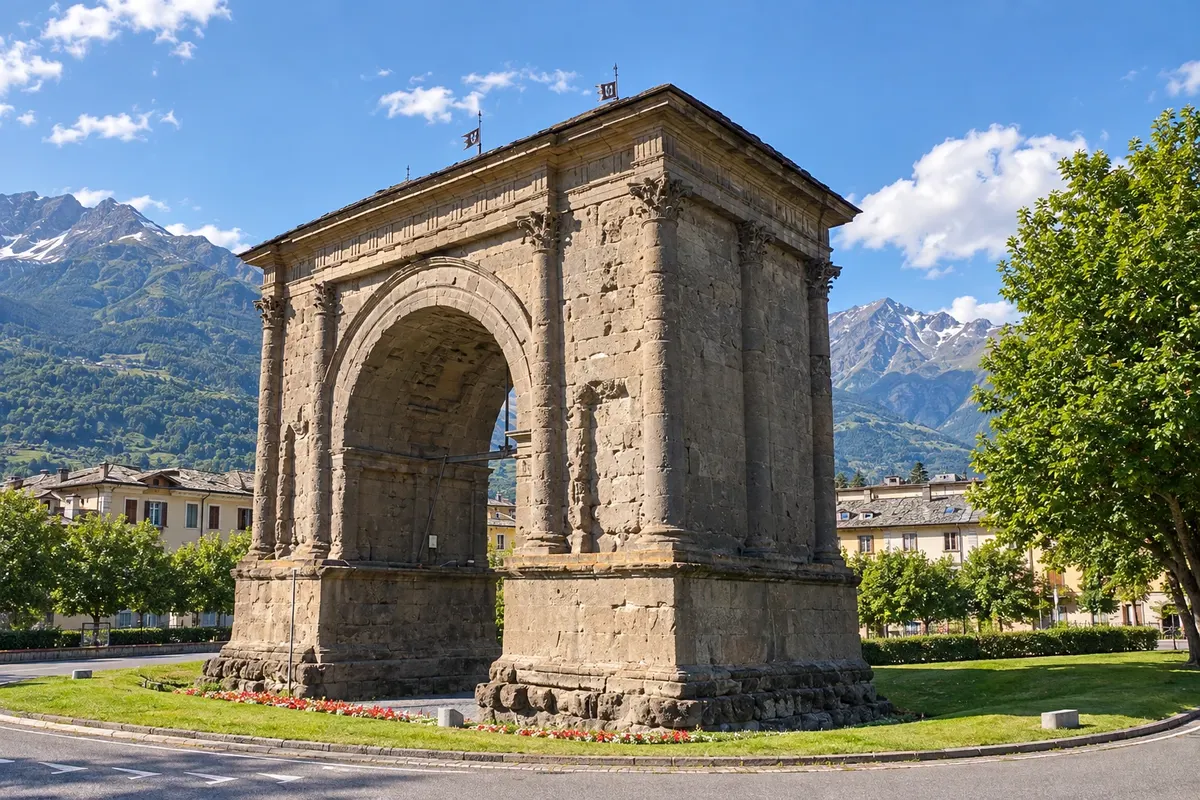
Arco d'Augusto
Roman arch from 25 BC, built to celebrate the victory over the Salassi and the founding of Augusta Praetoria, with a crucifix hanging beneath the vault.
Vale de Aosta · Italy Capital
In the destination Turim.
In the photo: Arco de Augusto, Aosta
Illustrative images. The pictures in this guide are illustrations based on the real place, not photographs, and may differ from it.
The city
Aosta is the capital of the Vale de Aosta, the smallest region of Italy, surrounded by the Alps. Founded by the Romans in 25 BC as Augusta Praetoria, it preserves the Arco de Augusto, the Porta Praetoria, the Roman theatre and the forum cryptoporticus. The collegiate church of Santo Urso has a Romanesque cloister, and the cathedral houses a treasure museum. On the outskirts, the megalithic area of Saint-Martin-de-Corléans has stelae over 4,000 years old. A cable car climbs from the center to Pila, and Fénis Castle is 12 km away. Italian and French are spoken, the two official languages.
There's no accommodation in the guide yet in Aosta.
There are no restaurants in the guide yet in Aosta.
Know a good one? Recommend it to ushow to get there · how many days · itinerary · questions
The local experience
Roman arch from 25 BC, built to celebrate the victory over the Salassi and the founding of Augusta Praetoria, with a crucifix hanging beneath the vault.
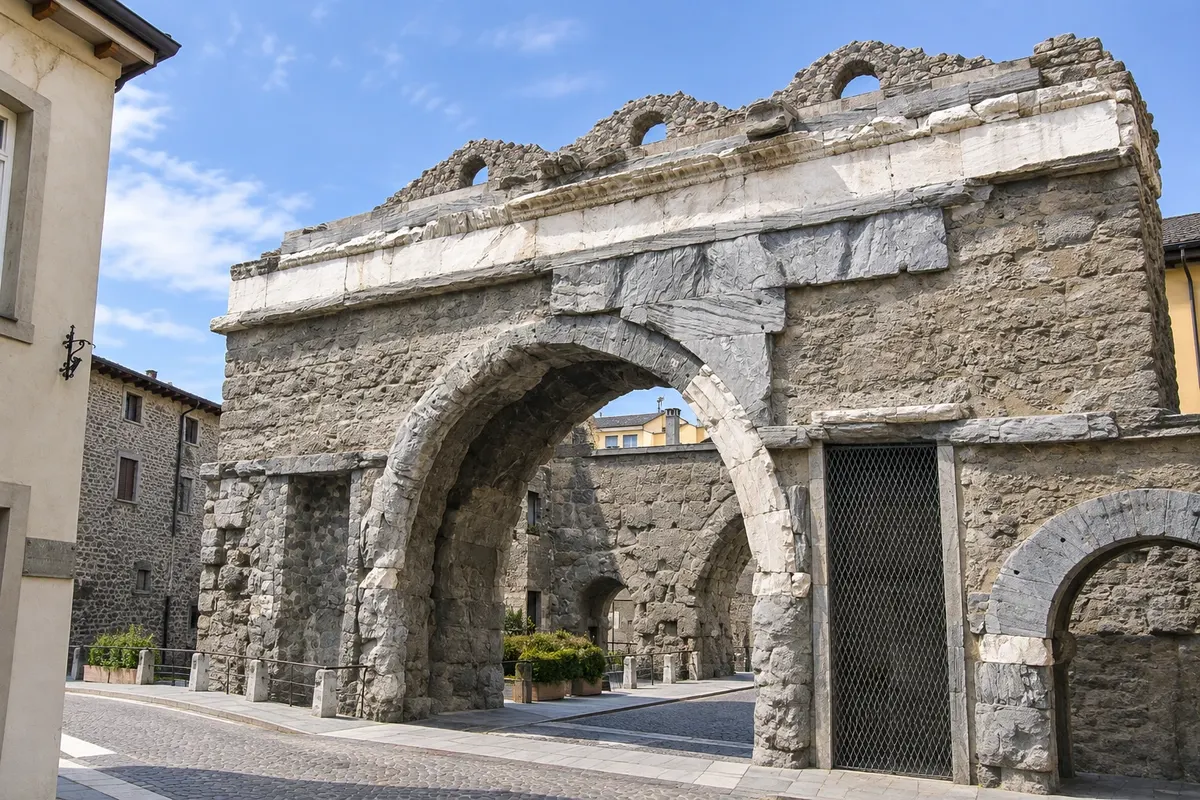
The eastern gate of the Roman town, dating from 25 BC, with two sets of arches that closed a parade square, and one of the best-preserved Roman gates.
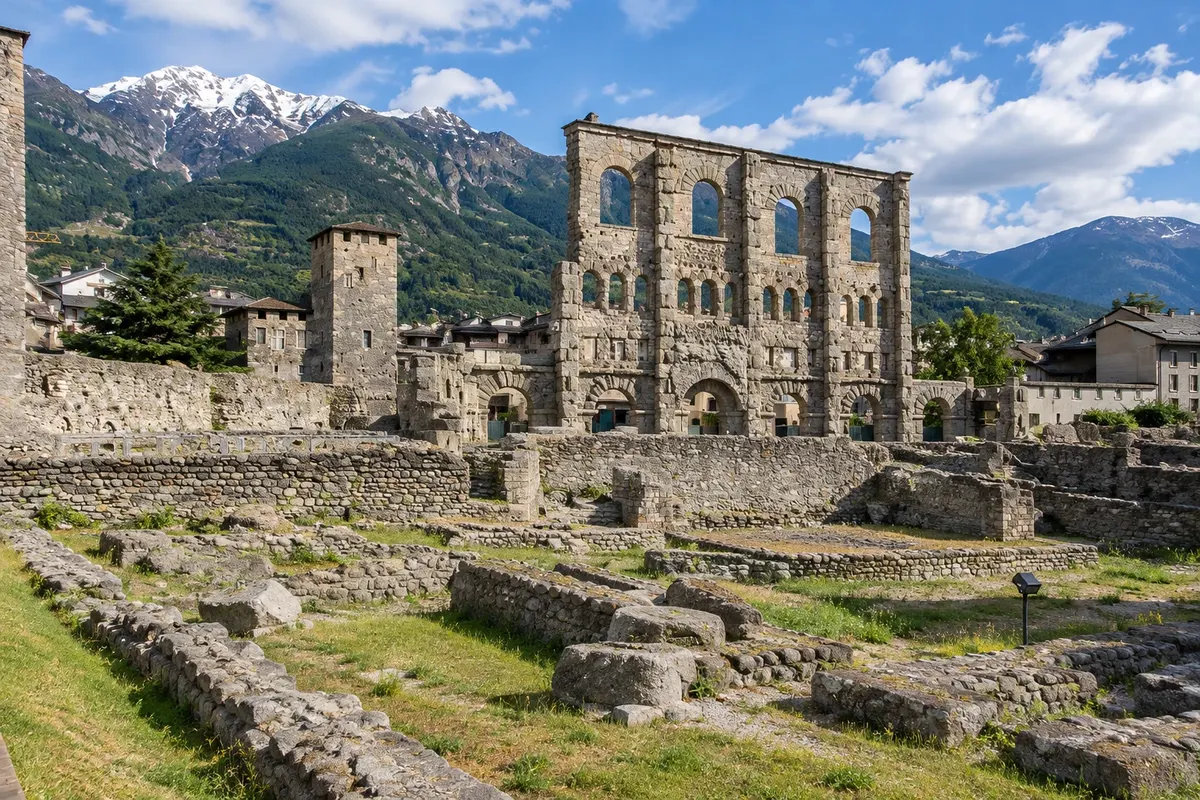
Teatro romano from the 1st century, next to the Porta Praetoria, with a 22-meter-high stone façade, arcades and windows, and space for about 4,000 spectators.
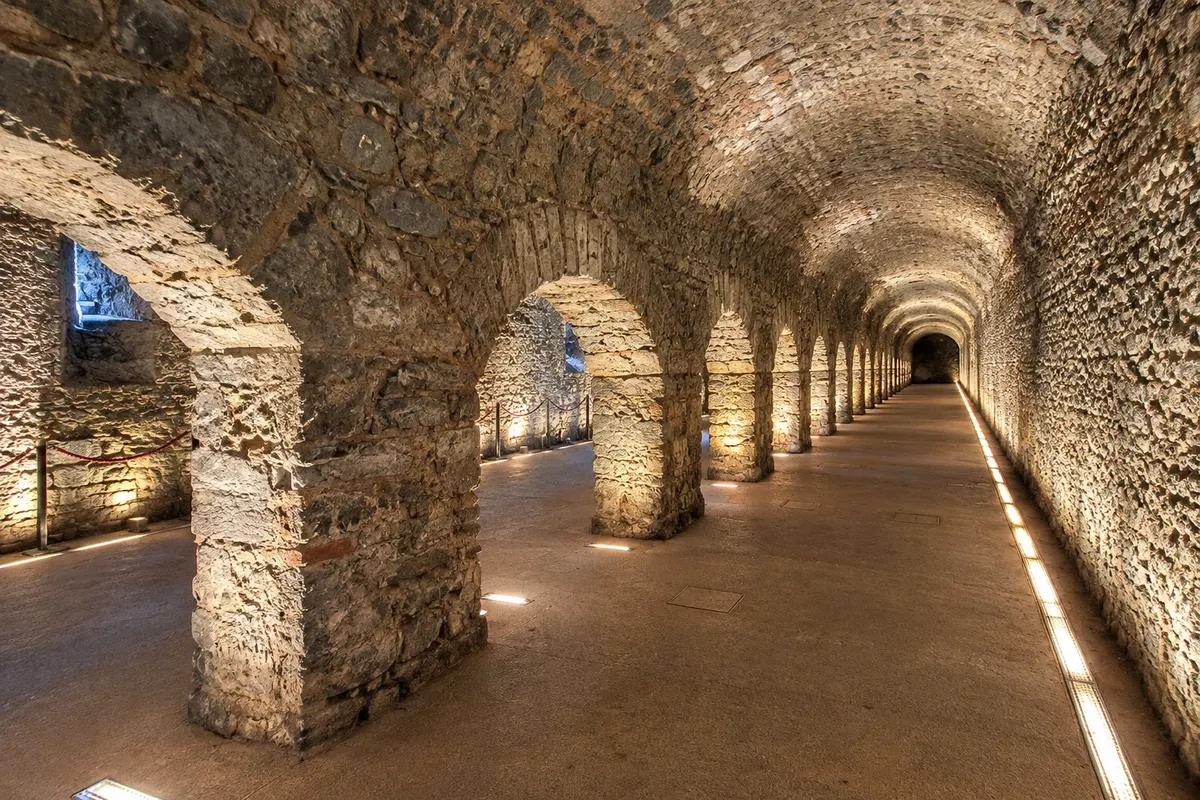
Roman underground gallery of the forum of Augusta Praetoria, with two naves and arches on three sides of a rectangle, next to the cathedral.
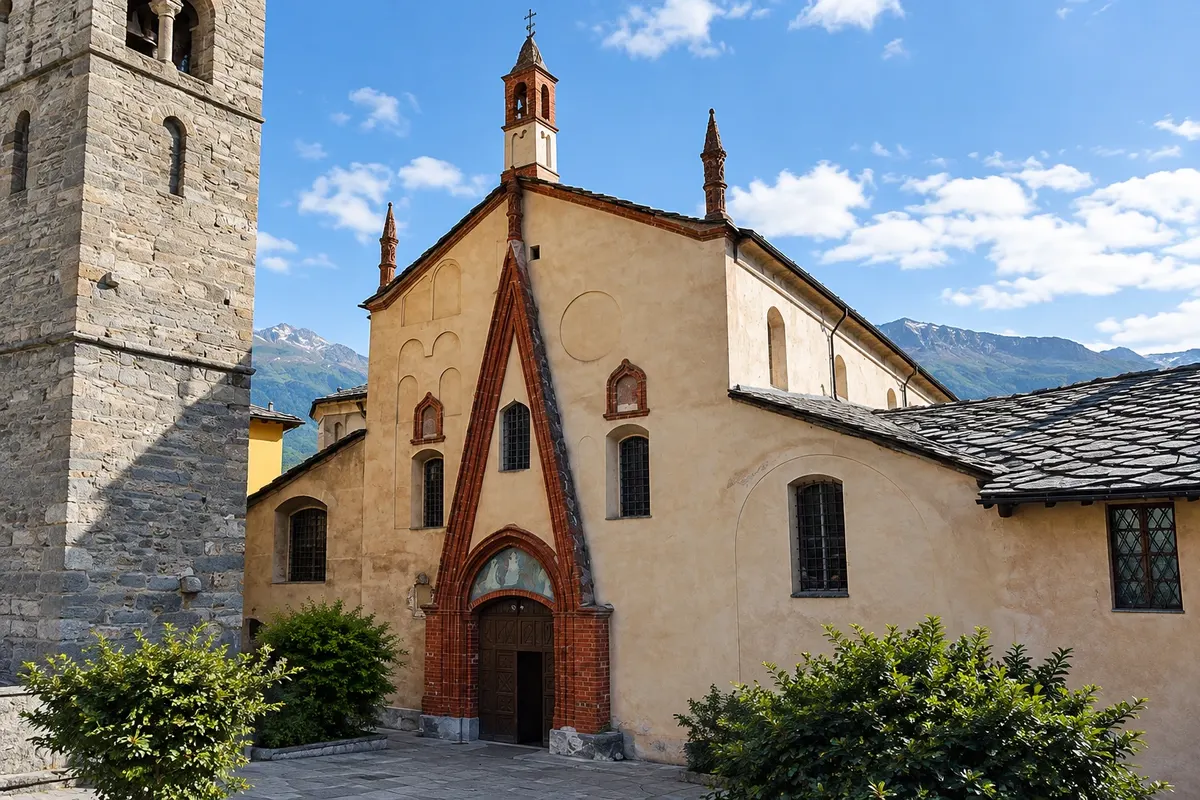
Conjunto de Santo Urso, with a church of early Christian origin, 11th‑century frescoes above the nave, a crypt, a 44‑metre Romanesque bell tower and the cloister with carved capitals from the 12th century.
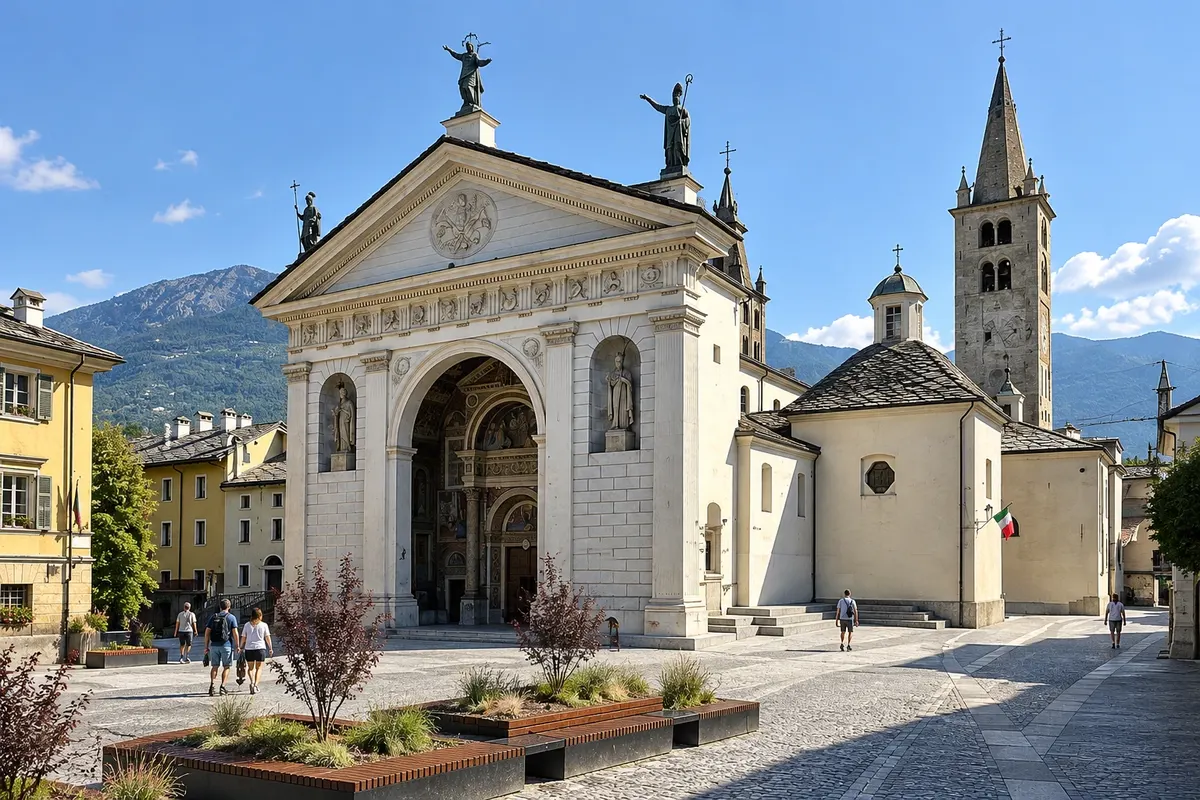
A catedral de Aosta, originating in the 4th century and rebuilt in the 11th, with a neoclassical façade, medieval floor mosaics and the treasure museum, which houses the original crucifix from the Arco de Augusto.
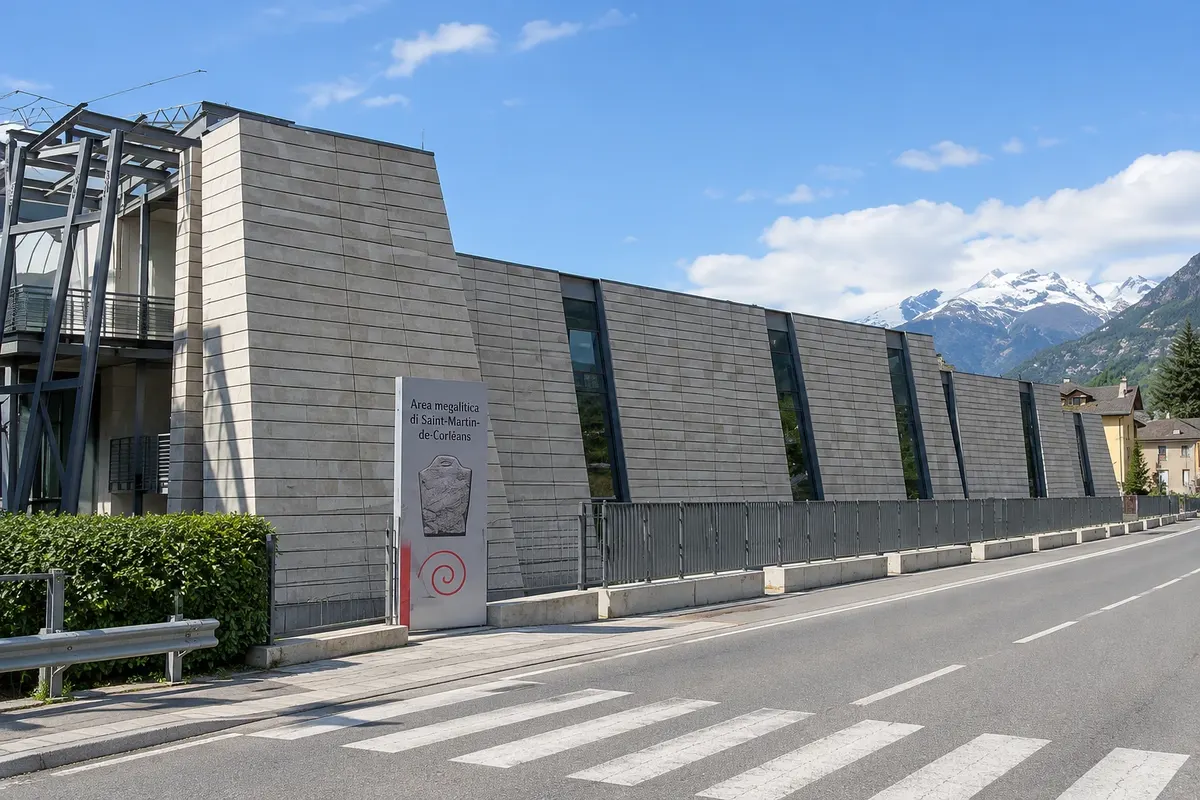
Prehistoric site on the west outskirts of Aosta, covered by a large pavilion-museum, with anthropomorphic stelae, tombs and plough marks more than 4,000 years old.
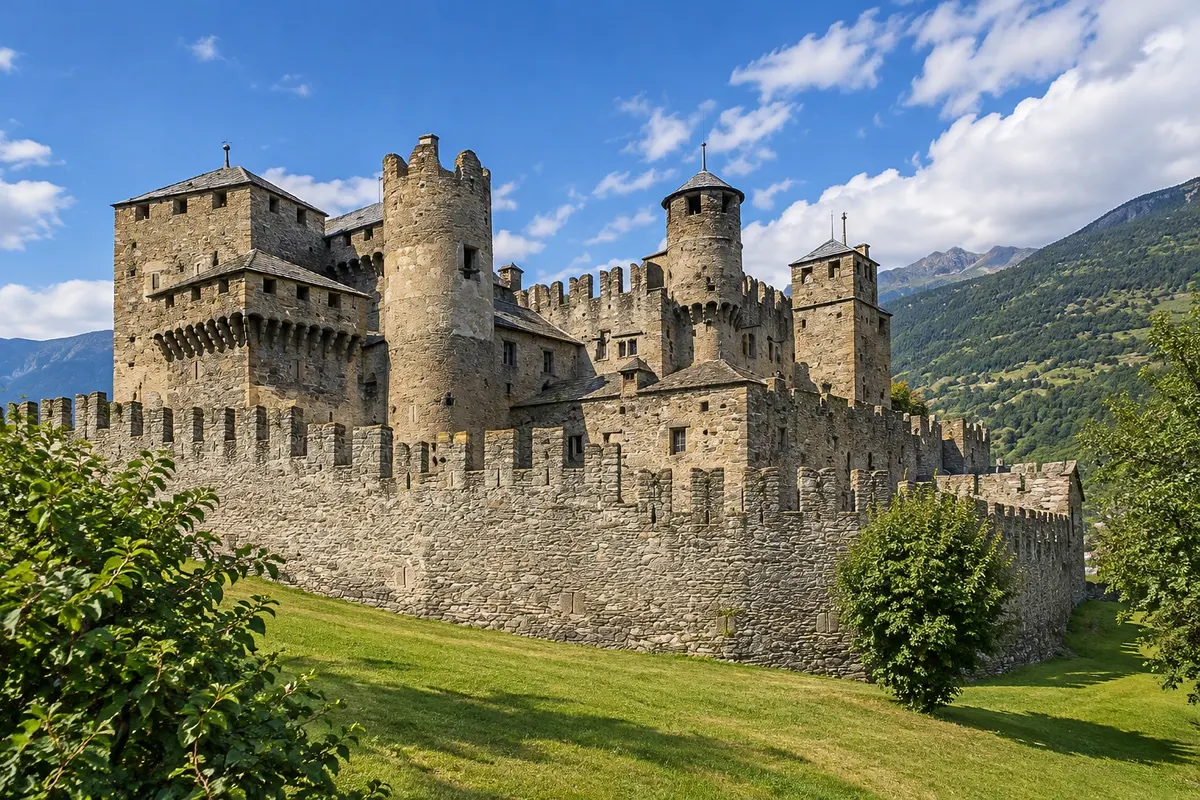
Castelo dos Challant, 12 km from Aosta, with double walls, towers and a courtyard with Gothic frescoes of Saint George and of sages holding bands inscribed with proverbs.
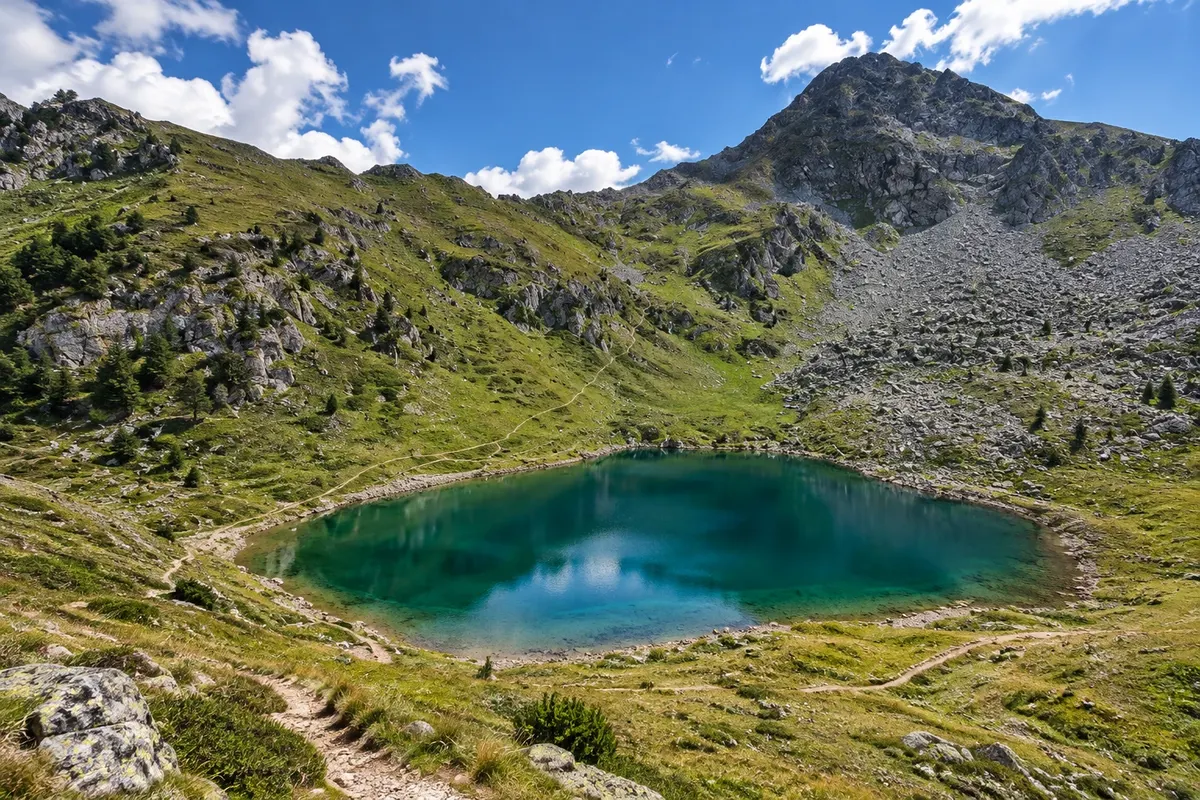
Skiing and hiking station at about 1,800 metres, linked to the centre of Aosta by cable car, with views of the Alps from Mont Blanc to the Cervino.
Rotas entre países
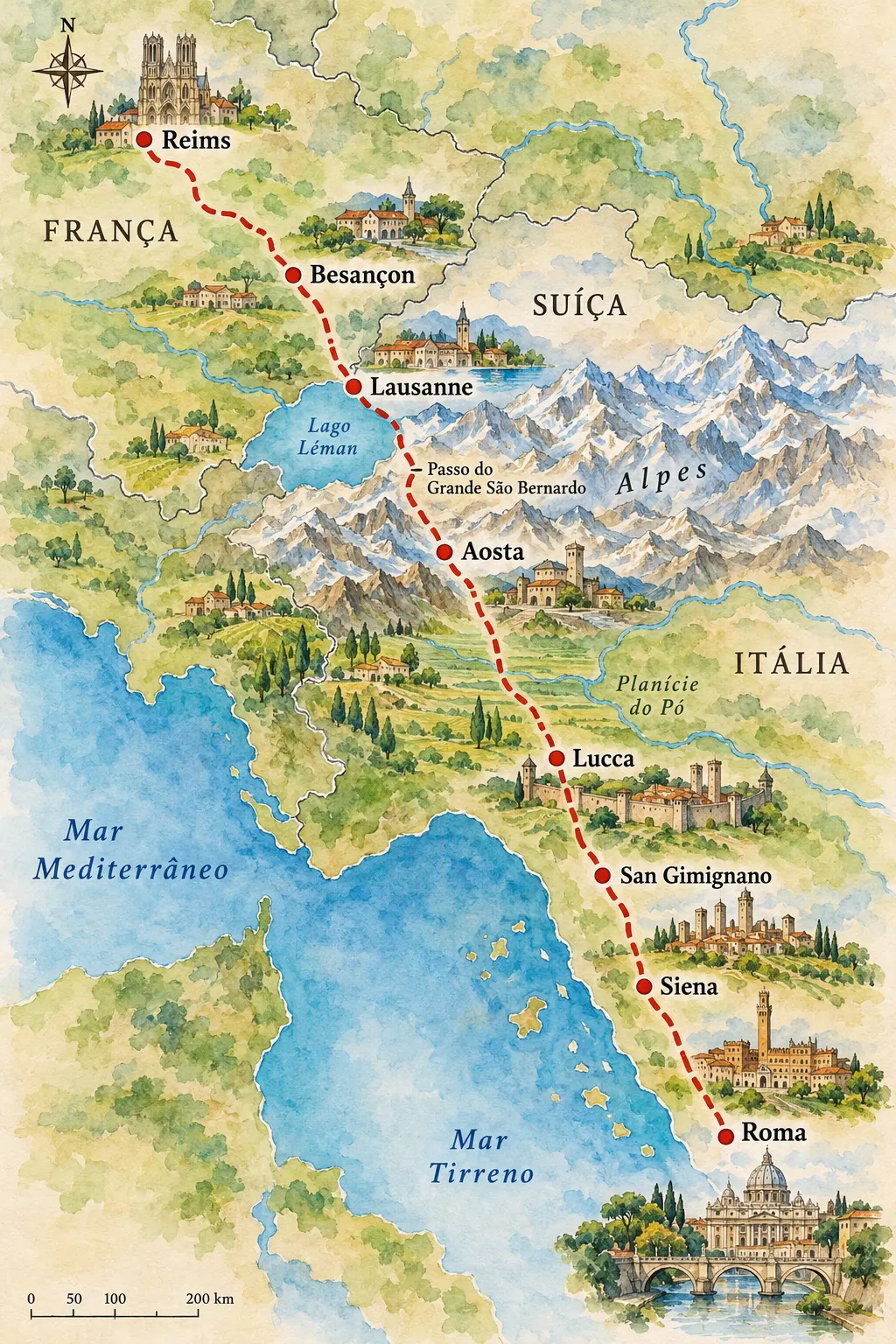
The ancient pilgrims' route to Roma: from Canterbury Cathedral, through France and Switzerland, over the Alps via the Grande São Bernardo and across Tuscany to São Pedro Square.