Poznań
Poznań combines the Stary Rynek and its Renaissance town hall with Ostrów Tumski, the cathedral island. The visitor alternates between the merchant city and the country’s medieval origins in two areas separated by the river.
Grande Polônia · Poland
Renaissance square, cathedral island and origins of the country.
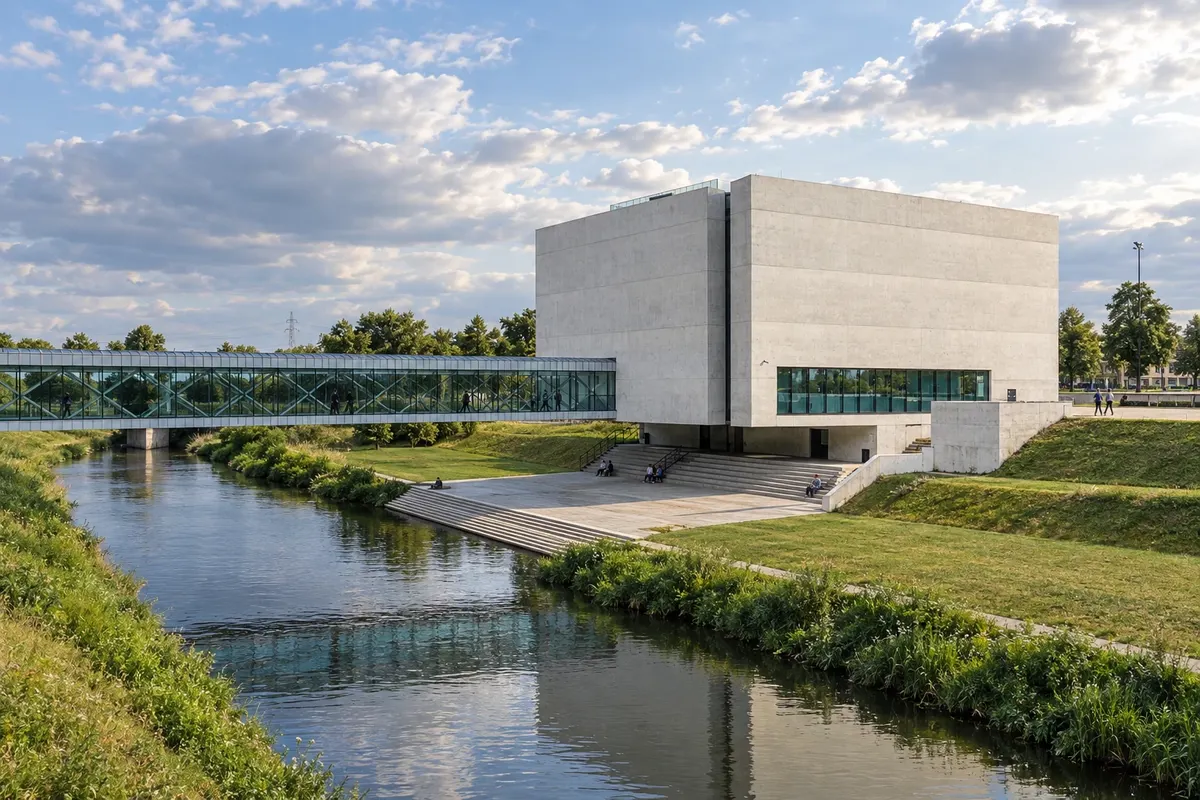
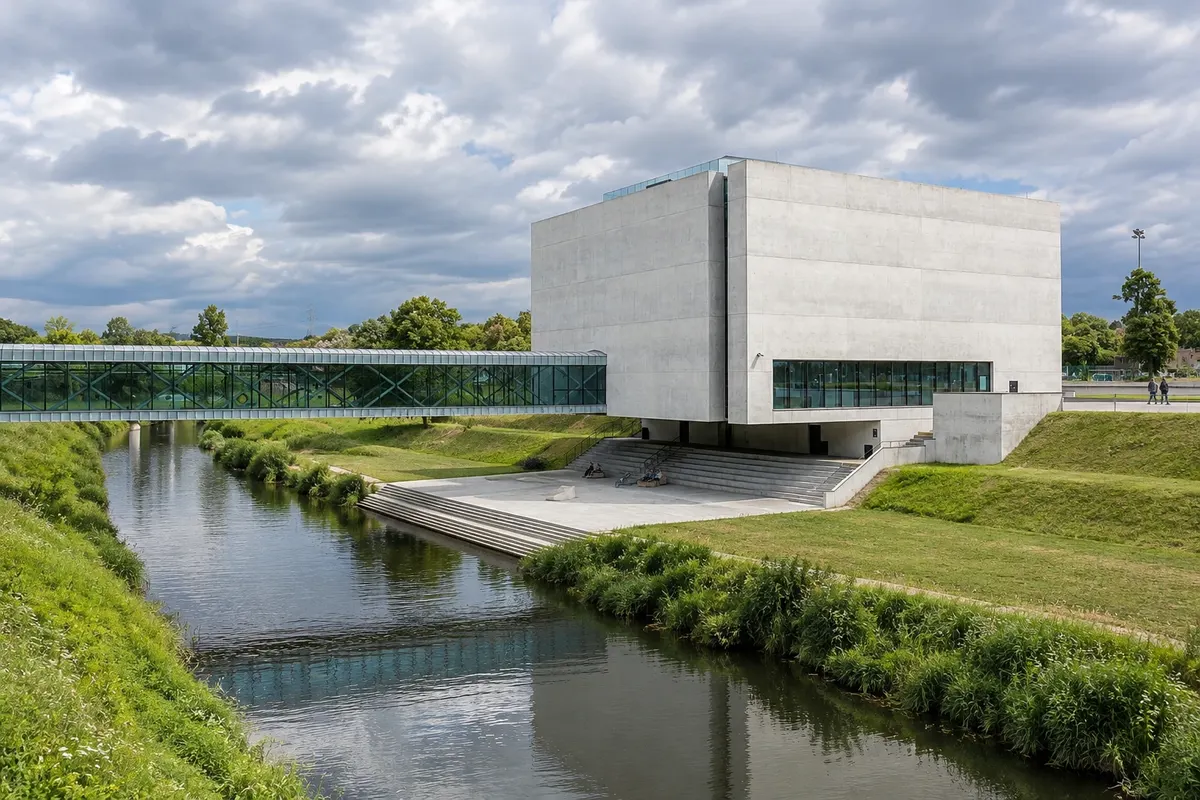
In the photo: Brama Poznania
Illustrative images. The pictures in this guide are illustrations based on the real place, not photographs, and may differ from it.
Get to know the place
Poznań lets you trace two distinct parts of Polish history. Stary Rynek square shows the mercantile center and the Renaissance town hall; Ostrów Tumski, on an island in the Warta, brings together the cathedral and remains of the country’s earliest settlements.
Gniezno continues this theme in a smaller town, with a cathedral linked to Saint Adalbert and the old coronations. The route between the two bases helps to understand Greater Poland without confusing the regional name with the whole country’s territory.
The rail connection makes the pair feasible without a car. In searches, use Poznań and Gniezno with the local spelling.
This destination brings together 2 cities: Poznań, Gniezno.
One destination, many paths
Start with one city or combine several in your itinerary.
Contornos: Natural Earth (domínio público). Adaptação do Cidade Turismo.
✈ Port Lotniczy Poznań-Ławica (POZ) · 7 km to Poznań
Check before booking. Poznań Główny receives trains from Warsaw, Wrocław and other hubs. The airport lies west of the city. Gniezno has a rail link to Poznań and can be visited as a day trip.
Suggested arrival point: Poznań
Poznań combines the Stary Rynek and its Renaissance town hall with Ostrów Tumski, the cathedral island. The visitor alternates between the merchant city and the country’s medieval origins in two areas separated by the river.
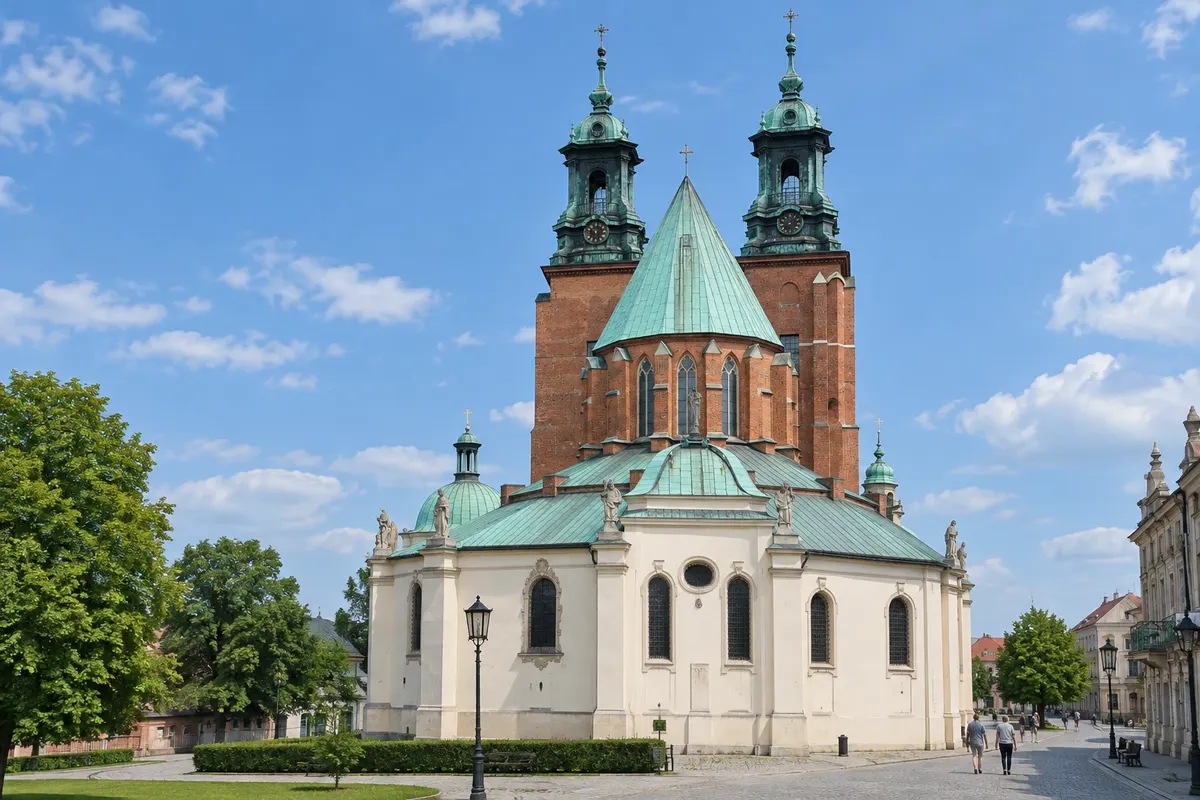
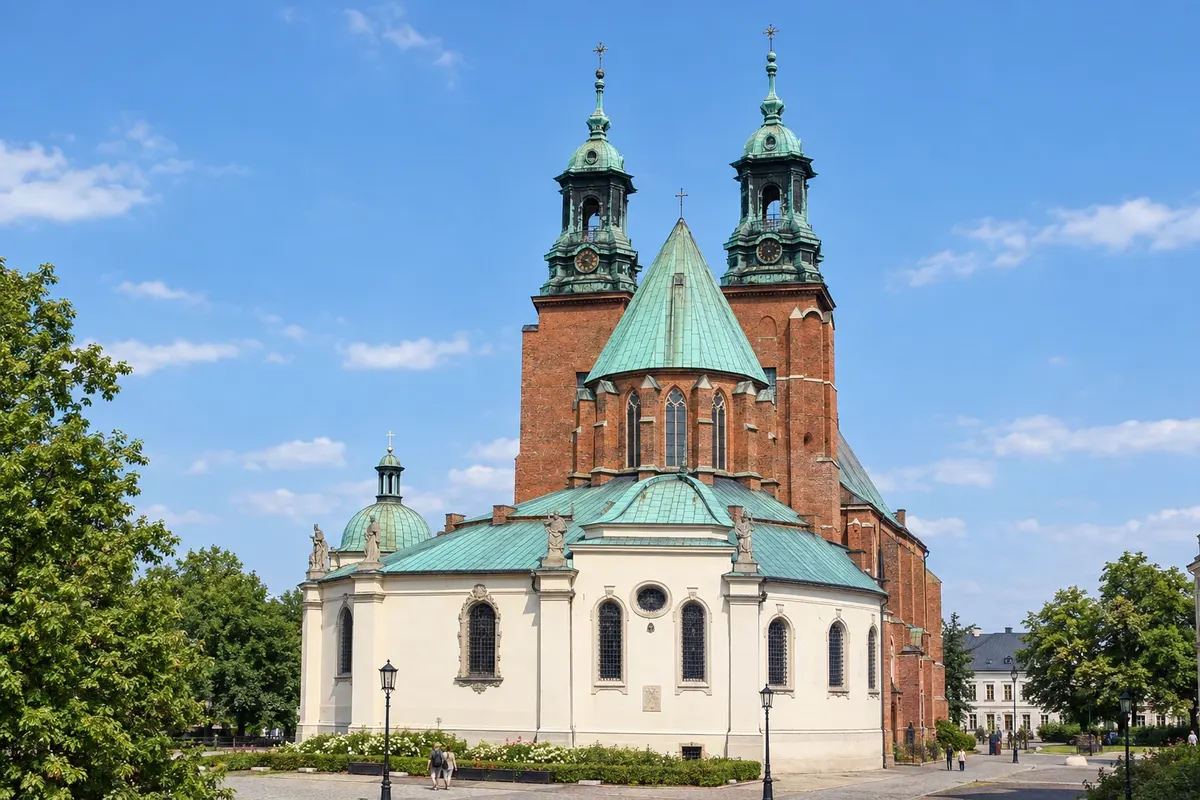
Gniezno brings together the Cathedral of Saint Adalbert and the memory of the first Polish coronations. the cathedral hill and the market square form the core of a visit that can be done from Poznań.
The local experience
The cathedral of Gniezno sits on Lech Hill and is linked to the memory of Saint Adalbert and the old Polish coronations. Its towers dominate the historic quarter in a town whose religious role helps to understand the country’s early centuries.
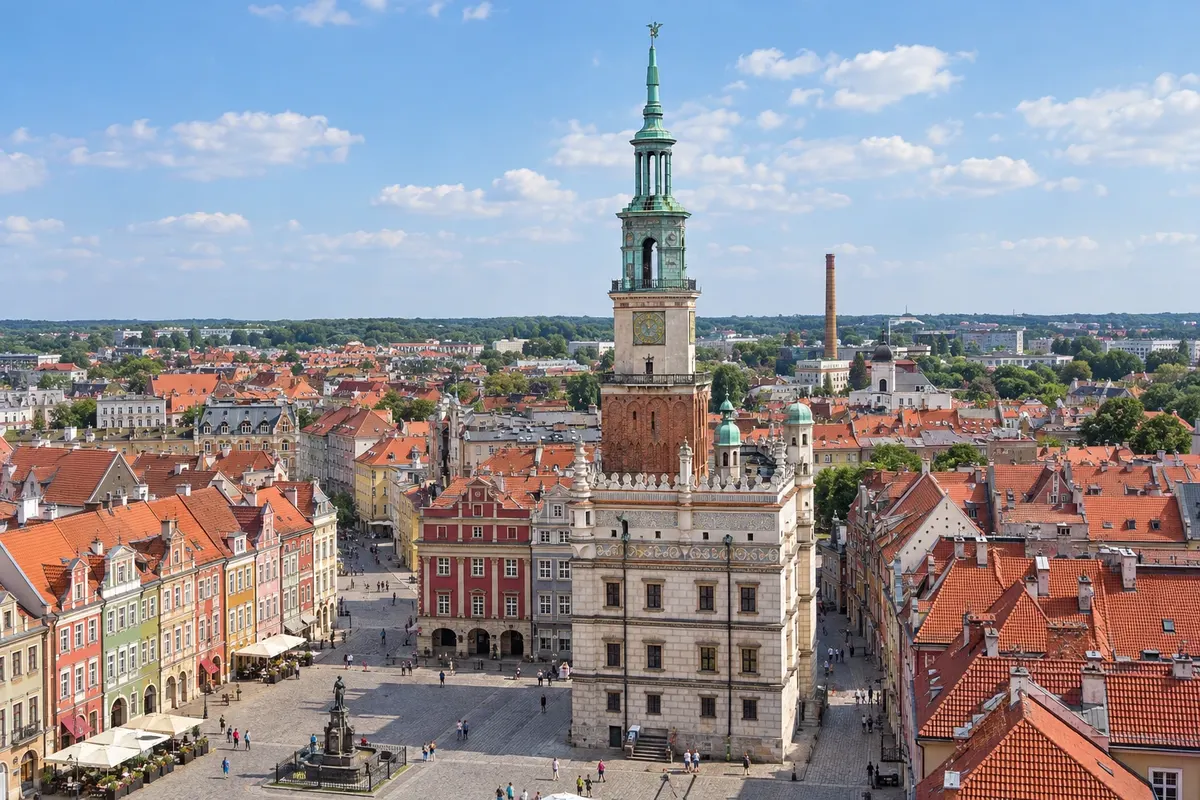
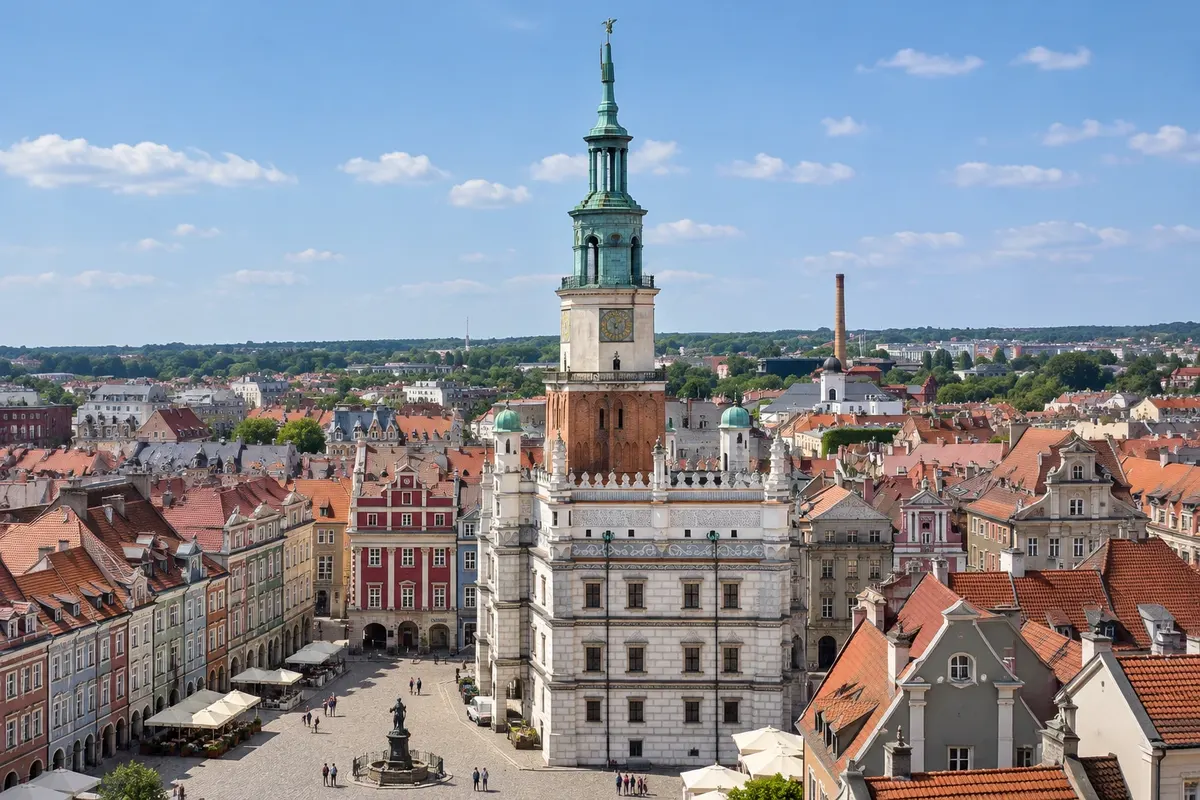
The Stary Rynek square organizes Poznań’s old center around the Renaissance town hall. The market façades and the municipal building form an ensemble that can be viewed on foot, offering different perspectives from the sides of the square.
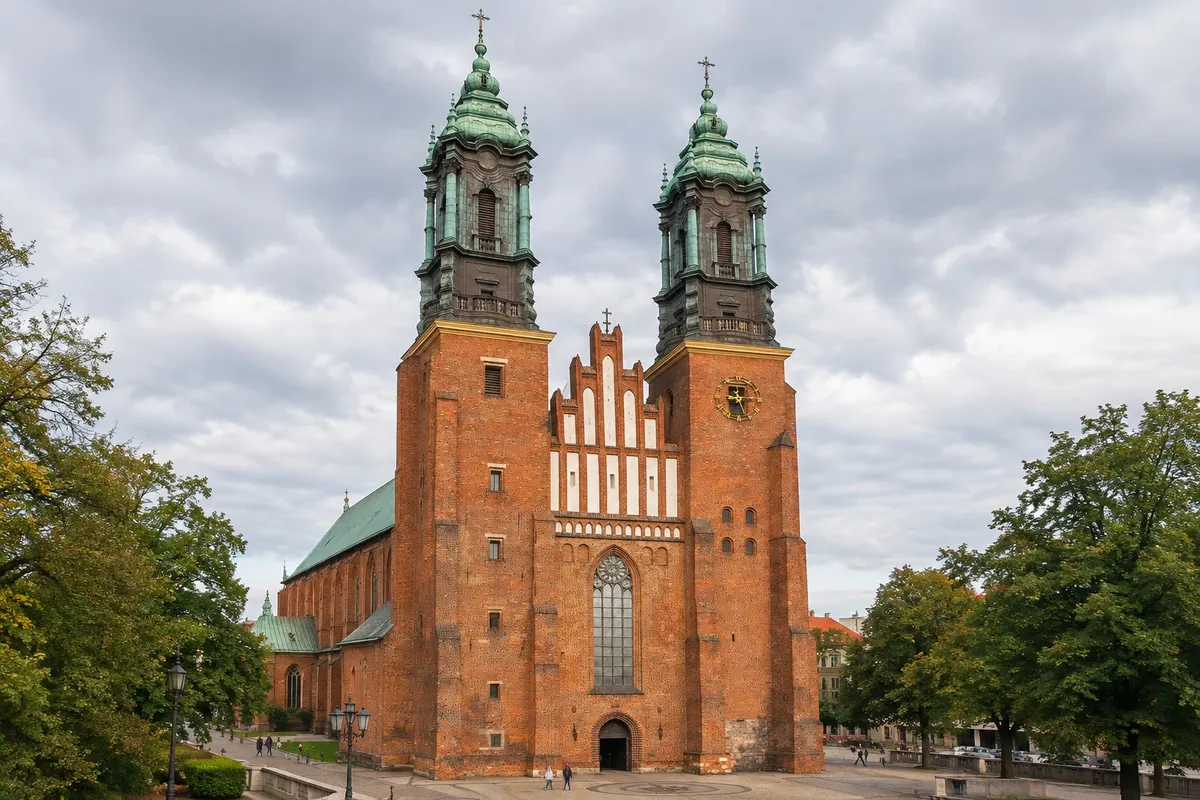
Poznań’s cathedral is located on Ostrów Tumski, the island tied to the country’s earliest settlements. The church dedicated to St. Peter and St. Paul exhibits layers of construction and reconstruction, in an area of streets quieter than the old market.
Brama Poznania presents the history of Ostrów Tumski in an interpretation centre near the cathedral island. The contemporary building creates a contrast with the historic core and helps place the early settlements before the walk among the monuments.
Before you go
A little planning leaves more time to enjoy the journey.
May to September usually favors the squares and the Warta riverbank. Between November and February, expect fewer daylight hours and cold; April and October require clothing for daytime variations.
The seasons shown are the most usual ones; nature doesn't always follow the calendar.
Three days are enough: two in Poznań and one in Gniezno. Add time if you want to visit the museums on the cathedral island without grouping all exhibitions into a single day.
The Stary Rynek area is good for walking. Jeżyce offers a different neighborhood atmosphere, with a tram to the center. In Gniezno, staying near the cathedral allows you to explore the historic core after tour groups leave.
Take your trash with you, follow the signs and support local businesses. In natural areas, follow the visiting guidelines.
Get your questions answered
Poznań Główny receives trains from Warsaw, Wrocław and other hubs. The airport is west of the city. Gniezno has a rail link to Poznań and can be visited as a day trip.
Three days are sufficient: two in Poznań and one in Gniezno. Add time if you want to visit the museums on the cathedral island without compressing all exhibitions into one day.
May to September usually favors the squares and the Warta riverbank. Between November and February expect shorter daylight and cold; April and October require clothing for variable conditions during the day.
The Stary Rynek area is convenient for walking. Jeżyce offers a different neighborhood vibe, with a tram to the center. In Gniezno, staying near the cathedral lets you visit the historic core once tour groups have left.