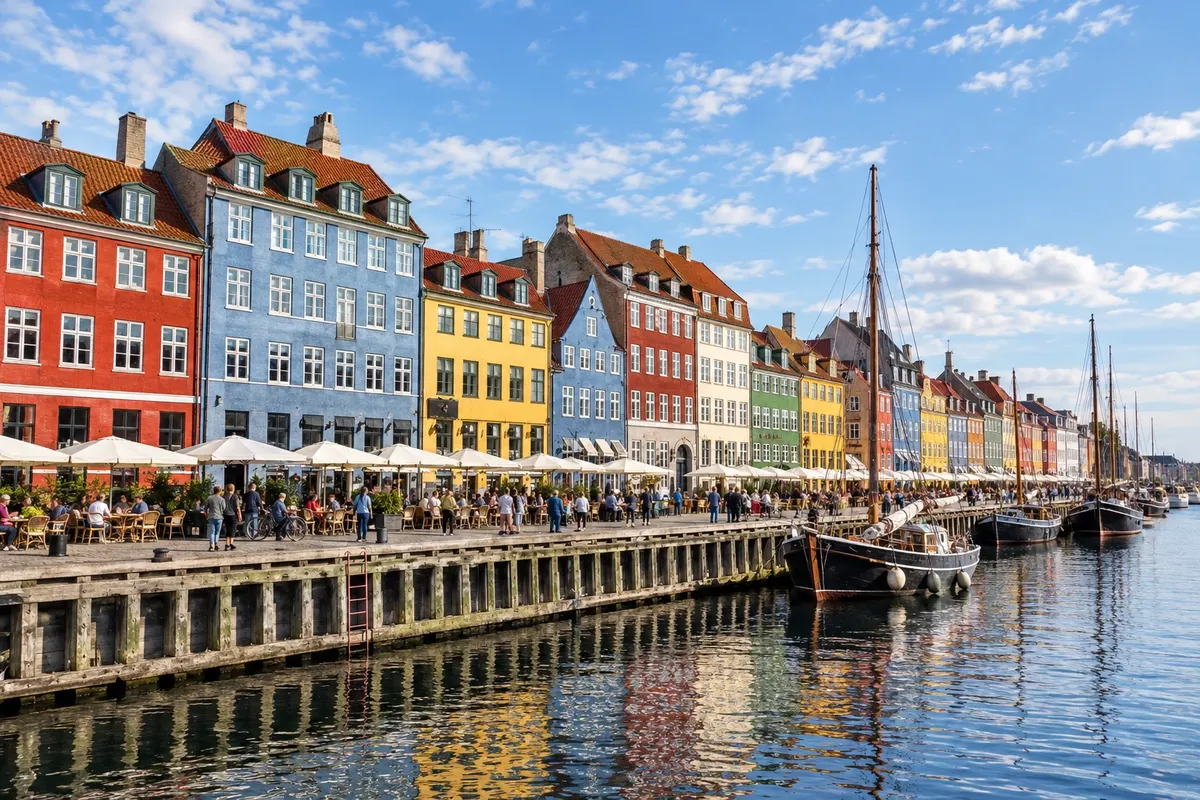
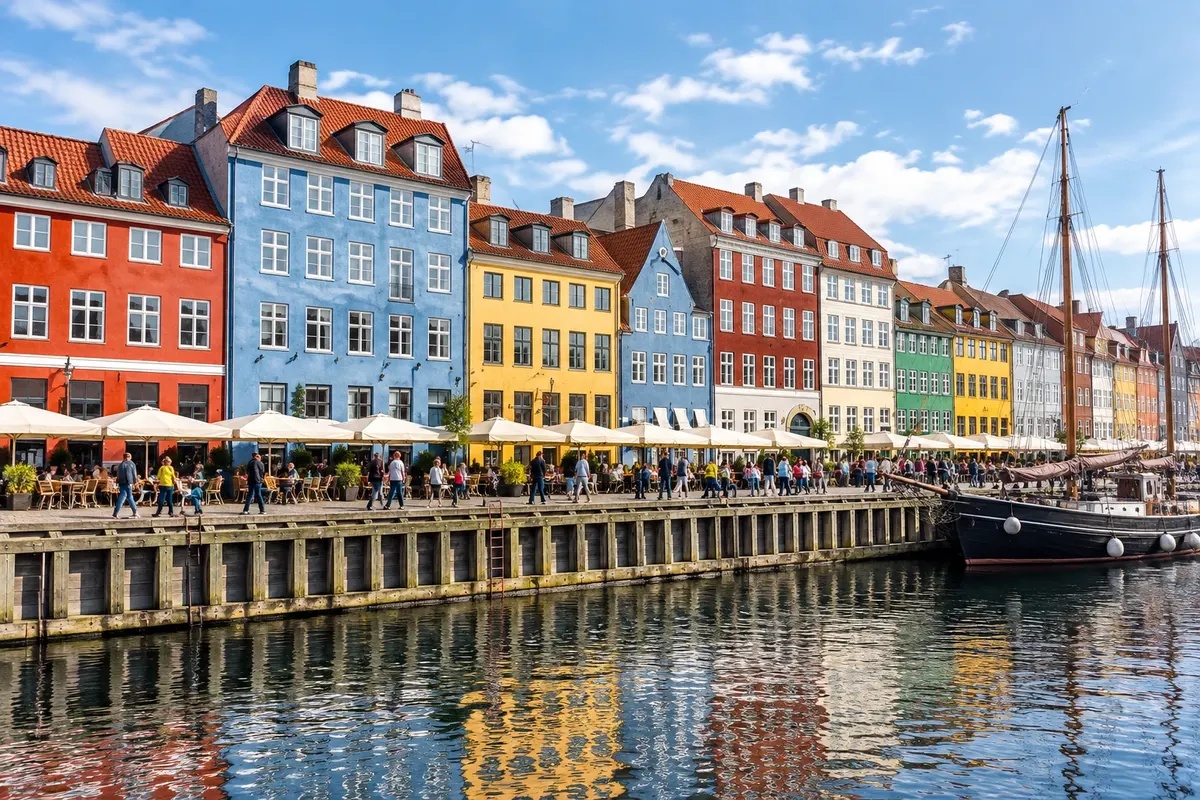
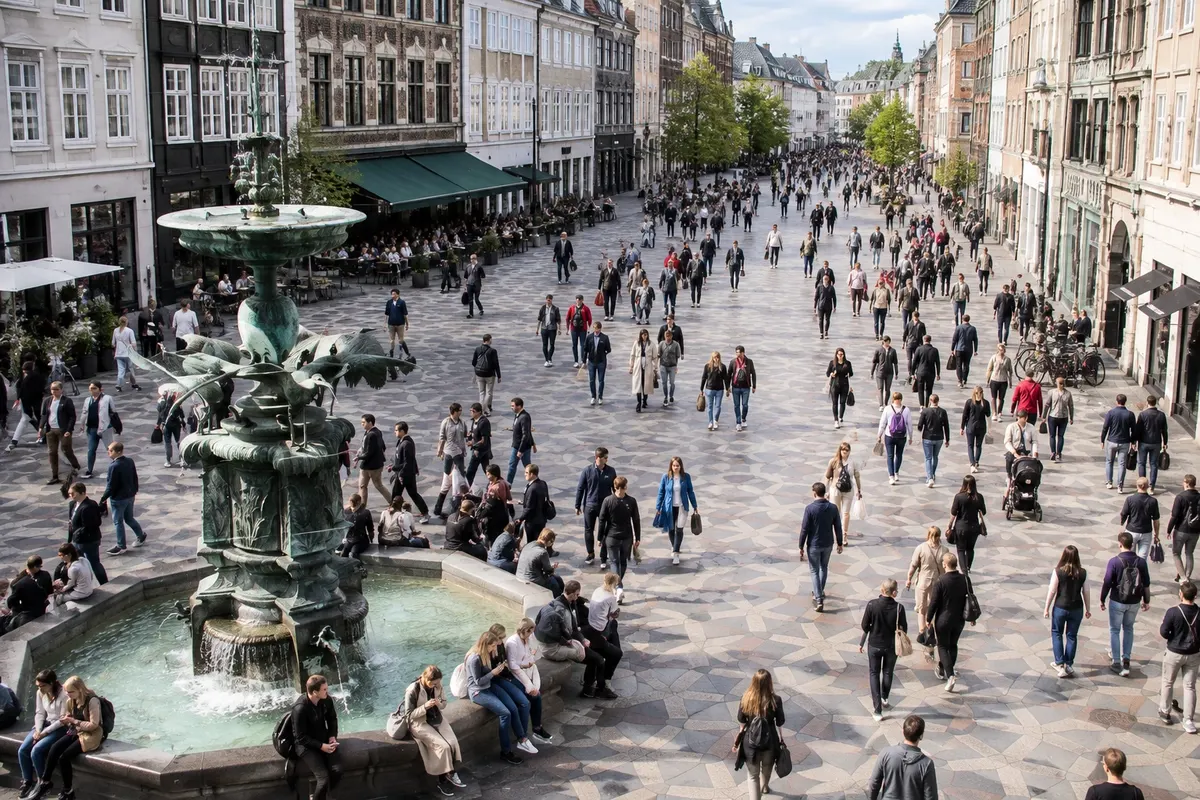
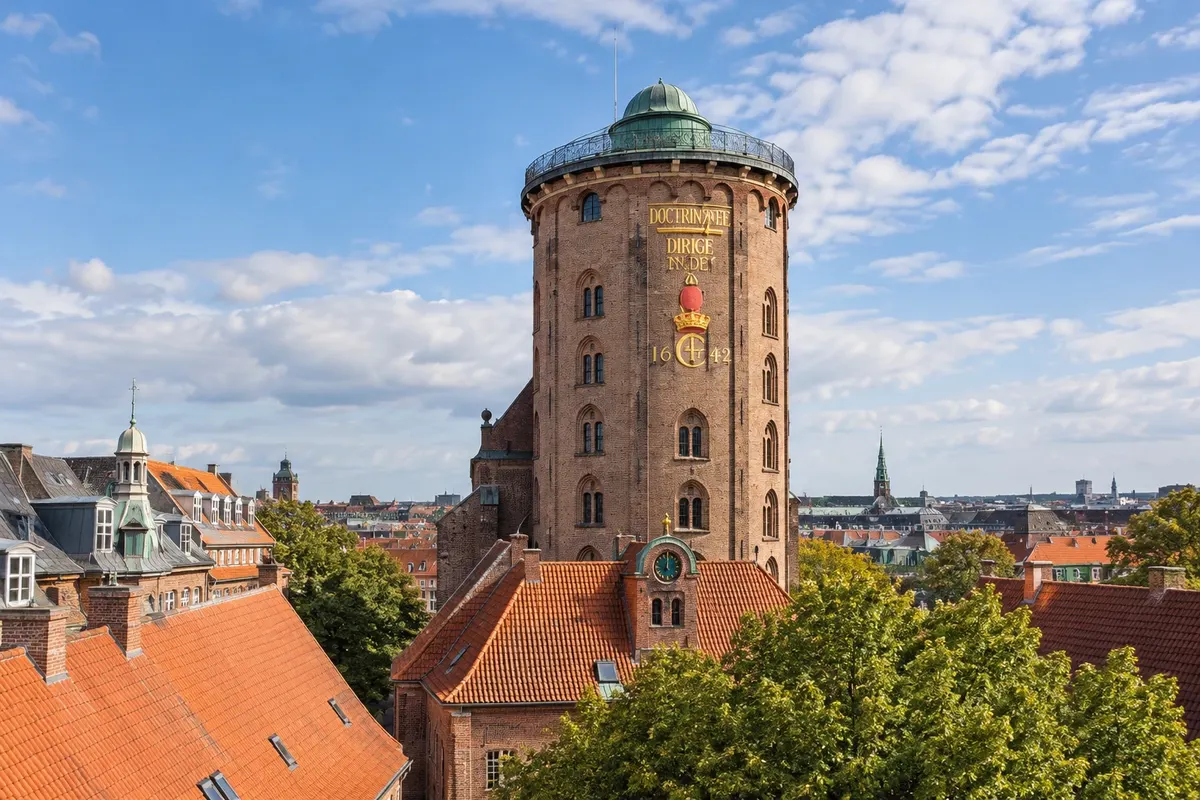
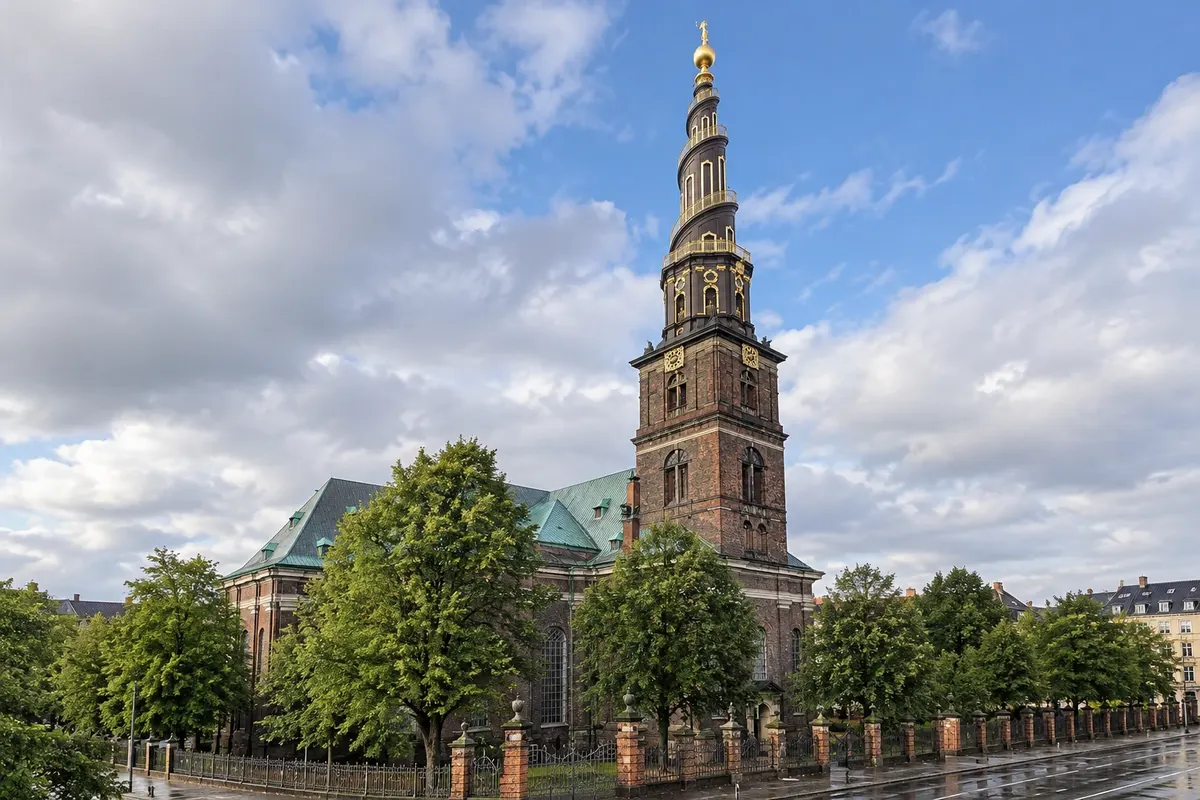
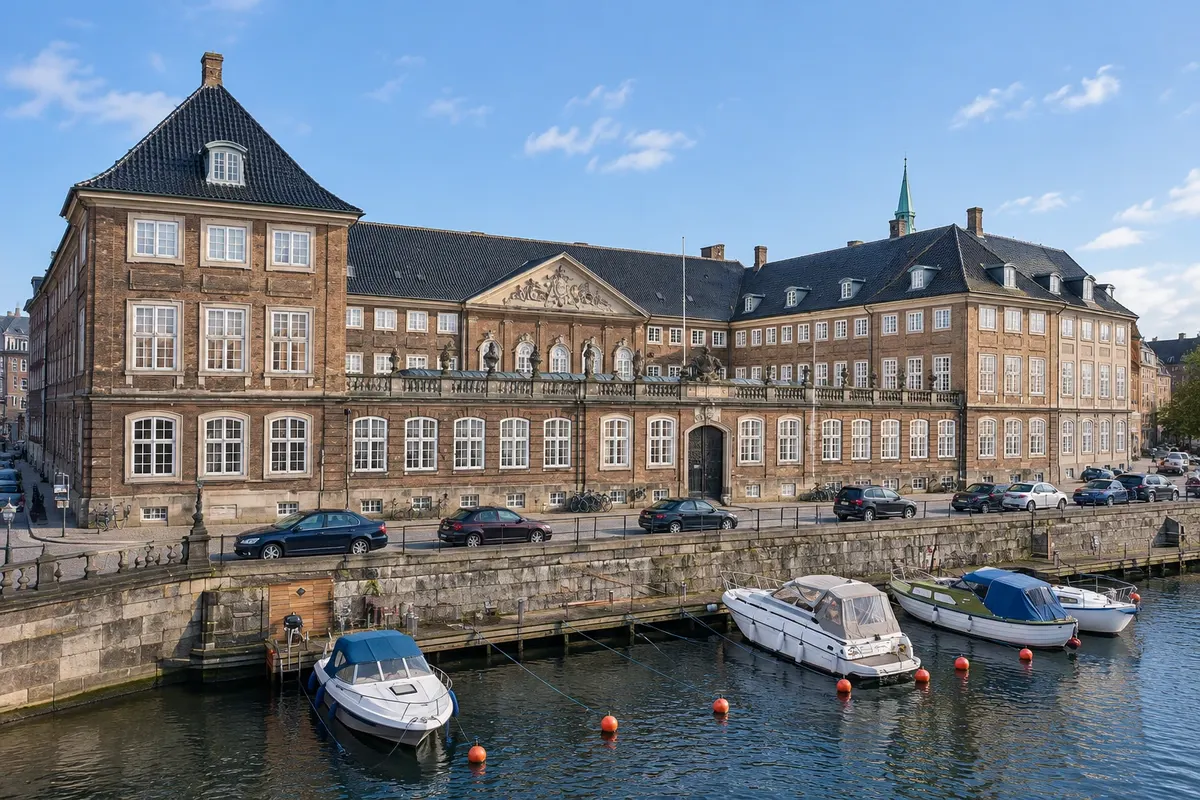
Copenhague (København) is the capital of Denmark and lies on the east coast of the island of Zealand, facing the Øresund strait that separates it from Sweden. The historic center can be covered on foot: from the City Hall square, the pedestrian street Strøget leads to Kongens Nytorv and the Nyhavn canal, with its colorful 17th- and 18th-century houses. Across the harbor is Christianshavn, a canal neighborhood created by Cristiano IV, with the spiral tower of the Church of Our Saviour.
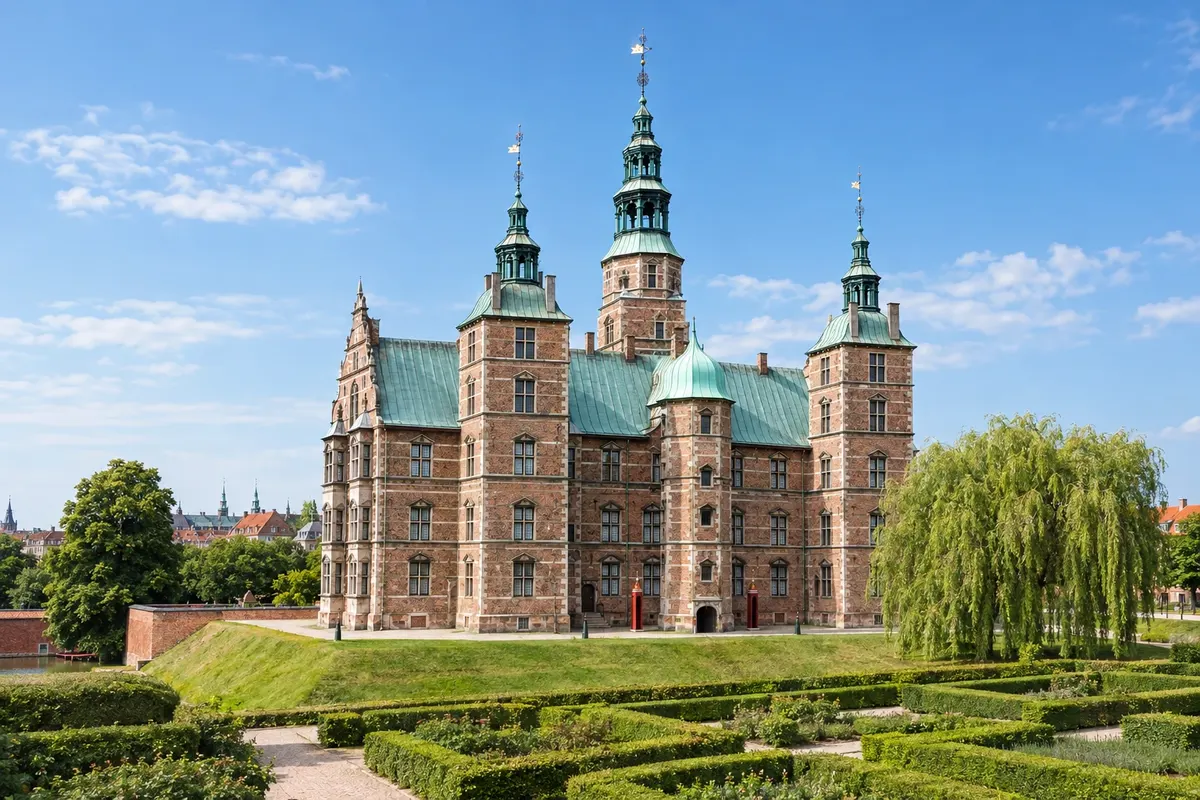
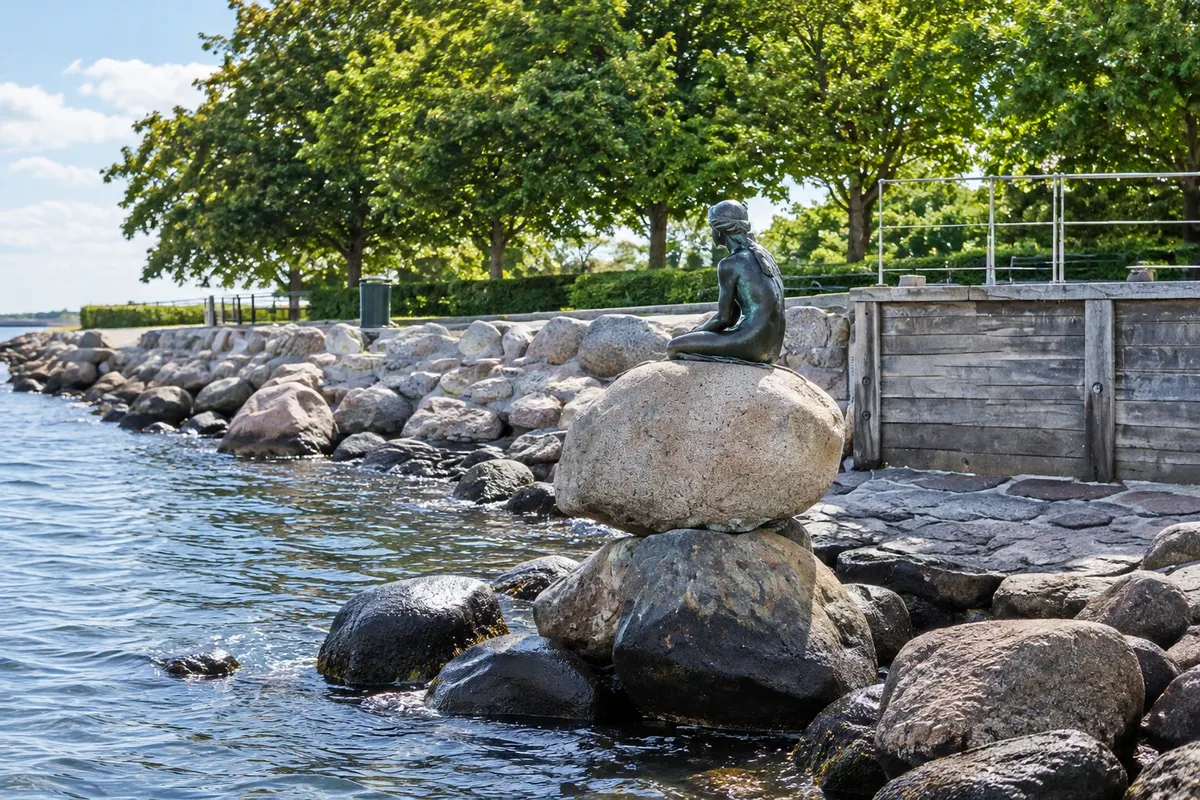
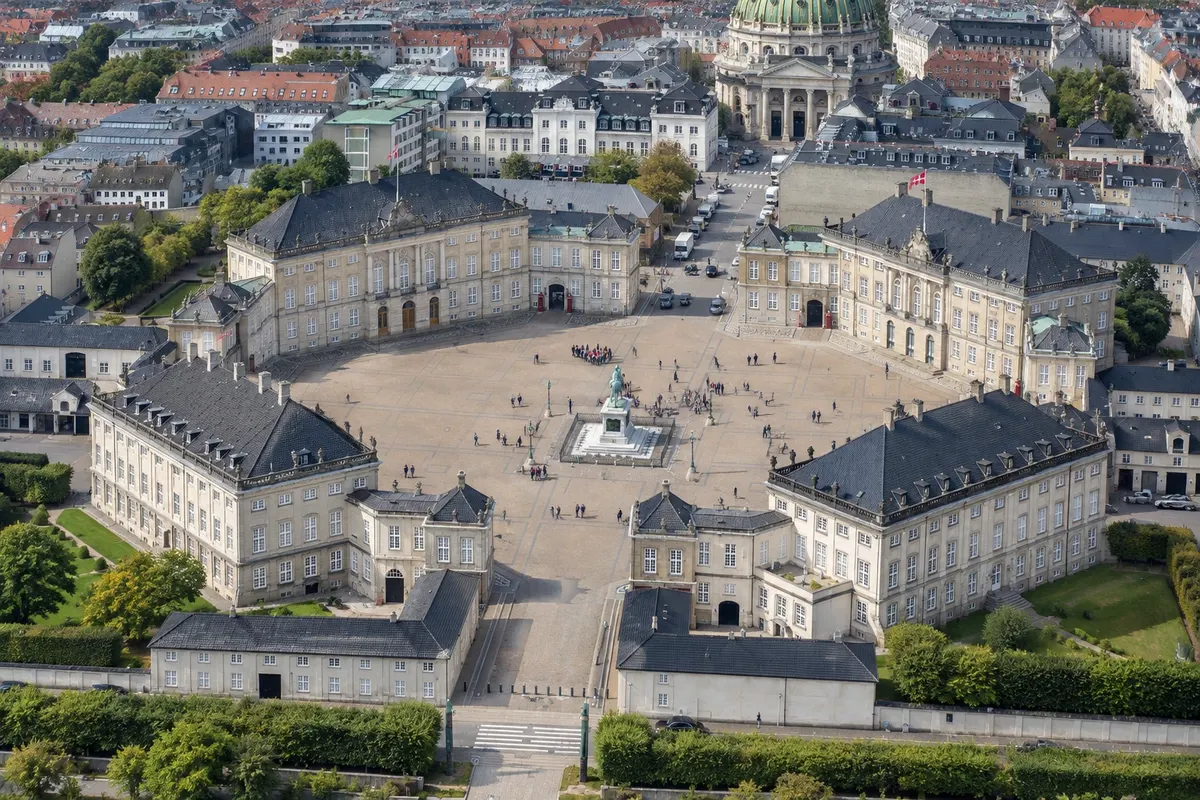
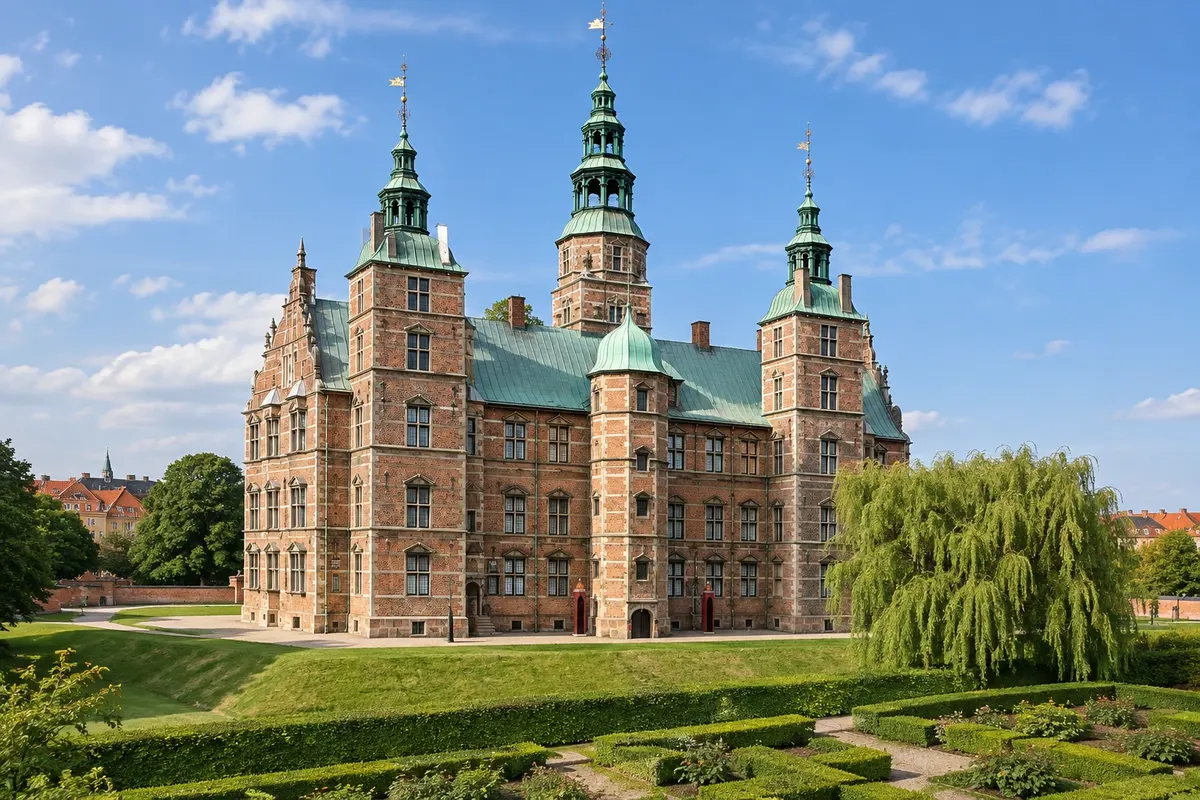
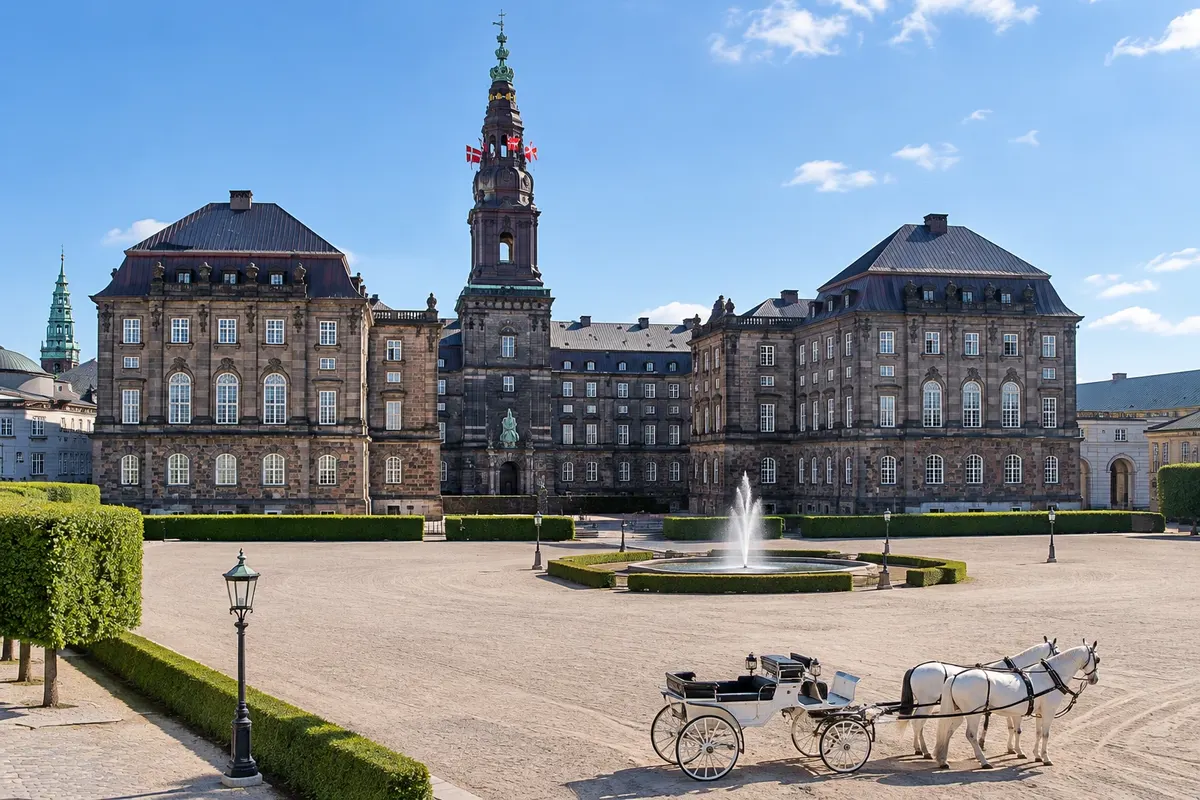
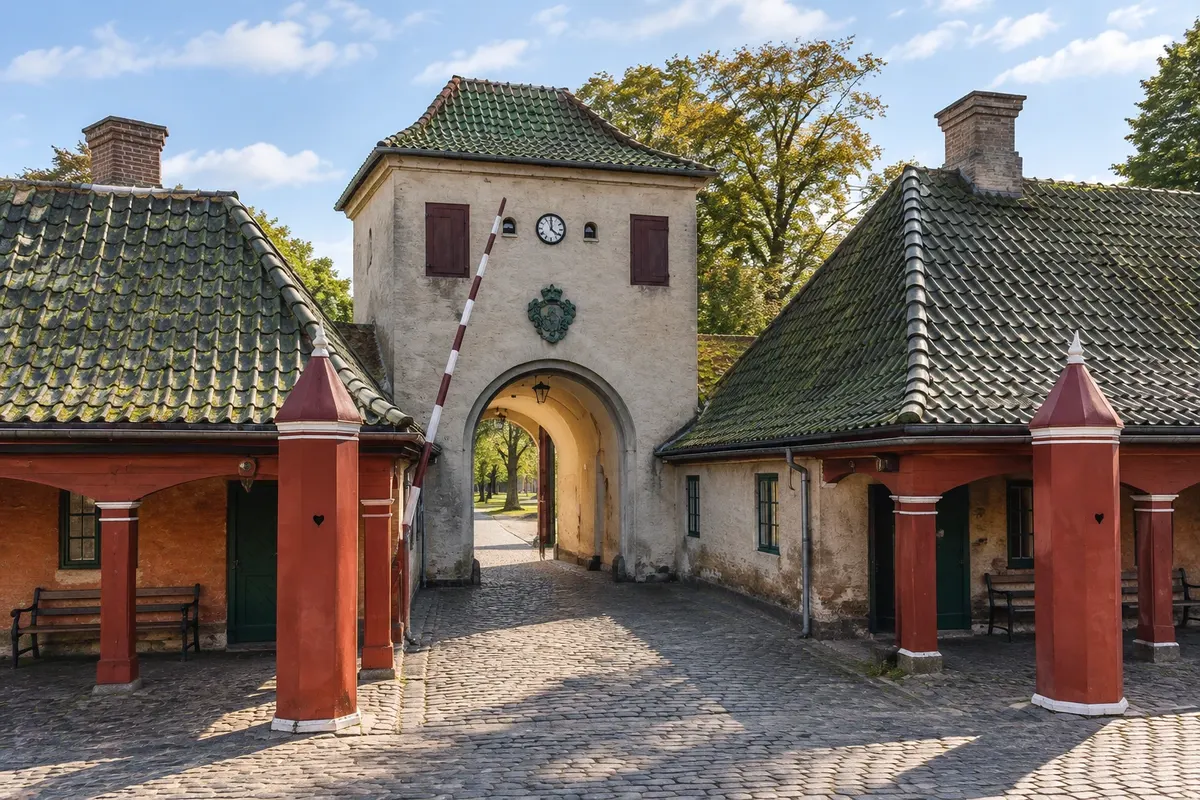
The city preserves the history of one of Europe’s oldest monarchies. Rosenborg, Cristiano IV’s castle, displays the crown jewels; Amalienborg, the royal family’s residence, has the guard change at noon; Christiansborg, on the islet of Slotsholmen, houses Parliament, the queen’s reception rooms and the ruins of Bishop Absalon’s castle, the city’s 12th‑century founder. To the north, the star-shaped fortress of Kastellet leads to the Langelinie promenade and the statue of the Pequena Sereia.
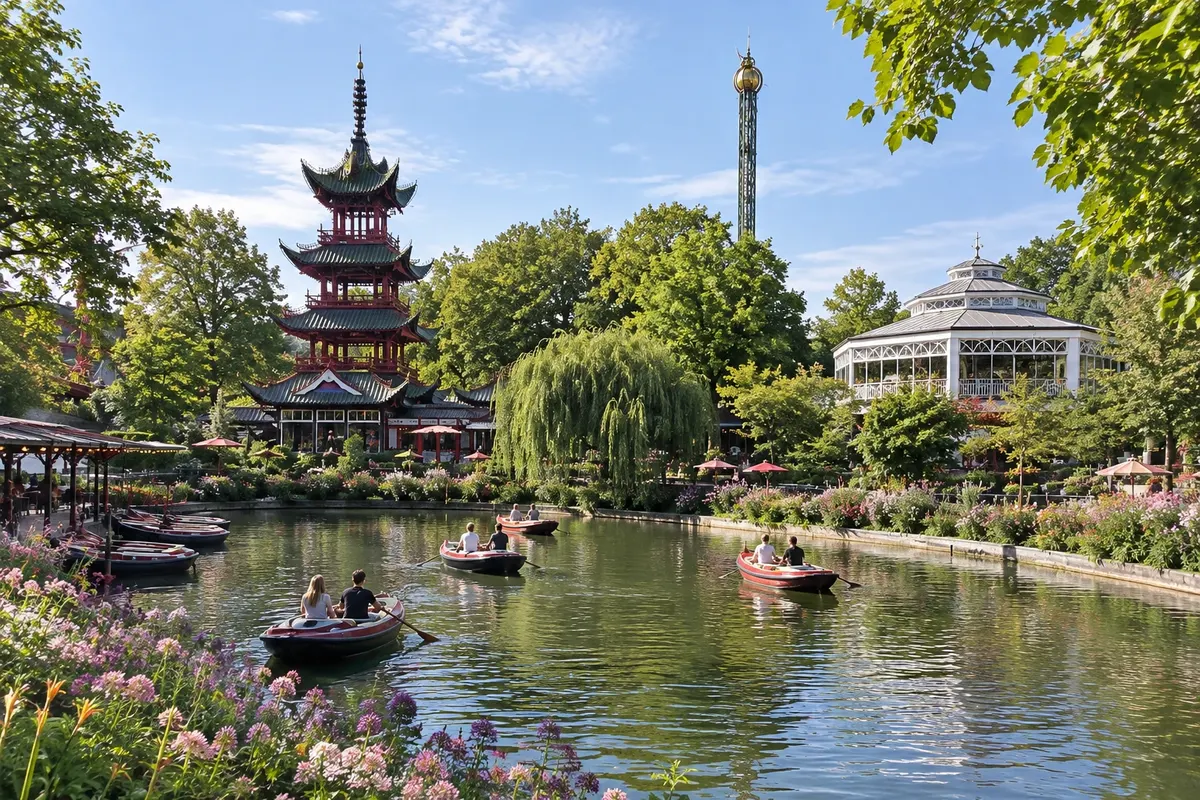
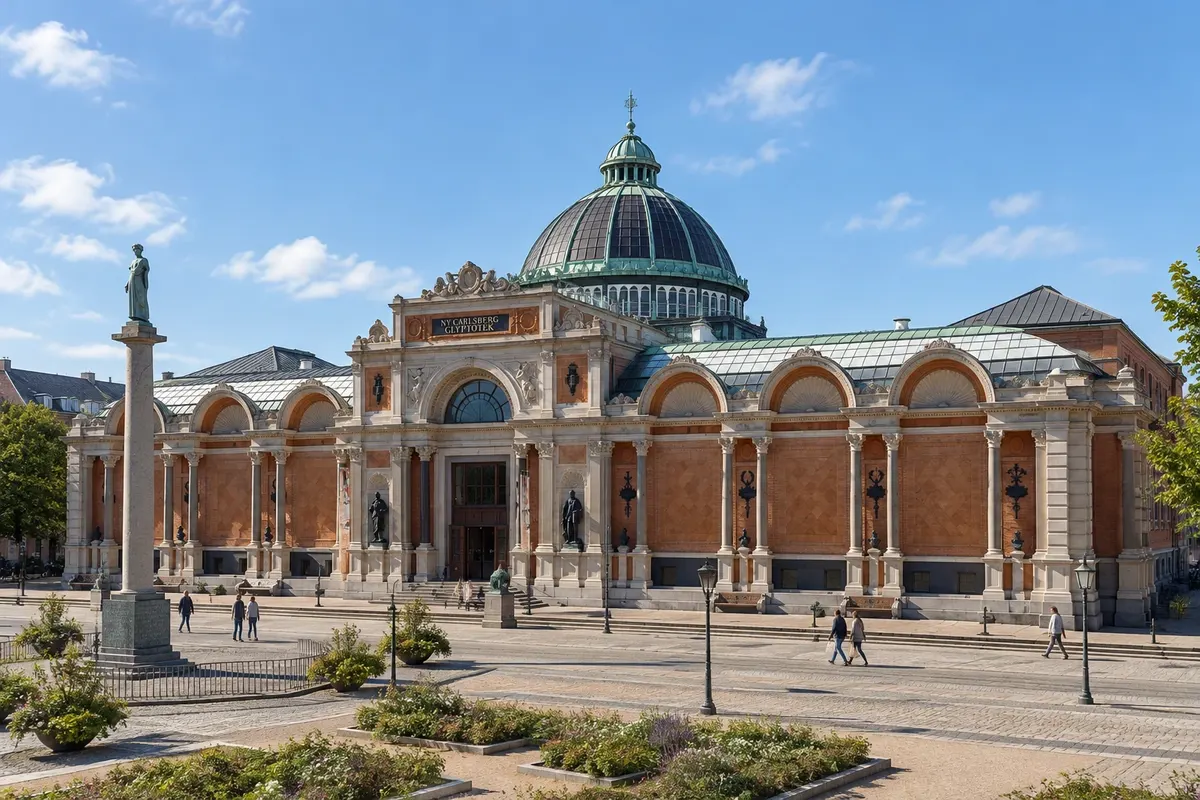
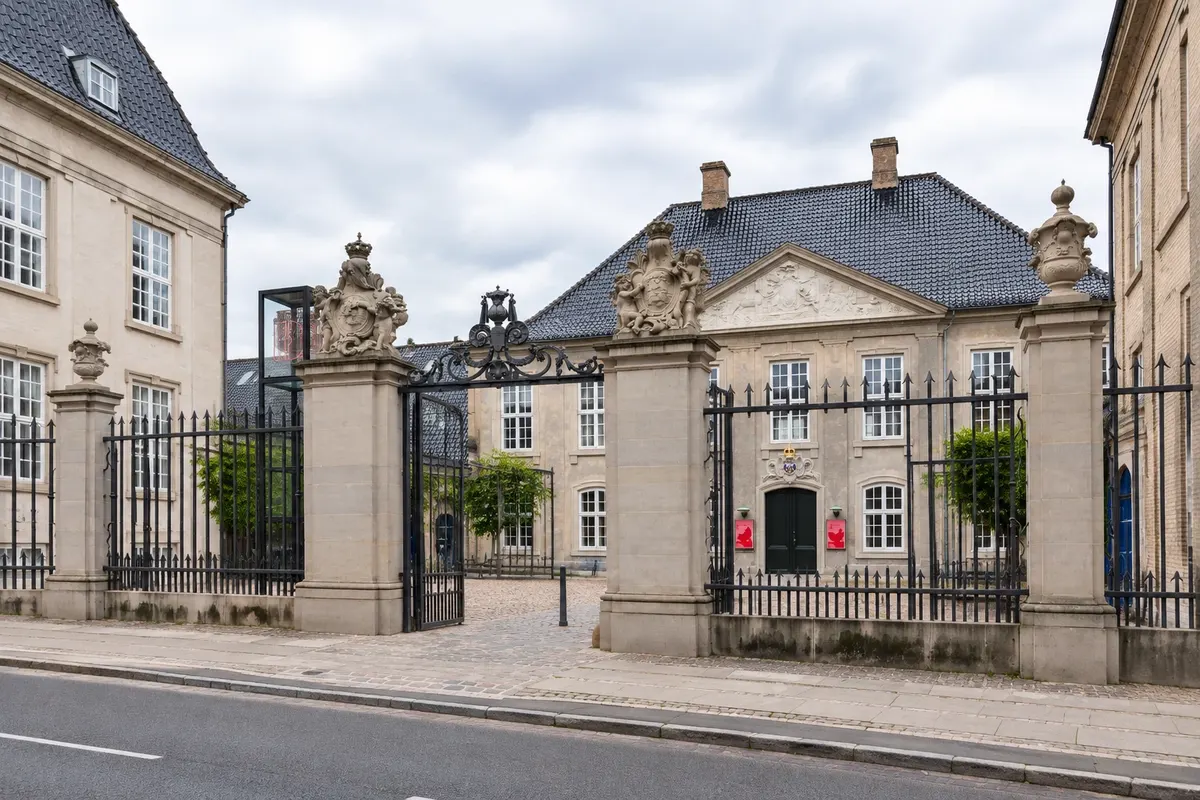
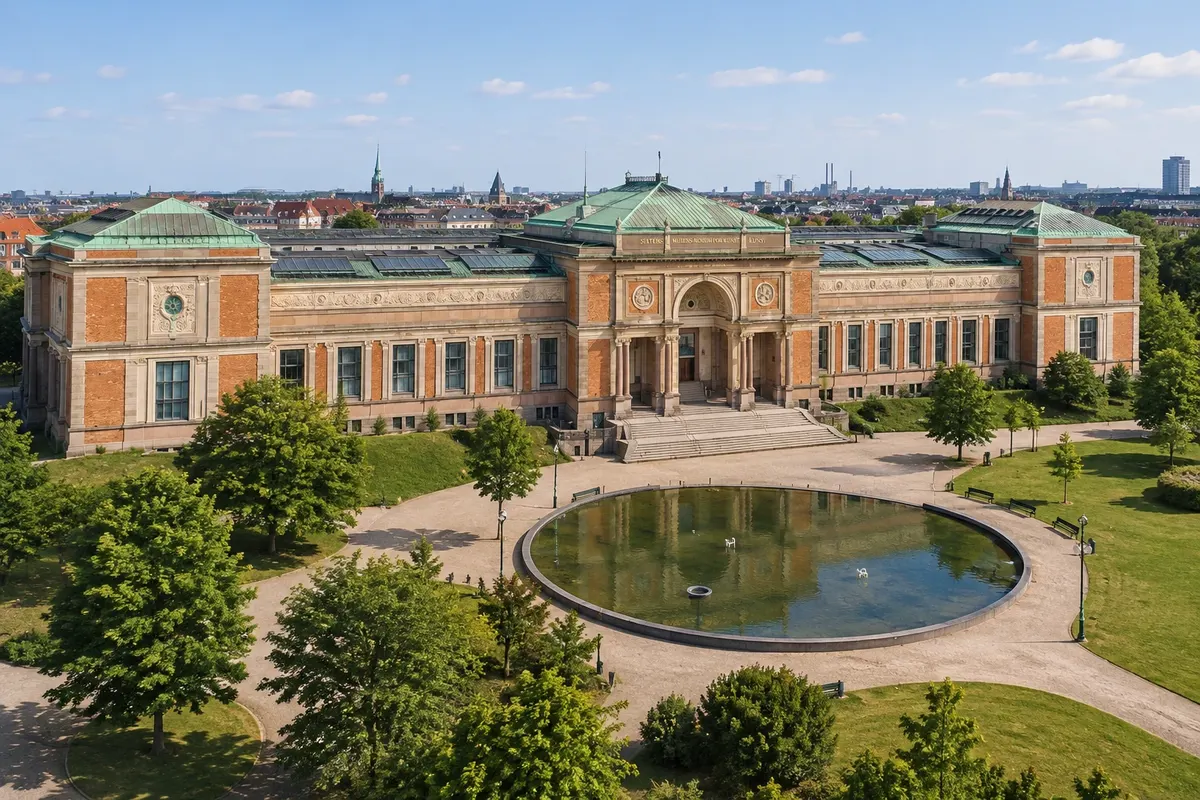
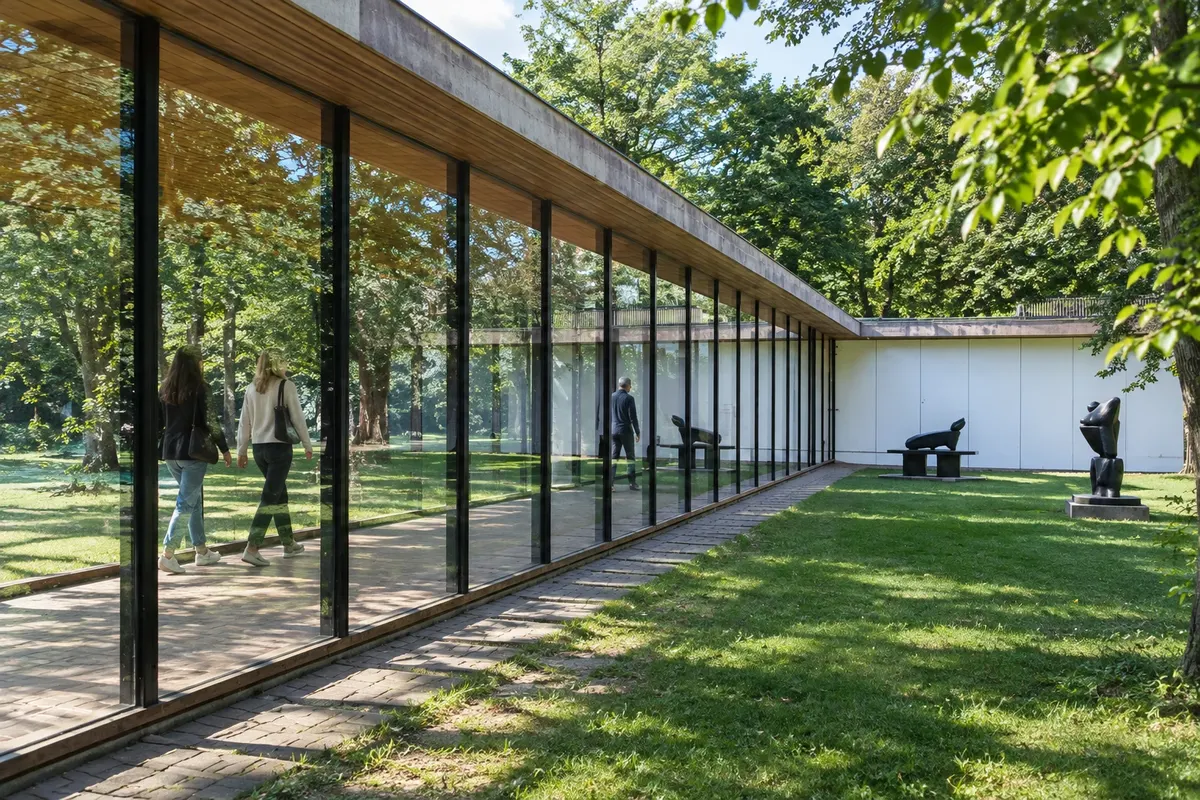
The museums are a reason to travel by themselves: the Museu Nacional tells prehistory and the Vikings’ story; the Ny Carlsberg Glyptotek brings together Roman sculptures, Rodin and French Impressionists; the Galeria Nacional (SMK) holds Golden Age Danish painting; the Designmuseum shows the chairs and objects that made the country’s design famous. About 35 km away in Humlebæk, the Louisiana combines modern art and a seaside sculpture garden. The Tivoli, an amusement park opened in 1843, operates seasonally in the middle of the city.
Cycling is the everyday transport, with bike lanes on almost every street, and renting one is the most local way to get around. Danish is spoken, but English is widely used in shops, hotels and restaurants.
This destination brings together 1 city: Copenhague.


 Brazil
 Argentina
 Bolivia
 Chile
Chile Colombia
 Ecuador
 Guyana
 French Guiana
 Falkland Islands (Malvinas)
 Paraguay
 Peru
Peru Suriname
 Uruguay
 Venezuela
 Germany
 Belgium
 Spain
Spain France
 Greece
 the Netherlands
 Ireland
 Italy
Italy Luxembourg
 Norway
 Portugal
 the United Kingdom
 Sweden
 Switzerland