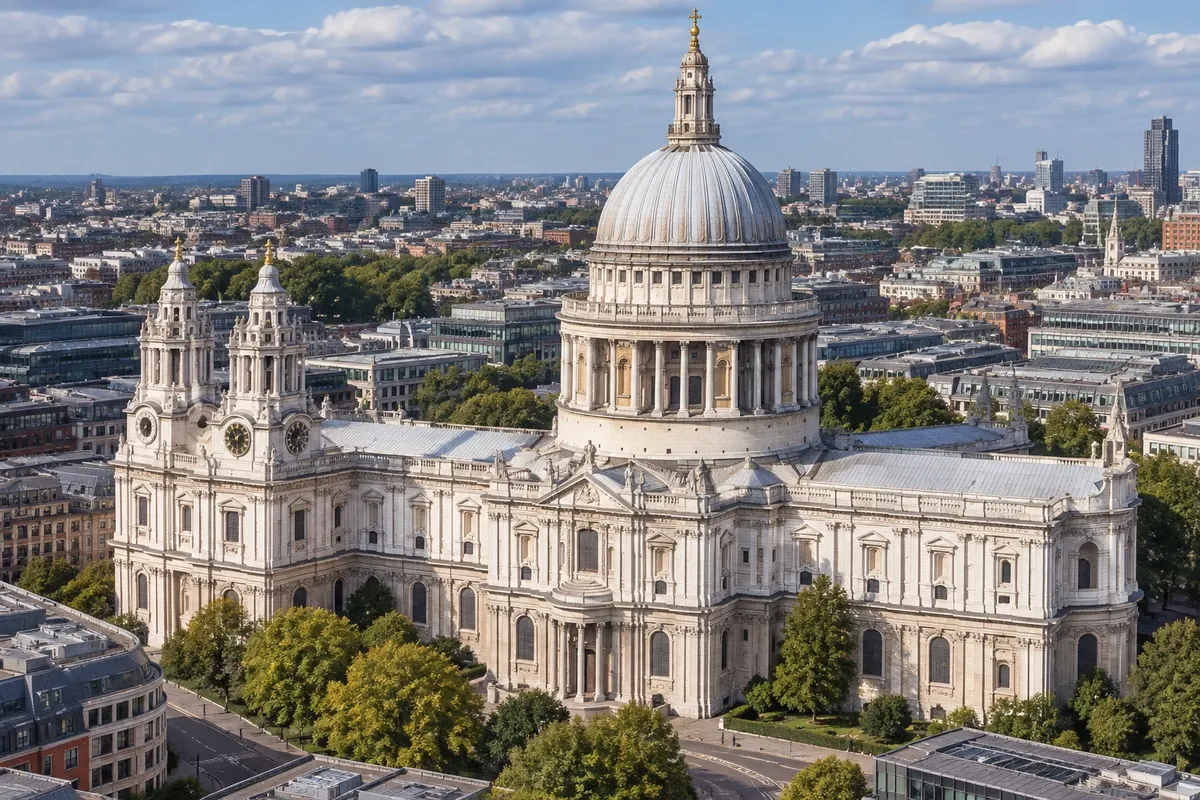
Londres is the capital of the United Kingdom and of England and spreads across both banks of the river Tâmisa, in the southeast of the island of Great Britain. It was founded by the Romans as Londinium, around year 50, in the place where the City—the financial centre—stands today. The city grew by joining villages and neighborhoods, and each keeps its own rhythm: Westminster with political power and the monarchy, the City with banks and St Paul's Cathedral, the West End with theatres and shops, South Bank with riverside cultural centres.
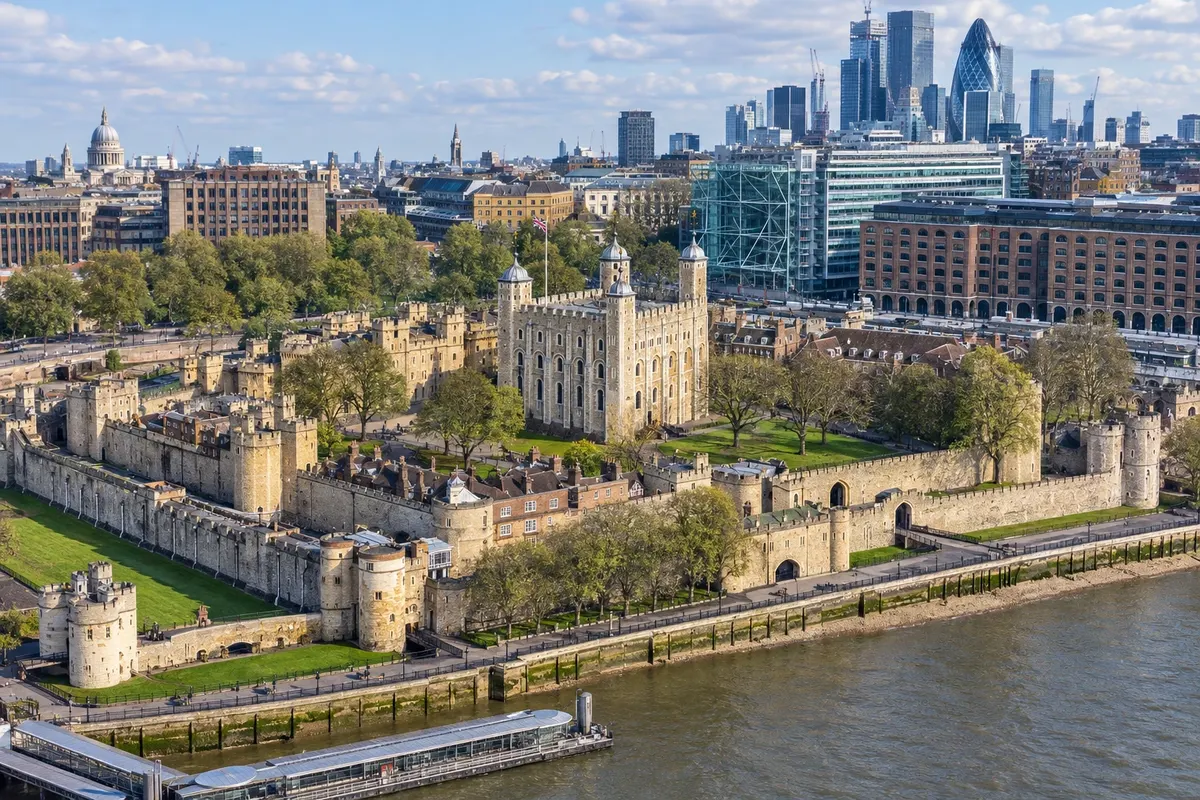
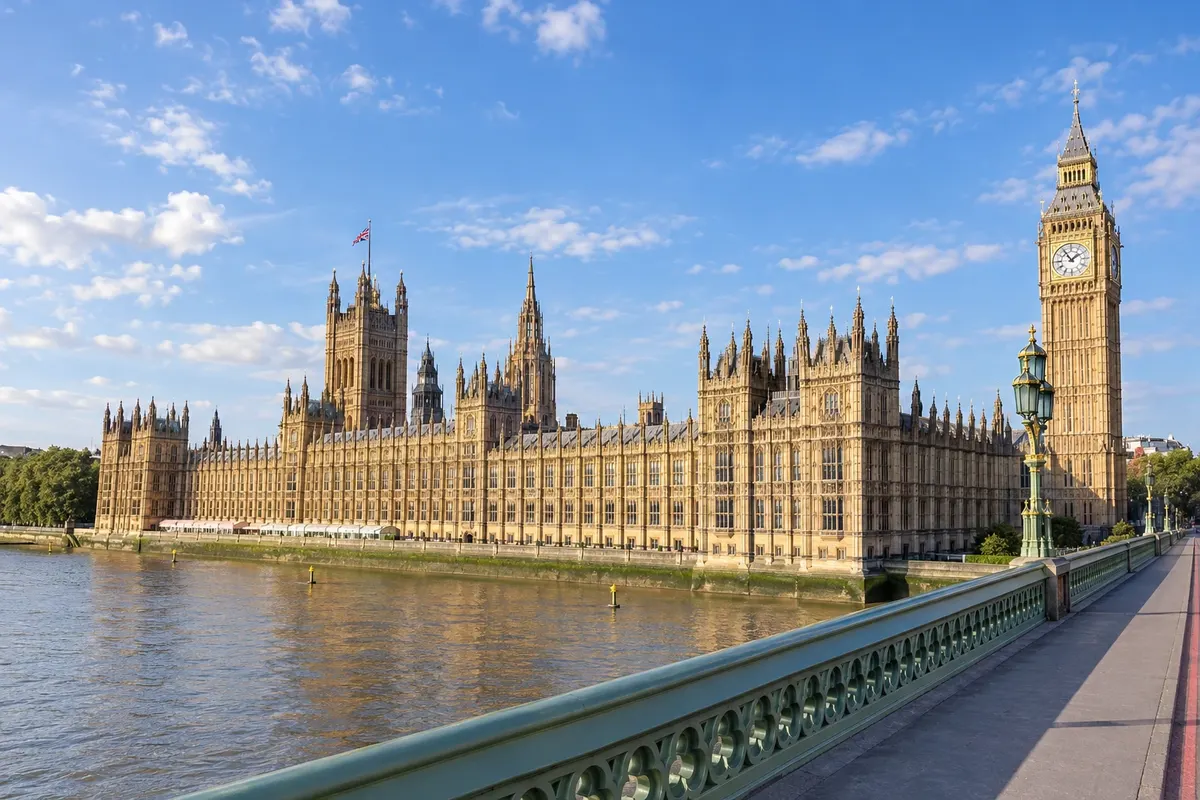
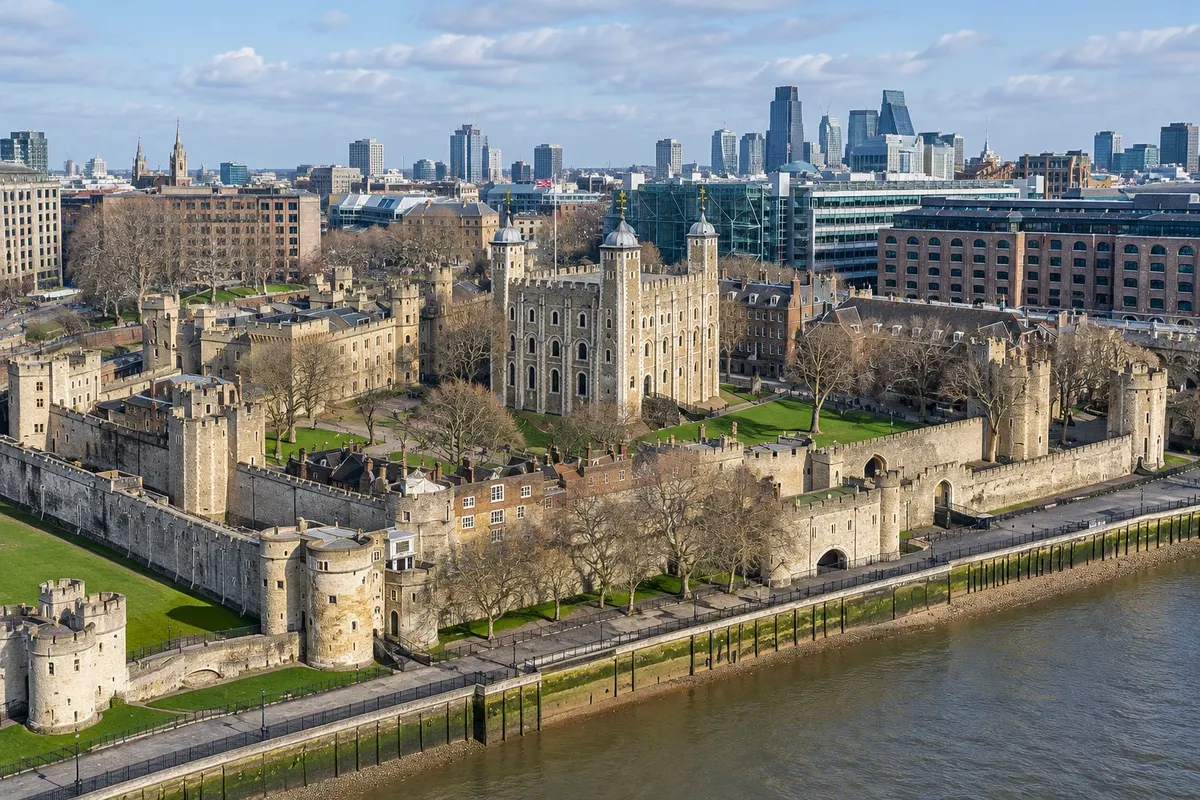
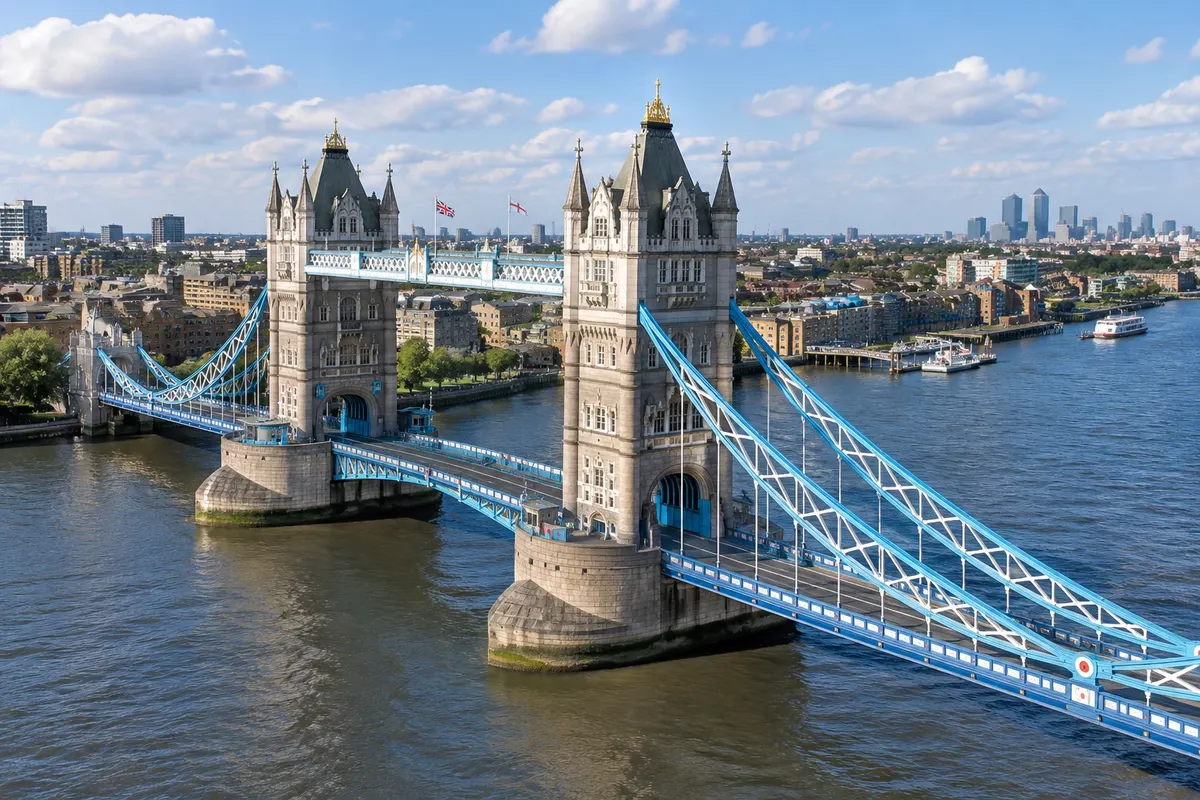
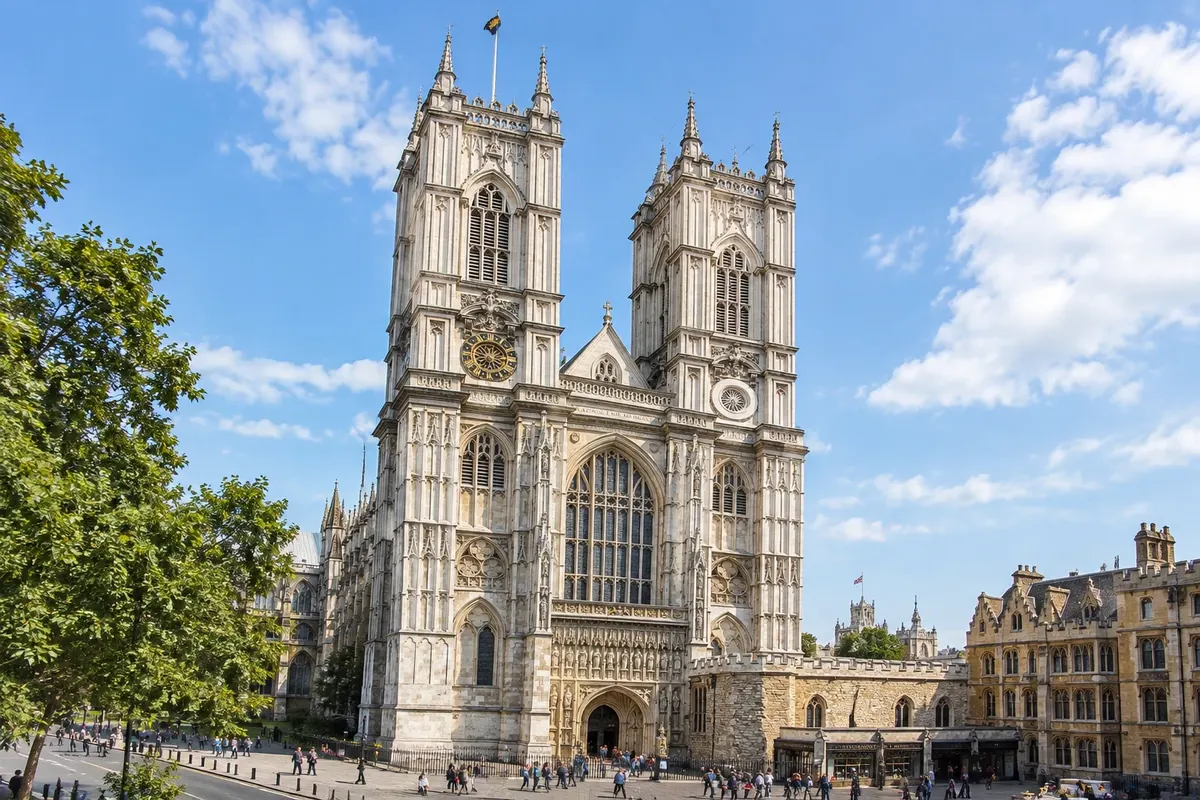
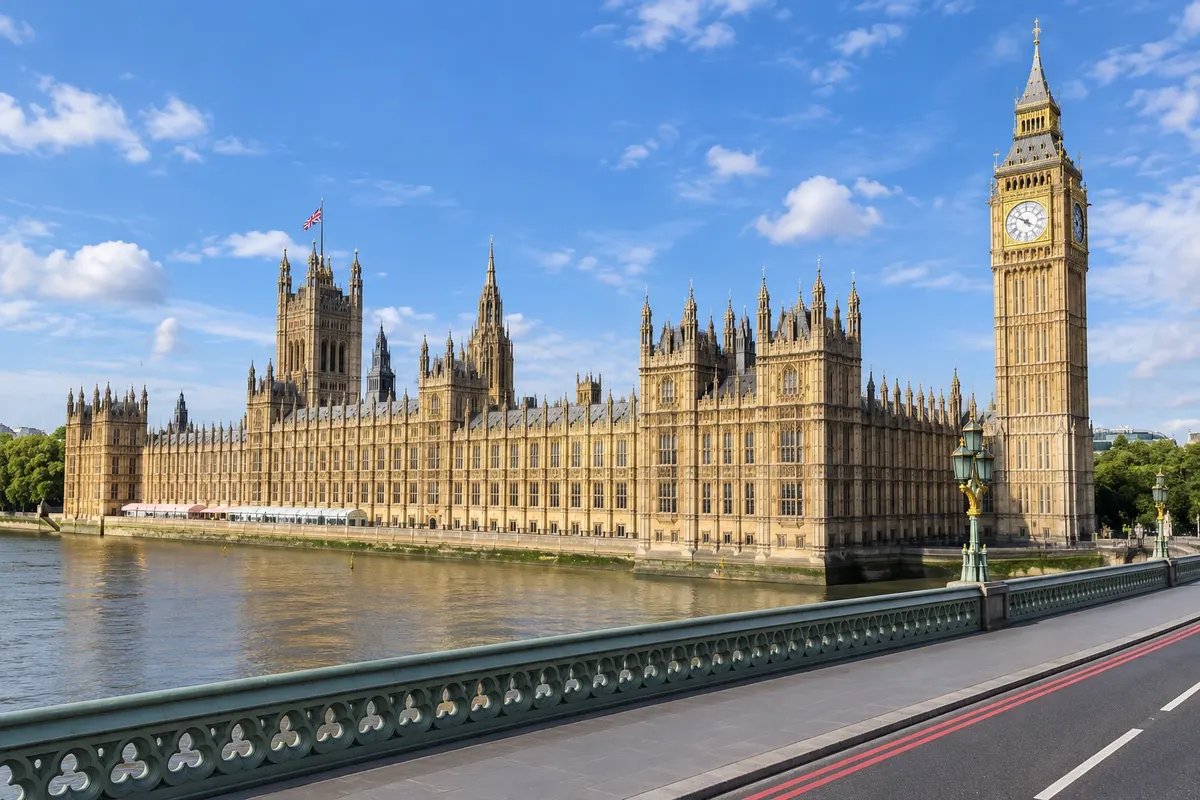
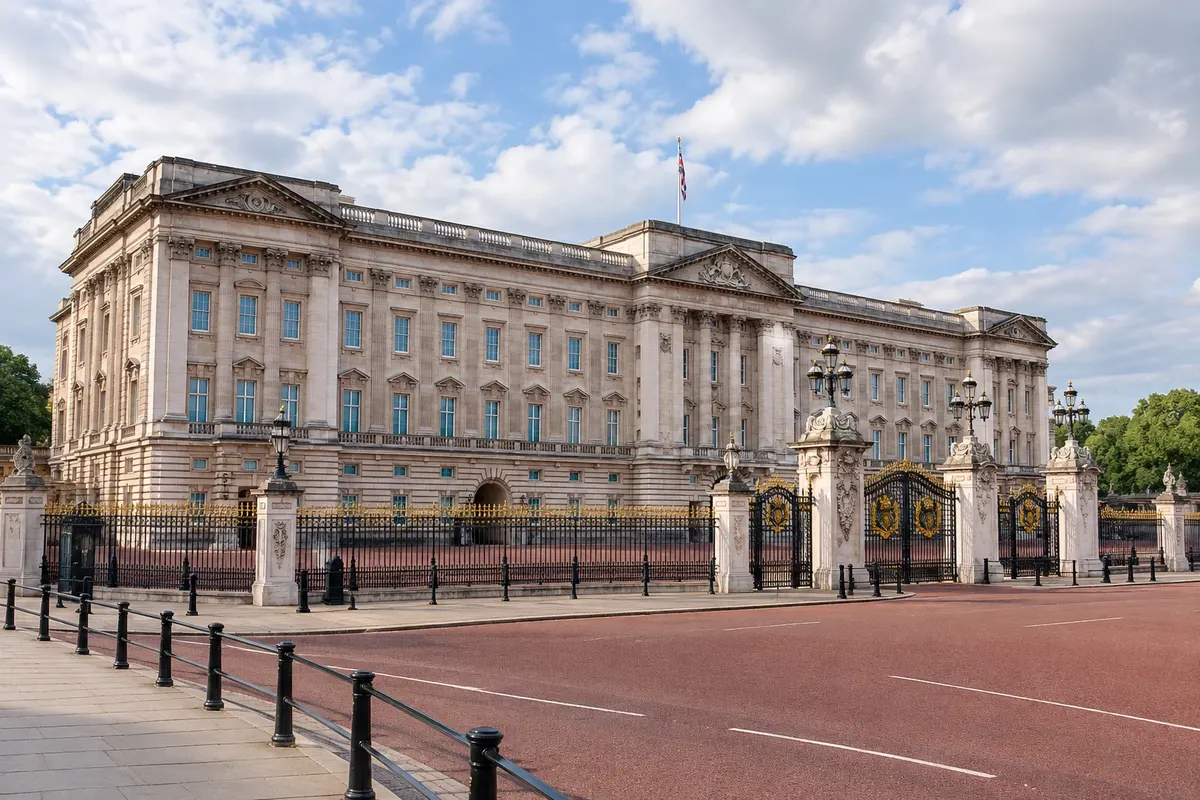
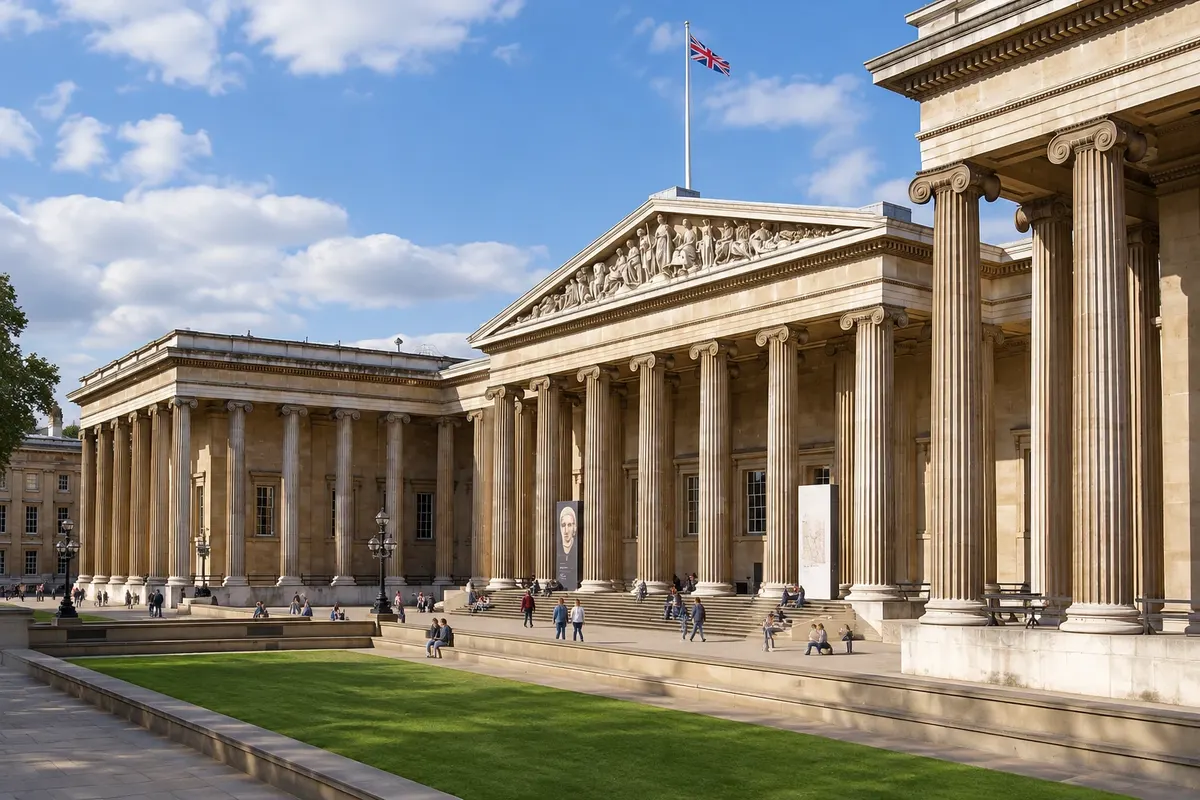
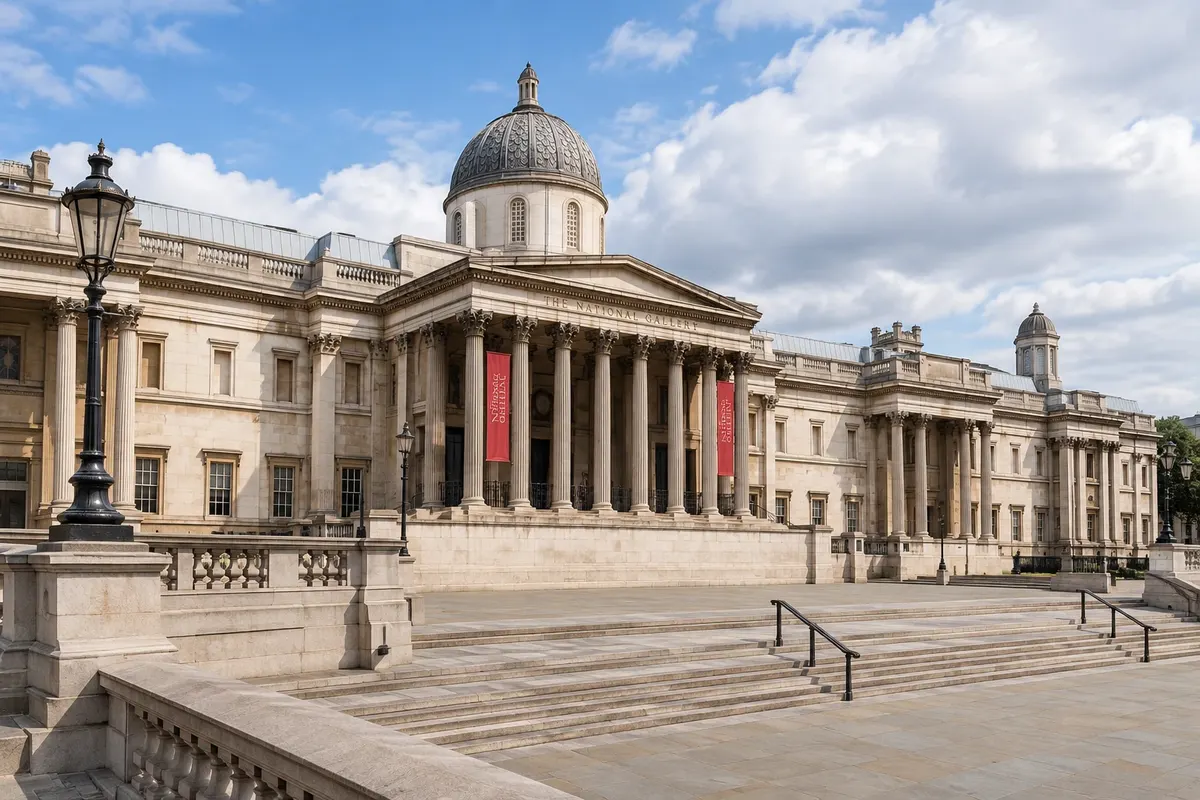
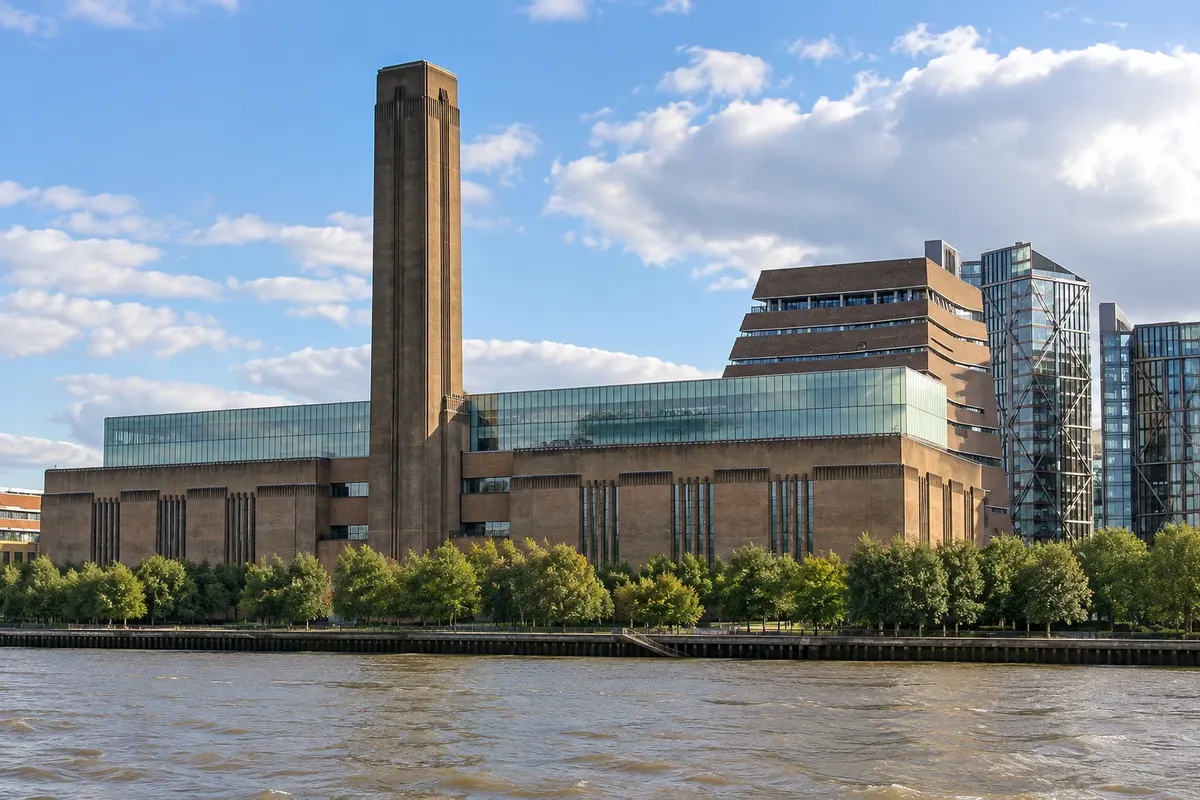
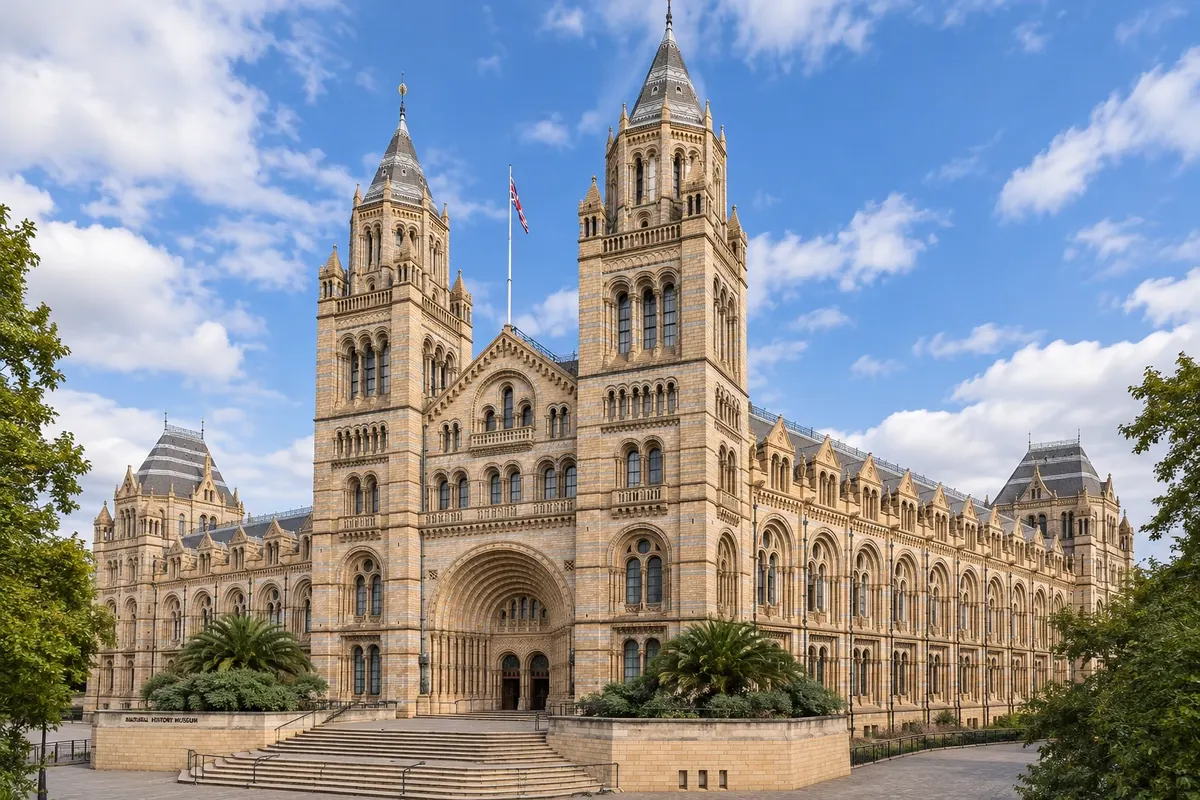
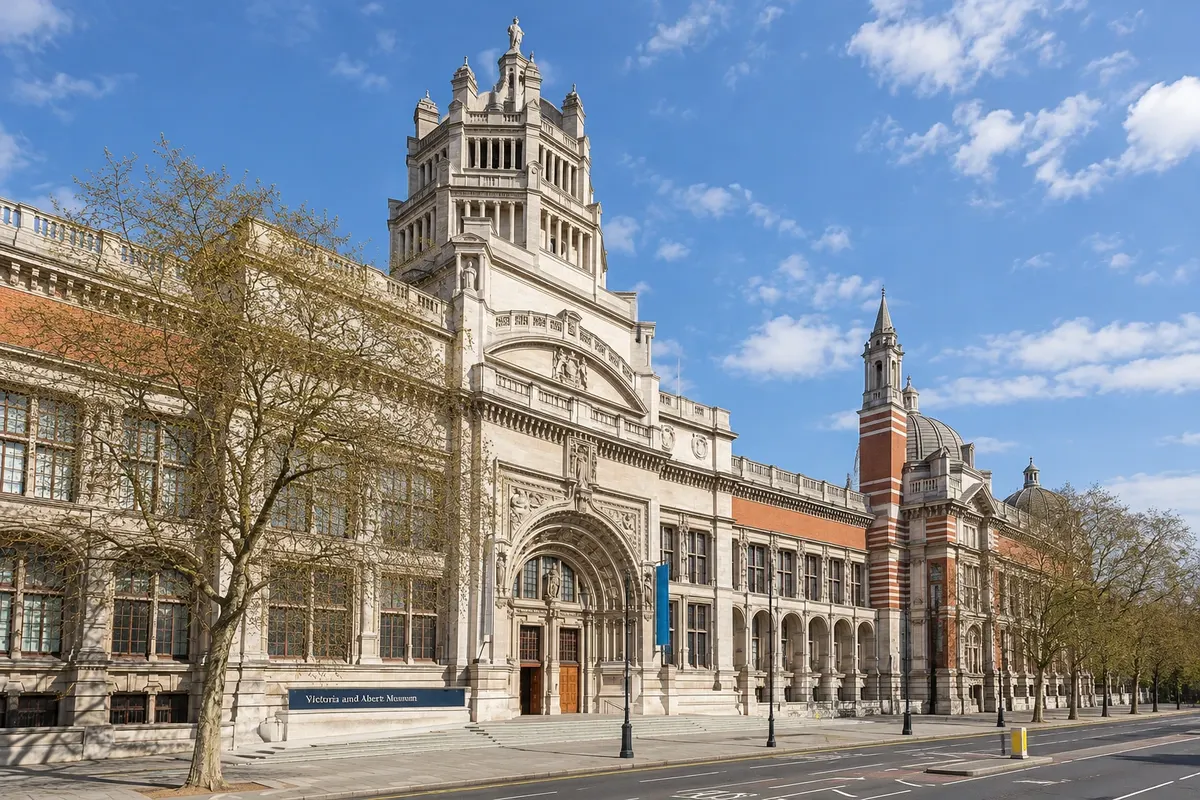
The classic route goes by the Torre de Londres, where the Crown Jewels are kept, the Tower Bridge, Westminster Abbey and the Parliament with the Big Ben tower, and the Palácio de Buckingham, the monarch's official residence, with the changing of the guard in front. Among the museums are the British Museum, the National Gallery, the Tate Modern, the Museu de História Natural and the Victoria and Albert Museum; in the large national museums permanent collection entry is usually free of charge, but check beforehand because temporary exhibitions have tickets.
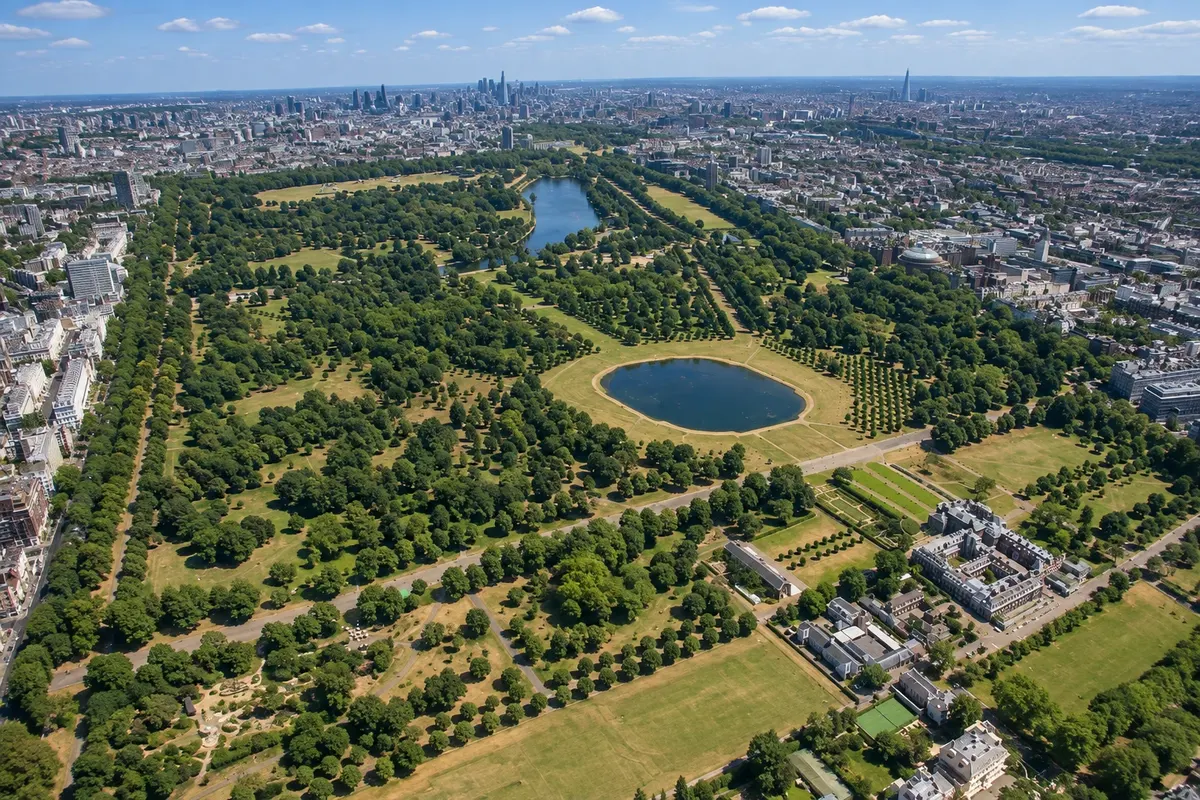
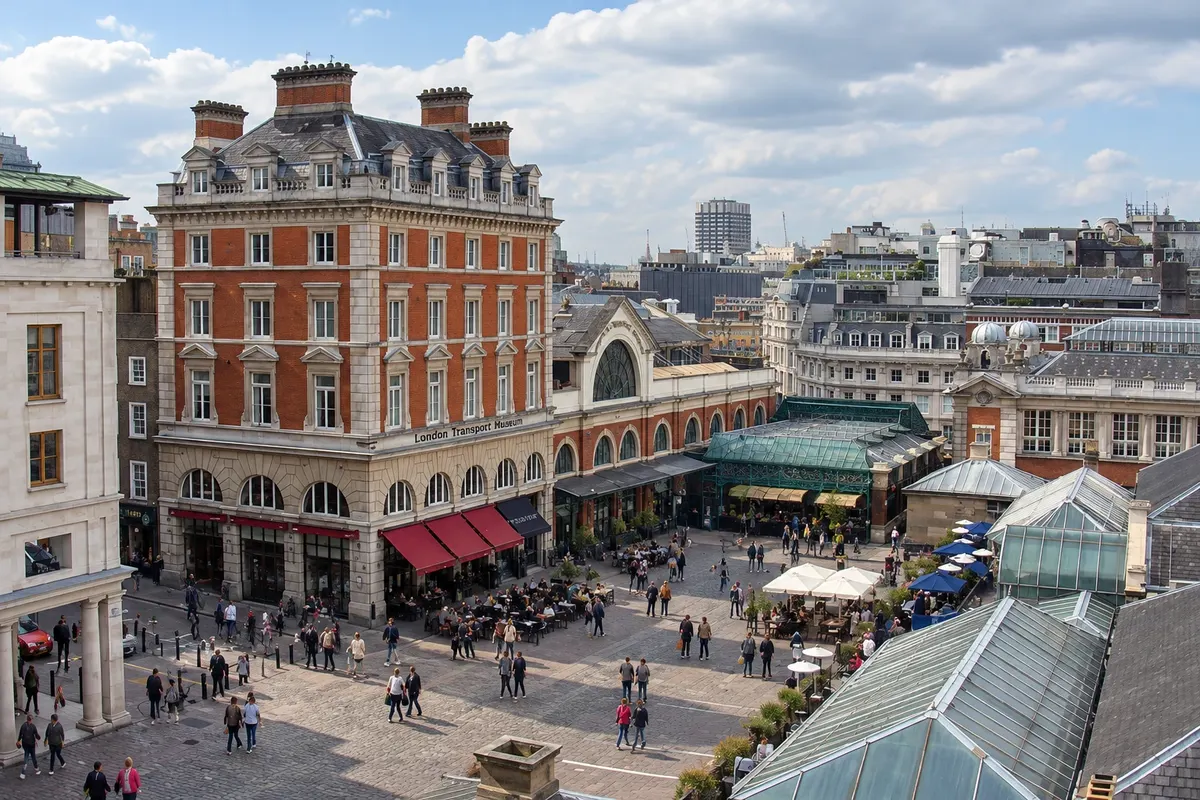
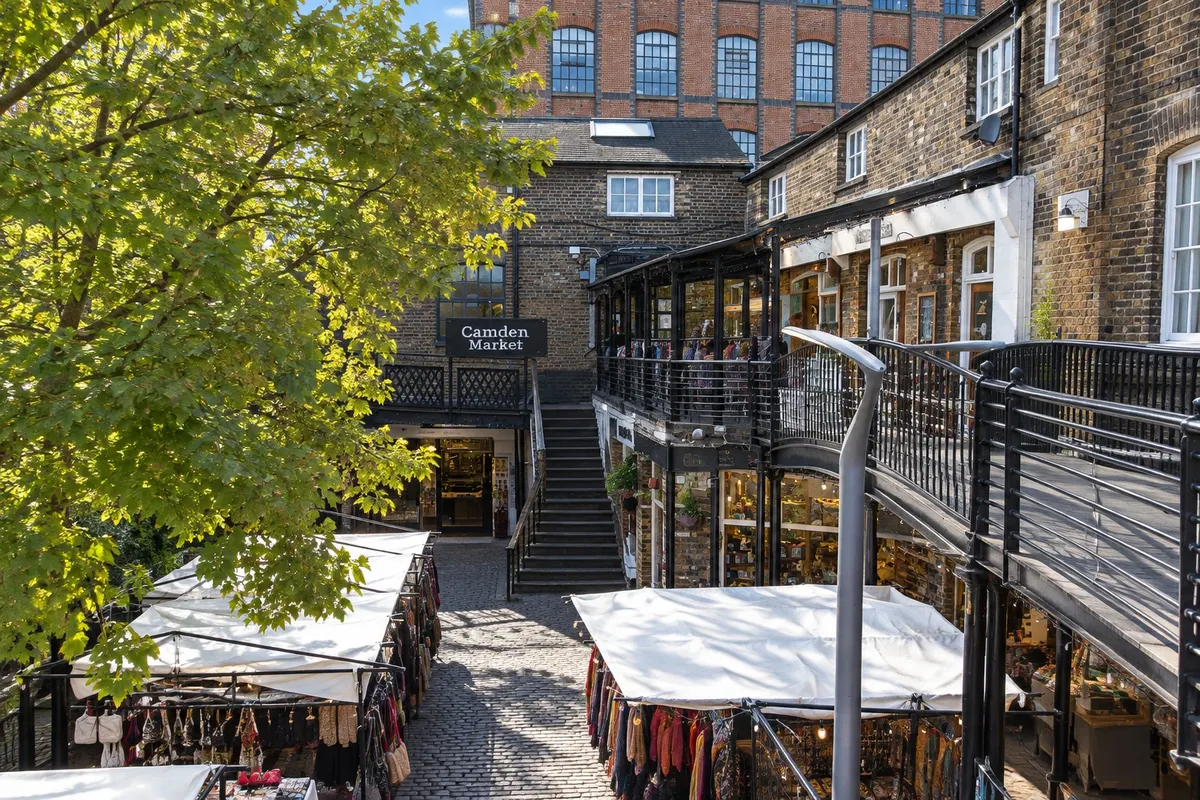
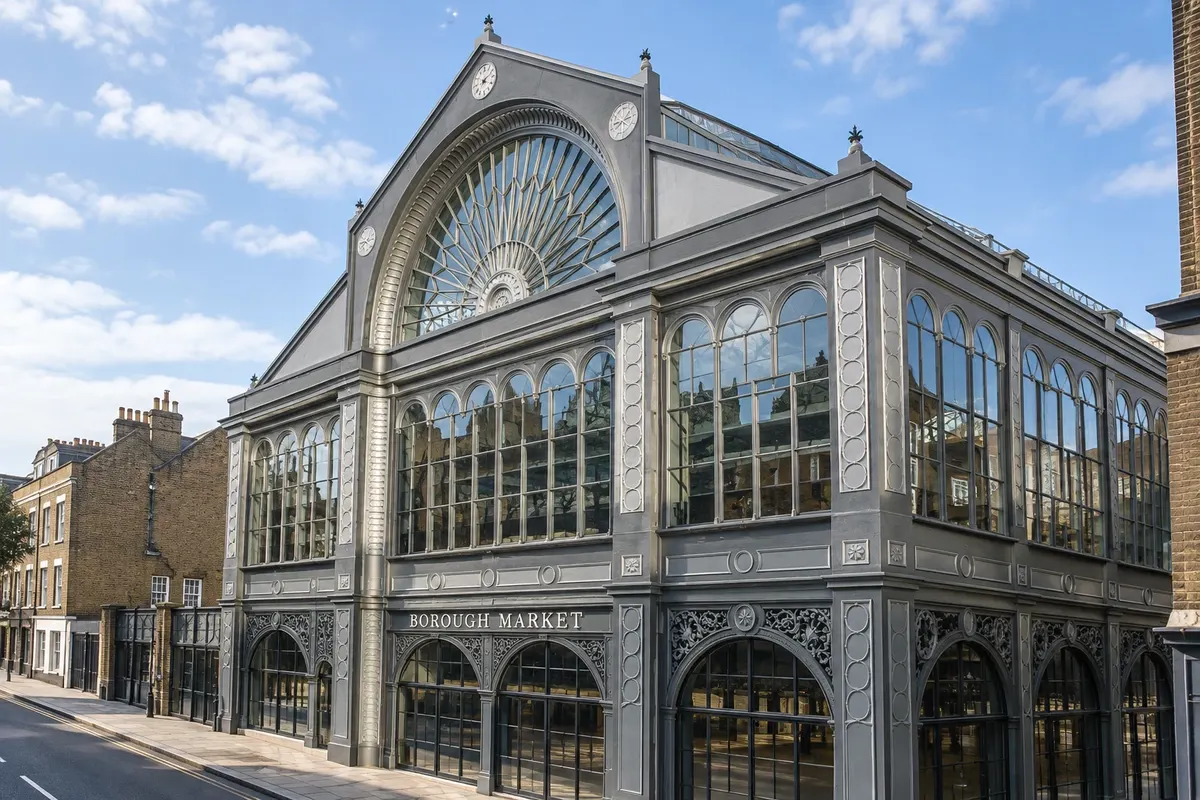
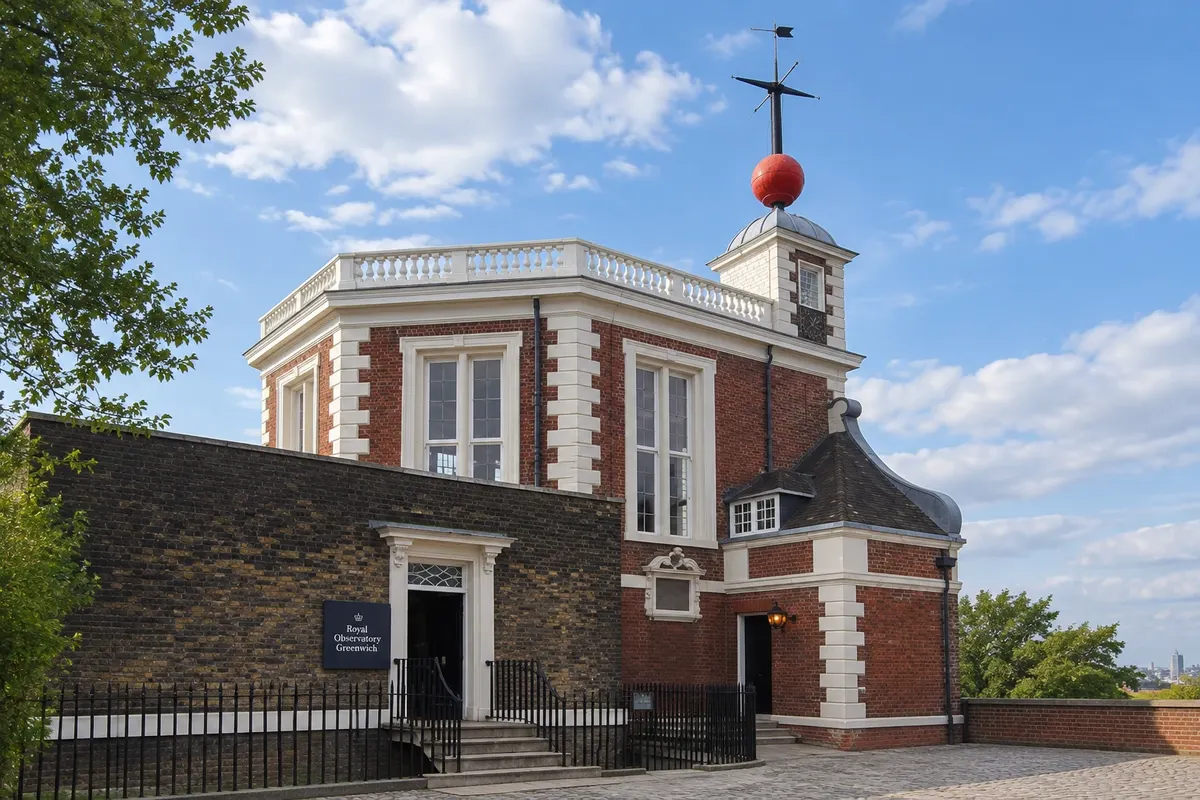
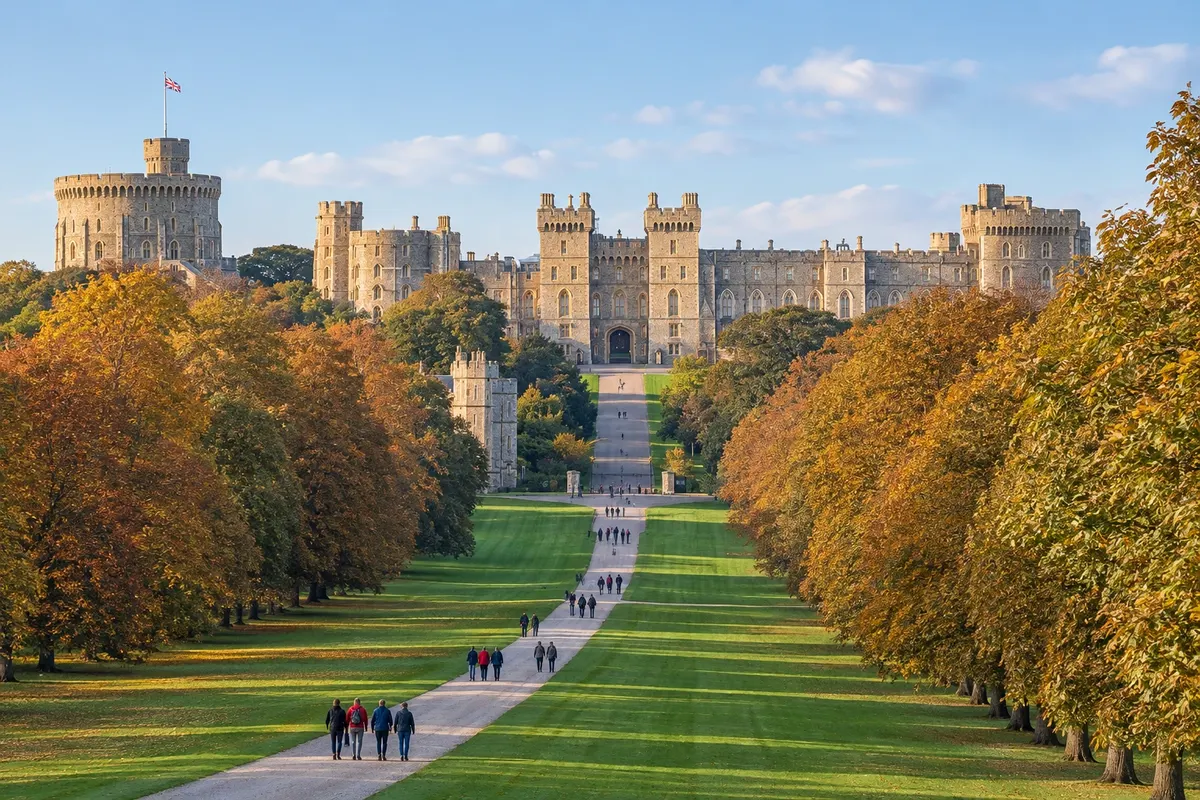
The royal parks, like Hyde Park, St James's Park and Regent's Park, occupy a good part of the centre and are where Londoners spend the late afternoon when the weather helps. Markets such as Borough Market, Camden and Covent Garden show another side of the city, with street food, crafts and musicians. Downriver, Greenwich gathers the Royal Observatory, the zero meridian of longitude, the sailing ship Cutty Sark and the National Maritime Museum, and 35 km to the west lies the Castelo de Windsor.
People get around by metro (the Underground, called the Tube), double-decker buses and trains; paying by contactless card at the barrier is usually the simplest way. Trains to Oxford, Bath, Canterbury, York and Edinburgh depart from different stations across the city.
This destination brings together 1 city: Londres.


 Brazil
 Argentina
 Chile
Chile Colombia
 Peru
Peru Uruguay
 Germany
 Belgium
 Spain
Spain France
 Greece
 the Netherlands
 Ireland
 Italy
Italy Luxembourg
 Portugal
 Switzerland