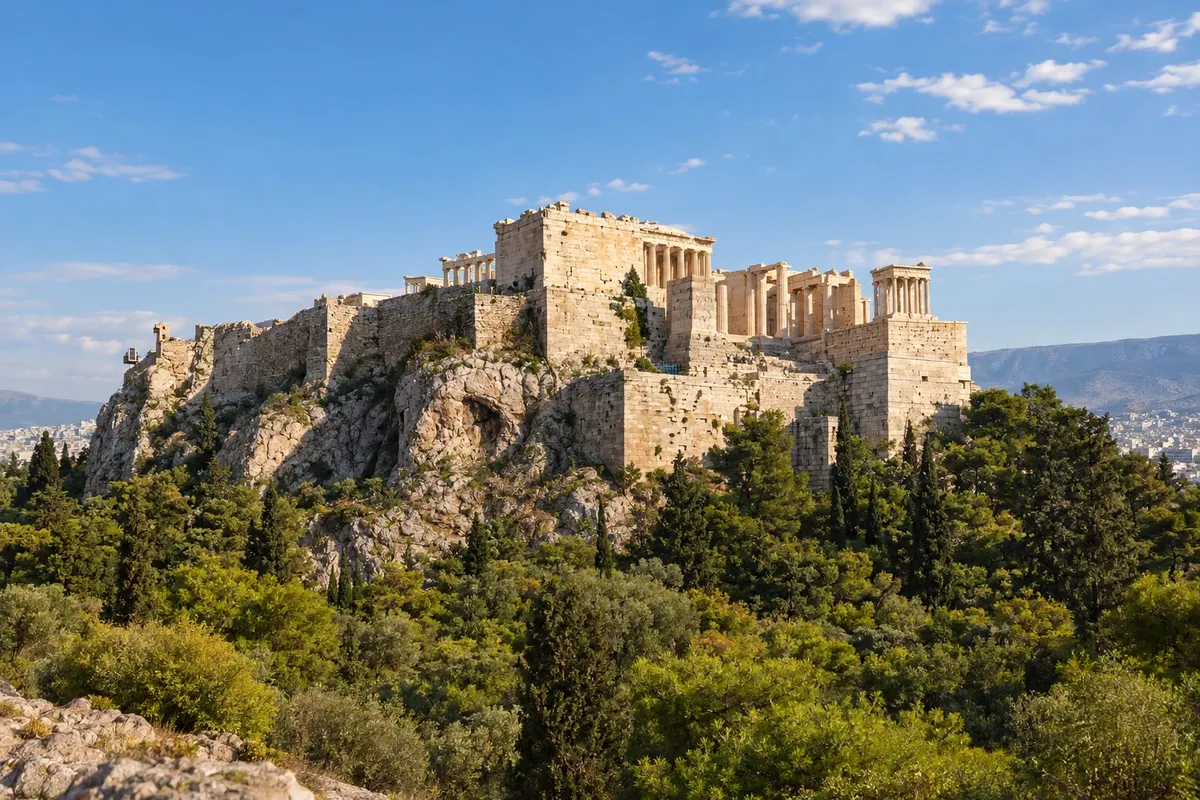
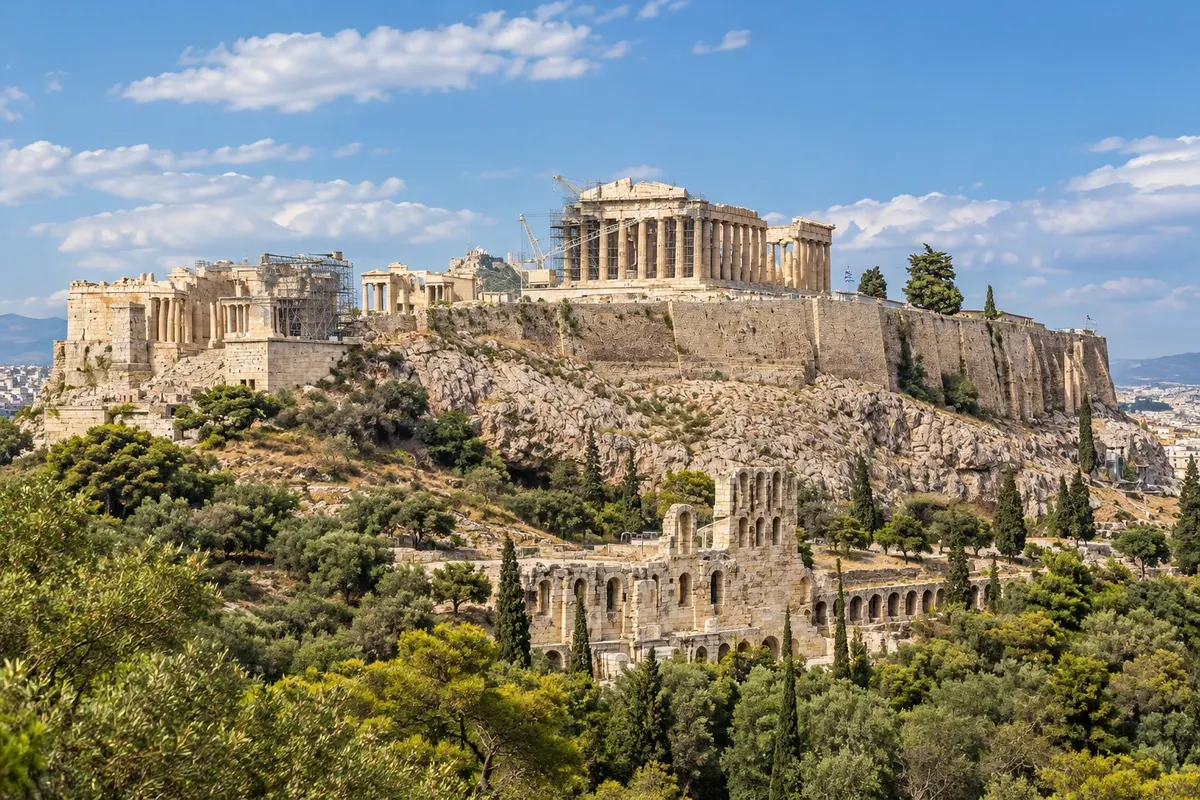
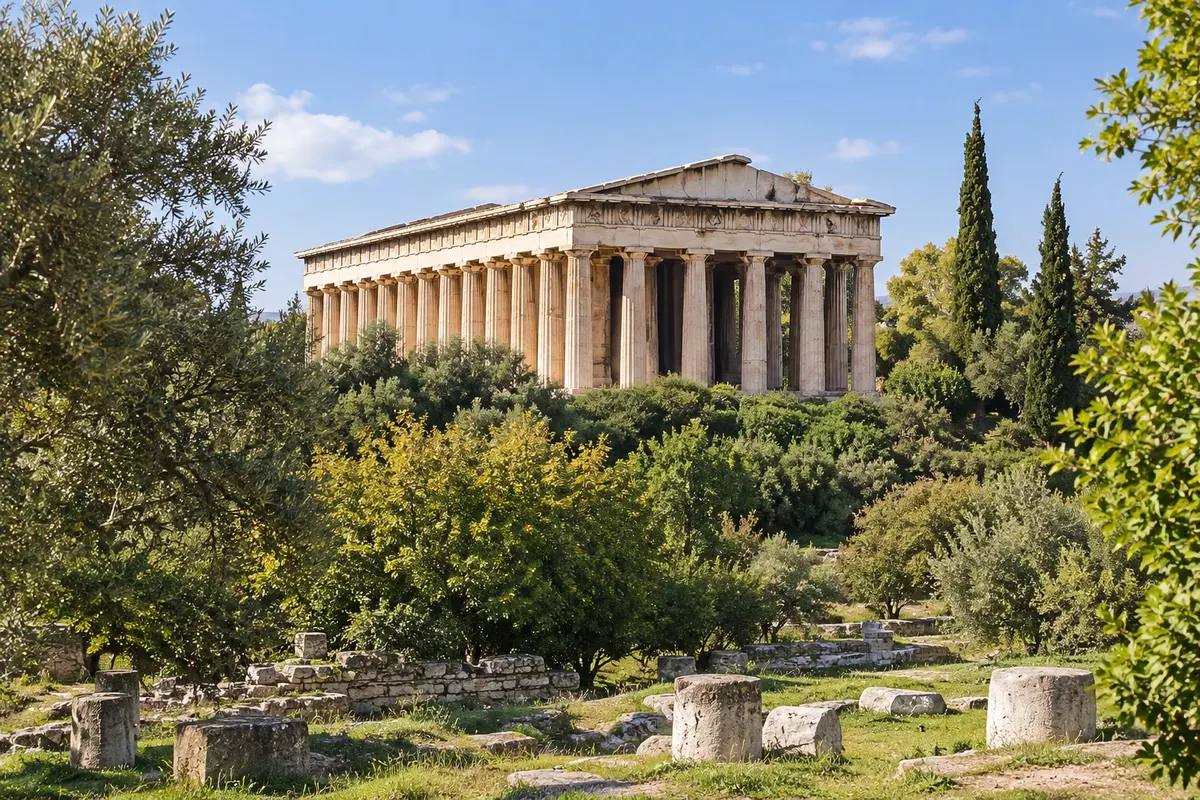
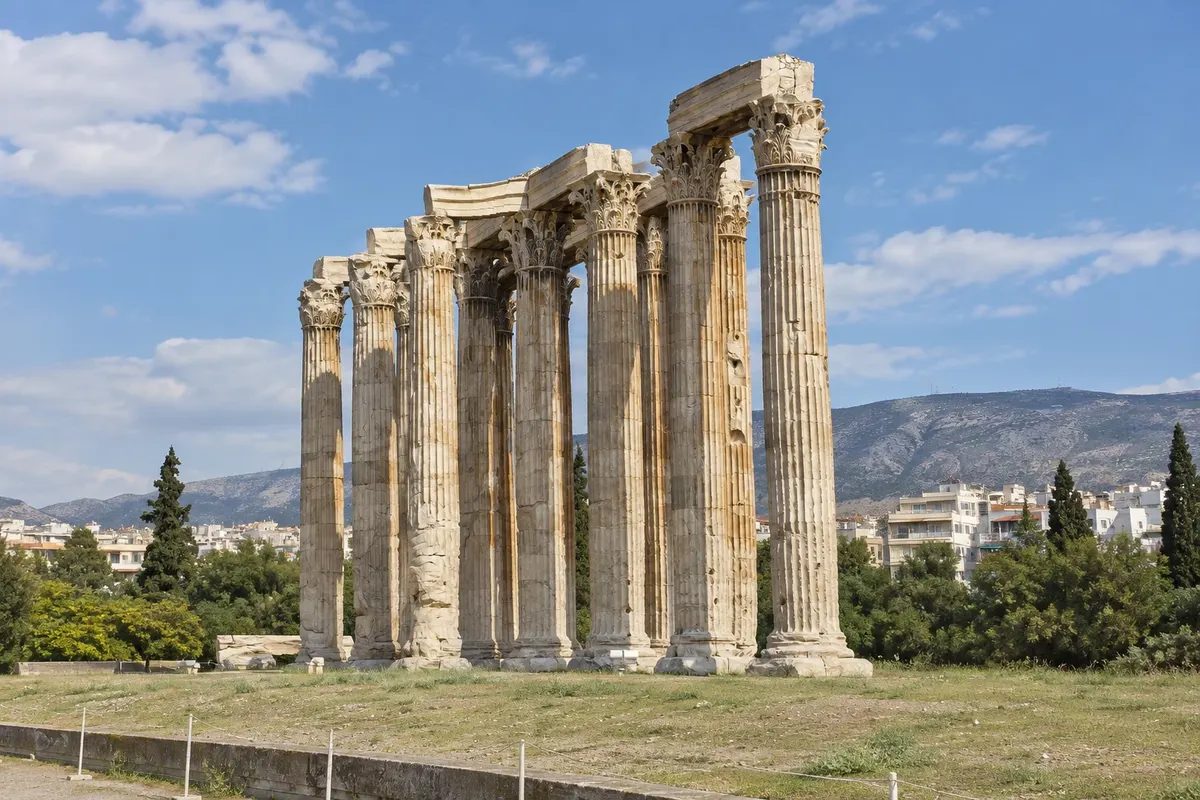
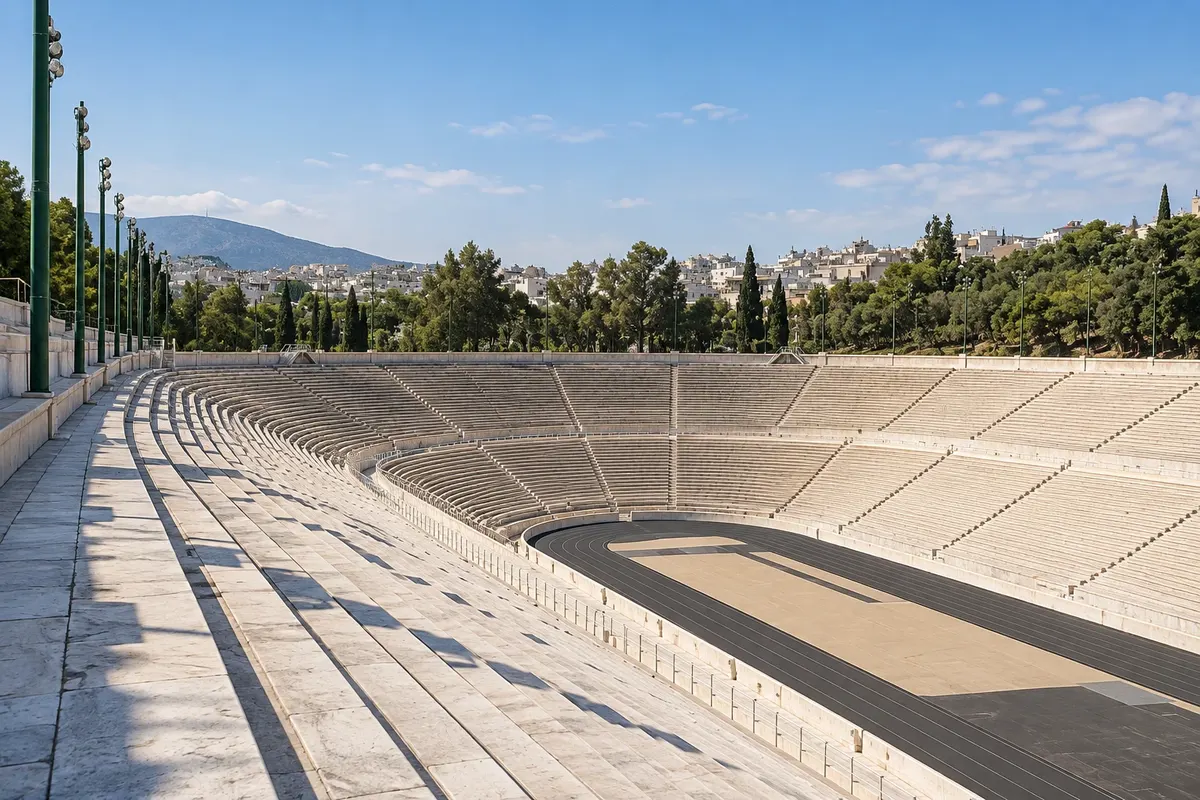
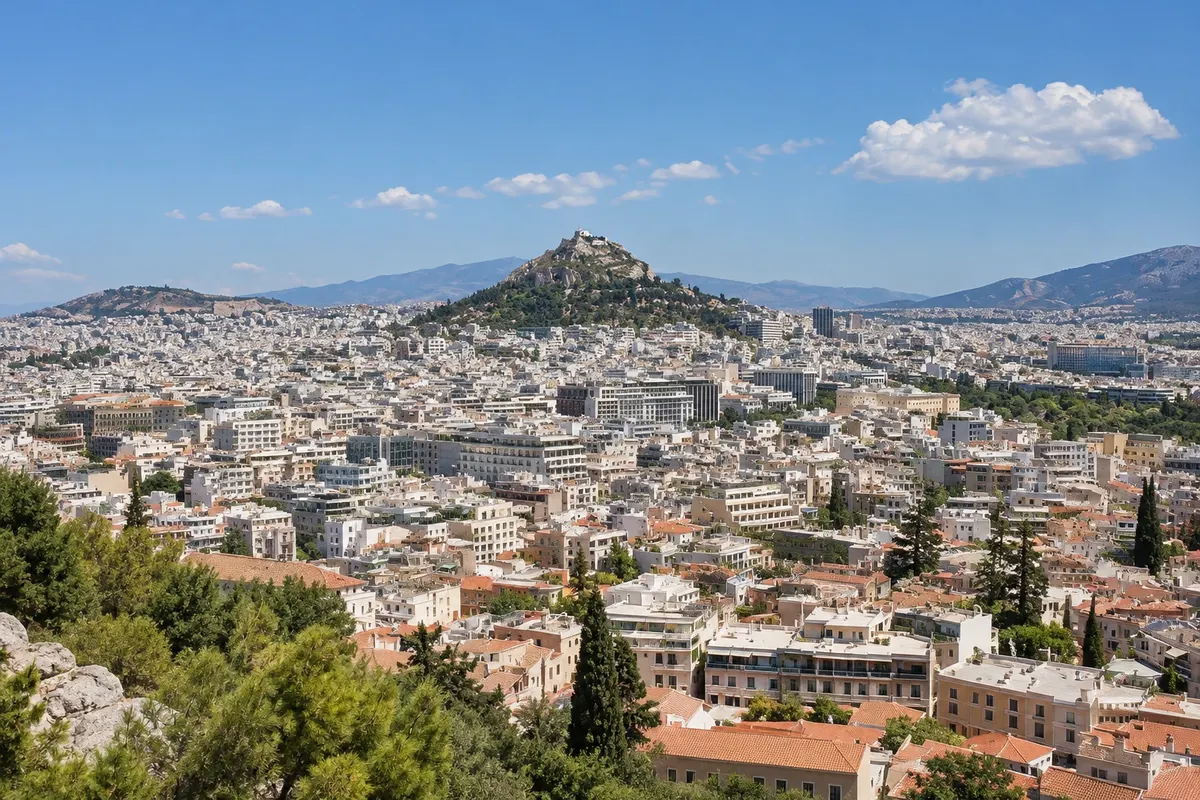
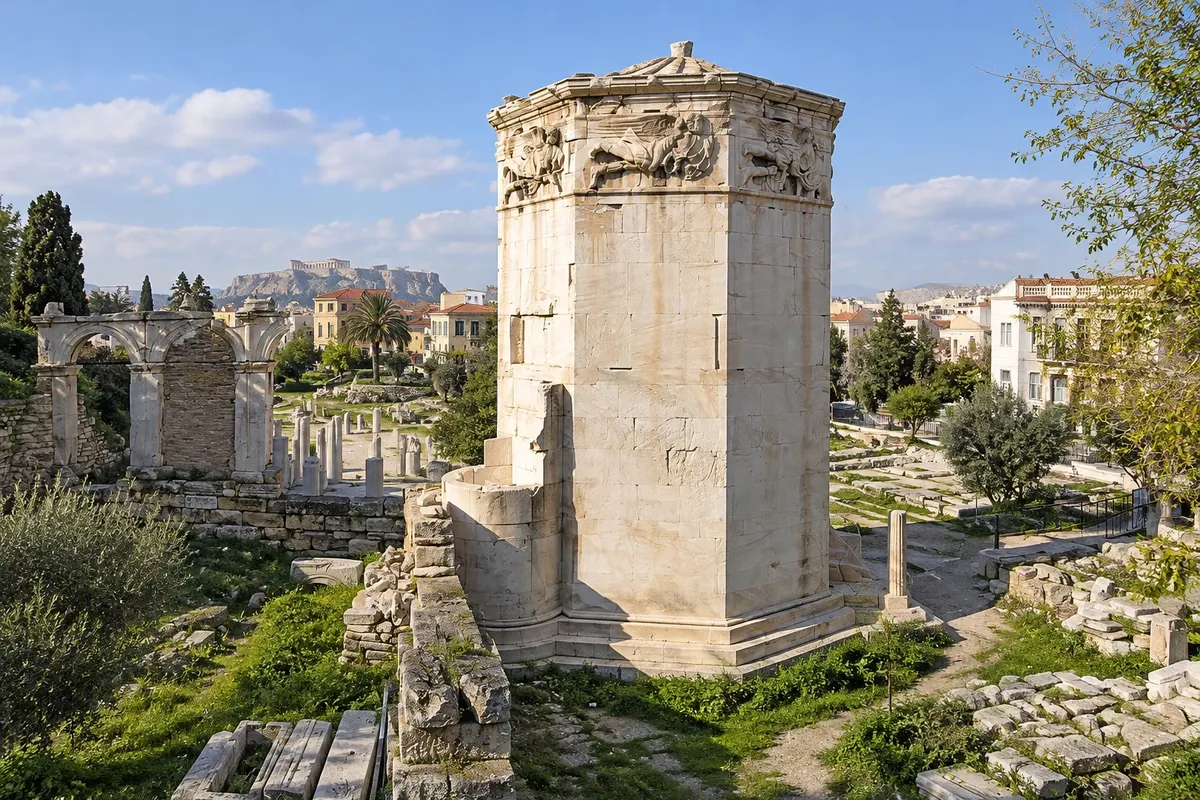
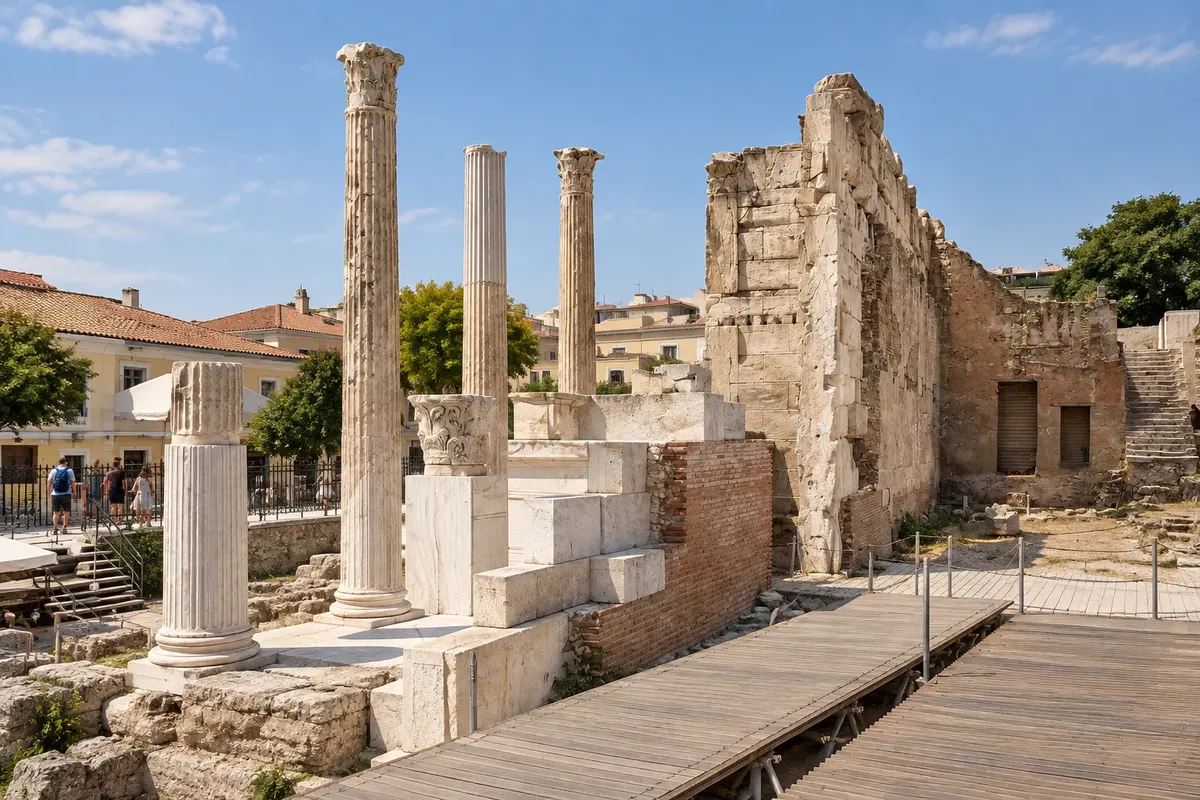
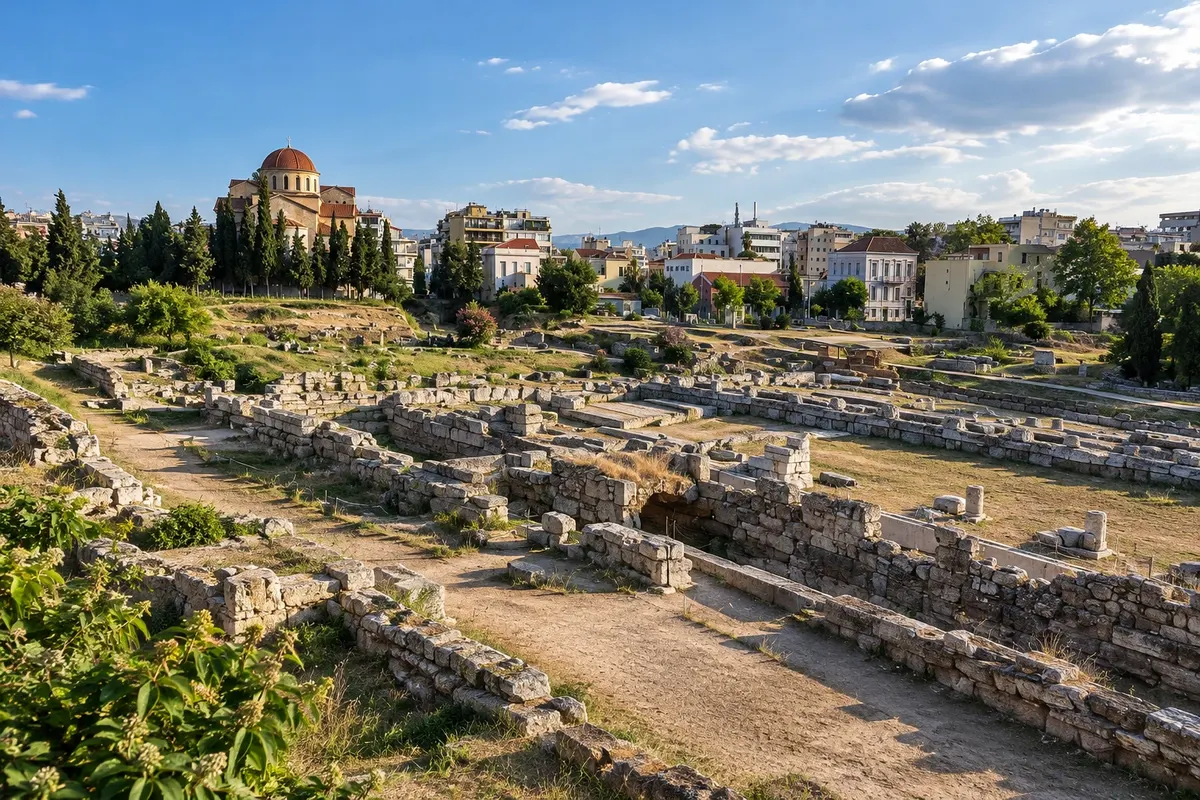
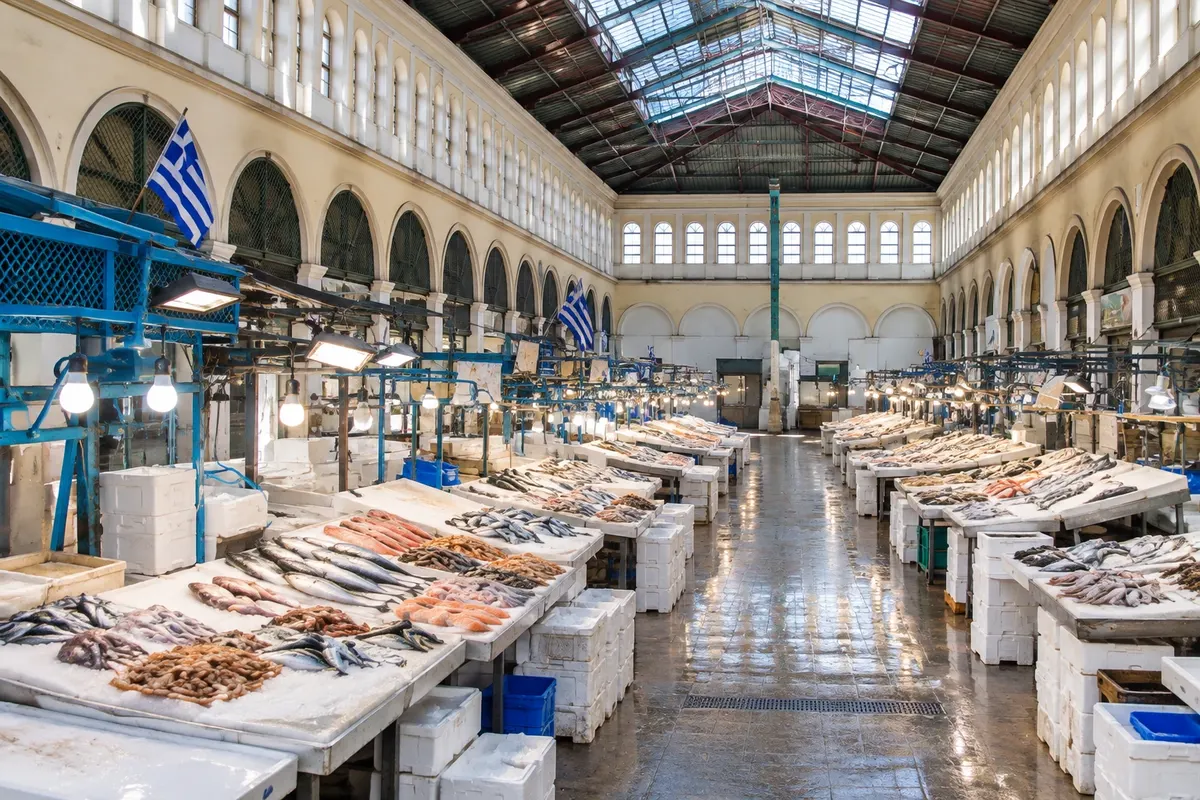
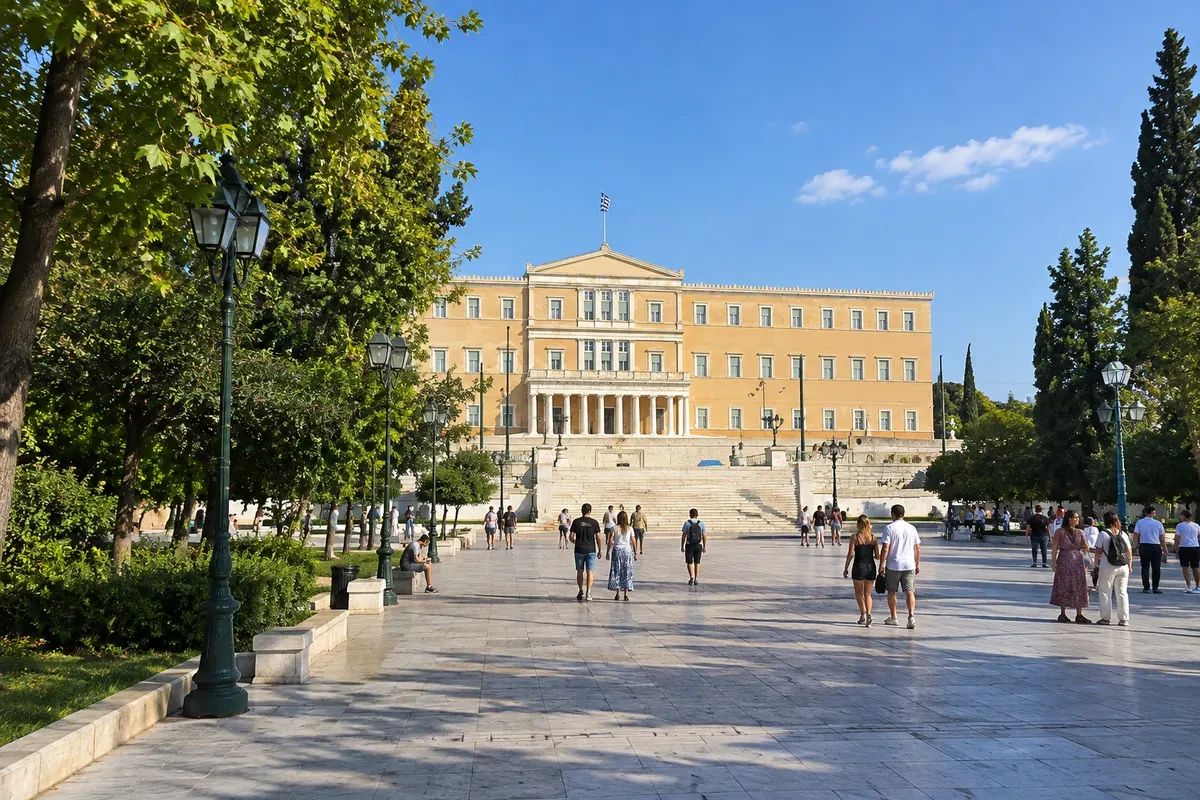
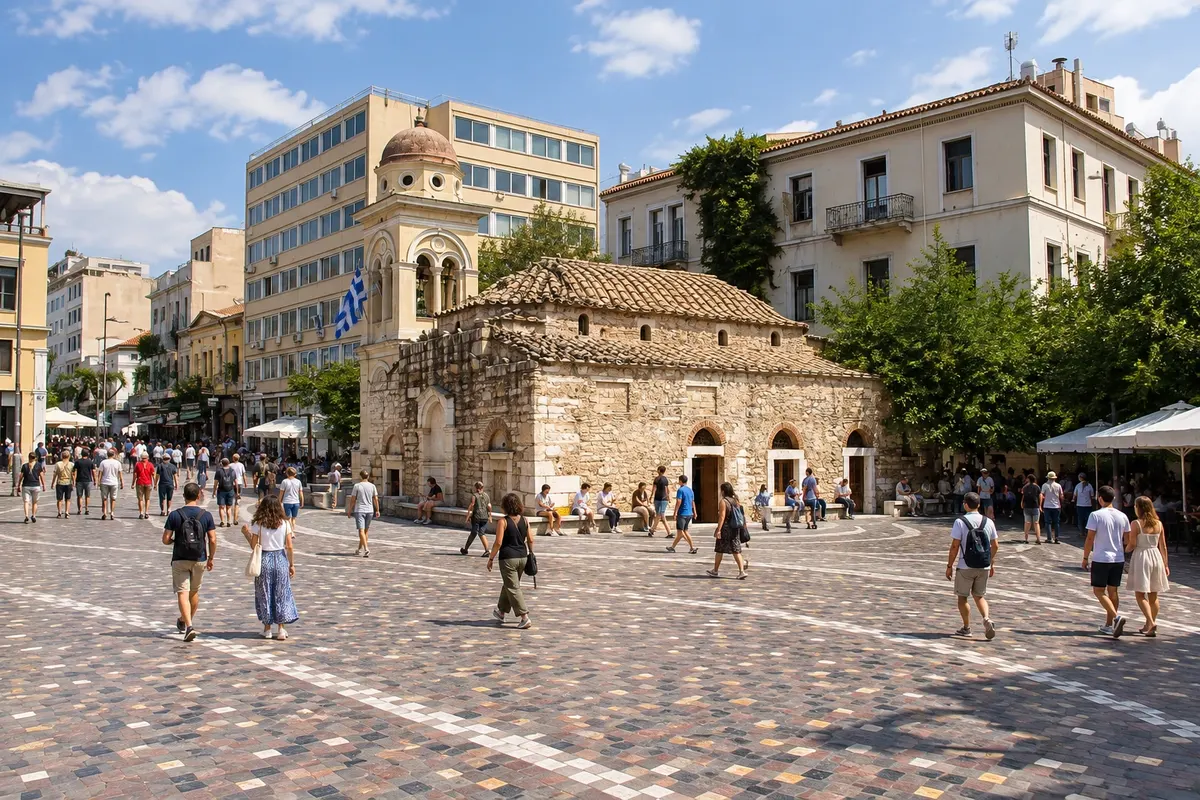
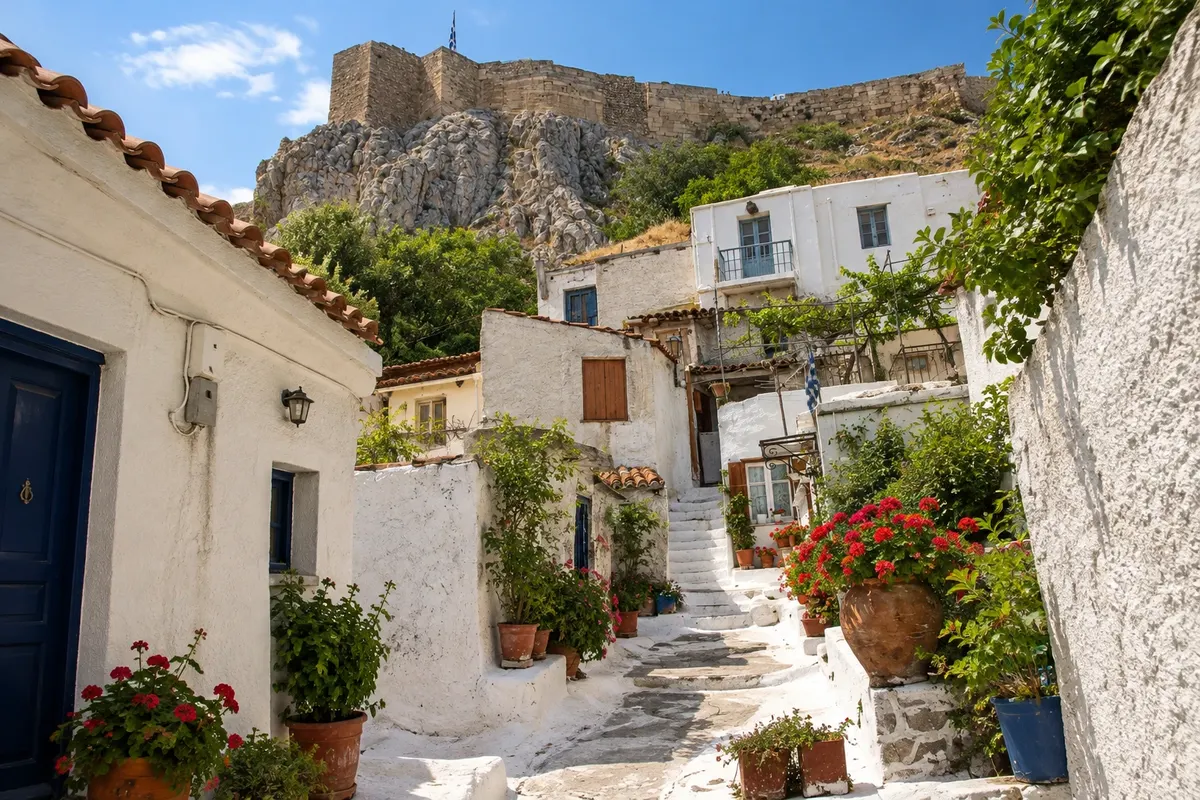
The historic center is compact: the Acrópole, the Ágora Antiga, the Ágora Romana, the Biblioteca de Adriano, the Templo de Zeus Olímpico and the Estádio Panatenaico are a few minutes' walk from each other, linked by pedestrian streets and the neighborhoods of Plaka, Monastiraki and Psiri. Syntagma square, in front of the Parliament, is the reference point for everything.
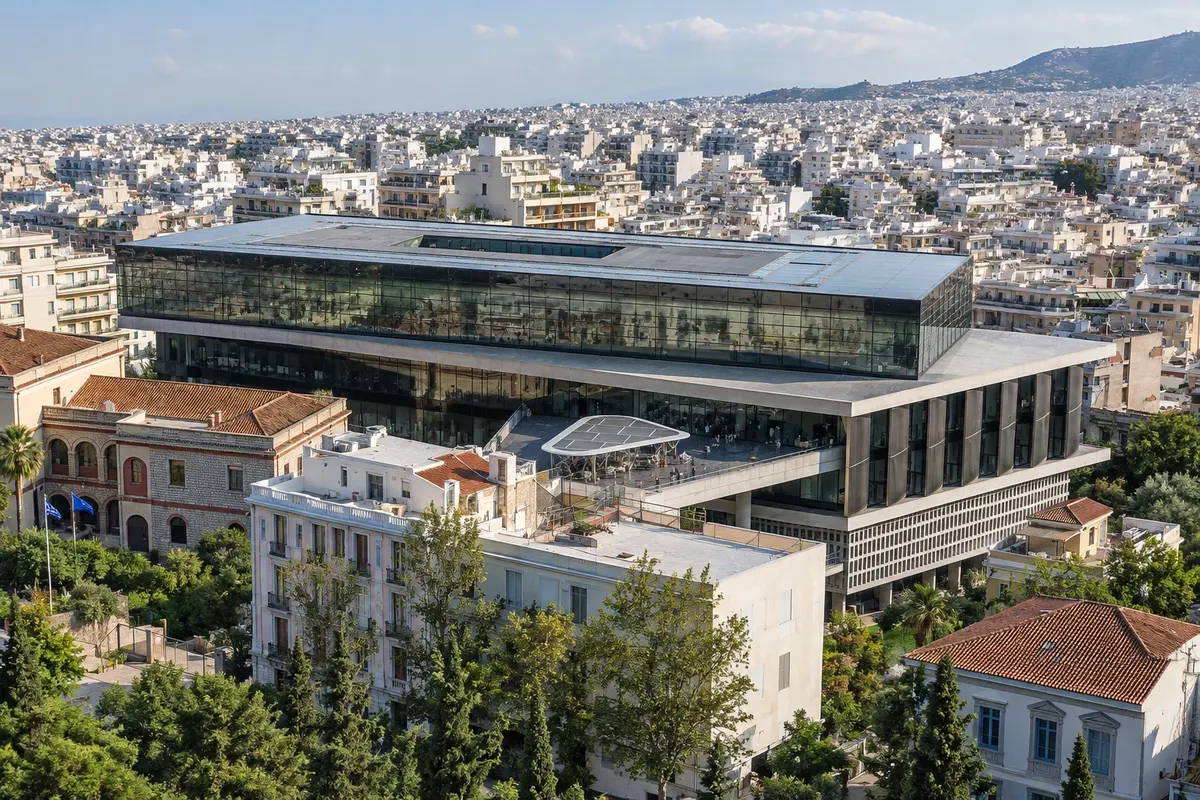
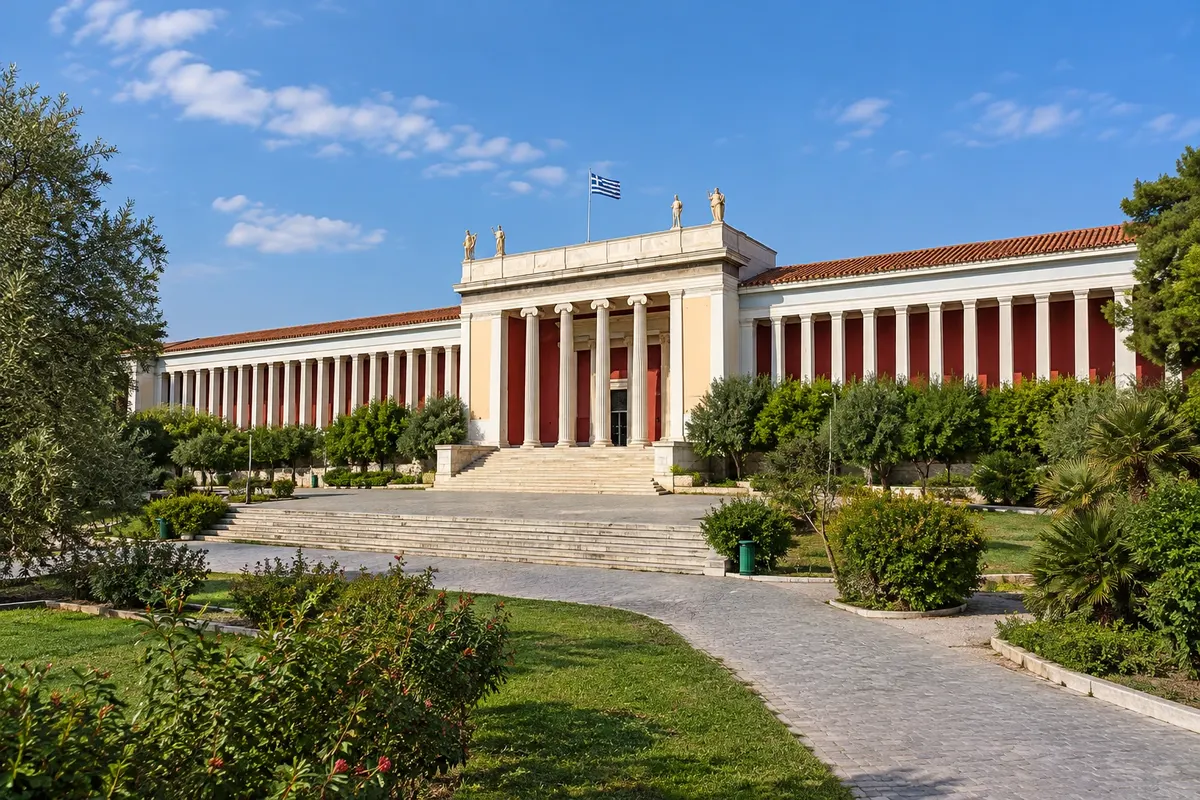
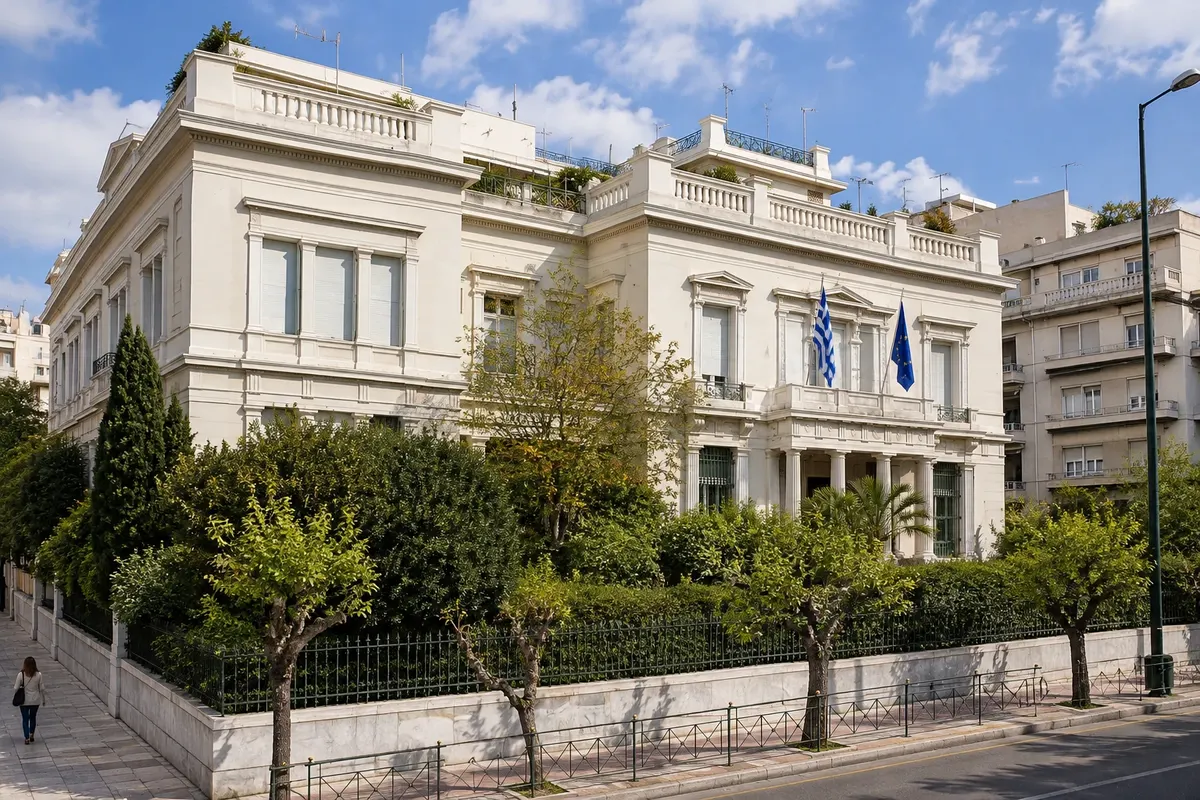
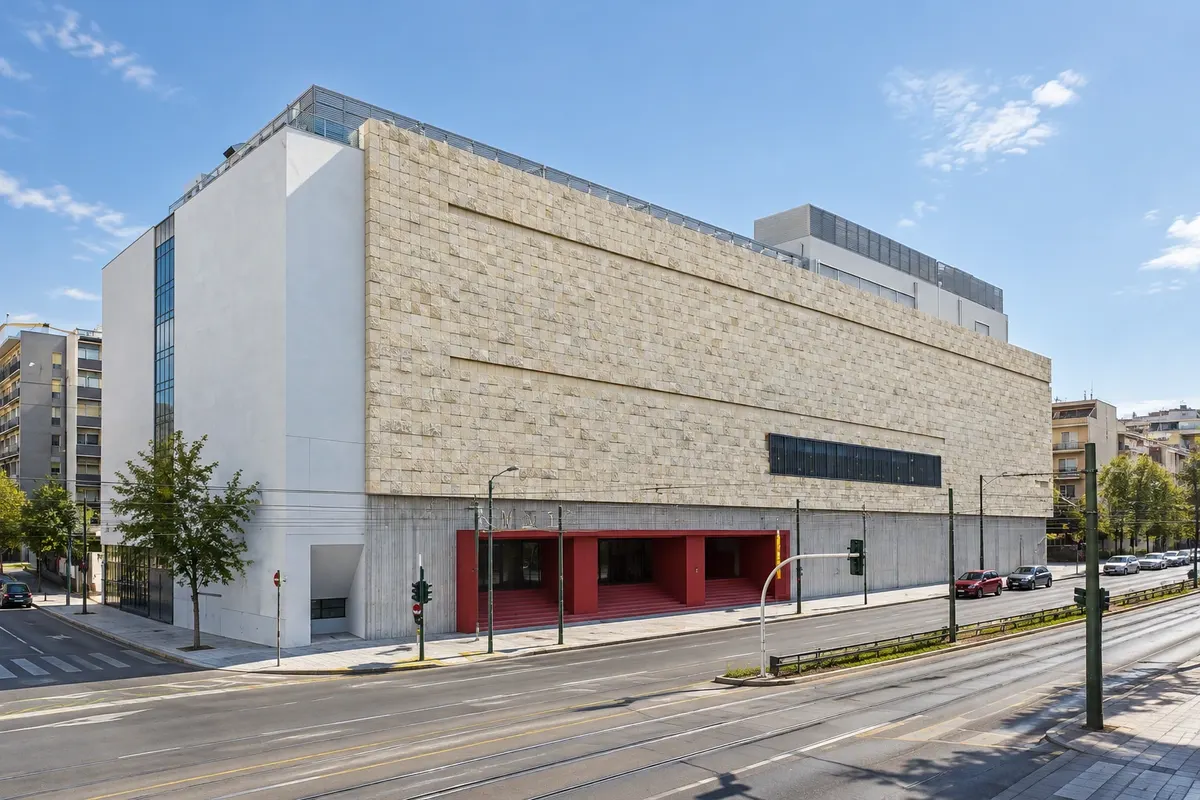
The ancient city coexists with a modern capital of more than three million inhabitants in the metropolitan area. The major museums are spread out: the Museu da Acrópole, at the foot of the rock; the Museu Arqueológico Nacional, near Omonia square; and, on Vasilissis Sofias avenue, the Benaki, the de Arte Cicládica and the Bizantino e Cristão. For viewpoints, Monte Licabeto and the Colina de Filopapo are the natural lookouts over the sea of white buildings and the Acrópole.
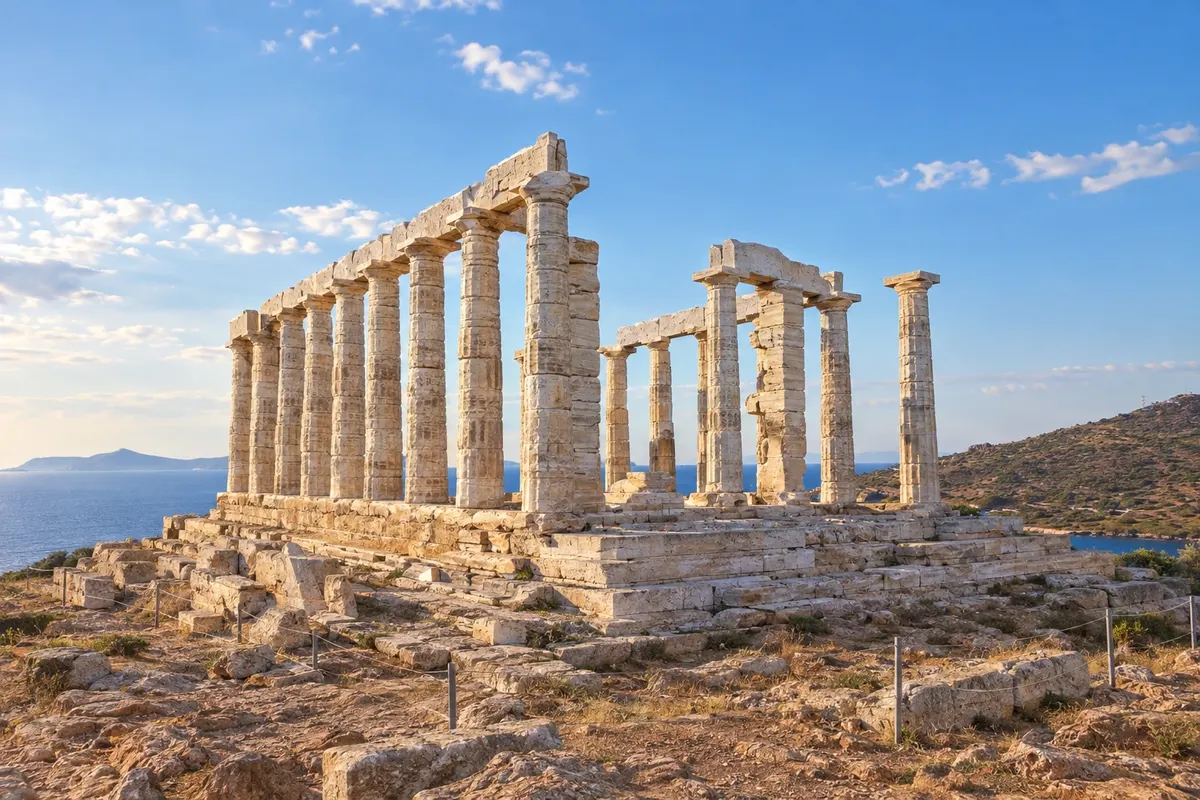
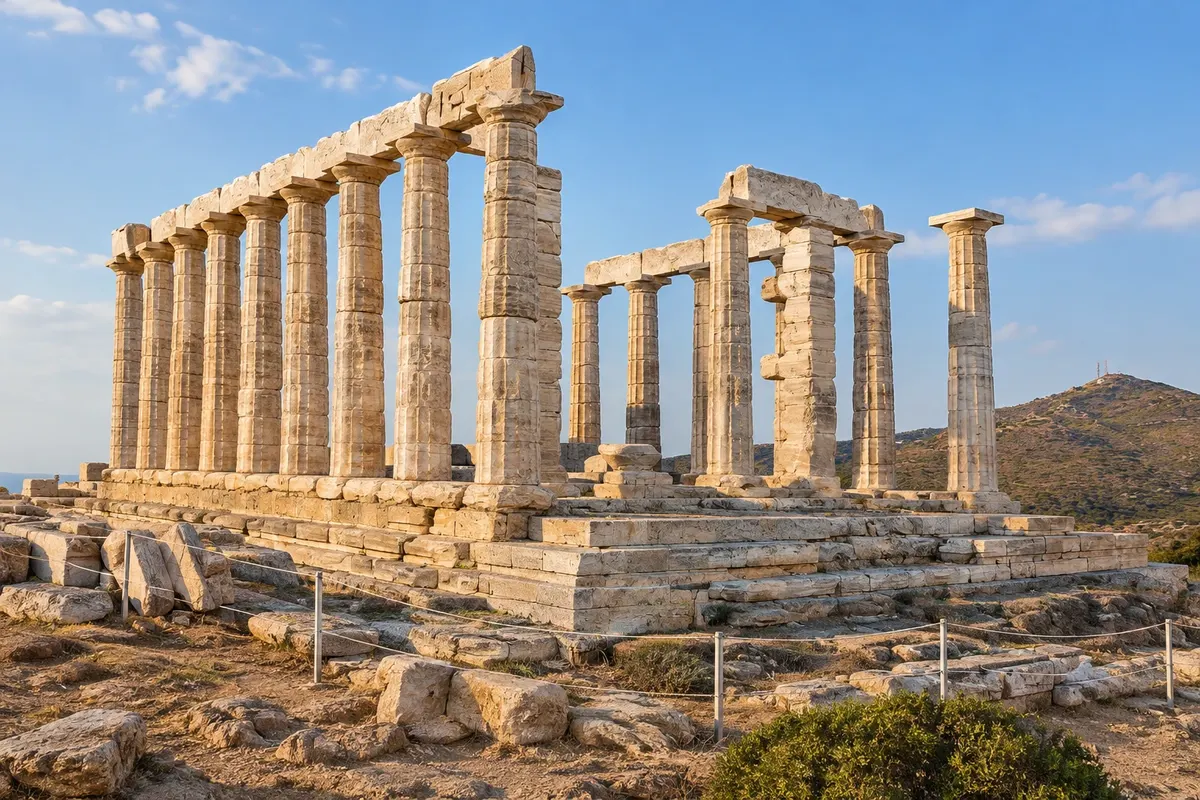
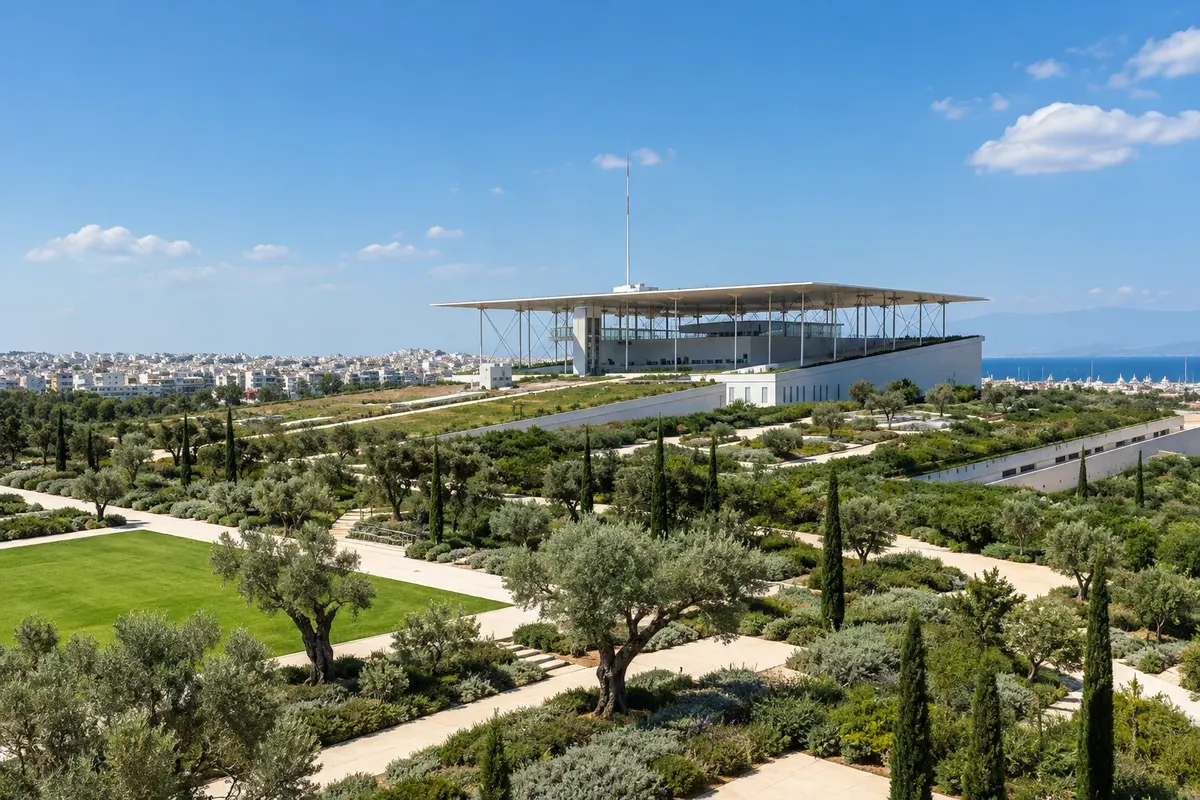
The metropolis stretches to the sea. The Pireu (Pireas), about 10 km from the center, is the port from which boats depart for the islands, and the southern shore, from the Fundação Stavros Niarchos to Glyfada and Vouliagmeni, has beaches and a tram that runs along the coast. At the end of that road, about 70 km away, the Templo de Poseidon at Cabo Sunião is the classic day trip.
Greek is written in a different alphabet, but metro signs, main street signs and sites have Latin-letter versions, and English is common in tourism. Kalimera means “good morning”; efharisto means “thank you”.
This destination brings together 1 city: Atenas.


 Brazil
 Argentina
 Chile
Chile Colombia
 Peru
Peru Uruguay
 Germany
 Belgium
 Spain
Spain France
 the Netherlands
 Ireland
 Italy
Italy Luxembourg
 Portugal
 the United Kingdom
 Switzerland