Baltic Coast and Lübeck

Schleswig-Holstein · Mecklemburgo-Pomerânia Ocidental · Germany

Baltic Coast and Lübeck

Lübeck, the former capital of the Hanseatic League, and Rostock with Warnemünde: Gothic brick, ports, marzipan and sandy beaches on the Baltic Sea.

North

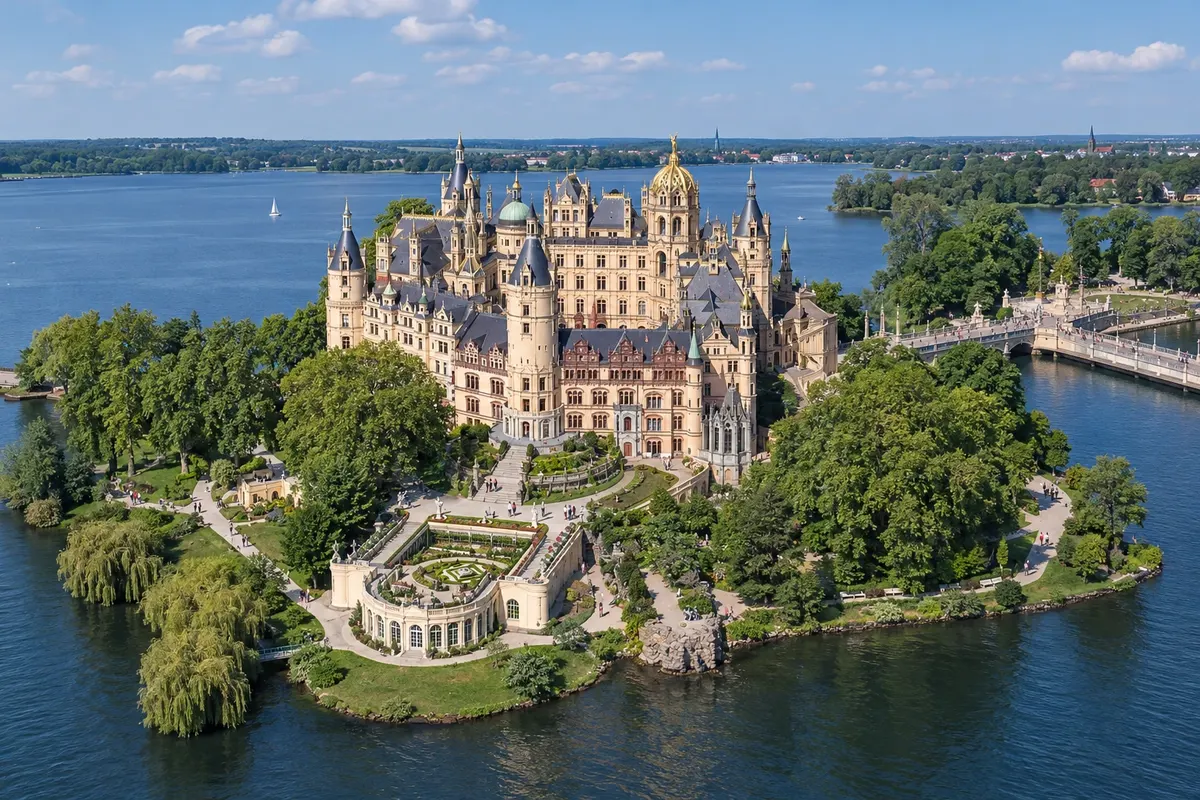
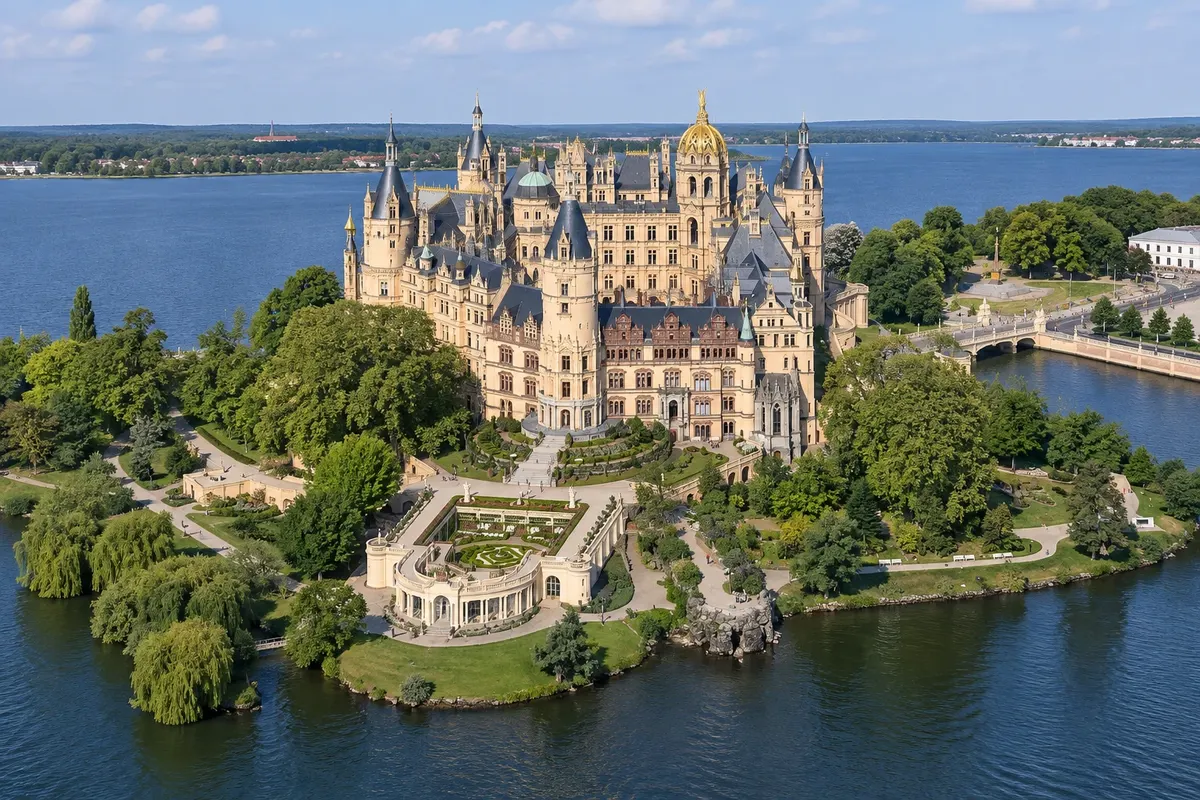
In the photo: Schweriner Schloss, Schwerin

Illustrative images. The pictures in this guide are illustrations based on the real place, not photographs, and may differ from it.

Get it on Google Play Send your photos

Get to know the place

A region to enjoy
at your own pace.

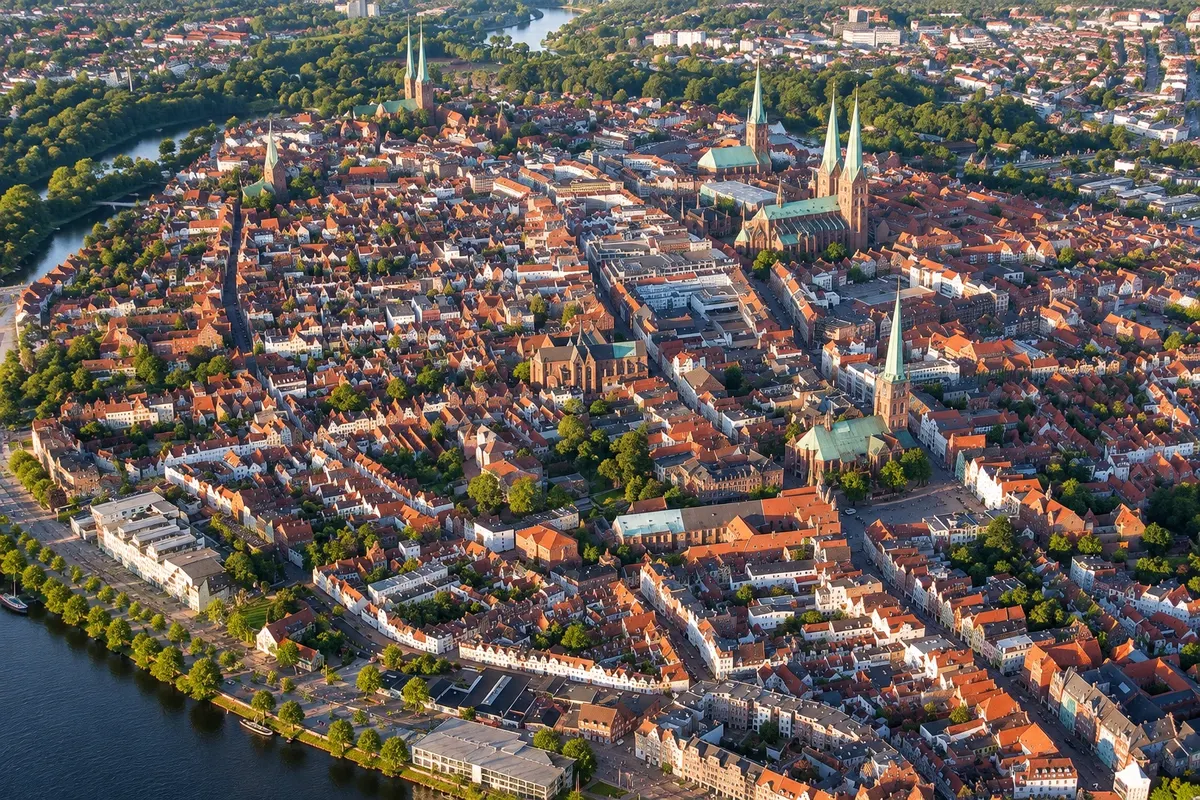
The German Baltic coast brings together two Hanseatic cities and two beaches that act as their neighborhoods. Lübeck, in Schleswig-Holstein, was the most important city of the Hanseatic League, the alliance of merchant towns that dominated trade in northern Europe in the Middle Ages. The old town sits on an island surrounded by the river Trave and canals, and has been a UNESCO World Heritage Site since 1987.

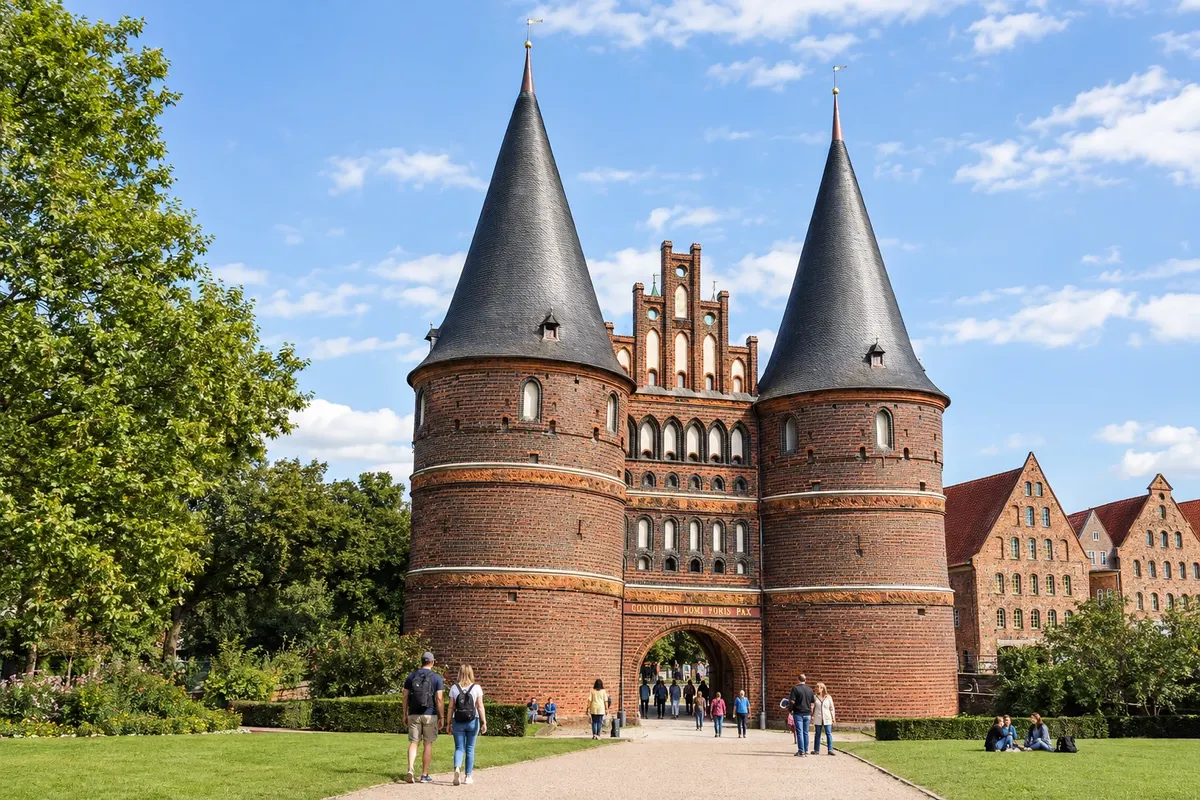
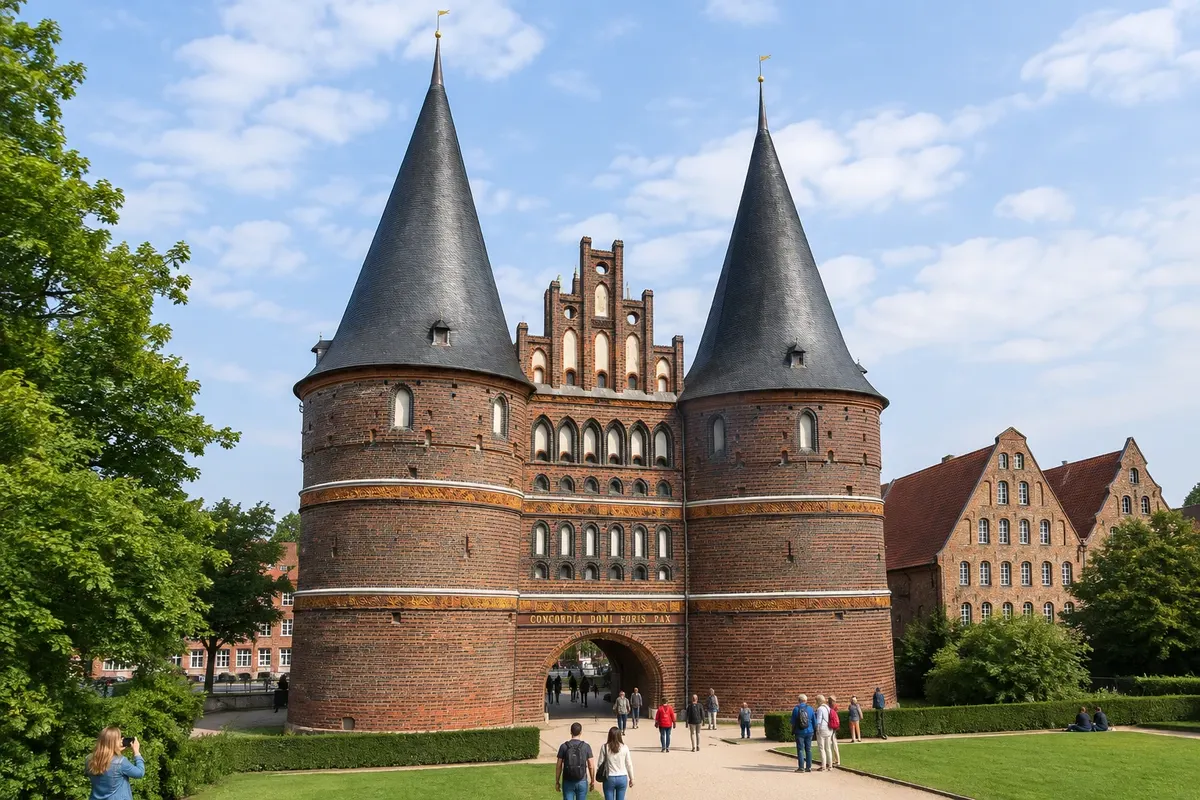
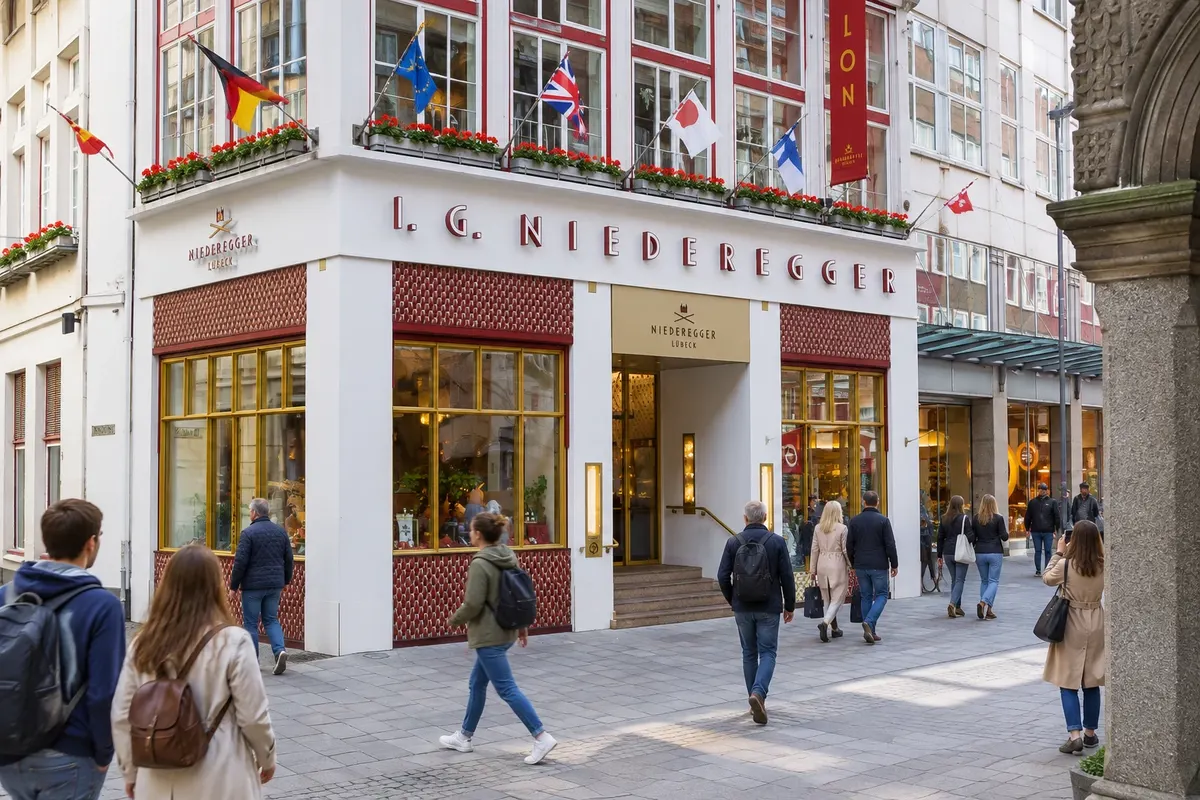
In Lübeck the classic entrance is through the Holstentor, the brick gate with two round towers. From there you reach the Rathaus, the Marienkirche, the Heiligen-Geist-Hospital and the Europäisches Hansemuseum, which tells the story of the League. The city is also known for marzipan: the Niederegger house has produced the sweet since 1806, opposite the Rathaus.

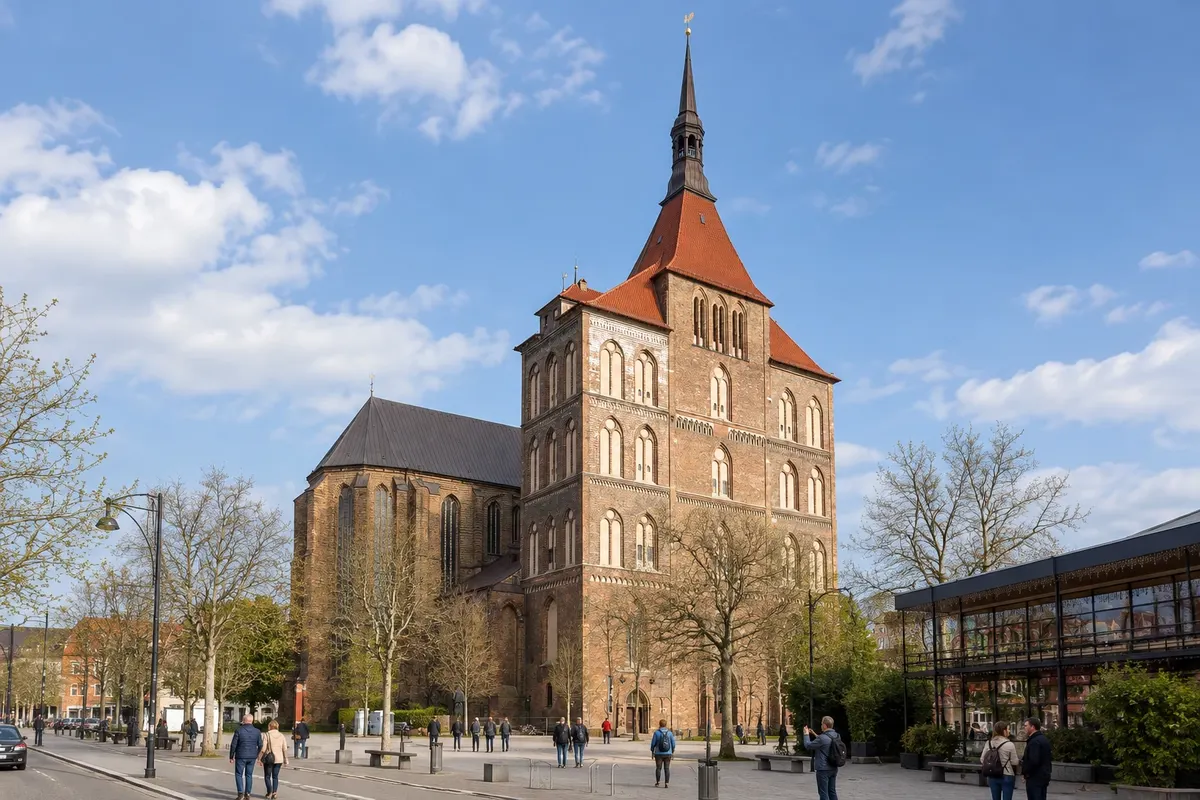
Rostock, in Mecklenburg-Western Pomerania, joined the Hanseatic League in the 13th century and has one of the oldest universities in northern Europe, founded in 1419. The Marienkirche houses an astronomical clock from 1472 that still works. The center revolves around the Neuer Markt square, the pedestrian street Kröpeliner Straße and the old port (Stadthafen).

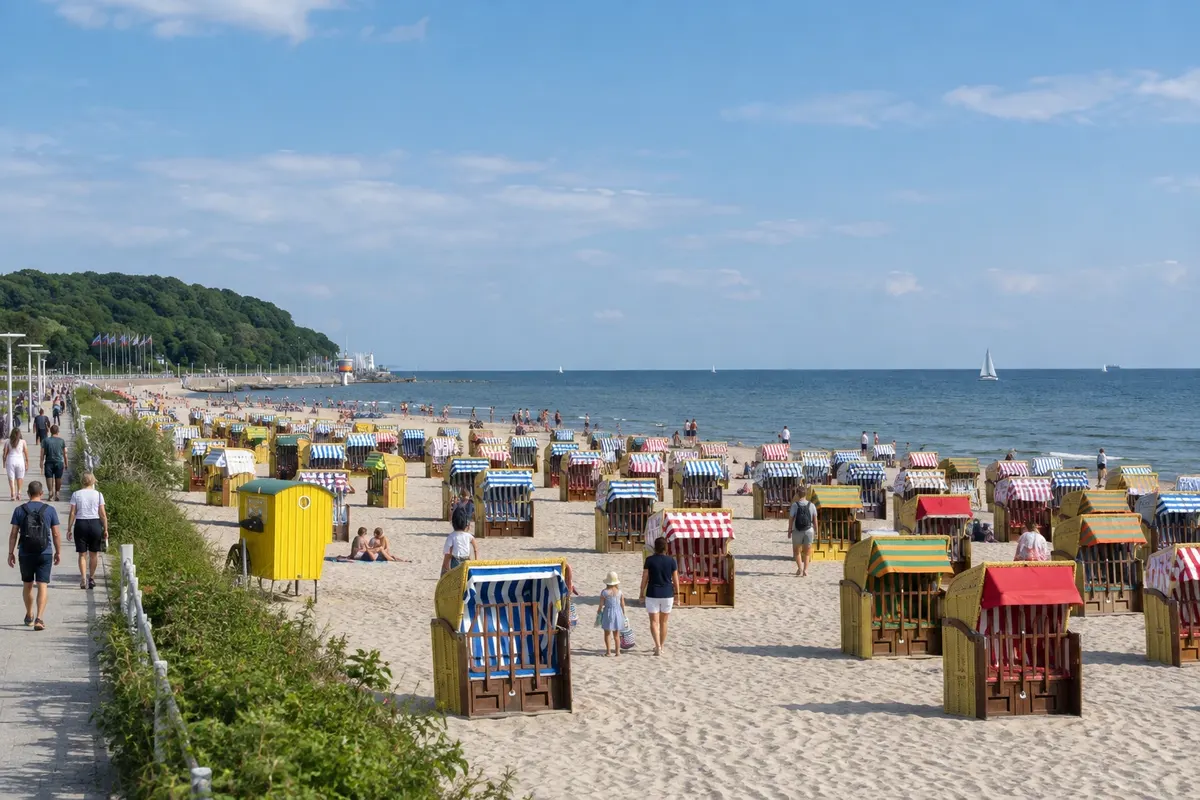
On the coast, Travemünde, a borough of Lübeck, and Warnemünde, a borough of Rostock, have wide sandy beaches, a lighthouse, beach baskets (Strandkorb) and ship traffic. Warnemünde receives cruise ships and has the widest beach on the German Baltic coast. The water is cold even in summer and the bathing season typically runs from June to August.

Everything is easily reached by train from Hamburgo. Lübeck is less than an hour from Hamburgo, and Rostock less than two hours from Hamburgo or from Berlin.

This destination brings together 2 cities: Lübeck, Rostock.

Share: WhatsApp
Traveler, share your experiences through photos Up to 5 photos of each place you visited.

One destination, many paths

The cities on this trip

Start with one city or combine several in your itinerary.

Where Baltic Coast and Lübeck is
LübeckRostock

Contornos: © BKG (2026), dl-de/by-2-0. Adaptação do Cidade Turismo.

How to get there: Baltic Coast and Lübeck

✈ Hamburg Airport Helmut Schmidt (HAM), in Hamburgo · 75 km to Lübeck

Check before you buy. The most convenient airport is Hamburgo (HAM). From Hamburgo the regional train reaches Lübeck in about 45 minutes and Rostock in under two hours. Rostock also has a direct train from Berlin, in about two hours.

Suggested arrival point: Lübeck

The local experience

Things to do in Baltic Coast and Lübeck

Holstentor
Lübeck · Schleswig-Holstein · Monument

Holstentor

The brick gate with two round towers, dating from 1478, is Lübeck's symbol. Inside it houses a museum about the city and the trade of the Hanseatic League.

Marienkirche Rostock
Rostock · Mecklemburgo-Pomerânia Ocidental · Church

Marienkirche Rostock

Brick Gothic church that survived World War II with relatively little damage. It houses an astronomical clock from 1472 that still works and a bronze baptismal font from 1290.

Lübecker Altstadt
Lübeck · Schleswig-Holstein · Historic neighborhood

Lübecker Altstadt

An island surrounded by the Trave and canals, with brick churches, narrow lanes and hidden courtyards. It has been a UNESCO World Heritage Site since 1987.

Neuer Markt
Rostock · Mecklemburgo-Pomerânia Ocidental · Square

Neuer Markt

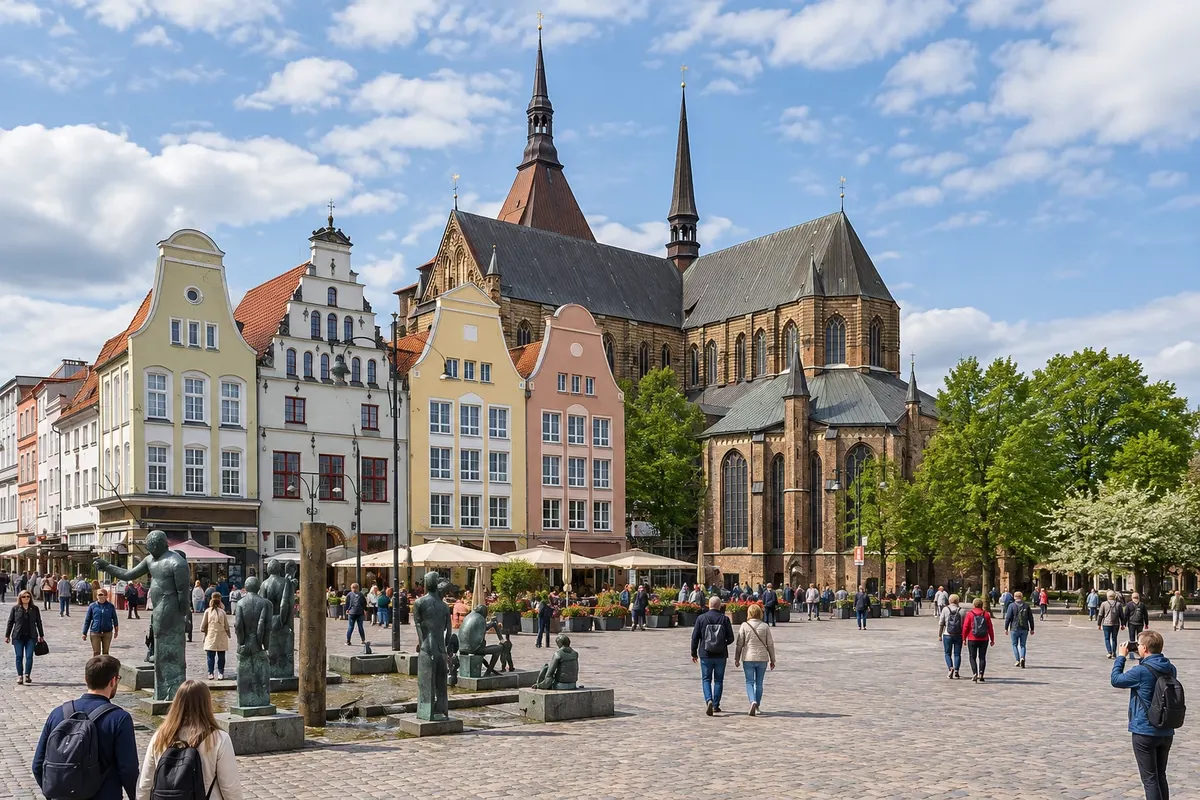
Rostock’s main square, featuring the town hall with a pink Baroque façade and colorful gabled merchant houses.

See 11 more places in Baltic Coast and Lübeck
Kröpeliner Straße
Rostock · Mecklemburgo-Pomerânia Ocidental · Street

Kröpeliner Straße

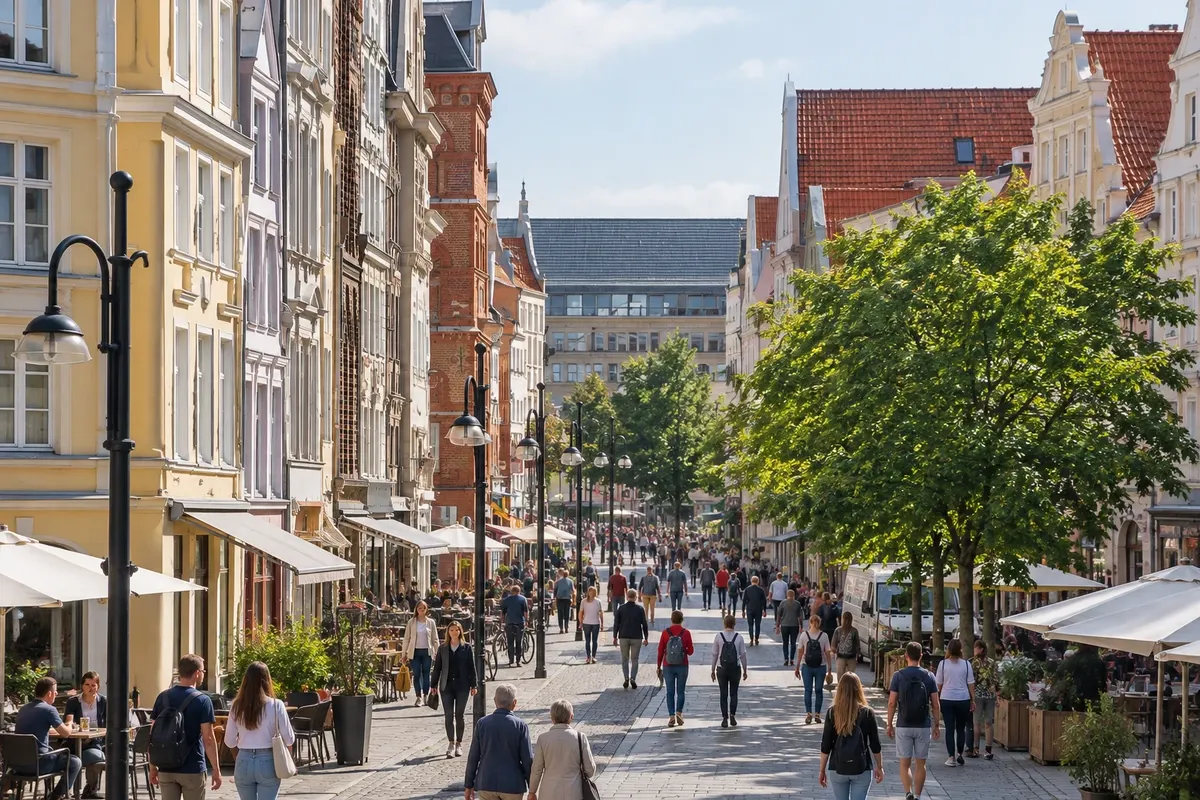
Pedestrian street about 650 metres long that cuts through Rostock's center, from Neuer Markt to the Gothic gate Kröpeliner Tor, passing the University square.

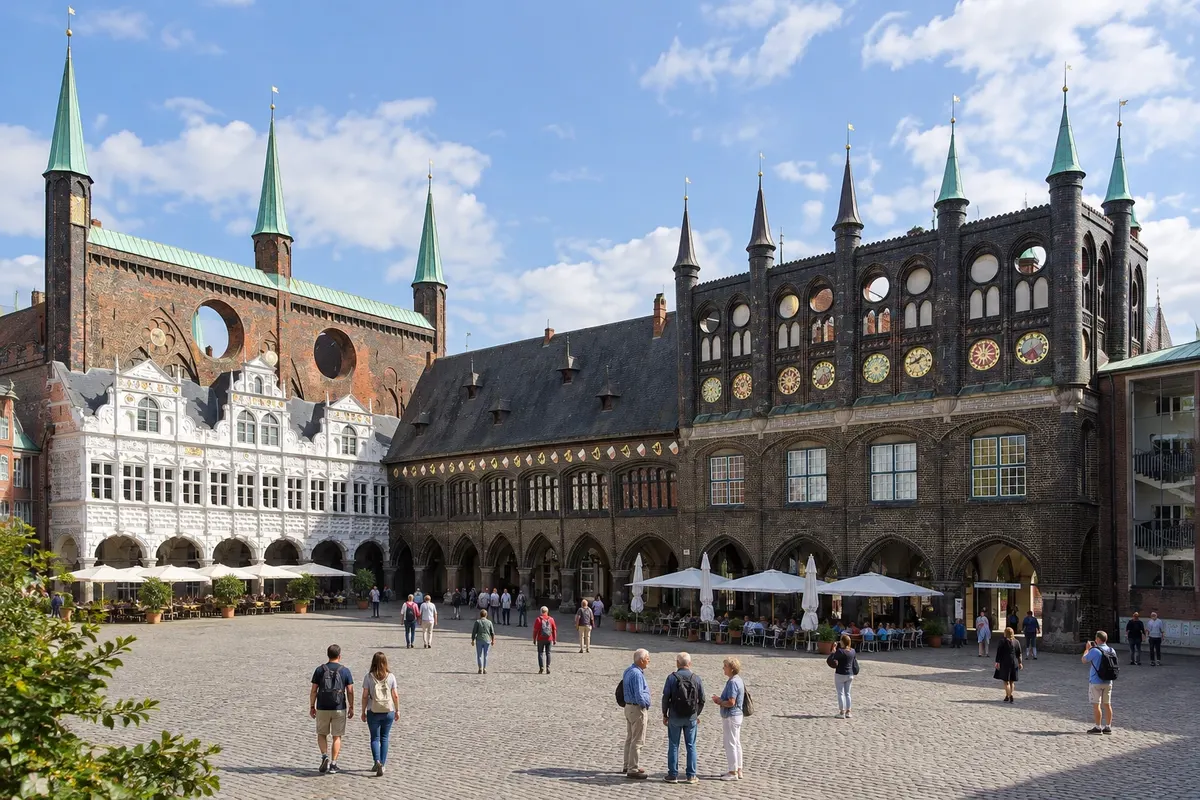
Lübecker Rathaus
Lübeck · Schleswig-Holstein · Architecture

Lübecker Rathaus

One of the oldest town halls in Germany still in use, with a dark-brick façade and slender towers atop the wall, on the north side of the Markt square.

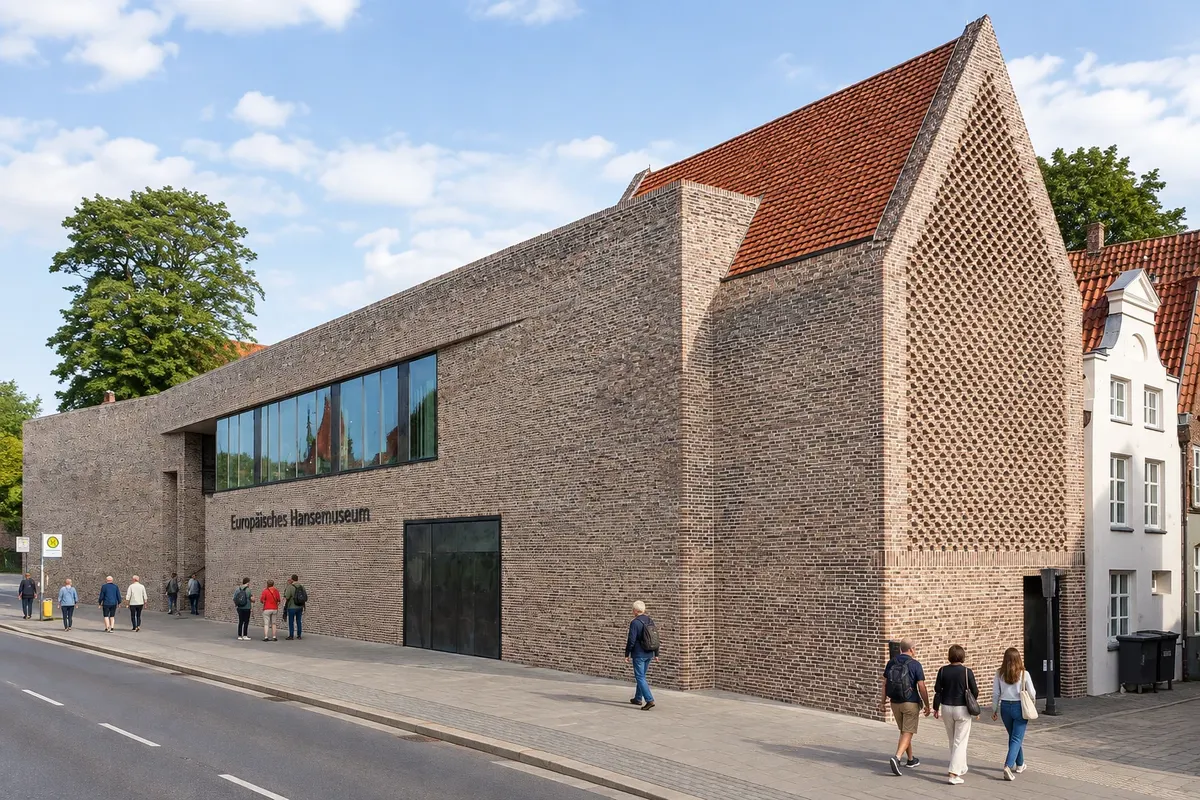
Europäisches Hansemuseum
Lübeck · Schleswig-Holstein · Museum

Europäisches Hansemuseum

Museum about the Hanseatic League, with life-size reconstructions of ports and commercial offices and a section inside the former Burgkloster convent.

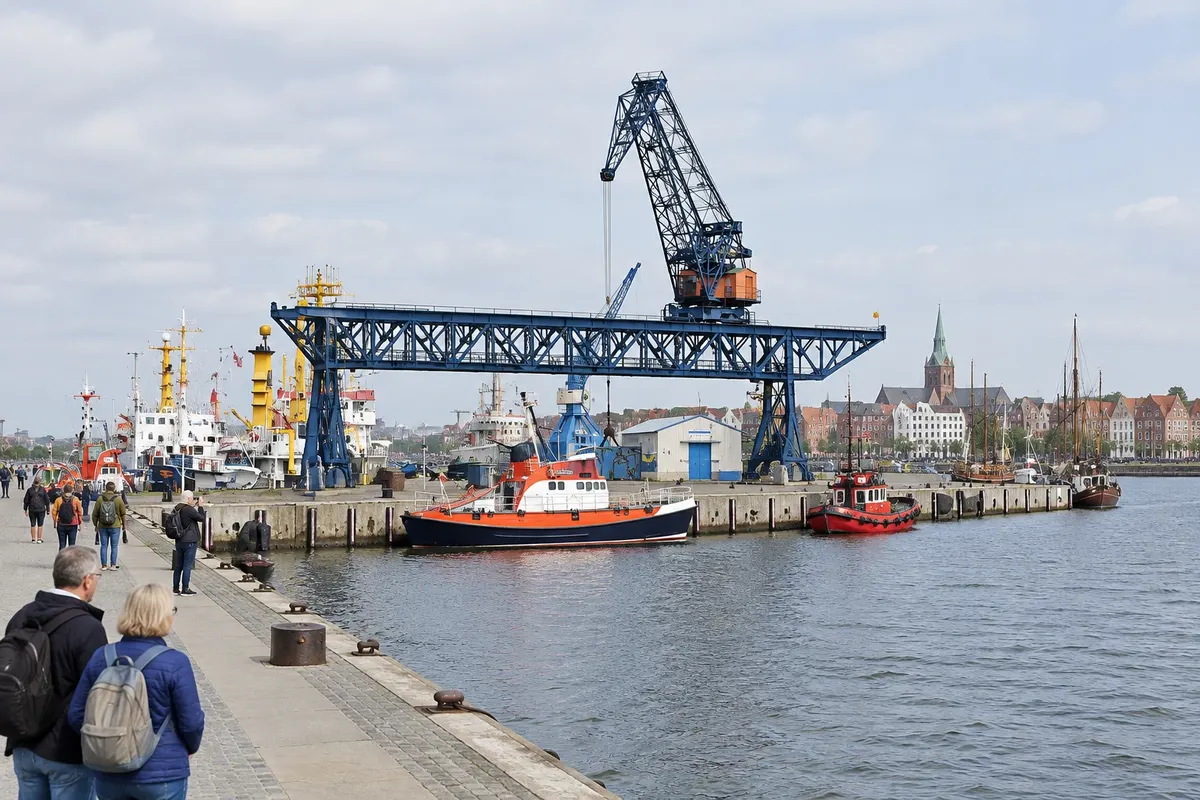
Stadthafen Rostock
Rostock · Mecklemburgo-Pomerânia Ocidental · Port

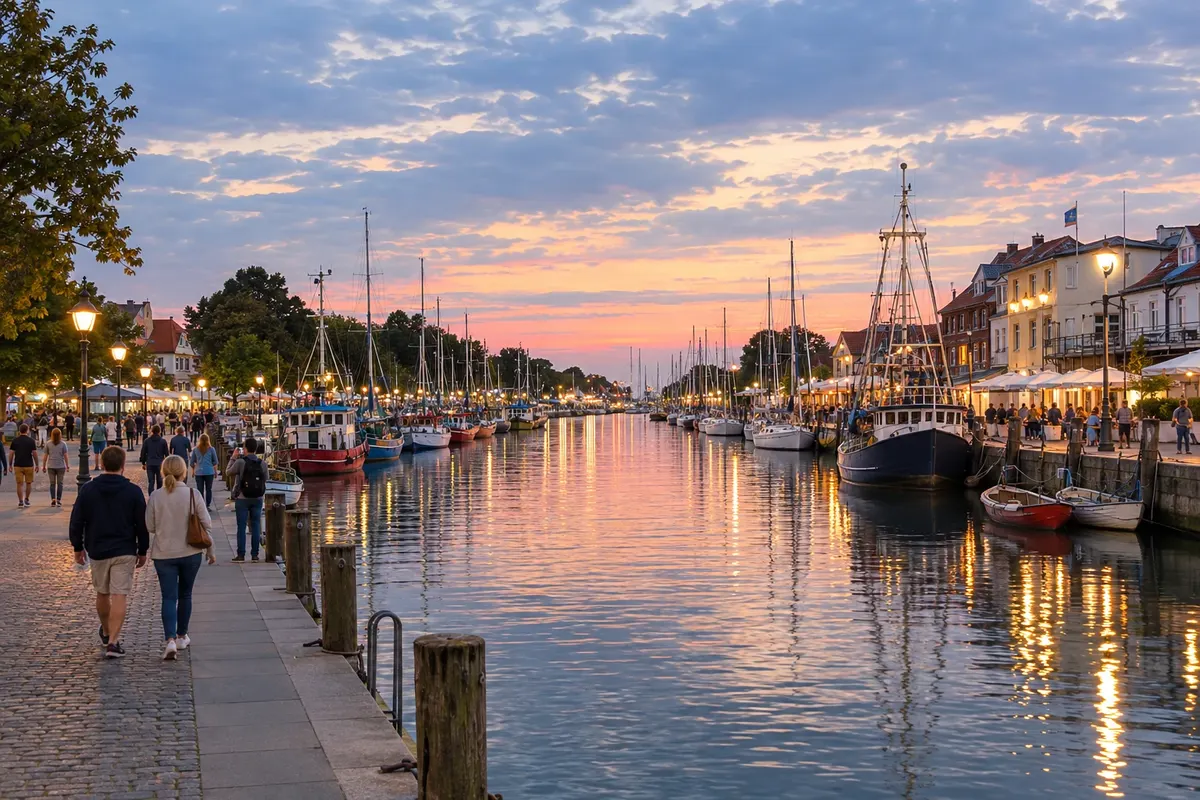
Stadthafen Rostock

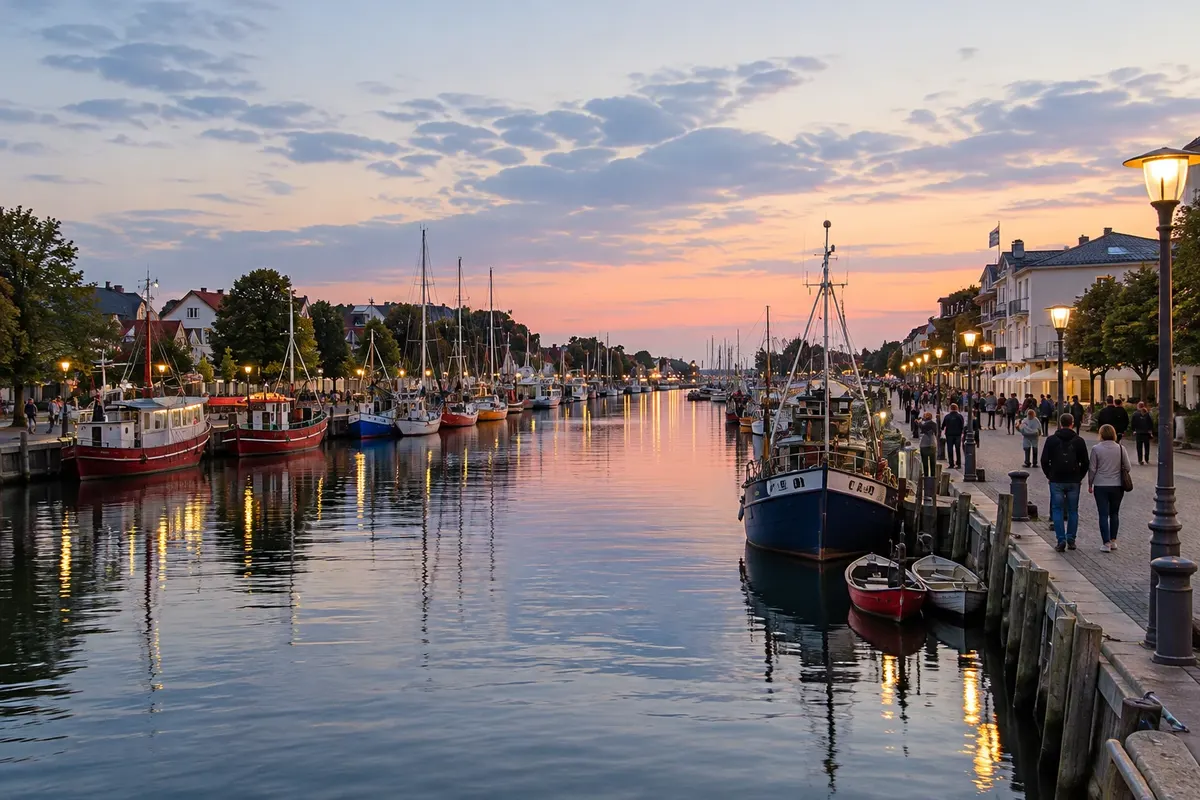
The city's historic port on the banks of the river Warnow, today a promenade area with boats, restaurants and the main stage of the Hanse Sail in August.

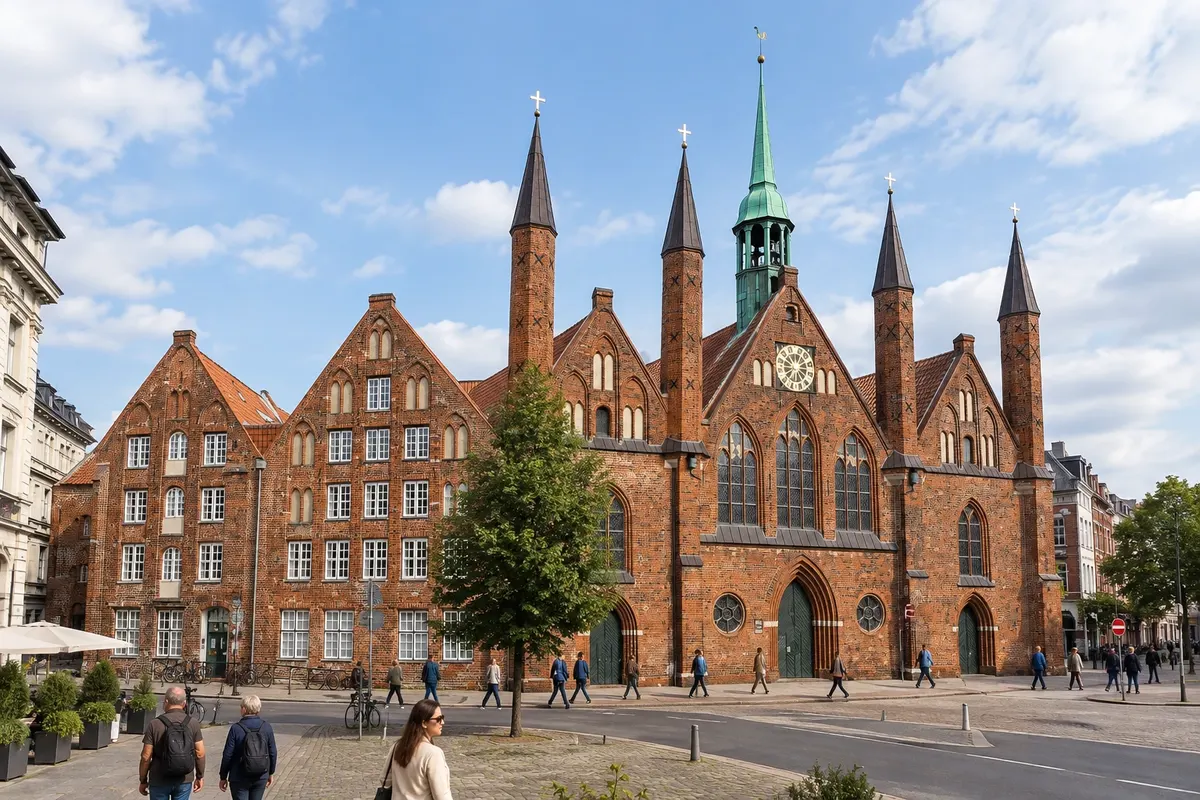
Heiligen-Geist-Hospital
Lübeck · Schleswig-Holstein · Historic site

Heiligen-Geist-Hospital

One of the oldest social hospitals in Europe, dating from 1286, with an aisle-church of medieval paintings and the wooden cubicles where elderly residents lived until 1970.

Warnemünde
Rostock · Mecklemburgo-Pomerânia Ocidental · Beach

Warnemünde

District of Rostock at the mouth of the Warnow, with the widest beach on the German Baltic coast, the Alter Strom canal with fishing boats, and the cruise port.

Dom zu Lübeck
Lübeck · Schleswig-Holstein · Cathedral

Dom zu Lübeck

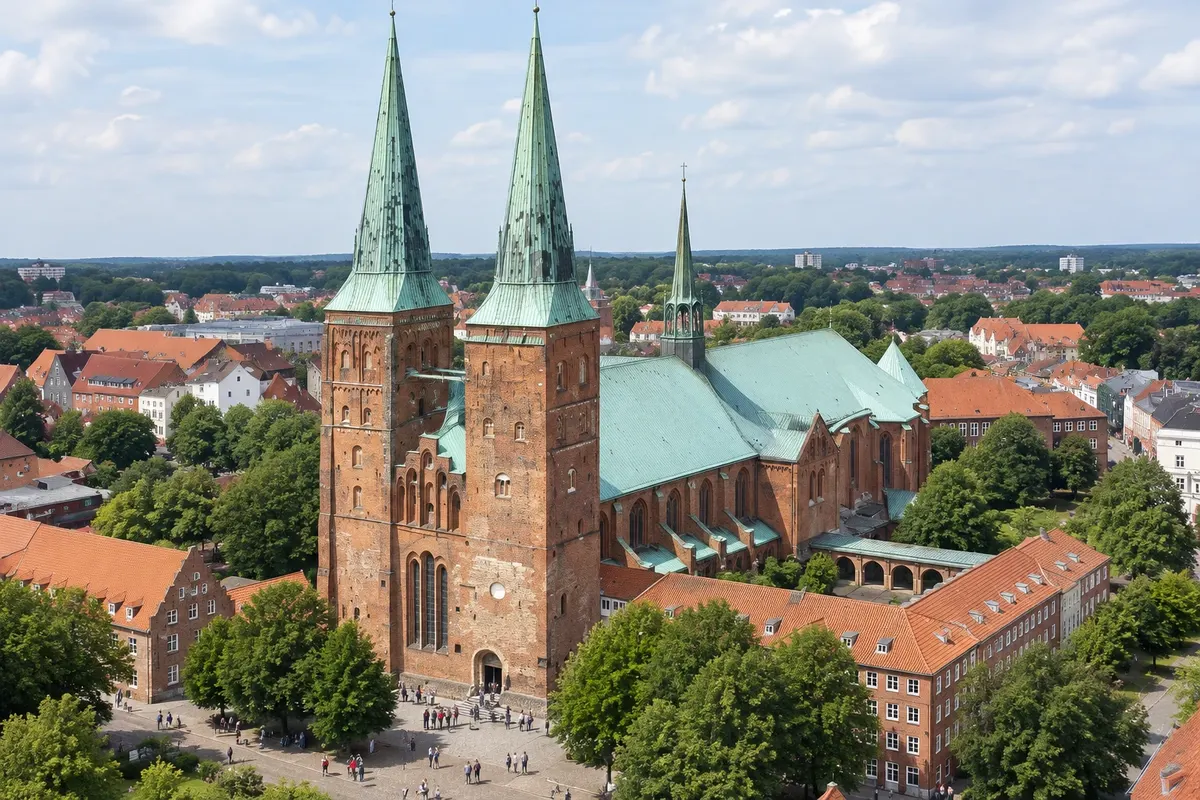
Brick cathedral whose foundation stone was laid by Henry the Lion in 1173. It houses the triumphal cross by Bernt Notke from 1477.

Leuchtturm Warnemünde
Rostock · Mecklemburgo-Pomerânia Ocidental · Observation deck

Leuchtturm Warnemünde

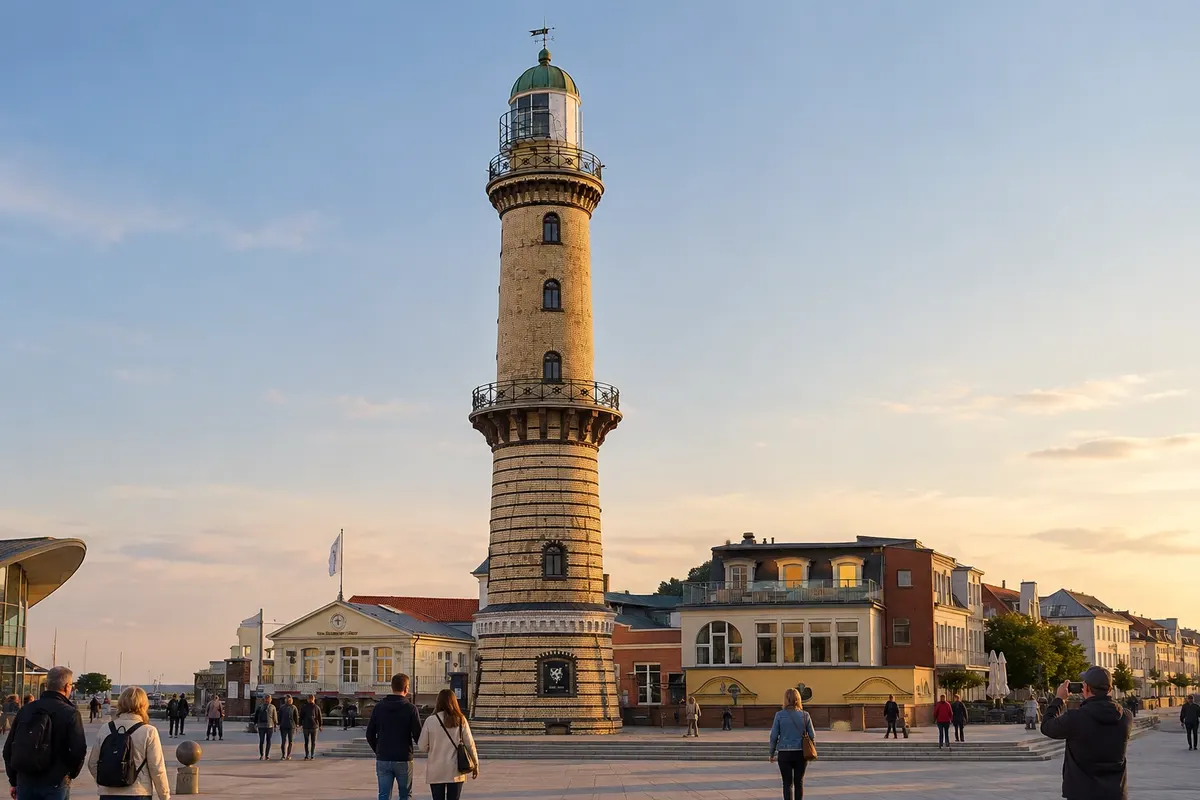
White lighthouse from 1898 on the shore of Warnemünde beach, still in use, with two viewing platforms open for climbing in season.

Café Niederegger
Lübeck · Schleswig-Holstein · House museum

Café Niederegger

Lübeck's marzipan house since 1806, opposite the town hall, with a shop, café and an exhibition about the sweet's history on the upper floor.

Schweriner Schloss
Rostock · Mecklemburgo-Pomerânia Ocidental · Castle

Schweriner Schloss

Palace of the dukes of Mecklemburgo on an island in the city of Schwerin, the state capital, with a museum, gardens and the seat of the state parliament.

Travemünde
Lübeck · Schleswig-Holstein · Beach

Travemünde

Neighborhood of Lübeck at the mouth of the Trave, with a sandy Baltic beach, a promenade, the oldest lighthouse on the German coast and the sailing ship Passat.

Before you go

Practical information

A little planning leaves more time to enjoy the journey.

When to go

From May to September the days are long and the beaches are active; the bathing season on the Baltic usually runs from June to August, with cold water and changeable weather. Autumn and spring are good for the towns. In winter, from December to February, it’s cold, windy and gets dark early, but the Christmas markets usually run from late November until close to Christmas.

The seasons shown are the most usual ones; nature doesn't always follow the calendar.

How many days to stay

Lübeck needs a full day for the old town and an extra half day for Travemünde. Rostock and Warnemünde require one or two more days. For the whole region allow three to four days. There is no direct train between Lübeck and Rostock: the journey takes about two and a half hours with a change, so it’s worth staying overnight in both cities.

Which city to stay in

In Lübeck the old town, on the island surrounded by the Trave, is all walkable; the area near the central station (Hauptbahnhof) is on the other side of the Holstentor, a few minutes’ walk away. Those who want the beach can stay in Travemünde along the seafront. In Rostock, the old town, between Kröpeliner Straße and the port, is the base for the city; Warnemünde, by the lighthouse and the Alter Strom, is the option for those who prefer to be close to the sea and linked to Rostock by the S-Bahn urban train.

Respect the place

Take your trash with you, follow the signs and support local businesses. In natural areas, follow the visiting guidelines.

Get your questions answered

Frequently asked questions about Baltic Coast and Lübeck

Can you visit Lübeck on a day trip from Hamburgo?

Yes. The regional train leaves Hamburgo central station frequently throughout the day and reaches Lübeck in about 45 minutes. In one day you can cover the old town: Holstentor, the Rathaus, the Dom, the Hansemuseum and the Niederegger café. Travemünde requires a bit more time and is preferably visited with an overnight stay.

Do I need a car for the Baltic coast?

No. Lübeck, Travemünde, Rostock and Warnemünde are connected by train, and the old town centers are walkable. In Rostock the S-Bahn takes you to Warnemünde in about 20 minutes. A car only helps to explore smaller coastal villages. Keep in mind that many German cities have environmental zones (Umweltzone) with rules for vehicles.

How many days should I reserve for Lübeck and Rostock?

Three to four days work well: a day and a half in Lübeck including Travemünde, and one or two days in Rostock including Warnemünde. Since there is no direct train between the two cities and the trip takes about two and a half hours, it’s ideal to change hotels halfway through.

Explore other destinations Search by state and city
Back