

 Brazil
 Argentina
 Chile
Chile Colombia
 Peru
Peru Uruguay
 Belgium
 Spain
Spain France
 Greece
 the Netherlands
 Ireland
 Italy
Italy Portugal
 the United Kingdom
 Switzerland
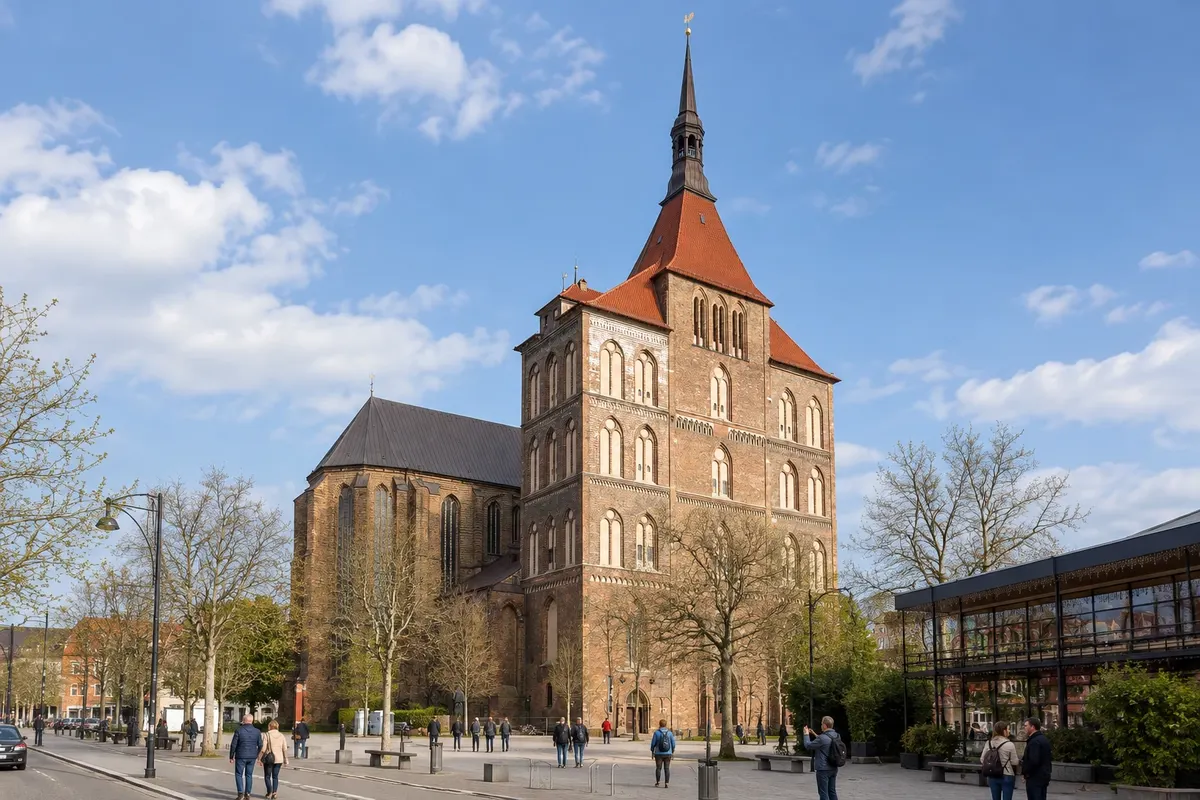
Church
Marienkirche Rostock
Brick Gothic church that survived World War II with relatively little damage. It houses an astronomical clock from 1472 that still works and a bronze baptismal font from 1290.
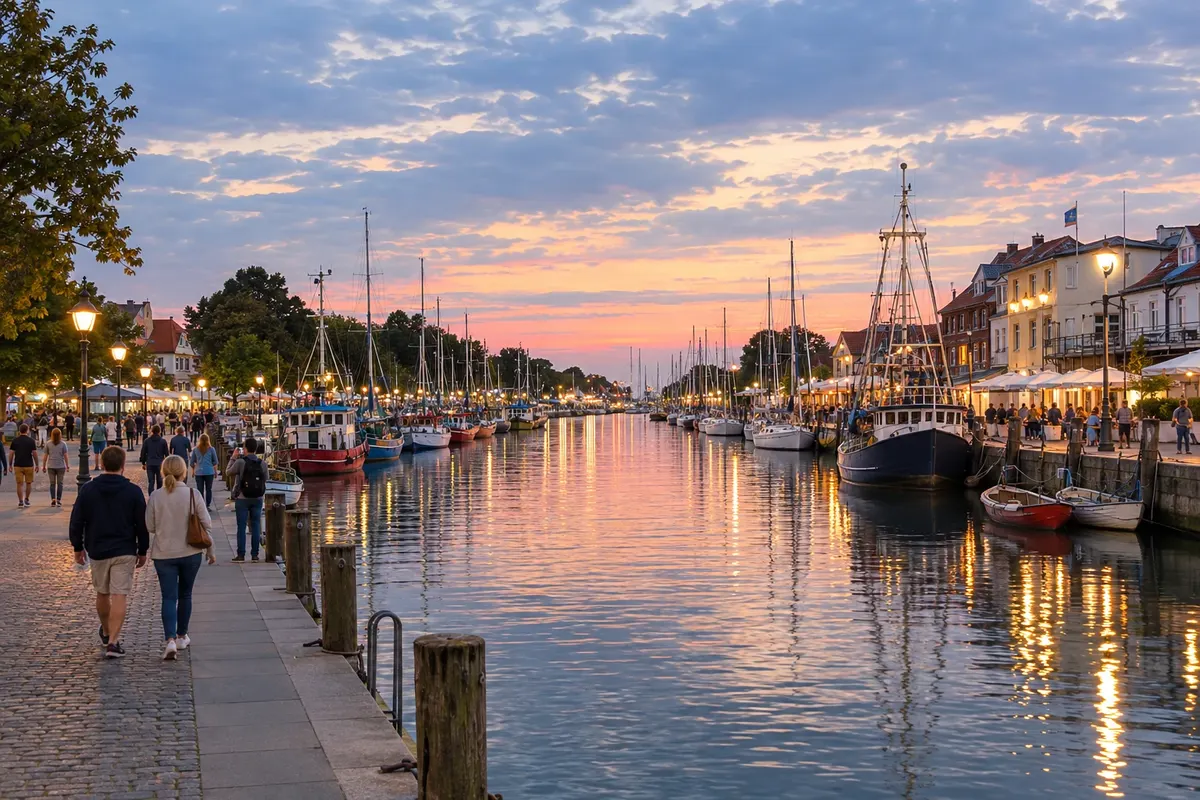
Mecklemburgo-Pomerânia Ocidental · Germany
In the destination Baltic Coast and Lübeck.
In the photo: Alter Strom, Warnemünde, Rostock
Illustrative images. The pictures in this guide are illustrations based on the real place, not photographs, and may differ from it.
The city
Rostock is the largest city in Mecklenburg-Western Pomerania, a former Hanseatic city and home to one of the oldest universities in northern Europe, founded in 1419. The center includes the Marienkirche, with the 1472 astronomical clock, the Neuer Markt square, Kröpeliner Straße and the old harbour. The Warnemünde district, 20 minutes by train, has a wide beach, a lighthouse and a cruise port. Schwerin, the state capital, is about an hour away.
There's no accommodation in the guide yet in Rostock.
There are no restaurants in the guide yet in Rostock.
Know a good one? Recommend it to ushow to get there · how many days · itinerary · questions
The local experience
Brick Gothic church that survived World War II with relatively little damage. It houses an astronomical clock from 1472 that still works and a bronze baptismal font from 1290.
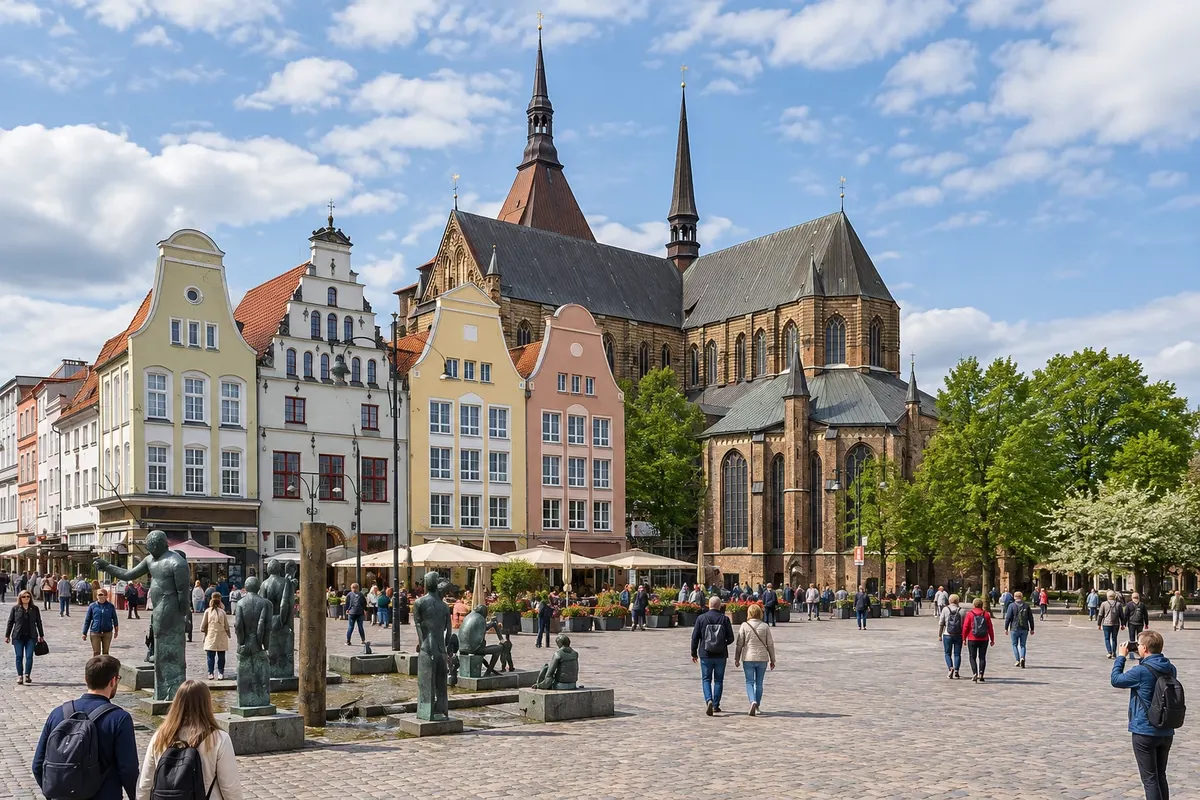
Rostock’s main square, featuring the town hall with a pink Baroque façade and colorful gabled merchant houses.
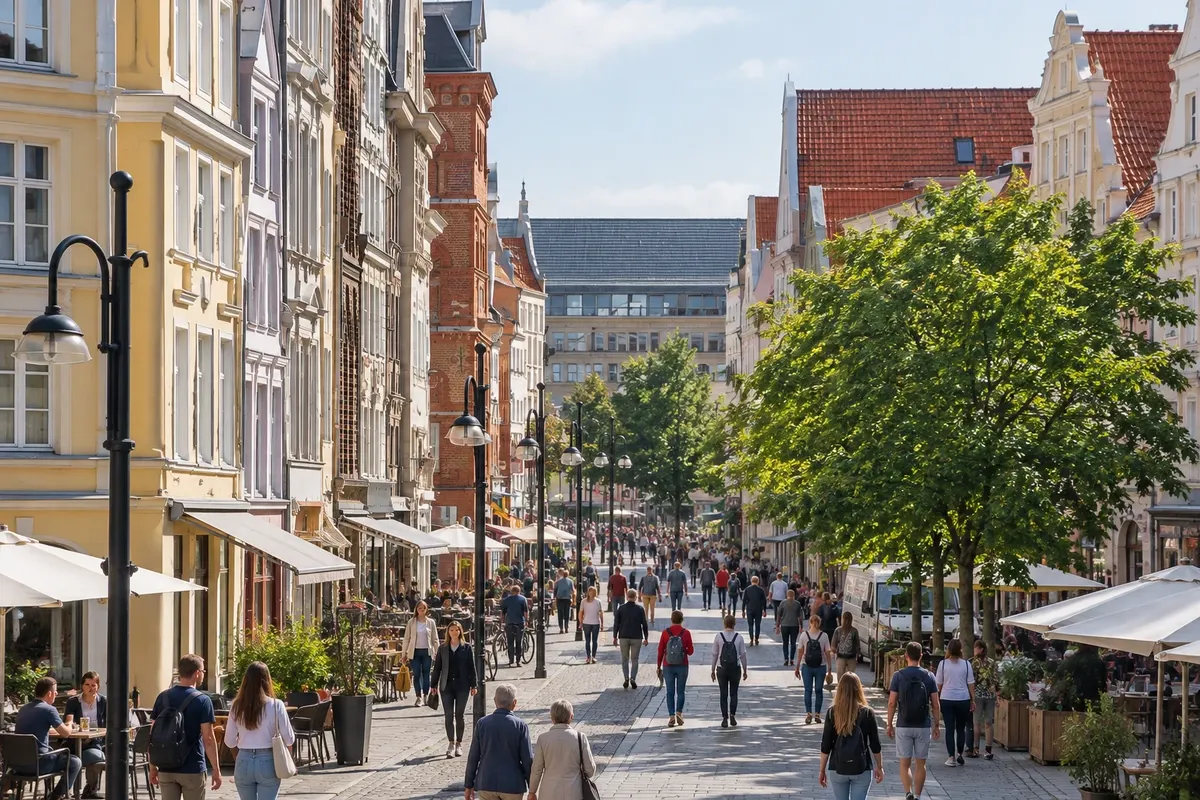
Pedestrian street about 650 metres long that cuts through Rostock's center, from Neuer Markt to the Gothic gate Kröpeliner Tor, passing the University square.
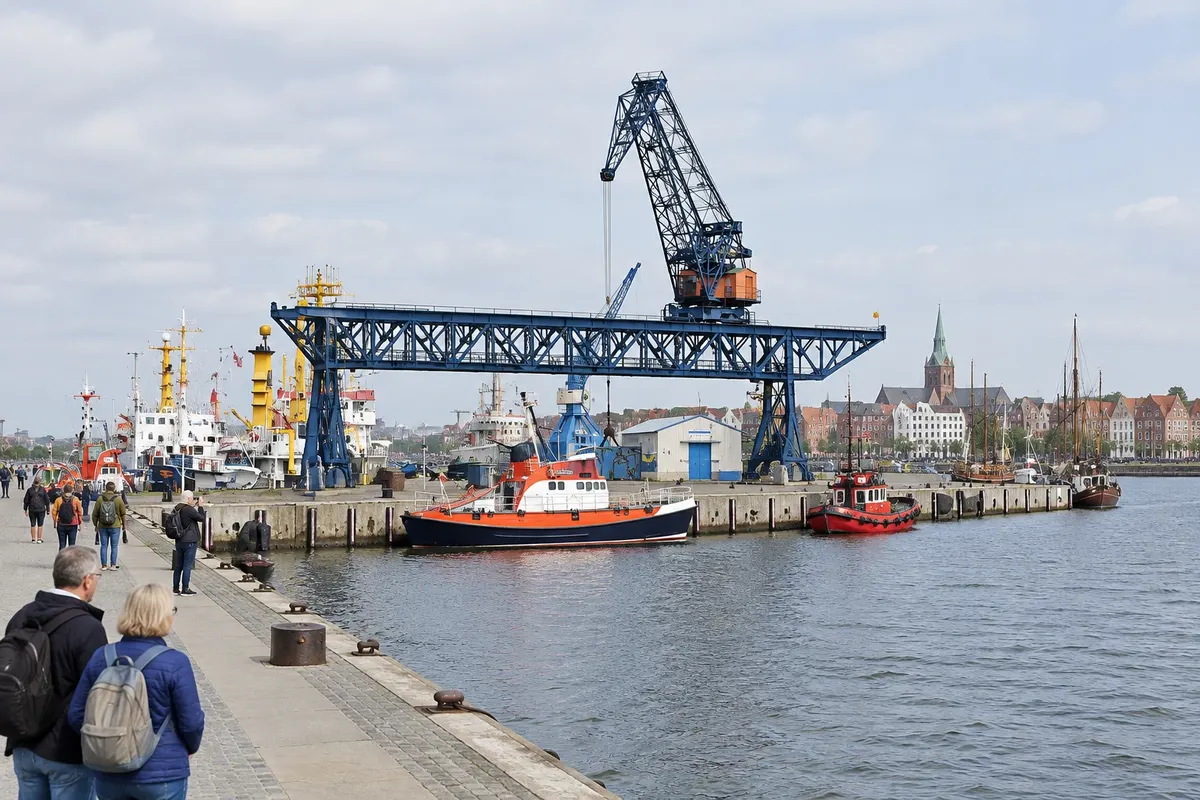
The city's historic port on the banks of the river Warnow, today a promenade area with boats, restaurants and the main stage of the Hanse Sail in August.
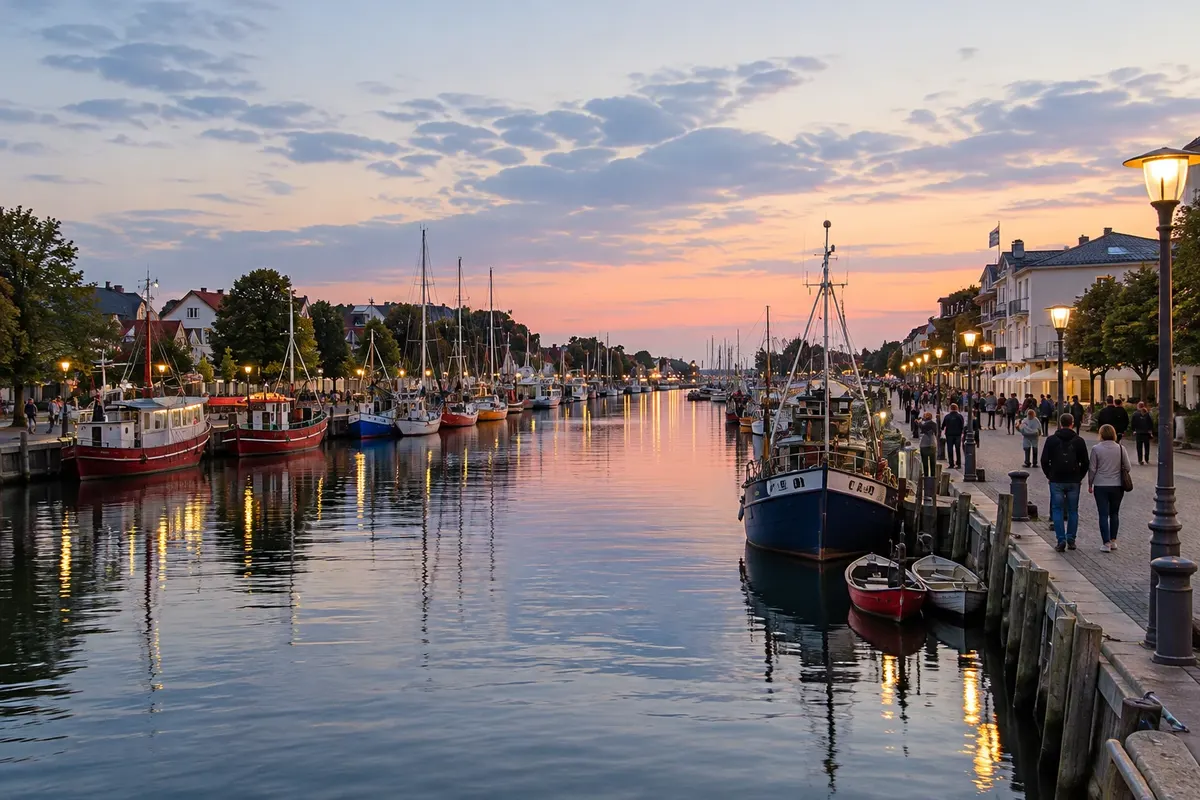
District of Rostock at the mouth of the Warnow, with the widest beach on the German Baltic coast, the Alter Strom canal with fishing boats, and the cruise port.
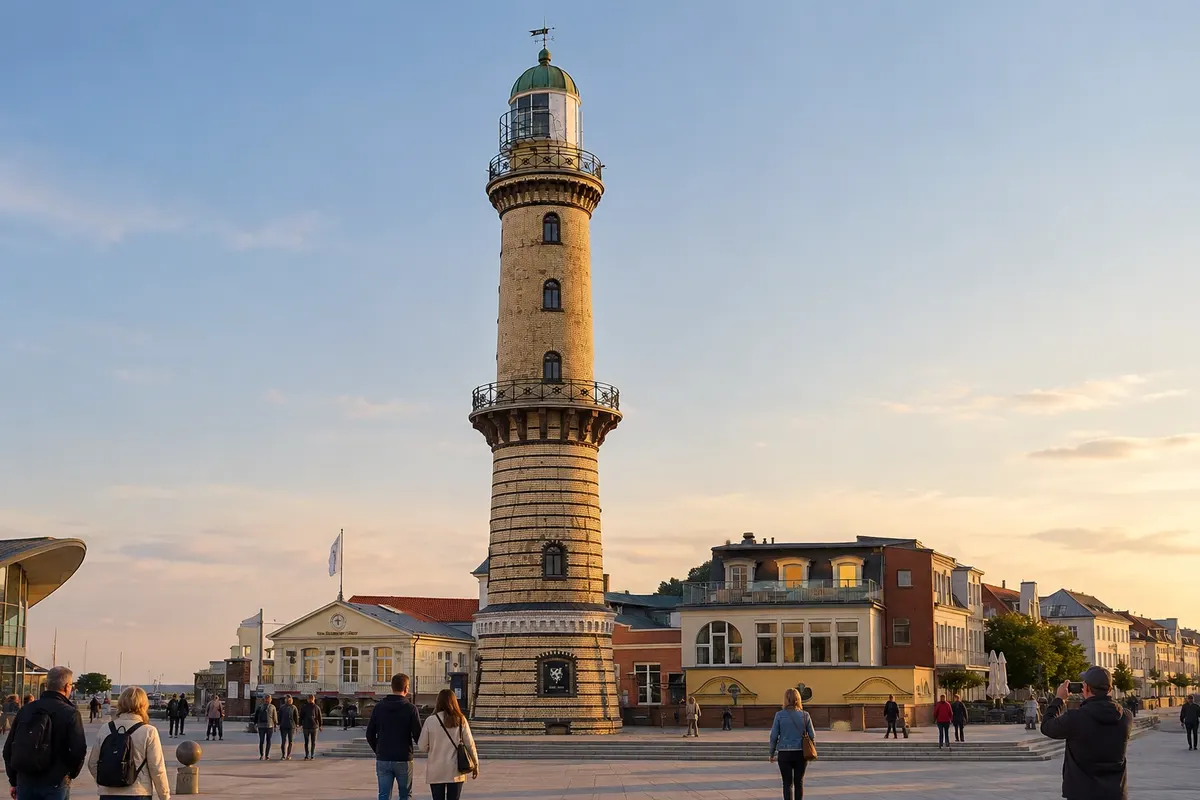
White lighthouse from 1898 on the shore of Warnemünde beach, still in use, with two viewing platforms open for climbing in season.
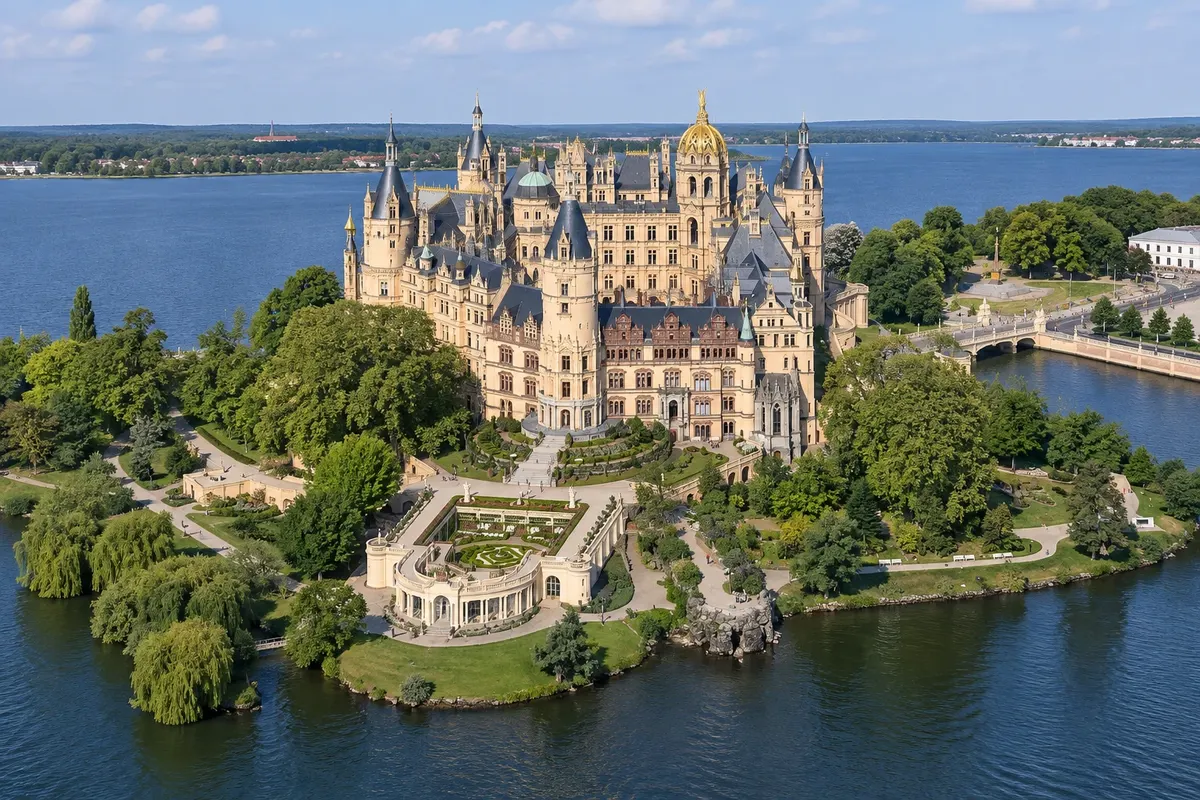
Palace of the dukes of Mecklemburgo on an island in the city of Schwerin, the state capital, with a museum, gardens and the seat of the state parliament.