Amsterdã

Holanda Setentrional · the Netherlands

Amsterdã

17th-century canals, the museums of Rembrandt, Vermeer and Van Gogh, the house of Anne Frank and a whole city that moves by bicycle.

Oeste

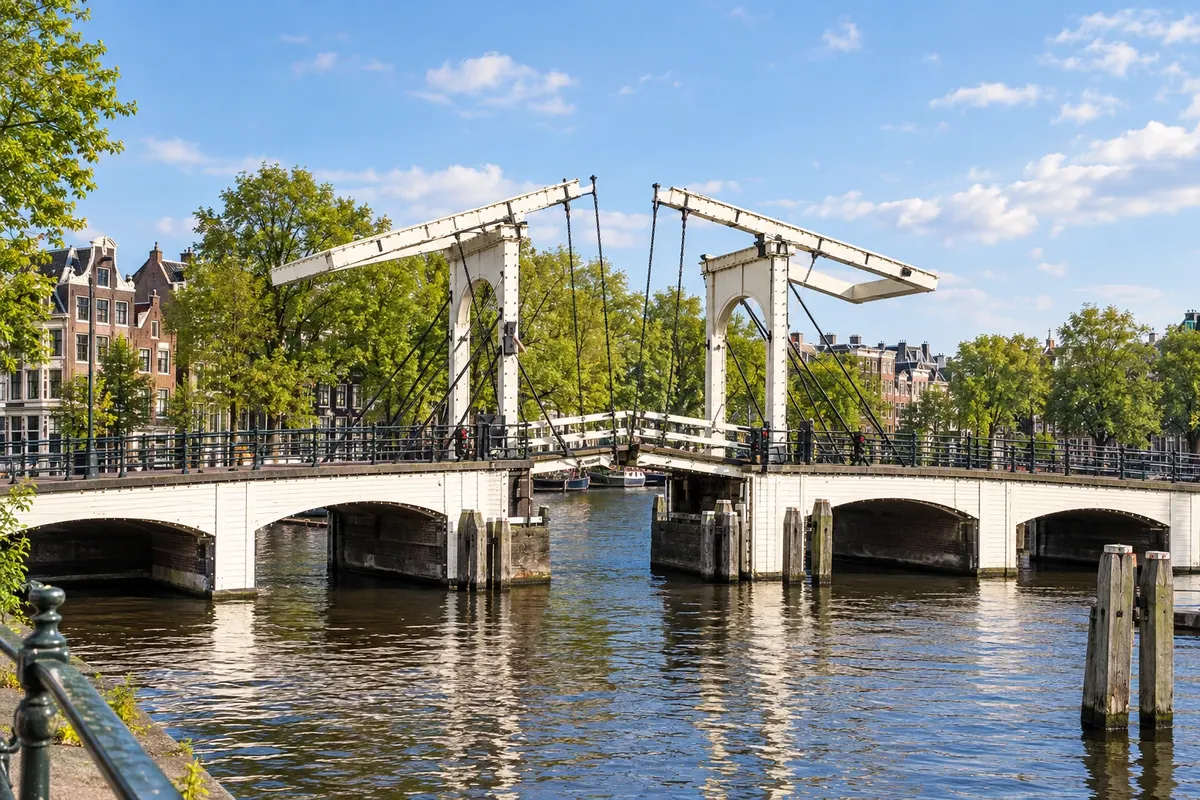
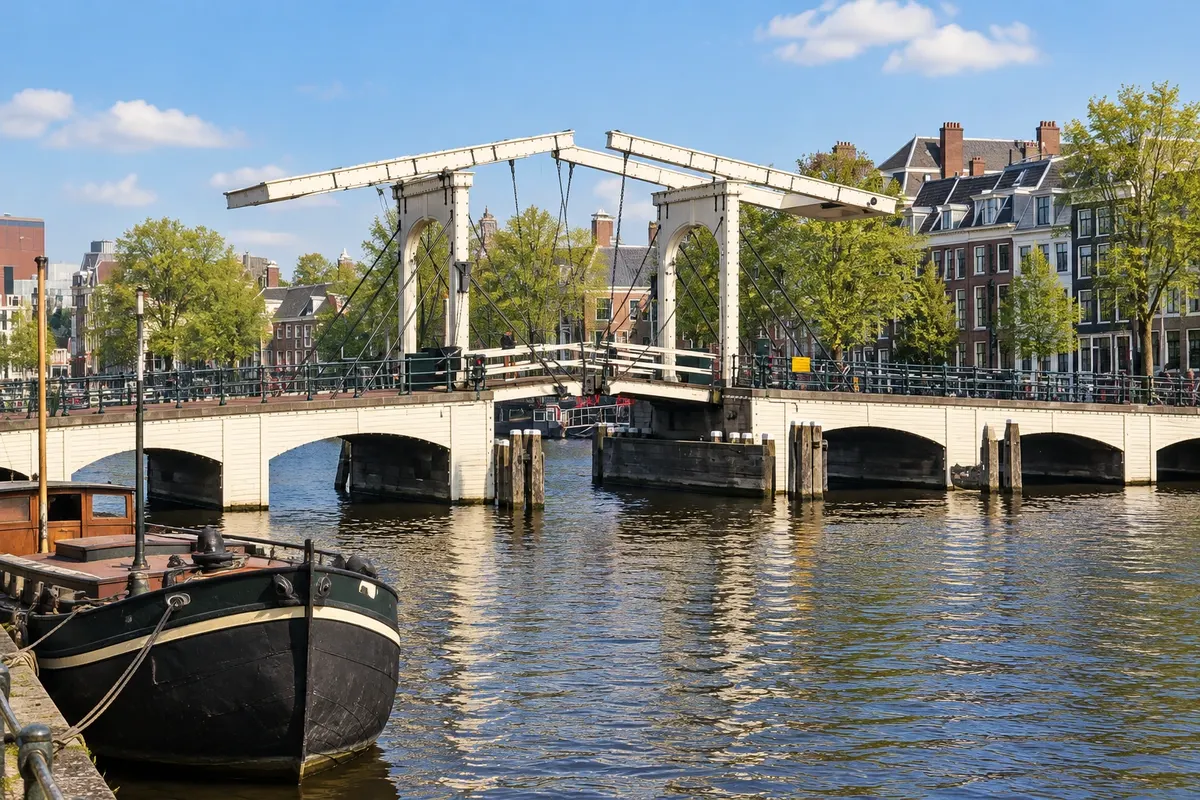
In the photo: Magere Brug, Amsterdã

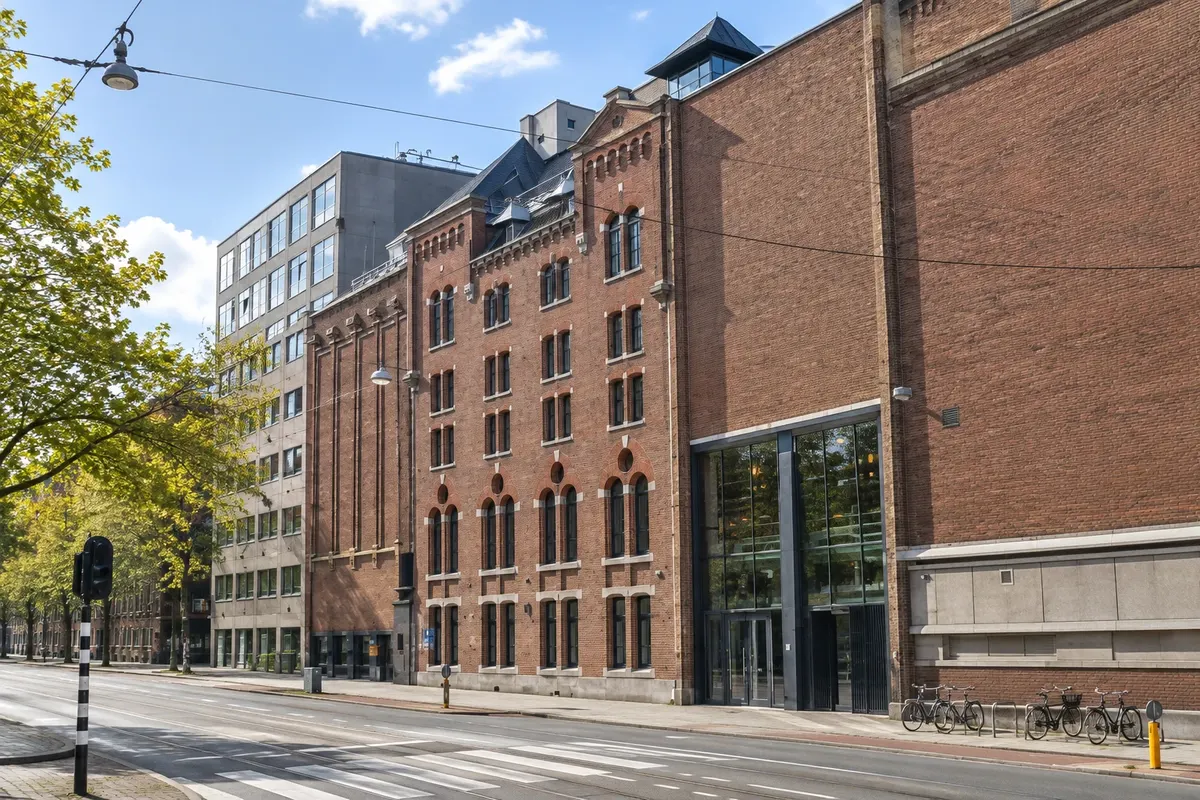
Illustrative images. The pictures in this guide are illustrations based on the real place, not photographs, and may differ from it.

Get it on Google Play Send your photos

Get to know the place

A region to enjoy
at your own pace.

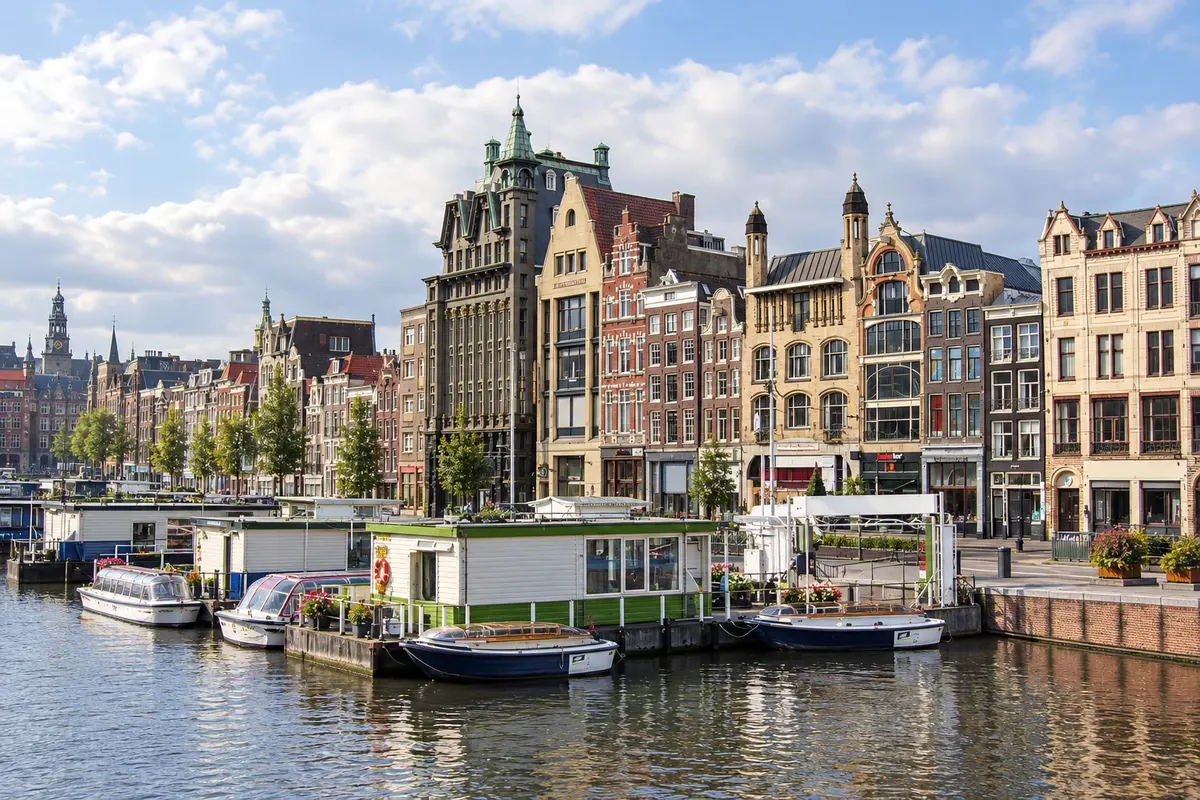
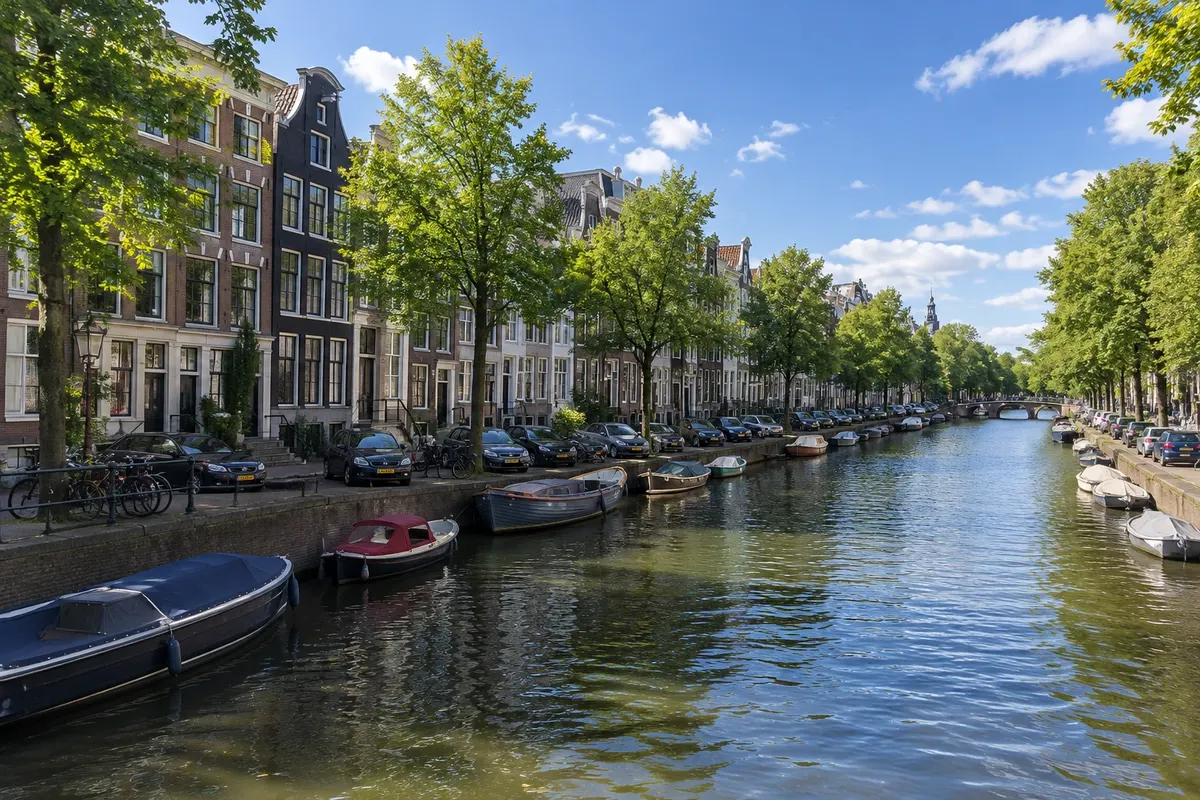
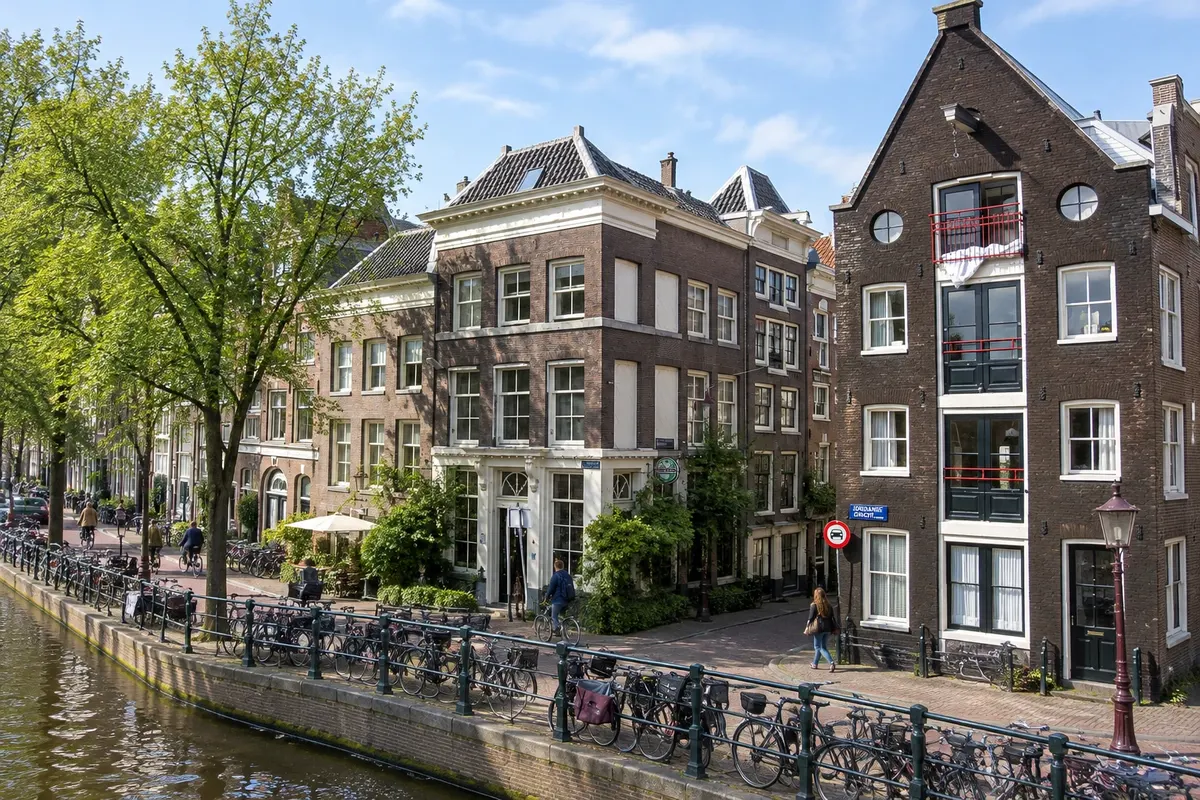
The center fits into a walk: it starts at Amsterdam Centraal station, passes the Dam square and opens onto the four semicircular canals of the canal belt, the Grachtengordel, laid out from 1613 and inscribed as a World Heritage Site by UNESCO. Gracht means canal, and it is along them that the narrow brick houses stand, with hooks high on the façades used to hoist furniture.

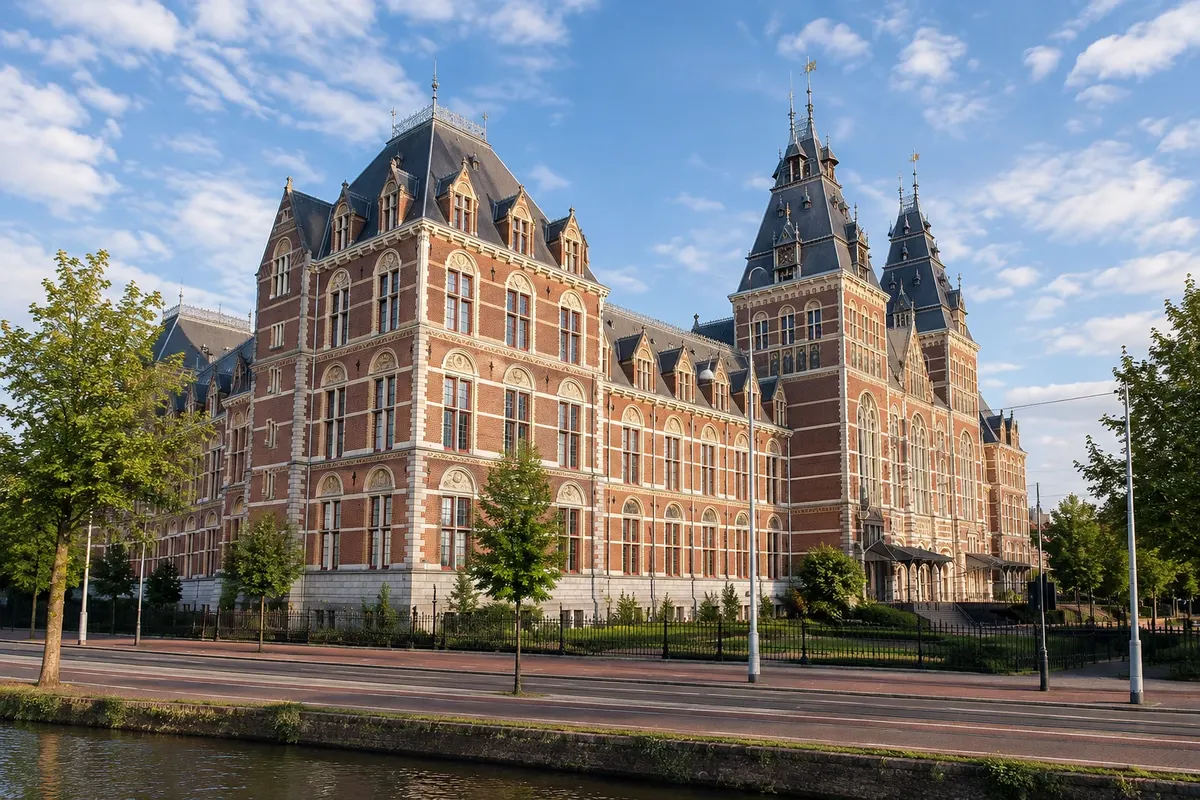
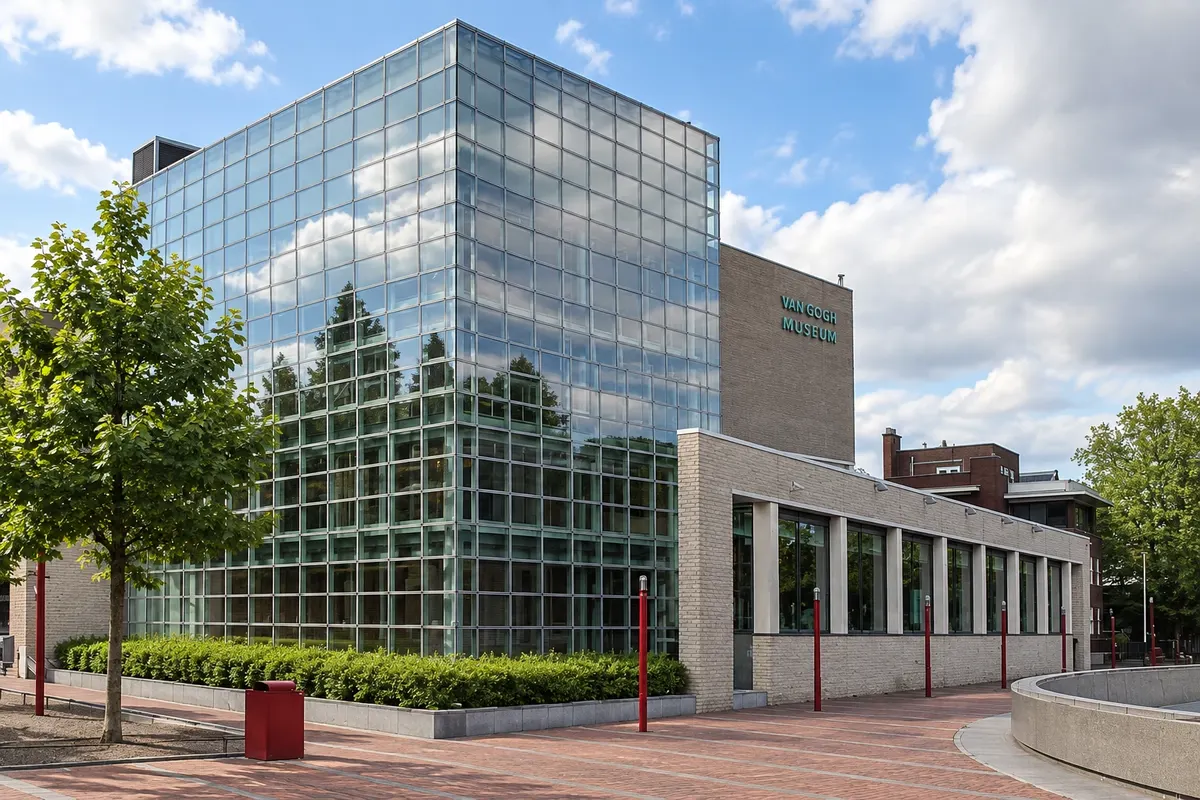
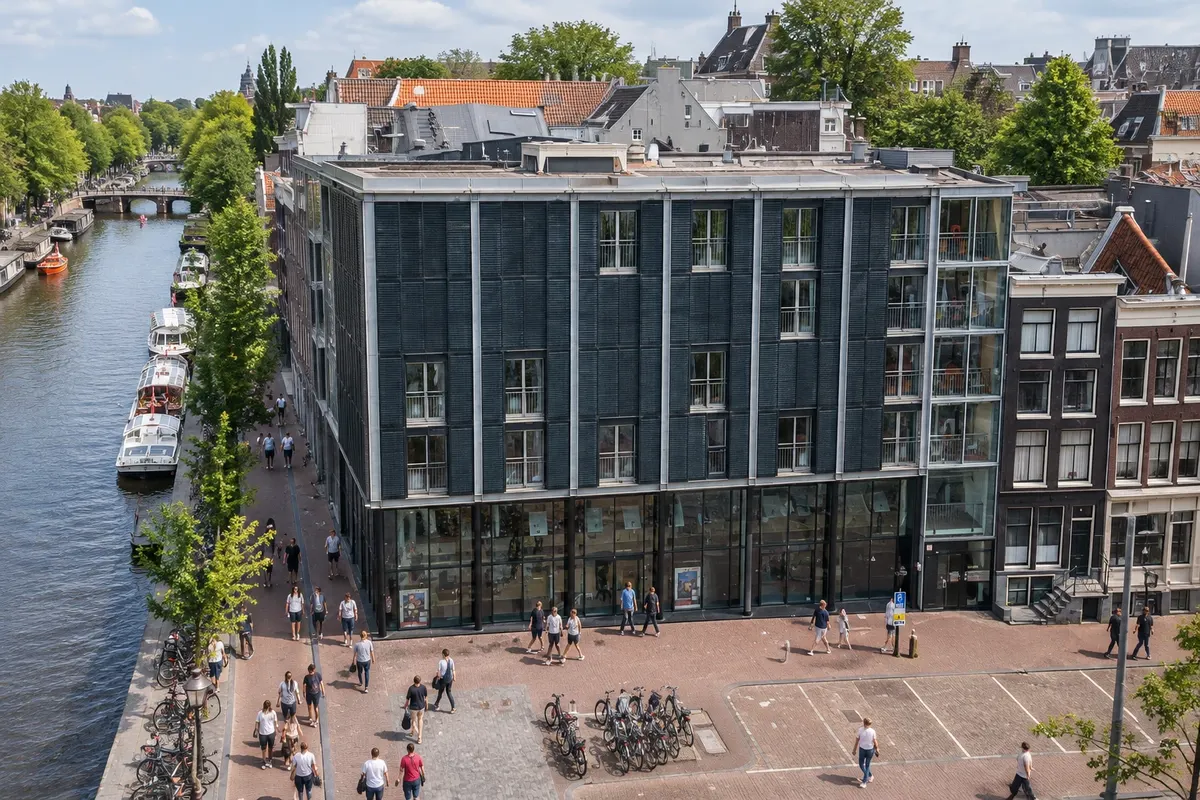
Museums weigh heavily on the trip. On the Museumplein are the Rijksmuseum, with Rembrandt’s The Night Watch and Vermeer’s The Milkmaid, the Van Gogh Museum, with the largest collection of the painter, and the Stedelijk Museum of modern art. In the historic center are the Anne Frank Huis, the hiding place where Anne wrote her diary during the Nazi occupation, and the house where Rembrandt lived and painted, today the Rembrandthuis.

Outside the museums, the city is seen on foot, by boat and by bike (fiets). The Jordaan has narrow streets, smaller canals and the Noordermarkt market; the Begijnhof hides a medieval courtyard behind a door on the Spui; the Vondelpark is the park where locals run and cycle. On the other side of the IJ river, a ferry takes you to Amsterdam-Noord and the A'DAM Lookout tower, with views from 100 metres high.

Amsterdã is also a base for short day trips by train or bus: Haarlem is about 15 minutes by train, and the windmills of Zaanse Schans and the fishing village of Volendam are less than an hour away.

This destination brings together 1 city: Amsterdã.

Share: WhatsApp
Traveler, share your experiences through photos Up to 5 photos of each place you visited.

One destination, many paths

The cities on this trip

Start with one city or combine several in your itinerary.

Where Amsterdã is
Amsterdã

Contornos: CBS/PDOK, Gebiedsindelingen 2024, CC BY 4.0. Adaptação do Cidade Turismo.

How to get there: Amsterdã

✈ Amsterdam Airport Schiphol (AMS), in Haarlemmermeer · 18 km to Amsterdã

Flights arrive at Amsterdam Airport Schiphol, which has a train station inside the terminal; the train to Amsterdam Centraal takes about 15 minutes. Check before buying. From other Dutch and European cities, trains arrive at Amsterdam Centraal.

The local experience

Things to do in Amsterdã

Rijksmuseum
Amsterdã · Holanda Setentrional · Museum

Rijksmuseum

The national museum of Holanda houses The Night Watch by Rembrandt, The Milkmaid by Vermeer and eight centuries of the country's art and history in an 1885 building on the Museumplein.

Van Gogh Museum
Amsterdã · Holanda Setentrional · Museum

Van Gogh Museum

The largest collection of Vincent van Gogh's works in the world, including Sunflowers, The Potato Eaters and Almond Blossom, as well as the painter's letters and drawings.

Anne Frank Huis
Amsterdã · Holanda Setentrional · House museum

Anne Frank Huis

The house on Prinsengracht where Anne Frank and seven others hid from the Nazis between 1942 and 1944. Visits are only with an online ticket, with a set day and time.

Grachtengordel
Amsterdã · Holanda Setentrional · Canal

Grachtengordel

The four 17th-century semi-circular canals that form the center of Amsterdã, a UNESCO World Heritage Site. You can walk along the banks or take a boat tour.

See 29 more places in Amsterdã
Dam
Amsterdã · Holanda Setentrional · Square

Dam

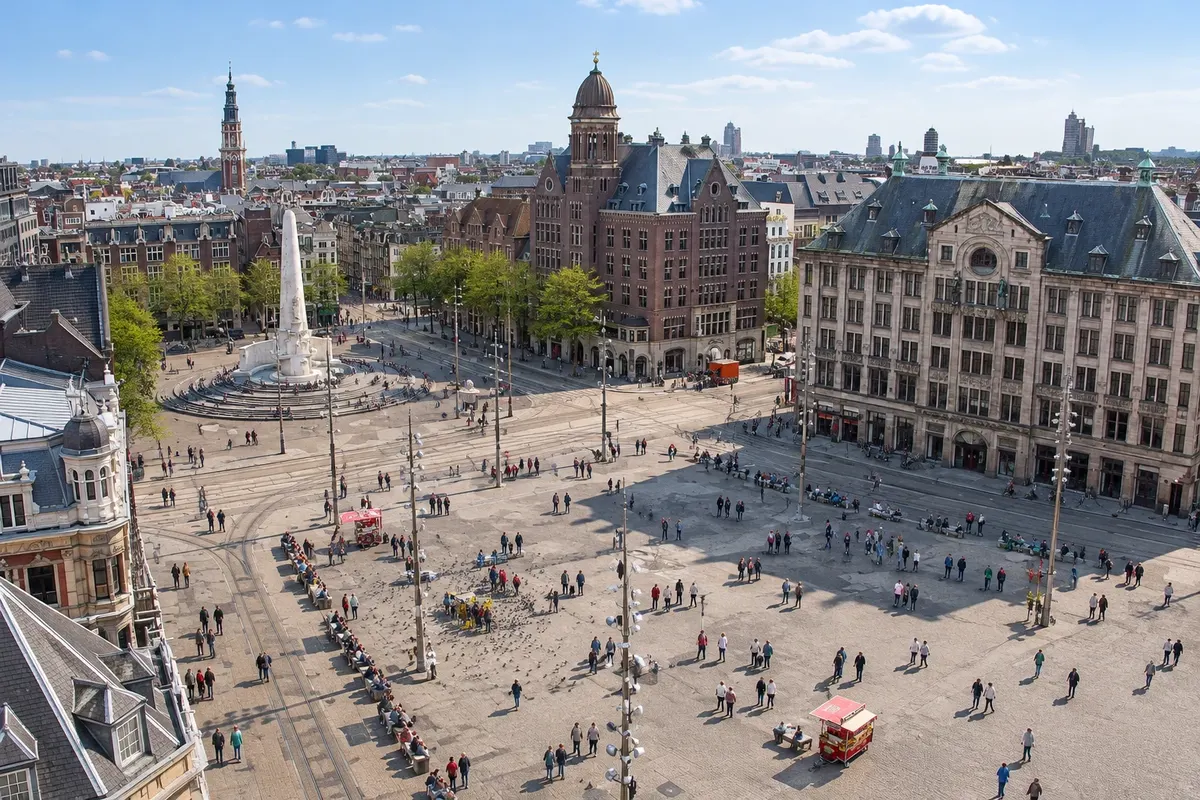
The central square of Amsterdã, born from the dam built on the river Amstel that gave the city its name. There stand the Koninklijk Paleis, the Nieuwe Kerk and the Monumento Nacional.

Koninklijk Paleis Amsterdam
Amsterdã · Holanda Setentrional · Palace

Koninklijk Paleis Amsterdam

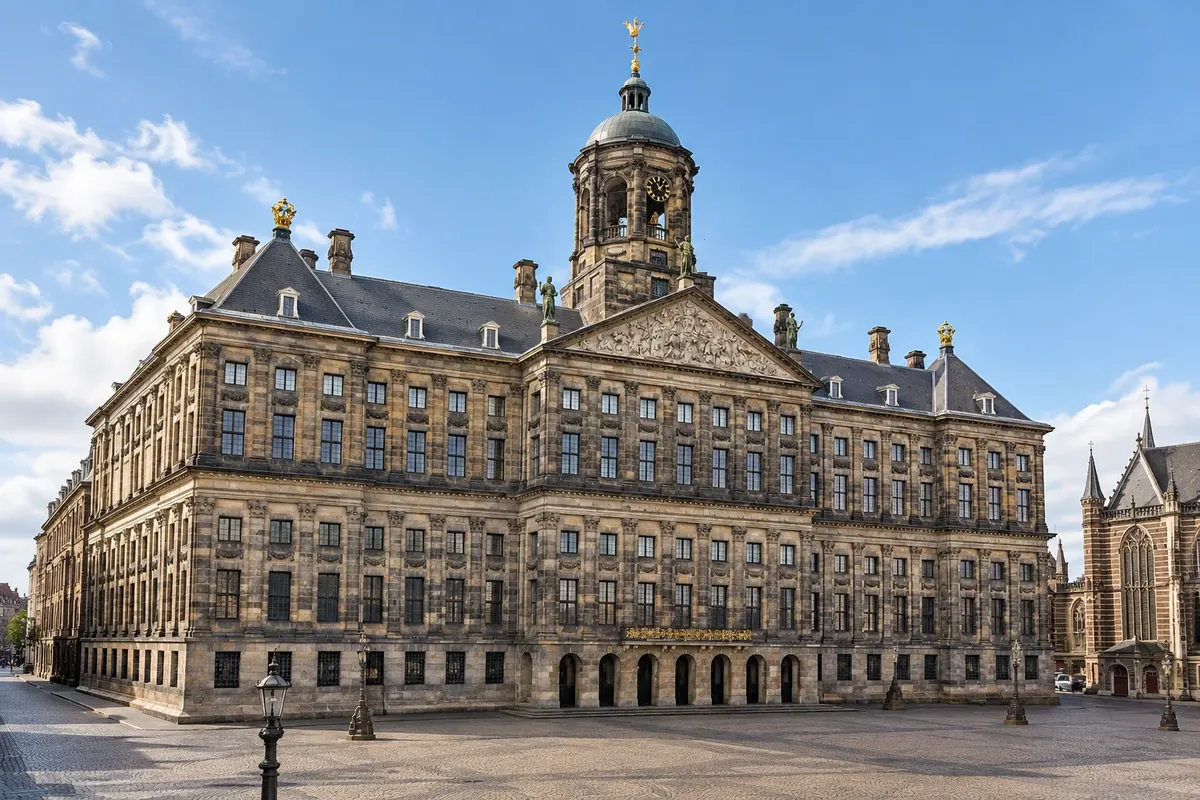
Built in the 17th century as a city hall, it is now the king's reception palace on the Dam. It is open to visitors outside dates of official ceremonies.

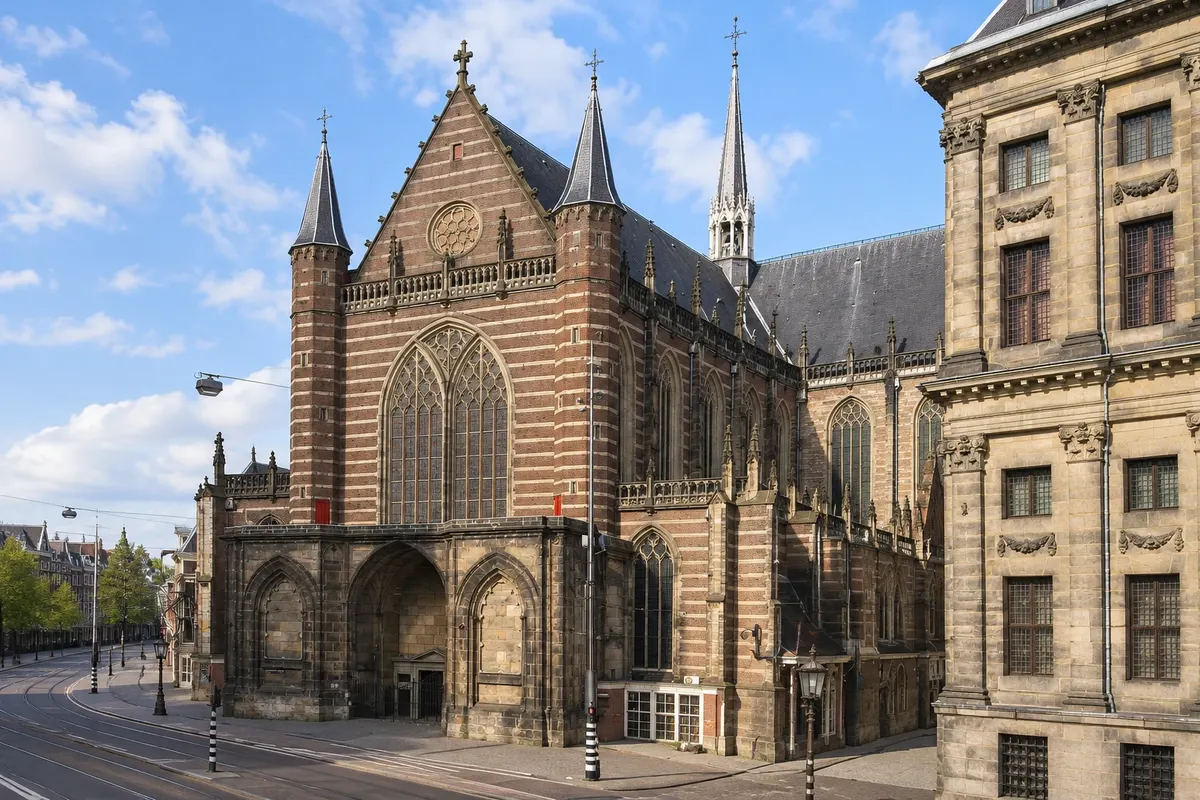
De Nieuwe Kerk
Amsterdã · Holanda Setentrional · Church

De Nieuwe Kerk

15th-century Gothic church on Dam Square where the kings of the Netherlands are sworn in. Today it hosts major exhibitions of art, photography and history.

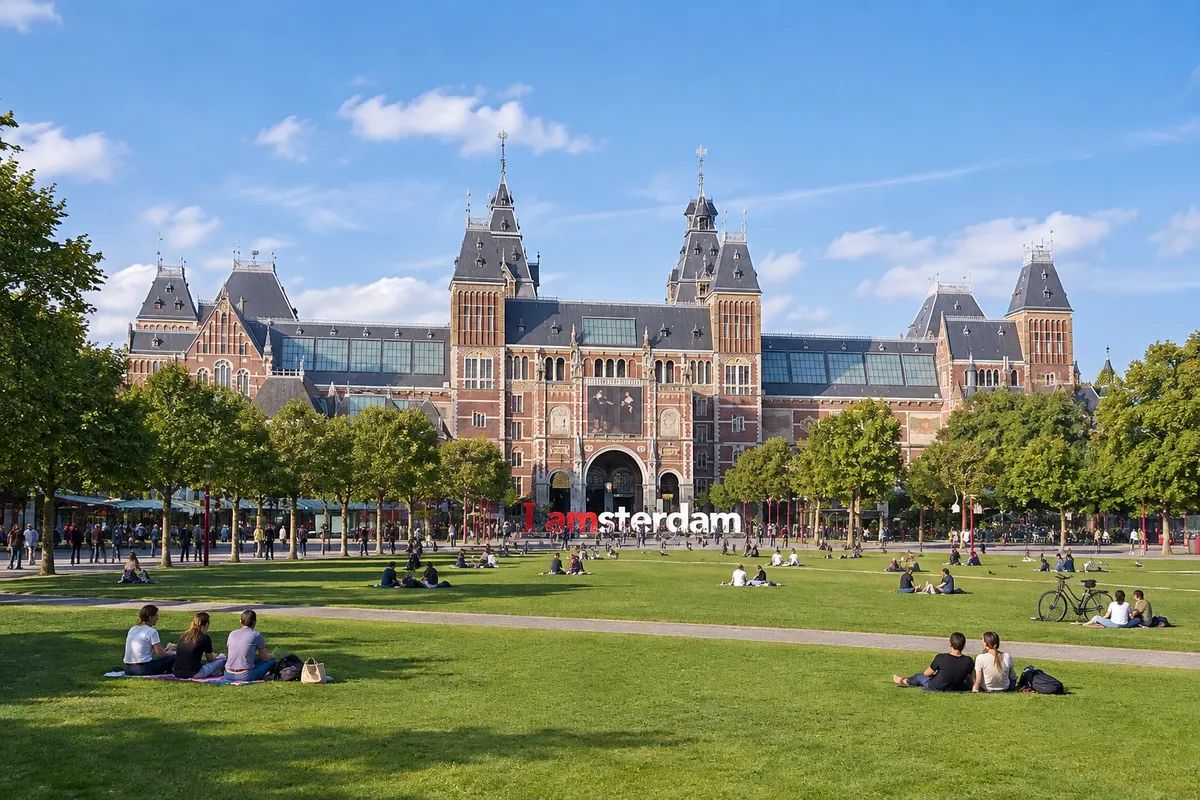
Museumplein
Amsterdã · Holanda Setentrional · Square

Museumplein

The large lawn of Oud-Zuid surrounded by the Rijksmuseum, the Van Gogh Museum, the Stedelijk Museum and the Concertgebouw concert hall.

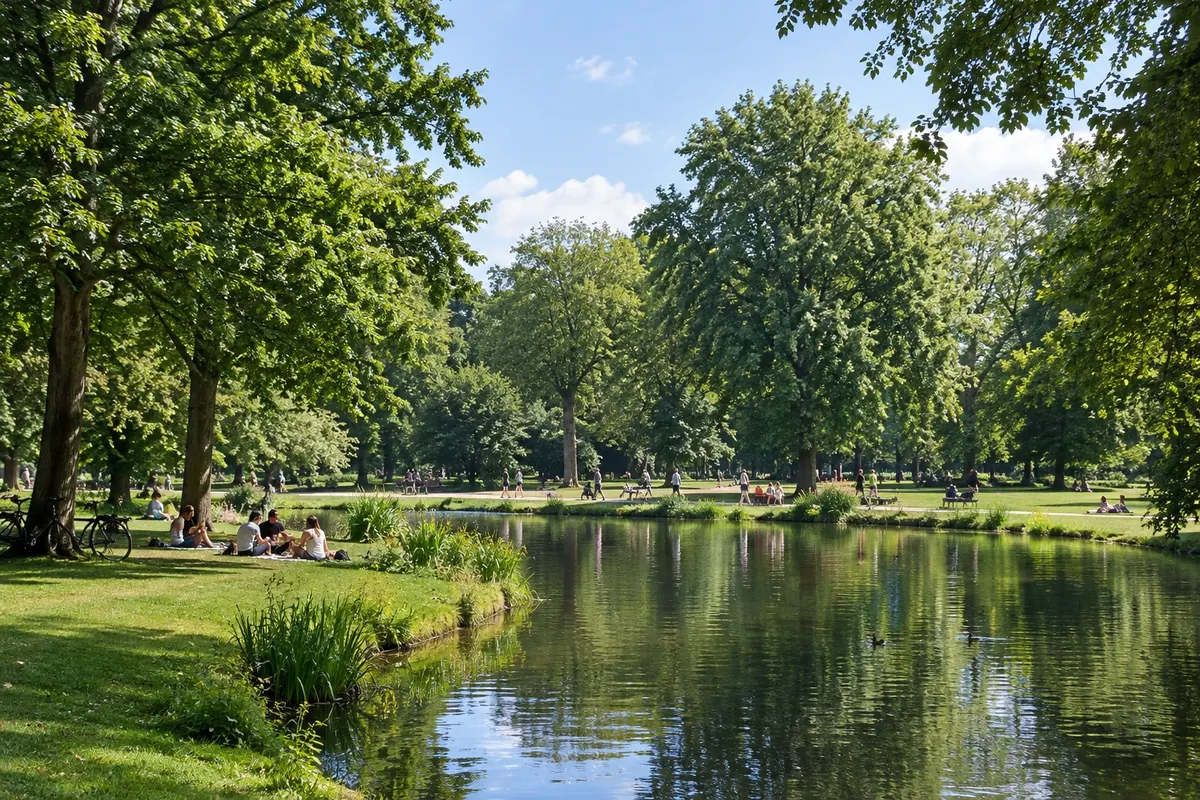
Vondelpark
Amsterdã · Holanda Setentrional · Park

Vondelpark

Amsterdam's best-known park, opened in 1865, with lakes, lawns and avenues where residents walk, run and cycle. It lies next to the Museumplein.

Jordaan
Amsterdã · Holanda Setentrional · Historic neighborhood

Jordaan

Former 17th-century working-class neighborhood west of the Prinsengracht, with narrow streets, smaller canals, inner courtyards and the Noordermarkt market.

Begijnhof
Amsterdã · Holanda Setentrional · Historic site

Begijnhof

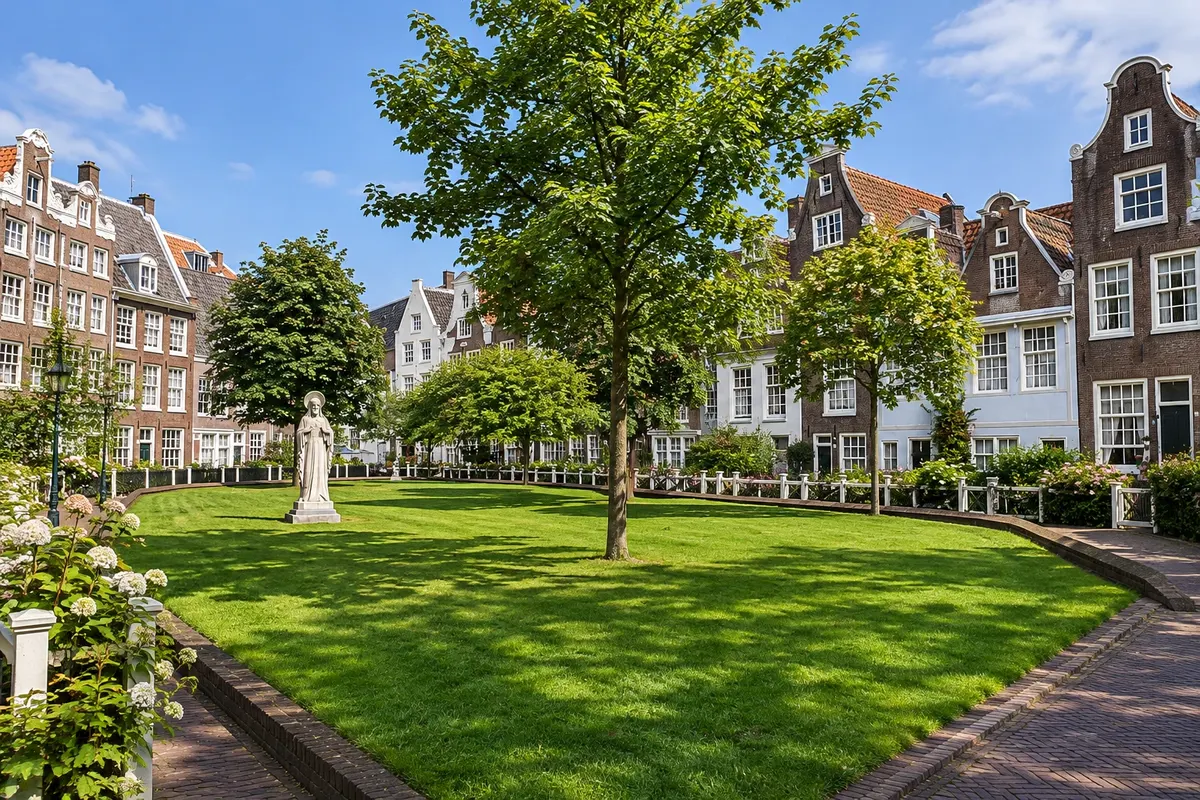
Medieval courtyard hidden behind a door on the Spui, where the beguines used to live. It has houses from the 17th and 18th centuries, one of the city's oldest wooden houses and two churches.

Bloemenmarkt
Amsterdã · Holanda Setentrional · Market

Bloemenmarkt

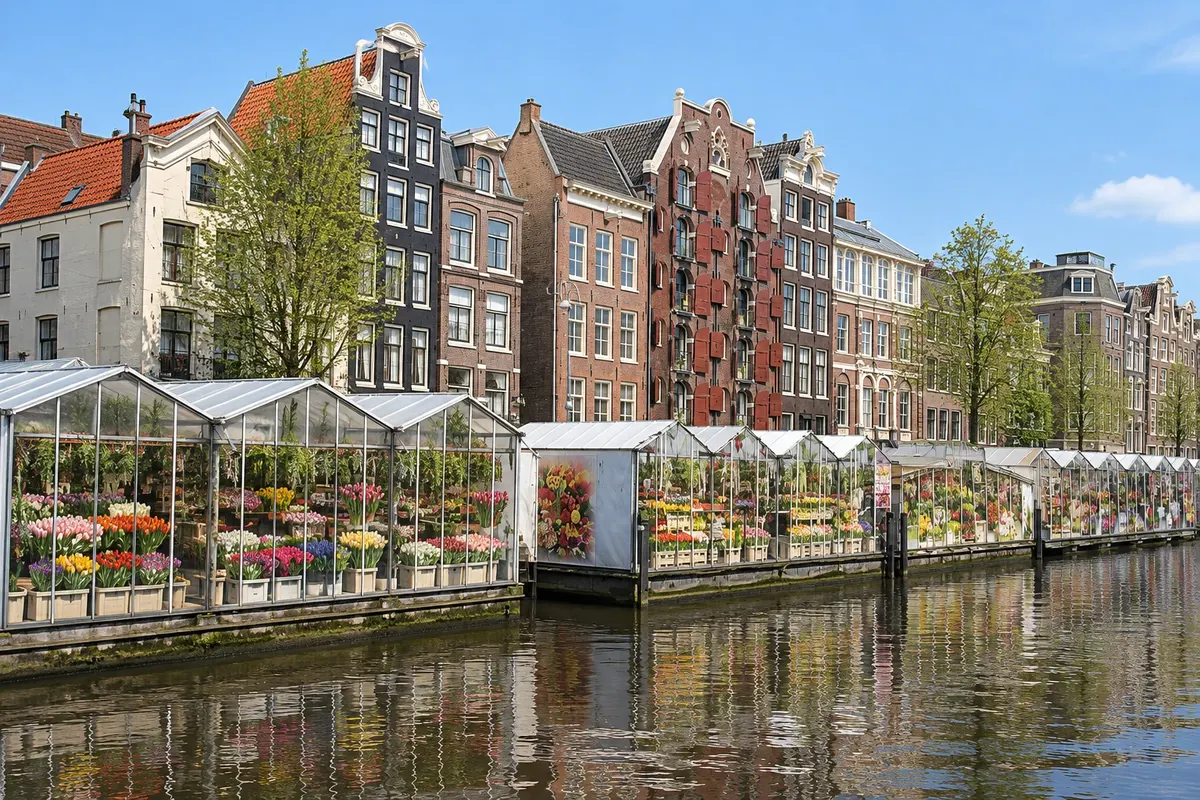
Flower and bulb market on the Singel canal, between Koningsplein and Muntplein, with stalls set up on structures at the water’s edge.

Stedelijk Museum Amsterdam
Amsterdã · Holanda Setentrional · Museum

Stedelijk Museum Amsterdam

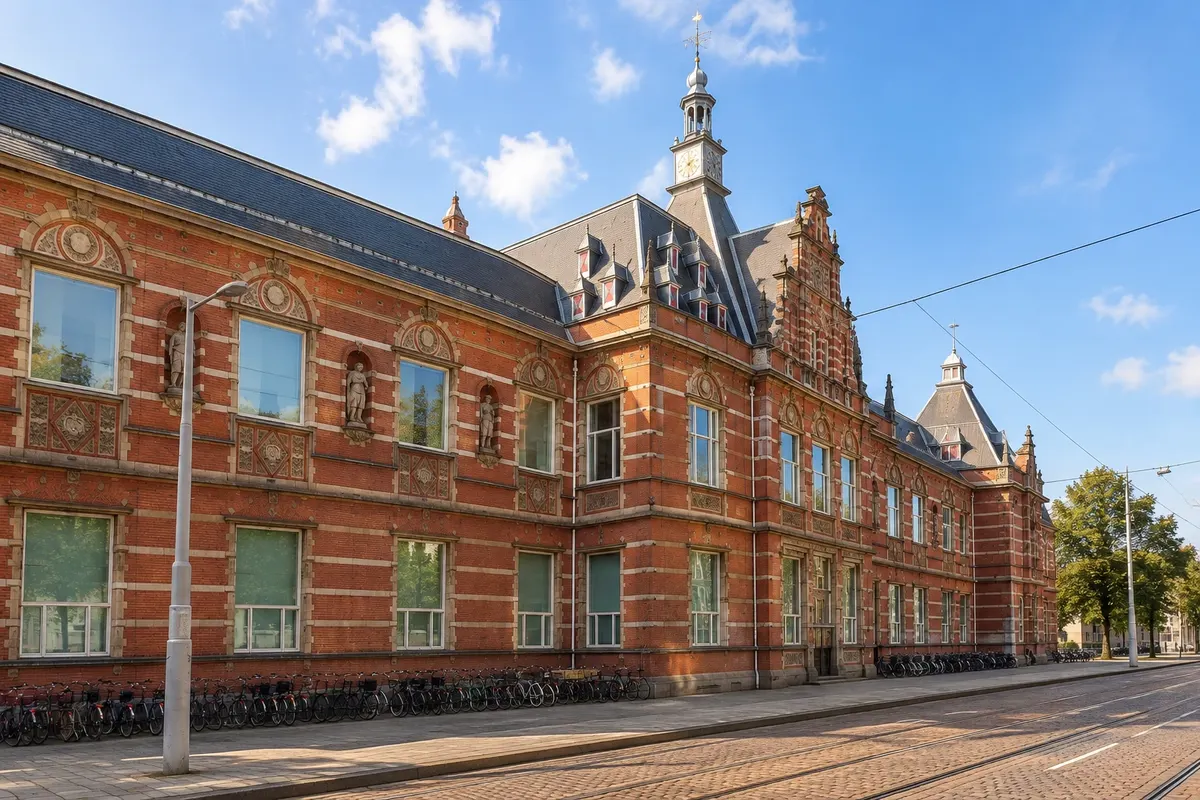
Amsterdam’s museum of modern and contemporary art and design, on Museumplein, with works by Mondrian, Malevich, Rietveld, Karel Appel and Warhol.

Het Scheepvaartmuseum
Amsterdã · Holanda Setentrional · Museum

Het Scheepvaartmuseum

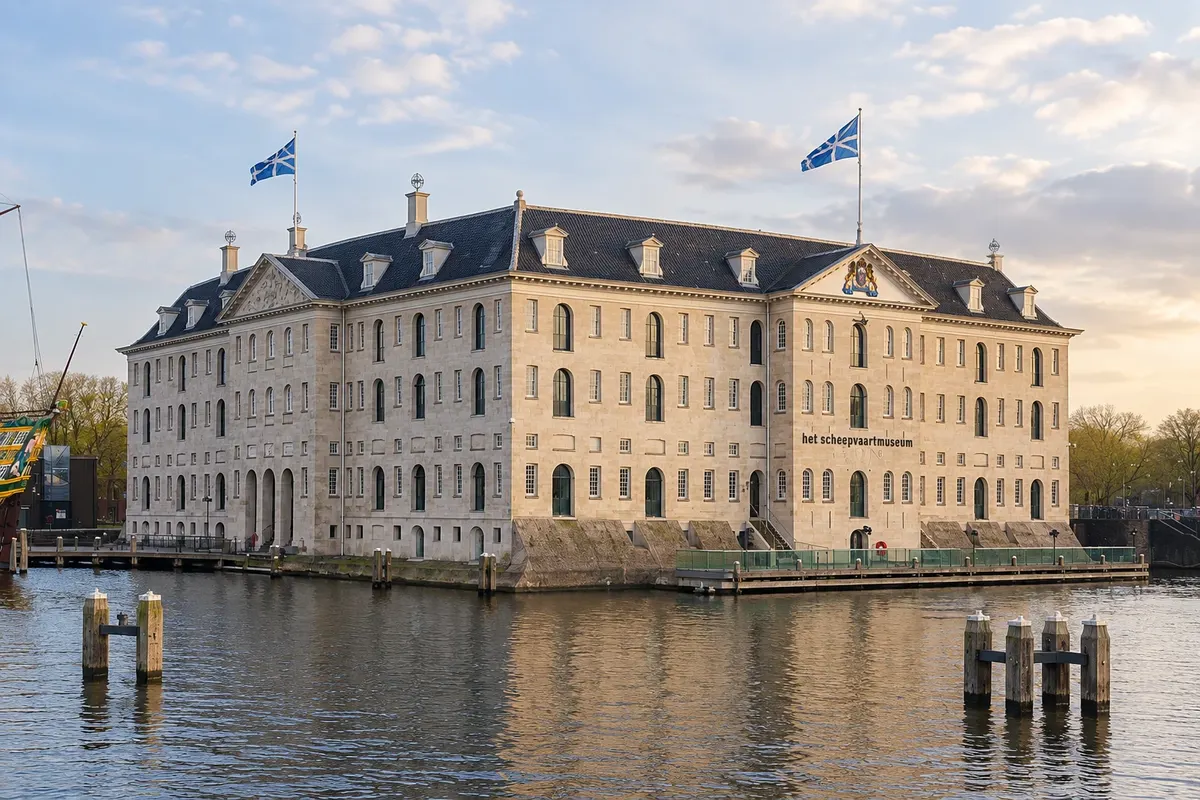
The national maritime museum, in a Navy warehouse from 1656, tells 500 years of Dutch seafaring. Docked beside it is the replica of the ship Amsterdam, from the Dutch East India Company.

Museum Het Rembrandthuis
Amsterdã · Holanda Setentrional · House museum

Museum Het Rembrandthuis

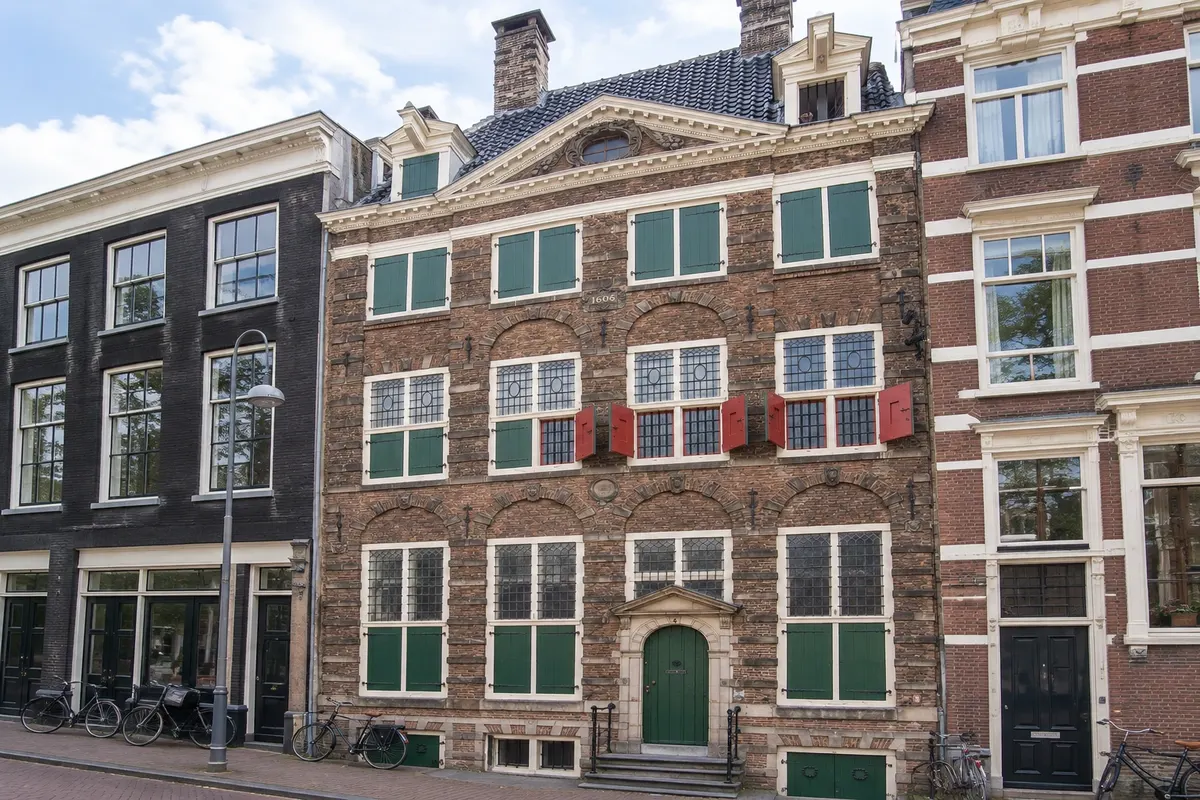
The house where Rembrandt lived and painted from 1639 to 1658, set up as it was in the 17th century, with the studio, the cabinet of curiosities and the largest collection of the artist’s prints.

Oude Kerk
Amsterdã · Holanda Setentrional · Church

Oude Kerk

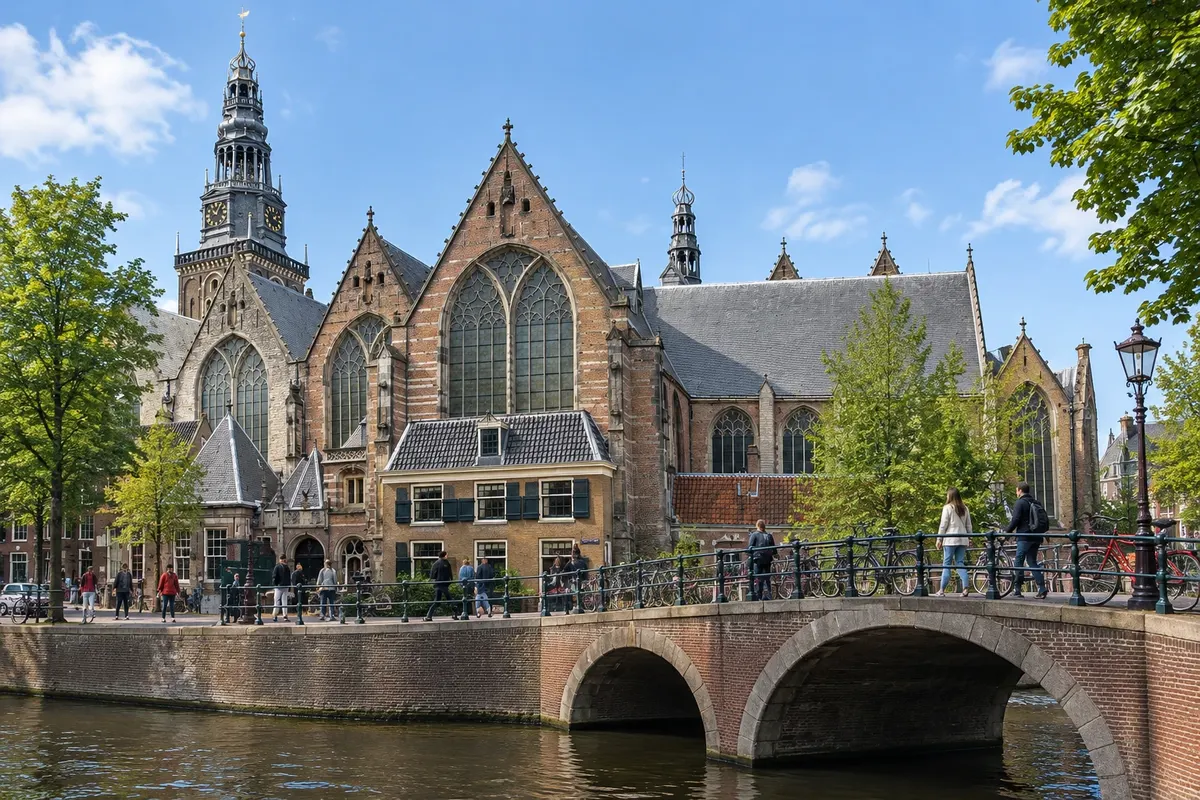
The oldest building in Amsterdam, a church consecrated in 1306. It has a medieval wooden ceiling, a floor of tombstones, the tomb of Saskia, Rembrandt's wife, and contemporary art exhibitions.

A'DAM Lookout
Amsterdã · Holanda Setentrional · Viewpoint

A'DAM Lookout

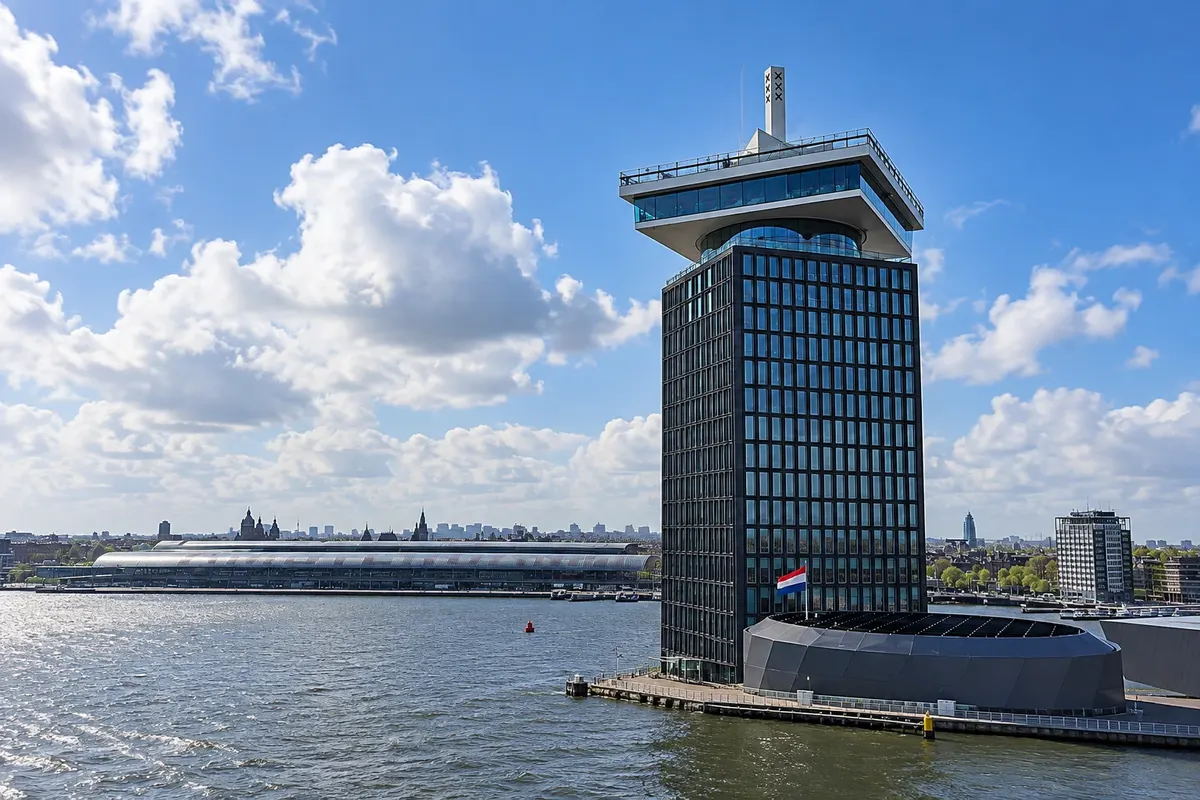
Observation deck 100 metres high atop the A'DAM tower in Amsterdam-Noord, with 360-degree views and a swing on the edge of the terrace. You reach it by the ferry that departs behind Amsterdam Centraal.

Albert Cuypmarkt
Amsterdã · Holanda Setentrional · Market

Albert Cuypmarkt

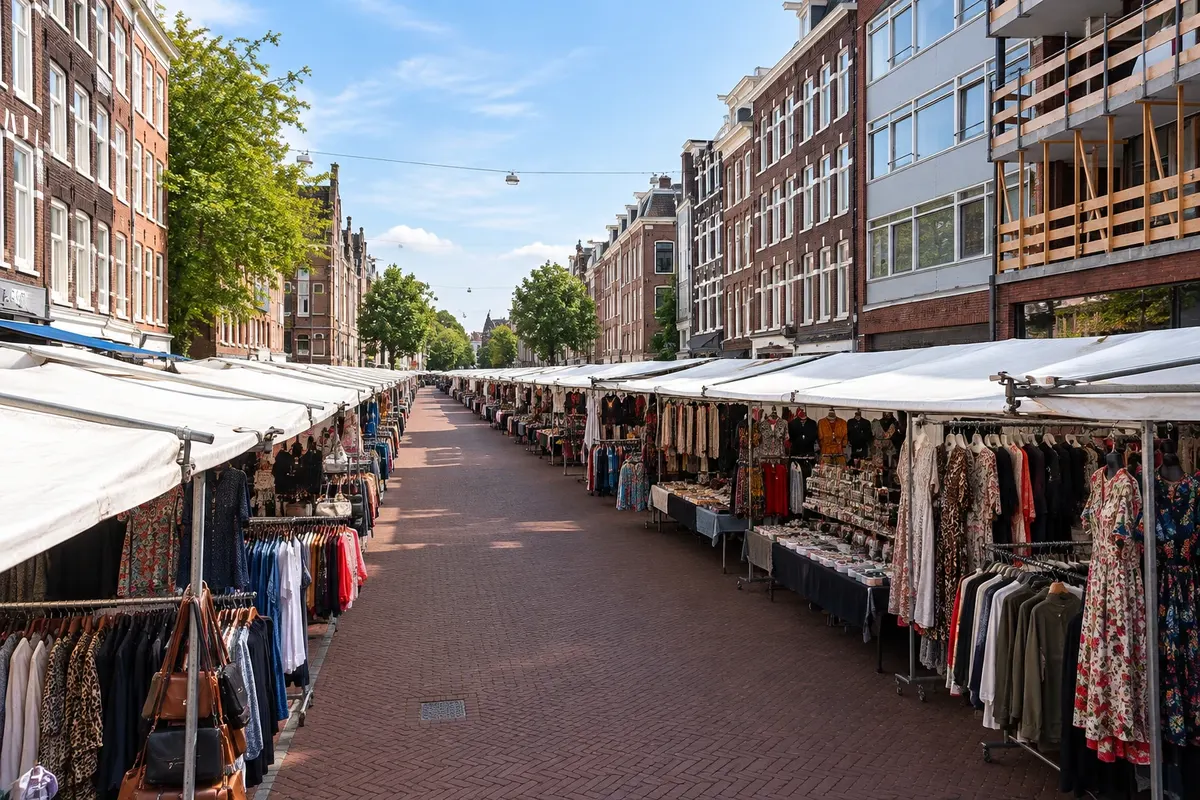
Street market of De Pijp, established since 1905 on Albert Cuypstraat, with about 260 stalls selling fruit, fish, flowers, clothing and street food. It runs Monday to Saturday and is the gateway to the most diverse neighborhood in the southern part of the city centre.

Heineken Experience
Amsterdã · Holanda Setentrional · Museum

Heineken Experience

Visit to Heineken's first brewery, from 1867, on the edge of De Pijp. The tour tells the story of the brand and shows how pilsner beer is made, with a tasting at the end for those aged 18 and over.

NEMO Science Museum
Amsterdã · Holanda Setentrional · Museum

NEMO Science Museum

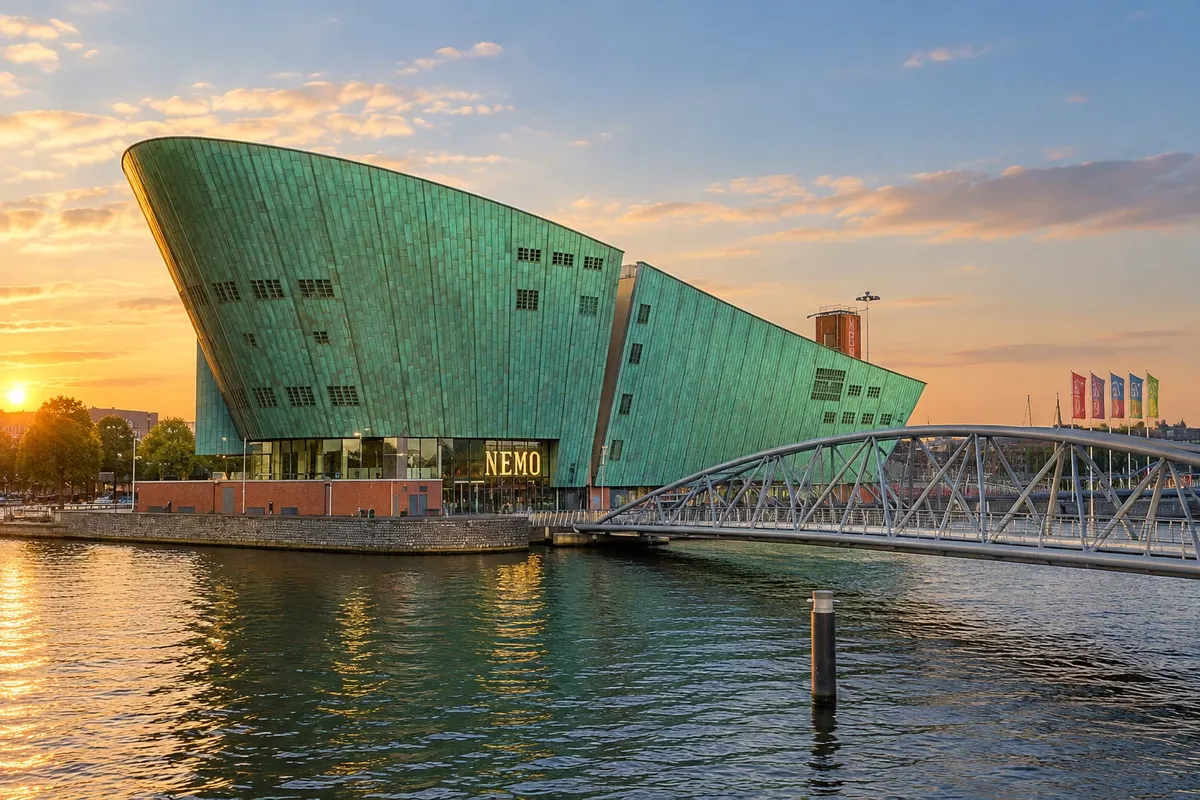
Interactive science museum in the green building shaped like a ship's prow, designed by Renzo Piano, near Central Station. Five floors of hands-on experiments and a terrace with views over the port and the city center.

Hortus Botanicus
Amsterdã · Holanda Setentrional · Garden

Hortus Botanicus

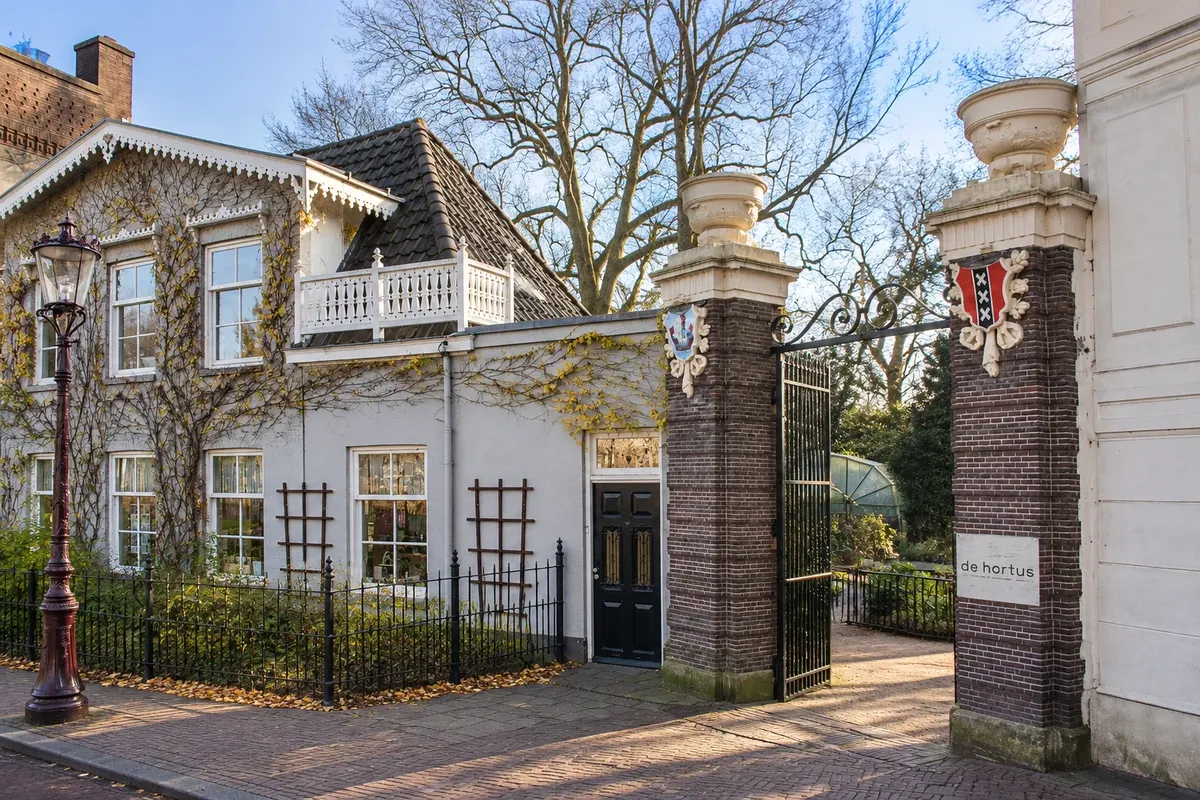
Botanical garden founded in 1638 in the Plantage district, one of the oldest in the world. It has tropical greenhouses, a butterfly house and a Casa das Palmeiras from 1912.

ARTIS
Amsterdã · Holanda Setentrional · Zoo

ARTIS

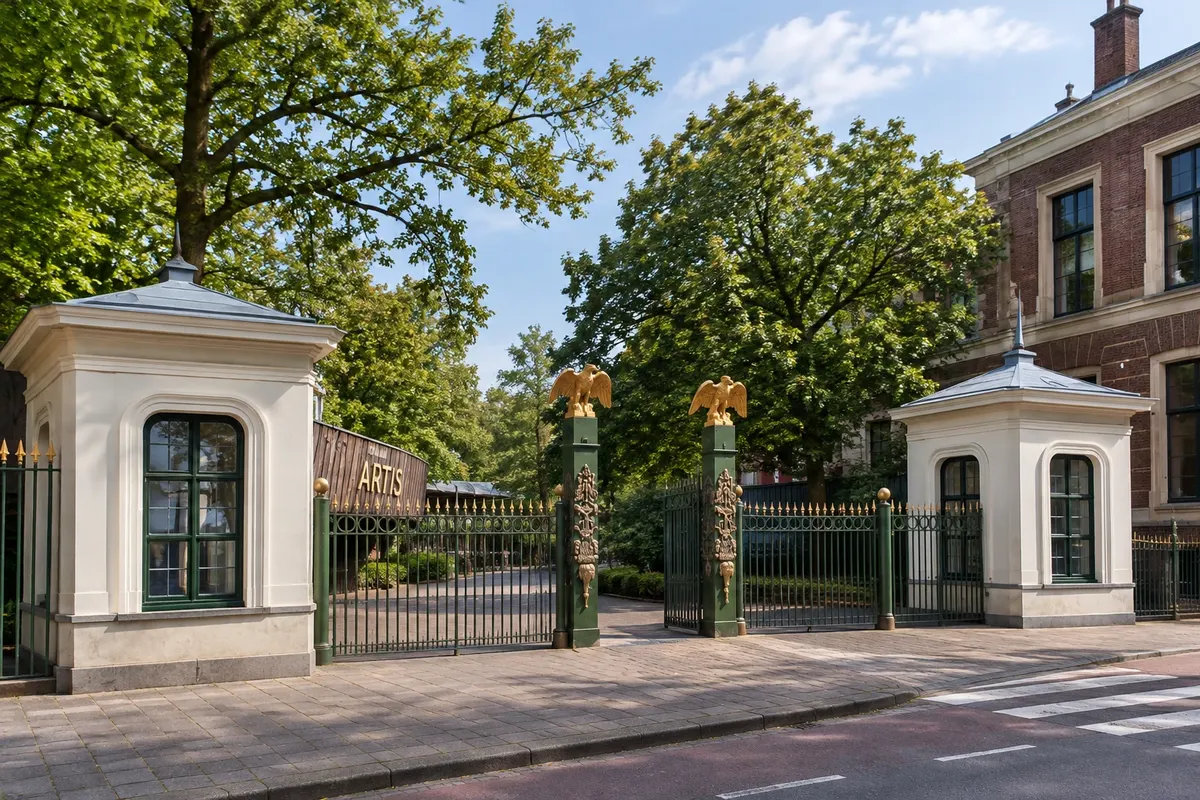
The oldest zoo in the Netherlands, founded in 1838 in the Plantage district. It brings together animals, a botanical garden, an aquarium, a planetarium and two museums: Micropia, dedicated to microbes, and the Groote Museum.

H'ART Museum
Amsterdã · Holanda Setentrional · Museum

H'ART Museum

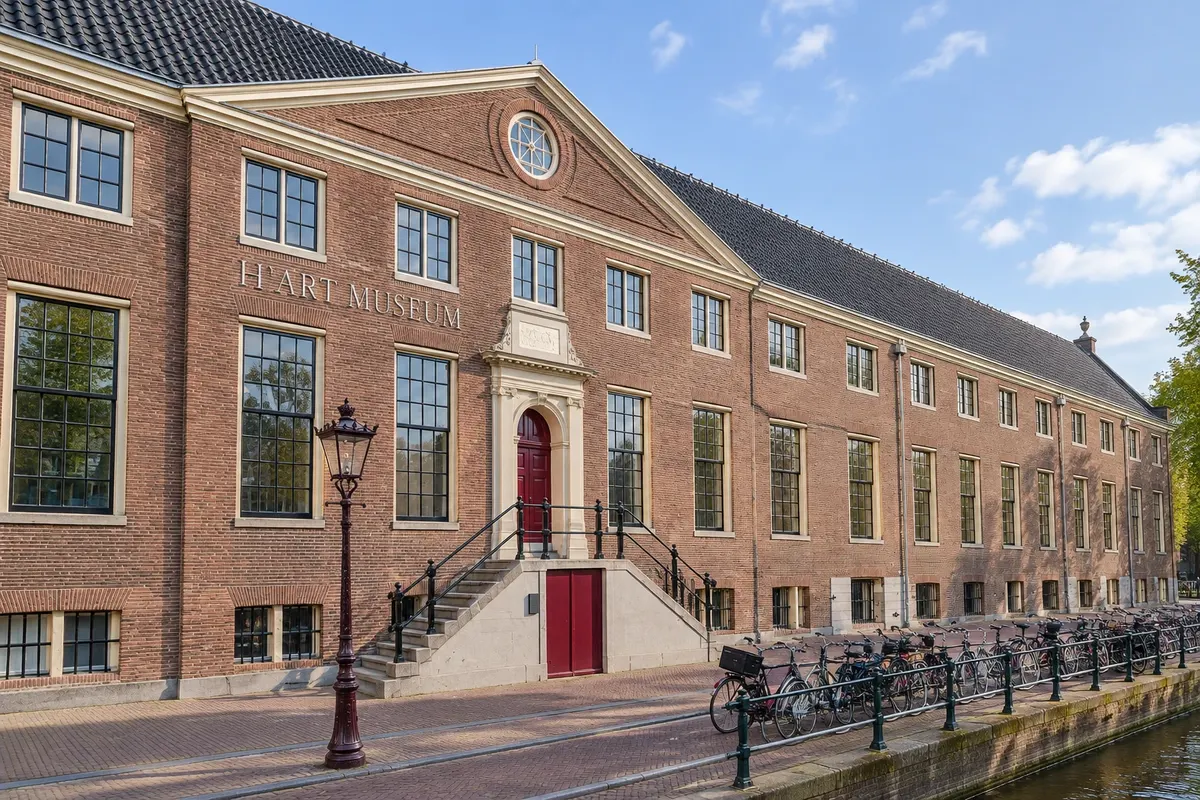
Museum of temporary exhibitions on the banks of the river Amstel, in the Amstelhof, a 17th-century former asylum. It hosts shows organized with major foreign museums such as the Centre Pompidou and the British Museum.

Nationaal Holocaustmuseum
Amsterdã · Holanda Setentrional · Memorial

Nationaal Holocaustmuseum

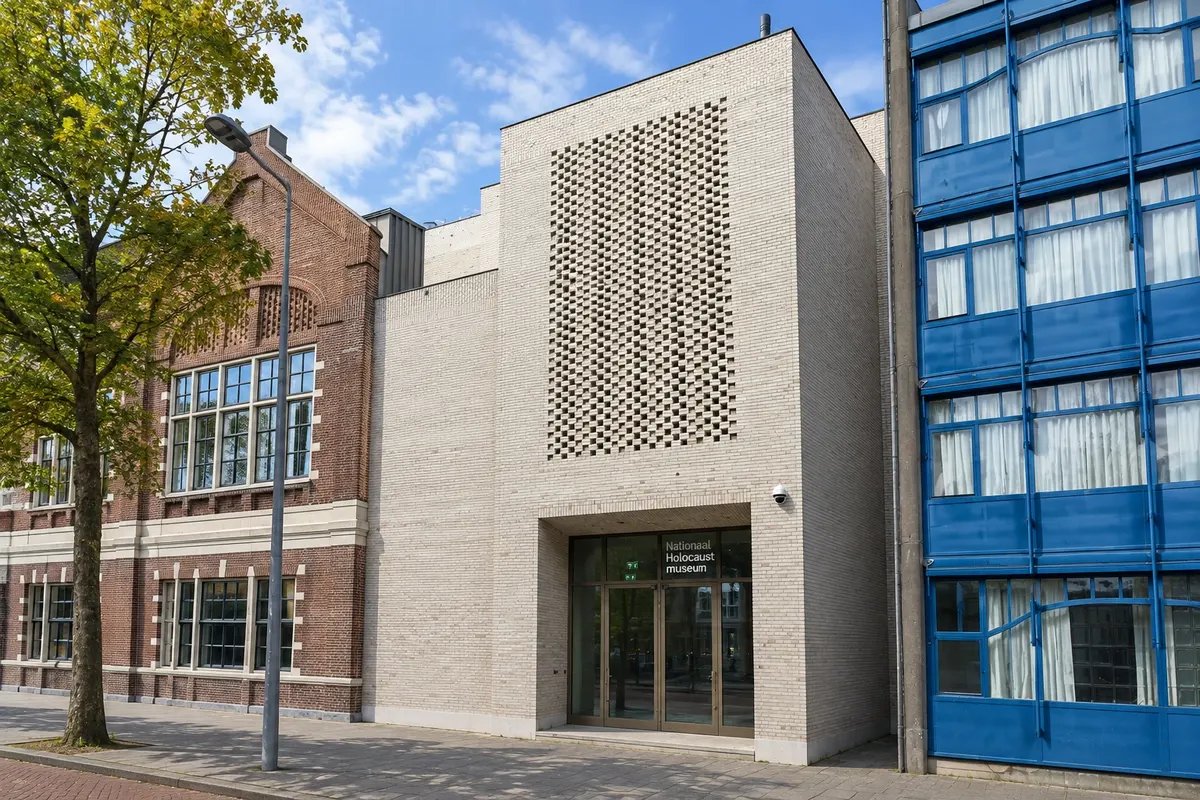
The first official museum in the Netherlands about the Holocaust, located in the Jewish Cultural Quarter. It tells the story of the persecution of Jews during the Nazi occupation through the accounts of ordinary people. Opposite it is the Hollandsche Schouwburg, a place of remembrance.

Joods Museum
Amsterdã · Holanda Setentrional · Museum

Joods Museum

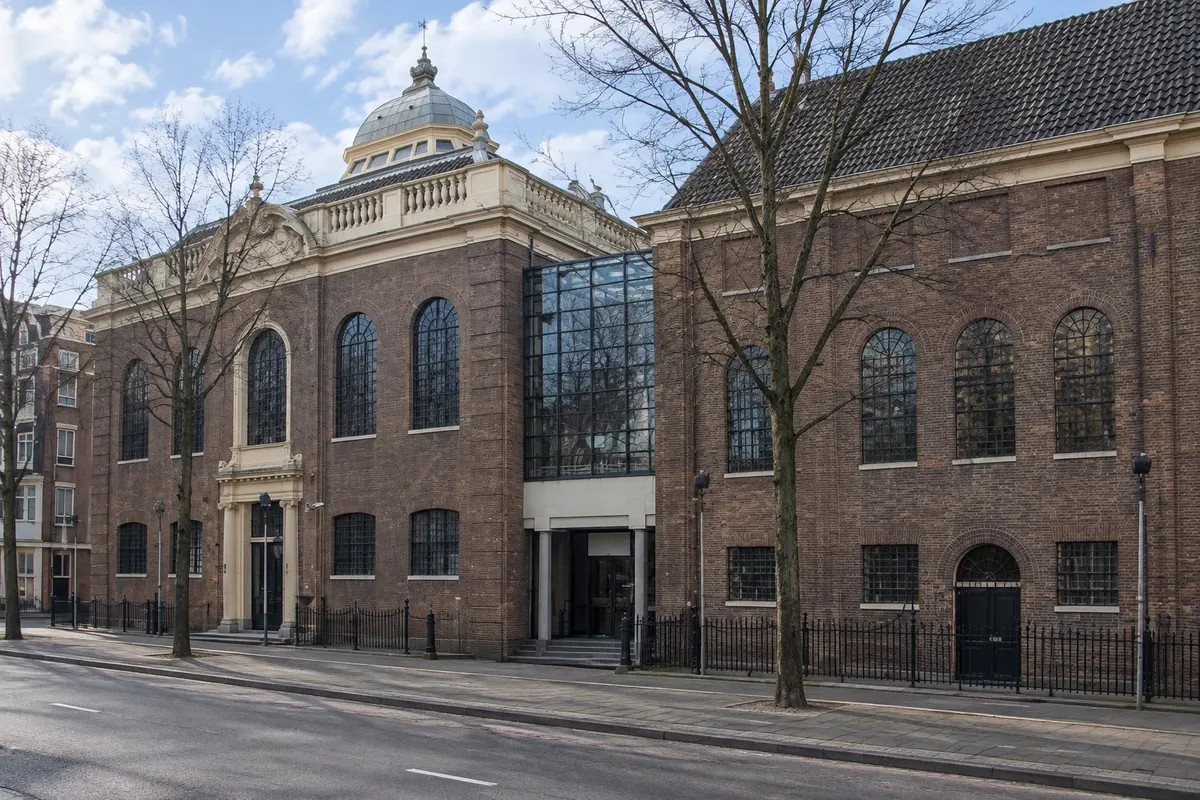
Museum of Jewish history and culture in the Netherlands, housed in four interconnected former Ashkenazi synagogues, opposite the Portuguese Synagogue. It has a dedicated area for children.

Portugees-Israëlietische Synagoge
Amsterdã · Holanda Setentrional · Synagogue

Portugees-Israëlietische Synagoge

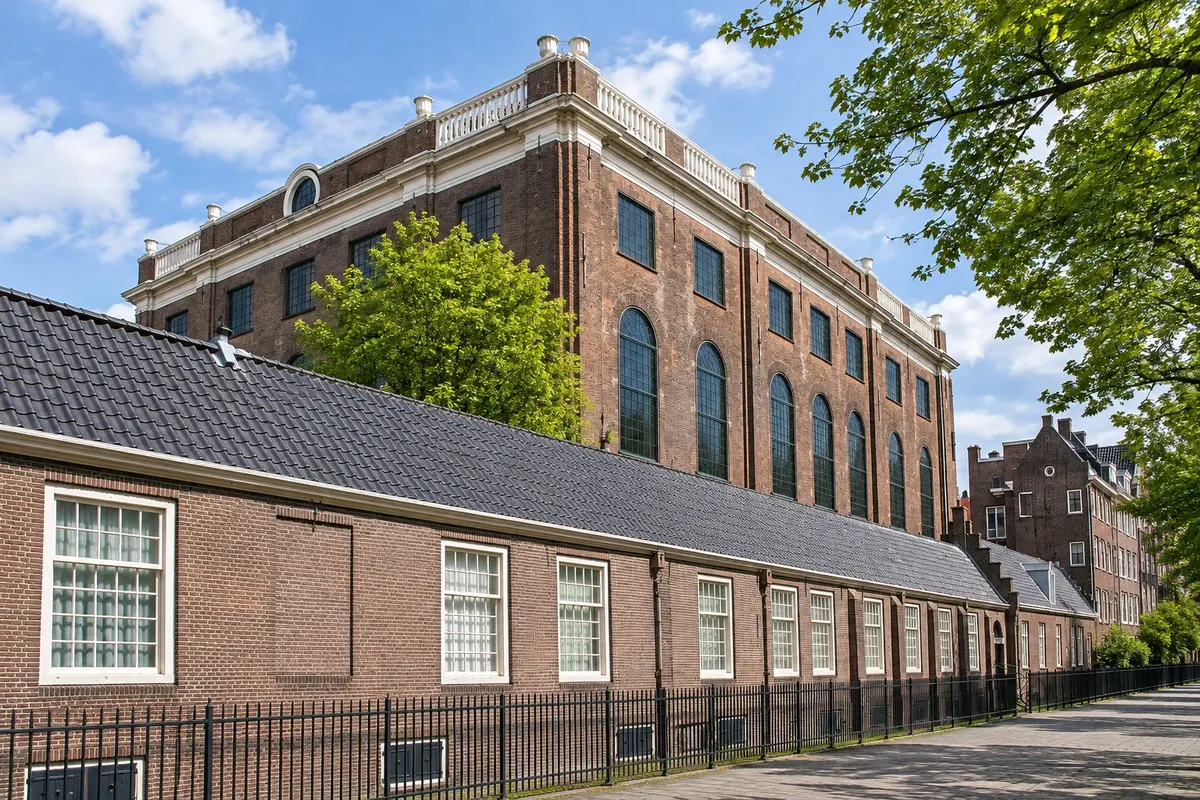
Synagogue of Jews of Portuguese and Spanish origin, inaugurated in 1675 and still in use. There is no electric lighting: it is lit by hundreds of candles and the floor is covered with sand.

Eye Filmmuseum
Amsterdã · Holanda Setentrional · Museum

Eye Filmmuseum

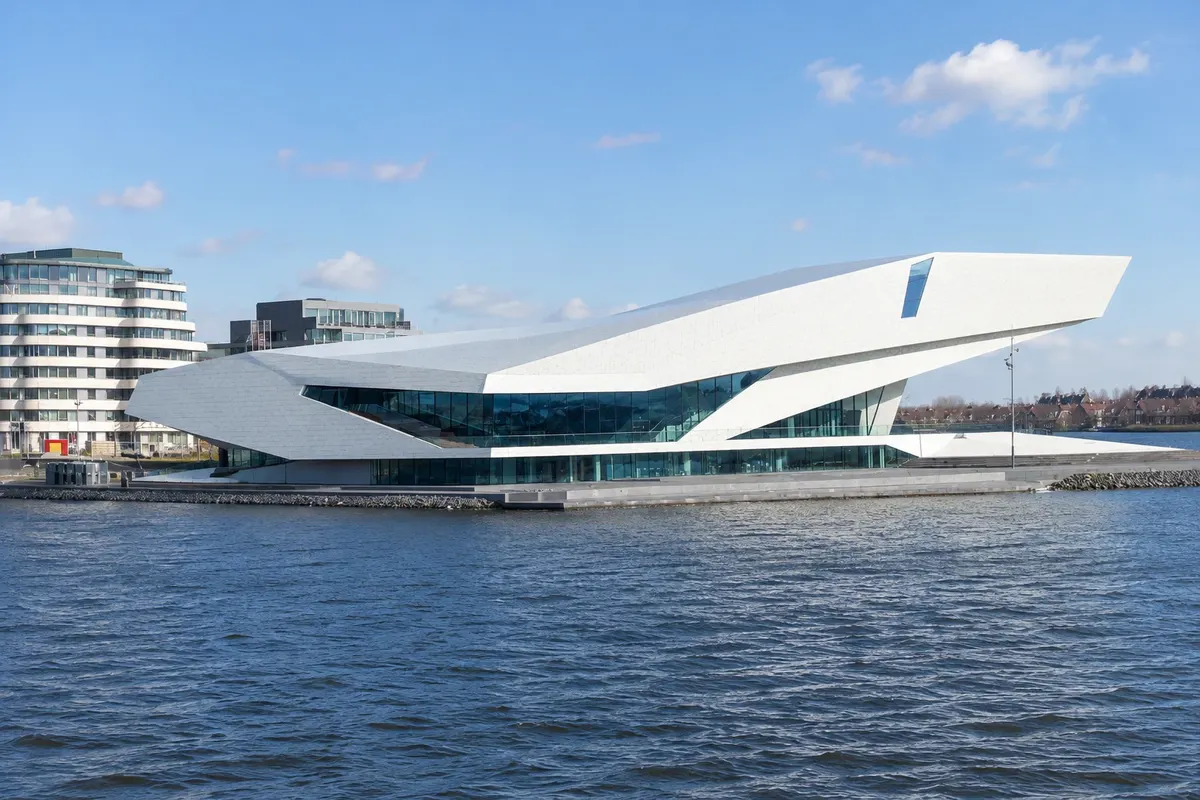
The national film museum and cinematheque of Holanda, in a white, angular building on the north bank of the IJ river, opposite the central station. It has exhibitions, four cinema screens and a café-restaurant with views over the water.

NDSM
Amsterdã · Holanda Setentrional · Neighborhood

NDSM

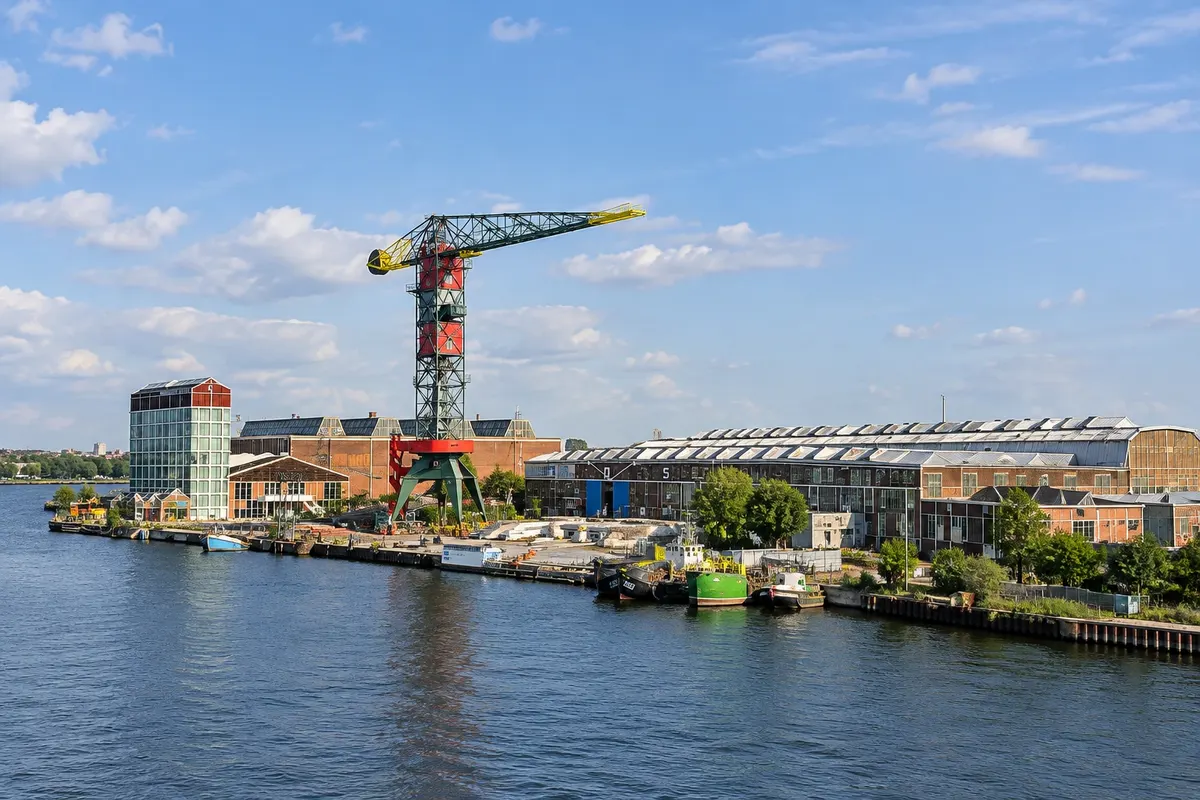
Former shipyard in Amsterdam-Noord turned into a hub of art, culture and gastronomy, with industrial sheds, graffiti, studios, festivals and one of the largest secondhand markets in Europe. You reach it by ferry from the central station.

Magere Brug
Amsterdã · Holanda Setentrional · Bridge

Magere Brug

A white-painted wooden drawbridge over the Amstel, the most photographed in Amsterdam. At night it is lit by hundreds of lamps.

Moco Museum
Amsterdã · Holanda Setentrional · Museum

Moco Museum

Private museum of modern and contemporary art in a 1904 house on the Museumplein, between the Rijksmuseum and the Van Gogh. It features works by Banksy, Warhol, Basquiat, Haring and Kusama, as well as digital art rooms.

Westerkerk
Amsterdã · Holanda Setentrional · Church

Westerkerk

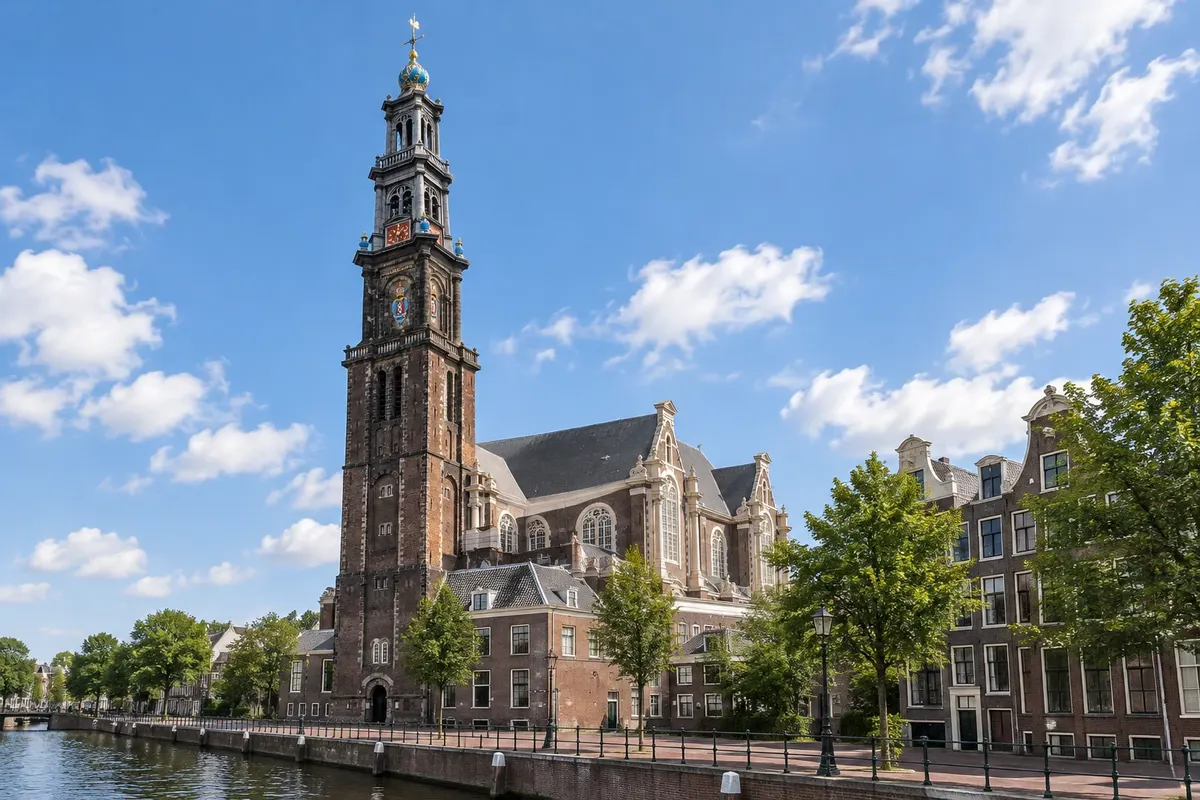
Protestant church from 1631 on the banks of the Prinsengracht, with Amsterdam's tallest tower, the Westertoren, at 85 metres. Rembrandt is buried there, and the tower's bell is mentioned in Anne Frank's diary.

Amsterdamse Bos
Amsterdã · Holanda Setentrional · Park

Amsterdamse Bos

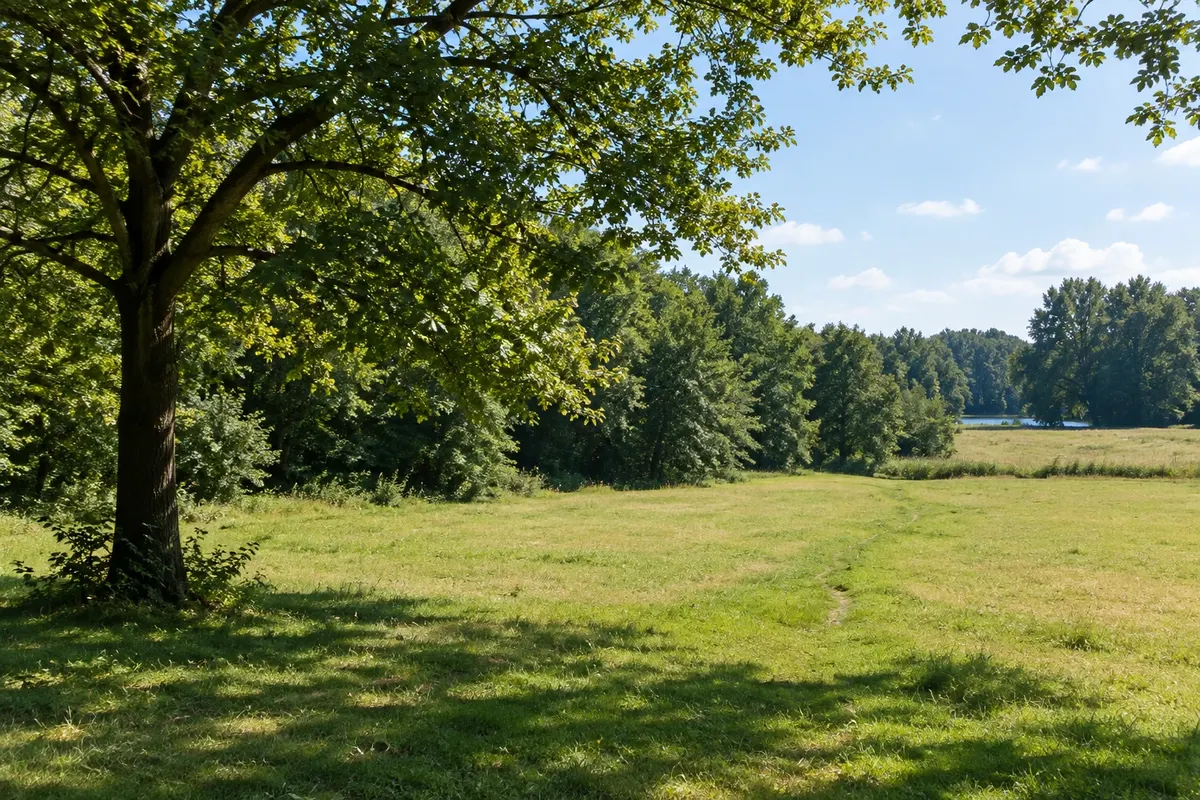
Urban forest of about 1,000 hectares in the south of the city, roughly three times the size of New York's Central Park. It has trails, lakes, a rowing course, a cherry blossom park and boat rides.

Muiderslot
Amsterdã · Holanda Setentrional · Castle

Muiderslot

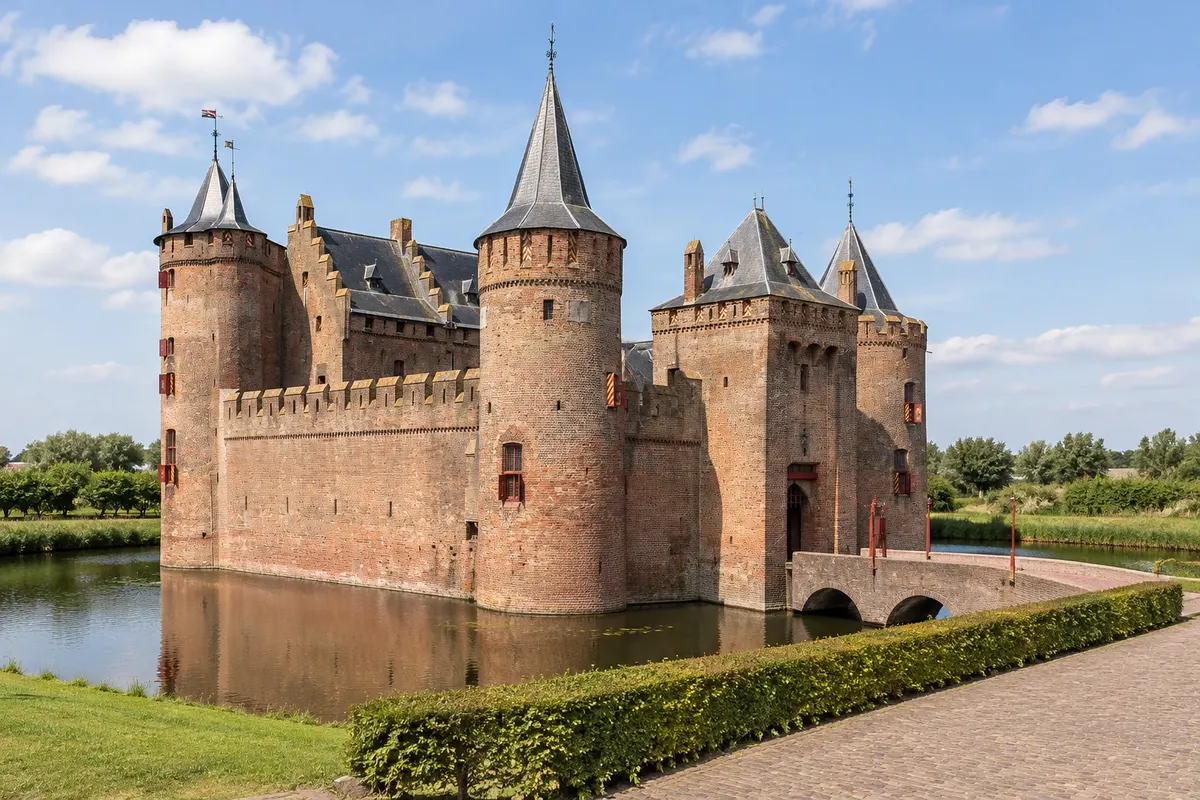
Medieval brick castle with a moat at the mouth of the river Vecht, in Muiden, about 15 km from Amsterdam. Erected in the 13th century and rebuilt in the 14th, it has furnished rooms, suits of armour, gardens and an audio guide included.

Before you go

Practical information

A little planning leaves more time to enjoy the journey.

When to go

From April to September the days are long and the weather is milder. Tulip fields usually bloom from mid-April to early May, and on 27 April King’s Day fills the city with orange. Summer (June to August) is the busiest time. From November to March it’s cold, windy and it gets dark early, but museums operate normally. Rain can fall in any month.

The seasons shown are the most usual ones; nature doesn't always follow the calendar.

How many days to stay

Three days are enough to cover the main museums, the canal boat tour, the Jordaan and a trip to Amsterdam-Noord. With two days you need to choose between the museums. With four or five days there’s time for day trips to Haarlem, Zaanse Schans or Volendam. Timed tickets, such as for the Anne Frank Huis and the Van Gogh Museum, should be bought before you plan your itinerary.

Which city to stay in

The canal belt and the area around Dam square put almost everything within walking distance and are the most popular areas. The Jordaan is more residential and quiet, with neighbourhood cafés and restaurants. Oud-Zuid, near the Museumplein and Vondelpark, is calm and sits next to the major museums. Staying near Amsterdam Centraal makes arrivals and departures by train easier. Amsterdam-Noord, across the IJ, has newer options and connects to the centre by ferry.

Respect the place

Take your trash with you, follow the signs and support local businesses. In natural areas, follow the visiting guidelines.

Get your questions answered

Frequently asked questions about Amsterdã

How to get from Schiphol airport to central Amsterdã?

The simplest way is by train: the station is inside the airport terminal, just below the arrivals hall, and NS trains to Amsterdam Centraal run several times an hour and take about 15 minutes. You can pay by tapping a contactless bank card at the gate, on entry and exit (OVpay system), or buy a ticket from the machines. Check in advance whether your card is accepted.

How many days should I stay in Amsterdã?

Three days allow you to see the Rijksmuseum, the Van Gogh Museum, the Anne Frank Huis, take the canal boat tour, stroll through the Jordaan and cross to Amsterdam-Noord. If you only have two days you need to choose one or two major museums. Adding one or two days makes room for day trips to Haarlem, Zaanse Schans and Volendam.

Do I need to rent a car in Amsterdã?

No. The centre is designed for walking, trams and bicycles, and parking is expensive and difficult. For the surroundings, trains and buses cover almost everything. A car only makes sense for itineraries in the countryside, outside cities.

What is the best time to visit Amsterdã?

From April to September, when the days are long and the weather is milder. To see tulips, the season usually runs from mid-April to early May. Summer, from June to August, is the busiest period. In winter, from December to February, it’s cold and it gets dark early, but museums are open as usual. Bring a coat and a rain jacket at any time of year: wind and rain are common year-round.

What day trips can you do from Amsterdã?

Haarlem is about 15 minutes by train and has a historic centre with a market square and museums. Zaanse Schans, with wooden windmills (molen), and Volendam, a fishing village on the edge of the former inland sea, are less than an hour away by train or bus. All can fit into a half-day or a full day.
Rotas entre países

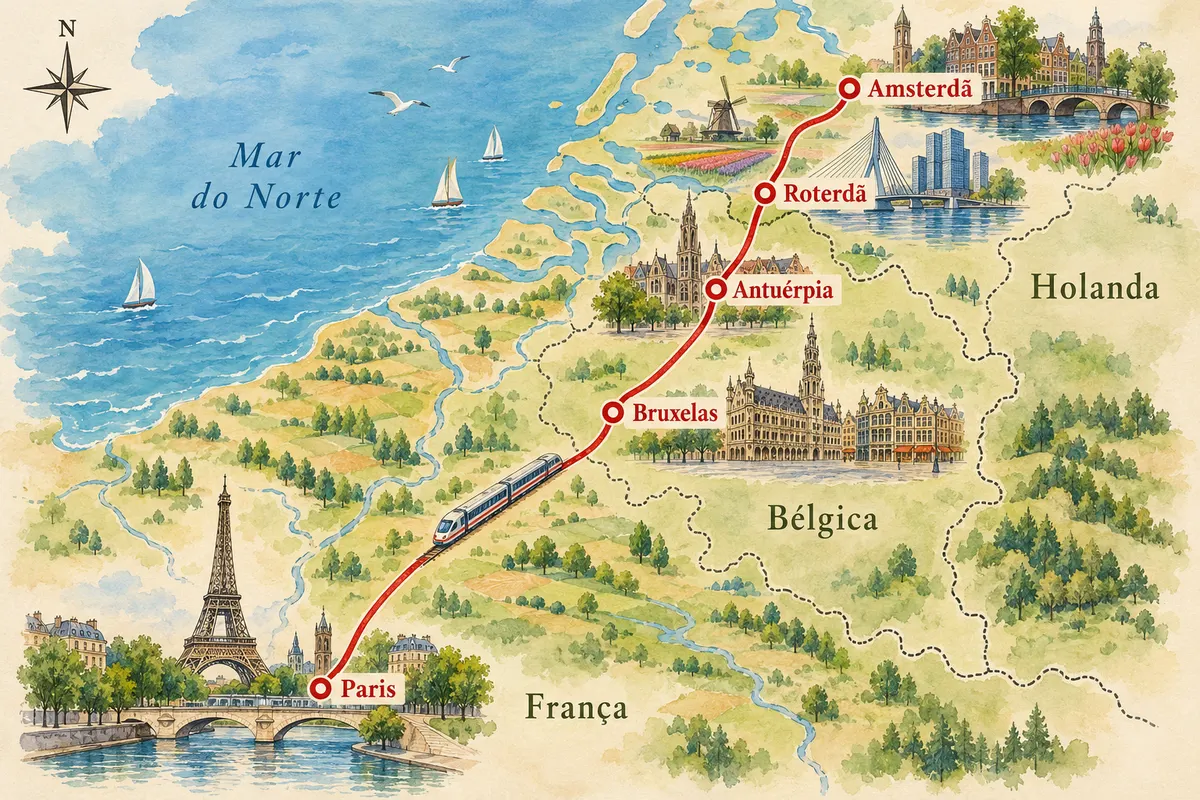
Amsterdã is on the Eurostar Paris–Amsterdã

By train through the centres of Paris, Brussels, Antwerp, Rotterdam and Amsterdã: three countries in a little over three hours, from central station to central station.
Illustrative map, not to scale. Tap a city to open its page.
Illustrated map of Eurostar Paris–Amsterdã
Explore the Eurostar Paris–Amsterdã

Rotas entre países

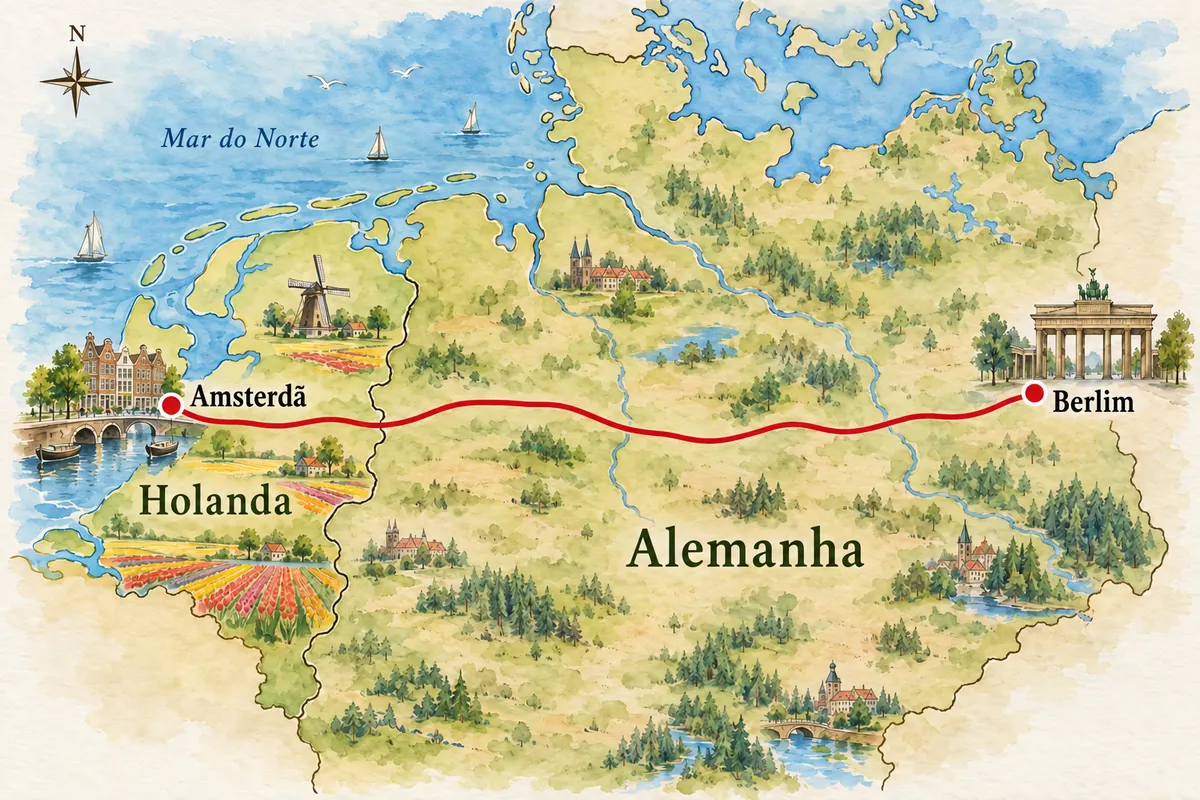
Amsterdã is on the Amsterdã–Berlim by train

By train from the Netherlands to Berlim: about six hours without changes, through the Dutch interior and northern Germany, from central station to central station.
Illustrative map, not to scale. Tap a city to open its page.
Illustrated map of Amsterdã–Berlim by train
Explore the Amsterdã–Berlim by train

Rotas entre países

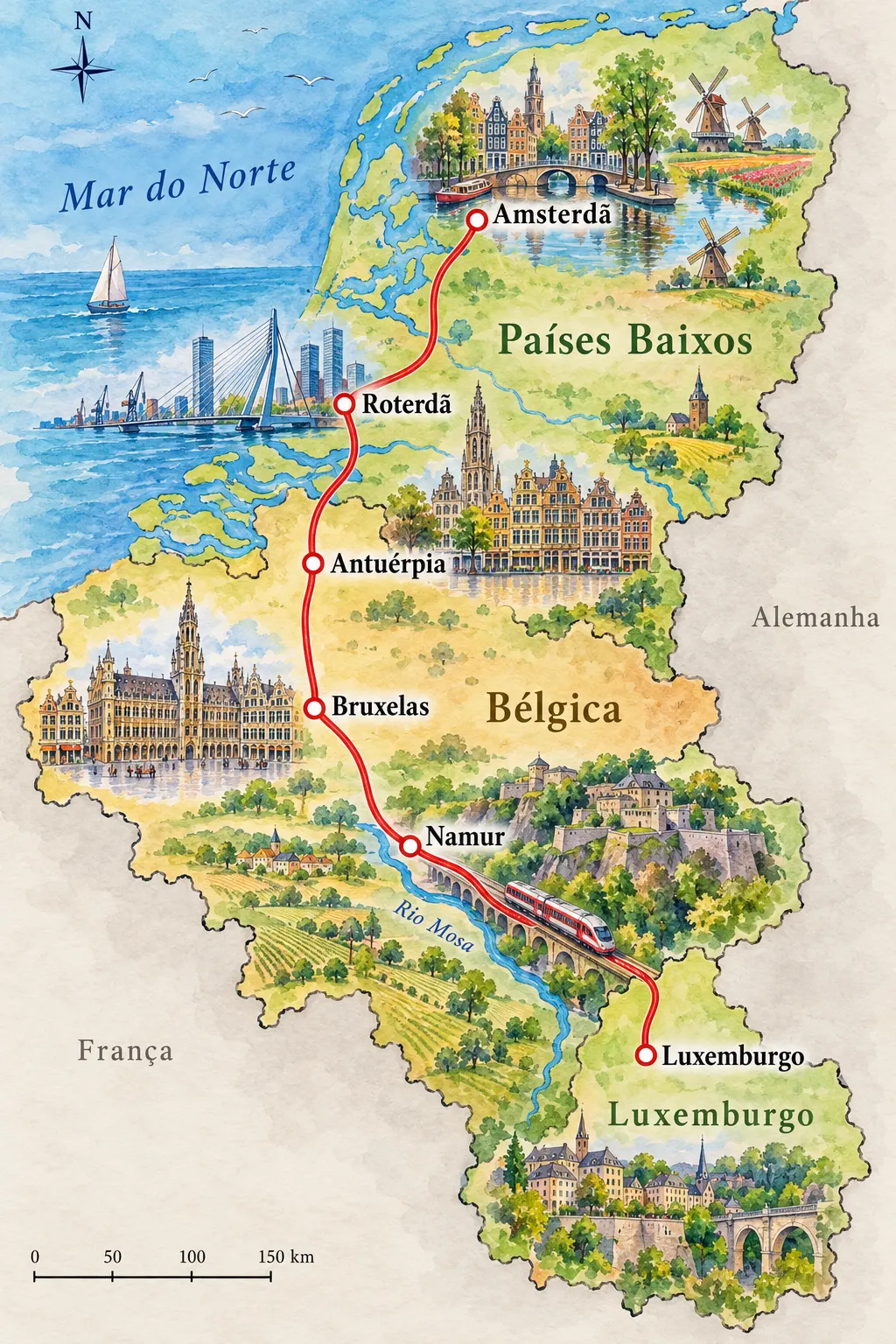
Amsterdã is on the Benelux by train: Amsterdã–Bruxelas–Luxemburgo

The three Benelux countries by train: from Amsterdã to Bruxelas in about two hours, and from Bruxelas to Luxemburgo through the Ardennes, with Roterdã, Antuérpia and Namur along the way.

Illustrative map, not to scale. Tap a city to open its page.
Illustrated map of Benelux by train: Amsterdã–Bruxelas–Luxemburgo
Explore the Benelux by train: Amsterdã–Bruxelas–Luxemburgo
Explore other destinations Search by state and city
Back