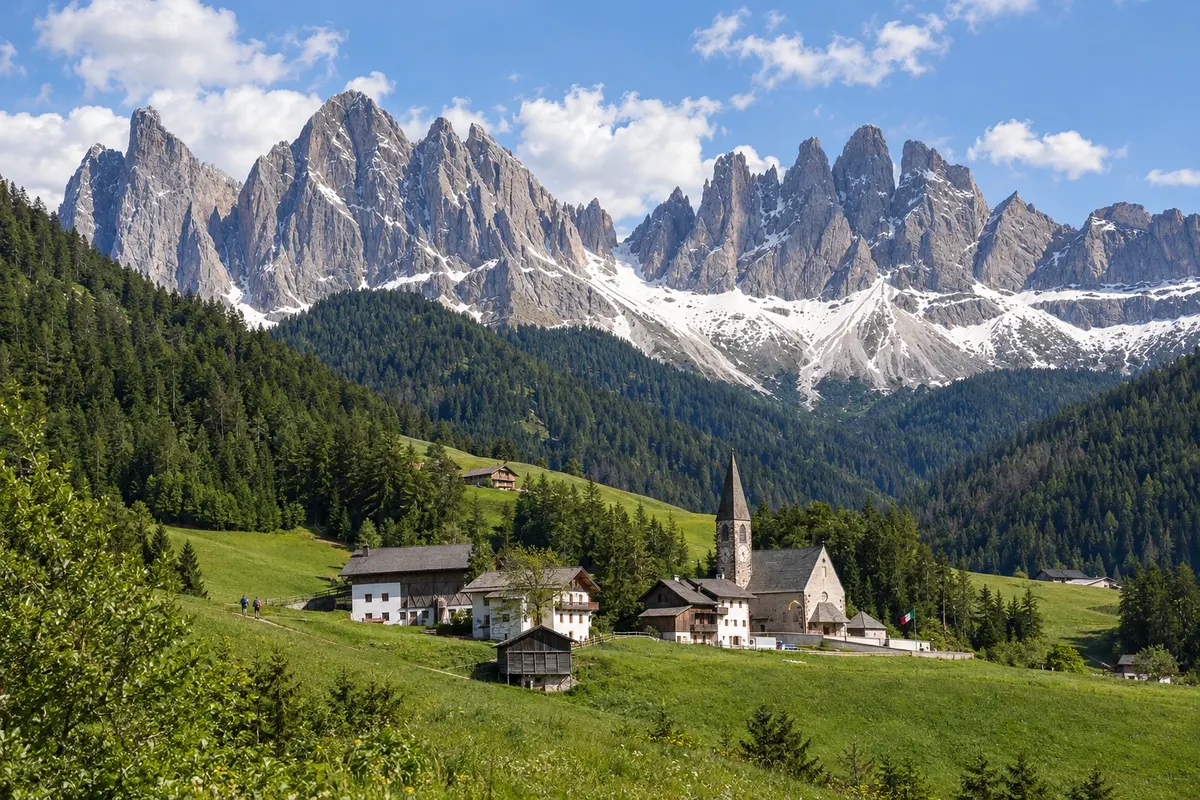
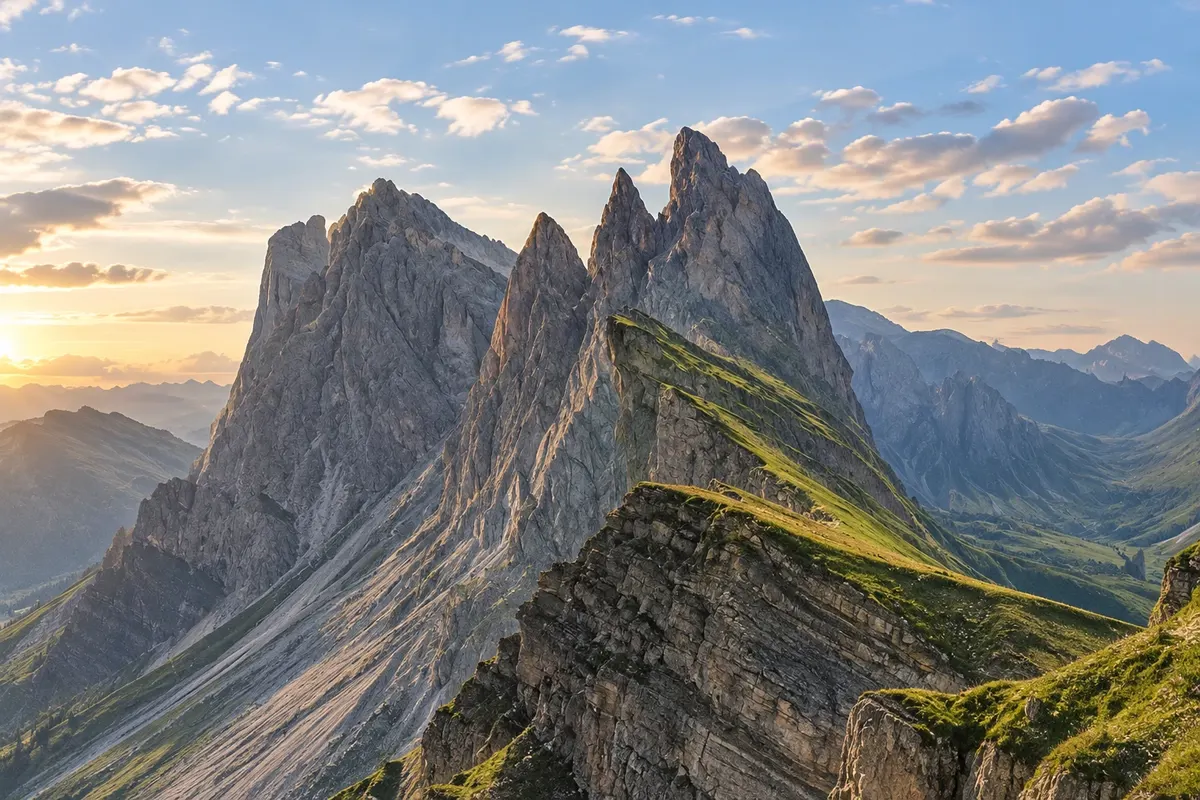
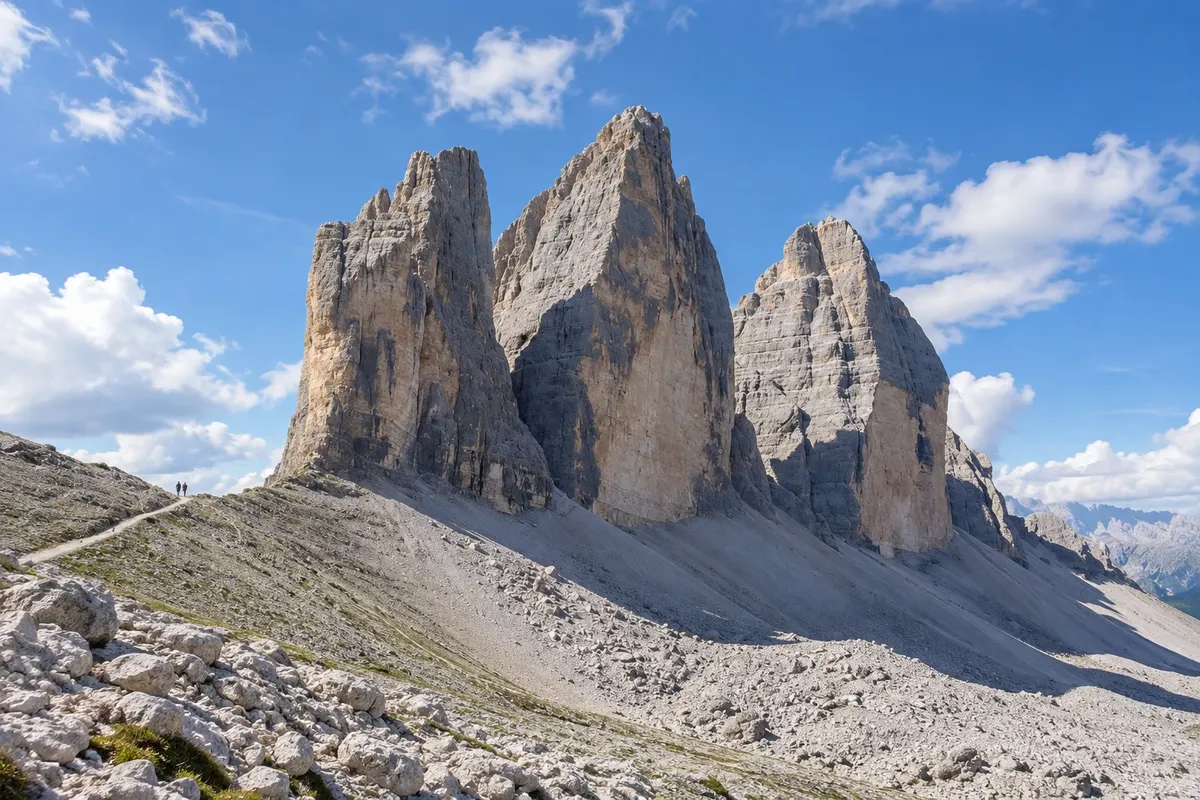
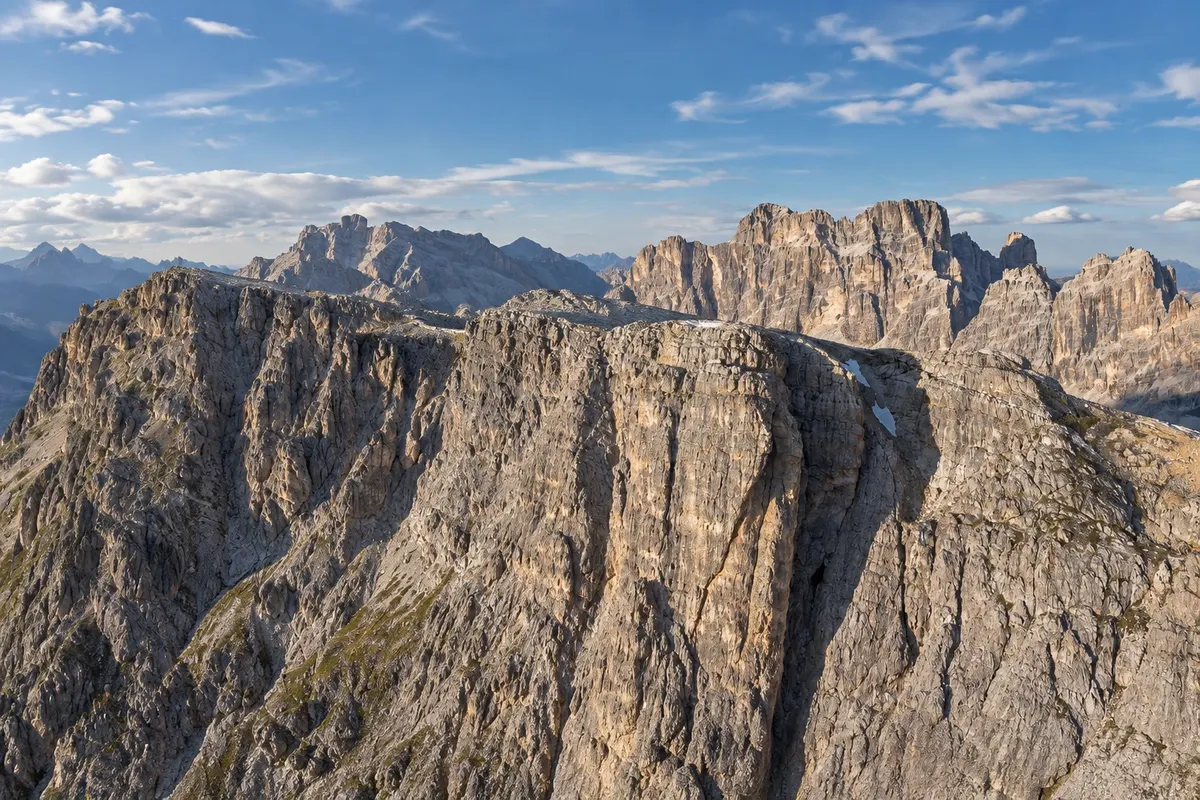
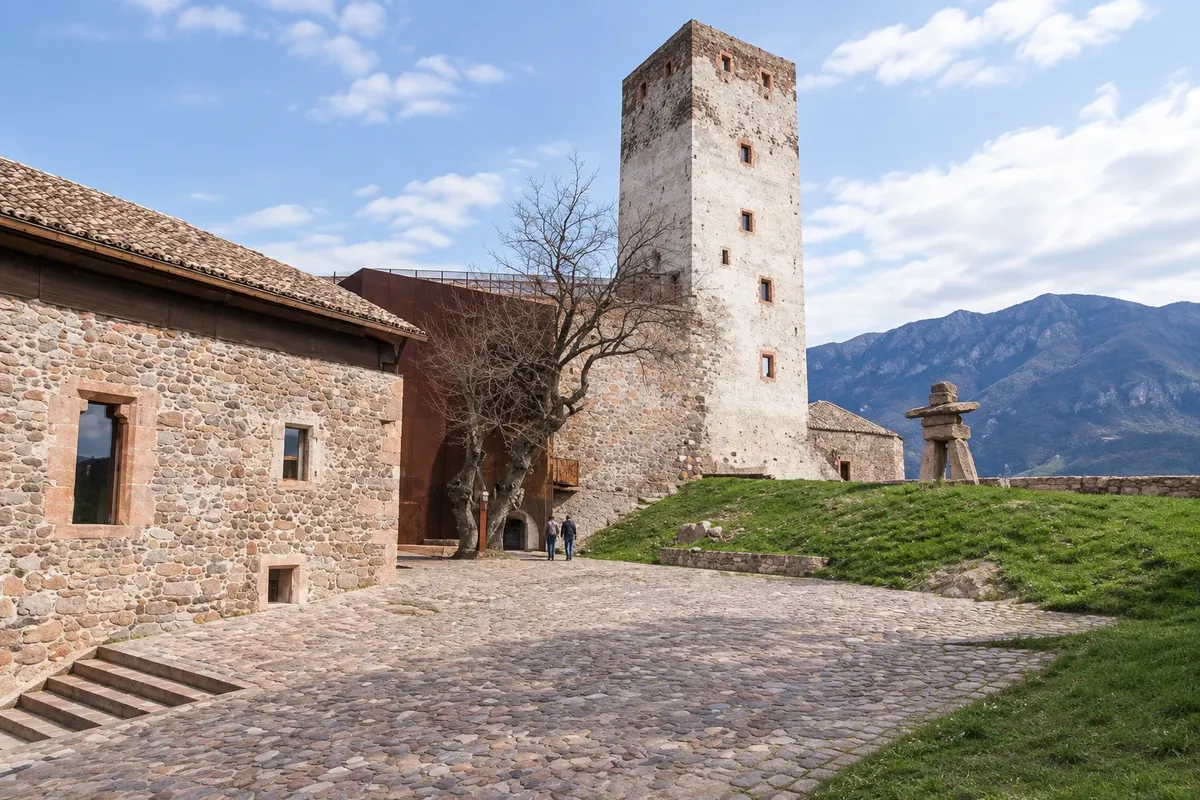
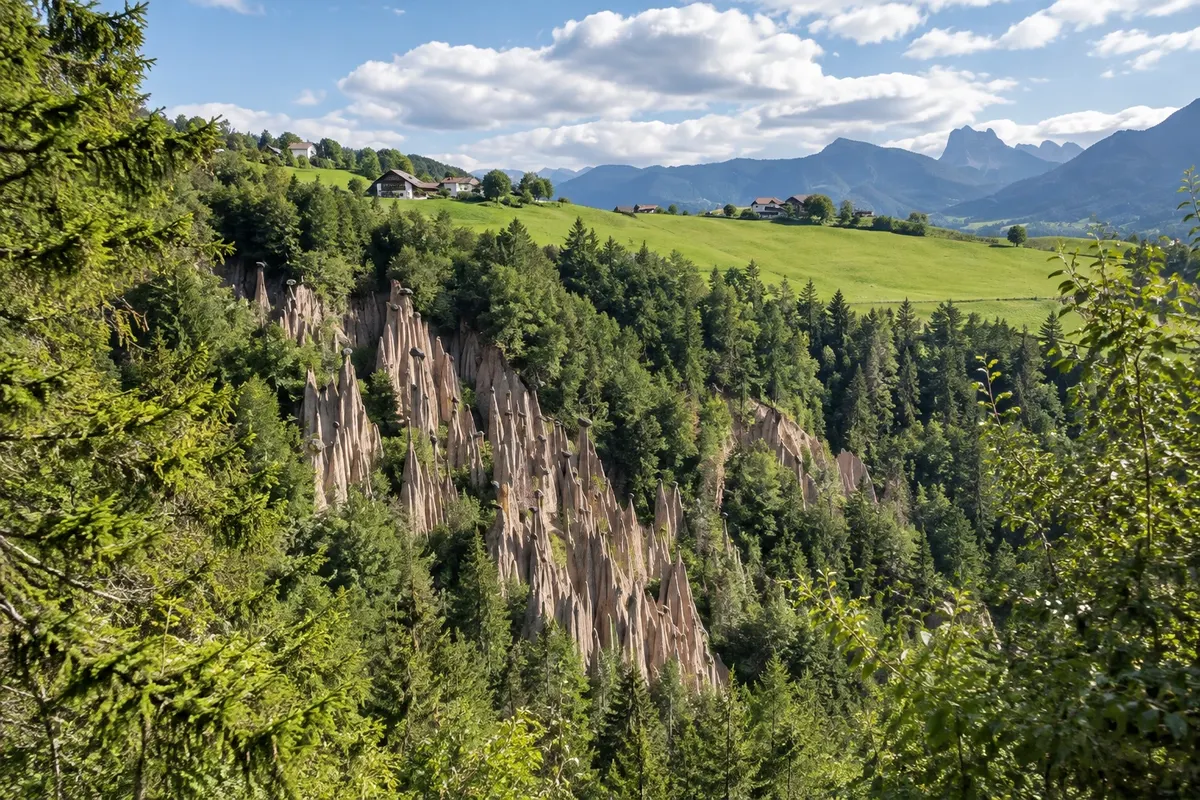
The Dolomites are a mountain range in northeastern Italy, with pale rock walls and towers that turn pink in the evening light. Since 2009 the whole area has been a UNESCO natural heritage site. The region is split between Trentino-Alto Adige and Veneto, and trips typically combine an entry city, a valley with cable cars, and a base near the mountain passes.
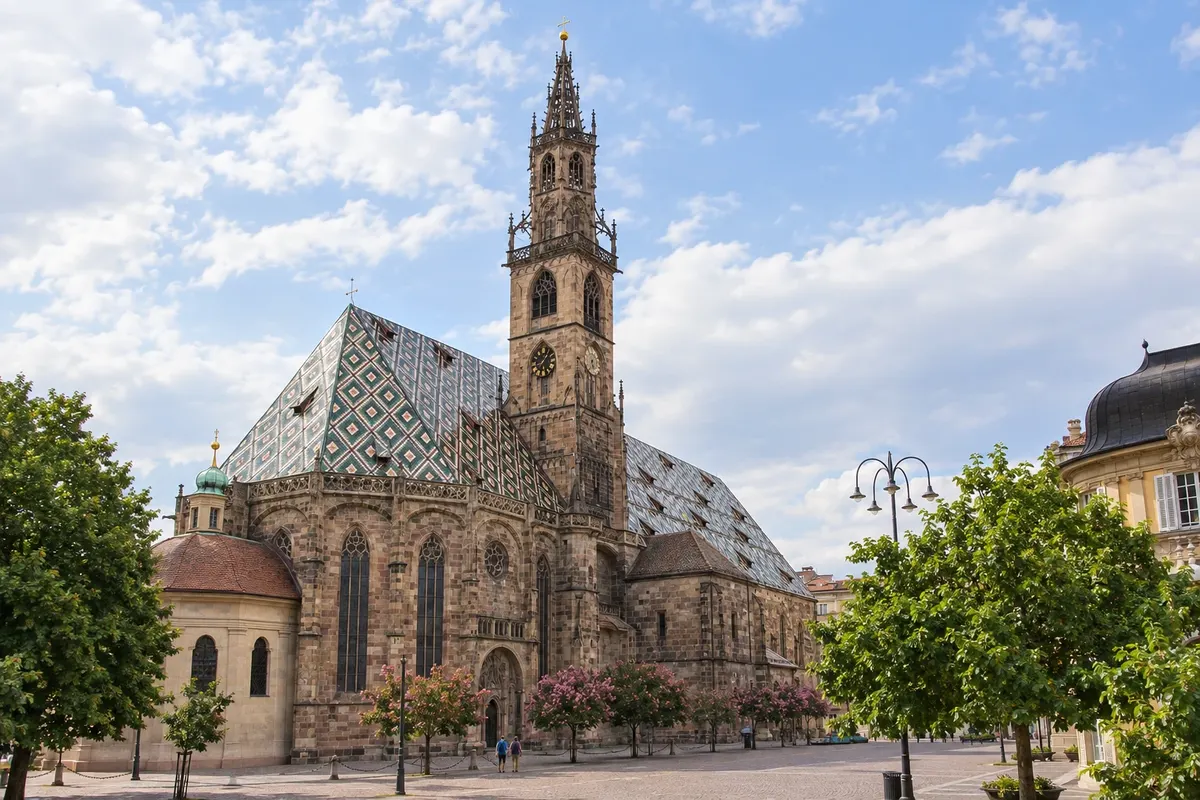
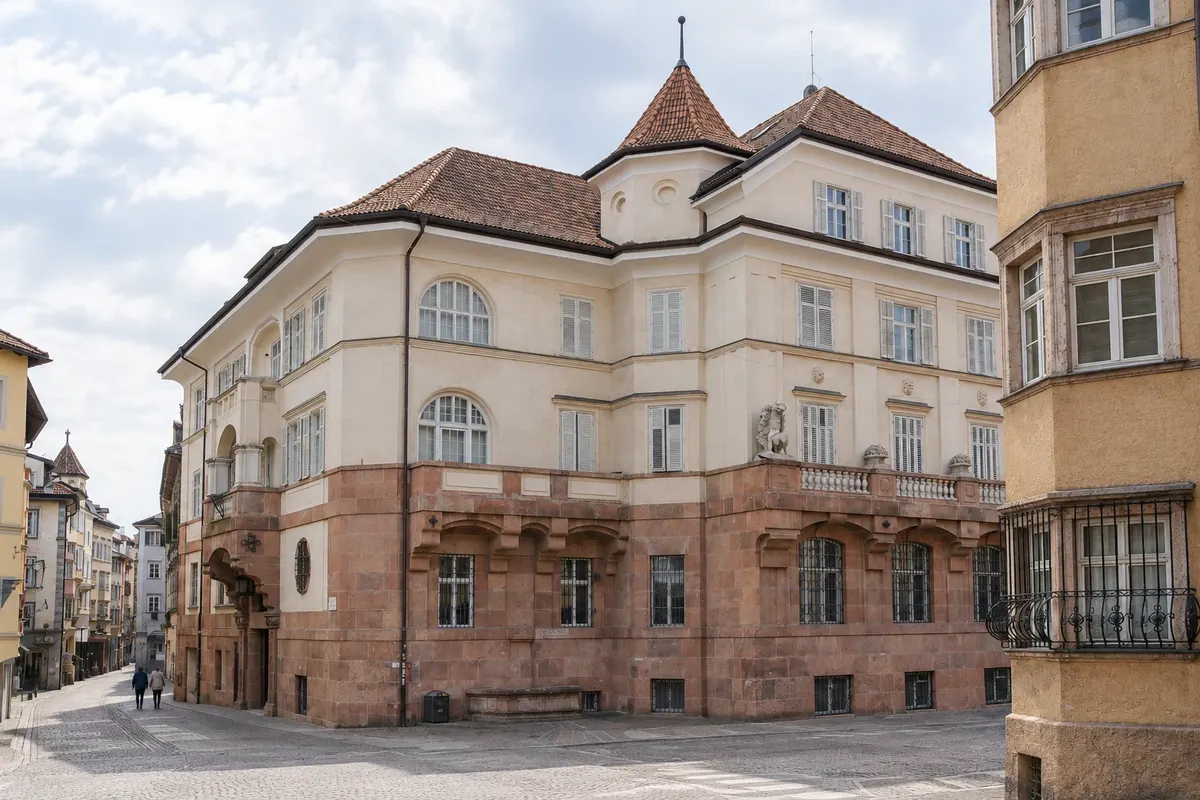
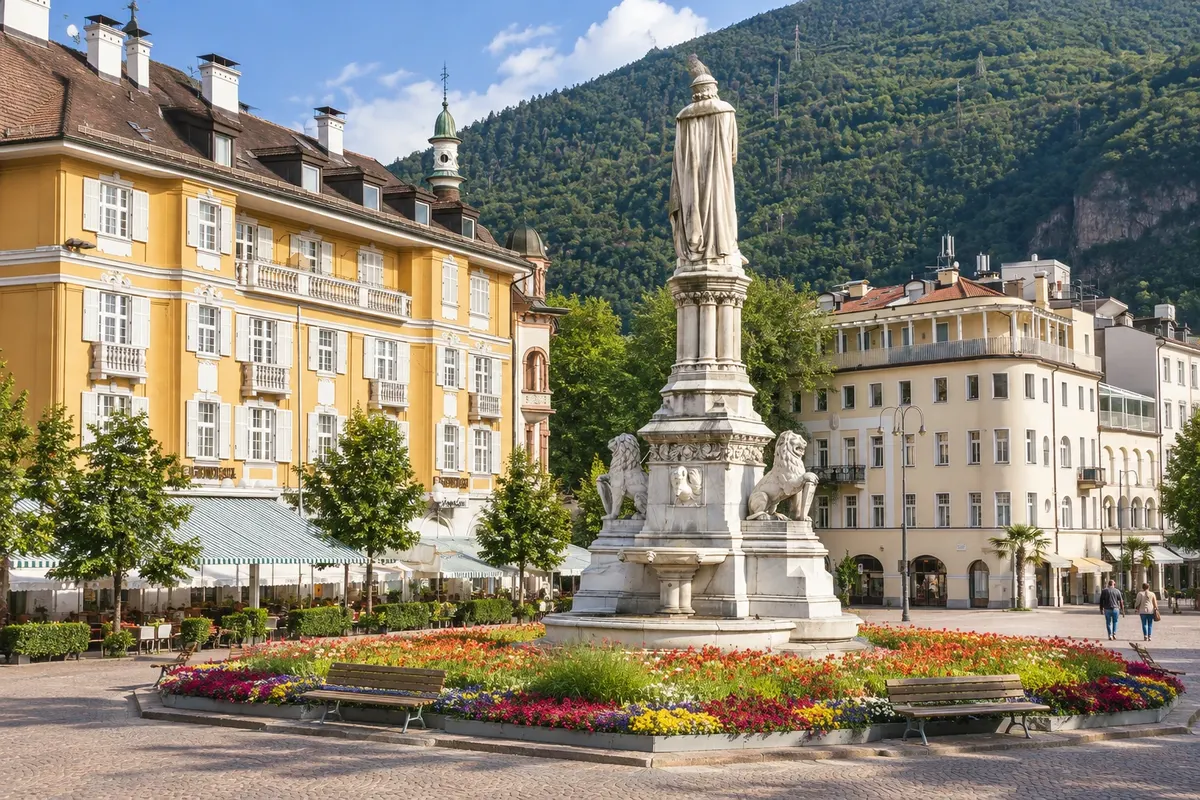
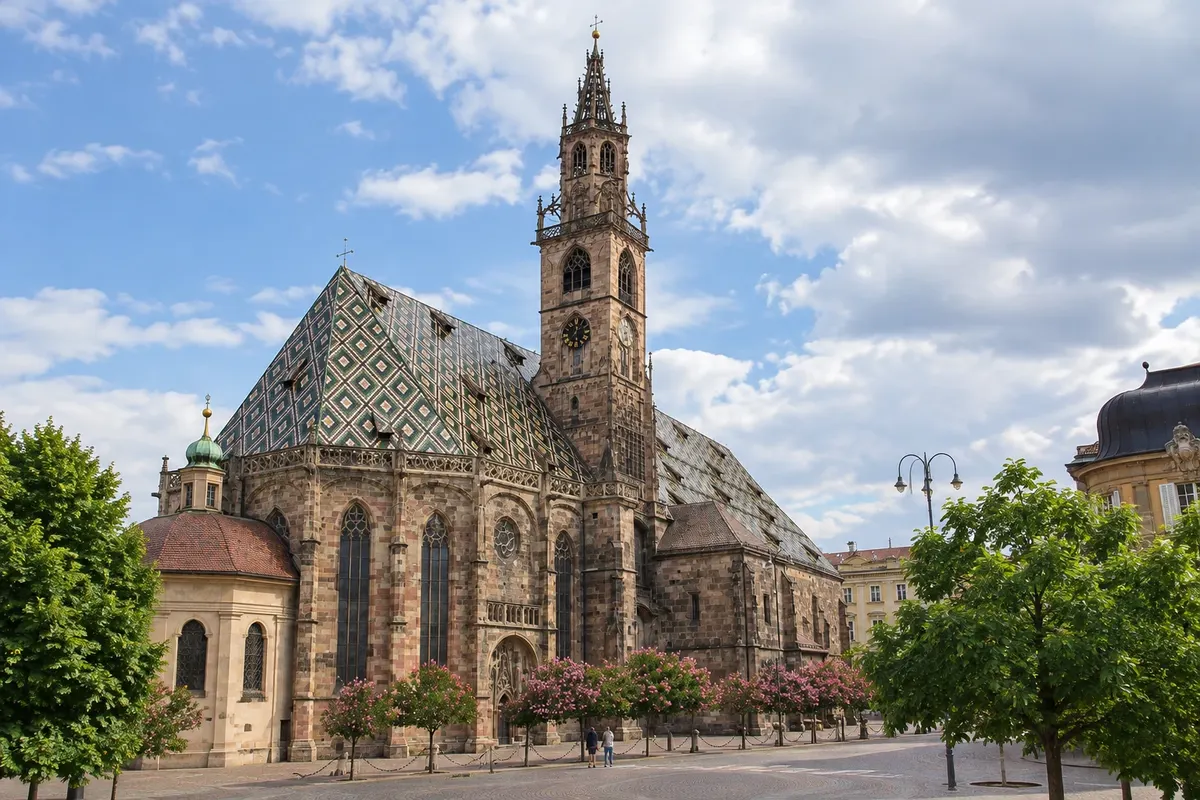
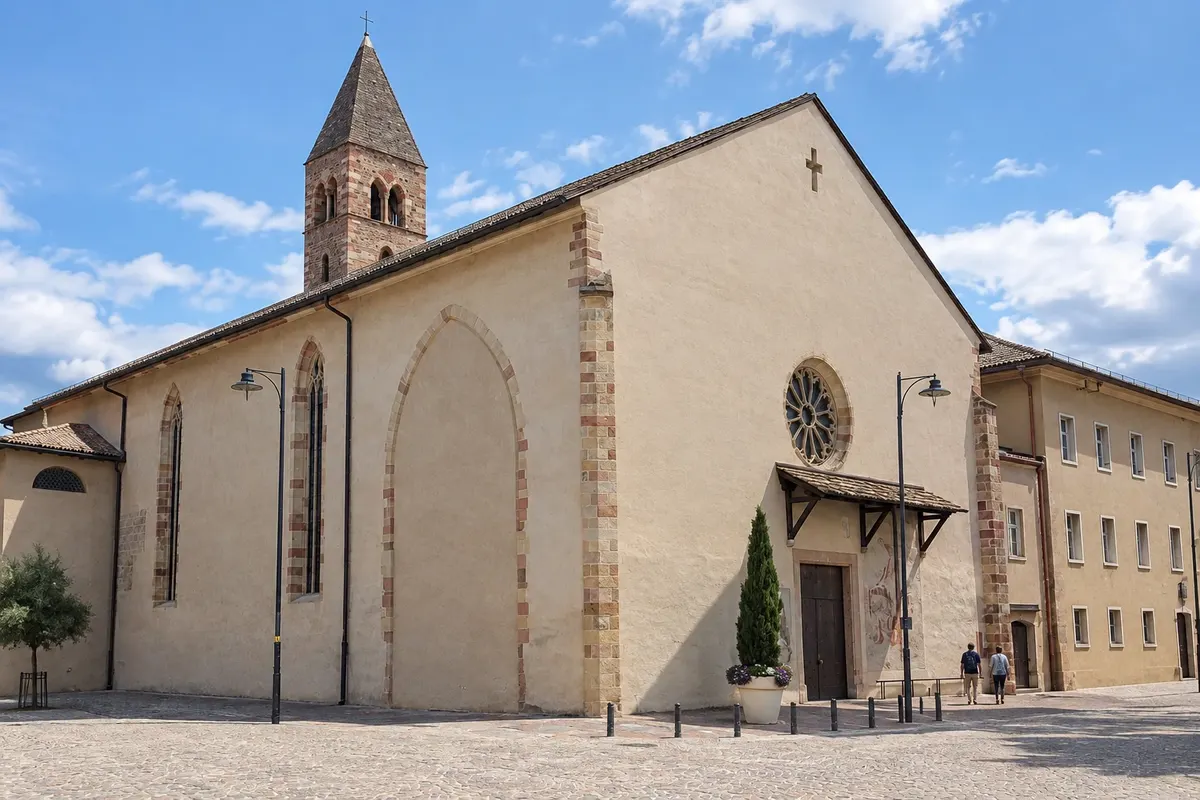
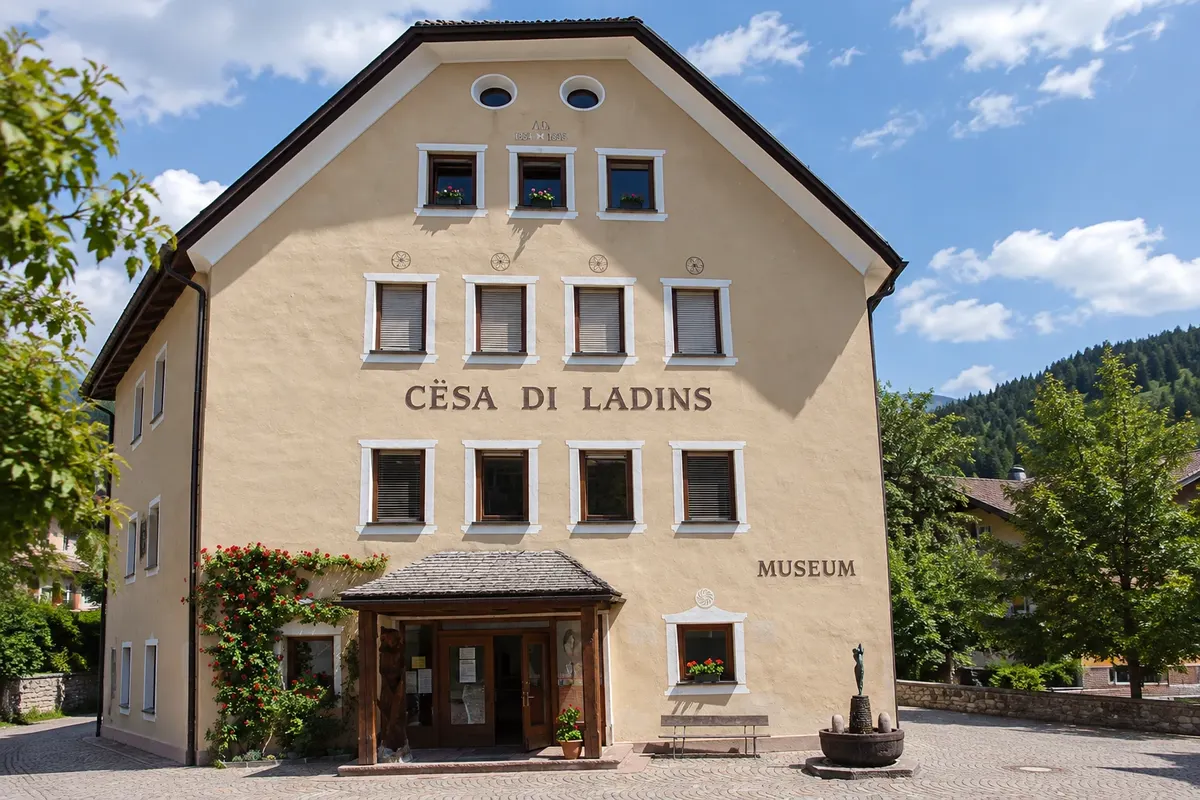
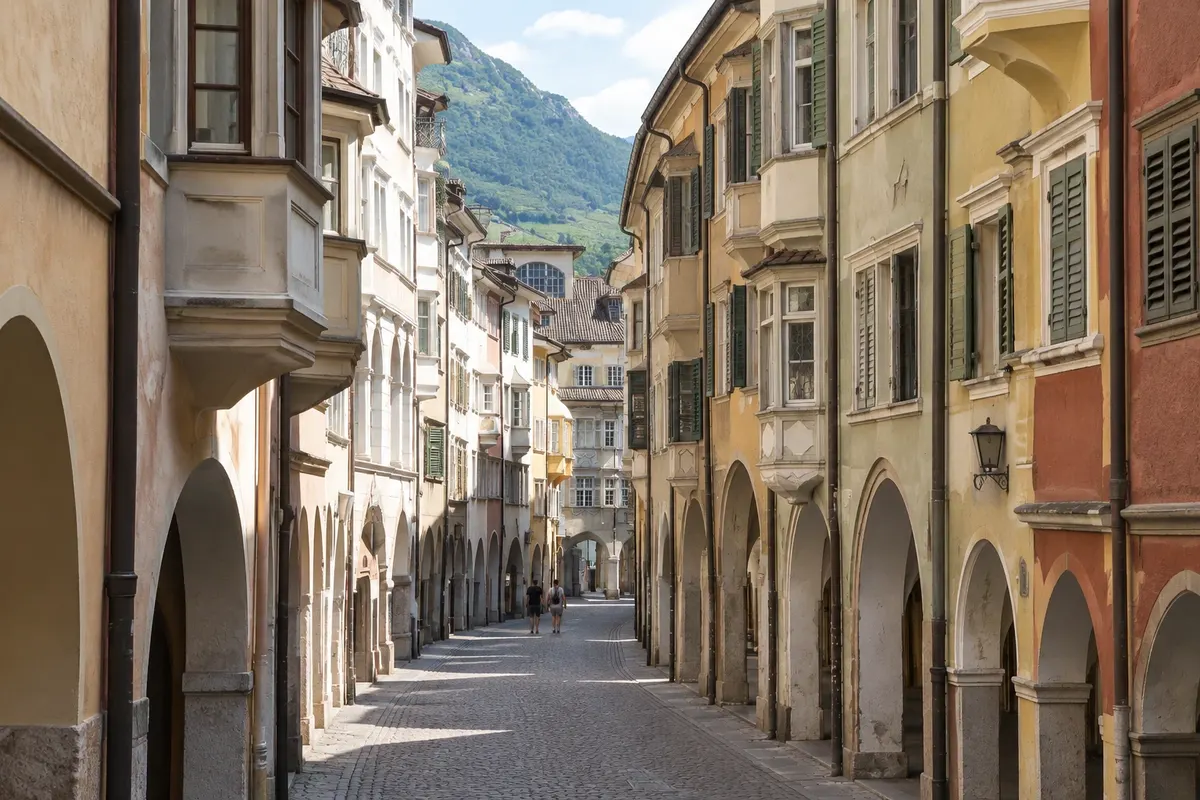
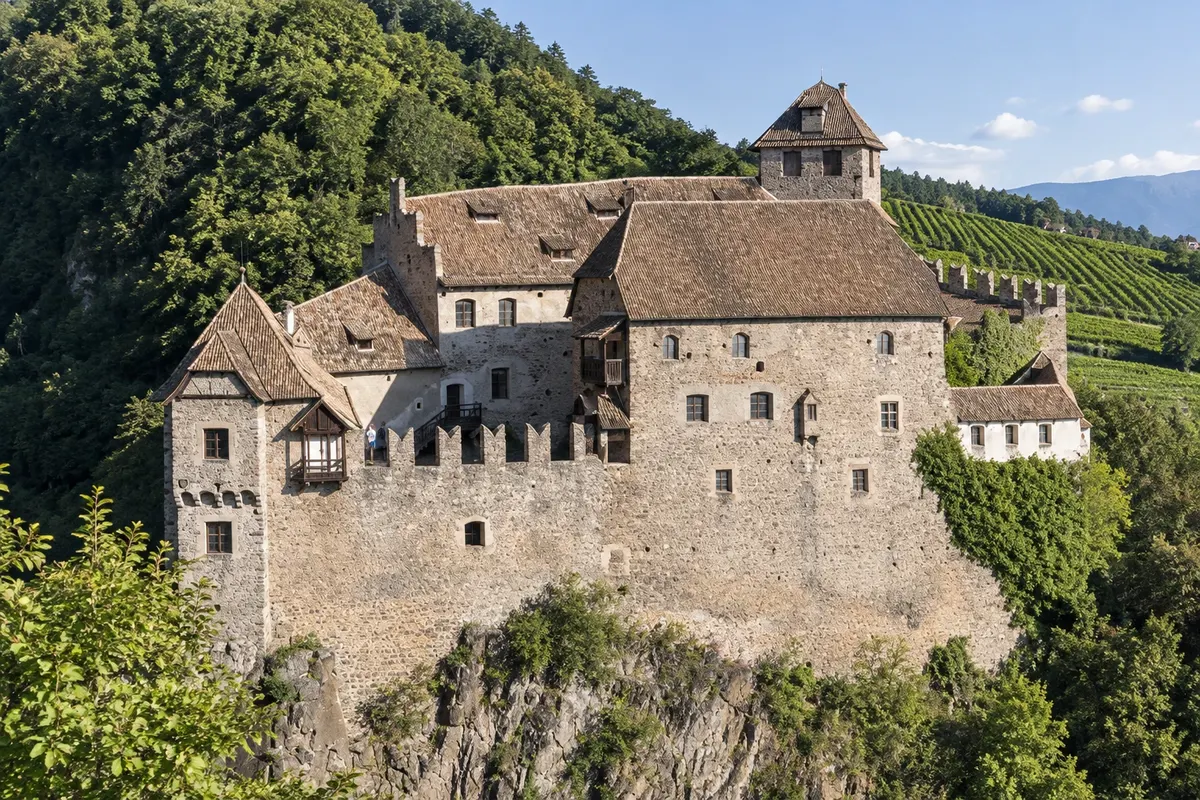
Bolzano is the most practical gateway. It lies on the rail line descending from the Brenner Pass to Verona and houses the Museo Archeologico dell'Alto Adige, where Ötzi, the 5,300-year-old Iceman, is kept. In Alto Adige signs are in Italian and German, and in parts of the valleys also in Ladin, the local language: Bolzano is Bozen, Ortisei is St. Ulrich and Urtijëi.
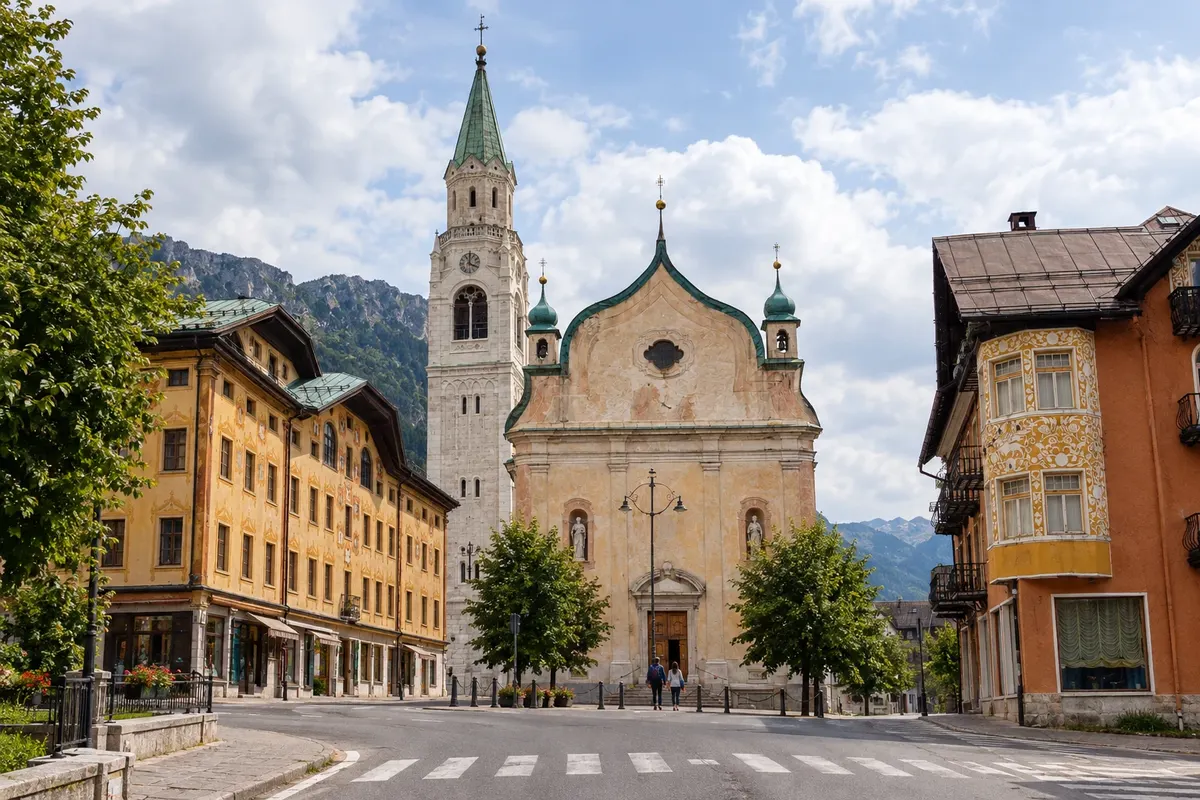
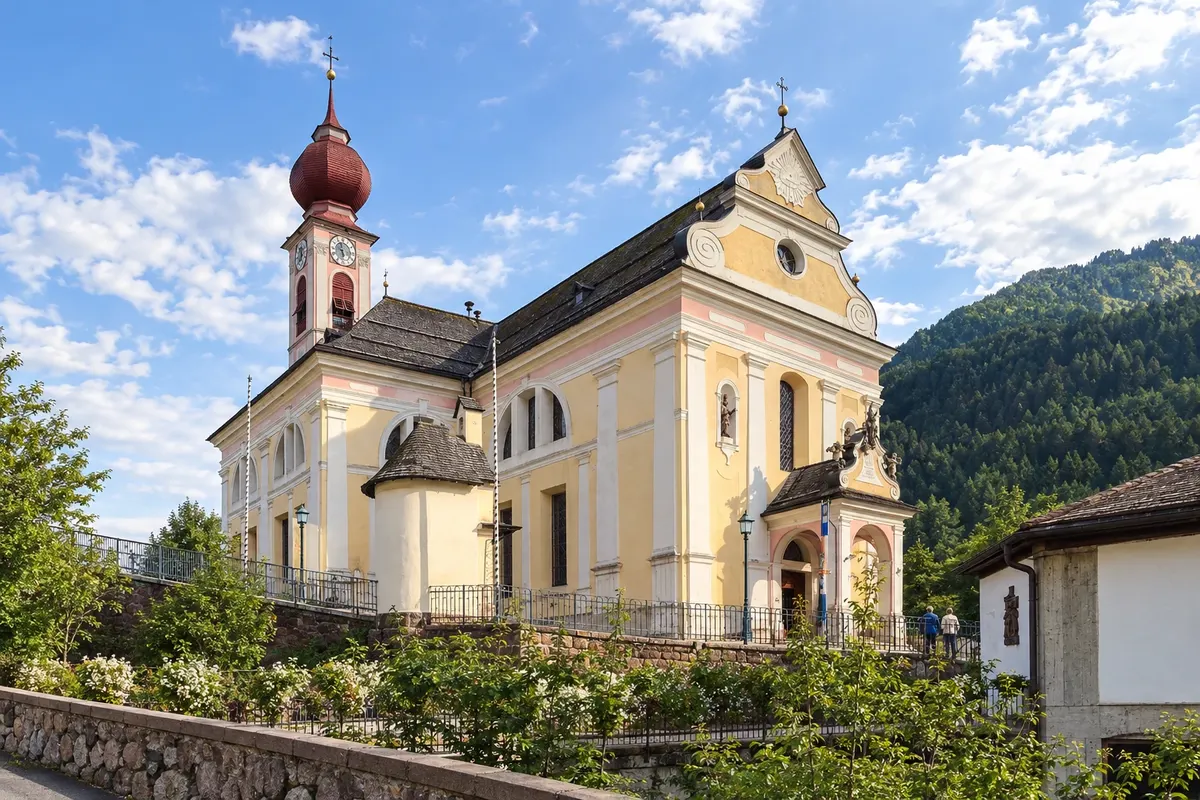
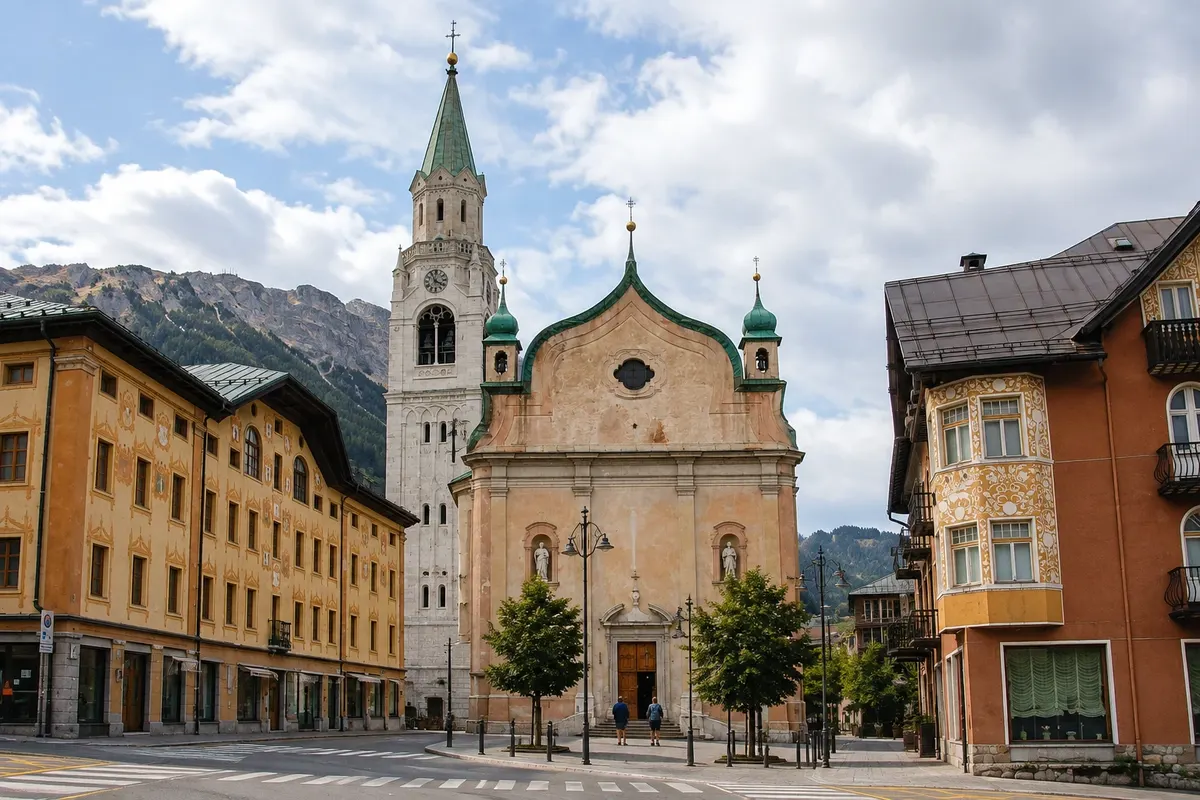
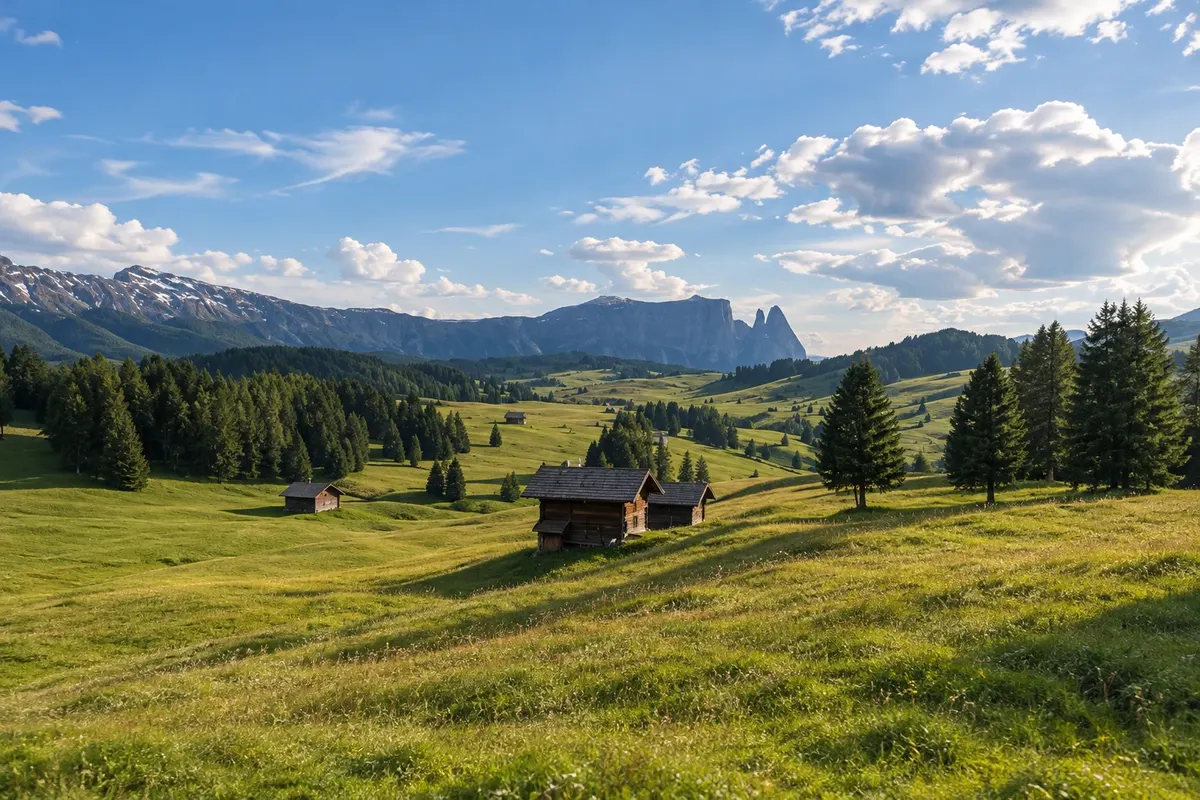
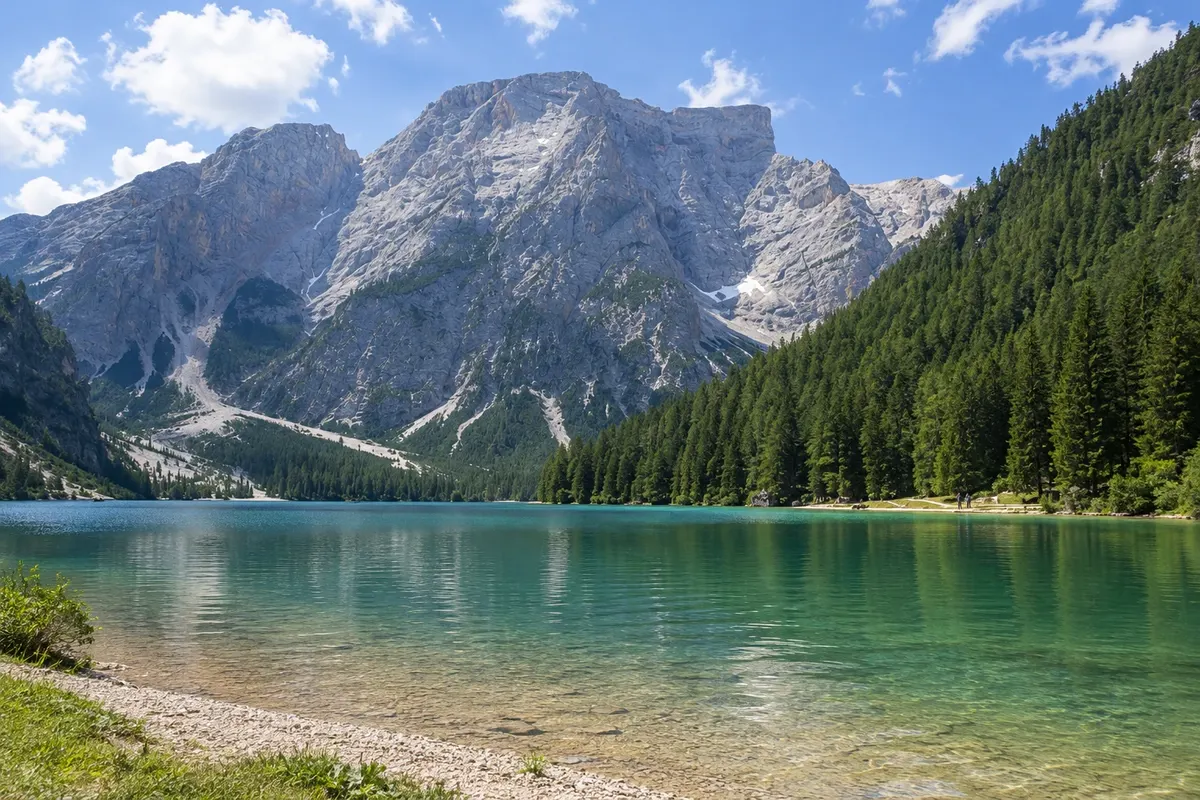
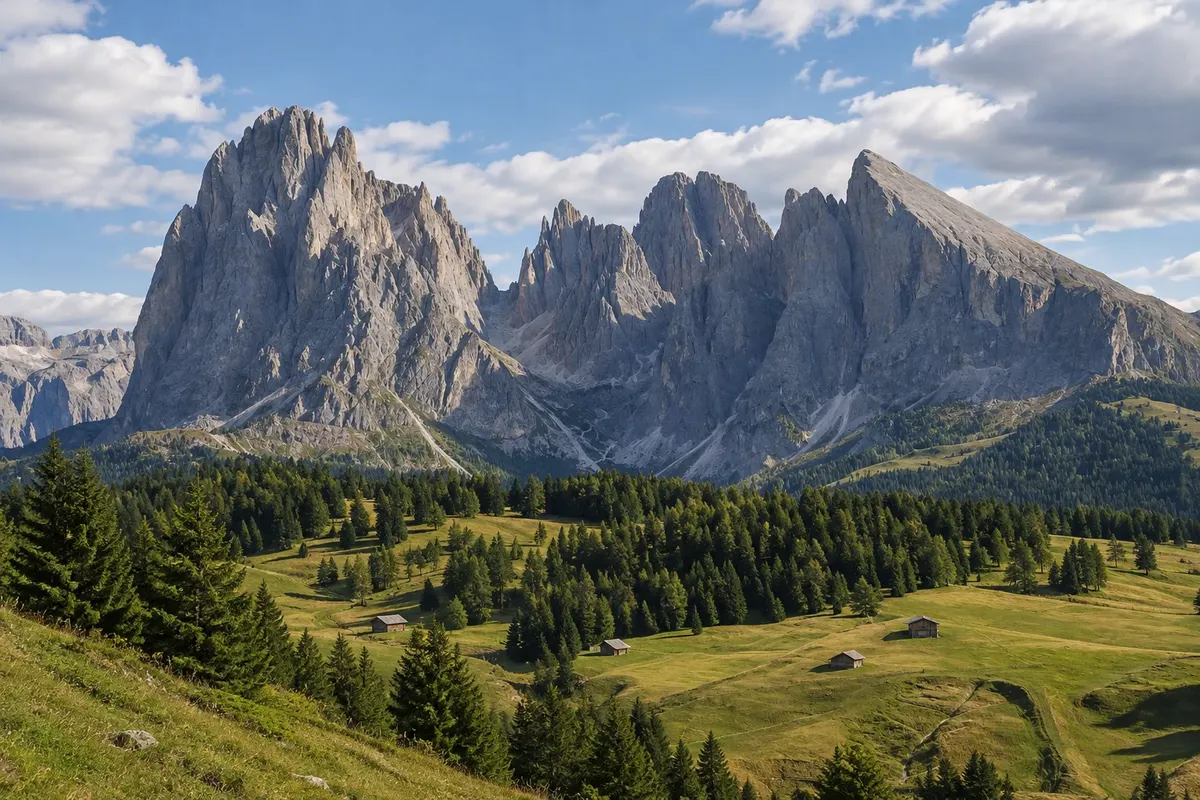
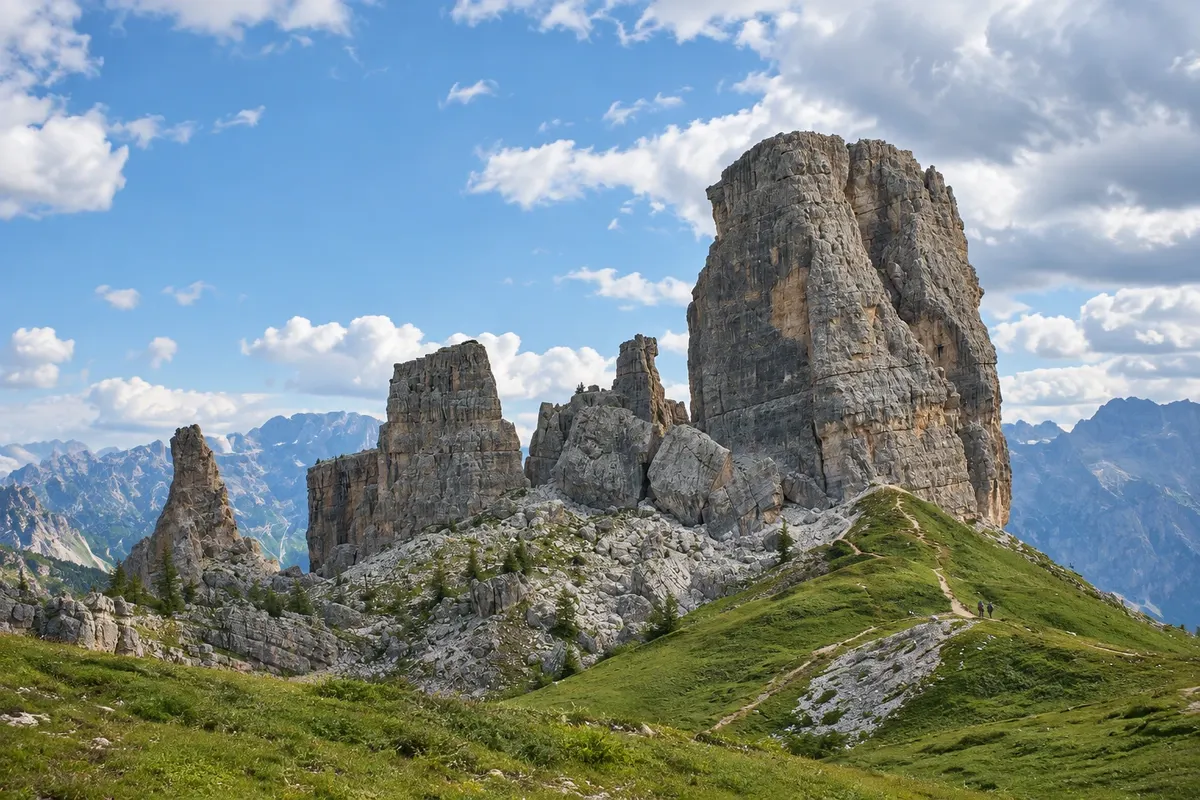
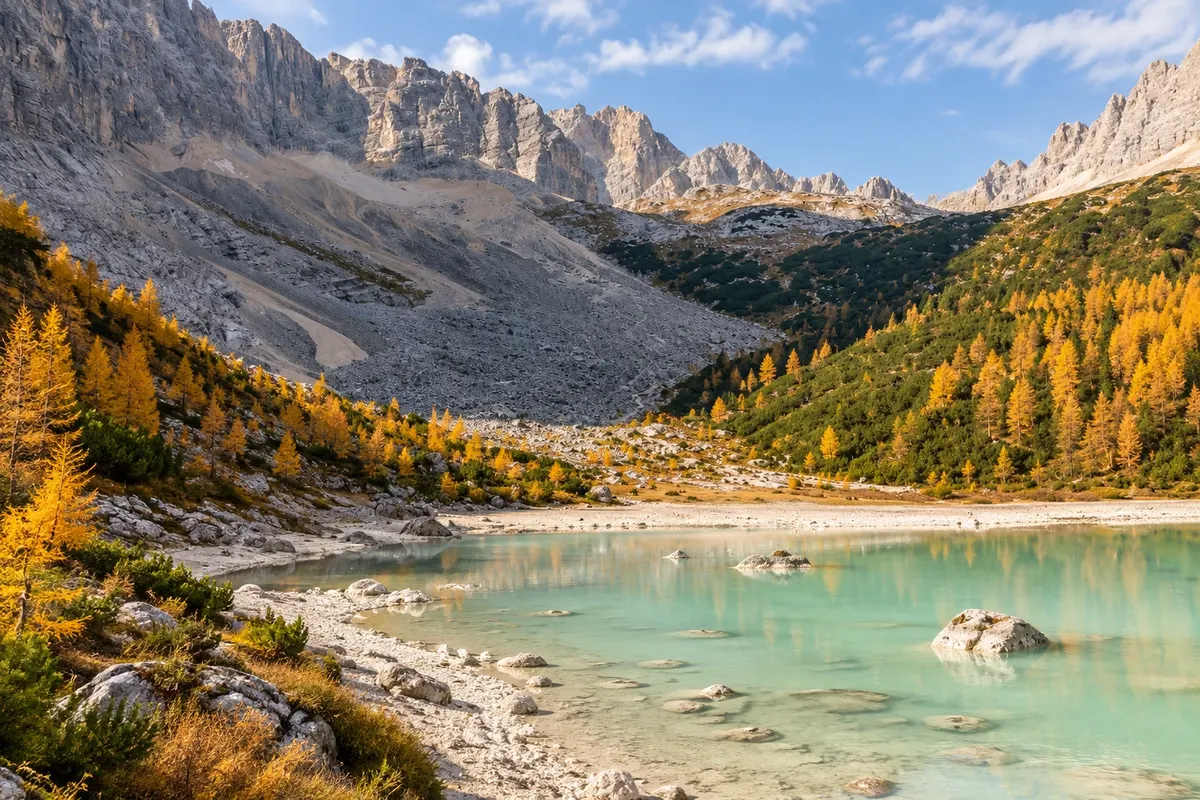
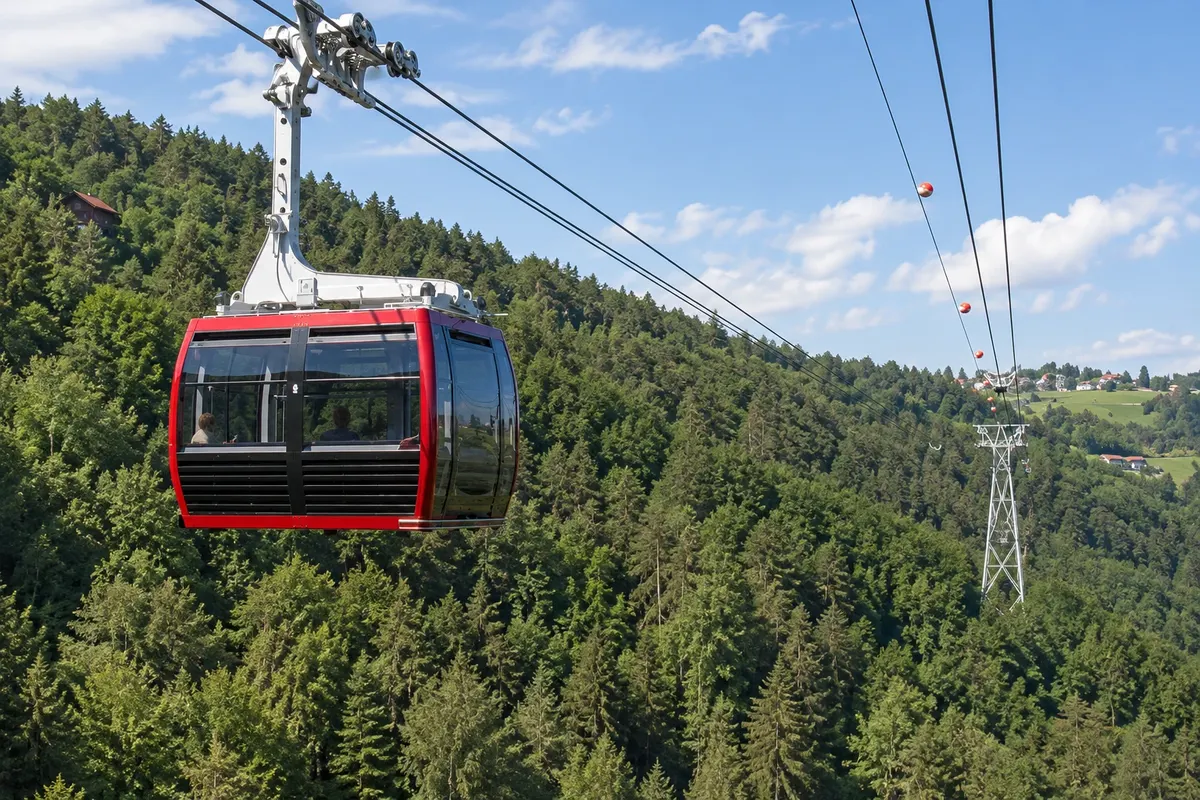
About 35 km from Bolzano the Val Gardena begins, with Ortisei as the main village. From there cable cars climb to Seceda and to the Alpe di Siusi, the largest high-altitude pasture plateau in Europe, and the Sassolungo closes the valley head. Further east, in Veneto, Cortina d'Ampezzo is the base for the Tre Cime di Lavaredo, the Cinque Torri, Lagazuoi and the lakes of Sorapis and Braies.
Cable cars, refuges and high-altitude roads open in summer—usually from May or June to October—and in winter, from December to March or April, with pauses in spring and late autumn. Plan your trip within those windows and confirm the opening dates of each place before you go.
This destination brings together 3 cities: Bolzano, Cortina d'Ampezzo, Ortisei.


 Brazil
 Argentina
 Chile
Chile Colombia
 Peru
Peru Uruguay
 Germany
 Belgium
 Spain
Spain France
 Greece
 the Netherlands
 Ireland
 Portugal
 the United Kingdom
 Switzerland