Tessalônica

Macedônia Central · Greece

Tessalônica

The second city of Greece, on the bay of Termaico: Torre Branca, Byzantine churches listed by UNESCO, markets, the long waterfront and, an hour by car, the royal tombs of Macedonia.

North

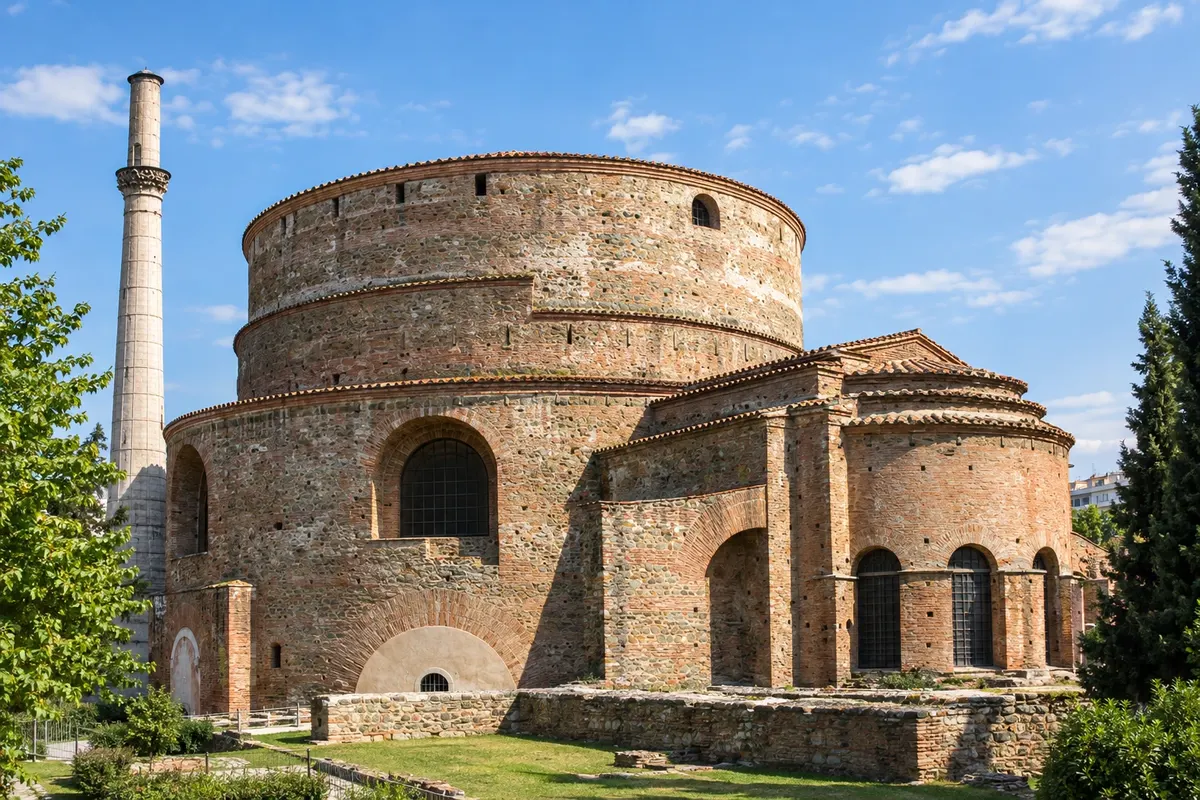
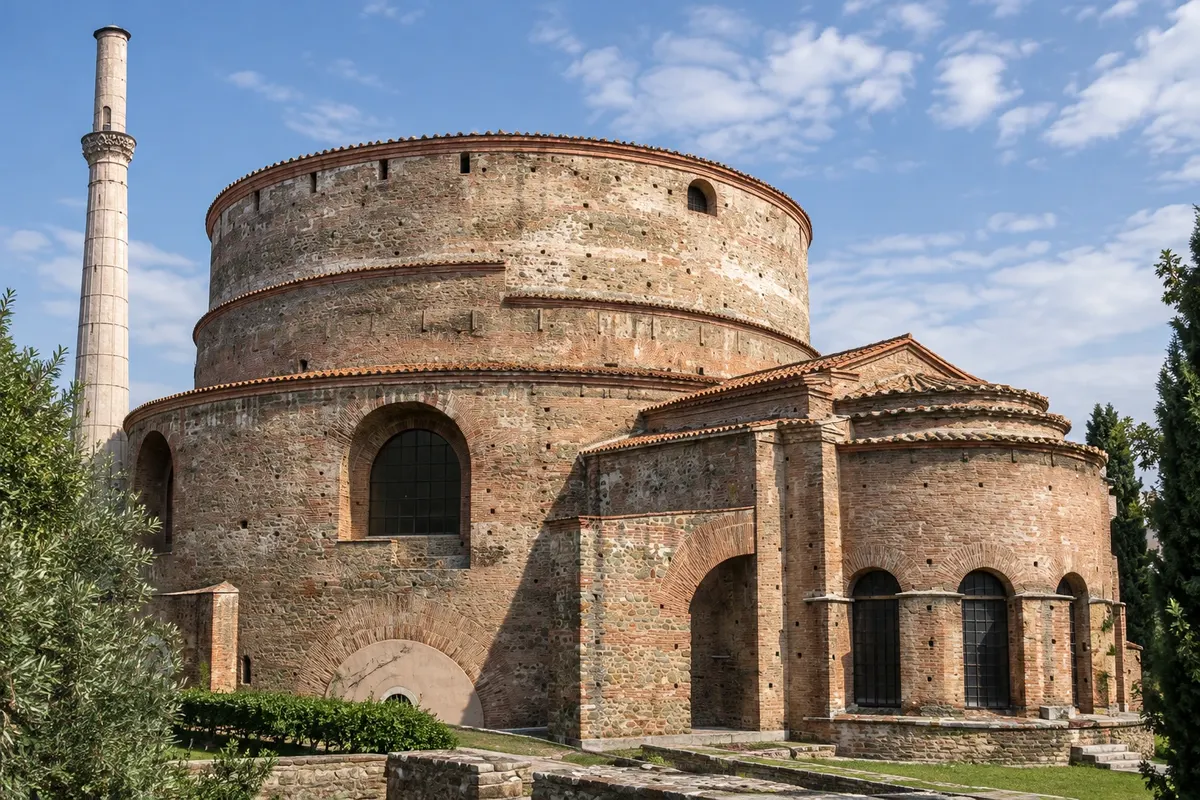
In the photo: Rotunda de Galério

Illustrative images. The pictures in this guide are illustrations based on the real place, not photographs, and may differ from it.

Get it on Google Play Send your photos

Get to know the place

A region to enjoy
at your own pace.

Tessalônica (Thessaloniki) is the second city of Greece and the capital of Central Macedonia, in the north of the country. Founded in 315 BC and named after Alexander the Great's sister, it was an important port of the Roman Empire, the second city of the Byzantine Empire and, for almost five centuries, an Ottoman city. Those layers are visible: the Arch of Galerius and the Rotonda from the 4th century, the Byzantine churches inscribed on the UNESCO World Heritage list, Ottoman baths and mosques, and the 1920s buildings that rose after the great fire of 1917.

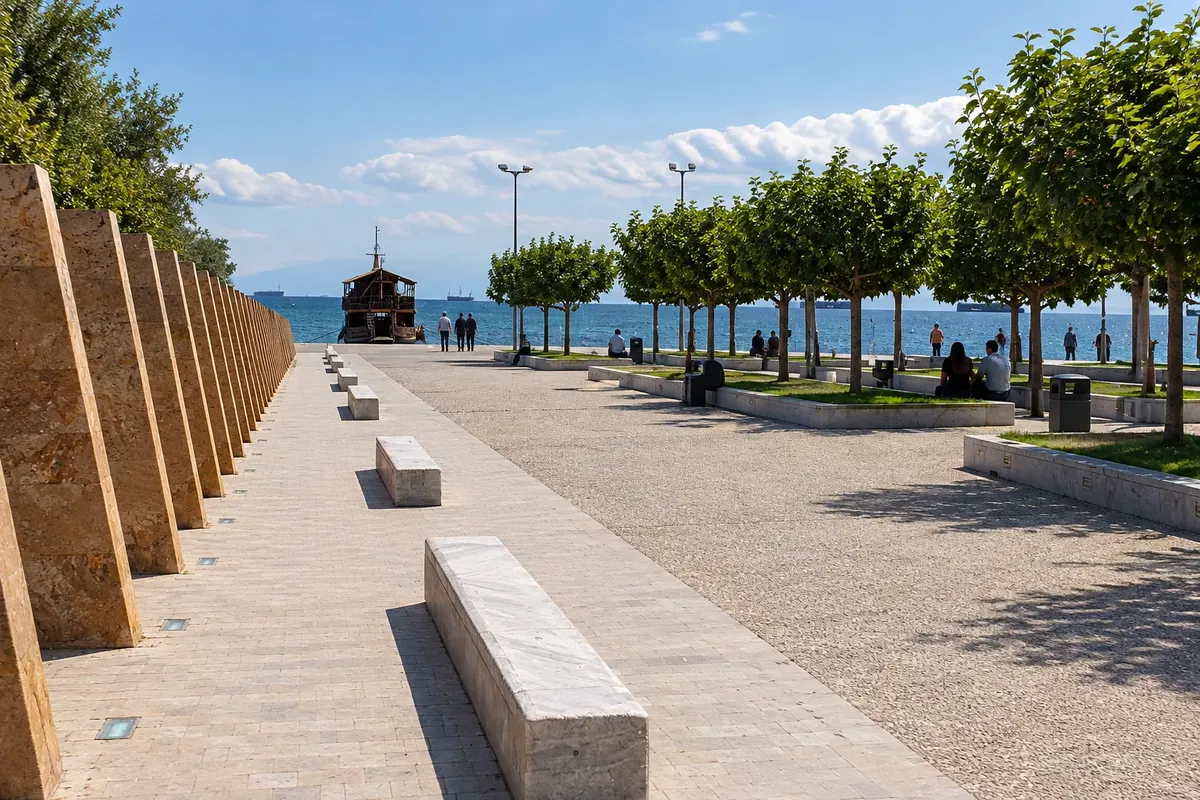
The center is organized between avenida Egnatia, which follows the line of the Roman road, and the waterfront of the bay of Termaico. Praça Aristotelous opens onto the sea; Torre Branca marks the end of the old promenade and the start of the Nea Paralia, a roughly five-kilometer waterfront where people walk, cycle and sit at dusk. Uphill is Ano Poli, the upper town, with wooden houses, stone alleys and the walls that escaped the fire.

Tessalônica is also a city of food and of university life. The Modiano and Kapani markets sell olives, cheeses, fish and syrup sweets; bougatsa (puff pastry with cream) is the local breakfast, and the bars in Ladadika and Valaoritou stay open late. Universidade Aristóteles, one of the largest in Greece, keeps the city youthful year-round.

Trains and KTEL buses connect the city to Athens and regional towns, and Makedonia airport receives domestic flights and services from several European cities.

This destination brings together 1 city: Tessalônica.

Share: WhatsApp
Traveler, share your experiences through photos Up to 5 photos of each place you visited.

One destination, many paths

The cities on this trip

Start with one city or combine several in your itinerary.

Where Tessalônica is
Tessalônica

Contornos: Natural Earth (domínio público). Adaptação do Cidade Turismo.

How to get there: Tessalônica

✈ Aeroporto Internacional de Tessalônica Makedonia (SKG), in Thermi · 15 km to Tessalônica

Confirm before booking. From Athens, the domestic flight to Makedonia airport takes about an hour; the Intercity train between Athens and Tessalônica takes around four and a half hours, and KTEL buses about six. From the airport to the center there are city buses and taxis; the journey typically takes 30 to 45 minutes.

The local experience

Things to do in Tessalônica

Torre Branca (Lefkos Pyrgos)
Tessalônica · Macedônia Central · Tower

Torre Branca (Lefkos Pyrgos)

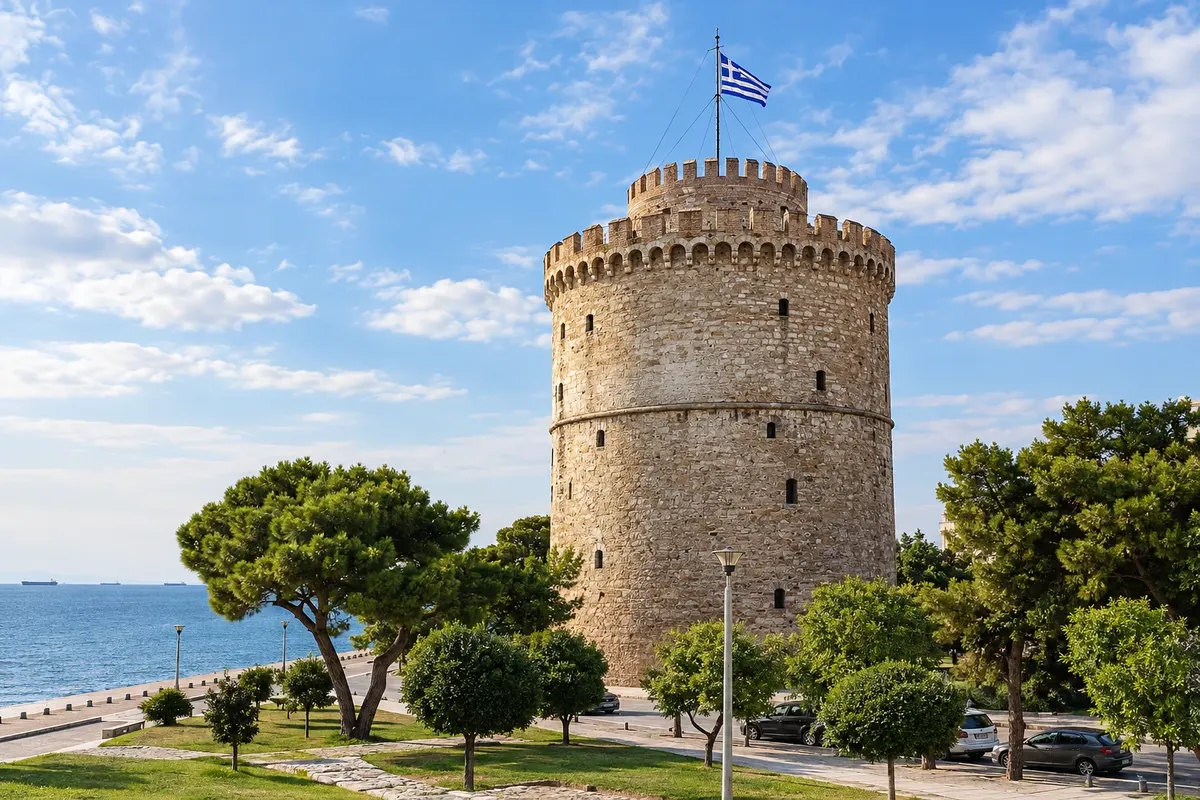
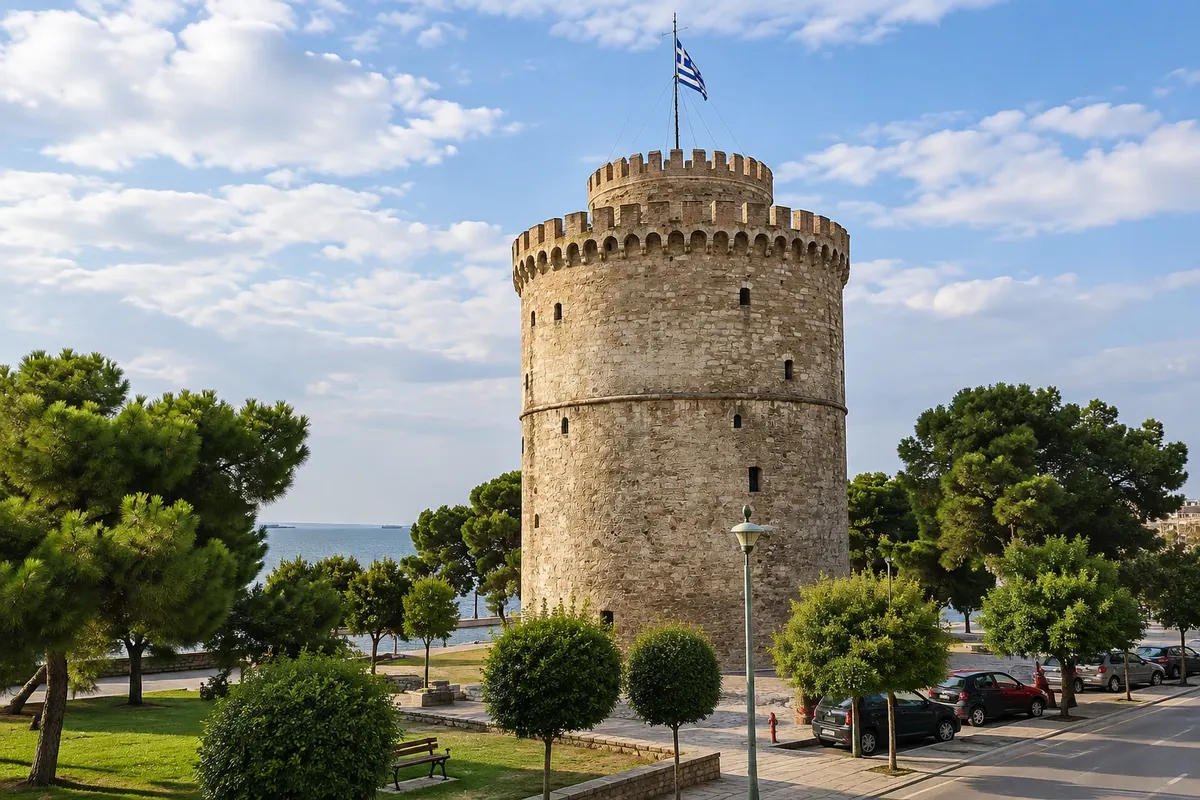
Torre Branca, symbol of Tessalônica, is a 15th-century Ottoman tower by the sea, with six floors of exhibits on the city's history and a terrace overlooking the bay.

Arco de Galério (Kamara)
Tessalônica · Macedônia Central · Monument

Arco de Galério (Kamara)

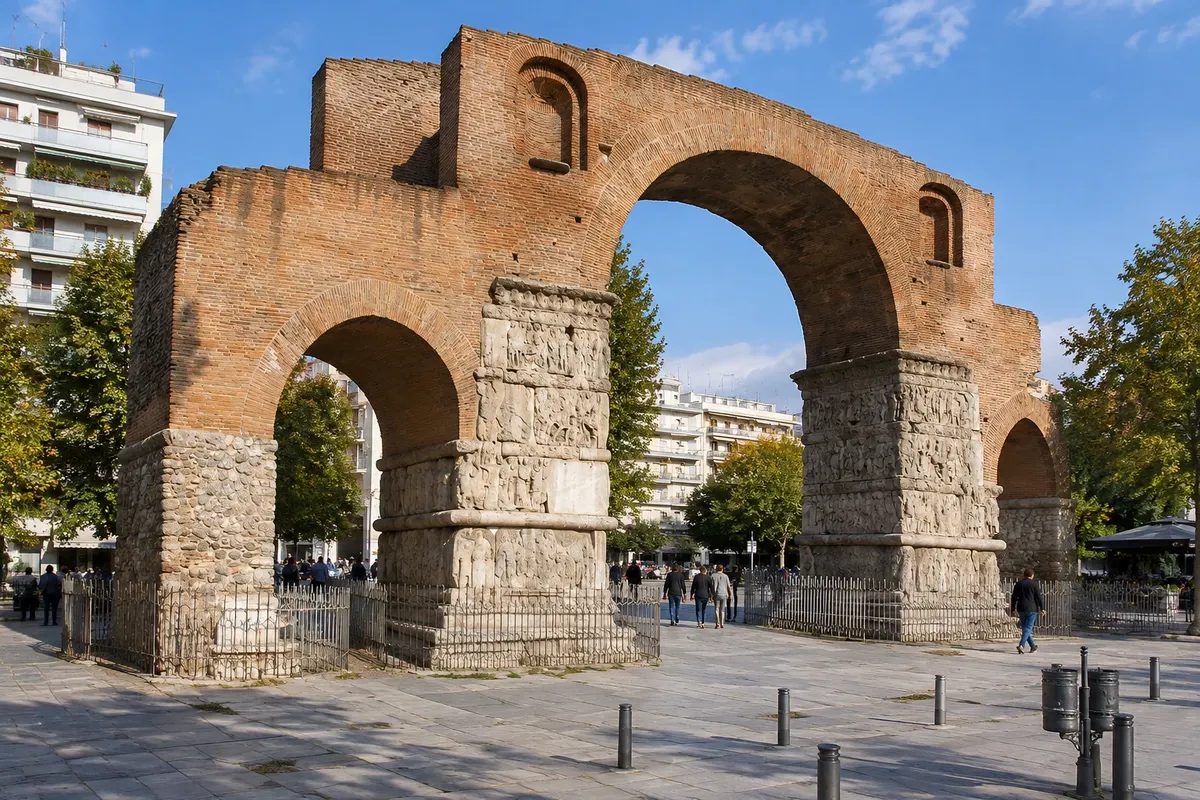
The Arco de Galério, called Kamara by locals, is an early 4th-century Roman arch with reliefs of the emperor's campaigns against the Persians, standing in the middle of avenida Egnatia.

Rotunda de Galério (Rotonda)
Tessalônica · Macedônia Central · Monument

Rotunda de Galério (Rotonda)

4th-century circular Rotunda, built by Galério, which was a church, a mosque and then a church again. It houses early-Christian mosaics in the dome and is part of the UNESCO World Heritage.

Igreja de Agios Dimitrios
Tessalônica · Macedônia Central · Church

Igreja de Agios Dimitrios

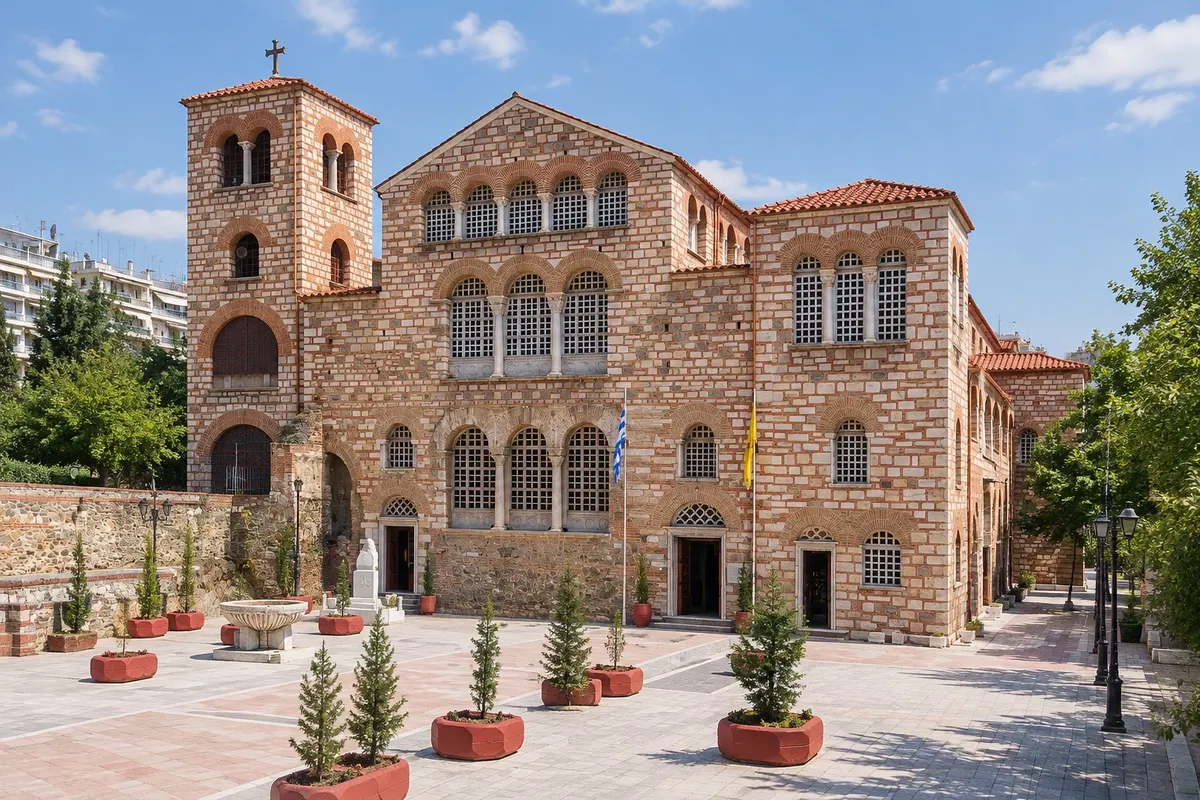
A five-nave basilica dedicated to the patron saint of Tessalônica, rebuilt after the 1917 fire, with 7th-century mosaics and a crypt that was part of a Roman bath, now an exhibition space.

See 16 more places in Tessalônica
Igreja de Agia Sofia (Hagia Sophia)
Tessalônica · Macedônia Central · Church

Igreja de Agia Sofia (Hagia Sophia)

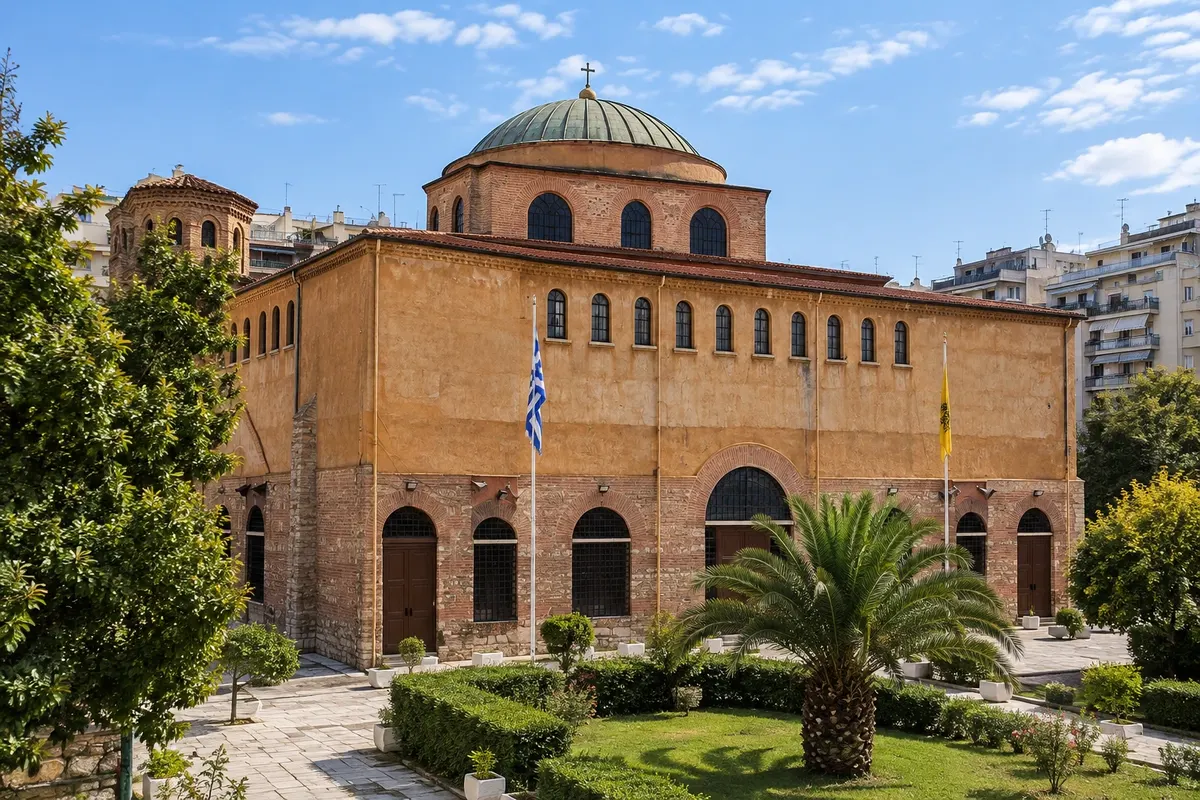
7th-century church in the form of a cross with a dome, featuring the Ascension mosaic in the dome and the Virgin in the apse. It was a mosque for nearly five centuries and is part of the UNESCO World Heritage.

Ágora Romana (Archaia Agora)
Tessalônica · Macedônia Central · Archaeological site

Ágora Romana (Archaia Agora)

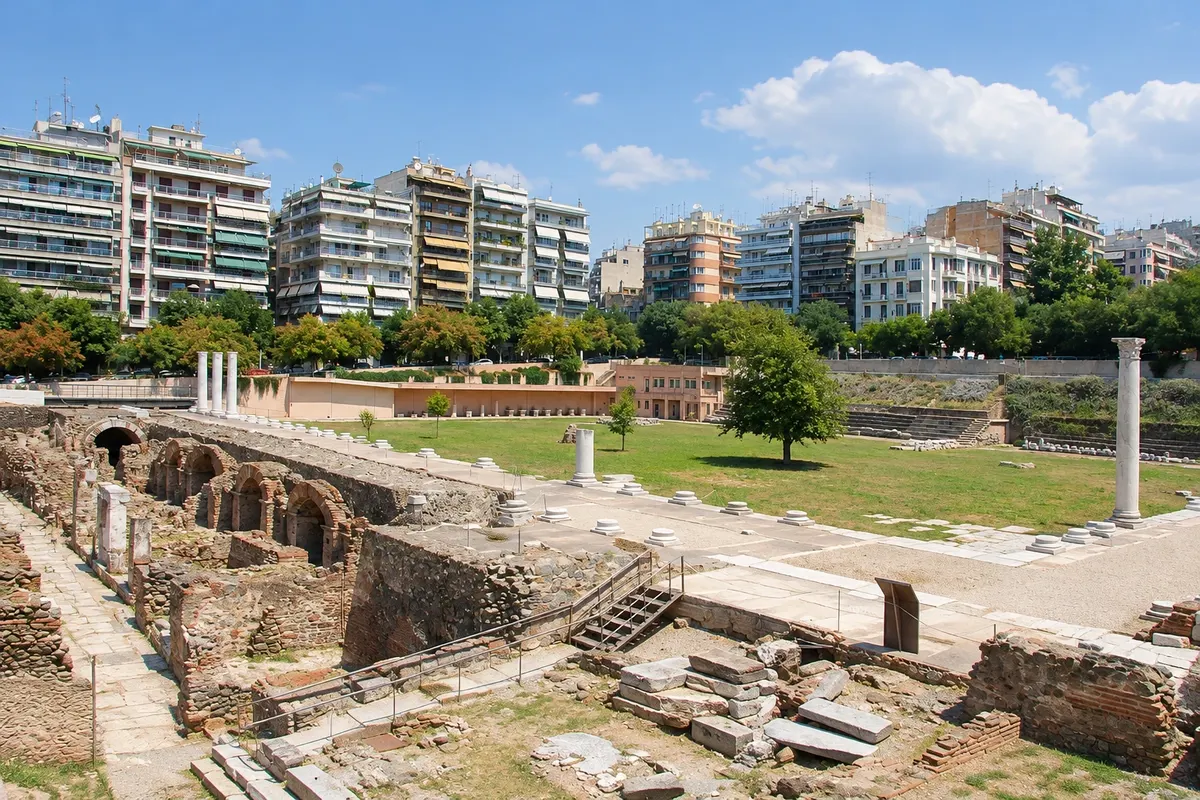
The fórum romano of Tessalônica, discovered by chance in the 1960s above the praça Aristotelous: a plaza with porticoes, an odeon, a cryptoporticus and a small underground museum.

Museu Arqueológico de Tessalônica (Archaiologiko Mouseio Thessalonikis)
Tessalônica · Macedônia Central · Museum

Museu Arqueológico de Tessalônica (Archaiologiko Mouseio Thessalonikis)

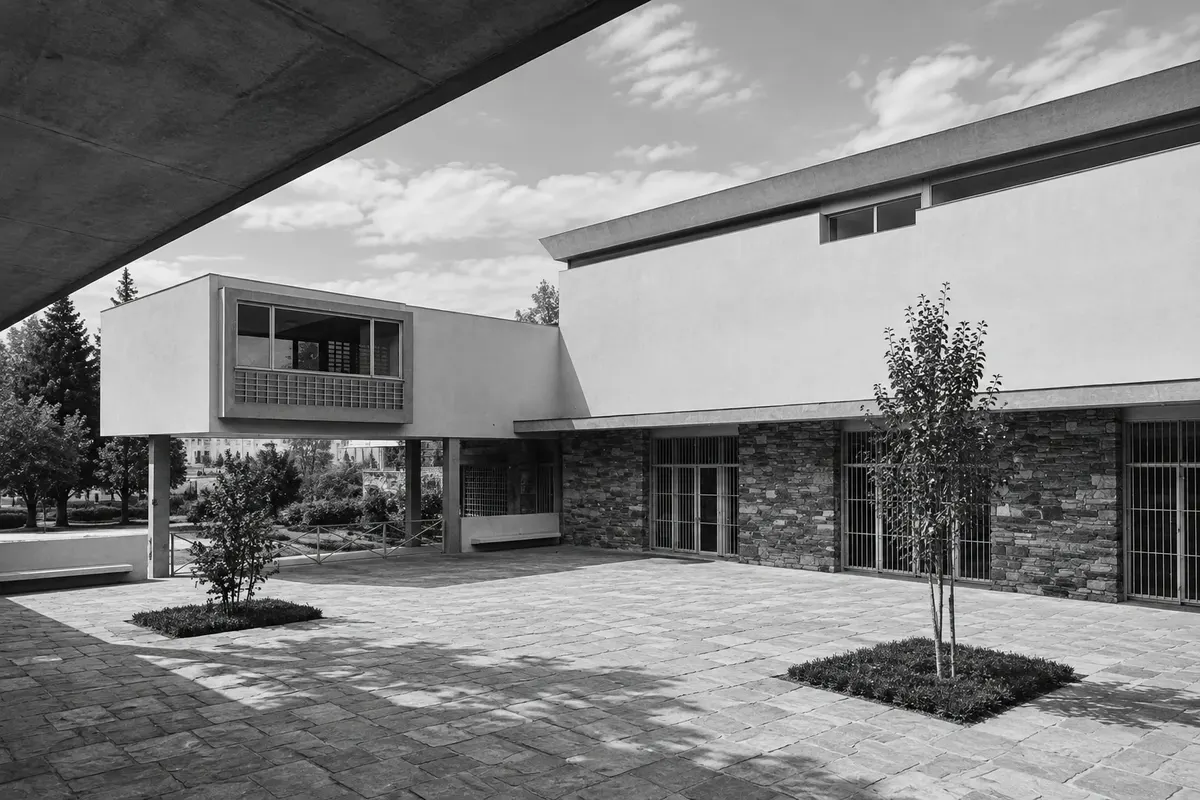
The Museu Arqueológico de Tessalônica brings together the gold of ancient Macedônia, the Derveni krater, the oldest papyrus in Europe and Roman sculptures, in a modernist building from 1962.

Museu da Cultura Bizantina (Mouseio Vyzantinou Politismou)
Tessalônica · Macedônia Central · Museum

Museu da Cultura Bizantina (Mouseio Vyzantinou Politismou)

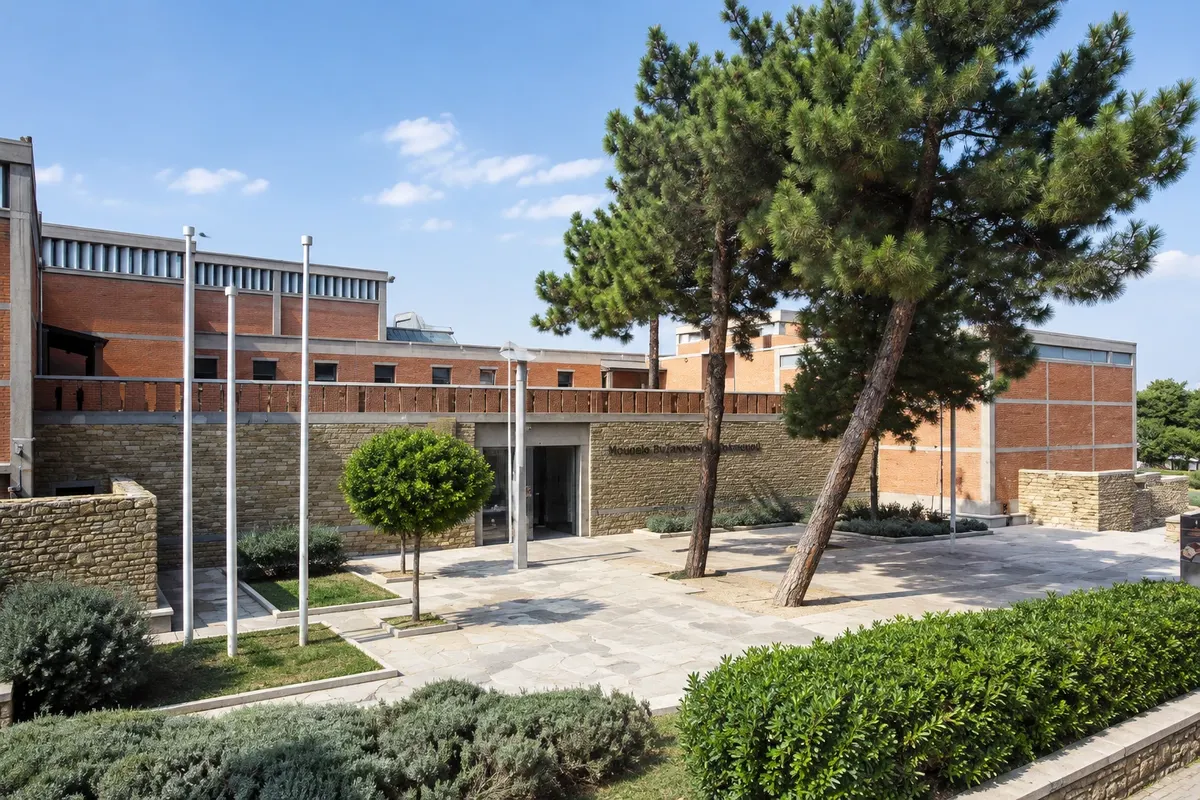
Museu da Cultura Bizantina, with eleven rooms about daily life, art and religion in Tessalônica from the 4th to the 15th century: mosaics, icons, painted tombs and church treasures.

Ano Poli, muralhas e Eptapyrgio
Tessalônica · Macedônia Central · Fortress

Ano Poli, muralhas e Eptapyrgio

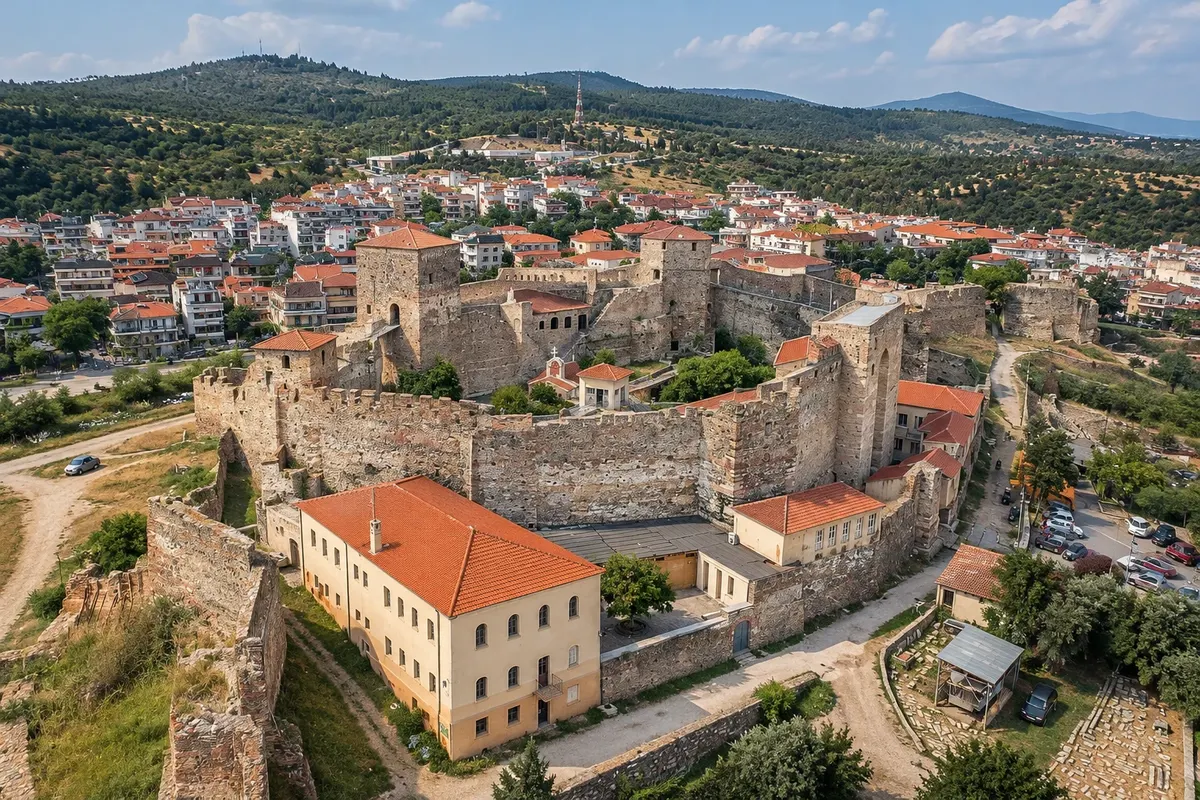
The fortress of the seven towers, high on Ano Poli, with Byzantine and Ottoman walls, a prison that operated until 1989 and the best view of the city and the bay. Around it lie the upper town and the ramparts.

Mercados Modiano e Kapani (Agora Modiano)
Tessalônica · Macedônia Central · Market

Mercados Modiano e Kapani (Agora Modiano)

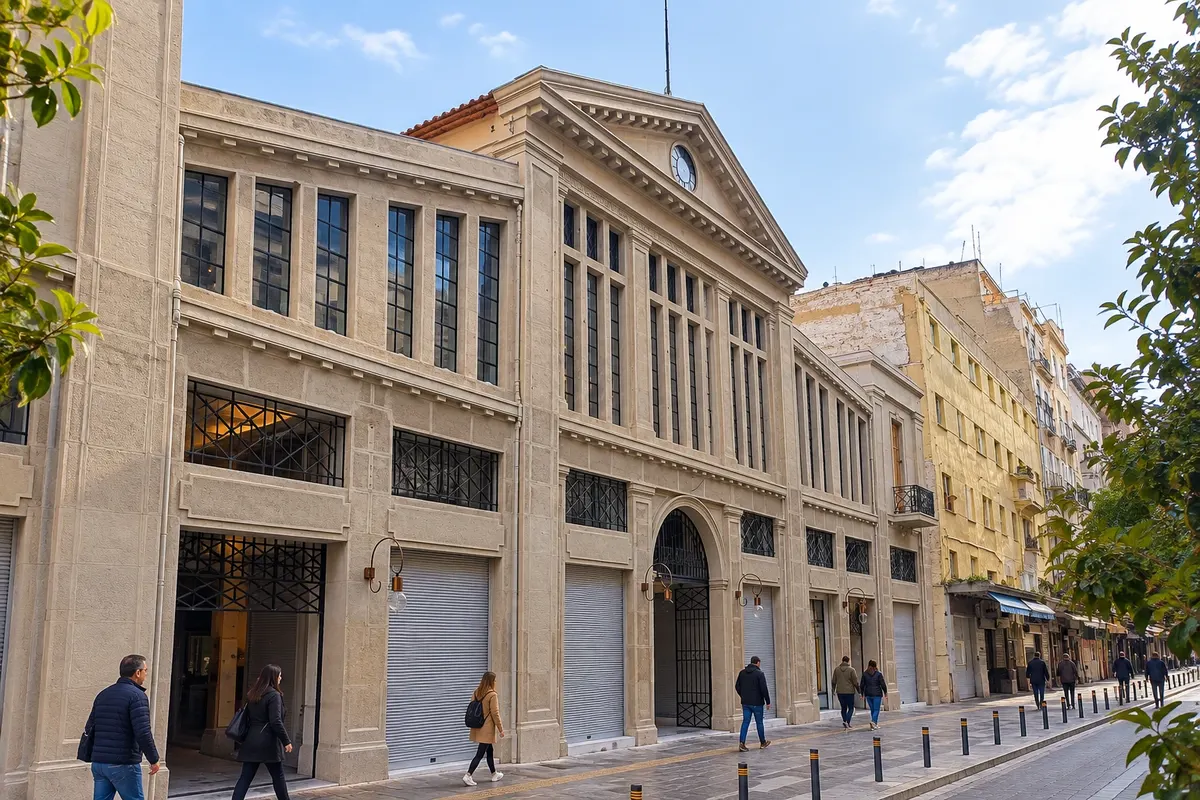
The covered market from 1930, restored, with fish, meat, olive and cheese stalls and taverns in the central corridor. Beside it, the Kapani market, more popular and noisy.

Praça Aristotelous (Plateia Aristotelous)
Tessalônica · Macedônia Central · Square

Praça Aristotelous (Plateia Aristotelous)

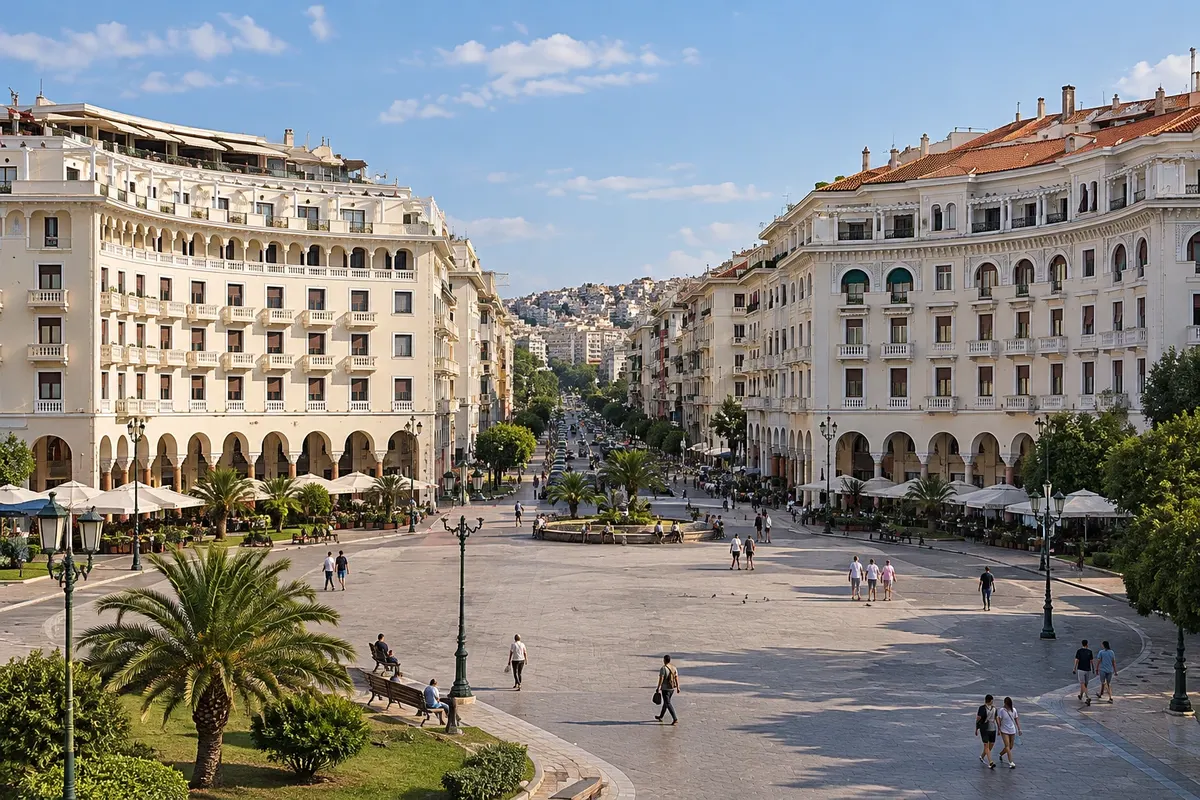
Tessalônica's main plaza, designed in 1918 by Ernest Hébrard, opening onto the bay, with arcades, cafés, the Olympion cinema and the start of the promenade that leads to the Torre Branca.

Orla Nea Paralia
Tessalônica · Macedônia Central · Park

Orla Nea Paralia

The new waterfront of Tessalônica: about 5 km of promenade and themed gardens from the Torre Branca to the concert hall, with the Guarda-chuvas sculpture by Zongolopoulos and the statue of Alexandre.

Ladadika
Tessalônica · Macedônia Central · Neighborhood

Ladadika

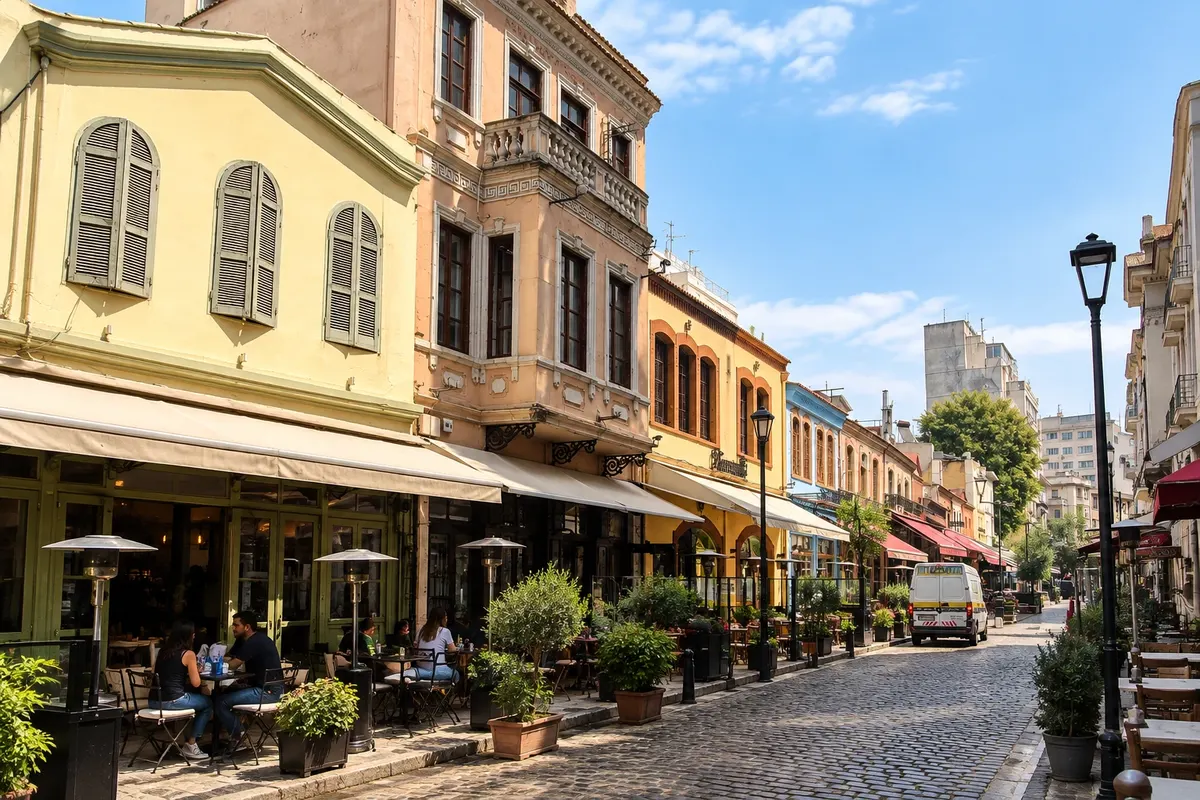
The old district of oil warehouses by the port, listed in 1985, today Tessalônica's area of tavernas, bars and live music, with 19th-century buildings and pedestrian streets.

Palácio de Galério (Anaktora Galeriou)
Tessalônica · Macedônia Central · Archaeological site

Palácio de Galério (Anaktora Galeriou)

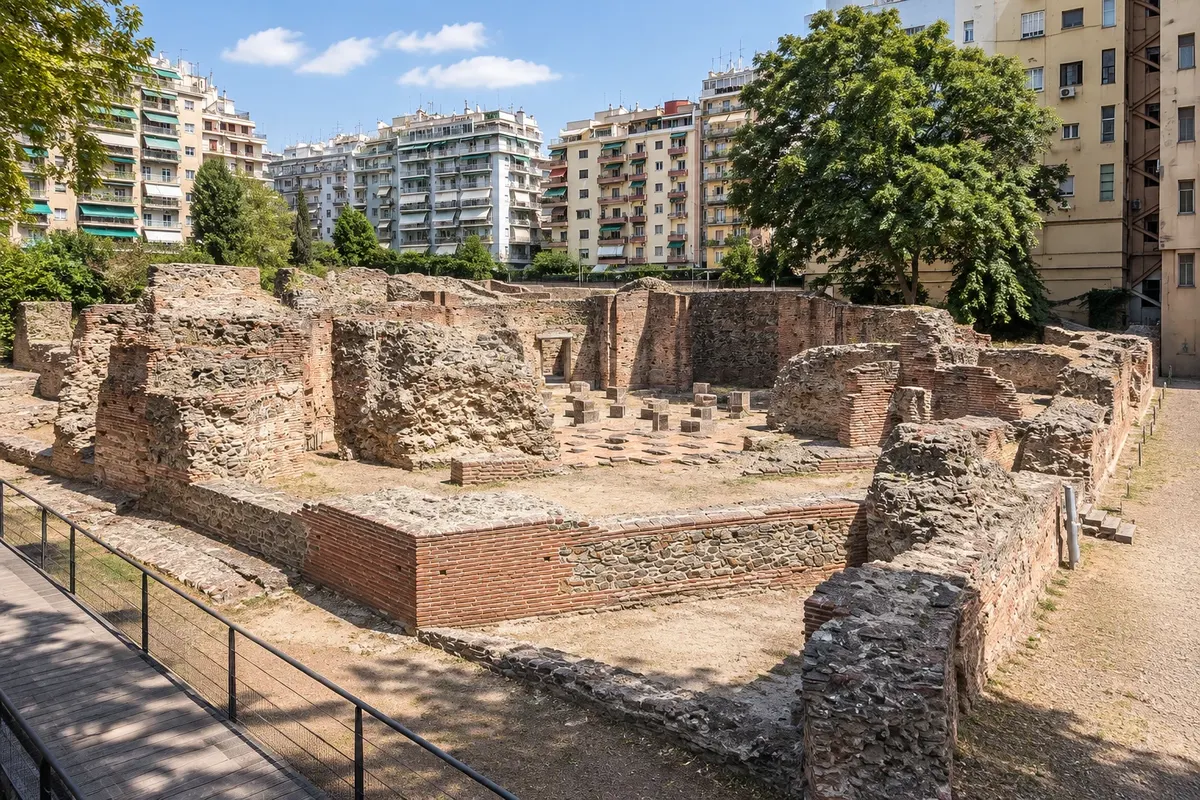
The ruins of Emperor Galerius's palace at praça Navarinou: the Octagon, the basilica, the columned courtyard and the baths, open to the sky in the middle of the modern center.

Igreja de Panagia Chalkeon
Tessalônica · Macedônia Central · Church

Igreja de Panagia Chalkeon

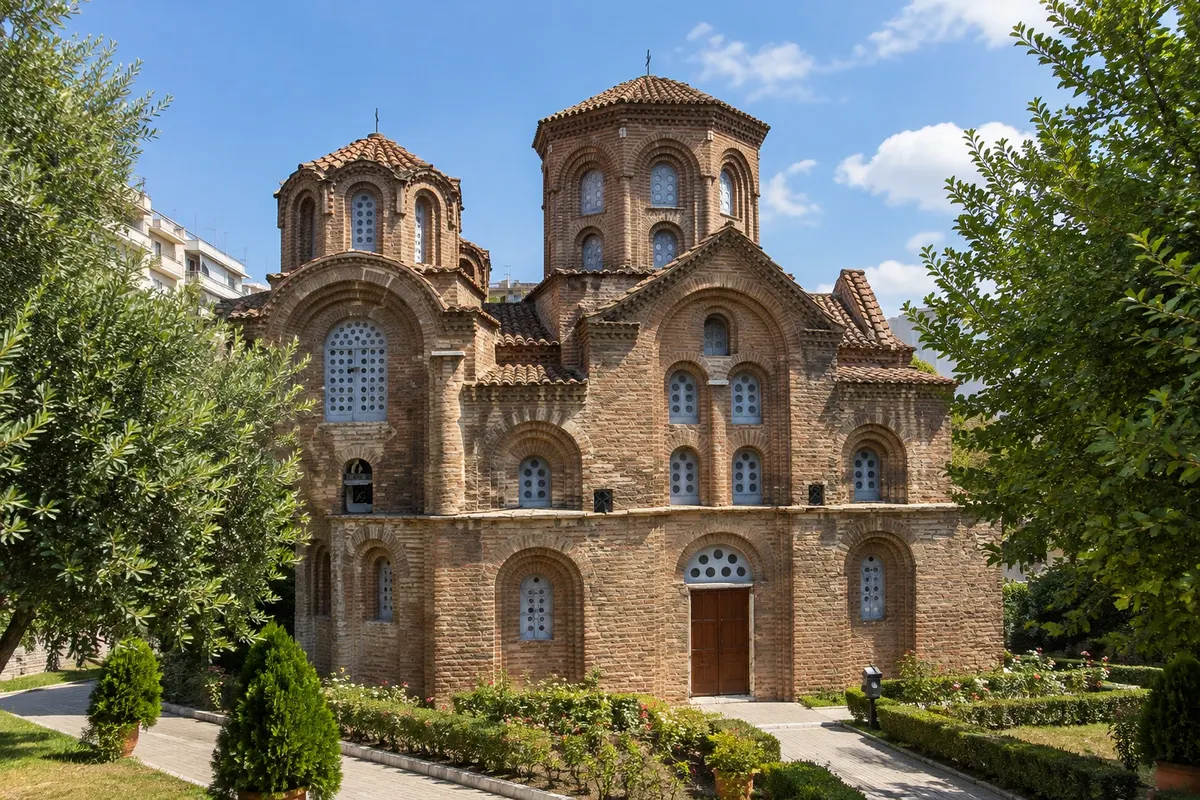
The red church of the coppersmiths, from 1028, built entirely of brick, with three domes and Byzantine frescoes, in a depressed square near the Ágora Romana. UNESCO World Heritage site.

Tessalônica · Macedônia Central · Museum

Museu Judaico de Tessalônica (Evraiko Mouseio Thessalonikis)

The Jewish Museum tells the story of the Sephardic community that made Tessalônica the “mother of Israel” for four centuries, with tombstones from the destroyed cemetery, ritual objects and the memory of the Holocaust.

Igreja de Osios David (Moni Latomou)
Tessalônica · Macedônia Central · Church

Igreja de Osios David (Moni Latomou)

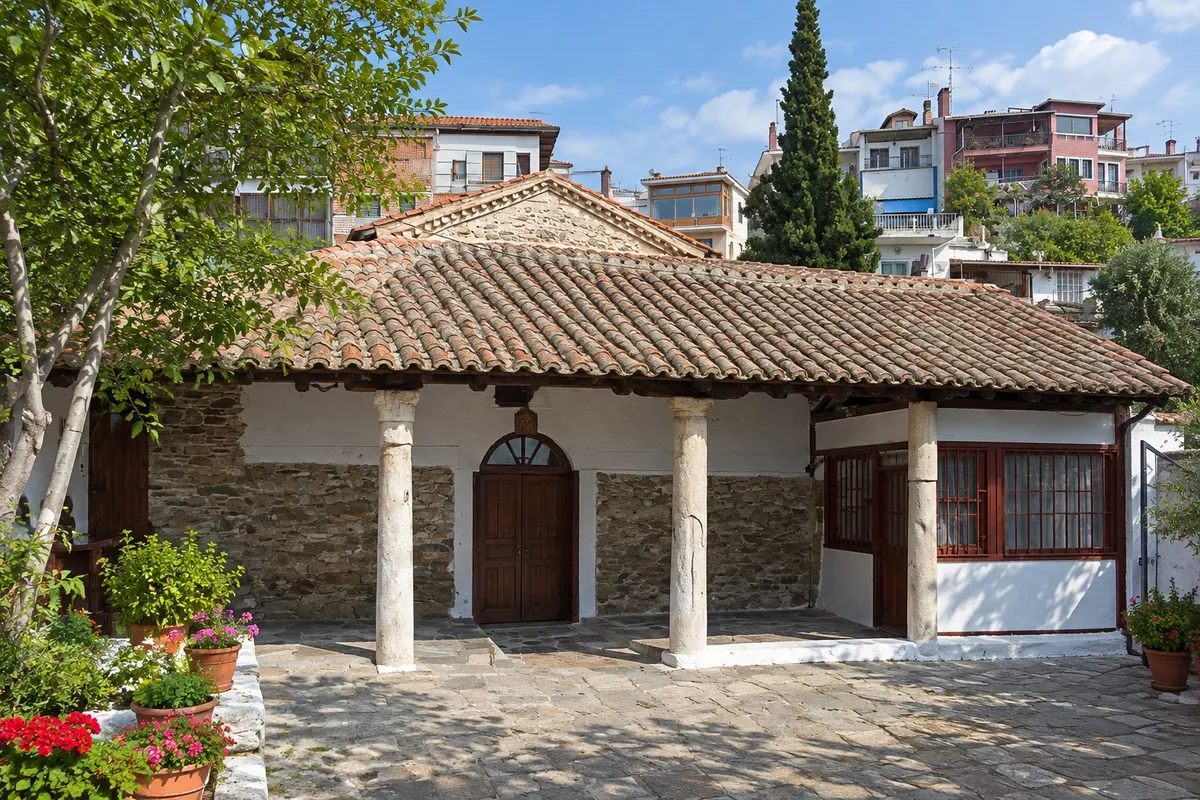
Small 5th‑century church in Ano Poli, the former seat of the Latomou monastery, with a rare mosaic of Ezekiel's vision in the apse and 12th‑century frescoes. UNESCO World Heritage Site.

Píer A do porto (Provlita A)
Tessalônica · Macedônia Central · Cultural centre

Píer A do porto (Provlita A)

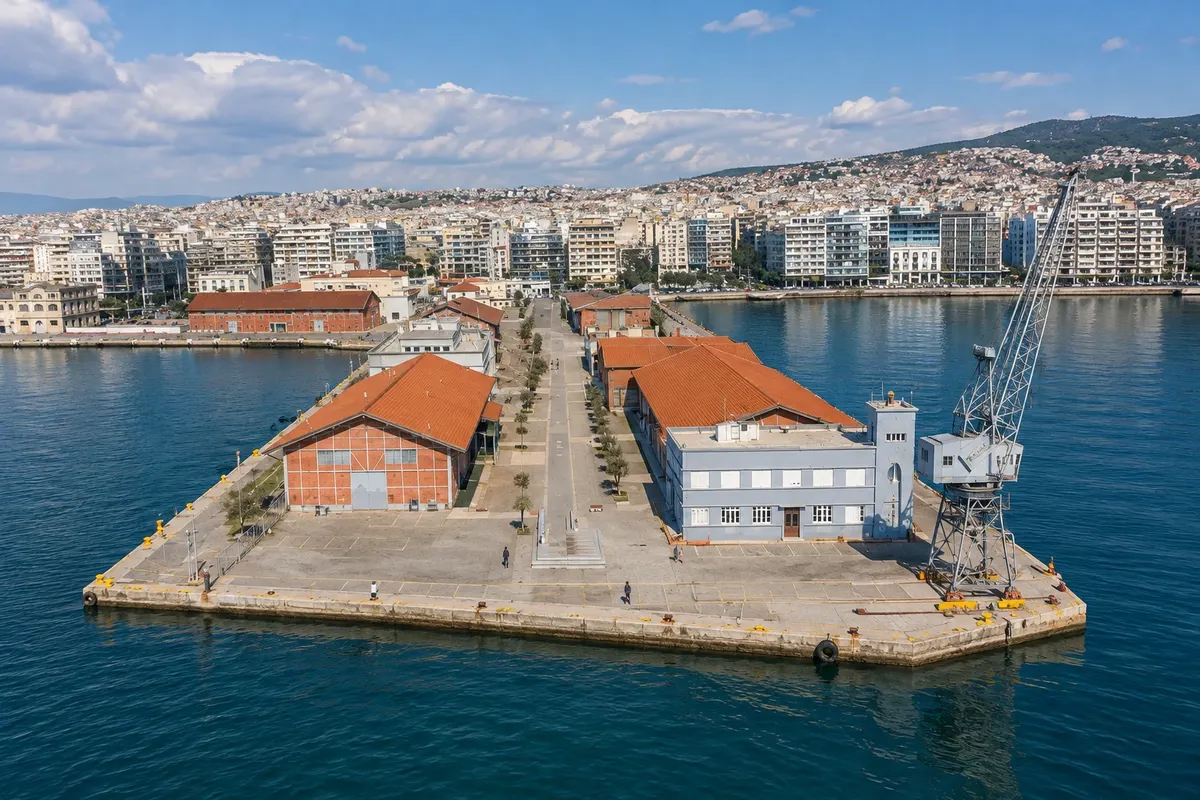
Pier A of the port, with early‑20th‑century warehouses that house the MOMus Museu de Fotografia, the Museu do Cinema and screening rooms for the Film Festival, as well as cafés facing the bay.

Tessalônica · Macedônia Central · Archaeological site

Vergina: Museu Policêntrico de Aigai (Polykentriko Mouseio Aigon)

Vergina, ancient Aigai, the first capital of Macedonia: the underground museum with the tomb of Philip II and the golden larnax, the main museum and the palace where Alexander was acclaimed king. 75 km from Tessalônica.

Litochoro e Monte Olimpo
Tessalônica · Macedônia Central · Village

Litochoro e Monte Olimpo

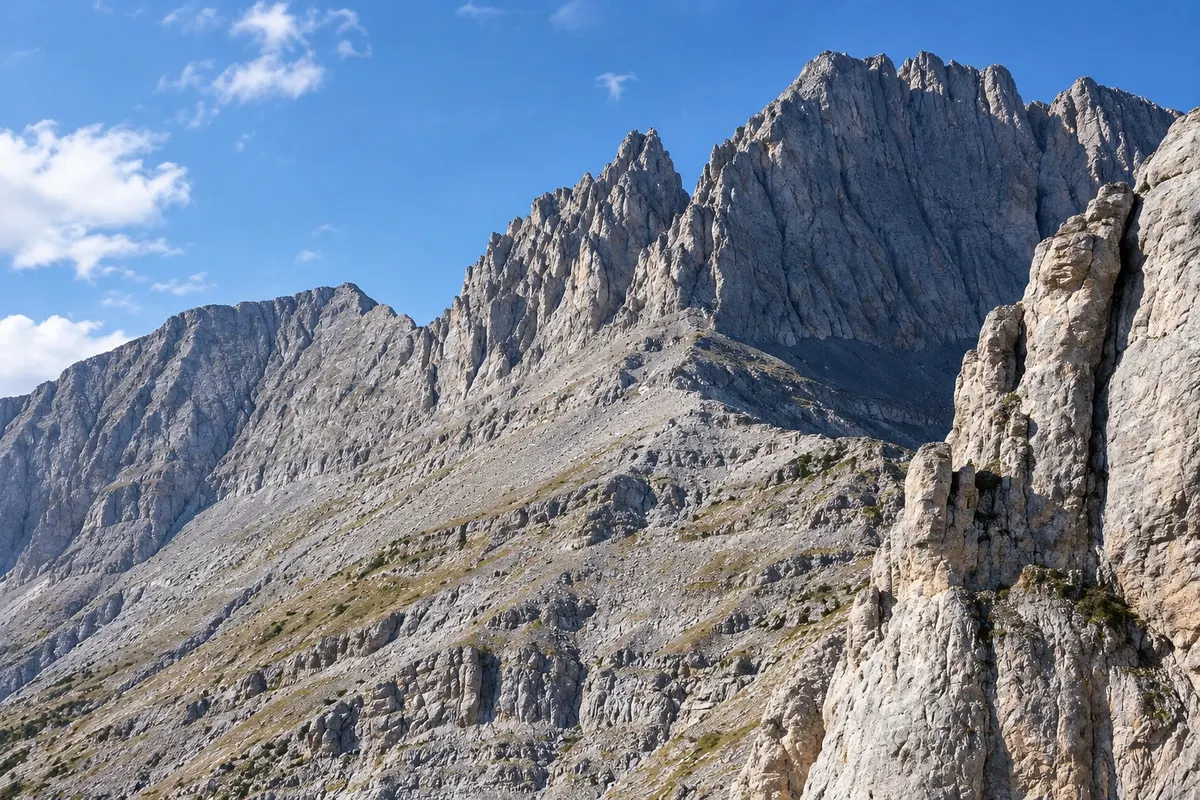
The village at the foot of Monte Olimpo, 90 km from Tessalônica, from where the trails into the Enipeas gorge and the climbs to the mountain refuges start. Nearby is the archaeological site of Dion.

Before you go

Practical information

A little planning leaves more time to enjoy the journey.

When to go

From May to June and September to October the days are long, the heat is milder and the waterfront is in use. July and August are often very hot, above 35°C on some days, and many residents go on holiday. Winter, from December to February, is cold and damp, with a north wind (the vardaris); museums and churches remain open, with reduced hours at outdoor sites.

The seasons shown are the most usual ones; nature doesn't always follow the calendar.

How many days to stay

Two days cover the center: Torre Branca, Rotonda, Arch of Galerius, Agios Dimitrios, Hagia Sophia, Archaeological Museum, markets and Ano Poli at late afternoon. With three days you can fit a day trip to Vergina or a full day between the Museum of Byzantine Culture, Ladadika and the waterfront. Four days allow combining Vergina and Litochoro, at the base of Mount Olympus.

Which city to stay in

The center (Kentro), between Praça Aristotelous, Egnatia and Torre Branca, leaves almost everything within walking distance and concentrates hotels of all sizes. Ladadika, by the port, is the area of bars and restaurants: good for those who want nightlife, noisy for early sleepers. Ano Poli has a few guesthouses in old houses, with views and quiet, but requires climbing hills or taking buses. The Nea Paralia area and avenida Nikis, facing the sea, are a 15-minute walk from the historic center and close to the museums.

Respect the place

Take your trash with you, follow the signs and support local businesses. In natural areas, follow the visiting guidelines.

Get your questions answered

Frequently asked questions about Tessalônica

How many days to stay in Tessalônica?

Two days cover the historic center, the main museums and Ano Poli. A third day is worth it for Vergina, ancient Aigai, with the tomb of Philip II and the palace. Those who like mountains can add a day in Litochoro, at the base of Mount Olympus.

Do you need a car in Tessalônica?

Not for the city: the center is flat and walkable, and city buses cover Ano Poli and the Nea Paralia. A car only helps for Vergina and Litochoro, which also have KTEL buses and, in Litochoro's case, a train to the station outside the village.

What is the best time to visit?

May, June, September and October, with long days and tolerable heat. July and August often exceed 35°C. In winter the city is cold and windy, but museums and churches operate normally, with shorter hours at open-air sites.

Is it possible to do a day trip from Athens?

It's not worthwhile: it's about 500 km. The train takes around four and a half hours each way and the plane one hour plus transfers. It's best to spend at least one night, preferably two.

What to eat in Tessalônica?

Bougatsa, puff pastry filled with cream, cheese or minced meat, is the city's breakfast. At the Modiano and Kapani markets you can sample olives, cheese, fish and syrupy sweets. Mezedes (small plates to share) and souvlaki are common in Ladadika and Ano Poli. Dinner usually starts after 9 pm.

Explore other destinations Search by state and city
Back