Istria

Ístria · Croatia

Istria

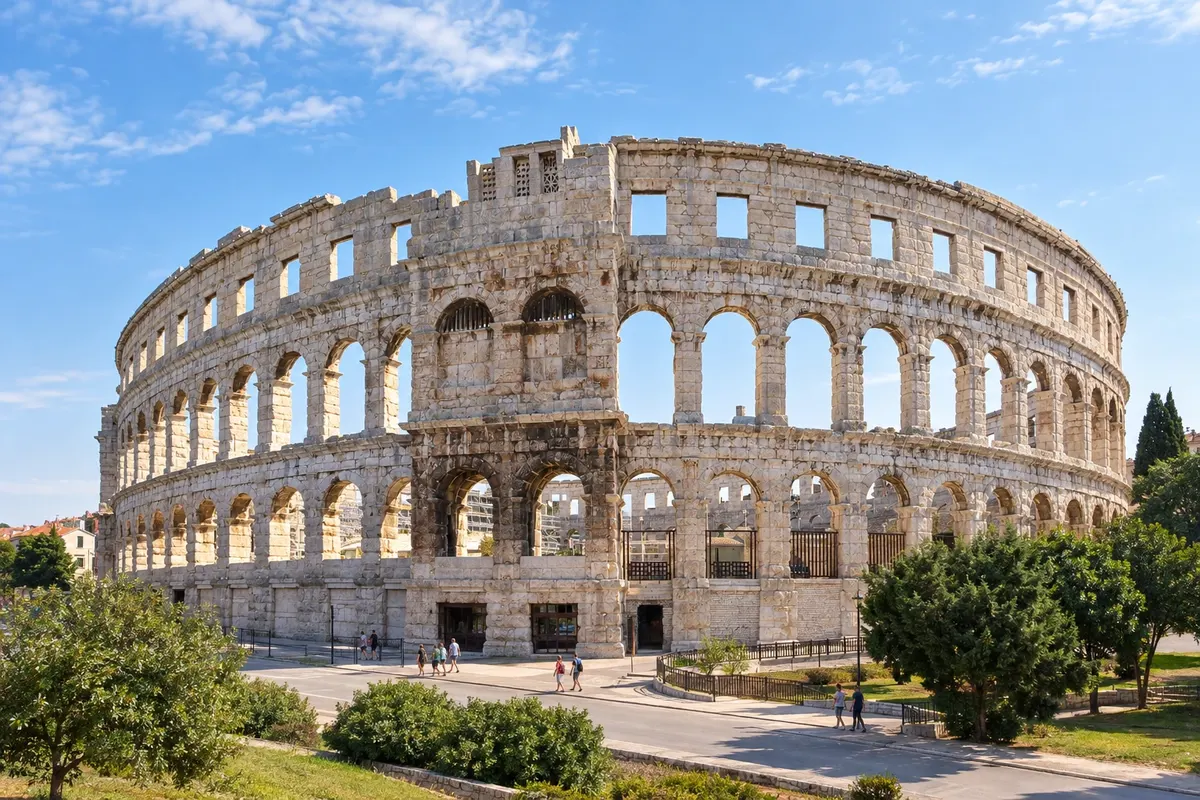
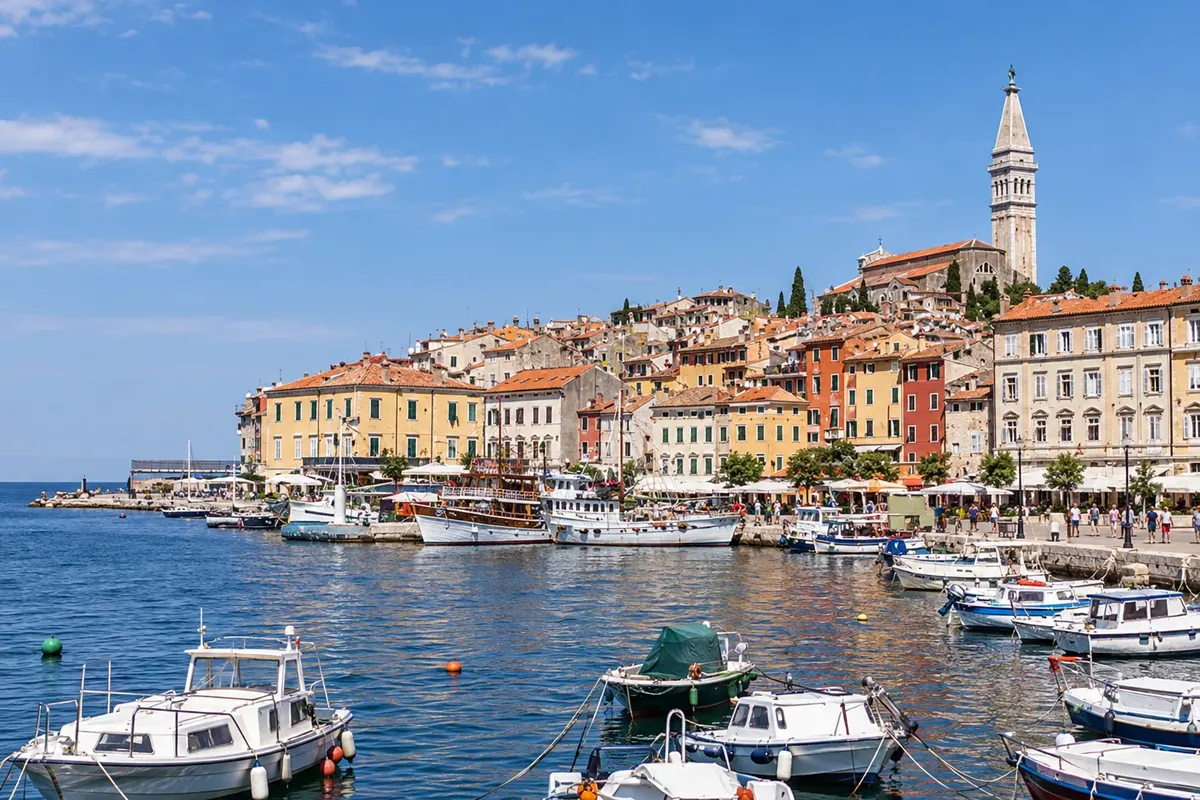
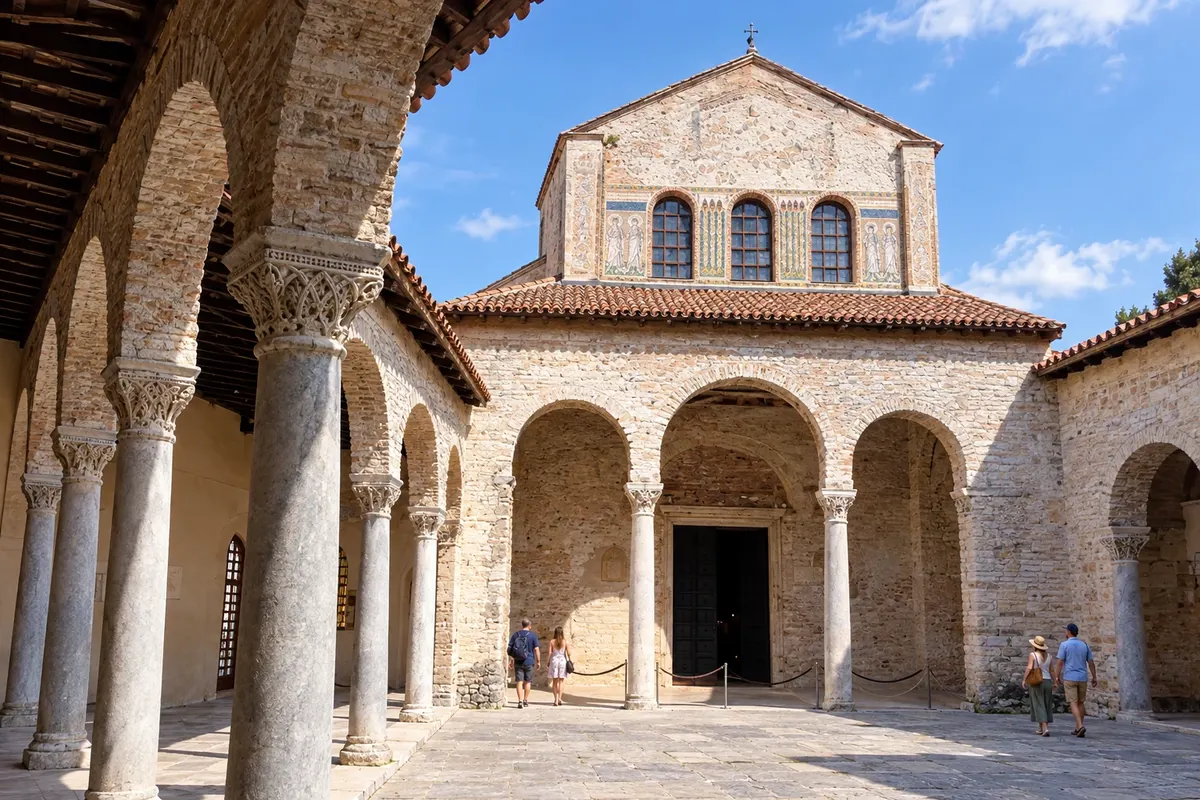
The Roman Arena of Pula, the coastal streets of Rovinj and the mosaics of the Euphrasian Basilica in Poreč.

Ístria e Kvarner

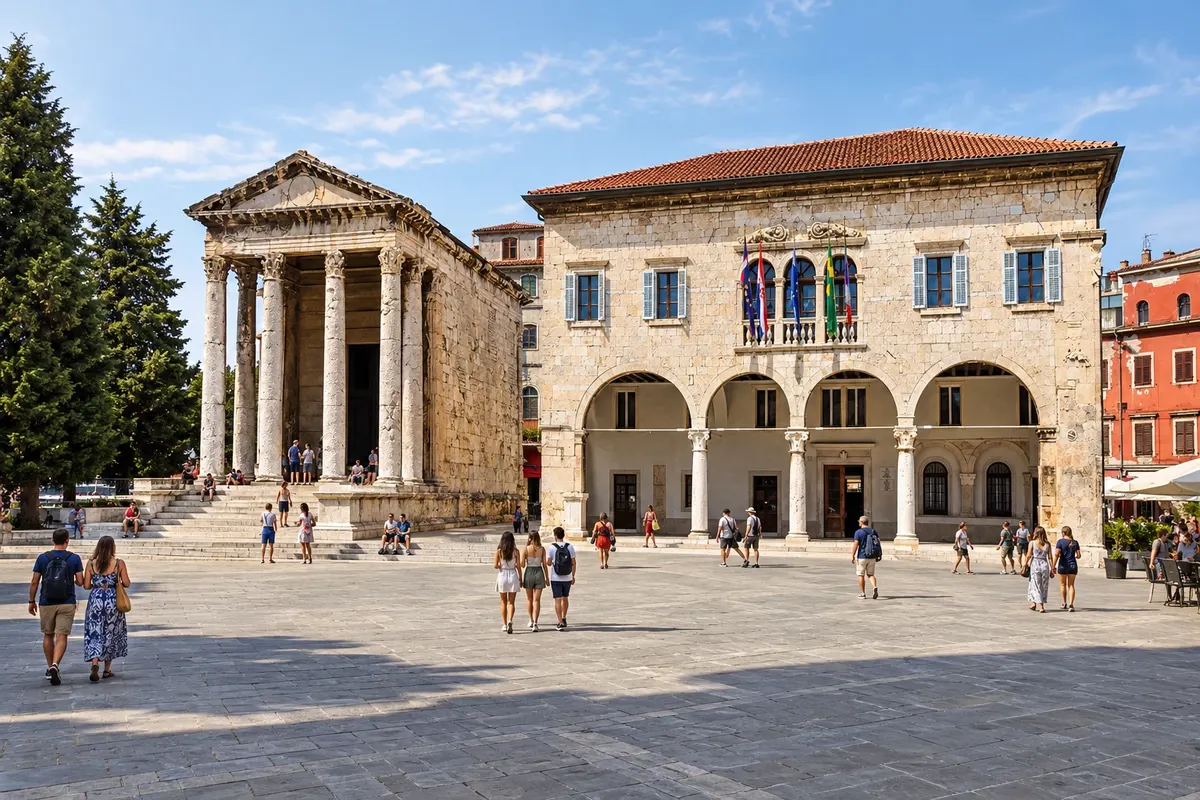
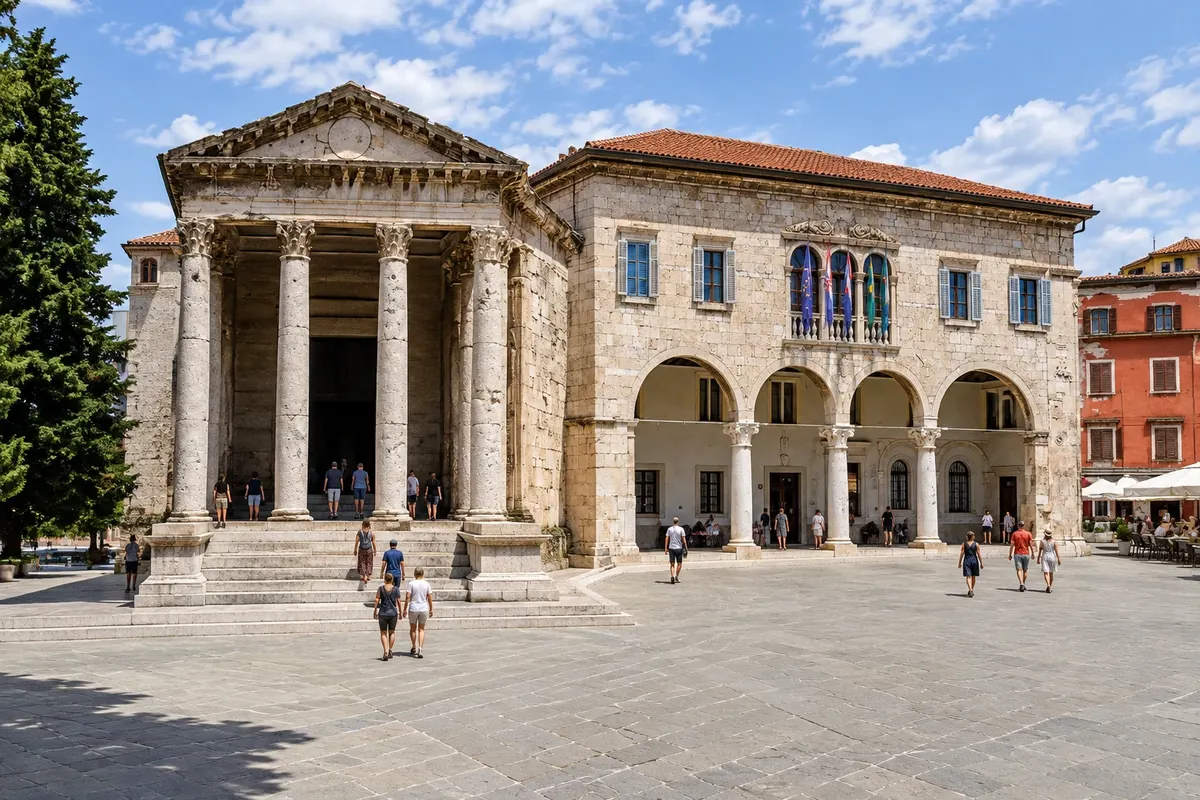
In the photo: Augustov hram, Pula

Illustrative images. The pictures in this guide are illustrations based on the real place, not photographs, and may differ from it.

Get it on Google Play Send your photos

Get to know the place

A region to enjoy
at your own pace.

Istria is the peninsula in the northern Adriatic where Pula, Rovinj and Poreč offer different stages of the same trip. In Pula, Roman architecture structures the stroll. Rovinj concentrates houses and streets on a peninsula, while Poreč’s episcopal complex is the main reason to visit.

The three bases are connected by road. A car makes it easier to combine the coast with inland villages, but old town centers require walking and parking outside pedestrian areas. Travelers by bus should check intercity connections before choosing where to stay.

Croatian coexists with Italian references in place names and signs across Istria. In winter the coast is usually wetter and visits focus on monuments and historic centers.

This destination brings together 3 cities: Pula, Rovinj, Poreč.

Share: WhatsApp
Traveler, share your experiences through photos Up to 5 photos of each place you visited.

One destination, many paths

The cities on this trip

Start with one city or combine several in your itinerary.

Where Istria is
PulaRovinjPoreč

Contornos: © OpenStreetMap contributors, via geoBoundaries (ODbL 1.0). Adaptação do Cidade Turismo.

How to get there: Istria

✈ Zračna luka Pula (PUY) · 8 km to Pula

Confirm before buying. PUY is the airport reference; buses and roads connect the peninsula to Zagreb and Rijeka.

Suggested arrival point: Pula

The local experience

Things to do in Istria

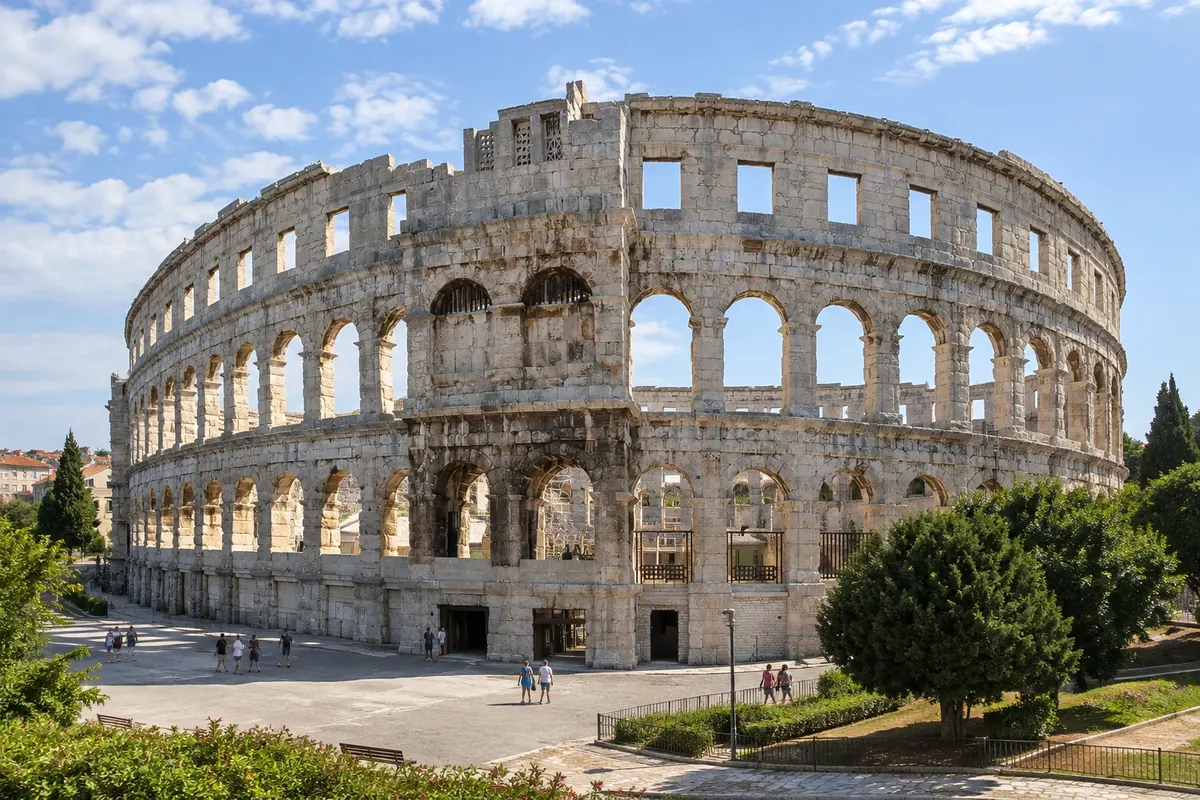
Arena u Puli
Pula · Ístria · Archaeological site

Arena u Puli

The Arena u Puli is Pula’s Roman amphitheatre. The limestone ring preserves a sequence of arcades that reveal the structure of an ancient entertainment building. The sloping ground explains why the façades do not have the same height on all sides.

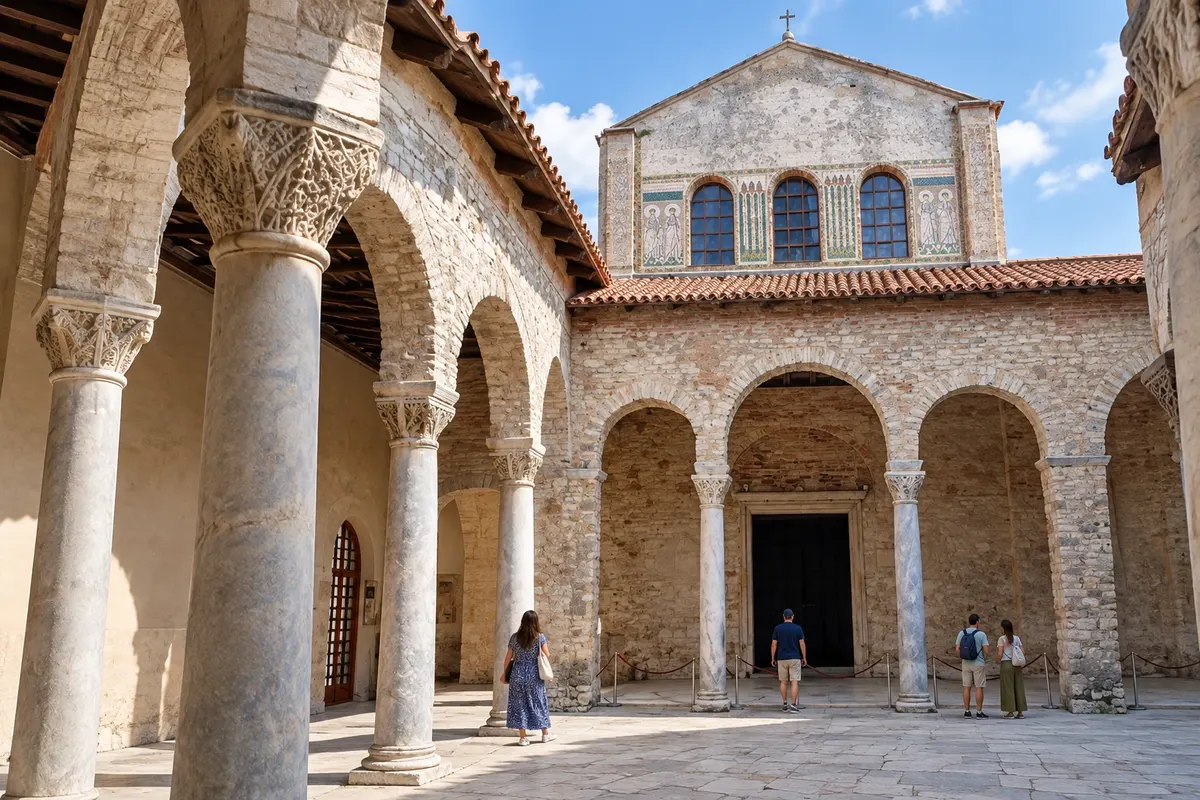
Eufrazijeva bazilika
Poreč · Ístria · Religious complex

Eufrazijeva bazilika

The Eufrazijeva bazilika is part of Poreč’s episcopal complex. The basilica is known for its Byzantine-period mosaics that cover the altar area and depict religious figures, vegetal details and gold backgrounds. The visit is meaningful for the ensemble of spaces, not just the main nave.

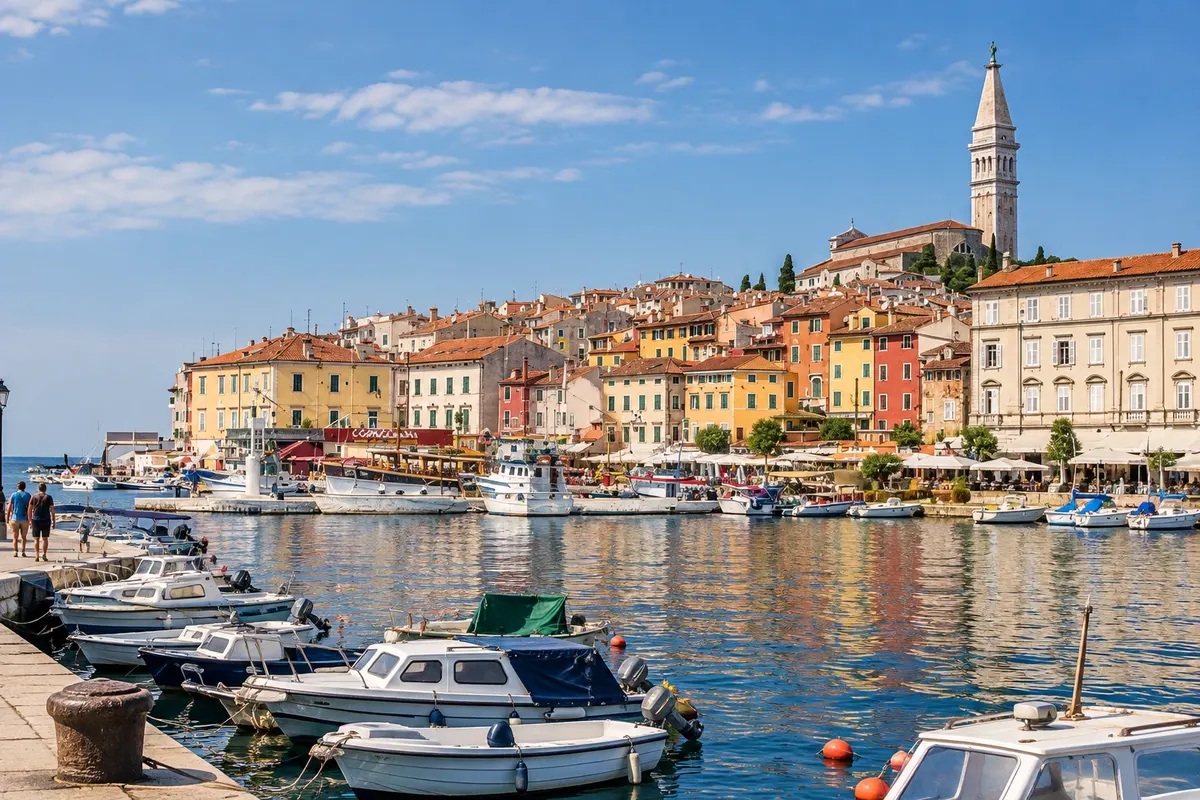
Stari grad Rovinj
Rovinj · Ístria · Historic centre

Stari grad Rovinj

The Stari grad of Rovinj occupies a peninsula of narrow streets rising from the harbor up to the church of Santa Eufemia. The façades come close to the water and the houses follow the terrain. The walk makes it possible to perceive how the urban core adapted to a small space by the sea.

Augustov hram
Pula · Ístria · Temple

Augustov hram

The Augustov hram occupies one side of Pula’s ancient forum. The Roman temple has a raised portico on a podium and columns on the façade. Its position by the square allows you to appreciate its scale relative to the buildings that formed around it over the centuries.

See 2 more places in Istria
Park šuma Zlatni rt
Rovinj · Ístria · Park

Park šuma Zlatni rt

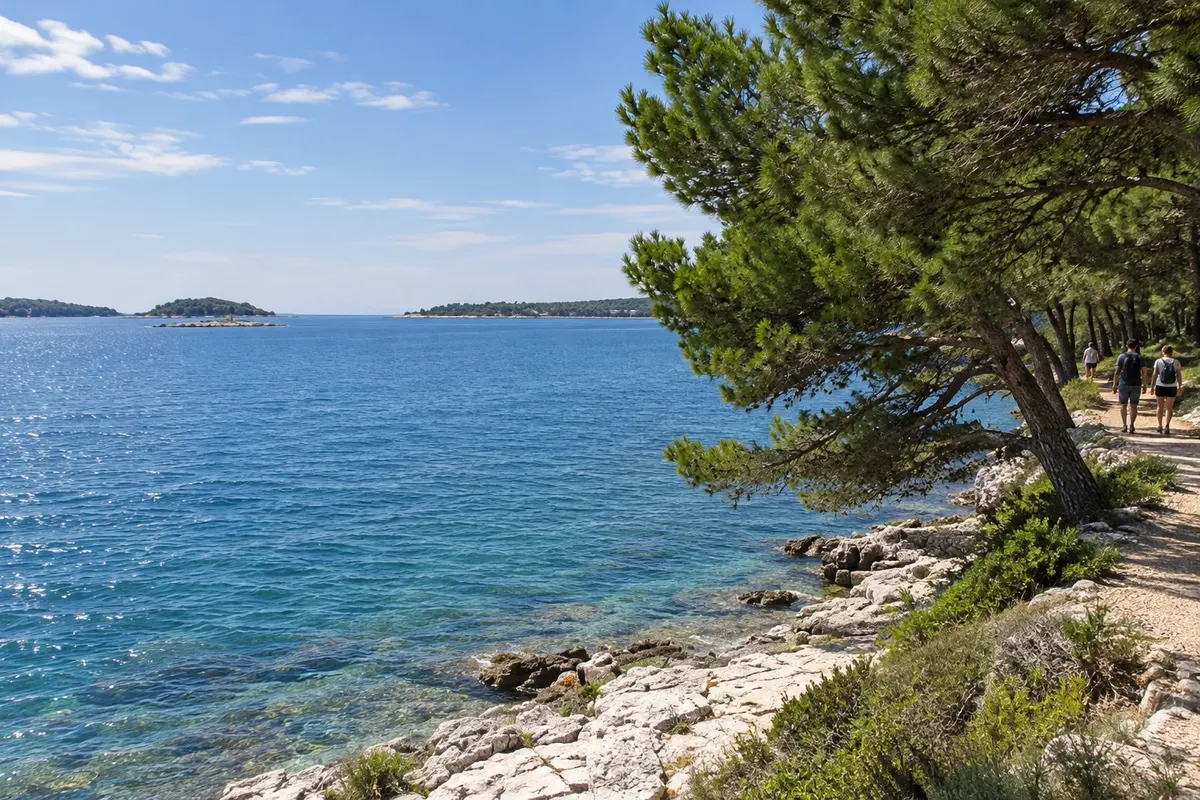
The Park šuma Zlatni rt lies south of Rovinj's center, on a wooded peninsula by the Adriatic. The park combines trails through woodland areas, clearings and accesses to the coast. It is a stage for walking outside the old core, with space for a longer outing.

Slavoluk Sergijevaca
Pula · Ístria · Monument

Slavoluk Sergijevaca

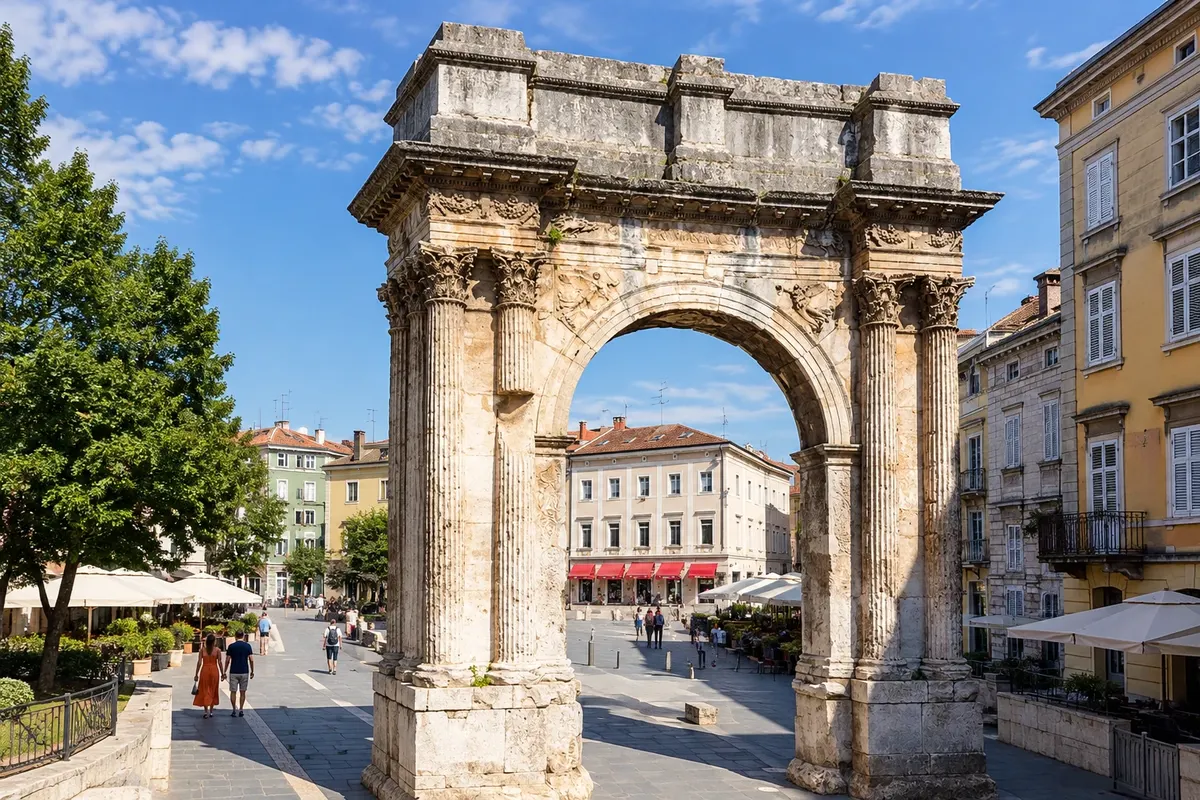
The Slavoluk Sergijevaca is the Roman Arch of the Sergii, located on the edge of Pula’s old town. The structure marks a passage between the historic city and the streets leading to the surrounding neighbourhoods. Its decorated façade contrasts with the scale of nearby buildings.

Before you go

Practical information

A little planning leaves more time to enjoy the journey.

When to go

May, June and September usually combine urban sightseeing and mild temperatures. July and August tend to be hot; from November to March there is more rain and shorter days.

The seasons shown are the most usual ones; nature doesn't always follow the calendar.

How many days to stay

Four to six days for Pula, Rovinj and Poreč, without needing to change accommodation for each outing.

Which city to stay in

Pula makes air access and Roman monuments convenient. Rovinj suits those who prioritize walking the old peninsula. Poreč works as a base for the west coast; check the distance from your lodging to the center and transport access.

Respect the place

Take your trash with you, follow the signs and support local businesses. In natural areas, follow the visiting guidelines.

Get your questions answered

Frequently asked questions about Istria

Which city to use as your arrival point in Istria?

Pula has an airport and a practical connection to the Roman itinerary.

Do you need to sleep in all three Istrian cities?

No. Choose one or two bases and make road transfers according to available connections.

Does the Istrian coast have sandy beaches?

Many sea accesses are rocky or pebbly; check the type of shoreline before planning a swimming day.

What changes in Istrian place names?

Italian references can appear alongside Croatian names, even on bilingual signs.

Explore other destinations Search by state and city
Back