Reykjavík
Reykjavík brings together Hallgrímskirkja church, the Harpa concert hall, the National Museum, Perlan’s exhibits and Lake Tjörnin. The center lets you combine architecture and walks, while the Perlan hill requires its own transfer.
Região da Capital · Iceland
Concrete and glass architecture, Icelandic history and walks between the lake and the harbor in the country’s capital.
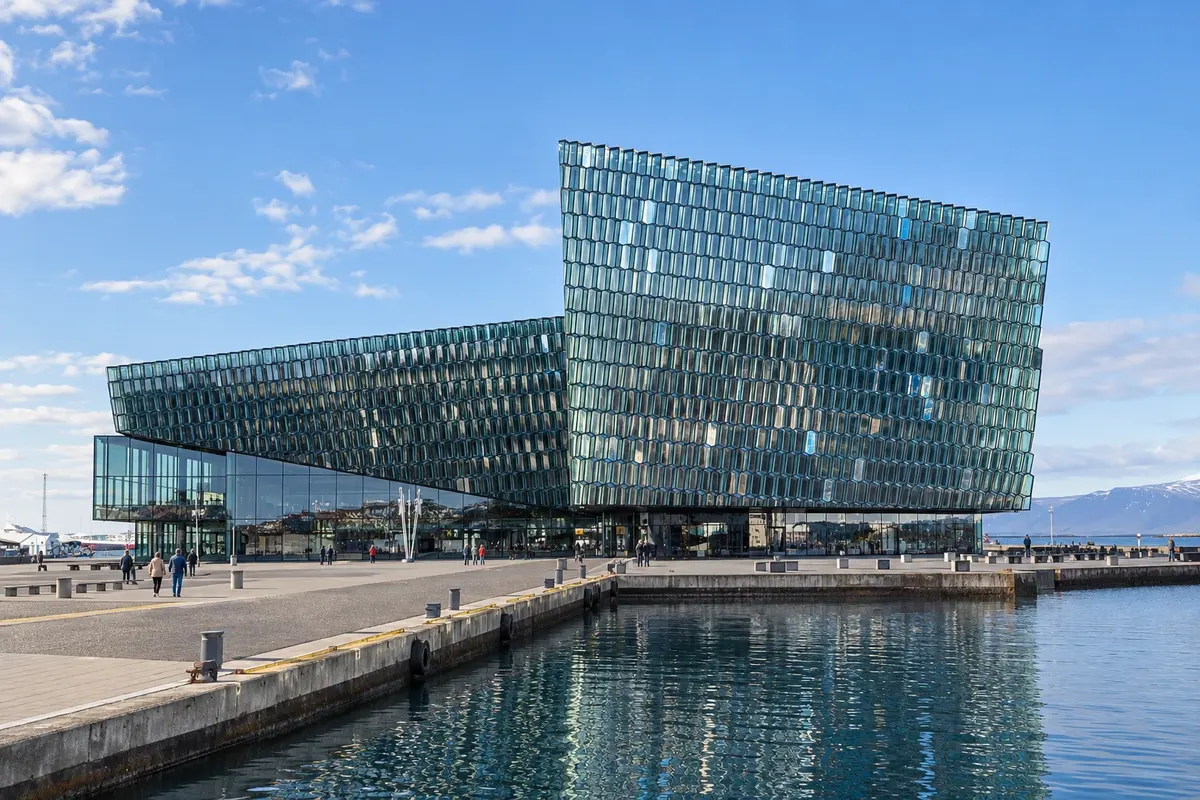
In the photo: Harpa
Illustrative images. The pictures in this guide are illustrations based on the real place, not photographs, and may differ from it.
Get to know the place
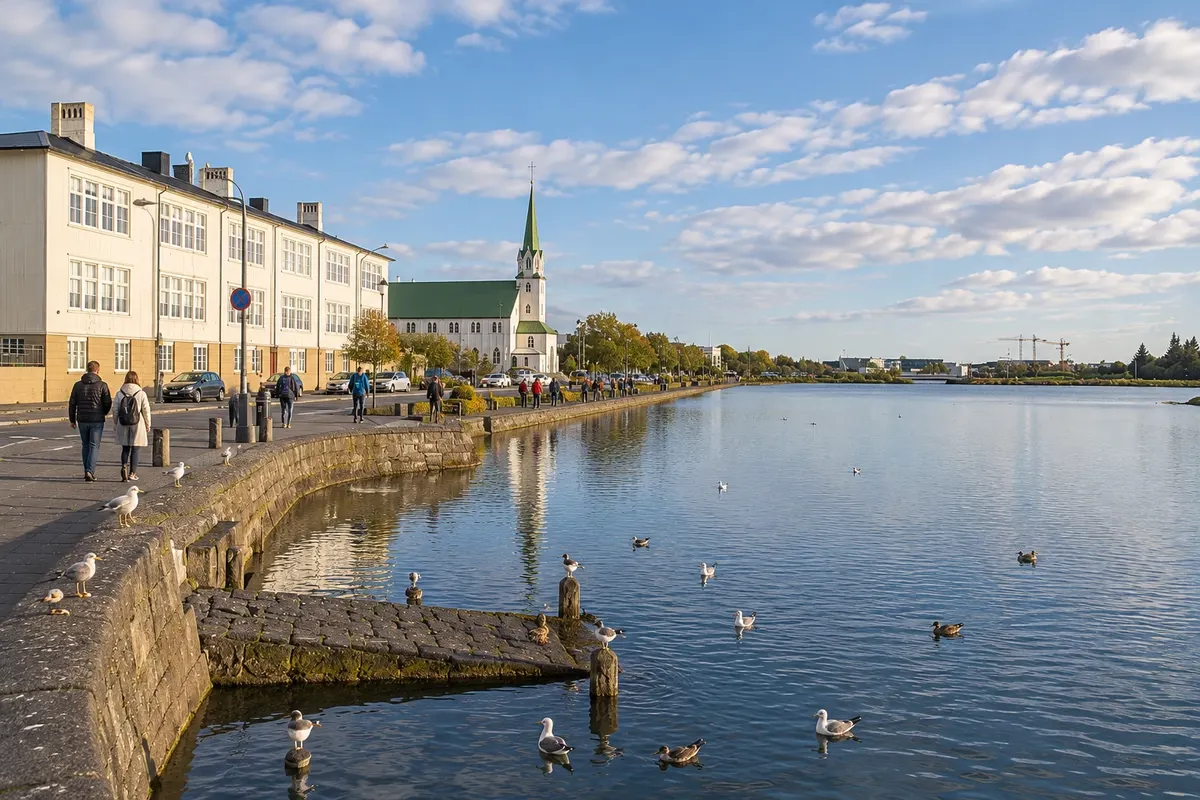
Reykjavík is the urban base for traveling in Iceland. The center brings together buildings from different eras, shopping streets and the waters of Lake Tjörnin. The capital lets you begin to understand the country before heading out onto roads between waterfalls and lava fields.
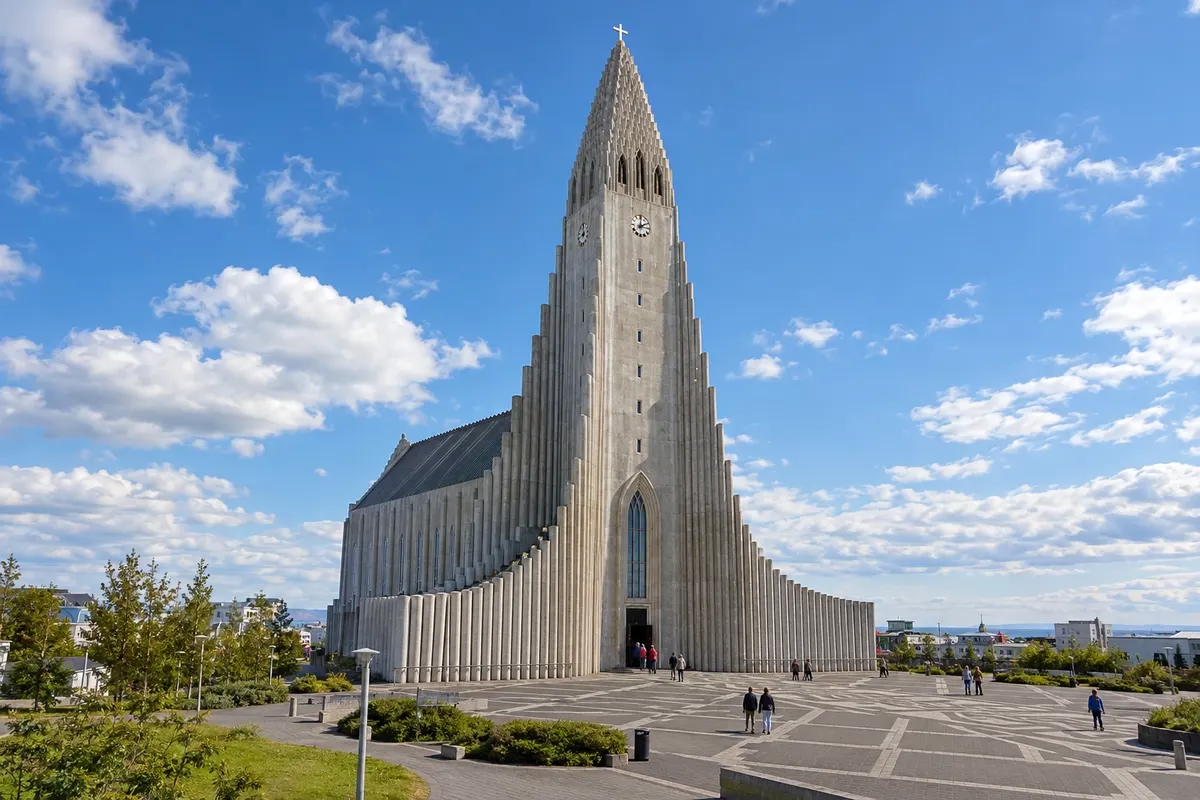
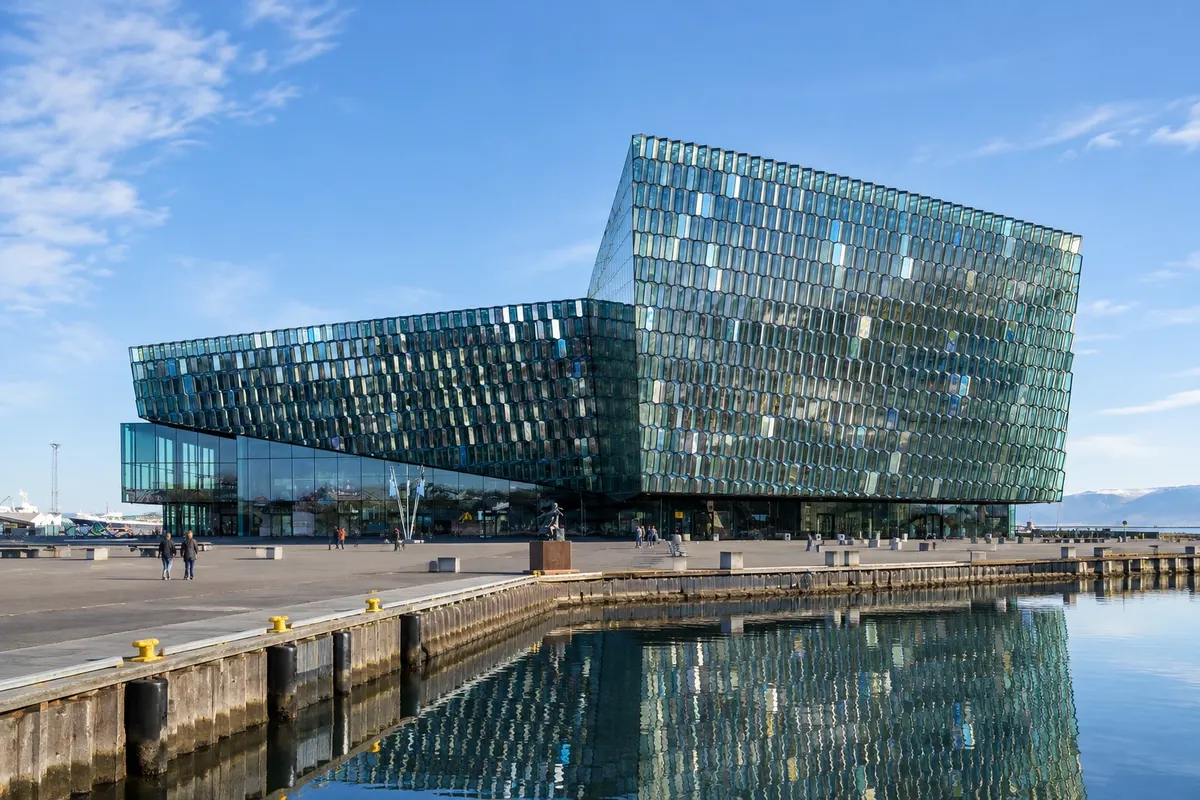
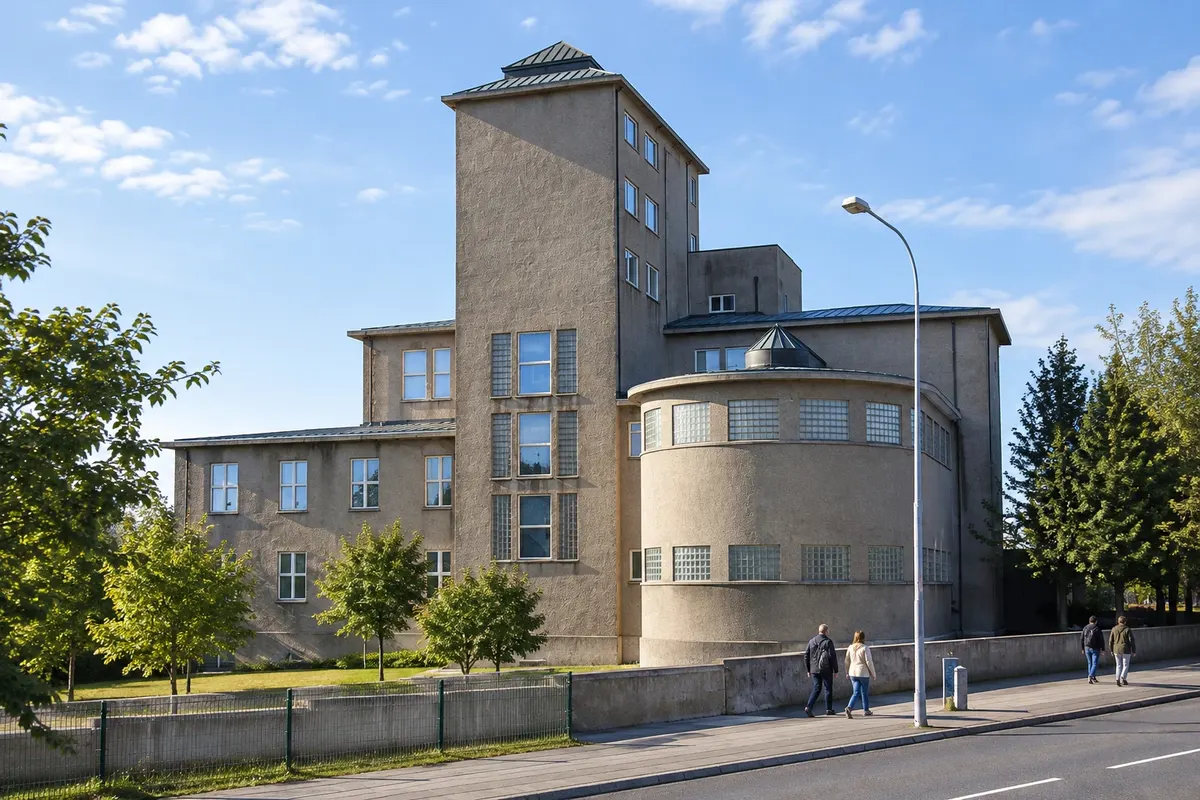
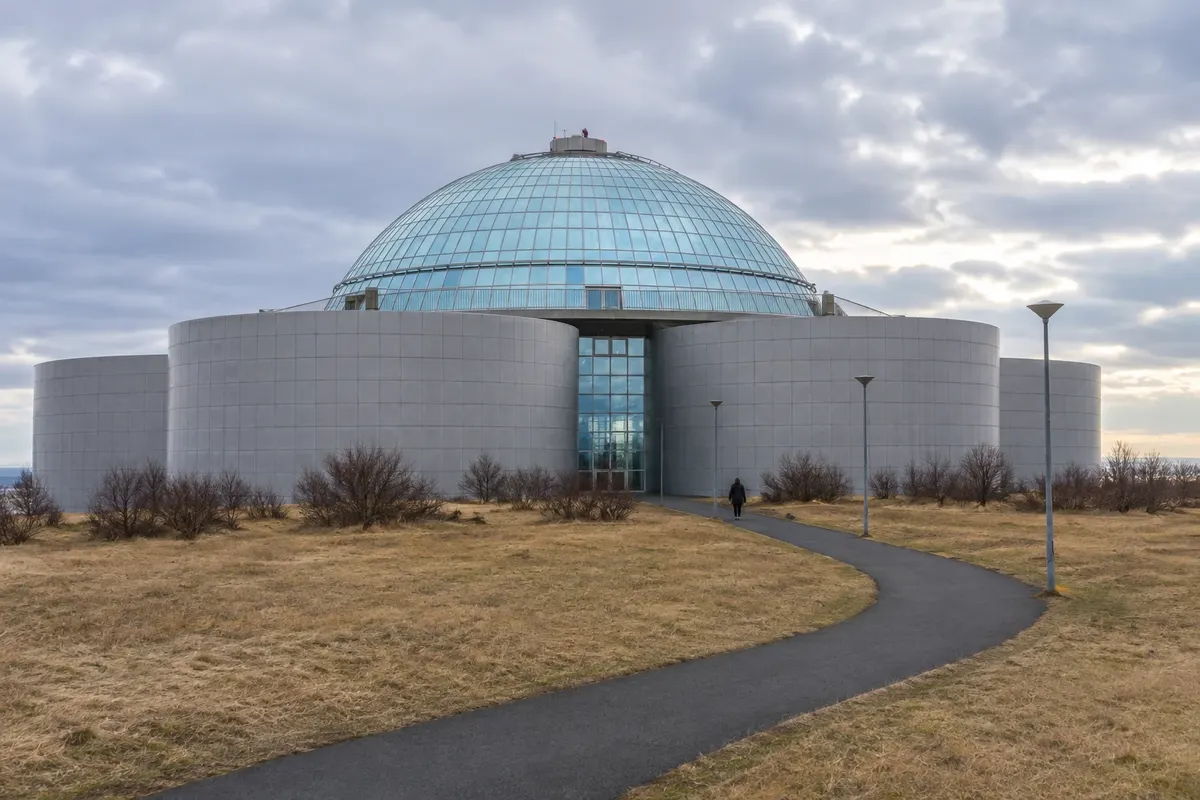
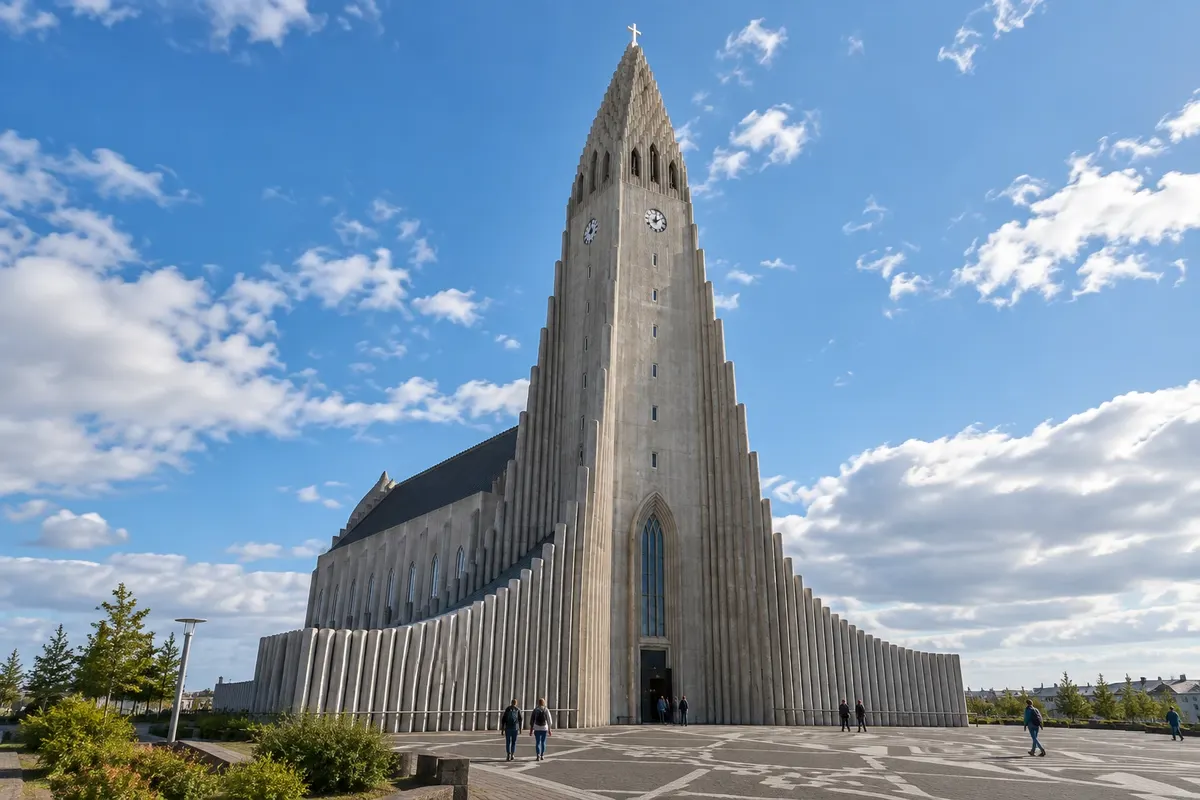
Hallgrímskirkja shows architecture inspired by the forms of the landscape, while Harpa works with glass modules by the harbor. The National Museum presents the history of the island’s settlement. Perlan adds exhibits focused on natural processes and offers a viewpoint from the hill.
English is helpful for tourism. International flights arrive at Keflavík, outside the capital; Reykjavík’s domestic terminal is separate. Plan your city days before taking long drives into the interior.
This destination brings together 1 city: Reykjavík.
One destination, many paths
Start with one city or combine several in your itinerary.
Contornos: National Land Survey of Iceland, via geoBoundaries (CC BY 4.0). Adaptação do Cidade Turismo.
✈ Keflavíkurflugvöllur (KEF), in Keflavík · 50 km to Reykjavík
✈ Reykjavíkurflugvöllur (RKV) · 3 km to Reykjavík
Confirm before booking. From Keflavík, road transfers run to the capital, about 50 km away.
The local experience
Concrete church with a stepped façade, tower and views over Reykjavík’s rooftops.
Concert hall by the harbour, with a façade of glass modules that changes appearance depending on the light.
National museum with objects and narratives about settlement and changes in Icelandic society.
Exhibition centre about Icelandic nature built over reservoirs, with a dome and panoramic terrace.
Urban lake surrounded by paths, gardens and central city buildings.
Before you go
A little planning leaves more time to enjoy the journey.
June to August usually brings long days and cool temperatures. December to February usually has short days, cold and wind; museums help divide time between indoor spaces and the street.
The seasons shown are the most usual ones; nature doesn't always follow the calendar.
Allow three days for the capital; add an extra day if you want to do the Golden Circle without changing accommodation.
The area around Tjörnin brings the museum and urban walks close together. The Skólavörðustígur axis makes access to the church easy. The harbor area suits those who prefer the waterfront and Harpa; check walking distances to the sites you plan to visit.
Take your trash with you, follow the signs and support local businesses. In natural areas, follow the visiting guidelines.
Get your questions answered
Yes, for urban visits, using walking, buses and airport transfers.
Three days cover architecture, museums and walks without including rural circuits.
No. Occurrence varies; winter from December to February is usually cold, while summer from June to August is cool.
Keflavík eases airport logistics, but is about 50 km from the city center.