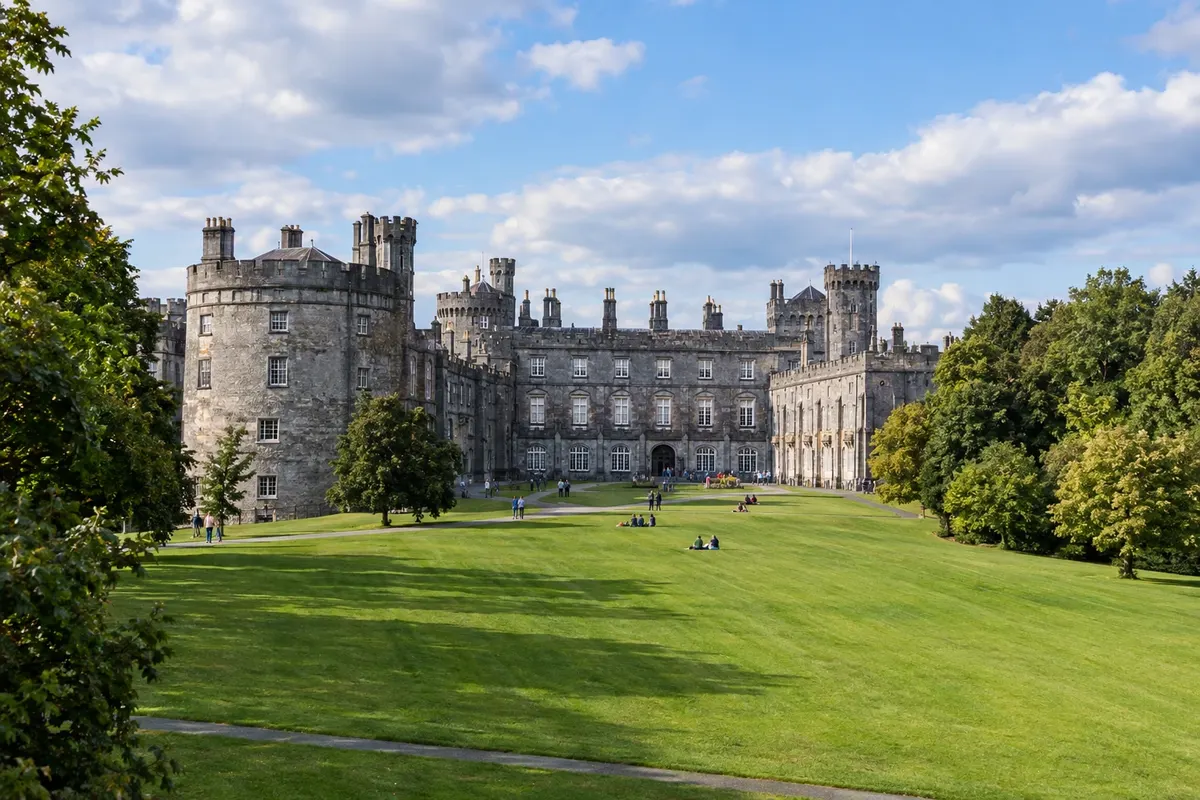
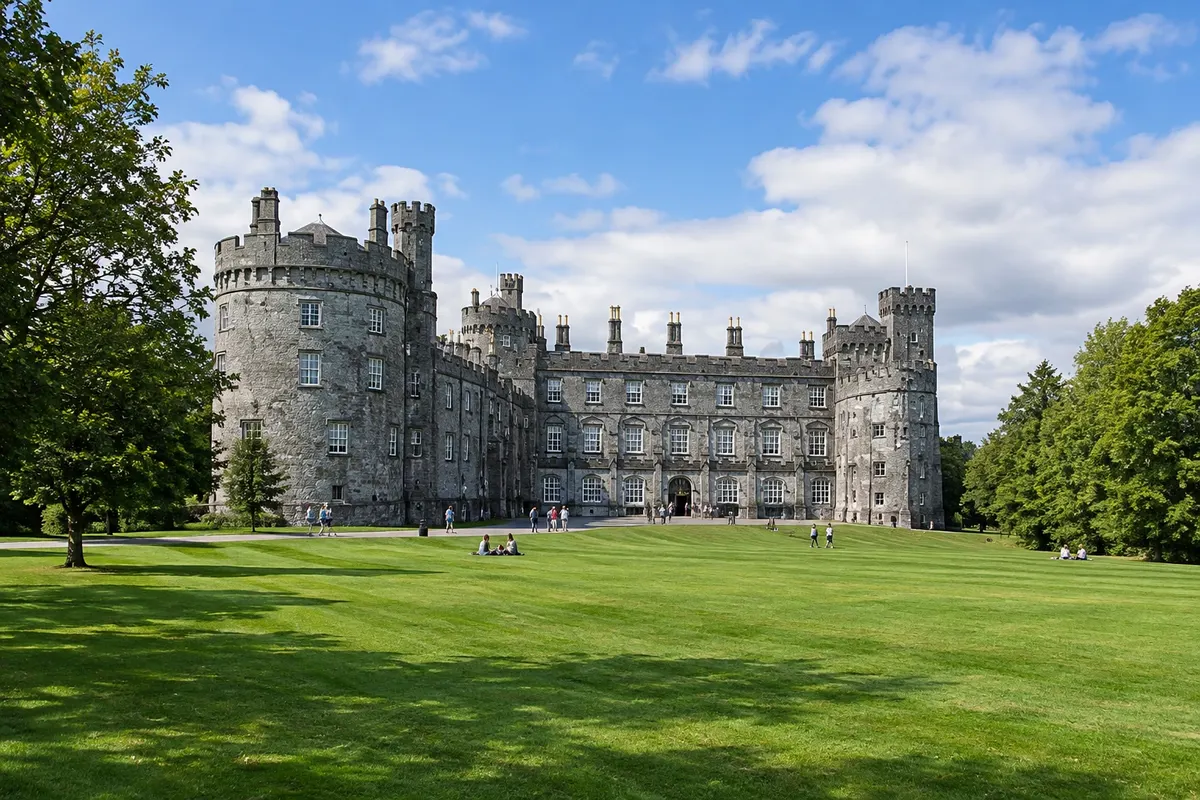
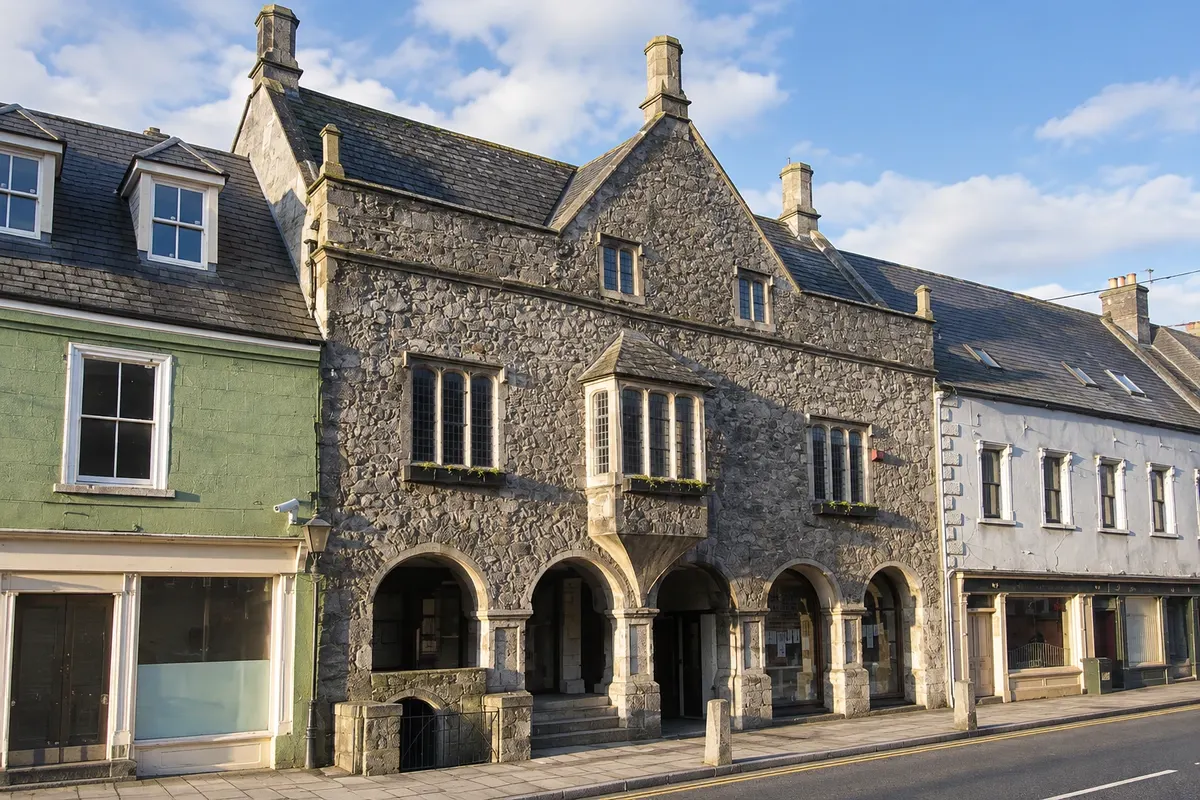
Kilkenny is in southeast Ireland, on the banks of the River Nore, about 125 km from Dublin. The name comes from the Irish Cill Chainnigh, the church of Canice, the monk who founded a monastery there in the 6th century. In the Middle Ages it was one of the island's most important cities, seat of a confederate parliament in the 17th century, and it preserves the layout of narrow streets, stone alleys called slips and buildings from the 13th to the 17th centuries.
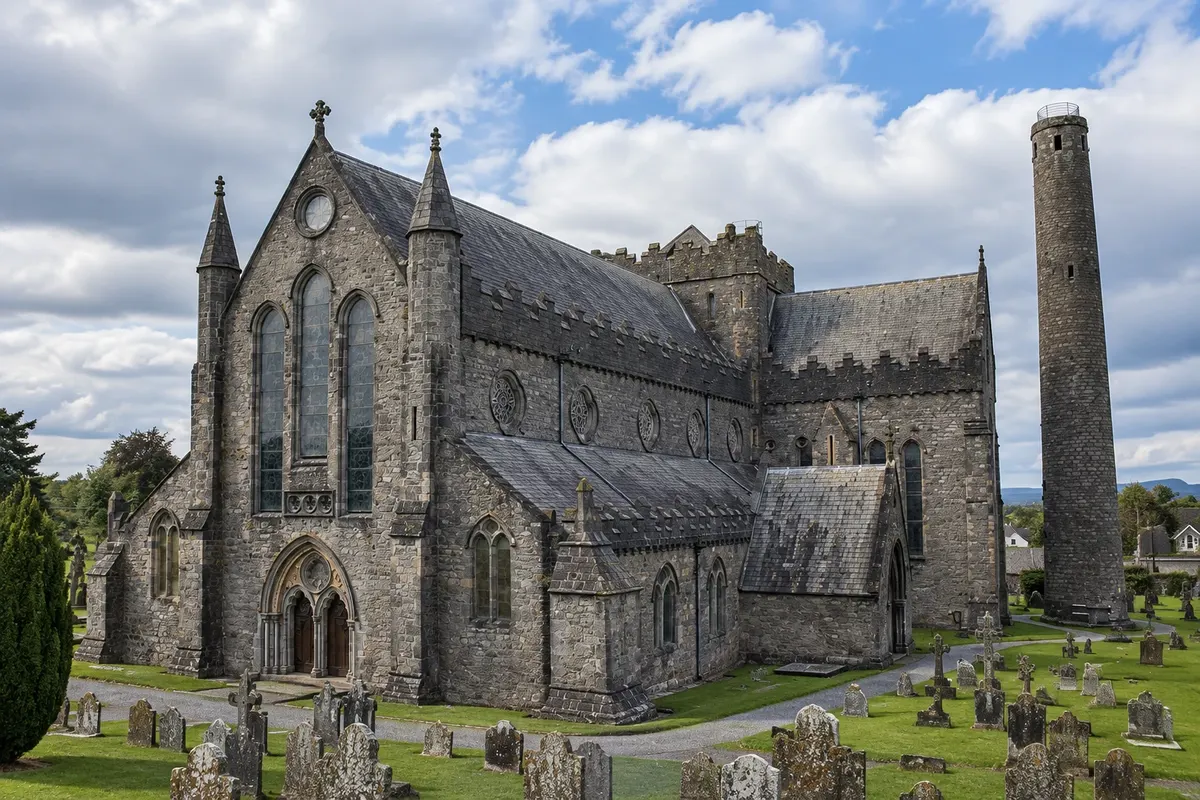
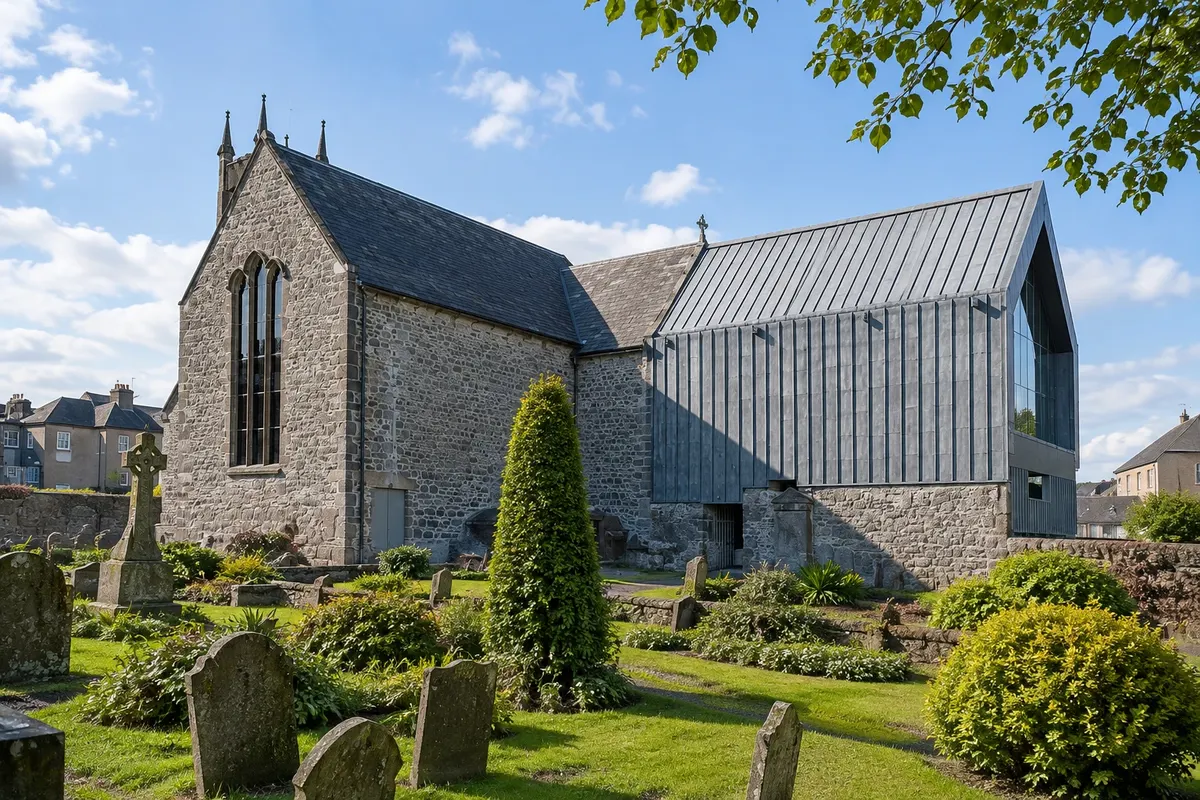
The centre is explored on foot via the Medieval Mile, the roughly 1.6 km route between Kilkenny Castle, on the Nore's bank, and St Canice Cathedral, with its 9th-century round tower. Midway are the Medieval Mile Museum, in the former St Mary church, Rothe House, a merchant's house from 1594, the Dominican Black Abbey and the old Smithwick's brewery, founded in 1710, now an exhibition.
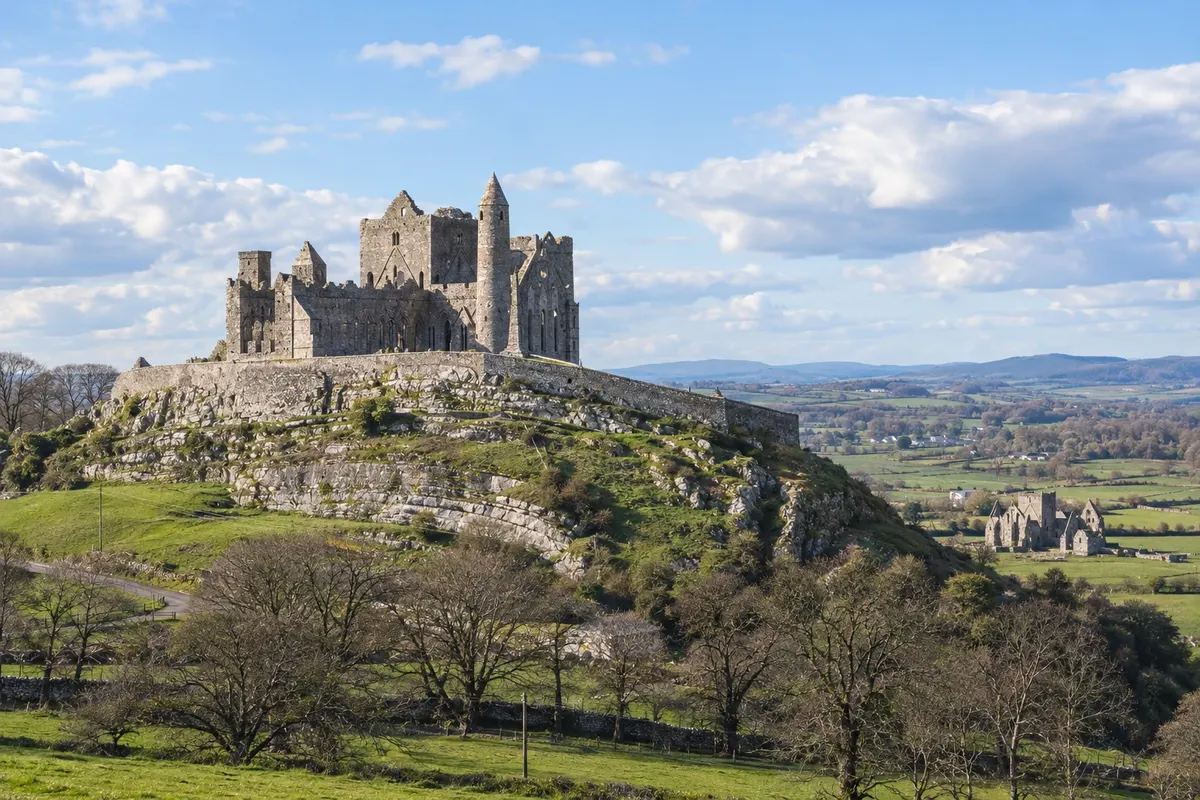
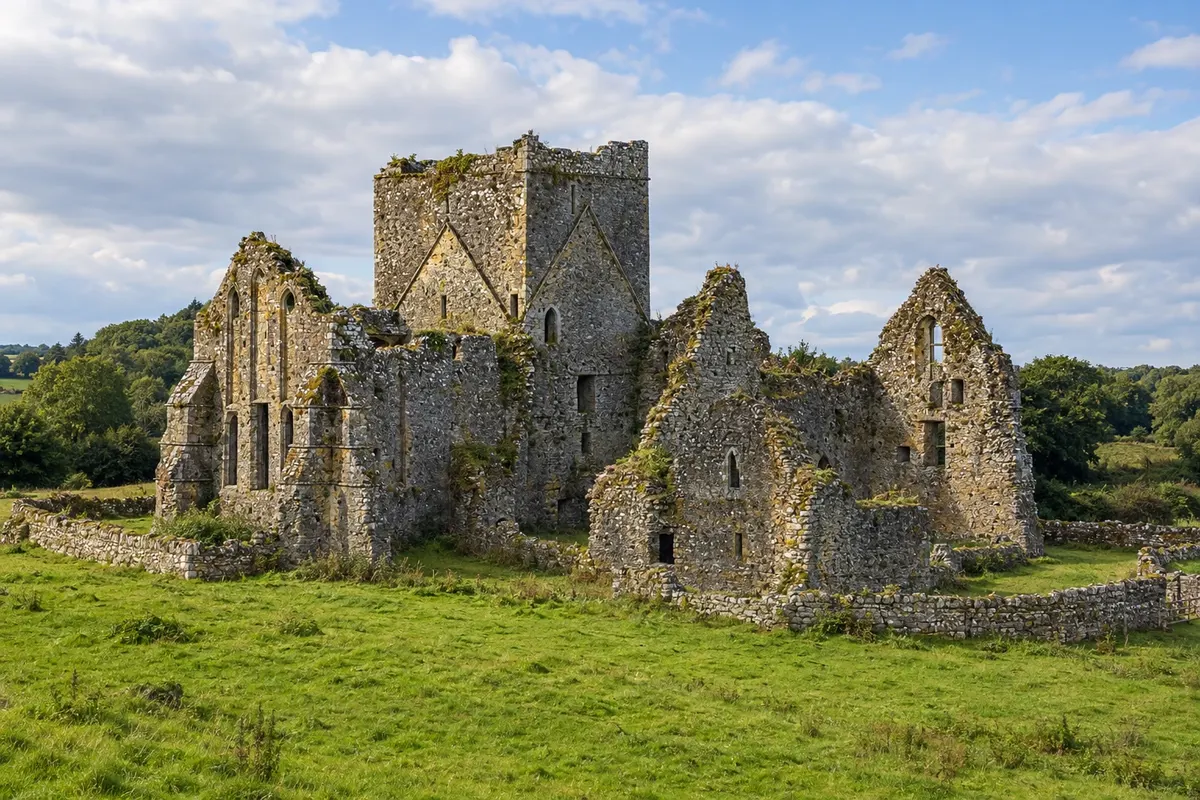
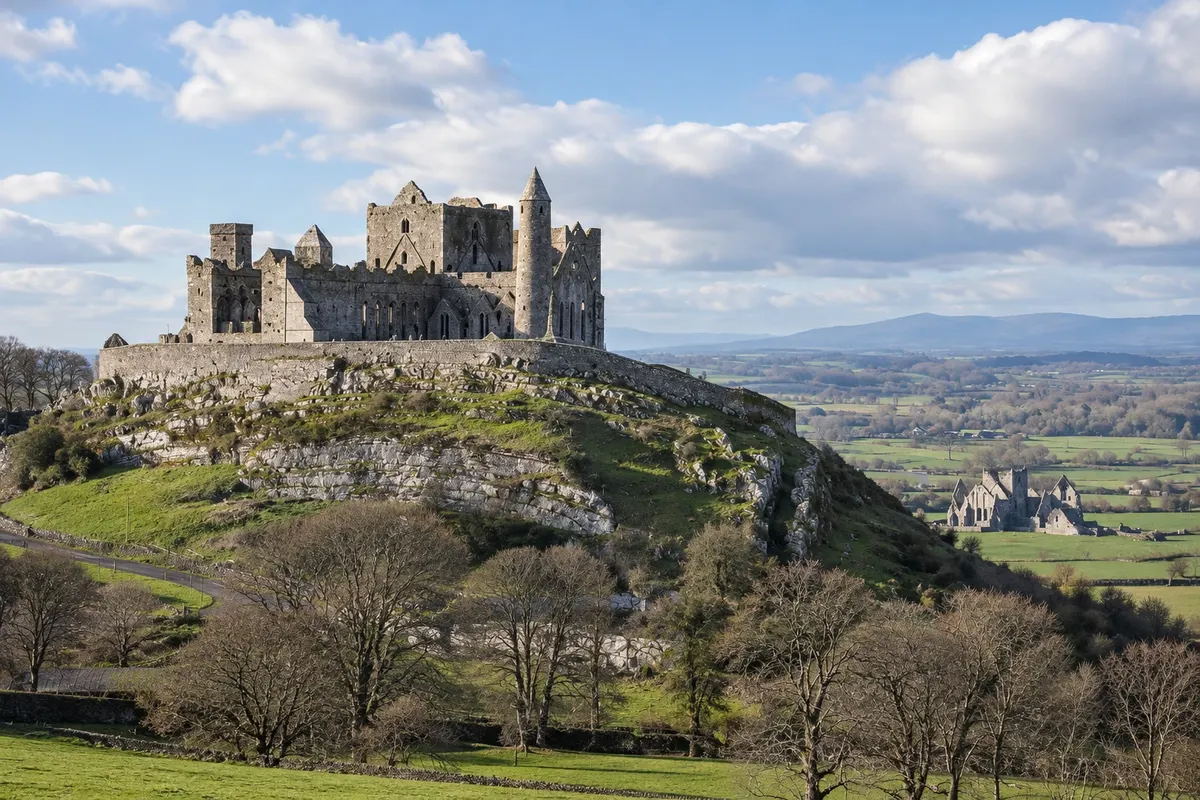
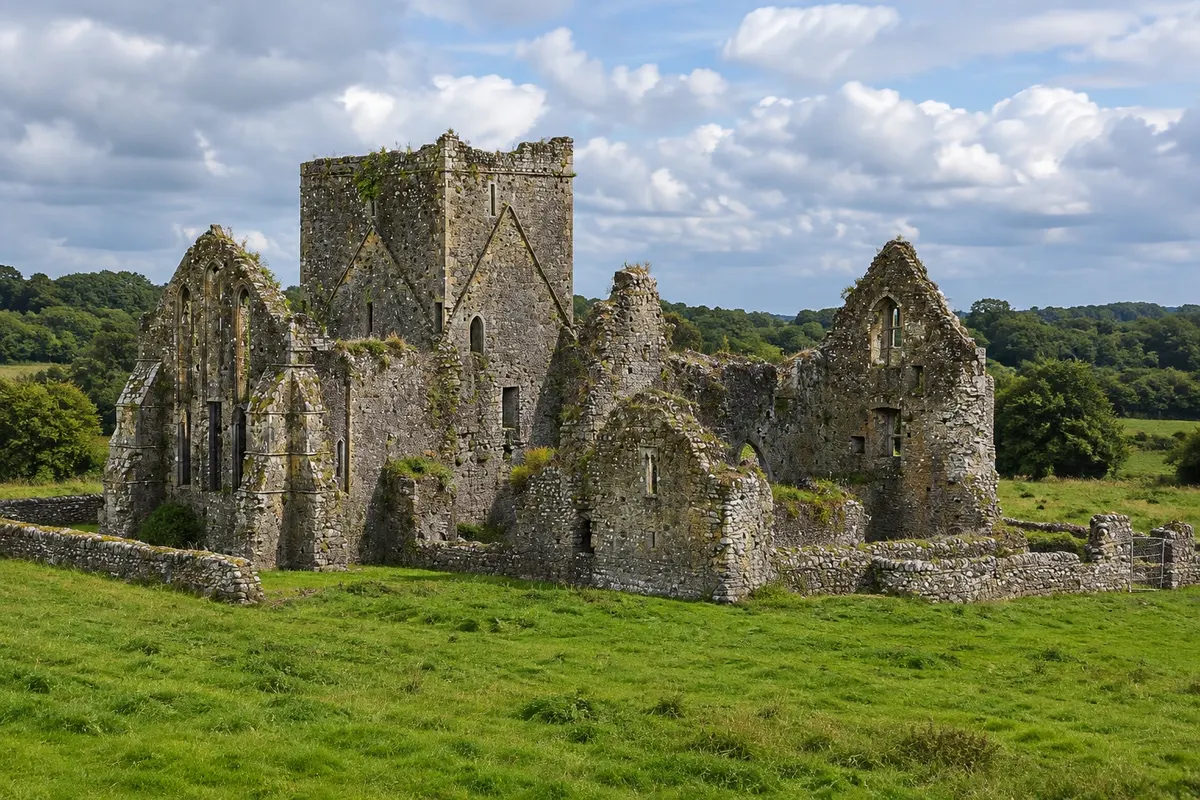
About 55 km to the west, already in County Tipperary, the Rock of Cashel is a limestone hill rising above the plain, with a group of medieval ruins at the top: the round tower, Cormac's Romanesque chapel, the roofless Gothic cathedral and the vicars' hall. It was the seat of the kings of Munster until 1101, when it was handed over to the Church. In the fields just below are the ruins of Hore Abbey, a 13th-century Cistercian monastery.
Both can be done as day trips from Dublin, but an overnight in Kilkenny makes the centre calmer. It can rain at any time, and in winter it gets dark around 4:30 pm.
This destination brings together 2 cities: Kilkenny, Cashel.


 Brazil
 Argentina
 Chile
Chile Colombia
 Peru
Peru Uruguay
 Germany
 Belgium
 Spain
Spain France
 Greece
 the Netherlands
 Italy
Italy Luxembourg
 Portugal
 the United Kingdom
 Switzerland