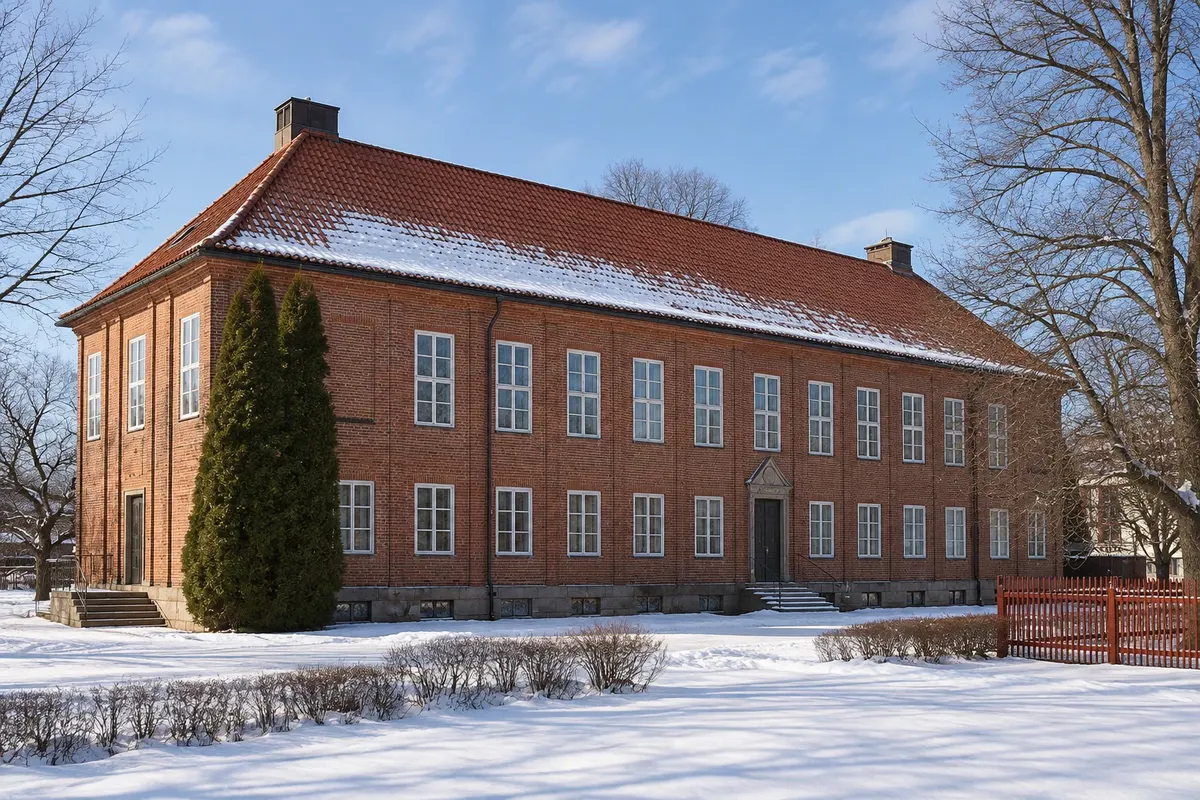
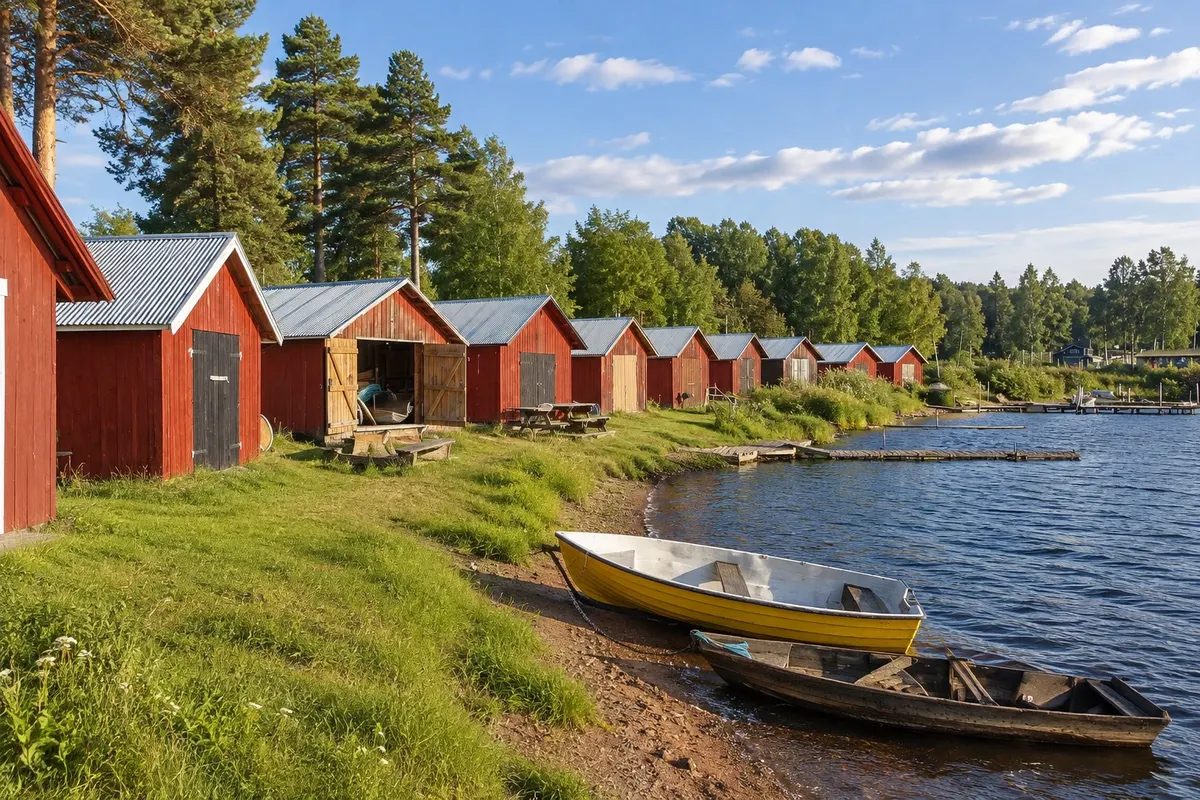
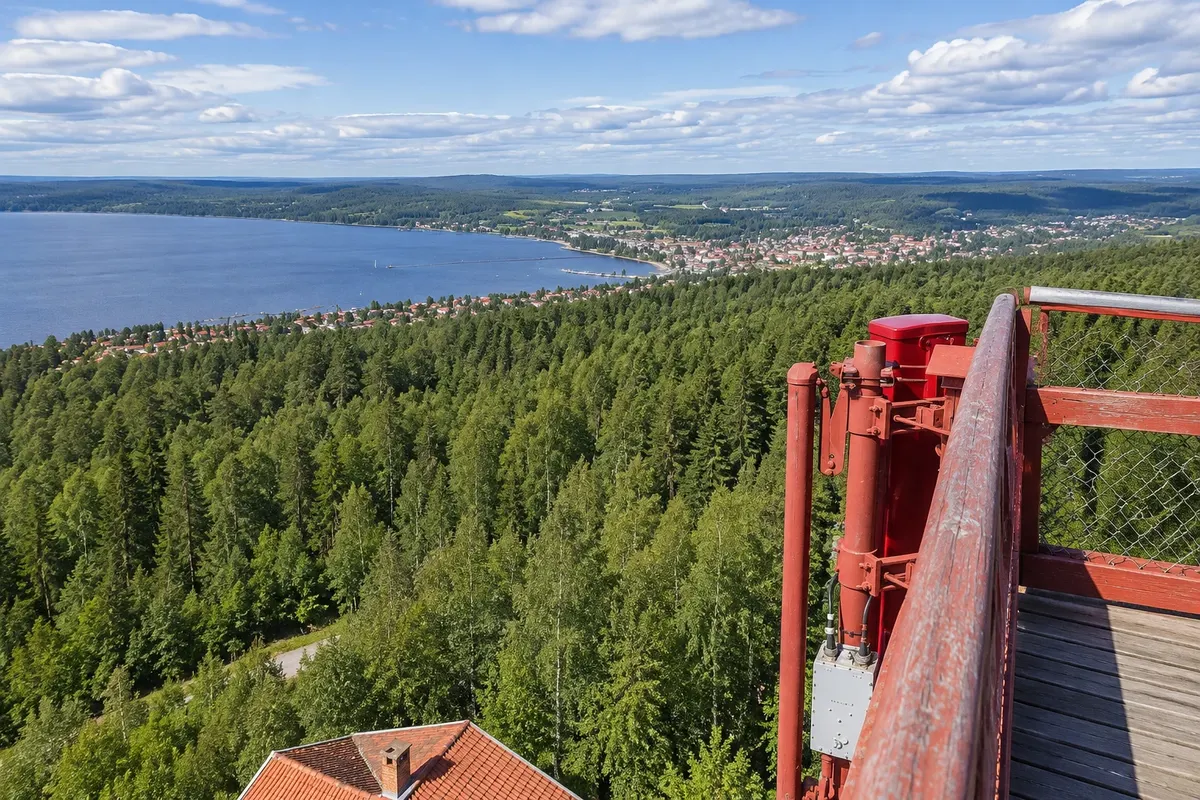
Dalarna is the central province of Sweden that many Swedes see as the image of traditional Sweden: pine forests, lakes, villages of wooden houses painted red with white window frames, Midsommar celebrations with traditional costumes, and the dalahäst, the painted wooden horse that became a national symbol. It is about 2h30 to 4 hours by train from Stockholm.
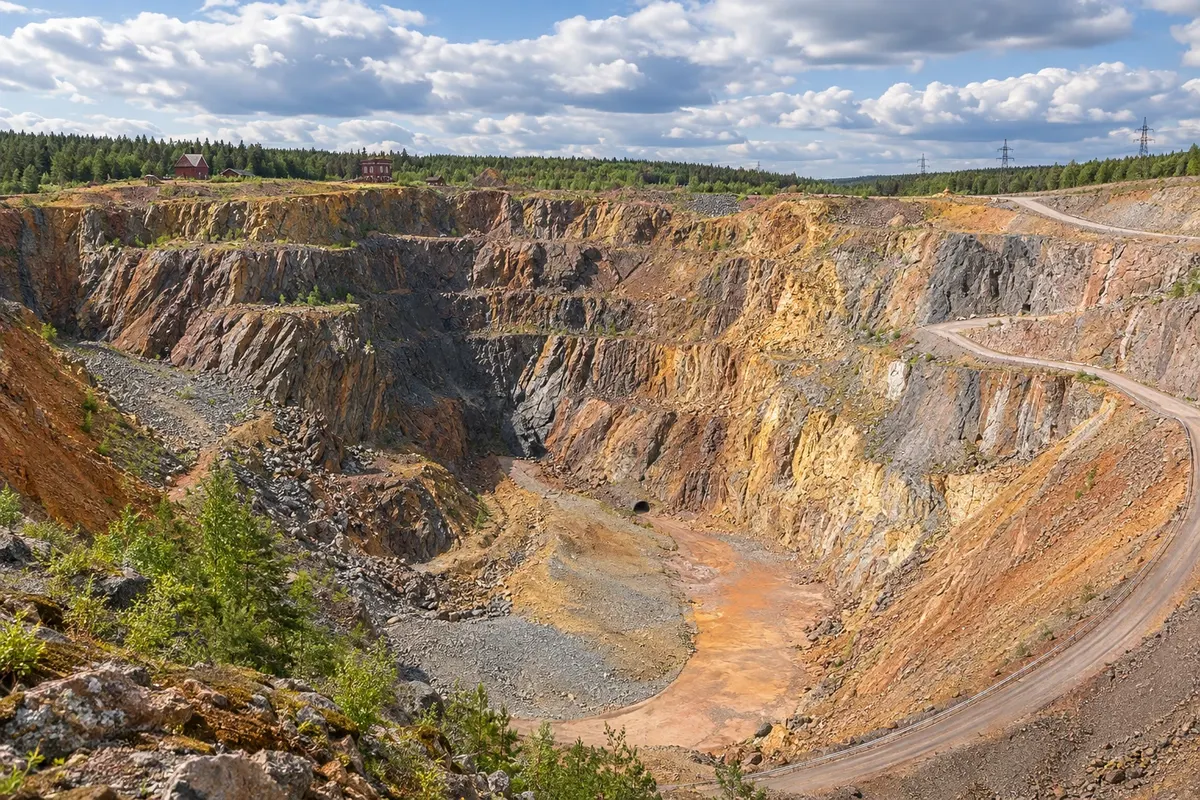
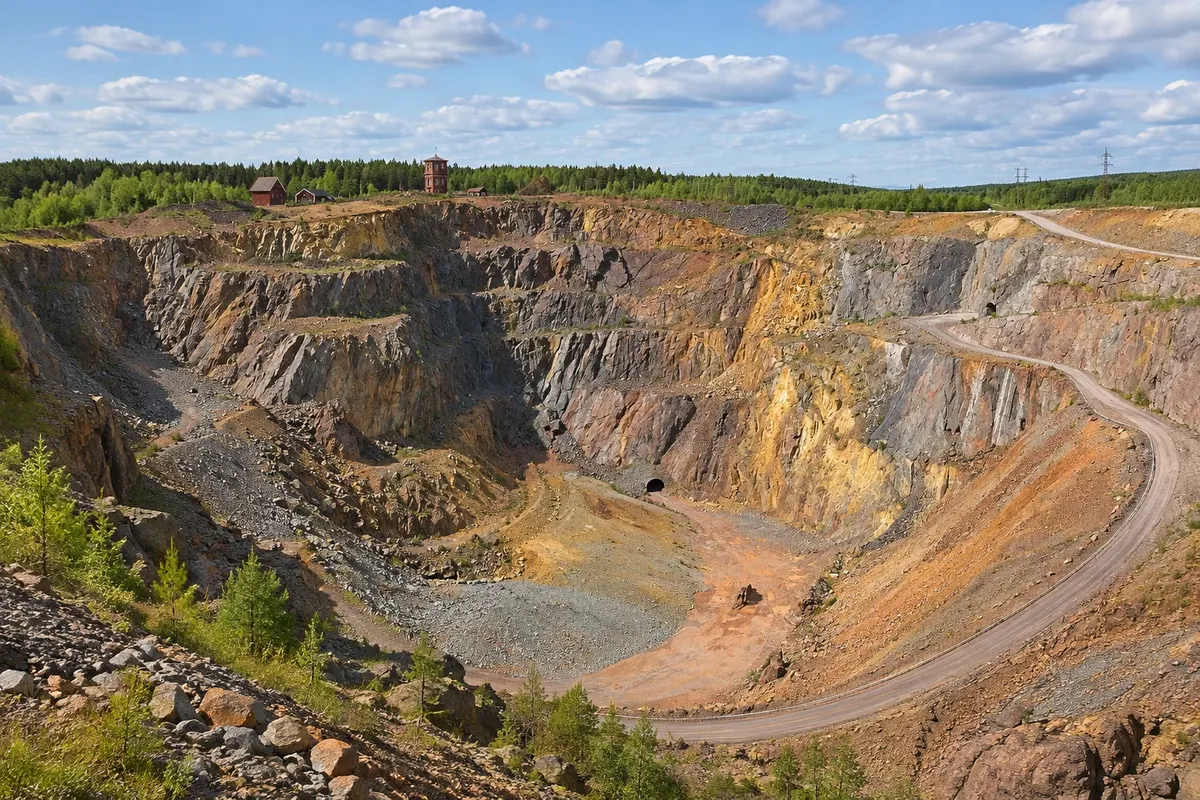
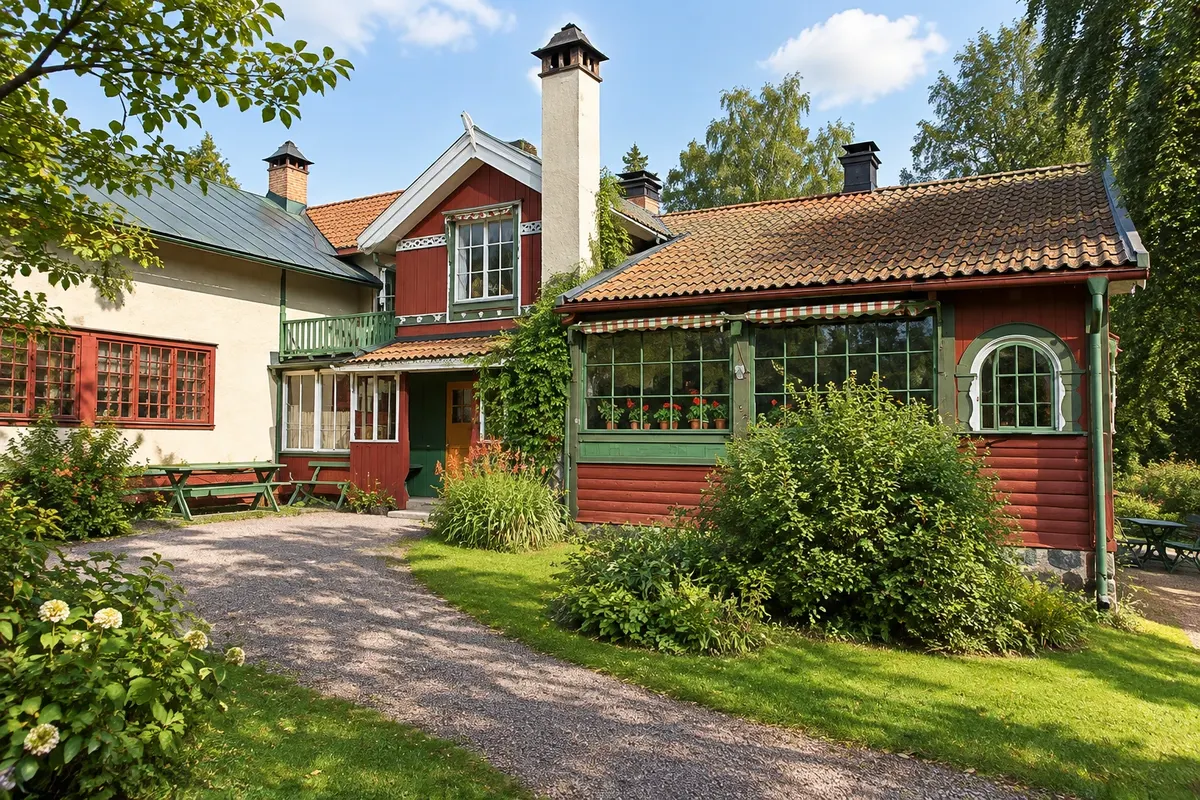
Falun, the provincial capital, grew up around the copper mine that operated for about a thousand years and which, in the 17th century, produced most of Europe's copper, financing Sweden's wars and power. The mine and the surrounding town are a UNESCO World Heritage Site. From the mining waste came the red paint Falu rödfärg, the color of wooden houses across the country. Thirteen kilometers away, in the village of Sundborn, is the house of painter Carl Larsson and textile artist Karin Larsson, whose colorful interior influenced Swedish interior design.
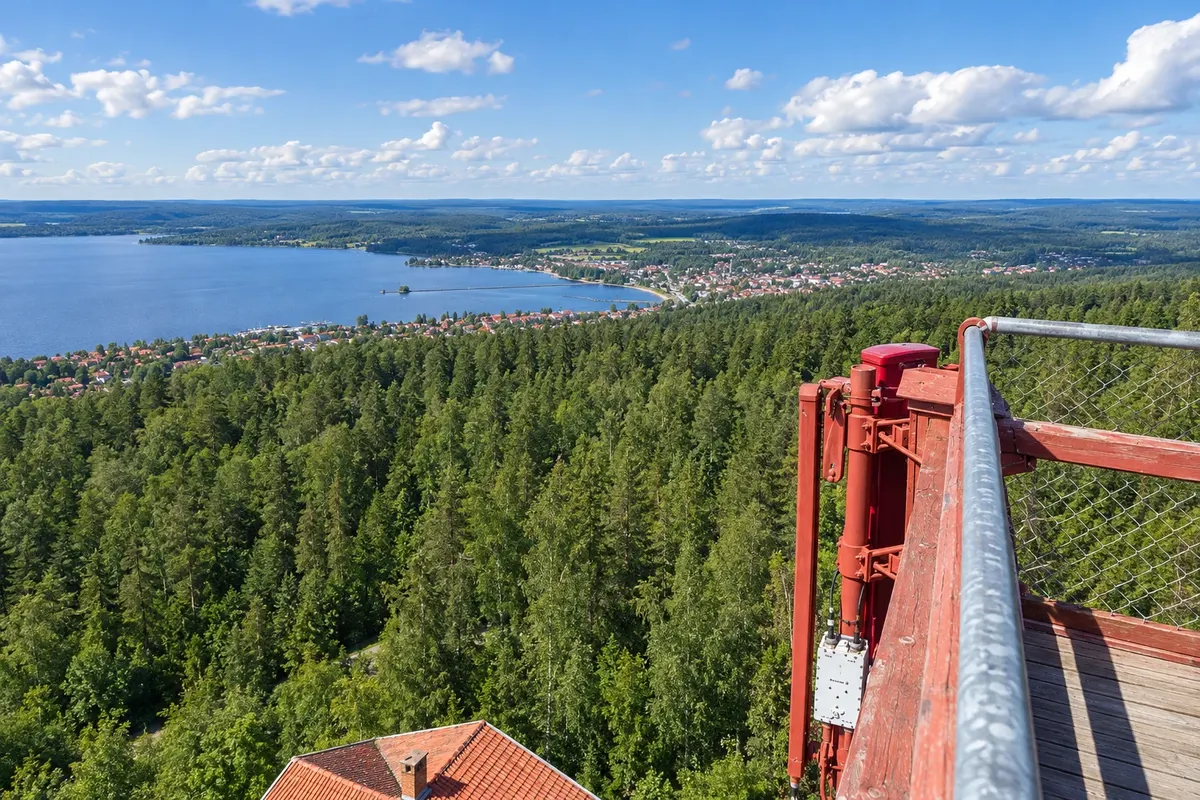
Lake Siljan, formed in the crater of a meteorite that fell about 377 million years ago, is the heart of the province. Around it are Mora, where painter Anders Zorn was born and left his house, studio and museum; Rättvik, with its wooden pier of more than 600 meters over the lake and the Vidablick viewpoint; Leksand and Tällberg, villages of wooden houses on the hillside. In Nusnäs, near Mora, family workshops have carved and hand-painted Dala horses since the 1920s.
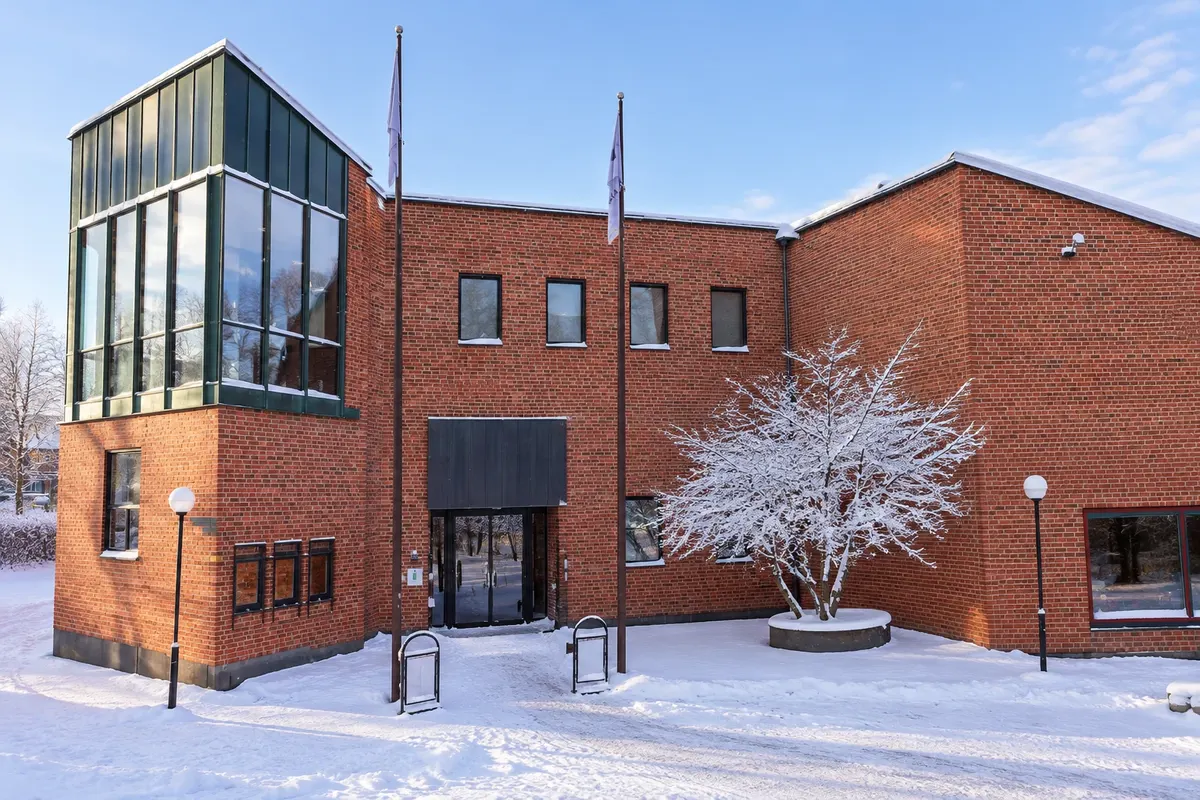
Midsommar, on a Friday in June, is the region's big celebration, with decorated maypoles, dancing and folk music in almost every village. In winter, snow usually covers the area, and on the first Sunday in March Mora hosts the finish of the Vasaloppet, the 90 km cross-country ski race that starts in Sälen.
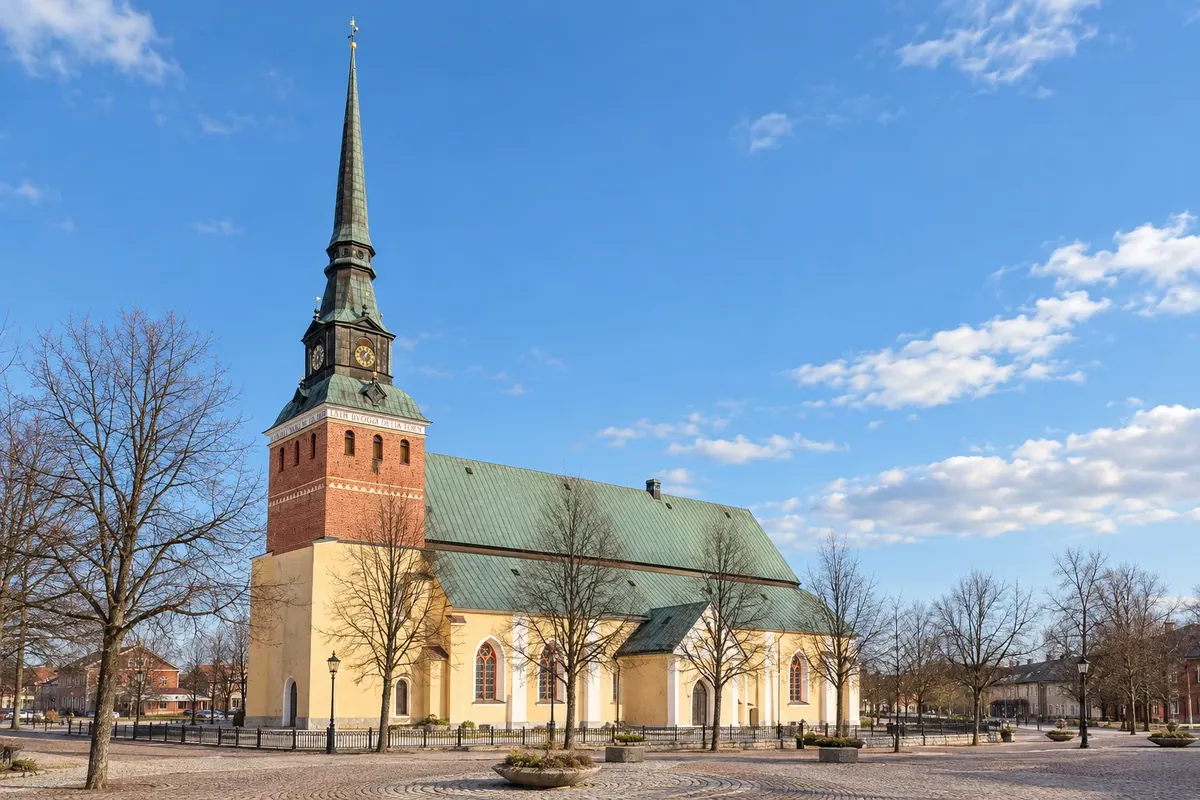
This destination brings together 2 cities: Falun, Mora.


 Brazil
 Argentina
 Bolivia
 Chile
Chile Colombia
 Ecuador
 Guyana
 French Guiana
 Falkland Islands (Malvinas)
 Paraguay
 Peru
Peru Suriname
 Uruguay
 Venezuela
 Germany
 Belgium
 Denmark
 Spain
Spain France
 Greece
 the Netherlands
 Ireland
 Italy
Italy Luxembourg
 Norway
 Portugal
 the United Kingdom
 Switzerland