The cuisine
Traditional food of Belgium
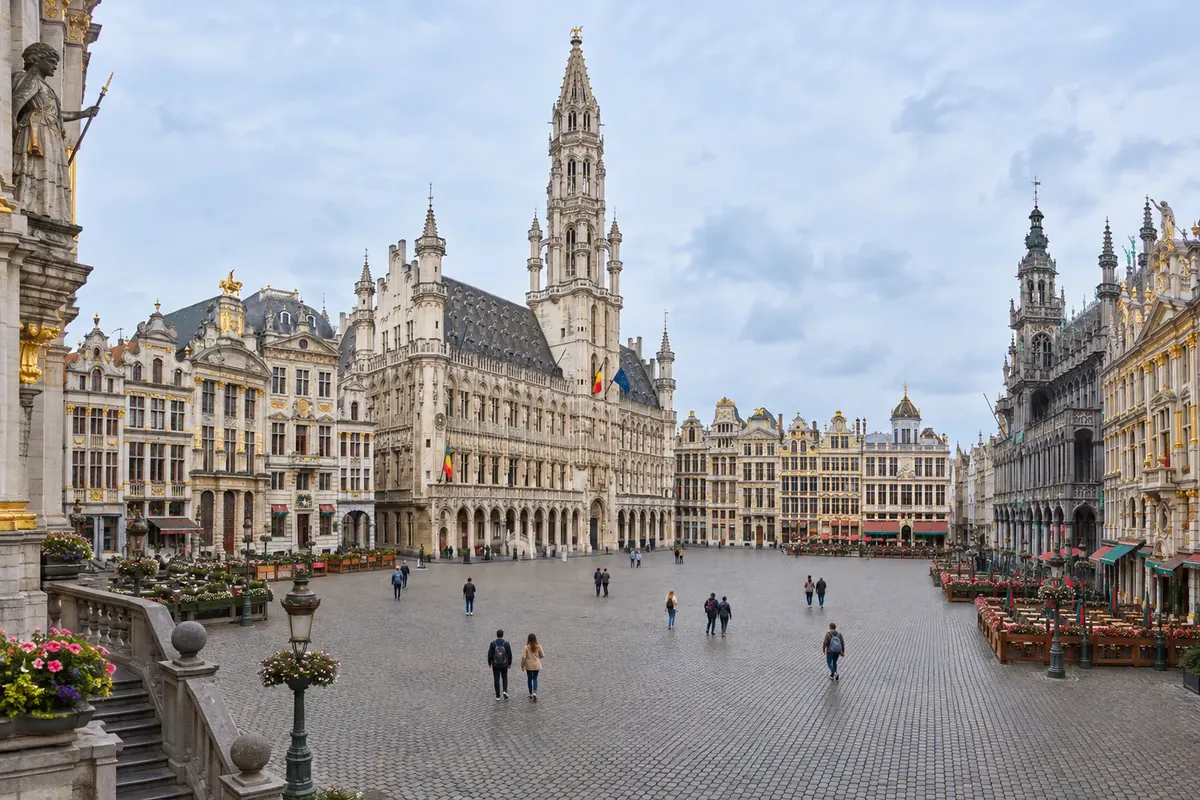
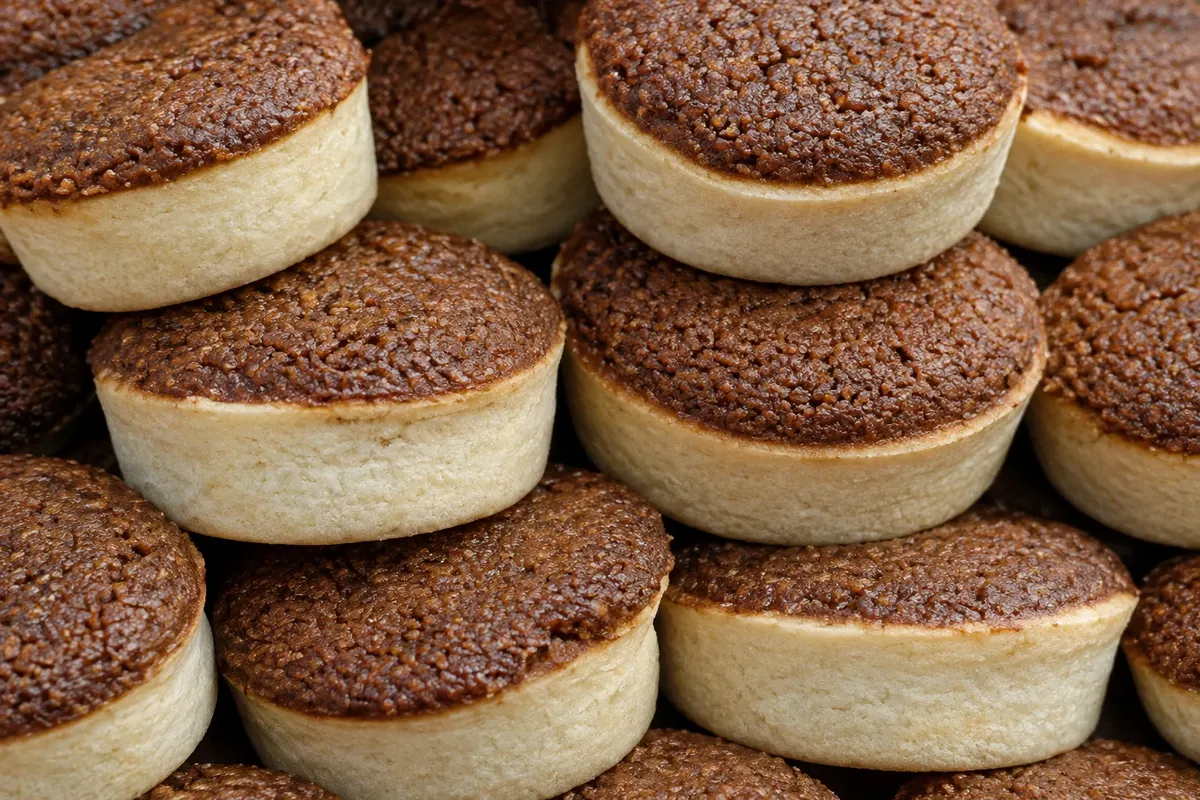
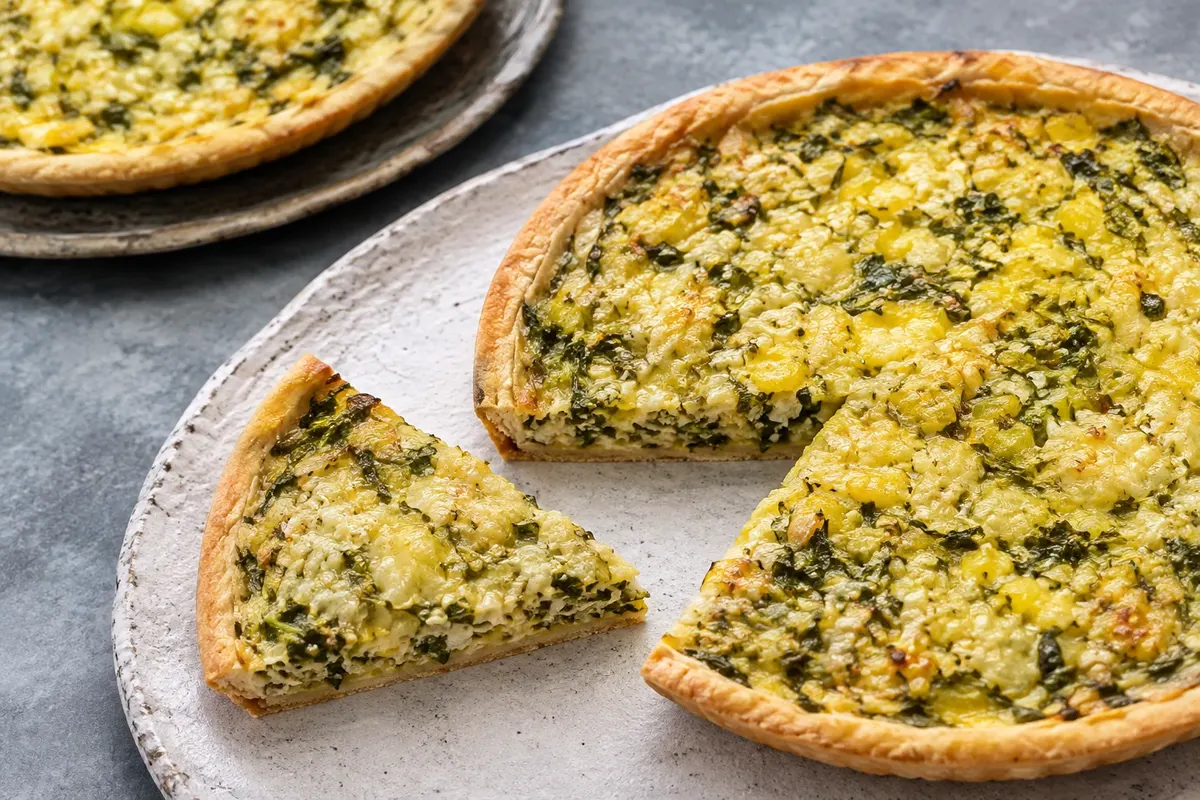
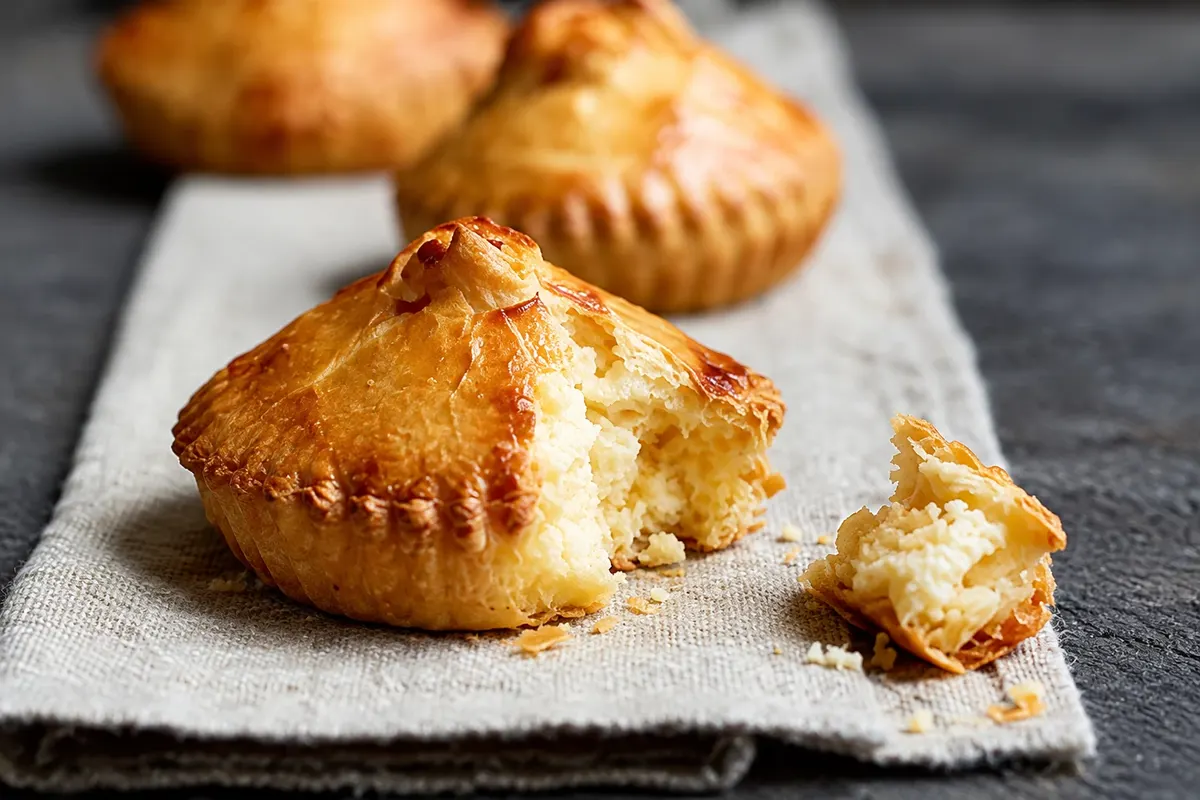
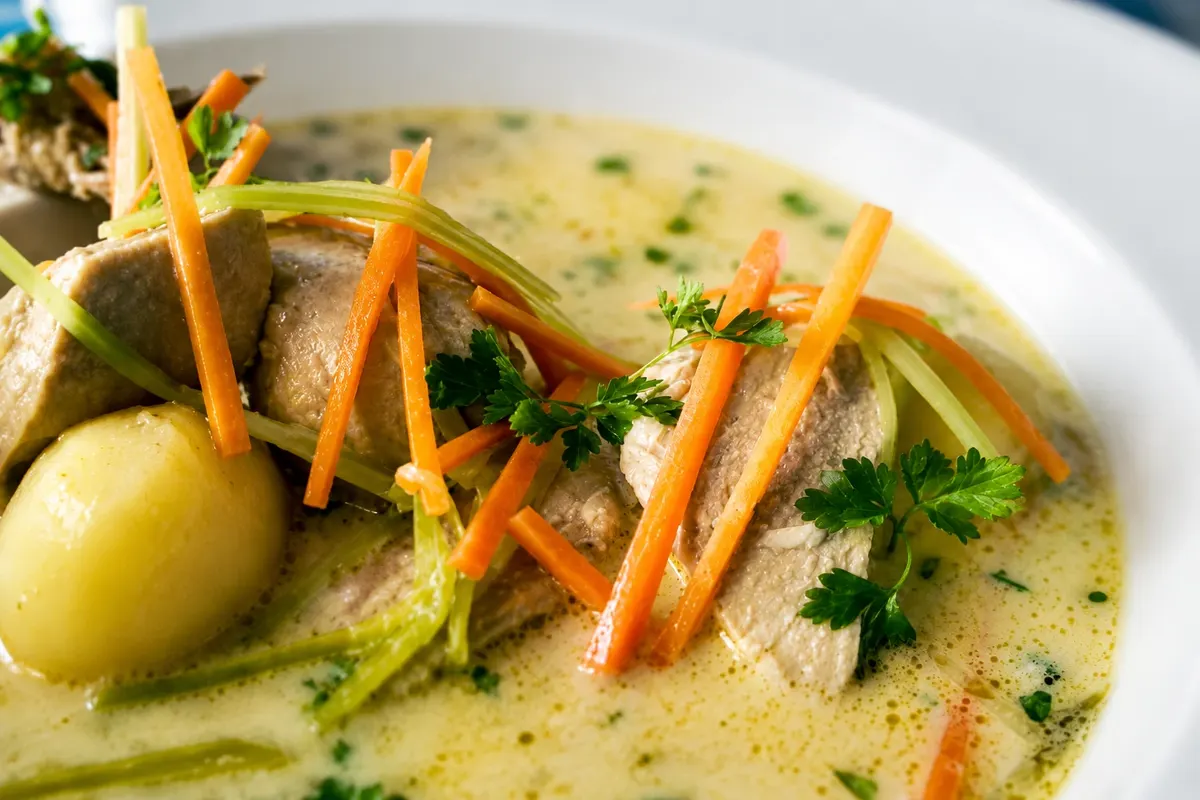
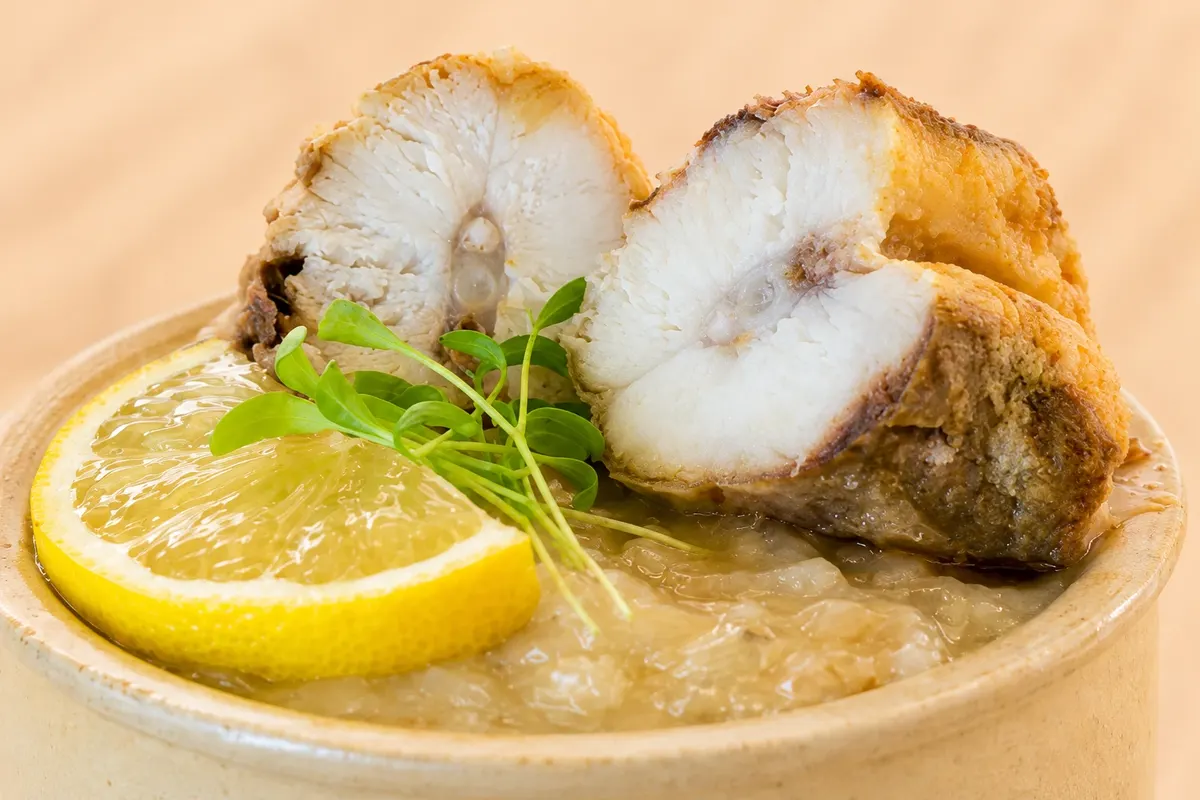
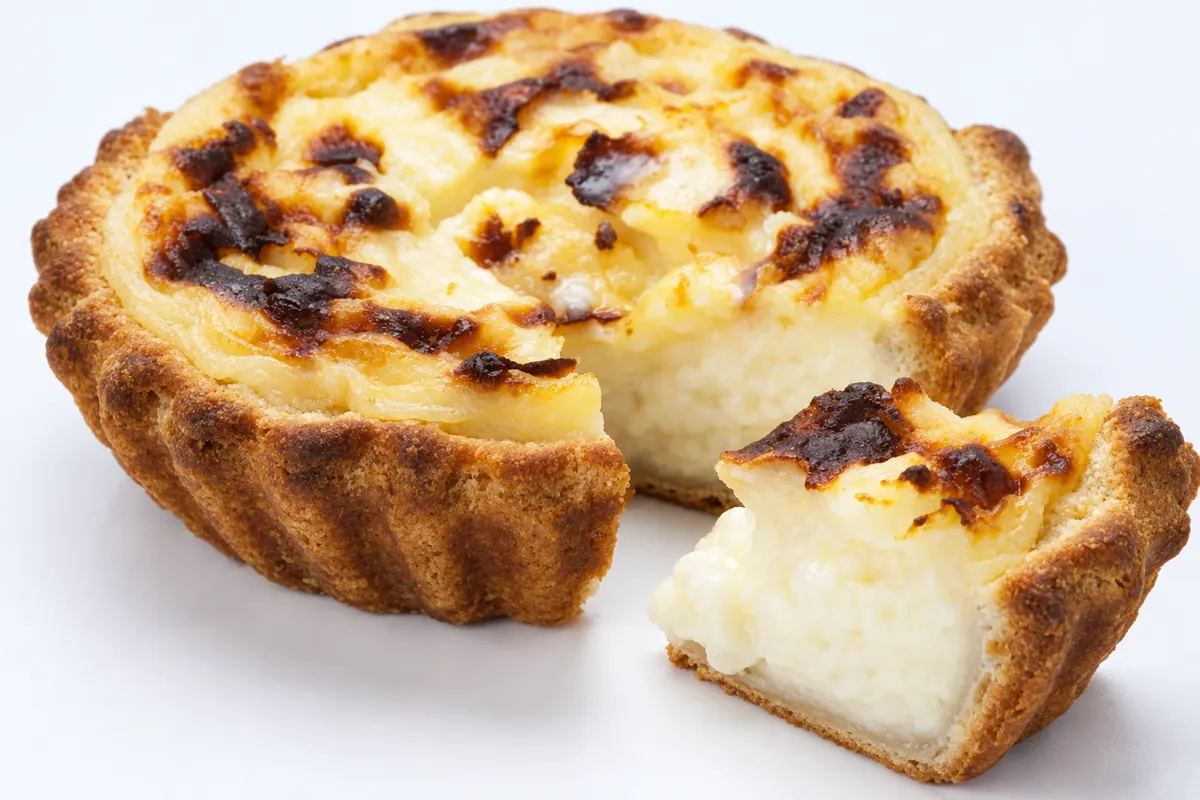
Belgian cuisine changes from one city to another. In the north, in Flanders, people speak Flemish; in the south, in Wallonia, French; Brussels, the capital, is bilingual. That is why the names of specialties appear in the language of the place where they were born or where they are best known: Gentse waterzooi in Ghent, couque de Dinant in the Meuse valley, tarte al djote in Nivelles.
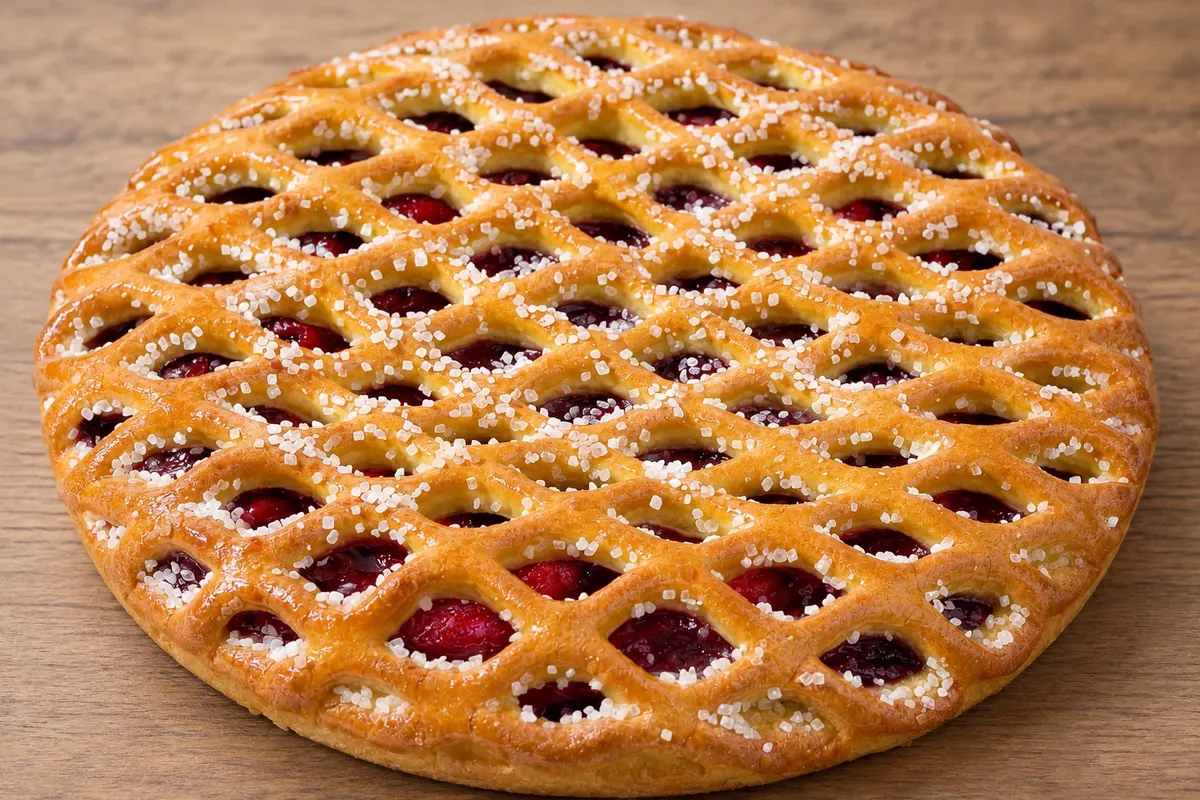
Many of these recipes have official protection. The European Union registers names such as Geraardsbergse mattentaart, Limburgse vlaai, Escavèche de Chimay and the beer Vlaams roodbruin, and only those who produce in the region and follow the rules may use them. In several cities, local guilds defend the traditional recipe, organize blind tastings and give quality seals.
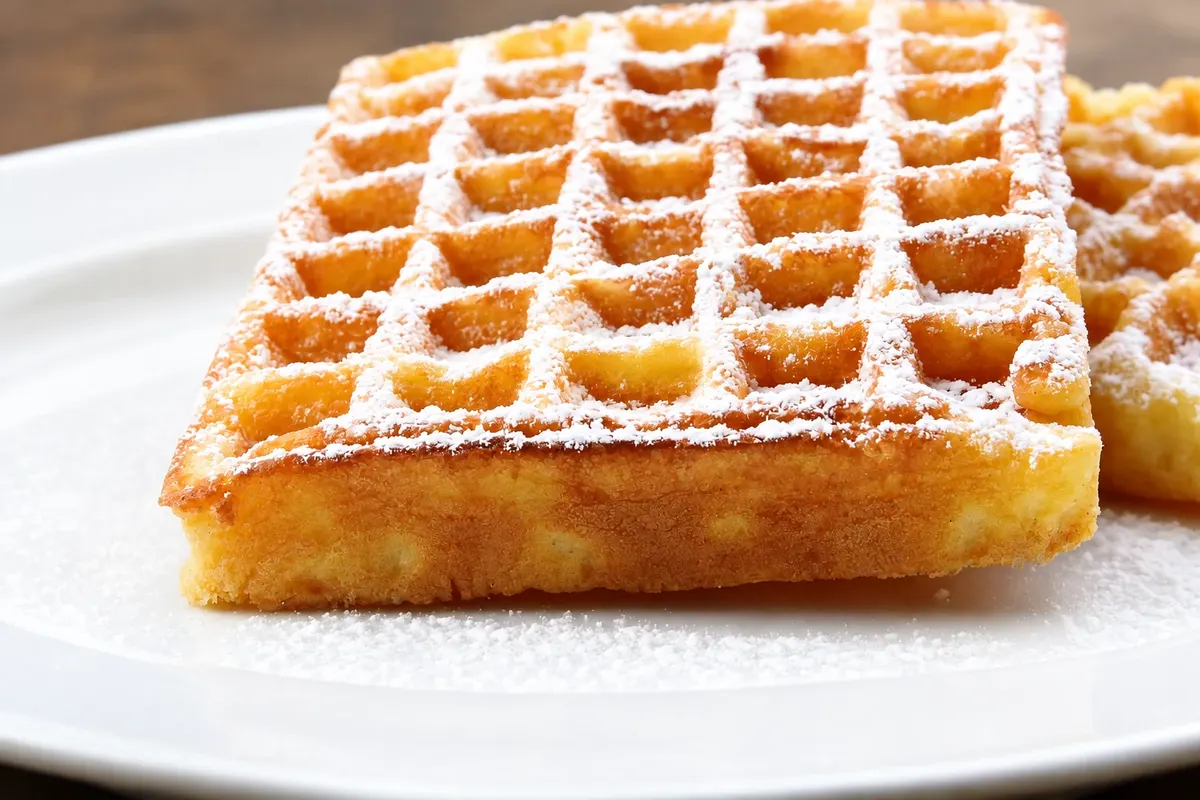
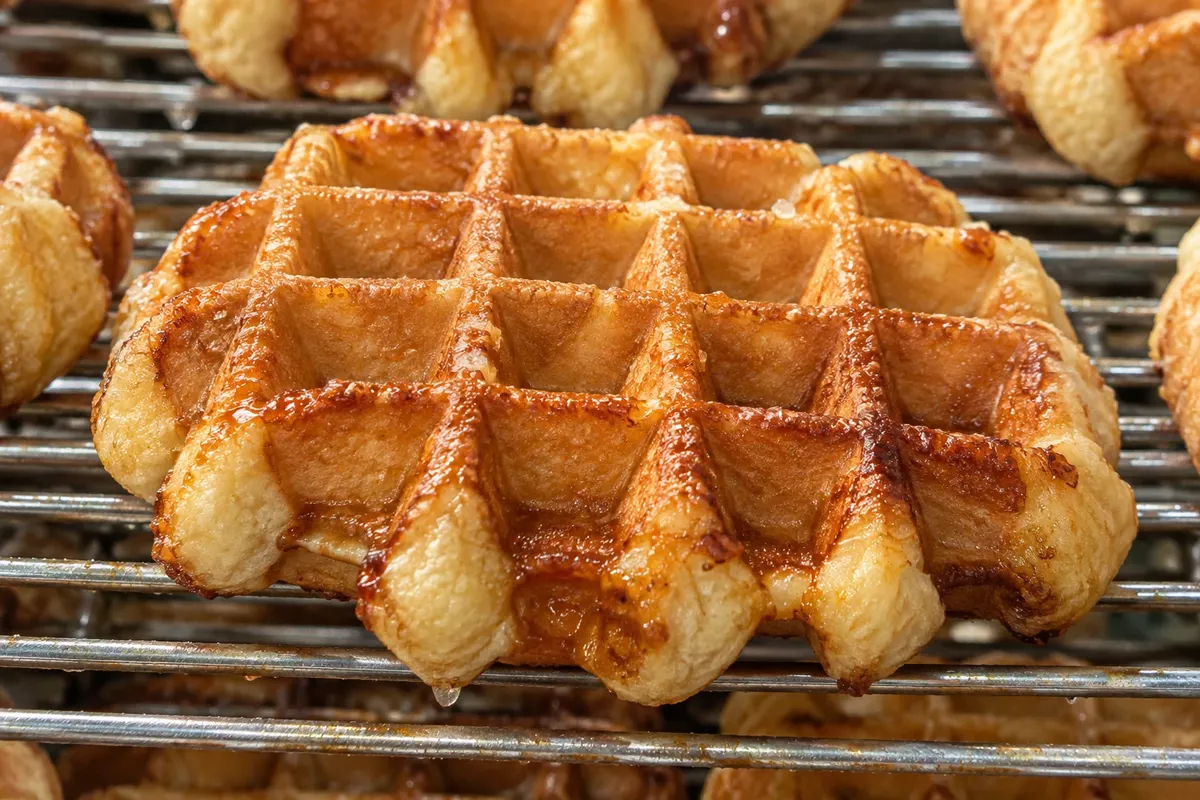
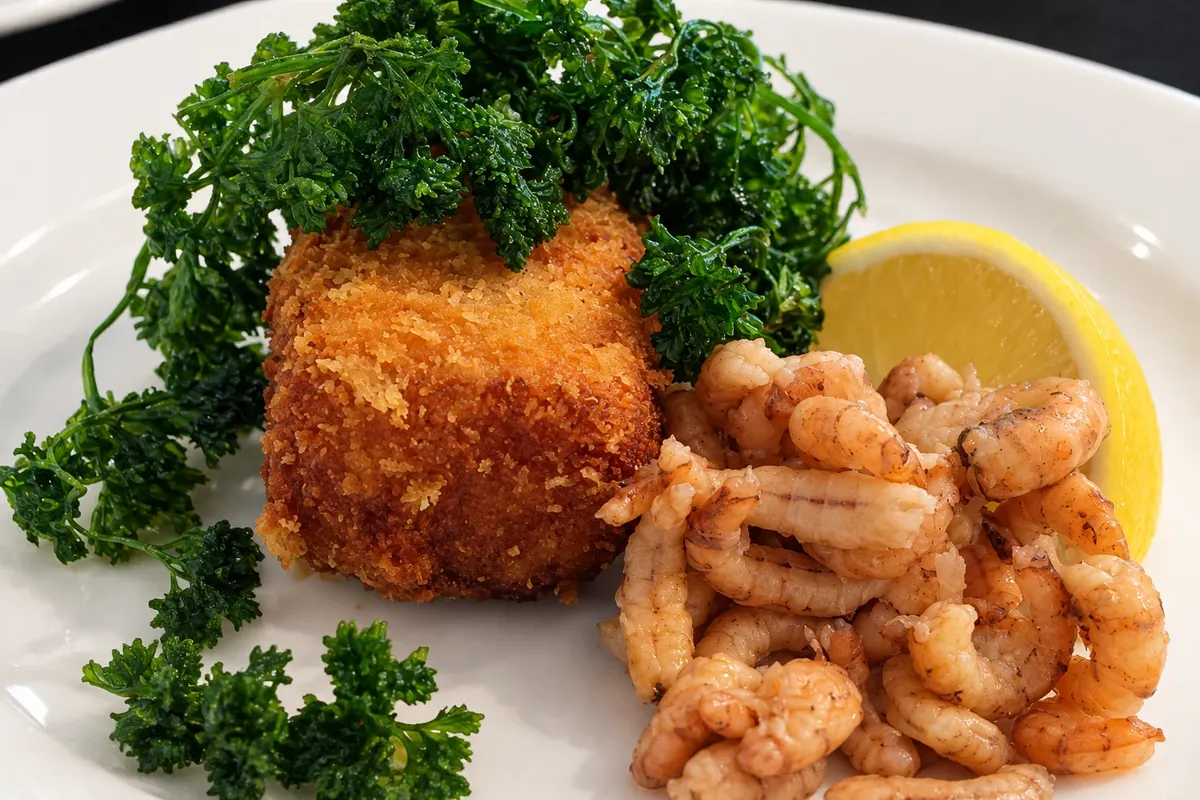
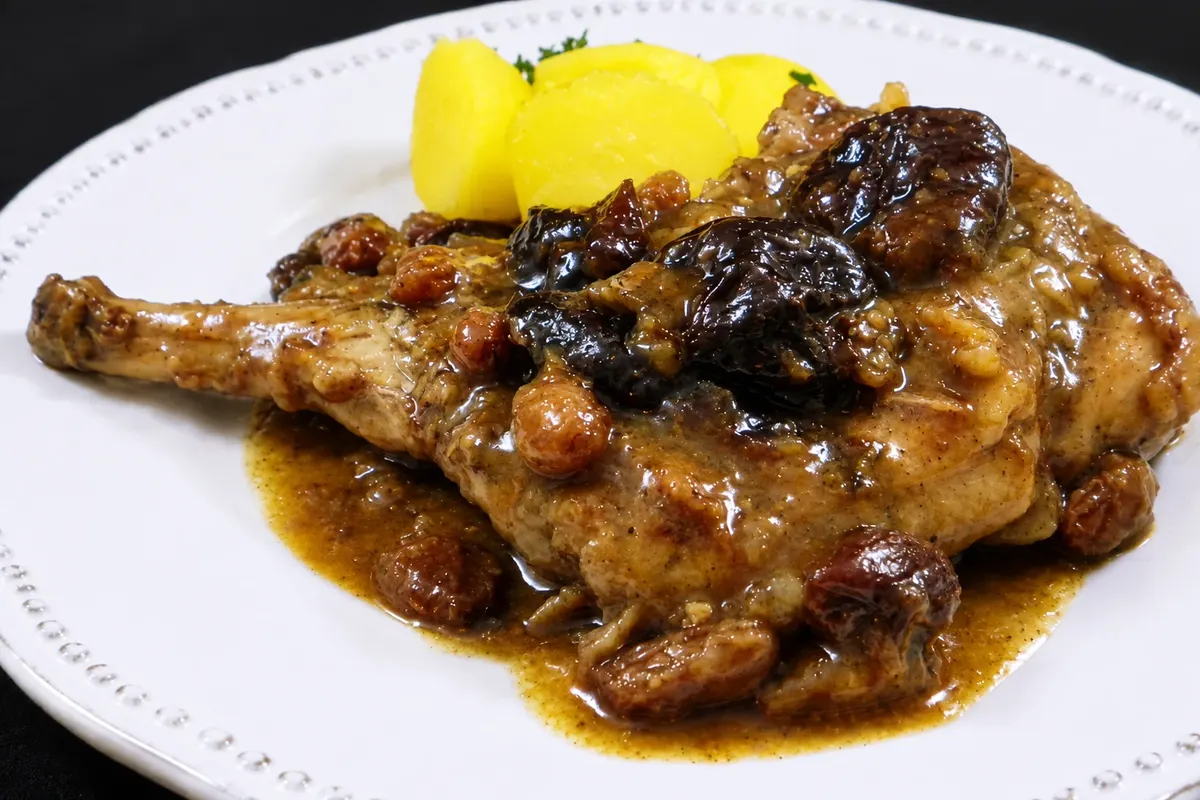
There are festive dishes and everyday dishes. In Tournai, rabbit with prunes is the centerpiece of a dinner that takes place once a year, on the Monday after Epiphany. In Ostend, the grey shrimp croquette is a common starter in coastal brasseries. Brussels and Liège waffles are eaten in the street, at any time.
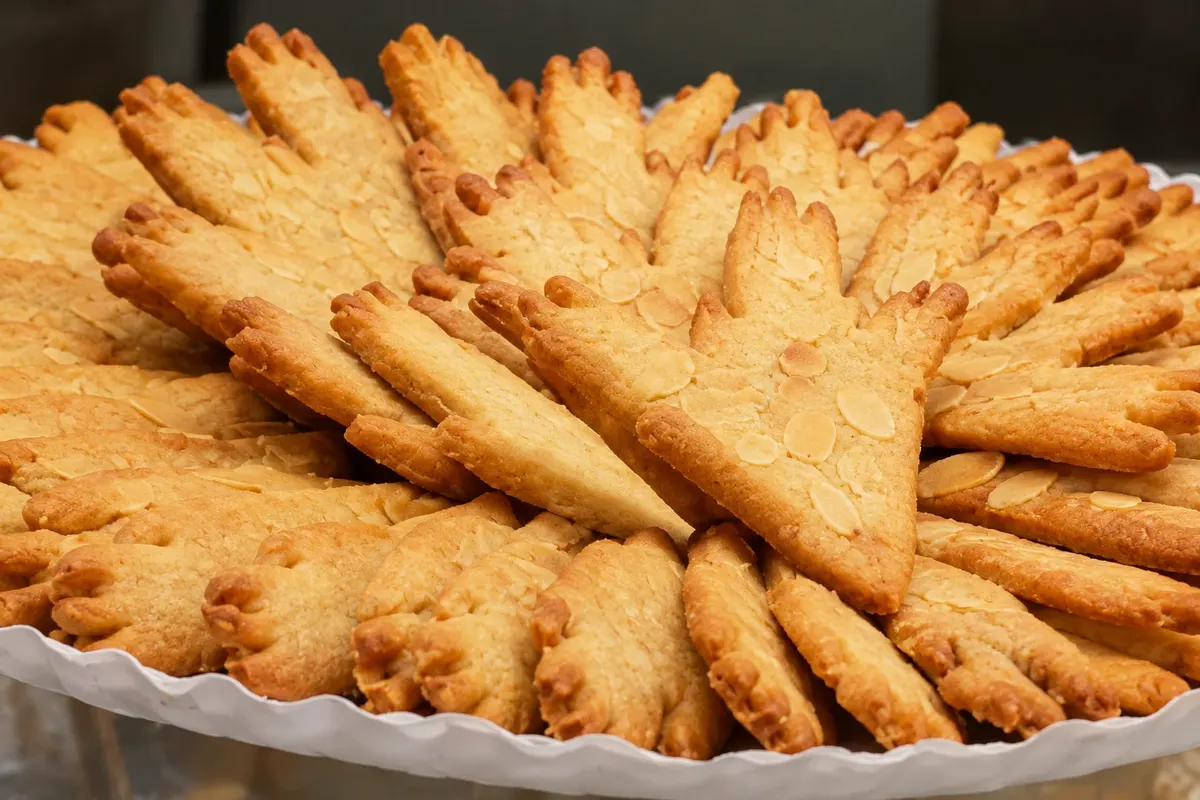
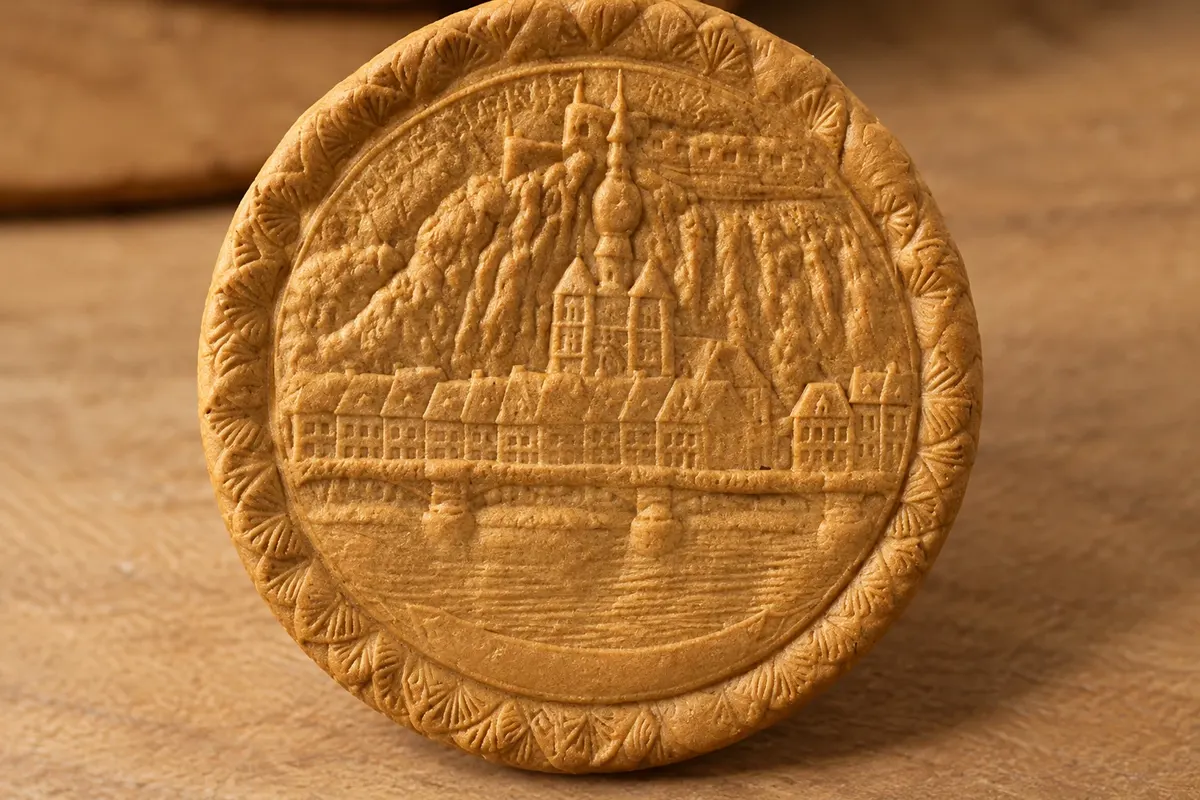
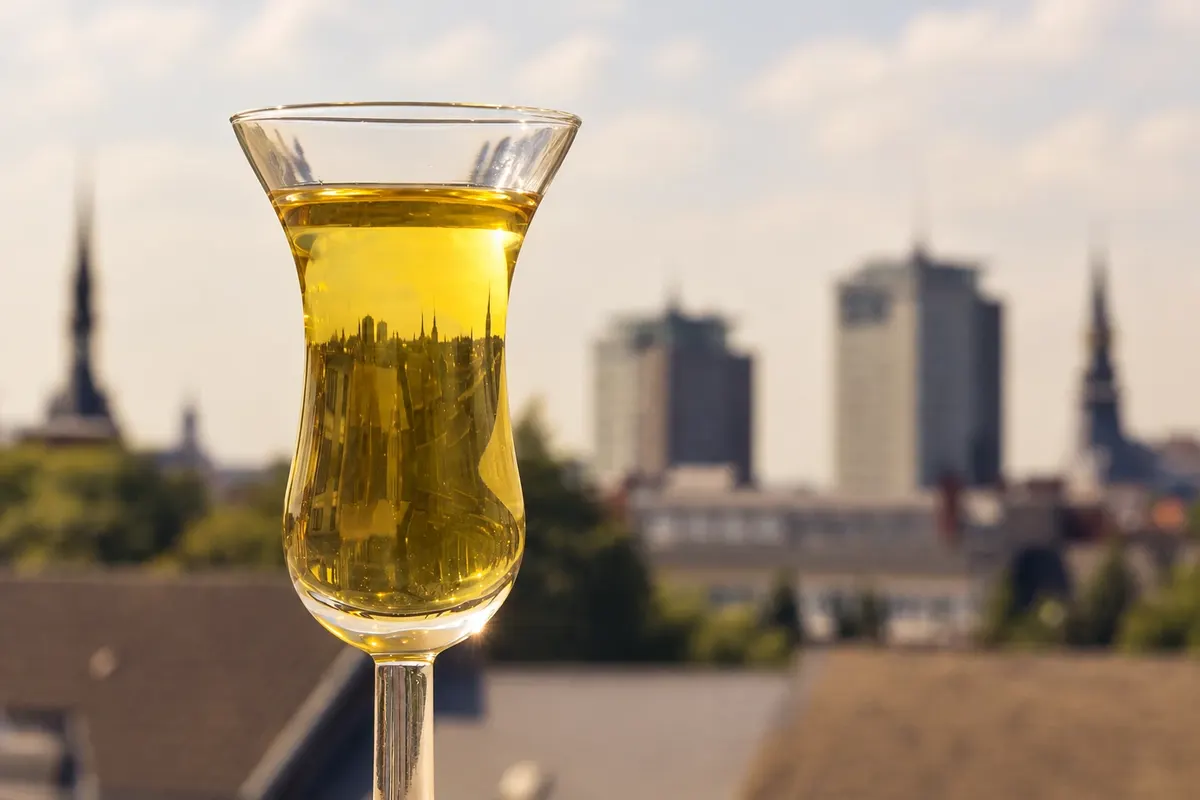
Biscuits, tarts and drinks also tell the story of the places. Antwerp’s cookie hand recalls the legend that explains the city's name; Hasselt jenever preserves centuries of distilleries; Pajottenland geuze is born from spontaneous fermentation, with yeasts from the air itself. Beer and spirits are part of the local culture and are enjoyed in small measures.
Each specialty is presented here linked to a city or province that represents it. That does not mean it is only eaten there: many have crossed the region's border and are found throughout the country. The page for each one explains the connection to the place, the ingredients and the serving customs.


 Brazil
 Argentina
 Bolivia
 Chile
 Colombia
 Ecuador
 Guyana
 French Guiana
 Falkland Islands (Malvinas)
 Paraguay
 Peru
 Suriname
 Uruguay
 Venezuela
 Germany
 Austria
 Croatia
 Denmark
 Spain
 Finland
 France
 Greece
 the Netherlands
 Hungary
 Ireland
 Iceland
 Italy
 Luxembourg
 Norway
 Poland
 Portugal
 the United Kingdom
 the Czech Republic
 Sweden
 Switzerland
 Turkey
 the United States
 Mexico
 the Dominican Republic
 South Africa
 Australia
 Fiji