Antwerpse handjes
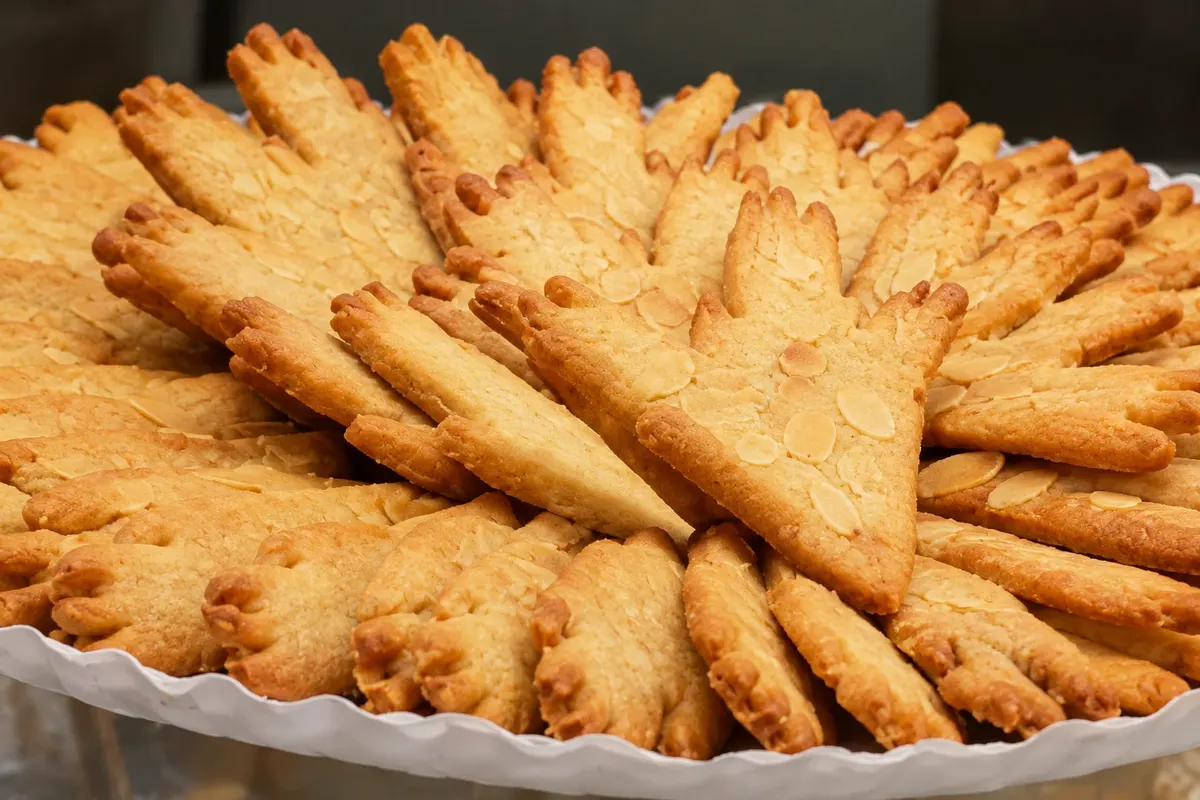
Buttery cookie with almond slices, or a chocolate bonbon shaped like a hand. It recalls the legend of the hero Brabo and the giant Antigoon, which explains the name Antwerpen, and has been a city specialty since 1934.
Illustrative images. The pictures in this guide are illustrations based on the real place, not photographs, and may differ from it.
Flavors · Hasselt
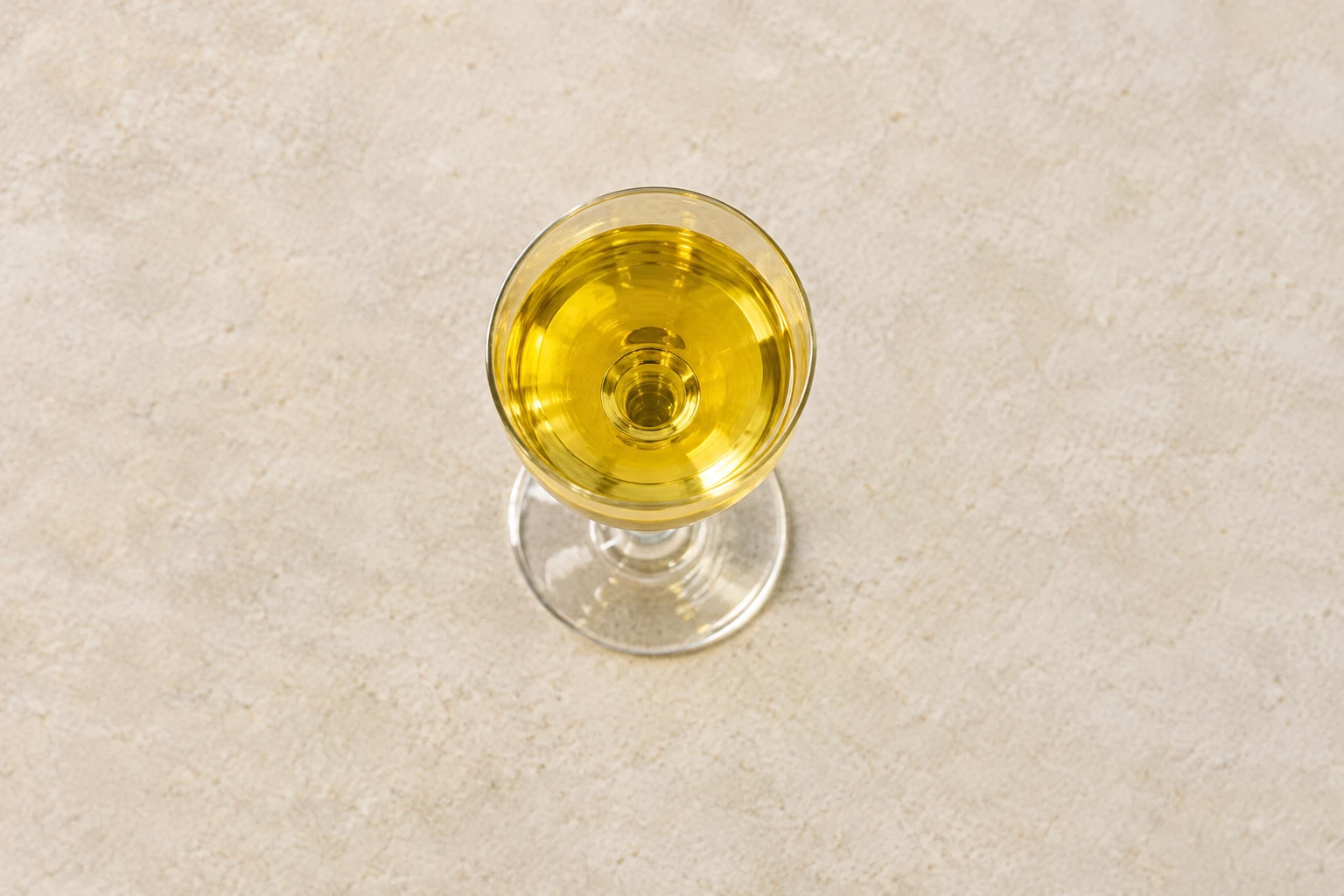
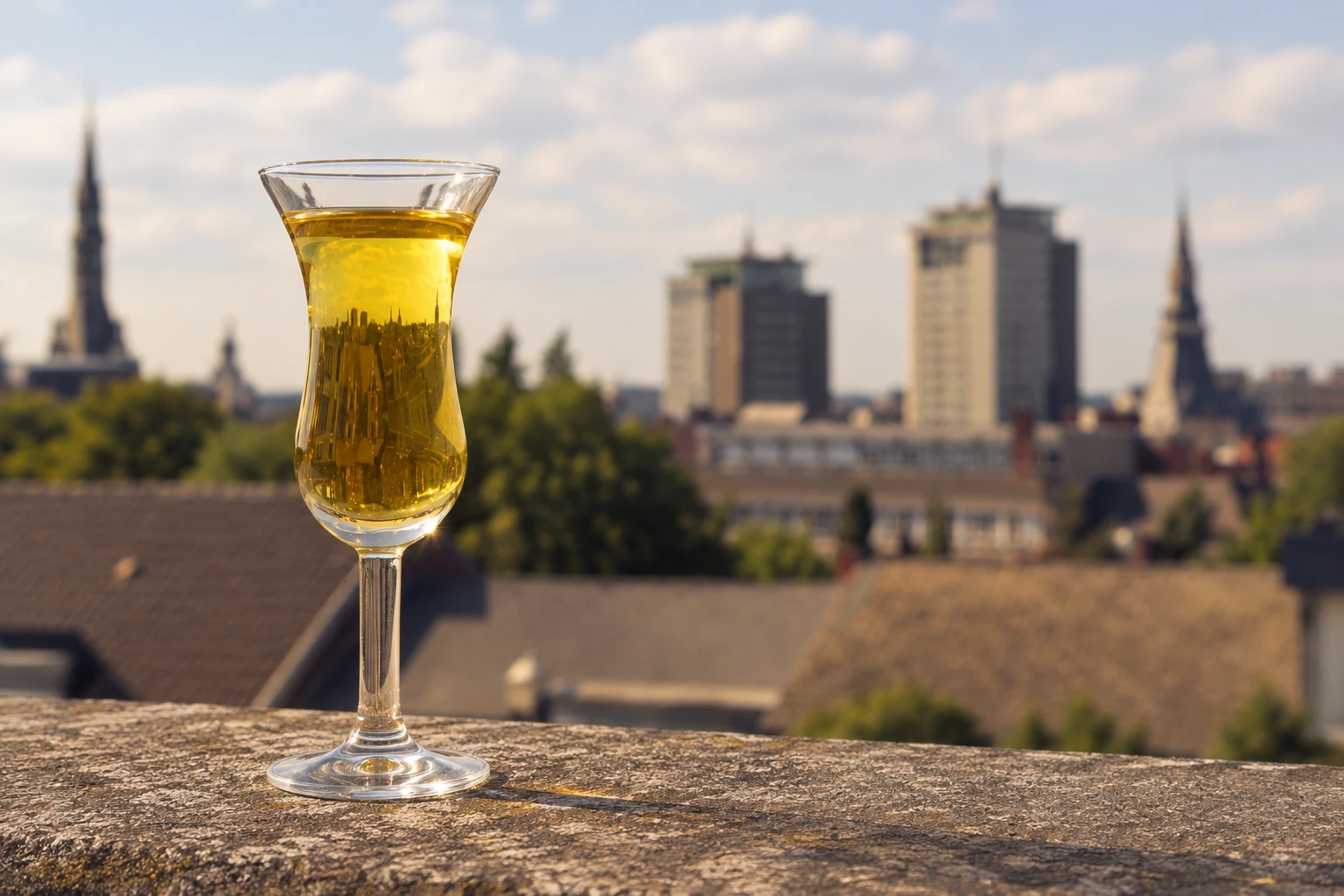
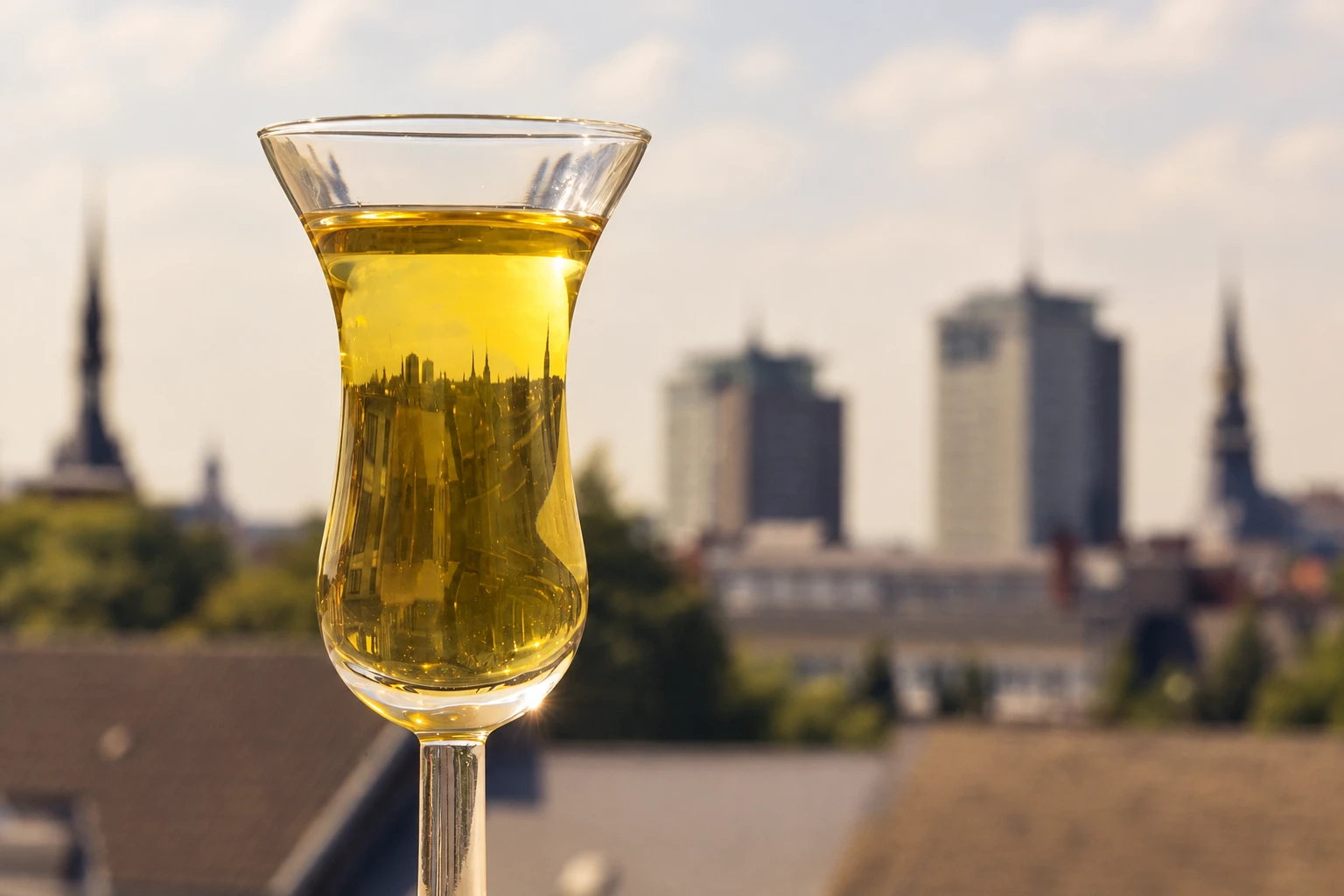
Cereal distillate flavored with juniper and herbs, milder and sweeter than other jenever. It has a European geographical indication: it must be distilled in Hasselt, Zonhoven or Diepenbeek. The city maintains a museum of the drink in a former distillery.
Traditional drink from Hasselt, Limburgo
Also known as: Hasselt jenever, genièvre de Hasselt
Click a photo to enlarge it.
Hasseltse jenever — Hasselt, Belgium
Jenever is a cereal distillate flavored with juniper, considered the ancestor of gin. Hasselt's jenever has its own rules: the base is a rye or barley distillate, distilled two or three times, and the cereal spirit matures at least six months before use. It receives a larger dose of juniper and herbs than other cereal jenever, which gives it a milder, sweeter flavor.
The name is protected. Distillation and flavoring must take place in the administrative canton of Hasselt, made up of Hasselt, Zonhoven and Diepenbeek; dilution, bottling and packaging may be done elsewhere. Belgium recognized the name in 1997, and it is also protected as a European Union geographical indication.
The first written mention of spirit production in Hasselt dates from April 16, 1610. Consumption grew at the end of the 17th century, when a Dutch garrison occupied the city, and the number of distilleries rose from 8 in 1774 to 21 in 1791. The heyday came in the 19th century: around 1860, Hasselt produced about 15% of all alcohol in Belgium. From 1880 onward, higher taxes, anti-alcoholism campaigns and competition from larger factories led to decline.
The former Stellingwerff-Theunissen distillery was listed in 1975, the first industrial facility protected as a monument in Belgium. It houses the National Jenever Museum, with a 19th-century still still in use, collections of bottles, glasses and posters, and a tasting bar. Along the jenever route through the center, the Borrelmanneke statue-fountain, from 1981, recalls the tradition.
Jenever is drunk neat, in a small glass, in small doses: it is a strong drink with at least 30% alcohol. In October the city usually holds the jenever festival (Jeneverfeesten), with music and food.

Hasselt, Limburgo
The name is protected as a geographical indication: distillation must take place in the canton of Hasselt, and the city is home to the National Jenever Museum.
Distillate of rye and/or barley, aged cereal spirit, juniper berries and herbs or spices. Minimum alcohol content 30%.
Neat, in a small glass, in small doses. The city museum has a tasting bar.
The Hasselt jenever festival (Jeneverfeesten), usually held in October on the third weekend of the month; check dates before you go.
Your questions
It is a cereal distillate flavored with juniper, traditional in Belgium and the Netherlands and considered the ancestor of gin. It is drunk neat, in a small glass, in small doses.
It is made with a rye or barley distillate and contains more juniper and herbs than other cereal jenever, making it milder and sweeter. The distillation must take place in Hasselt, Zonhoven or Diepenbeek.
At the National Jenever Museum, housed in a 19th-century distillery in the city center, with a working still and a tasting bar. Check opening hours and days before you go.
Flavors of Belgium

Buttery cookie with almond slices, or a chocolate bonbon shaped like a hand. It recalls the legend of the hero Brabo and the giant Antigoon, which explains the name Antwerpen, and has been a city specialty since 1934.

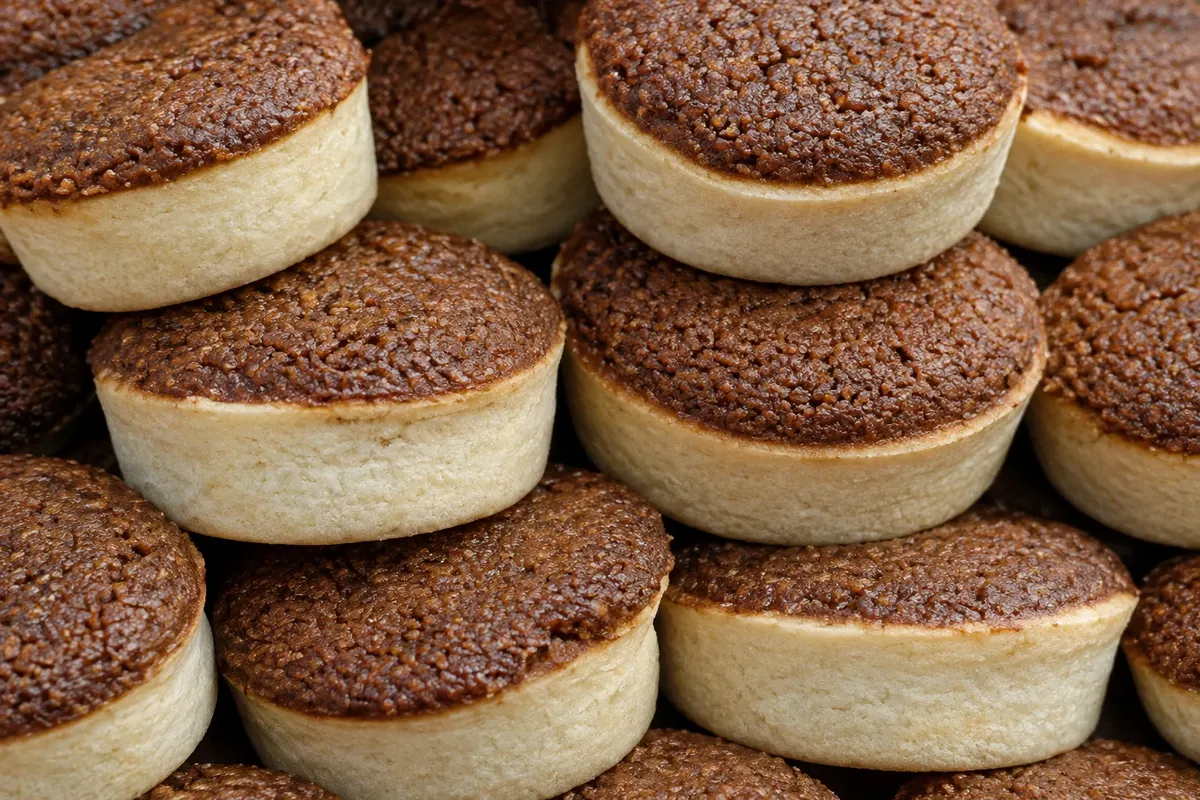
Round tartlet from Lier, in the province of Antwerp, with a crunchy sugar-free pastry and a dark filling of breadcrumbs, cane sugar syrup and spices. The name is protected by a European geographical indication.

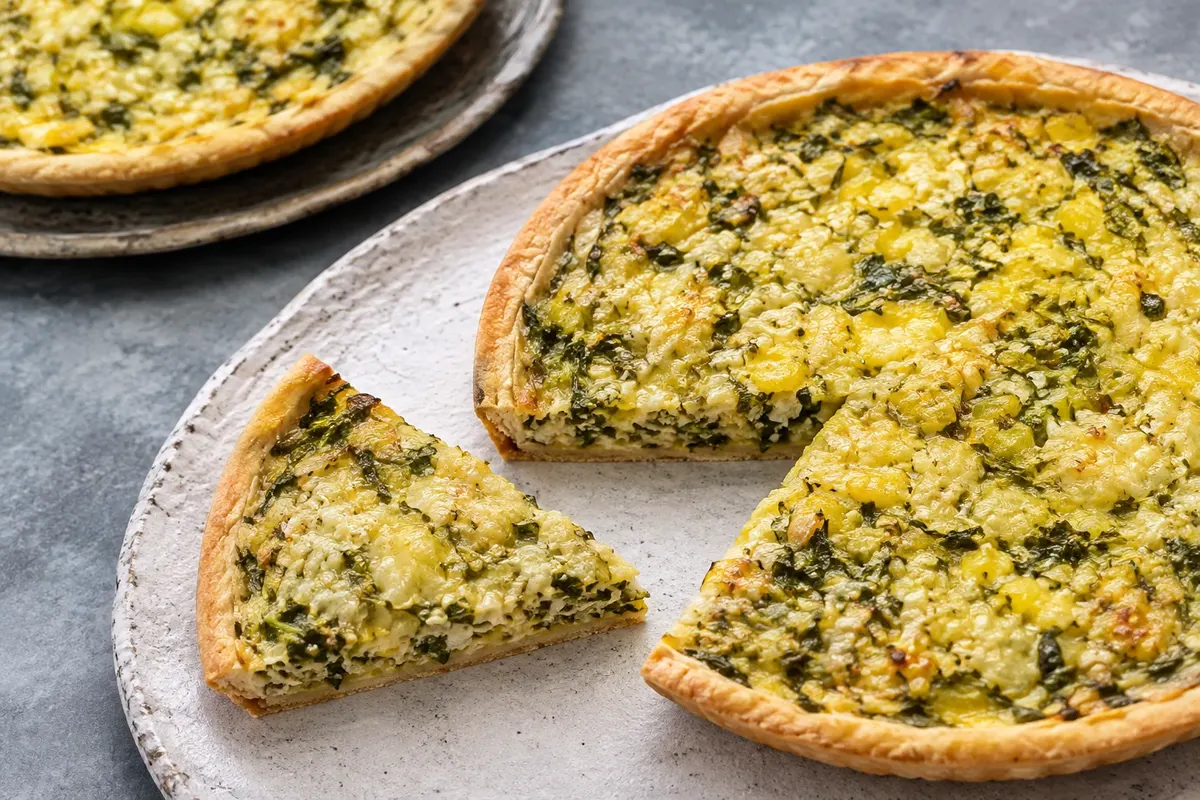
Savory pie from Nivelles, in Walloon Brabant, made with fermented fresh cheese, chard, eggs and plenty of butter, served very hot. A local brotherhood evaluates producers and awards quality seals every year.

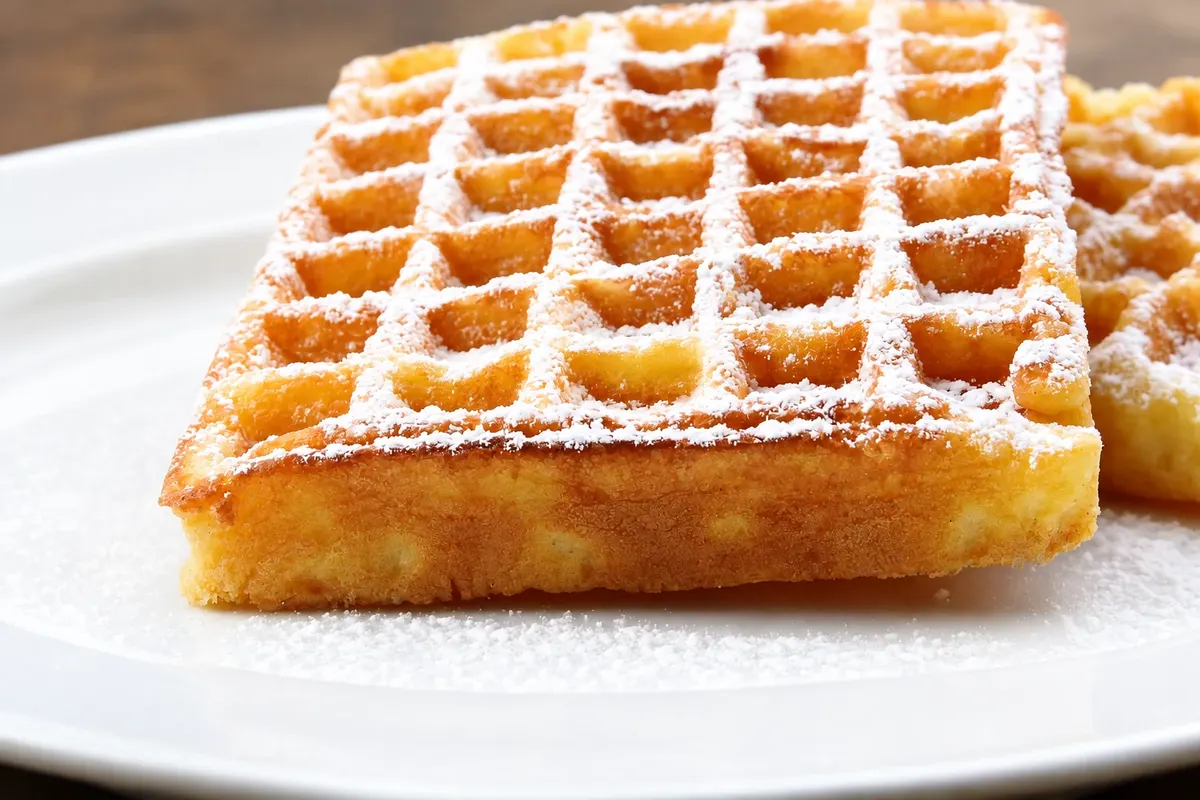
Rectangular waffle, light and crispy on the outside, soft on the inside, served dusted with confectioners' sugar. It is the first specialty presented by Brussels official tourism and appears in Flemish paintings related to festive celebrations.

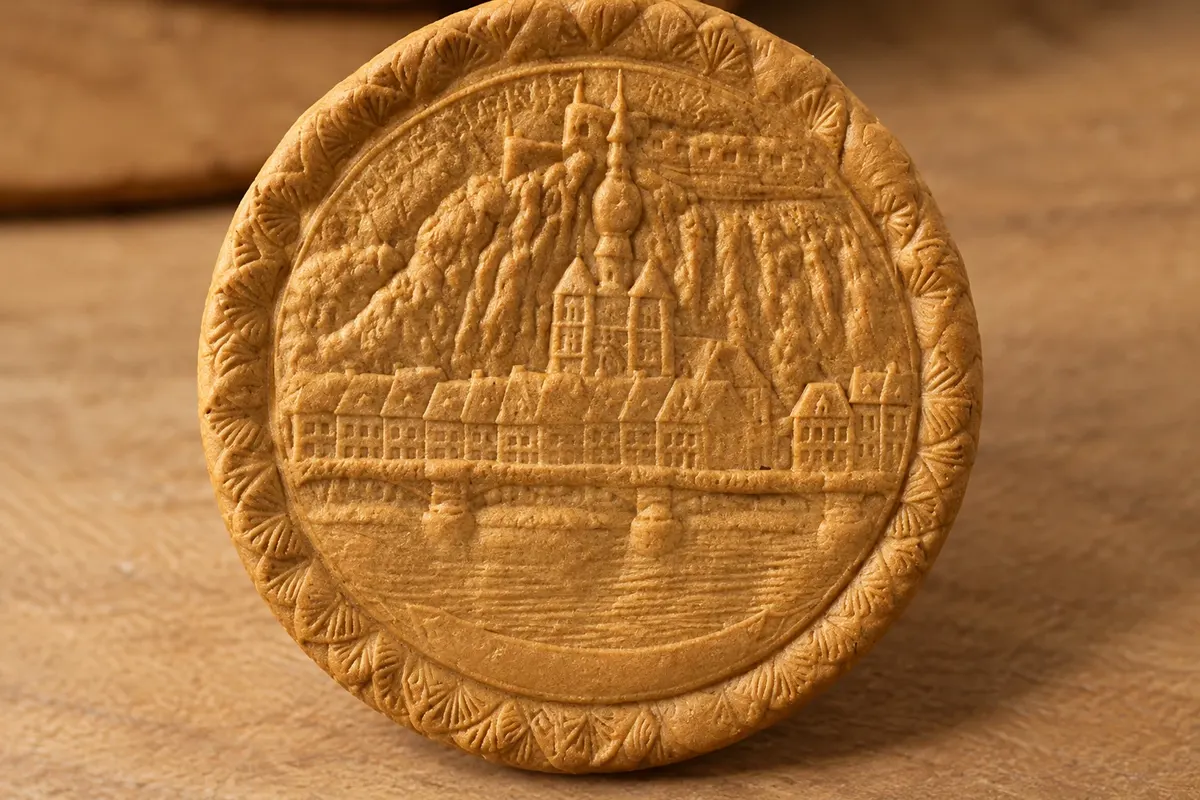
Very hard biscuit, made only of honey and wheat flour, pressed in wooden molds carved with animals, figures and views of the city. A tradition of Dinant, in the Meuse valley, it should be softened in the mouth, not bitten.

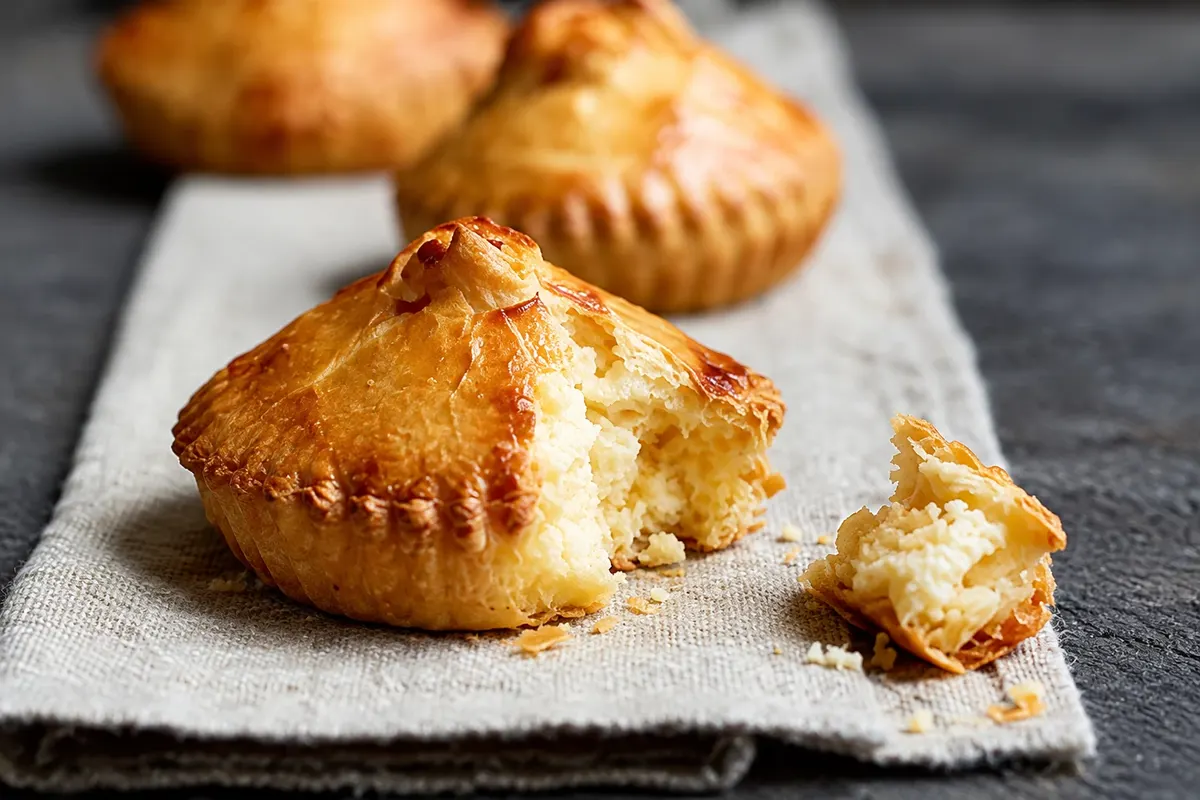
Small tart of puff pastry filled with matten, the curd of raw cow's milk, eggs and sugar. It is made in Geraardsbergen and Lierde, in the province of East Flanders, and has a protected geographical indication by the European Union.

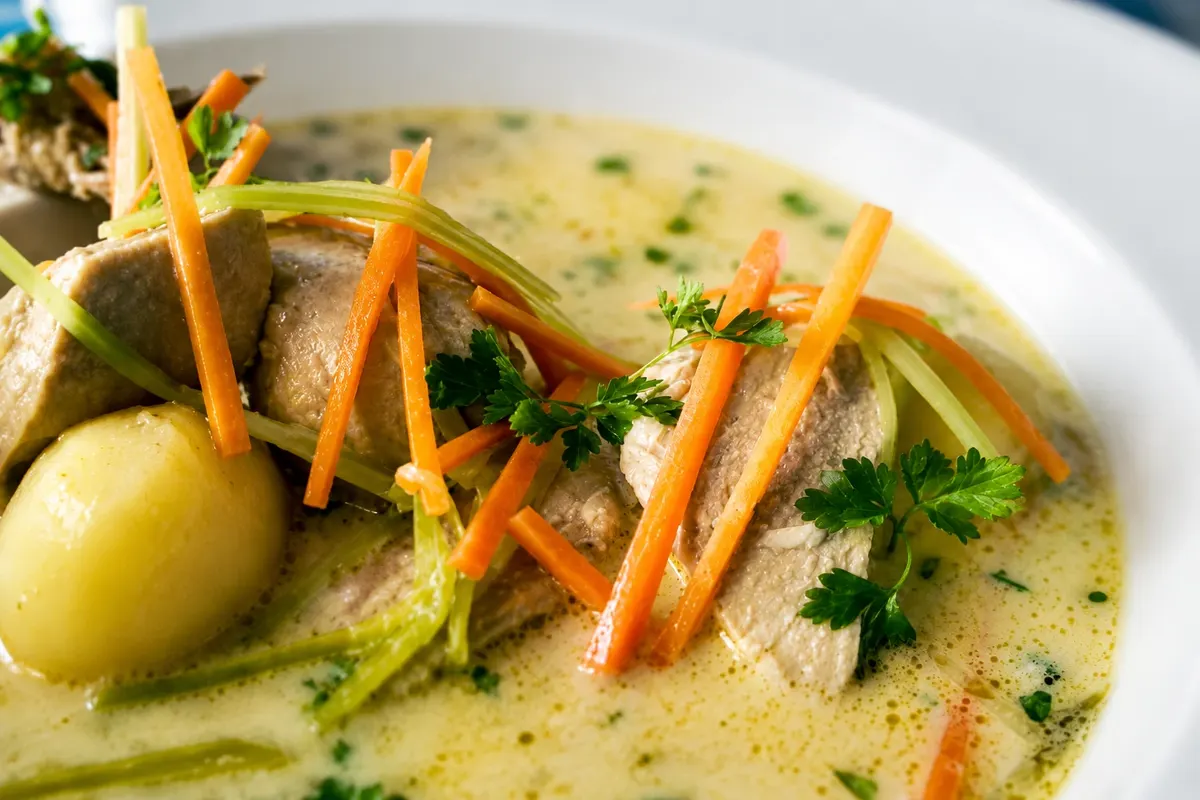
Creamy stew from Ghent, with a broth thickened with cream, vegetables such as carrot, leek and celery, potato and chicken. The earliest versions were made with river fish, and fish still appears in some kitchens of the city.

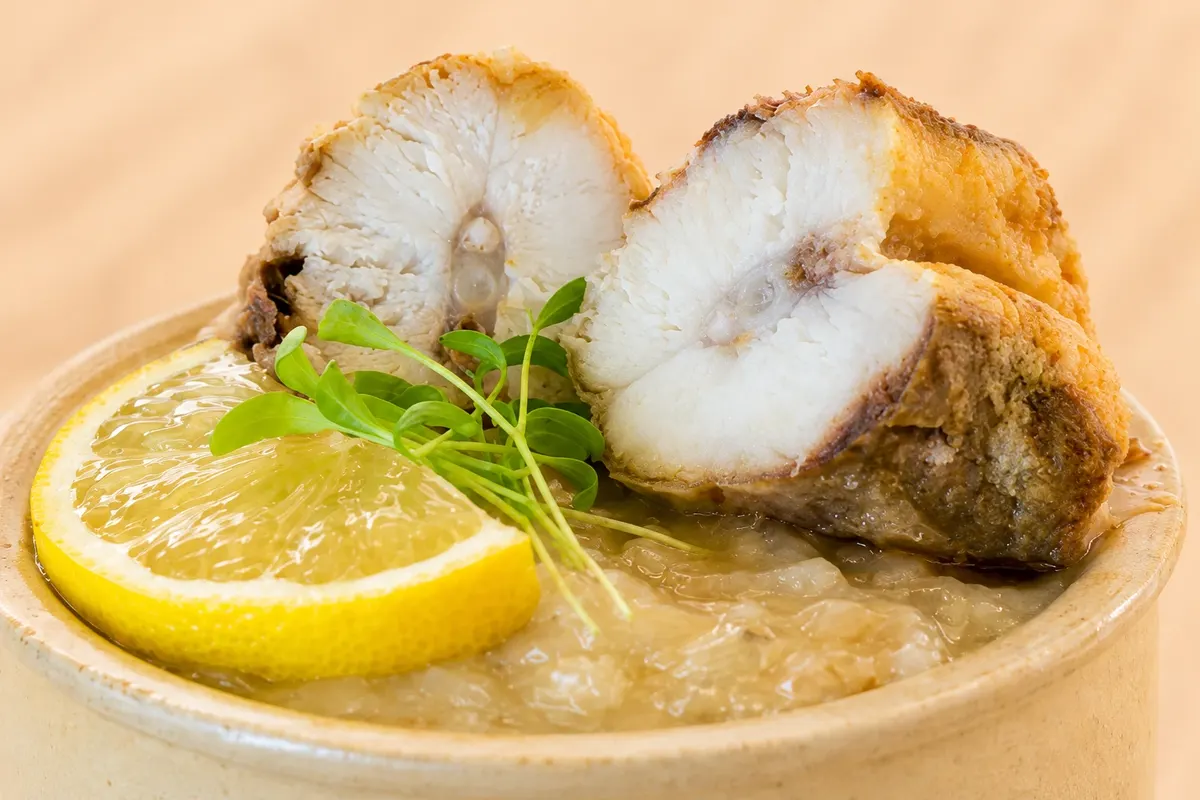
Cooked fish, served cold in a vinegar jelly with onion, traditionally in a stoneware jar. It has a European geographical indication, produced in Chimay and in neighboring municipalities of the provinces of Hainaut and Namur.

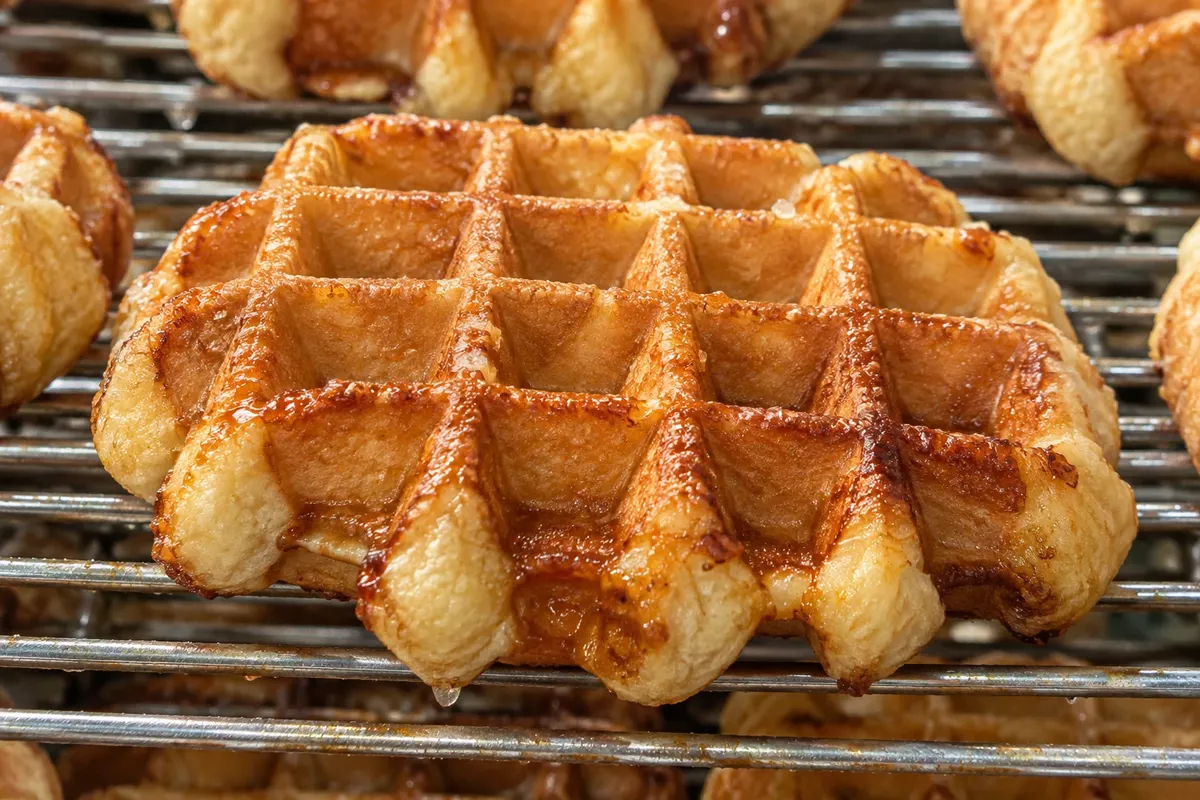
Dense waffle, made from a brioche-like dough with pieces of pearl sugar that caramelize on the griddle. Rounded and without corners, it is eaten hot and without topping. According to tradition, it was created in Liège in the 18th century.

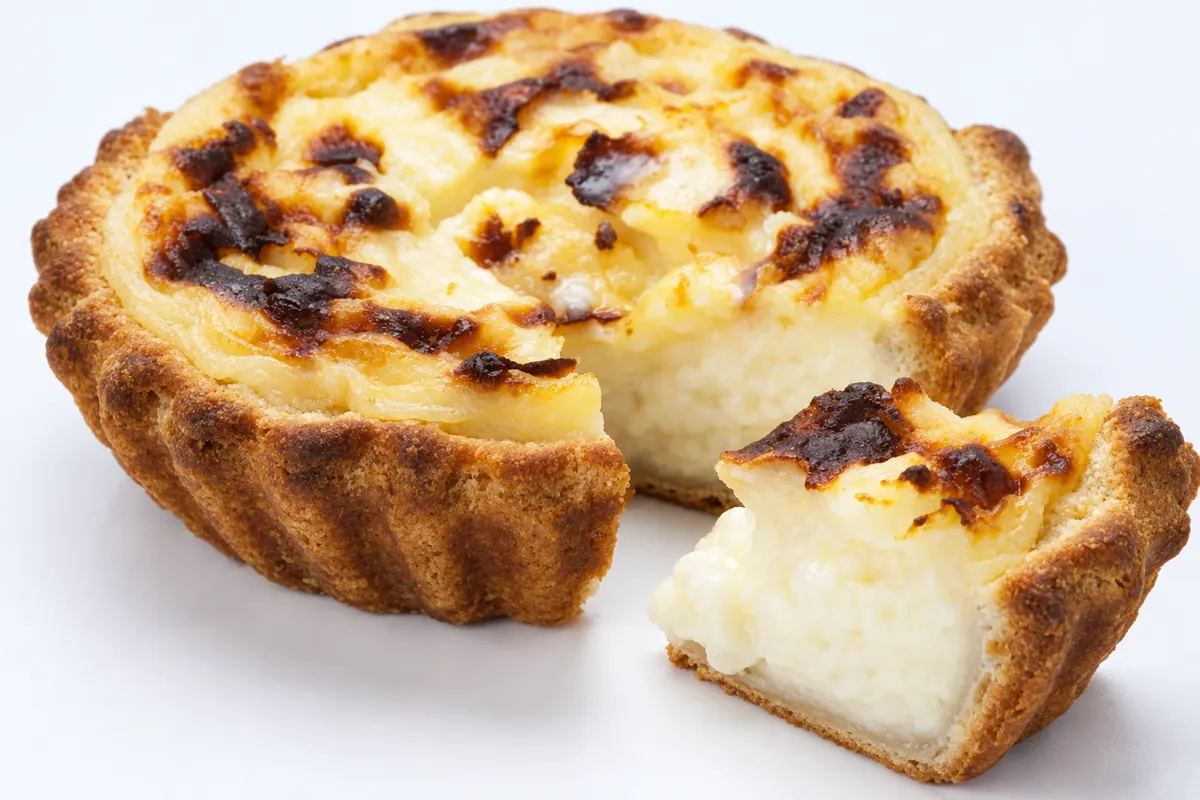
Open tart of creamy rice pudding on a thin crust, typical of Verviers in the province of Liège. Eaten warm or cold, at any time of day, often with coffee.

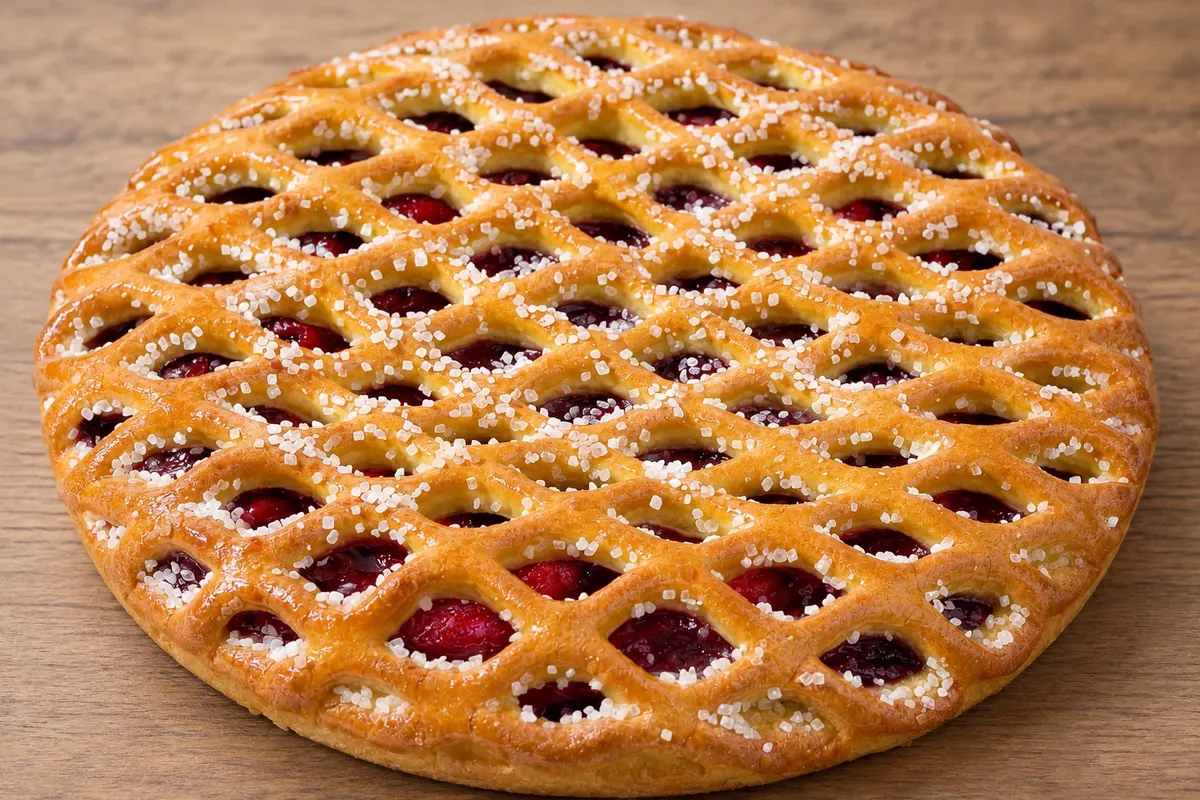
Round tart of thin fermented dough with a generous filling of fruit, rice pudding or cream. It is made in Belgian Limburg and Dutch Limburg, and the name is protected by a European geographical indication.

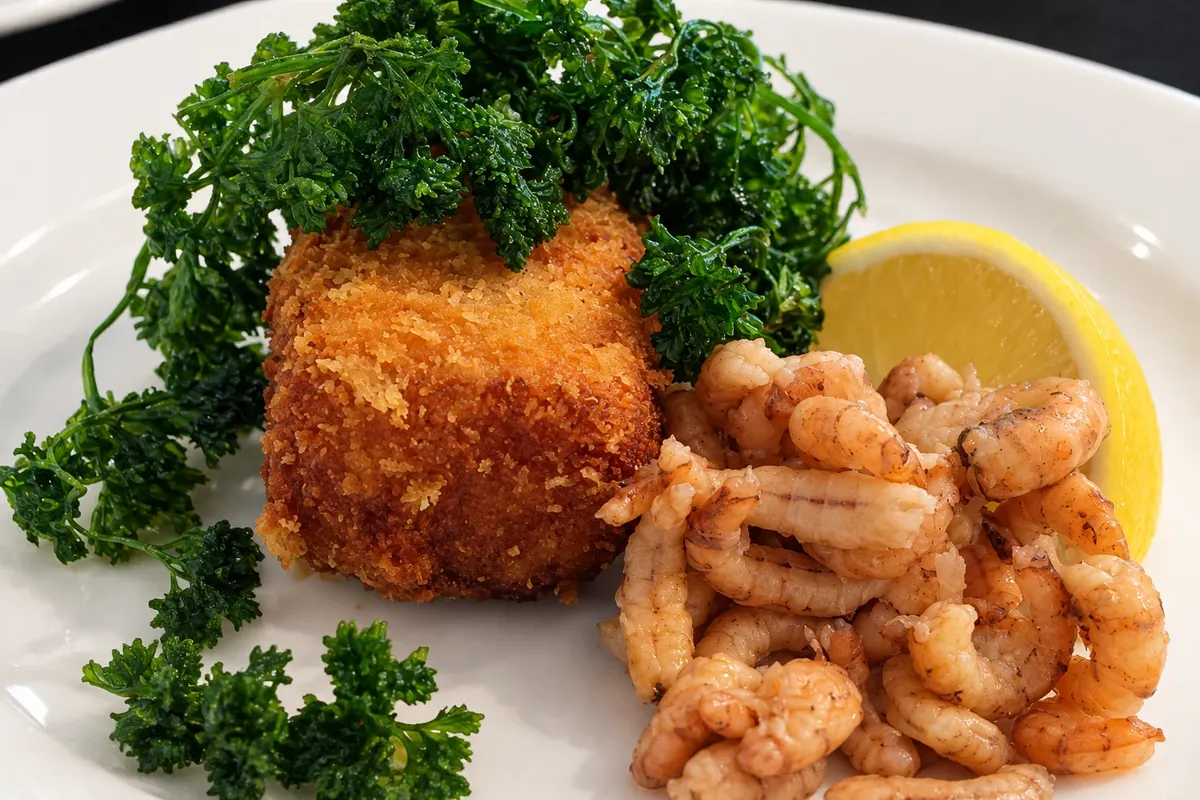
Croquette of creamy sauce with North Sea grey shrimp, breaded and fried, served with fried parsley and lemon. The Ostend version is recognized as a Flemish regional product, with rules about the shrimp’s origin and the filling.

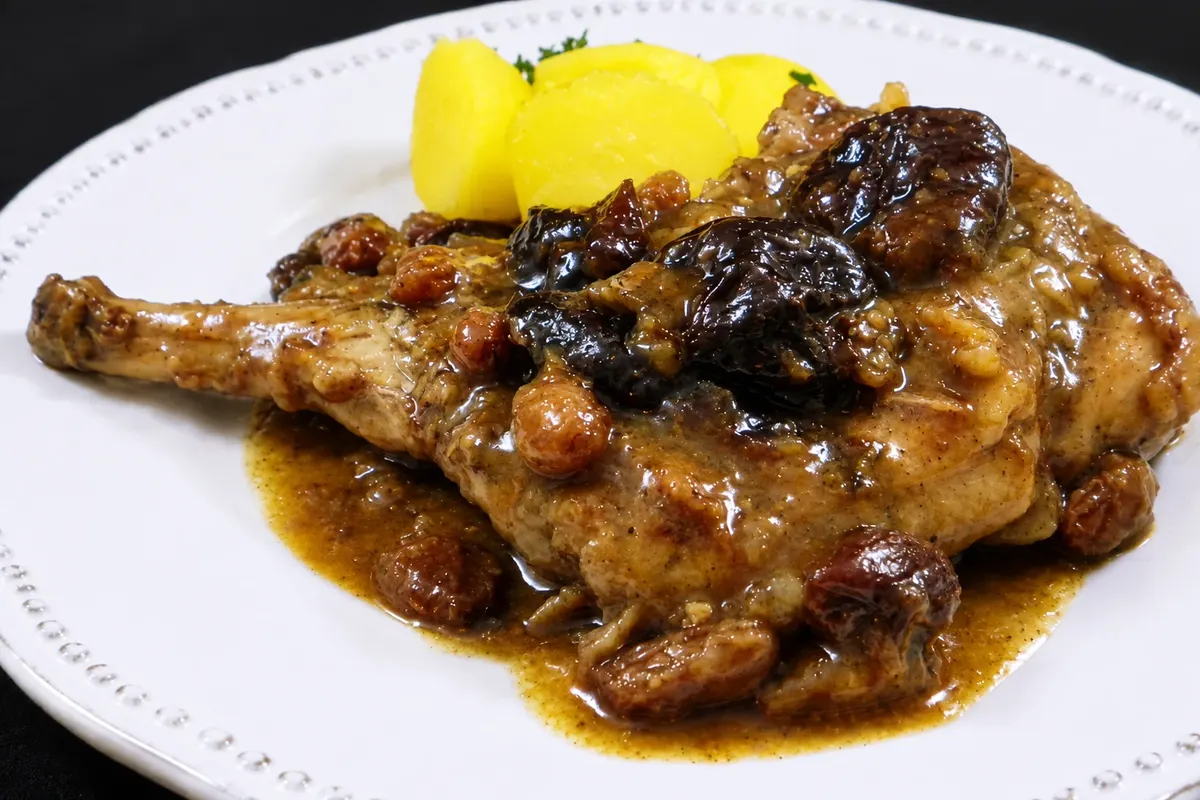
Rabbit slowly cooked with onion, black plum and raisins, served with potato. It is the dish of the Lundi perdu dinner, the Monday after Epiphany, a Tournai tradition recognized as intangible heritage by the Fédération Wallonie-Bruxelles.