Uppsala

Uppsala · Sweden

Uppsala

The oldest university city in the Nordic countries, 40 minutes by train from Stockholm: the Gothic cathedral, the pink castle, the Gustavianum, the Jardim de Lineu and the royal tombs of Gamla Uppsala.

Svealand

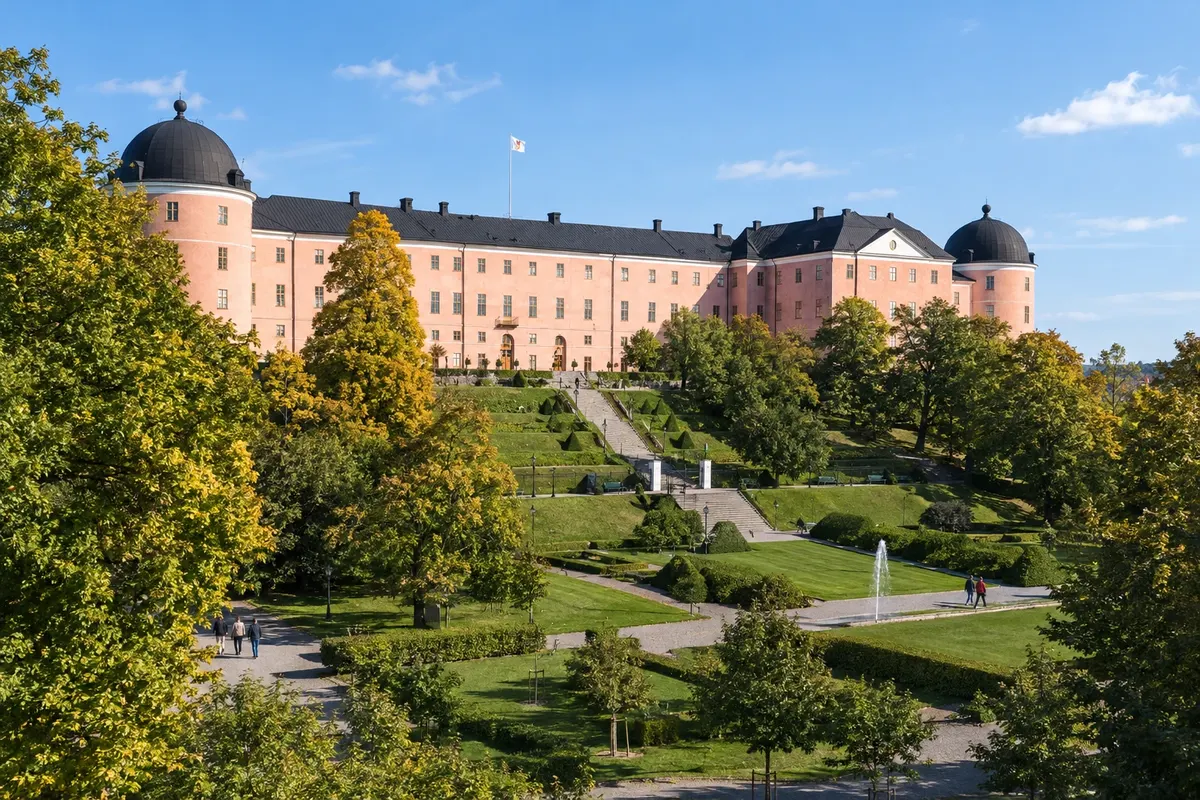
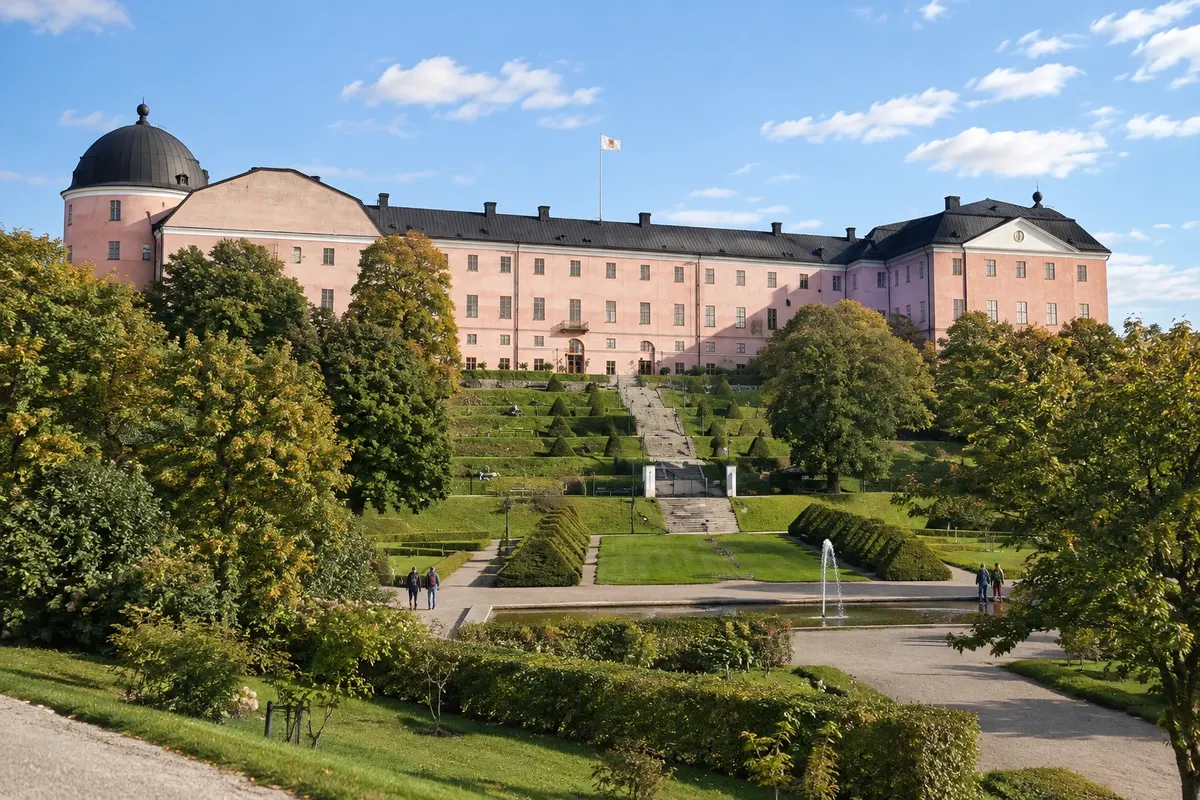
In the photo: Uppsala slott

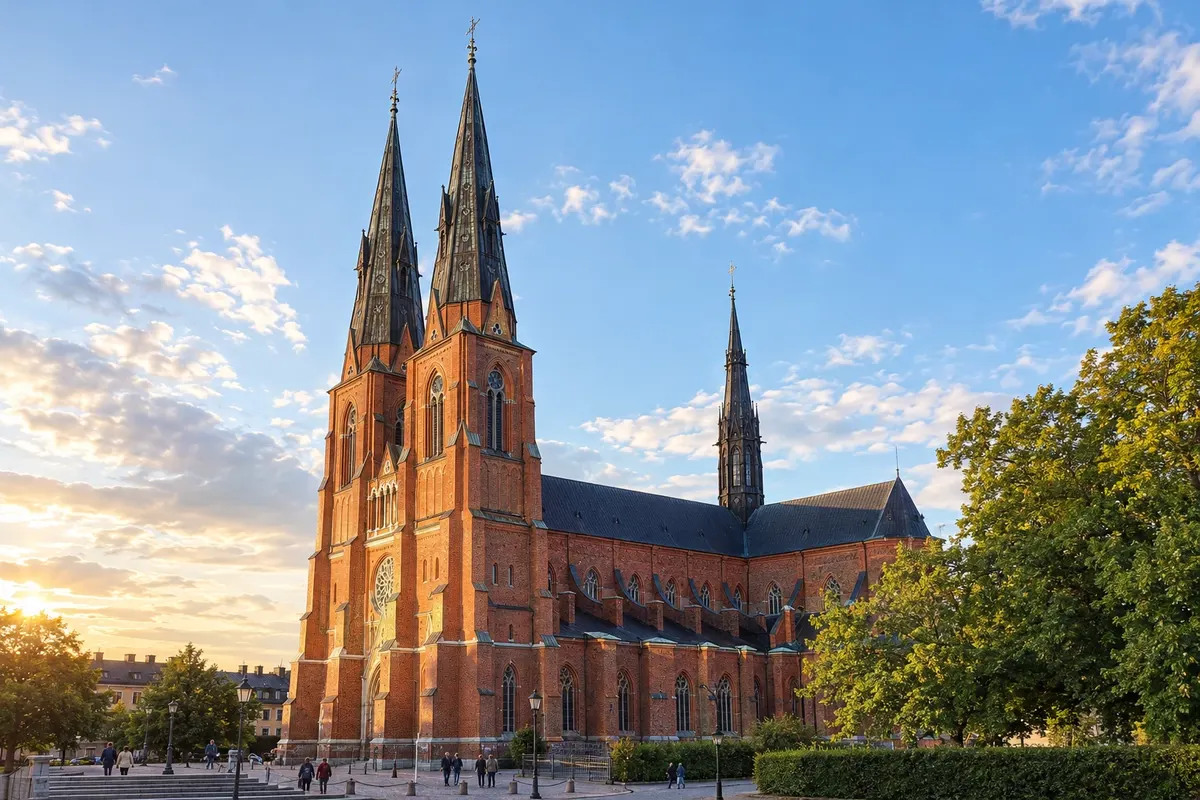
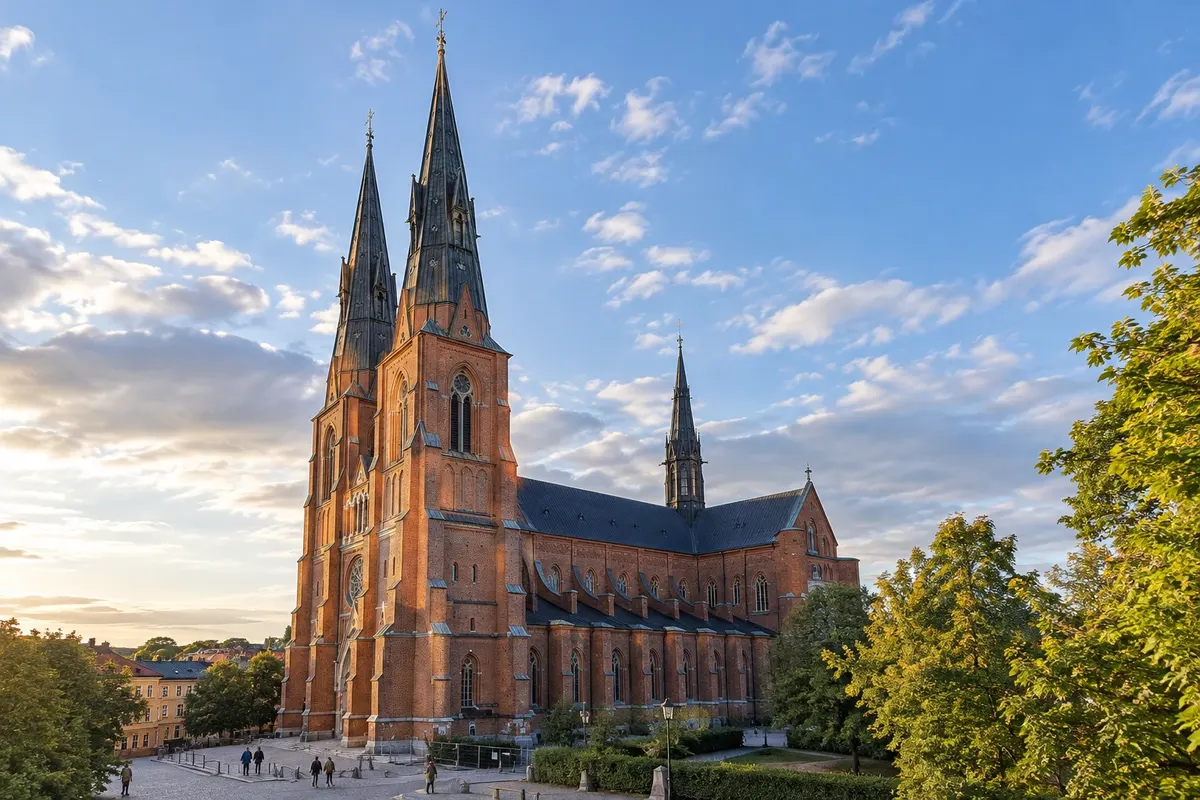
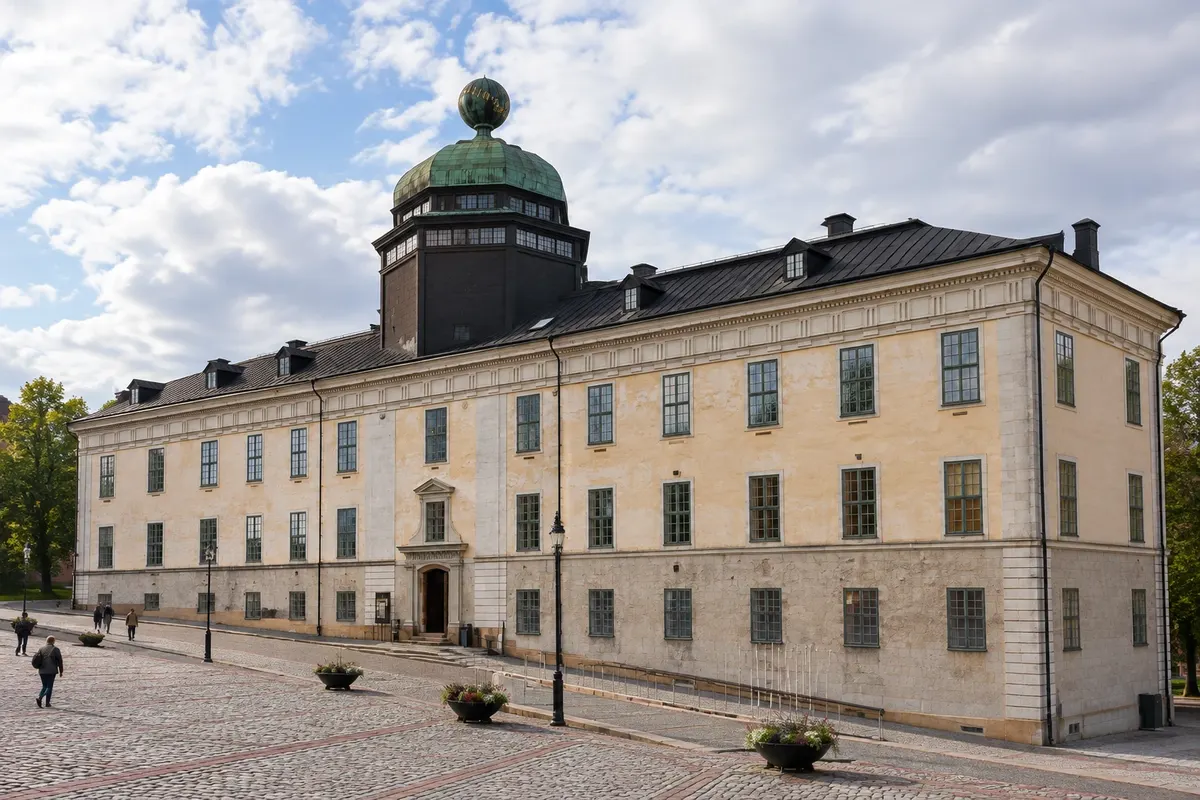
Illustrative images. The pictures in this guide are illustrations based on the real place, not photographs, and may differ from it.

Get it on Google Play Send your photos

Get to know the place

A region to enjoy
at your own pace.

Uppsala is 70 km north of Stockholm and about 20 minutes from Arlanda airport. It is Sweden's fourth largest city and revolves around Uppsala University, founded in 1477, the oldest in the Nordic countries. Students on bicycles, academic buildings and the student nations—associations with their own premises and 17th-century traditions—set the pace of the centre.

The river Fyris cuts through the city. On the west bank are the Domkyrka, the Gothic cathedral with pointed towers, the largest church in Scandinavia, where King Gustavo Vasa and the botanist Lineu are buried; the Gustavianum, the university's old building with a 17th‑century anatomical theatre; the Universitetshuset, with the ceremonial hall; and the Carolina Rediviva library, which houses the Bíblia de Prata, a 6th‑century Gothic manuscript. On the hill above, Gustavo Vasa's pink castle overlooks the city and the Jardim Botânico.

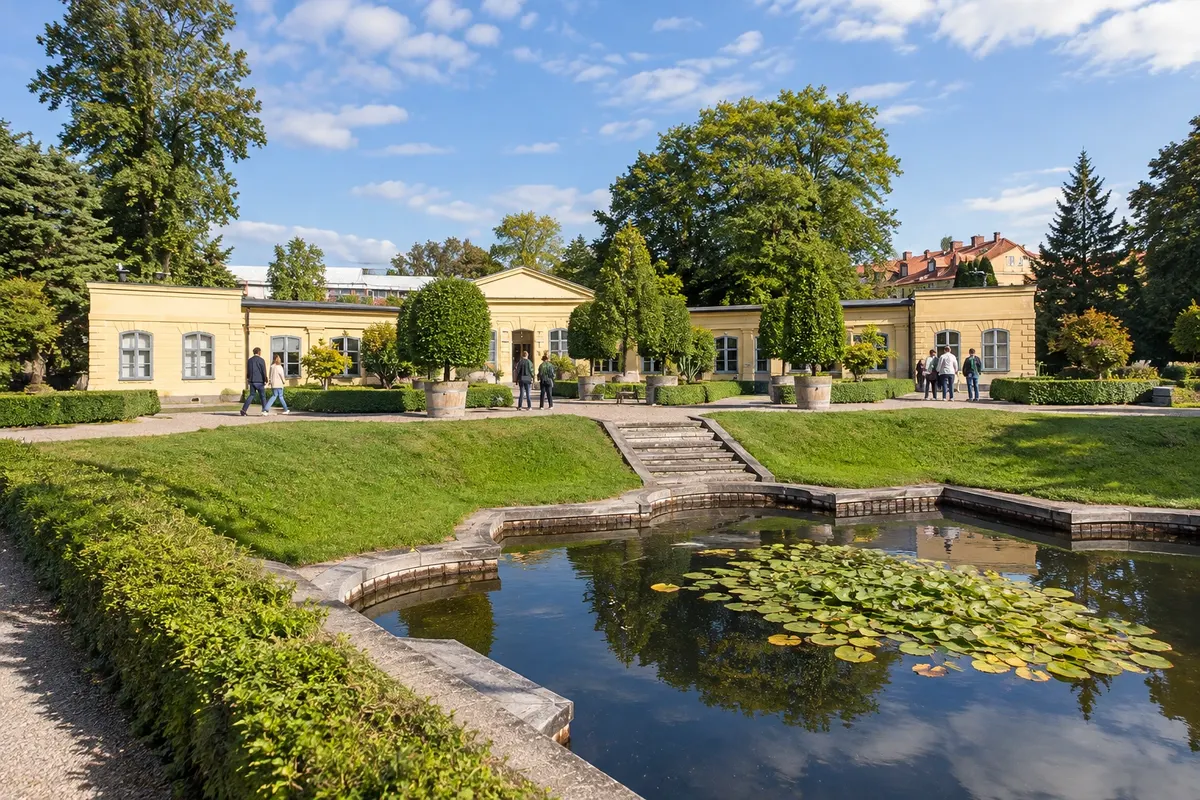
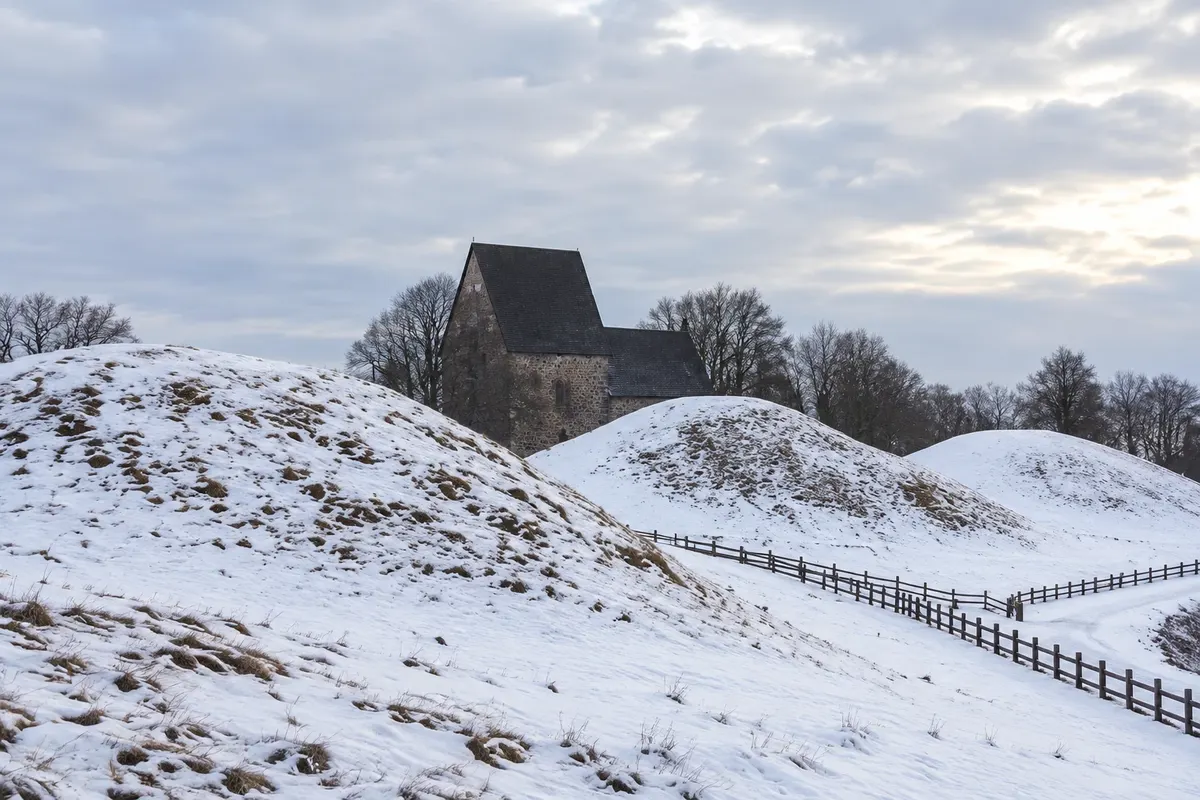
Lineu, the scientist who created the system of scientific names for species, lived and taught here. The garden he laid out, the Linnéträdgården, was rebuilt according to the original plans beside the house where he lived, now a museum. Five kilometres from the centre, Gamla Uppsala contains three large royal mounds from the 5th and 6th centuries, a medieval church and a museum about the pre‑Viking and Viking eras, when it was the religious centre of the Swedes.

Uppsala works well as a day trip from Stockholm, but it also makes a good first or last night of a trip because of its proximity to Arlanda. On the last day of April, Valborg gathers thousands of students in the streets and on the river to celebrate the arrival of spring.

This destination brings together 1 city: Uppsala.

Share: WhatsApp
Traveler, share your experiences through photos Up to 5 photos of each place you visited.

One destination, many paths

The cities on this trip

Start with one city or combine several in your itinerary.

Where Uppsala is
Uppsala

Contornos: Statistics Sweden (SCB), CC0. Adaptação do Cidade Turismo.

How to get there: Uppsala

✈ Aeroporto de Estocolmo-Arlanda (ARN), in Sigtuna · 35 km to Uppsala

Check before you buy. Uppsala is about 20 minutes by train from Arlanda airport and about 40 minutes from Stockholm Central Station, with frequent trains throughout the day. Uppsala station is in the centre, a 10‑minute walk from the cathedral.

The local experience

Things to do in Uppsala

Uppsala domkyrka
Uppsala · Uppsala · Church

Uppsala domkyrka

Uppsala's Gothic cathedral, the largest church in Scandinavia, with towers of 118.7 metres: the tombs of King Gustavo Vasa and Lineu, the reliquary of Santo Érico and a treasury museum.

Gustavianum
Uppsala · Uppsala · Museum

Gustavianum

The museum of Uppsala University, in a 1620 building with a dome: the anatomical theatre of 1663, the Augsburg cabinet of curiosities, instruments of Celsius and Viking finds.

Uppsala slott
Uppsala · Uppsala · Castle

Uppsala slott

The pink castle of Uppsala, begun by Gustavo Vasa in 1549, on the hilltop above the city: cannons aimed at the cathedral, the bell Gunilla and the city's art museum.

Linnéträdgården
Uppsala · Uppsala · Garden

Linnéträdgården

The botanical garden that Carl Lineu ran in the 18th century, rebuilt according to his plans, with about 1,300 species in beds arranged according to his system, and the house where he lived, now a museum.

See 1 more place in Uppsala
Gamla Uppsala
Uppsala · Uppsala · Archaeological site

Gamla Uppsala

The old religious and royal centre of the Swedes, 5 km from the centre: three large burial mounds from the 5th and 6th centuries, a 12th-century church and a museum about the pre-Viking and Viking eras.

Before you go

Practical information

A little planning leaves more time to enjoy the journey.

When to go

From May to September, when the Jardim de Lineu is usually open and the days are long. Valborg, on April 30, fills the city with students. In winter, from November to March, it's cold, it gets dark early and the garden closes, but the cathedral and museums remain open.

The seasons shown are the most usual ones; nature doesn't always follow the calendar.

How many days to stay

One day is enough for the cathedral, the Gustavianum, the castle and the Jardim de Lineu. With one night you have the following morning for Gamla Uppsala and a walk along the river Fyris. Many people do day trips from Stockholm.

Which city to stay in

The centre, between the station and the river Fyris, concentrates hotels, just steps from the cathedral and the museums. Hotels near the station are most convenient for travellers heading to Arlanda. The west bank, beside the cathedral and the castle, is quieter and full of university buildings. Gamla Uppsala, further out, has few options.

Respect the place

Take your trash with you, follow the signs and support local businesses. In natural areas, follow the visiting guidelines.

Get your questions answered

Frequently asked questions about Uppsala

Can you visit Uppsala as a day trip from Stockholm?

Yes. The train takes about 40 minutes and runs several times an hour. In one day you can see the cathedral, the Gustavianum, the castle and the Jardim de Lineu; Gamla Uppsala needs about two extra hours.

Is Uppsala close to Arlanda airport?

Yes, about 20 minutes by train. That's why it's an option for the first or last night of a trip.

Do I need a car in Uppsala?

No. The centre is walkable and there are city buses to Gamla Uppsala. Bicycles are the locals' means of transport.

What is the best time to go?

From May to September, when the Jardim de Lineu is open. Valborg, on April 30, is the liveliest festival in the city, with students floating down the river on improvised rafts.

Who was Lineu and why is he important in Uppsala?

Carl Lineu was the 18th‑century botanist who created the system of giving scientific names to species, using genus and species. He was a professor in Uppsala, and the city preserves the garden he ran, the house where he lived and his tomb in the cathedral.

Explore other destinations Search by state and city
Back