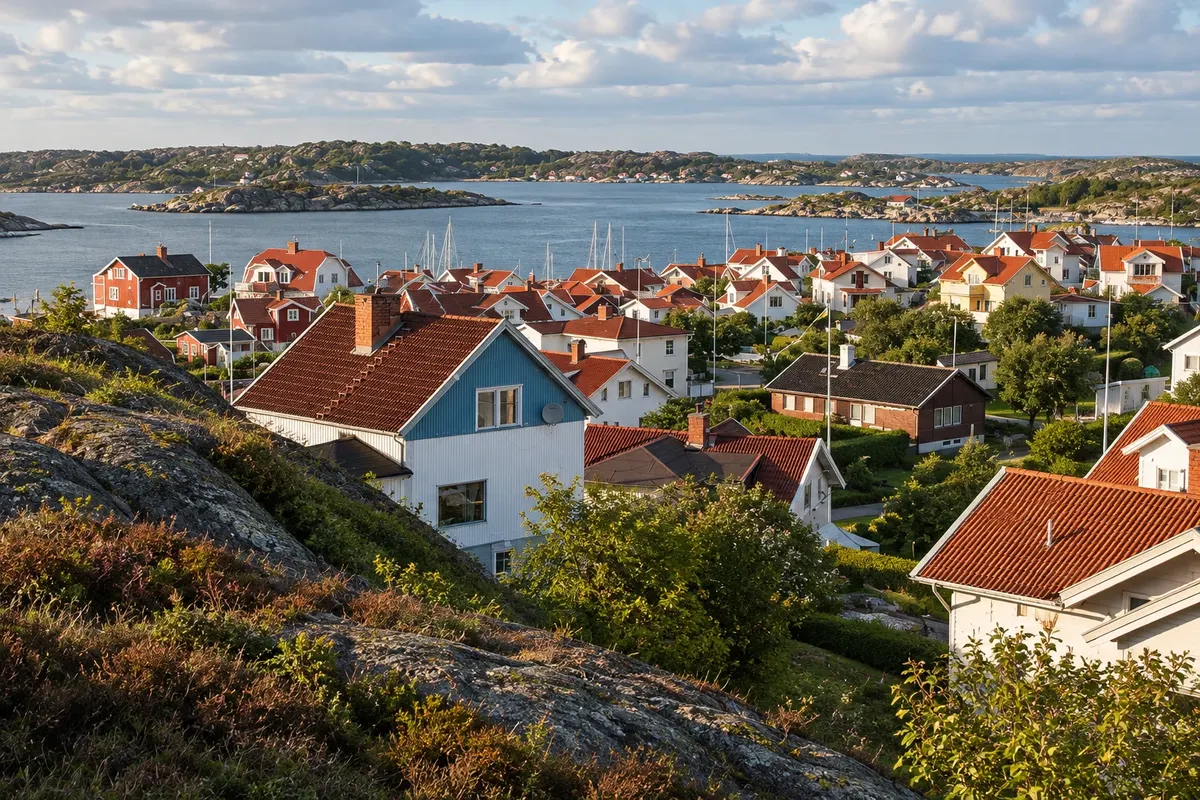
Gotemburgo, Göteborg in Swedish, sits at the mouth of the river Göta, facing the Kattegat strait on the west coast. It was founded in 1621 by King Gustav II Adolf, who called in Dutch engineers to design a walled city crossed by canals. The canals are still there, as is the grid layout of the city centre. It is the country's second largest city and the biggest port in Scandinavia, and it has a more relaxed feel than Estocolmo.
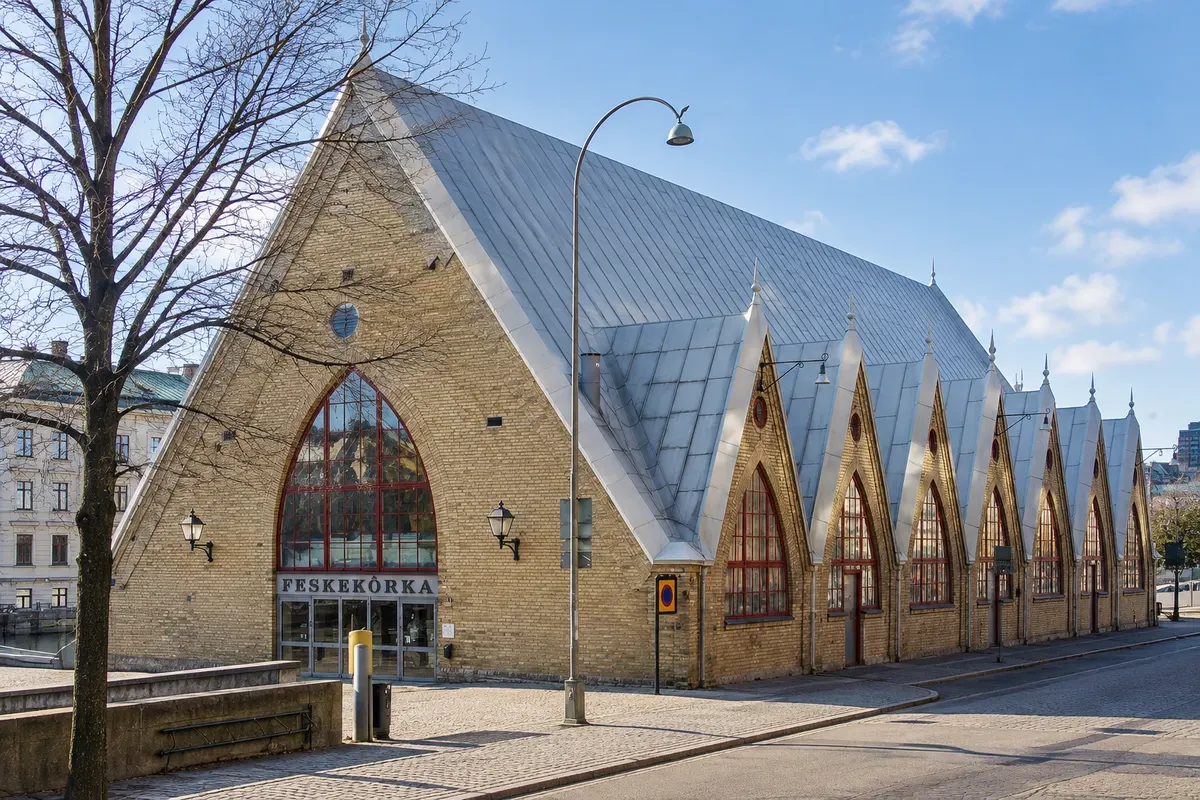
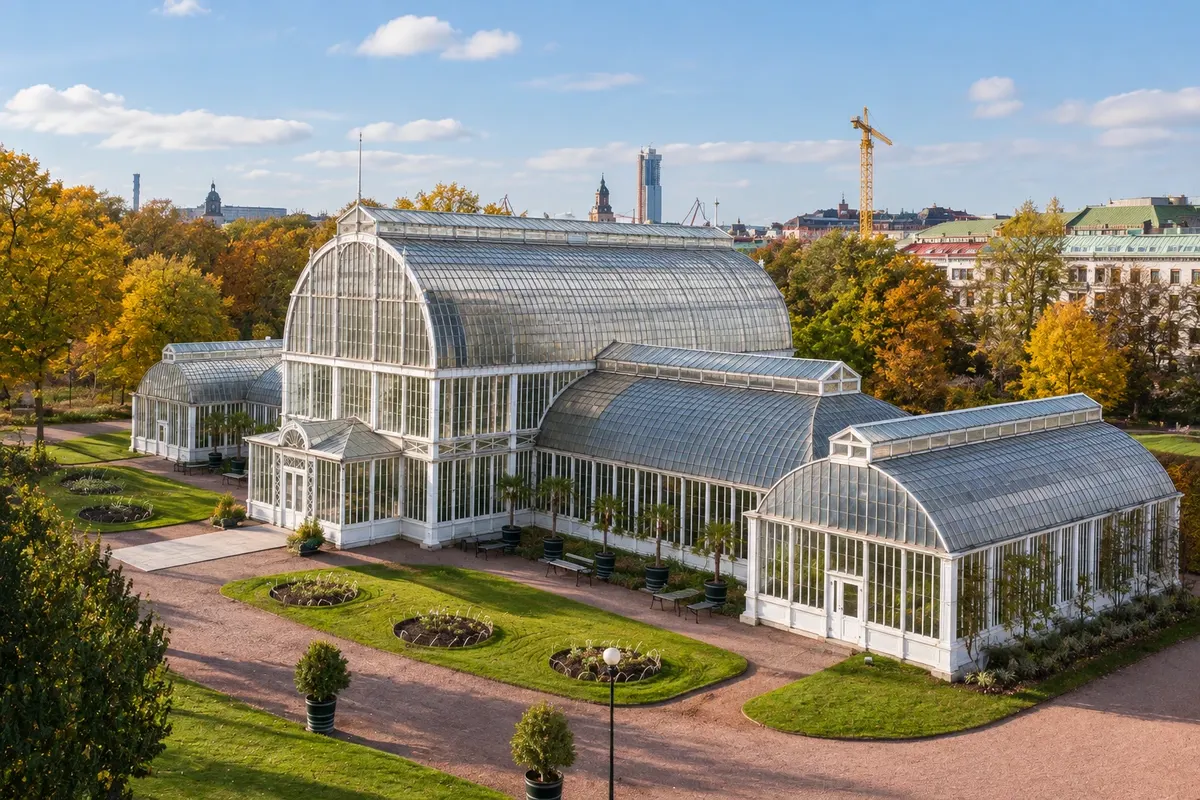
The centre is explored on foot or by tram, the city's main transport. The avenue Kungsportsavenyn, the Avenyn, rises from the canal up to Götaplatsen, the square with the Poseidon statue, the Art Museum and the theatre. Beside the canal is the park Trädgårdsföreningen, with the 19th‑century palm greenhouse. The fish market Feskekôrka, in a building that looks like a church, shows the city's link to the sea.
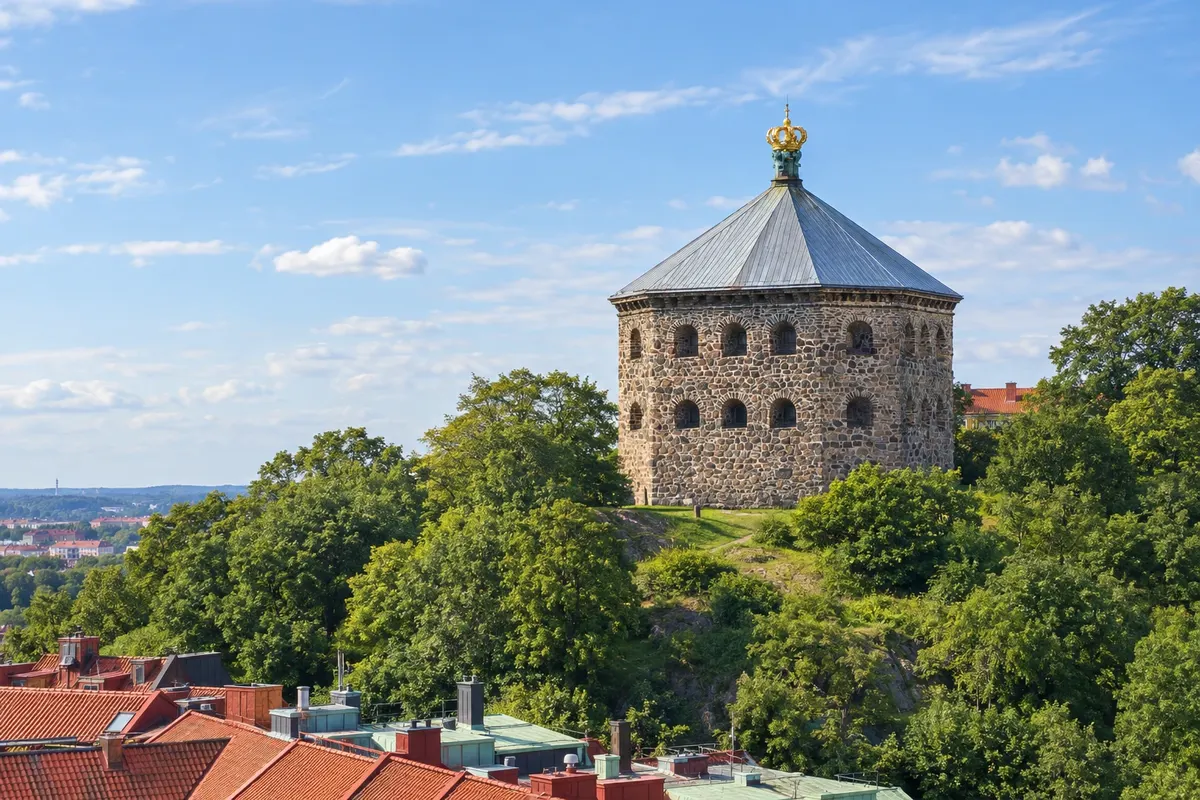
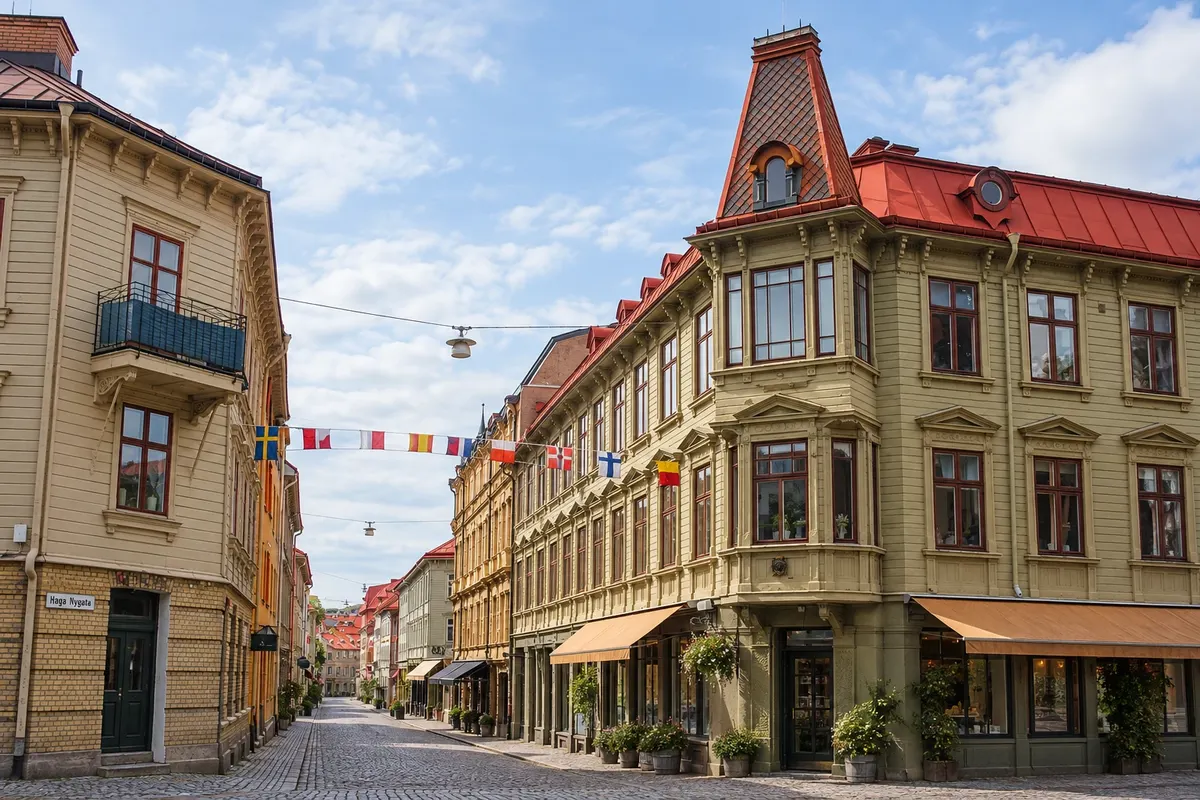
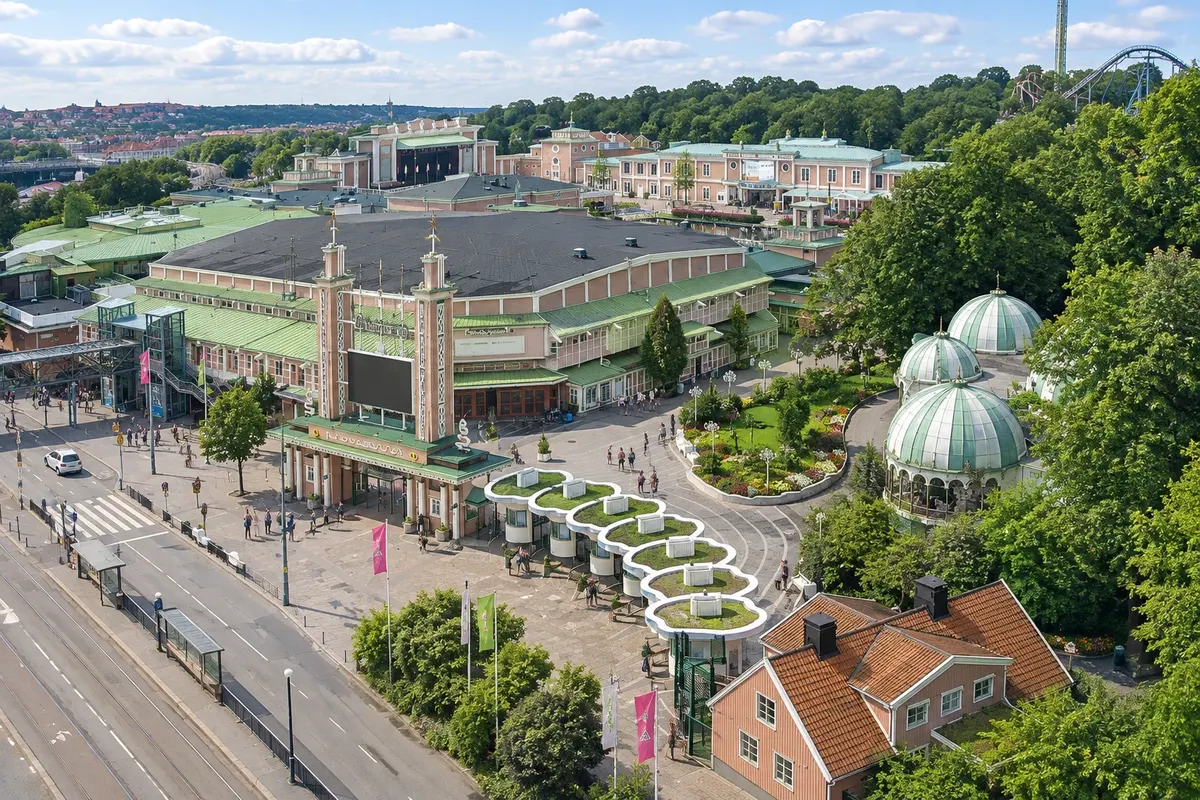
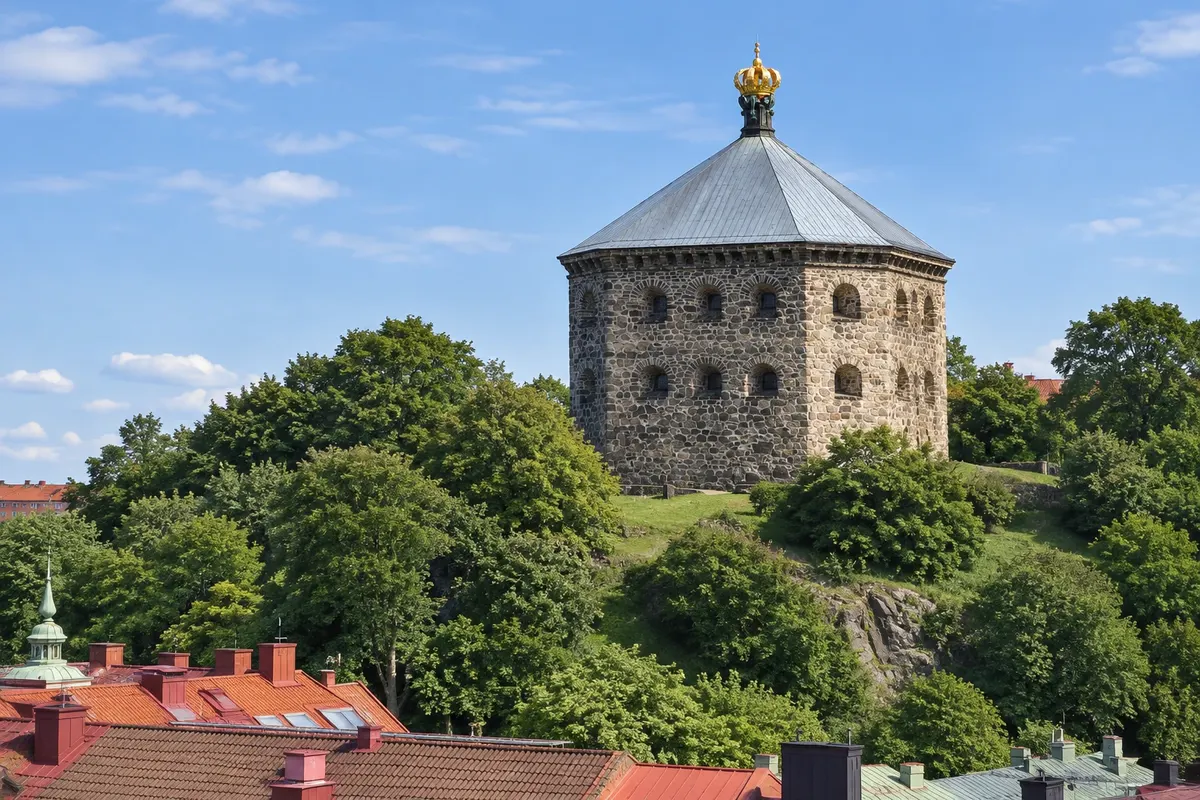
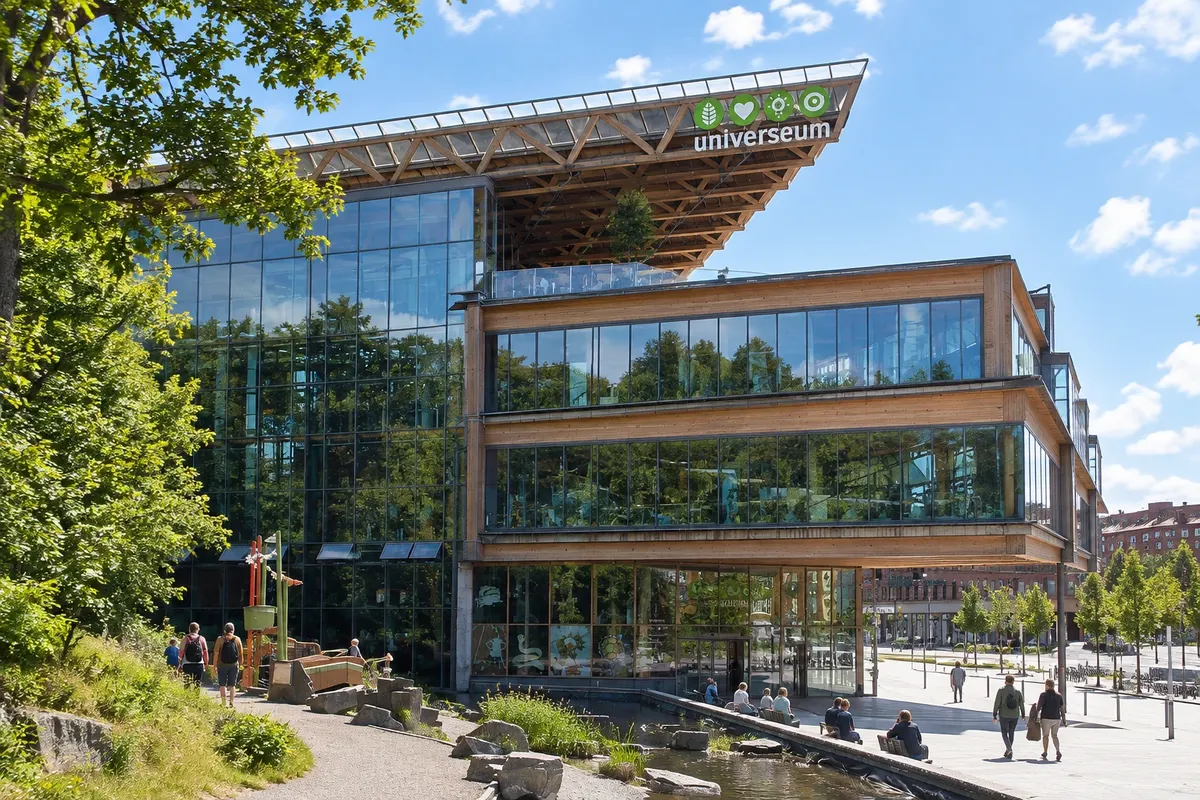
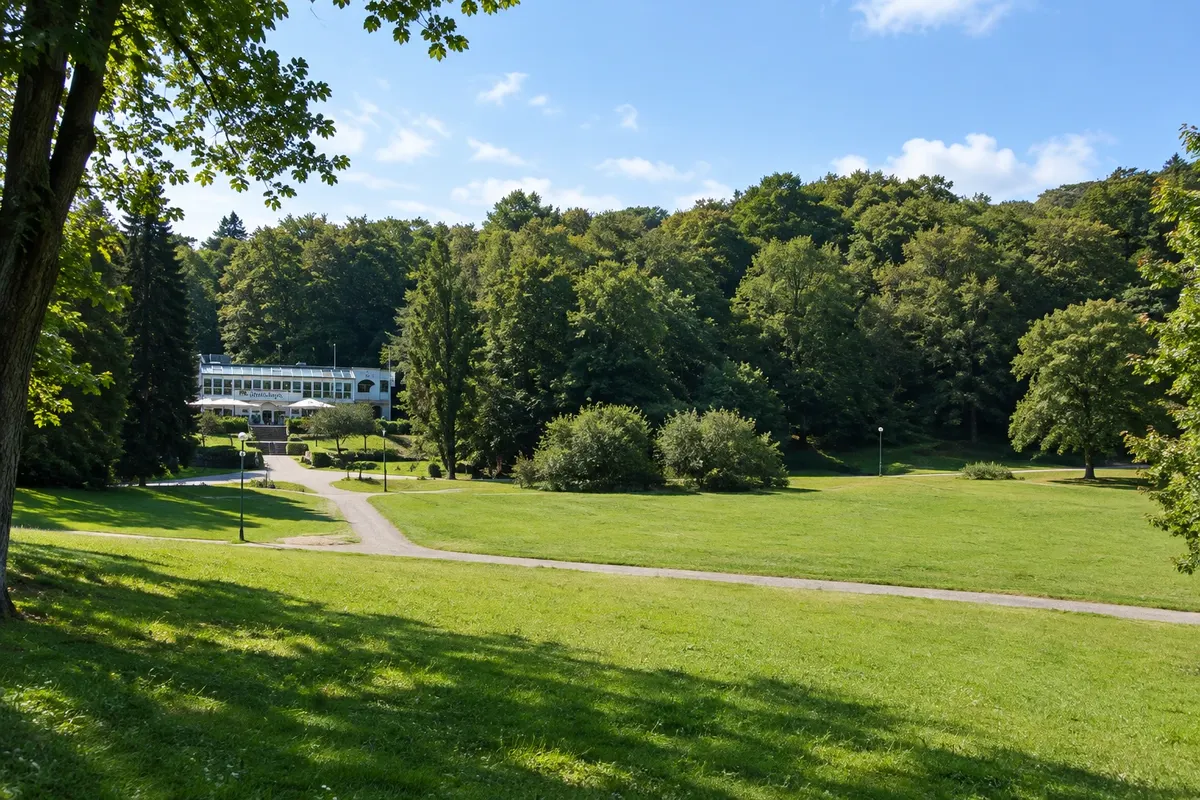
Haga, the neighbourhood of wooden houses on stone ground floors, is where people do fika, with large kanelbullar, the cinnamon buns. On the hill nearby, the fortress Skansen Kronan has watched over the city since the 17th century. Liseberg park, opened in 1923, has roller coasters, gardens and shows, and the Universeum next door combines a tropical forest and an aquarium. Slottsskogen is the big park where locals spend Sundays.
About half an hour from the centre by tram and boat, the southern archipelago has car‑free islands with fishing villages, smooth rocky shores and sea bathing in summer. The cuisine revolves around seafood: shrimp, langoustine and herring.
This destination brings together 1 city: Gotemburgo.


 Brazil
 Argentina
 Bolivia
 Chile
Chile Colombia
 Ecuador
 Guyana
 French Guiana
 Falkland Islands (Malvinas)
 Paraguay
 Peru
Peru Suriname
 Uruguay
 Venezuela
 Germany
 Belgium
 Denmark
 Spain
Spain France
 Greece
 the Netherlands
 Ireland
 Italy
Italy Luxembourg
 Norway
 Portugal
 the United Kingdom
 Switzerland