Warsaw

Mazóvia · Poland

Warsaw

Capital of the country, UNESCO-reconstructed centre and royal residences.

Centro e Grande Polônia

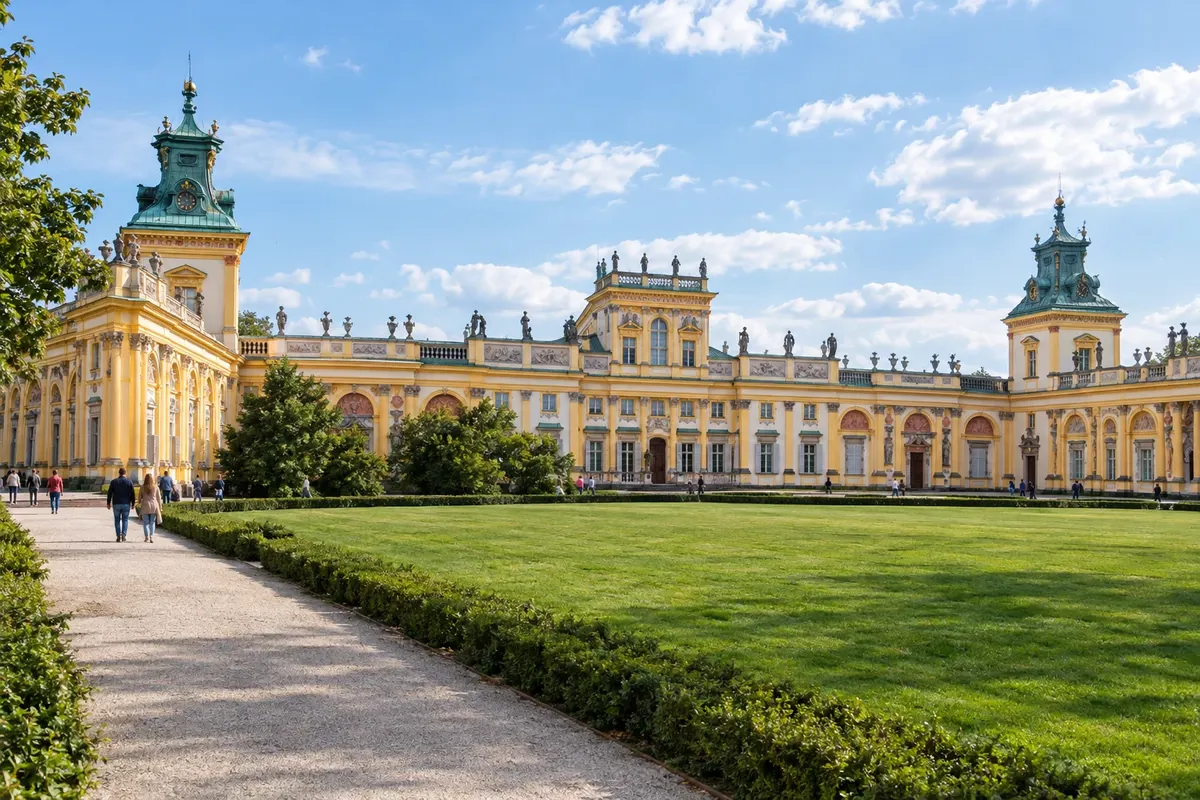
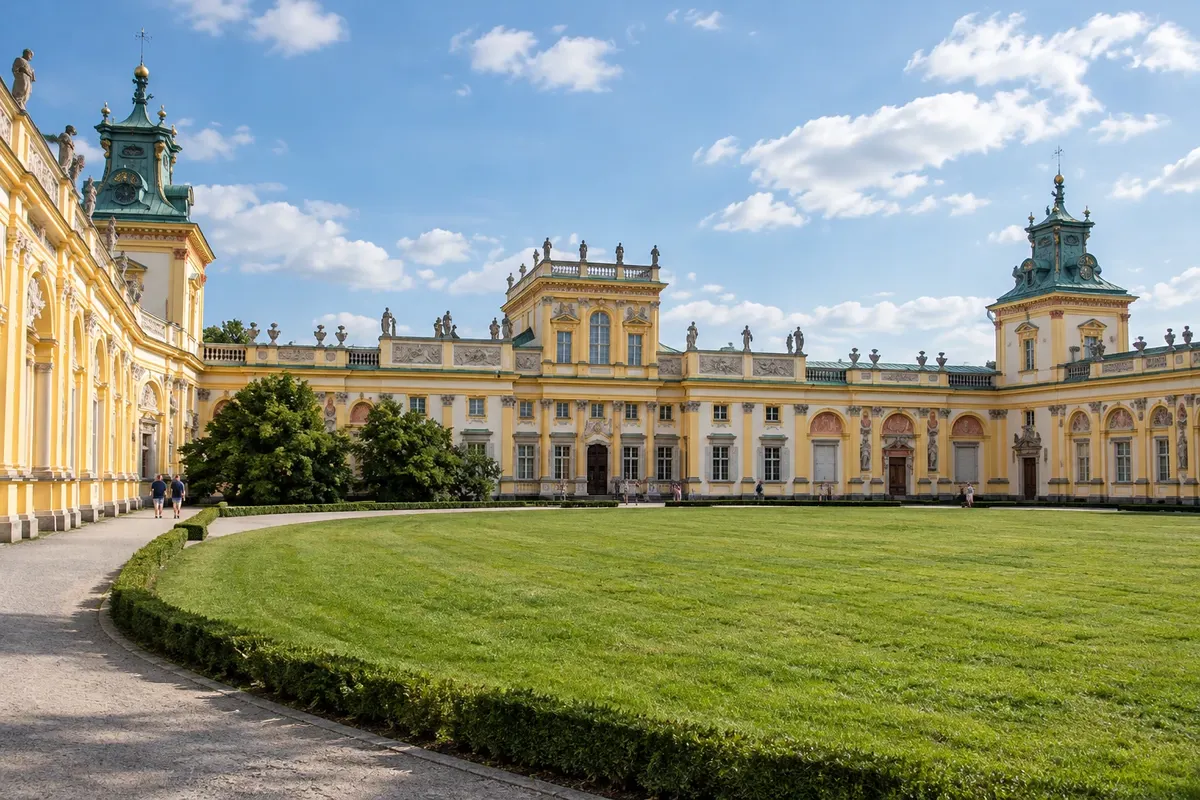
In the photo: Pałac w Wilanowie

Illustrative images. The pictures in this guide are illustrations based on the real place, not photographs, and may differ from it.

Get it on Google Play Send your photos

Get to know the place

A region to enjoy
at your own pace.

Warsaw stretches across both banks of the Vistula. It is the capital of Poland and a good base for understanding a country that combines urban reconstruction, heritage and metropolitan life. The Old Town has small squares and reconstructed façades; modern neighborhoods spread well beyond that core.

The route between the Royal Castle, Łazienki Park and the Wilanów Palace follows former court residences. Each ensemble deserves its own visit. The POLIN Museum deals with centuries of Jewish life, while the Palace of Culture and Science offers a different architectural scale and a view over the centre.

Polish appears on signs; note Warszawa when checking trains. Metro, trams and buses help distribute visits without relying on a car.

This destination brings together 1 city: Varsóvia.

Share: WhatsApp
Traveler, share your experiences through photos Up to 5 photos of each place you visited.

One destination, many paths

The cities on this trip

Start with one city or combine several in your itinerary.

Where Warsaw is
Varsóvia

Contornos: Natural Earth (domínio público). Adaptação do Cidade Turismo.

How to get there: Warsaw

✈ Lotnisko Chopina w Warszawie (WAW) · 10 km to Varsóvia

Confirm before booking. Chopin Airport and Warszawa Centralna and Warszawa Wschodnia stations connect the capital to other Polish hubs. Choose the station indicated on the ticket, as not every train uses the same terminal.

The local experience

Things to do in Warsaw

Stare Miasto
Varsóvia · Mazóvia · Historic centre

Stare Miasto

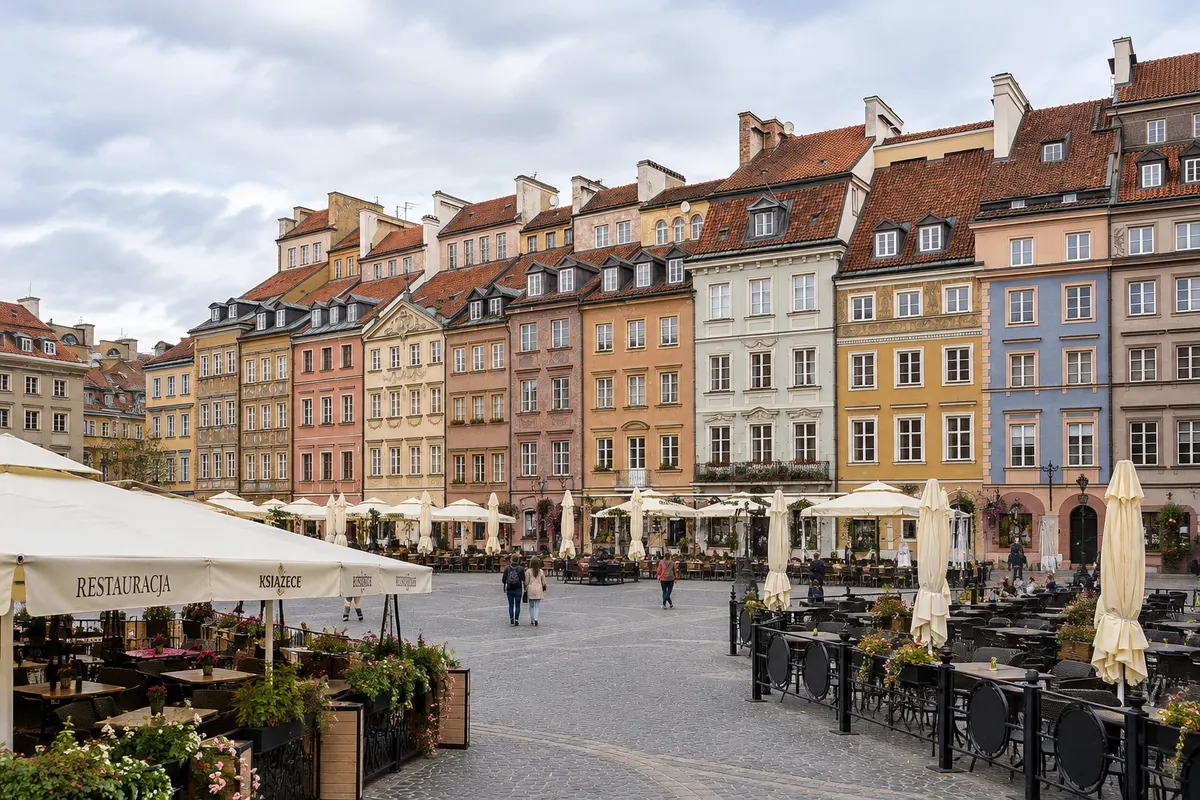
Stare Miasto is the old core of Warsaw, with narrow streets that reach the market square. The landscape of colorful facades is the result of a reconstruction that restored the historic layout and appearance of the neighborhood after 20th‑century destruction.

Zamek Królewski w Warszawie
Varsóvia · Mazóvia · Castle

Zamek Królewski w Warszawie

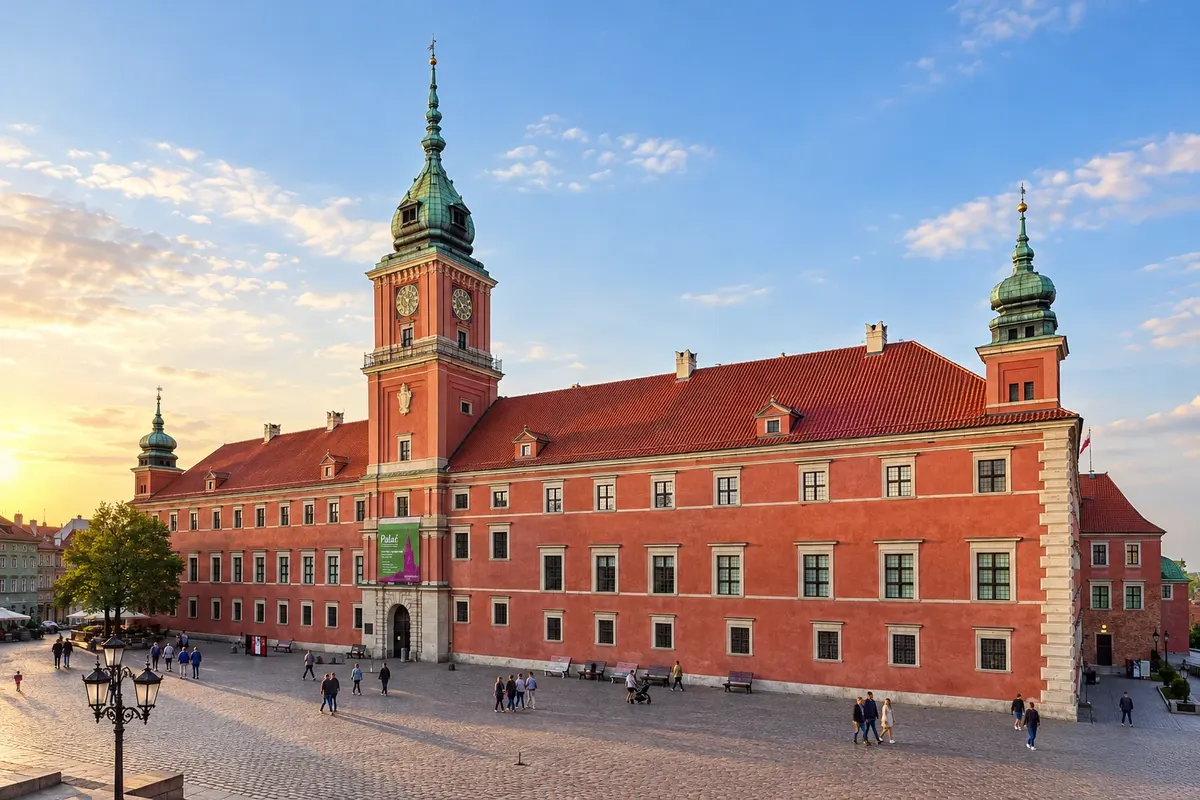
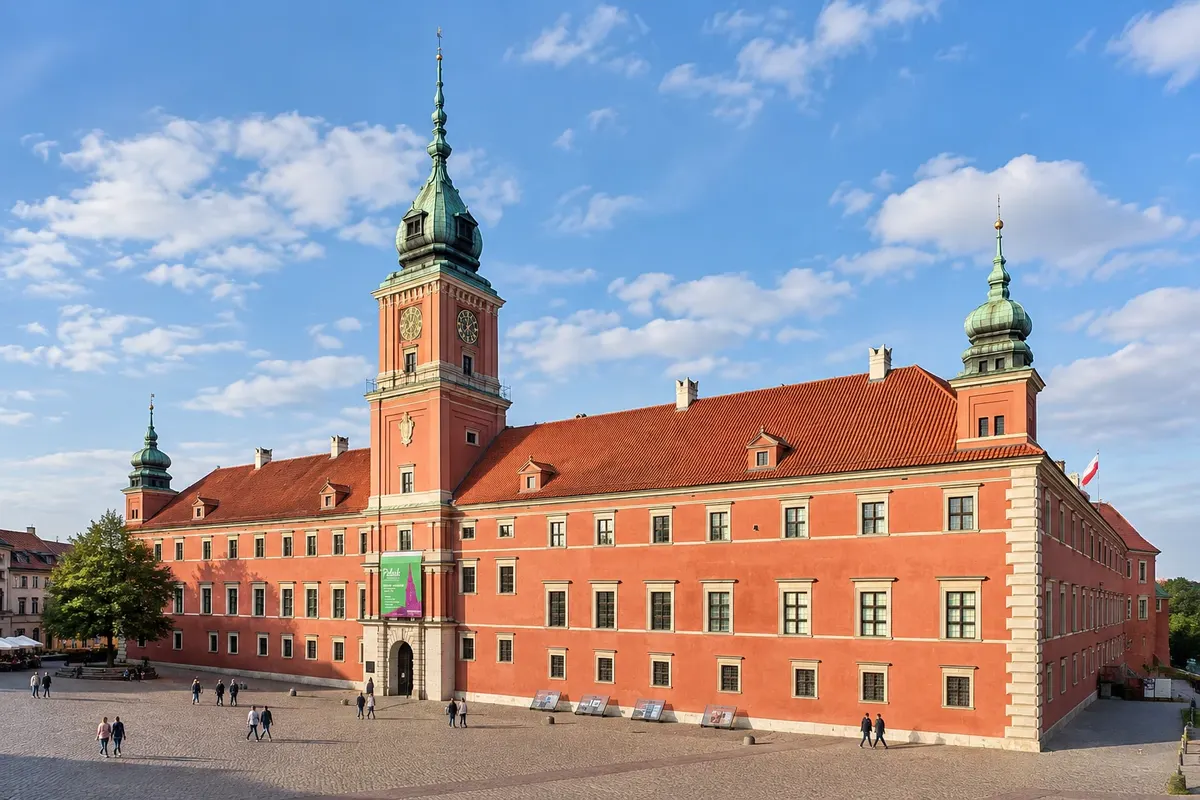
The Royal Castle in Warsaw stands at the edge of the old town, facing Castle Square. The building with reddish facades and a central tower houses the former royal residence rebuilt and a circuit of rooms that tell part of the history of its occupation.

Łazienki Królewskie
Varsóvia · Mazóvia · Park and palace

Łazienki Królewskie

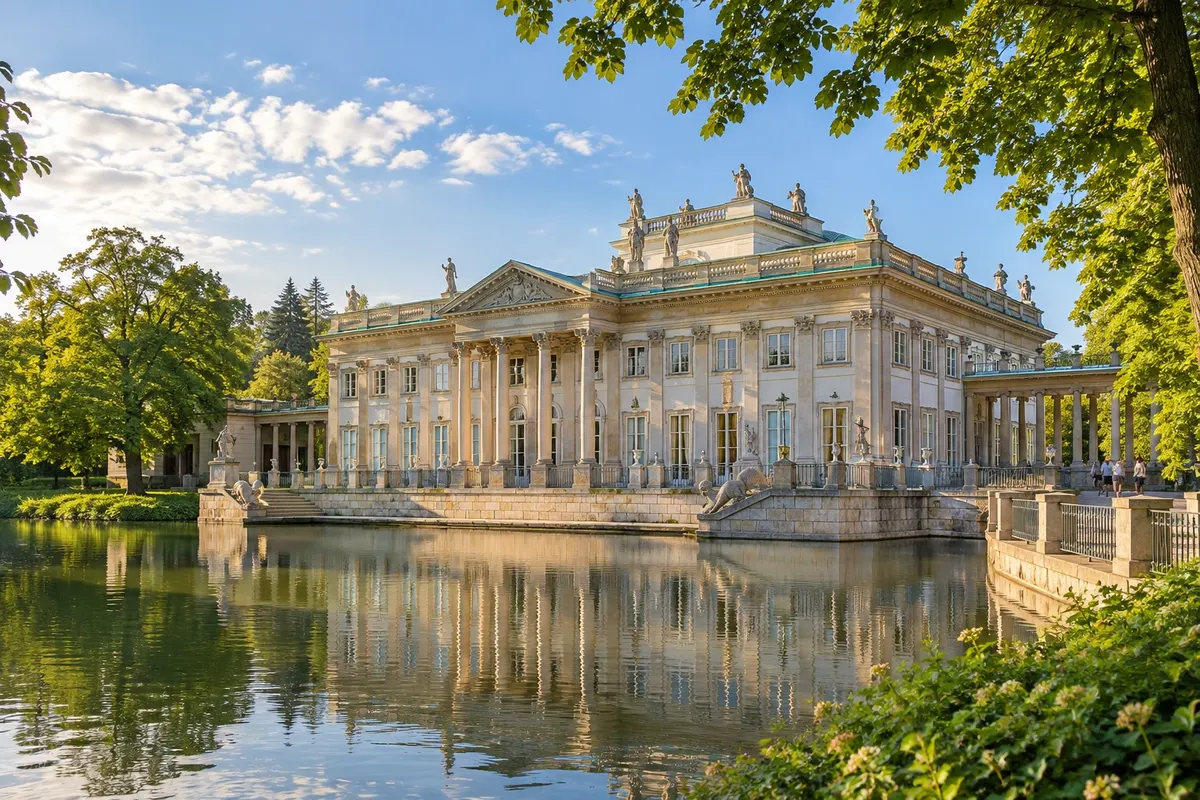
Łazienki Królewskie combines gardens, lakes and pavilions south of Warsaw's centre. The Palace on the Isle occupies one of the central points of the composition, surrounded by water and linked to the paths that cross the former royal complex.

Pałac w Wilanowie
Varsóvia · Mazóvia · Palace

Pałac w Wilanowie

The Wilanów Palace was built for João III Sobieski, in an area south of Warsaw's centre. The yellow facade, Baroque decoration and gardens form a residence of a different character from the Royal Castle, surrounded by a composition of courtyards and vegetation.

See 5 more places in Warsaw
Muzeum Historii Żydów Polskich POLIN
Varsóvia · Mazóvia · Museum

Muzeum Historii Żydów Polskich POLIN

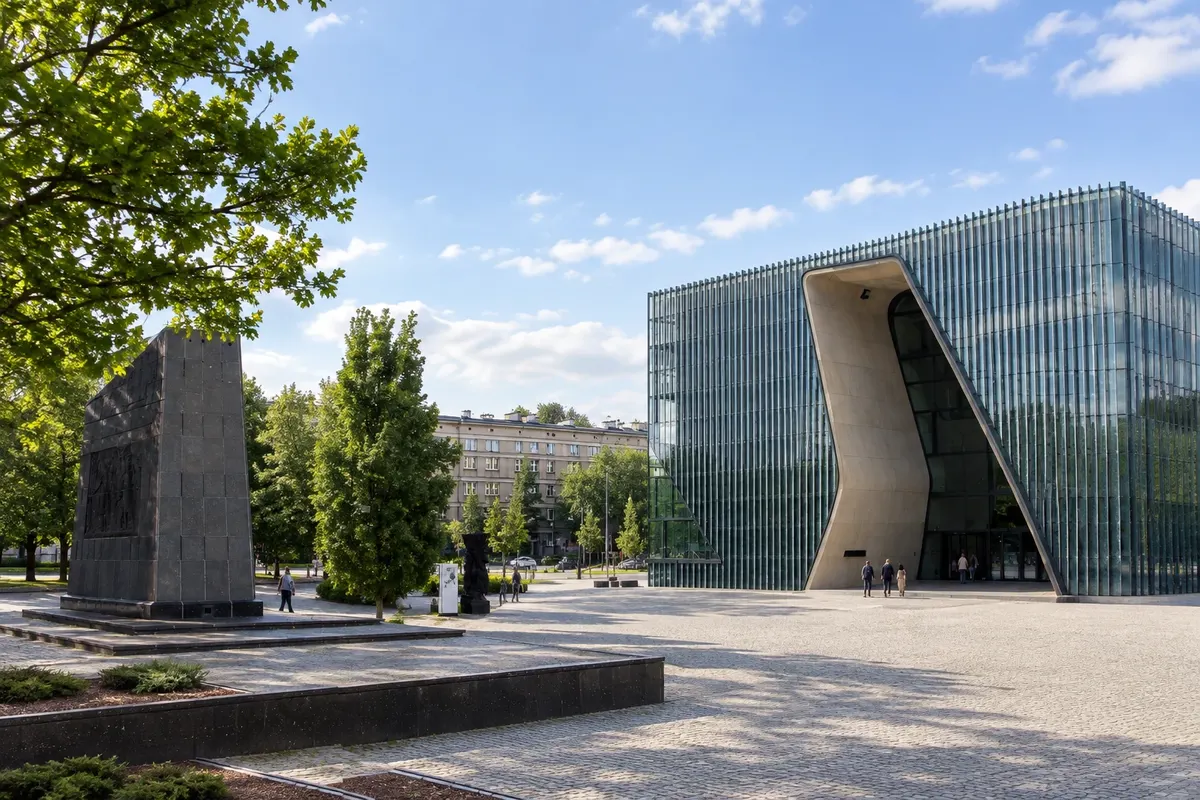
The POLIN Museum presents the history of Polish Jews in a contemporary building in the Muranów neighborhood. The theme spans centuries of communal life, movements of people, religious practices and cultural expressions, going beyond a single historical period.

Pałac Kultury i Nauki
Varsóvia · Mazóvia · Building and viewpoint

Pałac Kultury i Nauki

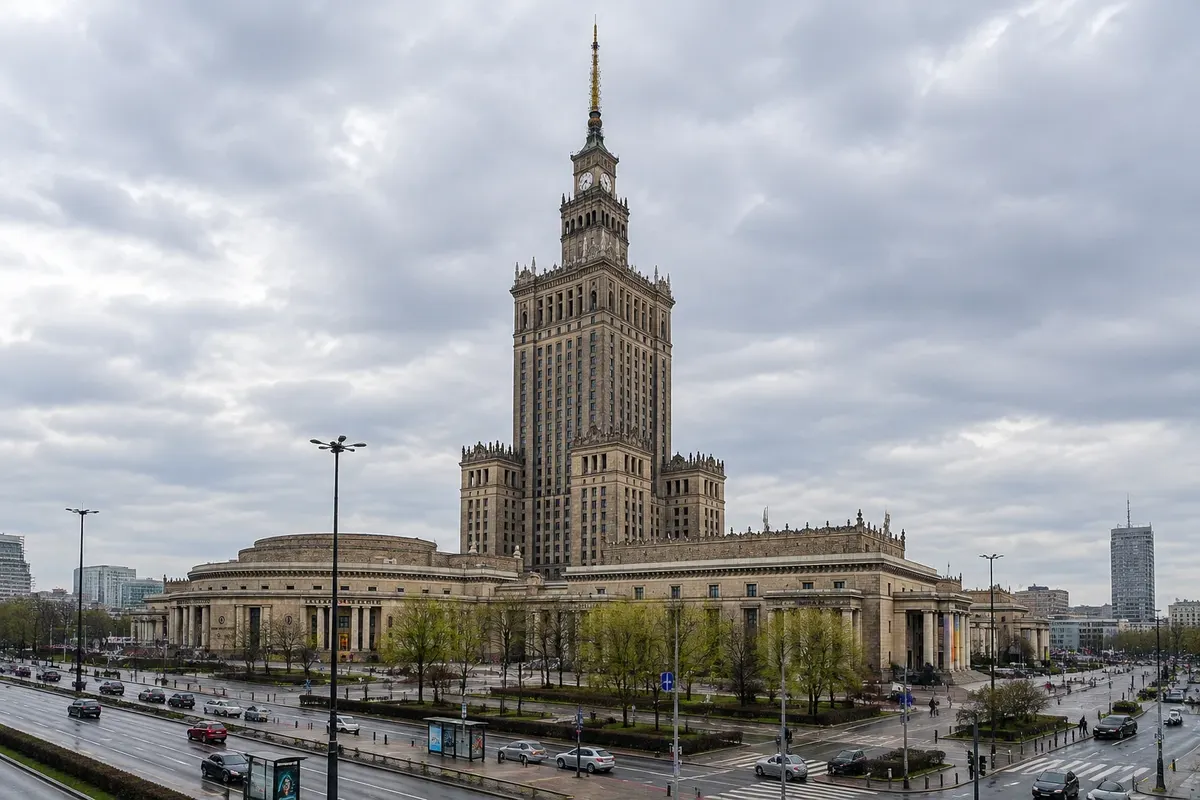
The Palace of Culture and Science marks the skyline of central Warsaw with a tower of great proportions. The building houses cultural functions and allows a reading of the city from its observation terrace above the central streets and avenues.

Muzeum Powstania Warszawskiego
Varsóvia · Mazóvia · Museum

Muzeum Powstania Warszawskiego

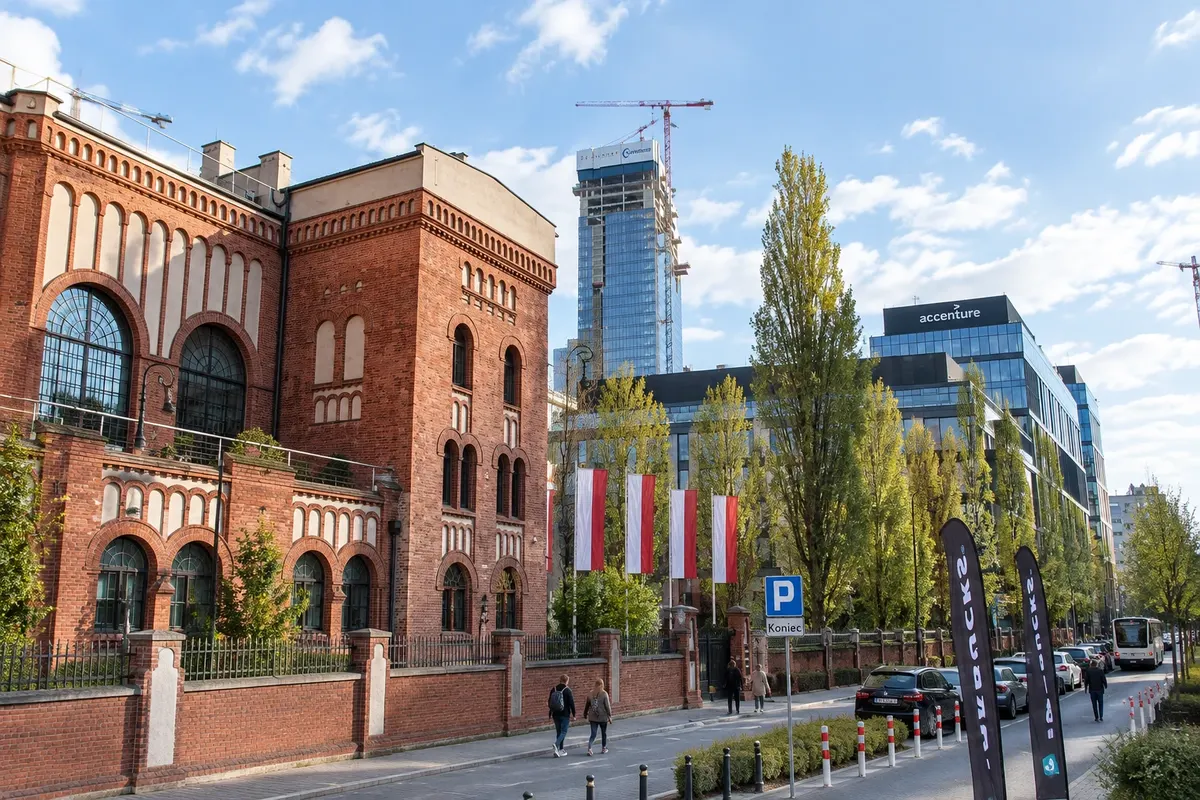
The Warsaw Uprising Museum occupies a former tram power station in the Wola district. The exhibition presents the city’s experience during the 1944 uprising, with documents, testimonies and audiovisual resources that help to understand its effects on urban life.

Centrum Nauki Kopernik
Varsóvia · Mazóvia · Science museum

Centrum Nauki Kopernik

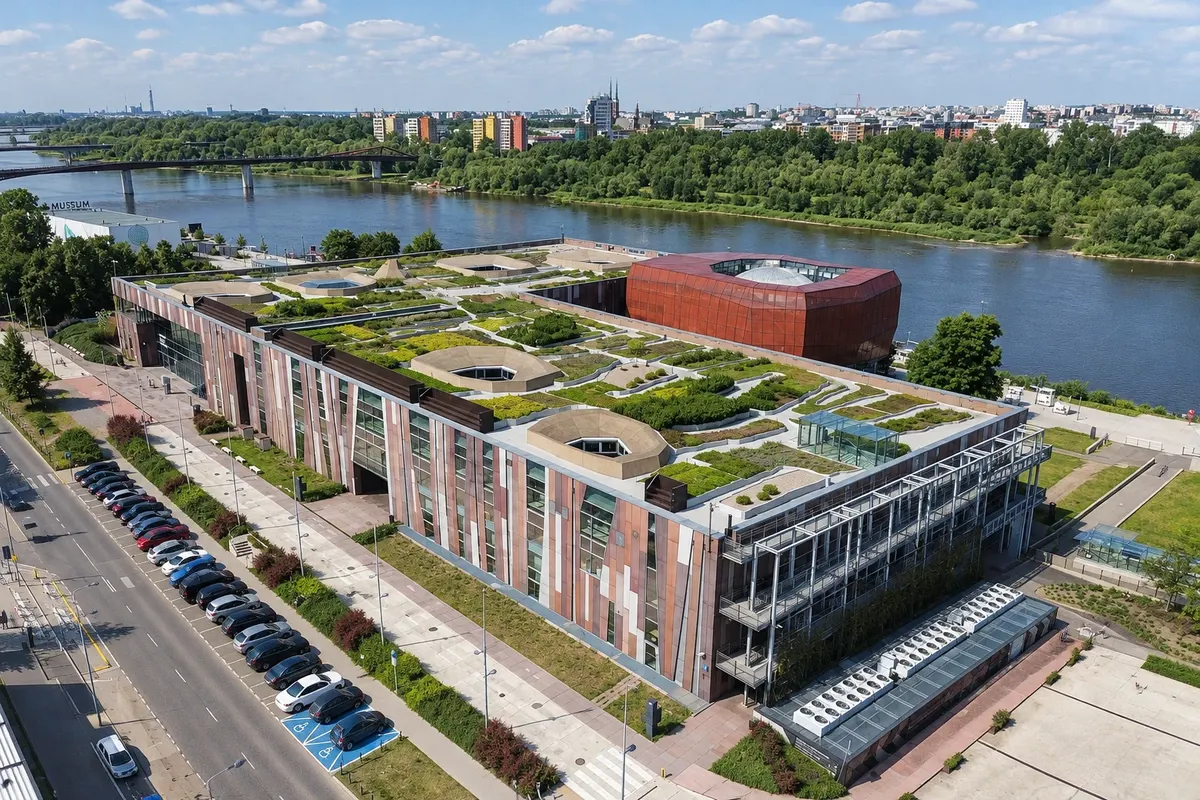
The Copernicus Science Centre is located by the Vistula in the Powiśle area and features interactive exhibitions. The visit invites you to observe phenomena and carry out experiments, with a pace different from touring display cases in a historical collection museum.

Muzeum Narodowe w Warszawie
Varsóvia · Mazóvia · Museum

Muzeum Narodowe w Warszawie

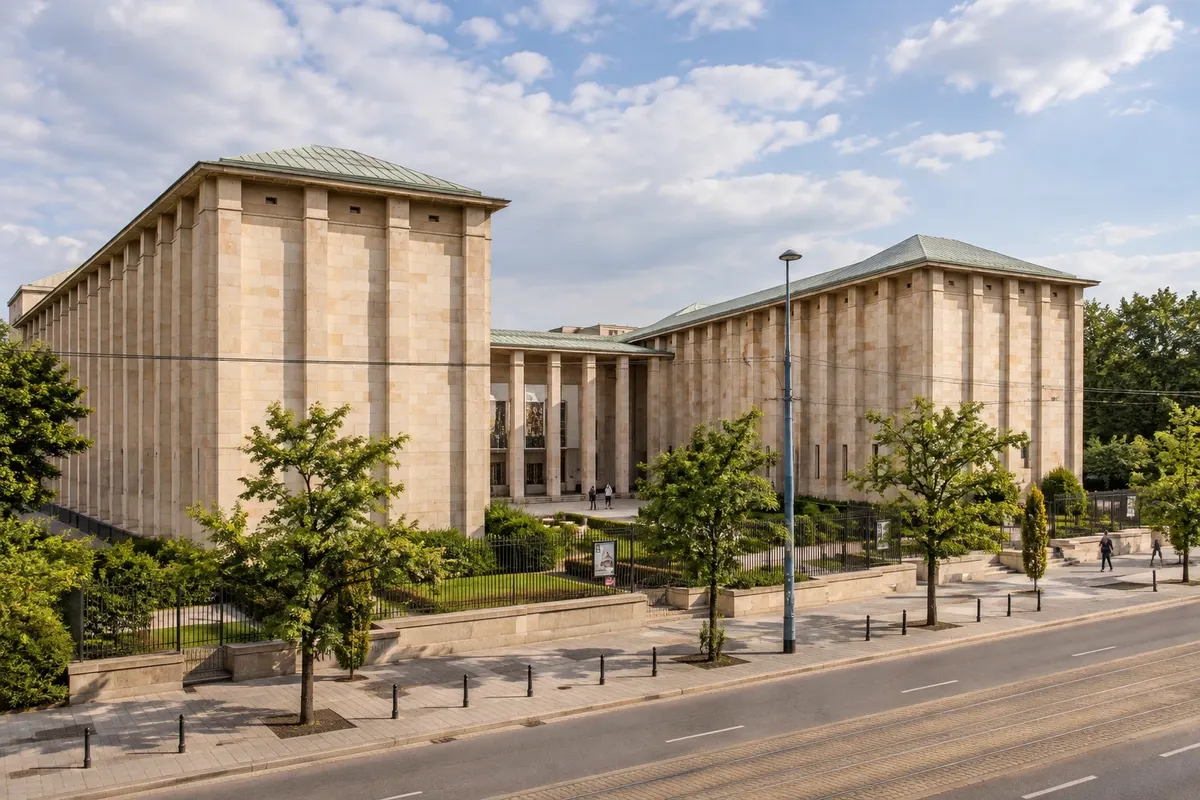
The National Museum in Warsaw houses art collections in a building on Jerozolimskie Avenue. The complex offers insight into Polish production and works from other traditions, adding a gallery route to the capital’s palaces and gardens itinerary.

Before you go

Practical information

A little planning leaves more time to enjoy the journey.

When to go

May, June and September usually favor walking. Between December and February the days are short and the cold means alternating between streets and museums; between June and August it can rain during the hottest days.

The seasons shown are the most usual ones; nature doesn't always follow the calendar.

How many days to stay

Allow three to four days: Old Town and the Royal Castle, Łazienki and museums on another day, and Wilanów with time for the gardens. A longer stay allows walks along the Vistula banks.

Which city to stay in

Śródmieście makes transport and museums convenient; Stare Miasto favors walks around the historic core. Powiśle brings accommodation closer to the Vistula’s west bank. Compare the distance to the metro or tram before choosing.

Respect the place

Take your trash with you, follow the signs and support local businesses. In natural areas, follow the visiting guidelines.

Get your questions answered

Frequently asked questions about Warsaw

How to get to Warsaw?

Chopin Airport and Warszawa Centralna and Warszawa Wschodnia stations connect the capital with other Polish hubs. Choose the station indicated on the ticket, as not every train uses the same terminal.

How many days to set aside for Warsaw?

Allow three to four days: Old Town and the Royal Castle, Łazienki and museums on another day, and Wilanów with time for the gardens. A longer stay allows walks along the Vistula banks.

Which season usually favors a trip to Warsaw?

May, June and September usually favor walking. Between December and February the days are short and the cold calls for alternating between streets and museums; between June and August it can rain during the hottest days.

Where to base yourself in Warsaw?

Śródmieście makes transport and museums convenient; Stare Miasto favors walks around the historic core. Powiśle brings accommodation closer to the Vistula’s west bank. Compare distance to the metro or tram before choosing.

Explore other destinations Search by state and city
Back