Normandy and Mont-Saint-Michel

Normandia · France

Normandy and Mont-Saint-Michel

Joan of Arc's Rouen, the port of Honfleur, the D-Day beaches near Bayeux and the abbey of Mont-Saint-Michel, ringed by the tides.

Paris e Norte

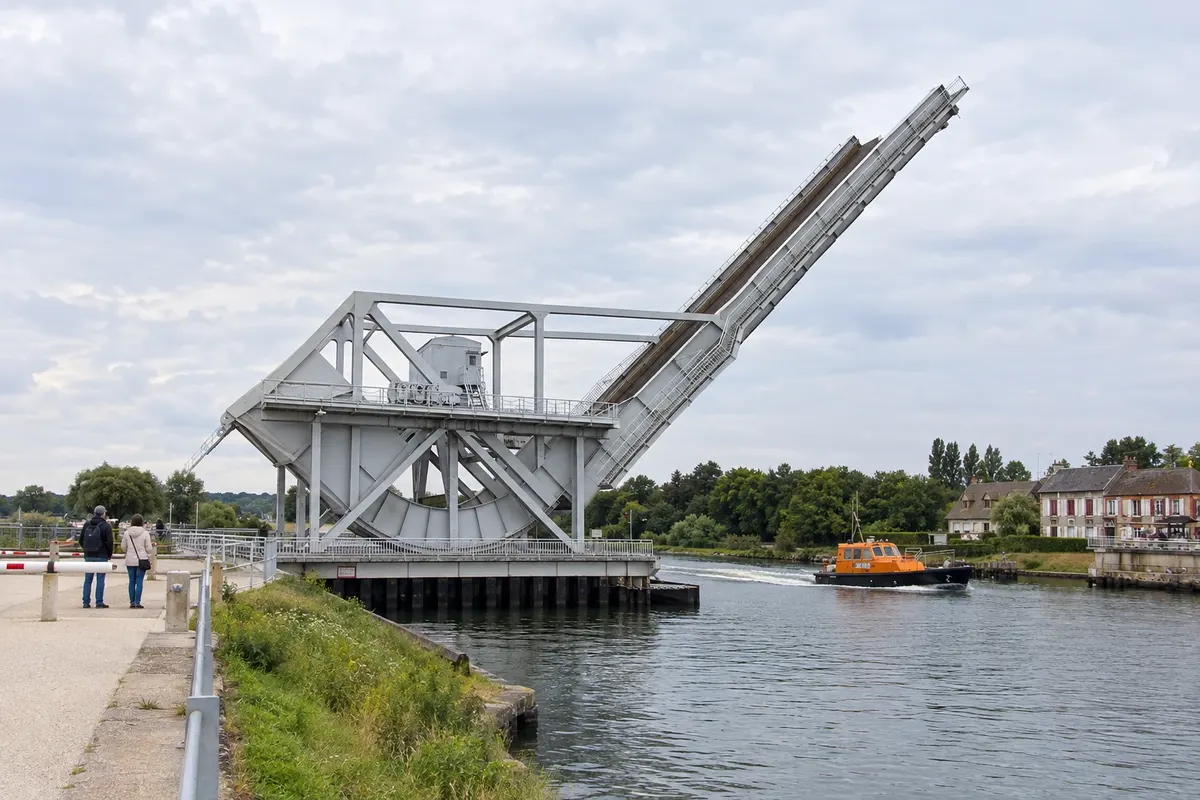
In the photo: Pegasus Bridge · Bénouville

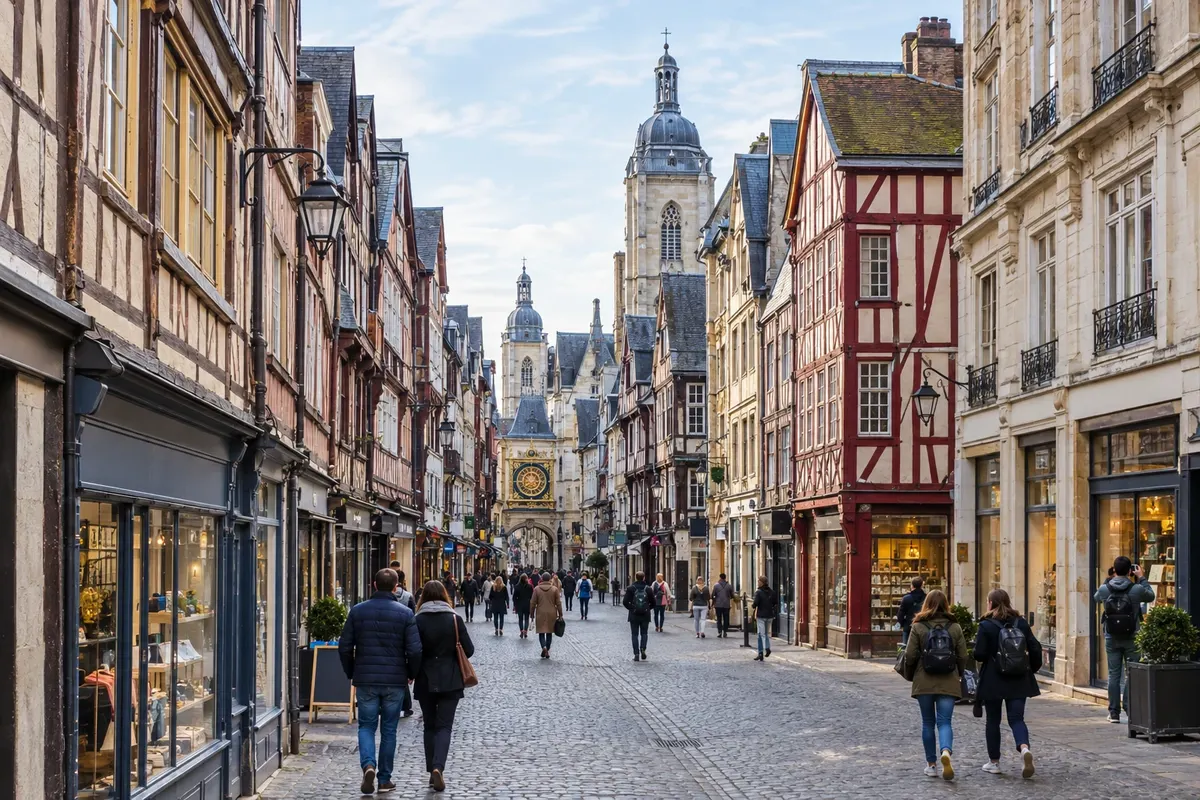
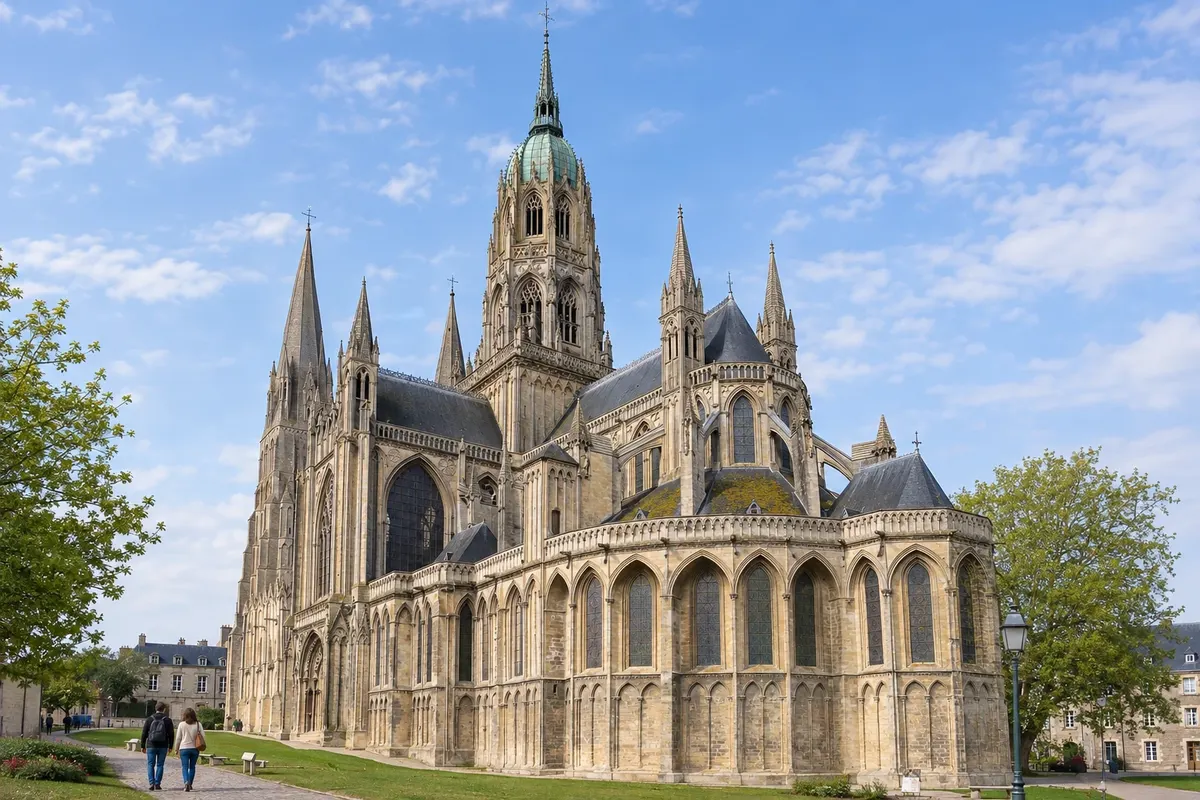
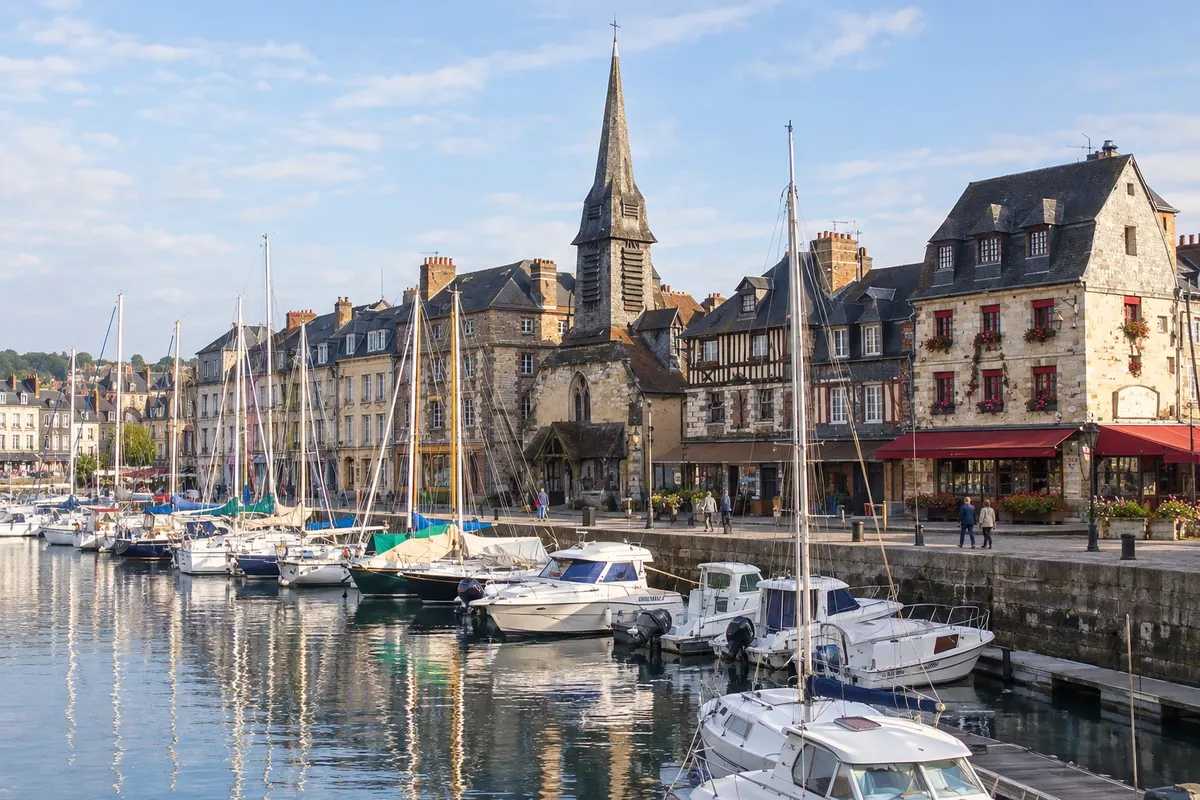
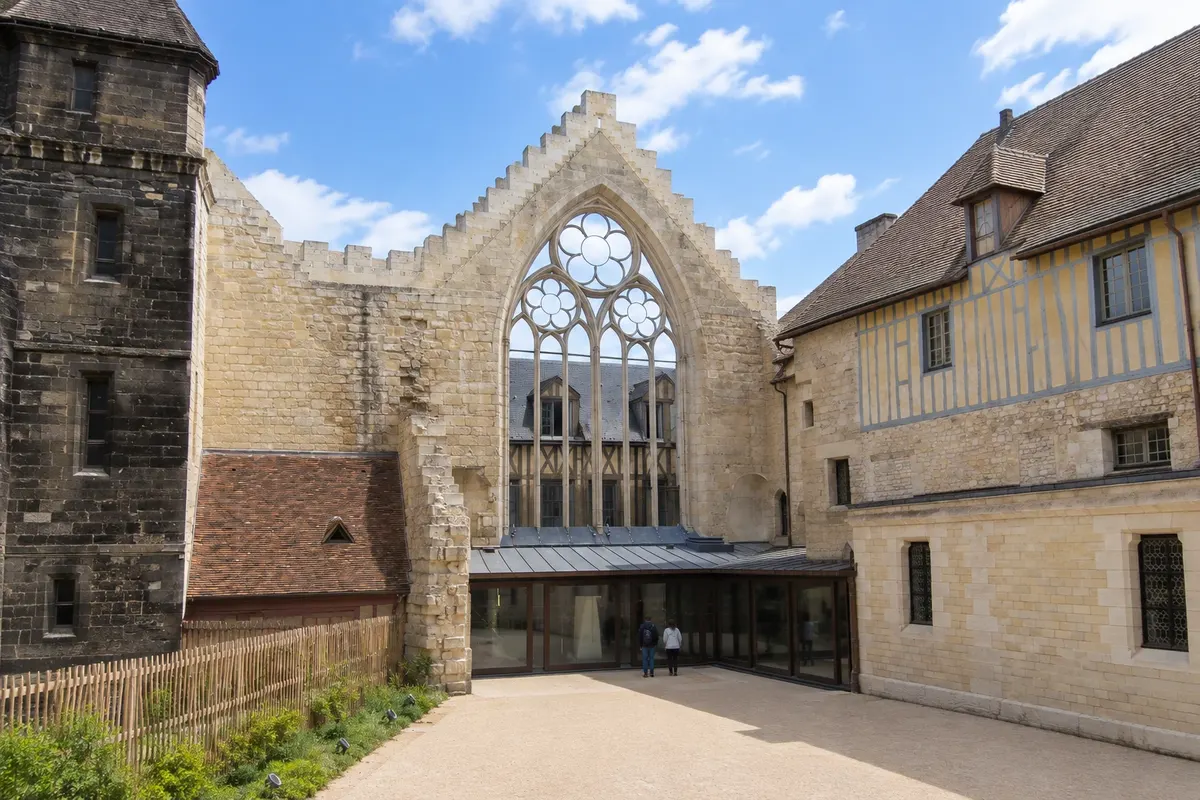
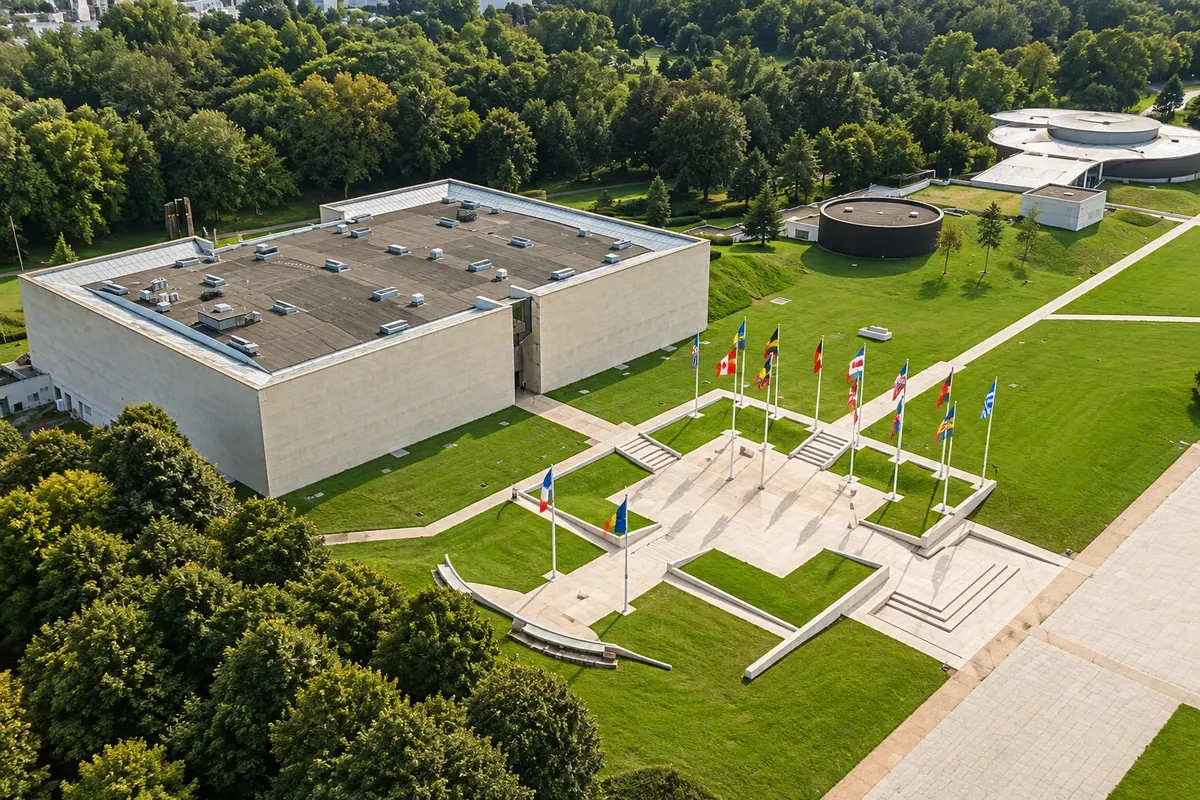
Illustrative images. The pictures in this guide are illustrations based on the real place, not photographs, and may differ from it.

Get it on Google Play Send your photos

Get to know the place

A region to enjoy
at your own pace.

Normandy is in northwest France, between Paris and the English Channel. It is a region of green pastures, apple orchards, half-timbered houses (exposed wood) and a coastline marked by history: this is where the Allies landed on June 6, 1944, D-Day, and where, on the border with Brittany, Mont-Saint-Michel rises.

Rouen, the region's capital, preserves a Gothic cathedral painted several times by Monet, the Gros-Horloge astronomical clock and the square where Joan of Arc was burned in 1431. It is about an hour and a half by train from Paris-Saint-Lazare, which makes it a convenient gateway.

At the mouth of the Seine, Honfleur is a small fishing port that inspired Eugène Boudin and the Impressionists. Further west, Bayeux has a Romanesque and Gothic cathedral and serves as a base to visit the landing beaches, the American cemetery at Colleville-sur-Mer, Pointe du Hoc and the museums at Arromanches, Courseulles-sur-Mer and Caen. In July 2026, the D-Day beaches and Pointe du Hoc were added to the UNESCO World Heritage List.

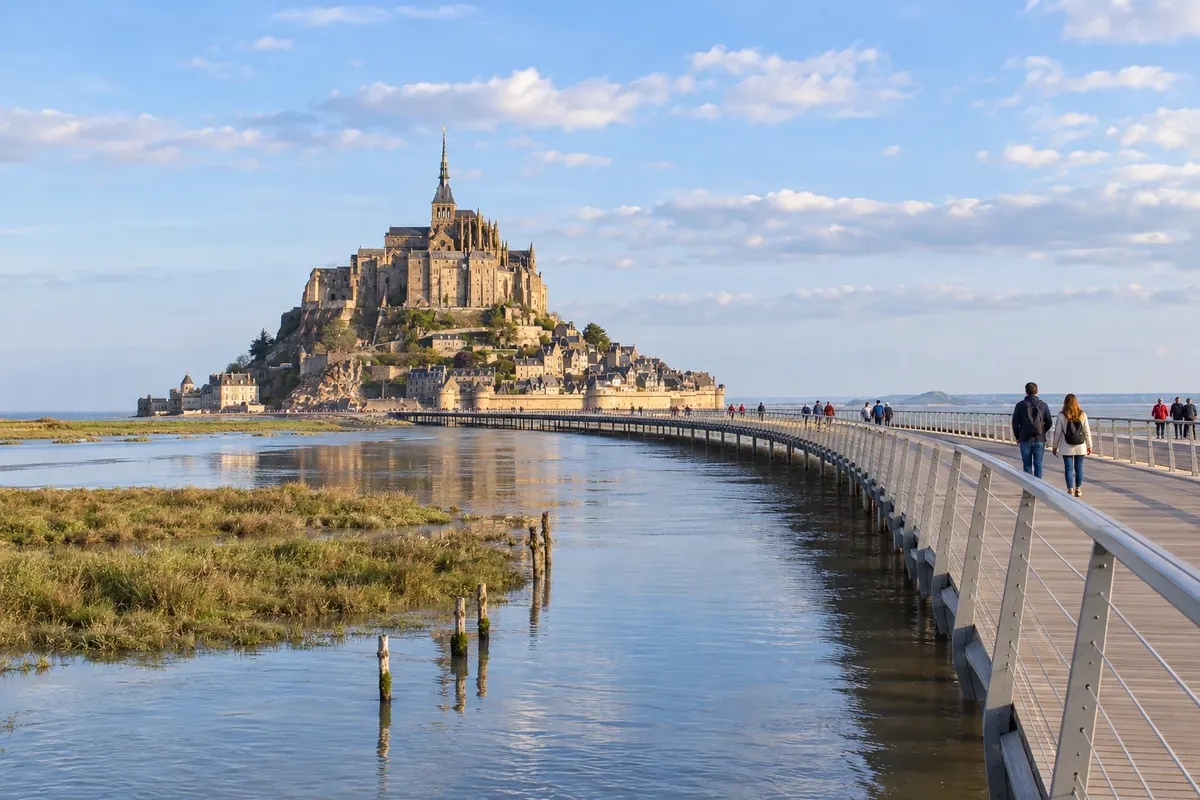
At the western tip, Mont-Saint-Michel is a granite islet crowned by a medieval abbey, in the middle of a bay with some of the largest tides on continental Europe.

This destination brings together 4 cities: Rouen, Bayeux, Honfleur, Mont-Saint-Michel.

Share: WhatsApp
Traveler, share your experiences through photos Up to 5 photos of each place you visited.

One destination, many paths

The cities on this trip

Start with one city or combine several in your itinerary.

Where Normandy and Mont-Saint-Michel is
RouenBayeuxHonfleurMont-Saint-Michel

Contornos: © IGN, ADMIN EXPRESS, Licence Ouverte 2.0. Adaptação do Cidade Turismo.

How to get there: Normandy and Mont-Saint-Michel

✈ Aéroport Paris-Charles-de-Gaulle (CDG), in Roissy-en-France · 130 km to Rouen

The most common route is to arrive at Paris-Charles de Gaulle Airport and continue by train. Trains from Paris-Saint-Lazare run to Rouen, Caen and Bayeux. For Mont-Saint-Michel, trains go from Paris-Montparnasse to Rennes, and from there a bus continues to the Mont.

Suggested arrival point: Rouen

The local experience

Things to do in Normandy and Mont-Saint-Michel

Abbaye du Mont-Saint-Michel
Mont-Saint-Michel · Normandia · Abbey

Abbaye du Mont-Saint-Michel

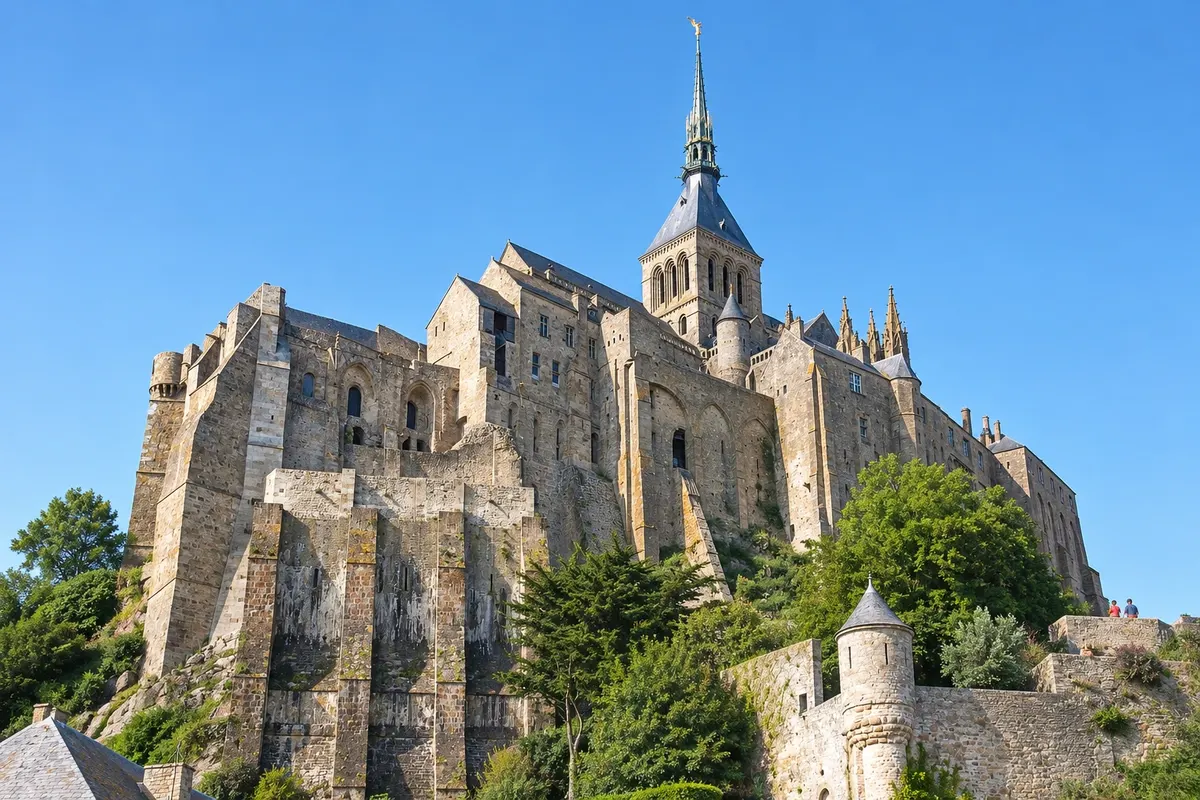
Medieval abbey atop the granite islet, with the church, the suspended cloister and the Merveille refectory. A UNESCO World Heritage Site since 1979.

Cathédrale Notre-Dame de Bayeux
Bayeux · Normandia · Cathedral

Cathédrale Notre-Dame de Bayeux

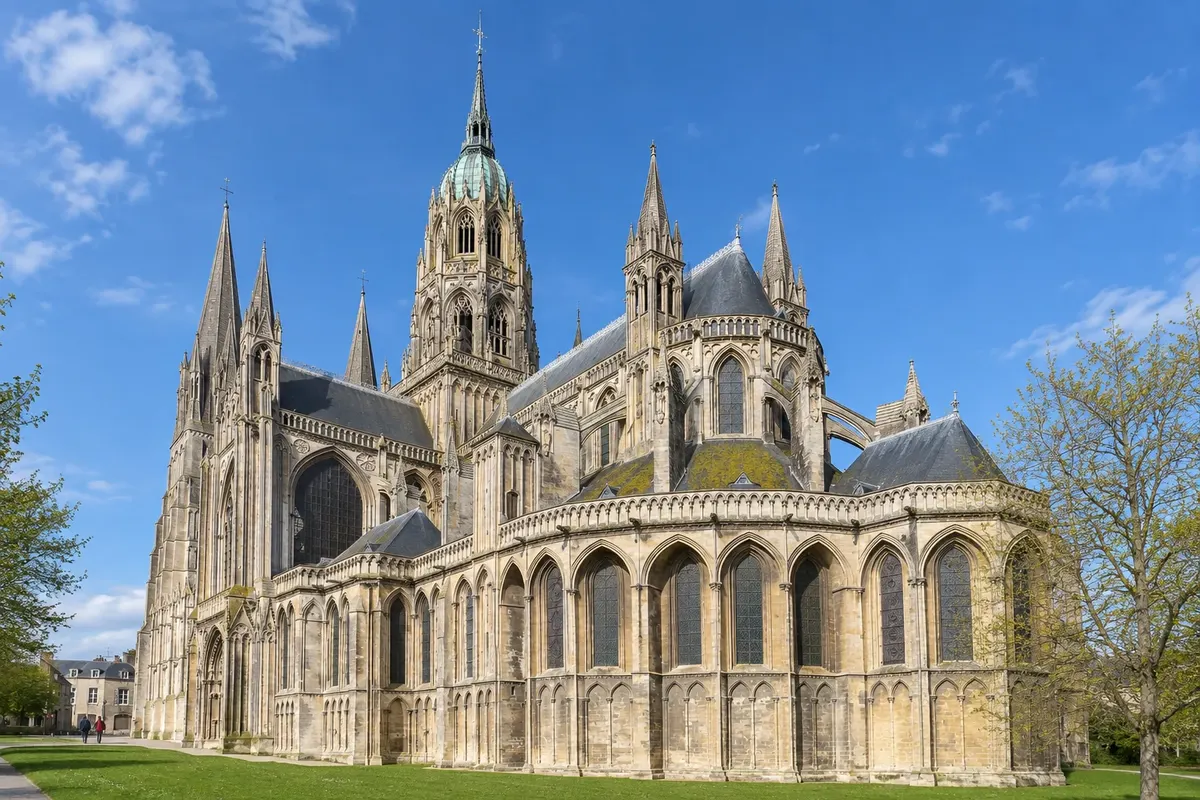
Romanesque and Gothic cathedral consecrated in 1077 in the presence of William the Conqueror. For centuries it housed the Tapeçaria de Bayeux.

Cathédrale Notre-Dame de Rouen
Rouen · Normandia · Cathedral

Cathédrale Notre-Dame de Rouen

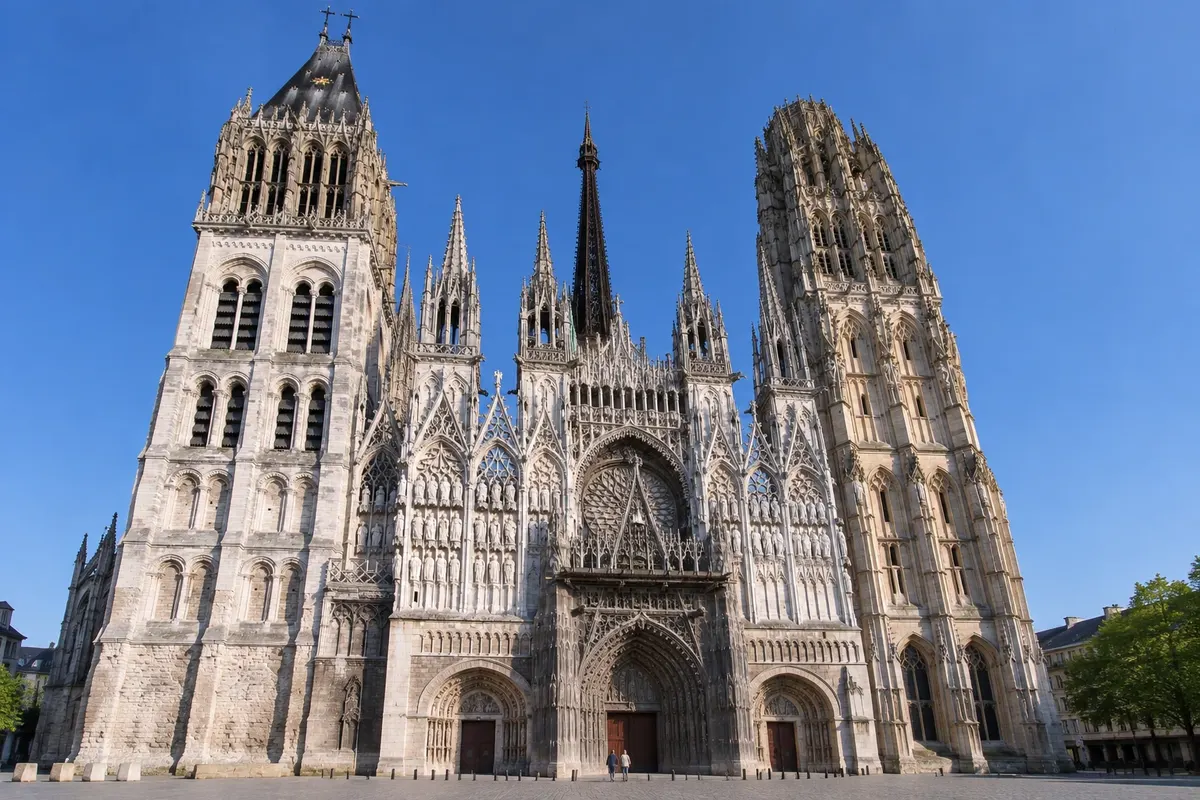
Gothic cathedral with a 151‑metre cast‑iron spire, the tallest in France. The façade was painted more than 30 times by Monet, at different times and in different lights.

Vieux Bassin
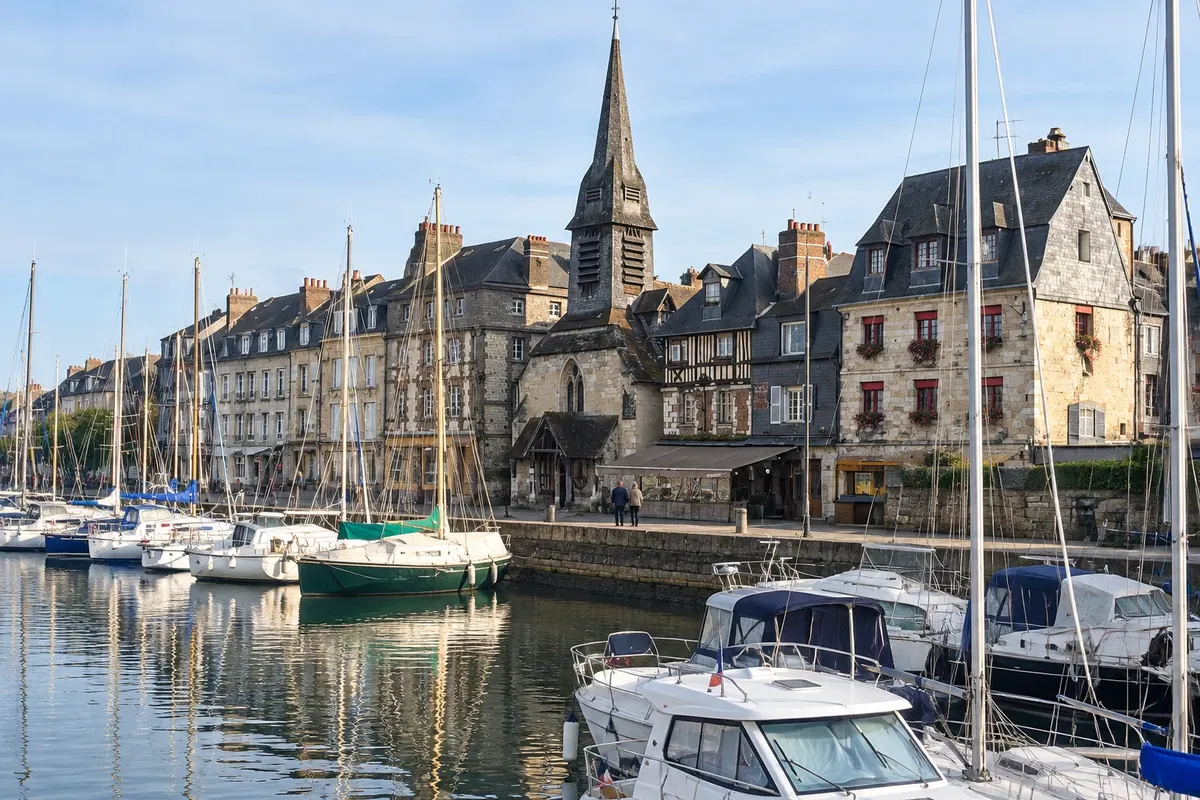
Honfleur · Normandia · Port

Vieux Bassin

Old dock of Honfleur, dug out during the reign of Louis XIV, surrounded by tall, narrow slate- and wood-covered houses. It is the town's postcard image and the subject of many paintings.

See 17 more places in Normandy and Mont-Saint-Michel
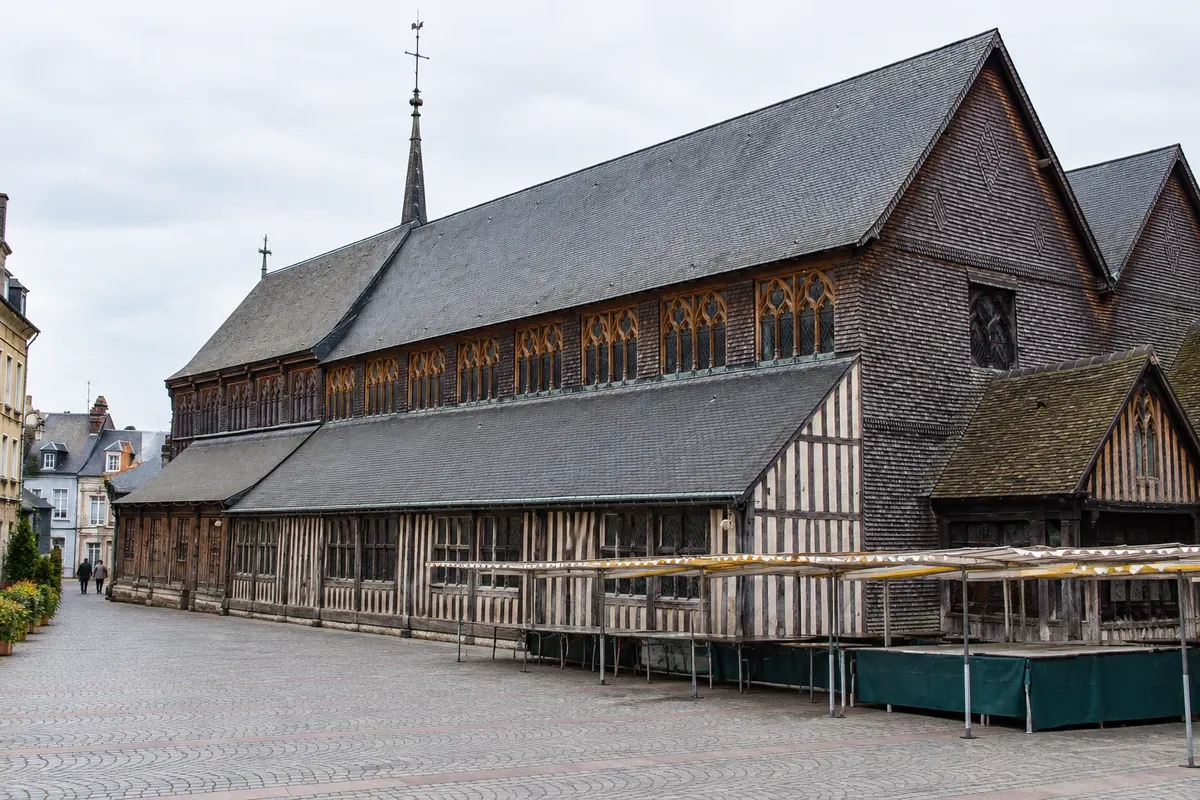
Église Sainte-Catherine
Honfleur · Normandia · Church

Église Sainte-Catherine

Church built almost entirely of wood by Honfleur's ship carpenters, with two naves that resemble inverted ship hulls and a separate bell tower on the opposite side of the square.

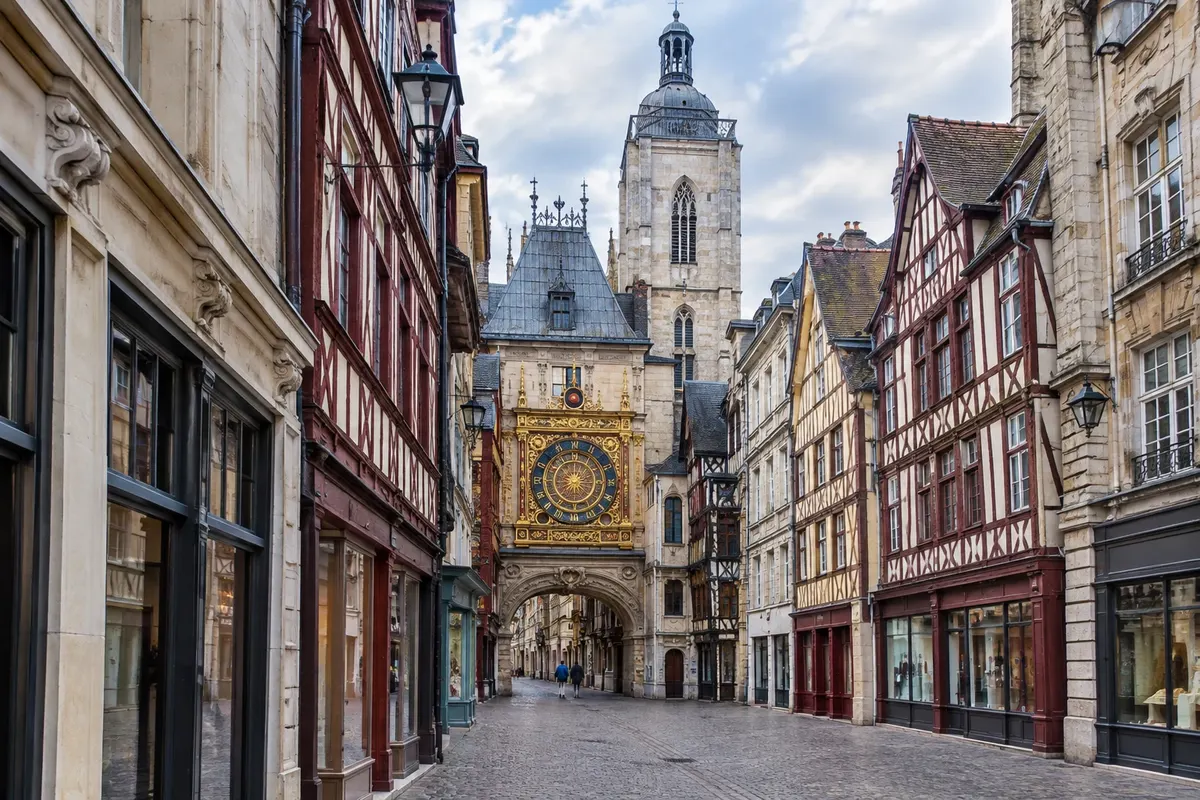
Gros-Horloge
Rouen · Normandia · Monument

Gros-Horloge

14th-century astronomical clock mounted on a Renaissance arch over the busiest pedestrian street in Rouen, next to a bell tower that can be visited.

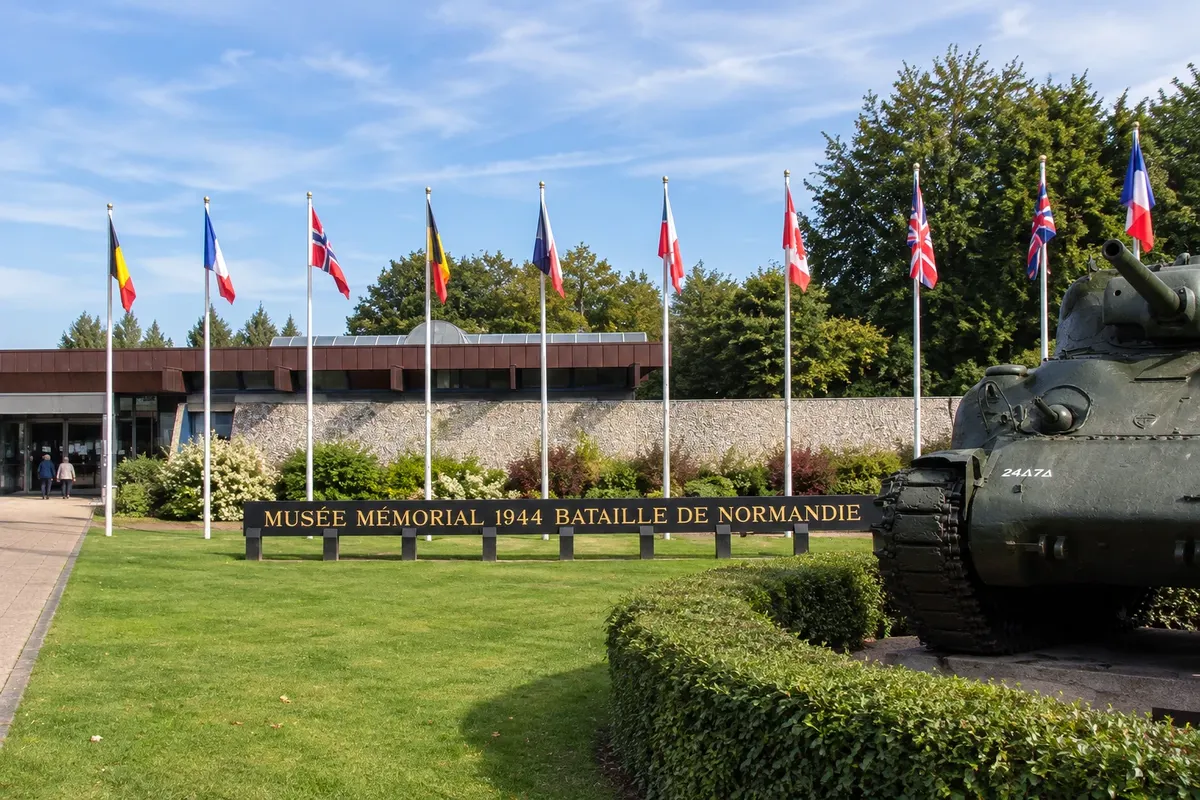
Musée Mémorial de la Bataille de Normandie
Bayeux · Normandia · Museum

Musée Mémorial de la Bataille de Normandie

Bayeux's municipal museum about the Battle of Normandia, from June to August 1944, with vehicles, uniforms and an archival film. It is opposite the British military cemetery.

Remparts du Mont-Saint-Michel
Mont-Saint-Michel · Normandia · Ramparts

Remparts du Mont-Saint-Michel

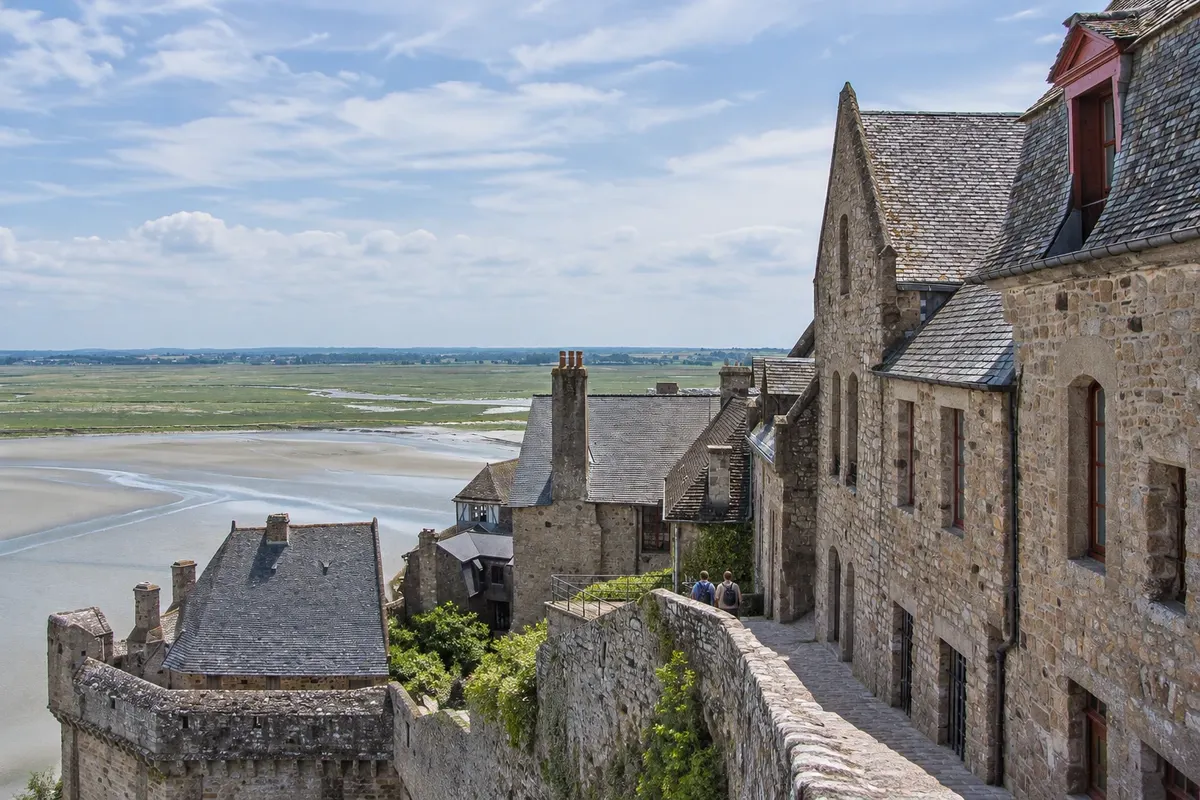
Hundred Years' War ramparts that surround the Mont's village, with a walkway open to pedestrians and views over the bay. The Grande Rue, just below, climbs up to the abbey.

Musée Eugène-Boudin
Honfleur · Normandia · Museum

Musée Eugène-Boudin

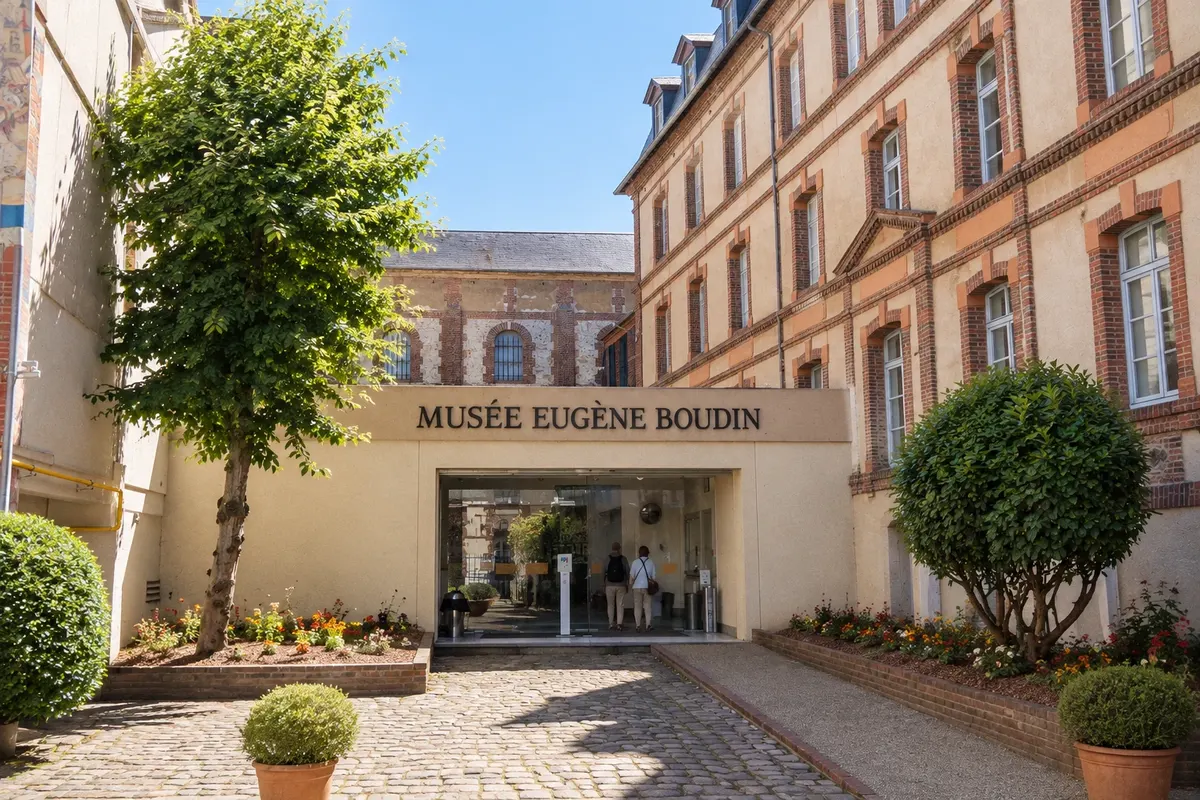
Art museum founded in 1868 by Eugène Boudin and Alexandre Dubourg, with paintings by artists who worked on the estuary of the Seine, from Boudin and Monet to Dufy.

Normandy American Cemetery and Memorial
Bayeux · Normandia · Cemetery

Normandy American Cemetery and Memorial

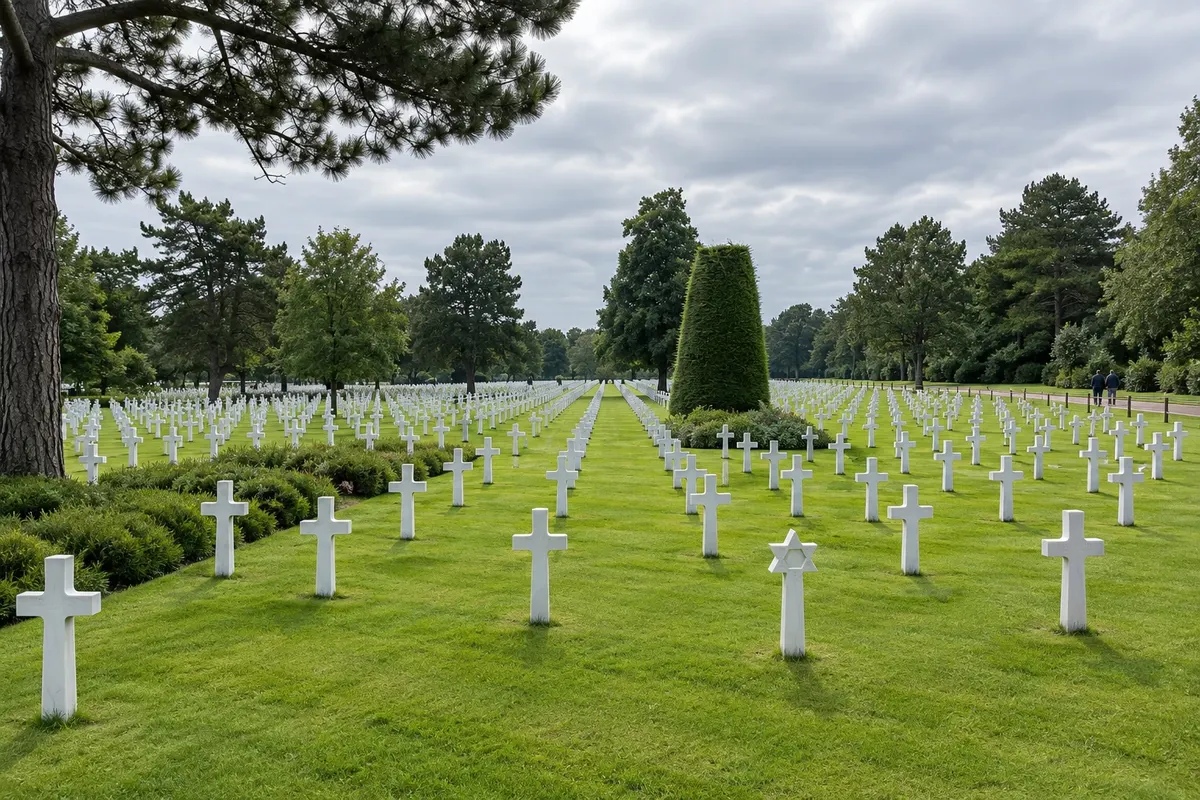
American military cemetery above Omaha Beach, in Colleville-sur-Mer, with about 9,400 graves of soldiers killed on D-Day and in subsequent operations. Entry is free.

Place du Vieux-Marché
Rouen · Normandia · Square

Place du Vieux-Marché

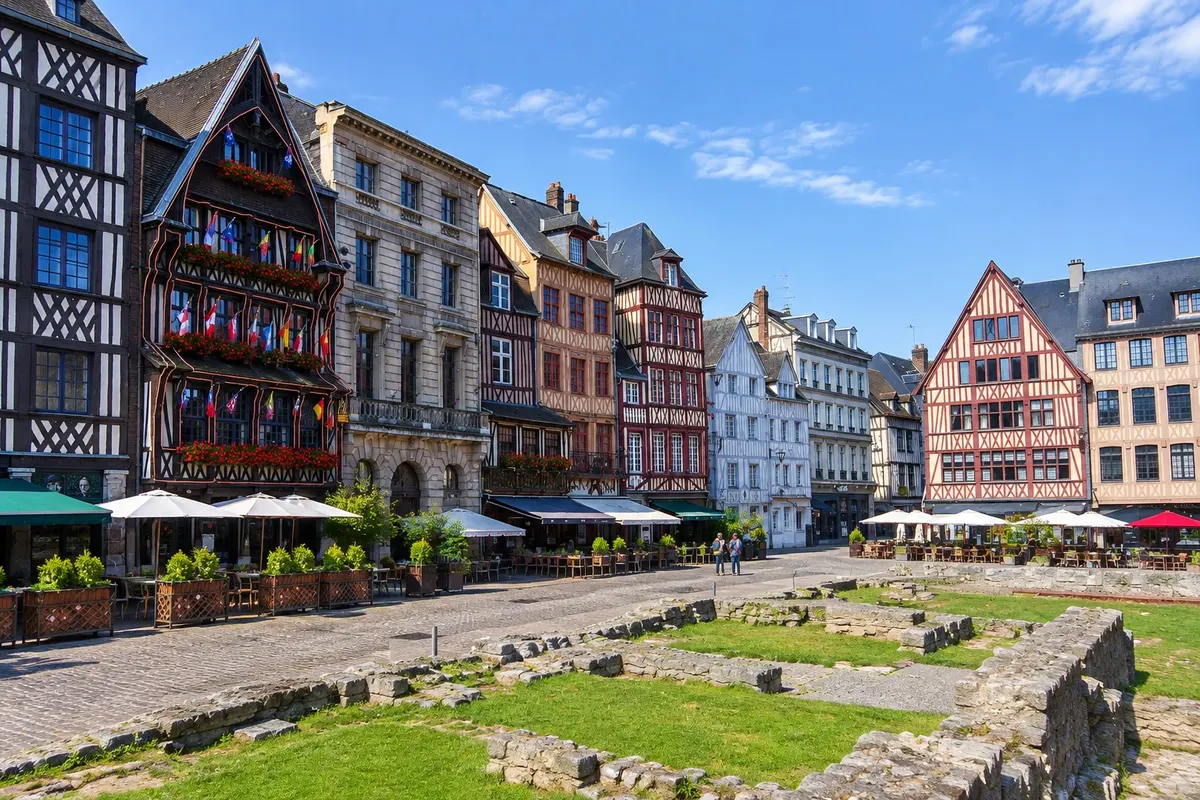
Square where Joan of Arc was burned in 1431. Today it contains the Igreja de Santa Joana d'Arc, from 1979, with 16th-century stained glass, a covered market and restaurants in half-timbered houses.

Historial Jeanne d'Arc
Rouen · Normandia · Museum

Historial Jeanne d'Arc

Multimedia route about Joan of Arc in the former archbishops' palace next to the cathedral, where in 1456 the trial that rehabilitated the heroine was held.

Maisons Satie
Honfleur · Normandia · Museum

Maisons Satie

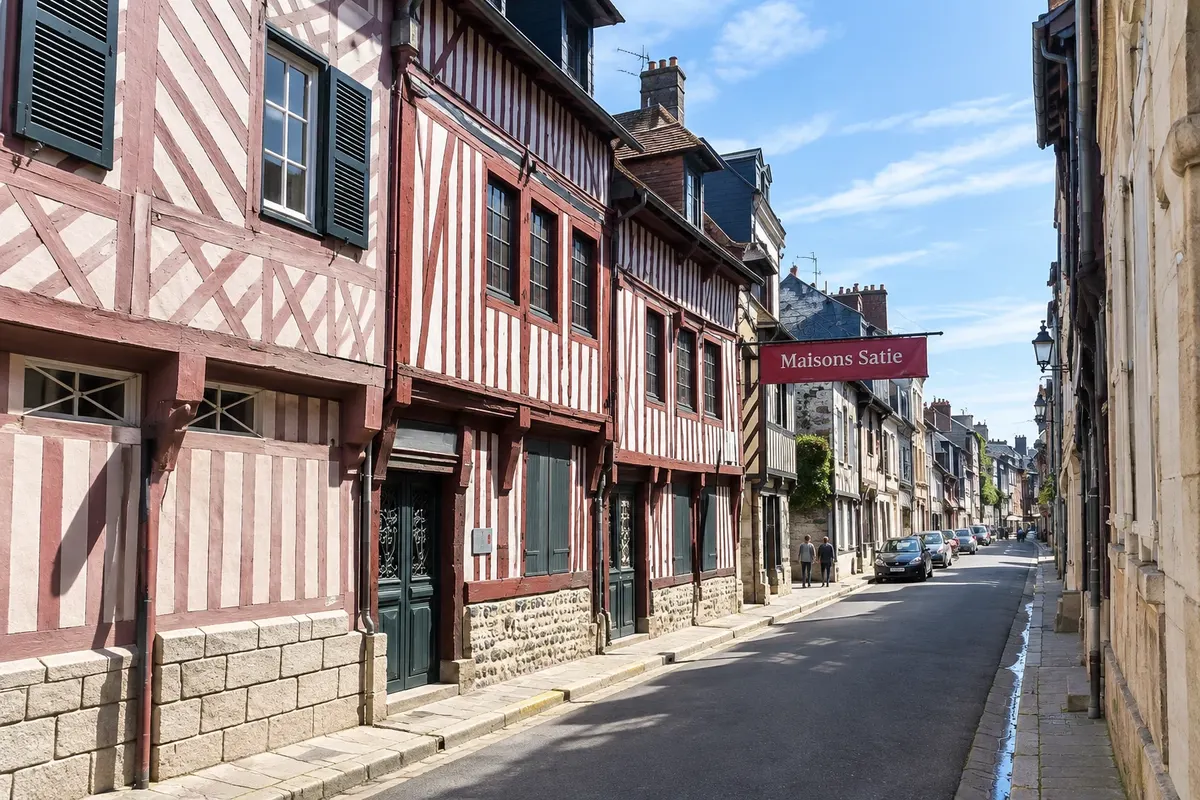
Houses where the composer Erik Satie was born in 1866, transformed into a route with music, scenography and humor, very much in the artist's style.

Omaha Beach
Bayeux · Normandia · Beach

Omaha Beach

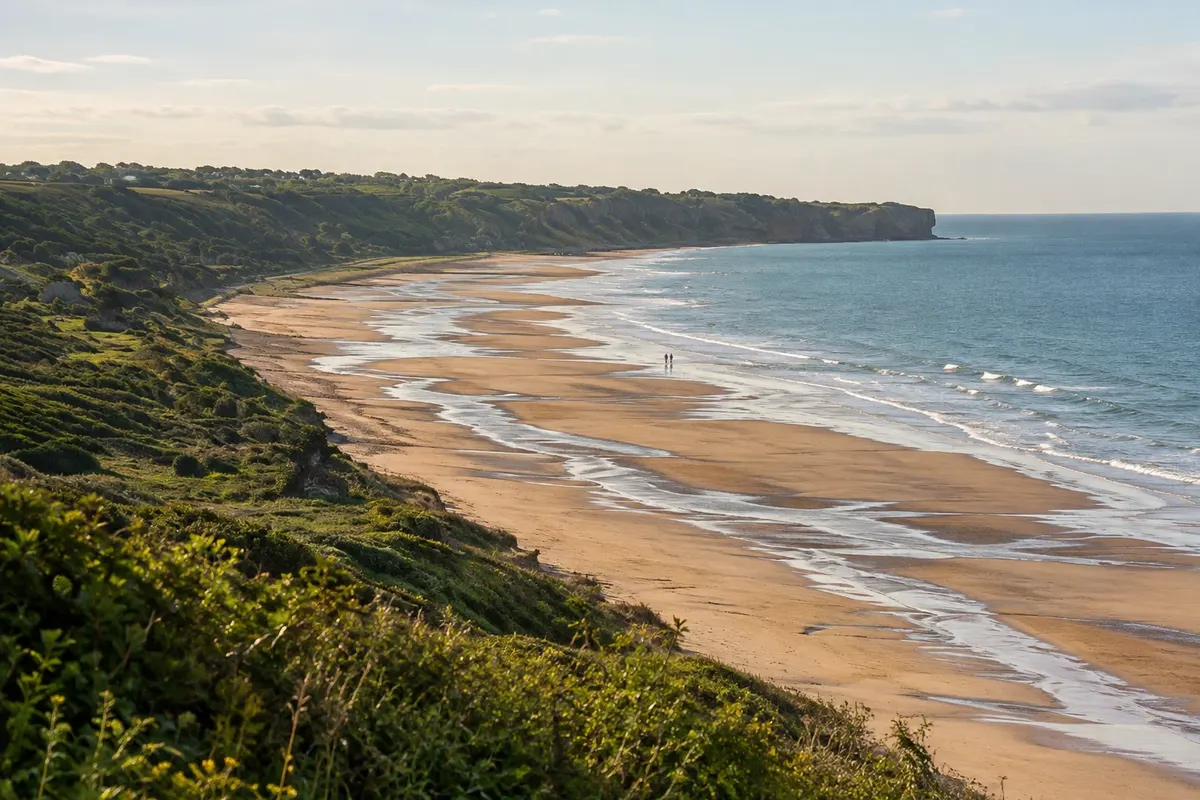
One of the five landing beaches of 6 June 1944, between Vierville-sur-Mer and Colleville-sur-Mer, where American troops suffered the heaviest losses on D-Day.

Falaises d'Étretat
Honfleur · Normandia · Natural site

Falaises d'Étretat

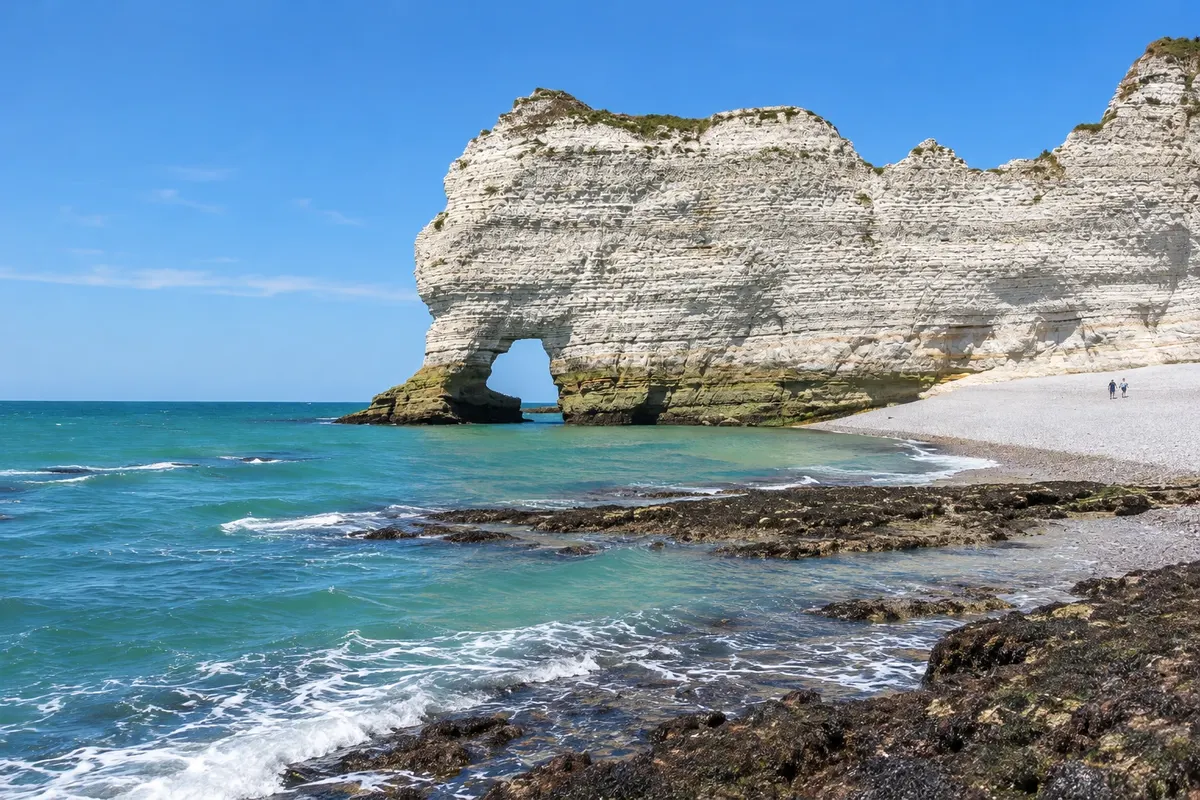
White limestone cliffs over 90 meters high, natural arches and the stone needle that appear in Monet's paintings and in the Arsène Lupin books.

Musée des Beaux-Arts de Rouen
Rouen · Normandia · Museum

Musée des Beaux-Arts de Rouen

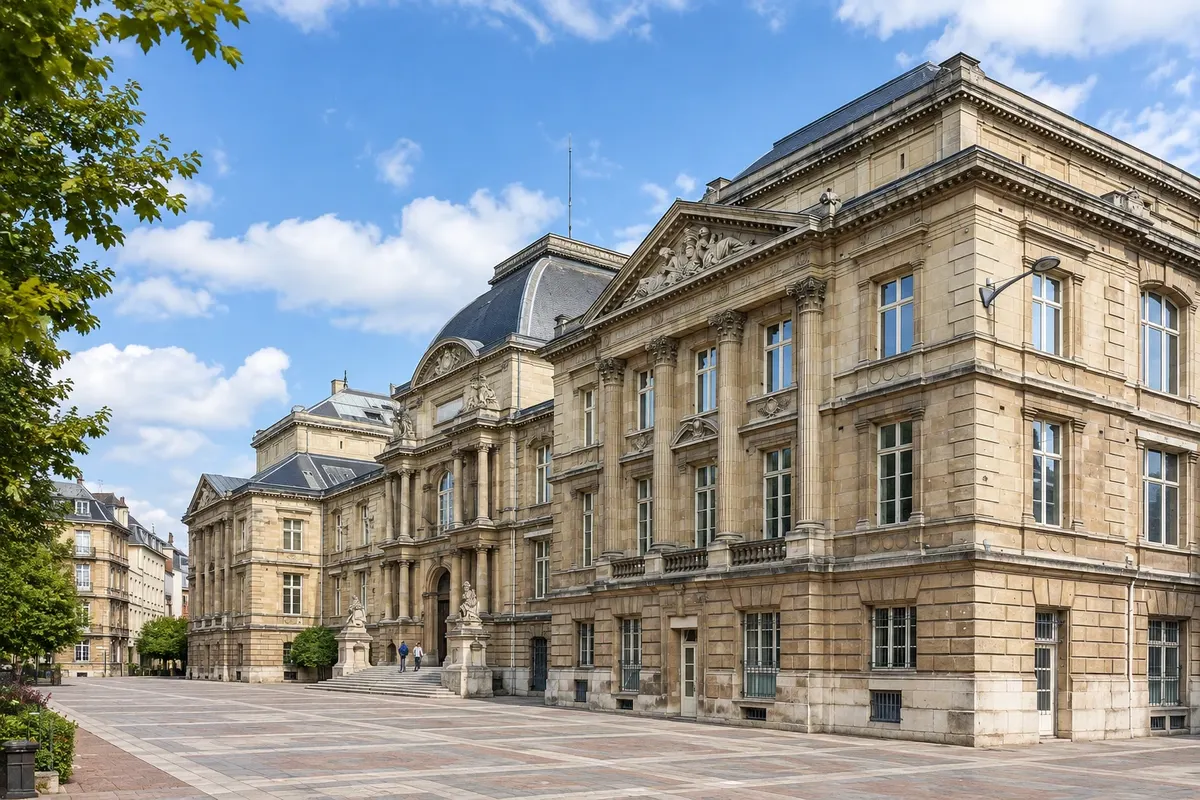
One of France's leading fine arts museums outside Paris, with Caravaggio, Delacroix, Géricault, Monet and Modigliani. Entry to the permanent collections is free.

Pointe du Hoc
Bayeux · Normandia · Historical site

Pointe du Hoc

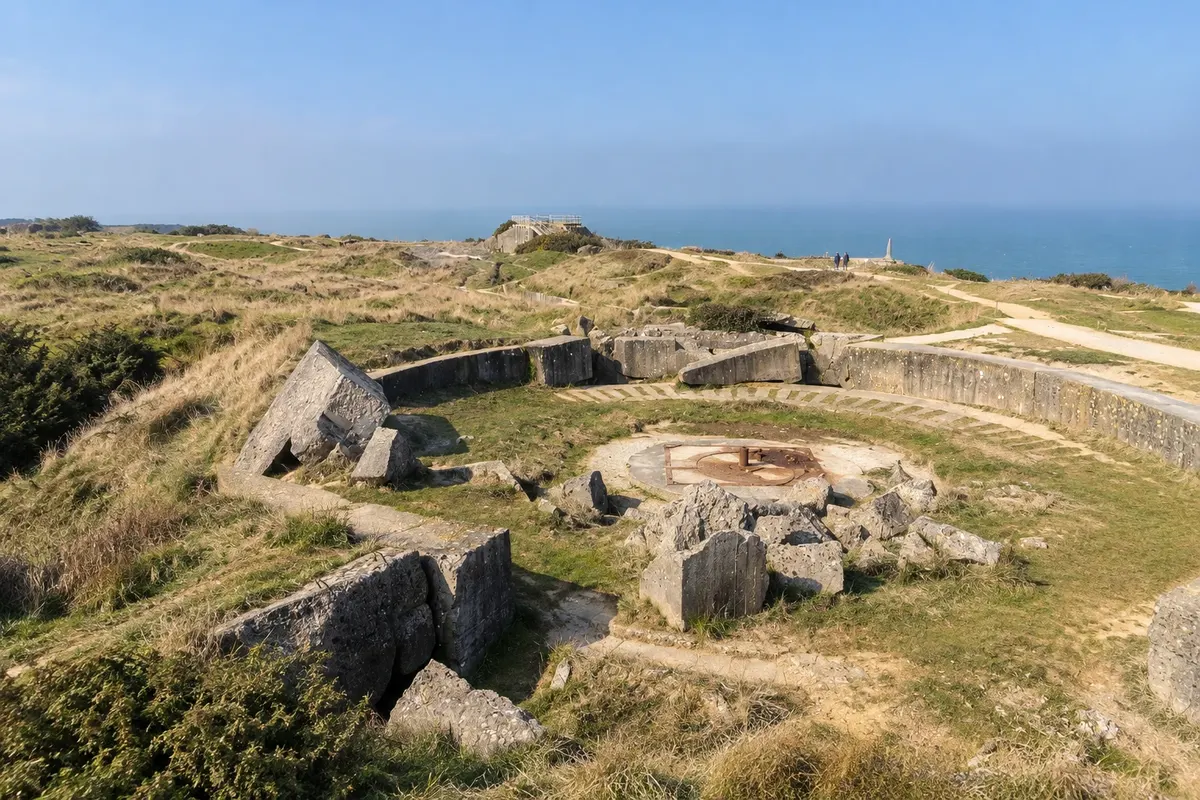
Cliff of about 30 meters scaled by American Rangers on D-Day to neutralize a German battery. The terrain still bears bomb craters and bunkers.

Aître Saint-Maclou
Rouen · Normandia · Historical site

Aître Saint-Maclou

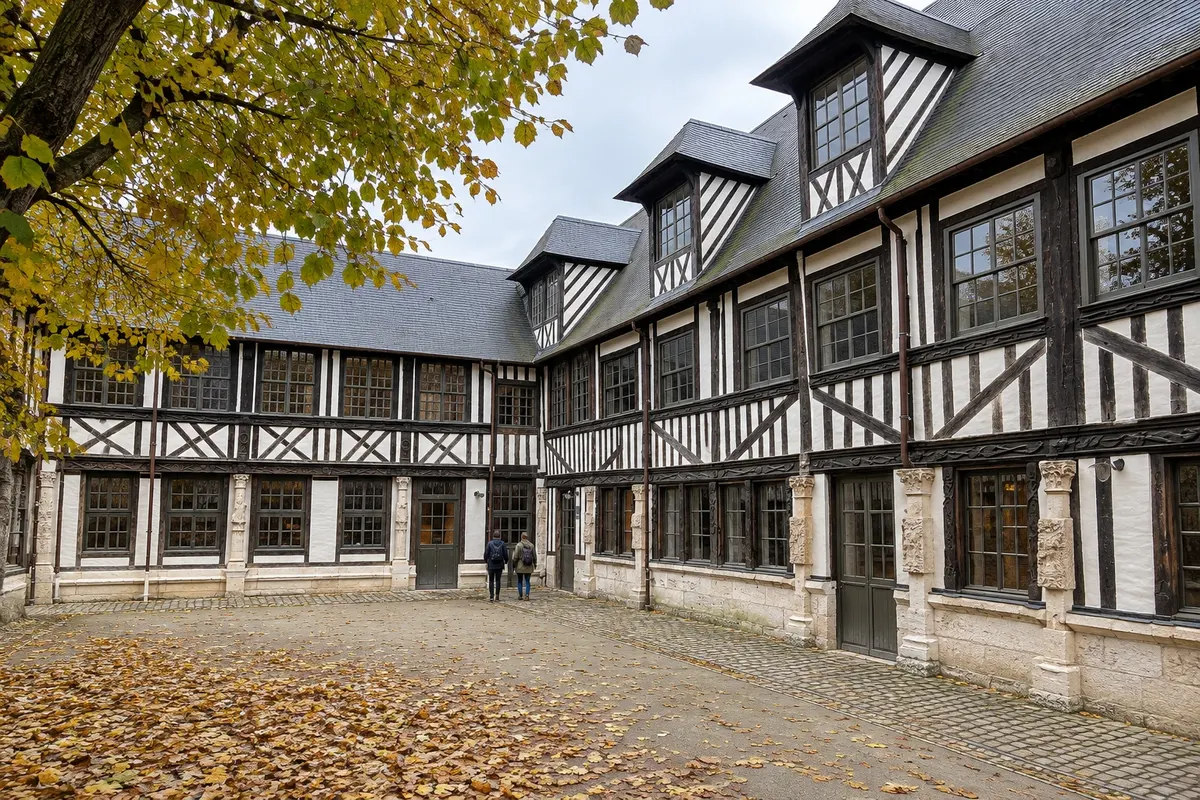
Former 16th-century cemetery and ossuary, with a courtyard surrounded by wooden galleries carved with scenes of the danse macabre. One of the rare ensembles of this type remaining in Europe.

Musée du Débarquement
Bayeux · Normandia · Museum

Musée du Débarquement

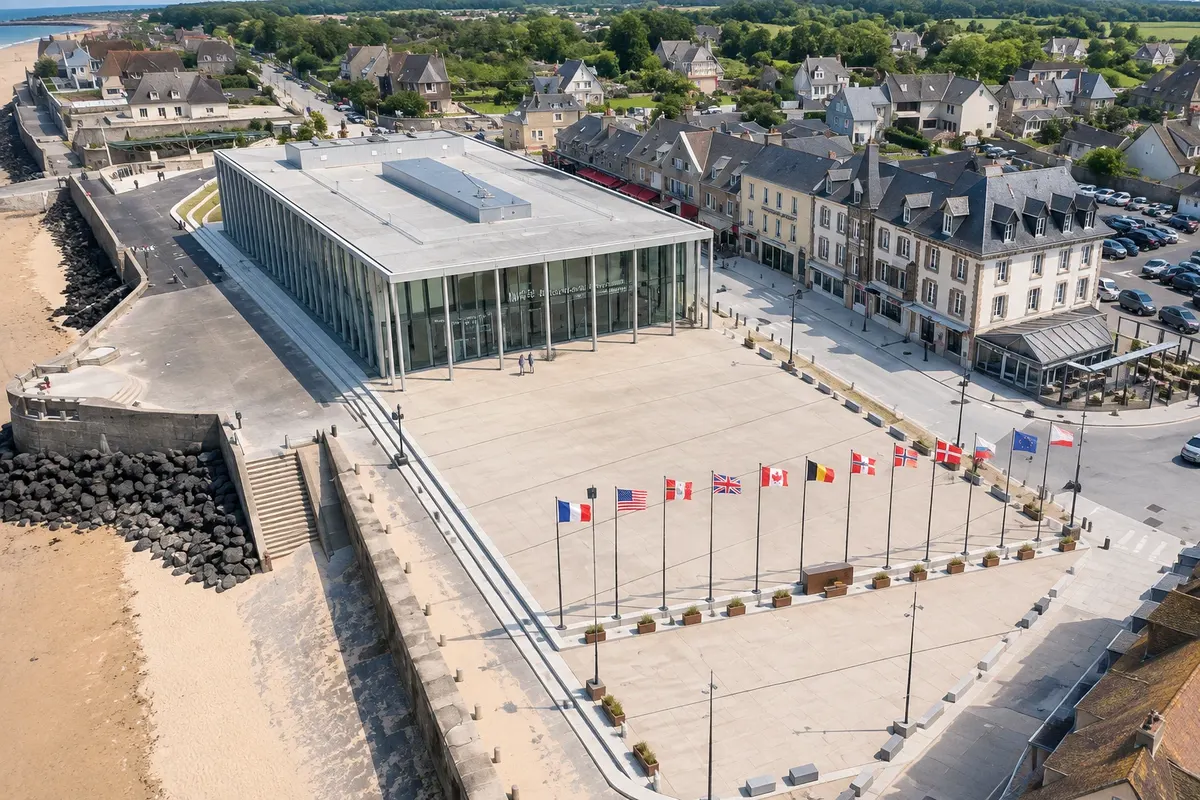
The first museum created about D-Day, in Arromanches-les-Bains, facing the remains of the Mulberry artificial harbor assembled by the Allies at sea in June 1944.

Centre Juno Beach
Bayeux · Normandia · Museum

Centre Juno Beach

Museum in Courseulles-sur-Mer about the Canadians in World War II, on Juno Beach itself, where Canadian troops landed on 6 June 1944.

Mémorial de Caen
Bayeux · Normandia · Museum

Mémorial de Caen

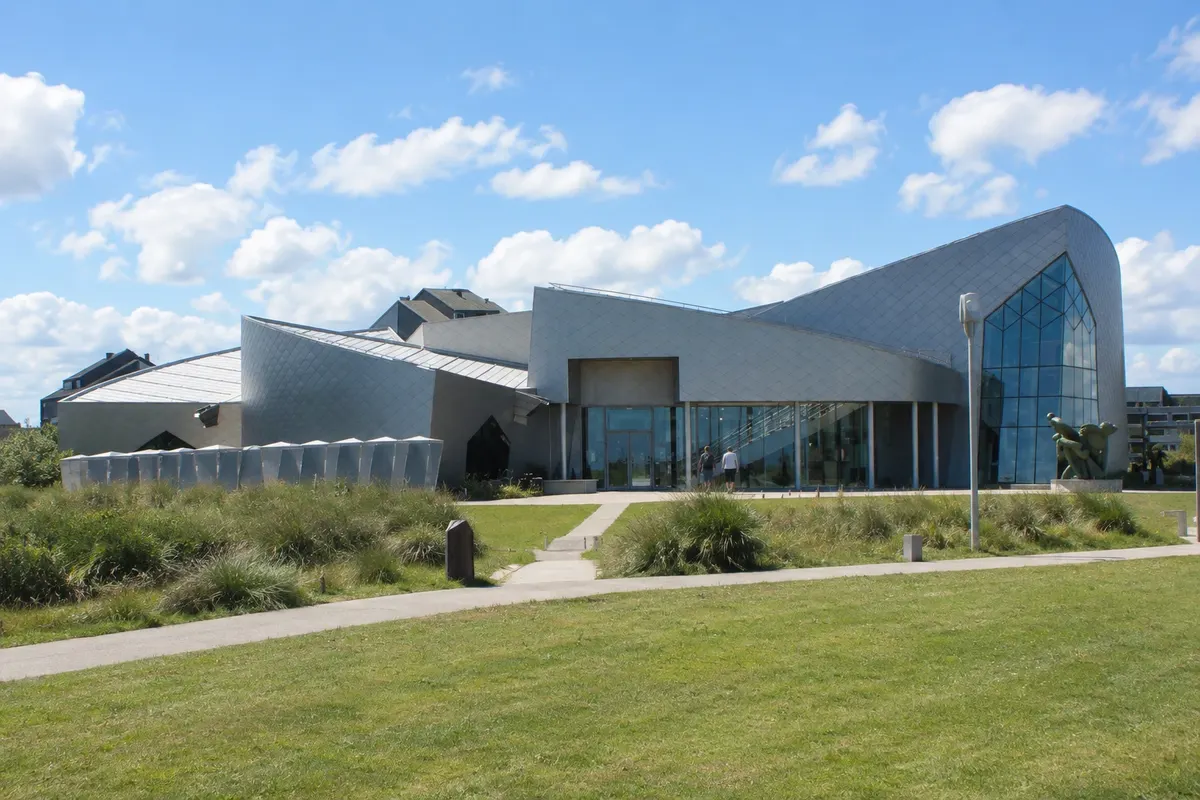
Large museum about 20th-century history, from the First World War to the fall of the Berlin Wall, with a whole section dedicated to D-Day and the Battle of Normandy.

Before you go

Practical information

A little planning leaves more time to enjoy the journey.

When to go

European summer (June to August) is the busiest season: long days, mild temperatures that usually stay below 25 °C, and all services operating. May, June and September tend to be less crowded. The climate is oceanic, with rain possible in any month; winter (December to February) is cold, damp and has short days.

The seasons shown are the most usual ones; nature doesn't always follow the calendar.

How many days to stay

Rouen requires one day; Honfleur, half a day to a day (including Étretat, a full day). For the D-Day beaches, allow two days based in Bayeux. Mont-Saint-Michel deserves one day, preferably with an overnight nearby to see it less crowded. To cover everything, plan five to seven days.

Which city to stay in

In Rouen, the historic centre on the right bank of the Seine—between the cathedral, Place du Vieux-Marché and Rive-Droite station—makes most sights walkable. In Honfleur, stay around the Vieux Bassin. For the D-Day beaches, Bayeux is the most practical base, with a train station and buses to the coast; Caen is a larger alternative. For Mont-Saint-Michel there is accommodation inside the walls and, more numerous, in the village of La Caserne next to the shuttle point, or in Pontorson.

Respect the place

Take your trash with you, follow the signs and support local businesses. In natural areas, follow the visiting guidelines.

Get your questions answered

Frequently asked questions about Normandy and Mont-Saint-Michel

What's the best way to get to Normandy from Paris?

By train. Trains from Paris-Saint-Lazare run to Rouen (about an hour and a half) and to Caen and Bayeux. For Mont-Saint-Michel the most common connection is the TGV from Paris-Montparnasse to Rennes, followed by a bus to the Mont. Check timetables and buy tickets in advance during high season.

Do I need a car to visit Normandy?

Not for the cities: Rouen, Bayeux and Mont-Saint-Michel are reachable by train and bus. A car is very helpful for the D-Day beaches, which are spread over some 80 km of coastline, and for combining Honfleur and Étretat in one day. If you don't want to drive, guided excursions depart from Bayeux or Caen.

Can this be done as a day trip from Paris?

Rouen works well as a day trip by train. Mont-Saint-Michel is also done in a day by many tours from Paris, but the journey is long—several hours each way; staying overnight in the region makes the visit more relaxed. The D-Day beaches are better visited with at least one night in Bayeux or Caen.

How many days should I allocate for Normandy and Mont-Saint-Michel?

With five days you can see Rouen, Honfleur, the D-Day beaches and Mont-Saint-Michel without rushing. With three, choose: Rouen and Mont-Saint-Michel, or Bayeux and the beaches. Those with only one day free in Paris usually pick Rouen.

What to eat and drink in Normandy?

The region is full of apple orchards and dairy farms. Typical products include cider (cidre), calvados (apple brandy), pommeau, butter, crème fraîche and cheeses such as camembert, livarot, pont-l'évêque and neufchâtel. On the coast you'll find seafood like mussels and oysters. Lunch is usually served between 12:00 and 14:00 and dinner from around 19:30.

Explore other destinations Search by state and city
Back