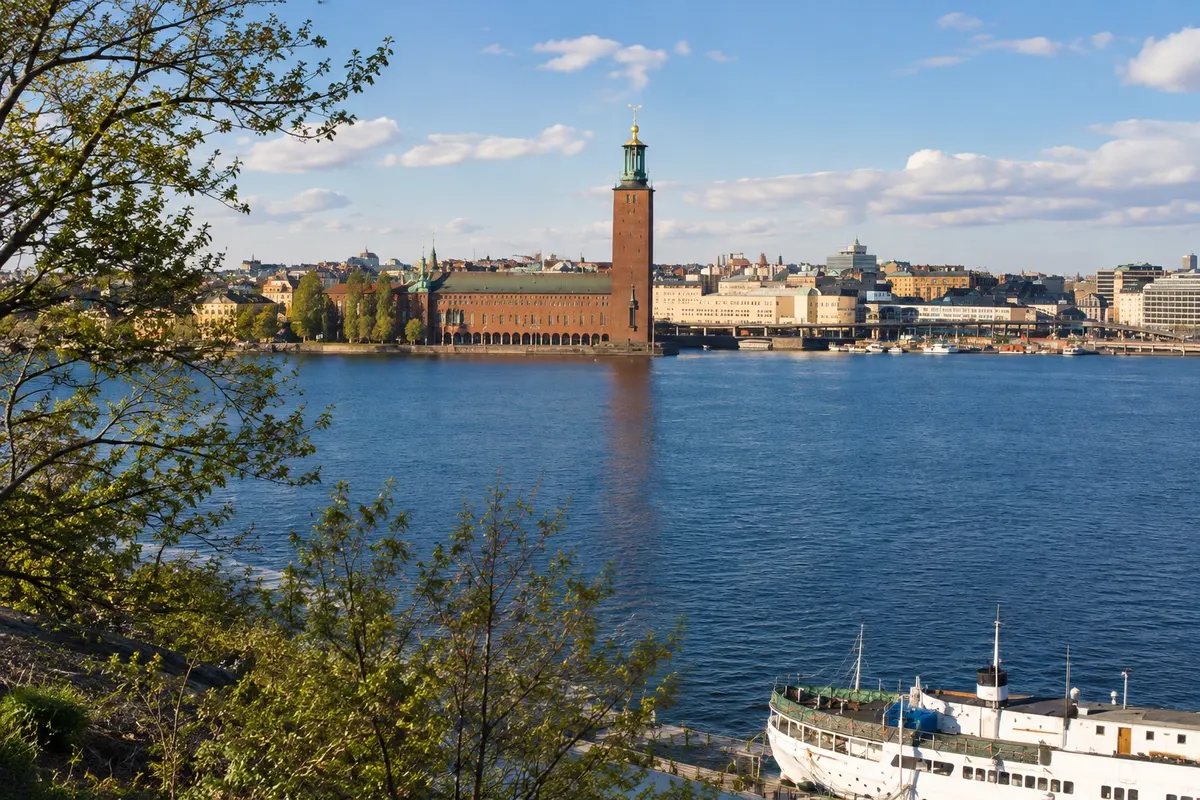
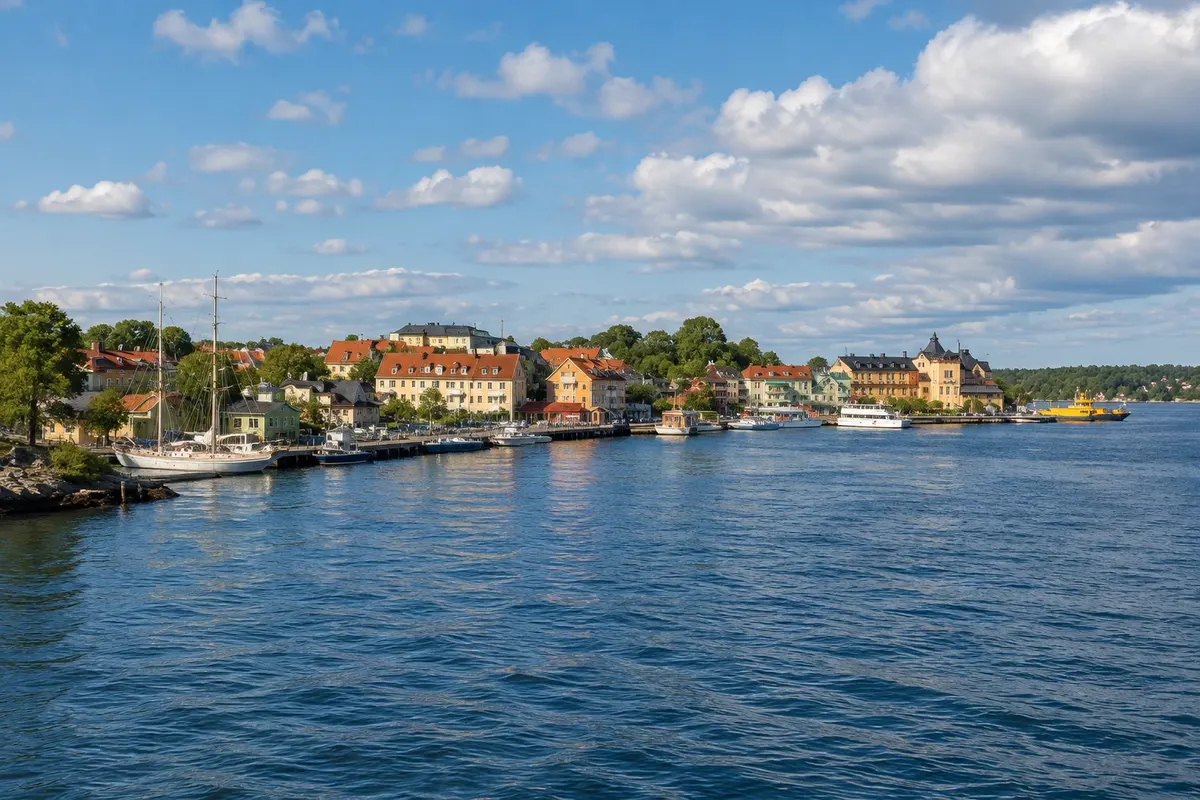
Estocolmo spreads across fourteen islands connected by more than fifty bridges, at the point where lake Mälaren meets the Baltic Sea. Water is visible almost everywhere: commuter boats cross the city, people swim in the center in summer and, to the east, an archipelago of about thirty thousand islands begins.
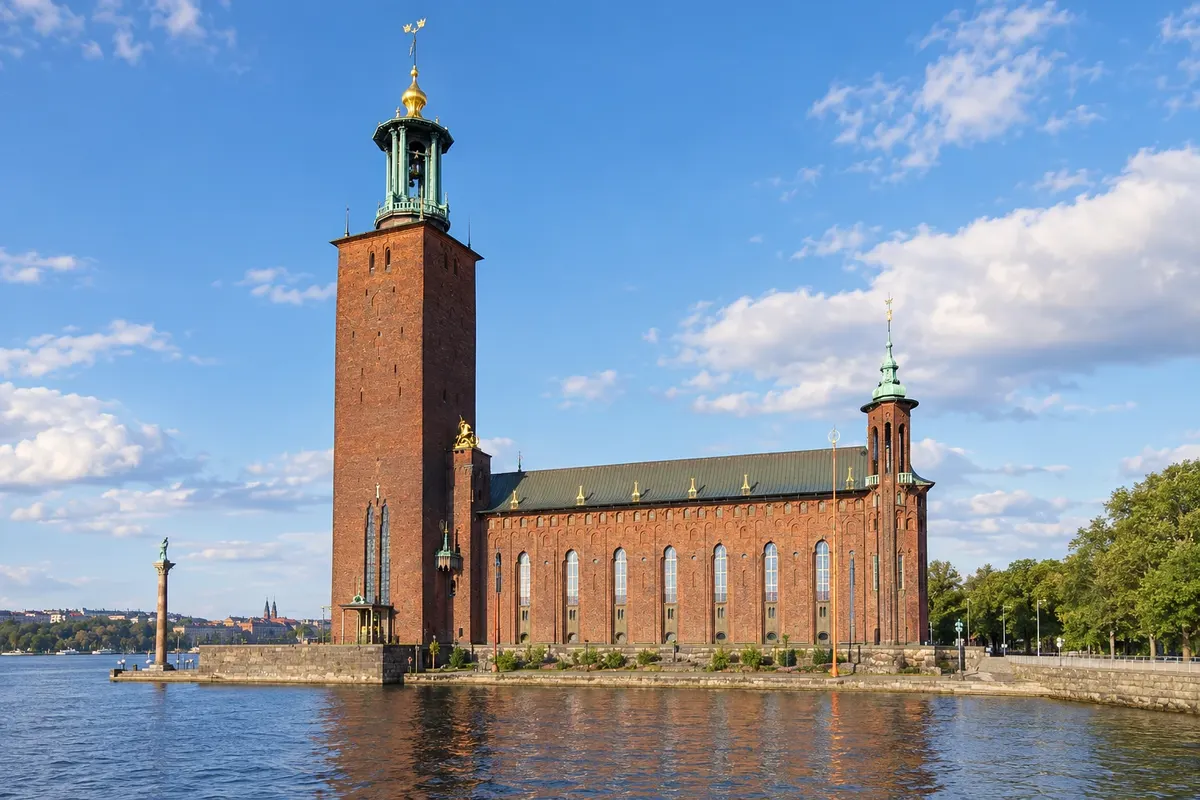
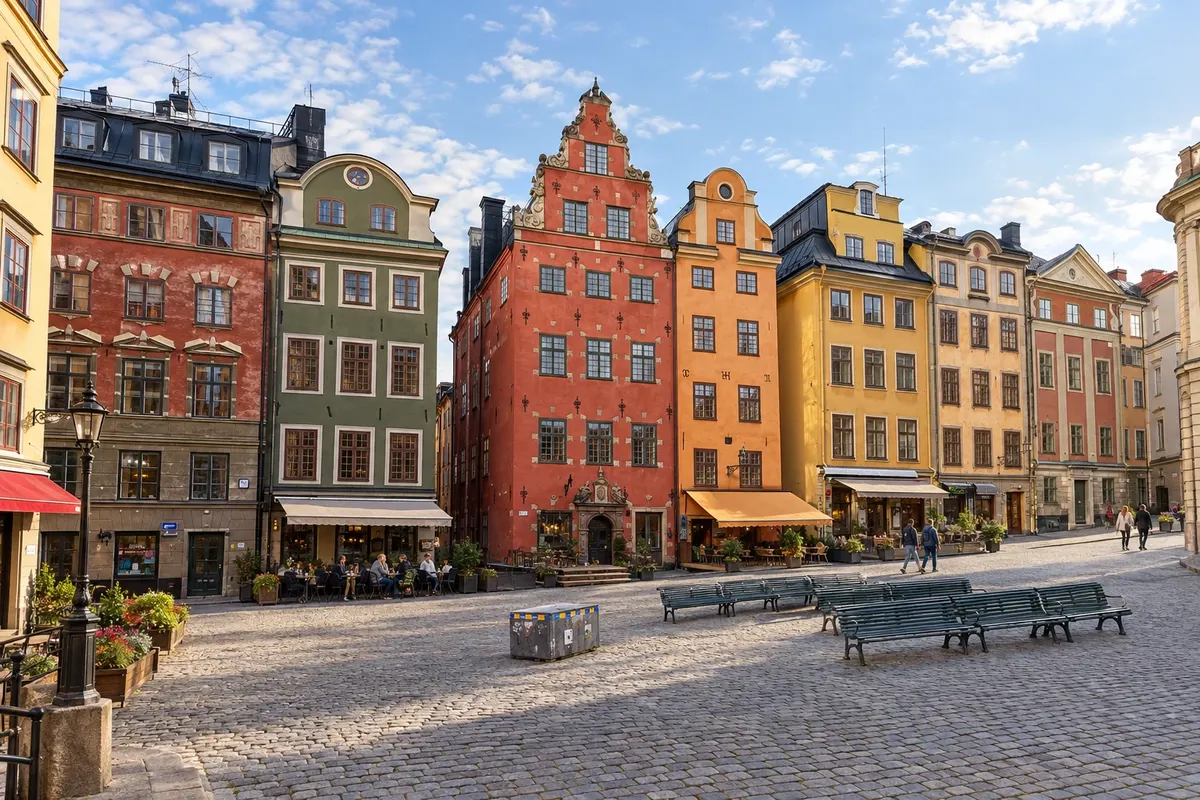
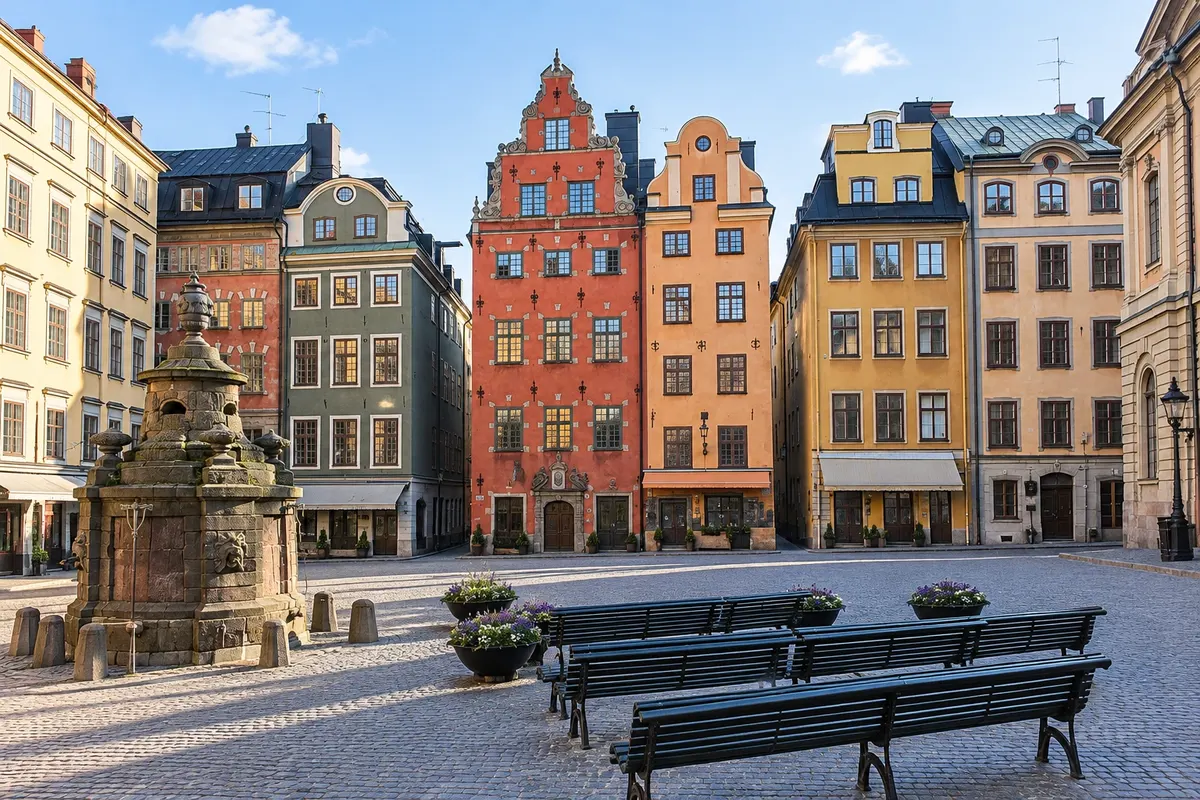
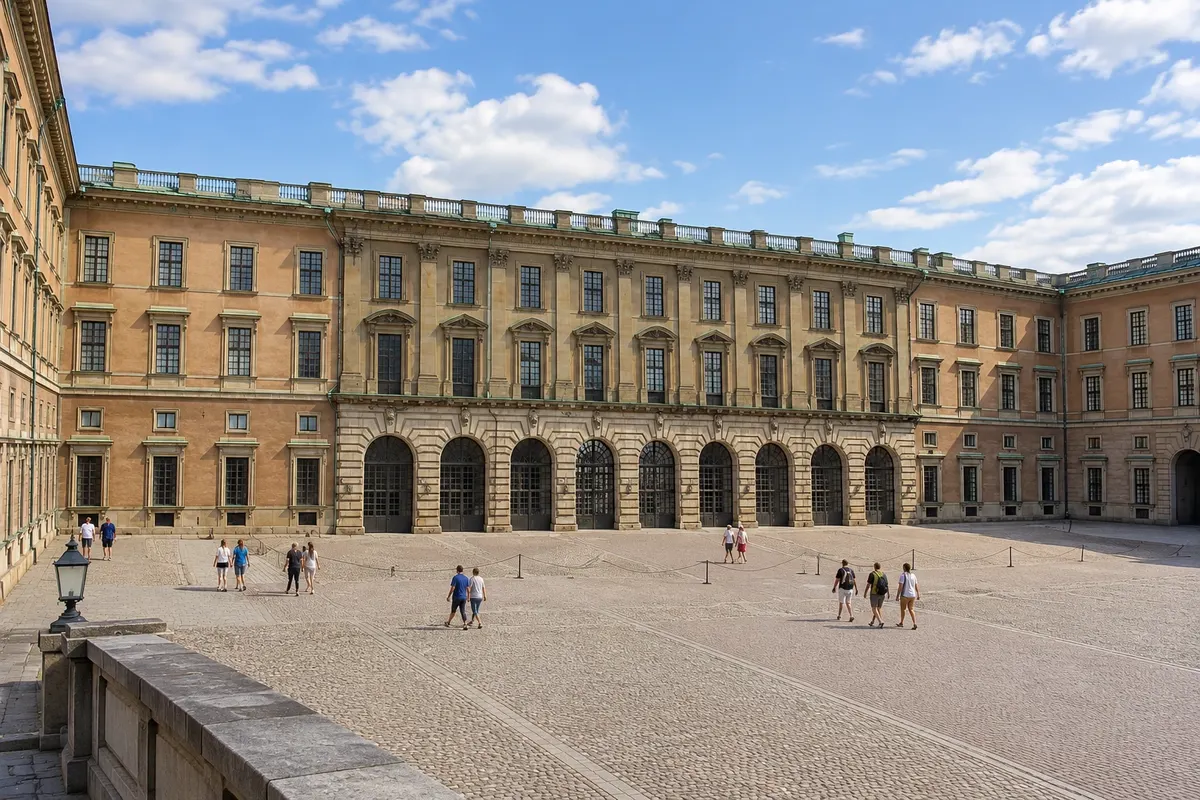
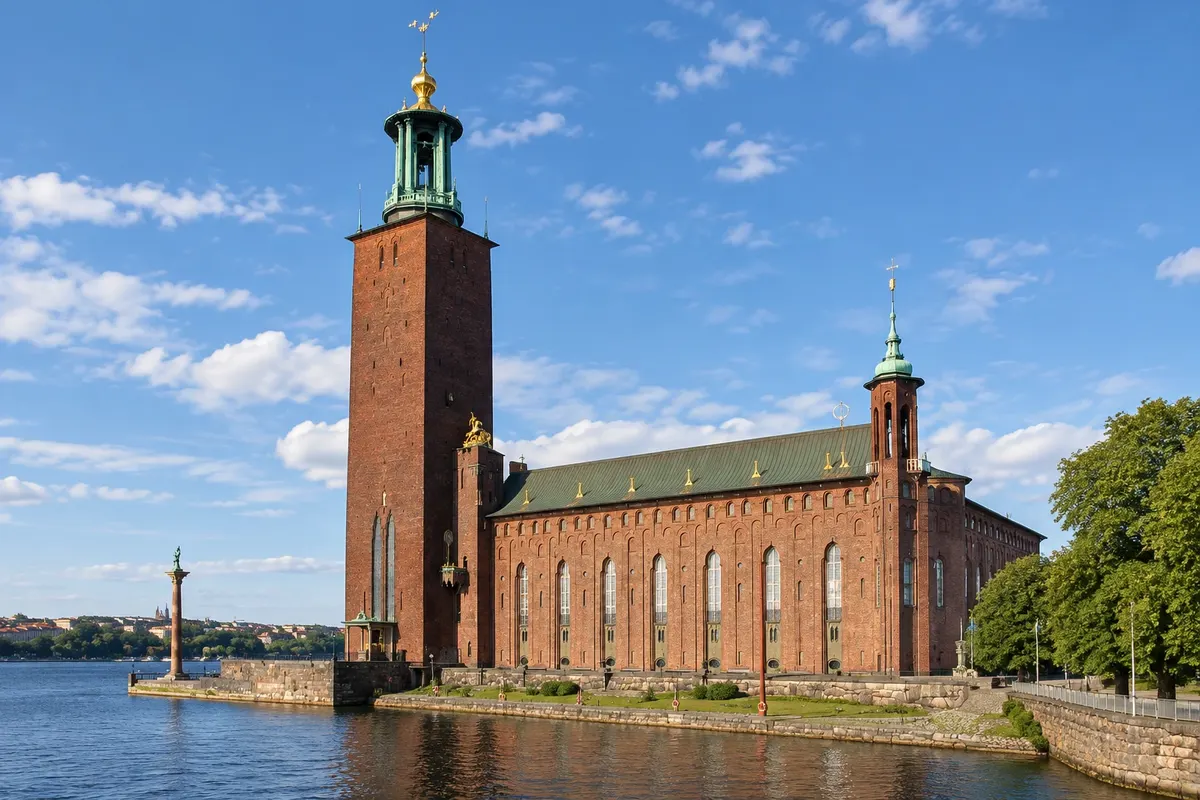
The historic center is Gamla Stan, the old town, with cobbled streets, ochre- and red-painted houses, the Stortorget square, the Storkyrkan cathedral and the Palácio Real, the king’s official residence with more than six hundred rooms. Next door, the island of Riddarholmen houses the church where the kings are buried. Across the water, the City Hall, made of red brick with a tower topped by three crowns, hosts the Nobel Prize banquet.
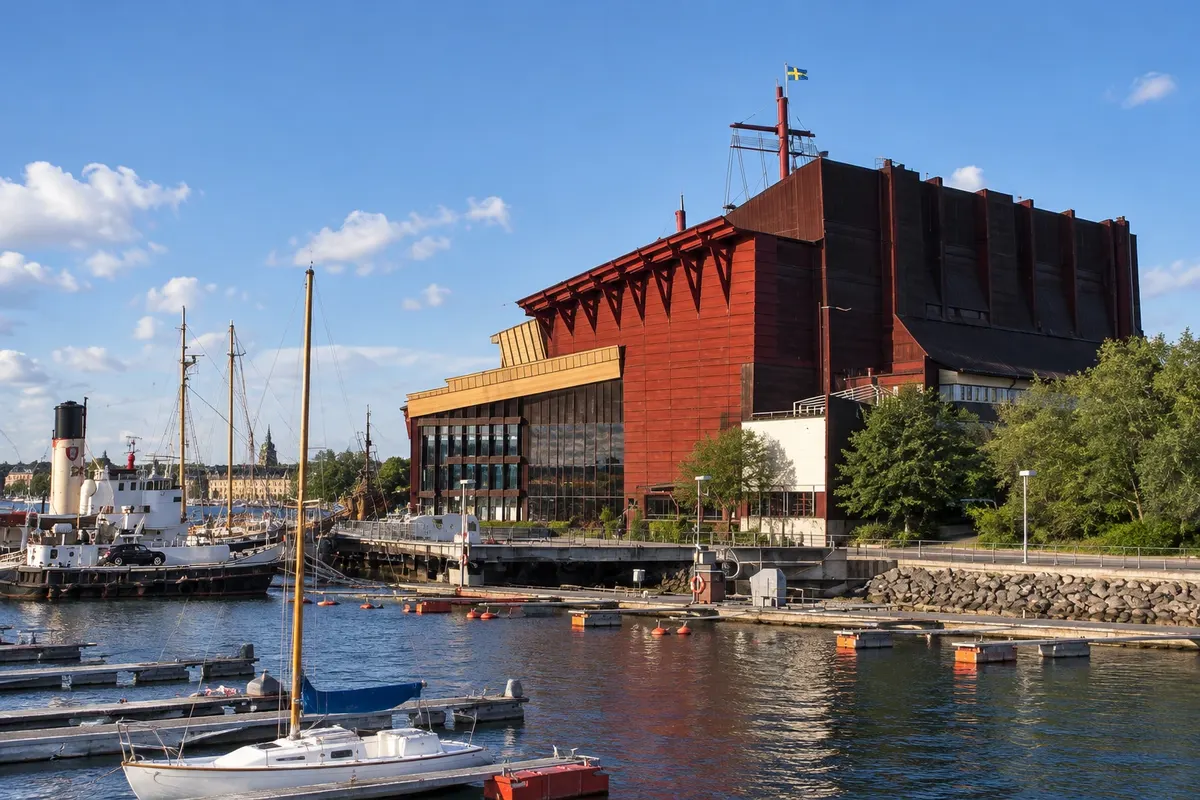
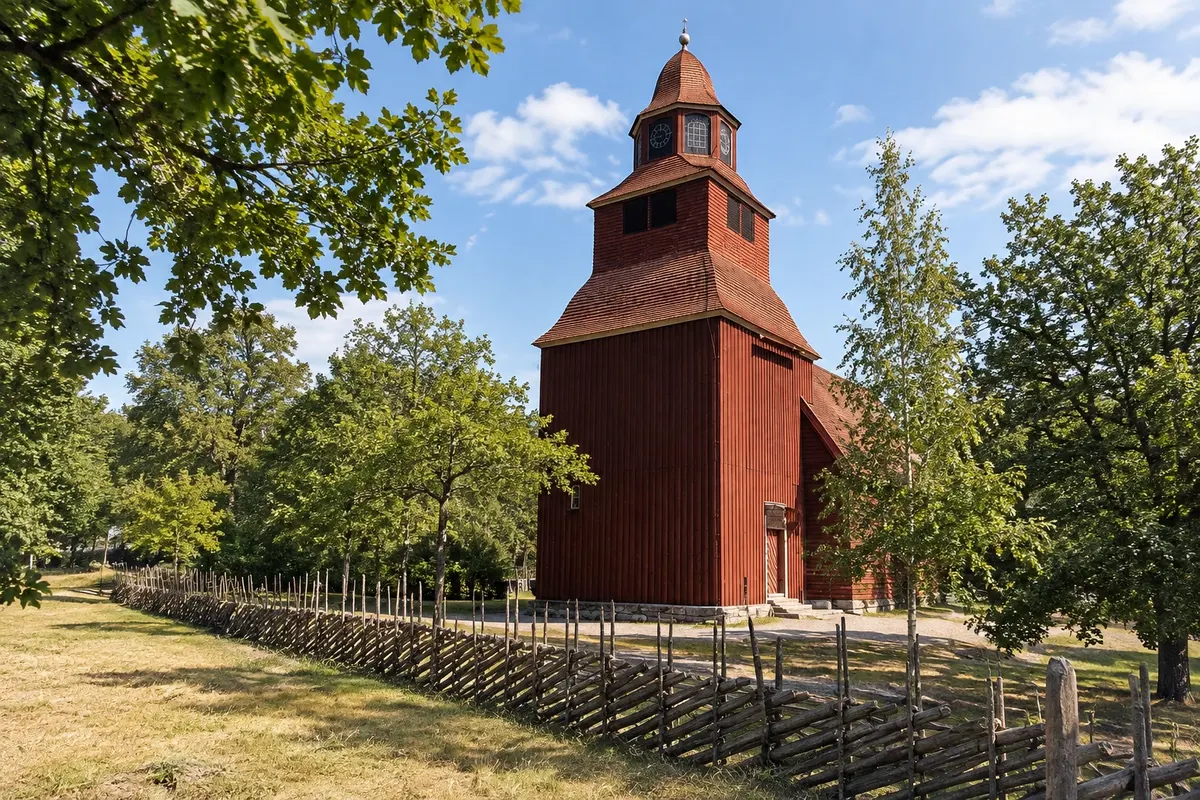
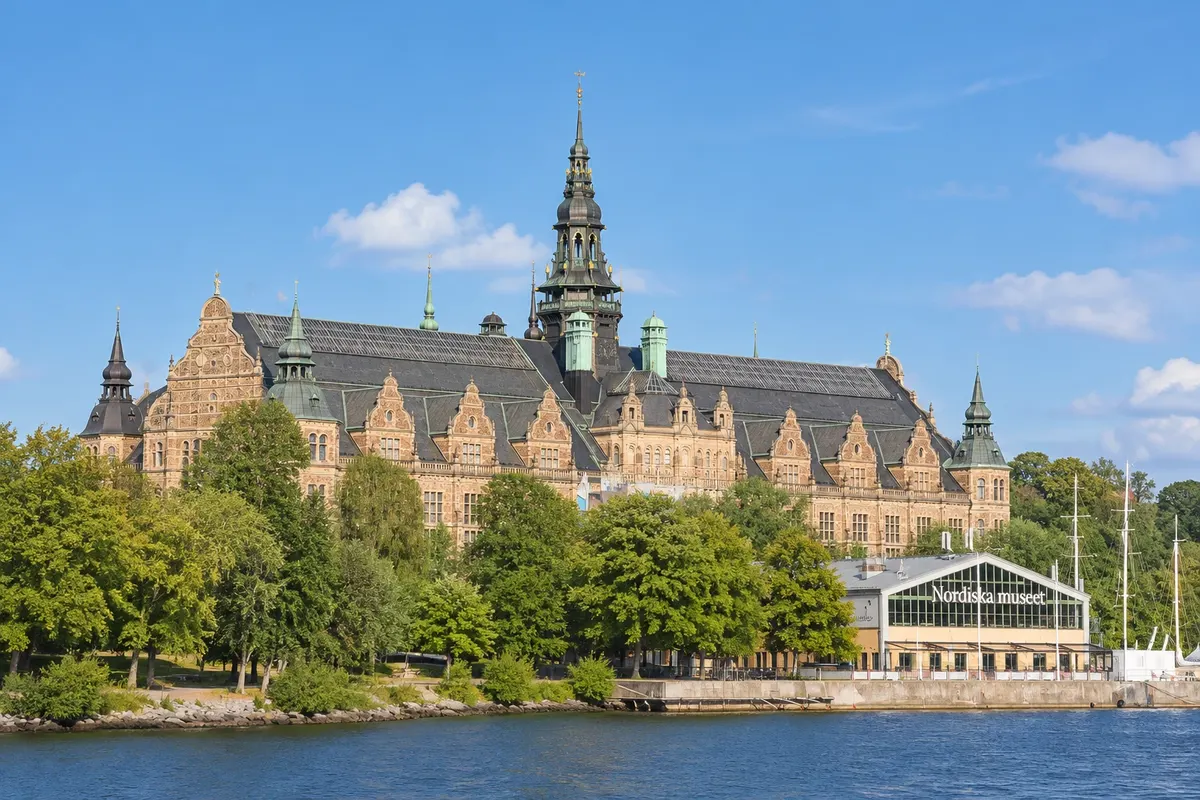
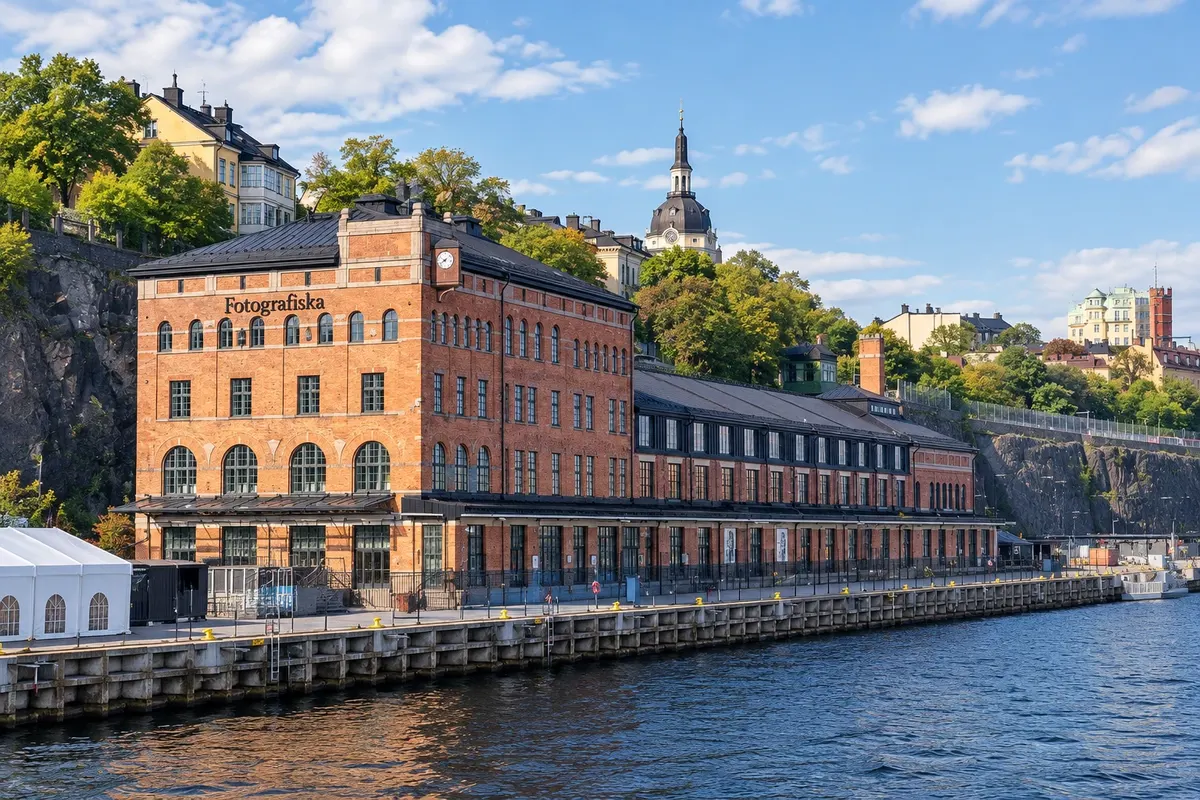
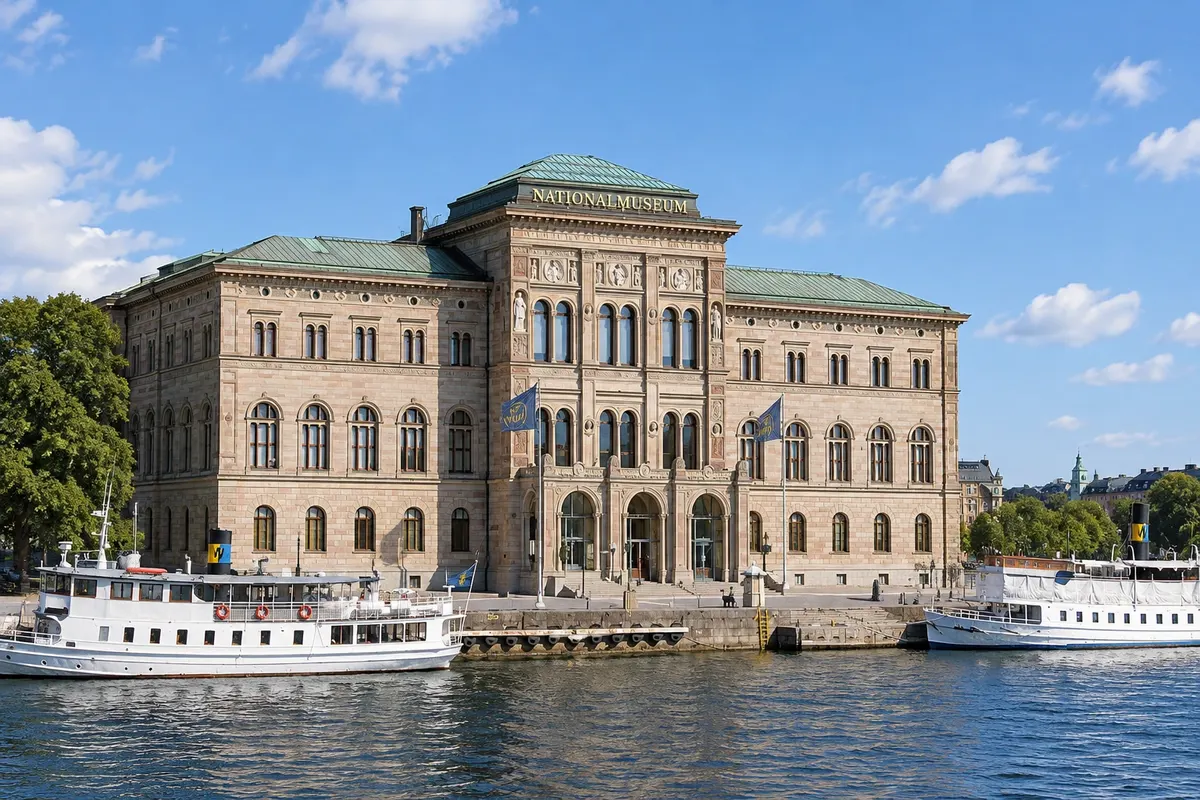
The island of Djurgården concentrates the most visited museums: the Vasa, a warship that sank in 1628 on its maiden voyage and was recovered intact in 1961; Skansen, the world’s first open-air museum, with old houses from across the country and Nordic animals; the Nordic Museum; and ABBA The Museum. In Skeppsholmen are the Moderna Museet and, on the opposite shore, the Nationalmuseum. Södermalm, the island to the south, has viewpoints over the old town and Fotografiska, a photography museum in a former customs building. Even the metro is an attraction: most stations feature artworks on their rock walls.
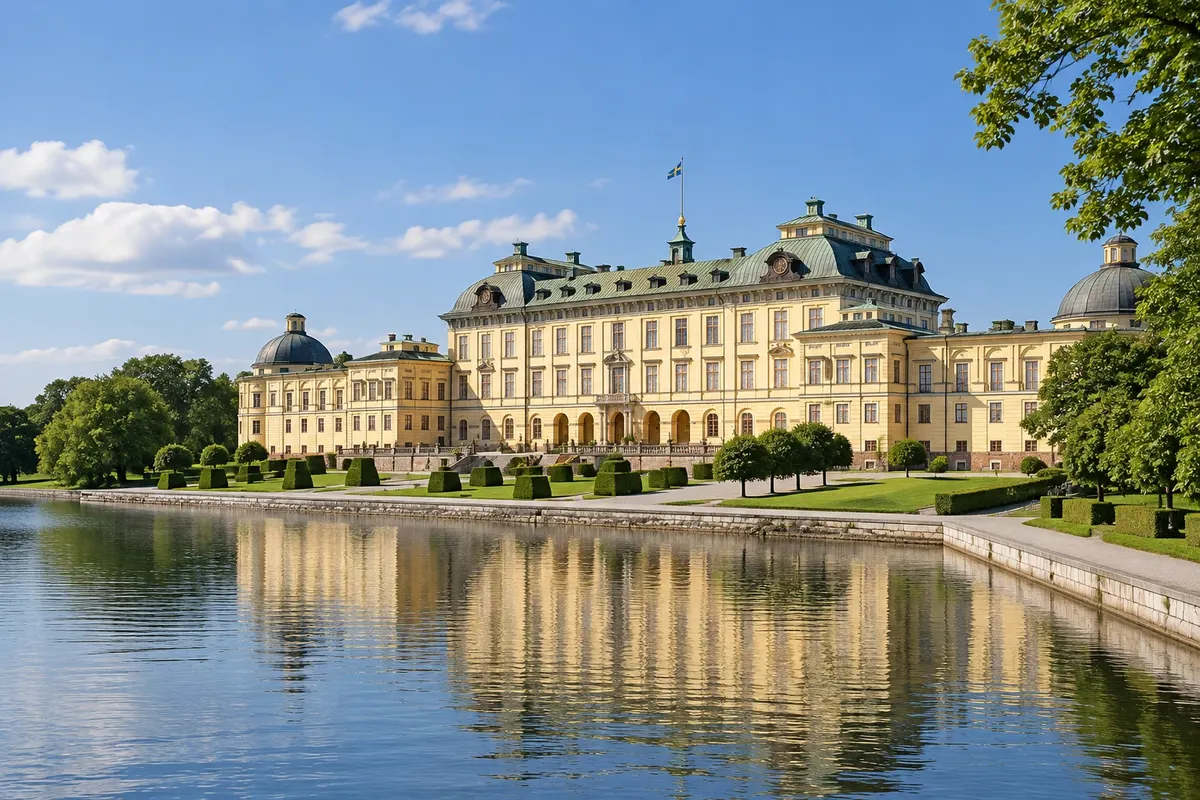
Outside the center, the Palácio de Drottningholm, a UNESCO World Heritage site, is about an hour away by boat on the Mälaren, and Vaxholm is the gateway to the archipelago. Almost everything is paid by card, and many places often don’t accept cash. English is spoken by almost everyone.
This destination brings together 1 city: Estocolmo.


 Brazil
 Argentina
 Bolivia
 Chile
Chile Colombia
 Ecuador
 Guyana
 French Guiana
 Falkland Islands (Malvinas)
 Paraguay
 Peru
Peru Suriname
 Uruguay
 Venezuela
 Germany
 Belgium
 Denmark
 Spain
Spain France
 Greece
 the Netherlands
 Ireland
 Italy
Italy Luxembourg
 Norway
 Portugal
 the United Kingdom
 Switzerland