Veneza

Vêneto · Italy

Veneza

The city built on the lagoon, without cars, with canals instead of streets, the Basílica de São Marco, the Palácio Ducal and the islands of Murano, Burano and Torcello.

North

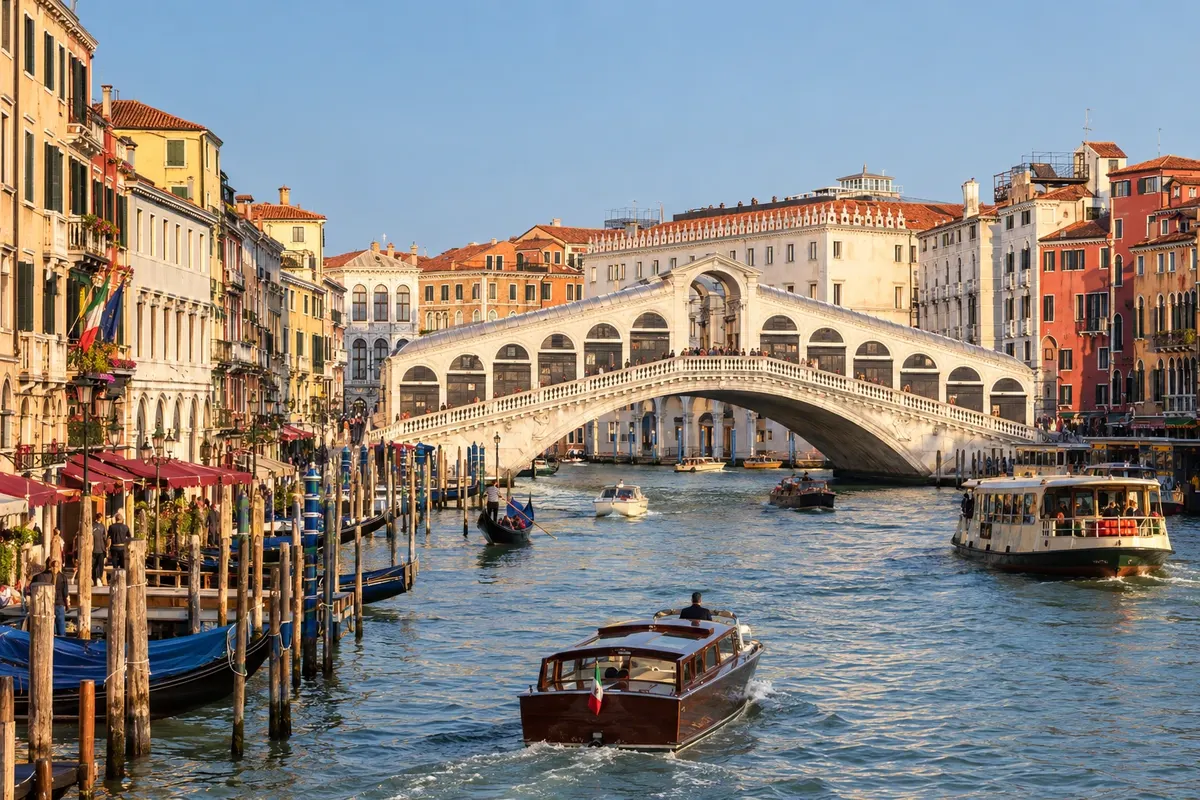
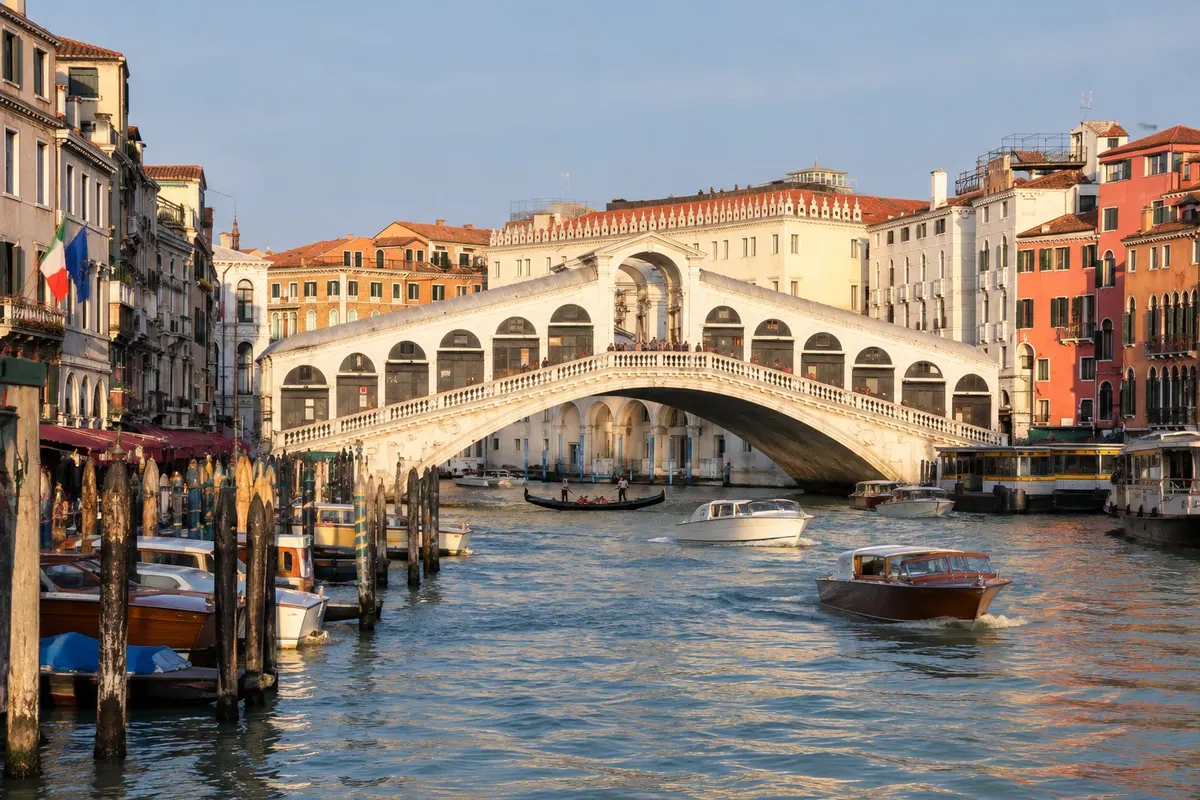
In the photo: Ponte di Rialto, Veneza

Illustrative images. The pictures in this guide are illustrations based on the real place, not photographs, and may differ from it.

Get it on Google Play Send your photos

Get to know the place

A region to enjoy
at your own pace.

Veneza occupies a group of islands in the lagoon off the northern Adriatic Sea, connected by more than 400 bridges and cut by canals. The Canal Grande runs through the city in an S-shape, and life is on foot or by boat: there are no cars in the historic center. It was the capital of the Serenissima Repubblica di Venezia, a maritime power that lasted over a thousand years, until 1797.

The heart is the Piazza San Marco, with the basilica of golden mosaics, the campanile and the Palazzo Ducale, the seat of the doges' government. From there the city divides into six neighborhoods called sestieri: San Marco, Castello, Cannaregio, Dorsoduro, San Polo and Santa Croce. Each has its campi, the small Venetian squares, and its churches full of works by Titian, Tintoretto and Veronese.

Public transport is by vaporetto, the water-bus that functions like a bus line on the water. Line 1 runs the entire Canal Grande and is the simplest way to see the palaces on the canal bank. In the lagoon, the vaporetto takes you to Murano, the island of blown glass, to Burano, known for its colorful houses and lace, to Torcello, where the settlement of the lagoon began, and to the Lido, the sandy strip facing the sea.

It's worth booking at least one night in the city to see the streets after the day-tripper groups leave.

This destination brings together 1 city: Veneza.

Share: WhatsApp
Traveler, share your experiences through photos Up to 5 photos of each place you visited.

One destination, many paths

The cities on this trip

Start with one city or combine several in your itinerary.

Where Veneza is
Veneza

Contornos: ISTAT, limites administrativos 2026, CC BY 4.0. Adaptação do Cidade Turismo.

How to get there: Veneza

✈ Aeroporto di Venezia Marco Polo (VCE) · 13 km to Veneza

✈ Aeroporto di Treviso Antonio Canova (TSF), in Treviso · 40 km to Veneza

Confirm before buying. The main airport is Venezia Marco Polo (VCE), linked to the city by buses to Piazzale Roma and by Alilaguna boats. From Milan, Florence and Rome, high-speed trains by Trenitalia and Italo arrive at Venezia Santa Lucia station.

The local experience

Things to do in Veneza

Piazza San Marco
Veneza · Vêneto · Square

Piazza San Marco

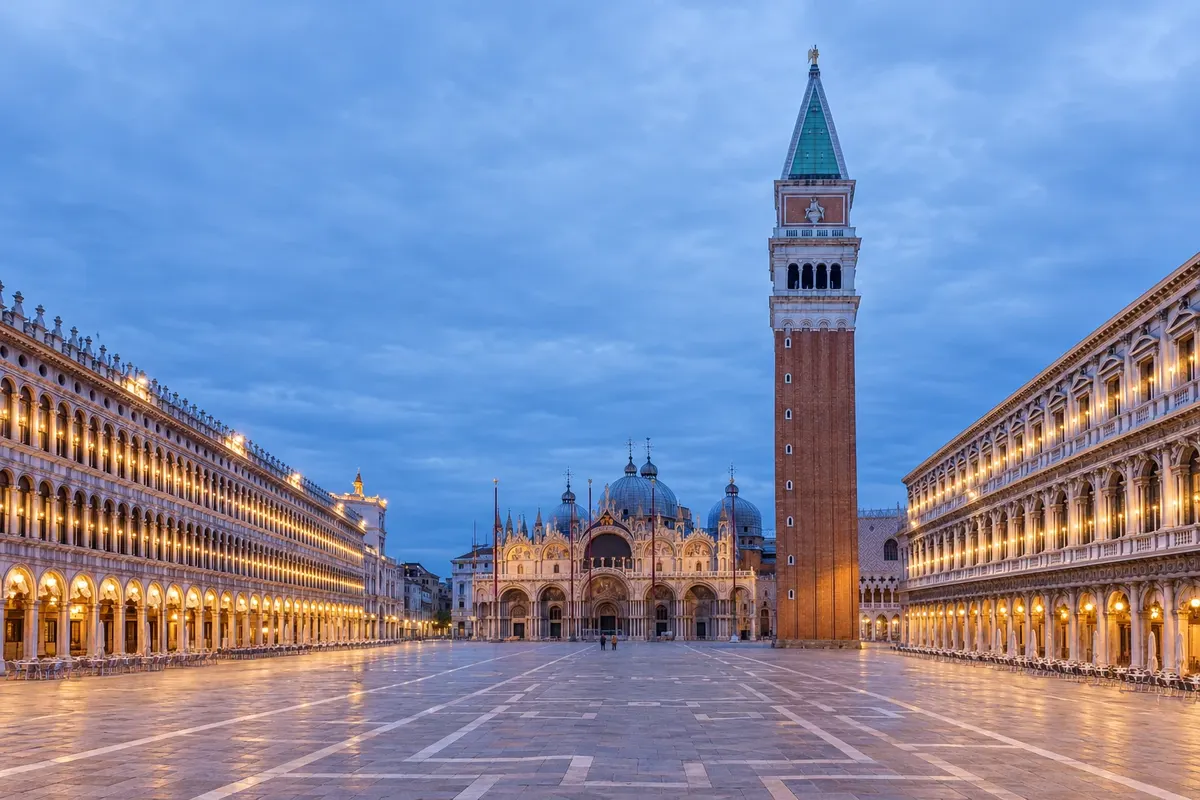
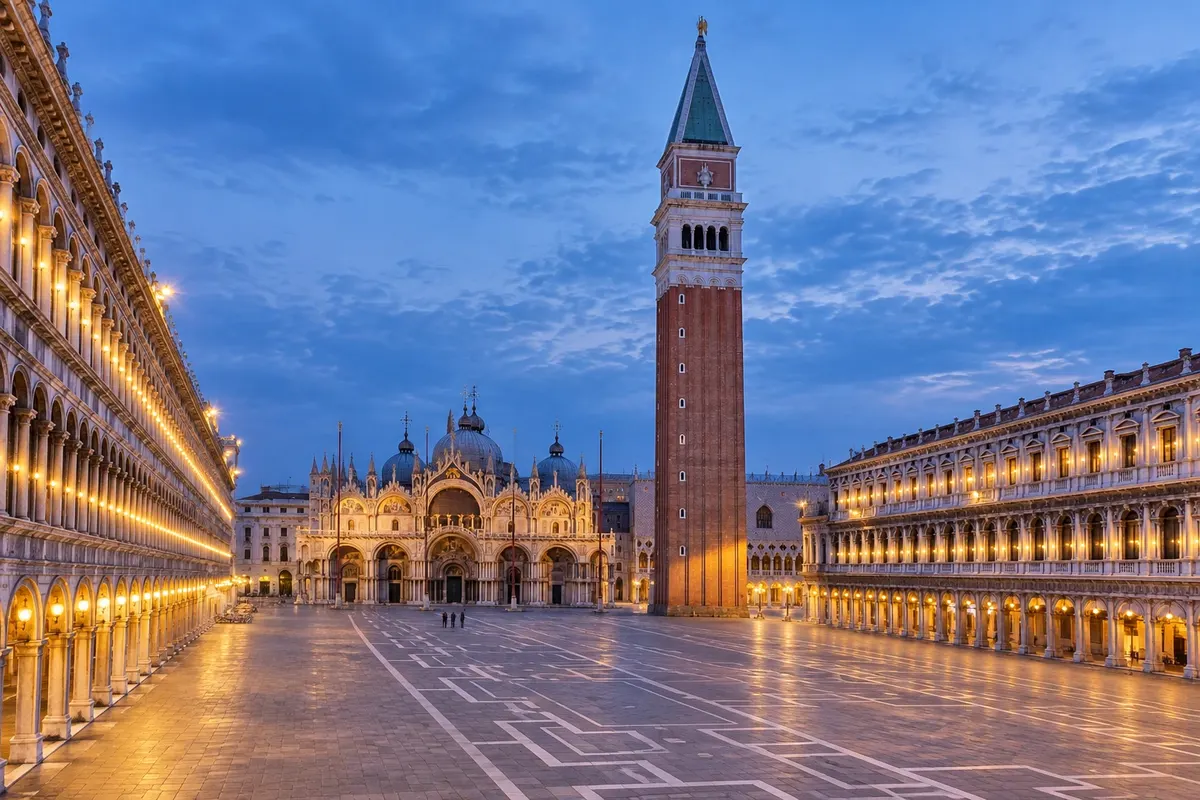
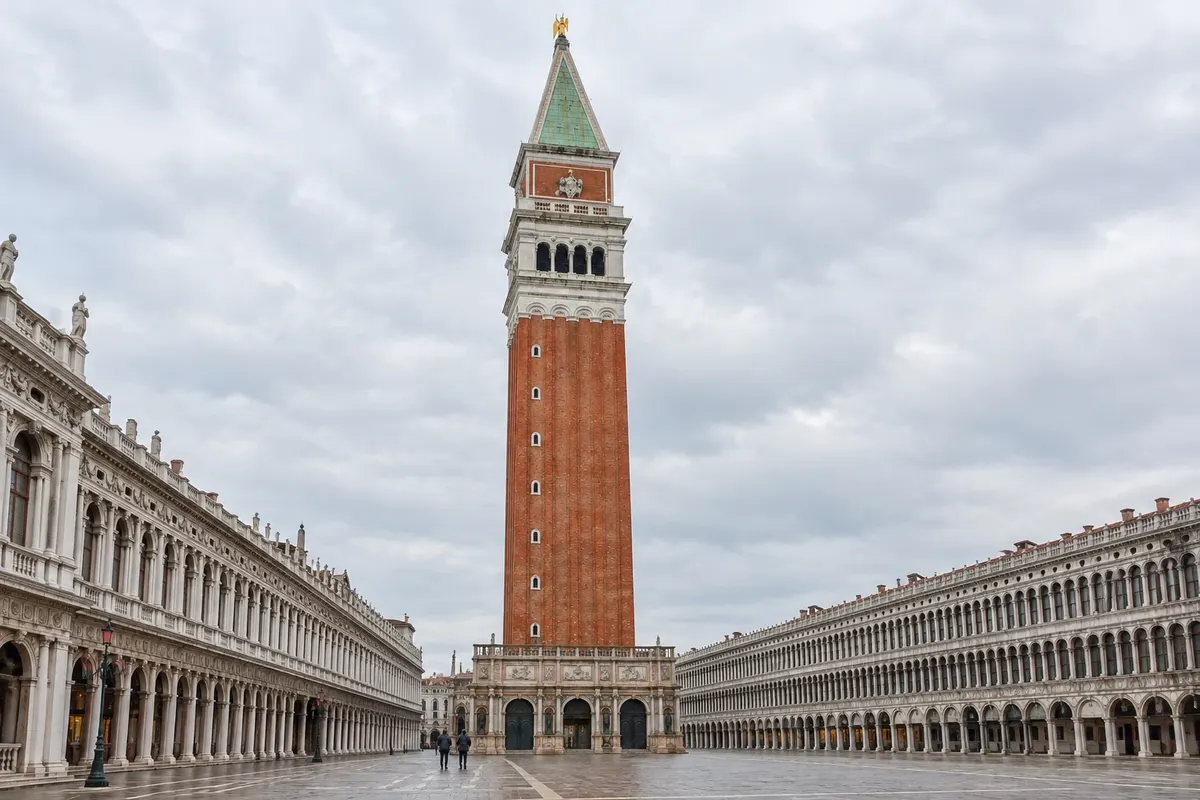
The main square of Veneza, surrounded by the Basilica di San Marco, the Campanile, the Palazzo Ducale, the Torre dell'Orologio and the arcades of the Procuratie. It is the lowest point of the city and the first to flood during the acqua alta.

Basilica di San Marco
Veneza · Vêneto · Cathedral

Basilica di San Marco

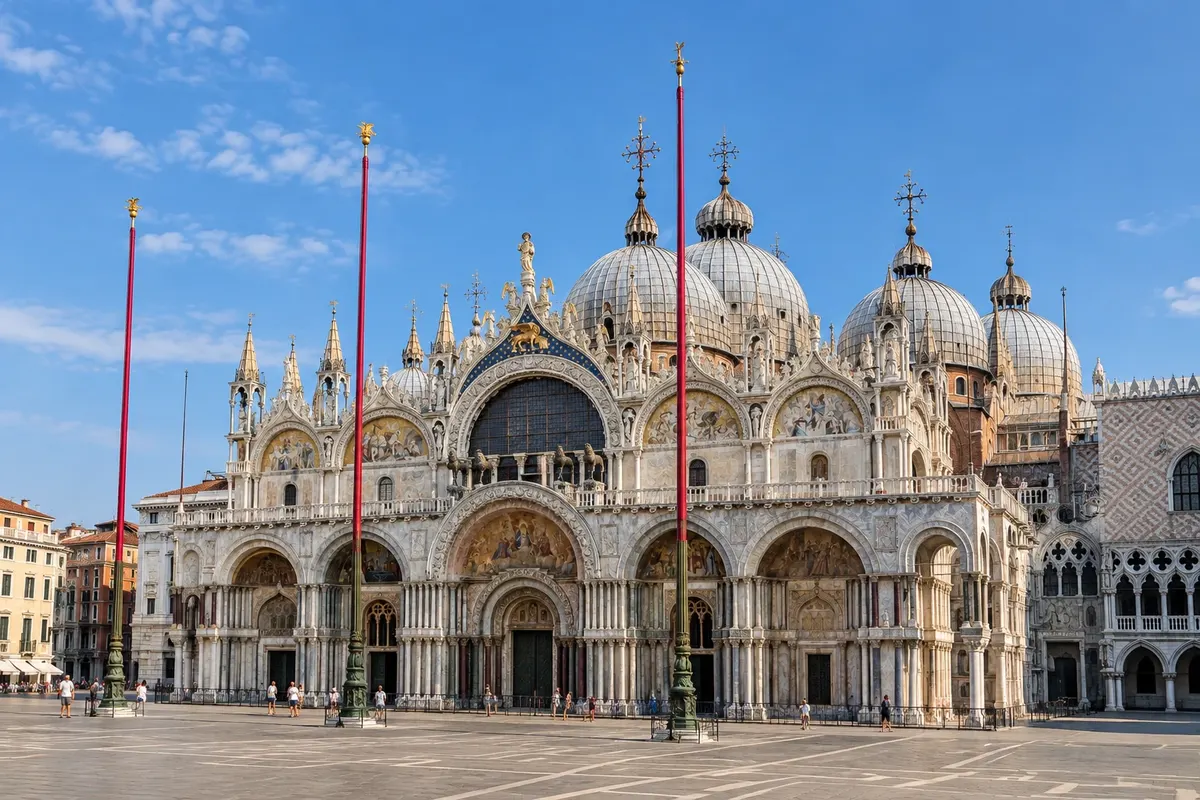
The cathedral of Veneza, built to house the relics of the evangelist São Marcos, with Byzantine-style domes and more than 8,000 square meters of mosaics with a golden background. Entry by ticket and reserved time.

Campanile di San Marco
Veneza · Vêneto · Lookout

Campanile di San Marco

The almost 99-meter bell tower of the Piazza San Marco, with an elevator up to the belfry. From the top you can see the city, the Giudecca, San Giorgio Maggiore and the lagoon.

Palazzo Ducale
Veneza · Vêneto · Palace

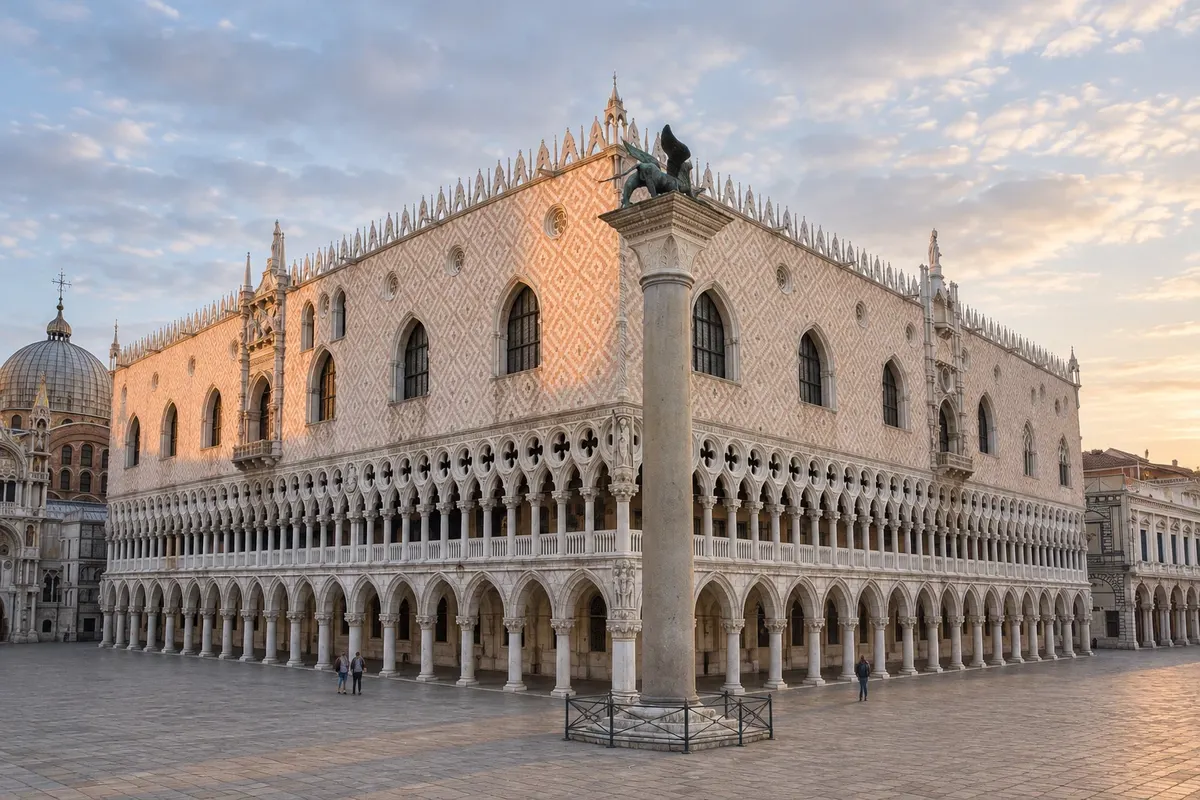
Palazzo Ducale

The seat of government of the Republic of Venice and the doge's residence, in Venetian Gothic, with rooms painted by Tintoretto and Veronese, the prisons and the passage across the Ponte dei Sospiri.

See 17 more places in Veneza
Ponte dei Sospiri
Veneza · Vêneto · Bridge

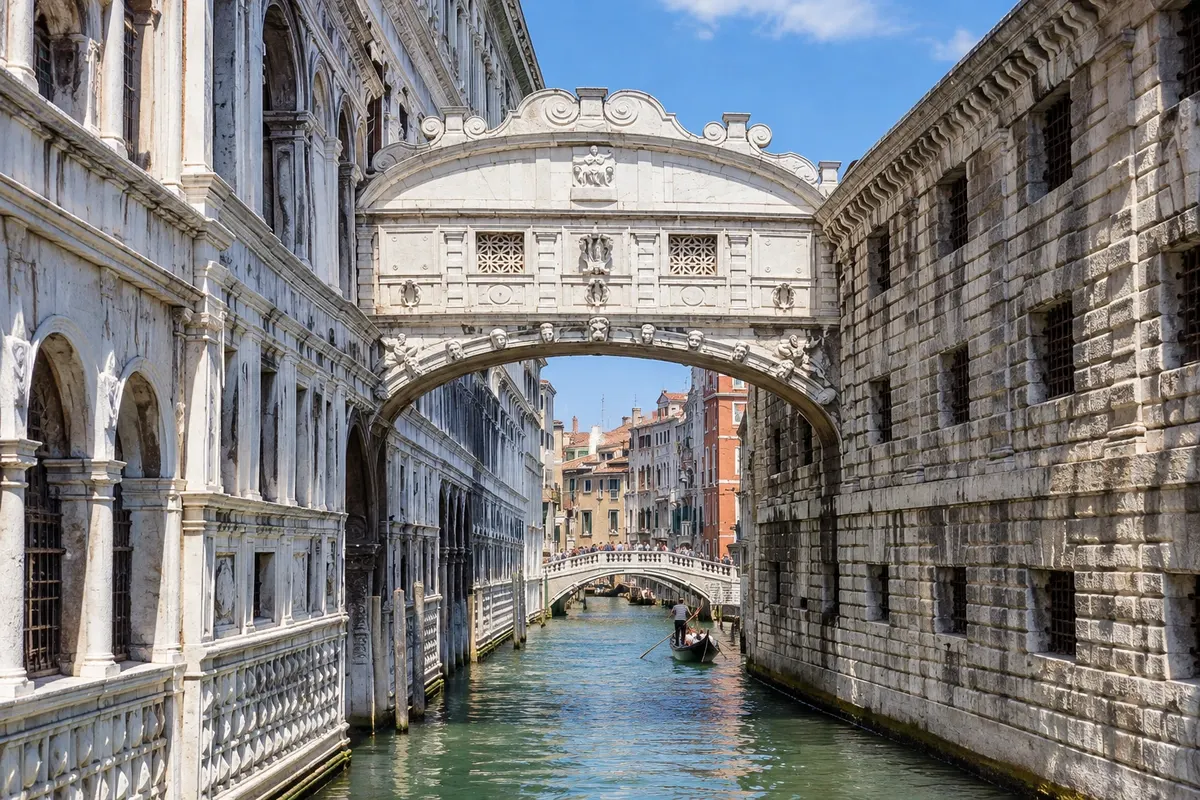
Ponte dei Sospiri

The covered white-stone bridge that links the Palazzo Ducale to the prisons over the Rio di Palazzo. From the outside it is seen from the Ponte della Paglia; inside, it is part of the palace visit.

Ponte di Rialto
Veneza · Vêneto · Bridge

Ponte di Rialto

The oldest stone bridge over the Canal Grande, from the late 16th century, with shops under the arches and views of the canal on both sides.

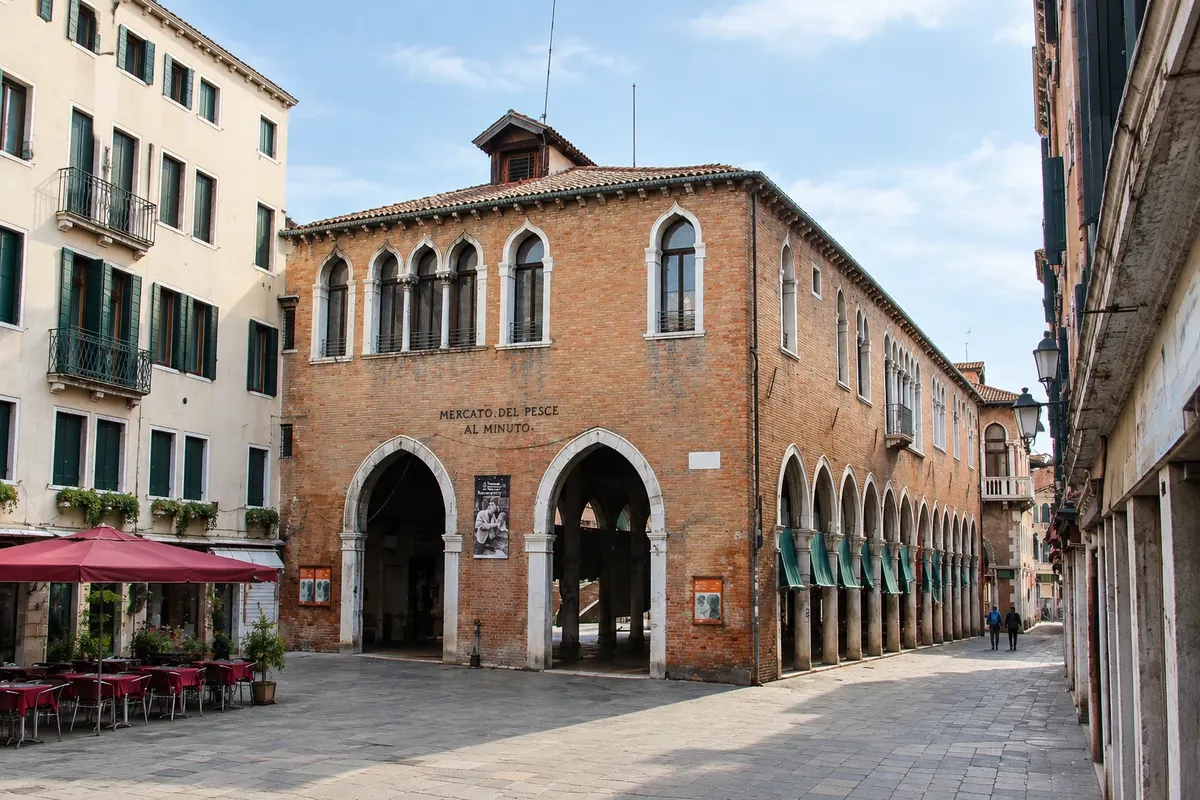
Mercato di Rialto
Veneza · Vêneto · Market

Mercato di Rialto

Venice's street market, next to the Ponte di Rialto, with the Erbaria of fruits and vegetables and the Pescheria of fish and seafood from the lagoon and the Adriatic. It operates in the morning.

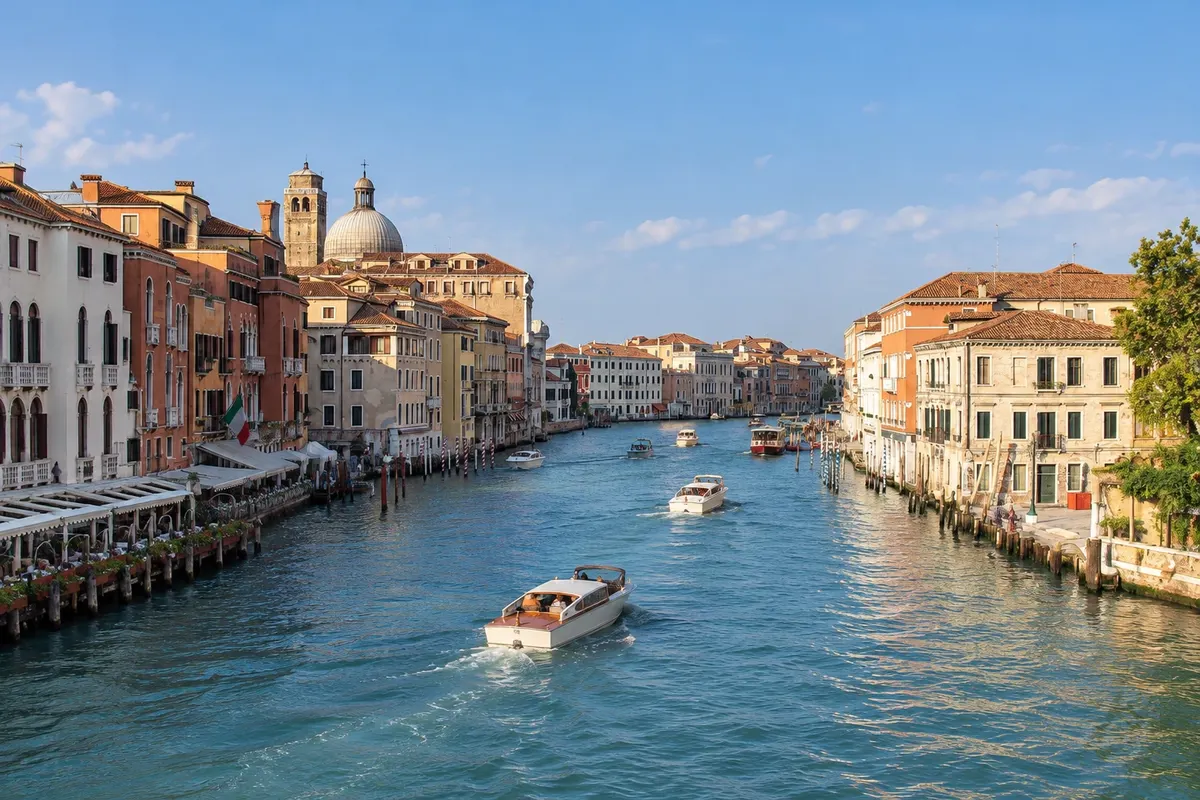
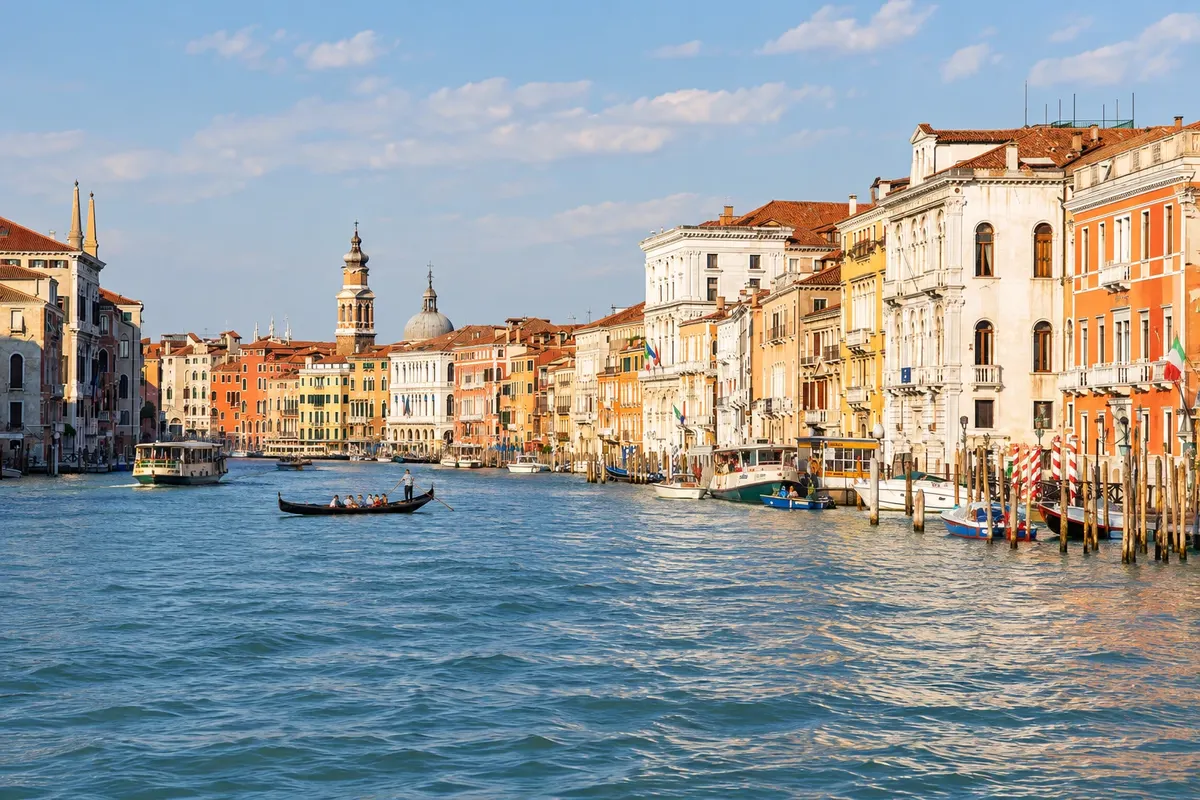
Canal Grande
Veneza · Vêneto · Boat ride

Canal Grande

The main canal of Venice, about 3.8 km in an S‑shape, flanked by palaces from the 12th to the 18th centuries. The simplest way to travel it is on vaporetto line 1.

Gondole di Venezia
Veneza · Vêneto · Boat ride

Gondole di Venezia

Venice's traditional boat, rowed and steered by a gondolier standing at the stern. The ride departs from the stazi, the boarding points, such as the one at Bacino Orseolo, behind Piazza San Marco.

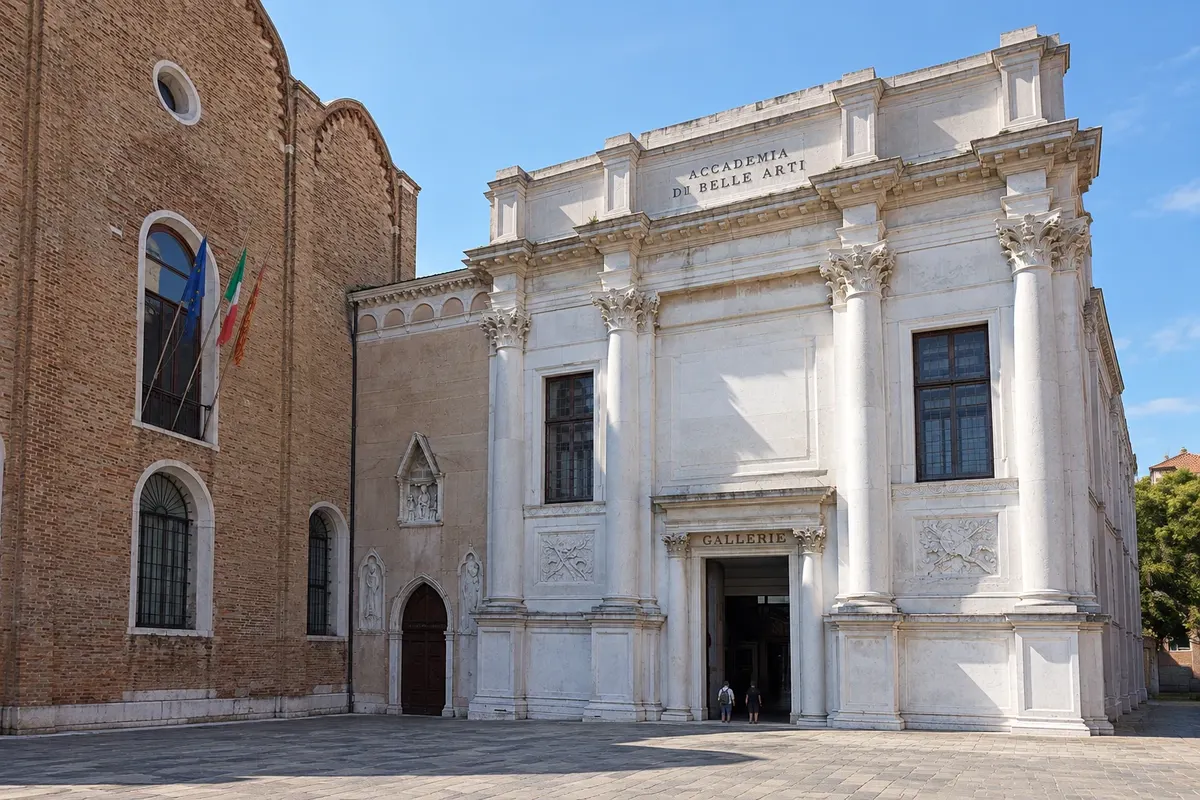
Gallerie dell'Accademia
Veneza · Vêneto · Museum

Gallerie dell'Accademia

The main museum of Venetian painting, from the 14th to the 18th century, with works by Giovanni Bellini, Giorgione, Titian, Tintoretto, Veronese and Canaletto, at the foot of the Ponte dell'Accademia.

Collezione Peggy Guggenheim
Veneza · Vêneto · Museum

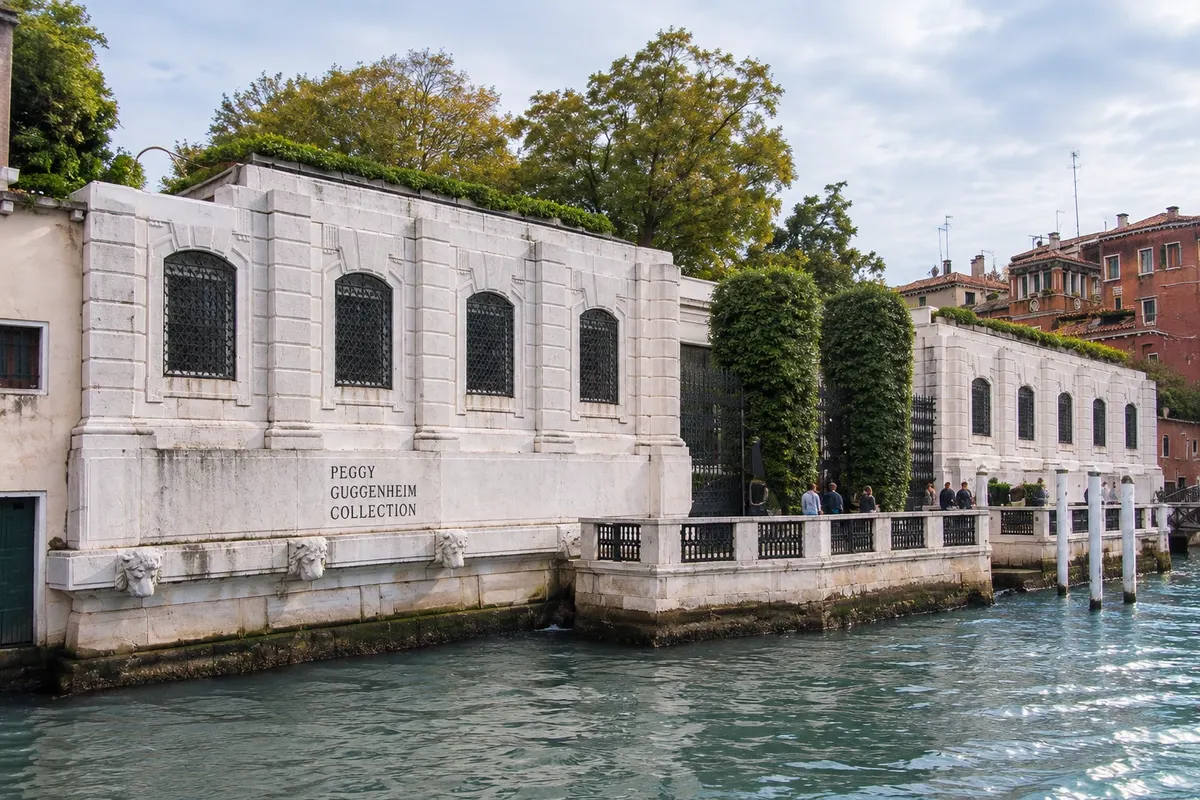
Collezione Peggy Guggenheim

Museum of 20th-century European and American modern art, in the house where collector Peggy Guggenheim lived, on the Canal Grande, with works by Picasso, Pollock, Magritte, Dalí and Kandinsky.

Basilica di Santa Maria della Salute
Veneza · Vêneto · Church

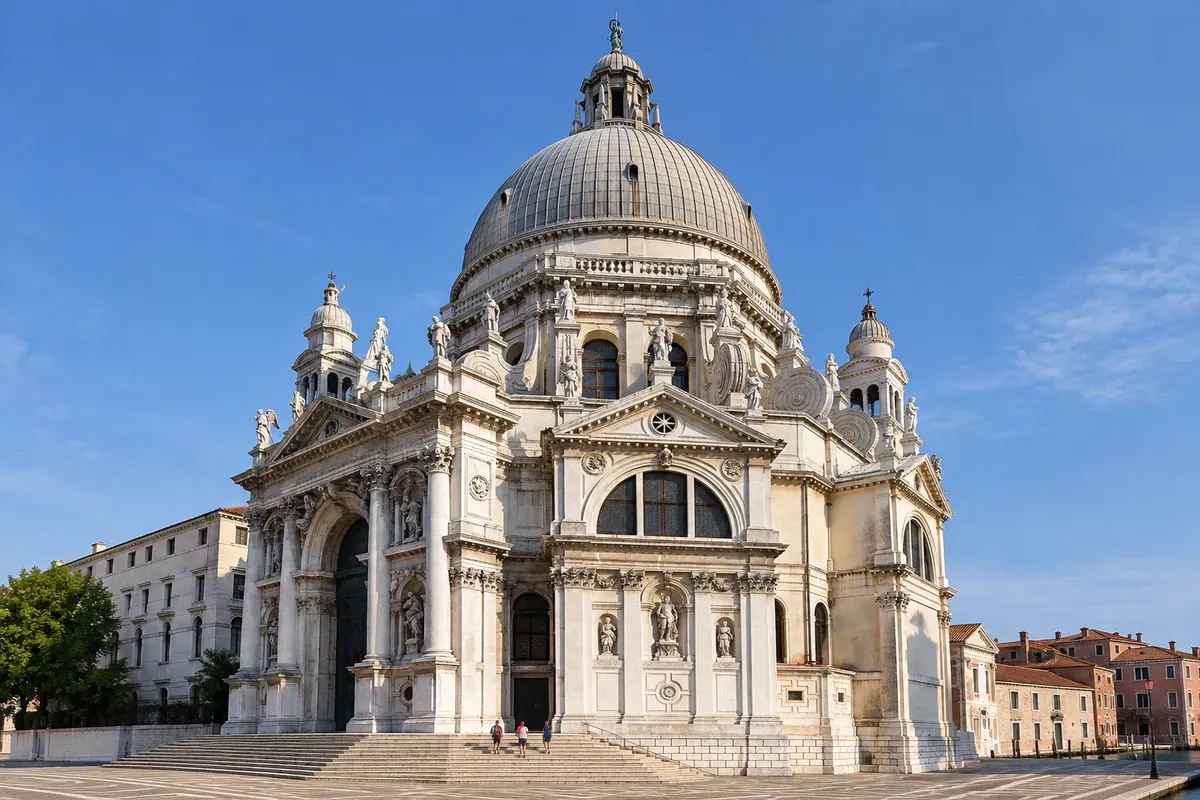
Basilica di Santa Maria della Salute

The large Baroque church with a white dome at the entrance to the Canal Grande, erected in gratitude for the end of the 1630 plague, with works by Titian and Tintoretto in the sacristy.

Scuola Grande di San Rocco
Veneza · Vêneto · Museum

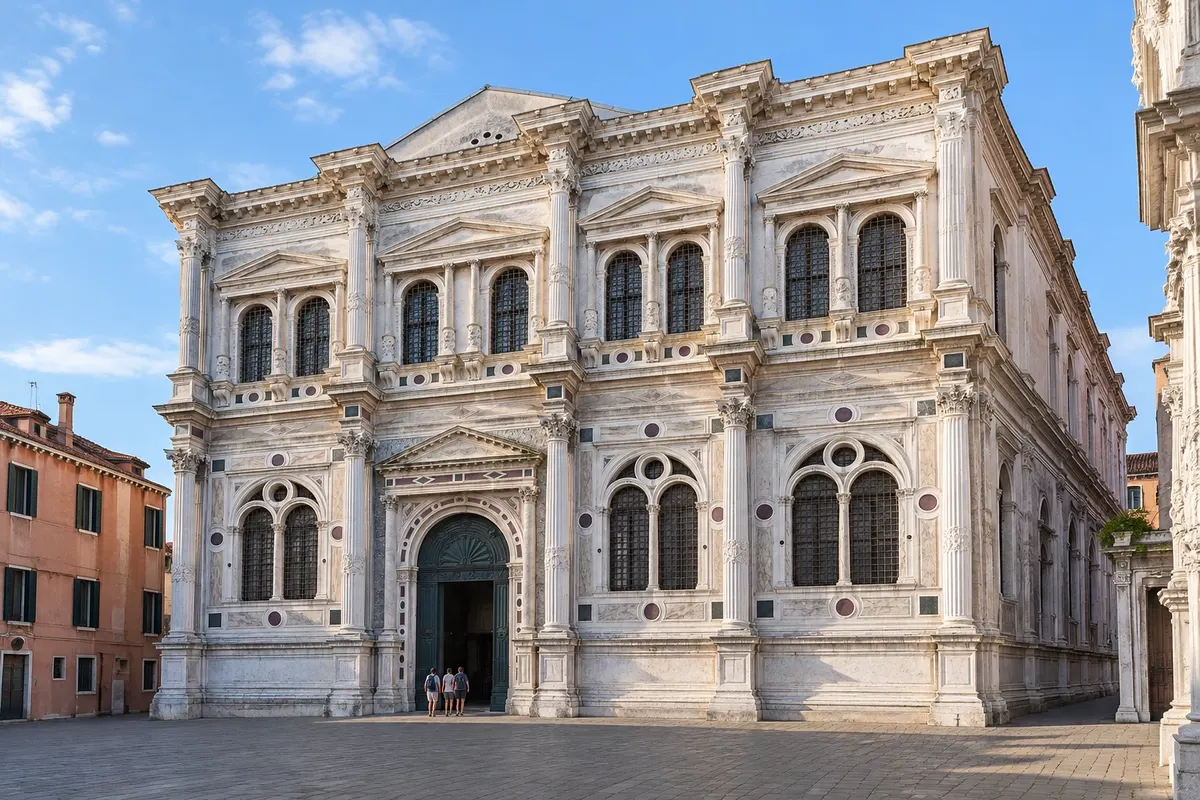
Scuola Grande di San Rocco

Headquarters of a 15th-century confraternity in San Polo, with more than 60 paintings by Tintoretto in their original locations, on the ceilings and walls of two floors.

Basilica di Santa Maria Gloriosa dei Frari
Veneza · Vêneto · Church

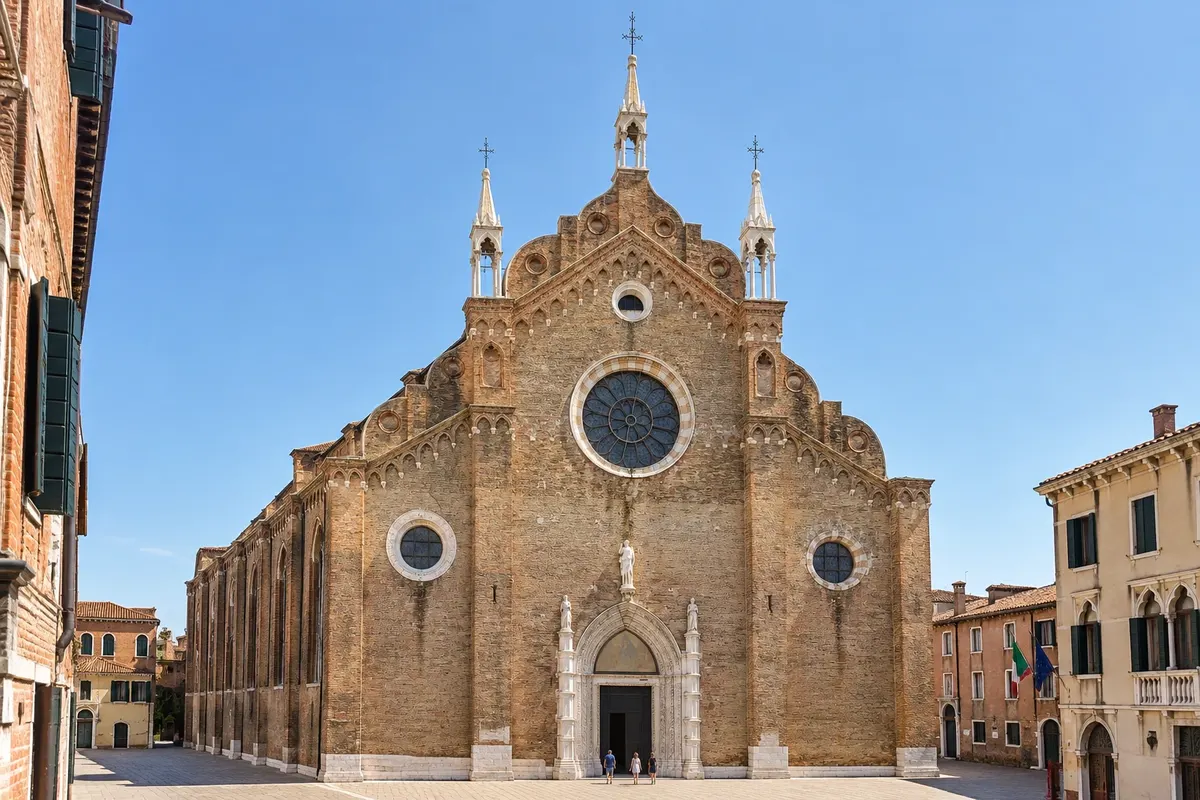
Basilica di Santa Maria Gloriosa dei Frari

The large Franciscan Gothic church of San Polo, with the Assunta by Titian on the high altar, the painter's tomb, and the Canova monument in the form of a pyramid.

Ghetto di Venezia
Veneza · Vêneto · Historic neighborhood

Ghetto di Venezia

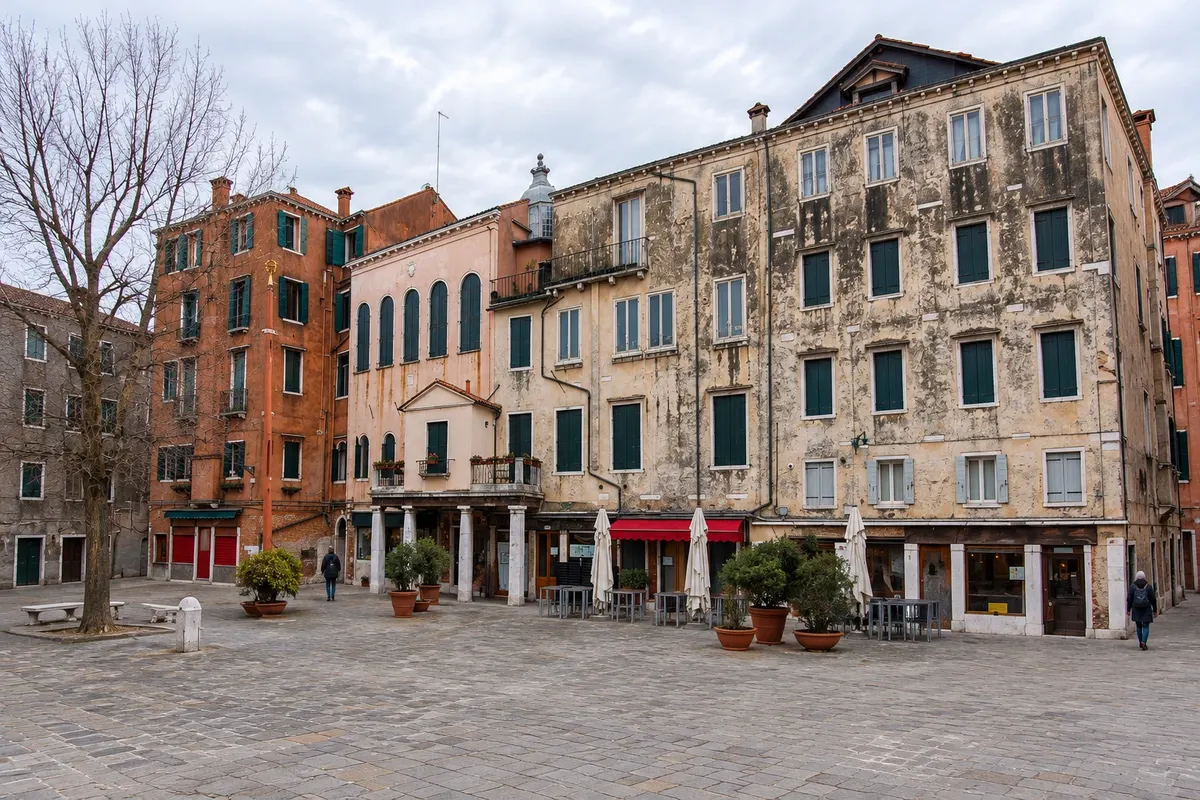
The Cannaregio neighborhood where, from 1516, the Jews of Venice were forced to live. It gave rise to the word ghetto and is still the center of the city's Jewish community, with synagogues and tall buildings.

Libreria Acqua Alta
Veneza · Vêneto · Bookshop

Libreria Acqua Alta

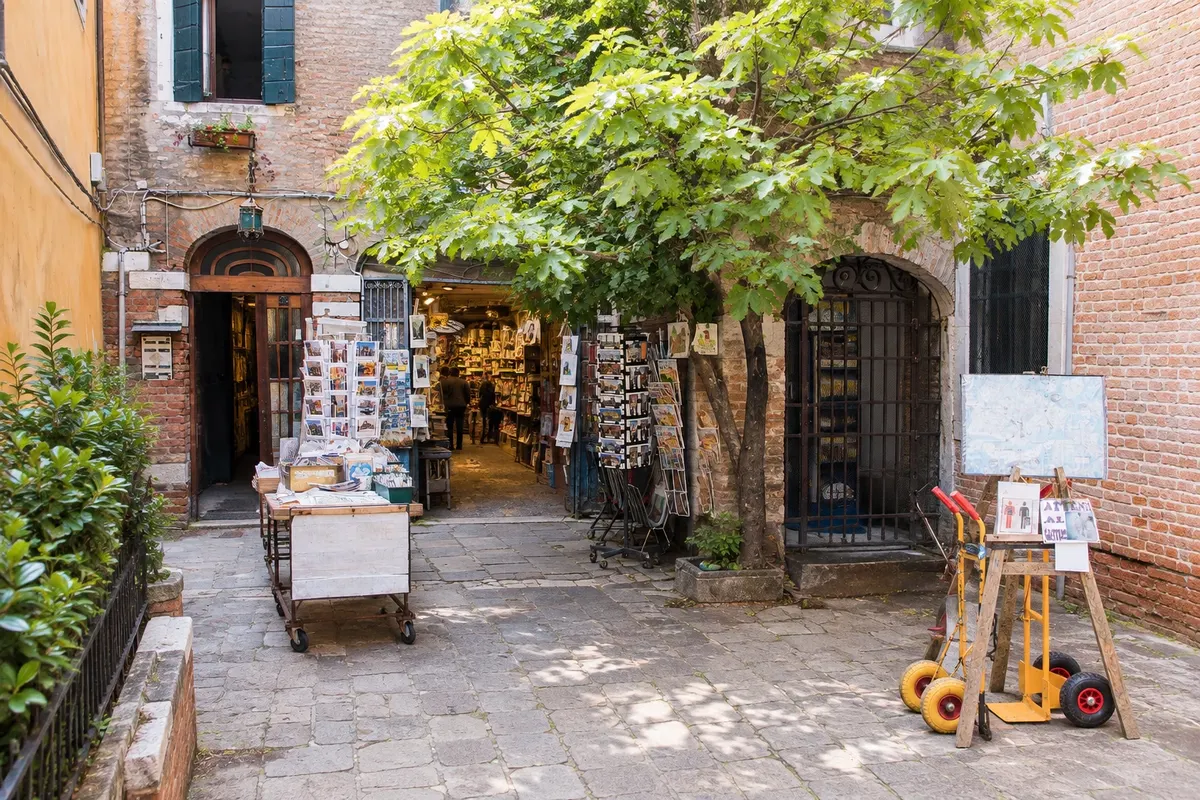
Bookshop of new and used books in Castello, with volumes stored in bathtubs, boats and an entire gondola to protect them from the high tide, and a staircase made of books overlooking the canal.

Basilica di San Giorgio Maggiore
Veneza · Vêneto · Church

Basilica di San Giorgio Maggiore

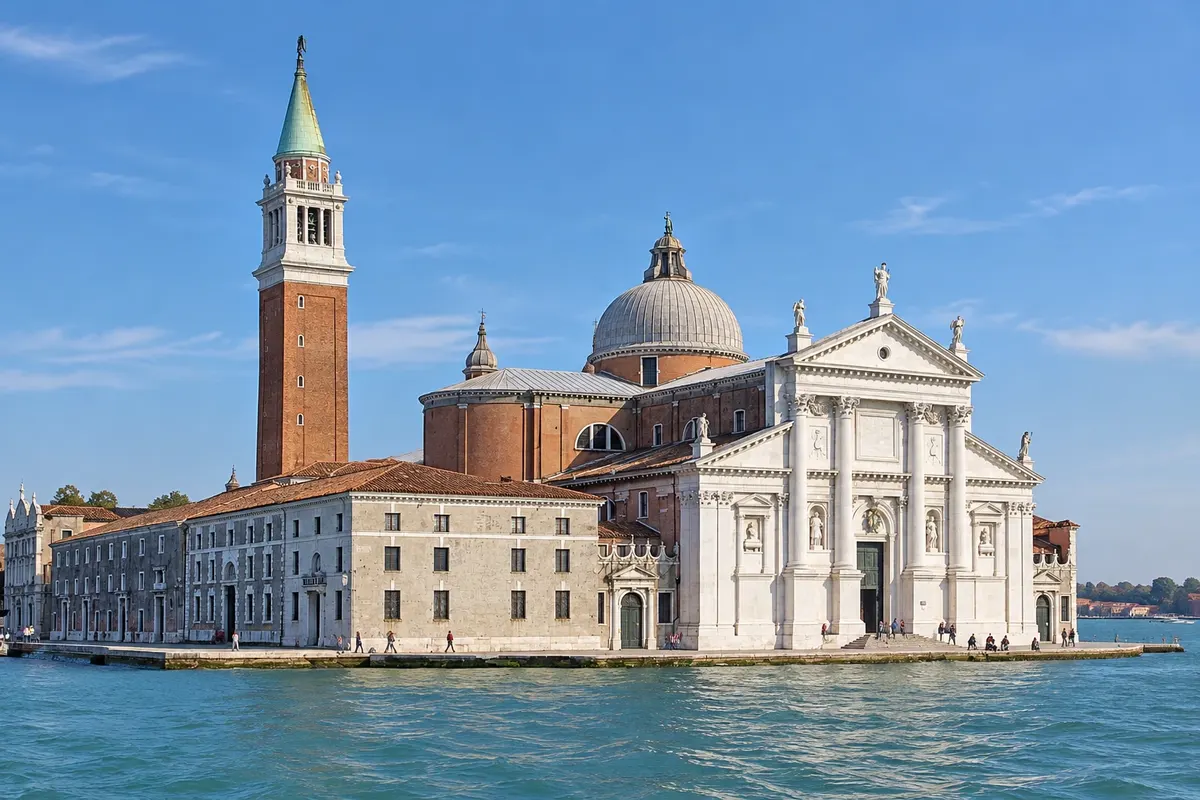
The church designed by Andrea Palladio on the island opposite Piazza San Marco, with paintings by Tintoretto and a bell tower with an elevator offering views over the square and the lagoon.

Murano
Veneza · Vêneto · Island

Murano

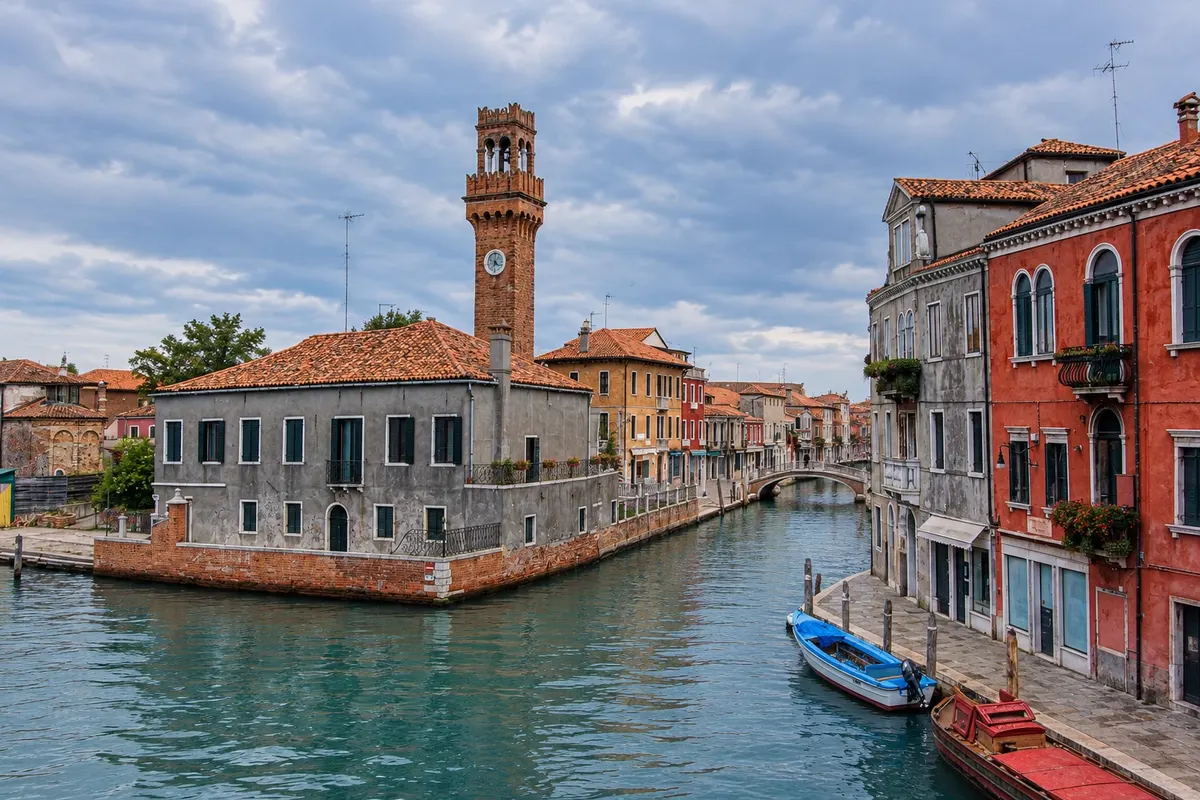
The island of blown glass, north of Venice, with furnaces open to visitors, the Museo del Vetro and the Basilica dei Santi Maria e Donato, which has mosaic floors.

Burano
Veneza · Vêneto · Island

Burano

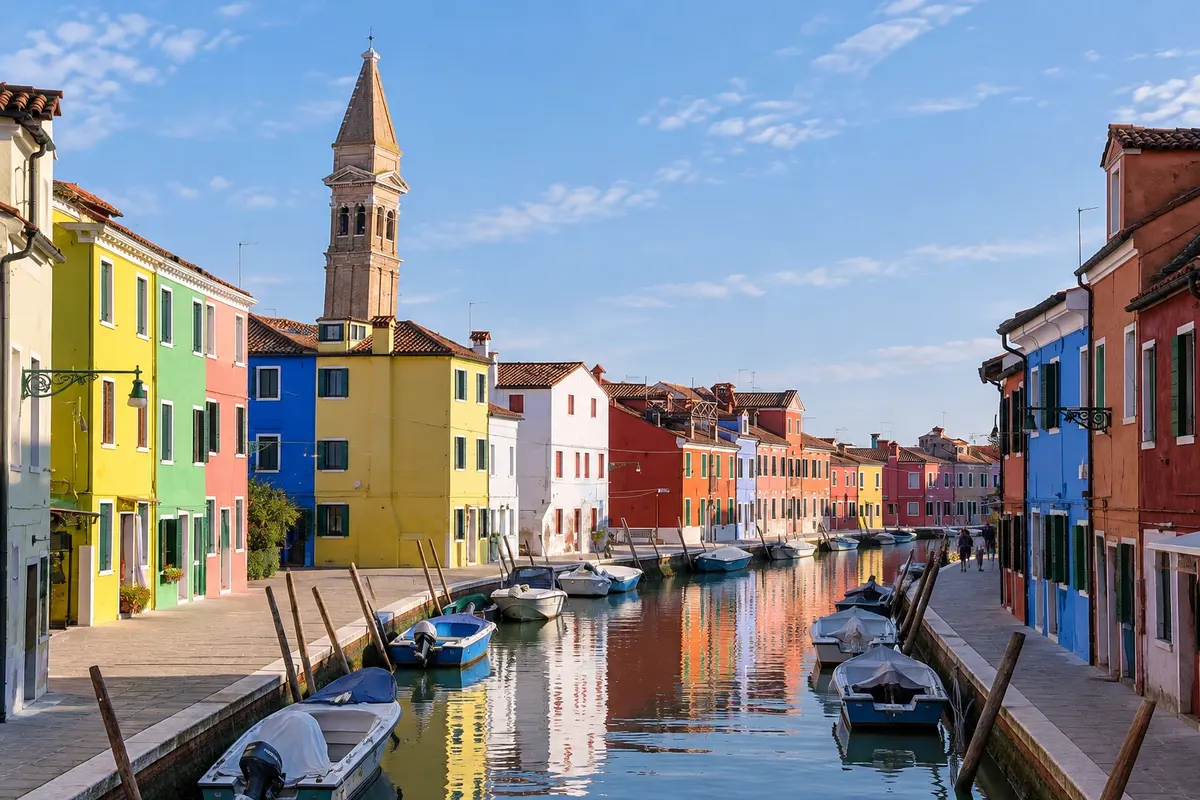
Fishermen's island north of the lagoon, with houses painted in bright colors along the canals and a tradition of handmade lace, shown at the Museo del Merletto.

Torcello
Veneza · Vêneto · Historical site

Torcello

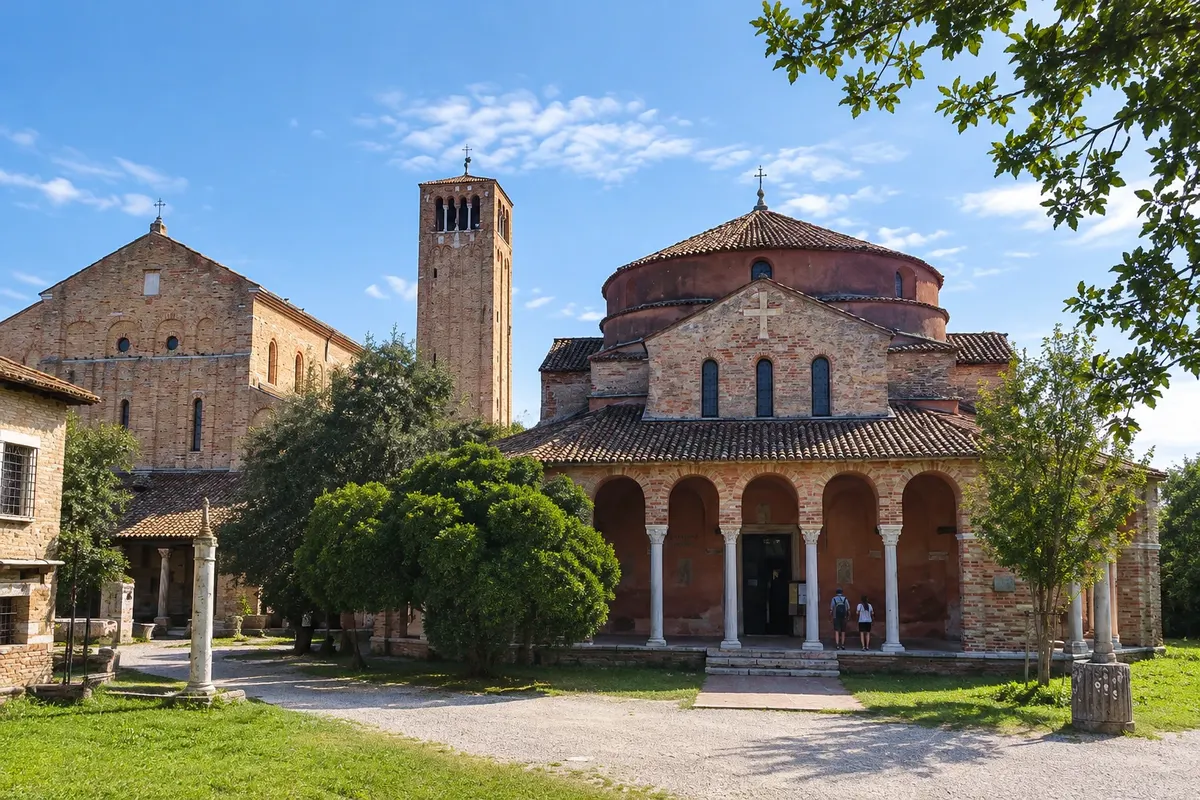
Almost deserted island in the north of the lagoon, where the Venetian settlement began, with the Basilica di Santa Maria Assunta, founded in 639, and its Byzantine mosaics of the Last Judgment.

Lido di Venezia
Veneza · Vêneto · Beach

Lido di Venezia

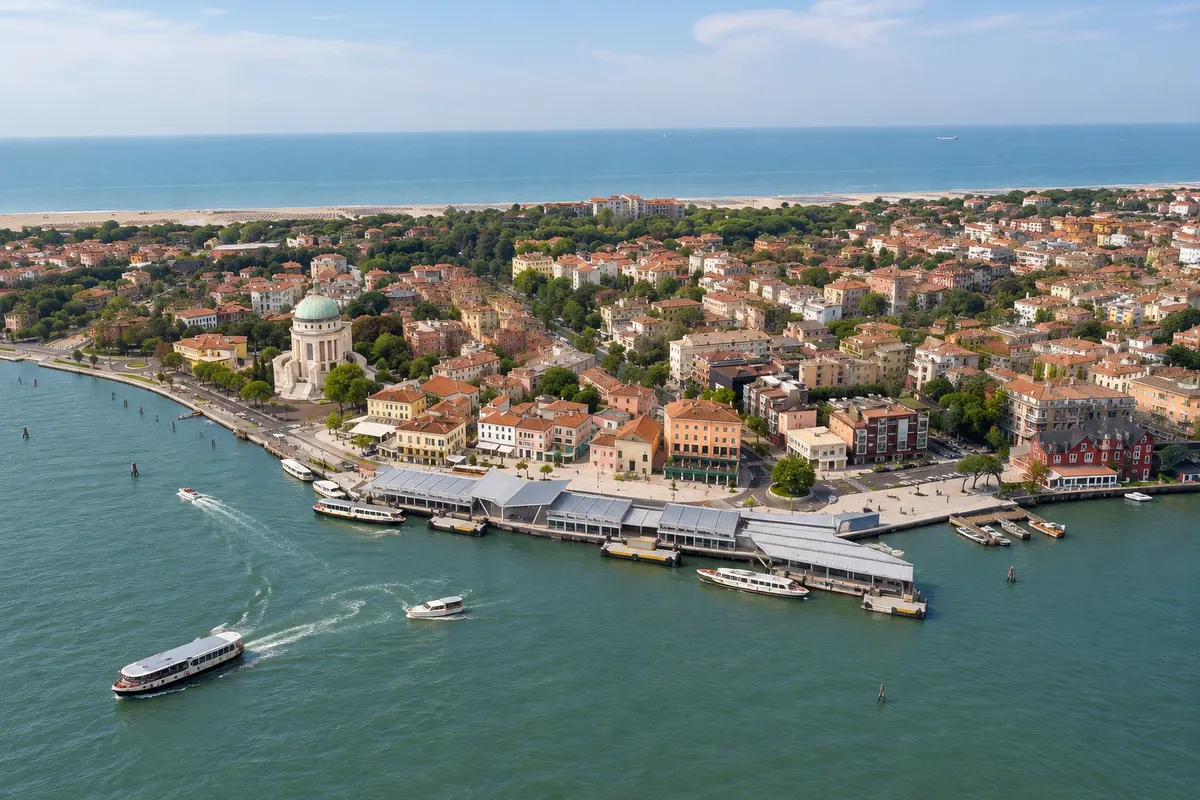
The long island that separates the lagoon from the Adriatic Sea, with sandy beaches facing the sea, streets with cars, and the seat of the Festival de Cinema de Veneza.

Before you go

Practical information

A little planning leaves more time to enjoy the journey.

When to go

April to June and September to October usually offer milder weather. Summer, from June to August, is hot and very busy. In winter, from December to February, it is cold and damp. The acqua alta, the high tide that floods parts of the city, typically occurs from October to January. Carnival takes place in the weeks before Lent, in February or March.

The seasons shown are the most usual ones; nature doesn't always follow the calendar.

How many days to stay

One day is enough for the Piazza San Marco, the basilica, the Palazzo Ducale, the Ponte di Rialto and a vaporetto ride along the Canal Grande. With two days you can see the museums of Dorsoduro, the Basilica dei Frari and the Scuola Grande di San Rocco. Three days allow a full day for the islands of Murano, Burano and Torcello.

Which city to stay in

San Marco and Castello are close to the main monuments and the Riva degli Schiavoni, from where boats to the islands depart. Cannaregio, between the station and Rialto, is more residential and has many bars and restaurants on the fondamente, the sidewalks along the canals. Dorsoduro concentrates museums and the Campo Santa Margherita. Travelers arriving by train with heavy luggage may prefer the area near the station, in Cannaregio or Santa Croce. Mestre, on the mainland, is a few minutes by train from Venezia Santa Lucia.

Respect the place

Take your trash with you, follow the signs and support local businesses. In natural areas, follow the visiting guidelines.

Get your questions answered

Frequently asked questions about Veneza

Do I need a car in Veneza?

No. The historic center has no streets for cars: you get around on foot, through alleys and bridges with steps, or by vaporetto. Those arriving by car leave the vehicle in the parking lots at Piazzale Roma or on the island of Tronchetto, at the city entrance, or in Mestre, and continue on foot or by boat.

How many days should I stay in Veneza?

Two days allow you to see the monuments of San Marco, Rialto, the museums of Dorsoduro and take the Canal Grande tour without rushing. With three days you have an extra day for the islands of Murano, Burano and Torcello. Spending at least one night in the city lets you experience a calmer Veneza early in the morning and at night.

Is there a fee to enter Veneza?

The municipality of Veneza has previously charged, on dates it defines, a Contributo di Accesso, a daily access fee for visitors who do not overnight in the city. Dates and rules are decided each year: check the municipality's official channel to see if there is a charge on the day of your visit. Those staying overnight in the city pay the tourist tax at their accommodation.

Can I do a day trip to Veneza?

Yes, leaving from Milan, Florence or nearby cities like Padua and Verona by train to Venezia Santa Lucia. From Milan and Florence, the high-speed train takes about 2 to 2.5 hours. In a single day the visitor is limited to the San Marco and Rialto area and the Canal Grande; and should check whether an access fee applies on the chosen date.

Explore other destinations Search by state and city
Back