Oslo lies at the end of the Oslofjord, in southeastern Norway, surrounded by forested hills. It is the capital and the largest city in the country, but it has a relaxed pace: the center is walkable, the tram and the metro reach the neighborhoods and the trails, and the fjord, with islands and summer beaches, is just a few minutes from the central station.
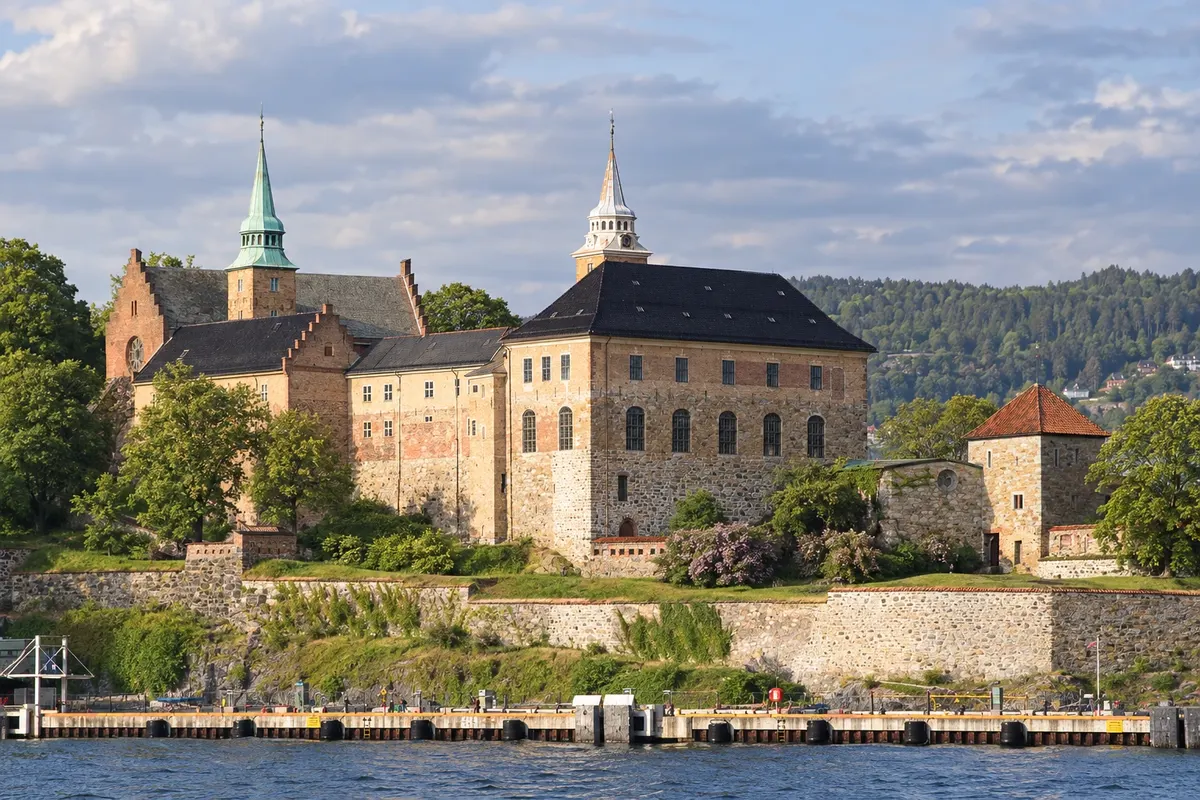
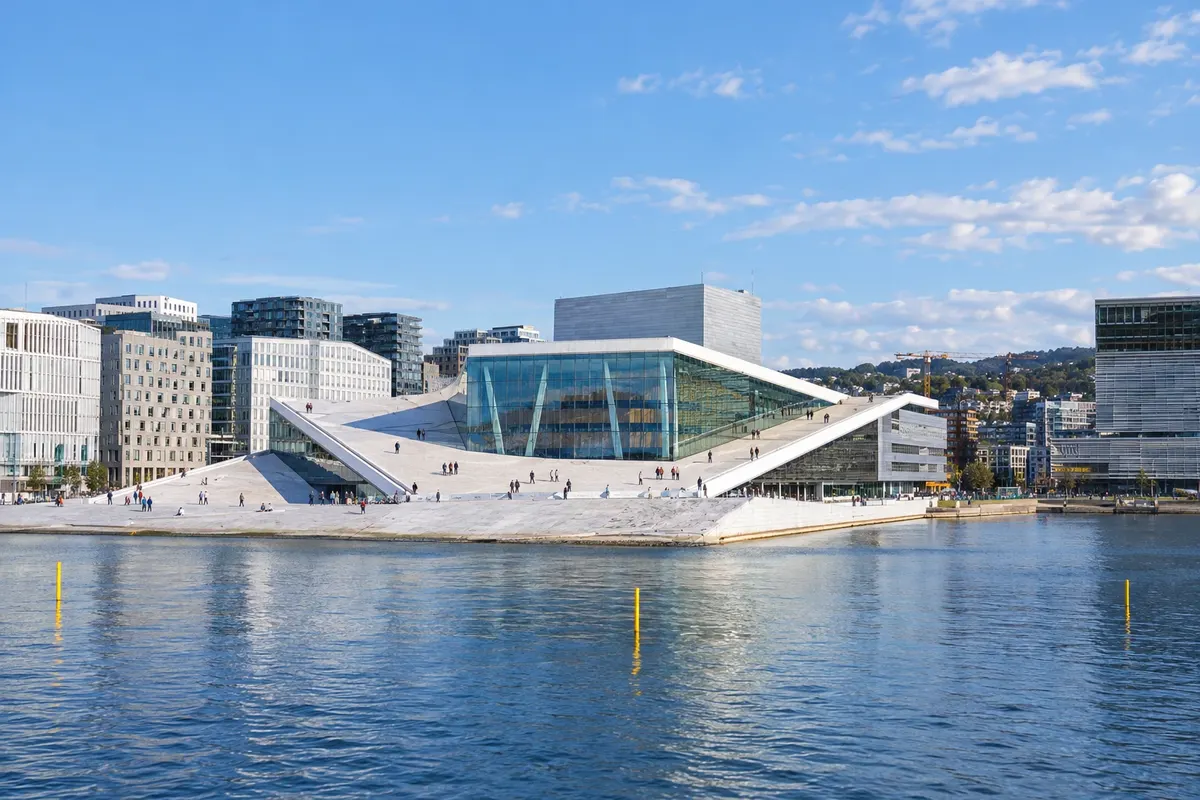
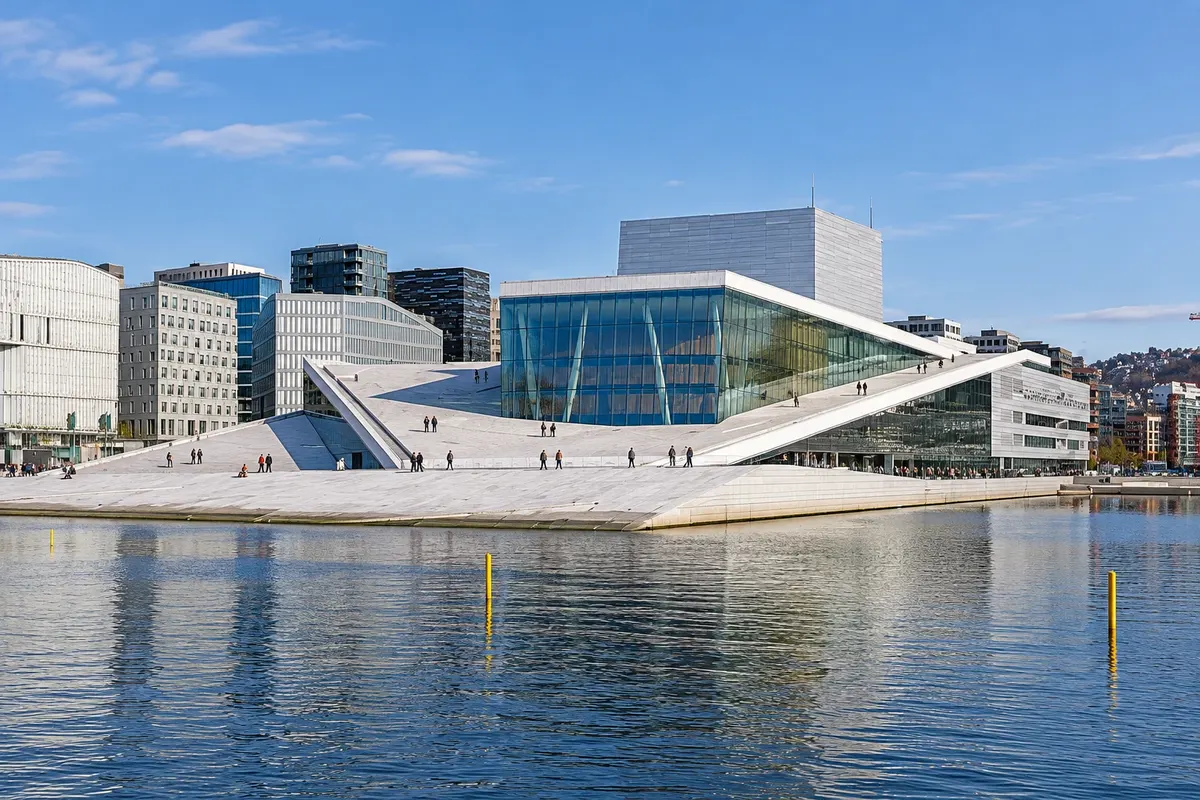
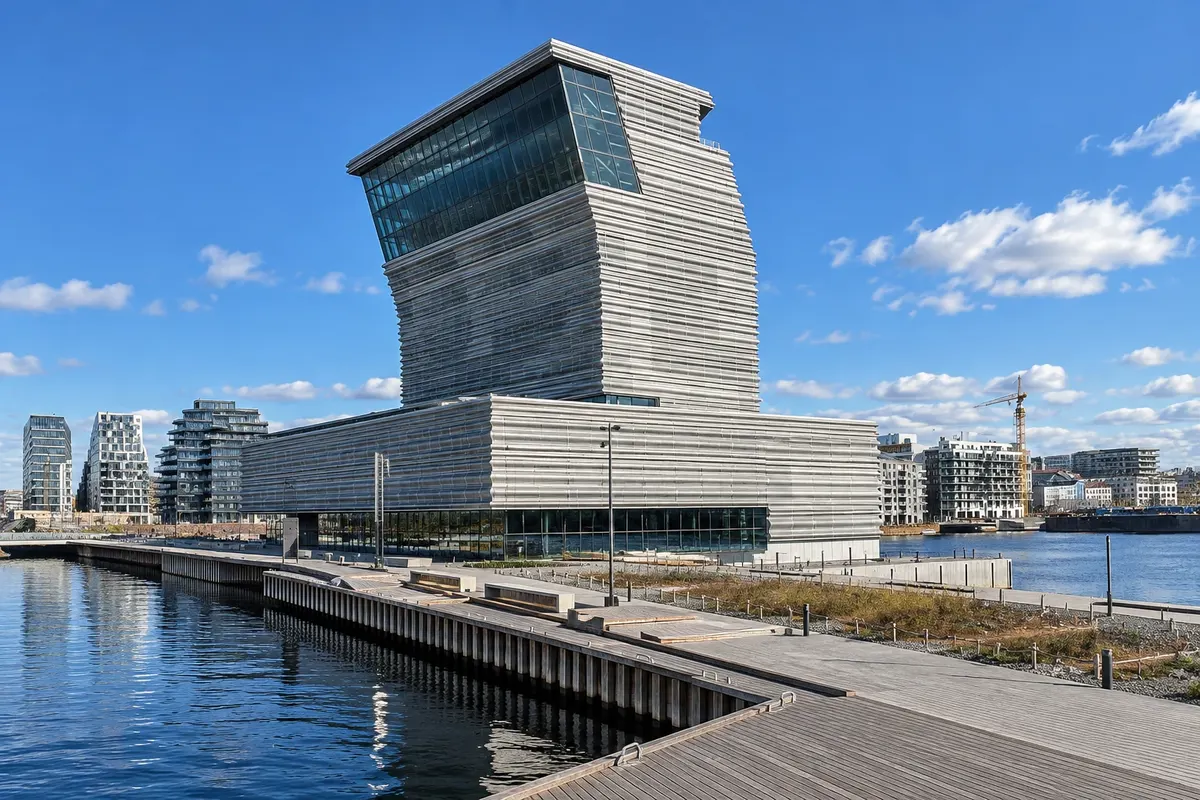
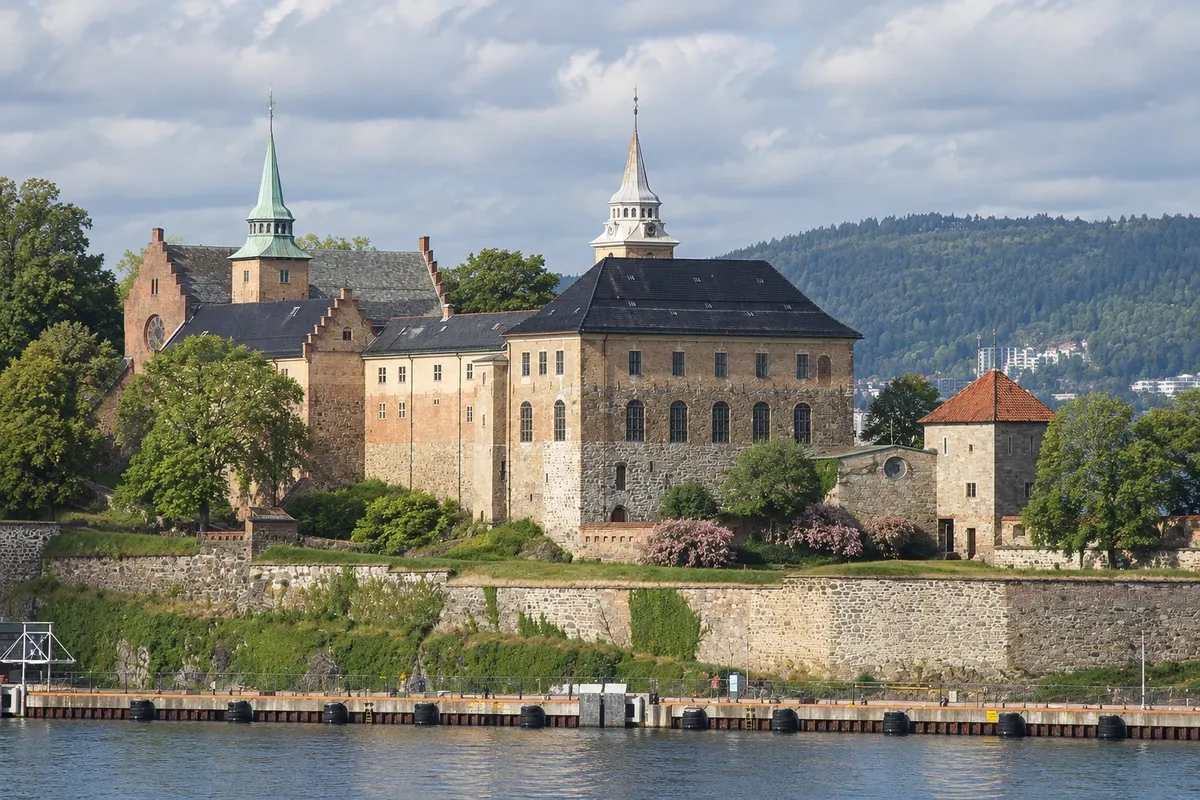
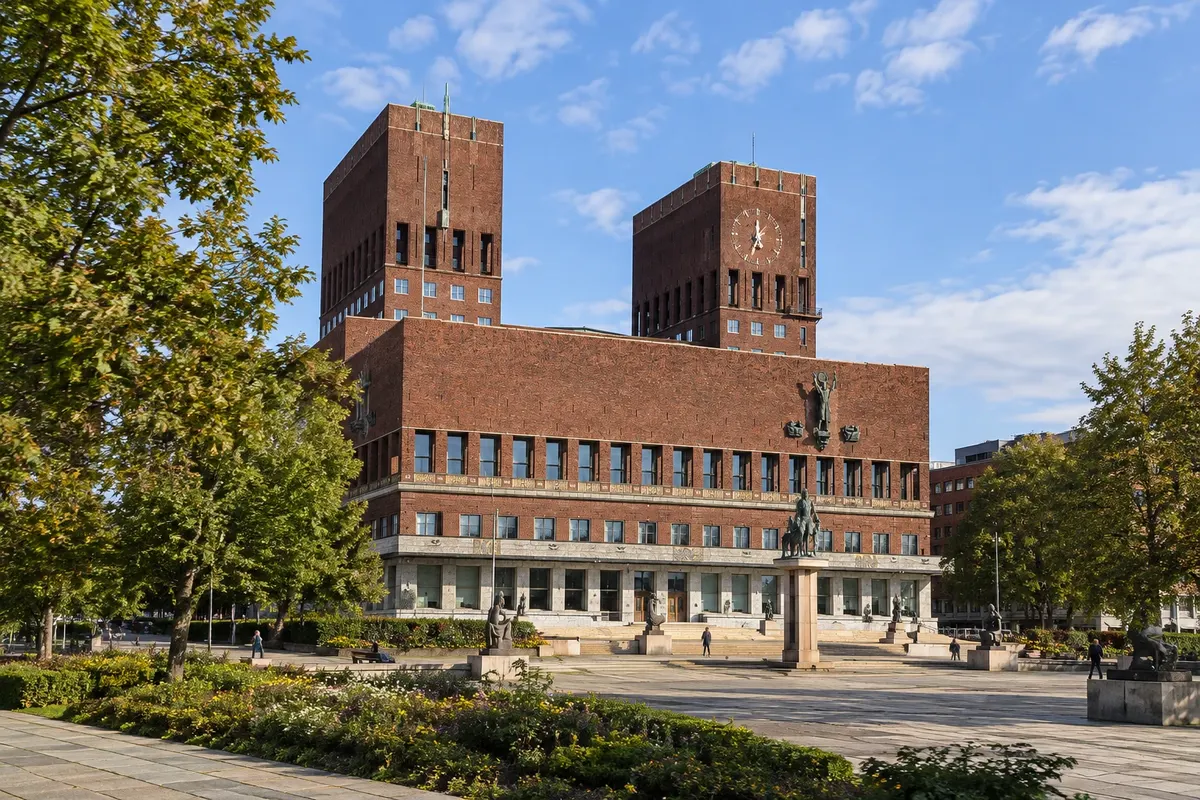
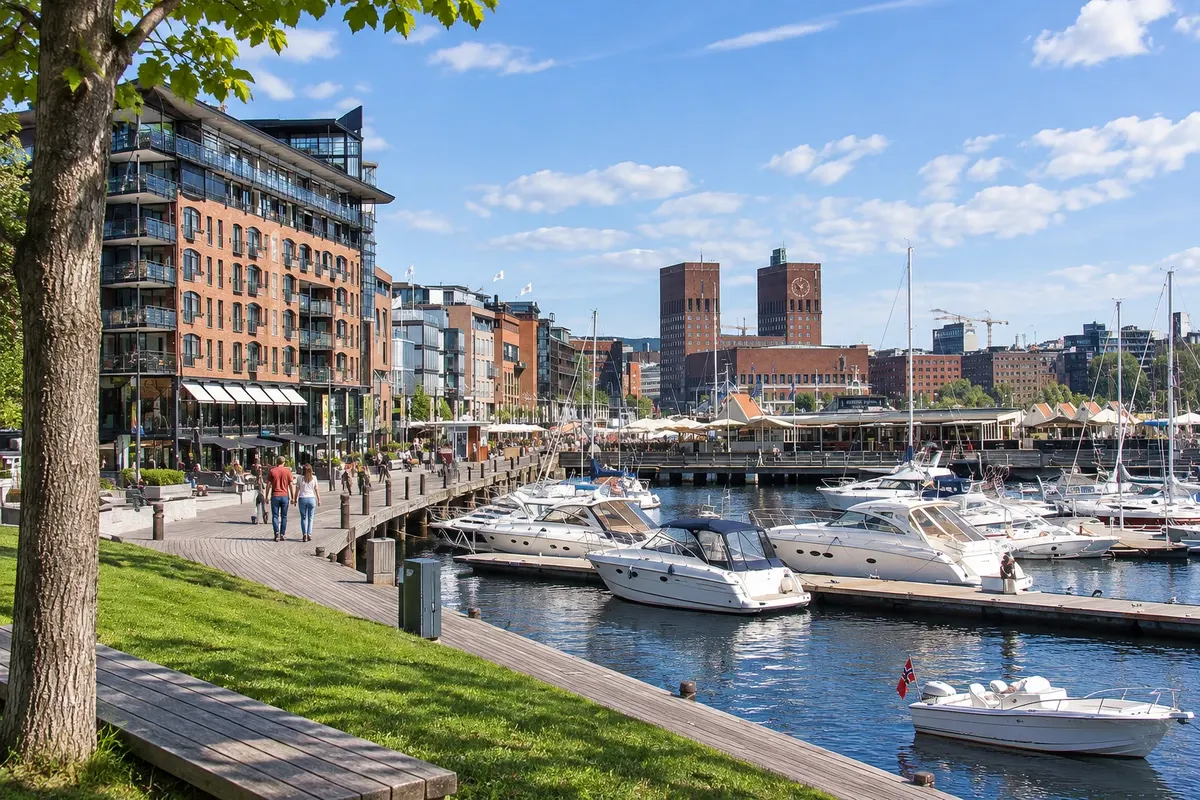
The waterfront has changed in recent decades. In Bjørvika are the Ópera, with its sloping roof you can walk up to the top, the tall building of the Museu Munch and the Deichman library. On the other side of the bay, the medieval fortress of Akershus guards the entrance to the port, and further along Aker Brygge and Tjuvholmen bring together restaurants, galleries and the Museu Astrup Fearnley. Between them is the brick City Hall, where the Nobel Peace Prize is awarded, and the Museu Nacional, with The Scream by Munch.
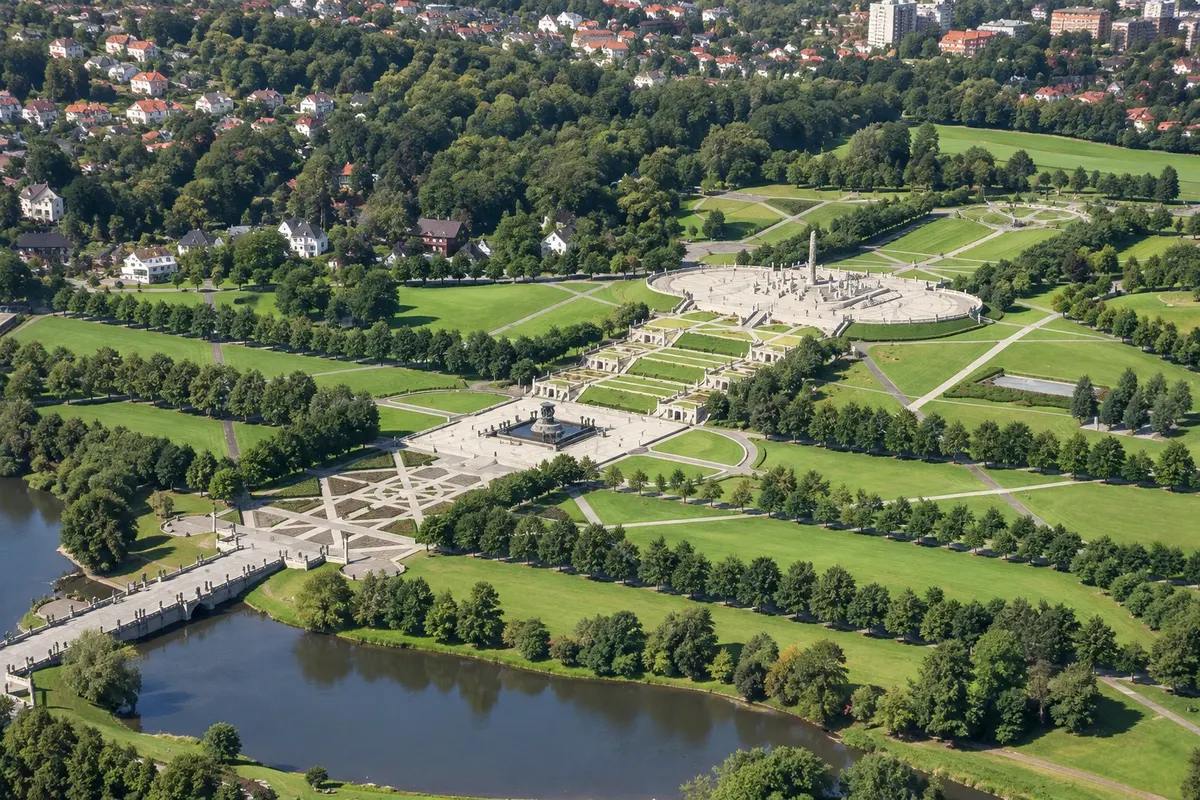
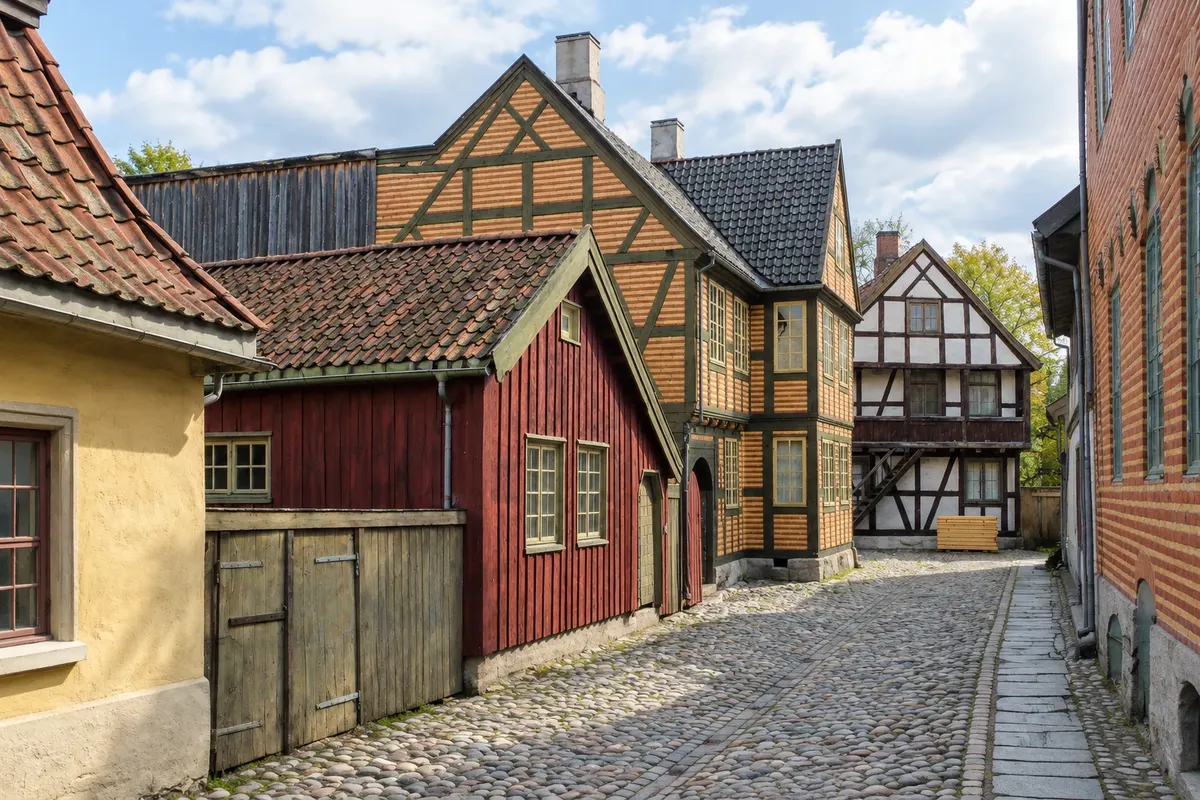
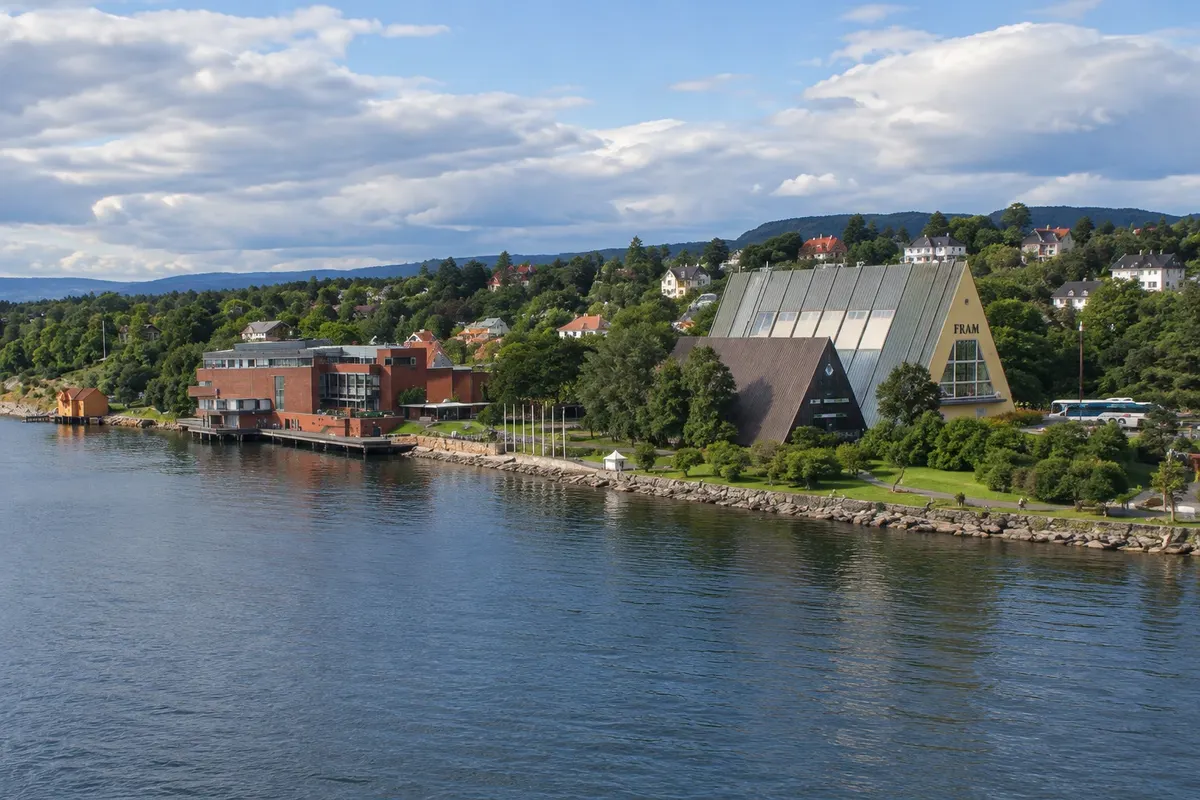
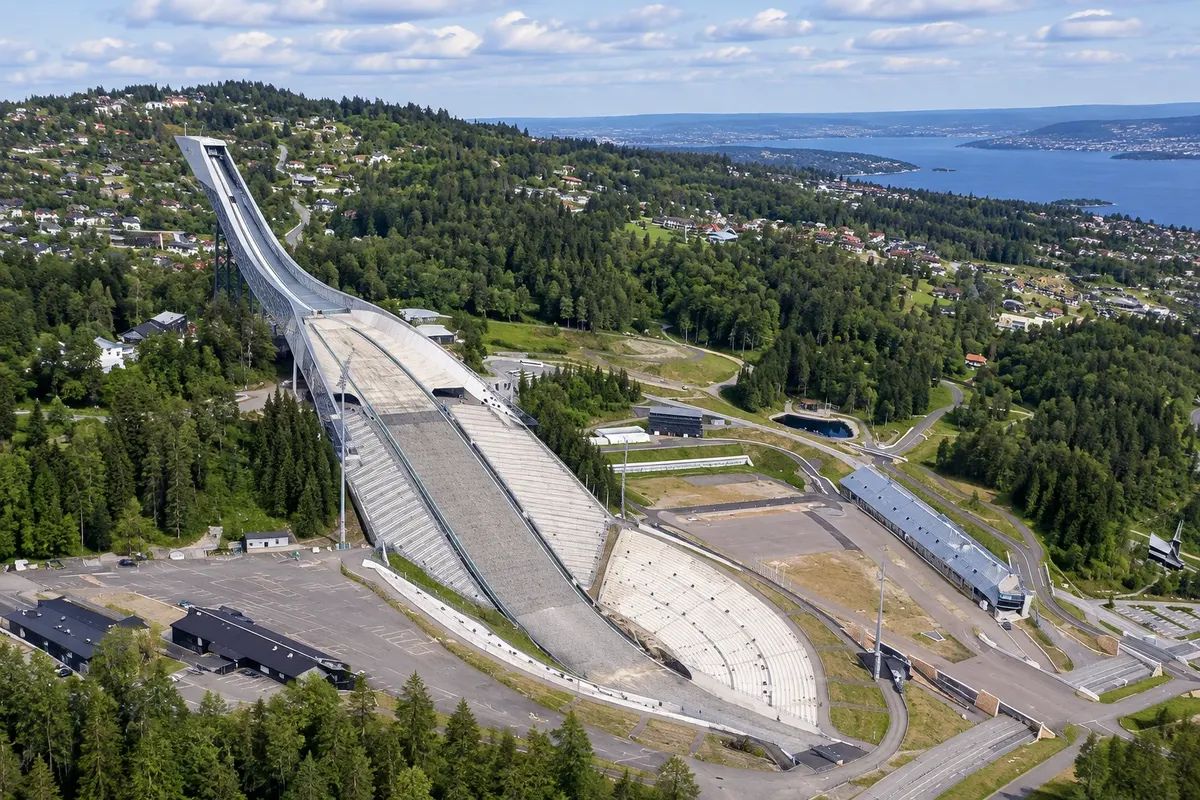
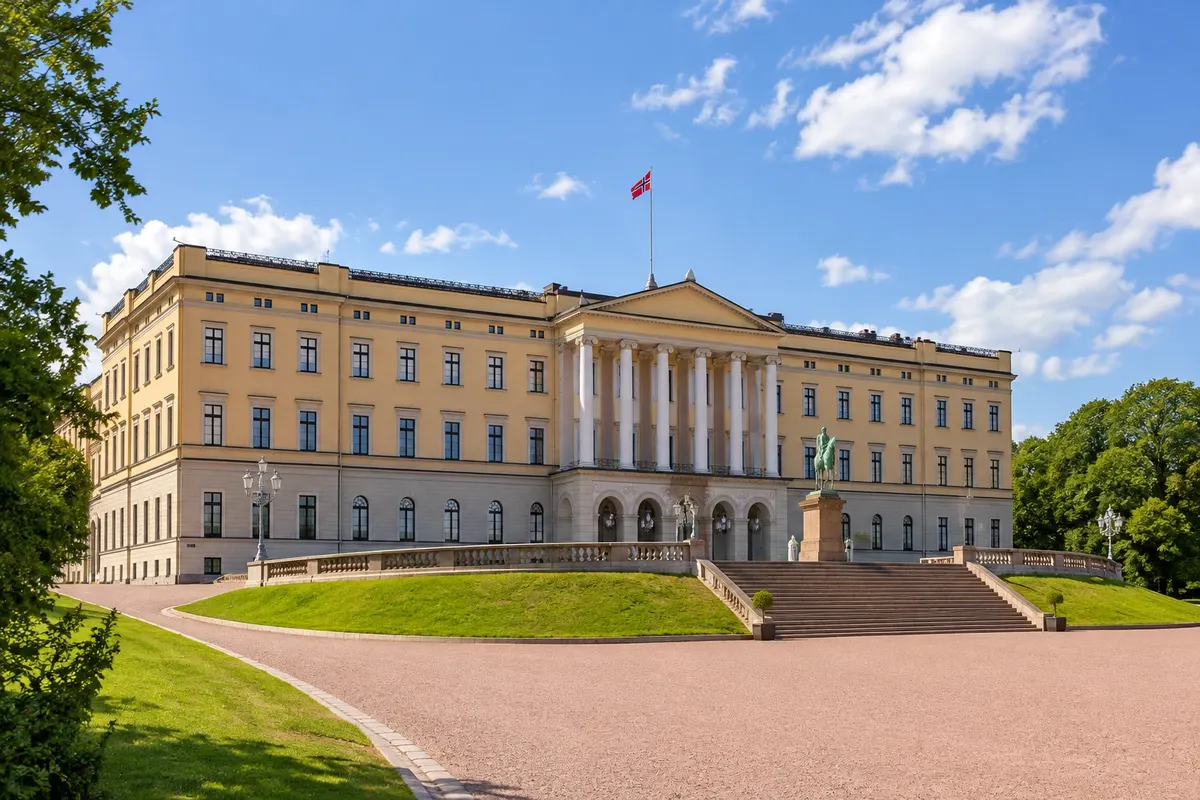
Karl Johans gate links the central station to the Palácio Real, passing the Parliament and the university. To the west, Parque Vigeland displays more than two hundred sculptures by Gustav Vigeland. On the Bygdøy peninsula, a ten-minute boat ride in summer, are the Museu do Folclore (open-air), the Museu do Fram with the polar ship, and the Museu Kon-Tiki with Thor Heyerdahl's raft. Above the city, the Holmenkollen ski-jump offers views over the whole fjord.
The museums require two or three days. Winter is usually cold and dark, with about six hours of daylight in December; summer is mild and has very long days.
This destination brings together 1 city: Oslo.


 Brazil
 Argentina
 Bolivia
 Chile
Chile Colombia
 Ecuador
 Guyana
 French Guiana
 Falkland Islands (Malvinas)
 Paraguay
 Peru
Peru Suriname
 Uruguay
 Venezuela
 Germany
 Belgium
 Denmark
 Spain
Spain France
 Greece
 the Netherlands
 Ireland
 Italy
Italy Luxembourg
 Portugal
 the United Kingdom
 Sweden
 Switzerland