2 cities

State · Southeast
Illustrative images. The pictures in this guide are illustrations based on the real place, not photographs, and may differ from it.

Destinations
Cities
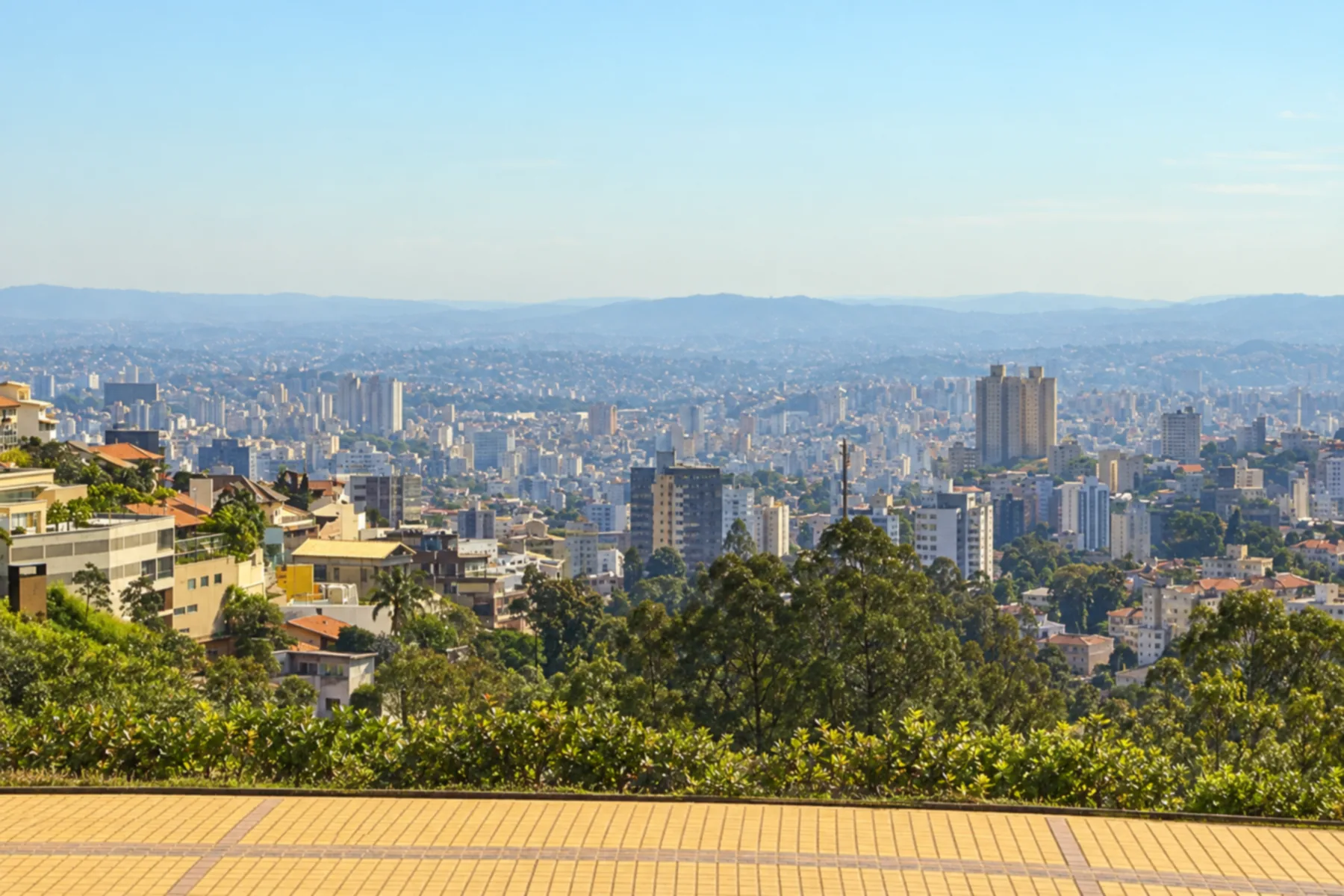
Belo Horizonte brings together Pampulha's architecture, historic squares and Serra do Curral landscapes. Parks, viewpoints and cultural spaces let you discover different sides of the Minas Gerais capital.
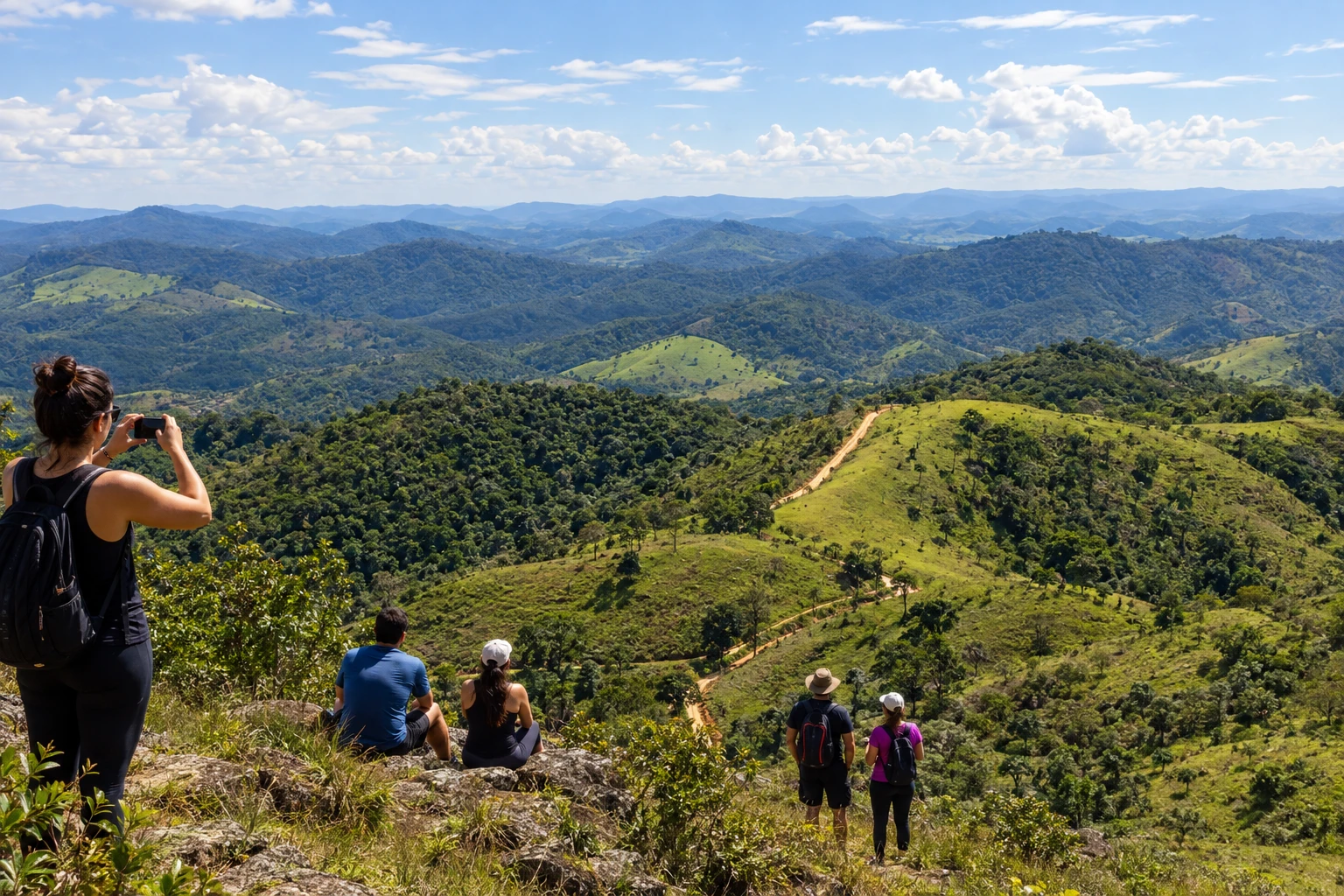
Alvorada de Minas brings together mountainous landscapes of the Espinhaço and the Igreja de Nossa Senhora do Rosário. Waterfalls such as Cachoeira do Carumbé and Cachoeira do Landim broaden the appeal of rural outings. Between farms and waterways, a stop on the Caminho dos Diamantes lets you experience a less urban side of the region.
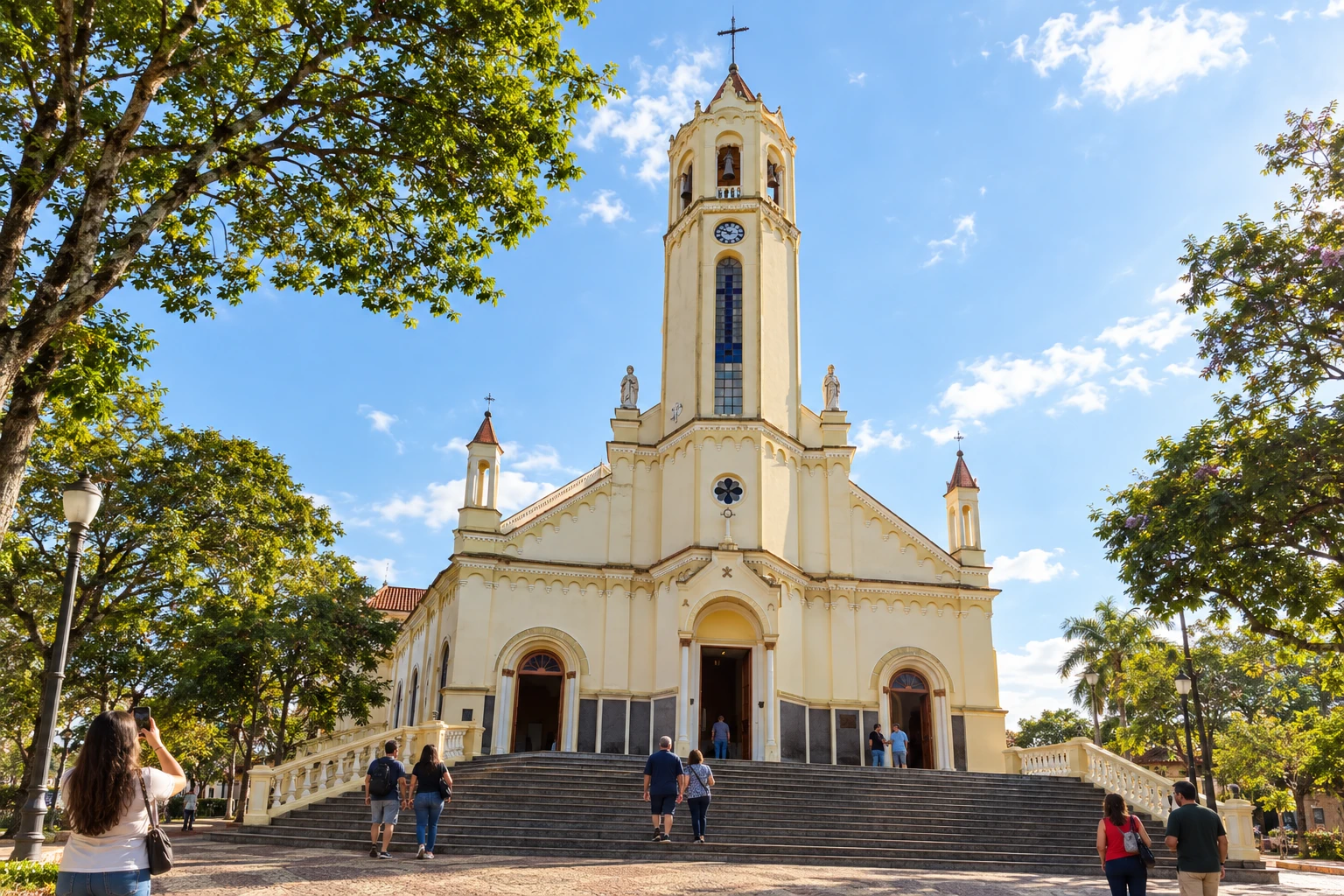
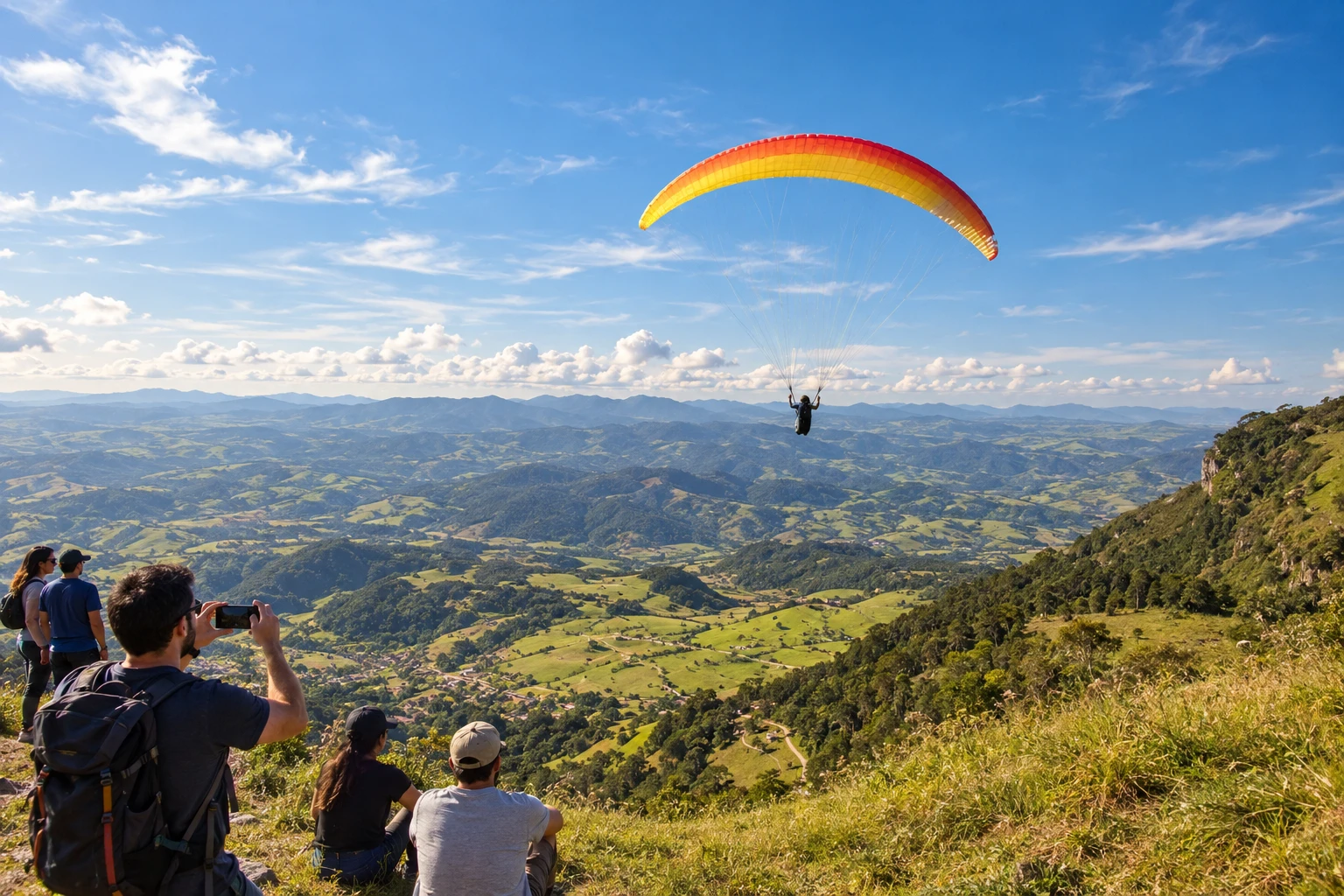
Andradas has wine production linked to the presence of Italian immigrants and Pico do Gavião is a landmark for landscape and free flight. The Pedras do Elefante and do Pântano also feature among its natural points. The city allows organizing a wine and mountain trip, as well as passing through the connections of Caminho da Fé.
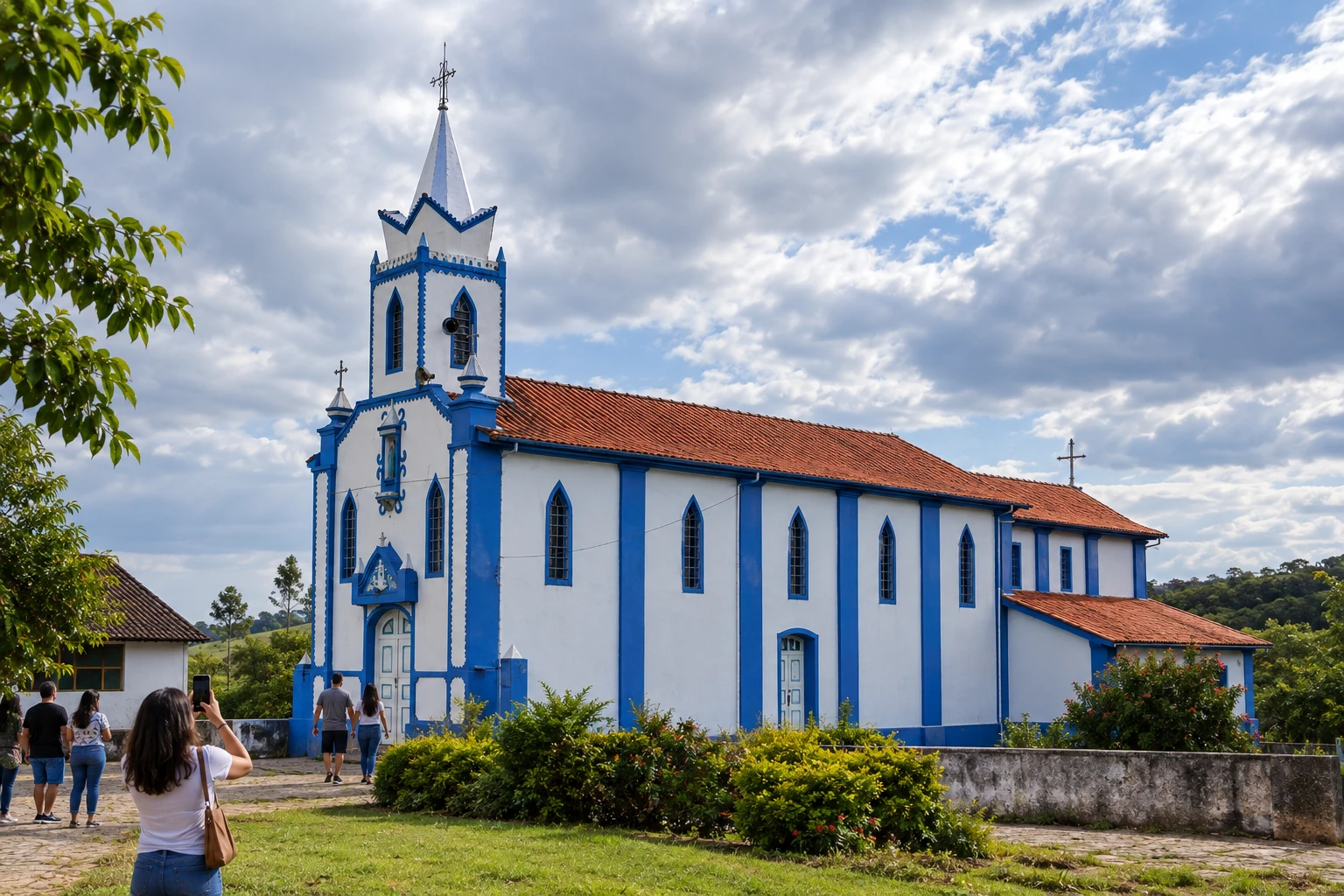
Antônio Carlos links cheese production and the landscapes of the Mantiqueira to the history of the Fazenda da Borda do Campo. The Locomotiva 66 is another reference of the local heritage. The municipality was named after Antônio Carlos Ribeiro de Andrada and brings together rural traditions that give substance to the passage along the Caminho Novo.
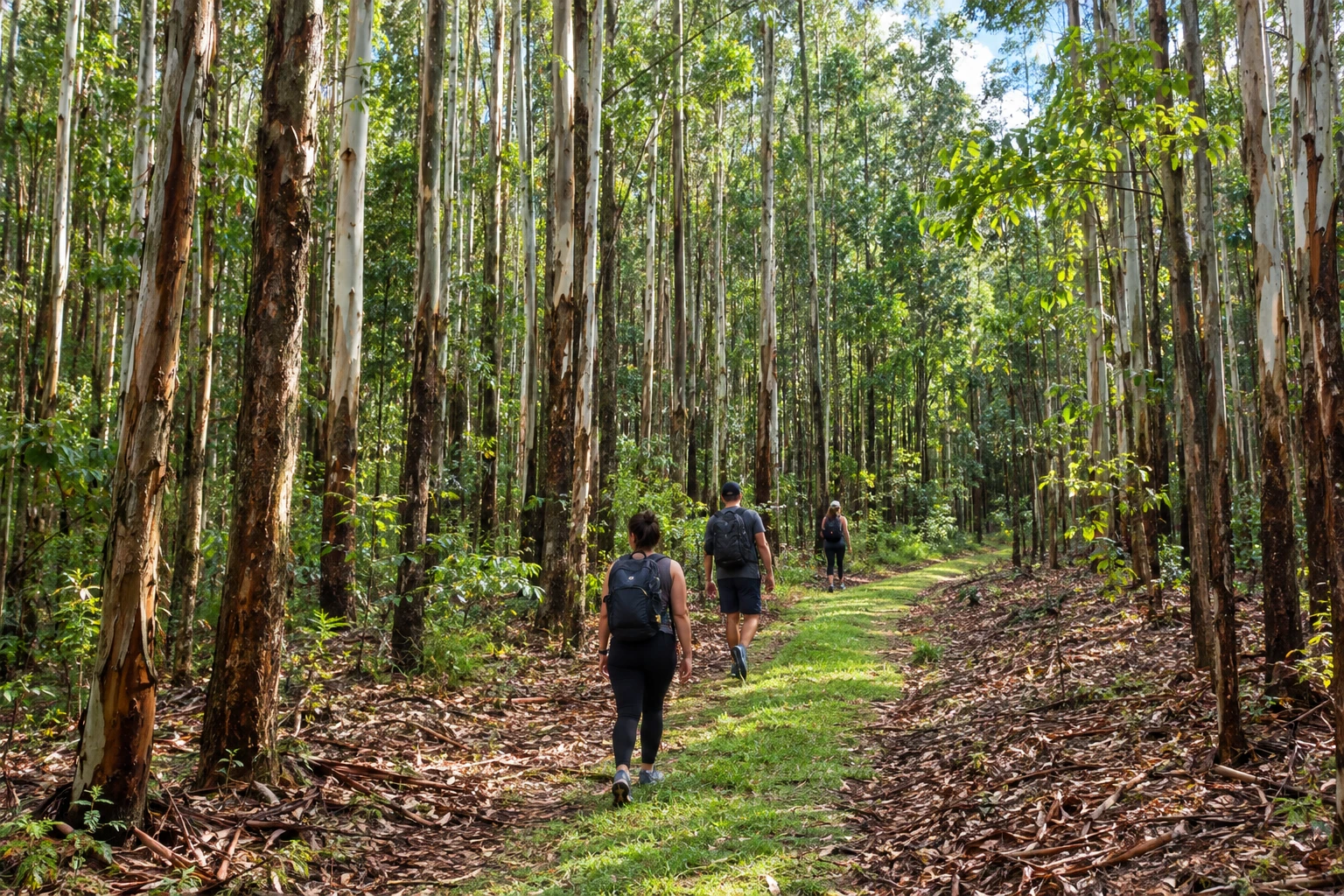
Barão de Cocais brings together religious heritage at the Santuário de São João Batista and landscapes of the Serra da Cambota. In the district of Cocais, the Igreja de Sant’Ana and the Pedra Pintada site add history to the itinerary. The town links outings from the municipal seat and its surroundings along the connections of the Estrada Real.
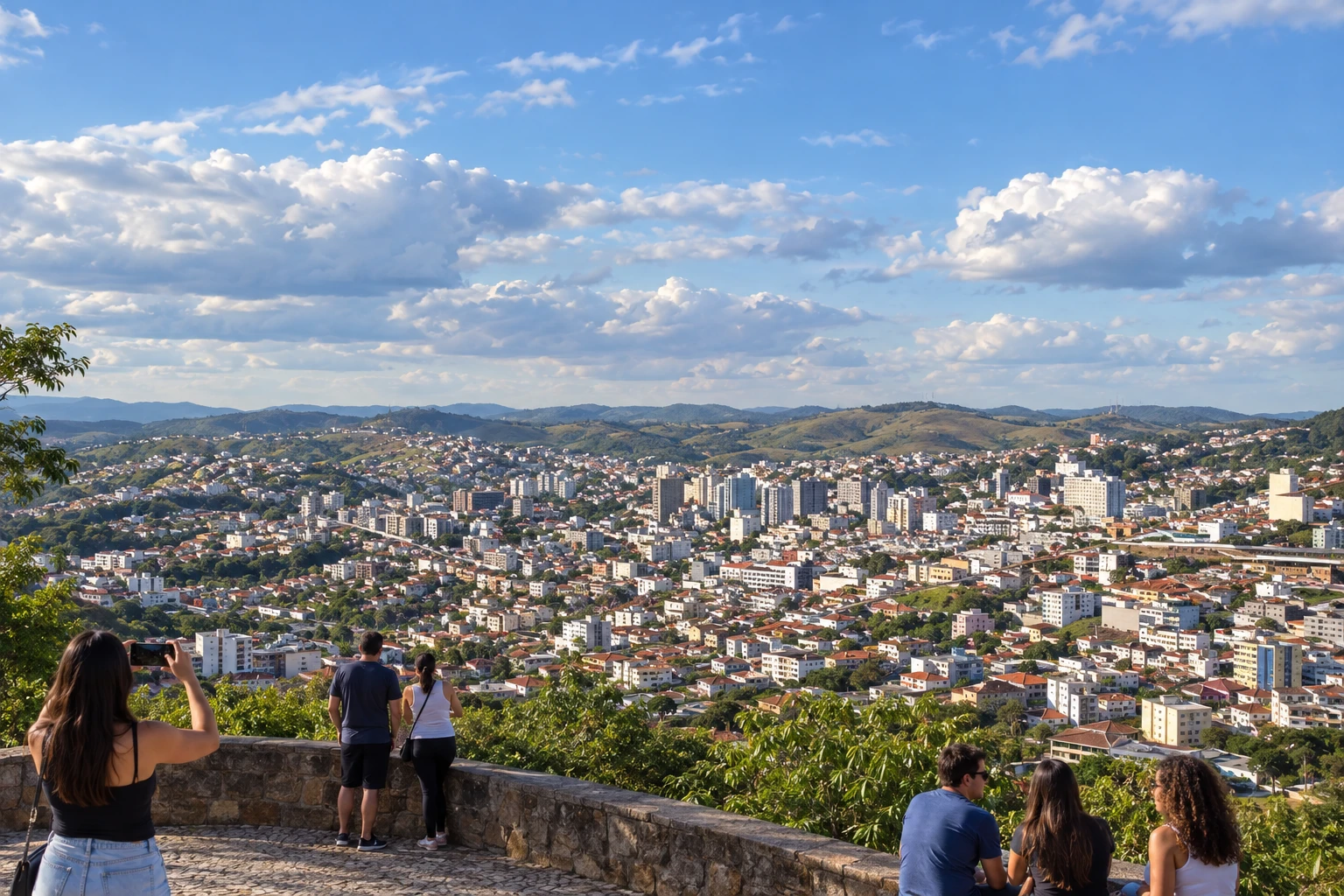
Barbacena combines rose production, commerce and cultural heritage in the Serra da Mantiqueira. The Matriz de Nossa Senhora da Piedade and the Museu da Loucura reveal different facets of the local history. Birthplace of the Ponto de Partida group, the city has its own cultural identity in addition to its place on the Caminho Novo.
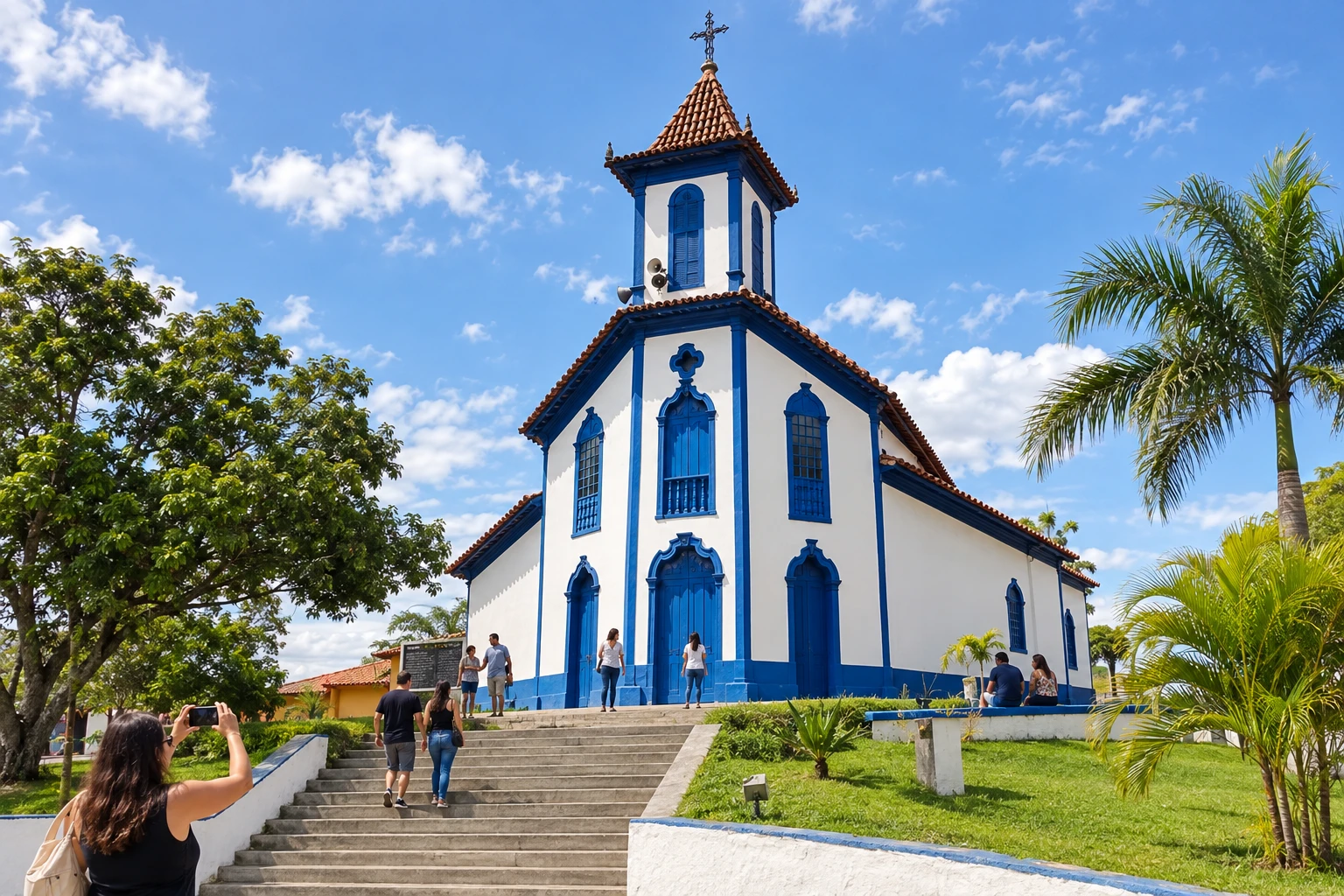
Bom Jesus do Amparo has the Igreja Matriz Bom Jesus do Amparo next to Praça Cardeal Motta and the Fazenda Rio São João among the landmarks of its history. The municipality is the birthplace of musician Mozart Bicalho and Cardinal Carlos Carmelo de Vasconcelos Motta. A visit on the Estrada Real can explore this heritage and the rural landscape, without reducing the town to a pass‑through between neighboring places.
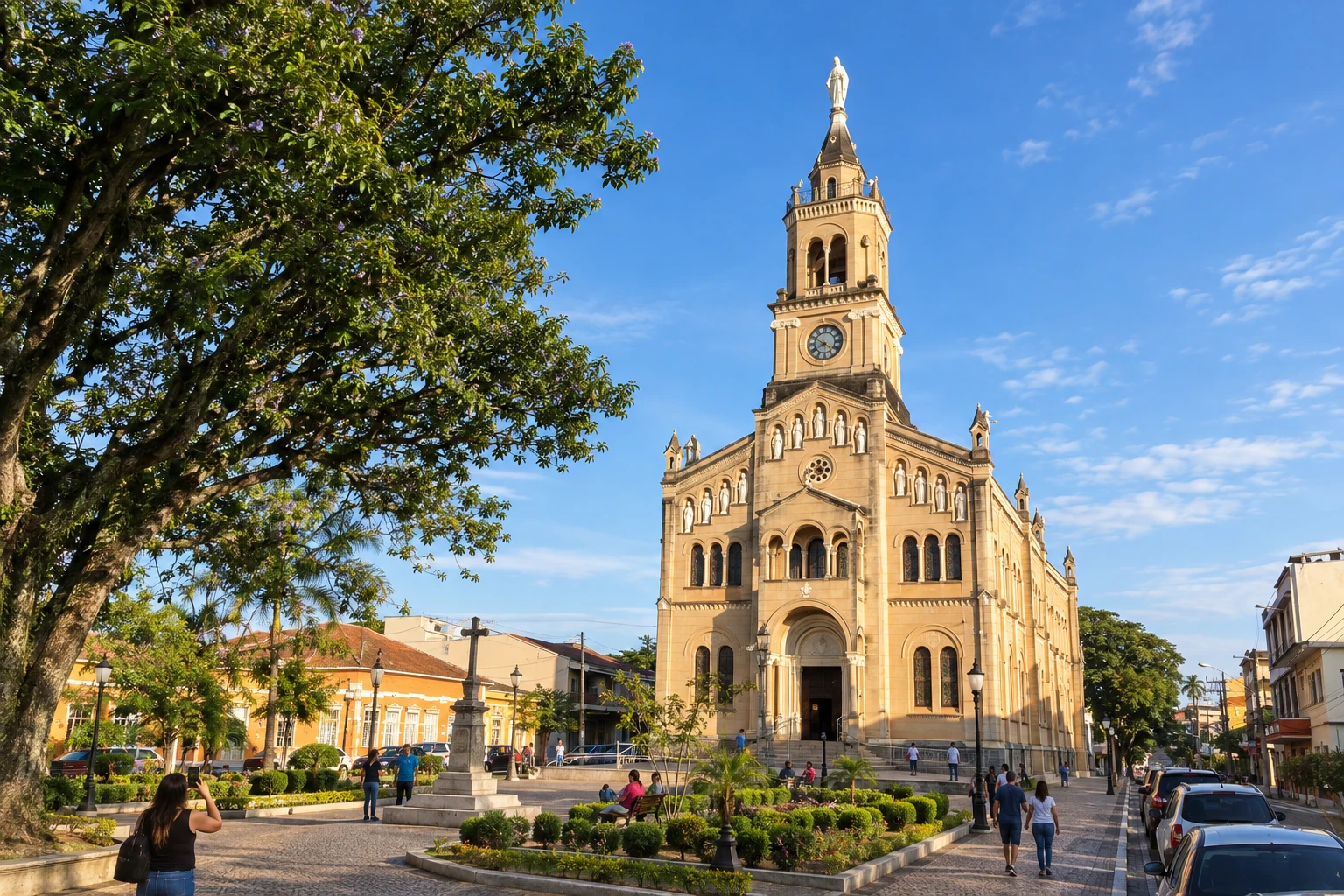
Borda da Mata combines the production of pajamas and other textile garments with the Basílica Nossa Senhora do Carmo. In the basilica square, the Coreto Agenor de Melo and the bust of Monsenhor Pedro Cintra are part of the urban heritage. The town hosts the Caminho da Fé and is also an endpoint of the Caminho da Prece, offering a visit linked to devotion and local commerce.
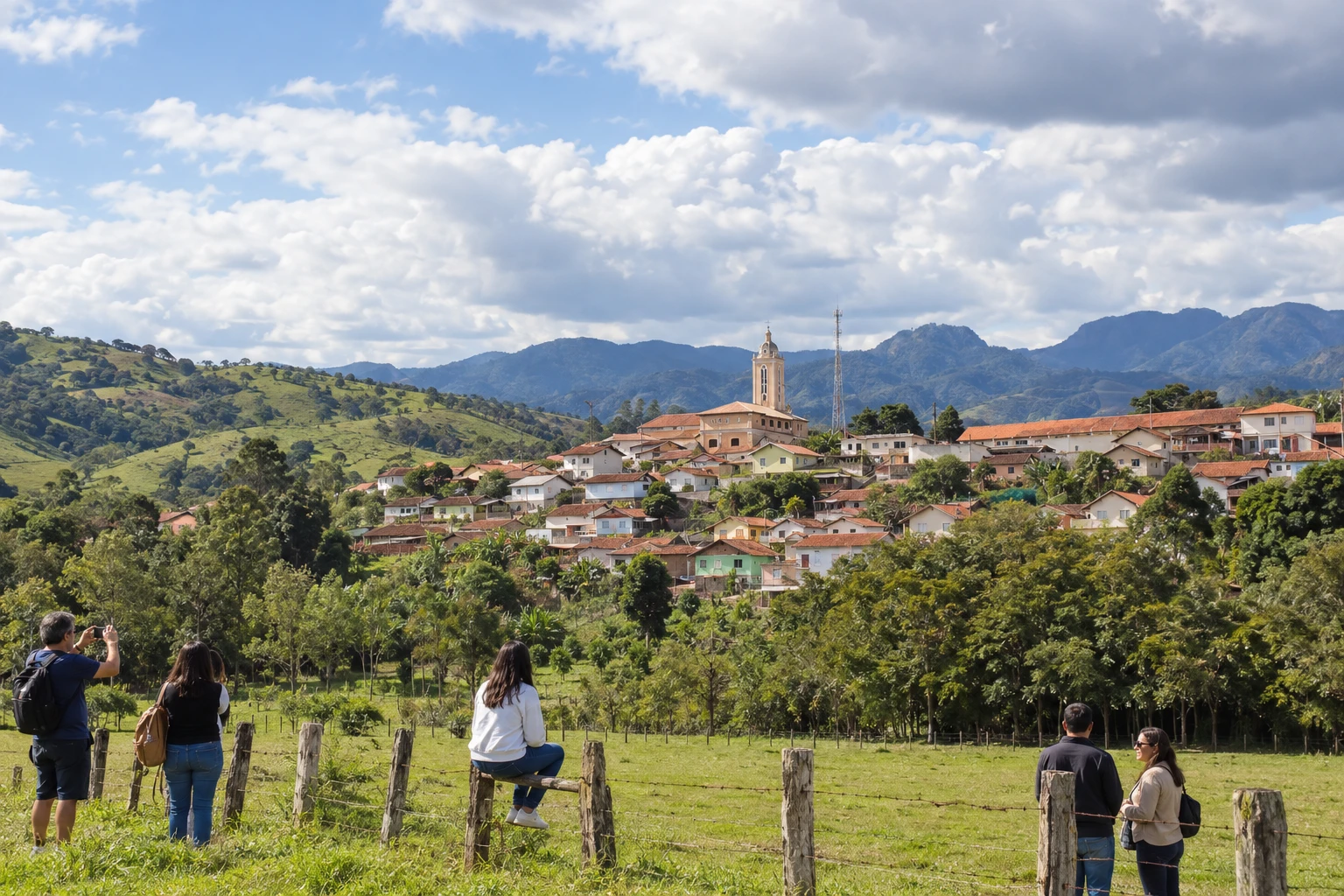
Brazópolis is home to the Observatório do Pico dos Dias, focused on astronomical research, and the Mirante Vó Cotinha among its visitor highlights. The mountainous scenery characterizes the municipality, which also takes part in the routes of the Caminho da Fé. The observatory experience is a scheduled visit to the scientific facilities, without a guarantee of observing the sky through the telescopes.
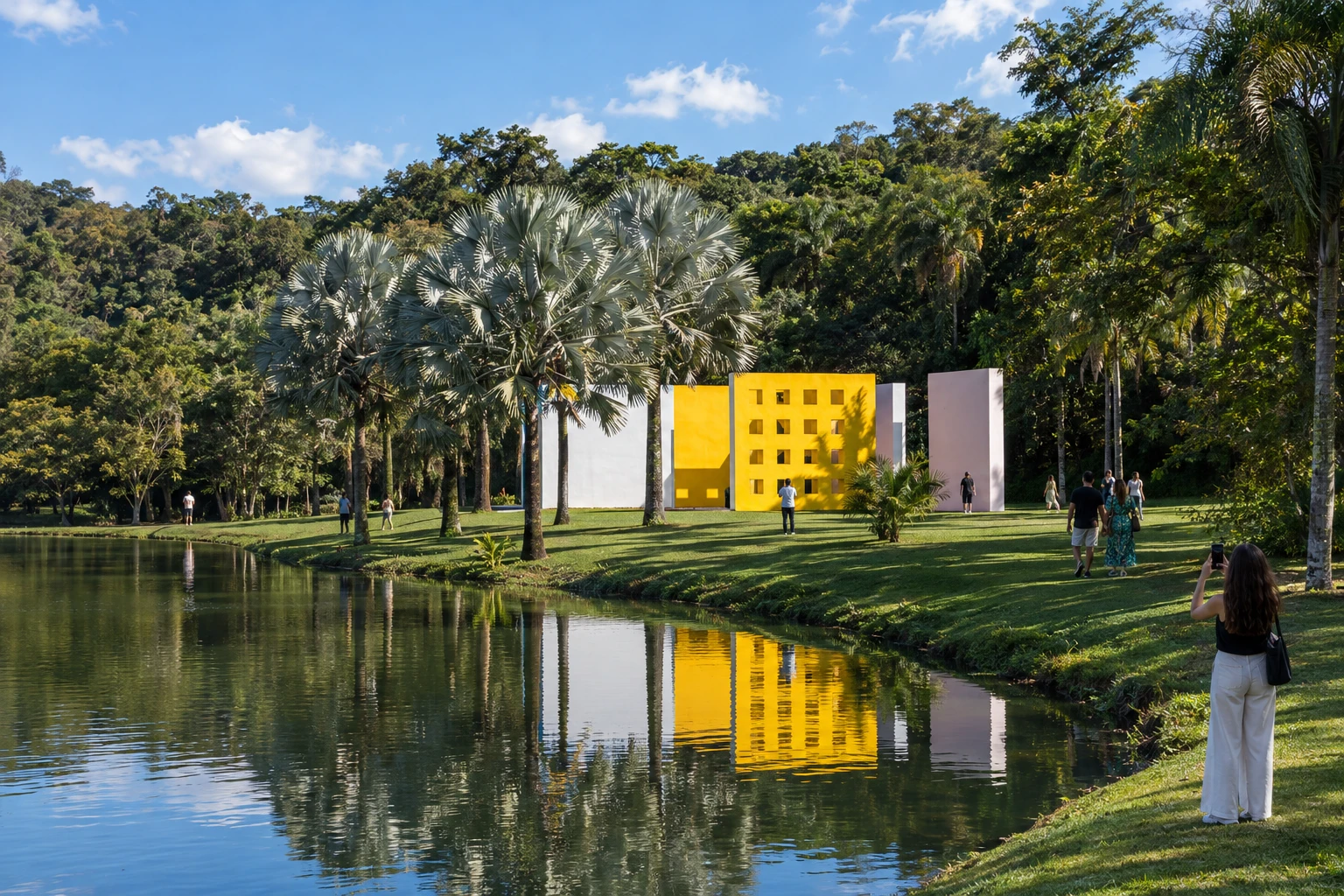
Brumadinho combines contemporary art, gardens and mountain landscapes. Inhotim is the main landmark, while Piedade do Paraopeba, Casa Branca and Serra da Calçada broaden the trip through heritage and nature. Plan travel between the different sites.
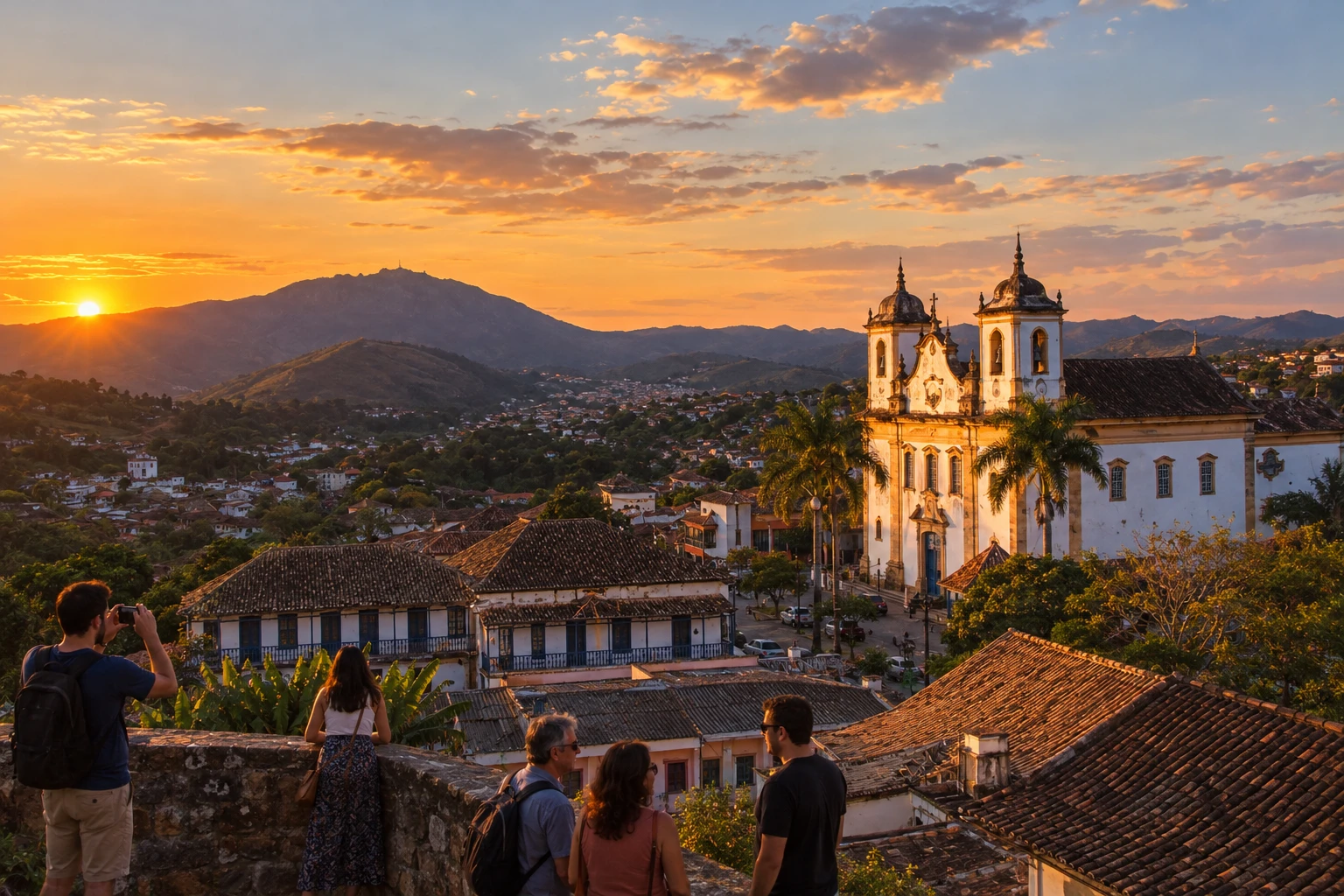
Caeté combines the Igreja de Nossa Senhora do Bom Sucesso and the Museu Casa João Pinheiro with the landscape of the Serra da Piedade. At the top, the sanctuary provides religious context to the visit; in Morro Vermelho, the cavalhada preserves a local tradition. These sites expand the stop on the Caminho do Sabarabuçu.
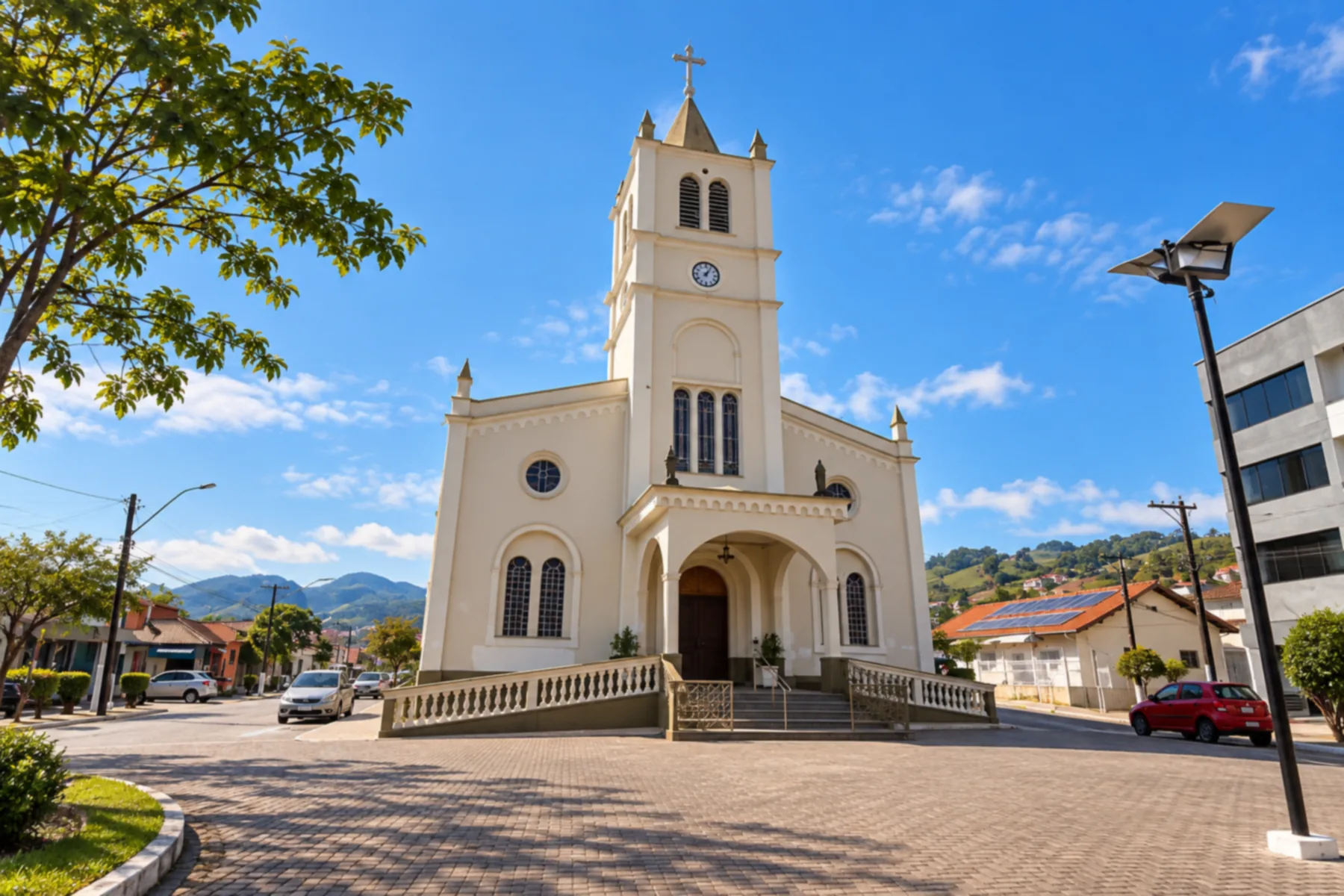
Camanducaia is in the Serra da Mantiqueira and is home to the district of Monte Verde. Walks around the town center and the mountain areas let you combine small-town life, hiking and good food.
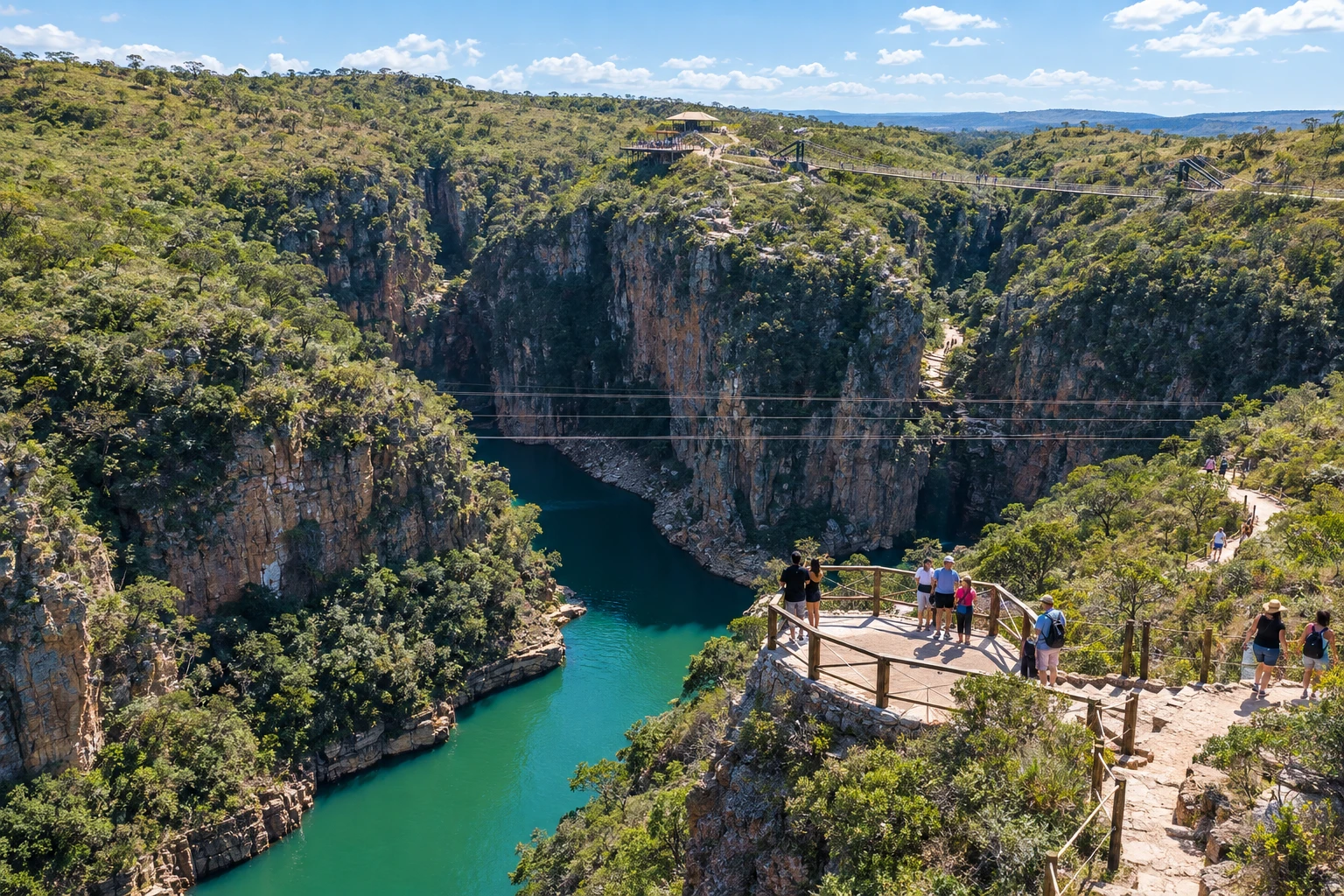
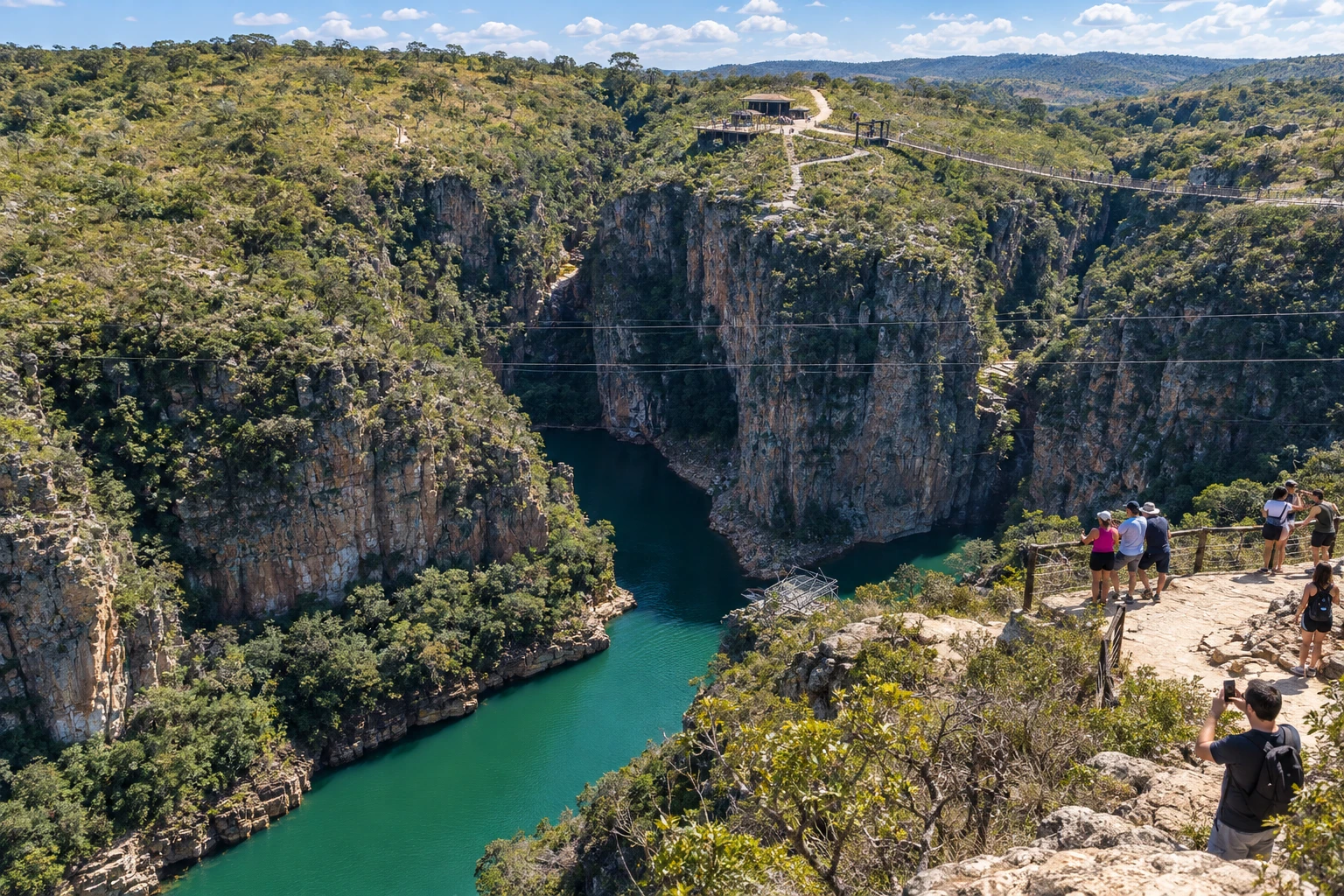
Capitólio combines landscapes of the Lago de Furnas, waterfalls and nature walks. The Mirante dos Canyons, the Cachoeira Lagoa Azul and the Trilha do Sol are among the municipality's possibilities. The Igreja de São Sebastião provides a cultural stop in the center.
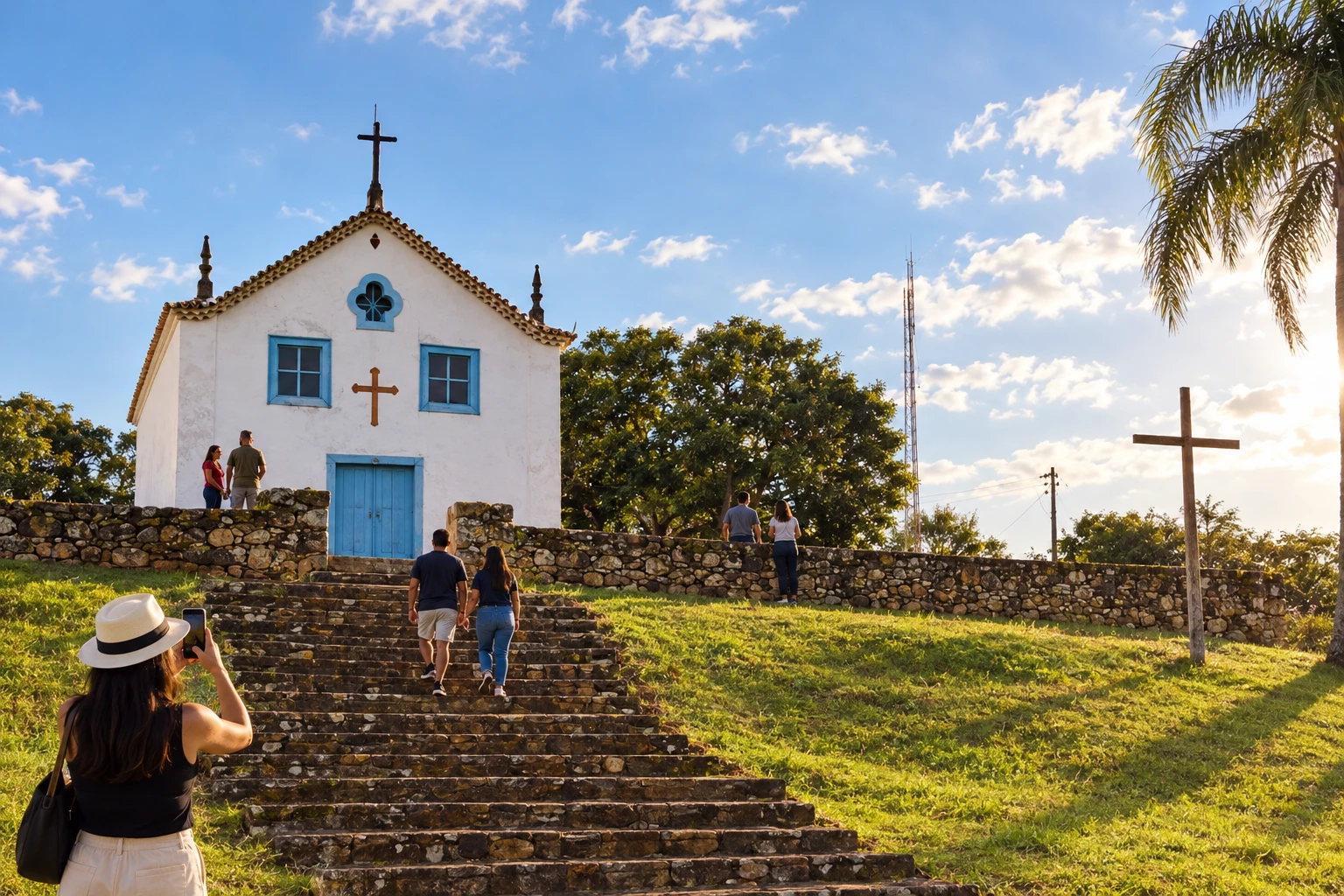
Carandaí preserves the Igreja de Nossa Senhora da Glória, known as the Igreja da Ressaca, and the memory of the old railway. The bandstand at Praça Barão de Santa Cecília and the band of the same name add cultural life to the town. The Cachoeira do Campestre is a rural option for those who extend their stop on the Caminho Novo.
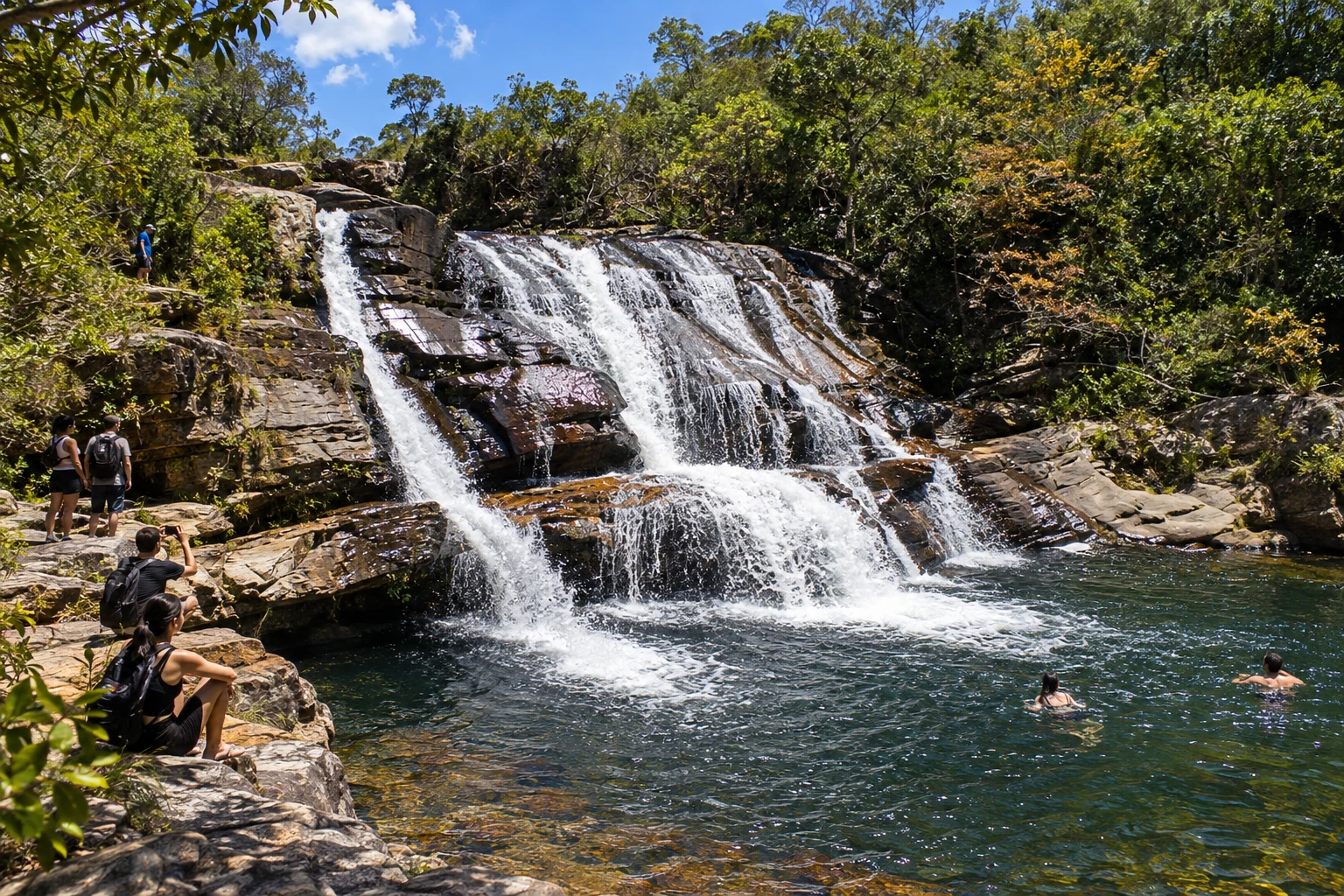
Carrancas brings together the Complexo da Zilda, with waterfalls, pools and caves, and the Complexo da Ponte, which includes the Salomão and Moinho falls. The Igreja Matriz and Praça Manoel Moreira mark the town center among the rural excursions. On the Caminho Velho, the town is a base for exploring water and mountain landscapes, choosing access routes according to the intended experience.
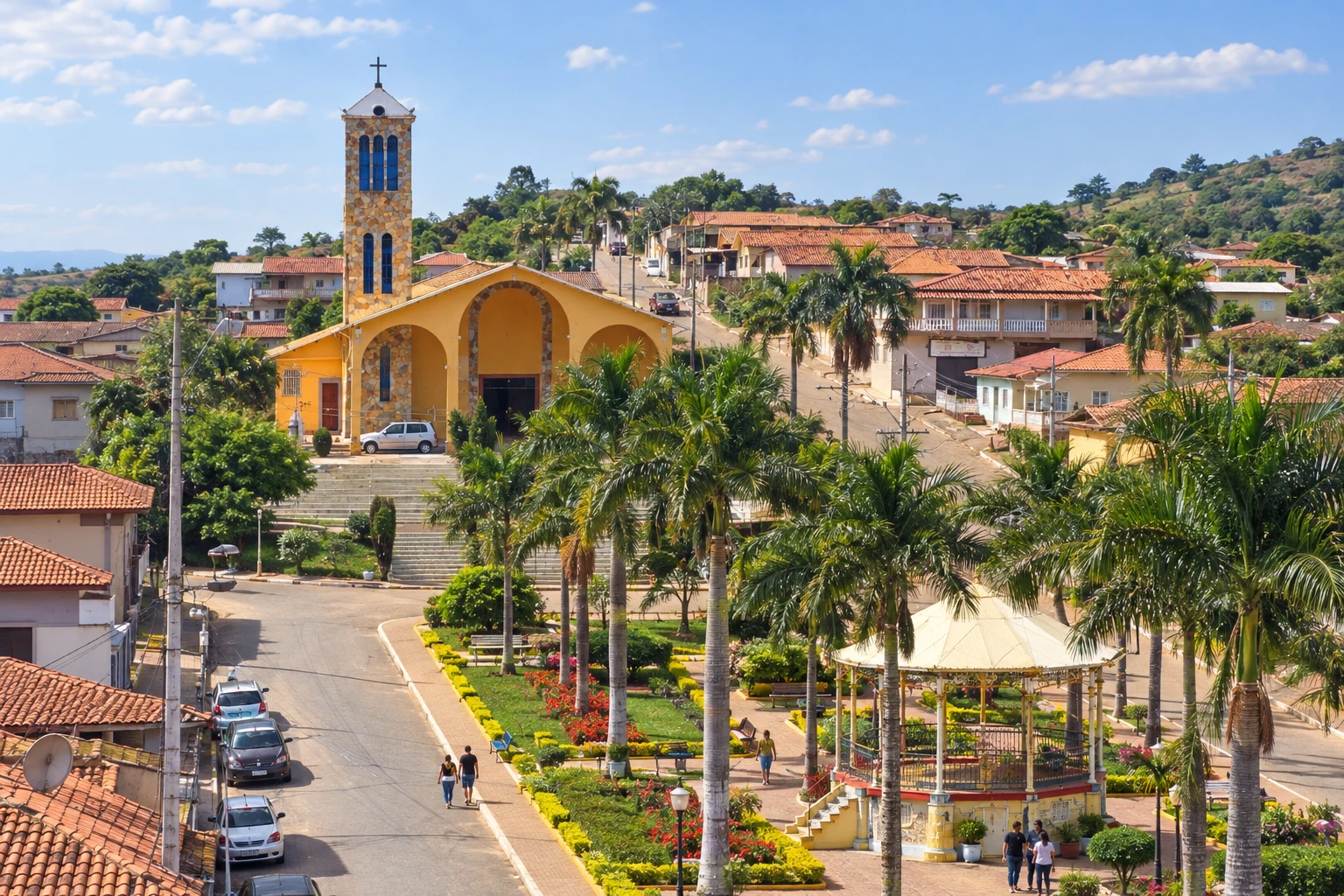
Casa Grande brings together the landscape of the Serra do Pombal and the heritage of the town center around the Igreja de São Sebastião. The Casa de Cultura displays local crafts and municipal memory, while a mural recalls the building that gave the city its name. It is a stop to experience rural and cultural everyday life in the Minas Gerais countryside.
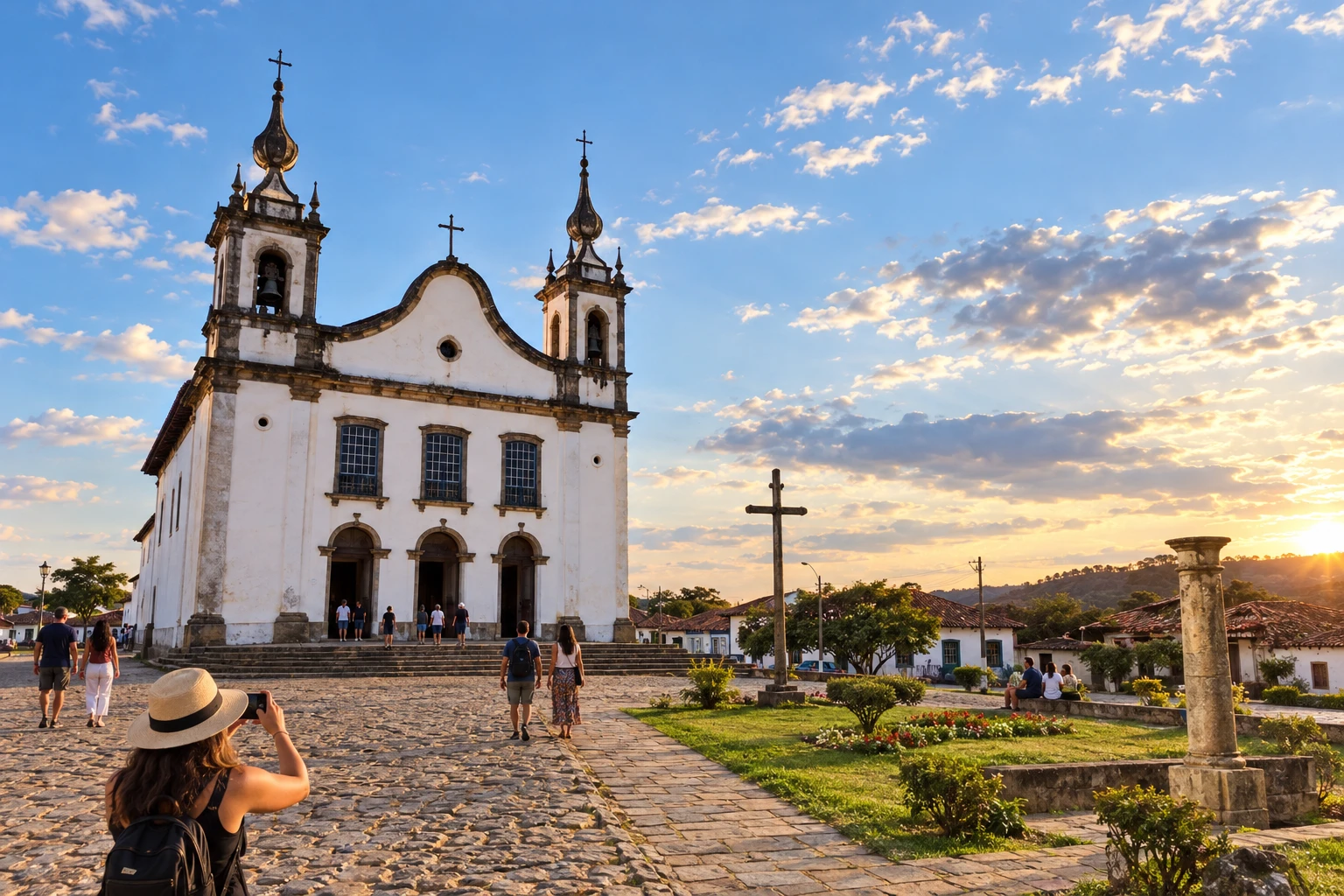
Catas Altas has the heritage of the Matriz and the Capela de Santa Quitéria overlooking the landscapes of the Caraça. The Bicame de Pedra and the locality of Morro D'Água Quente add other points to the municipality. On the Caminho dos Diamantes, the route combines the historic core with outings to the mountain range.
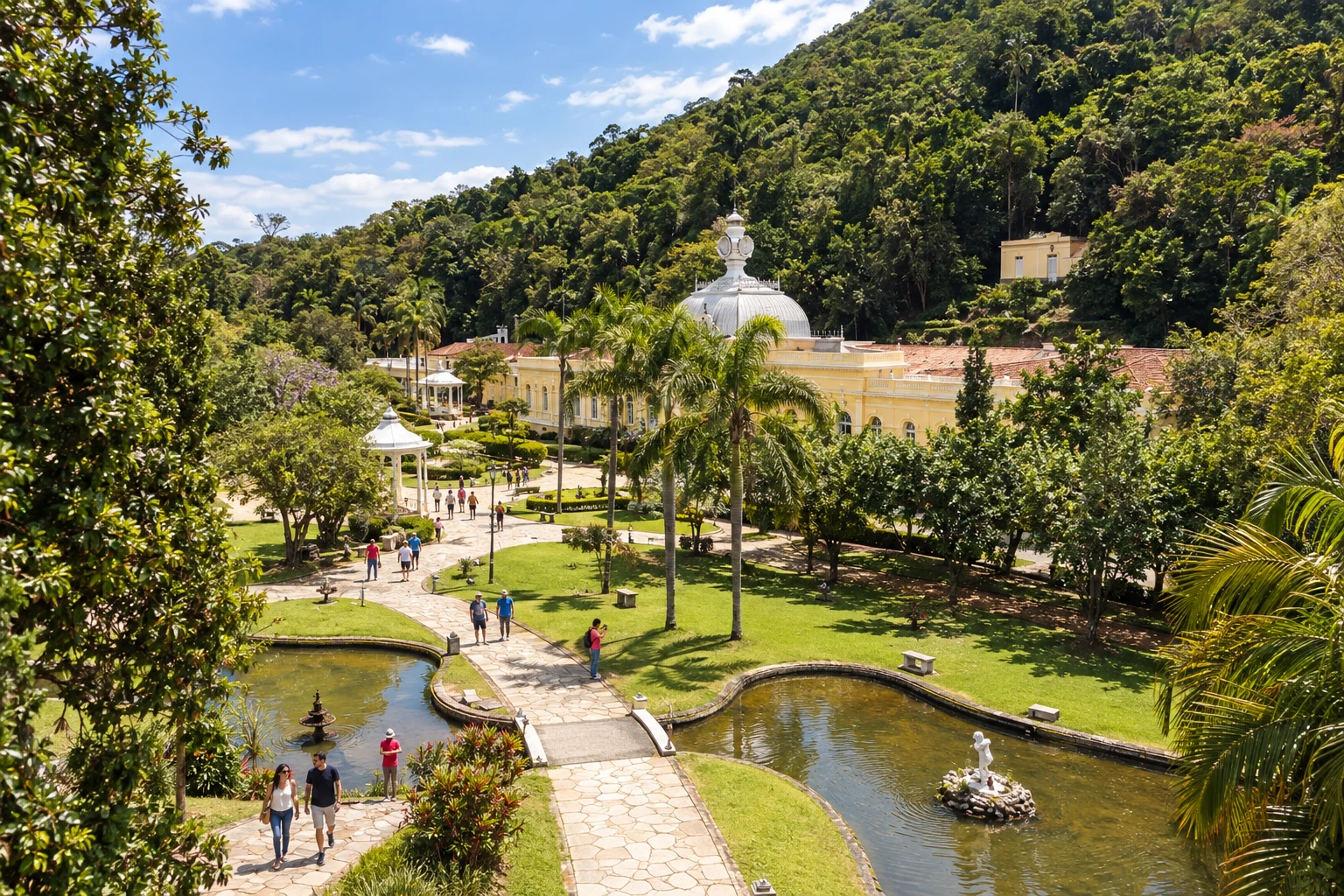
Caxambu has the Parque das Águas, with mineral springs and gardens in the town centre, and the Igreja Santa Isabel da Hungria, in neo‑Gothic style. Morro Caxambu offers views over the town and the outlines of the Mantiqueira and Serra do Papagaio. The spa town combines heritage, walking and scenery as a stop on the Caminho Velho that can be visited without trying to fit everything into a single day.
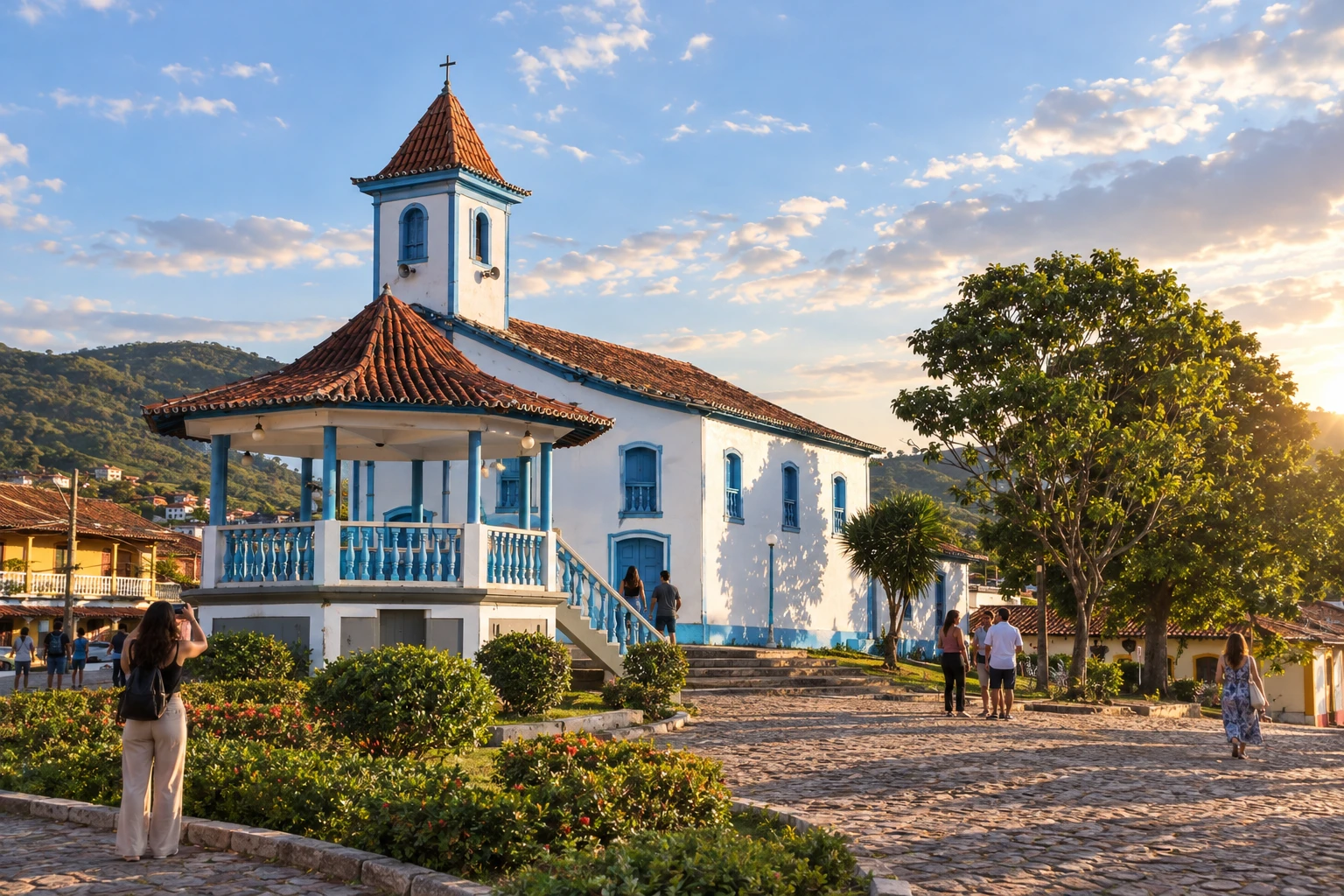
Conceição do Mato Dentro combines religious heritage and Espinhaço landscapes, with a highlight on the Cachoeira do Tabuleiro. The Santuário do Senhor Bom Jesus do Matosinhos hosts the traditional jubilee, while the pastel de angu marks the local cuisine. The town is a base for outings on the Caminho dos Diamantes.
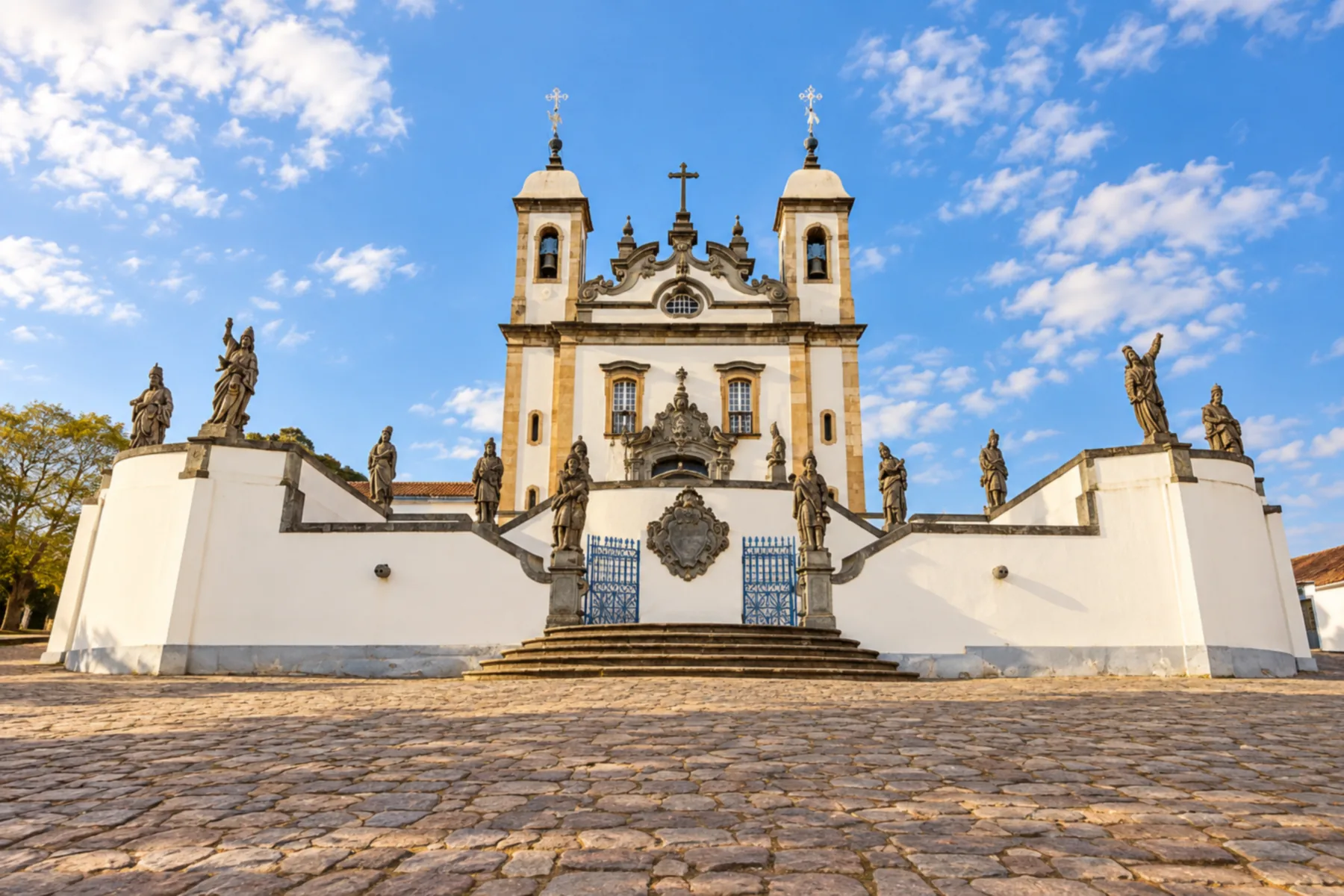
Congonhas has a historic landscape defined by the Santuário do Bom Jesus de Matosinhos (sanctuary). A visit brings you close to the art of Aleijadinho and the religious traditions of Minas Gerais.
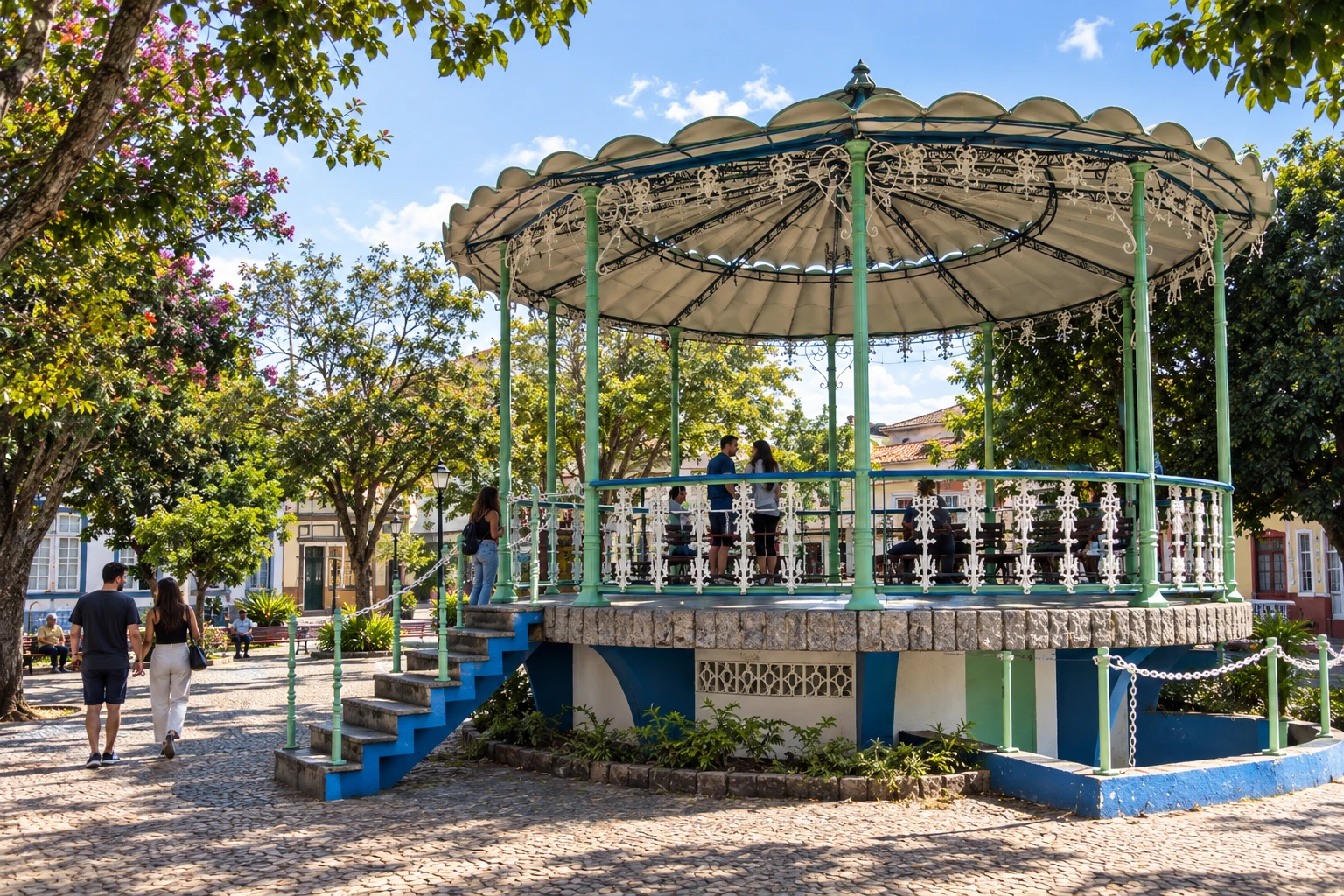
Conselheiro Lafaiete has a cultural route that brings together the Museu Antônio Perdigão and the Solar do Barão de Suaçuí. The Casa de Cultura Gabriela Mendonça and the Casa de Artesanato João Salgado add spaces for creation and memory to the city. This urban structure deserves a dedicated visit along the Caminho Novo axis.
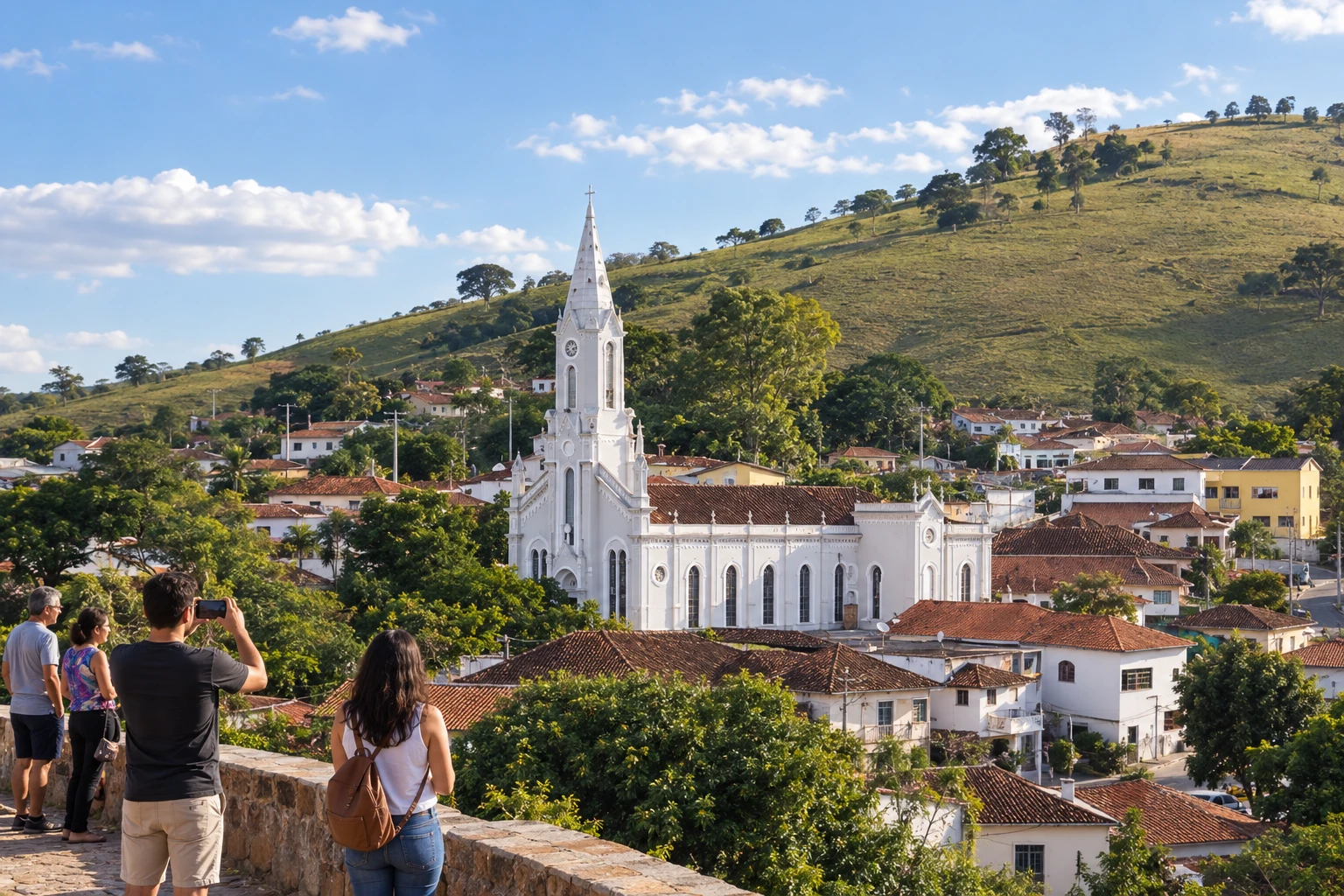
Consolação produces strawberries, blackberries and olive oil, and the Pedra da Independência serves as a landscape reference. Surrounded by valleys and mountains of the Mantiqueira, the town is part of the Caminho da Fé and the Circuito Serras Verdes do Sul de Minas. The visit can explore the town center and a confirmed rural experience before continuing the pilgrimage.
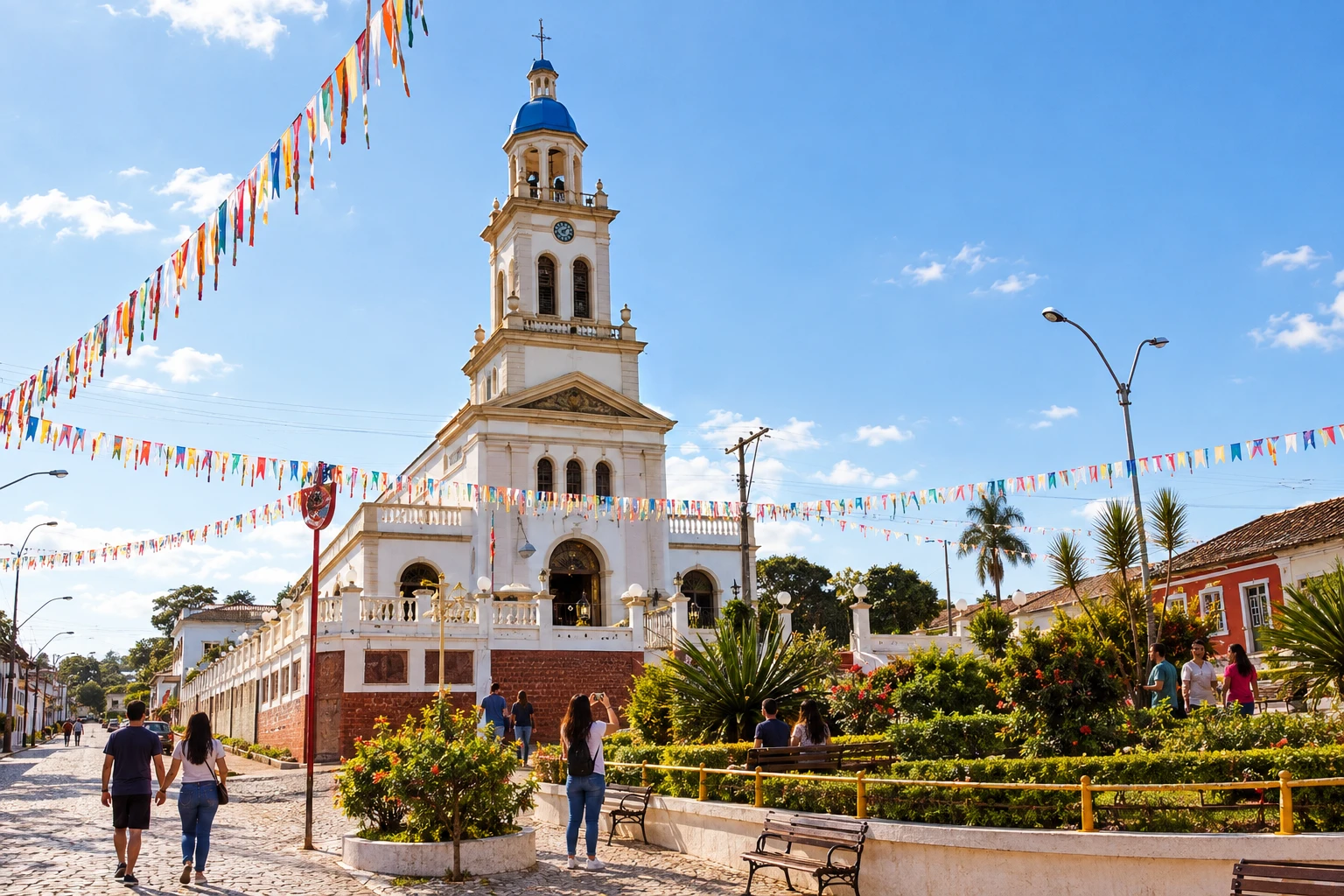
Cruzília presents the history of horse breeding at the Museu Nacional do Cavalo Mangalarga Marchador. In Praça Monsenhor João Câncio, the Matriz de São Sebastião is a landmark of the town center and of religious celebrations. The route along the Caminho Velho can include a visit devoted to the development of this Brazilian breed.
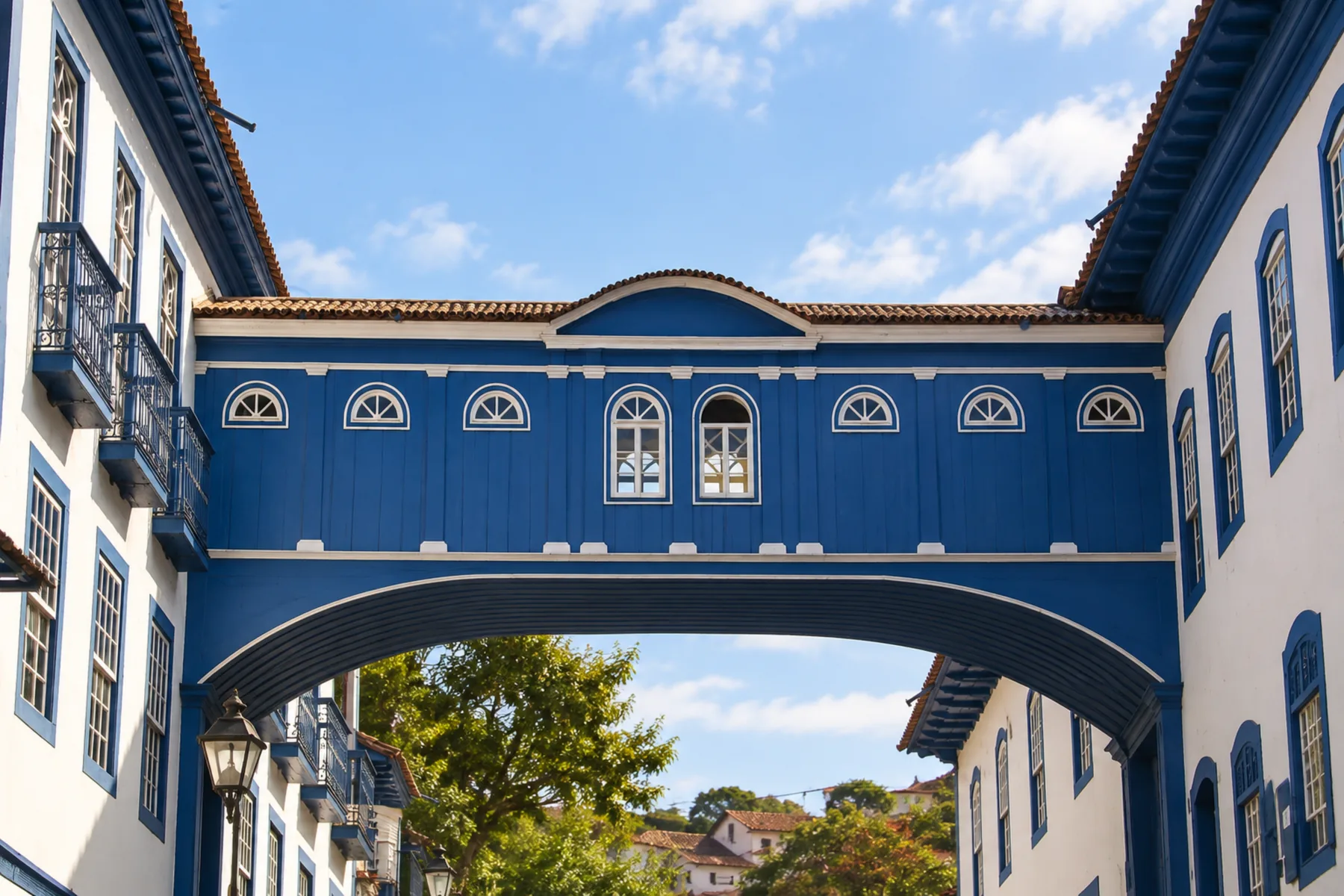
Diamantina preserves streets and mansions linked to diamond mining in the Serra do Espinhaço (mountain range). Walking through the center and experiencing the local music culture help you discover the town beyond its facades.
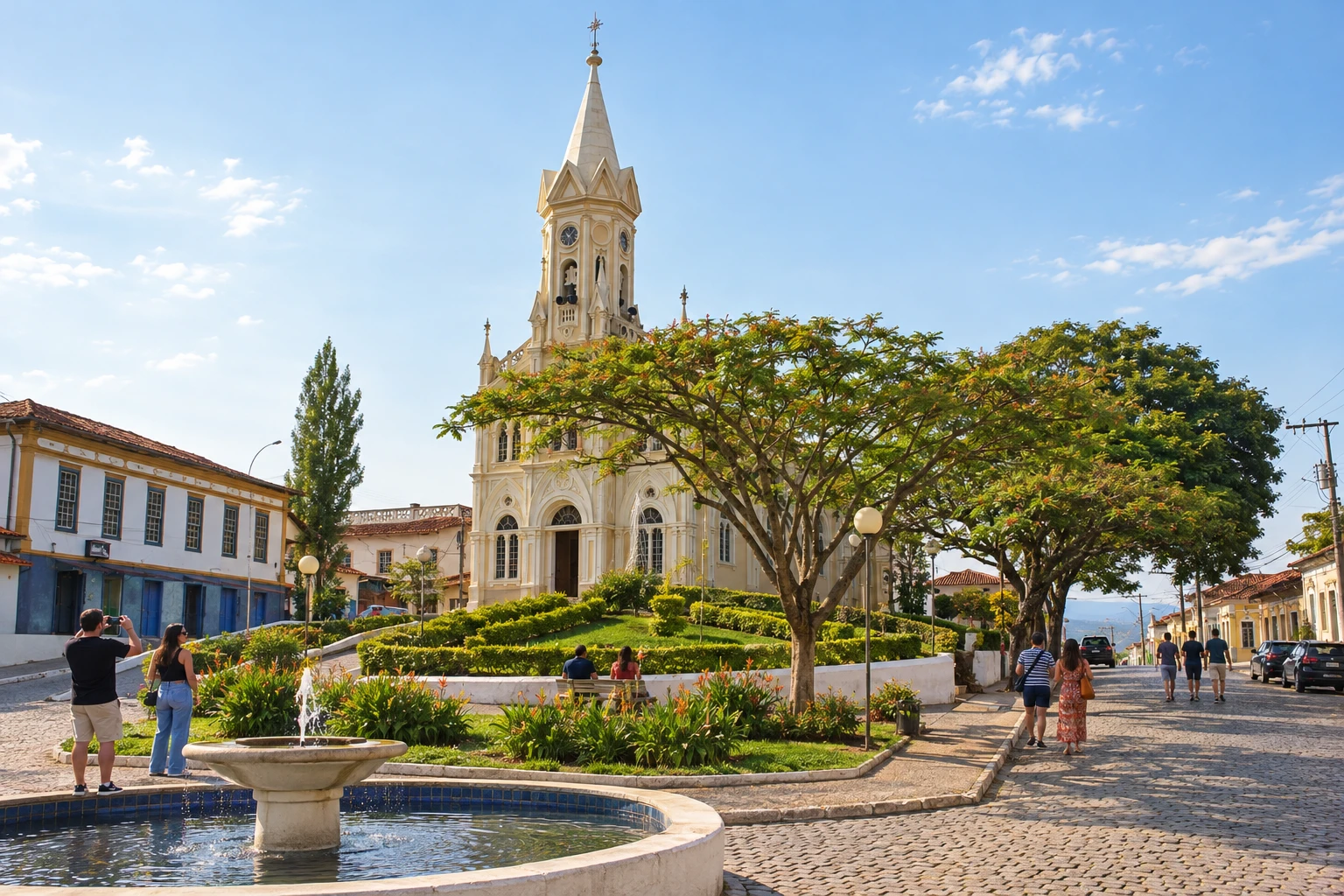
Entre Rios de Minas is linked to the breeding of Campolina horses and preserves the Matriz de Nossa Senhora das Brotas, of neo-Gothic influence. The Hospital Cassiano Campolina, with its neoclassical architecture and chapel, adds to the interest in the urban heritage. In the rural area, the Cachoeira dos Coqueiros is among the outing options.
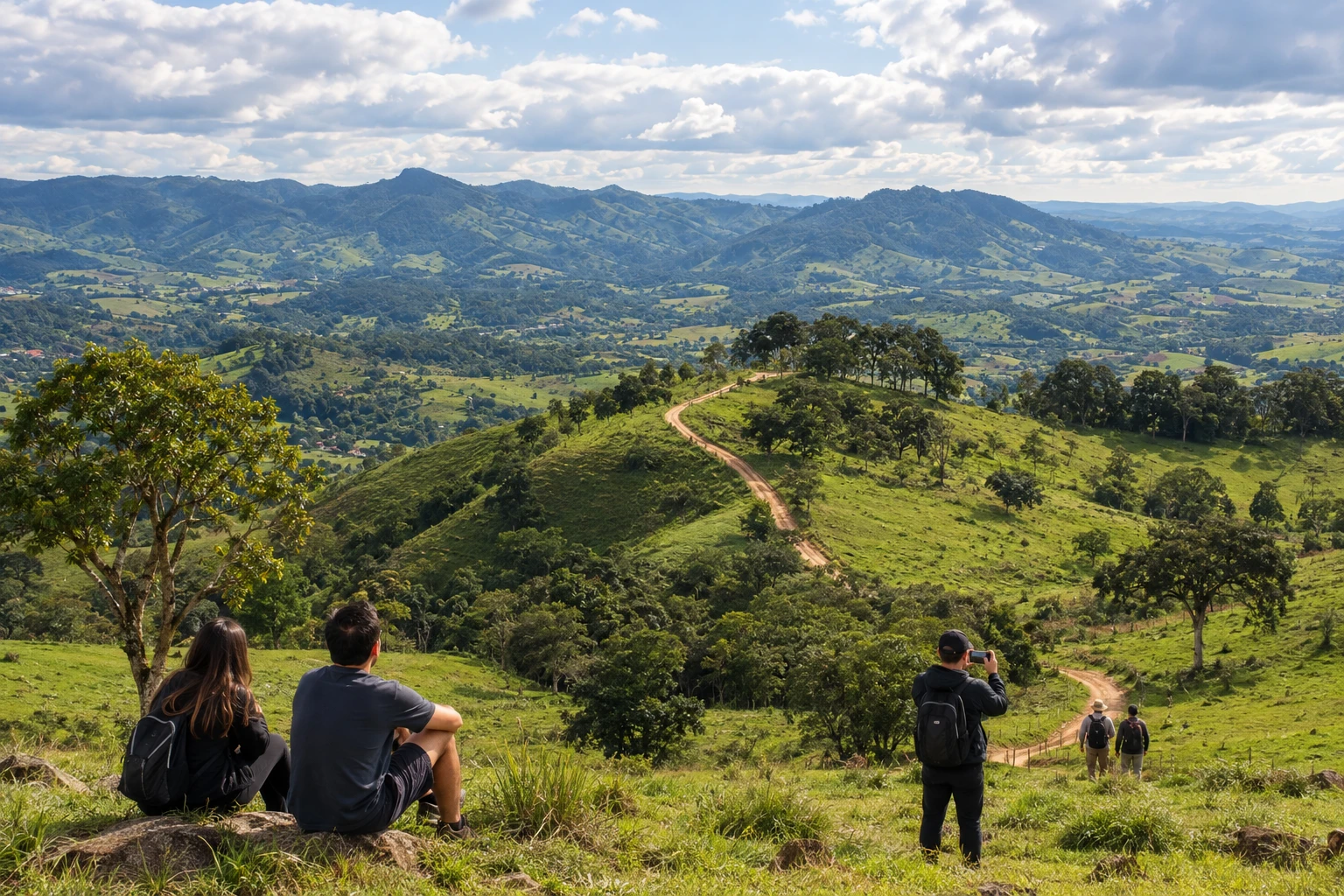
Estiva is known for strawberry production and has at the Recanto do Morango a reference point for regional products beside the Fernão Dias. The Mantiqueira mountain ranges form the surroundings of the municipality. On the Caminho da Fé, a stop lets you discover this agricultural identity and take a break before continuing along the pilgrimage connections.
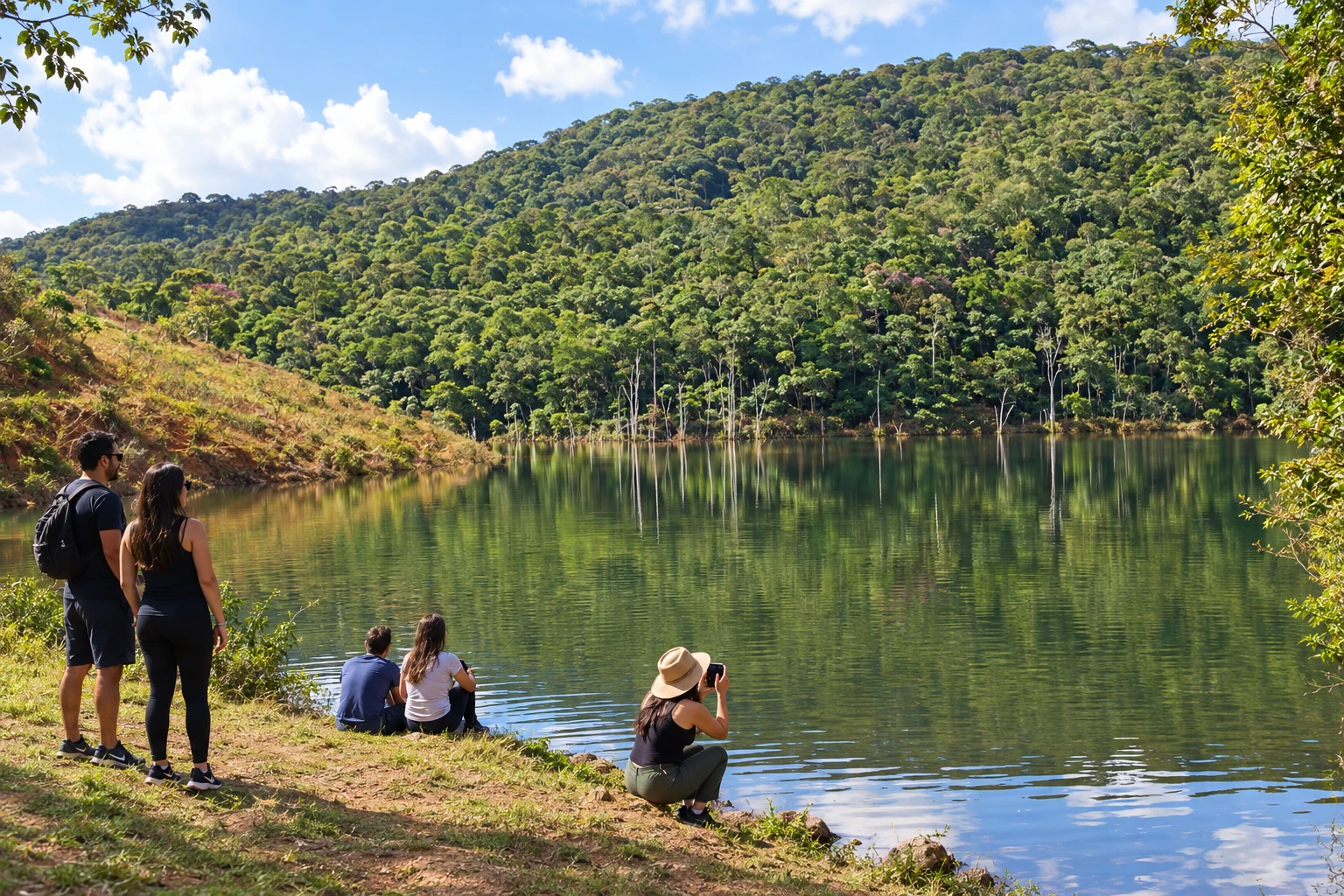
Ewbank da Câmara combines the landscape of the Represa de Chapéu d’Uvas with the memory of its railway station. The town is part of the Caminho Novo and is accessed via the BR-040 axis. The reservoir is part of the region's water supply system, so walks along the banks require attention to permitted areas.
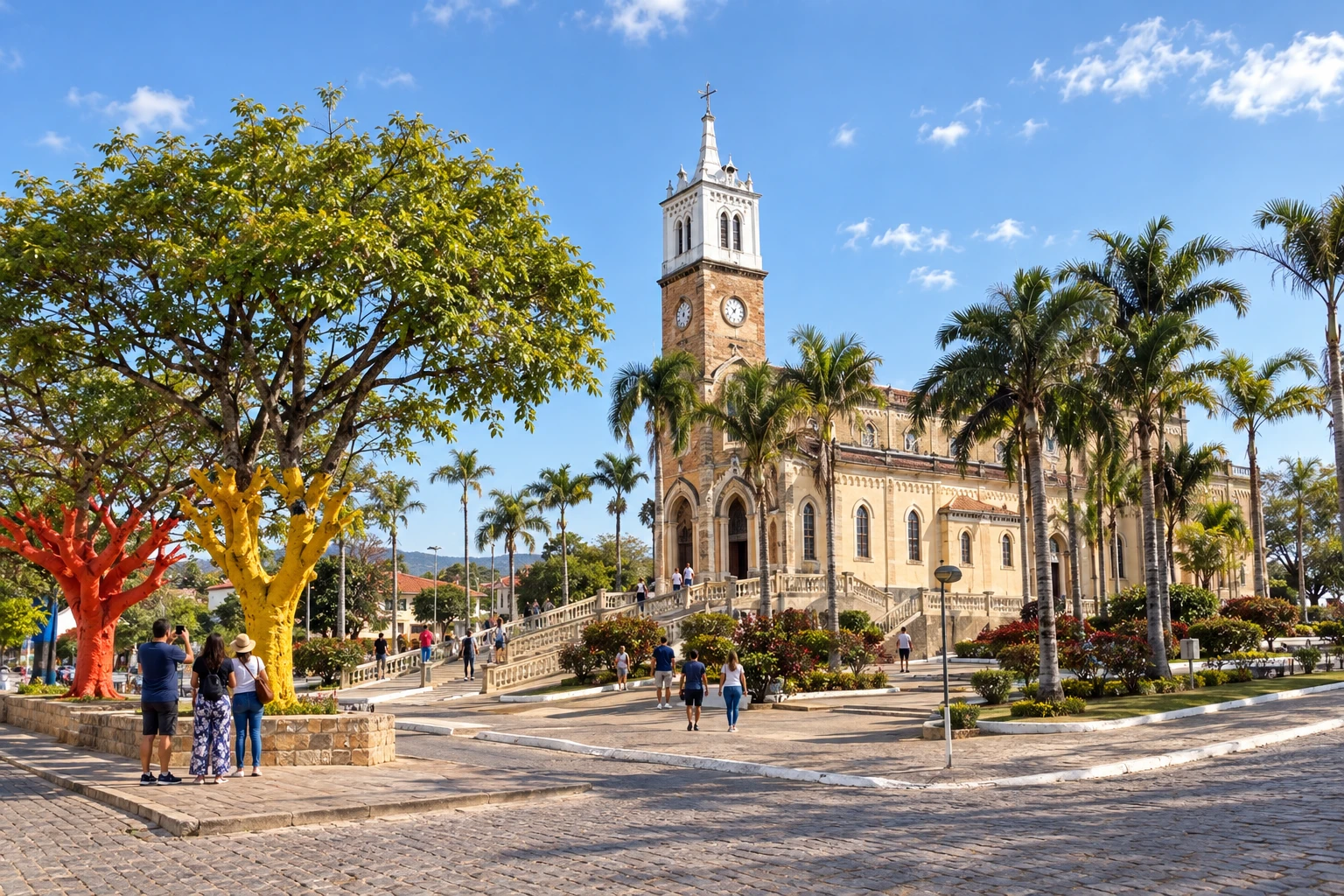
Inconfidentes has the production of crochet, knitwear and bed, table and bath linens as hallmarks of its commerce. The Centro de Cultura Colônia preserves references of local memory, and the trails of Monjolinho and Grama expand contact with the countryside. On the Caminho da Fé, the town offers a stop with handicrafts and visits chosen according to the time available on the trip.
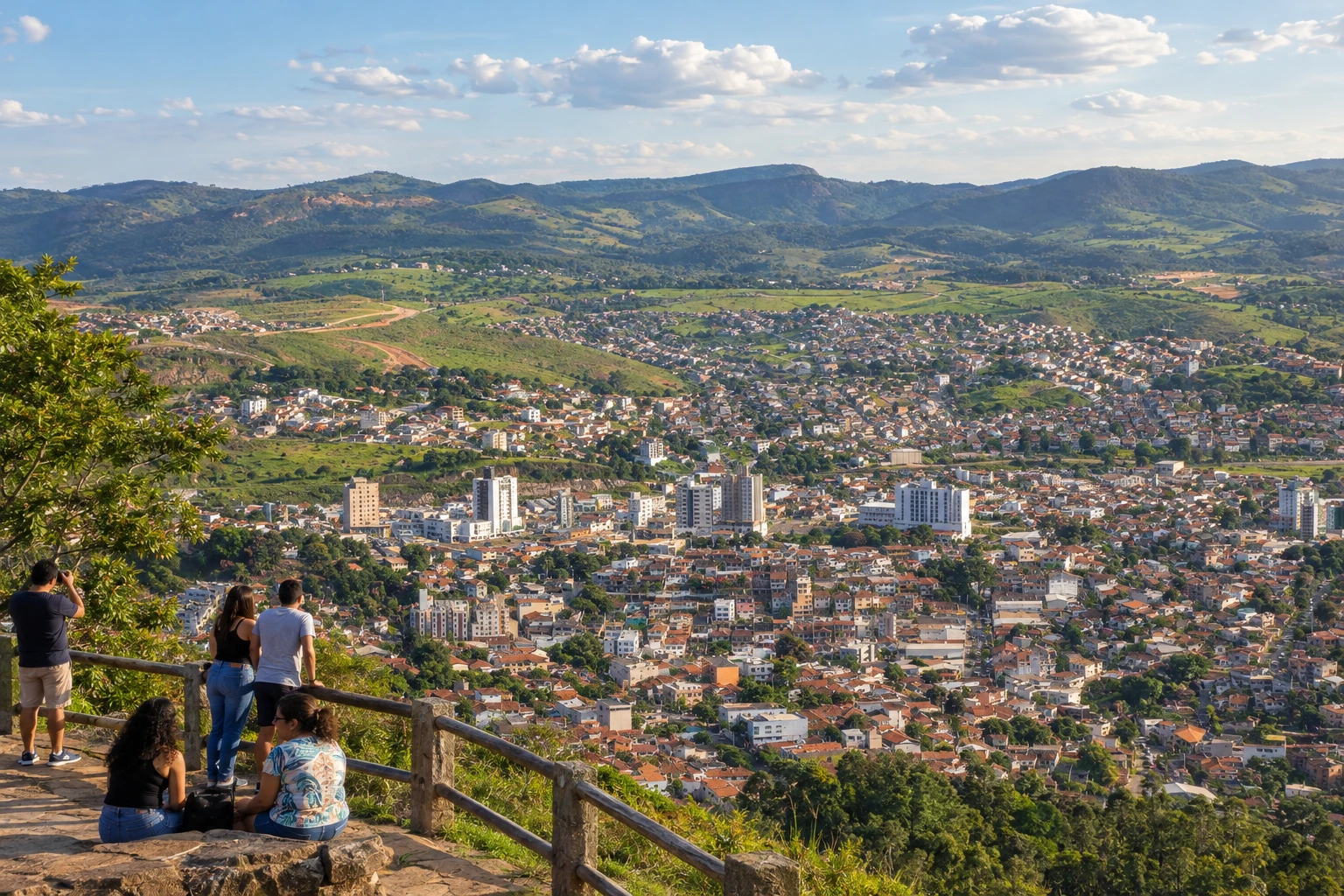
Itabira is the birthplace of Carlos Drummond de Andrade and a city shaped by mining. The Caminhos Drummondianos and the Casa de Drummond form the literary route in the municipal seat. In Ipoema, a district of the municipality, the Museu do Tropeiro adds another historical perspective to the journey along the Caminho dos Diamantes.
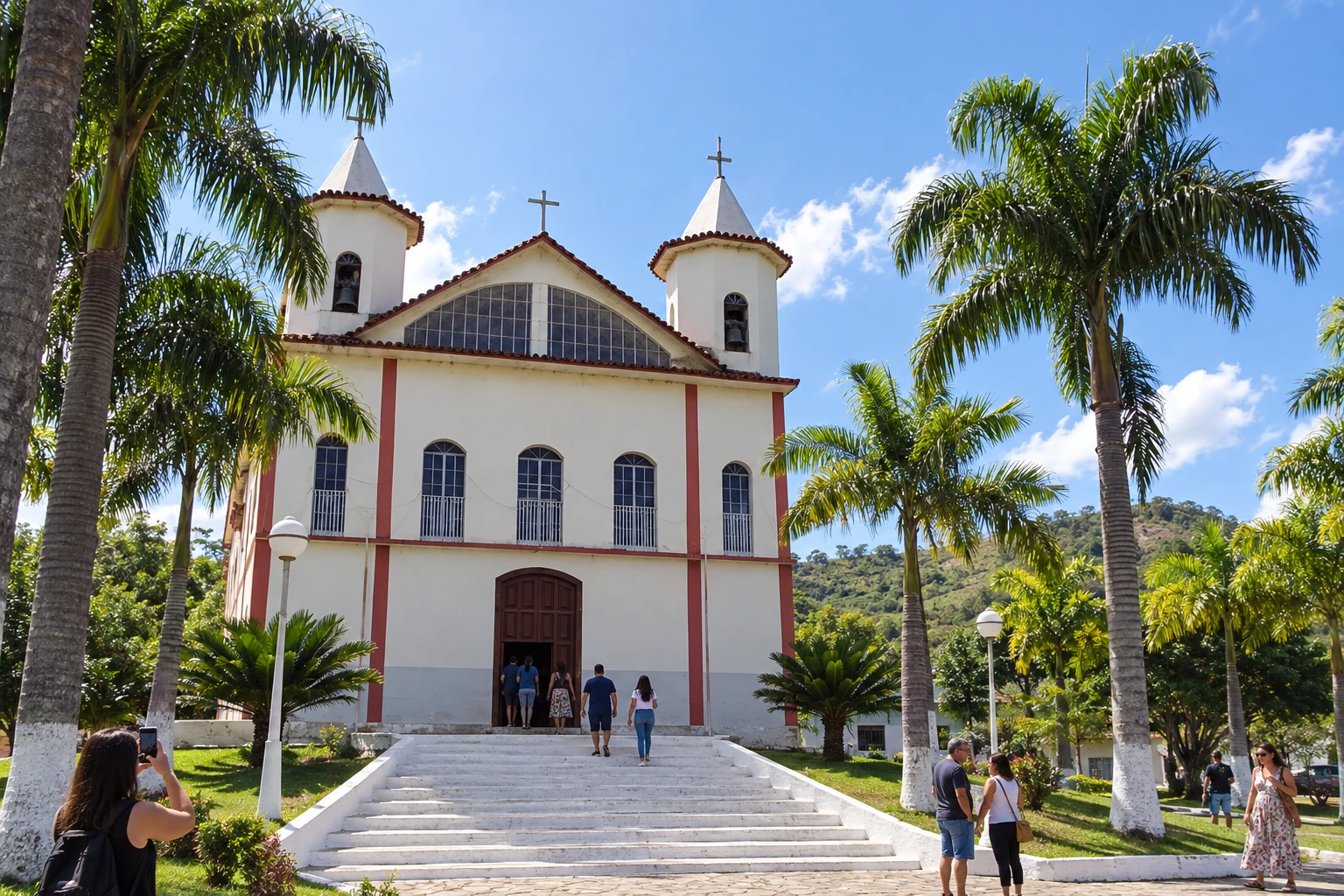
Itambé do Mato Dentro has the Igreja Matriz Nossa Senhora das Oliveiras in the town seat and the village of Cabeça de Boi among its travel references. The cachoeiras do Funil, das Maçãs and do Encantado make up its nature tourism. In the Serra dos Milagres, rock walls, rock shelters and rock paintings add an archaeological dimension to the landscape of the Caminho dos Diamantes.
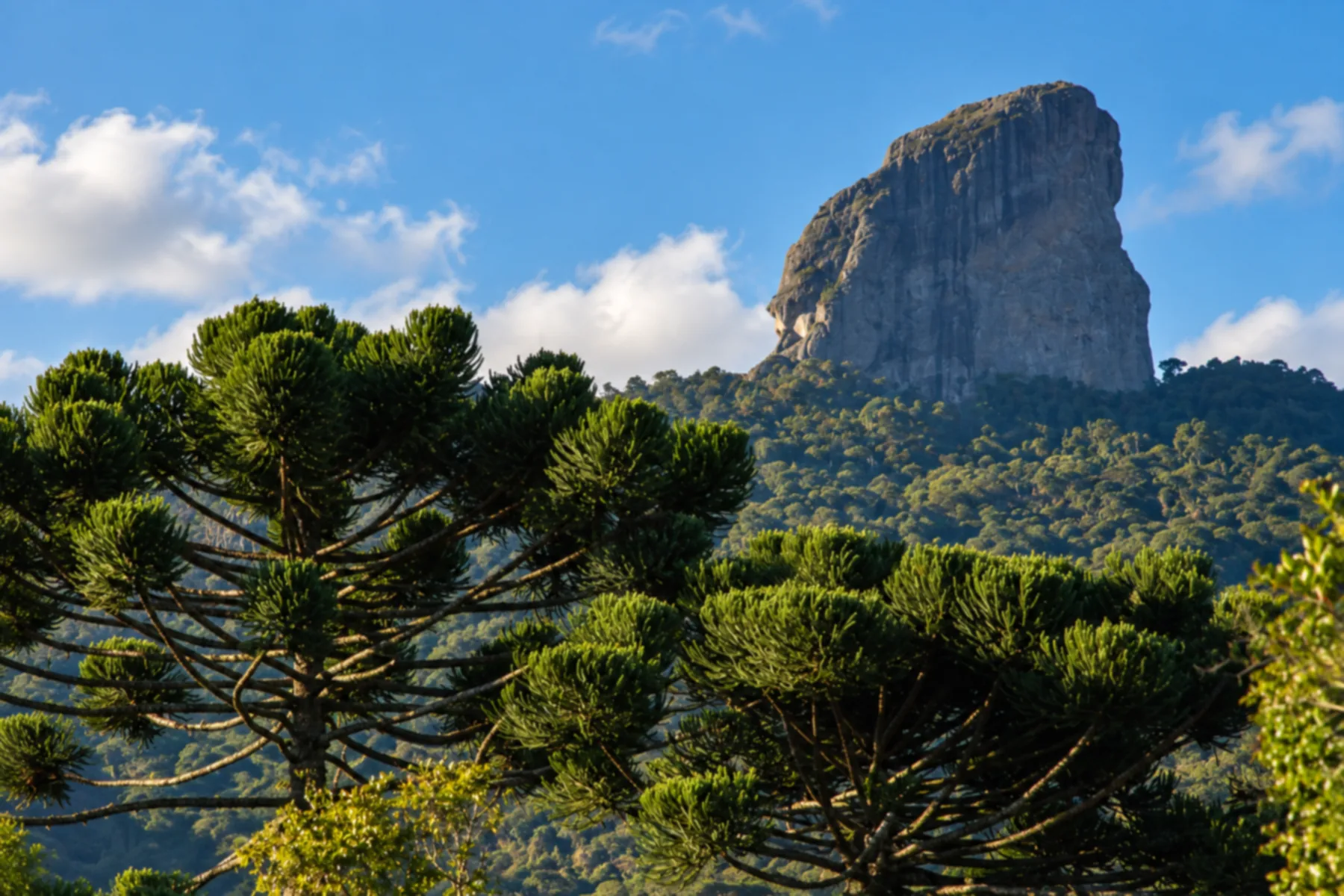
Itamonte is in the Minas Gerais part of the Mantiqueira, among rural areas and the mountains around Itatiaia. It is a base for exploring mountain roads and nature outings.
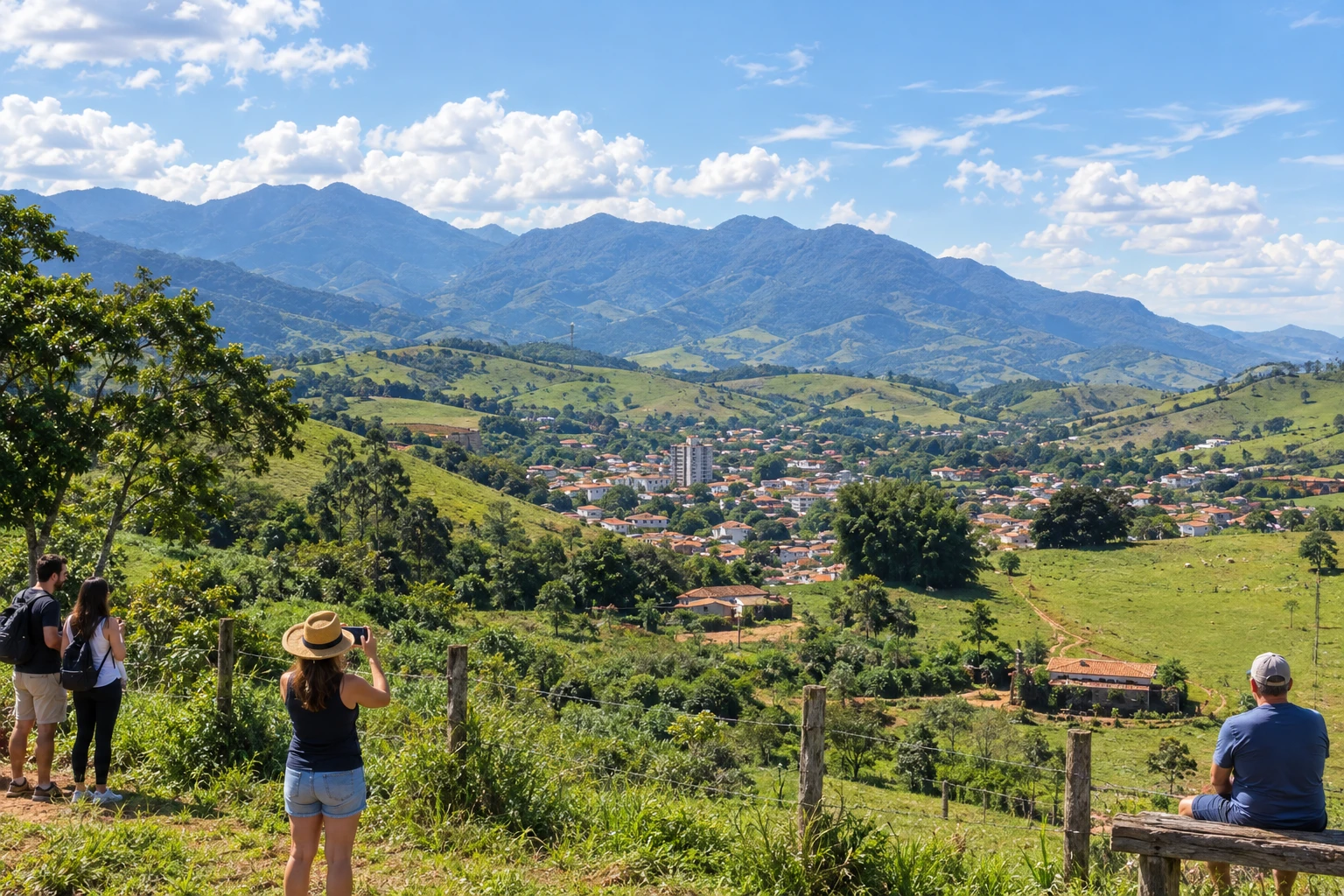
Itanhandu brings together the landscape of the Rio Verde and the Terras Altas da Mantiqueira. The Alto das Posses and the Serra dos Noronhas are landmarks of its rural outings; in the town center, the Estação das Artes and the Museu Histórico de Itanhandu Ânio Brito add railway memory and local history to the Caminho Velho.
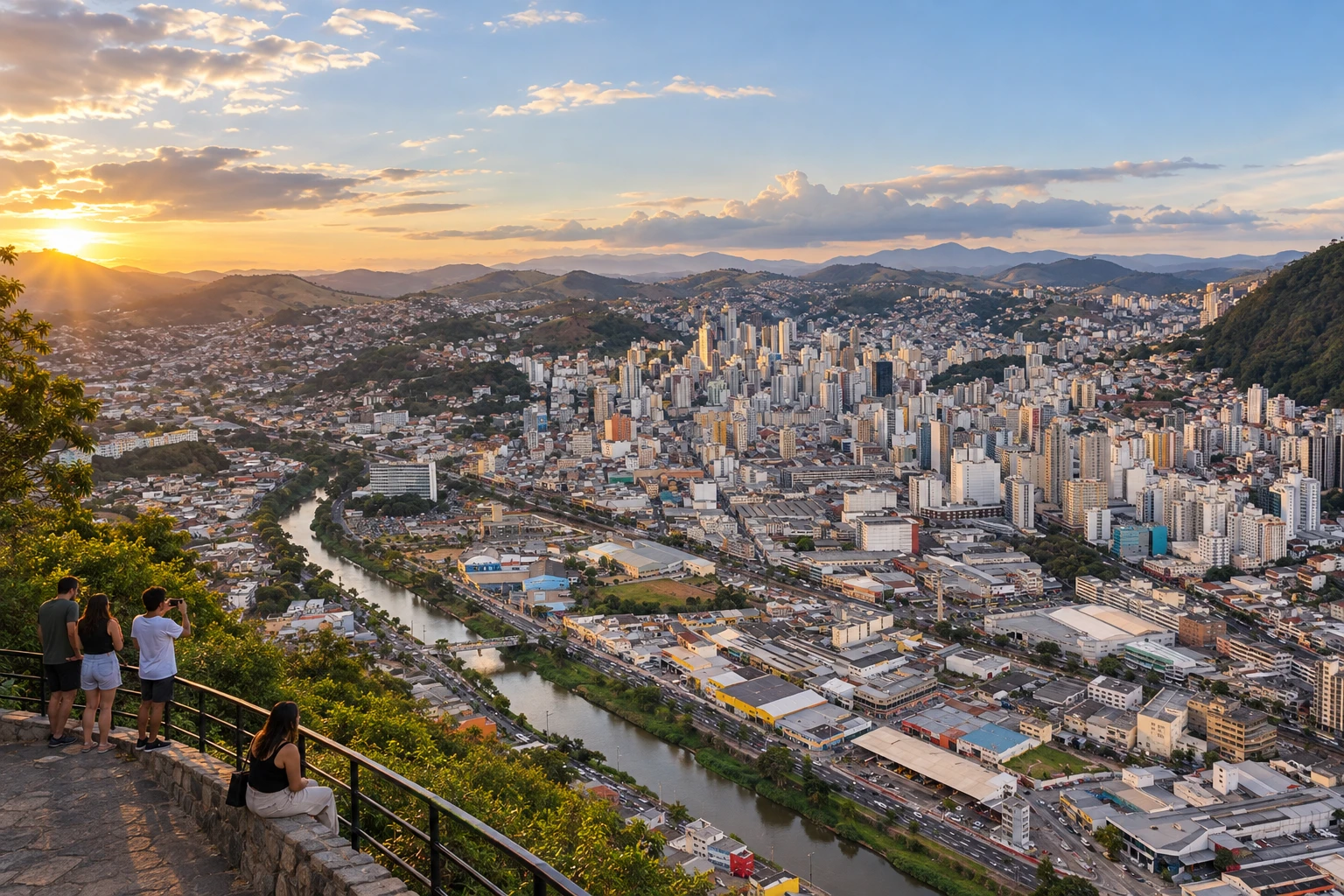
Juiz de Fora grew along the Caminho Novo and became an urban center in the Zona da Mata. The Museu Mariano Procópio brings together art and the memory of imperial Brazil, while its gardens add an outdoor stroll to the cultural itinerary. The old Estrada União e Indústria links the city's history to that of Petrópolis.
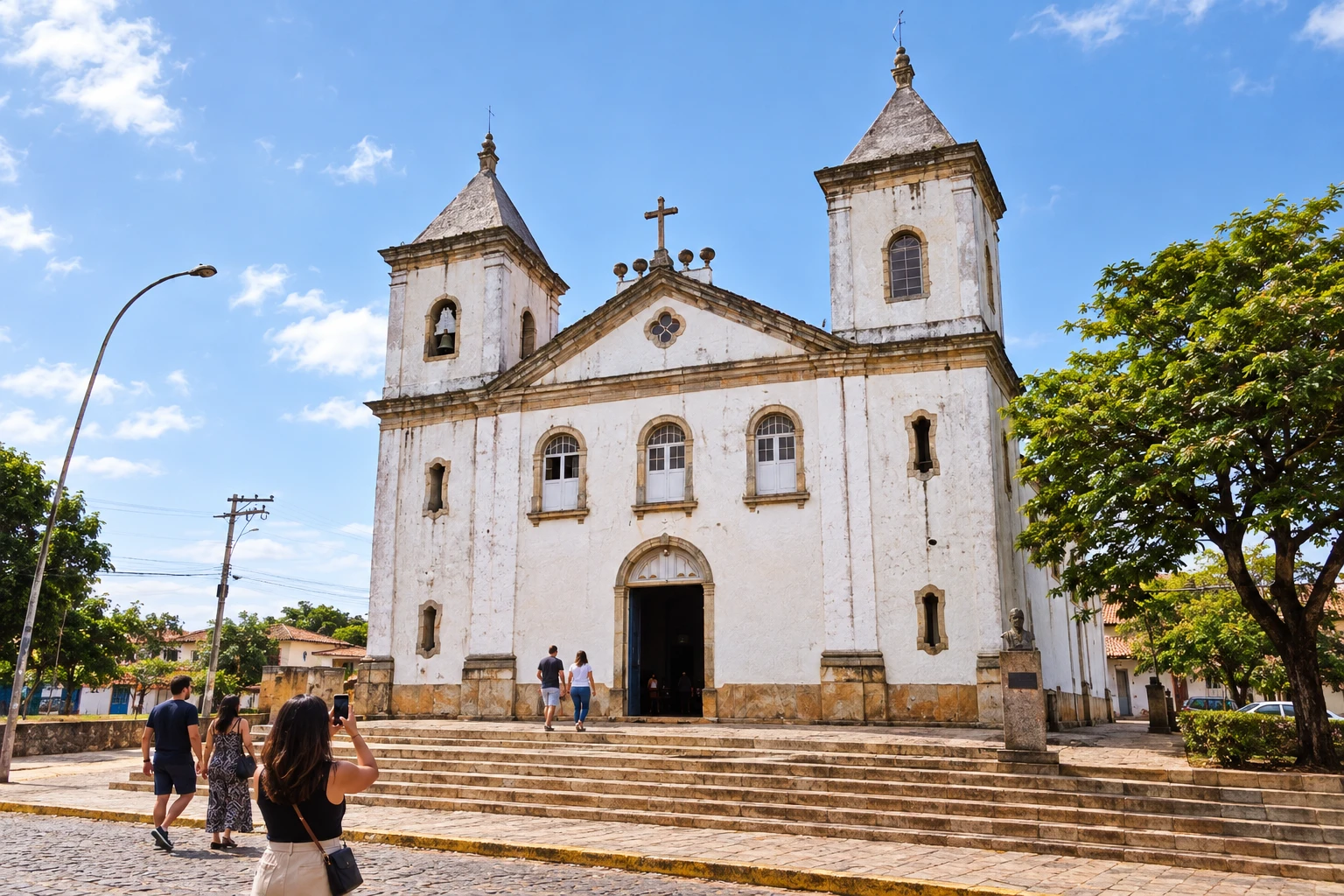
Lagoa Dourada is known for its rocamboles, a tradition passed down through generations. The Matriz de Santo Antônio and the Igreja do Senhor Bom Jesus preserve traces of the colonial past in the town center, along the Estrada Real. The local cuisine gives the stop its own reason to make a detour.
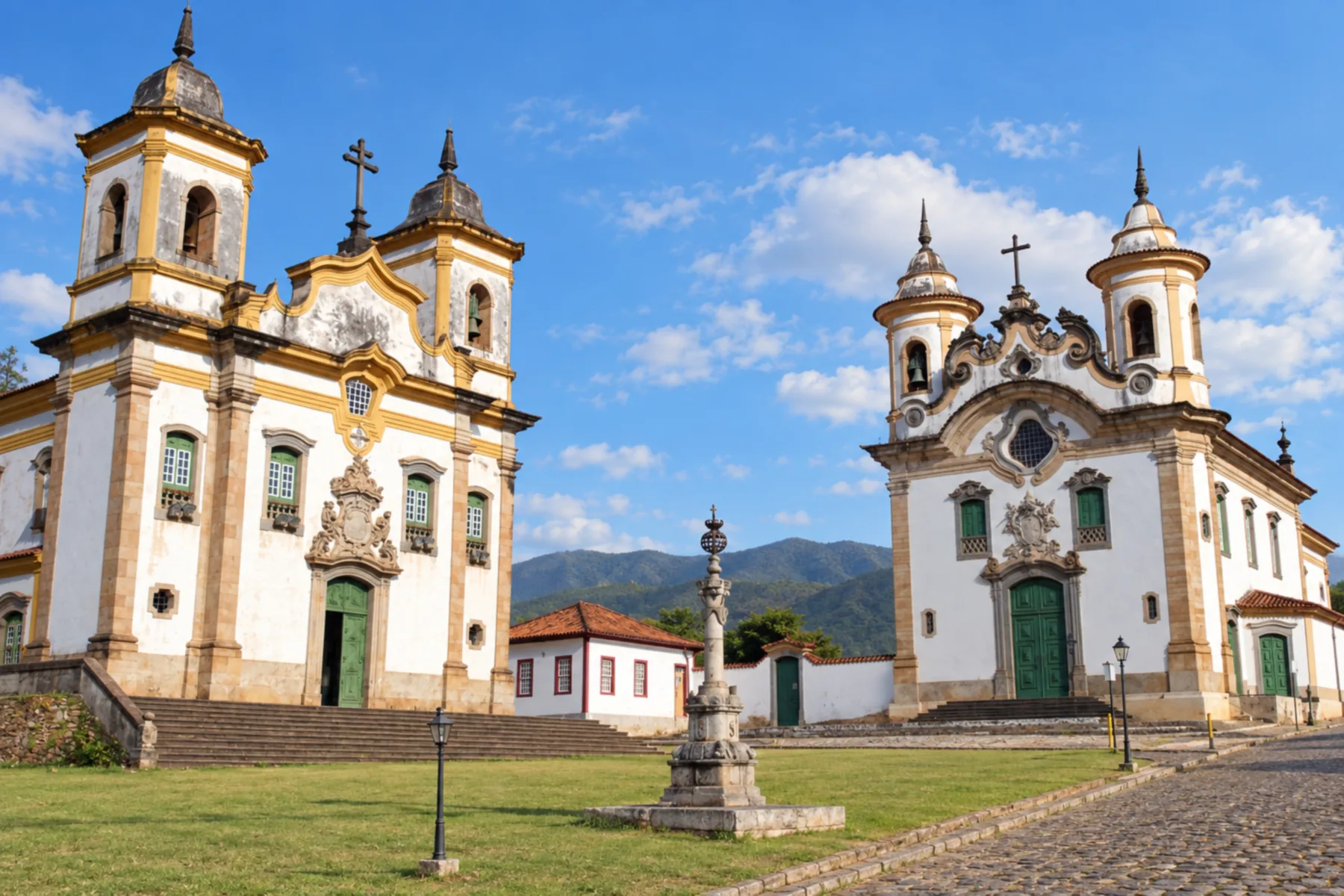
Mariana preserves a historic core linked to the beginning of mining in Minas Gerais. Its squares and religious buildings invite you to discover the art and the origins of the towns of Minas Gerais.
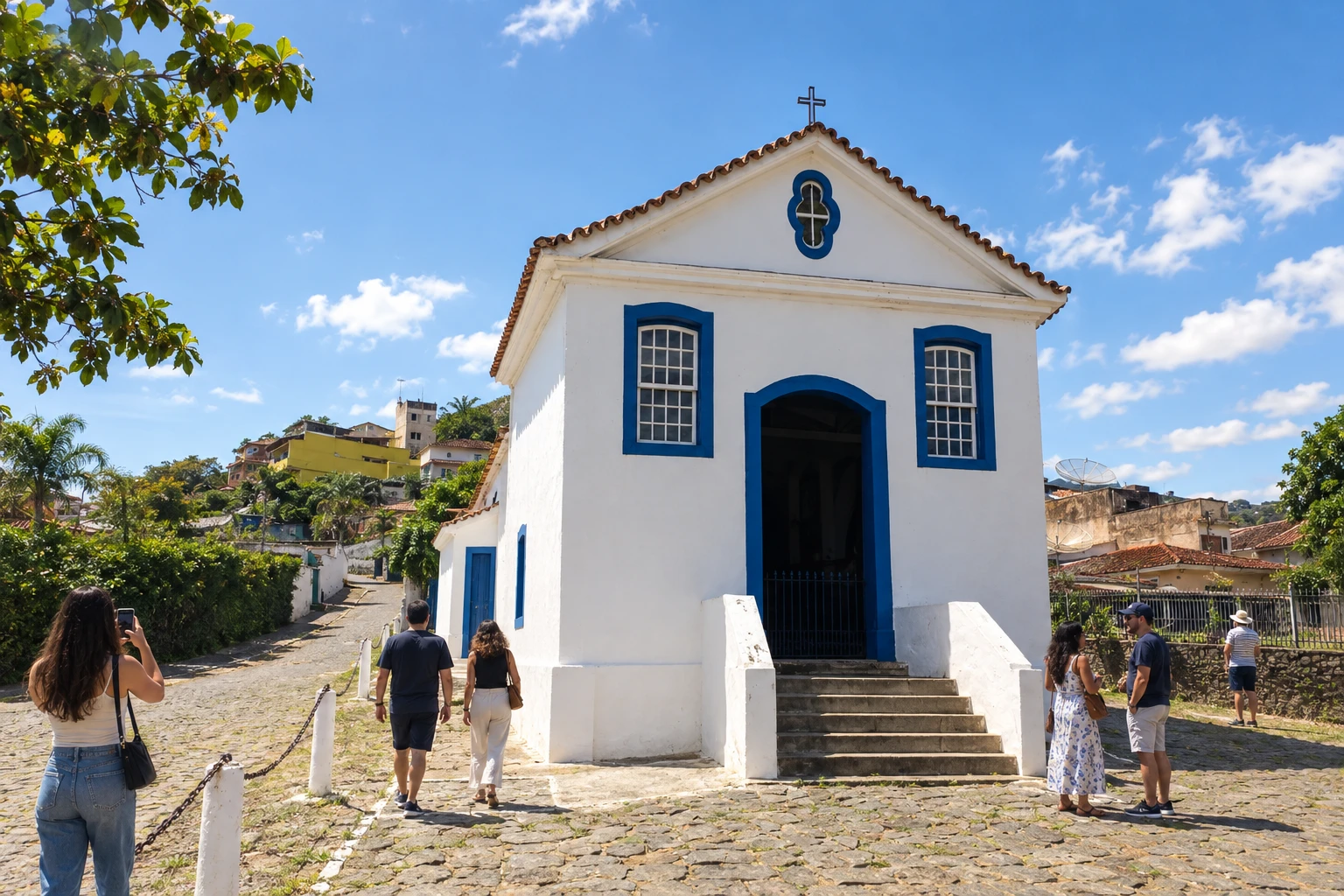
Matias Barbosa grew up around a sesmaria and received immigrants linked to coffee farming. The Capela do Rosário, originally associated with the registro do Caminho Novo, preserves a link to that history. The Ponte do Arco and the Matriz de Nossa Senhora da Conceição add heritage to the city's route.
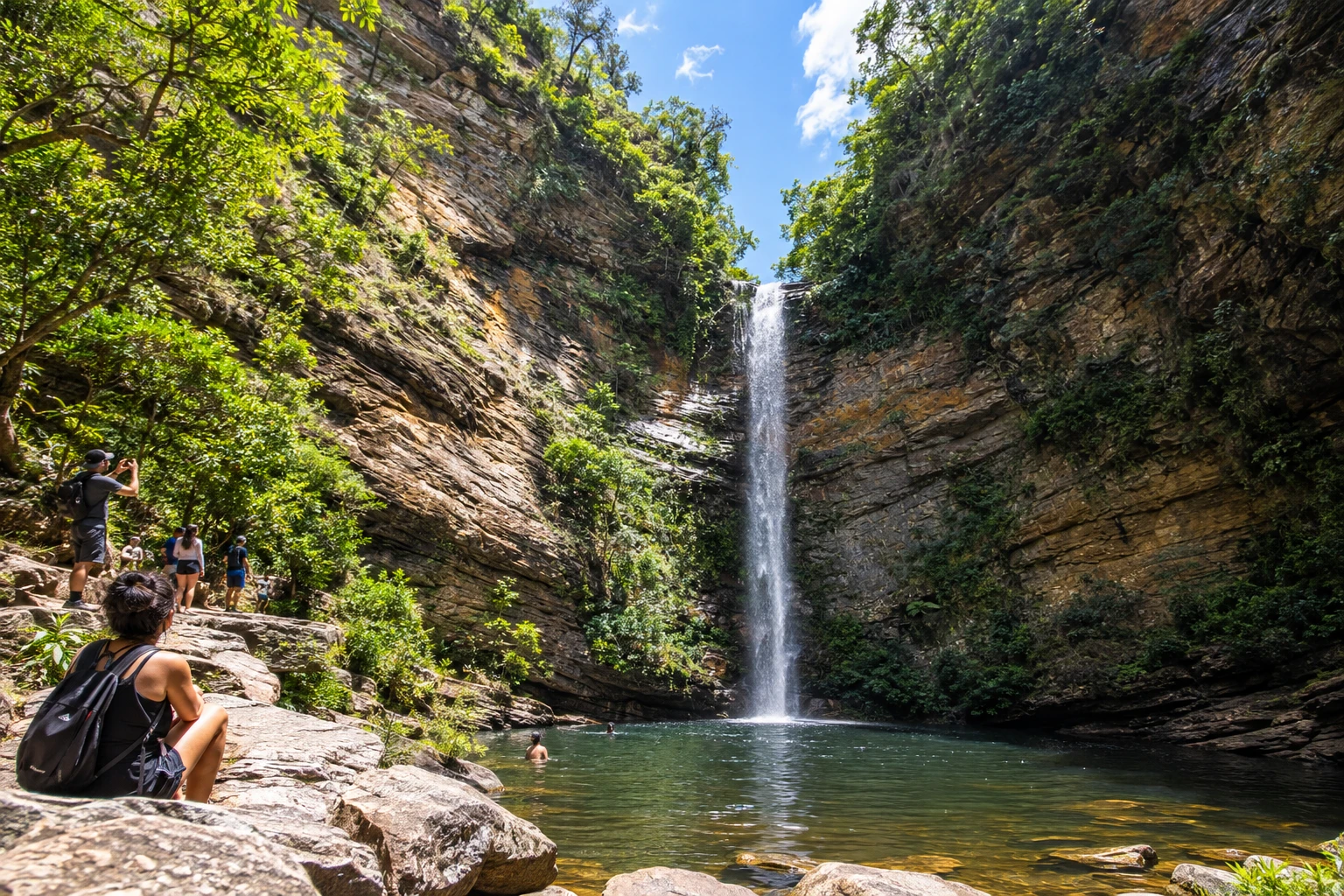
Morro do Pilar includes the Igreja Nossa Senhora do Pilar, built on the heights of the town, and the ruins of the Real Fábrica de Ferro, which record its industrial history. On the Caminho dos Diamantes, the urban landscape gives way to the hills and the Andorinha and Naná waterfalls. Handicrafts made from indaiá straw are also part of the local identity.
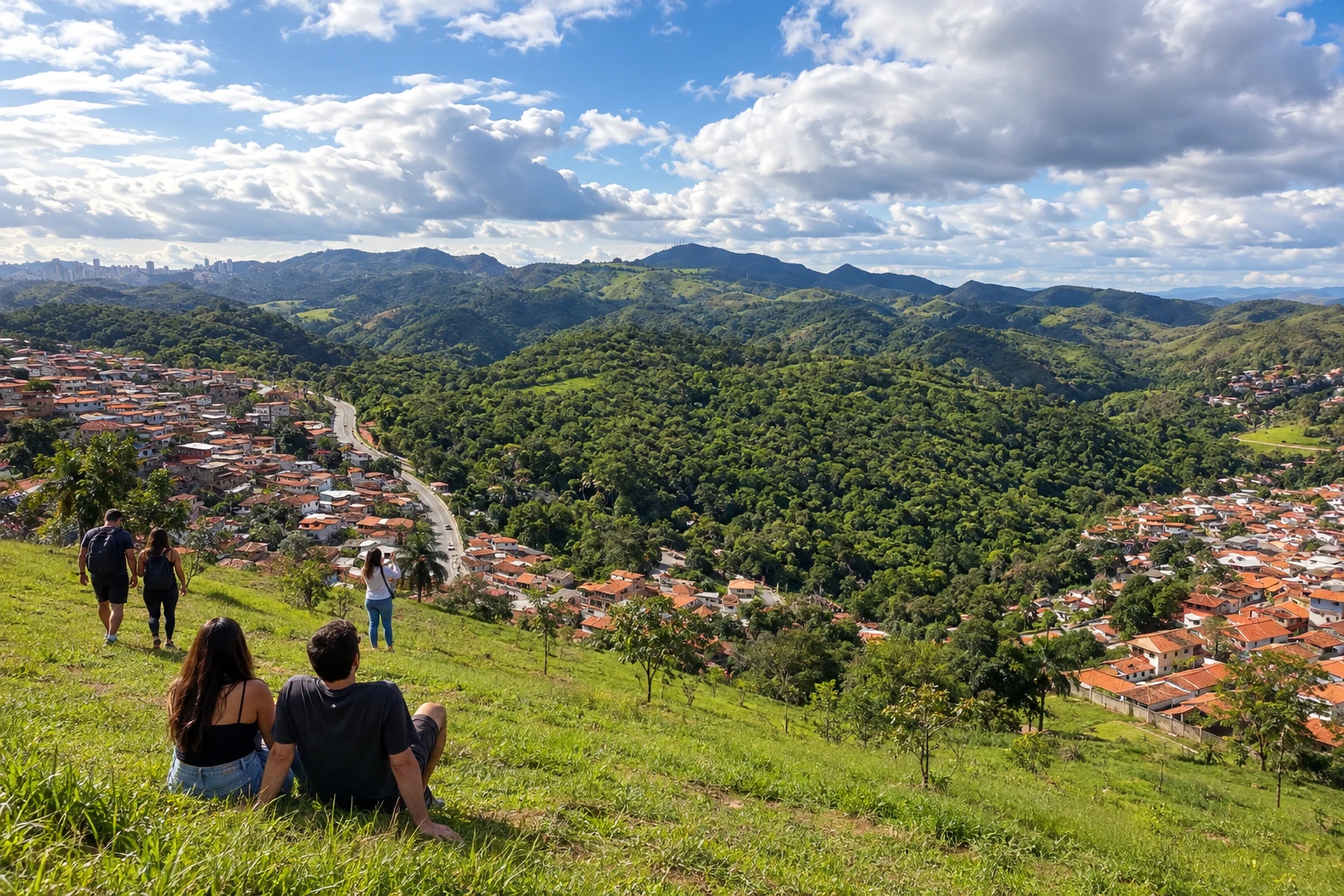
Nova Lima has a history marked by gold mining and by English presence, visible in the heritage of the Casa Grande. The queca, a cake of English influence, is part of the local cuisine. São Sebastião das Águas Claras, known as Macacos, adds landscapes and outings to the municipality neighboring Belo Horizonte.
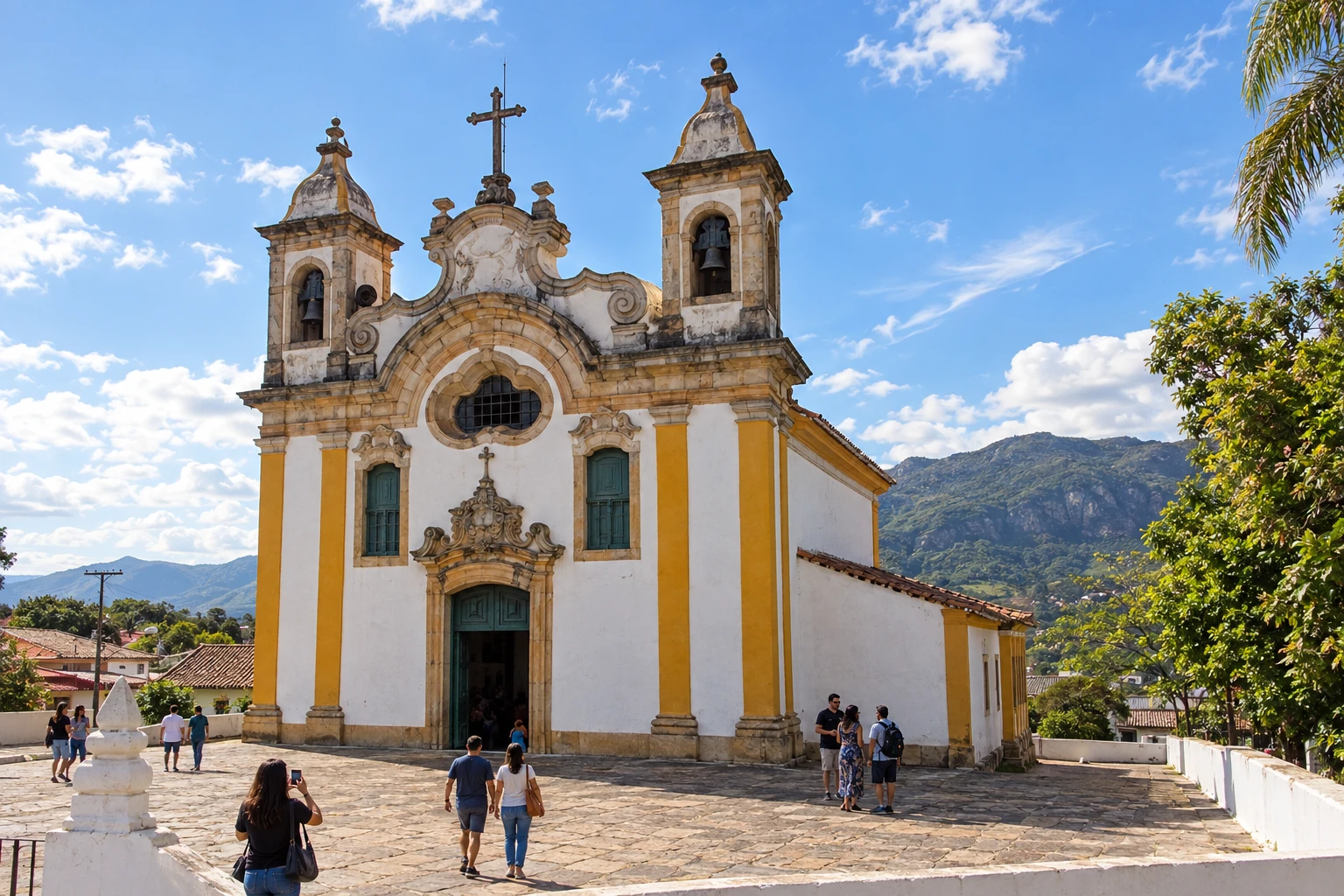
Ouro Branco brings together colonial heritage and the mountain landscape that marks the southern start of the Espinhaço. The Matriz de Santo Antônio preserves Baroque carving, while Itatiaia features another historic church in the municipality. The Parque Estadual Serra do Ouro Branco adds rupestrian fields and viewpoints to the Caminho Novo itinerary.
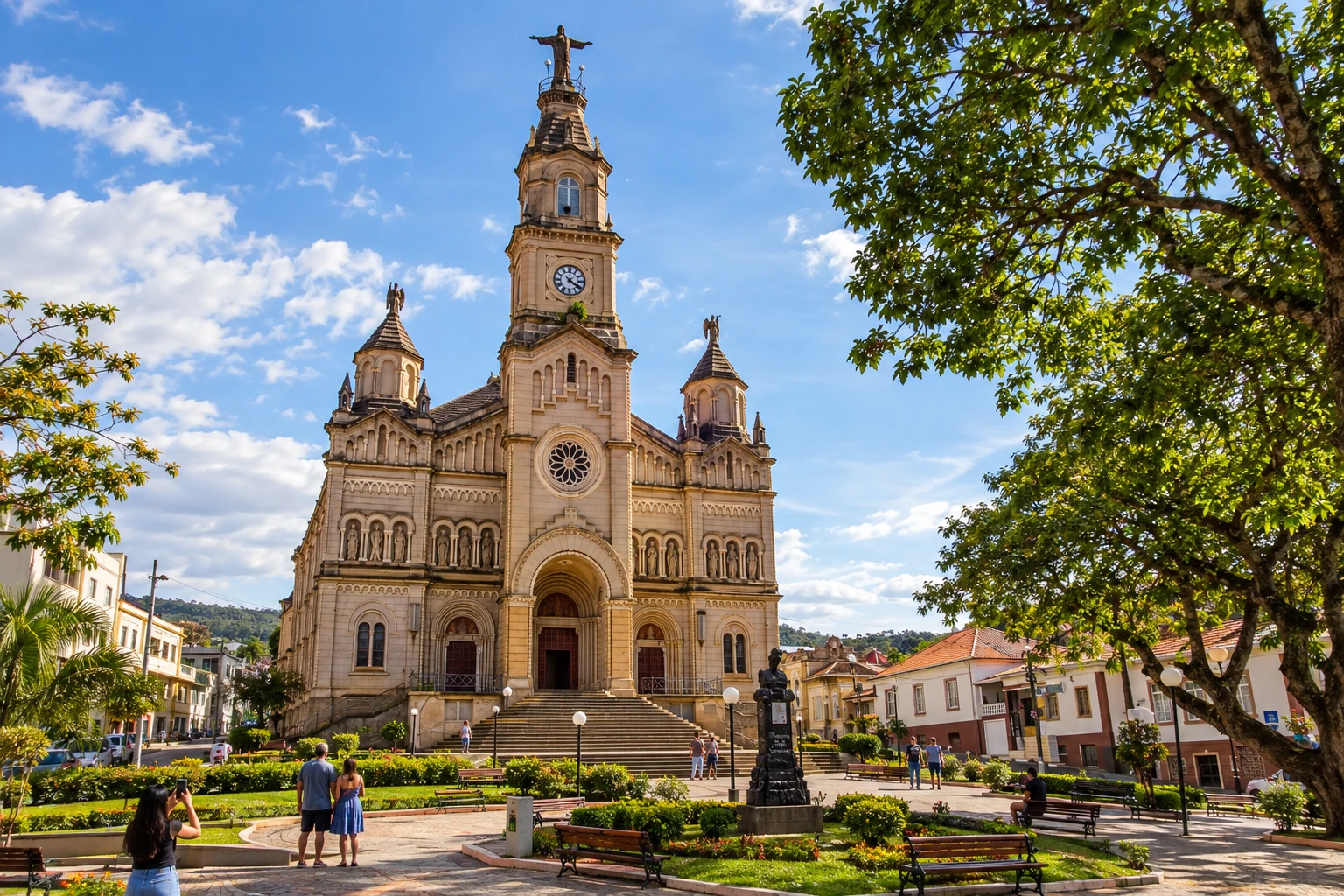
Ouro Fino's Monumento Menino da Porteira is a reference to the song that mentions the city. The sculpture is located at the access from the MG-290 and was inaugurated with the participation of Sérgio Reis. This memory of sertanejo music gives identity to the visit, which can accompany the passage of the pilgrimage through the sul de Minas.
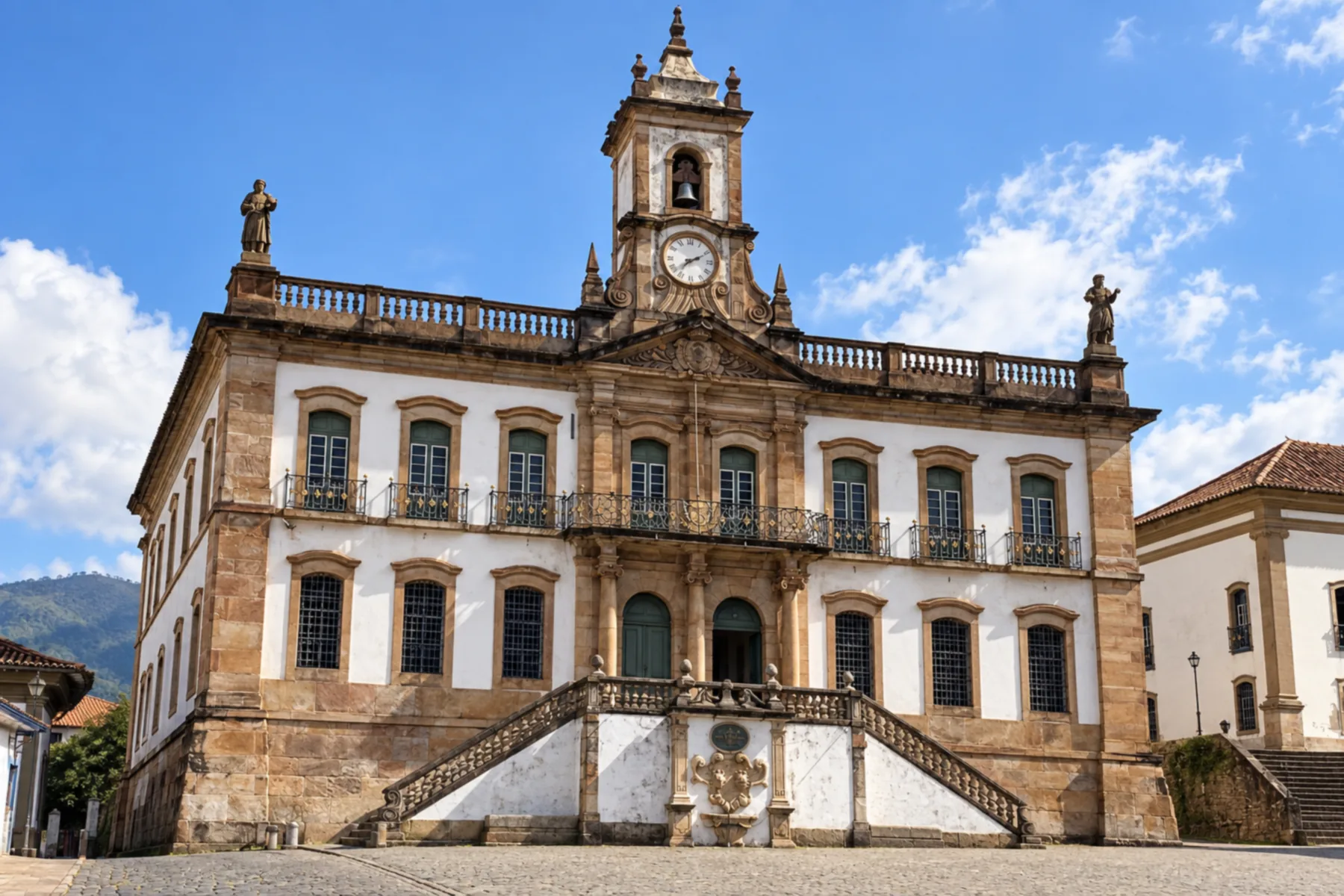
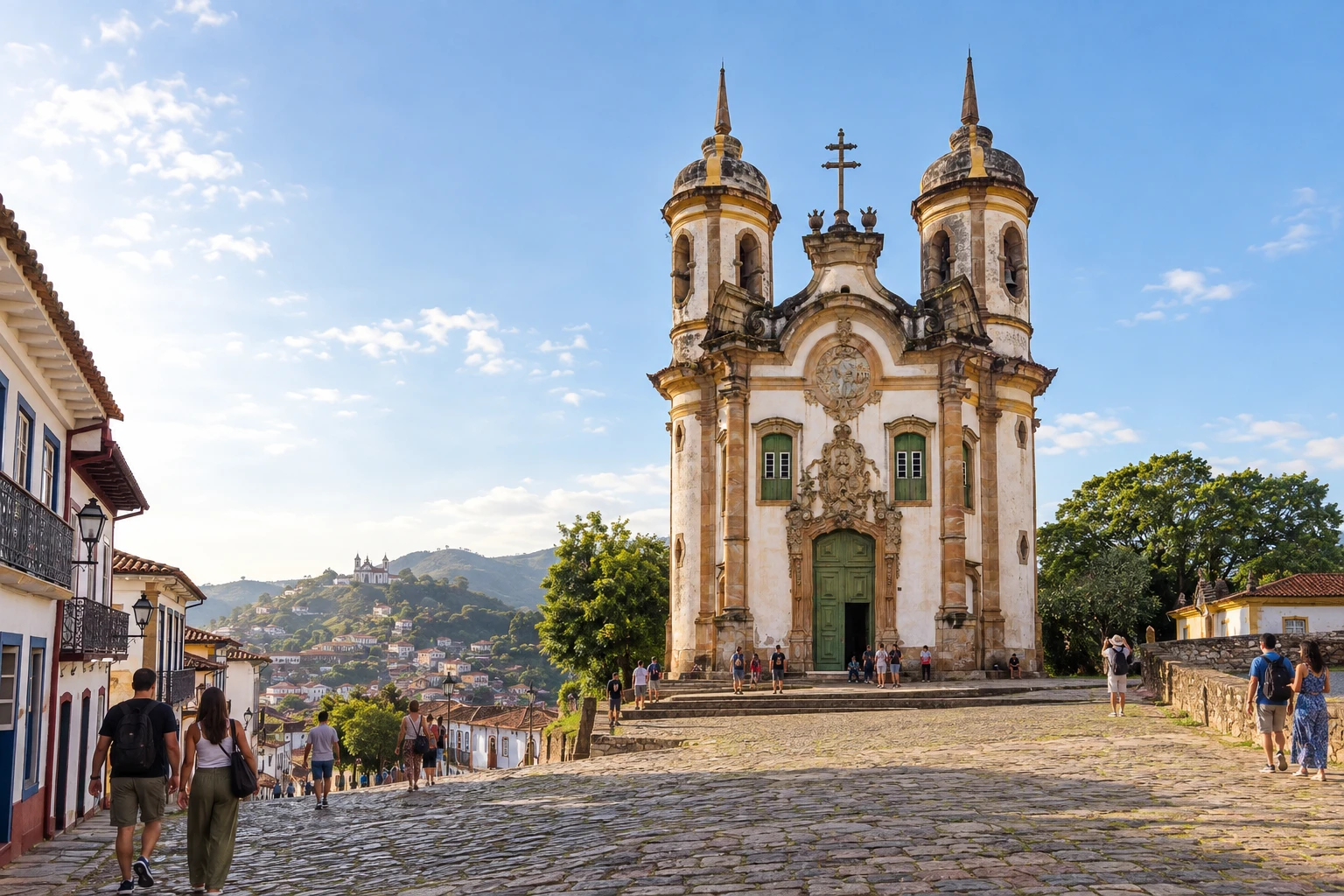
Ouro Preto spreads over hillsides shaped by the gold cycle and colonial architecture. Walking its steep streets lets you discover sacred art, museums and places that tell the history of Minas Gerais.
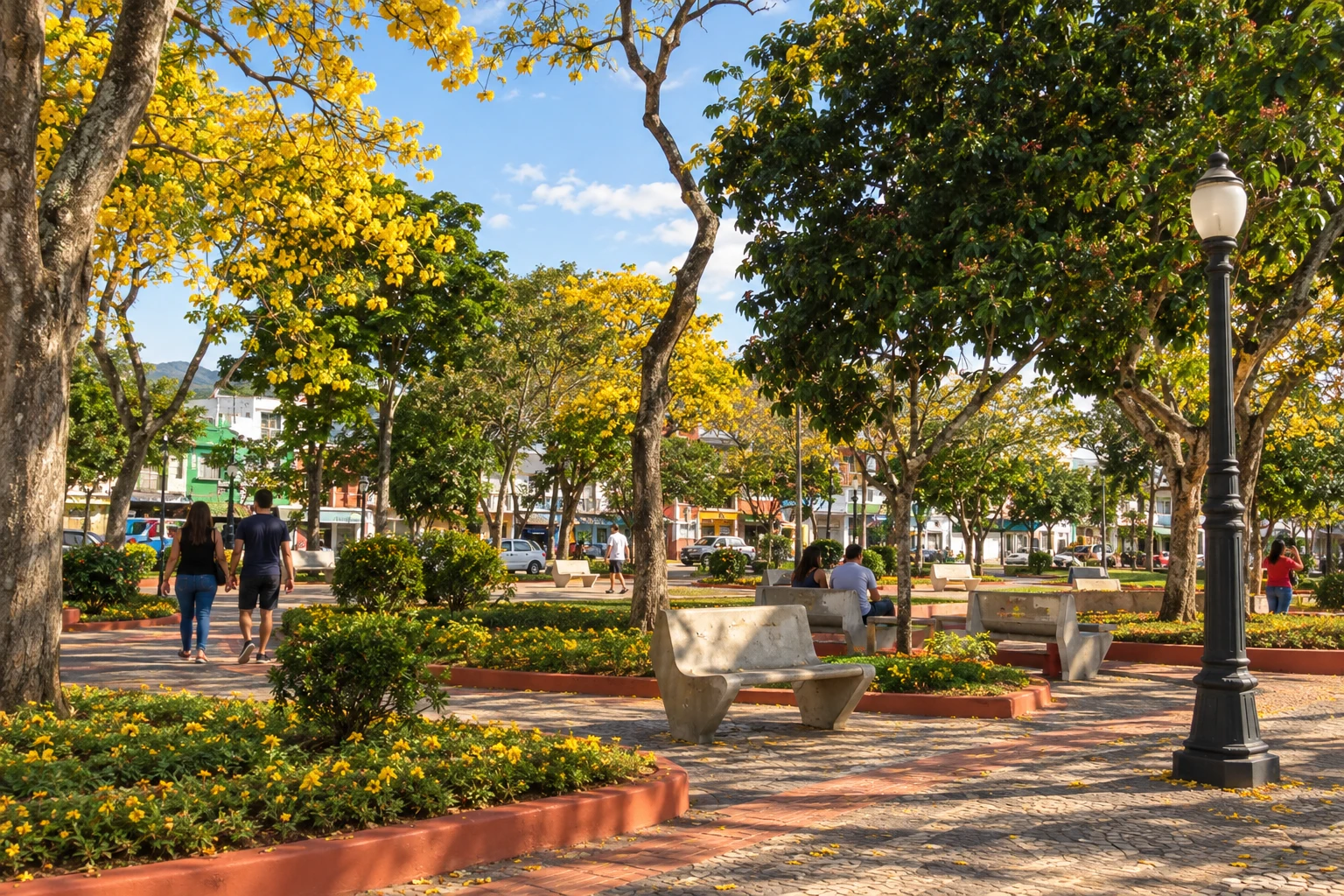
Paraisópolis brings together the Centro Cultural Amilcar de Castro and the Mercado Municipal among the landmarks of its urban core. Nearby, the Parque Ecológico do Brejo Grande and the Pico do Machadão broaden opportunities to connect with the landscape. The town offers its own cultural visit and also takes part in the routes of the Caminho da Fé.
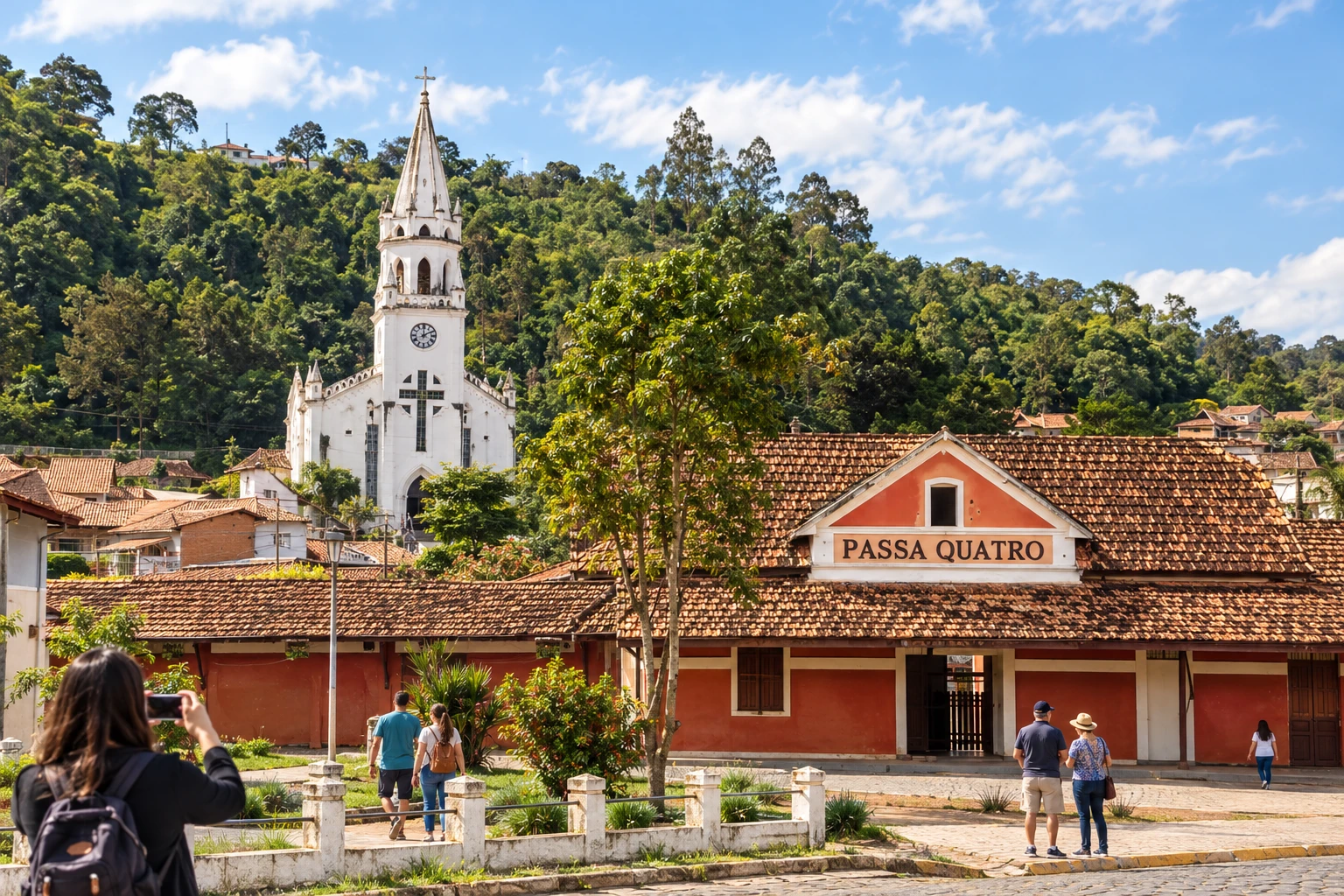
Passa Quatro combines mineral water springs and late-19th-century buildings with Mantiqueira landscapes. From the central station departs the Trem da Serra da Mantiqueira, while the Floresta Nacional de Passa Quatro adds a nature walk. It is a base with its own programs on the Caminho Velho.
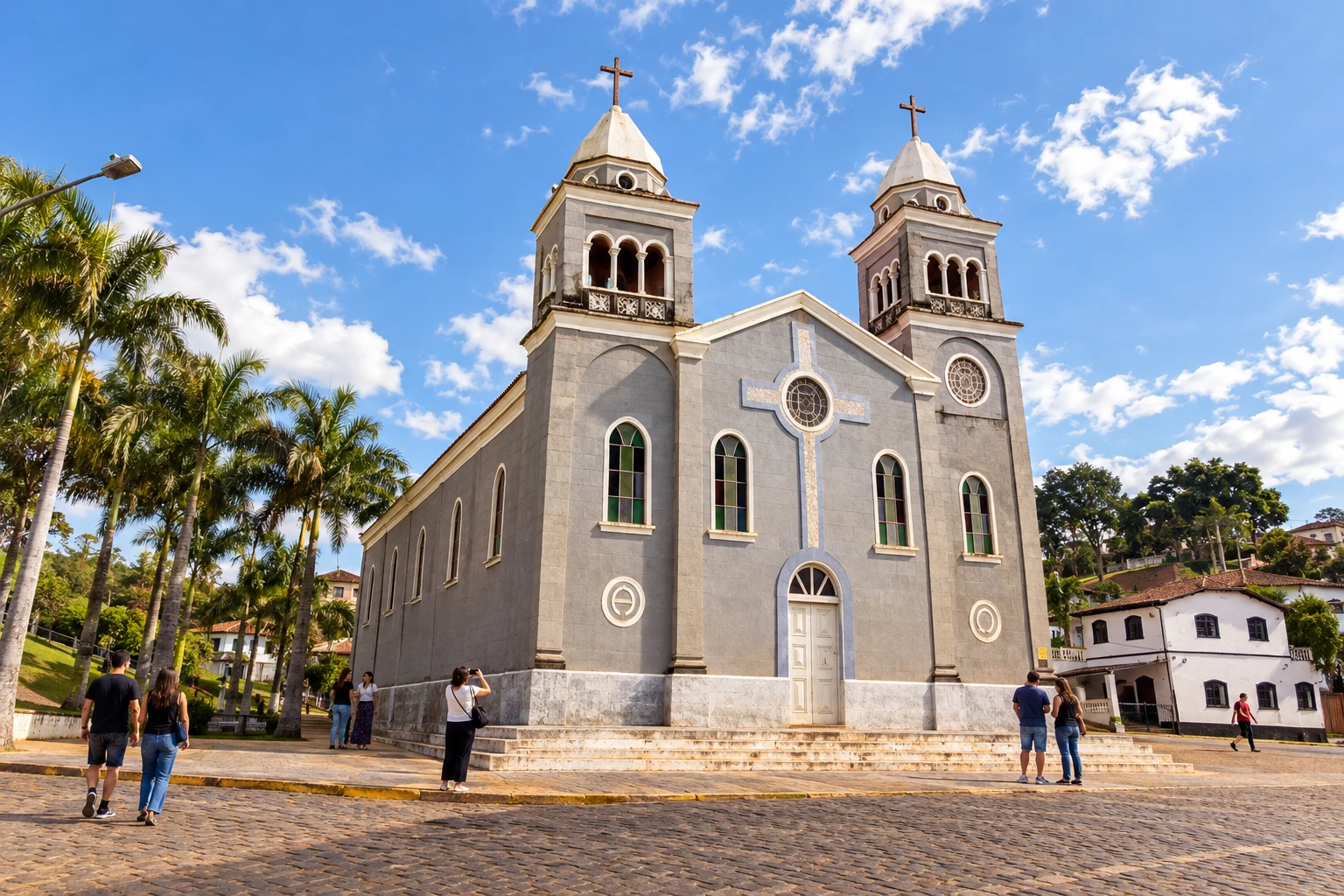
Pouso Alto began as a stopping place for bandeirantes at the foot of the Serra da Mantiqueira. The Matriz de Nossa Senhora da Conceição houses the image of the patron saint, and the old courthouse is part of the town's built heritage. Santana do Capivari and waterfalls such as the cachoeira do Florentino add other stops to the municipal itinerary.
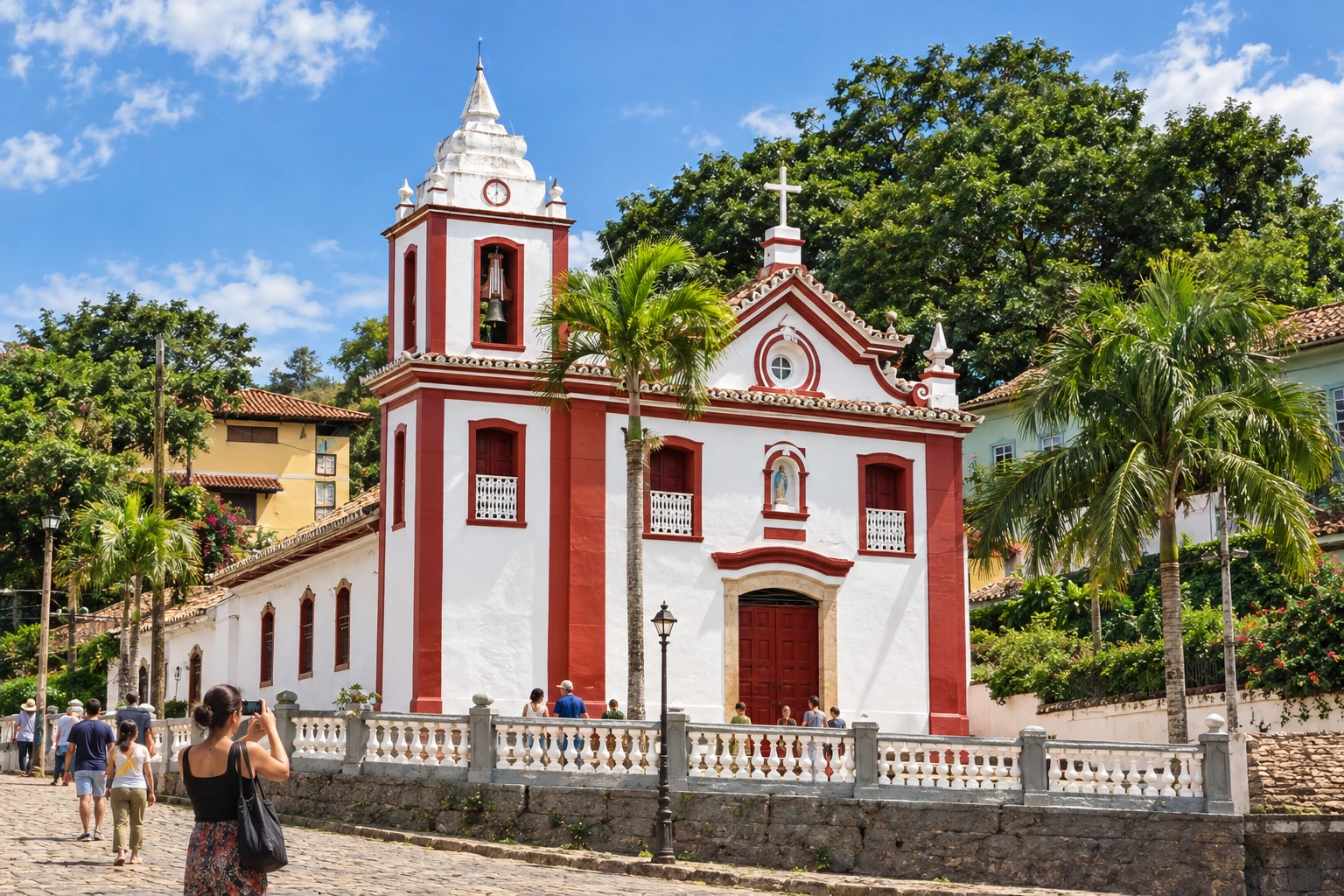
Prados preserves churches and manor houses in the historic center and maintains a musical tradition represented by the Lira Ceciliana. In the studios, wood, ceramics and leather take on artisanal forms. Bichinho, also known as Vitoriano Veloso, belongs to the municipality and expands this artistic production route along the Serra de São José.
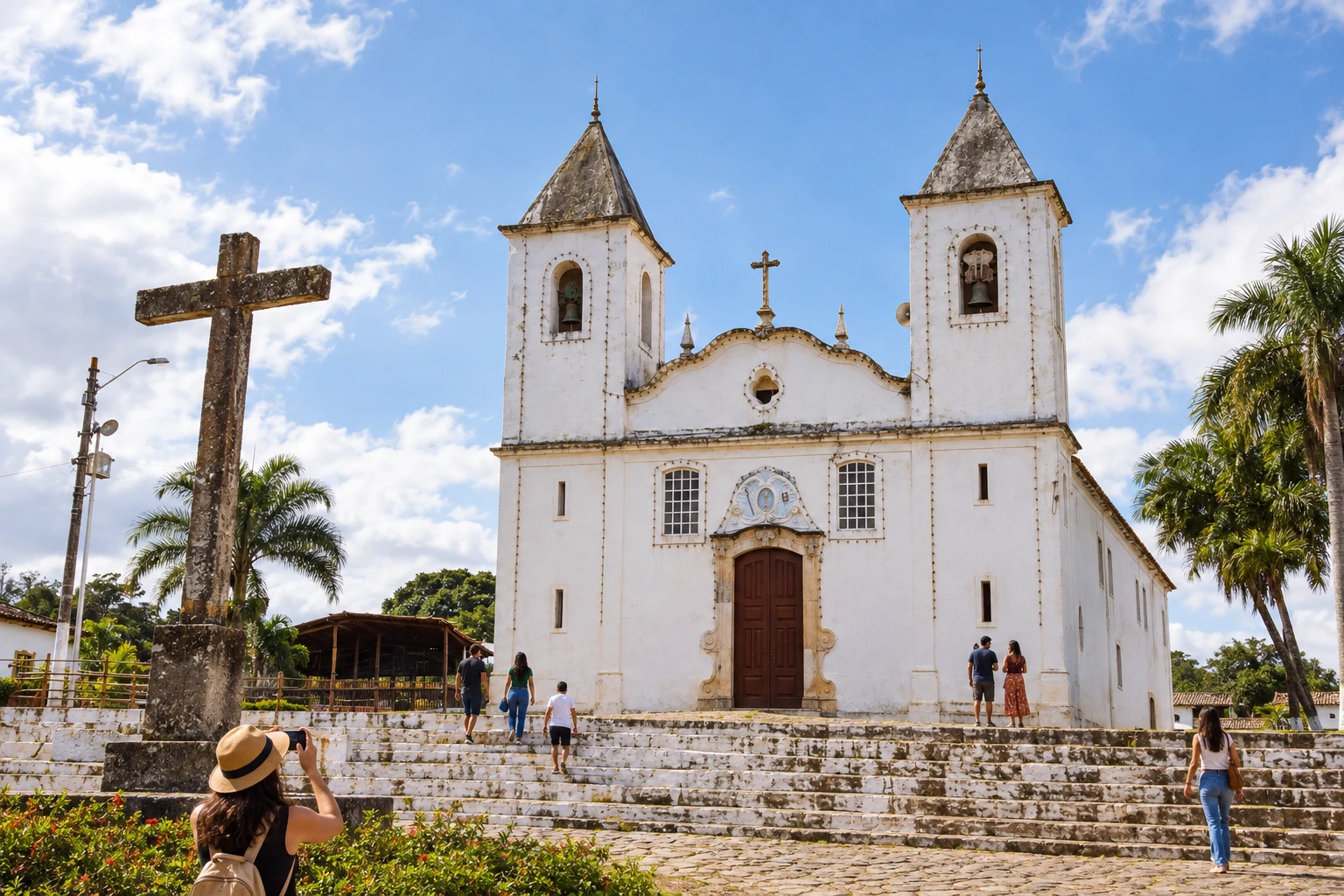
Queluzito preserves the Matriz de Santo Amaro, a reference of Baroque architecture in a small Minas Gerais town. Outside the town center, the Cachoeira do Maciel and the landscapes around the locality of Castelo extend the itinerary. Religious festivals and the remnants of the Estrada Real provide historical context to the visit.
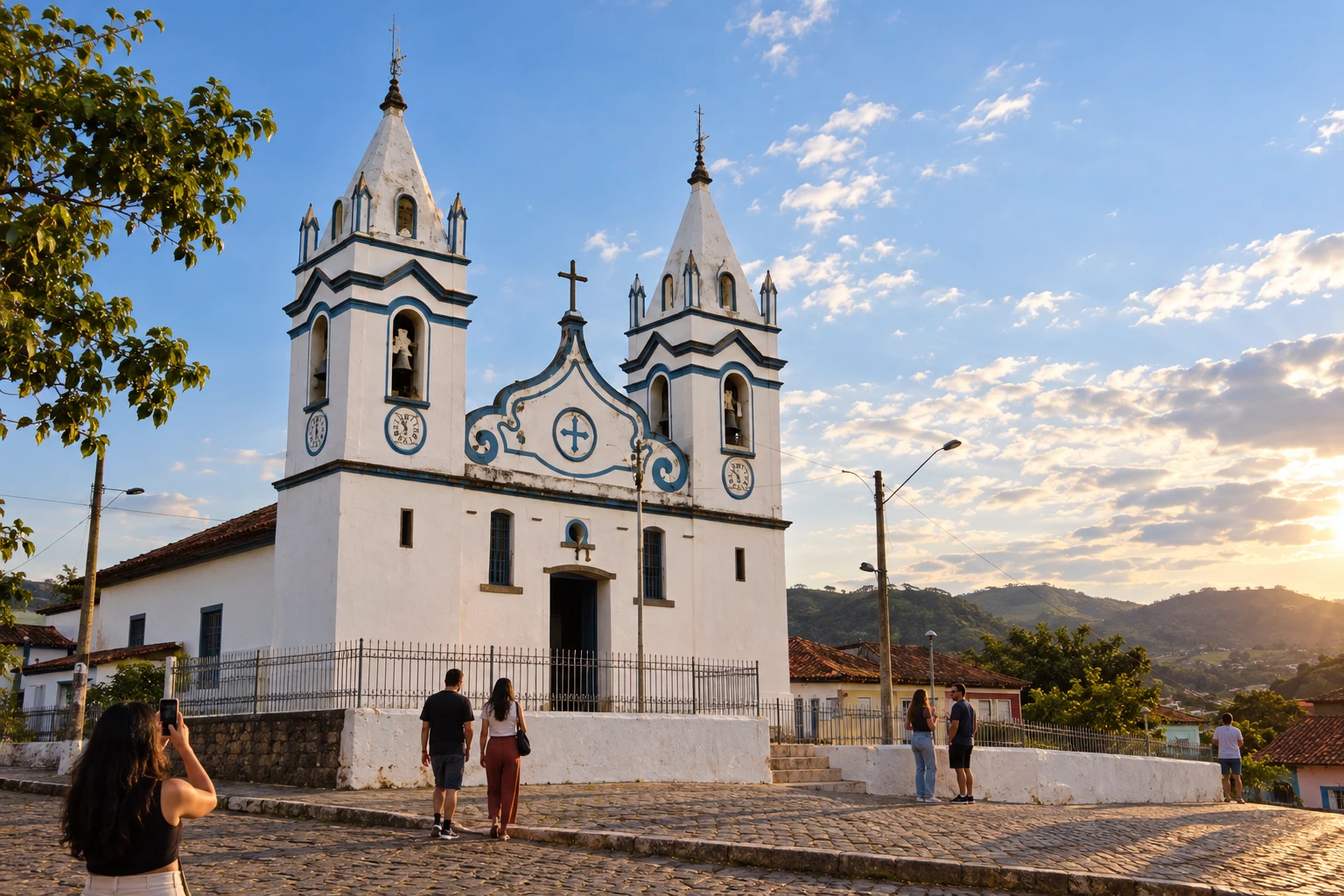
Raposos preserves the Matriz de Nossa Senhora da Conceição and the building of the former railway station. The Manancial do Ribeirão da Prata and the Cachoeira de Santo Antônio add water and forest landscapes to the municipality. The visit can alternate between urban heritage and a nature outing on the Caminho do Sabarabuçu.
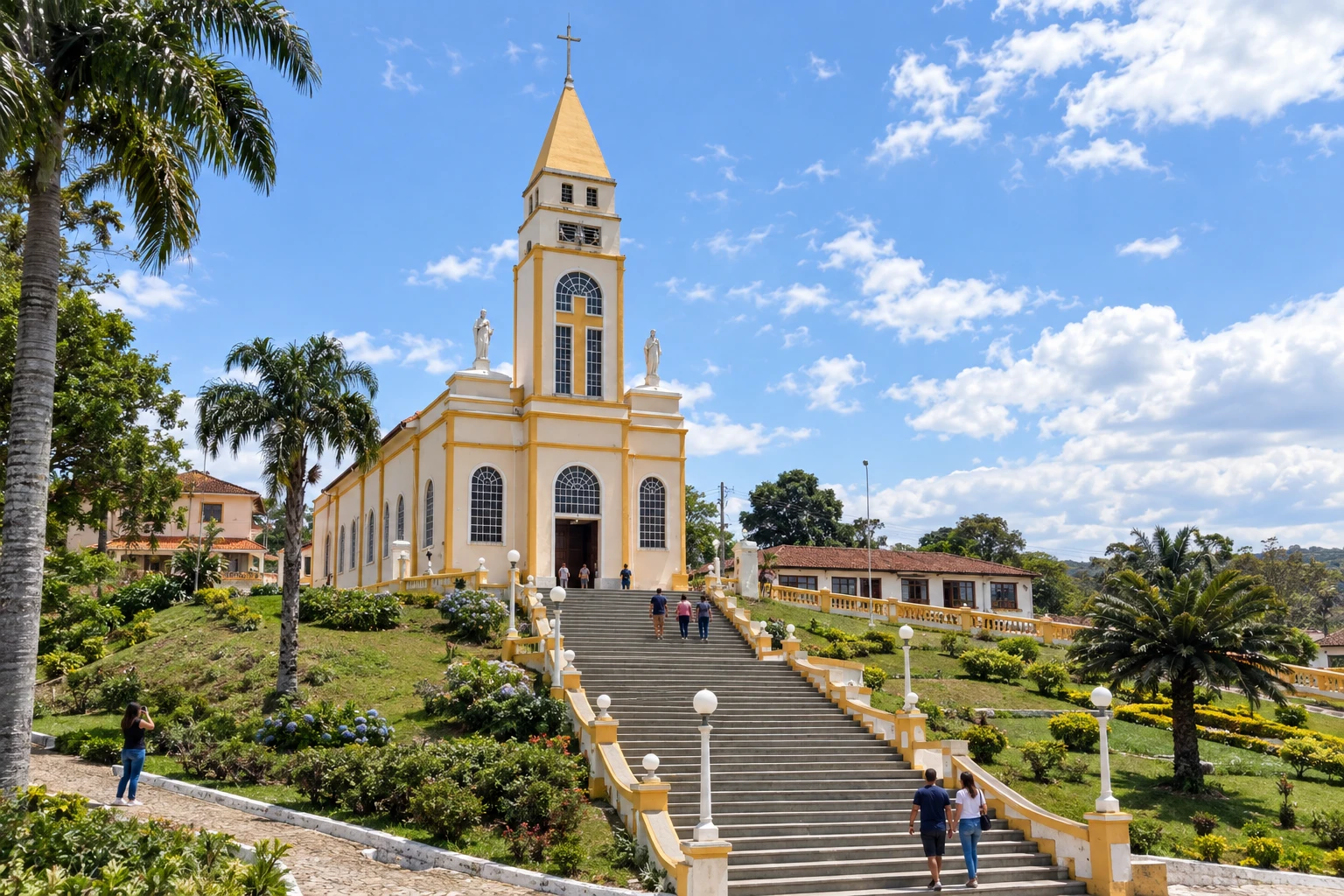
Ressaquinha preserves its railway memory at the Estação Museu and has the Matriz de São José and its gardens as landmarks of the town. The chapels of Sant’Ana and Nossa Senhora Aparecida add religious heritage to the visit. The town is part of the historic axis of the Caminho Novo, with its own short-visit route.
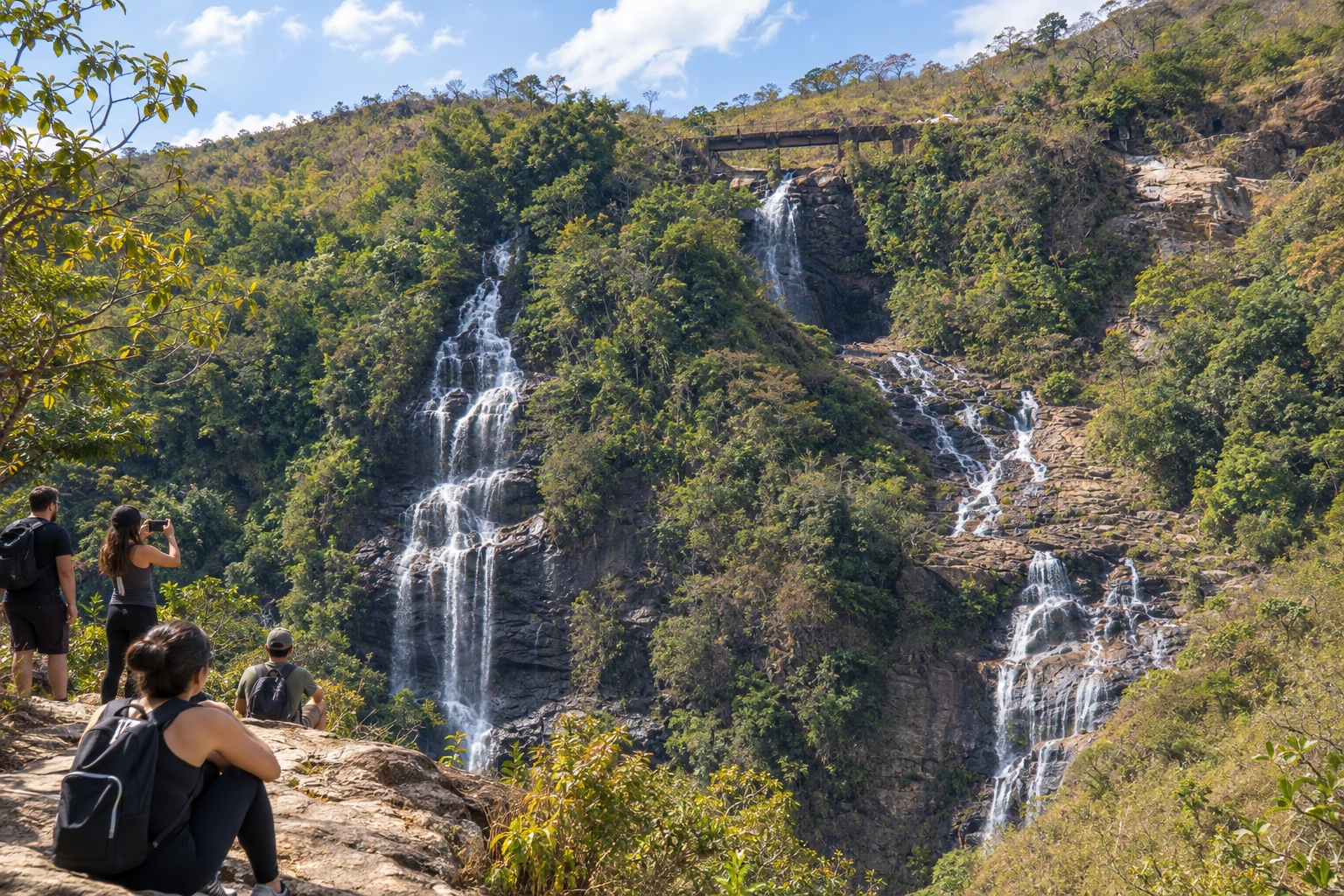
Rio Acima preserves the Matriz de Santo Antônio and the old railway station in a town shaped by mining history. The Cachoeira do Viana and the Área de Proteção Ambiental do Mingu add natural scenery to the municipality. On the Sabarabuçu route, the town center can be combined with a selected rural outing.
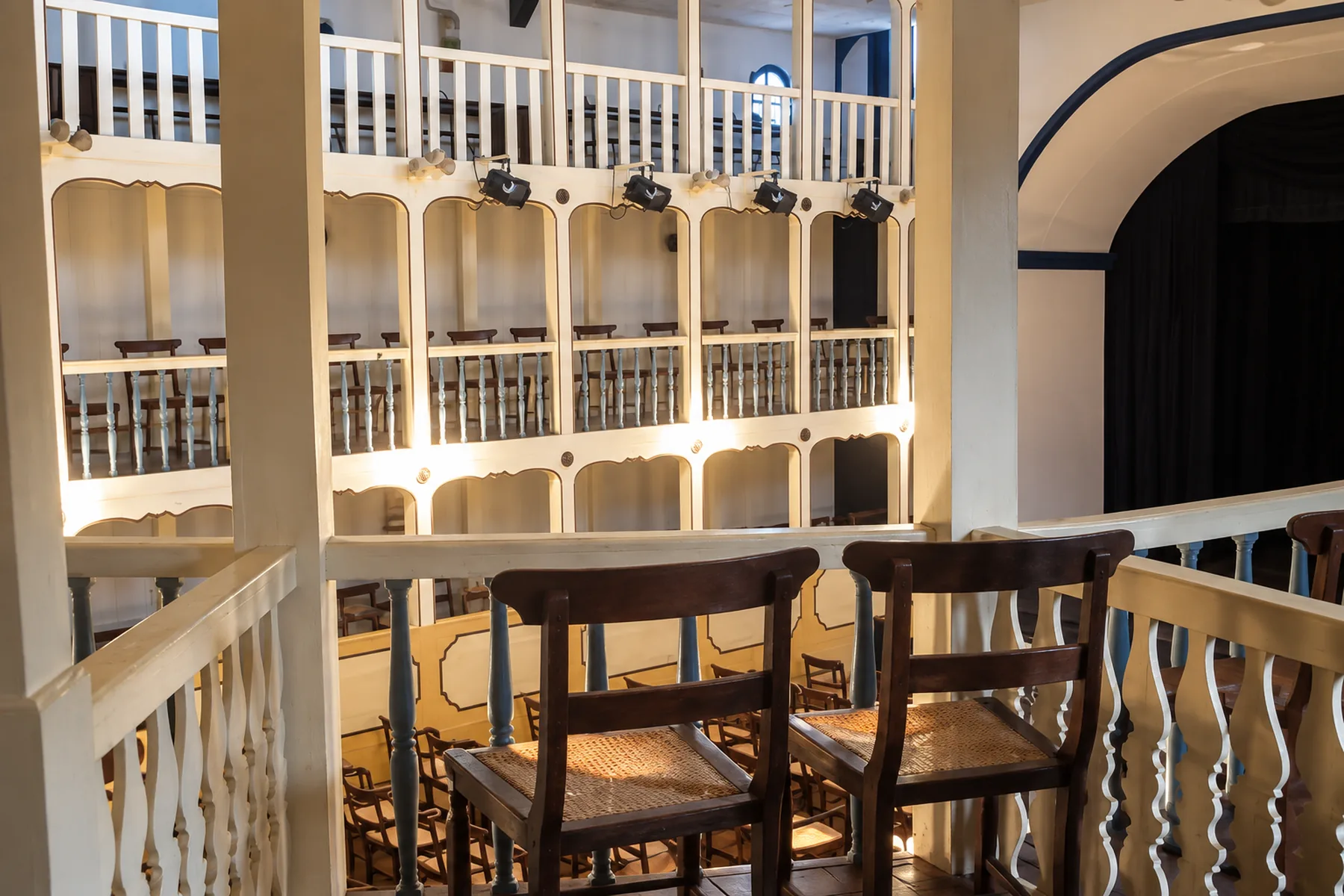
Sabará has colonial heritage near Belo Horizonte and keeps the traditions of Minas Gerais cooking alive. Walks through the center reveal historic buildings and places linked to the town's art and cultural life.
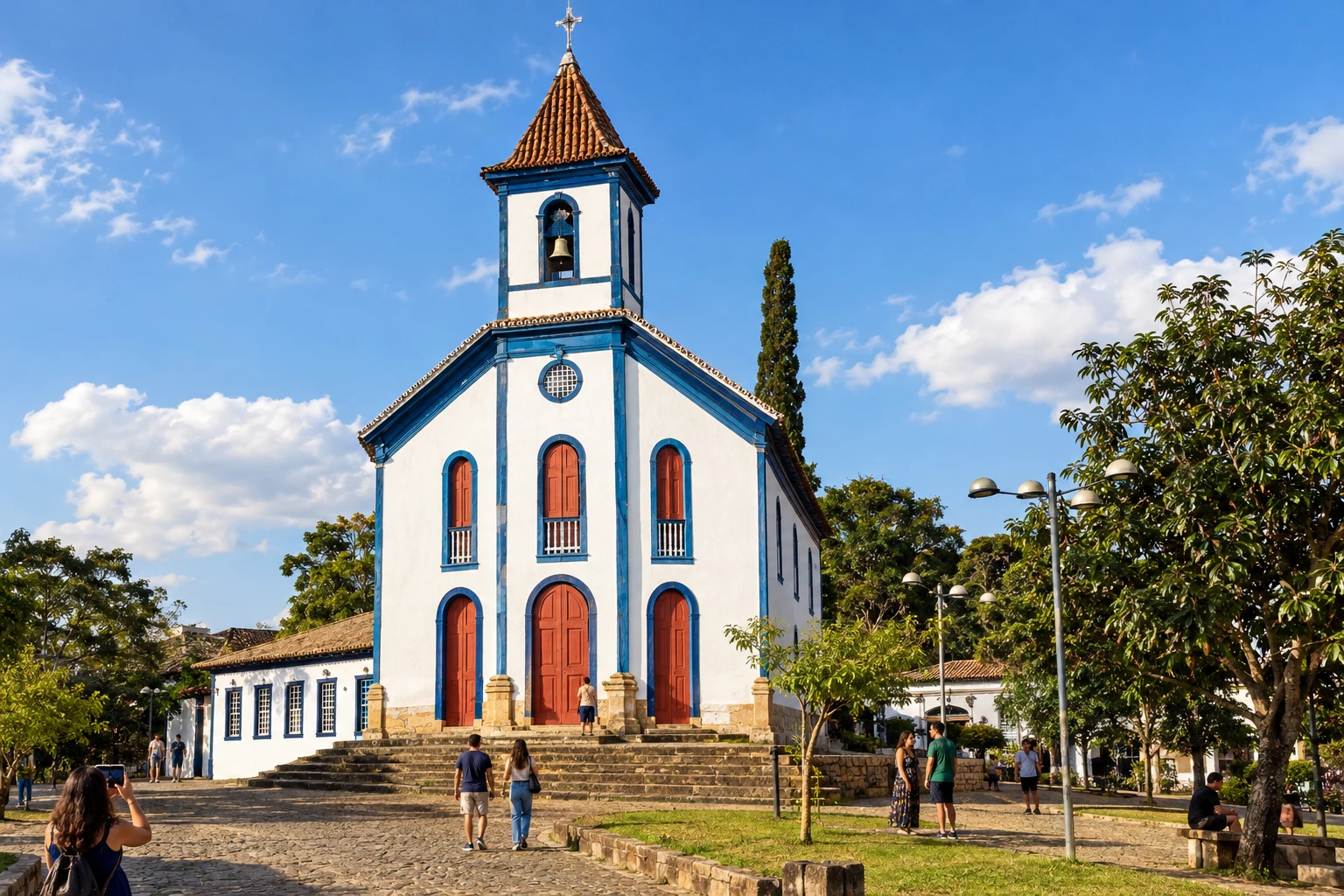
Santa Bárbara preserves a historic center with the Matriz de Santo Antônio and the Memorial Affonso Penna. The Casa do Mel highlights local production, while Brumal preserves another heritage ensemble of the municipality. The town is also a base for access to the Santuário do Caraça and is on the route of the Caminho dos Diamantes.
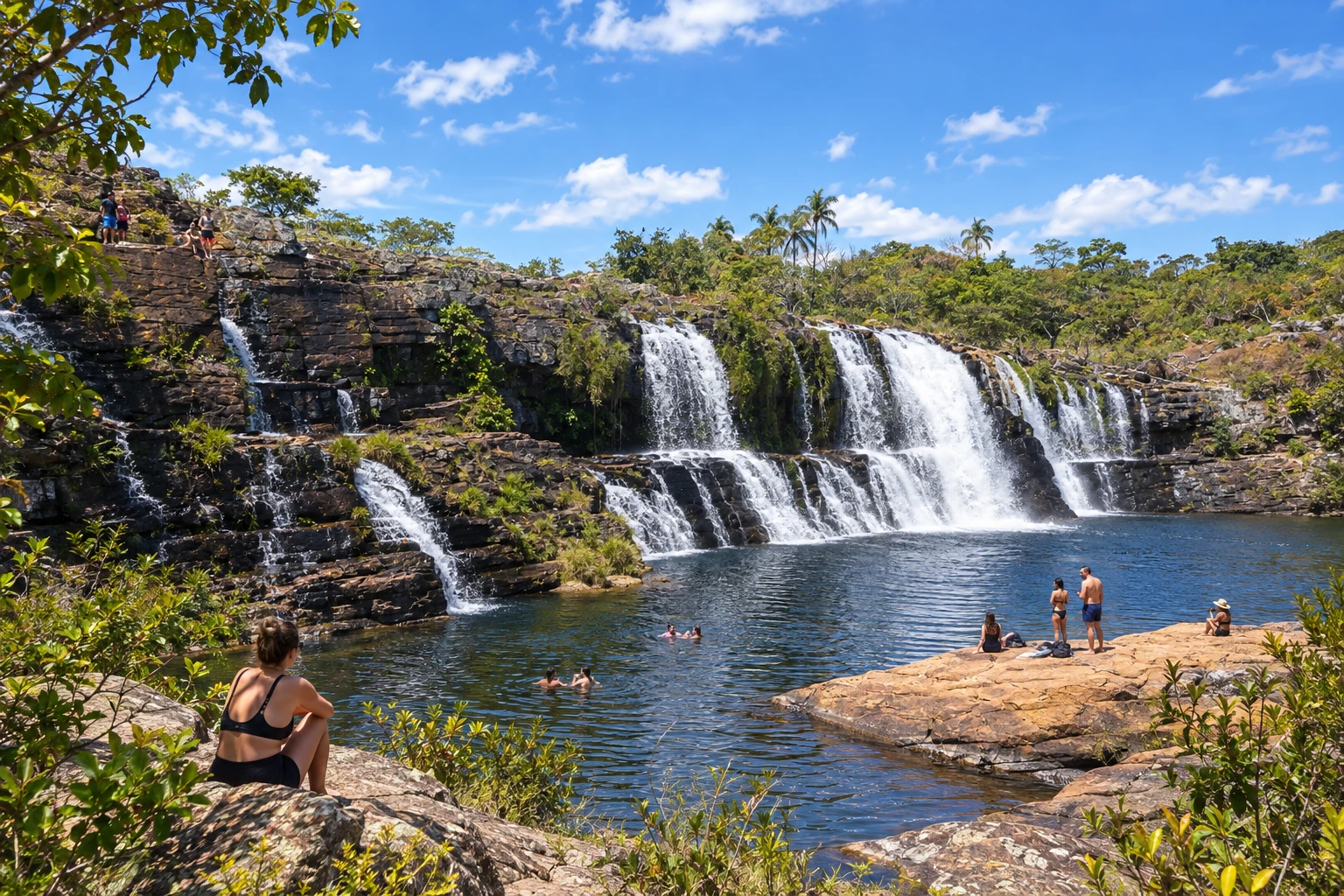
Santana do Riacho brings together Serra do Cipó and Lapinha da Serra in a route of waterfalls, mountains and villages. Cachoeira Grande and Véu da Noiva let you experience two different water settings, while the Estátua do Juquinha pays tribute to the local culture.
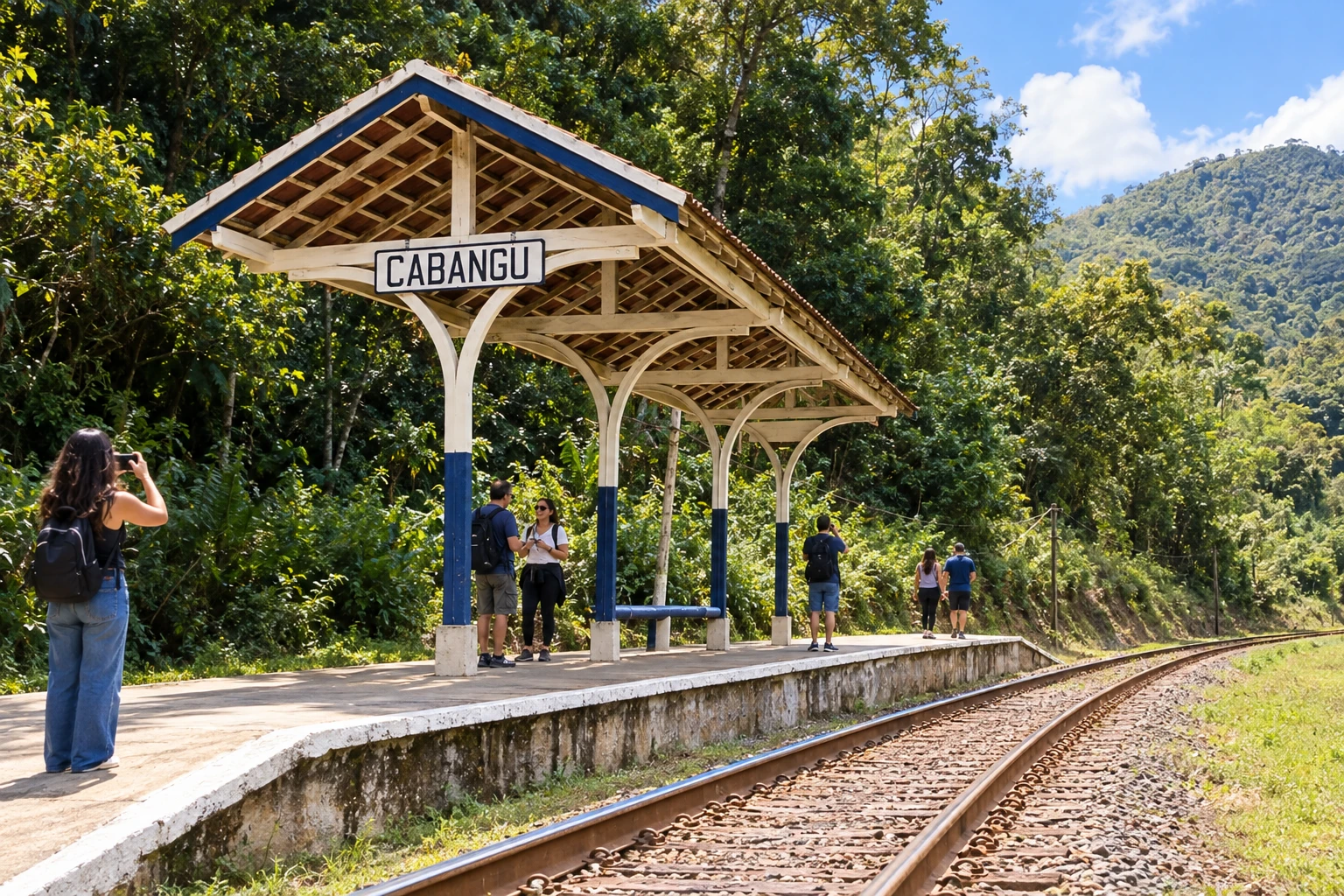
Santos Dumont is the birthplace of Alberto Santos Dumont, born on the Fazenda de Cabangu, today connected to the museum that preserves his memory. The locomotive Zezé Leone and the Memorial Ferroviário represent another axis of the town's history. Queijo do reino and doce de leite are also part of the identity of this Zona da Mata city.
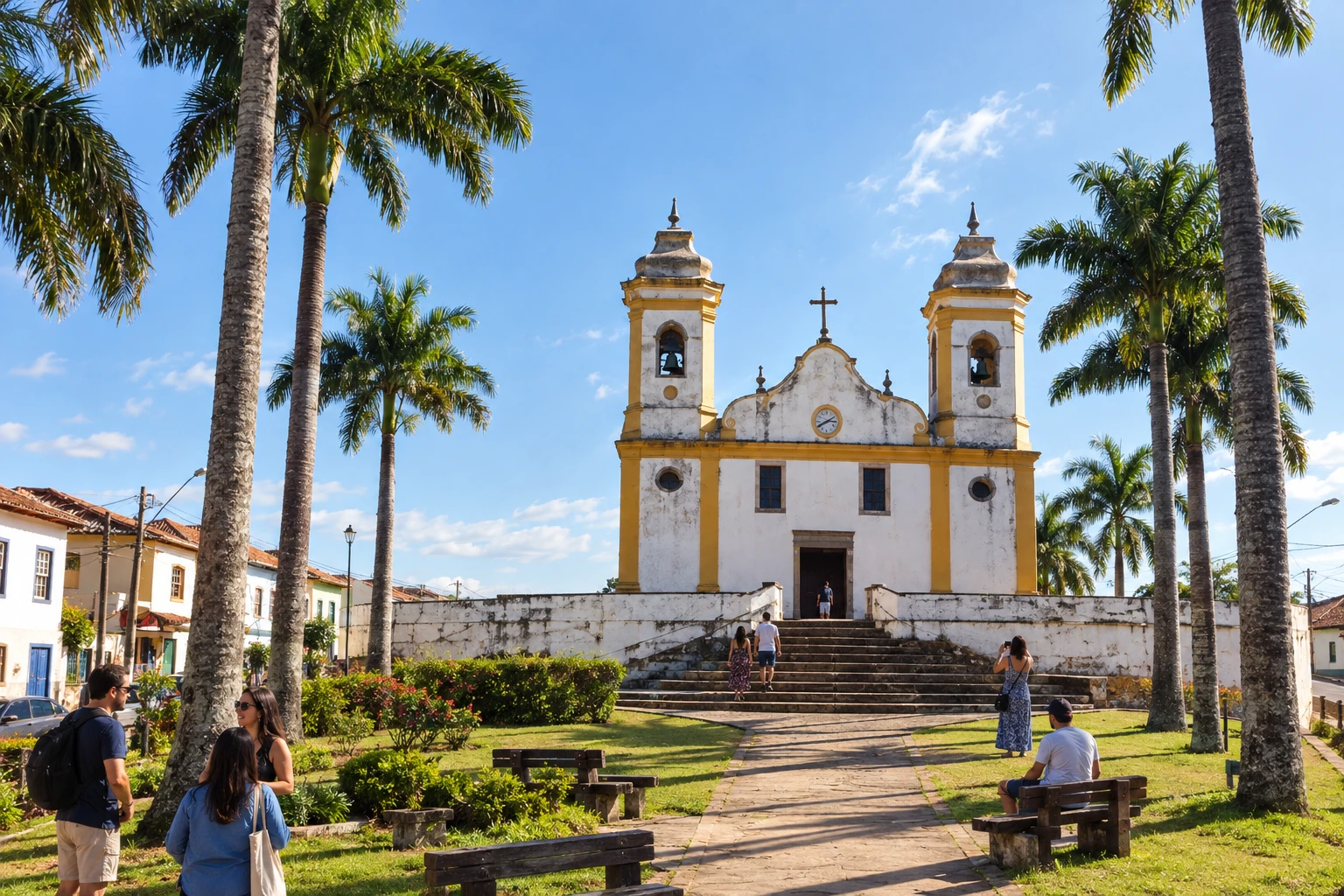
São Brás do Suaçuí has the Igreja Matriz as a landmark of a stage of the Caminho Velho heading toward Pequeri. The local musical tradition includes the União Musical Santa Cecília and the legacy of conductor Altamiro Firmino Tolentino. The Serra da Antena adds a landscape feature to the small urban core.
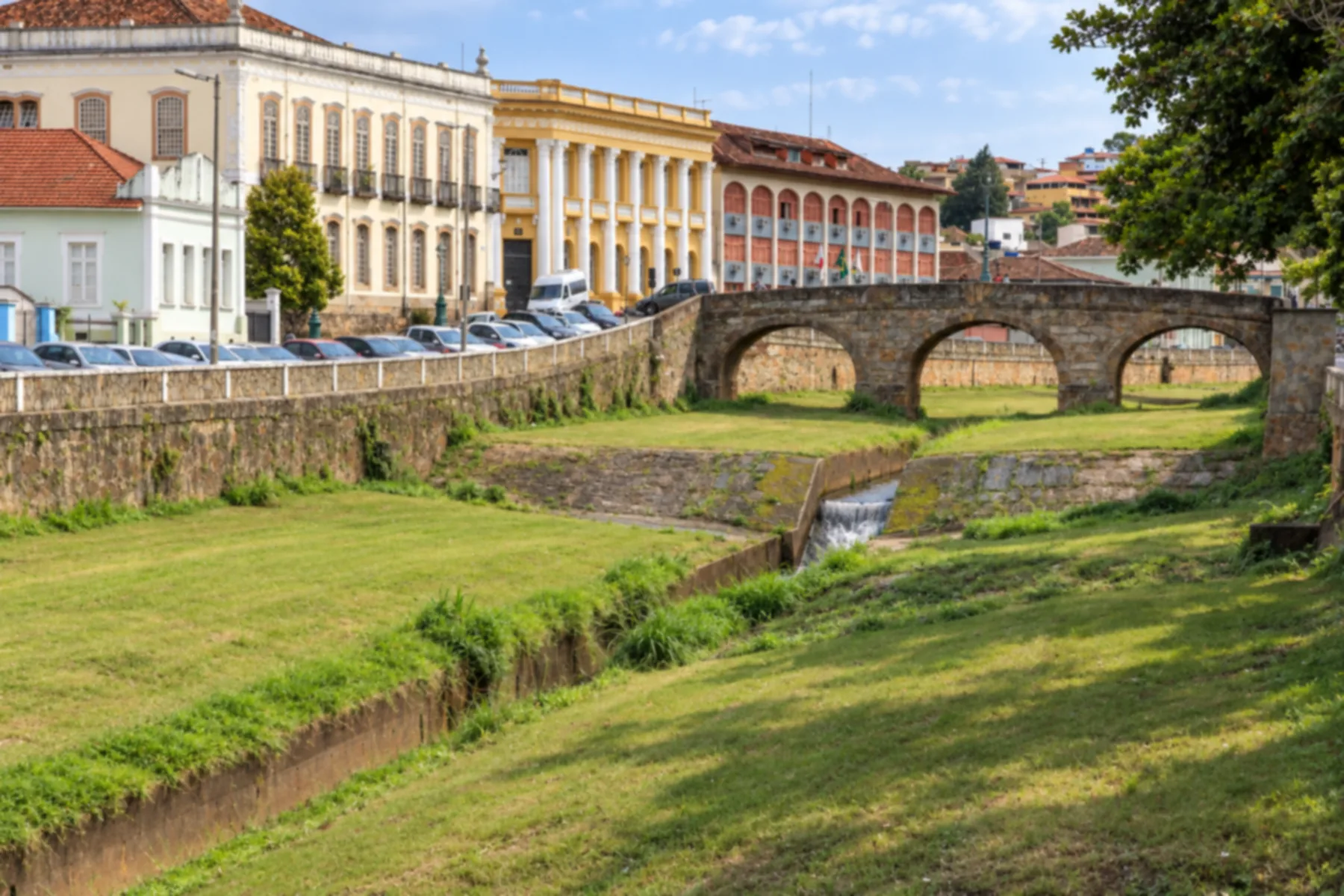
São João del-Rei combines colonial heritage with a lively town on the banks of the Córrego do Lenheiro (stream). Walks through the center reveal stone bridges and musical and religious traditions that are still alive.
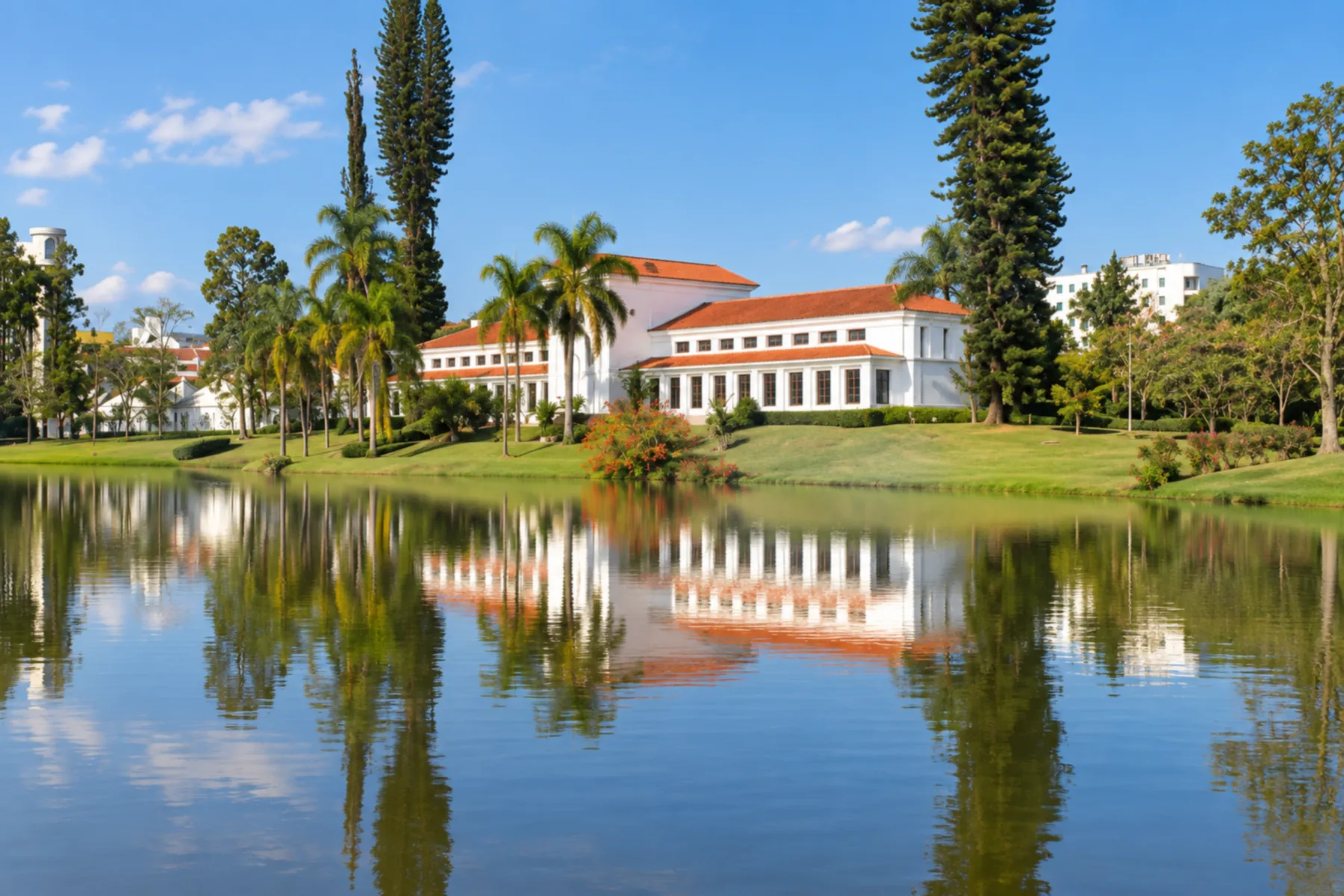
São Lourenço is part of Minas Gerais' Circuito das Águas and has a tourism-oriented town center. Visits to the park and railway experiences help you get a feel for the town's pace.
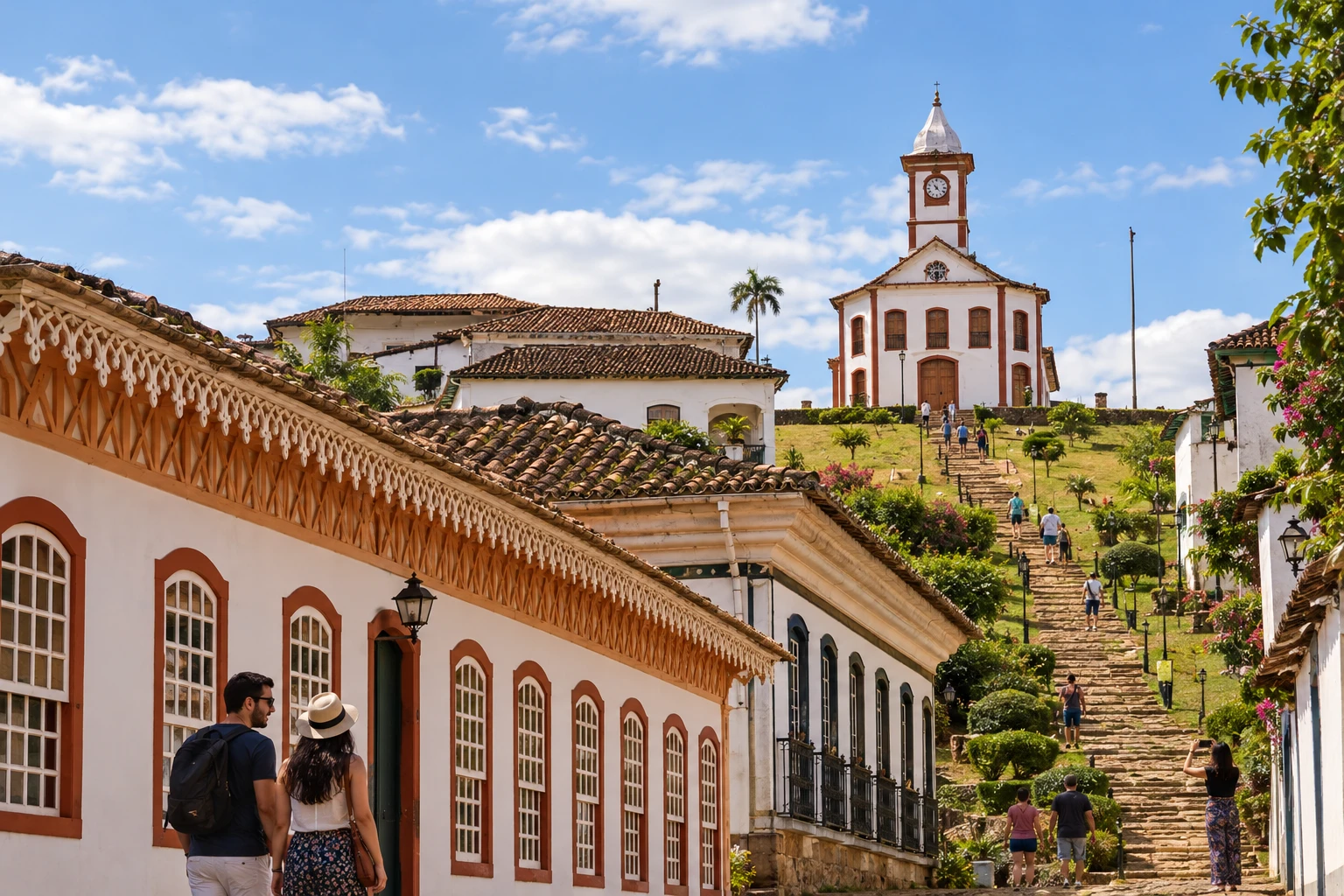
Serro preserves the layout and heritage of an 18th-century village, with churches such as Santa Rita and Rosário. Artisanal cheese is another hallmark of its identity. Milho Verde and São Gonçalo do Rio das Pedras belong to the municipality and extend the cultural and landscape route on the Caminho dos Diamantes.
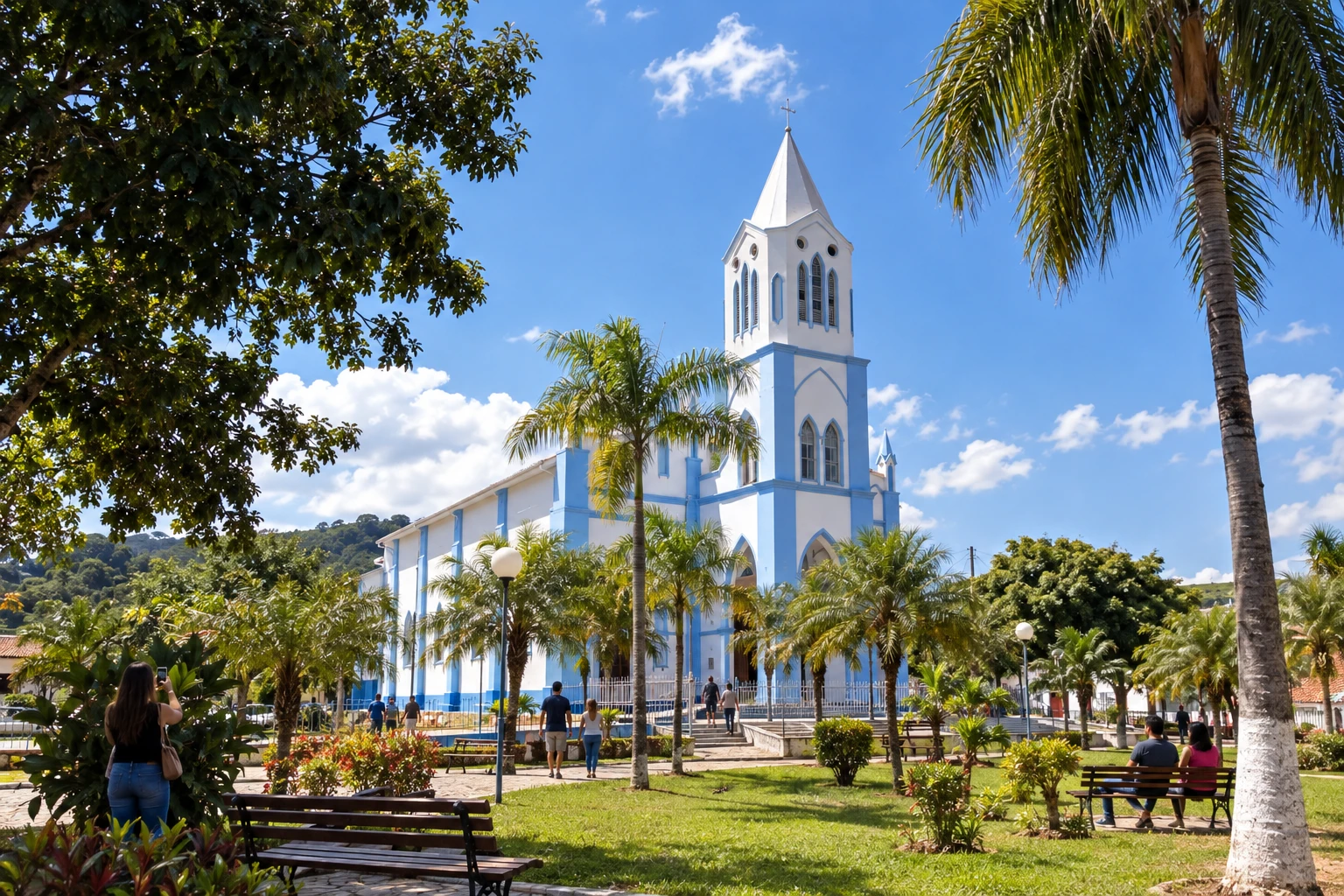
Simão Pereira's origins are tied to the opening of the Caminho Novo and to the history of Simão Pereira de Sá. The current town center developed in the former settlement of Rancharia, separate from the original core. The Casarão de Paraibuna and the Cemitério da Rocinha are among the municipality's heritage sites.
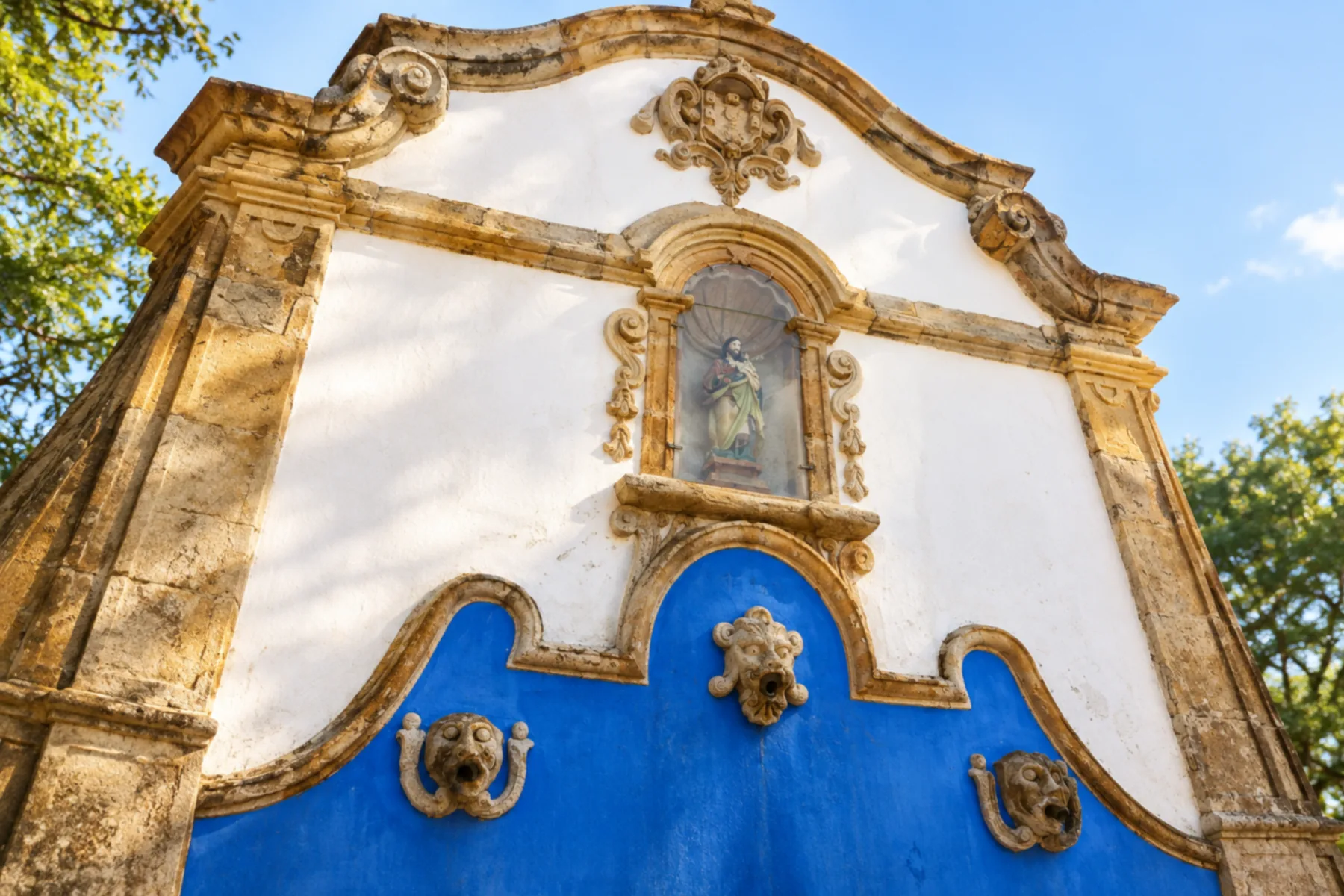
Tiradentes preserves a center of stone streets at the foot of the Serra de São José (mountain range). A stay combines walks among the old houses, handicrafts and Minas Gerais cooking.
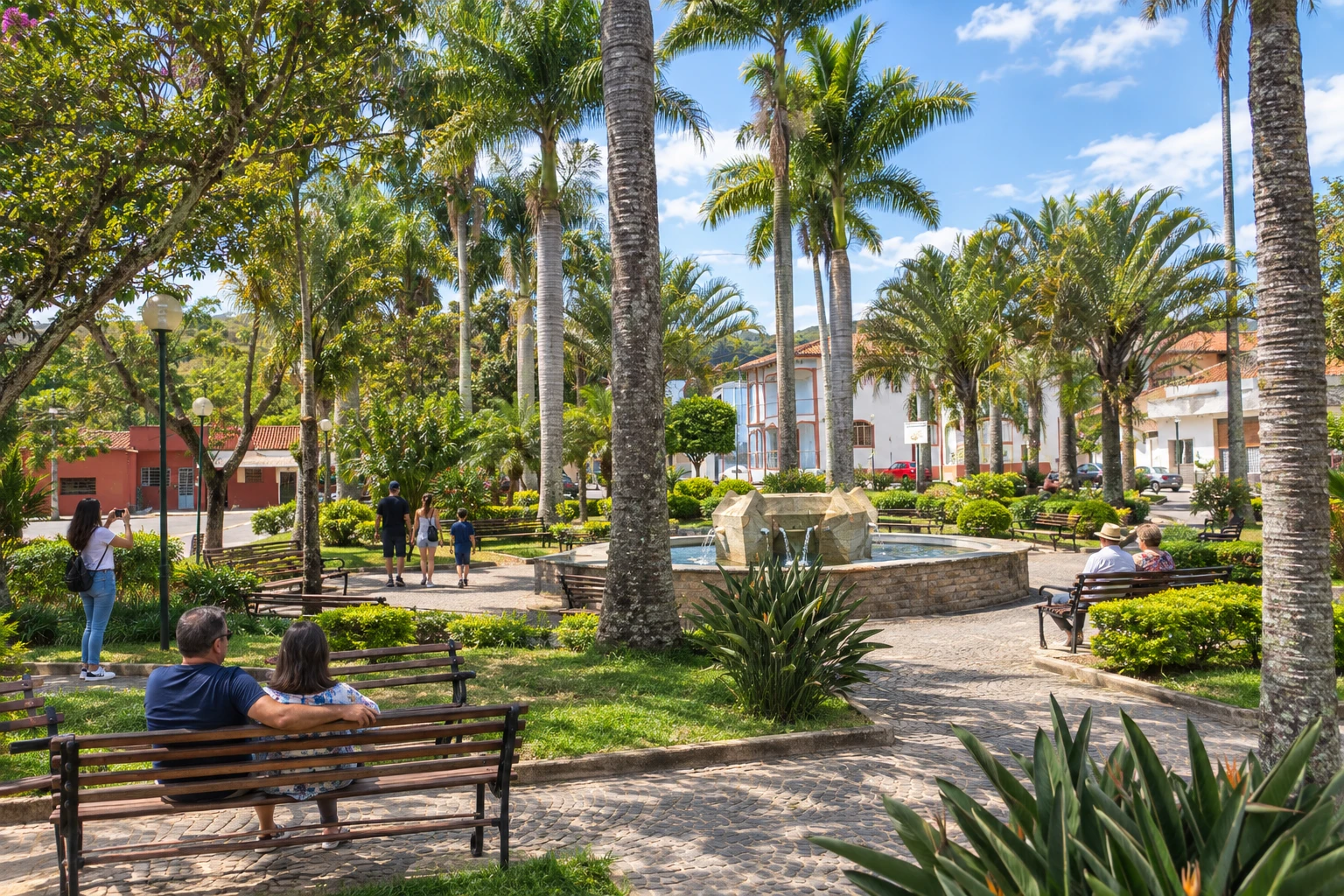
Tocos do Moji includes the Serra do Pinhal Redondo and the Cachoeira Zé da Rita among its landscape highlights. The Porteira do Céu is another site associated with the rural surroundings. Passing through the Caminho da Fé you encounter a mountainous municipality, where trips outside the town center need to be planned with access and reception confirmed.
Routes
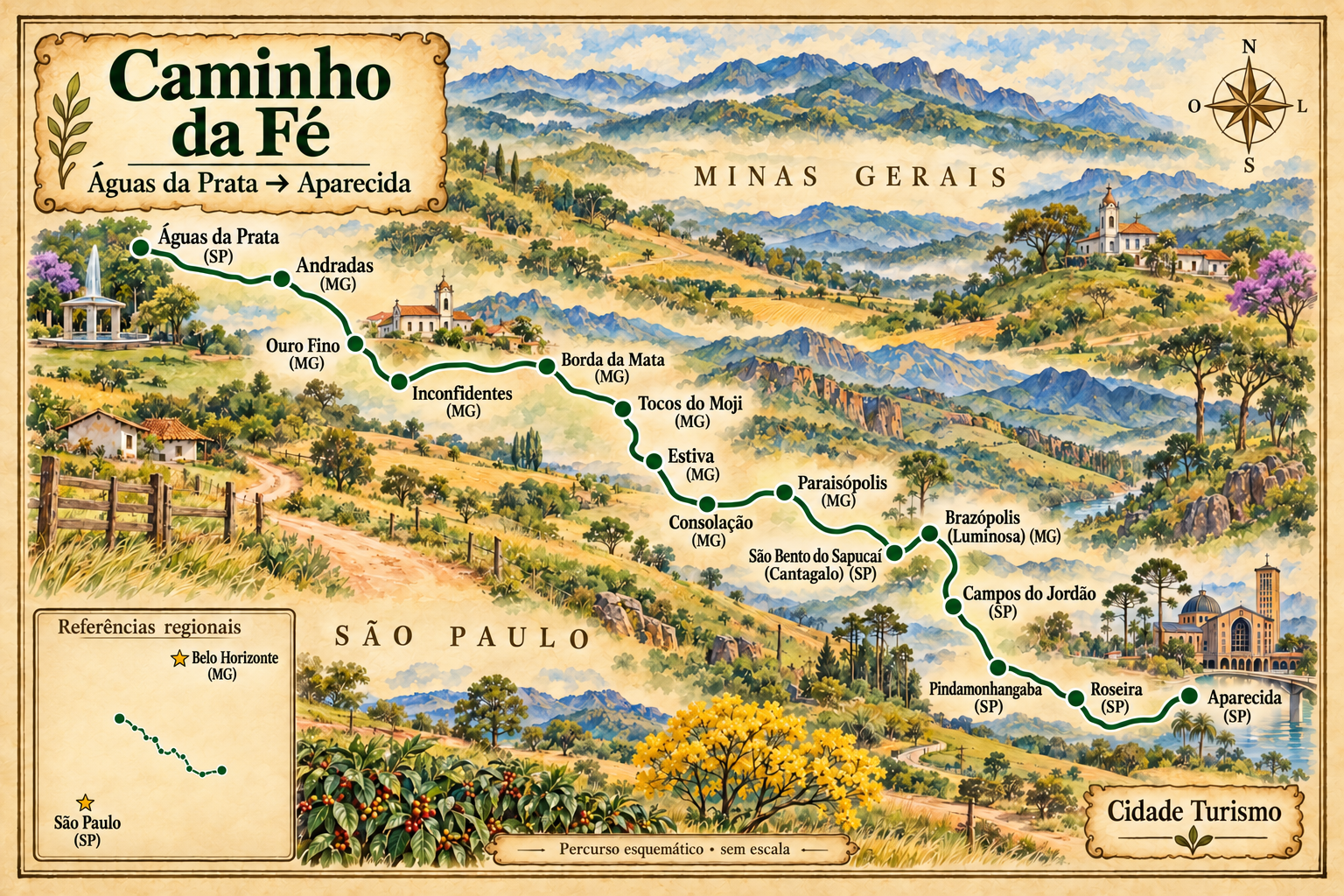
From Águas da Prata to Aparecida, a pilgrimage branch through towns and landscapes of the Mantiqueira.
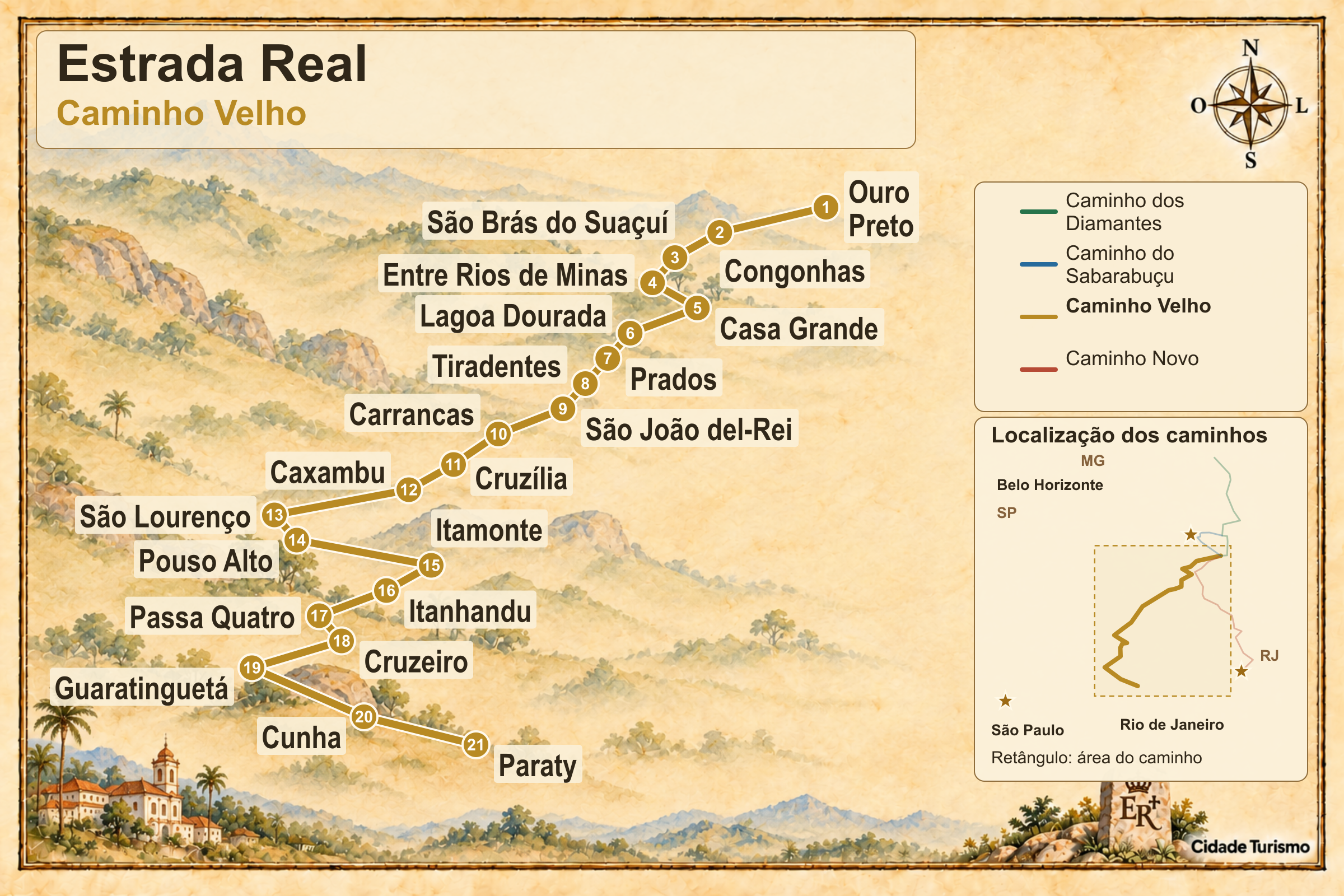
From Ouro Preto to Paraty, the oldest route of the Estrada Real passes through historic towns, spa towns, and the Mantiqueira.
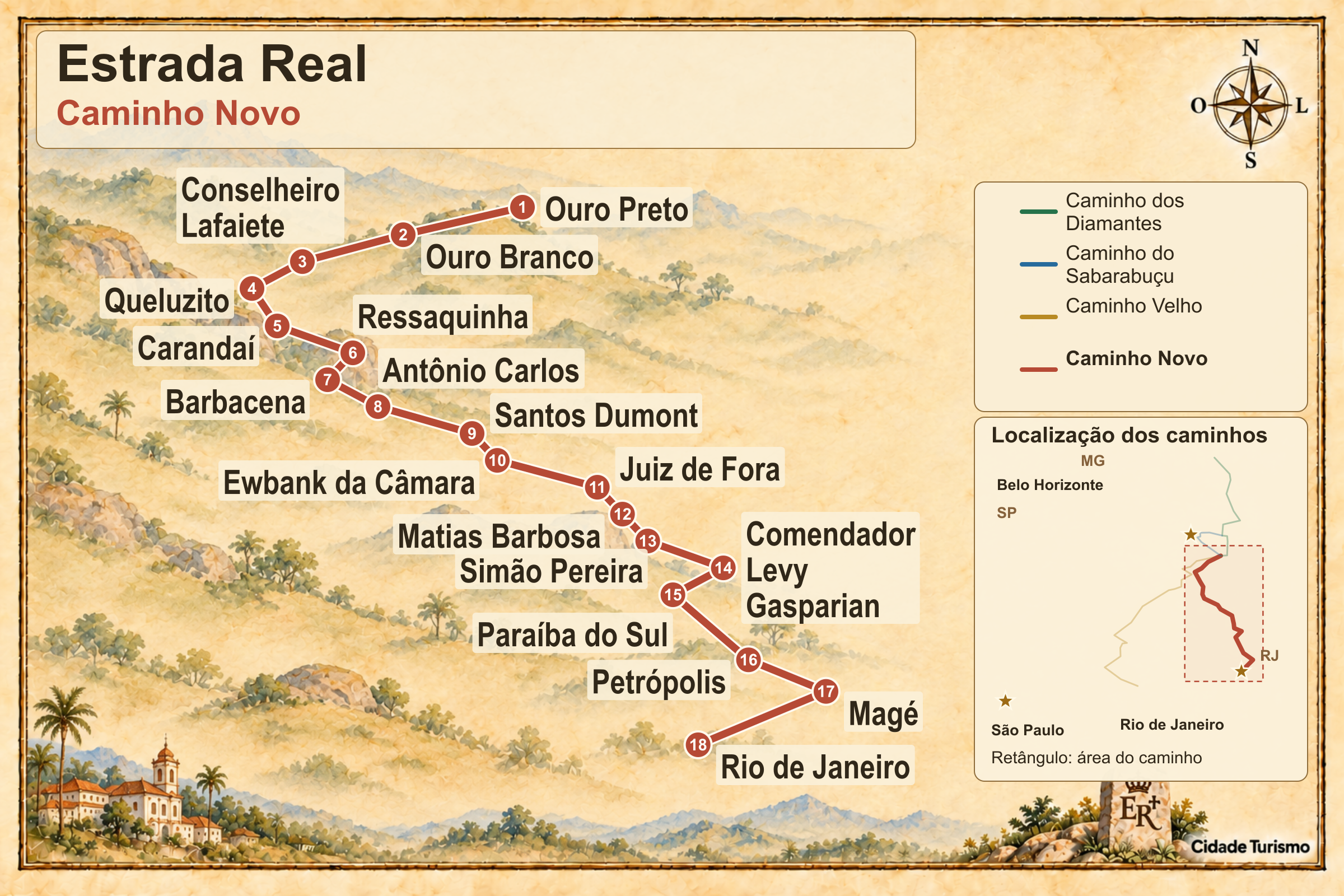
Between the mines and the Baía de Guanabara, the Caminho Novo connects Ouro Preto to Porto Estrela and is historically completed in Rio de Janeiro.
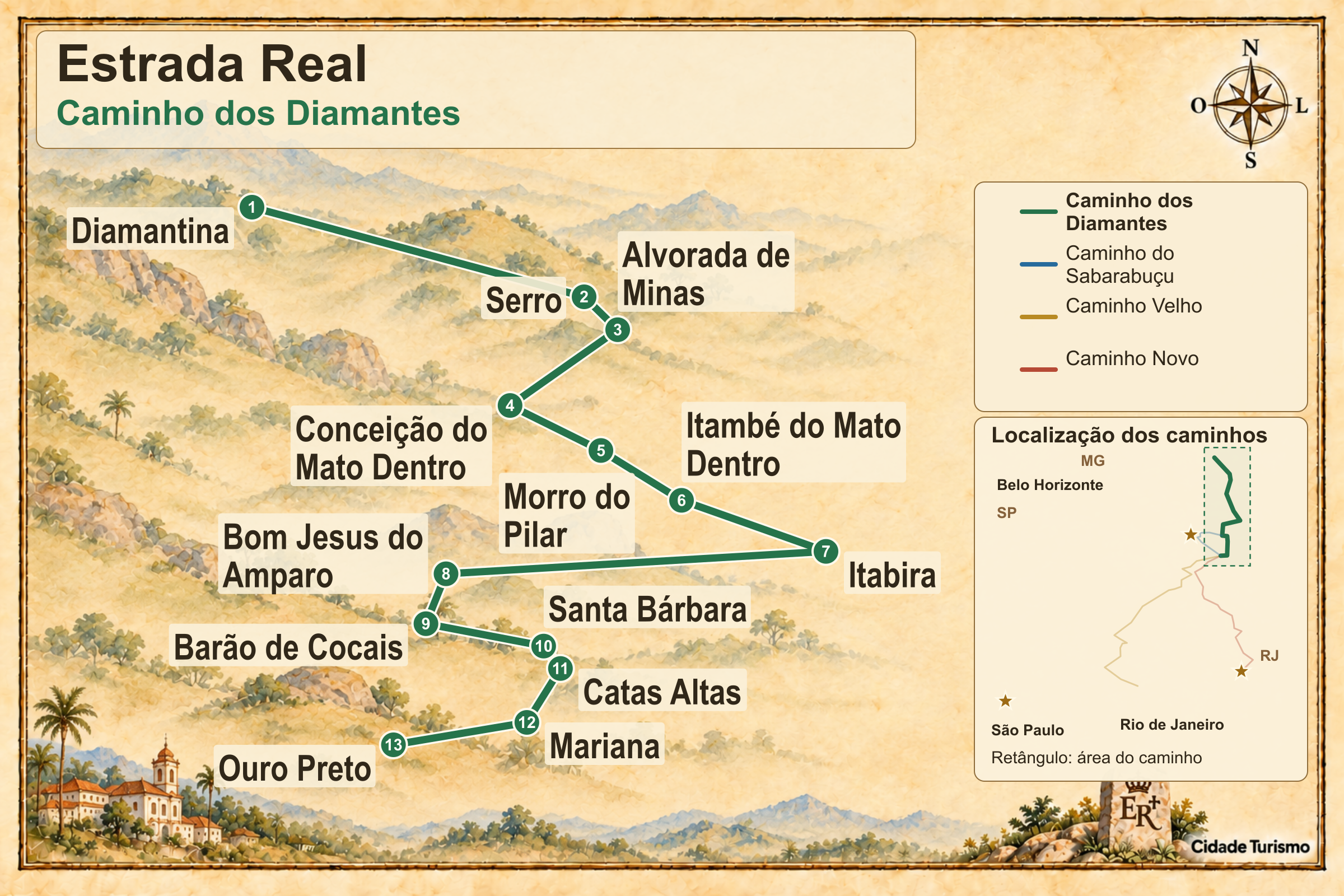
From Diamantina to Ouro Preto, the route follows landscapes of the Espinhaaco, historic districts and the memory of mining.
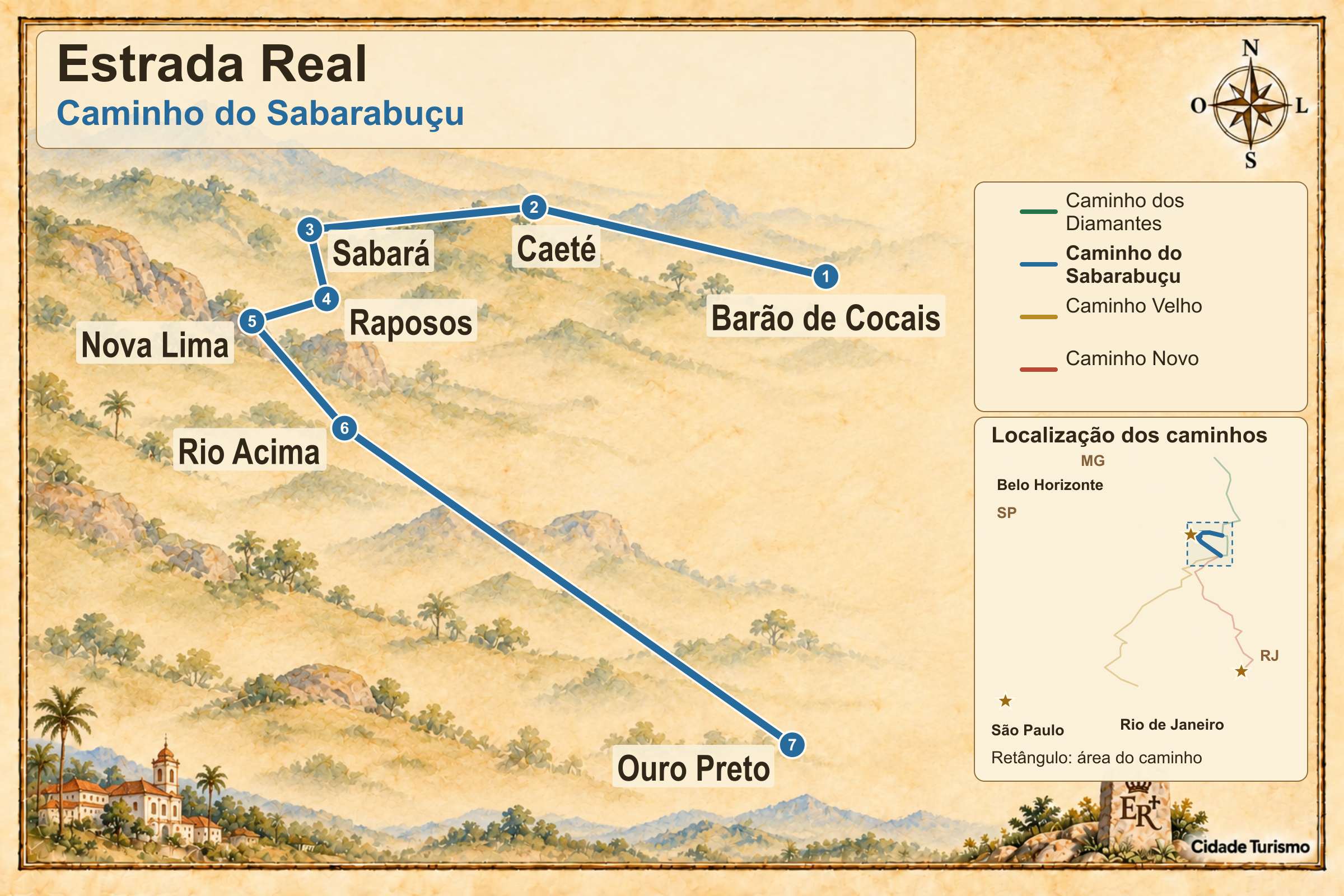
From Cocais to Glaura, the Sabarabu�E7u brings together mountain ranges, the Rio das Velhas and the heritage of Caet�E9 and Sabar�E1.