6 cities

State · Central-West
Illustrative images. The pictures in this guide are illustrations based on the real place, not photographs, and may differ from it.

Destinations
Cities
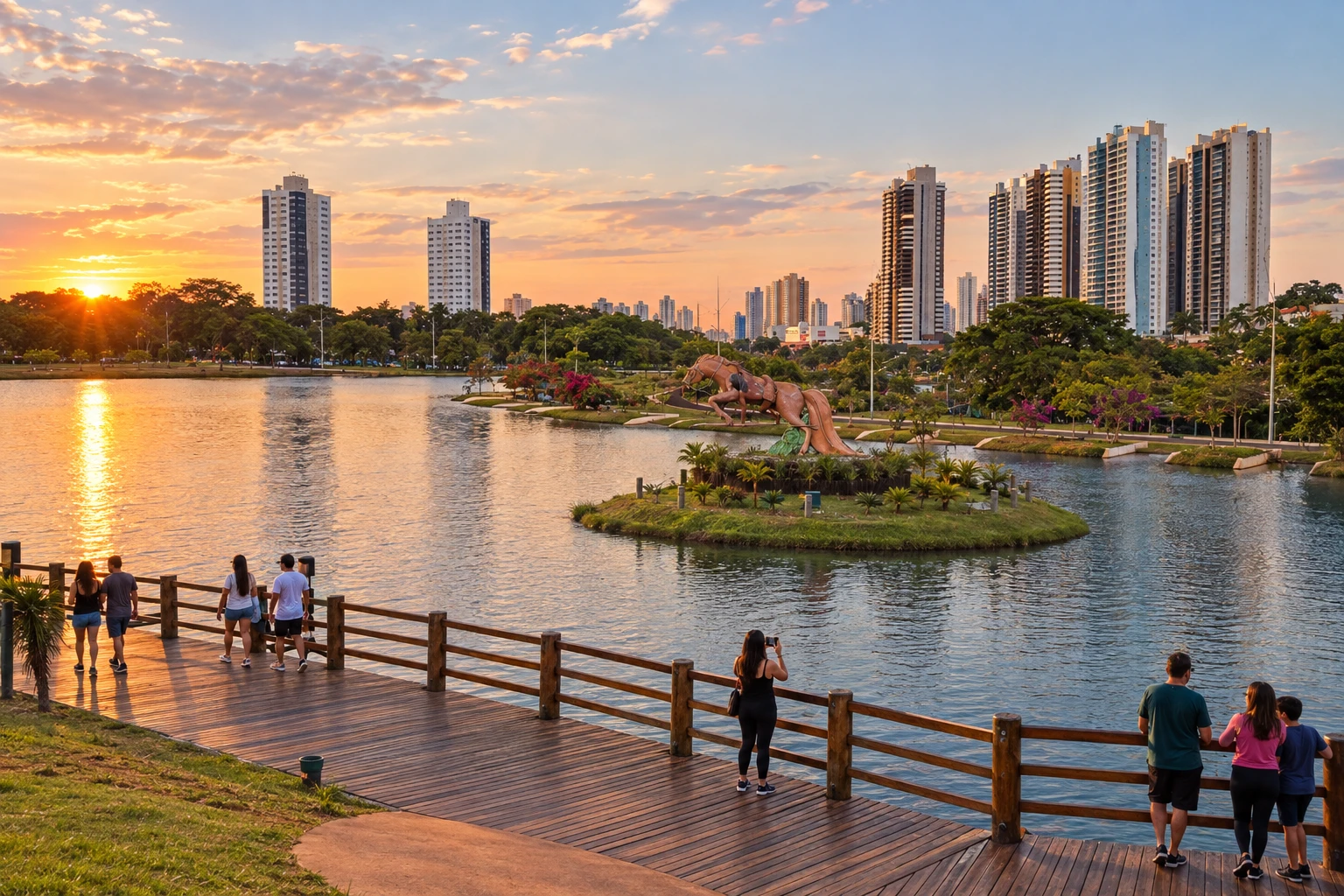
Campo Grande brings together parks, railroad heritage and cultural spaces linked to the history of Mato Grosso do Sul. Walks through its green areas can be combined with visits to the historic center and museums.
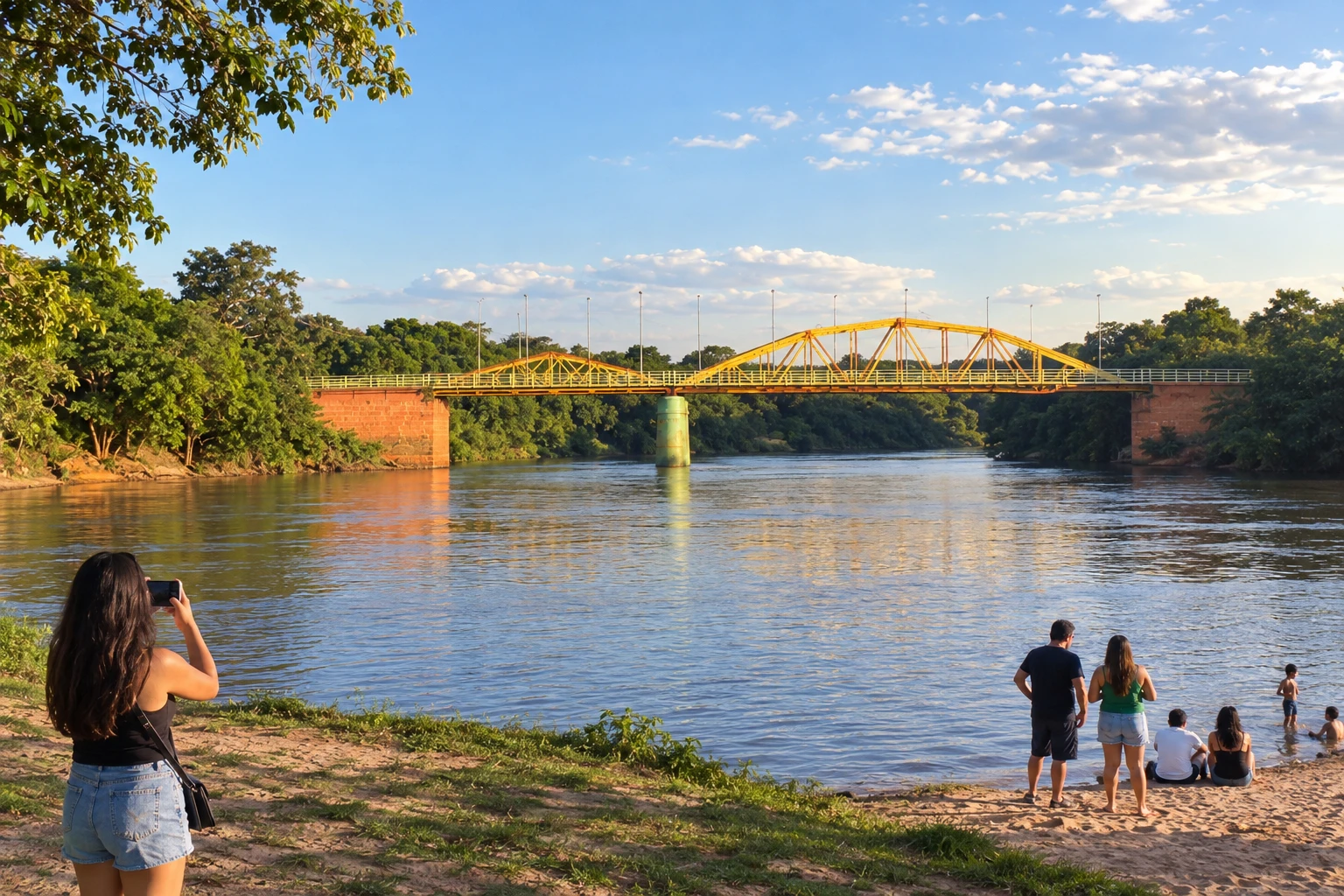
Anastácio lies on the left bank of the Rio Aquidauana and Porto Canuto marks a reference point for the conclusion of the Retirada da Laguna. The city became independent from Aquidauana and shares part of the regional history with its neighbor. Approaching via the Estrada Parque Piraputanga lets you combine scenery and a cultural visit on a trip through the Pantanal.
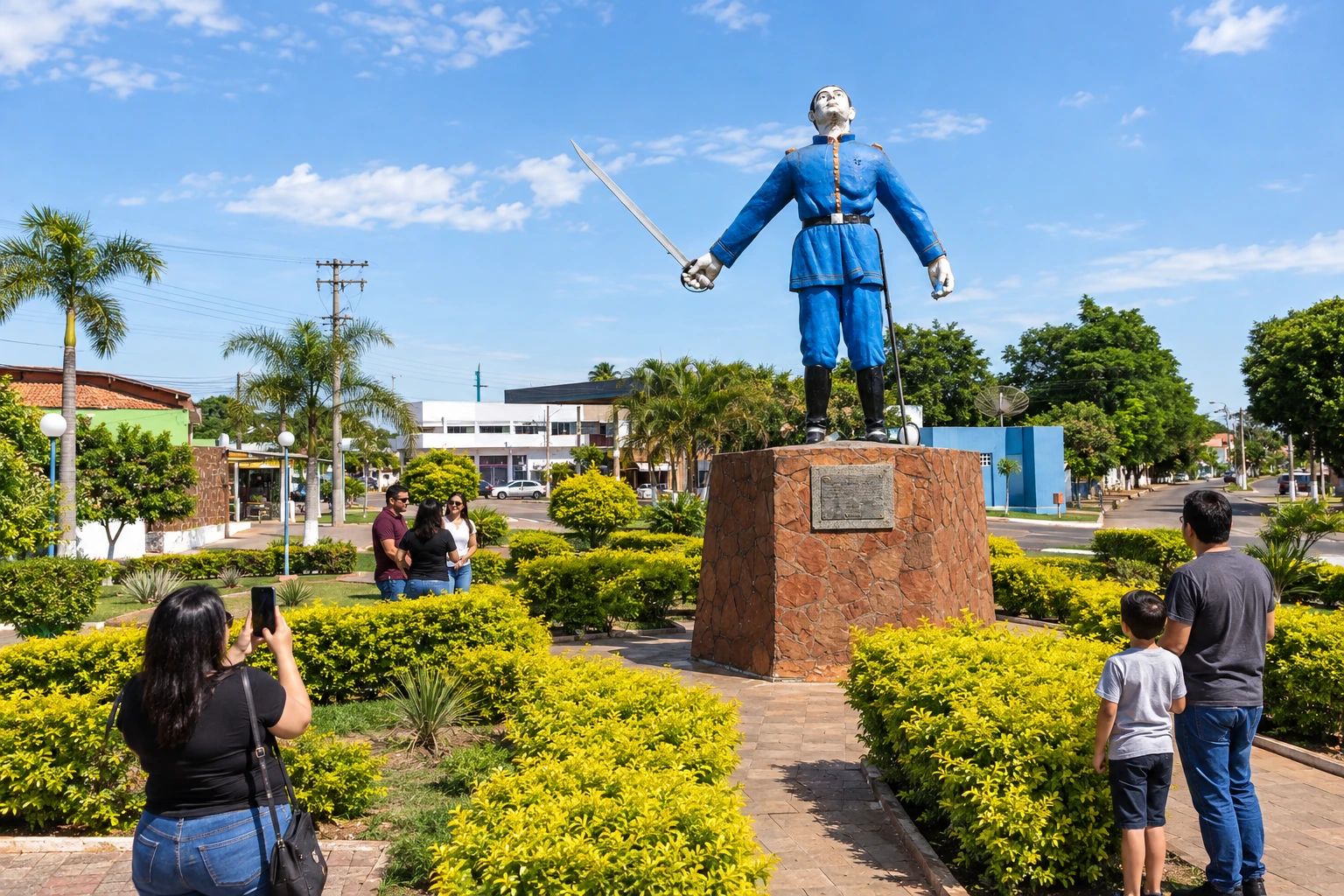
Antônio João is named after the military figure Antônio João Ribeiro, associated with the defense of the Colônia Militar dos Dourados during the Paraguayan War. The settlement's formation is also linked to Eugênio Penzo and the occupation of lands in the Cabeceira dos Bugres region. The visit is of historical interest, connected to the construction of the border and local memory.
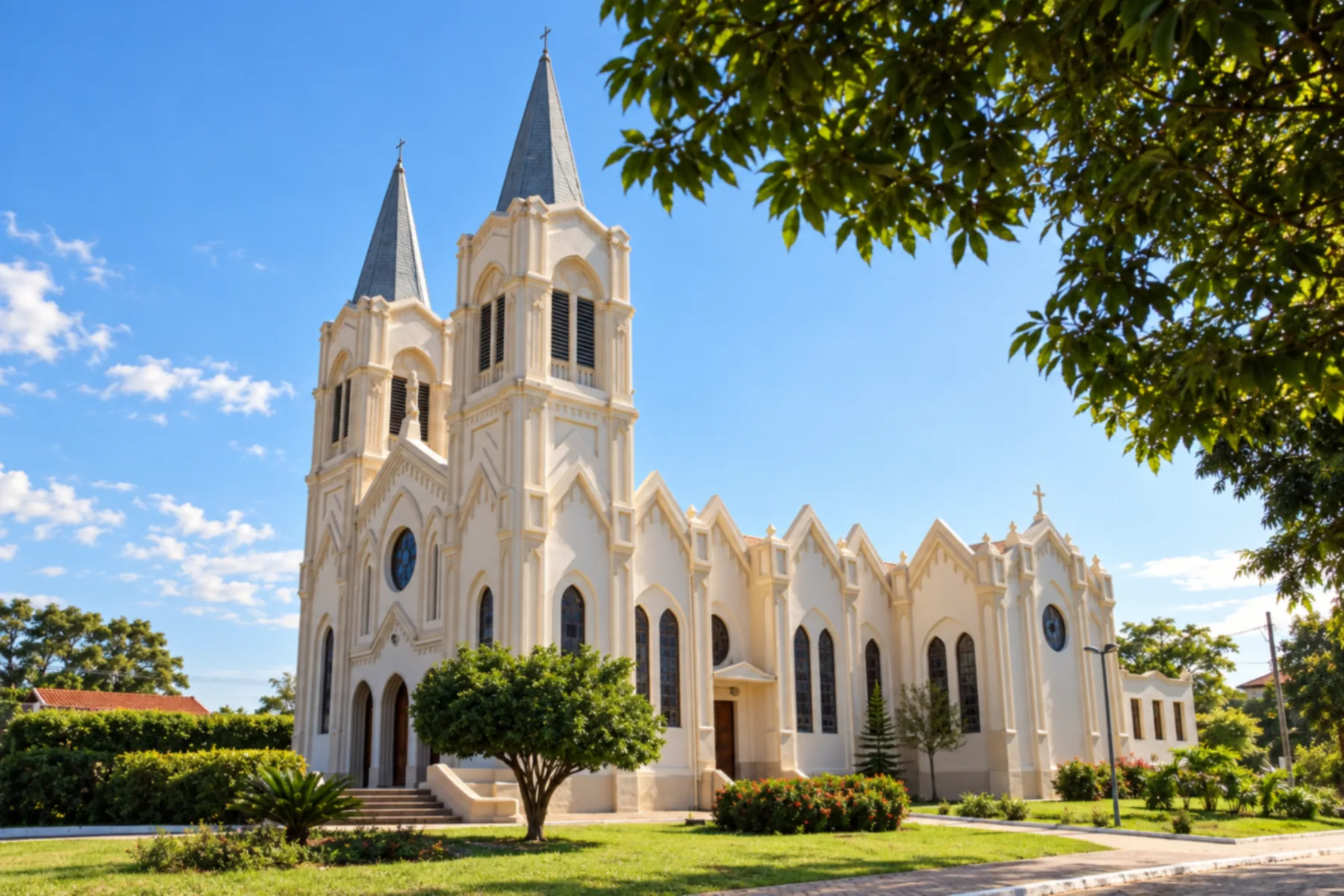
Aquidauana combines historic heritage with landscapes shaped by the river that gives the city its name. The main church and downtown spaces are part of the gateways to the Pantanal of Mato Grosso do Sul.
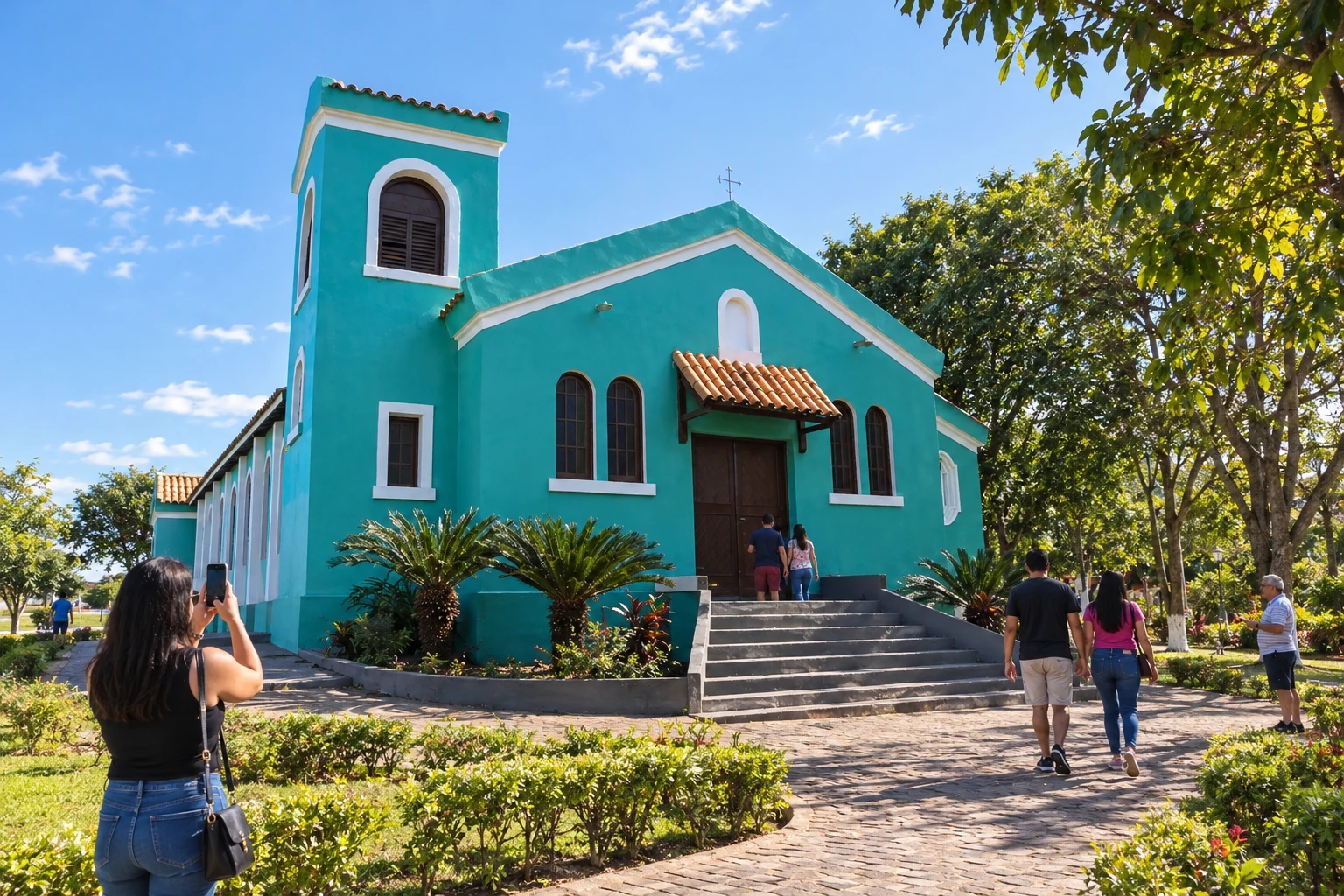
Bela Vista is located on the banks of the Rio Apa, opposite Bella Vista Norte in Paraguay, with a connection via the Ponte Internacional. The Igreja de Pedra São Geraldo and the Monumento Nhandipá are among the municipality's cultural references. The memory of the Retirada da Laguna accompanies the historical visit, alongside the border river landscape.
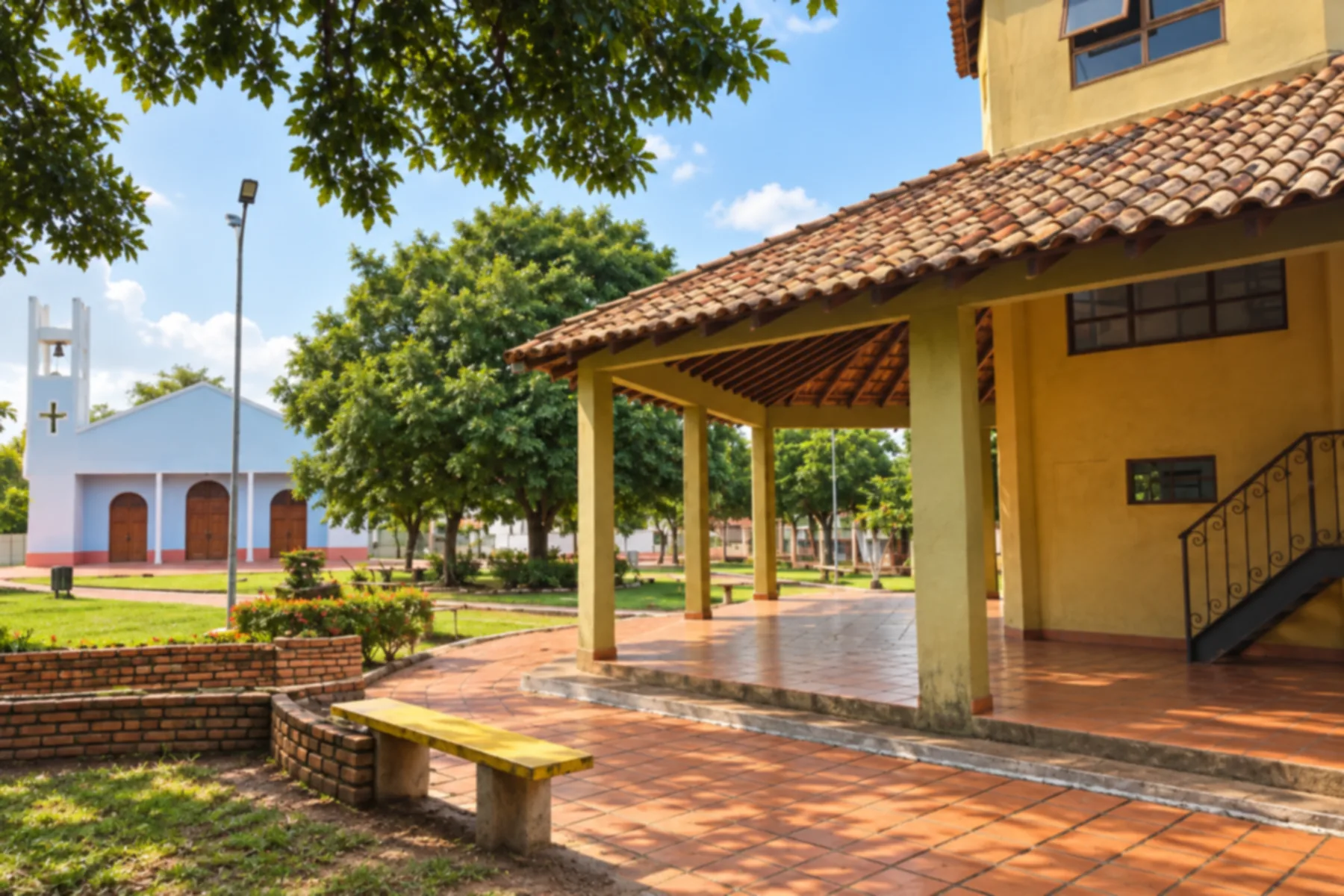
Bodoquena brings together rivers, waterfalls and limestone formations in a hilly region of Mato Grosso do Sul. The natural landscape and the town's public spaces give visitors a glimpse of country life.
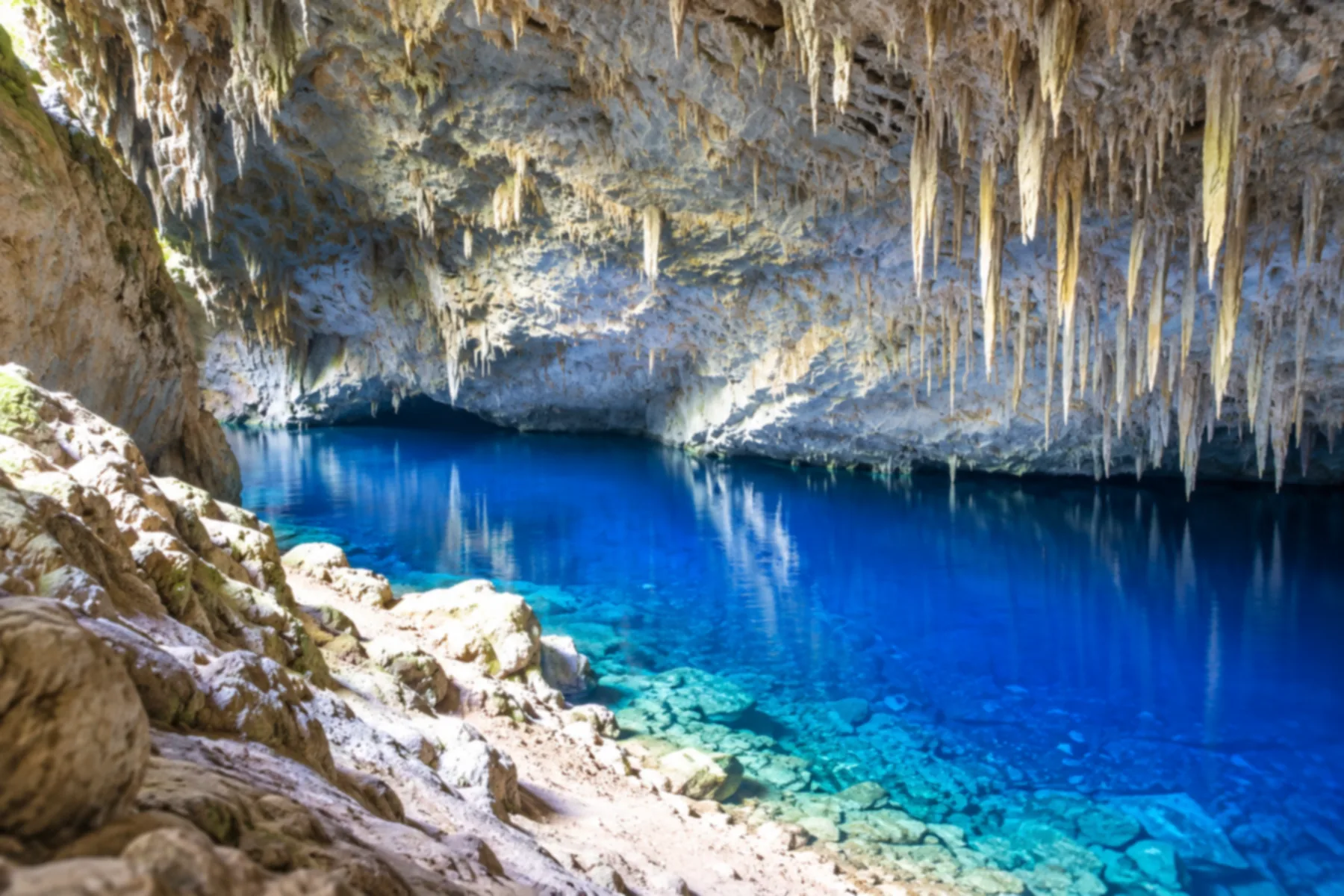
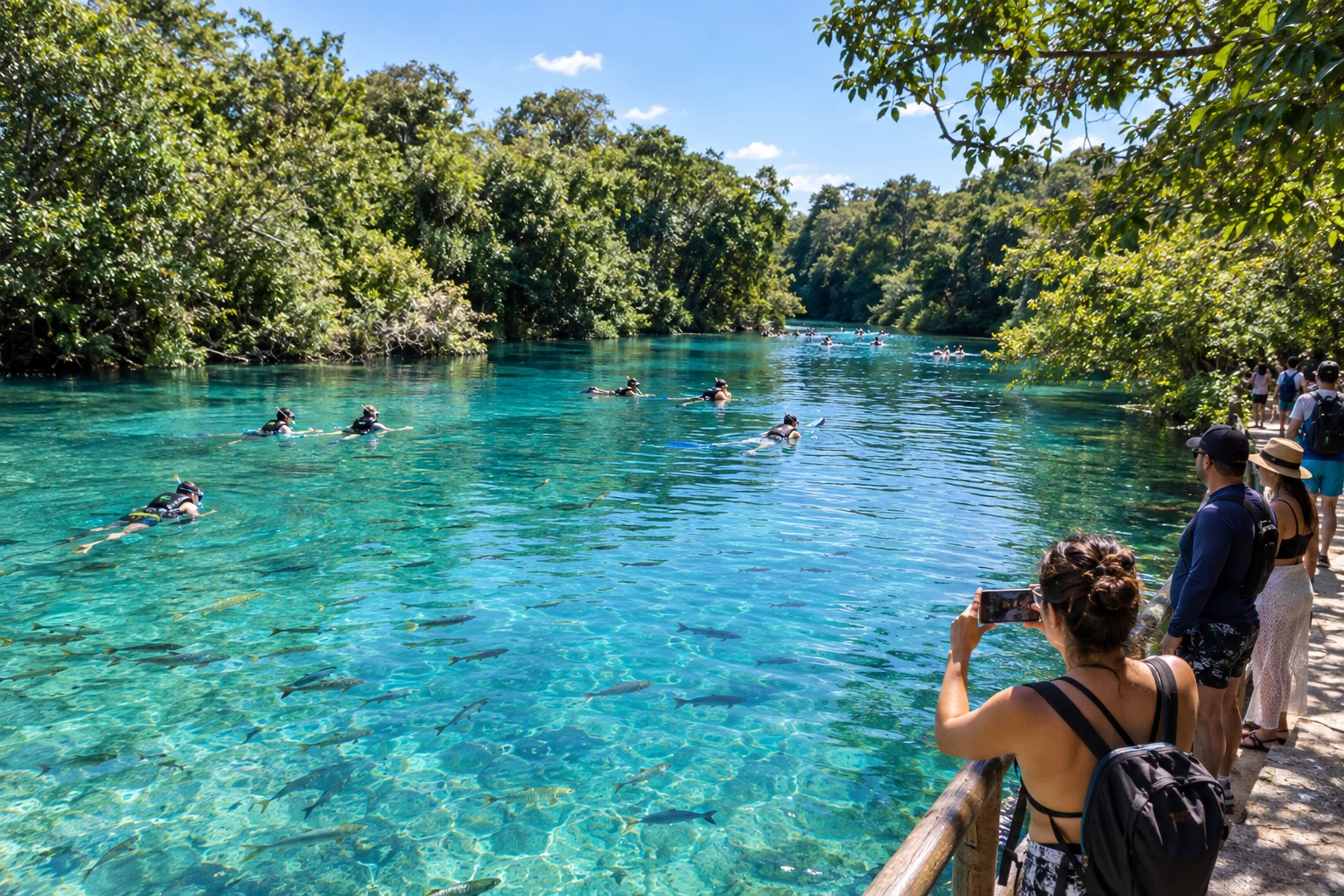
Bonito brings together clear rivers, caves and forest landscapes in the Serra da Bodoquena. The Gruta do Lago Azul and the aquatic environments reveal the link between the water and the region's limestone formations.
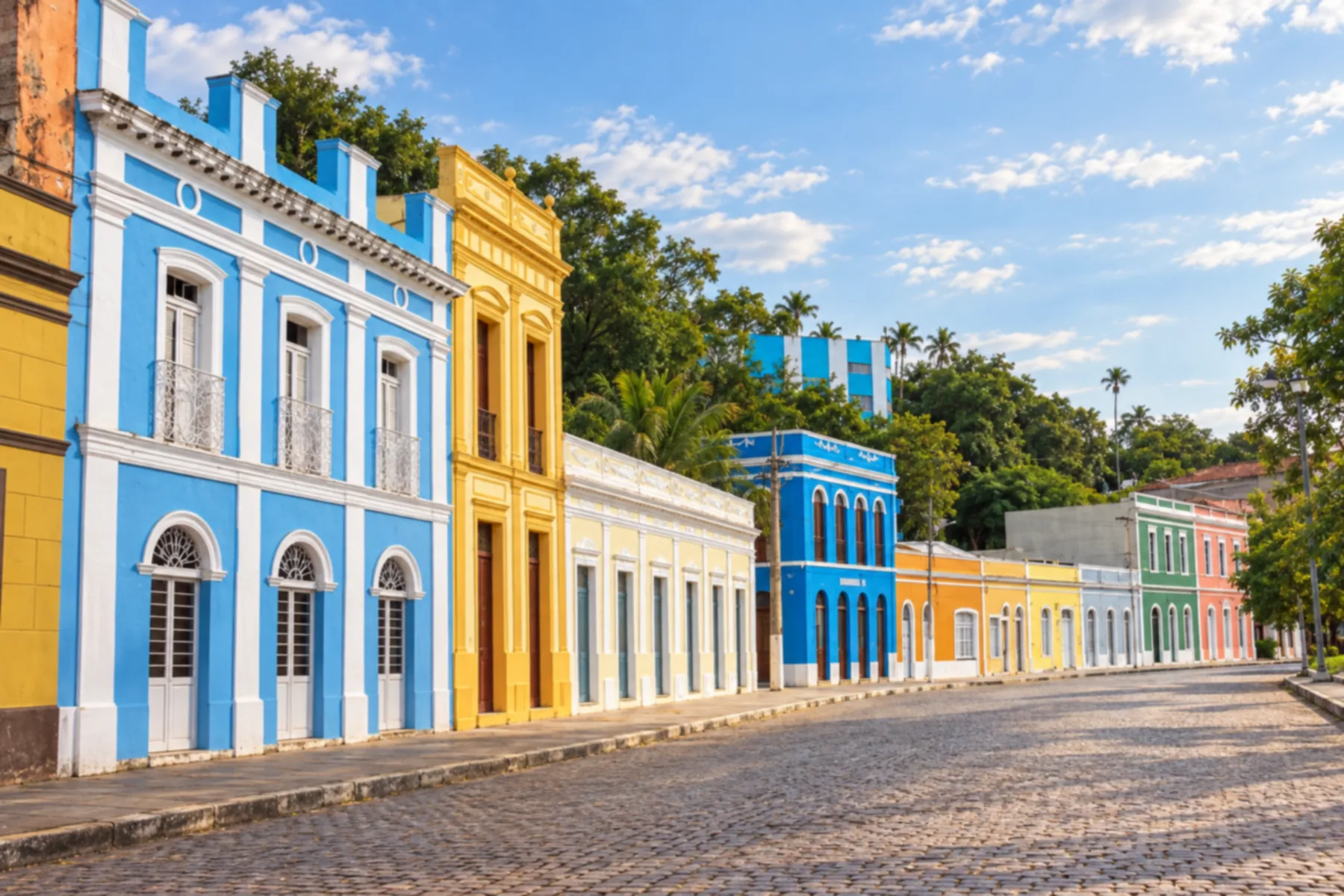
Corumbá combines historic houses and Pantanal scenery on the banks of the Paraguay River. Porto Geral preserves the memory of the river trade and navigation that shaped the city.
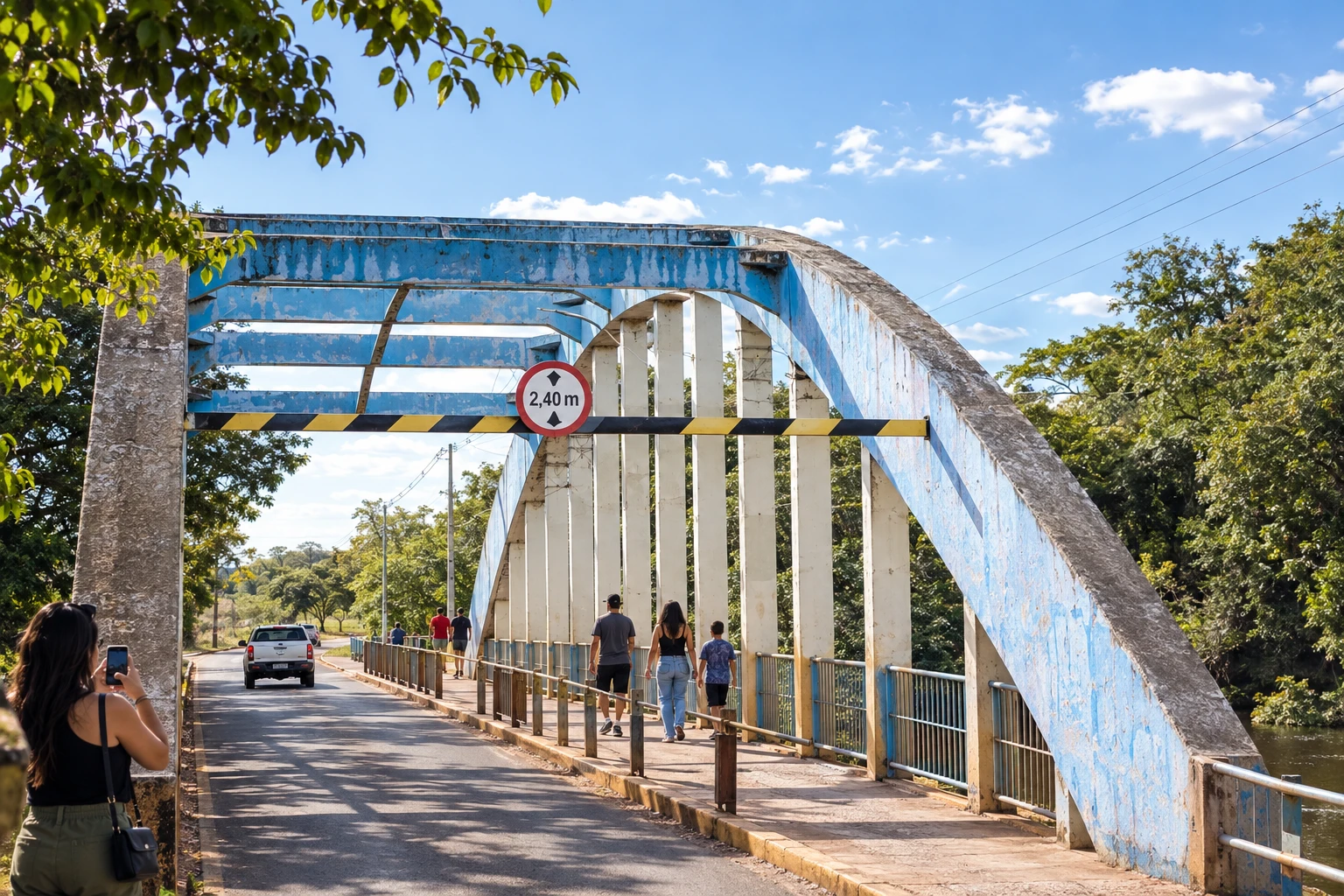
Guia Lopes da Laguna honors José Francisco Lopes, who guided the troop in the Retirada da Laguna during the Paraguayan War. The Ponte Velha, a historic link with Jardim, is associated with the formation of the settlement. Passing through the town allows you to learn about this memory before continuing on to the bases in the Bonito region and the Serra da Bodoquena.
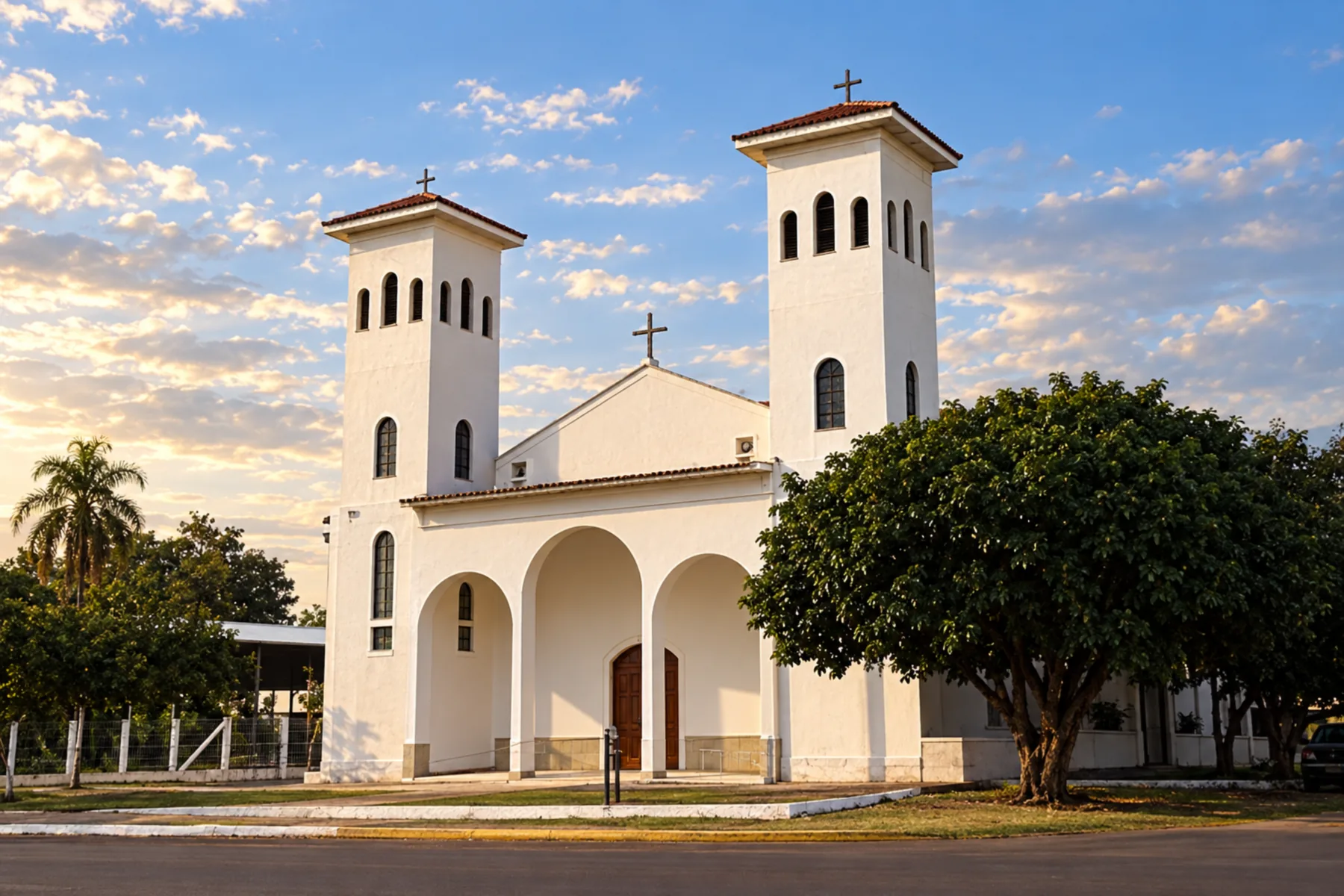
Jardim combines clear-water rivers and urban heritage in southwestern Mato Grosso do Sul. The Serra da Bodoquena landscapes and the downtown spaces show different sides of local history.
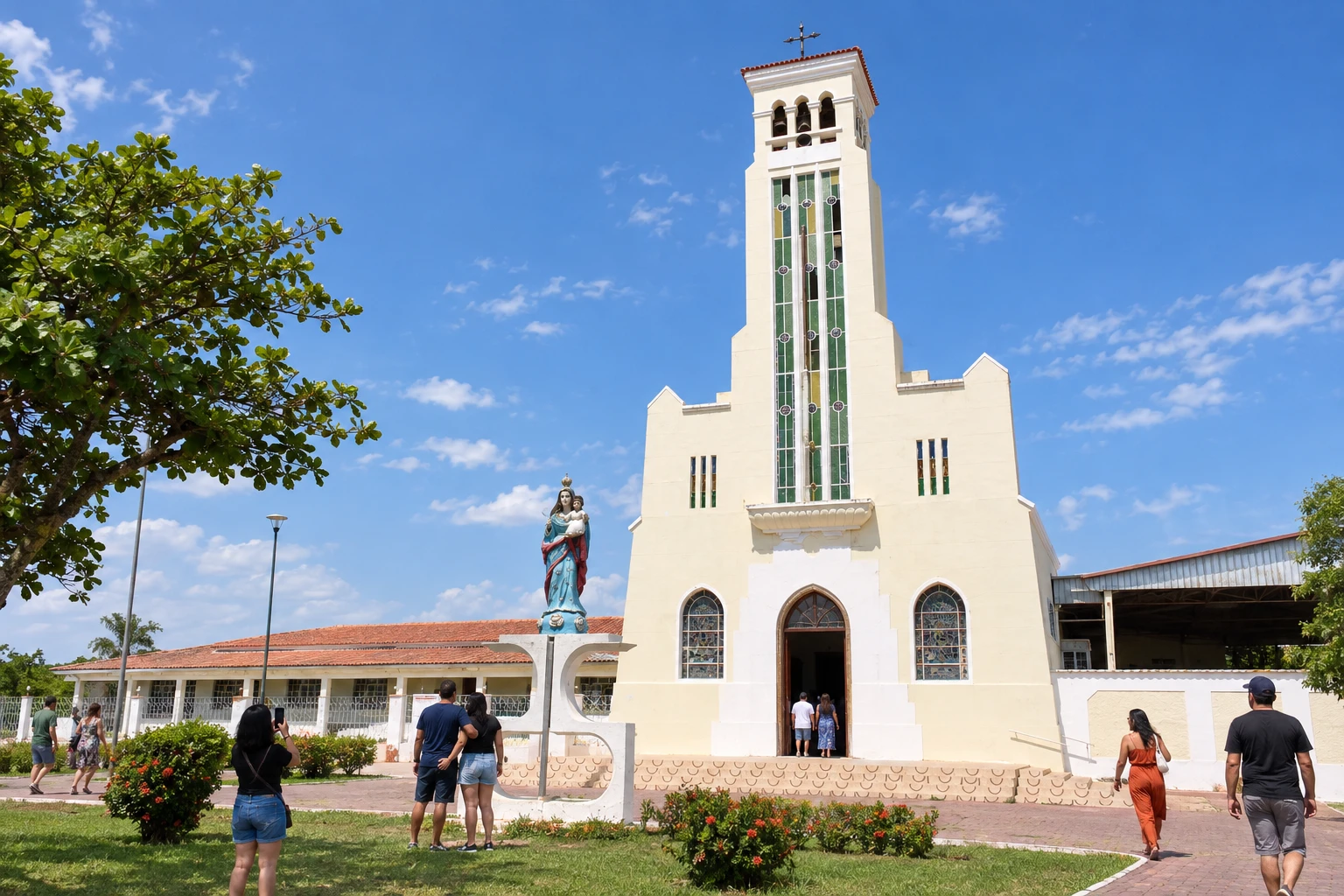
Ladário has a strong naval identity, expressed in the 6th Naval District and in the portico of the Base Naval shaped like a triumphal arch. The Santuário Nossa Senhora dos Remédios represents the local devotion. On the banks of the Rio Paraguai and next to Corumbá, the city also serves as a departure point for boat trips into the Pantanal.
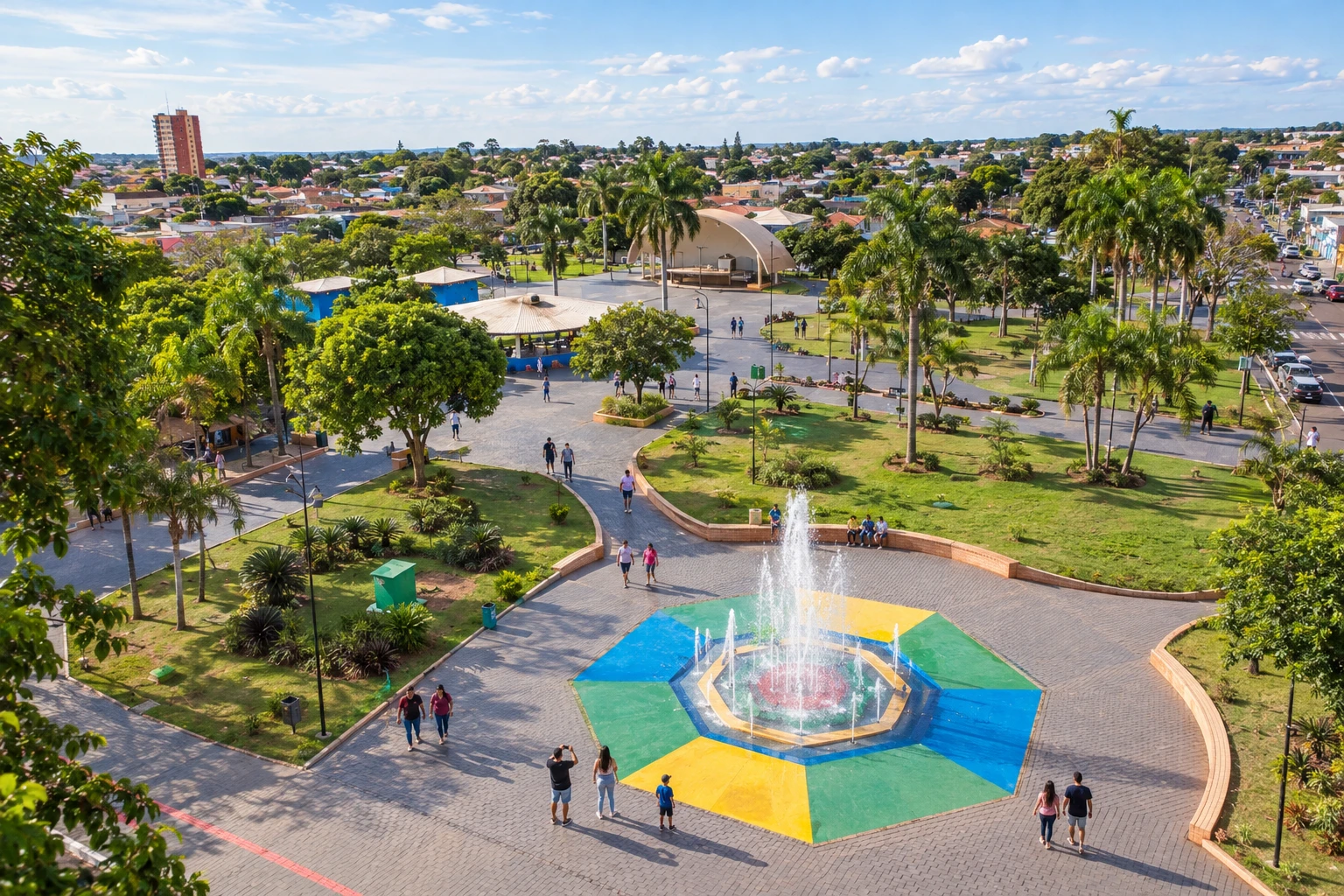
Maracaju has a gastronomic identity tied to beef linguiça seasoned with sour orange and to the Festa da Linguiça. Agriculture and livestock characterize the municipal economy, while the Museu Municipal preserves objects and photographs of local history. The visit allows you to experience the city's flavors and memories before continuing into the interior of Mato Grosso do Sul.
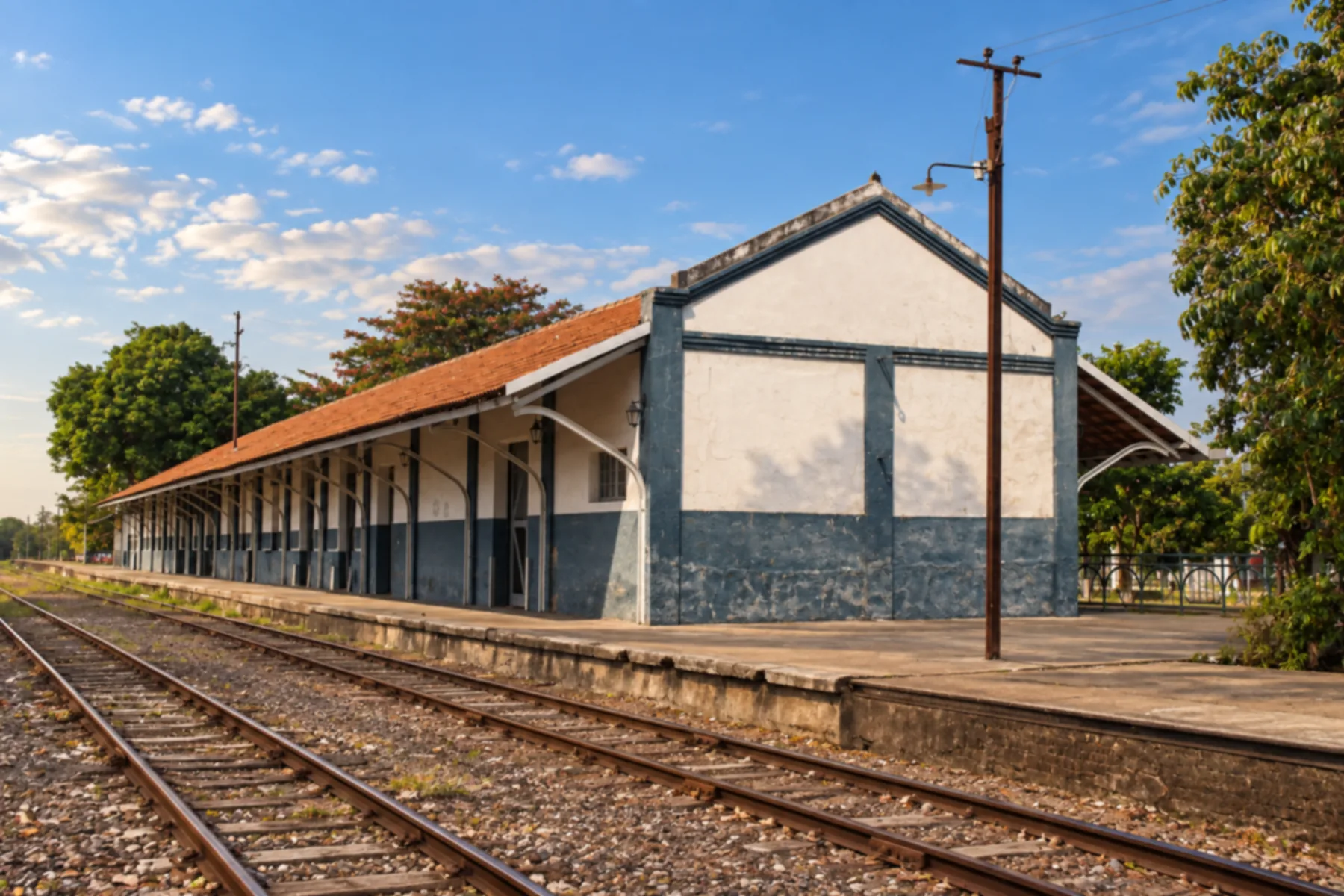
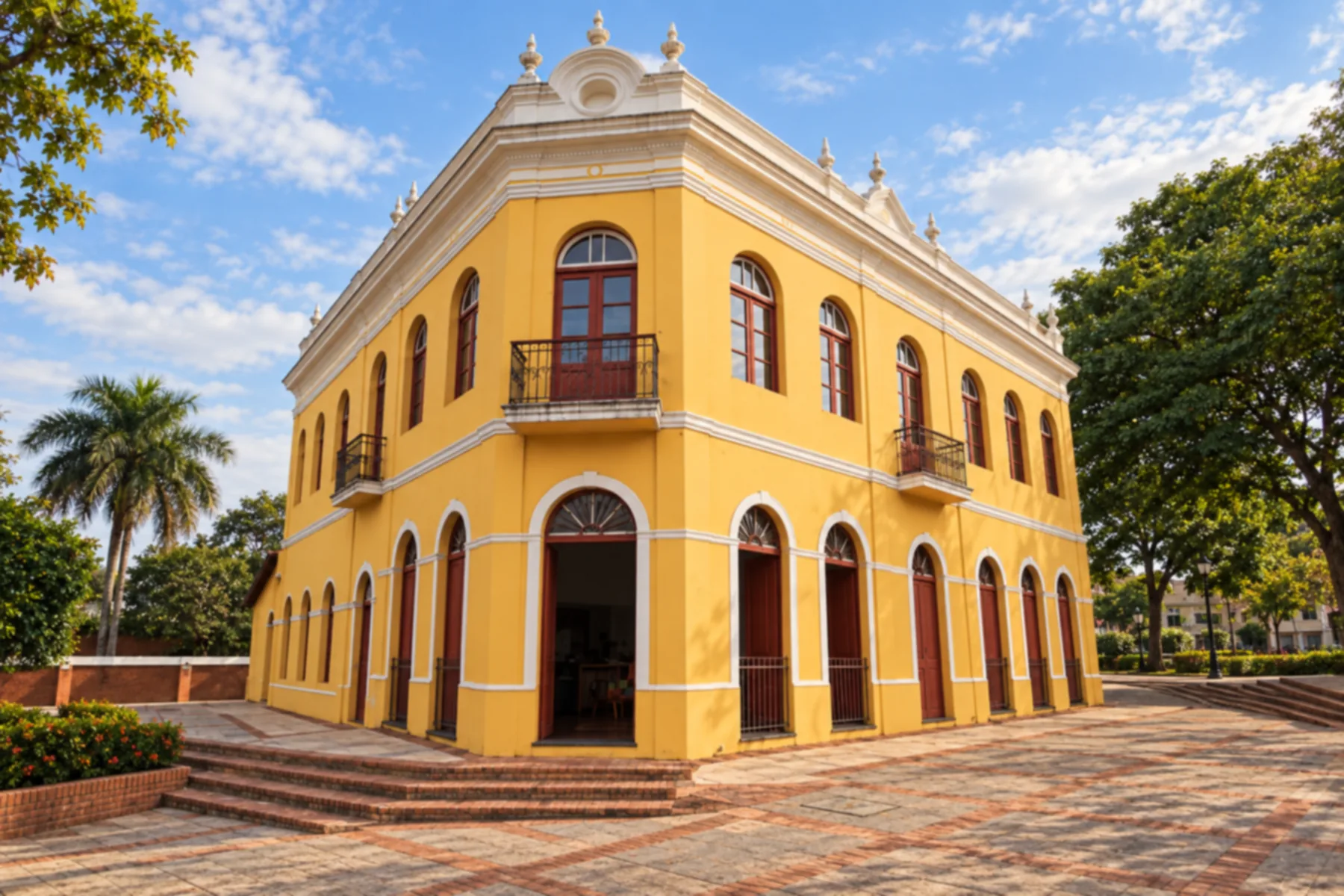
Miranda combines railroad heritage, local traditions and the landscapes of the Pantanal of Mato Grosso do Sul. The old station preserves part of the history of the routes that connected the region.
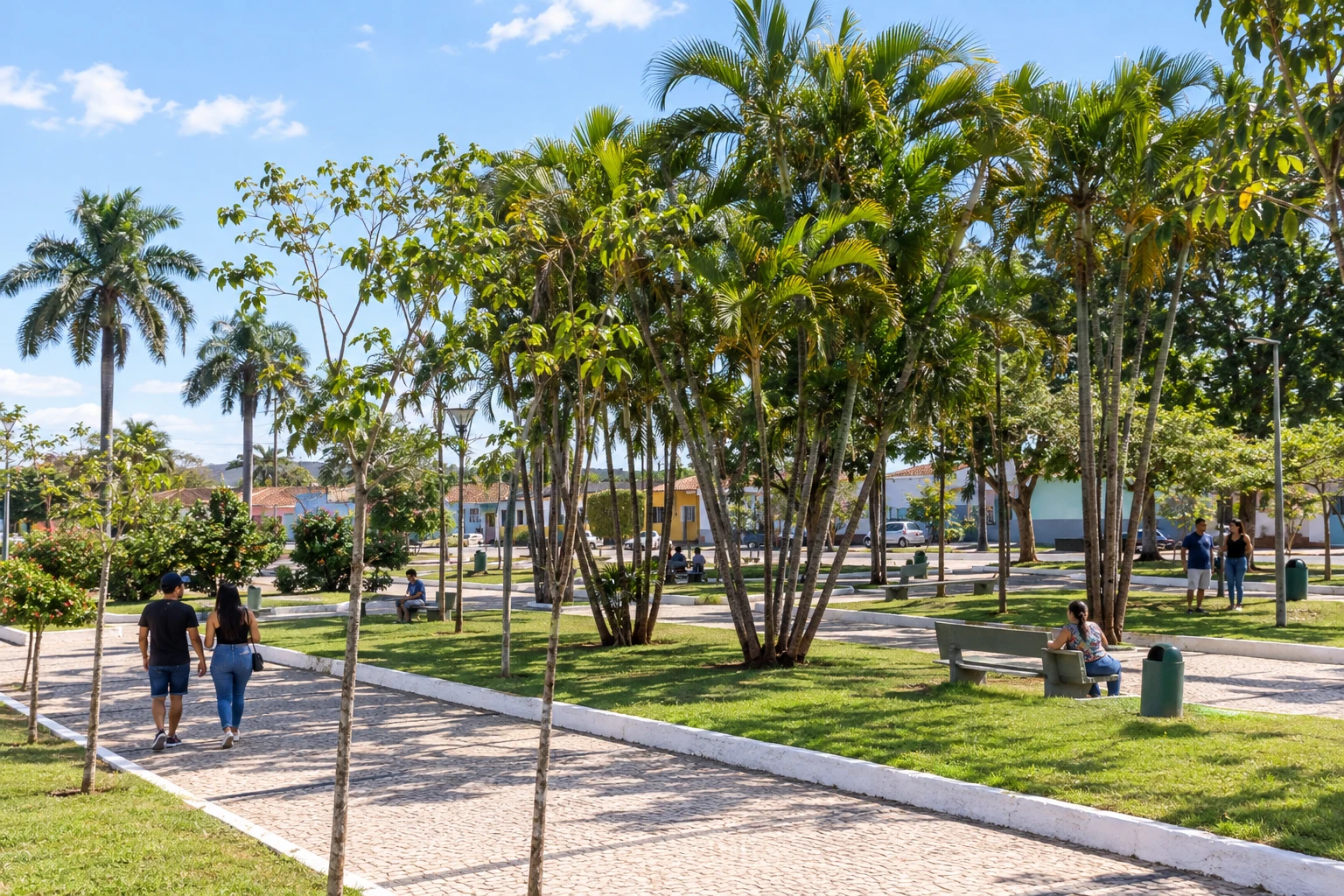
Nioaque carries out the NIOAC project with the Terena and Atikum communities, focused on cultural appreciation and community-based tourism. The city also has quilombola expressions and fairs that showcase local production and gastronomy. Visits can experience this cultural diversity, respecting each community's decision about how to receive travelers.
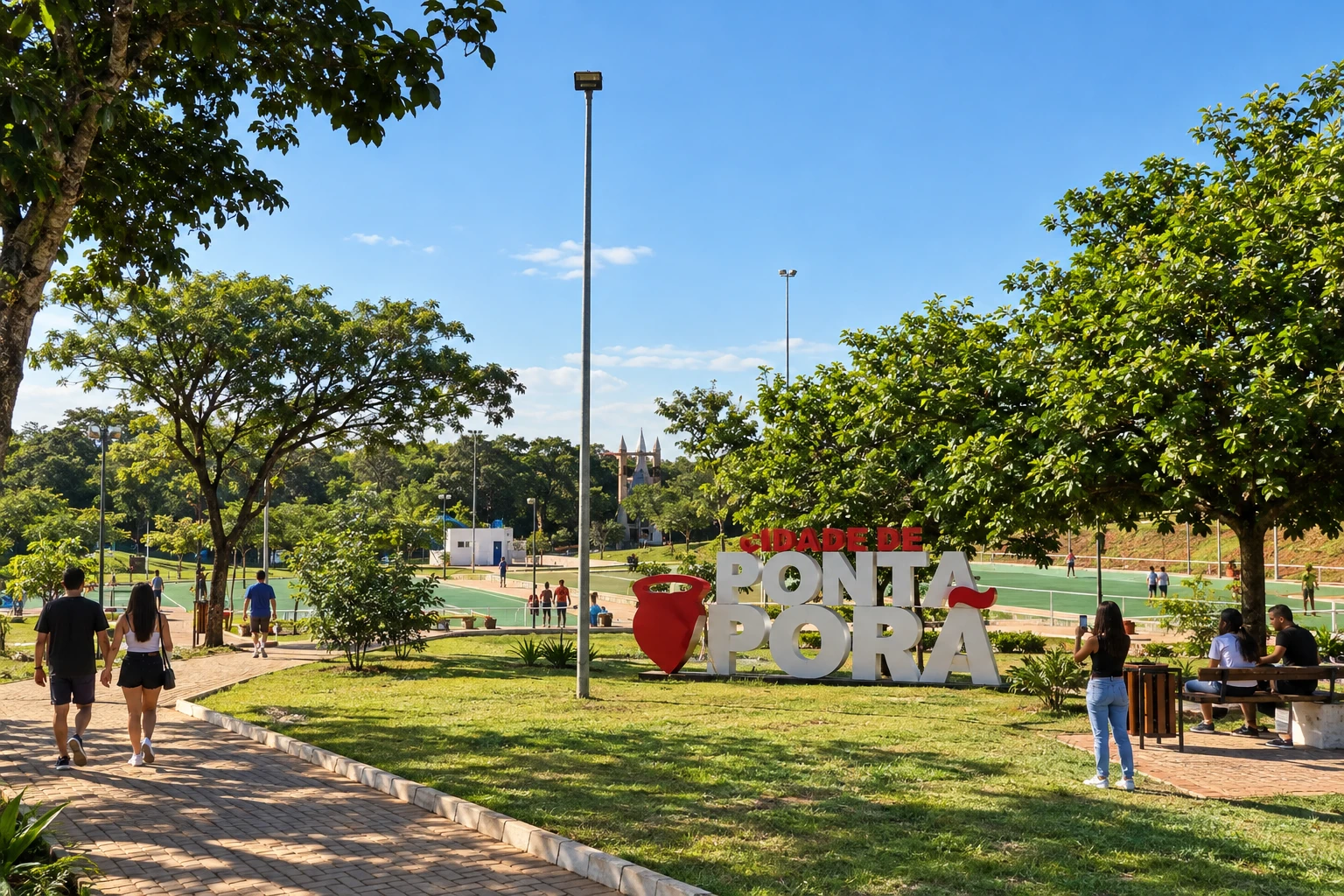
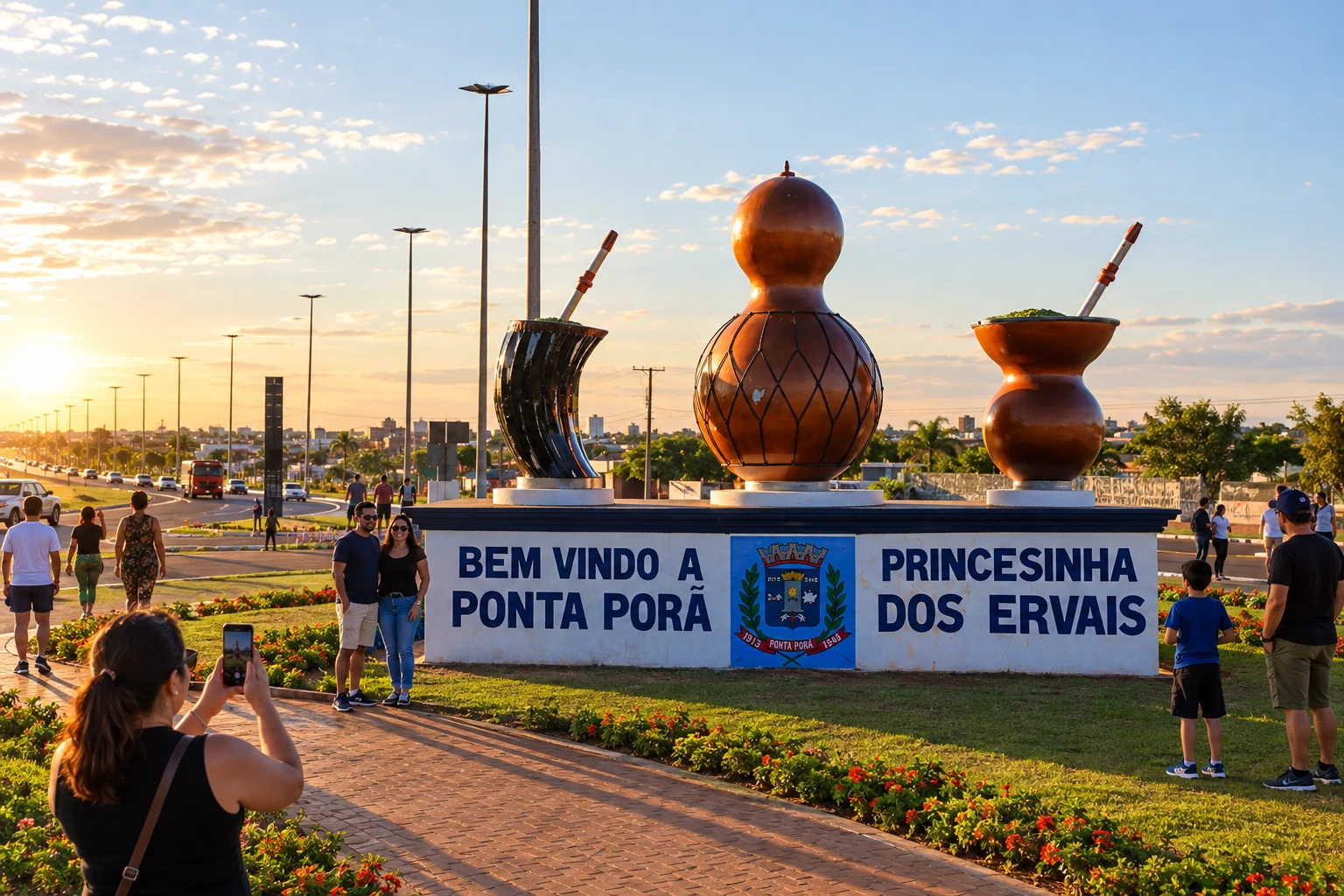
Ponta Porã forms a land border with Pedro Juan Caballero in Paraguay, and has a history tied to erva-mate plantations. Tereré and sopa paraguaya reveal the cultural interaction between the two sides of the border. The city offers an experience of gastronomy, memory and commerce that goes beyond a mere stop on the regional route.
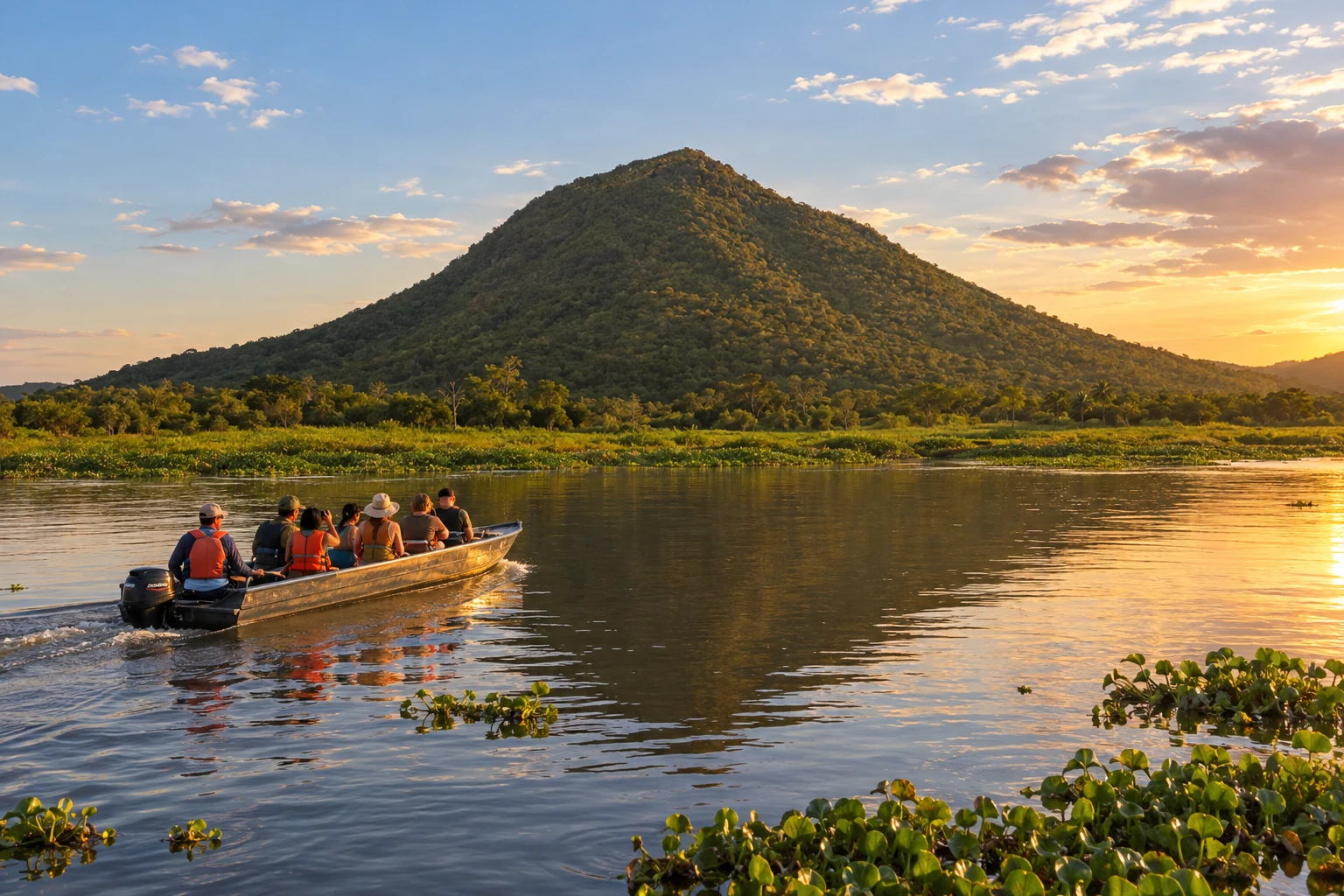
Porto Murtinho lies on the banks of the Rio Paraguai and has sport fishing as a traditional tourist activity. The Fecho dos Morros is a landscape landmark in the region, which brings together influences from the Pantanal and the Chaco. The trip can combine riverside life with pre-arranged boat activities.
Routes