1 city

State · South
Illustrative images. The pictures in this guide are illustrations based on the real place, not photographs, and may differ from it.

Destinations
Cities
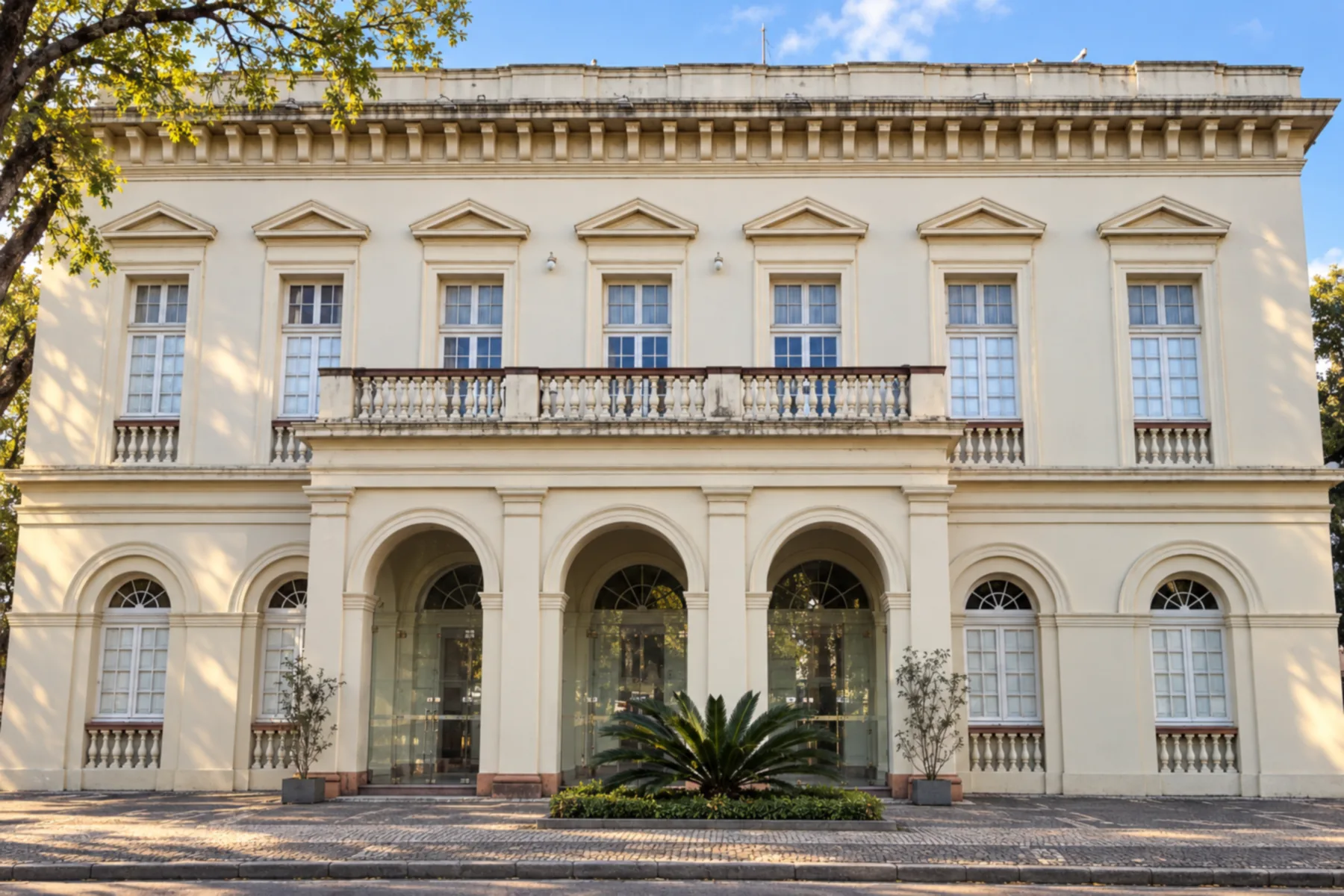
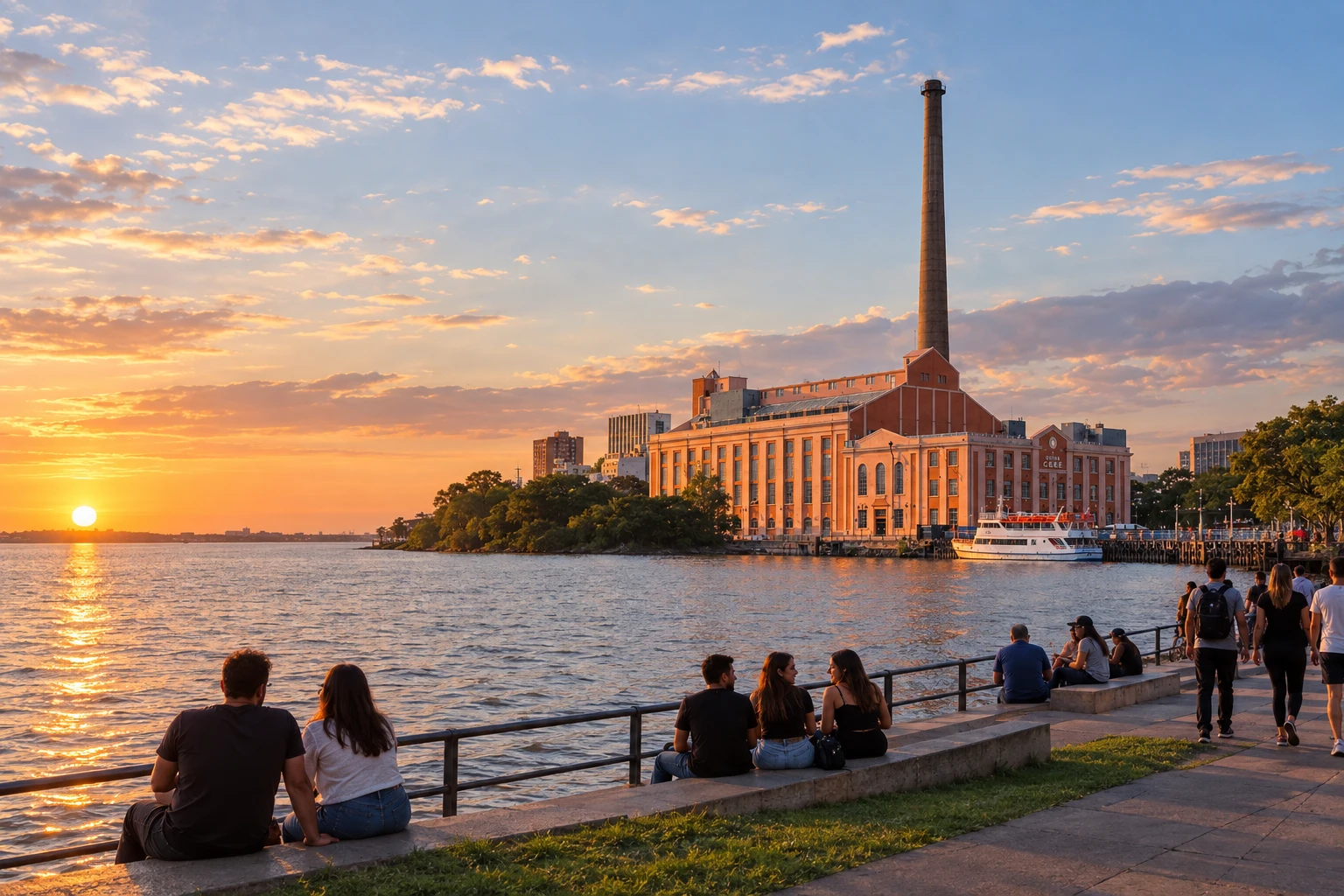
Porto Alegre combines the Guaíba landscape with urban parks and the heritage of the historic center. Walks along the waterfront can be combined with visits to markets, theaters and other cultural spaces.
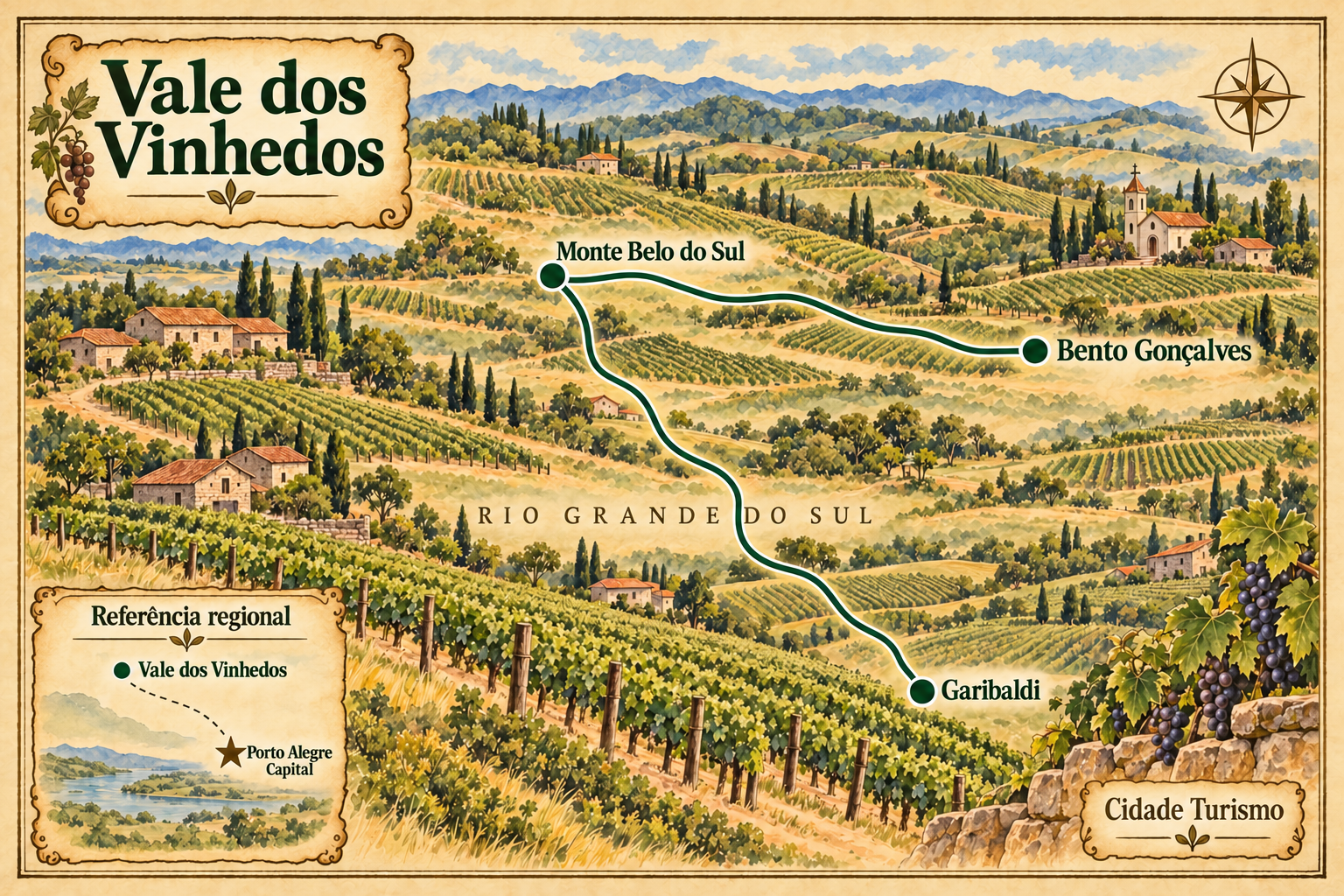
Bento Gonçalves has a landscape and culture tied to Italian immigration and grape growing. You can explore rural routes and see historic buildings, trails and local traditions.
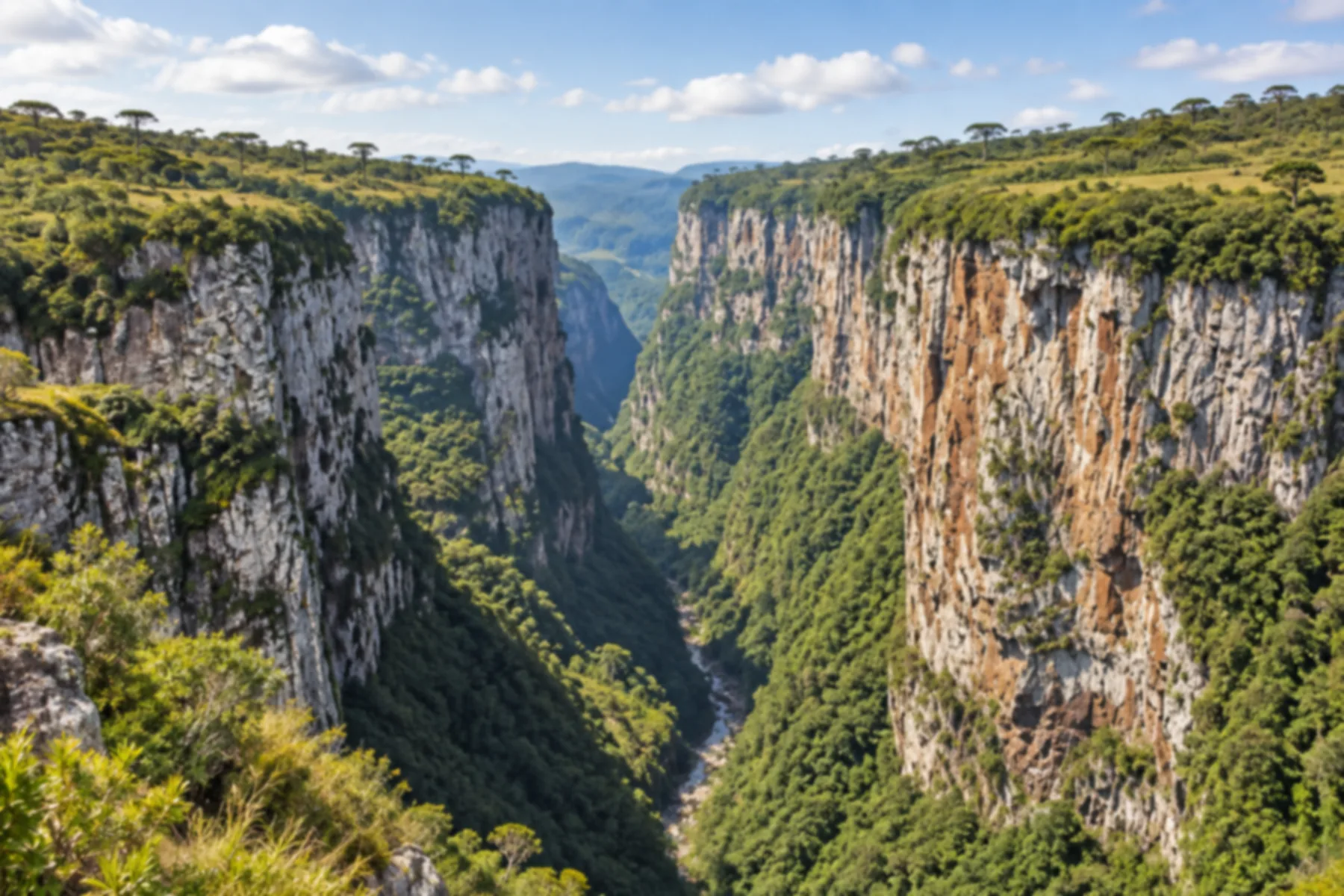
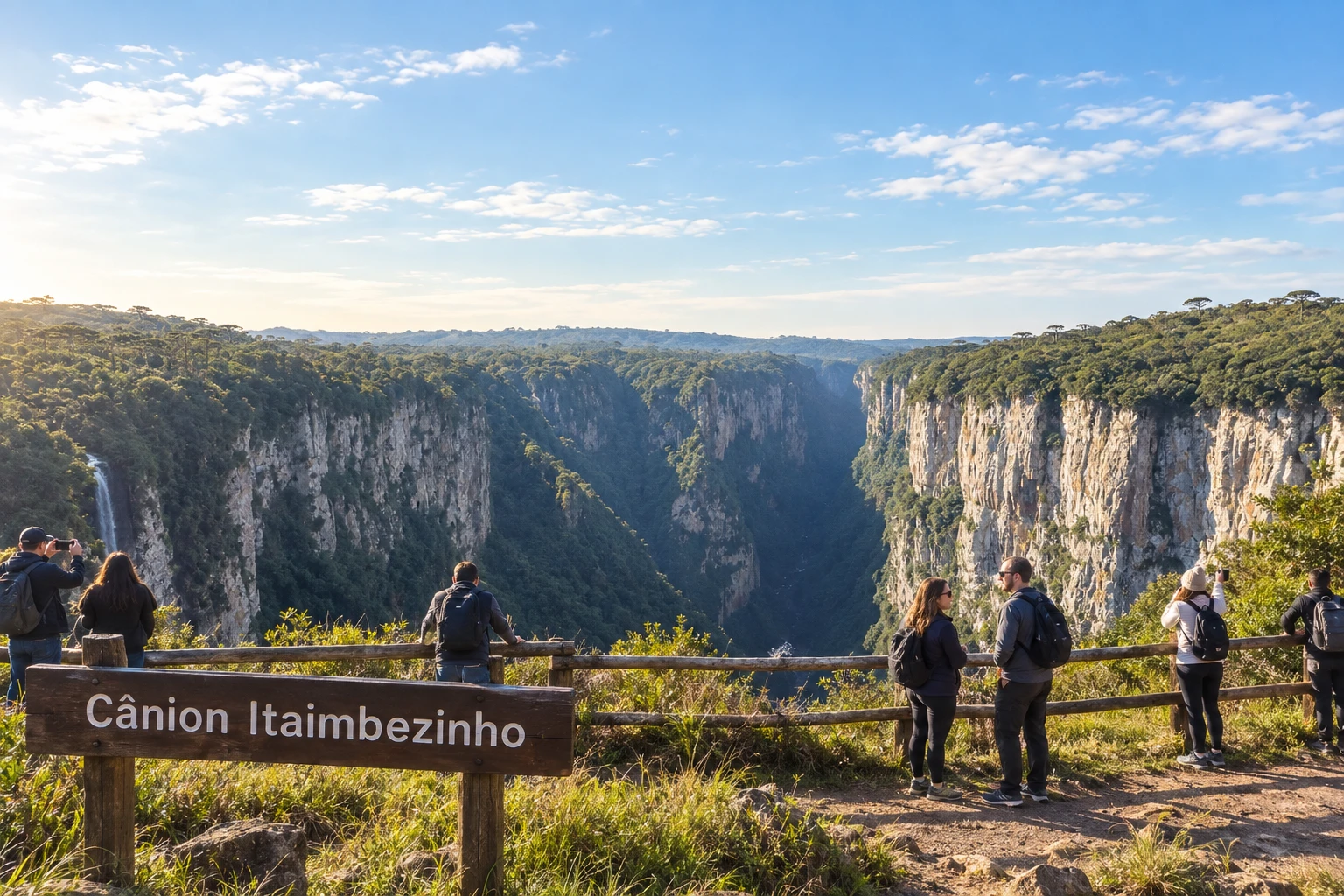
Cambará do Sul lies in the Campos de Cima da Serra highlands, next to the canyons of the Serra Geral. You can hike trails in the national parks and see rock walls, grasslands and araucaria forests.
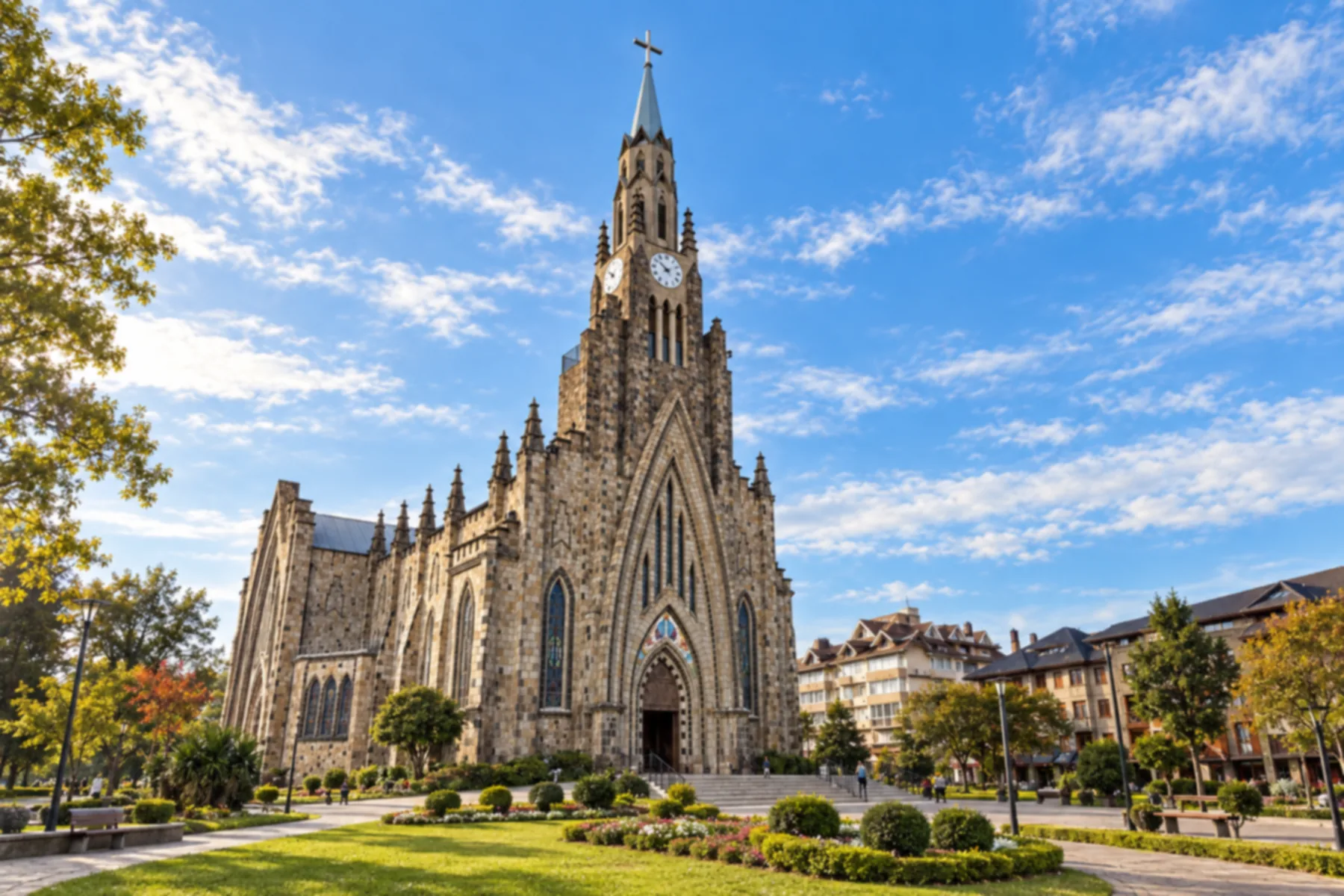
Canela combines architectural heritage and forested areas in Serra Gaúcha. You can visit the Catedral de Pedra and follow routes that lead from town to waterfalls and forest scenery.
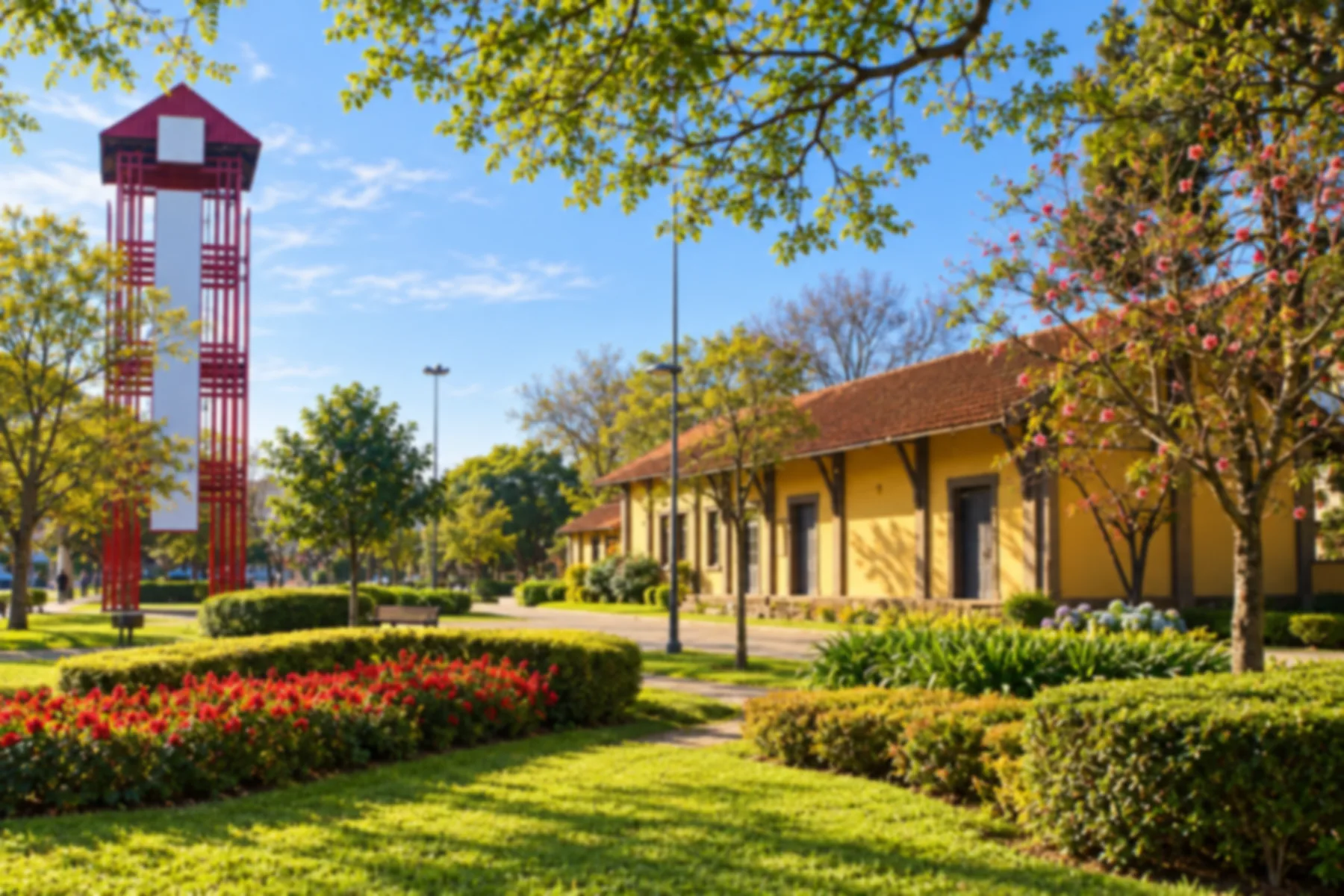
Carlos Barbosa brings together railroad memory and immigrant traditions in Serra Gaúcha. You can stroll through the Parque da Estação and explore the center, the local crafts and the town's rural roads.
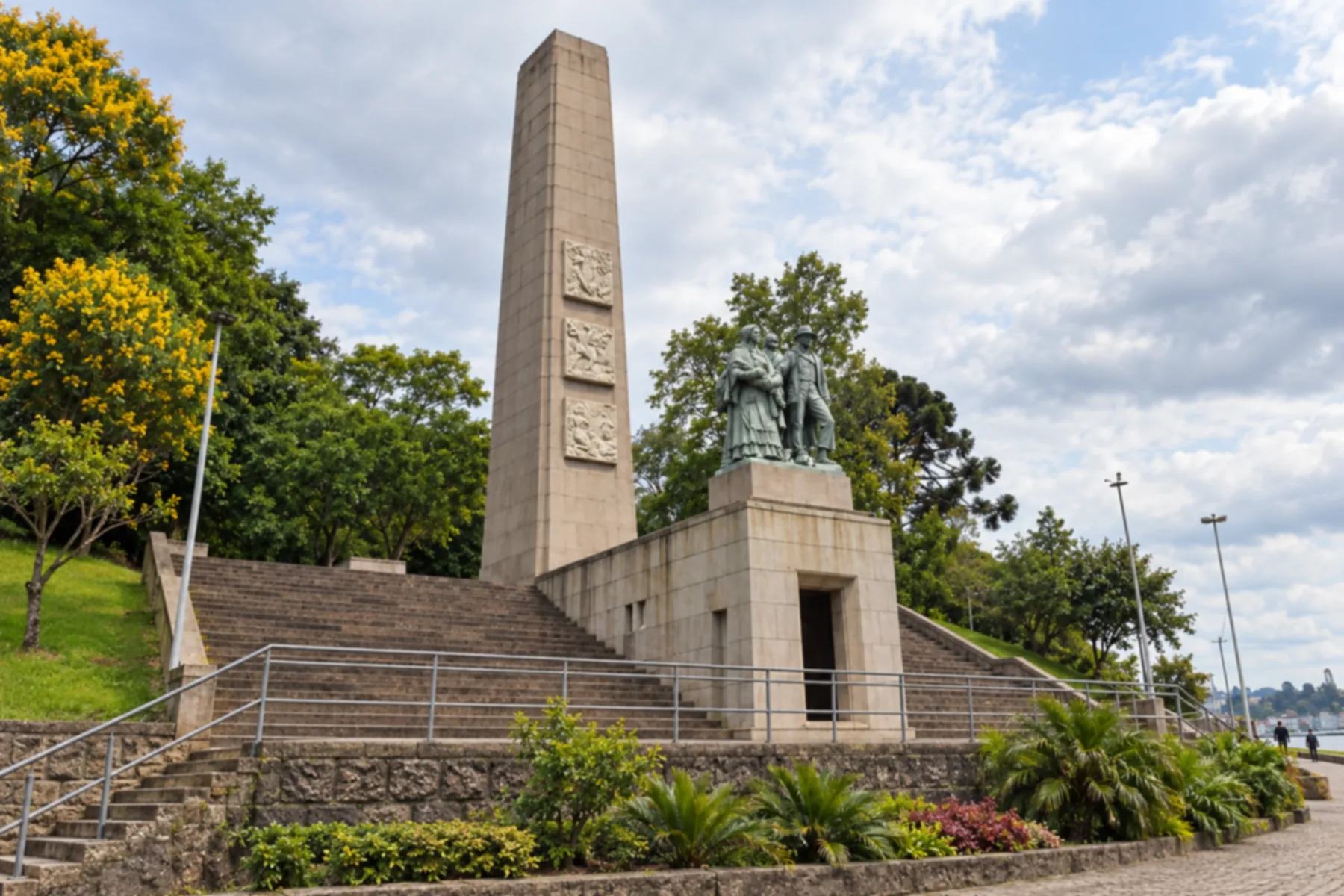
Caxias do Sul combines city life and heritage tied to immigration in Serra Gaúcha. You can see monuments and cultural spaces, and explore rural routes around the city.
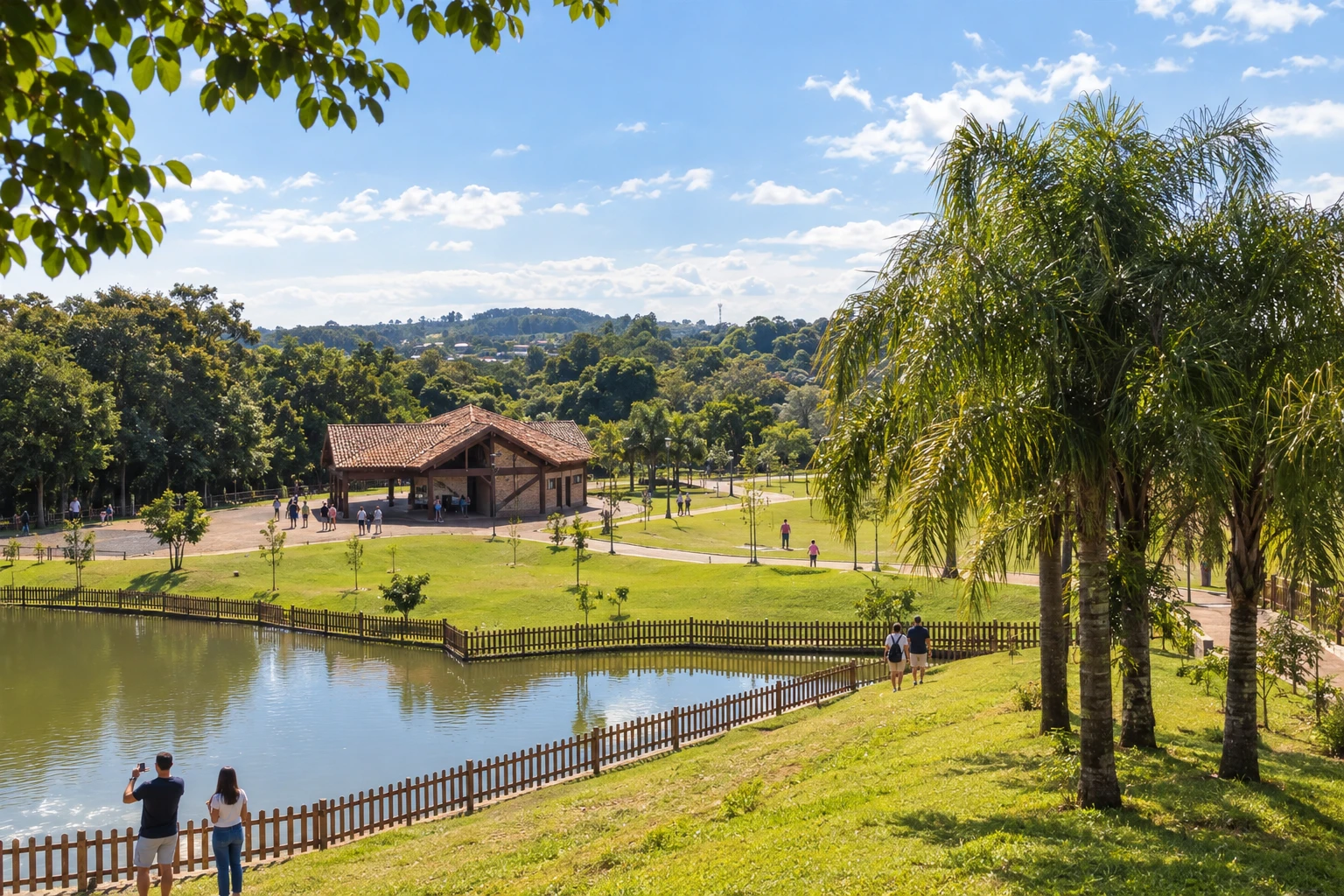
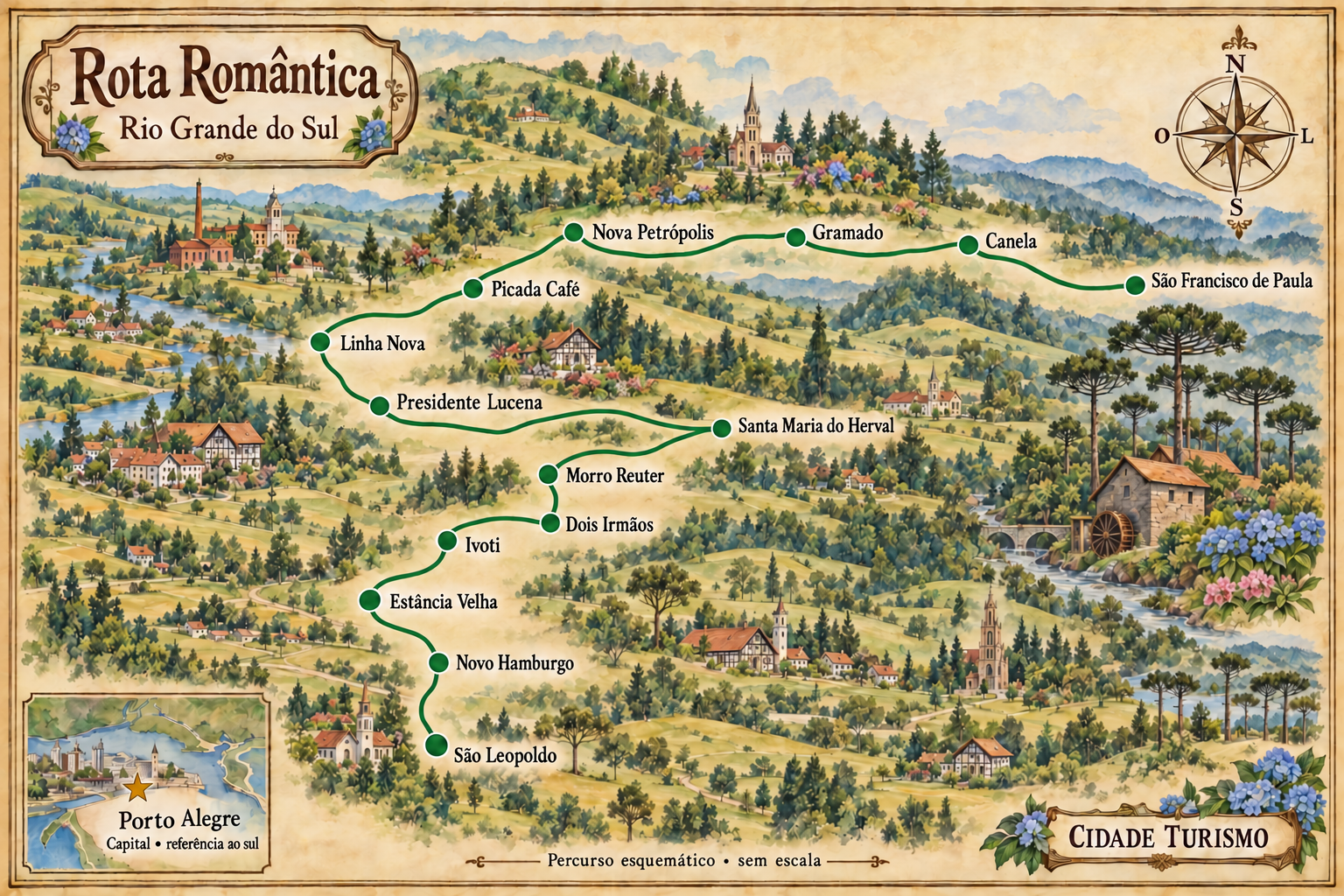
Dois Irmãos houses the Museu Histórico Municipal in the Casa Kieling and a series of churches and traditional societies along Avenida São Miguel. Parque Municipal Romeo Benício Wolf adds an outdoor space to the visit. Stopping on the Rota Romântica allows you to learn about immigration memory and the town’s urban landscape, which is also tied to the footwear industry.
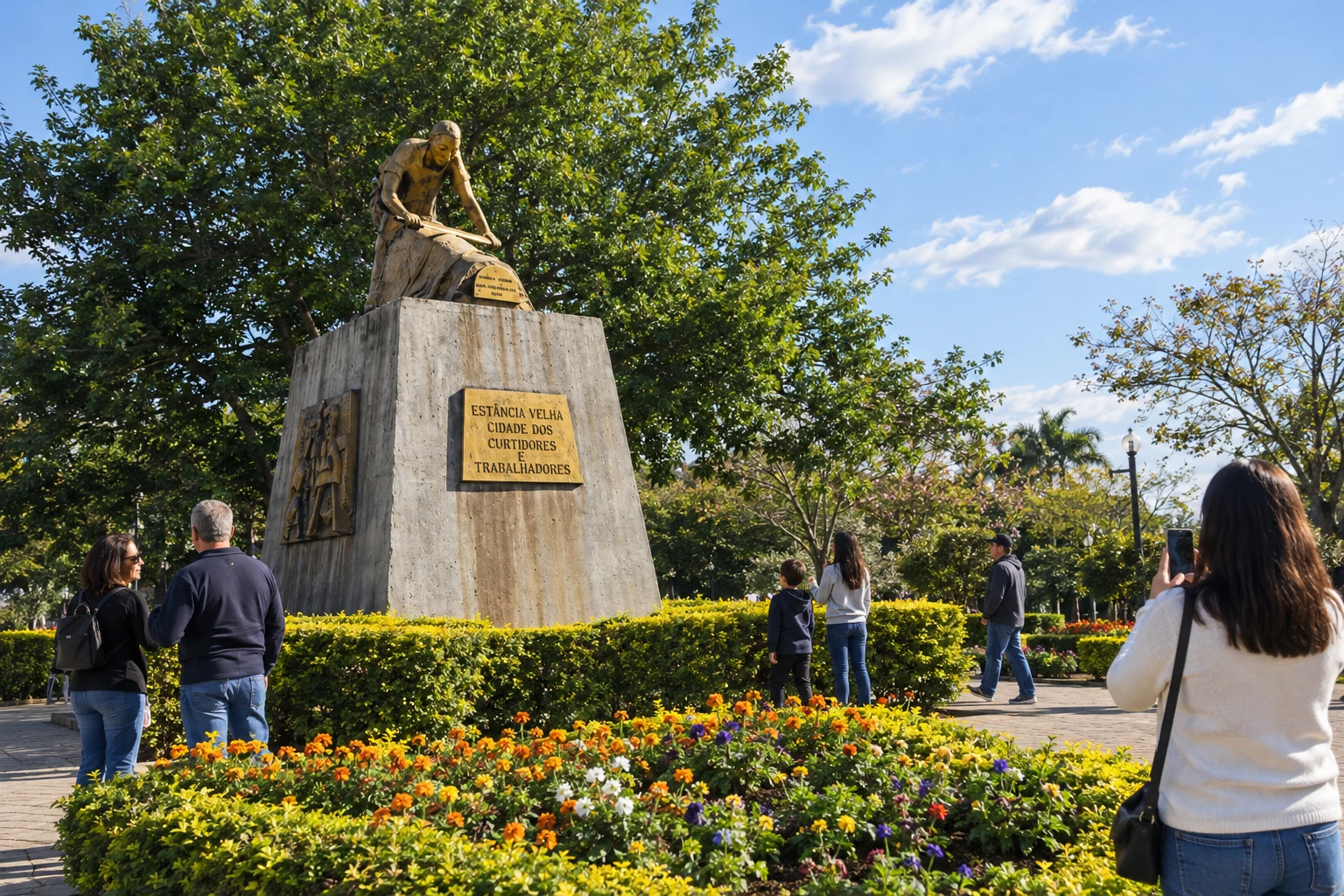
Estância Velha has Praça Primeiro de Maio and the Pavilhão de Atividades Culturais as reference points in its urban programming. The Festival de Kerb celebrates traditions of German immigration, while the Reserva Ecológica Leopoldo Alberto Baeckel, known as Matinho da Prefeitura, adds contact with nature. On the Rota Romântica, the visit makes more sense when aligned with the city's cultural calendar.
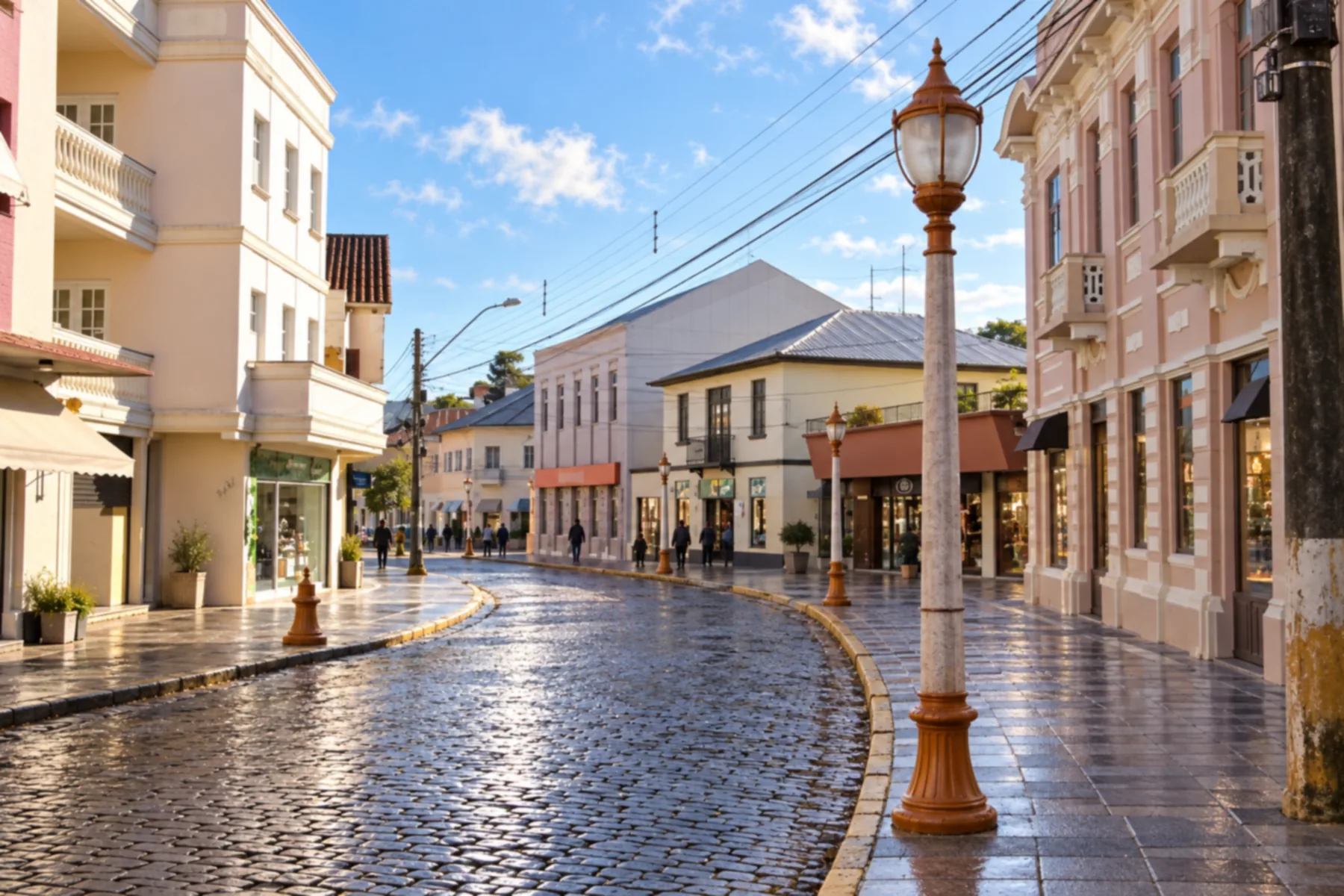
Garibaldi preserves historic houses and traditions tied to Italian immigration and winemaking. You can walk around the center and take in the rural landscape of the Serra Gaúcha valleys.
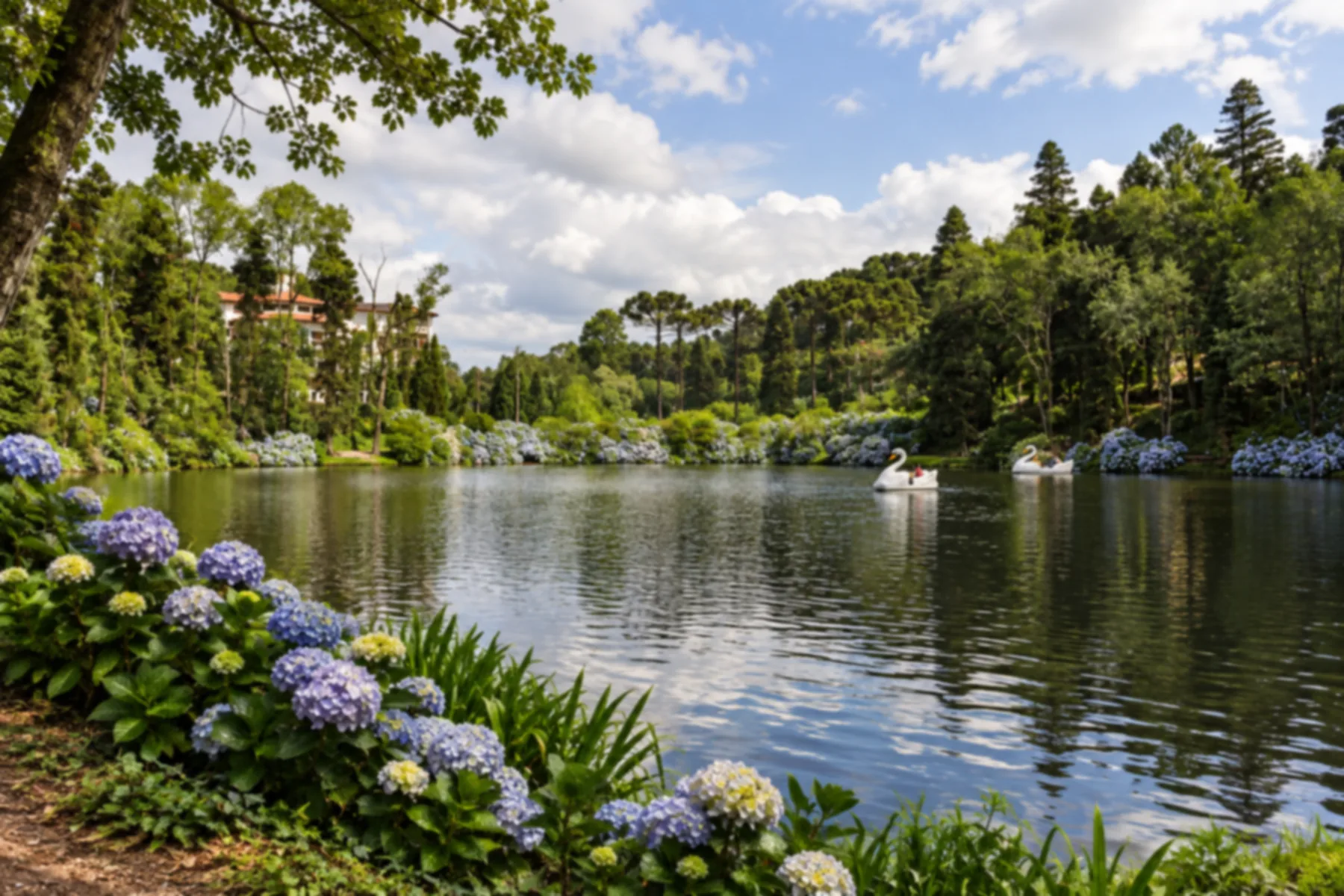
Gramado combines gardens, lakes and European-influenced architecture in Serra Gaúcha. You can walk around Lago Negro and mix outdoor outings with cultural activities in the center.
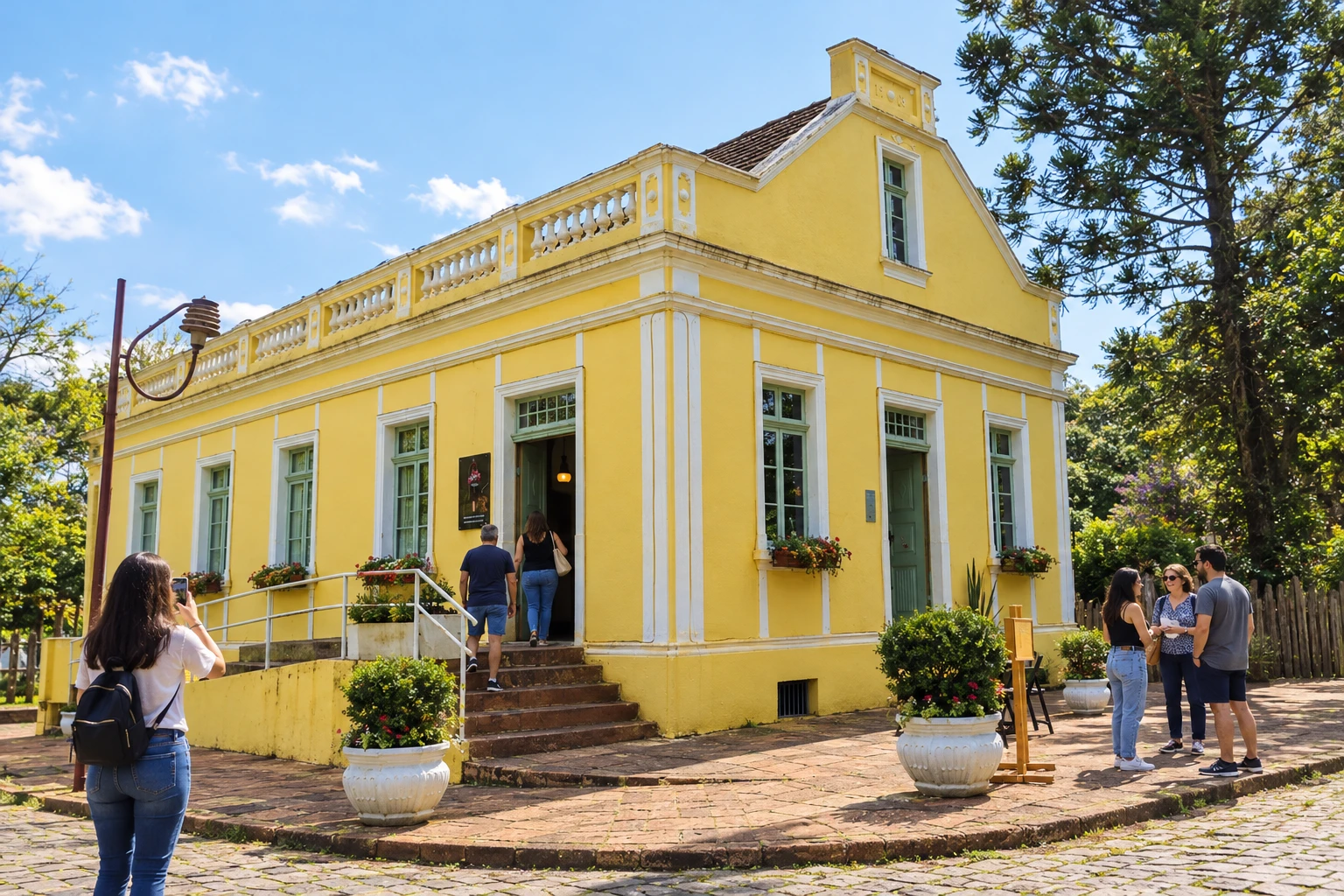
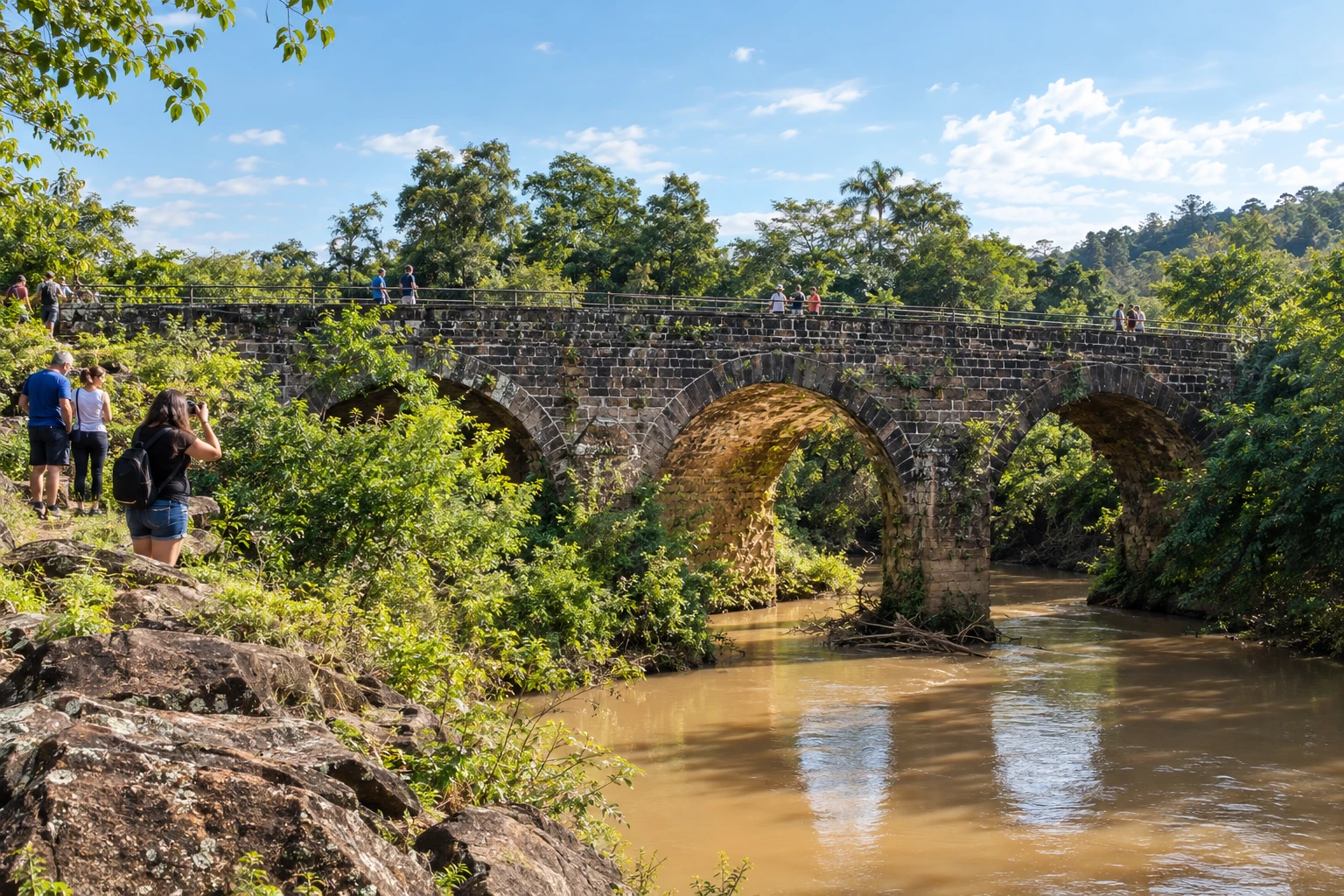
Ivoti brings together the Núcleo de Casas Enxaimel, the Ponte do Imperador and the Museu Cláudio Oscar Becker as references of German colonization. The Memorial da Colônia Japonesa presents another formative community of the municipality. A visit on the Rota Romântica can combine architecture, memory and colonial production, with separate routes between the historic core and the colony.
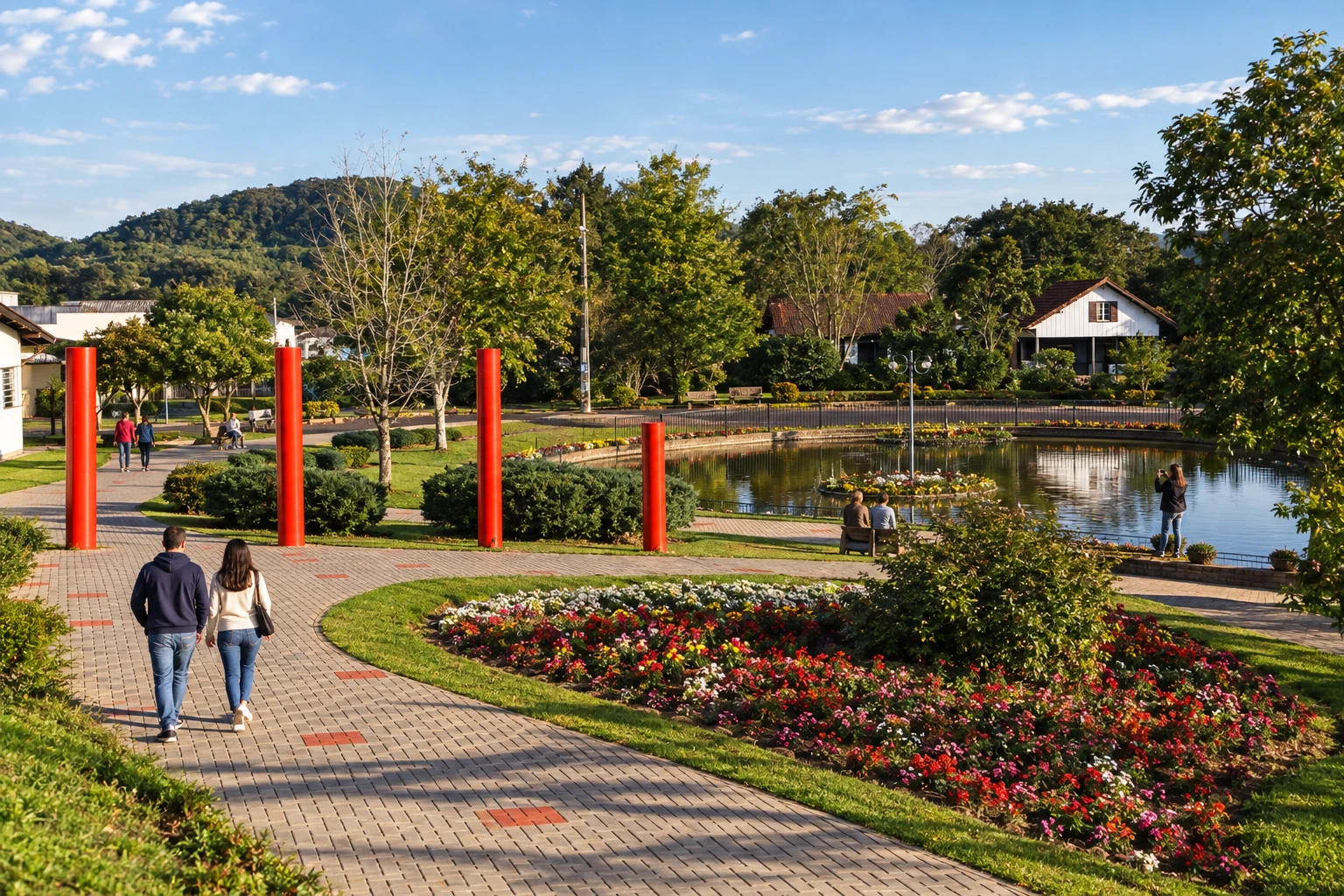
Linha Nova has the Heimathaus in Parque Municipal Georg Heinrich Ritter as a reference point for preserving local memory. The city is recognized as the Cradle of Breweries in Rio Grande do Sul, linking its history to beer production. On the Rota Romântica, a visit can bring that heritage together with the town's gardens, valleys and paths.
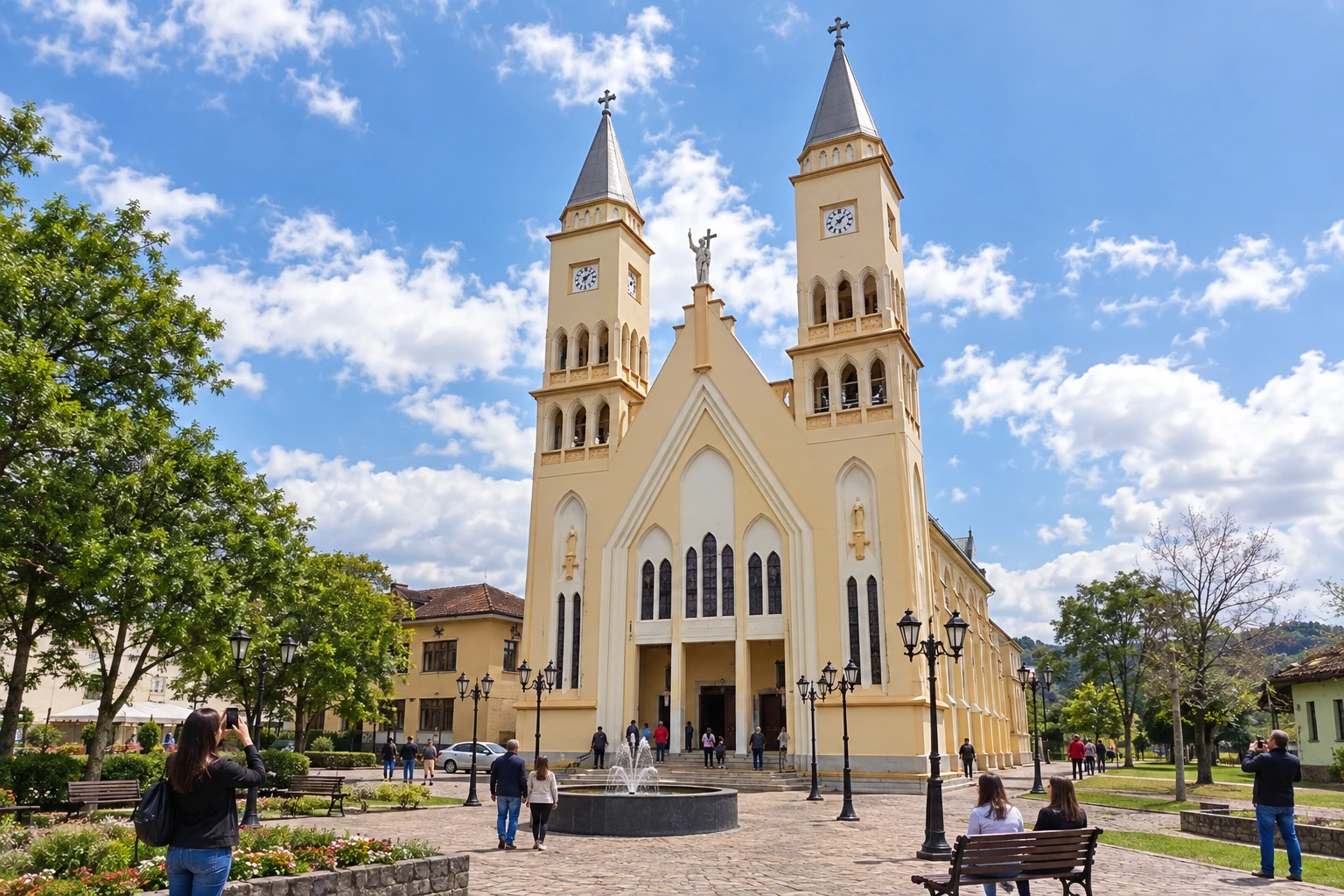
Monte Belo do Sul has the Igreja Matriz São Francisco de Assis, with its two towers, a landmark of the town center next to Praça Padre José Ferlin. Wine and juice production accompanies the rural surroundings; the Museu Famiglia Tasca exhibits customs of Italian immigration. The visit combines community heritage, hill landscapes and winemaking activities.
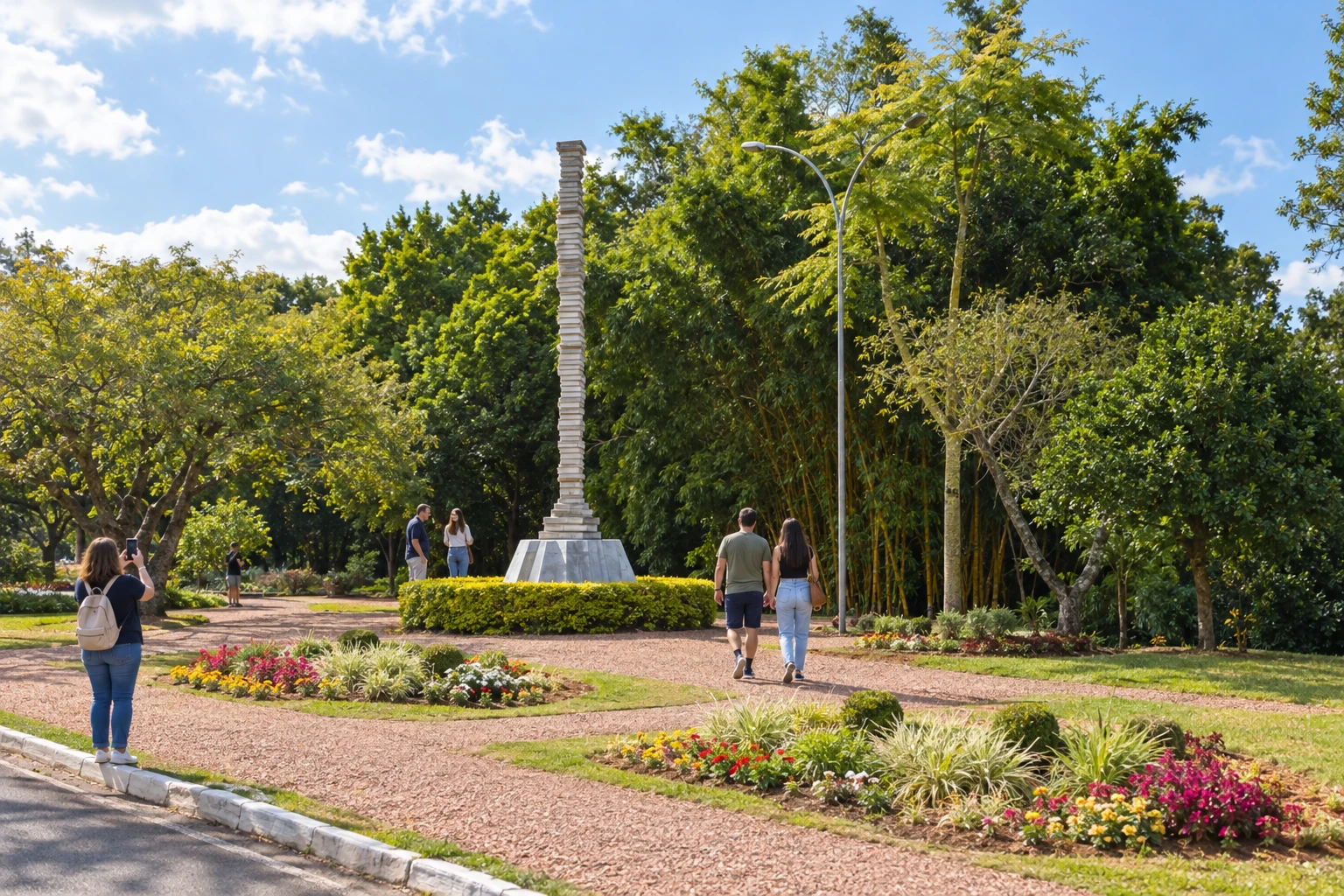
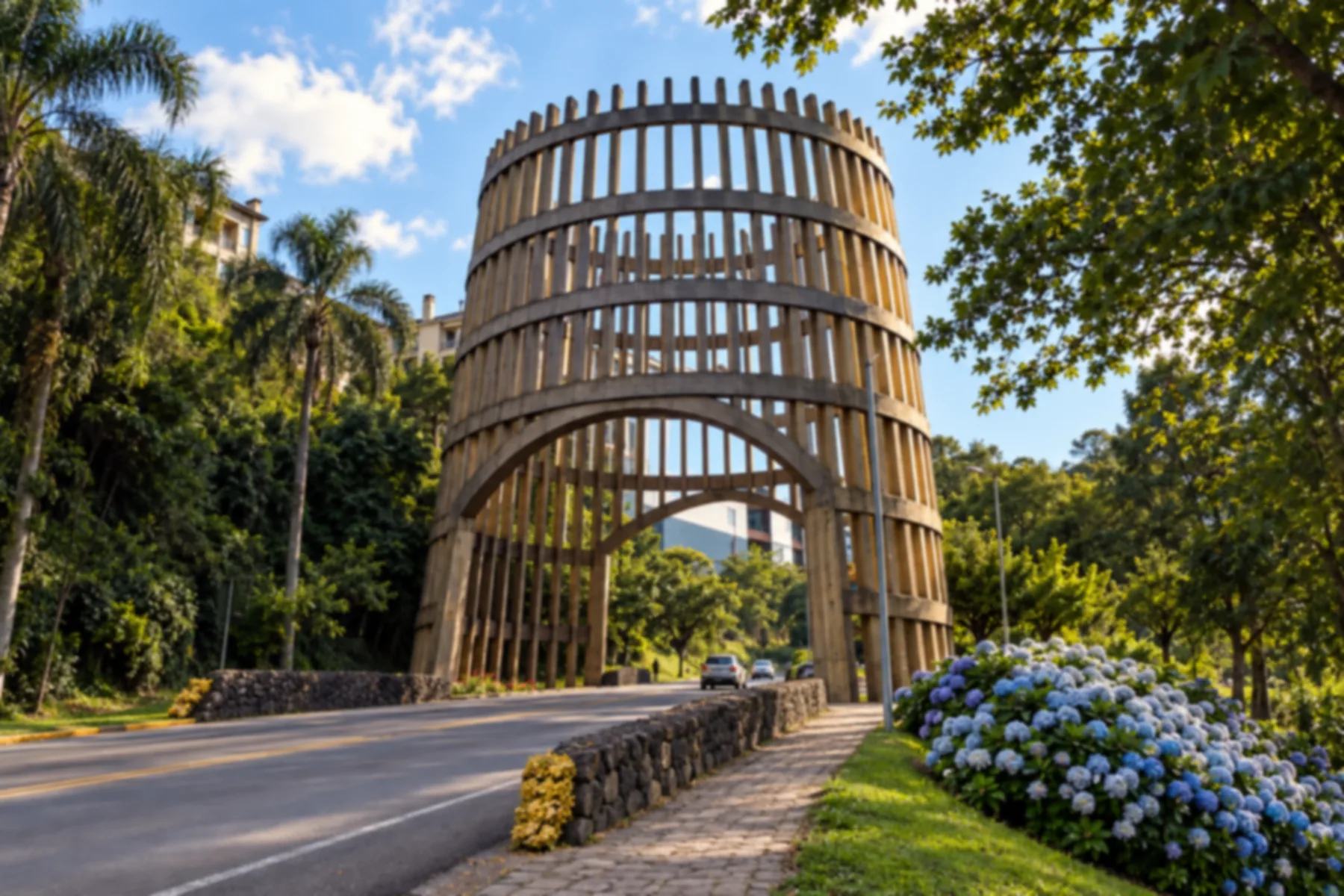
Morro Reuter has the Obelisco de Livros, a monument shaped like stacked volumes at the city entrance, and the Festa Nacional da Lavanda among its cultural references. Localities such as Walachai and São José do Herval make up the municipality's interior. On the Rota Romântica, the visit combines the symbol linked to reading with the rural landscape and events of local production.
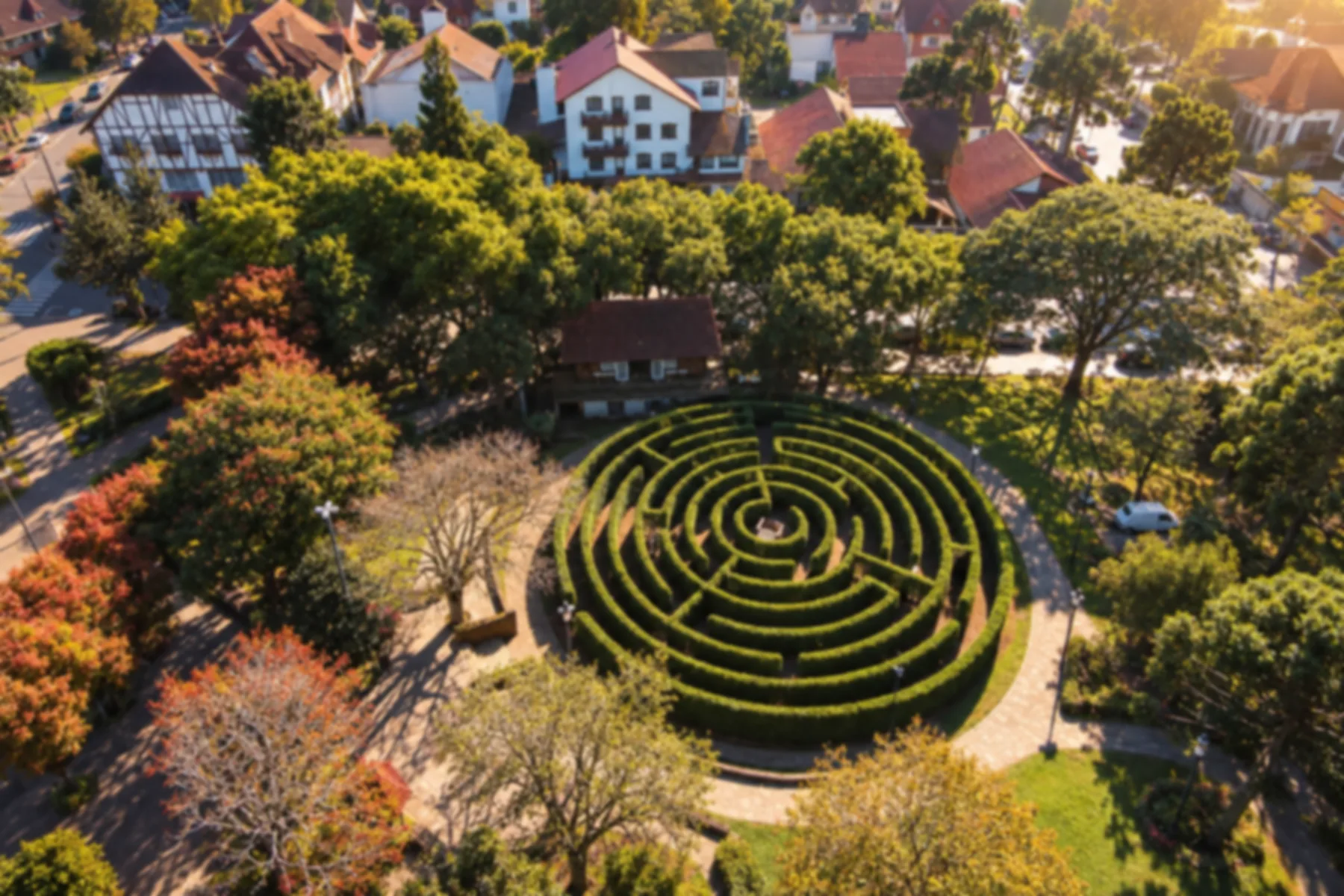
Nova Petrópolis brings together gardens and German immigrant traditions in Serra Gaúcha. You can stroll around Praça das Flores, visit the Labirinto Verde (hedge maze) and explore the rural roads nearby.
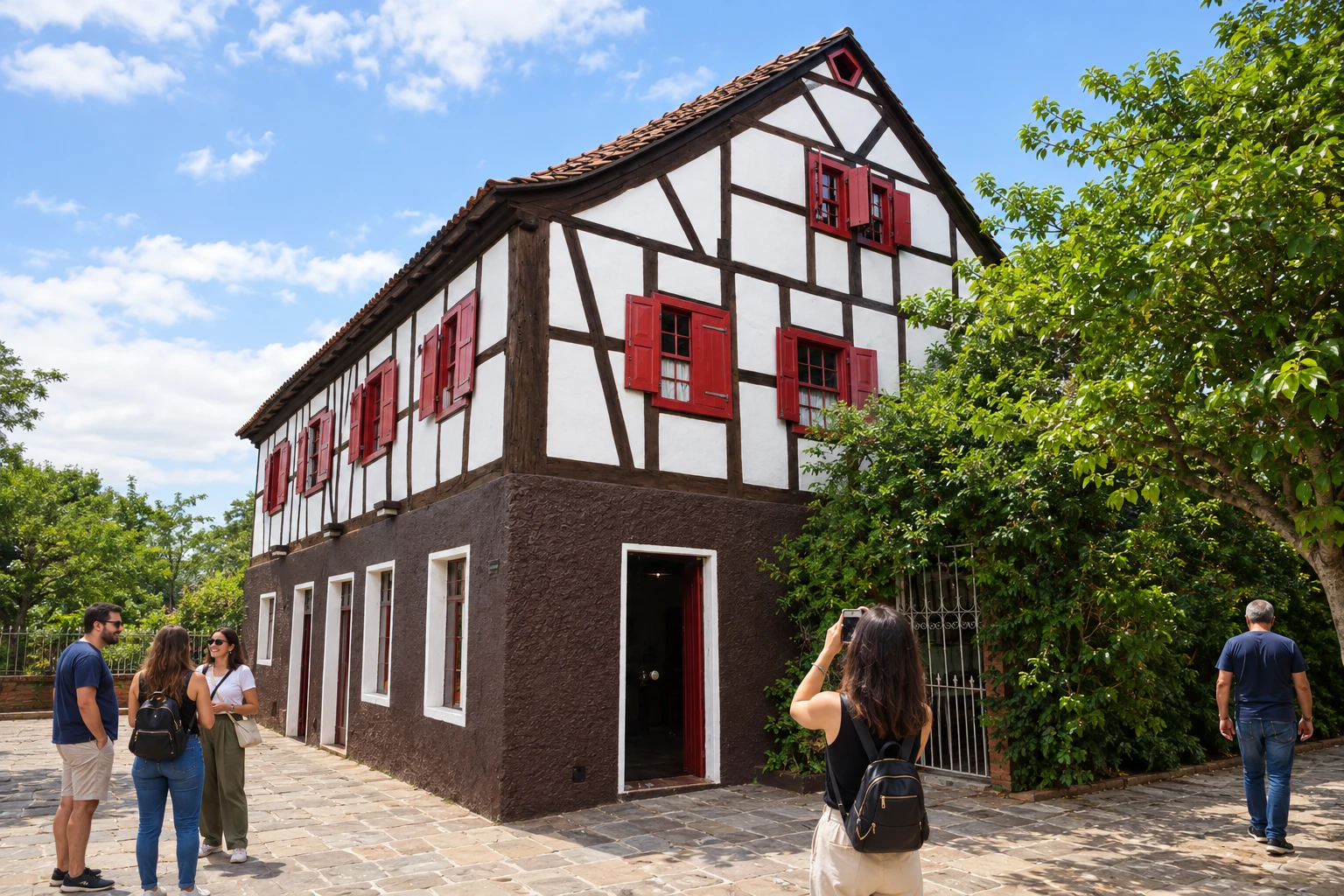
Novo Hamburgo brings together the memory of industry at the Museu Nacional do Calçado and the heritage of Hamburgo Velho at the Museu Comunitário Schmitt Presser. The Fundação Ernesto Frederico Scheffel adds art to the route. The city extends the Rota Romântica with an urban program of museums and architecture, while Lomba Grande offers a different experience connected to the countryside.
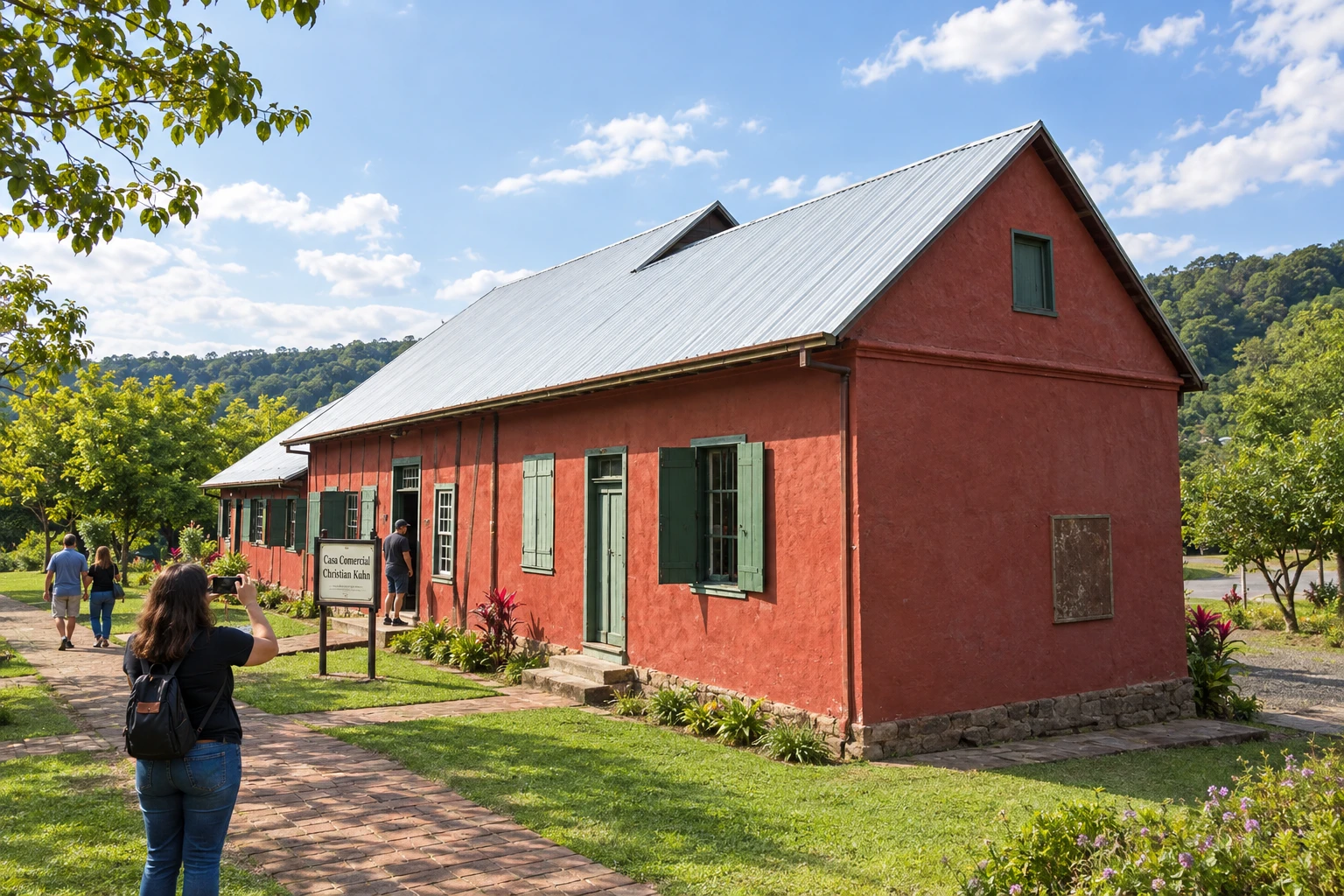
Picada Café brings together the old general store, the mill and the Kuhn family butcher shop in Parque Histórico Municipal Jorge Kuhn. The Sabores e Cafés da Colônia route brings visits closer to rural production and foods such as cuca and galinhada. A stop on the Rota Romântica can combine memories of colonial commerce with pre-arranged gastronomic experiences.
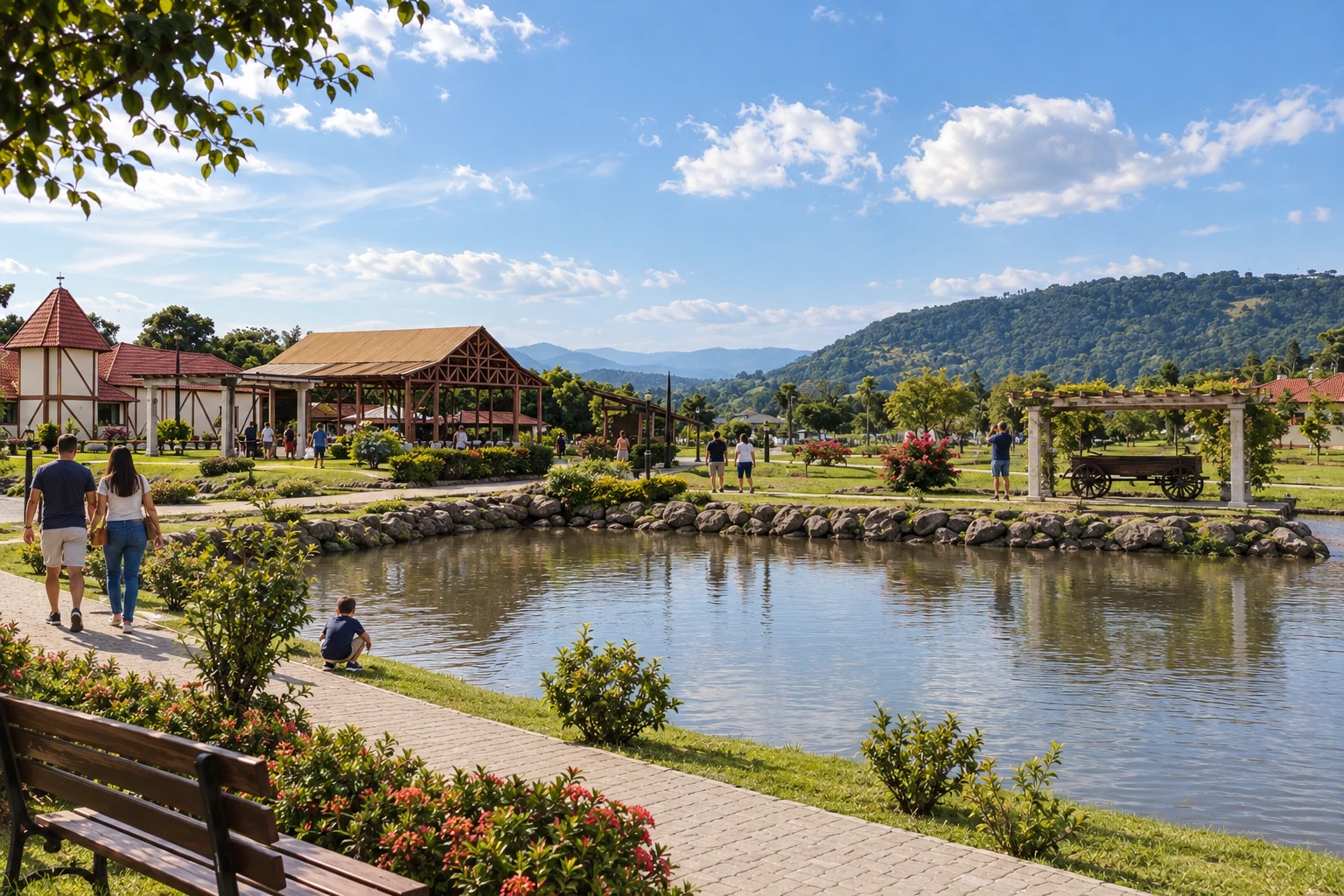
Presidente Lucena preserves references of enxaimel architecture and has schmier colonial as a product of its gastronomic identity. The SchmierFest brings these traditions together in a local celebration. On the Rota Romântica, the route can explore the link between food production, communities of German origin, and the rural landscape.
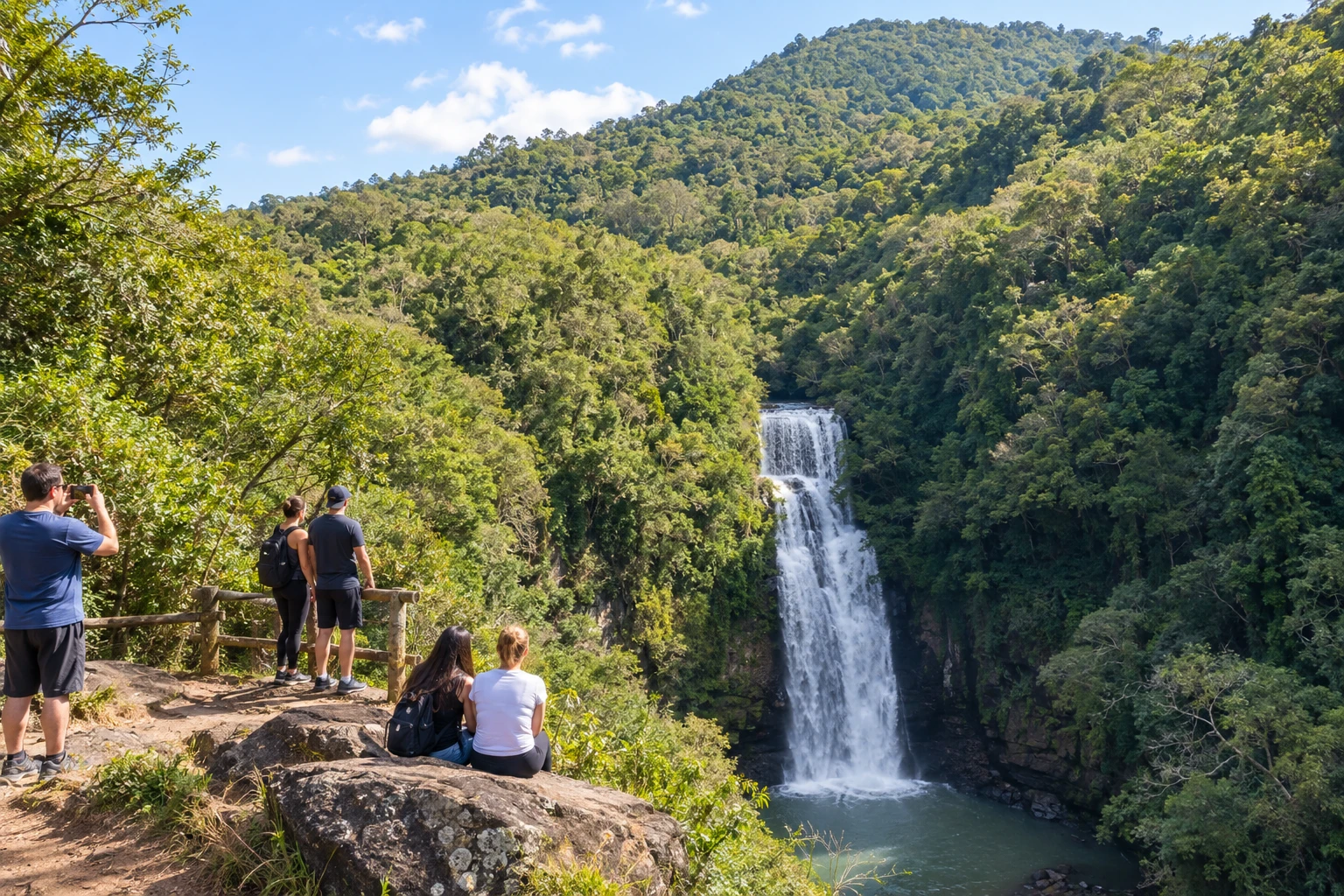
Santa Maria do Herval includes the Cascata do Herval, formed by the Rio Cadeia, and the Museu Prof. Laurindo Vier with the Memorial da Arquitetura Germânica. The Kartoffelfest celebrates potato production and the local cuisine. The town adds to the Rota Romântica a program of memory, food and landscape, with different visit points between the town center and the waterfalls.
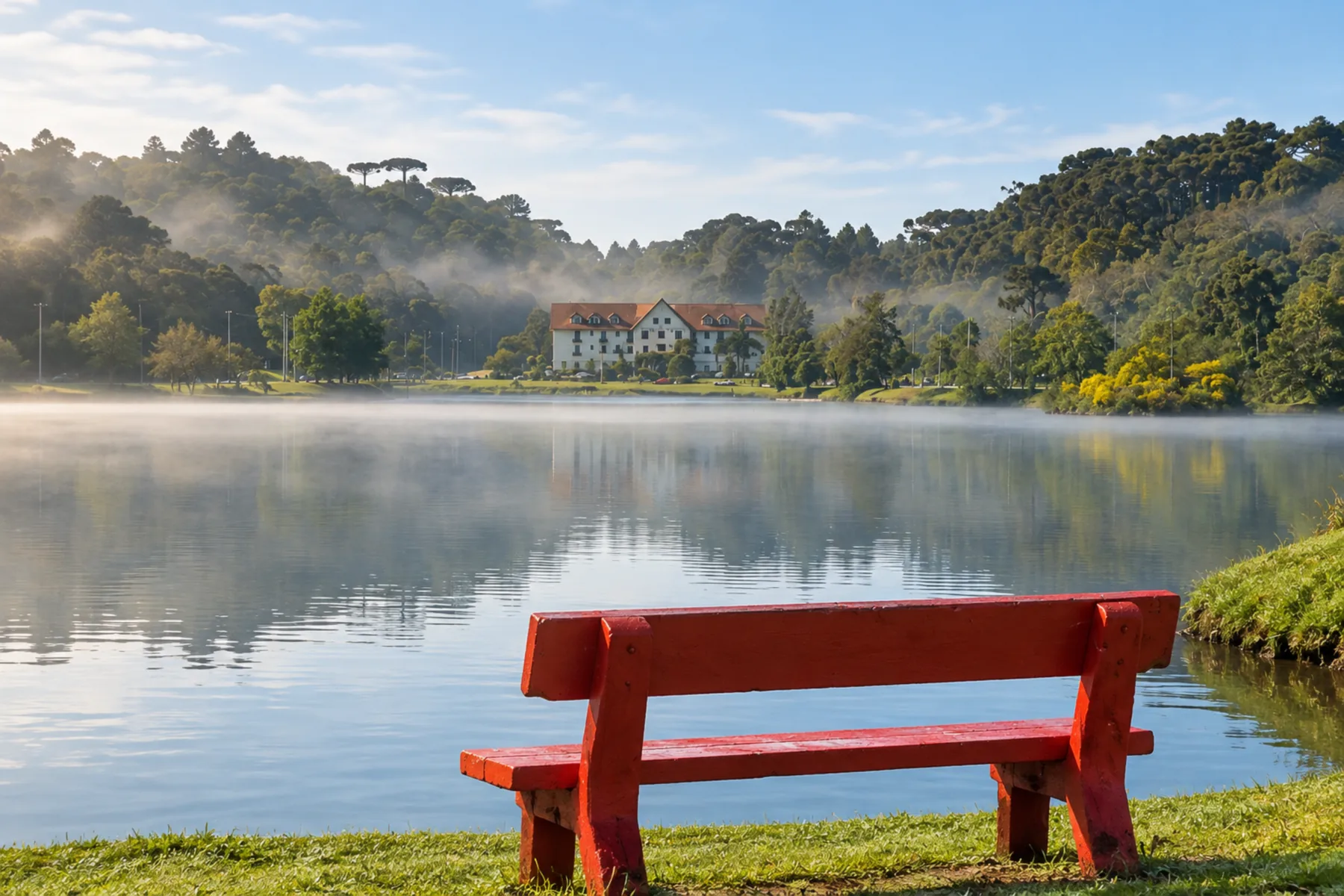
São Francisco de Paula lies in the Campos de Cima da Serra highlands, among lakes, grasslands and araucaria forests. Walks along Lago São Bernardo can be combined with outings through the town's rural landscape.
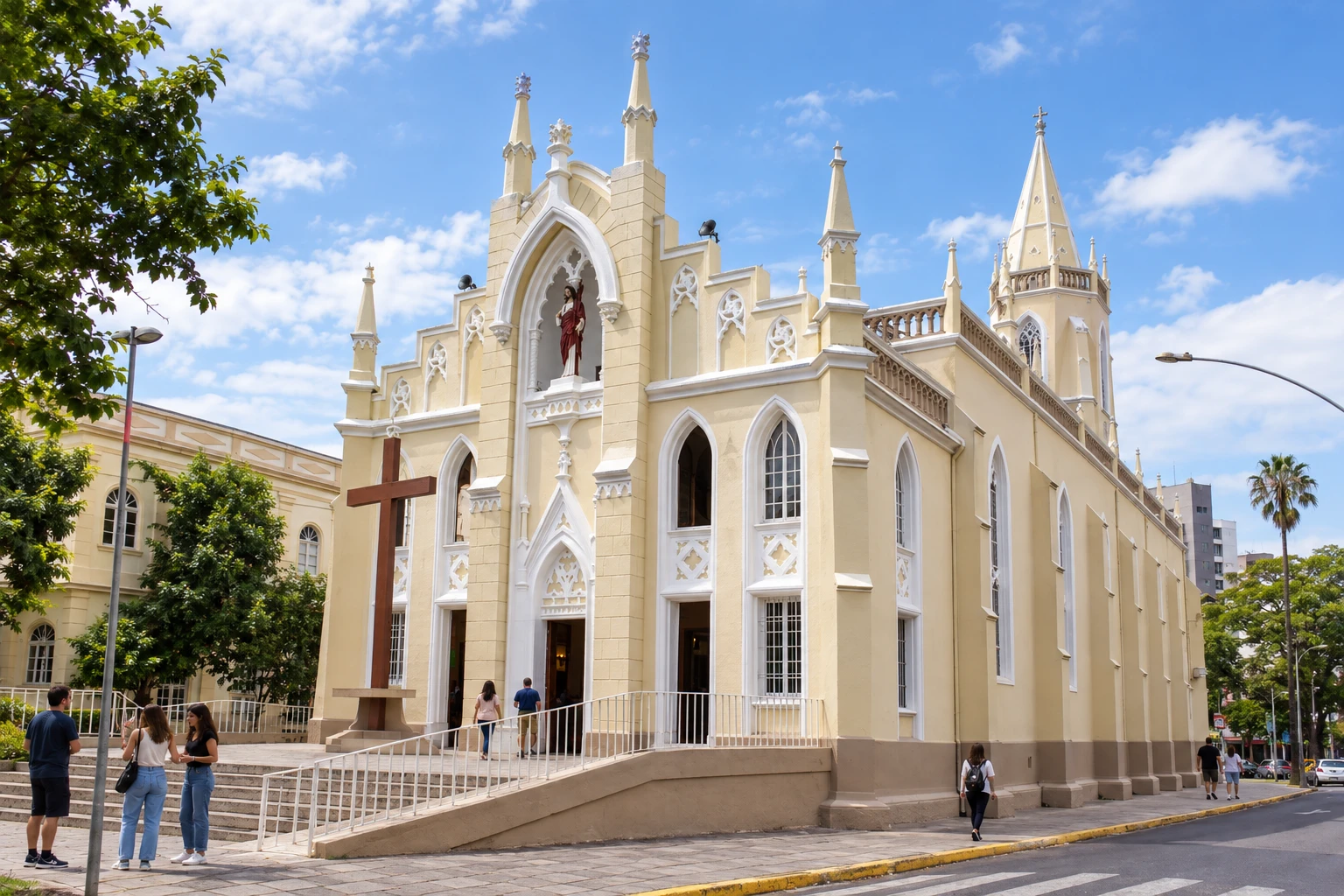
São Leopoldo showcases the history of German immigration at the Museu Histórico Visconde de São Leopoldo and the railway heritage at the Museu do Trem, housed in the first station built in Rio Grande do Sul. The Casa do Imigrante, in the Feitoria, broadens the interpretation of that past. The city has an urban life and its own heritage at the start of the Rota Romântica, before the mountainous scenery.
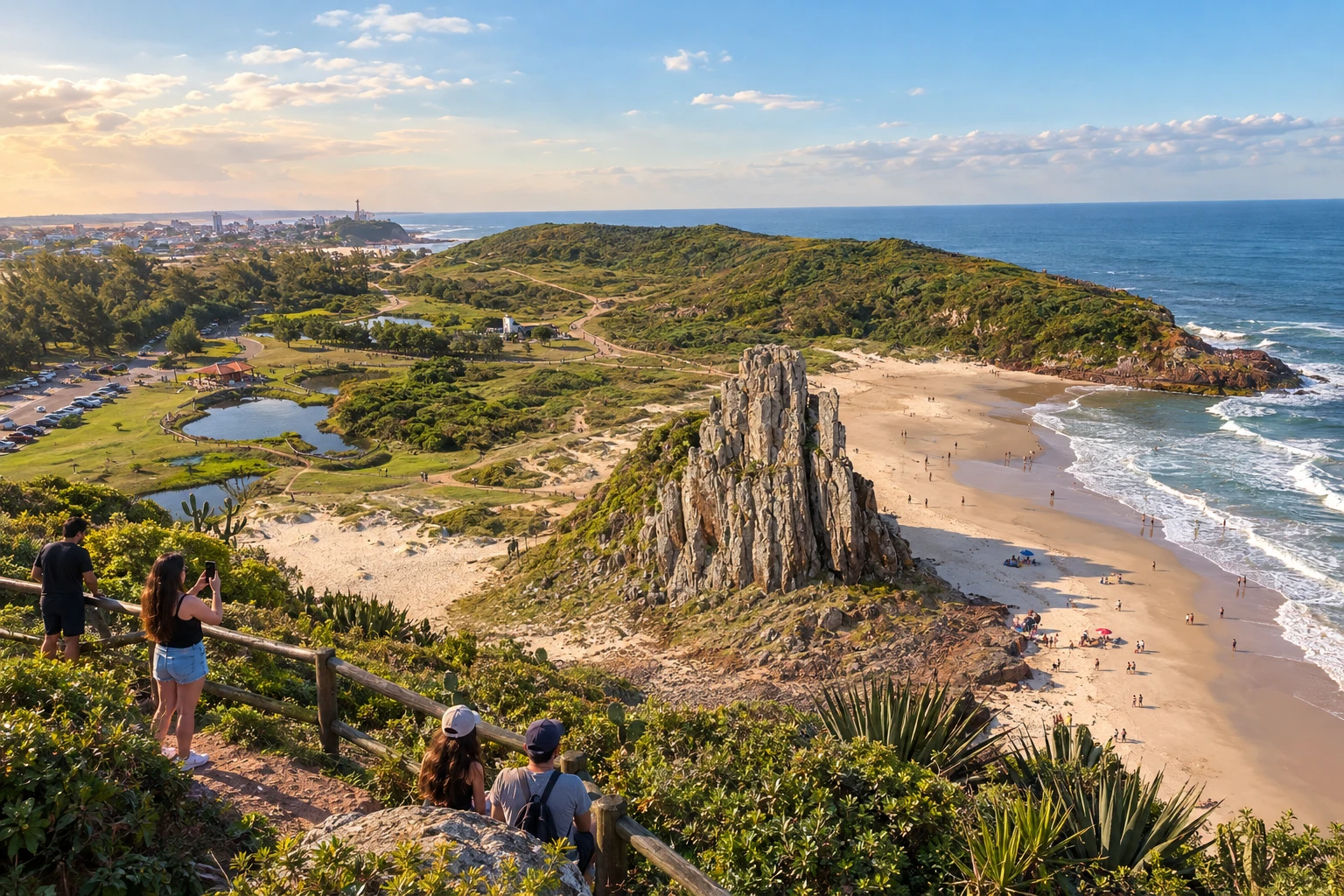
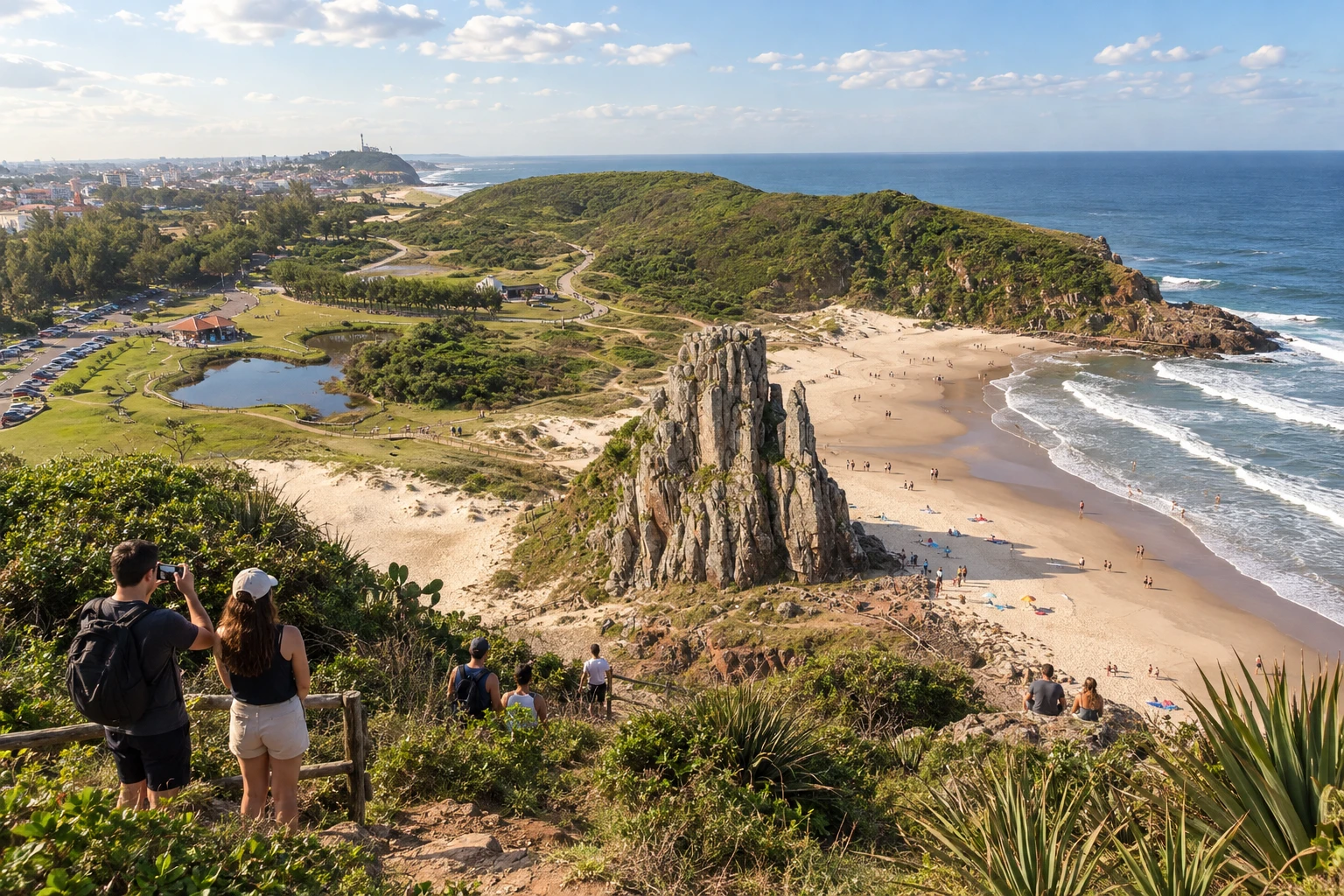
Torres combines beaches and rocky formations at the northern tip of the gaúcho coast. Parque da Guarita allows you to observe the 'towers' landscape by the sea, and Morro do Farol offers views of the coastline. Prainha and Praia Grande complete an itinerary with walking, contemplation and relaxation.
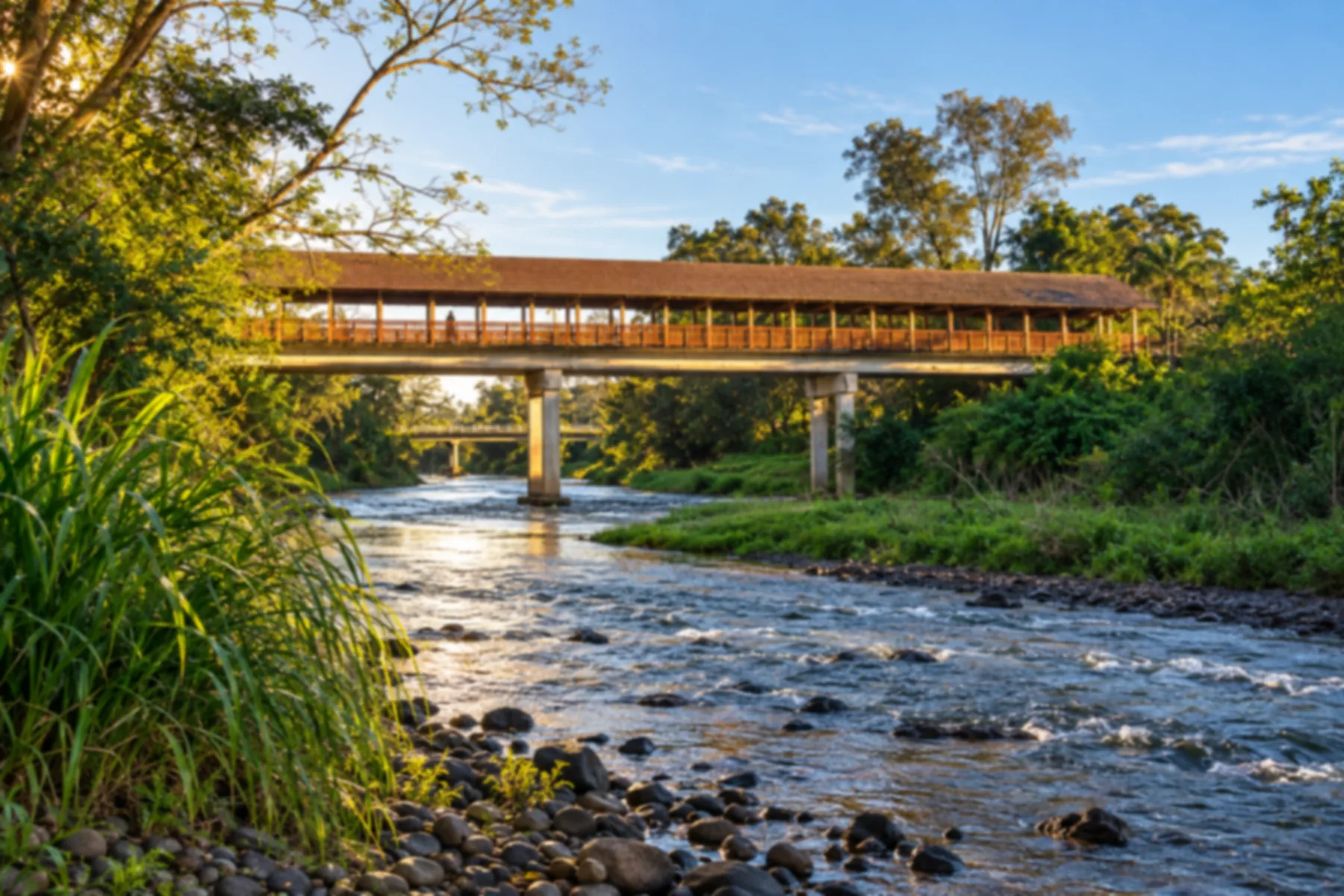
Três Coroas lies in the Vale do Paranhana, among rivers and hills near Serra Gaúcha. You can stroll along the riverbanks, see the covered bridge and enjoy outdoor activities in the surrounding area.
Routes