5 cities

 Search
Brazil
 Antarctica
 Argentina
 Bolivia
 Chile
 Colombia
 Ecuador
 Guyana
 French Guiana
 Falkland Islands (Malvinas)
 Paraguay
 Peru
 Suriname
 Uruguay
 Venezuela
 Germany
 Austria
 Belgium
 Croatia
 Denmark
 Slovakia
 Slovenia
 Spain
 Finland
 France
 Greece
 the Netherlands
 Hungary
 Ireland
 Iceland
 Italy
 Luxembourg
 Norway
 Poland
 Portugal
 the United Kingdom
 the Czech Republic
 Sweden
 Switzerland
 Turkey
 Bermuda
 Canada
 the United States
 Greenland
 Mexico
 Saint Pierre and Miquelon
 the Dominican Republic
 JapanTurkey
 South Africa
 Egypt
 Australia
 Fiji
 New Zealand
 Papua New Guinea
State · Northeast
In Rio Grande do Norte the wind rules: it lifts dunes in Natal, fills sails in São Miguel do Gostoso and shapes the cliffs of Pipa.
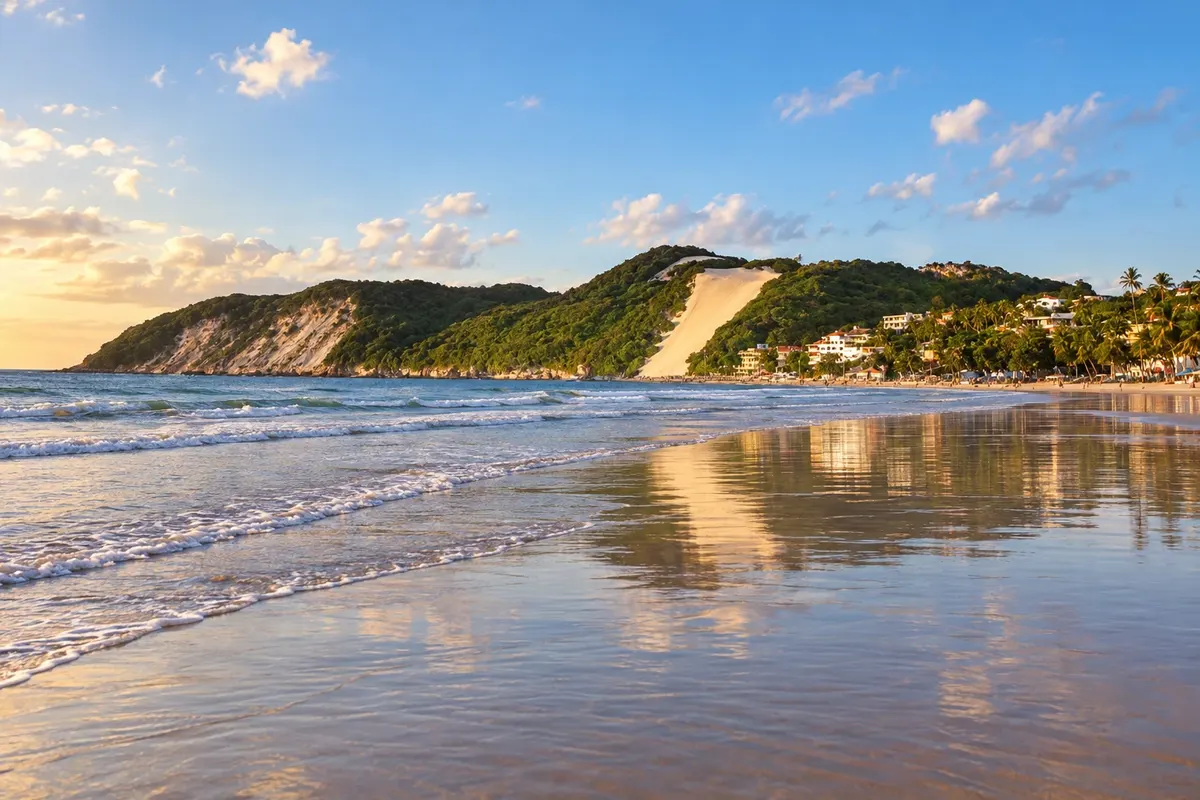
In the photo: Morro do Careca and Praia de Ponta Negra, Natal (RN)
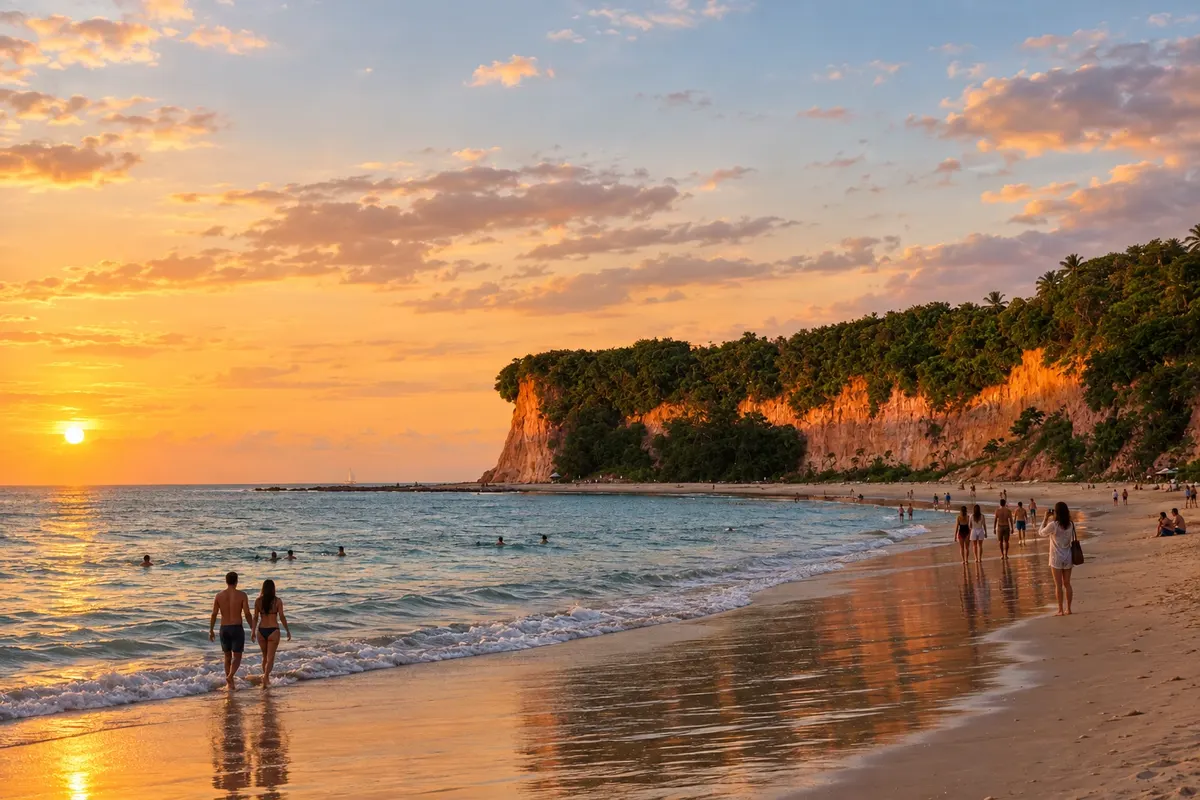
Illustrative images. The pictures in this guide are illustrations based on the real place, not photographs, and may differ from it.
The state
Natal was born beside the Forte dos Reis Magos, built at the end of the 16th century at the mouth of the Rio Potengi. Today the city stretches along the Via Costeira to Ponta Negra, an urban beach closed off by the Morro do Careca, a dune whose ascent is prohibited. On the other side of the river, across the Ponte Newton Navarro, Redinha shows its swing with tapioca — little fried fish inside tapioca. North of the capital, the dunes of Genipabu are the state's most sought-after buggy tour. Carne de sol, paçoca, camarão and queijo de manteiga round out the potiguar cuisine, and in December the Carnatal fills the streets.
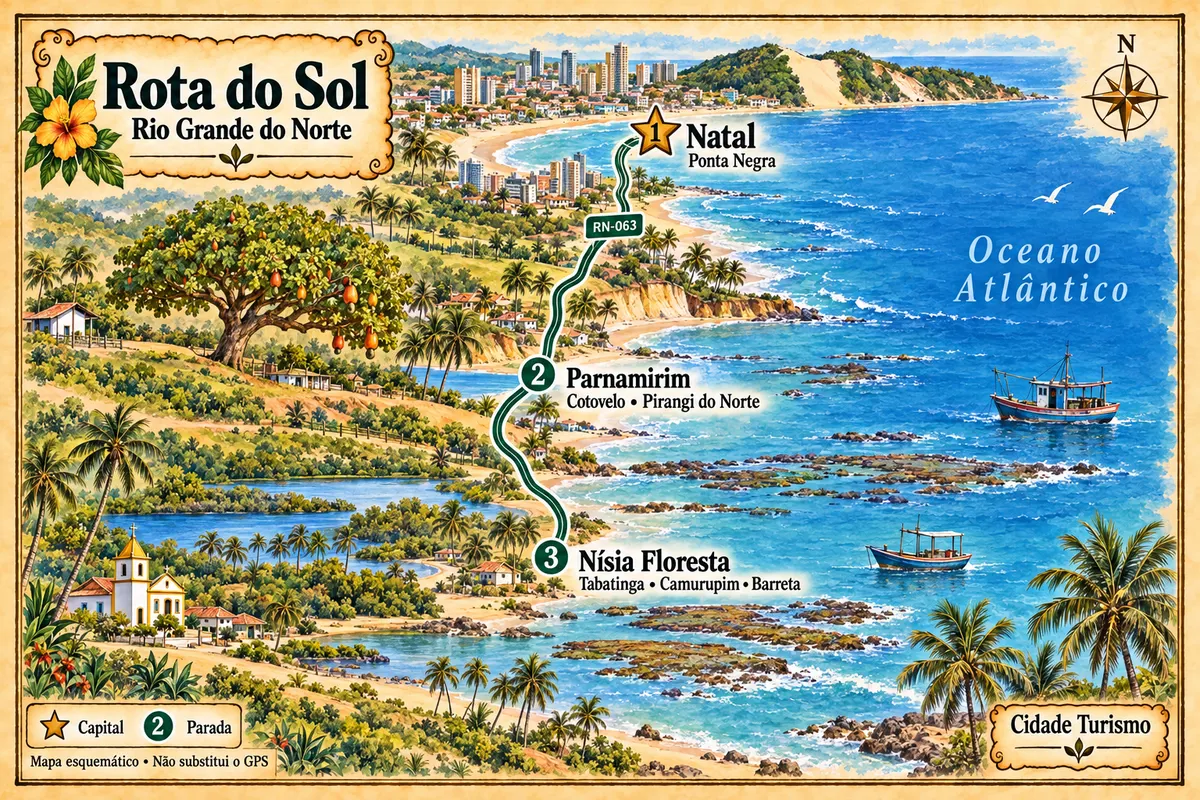
Just to the south begins the Litoral Sul do Rio Grande do Norte (Pipa and Rota do Sol). The Rota do Sol runs through Pirangi, with the giant cashew tree, and reaches Nísia Floresta, home of the writer who gives the municipality its name and of the Lagoa do Bonfim. Senador Georgino Avelino has Praia de Malembá and the banks of the Lagoa de Guaraíras. In Tibau do Sul lies Pipa, a village on cliffs, with the Baía dos Golfinhos, the Chapadão and the Santuário Ecológico. Canguaretama, further south, has Barra do Cunhaú and the engenho linked to the memory of the martyrs of 1645.
Destinations
Cities
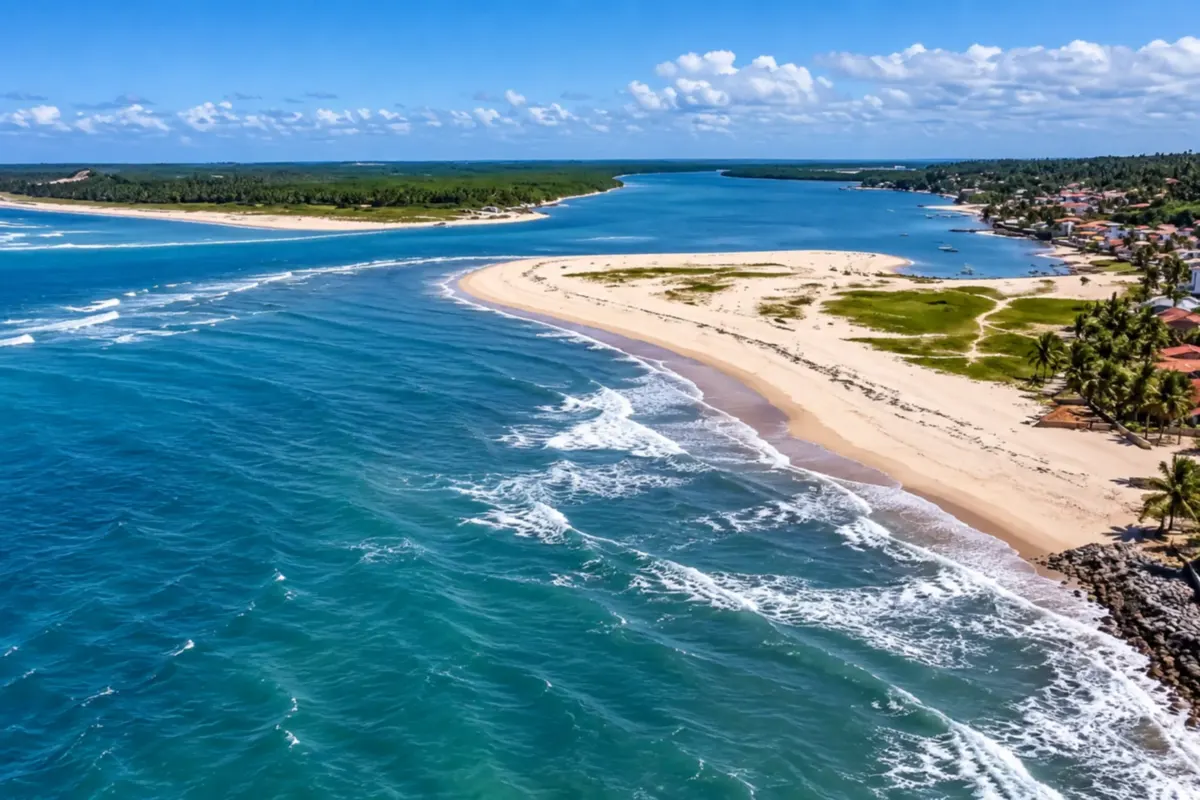
Canguaretama brings together history and coastal scenery in southern Rio Grande do Norte. In Barra do Cunhaú, beaches, coconut groves and estuary waters make up a setting tied to fishing and wind sports.
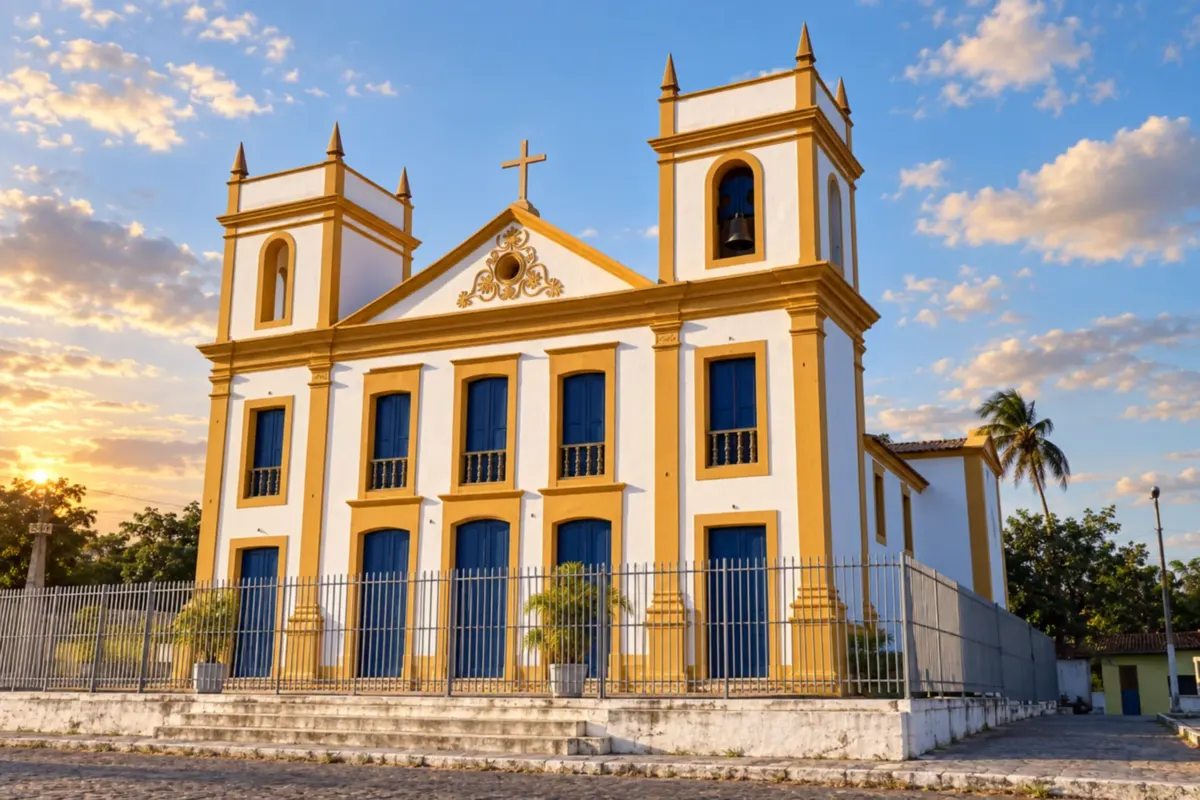
Nísia Floresta combines lagoons, beaches and references to the writer the town is named after. Downtown, the Igreja de Nossa Senhora do Ó (church) is part of the town's religious heritage and historic landscape.
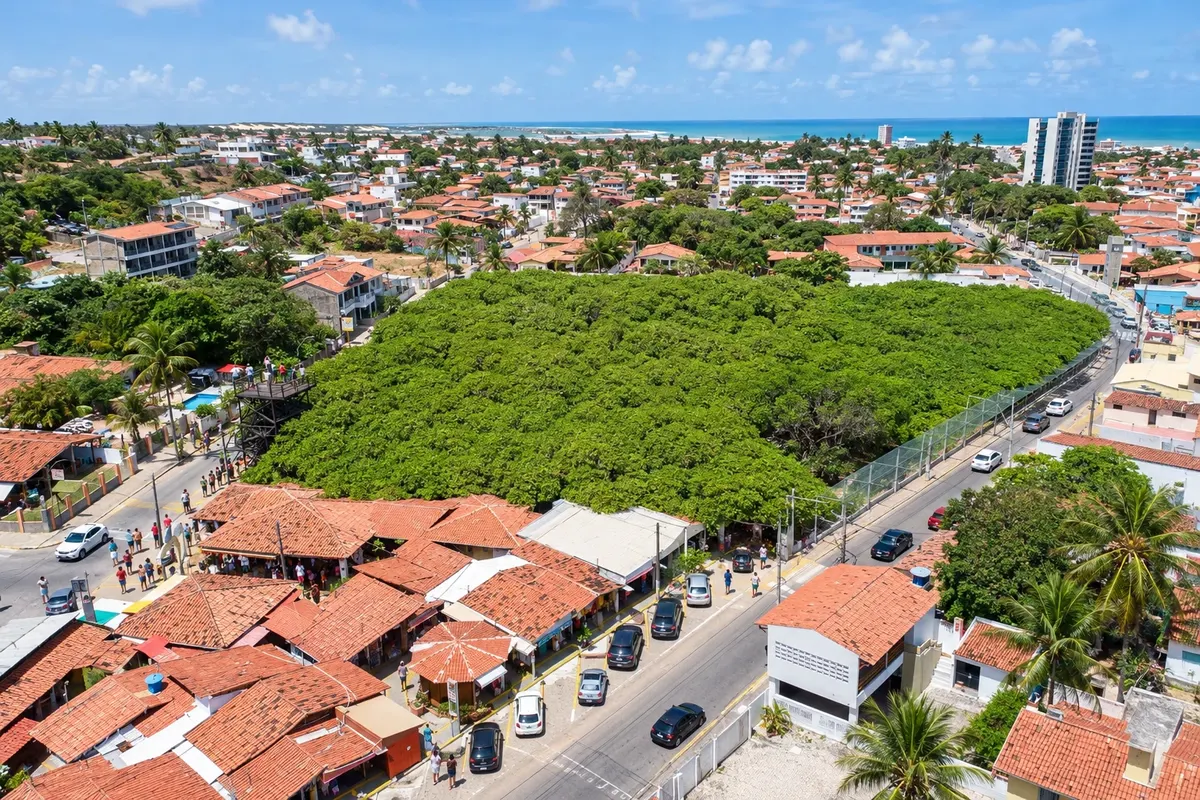
Parnamirim brings together the Cajueiro de Pirangi and the cliffs of Praia de Cotovelo on its coast. The memory of aviation and World War II is preserved at the Centro Cultural Trampolim da Vitória, housed in the former Aeroporto Augusto Severo. Pirangi do Norte adds beach and summertime life to a stop along the Rota do Sol.
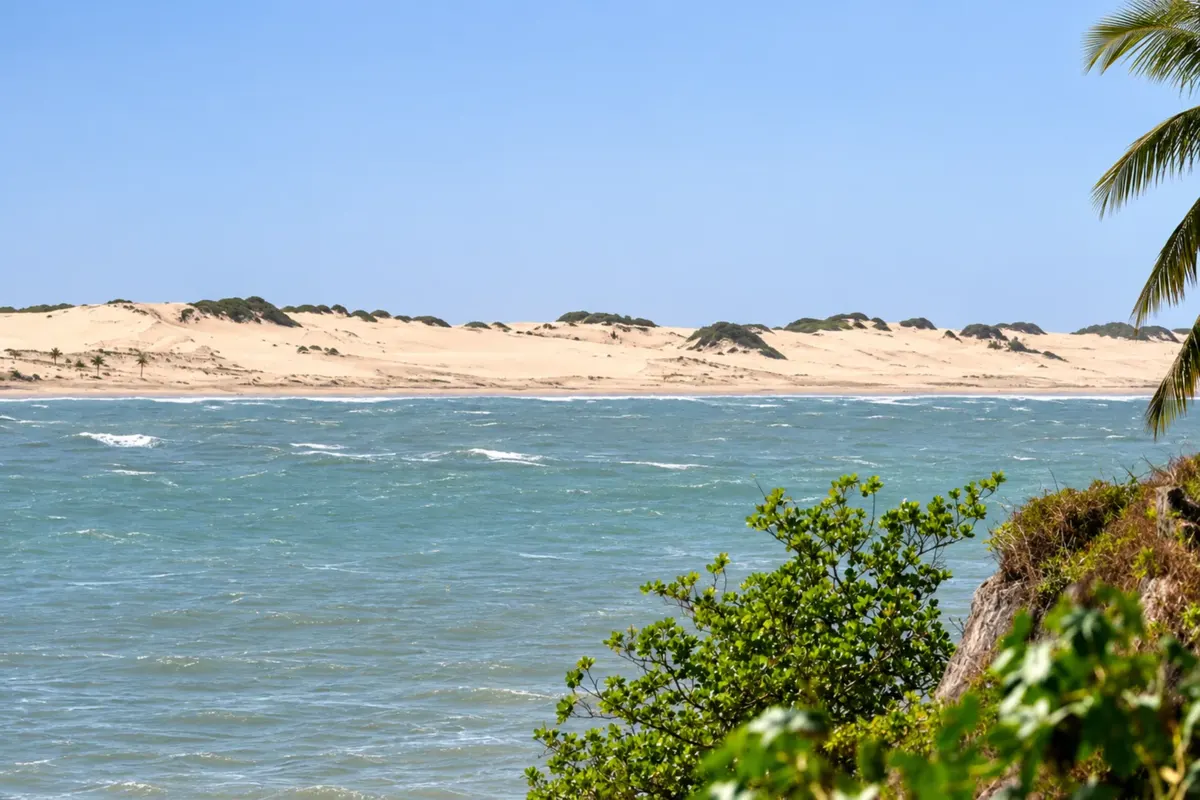
Senador Georgino Avelino has landscapes of dunes, lagoons and coastal vegetation on the Rio Grande do Norte coast. Praia de Malembá offers long stretches of sand and views of the Atlantic in a barely developed setting.
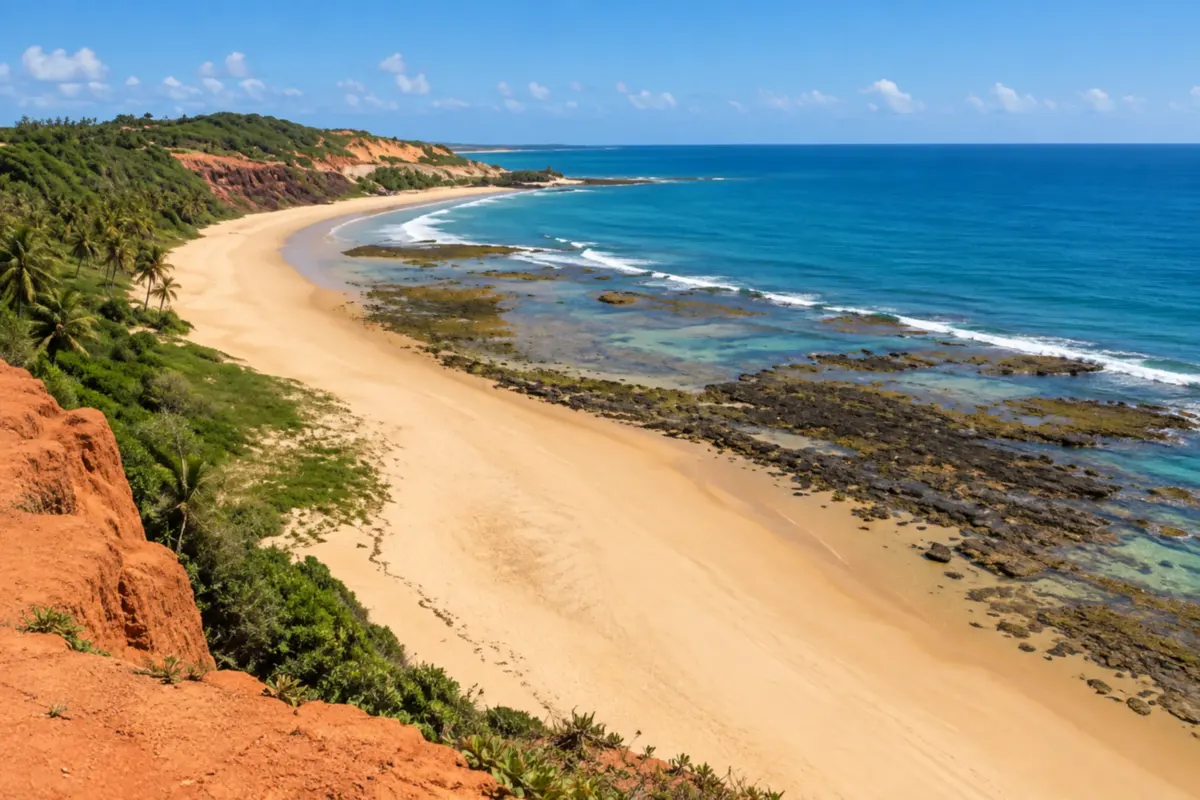
Tibau do Sul brings together cliffs, beaches and the scenery of Lagoa de Guaraíras. In the district of Pipa, Praia do Amor and Chapadão reveal where colorful cliffs, sand and the sea of the Rio Grande do Norte coast meet.
Routes
The potiguar coast has sun most of the year. It rains more from March to July, heaviest in April and May. The wind grows stronger between July and December, the kitesurf season in São Miguel do Gostoso. December opens the high season, with Carnatal in Natal; it continues through February and returns during the July holidays. In Pipa, low tide opens a walking route by foot between some beaches at the foot of the cliffs.
Governador Aluízio Alves International Airport is in São Gonçalo do Amarante, in Natal's metropolitan area. The BR-101 links Natal to João Pessoa and Recife and provides access to the southern coast; Pipa is about 85 kilometers from the capital. The Rota do Sol, the RN-063, runs along the coast to Pirangi and Búzios. São Miguel do Gostoso is a little over 100 kilometers to the north, via the BR-101 and state roads. The BR-304 leads to Mossoró and to Ceará.
Your questions
Yes. The village is small and easily explored on foot, with guesthouses, restaurants and shops on the main street. From the airport and from Natal there are shuttle transfers and intermunicipal buses. For Barra do Cunhaú or the lagoons, book a tour or a taxi.
It's done with licensed buggy drivers who run across the dunes in authorized sections. The driver asks whether you want the tour with or without 'emotion'—that is, with steep descents or not. The route includes lagoons, the ferry crossing and stops at viewpoints.
In the Baía dos Golfinhos, reachable along the sand at low tide or by boat tour. They appear frequently near the beach. Do not try to touch or feed the animals.
The second half of the year brings steadier winds, the period most sought after for kitesurfing and windsurfing. In the first half the wind eases and the sea becomes calmer, good for those who just want the beach.
Ponta Negra is home to hotels, restaurants and the view of the Morro do Careca. The Via Costeira has seaside resorts, more secluded. Areia Preta and Praia do Meio are closer to the city center and to the Forte dos Reis Magos.
Five or six days allow three nights in Natal, with Genipabu and the southern coast on day trips, and two or three in Pipa. Those who include São Miguel do Gostoso will need two more days.
Mapa: @svg-maps/brazil, CC BY 4.0
Beyond the guide