The state
Get to know Piauí
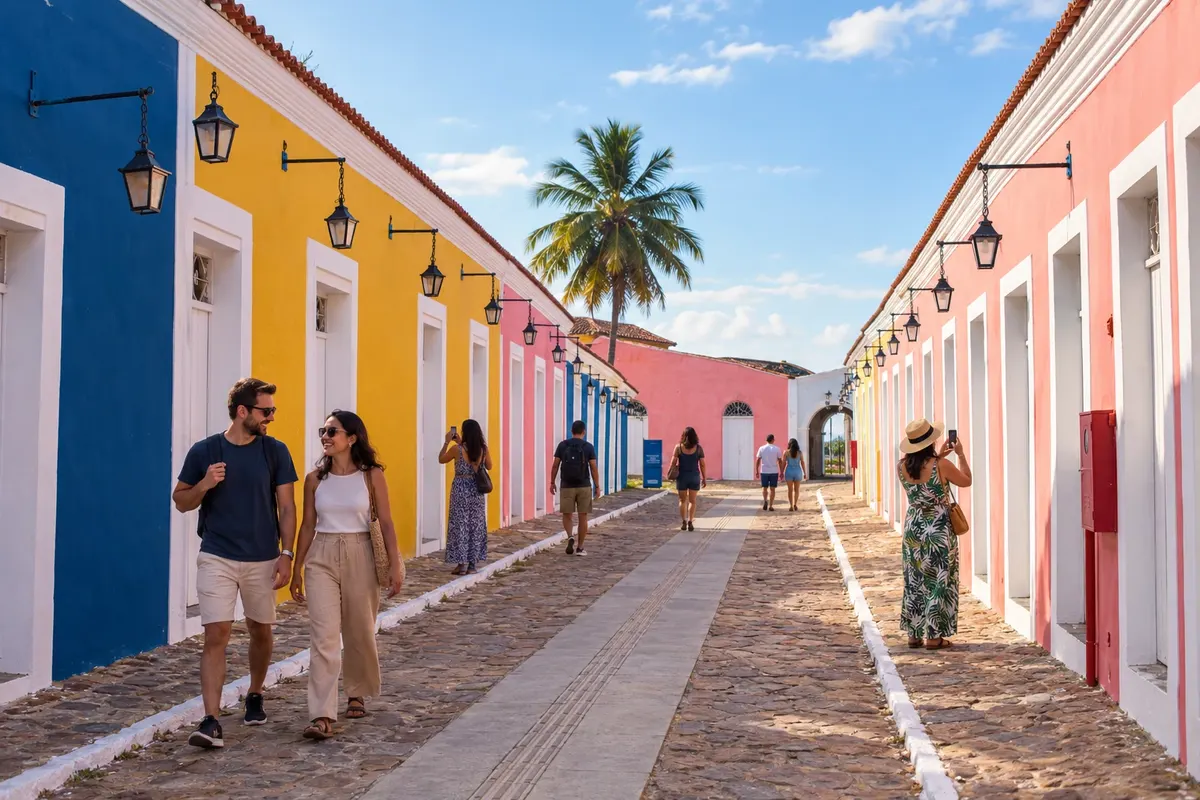
Teresina is the only northeastern capital that is far from the sea. It was planned in the 19th century between the Parnaíba and Poti rivers, which meet in the northern area at the Parque Ambiental Encontro dos Rios. Heat sets the city's pace, and the nightlife spreads across bars and sidewalks. In the Poti Velho neighborhood, the ceramic hub works the river clay; at Praça Pedro II, the Central de Artesanato brings together pieces from across the state.
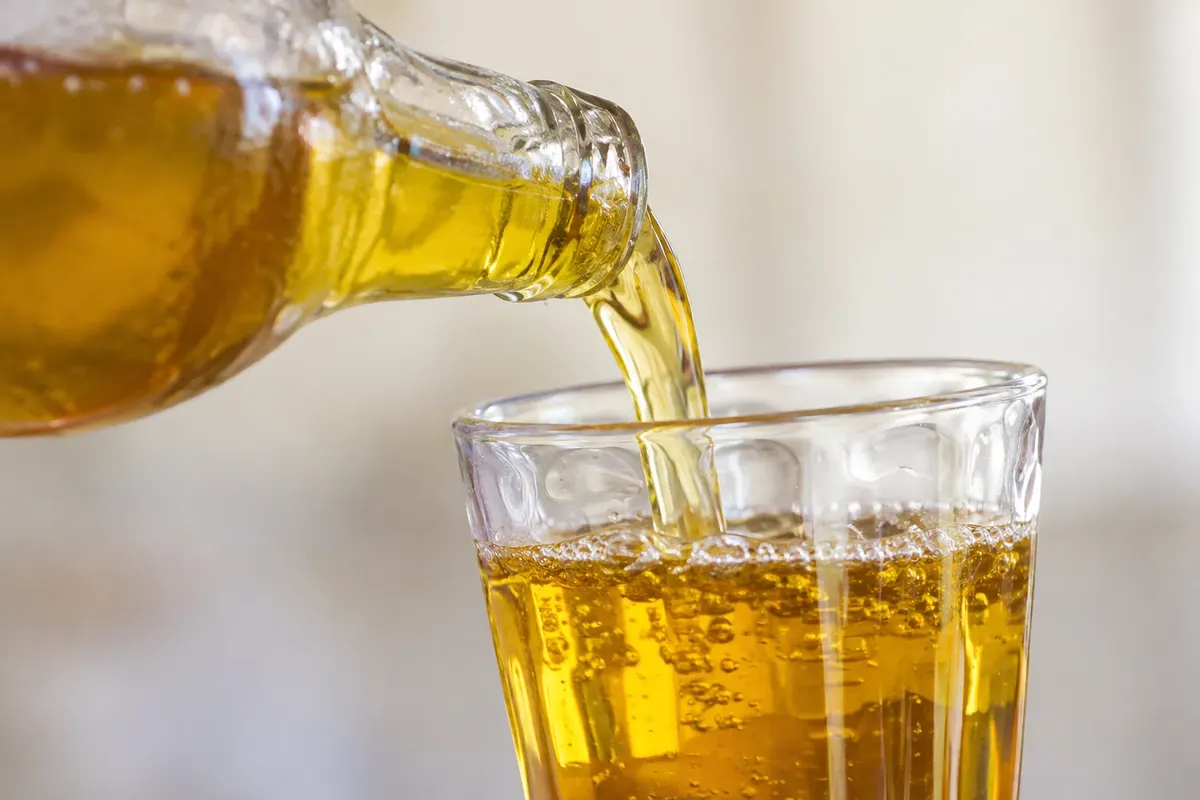
Piauiense cuisine makes heavy use of carne de sol and capote, the local name for guinea fowl. Maria Isabel, rice cooked with chopped carne de sol, is an everyday dish. Cajuína, a clear drink made from cashew juice, has its method of preparation registered as cultural heritage of Brazil and appears on every table alongside paçoca and cashew sweets.
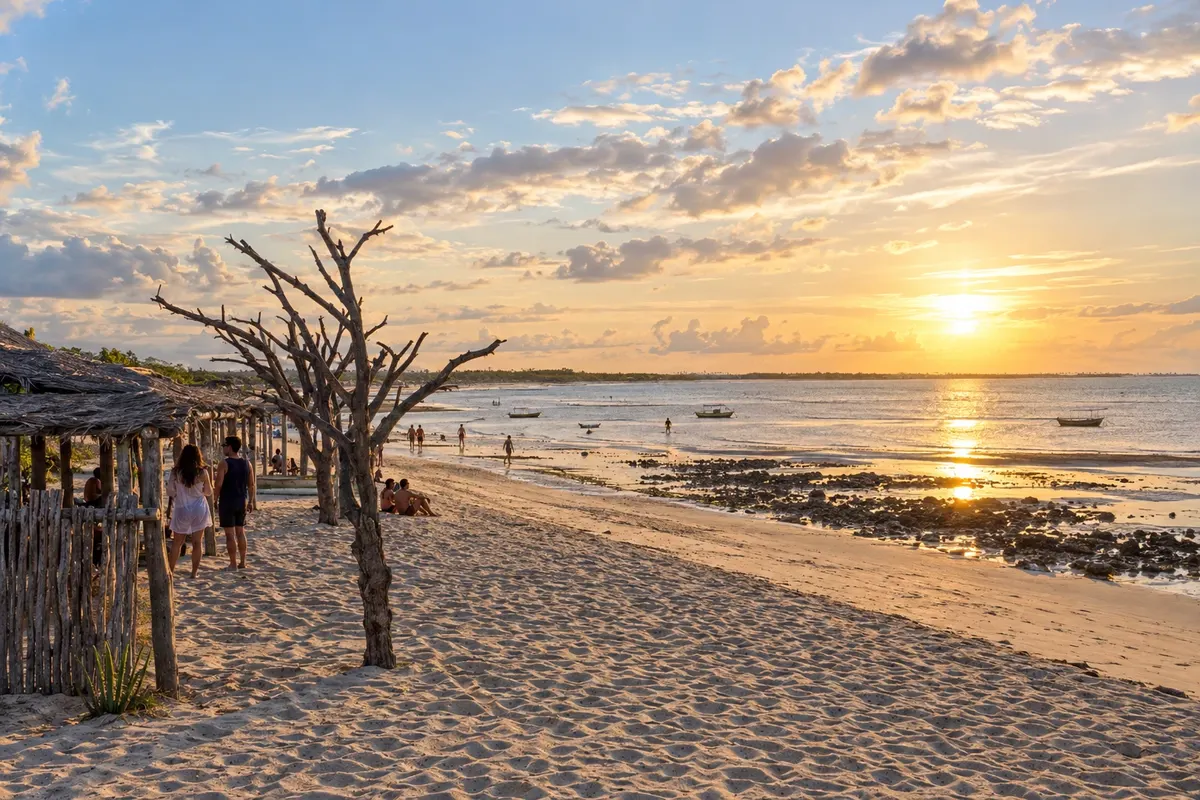
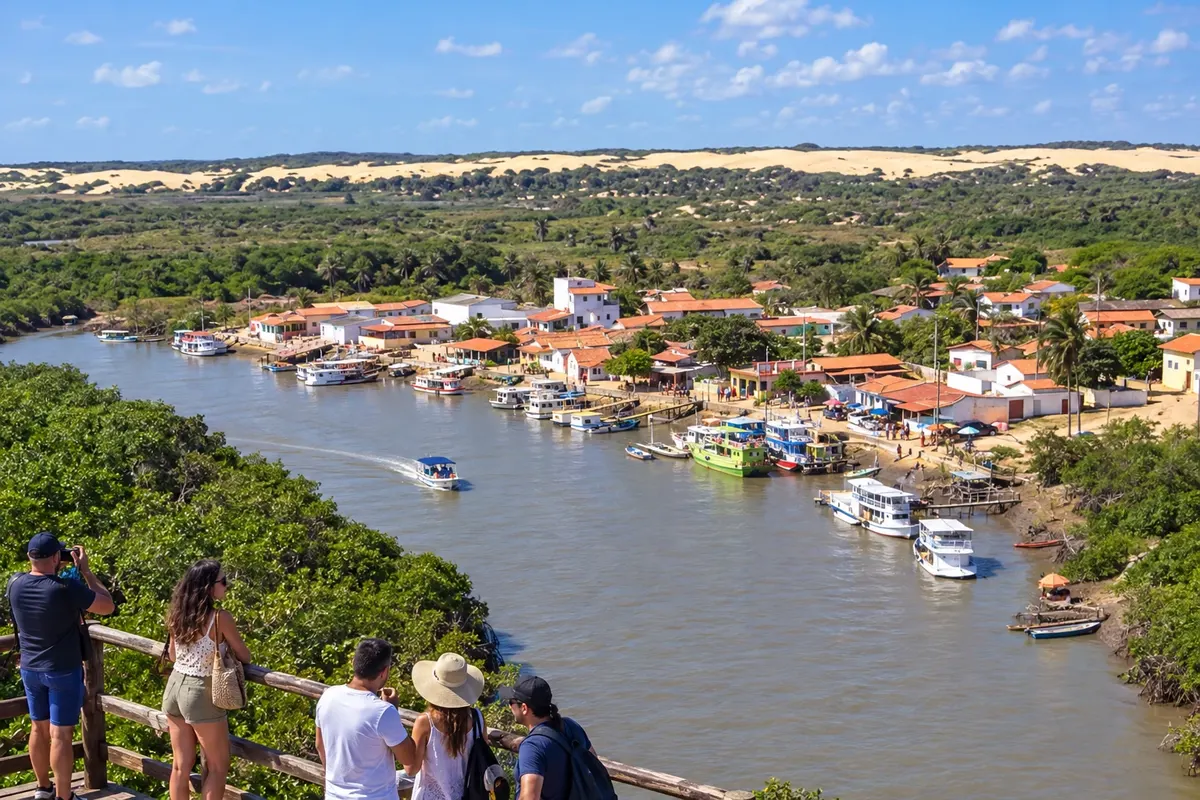
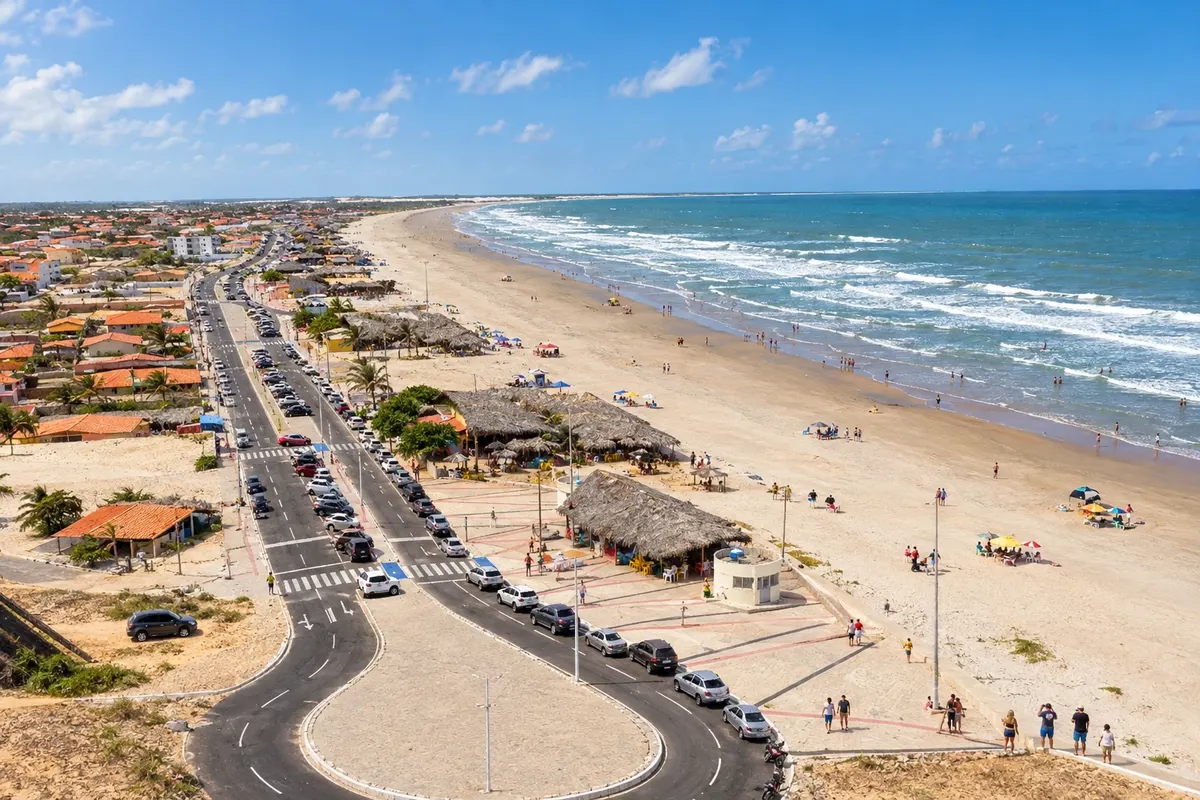
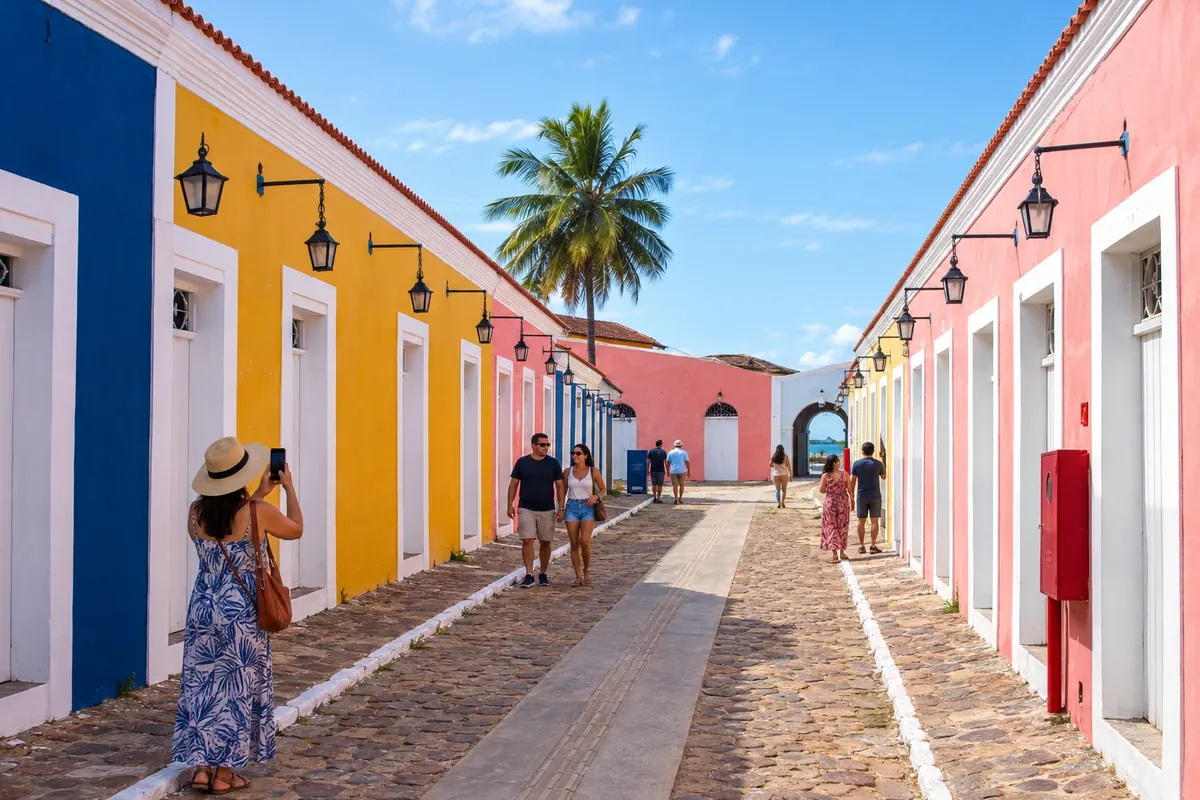
The Costa do Delta occupies the entire coastline. Parnaíba is the base city, with the Porto das Barcas, warehouses from the time the port shipped carnaúba wax and hides. Ilha Grande has the Porto dos Tatus, from which boats depart for the Delta do Parnaíba, winding through channels, mangrove islets and dunes until the flight of the guarás at the end of the day. Luís Correia concentrates the most urbanized beaches, such as Atalaia and Coqueiro. In Cajueiro da Praia are the village of Barra Grande, sought after by kitesurfers, and the Cajueiro-Rei, a tree whose canopy covers a huge area.
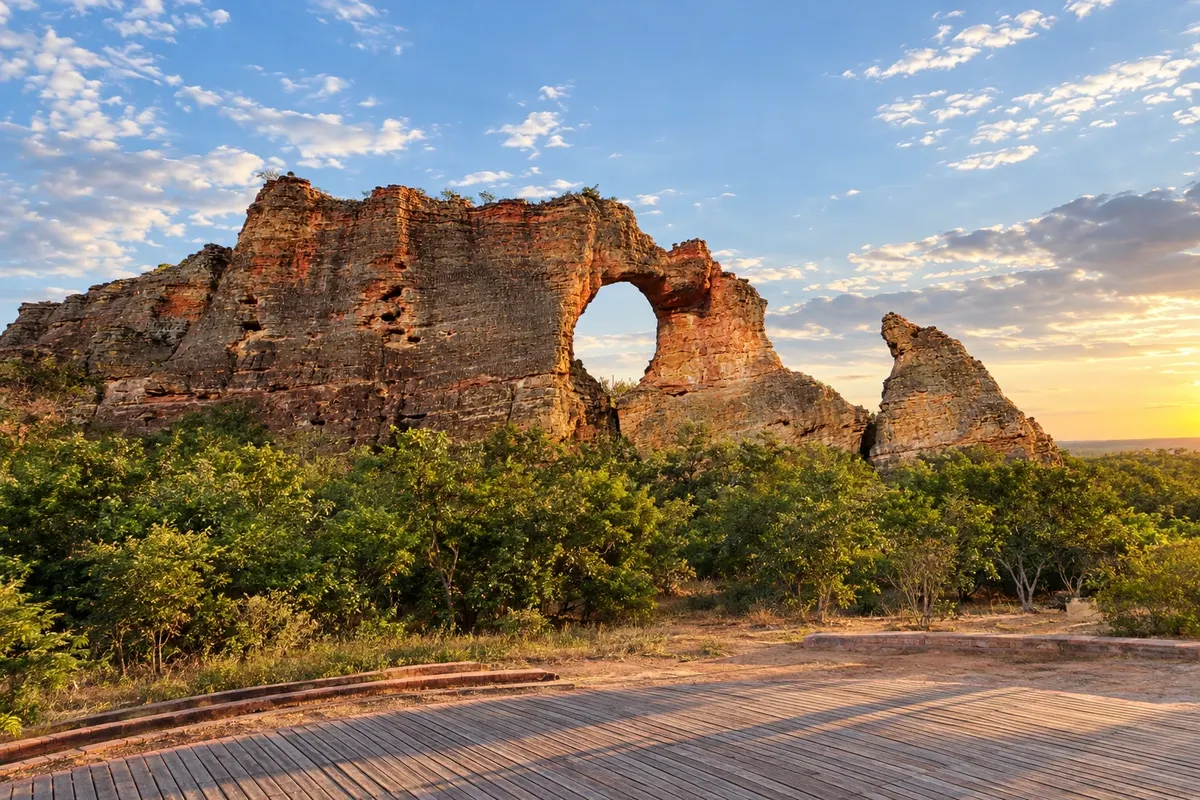
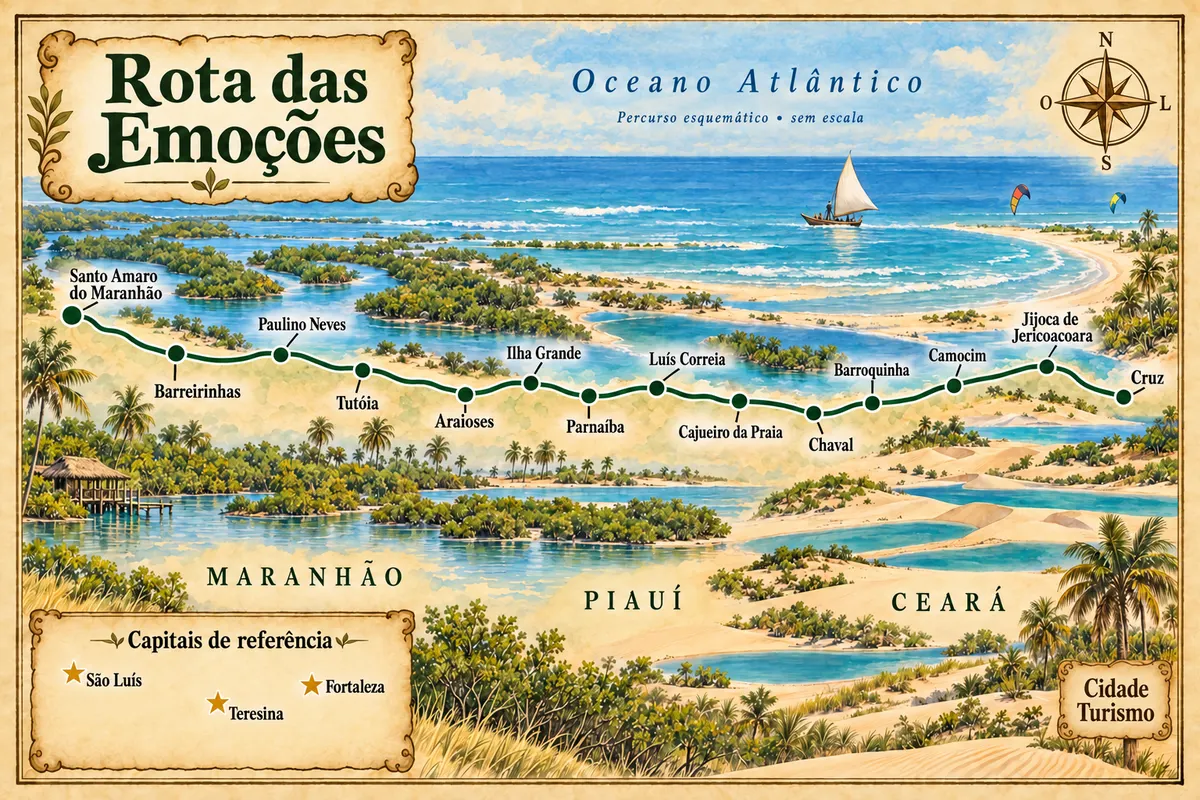
The Delta is the only one in the open sea in the Americas and is part of the Rota das Emoções, which links the Piauí coast to the Lençóis Maranhenses and Jericoacoara. In the estuary of the Timonha and Ubatuba rivers, in Cajueiro da Praia, the marine manatee lives. Inland, in the southeast of the state, the Parque Nacional da Serra da Capivara is a World Heritage Site for its rock paintings.


 Antarctica
 Argentina
 Bolivia
 Chile
 Colombia
 Ecuador
 Guyana
 French Guiana
 Falkland Islands (Malvinas)
 Paraguay
 Peru
 Suriname
 Uruguay
 Venezuela
 Germany
 Austria
 Belgium
 Croatia
 Denmark
 Slovakia
 Slovenia
 Spain
 Finland
 France
 Greece
 the Netherlands
 Hungary
 Ireland
 Iceland
 Italy
 Luxembourg
 Norway
 Poland
 Portugal
 the United Kingdom
 the Czech Republic
 Sweden
 Switzerland
 Turkey
 Bermuda
 Canada
 the United States
 Greenland
 Mexico
 Saint Pierre and Miquelon
 the Dominican Republic
 Japan
 South Africa
 Egypt
 Australia
 Fiji
 New Zealand
 Papua New Guinea