1 city

State · Southeast
Illustrative images. The pictures in this guide are illustrations based on the real place, not photographs, and may differ from it.

Destinations
Cities
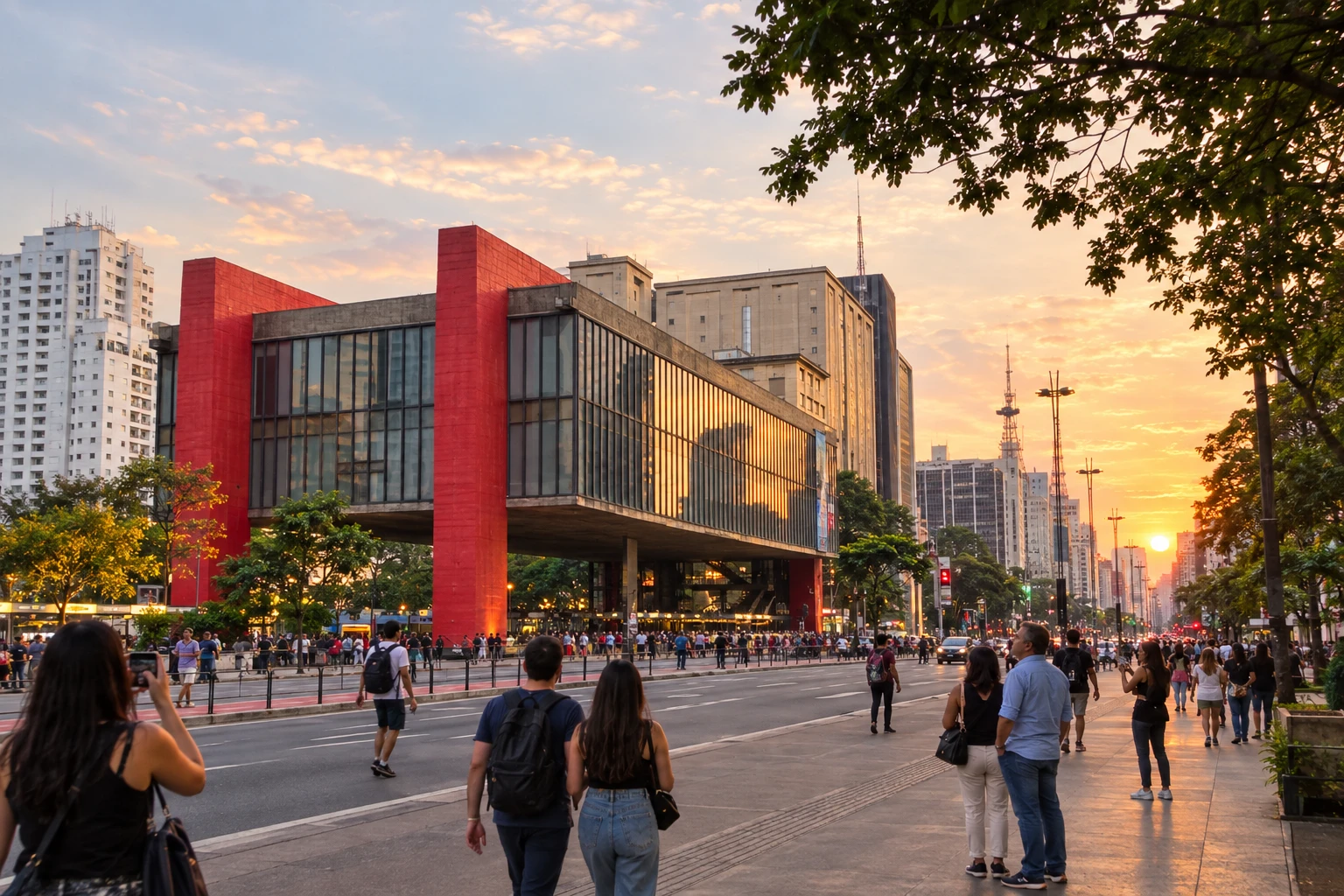
São Paulo combines urban parks, historic architecture and a wide network of cultural spaces. Walks through downtown and along Avenida Paulista can be combined with visits to museums and gardens.
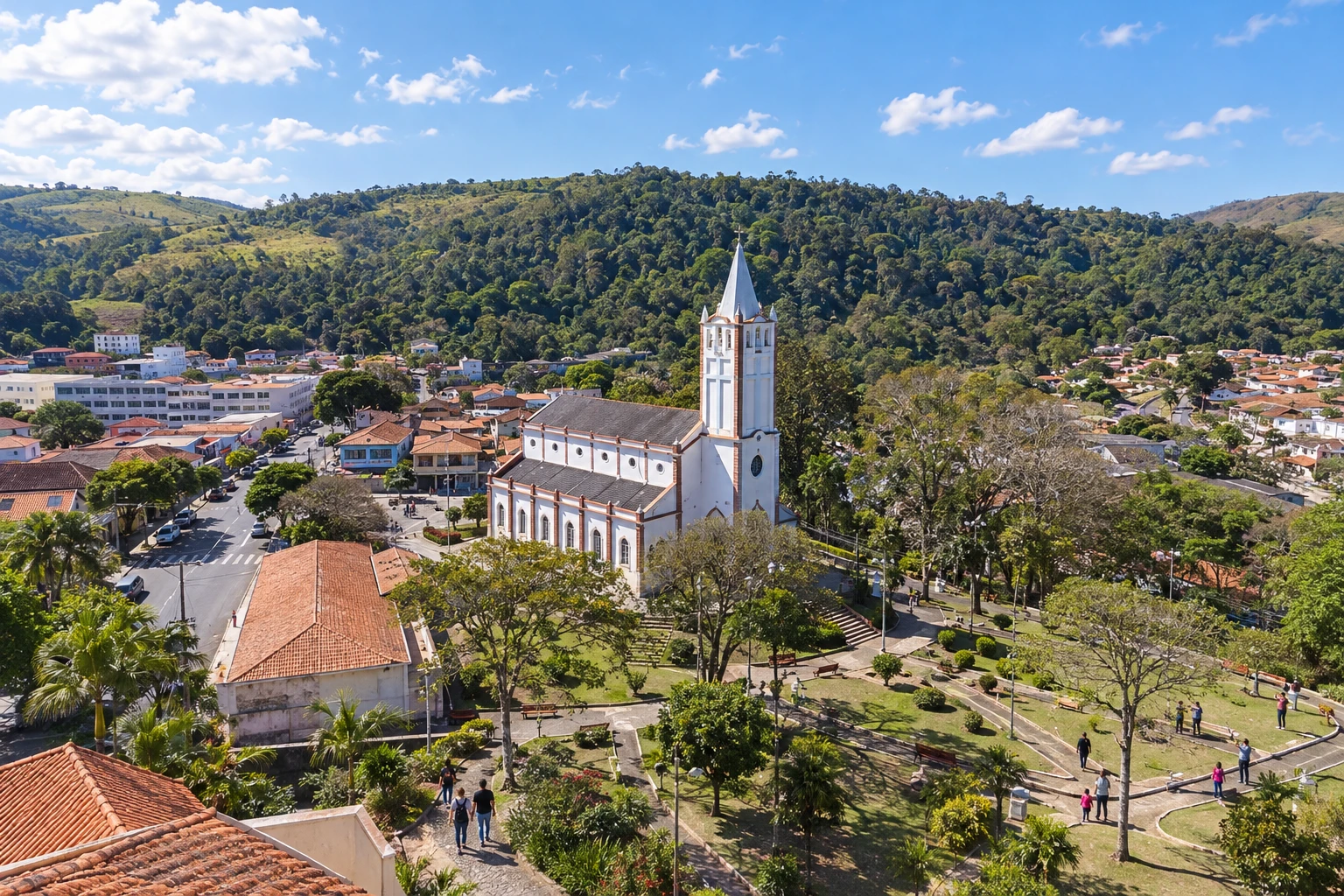
Águas da Prata features the Bosque do Parque Estadual and the Fonte Vilela among the landmarks of its hydromineral identity. The town is also the starting point of the main branch of the Caminho da Fé toward Aparecida. A stay can combine the spa town atmosphere with pilgrimage preparation, without confusing the urban visit with the walking stages.
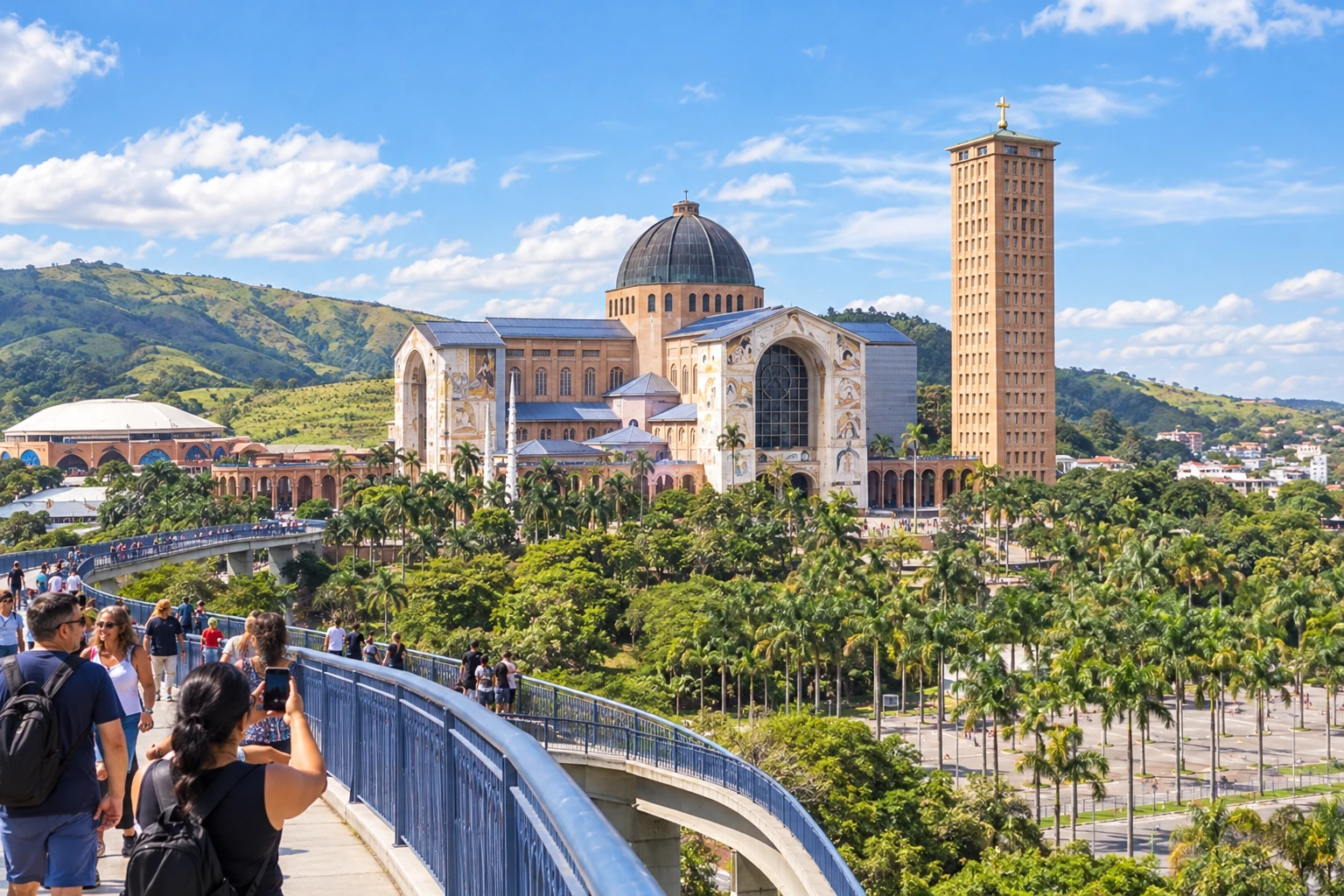
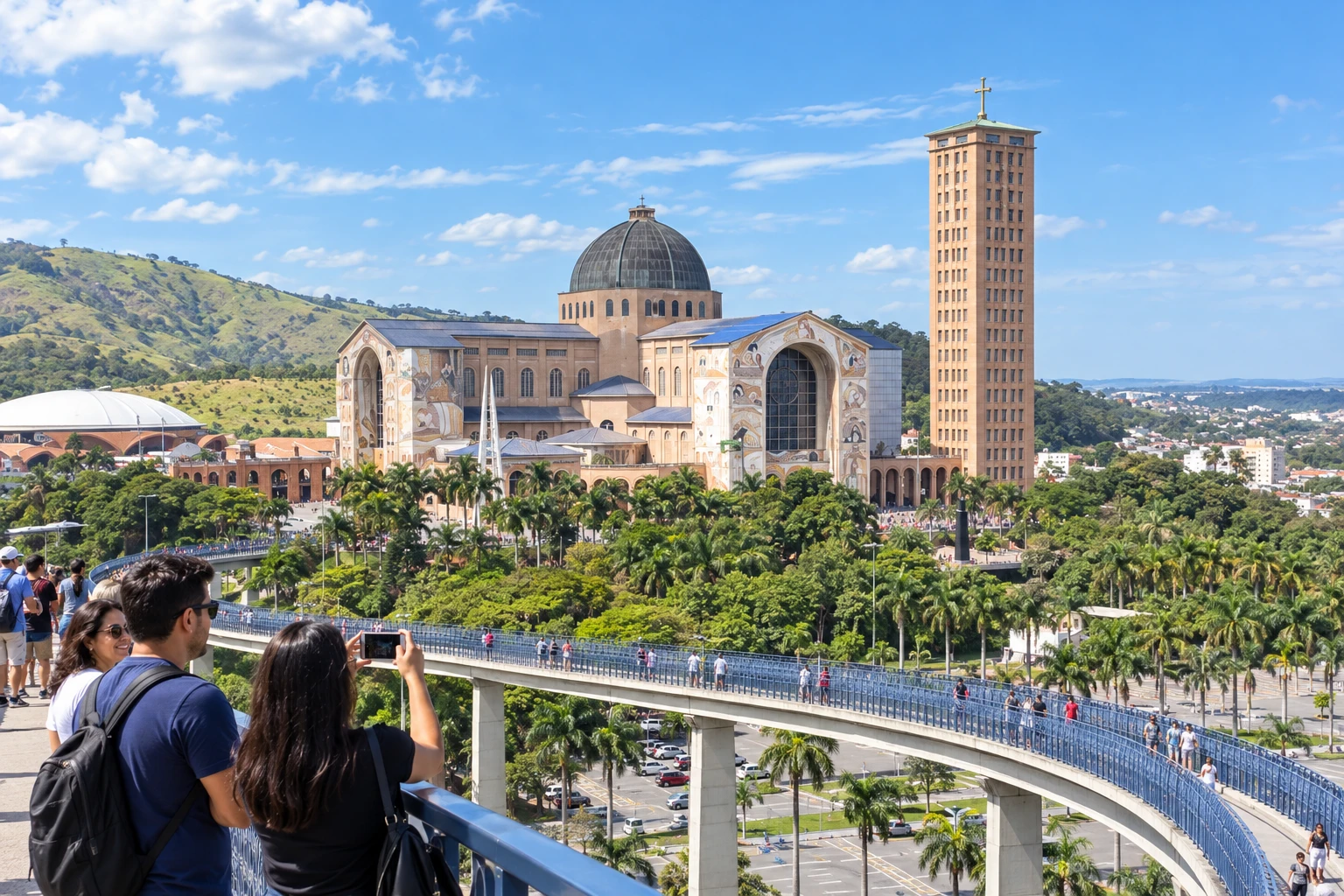
Aparecida is a key destination for religious tourism in the Vale do Paraíba. The Santuário Nacional and the Basílica Histórica are linked by the Passarela da Fé, forming a pilgrimage and heritage route. Morro do Cruzeiro adds the Via-Sacra and urban landscape views to the visit.
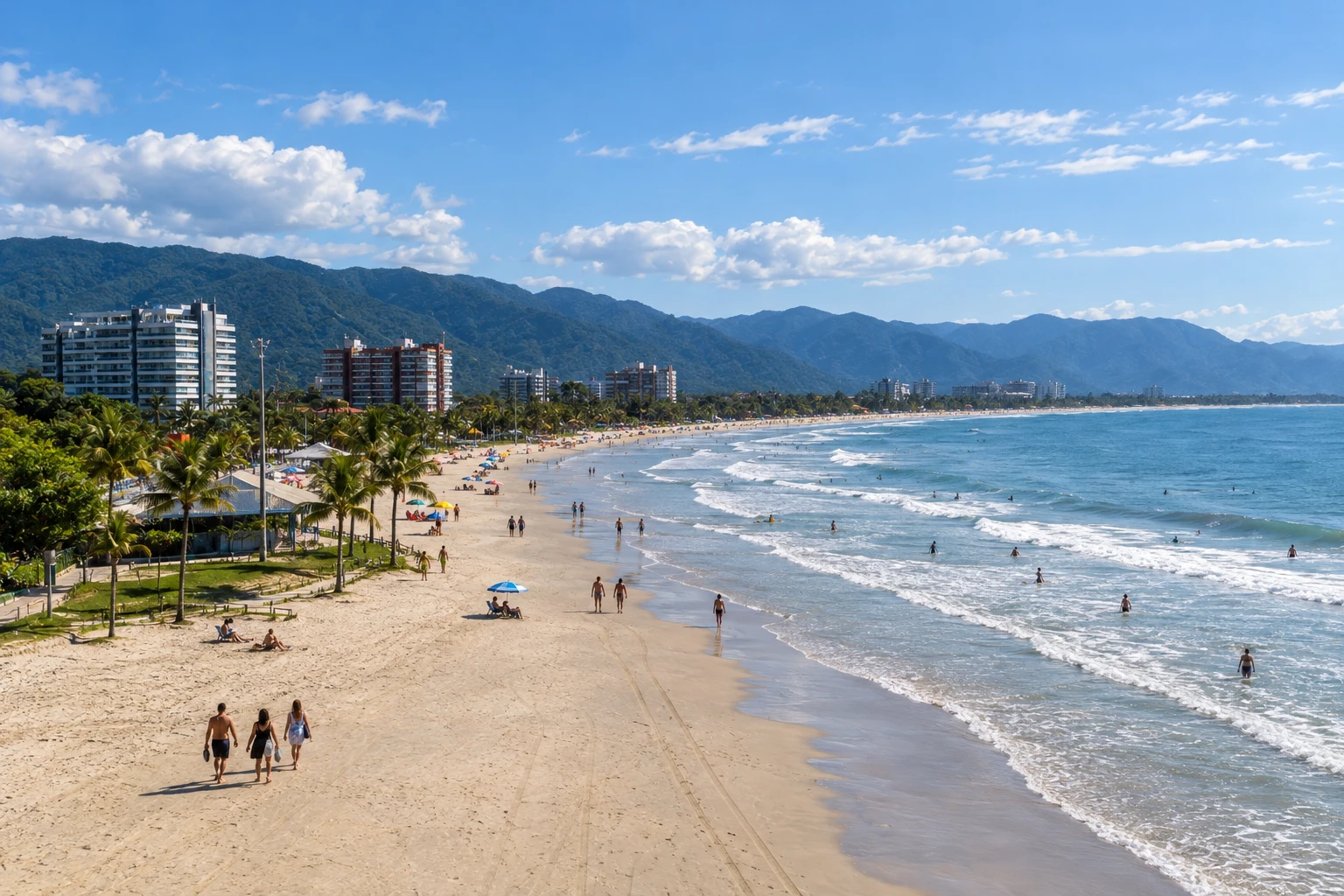
Bertioga preserves Forte São João next to the canal and Parque dos Tupiniquins, where the statue of Cunhambebe stands. The coastline includes Praia da Enseada and Praia de Itaguaré, associated with conservation areas. The city lets you combine the history of the São Paulo coast with beach and restinga, with access to each environment organized separately.
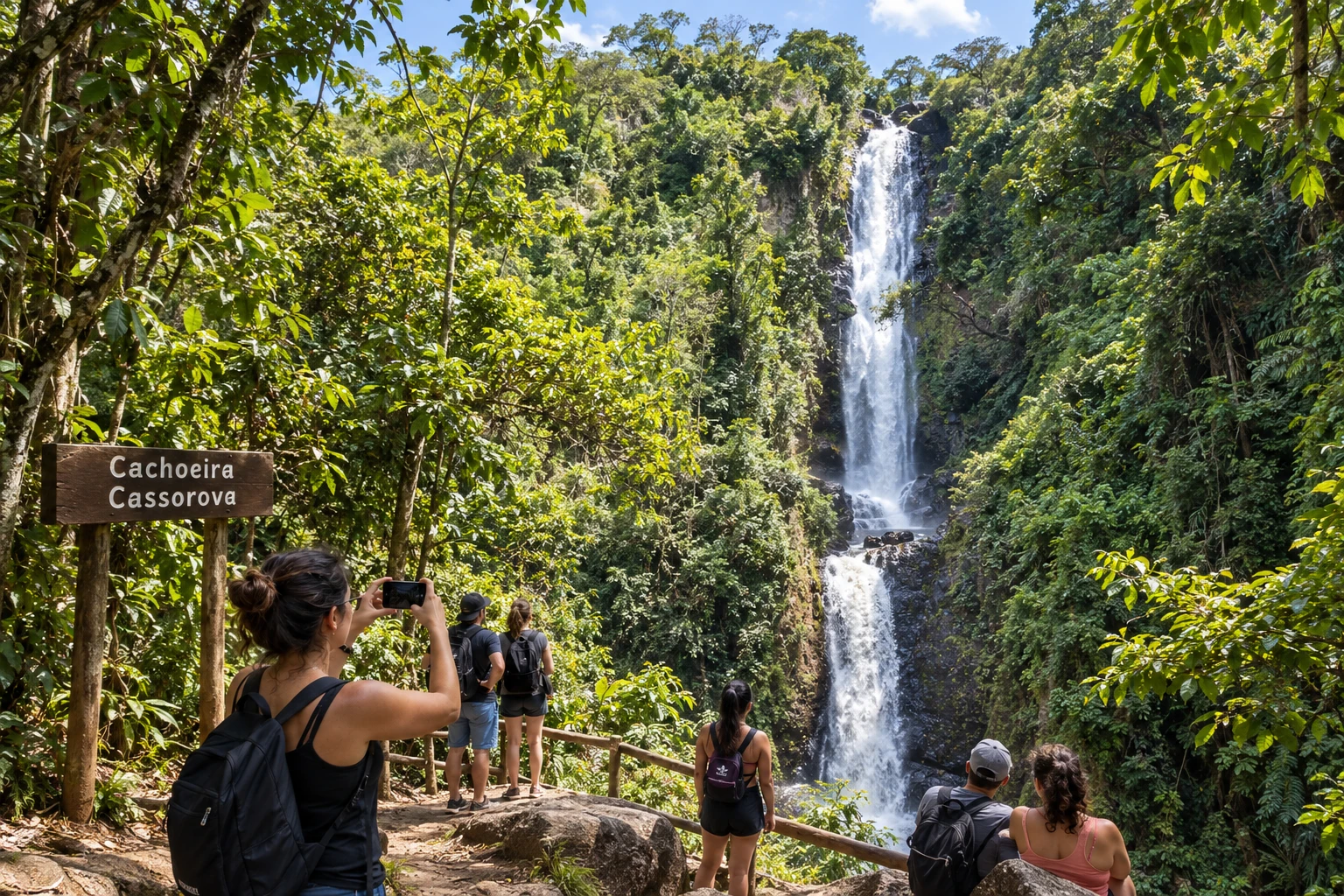
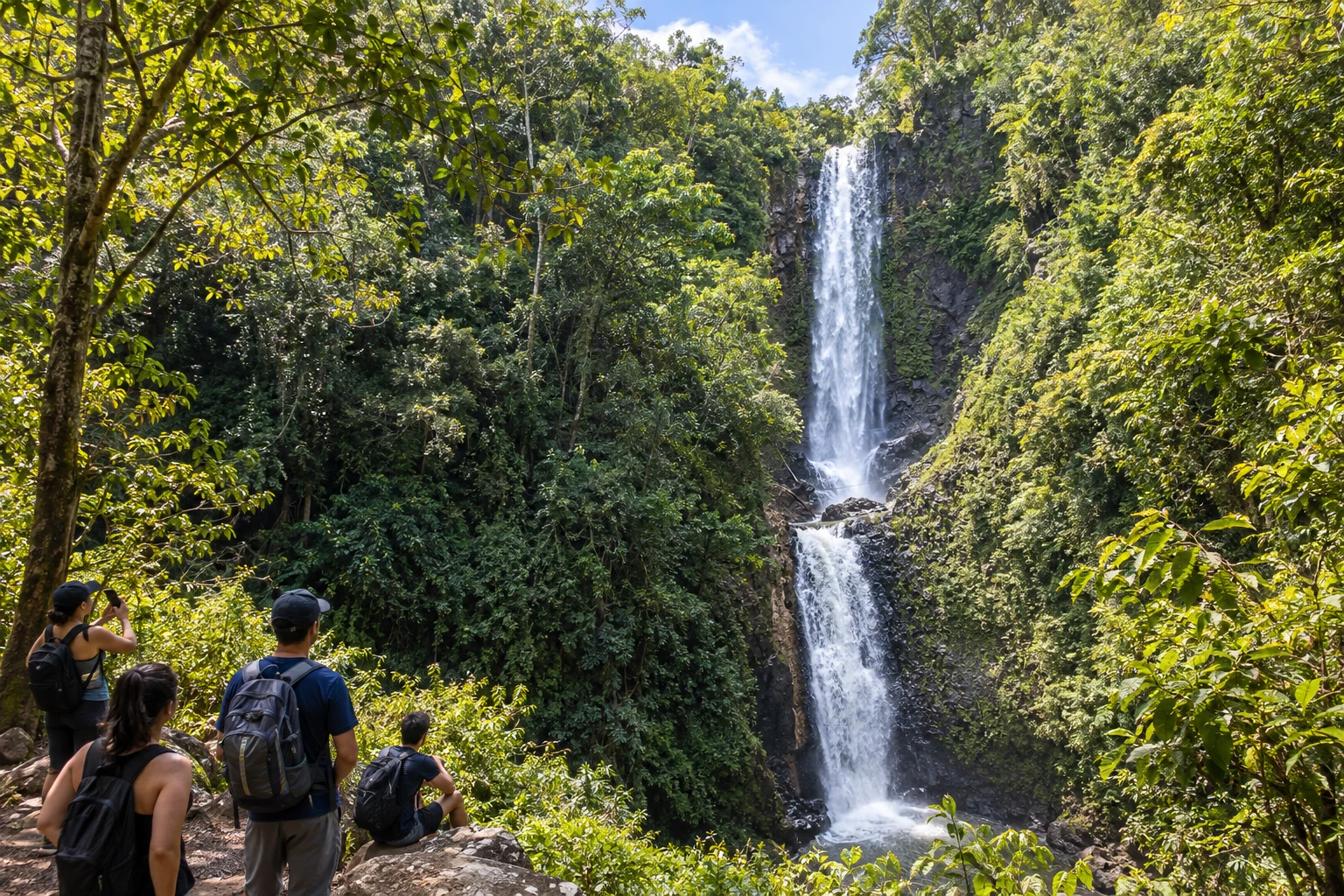
Brotas brings together adventure activities and landscapes linked to the Jacaré-Pepira River. In the center, Parque dos Saltos offers close views of the rapids. Outside the urban area, parks with waterfalls and trails allow for days in nature, while the observatory adds an astronomy experience.
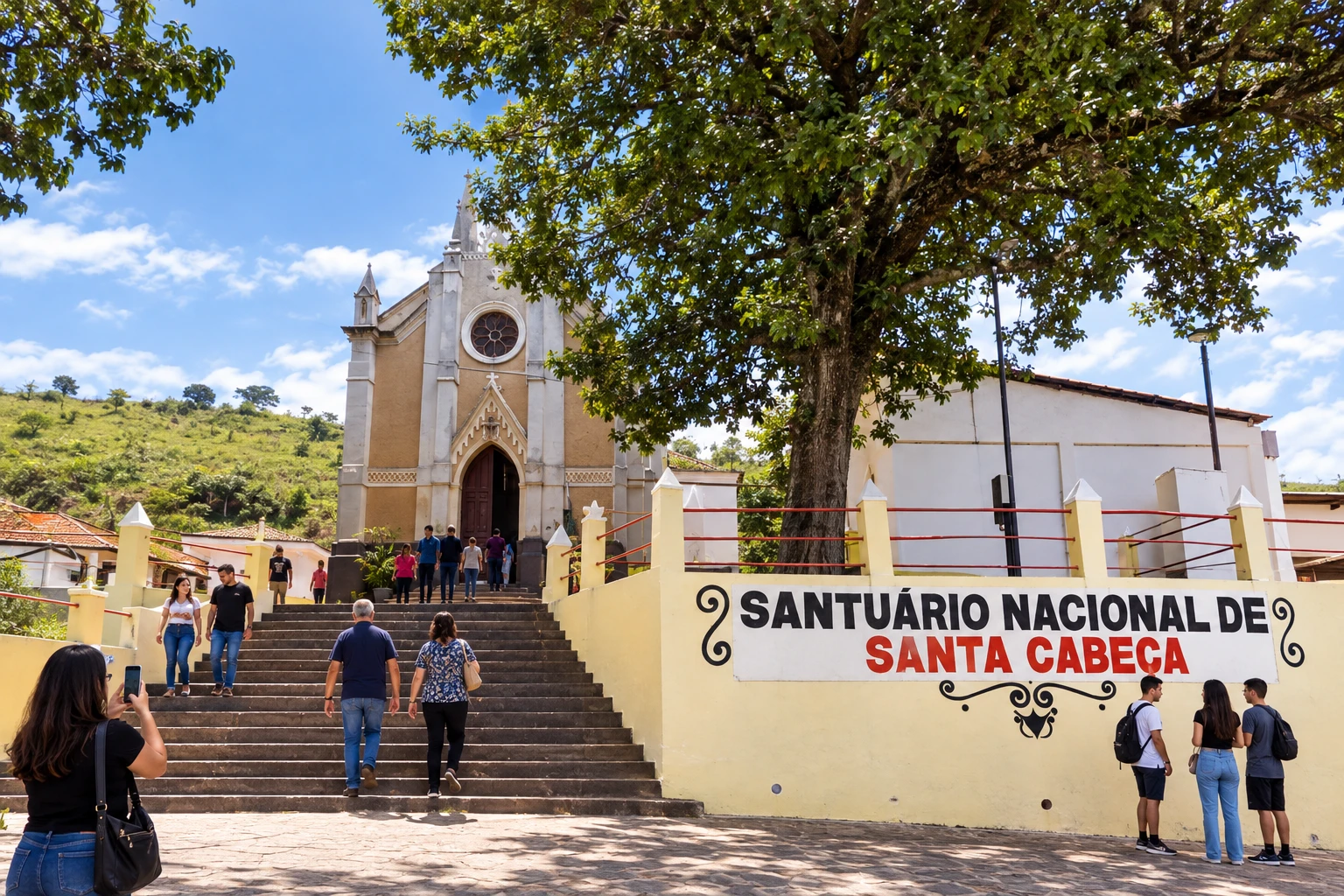
Cachoeira Paulista brings together the Santuário Pai das Misericórdias, at Canção Nova, and the Santuário de Santa Cabeça among its religious landmarks. The ruins of the railway station and the Museu Doutor Costa Júnior add urban memory to the visit. In the Vale do Paraíba, the town hosts pilgrimage trips and is also part of the São Paulo section of the Estrada Real.
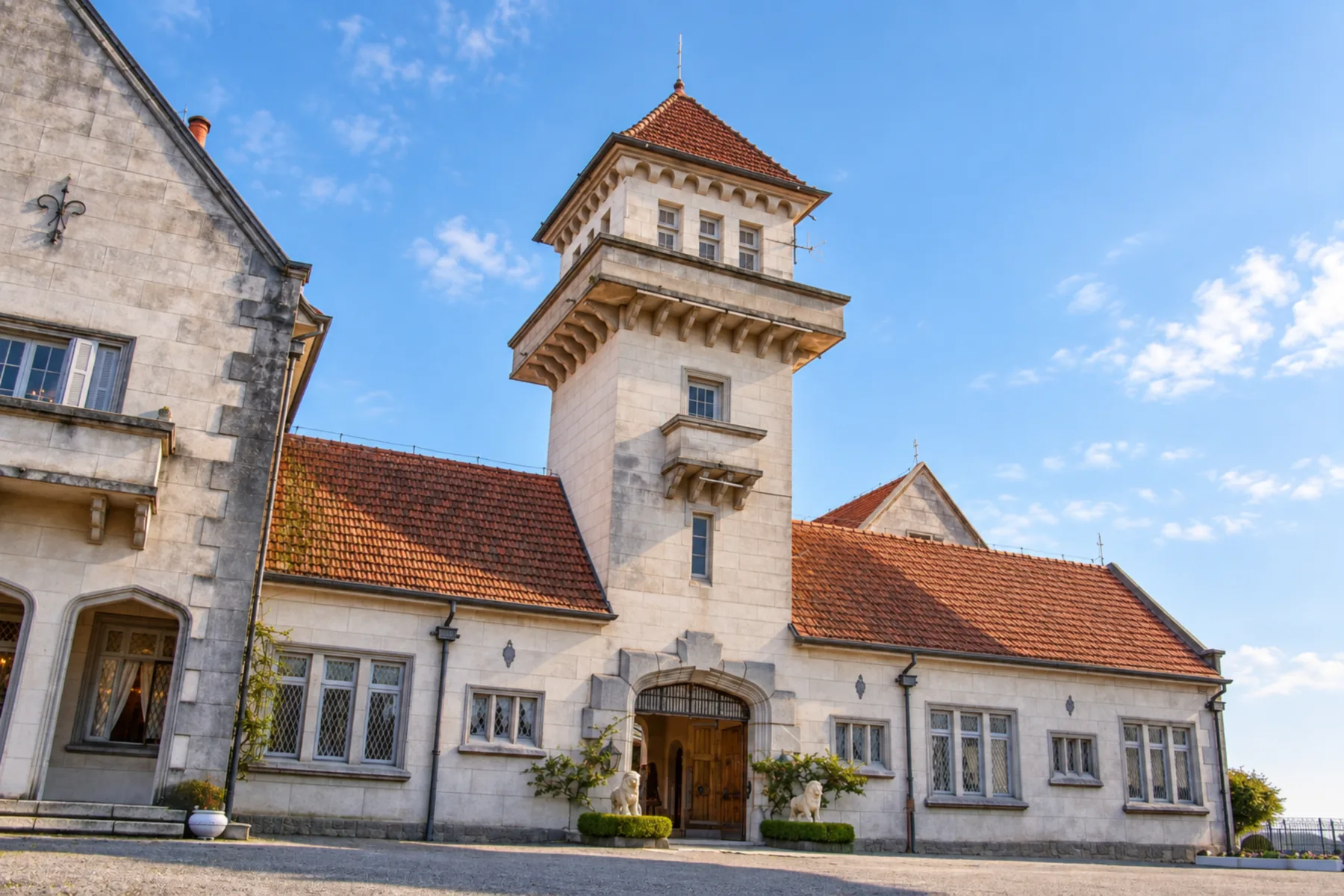
Campos do Jordão brings together forest and European-inspired architecture in the São Paulo part of the Mantiqueira. A visit can alternate outdoor walks with art, music and food.
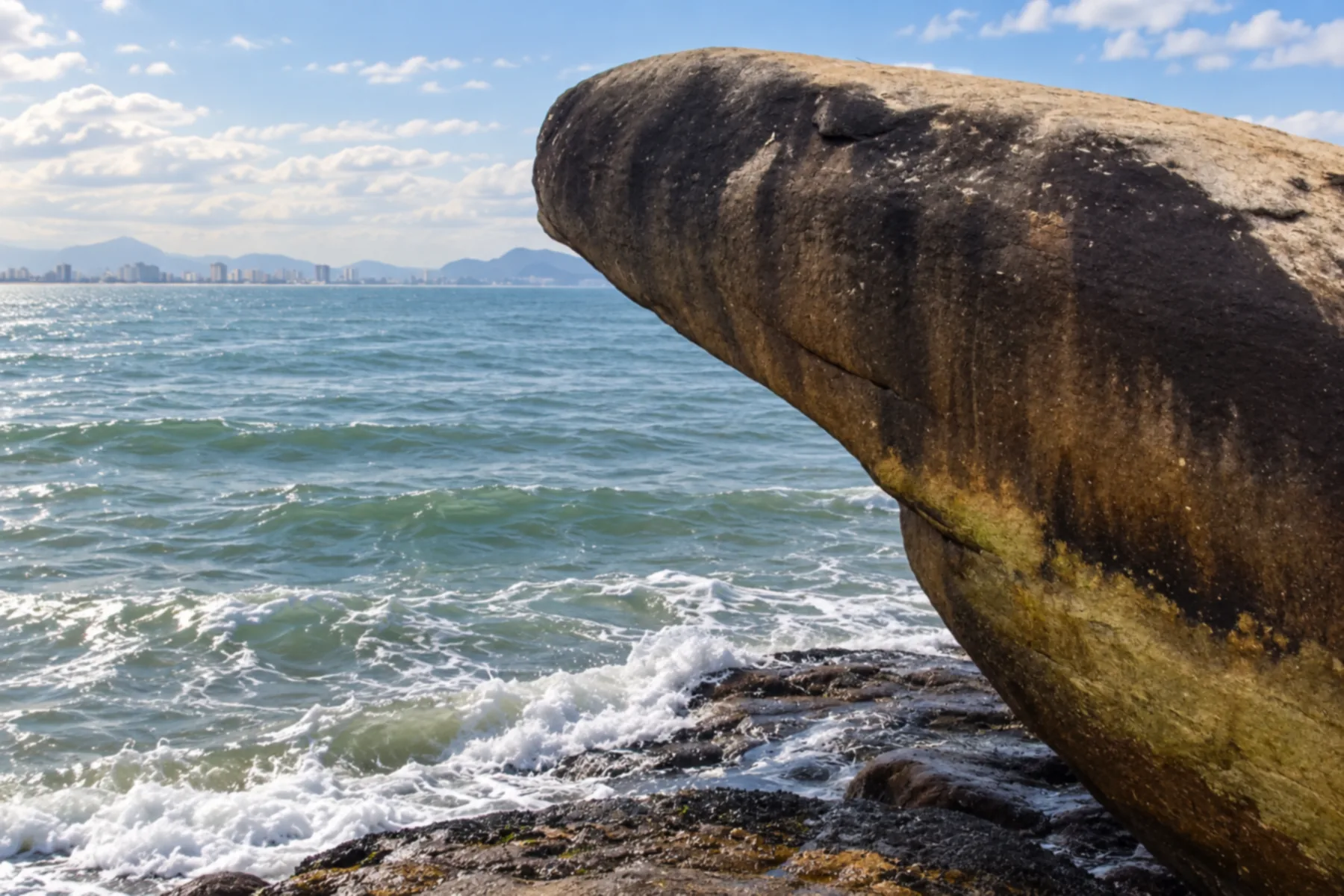
Caraguatatuba combines a long urban waterfront with beaches and forest-covered hillsides. You can alternate seaside walks with outings along the different stretches of the coast.
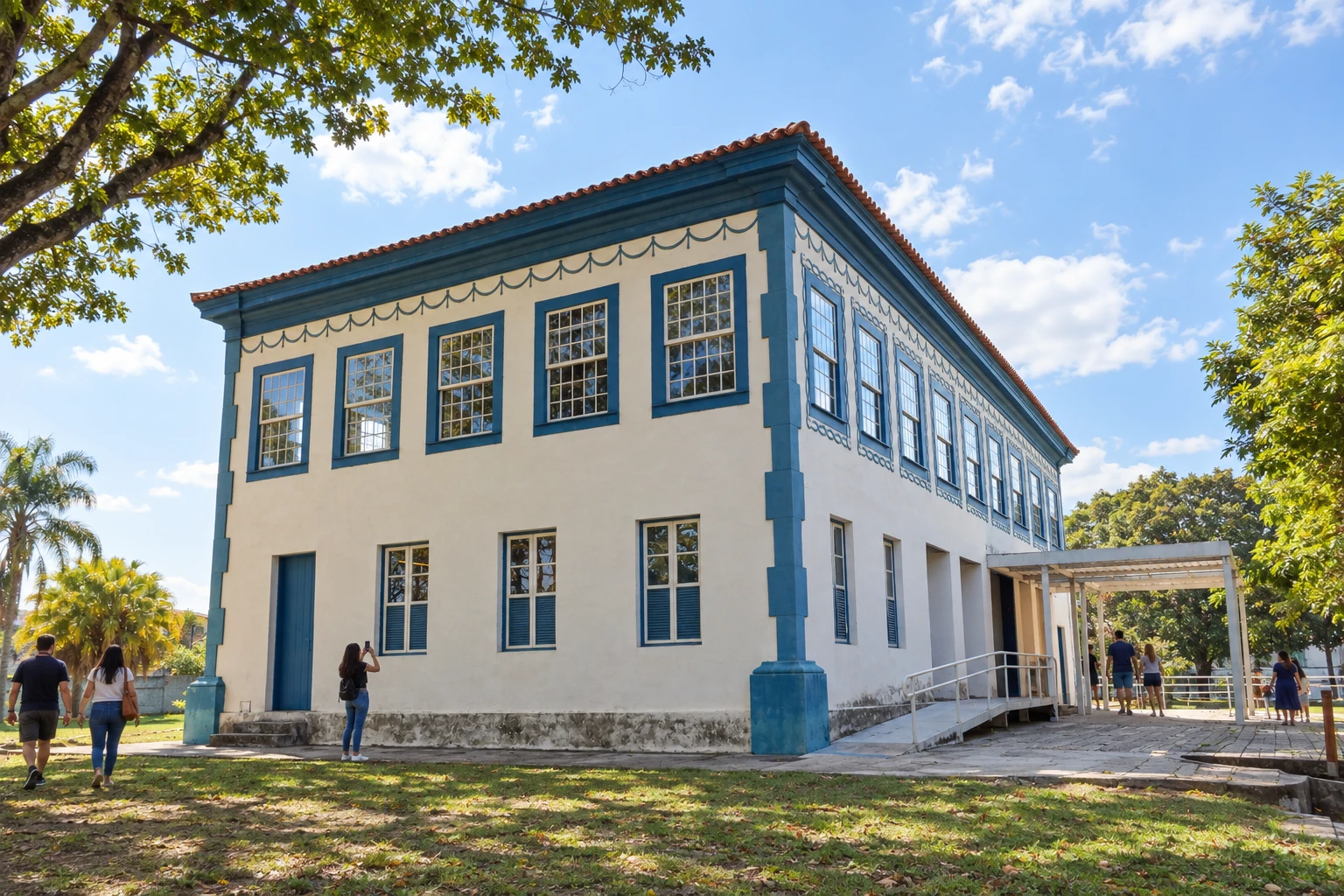
Cruzeiro is a São Paulo stop on the Caminho Velho of the Estrada Real, at the point where the Serra da Mantiqueira passes through the Garganta do Embaú. In town, the Museu Major Novaes occupies a 19th‑century manor and preserves local memory. Separate the urban visit from the historic mountain crossing.
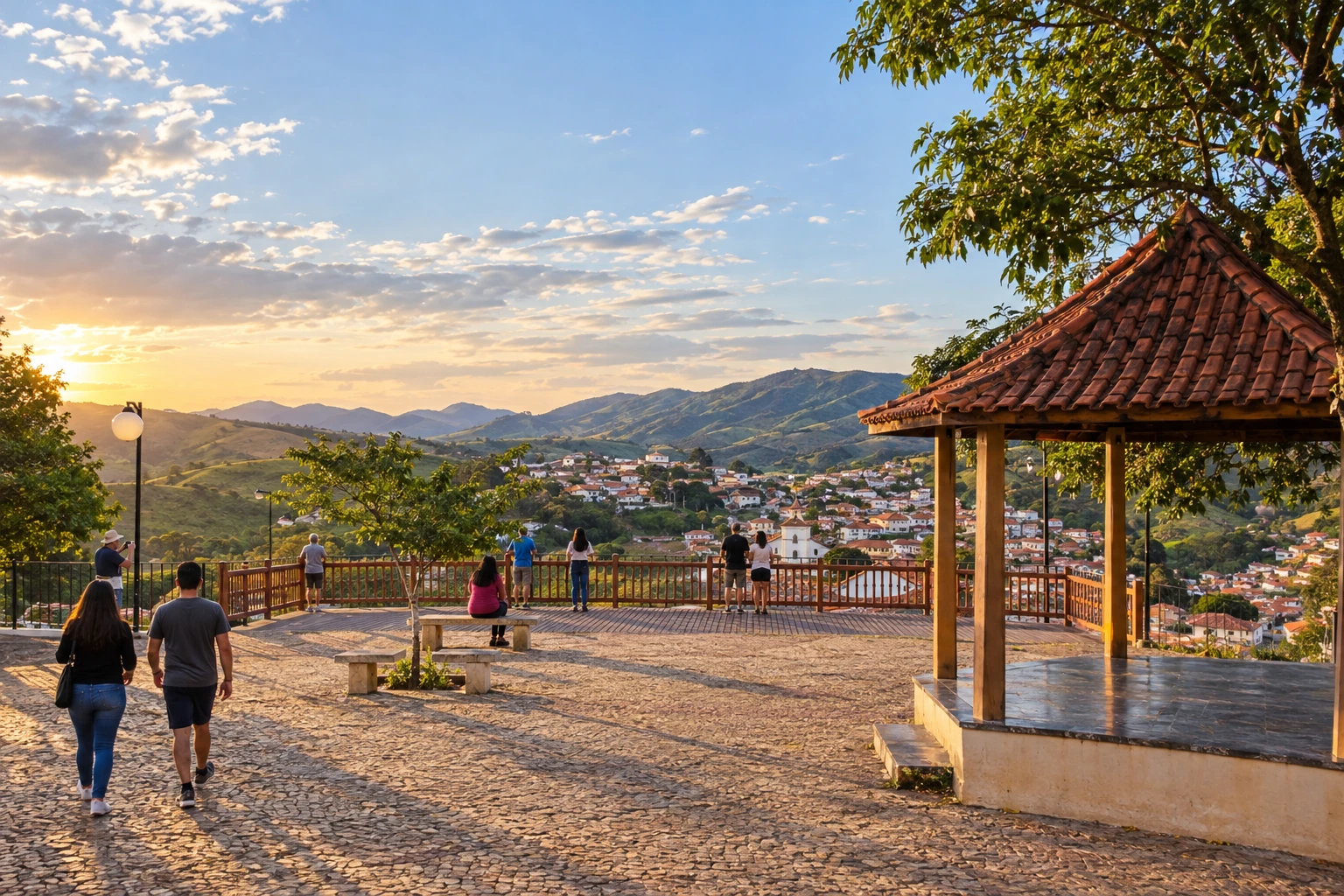
Cunha is a center of high-temperature ceramics, with a tradition of noborigama kilns and studio visits. Pedra da Macela and the Núcleo Cunha of Parque Estadual Serra do Mar add viewpoints and Atlantic Forest to the outing. Between Guaratinguetá and Paraty, the town combines artistic production and nature on the mountain section of the Caminho Velho.
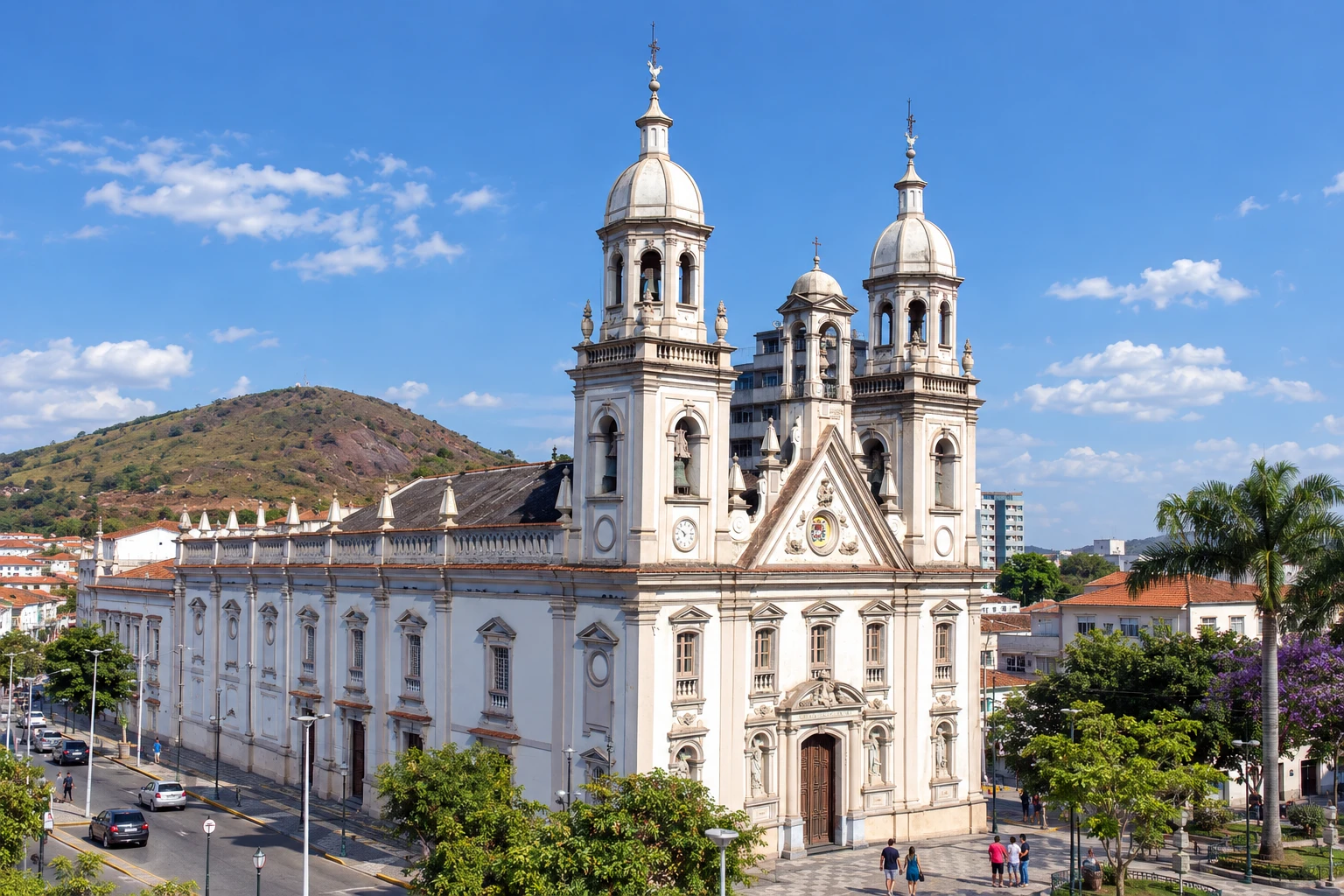
Guaratinguetá is the birthplace of Frei Galvão and Rodrigues Alves, with landmarks such as the Catedral Santo Antônio, the Casa de Frei Galvão and the Museu Conselheiro Rodrigues Alves. In addition to the religious and historical heritage of the center, Gomeral offers mountain scenery and the Colônia do Piagui preserves ties to agricultural production. The city has its own stop in the Vale do Paraíba, besides its connection to the Estrada Real.
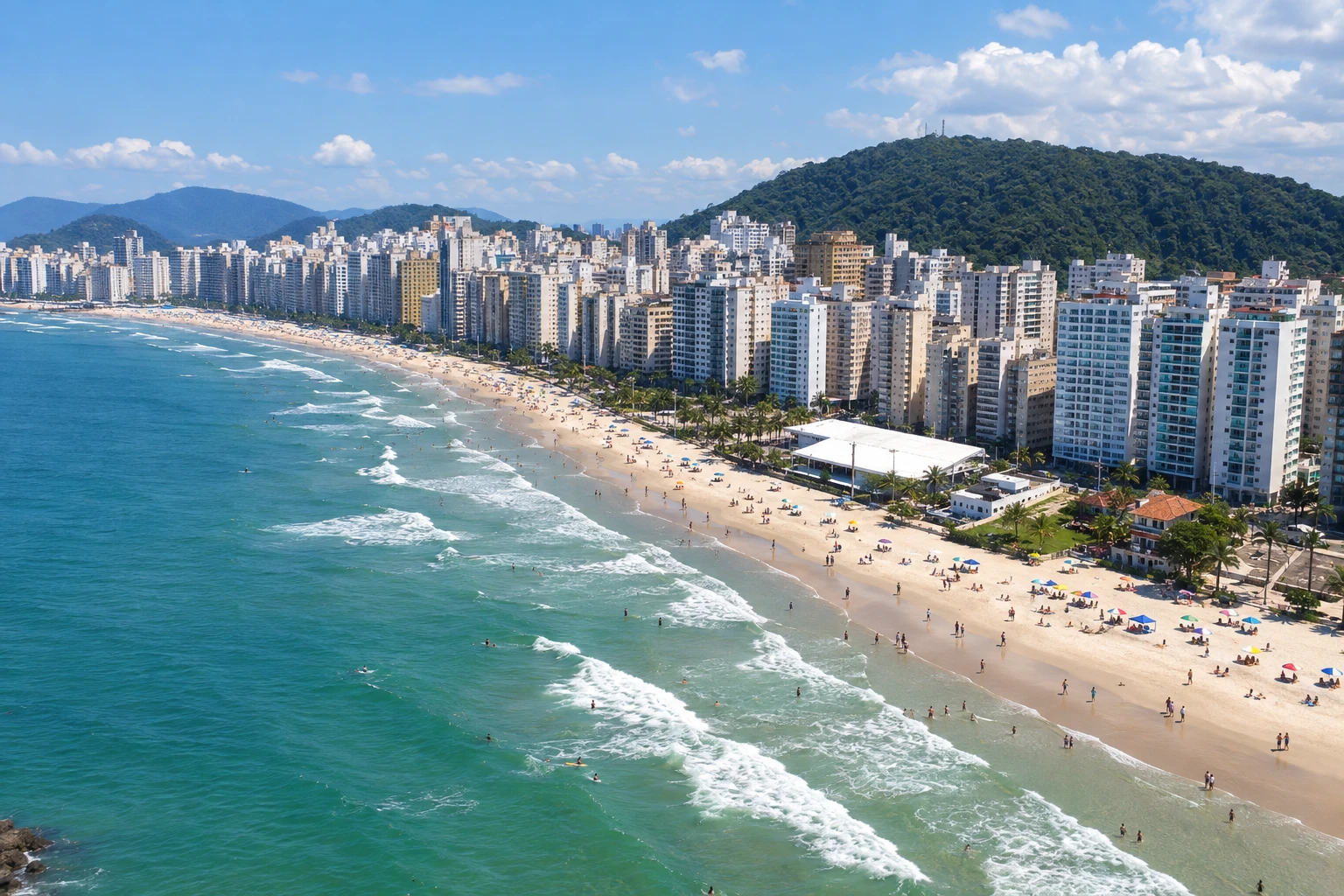
Guarujá brings together beaches with different offerings on Ilha de Santo Amaro. Pitangueiras concentrates activity in the center, Enseada has an extensive stretch of sand and Tombo is known for surfing. Pernambuco allows you to extend the itinerary to another stretch of the coast, alternating scenery and rest.
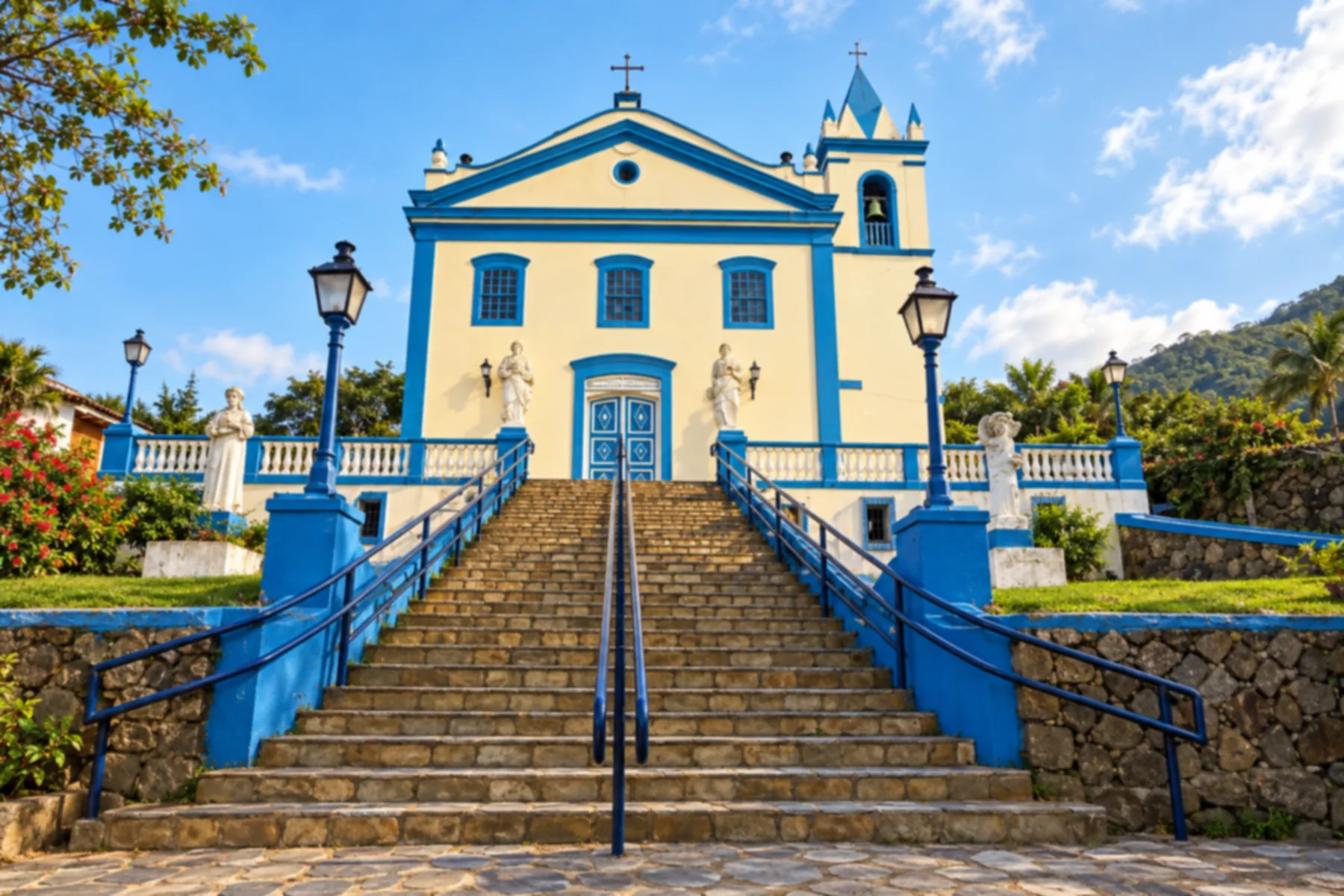
Ilhabela sits on a mountainous island off the São Paulo coast and preserves large areas of Atlantic Forest. A trip here combines beaches, strolls around the town center and paths through waterfalls and forest.

Olímpia combines water parks with a cultural circuit in the town centre. Thermas dos Laranjais is one of the trip's highlights, while the Museu de História e Arqueologia Maria Olímpia and the Museu de Arte Sacra e Diversidade Religiosa showcase other aspects of the town. The Matriz de São João Batista rounds out the visit.
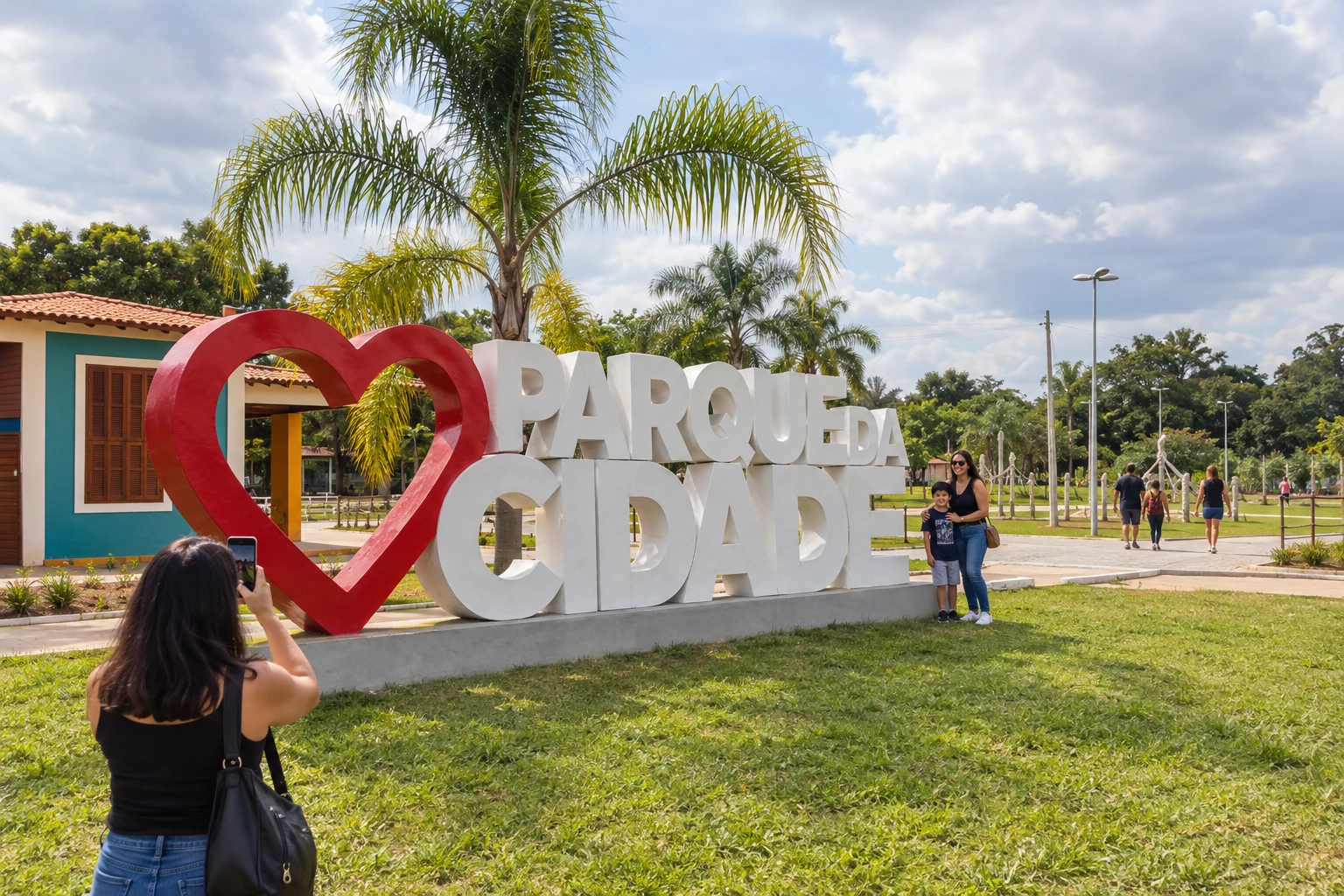
Pindamonhangaba preserves at the Museu Histórico e Pedagógico Dom Pedro I e Dona Leopoldina a heritage linked to the history of the Vale do Paraíba and the coffee-growing period. The neoclassical-style building uses taipa and pau a pique construction. The city also has a historic connection to the Estrada de Ferro de Campos do Jordão, whose operation needs to be confirmed before planning a trip.
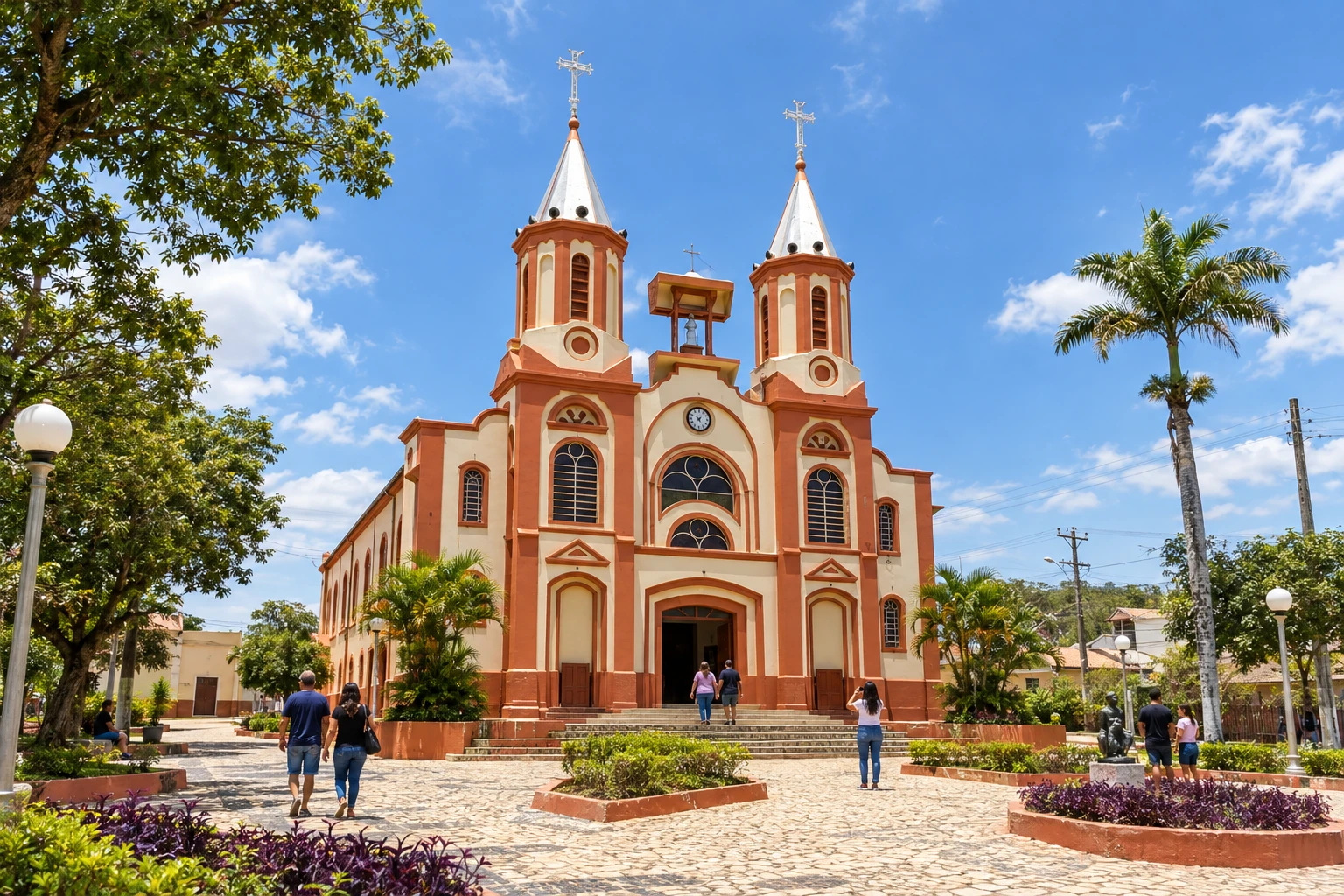
Roseira has at the Mosteiro da Sagrada Face a reference for religious tourism, with a replica of the Santo Sudário. The rural memory and the traditions of the tropeiros also appear in the municipality's cultural heritage. The visit provides contact with this identity of the Vale do Paraíba before continuing along the region's pilgrimage routes.
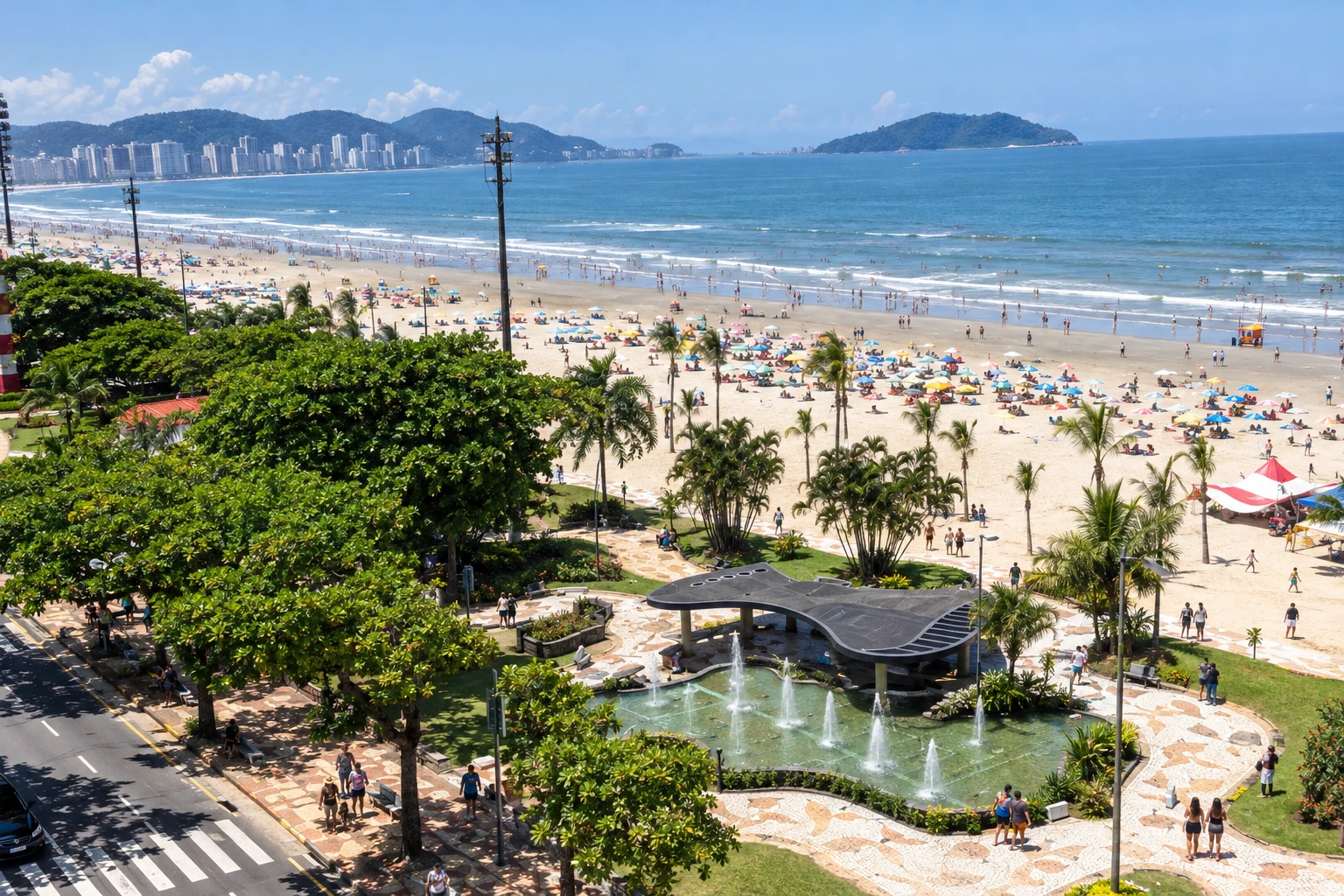
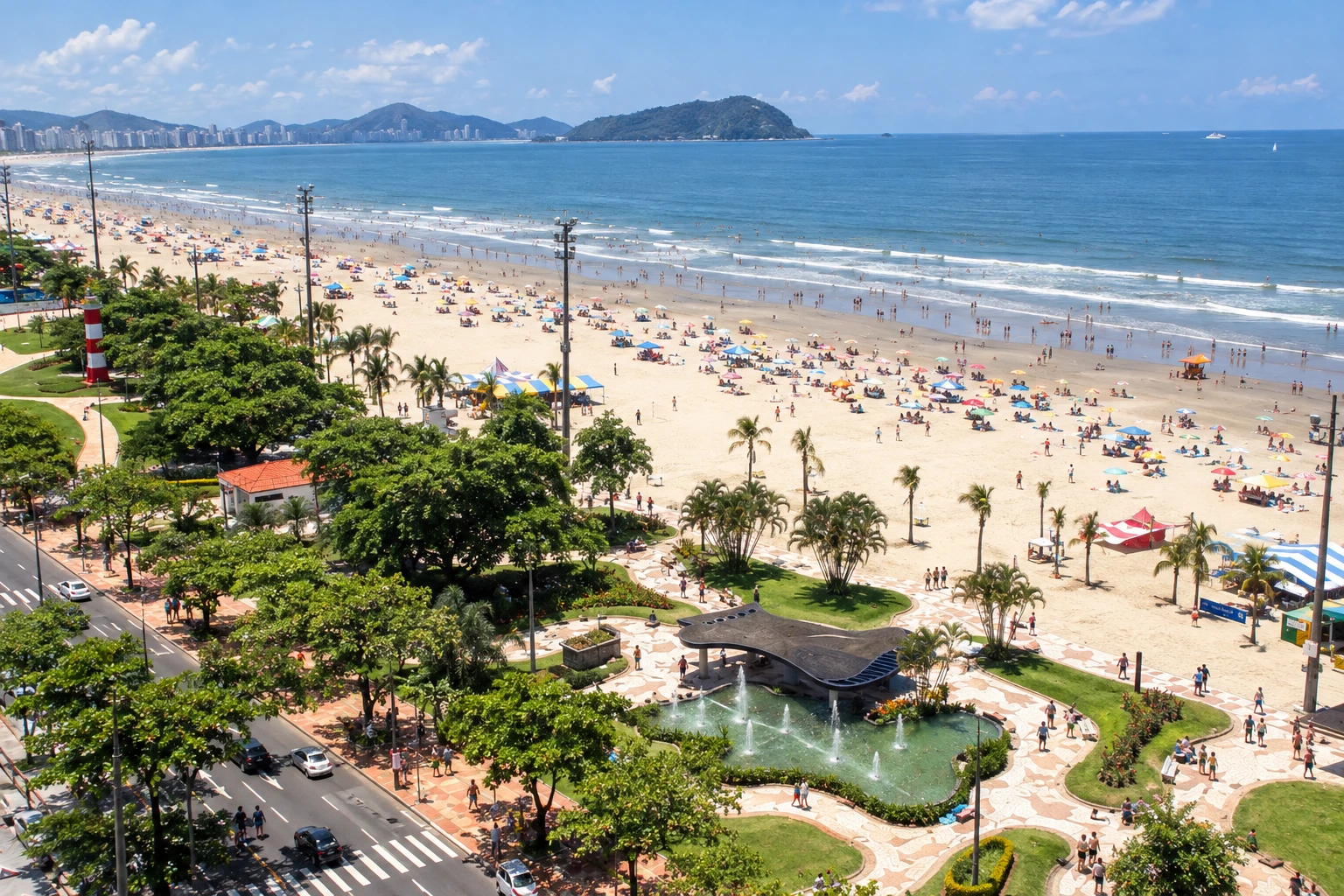
Santos combines the history of coffee and football with seaside walks. Museu do Café and Museu Pelé occupy buildings in the Centro Histórico, while Monte Serrat offers views over the city. The waterfront gardens complete the visit with walks between the beach and everyday life in Santos.
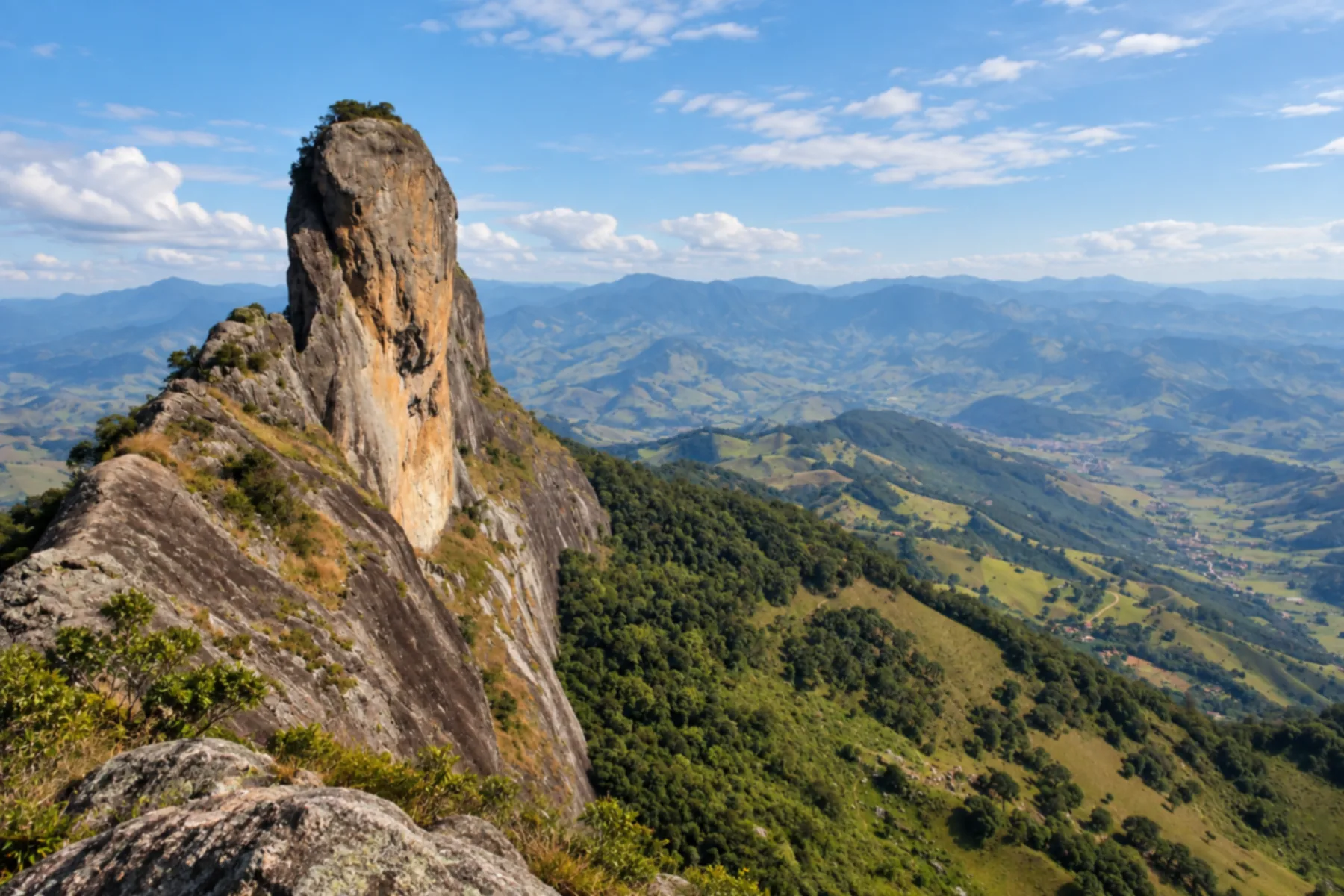
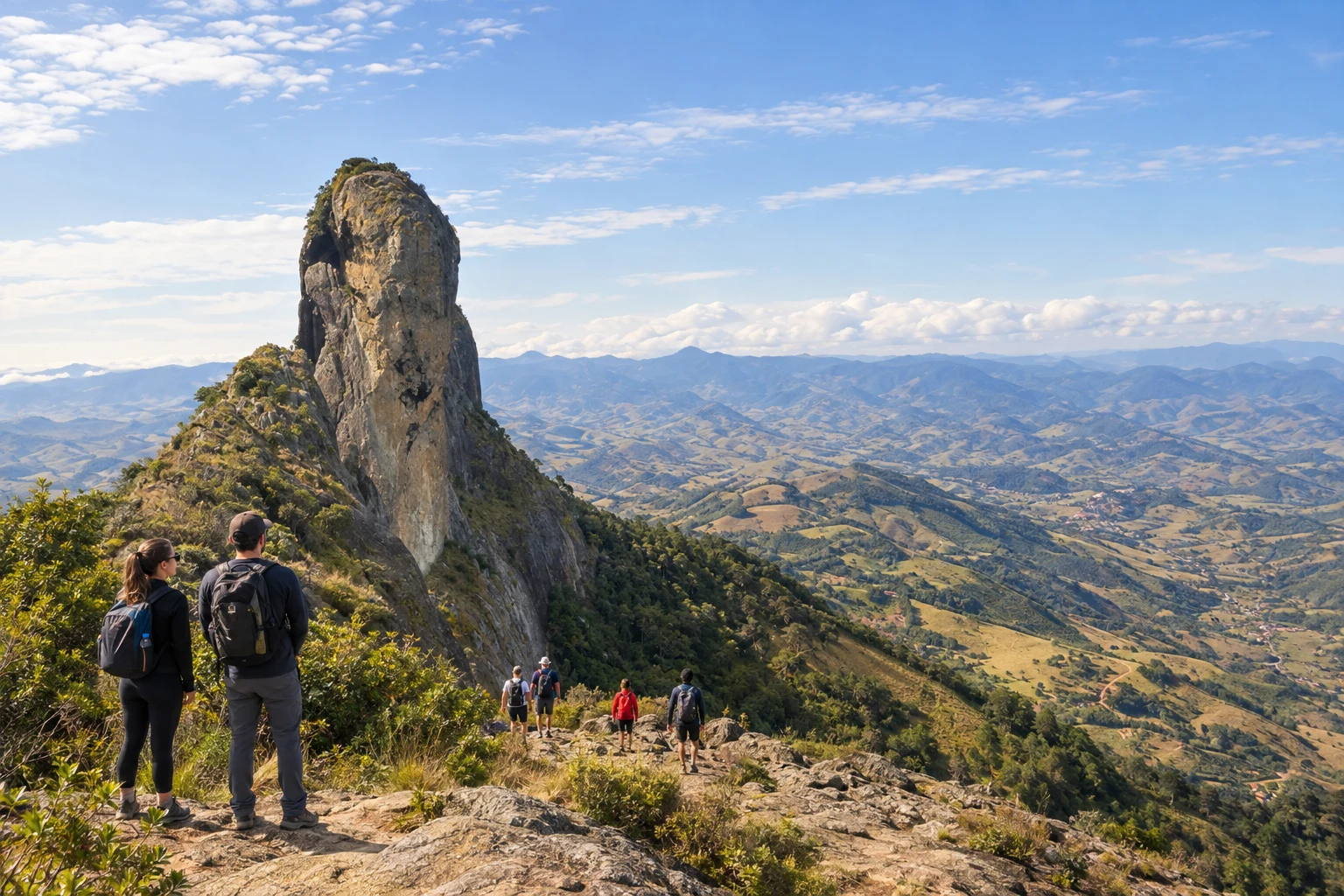
São Bento do Sapucaí has rural landscapes dominated by the Pedra do Baú rock formations. A trip here combines hiking, climbing and contact with local Mantiqueira produce and crafts.
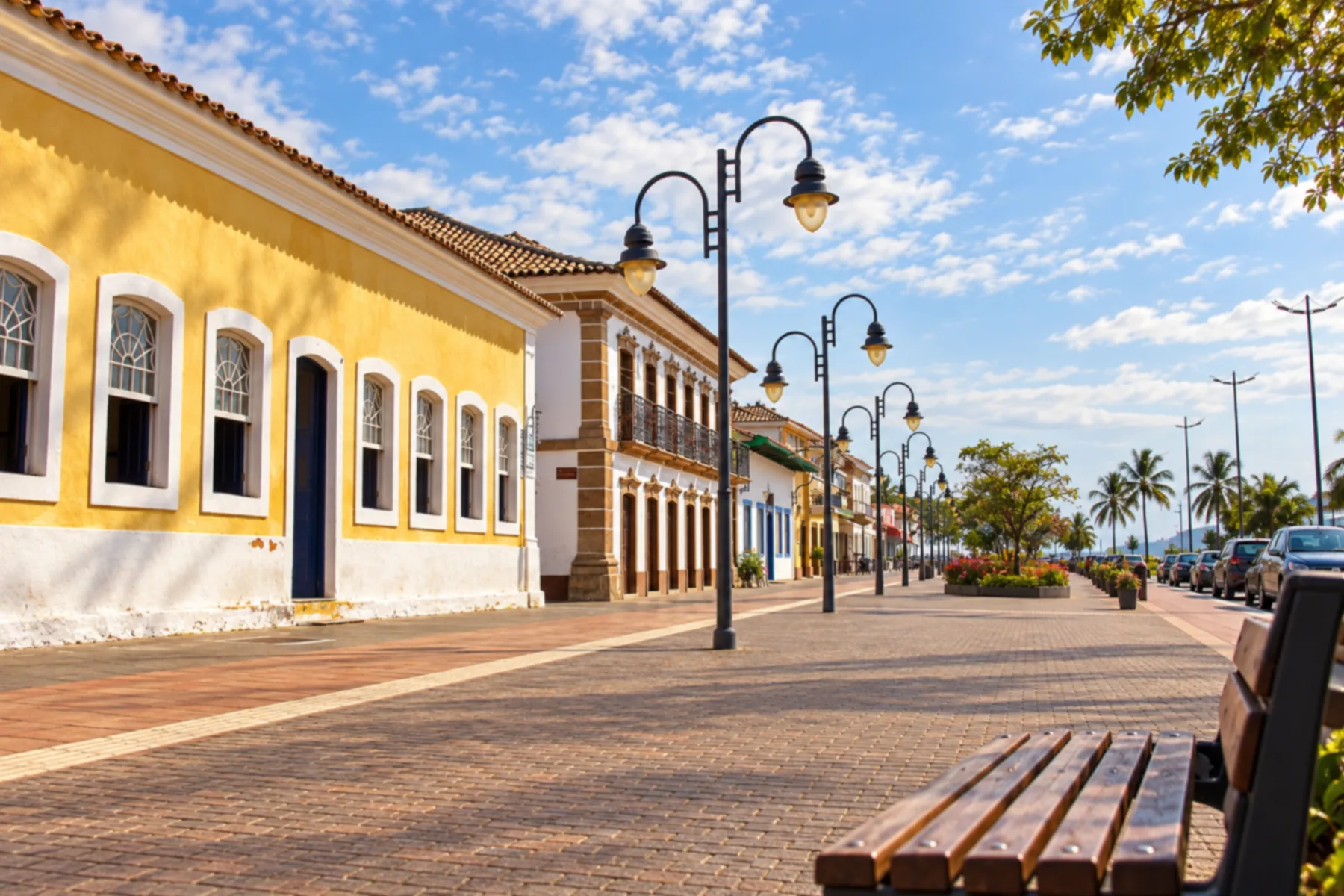
São Sebastião has a historic center facing the channel and beaches spread along the coast. You can combine town walks with sea outings and caiçara (traditional coastal) culture.
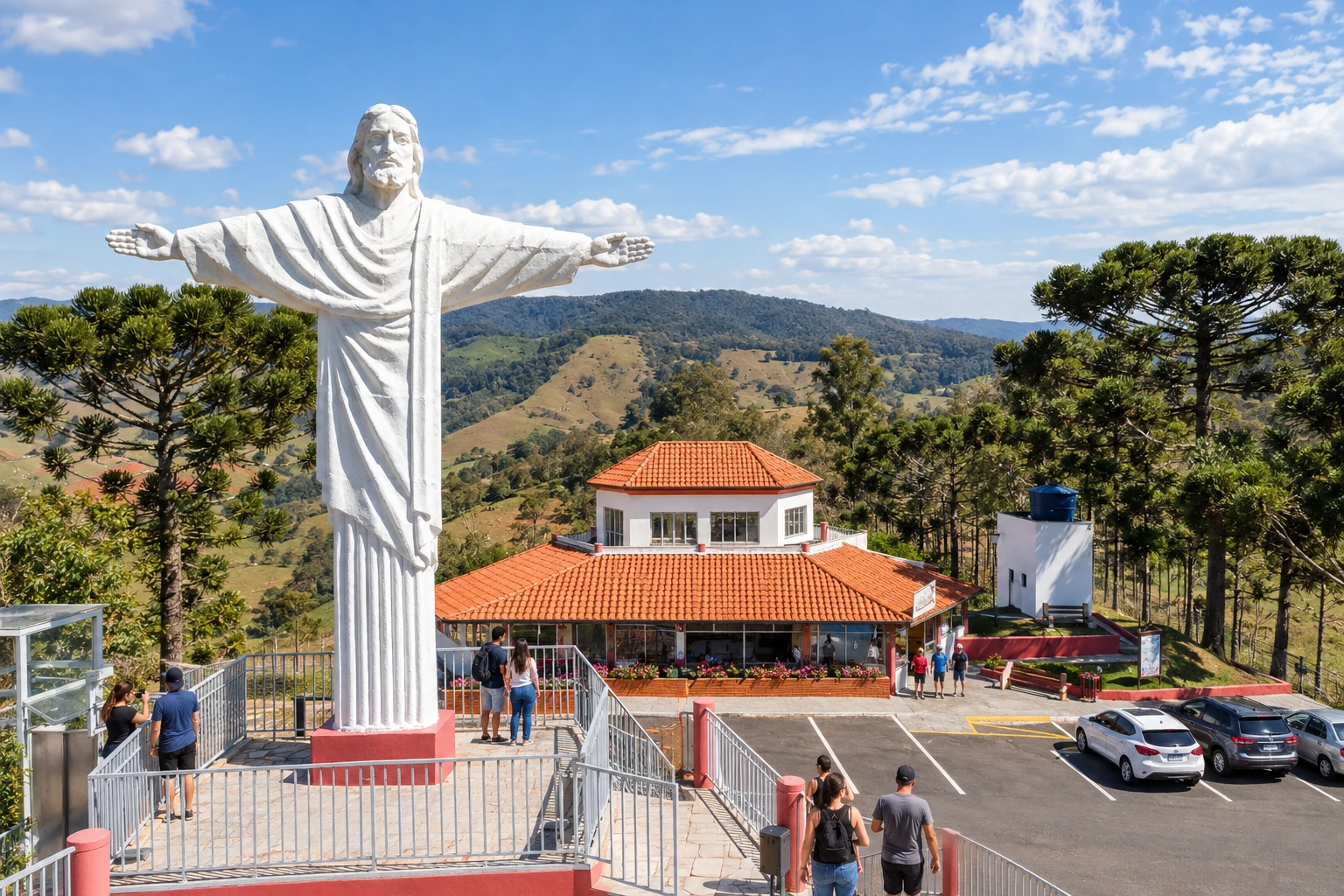
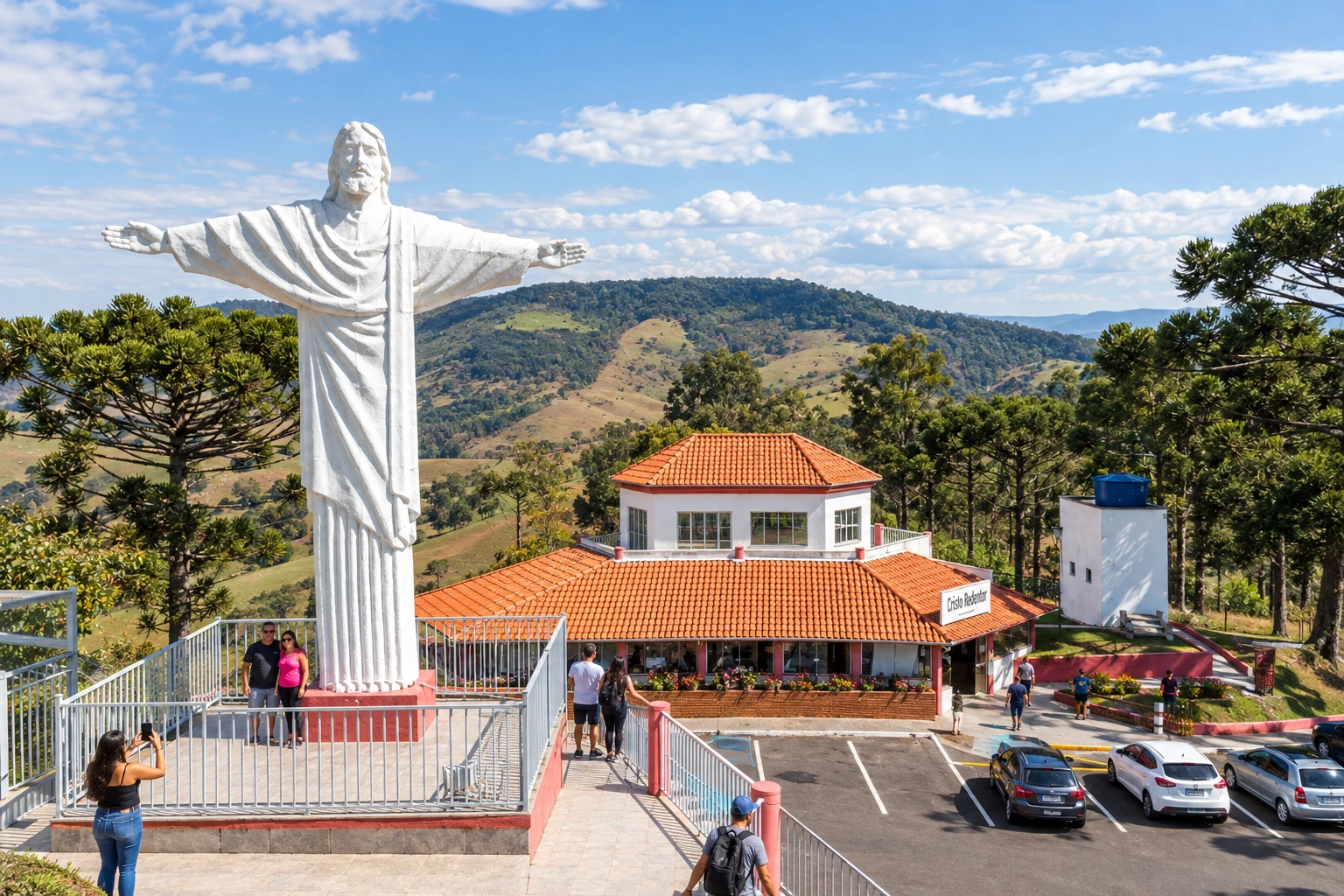
Socorro combines adventure tourism, mountain scenery and cultural outings. The Rio do Peixe accompanies part of the outdoor activities, while the Mirante do Cristo offers a perspective over the town. The Museu Municipal de Socorro and the Horto Municipal de Socorro make it possible to include urban breaks between park programs.
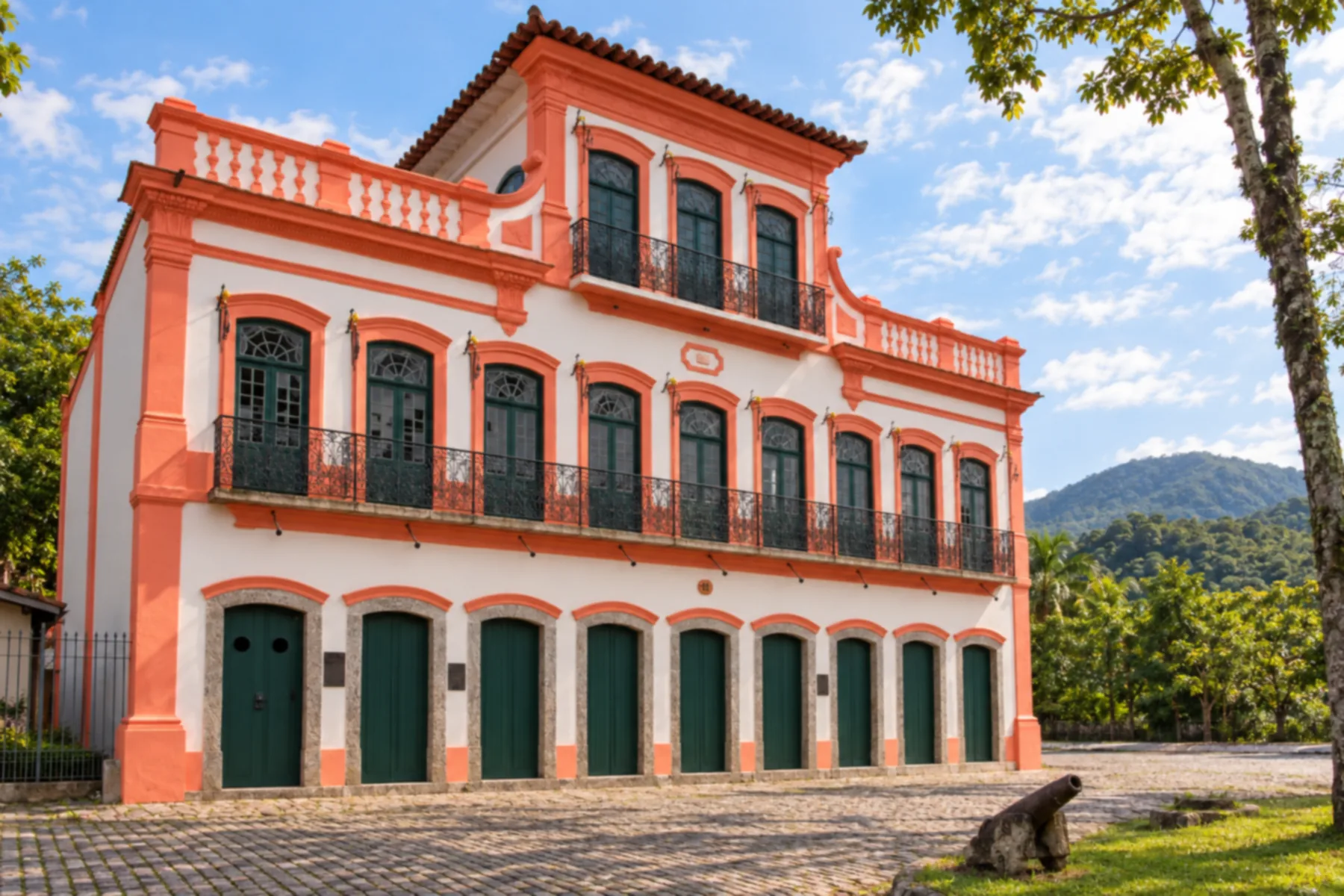
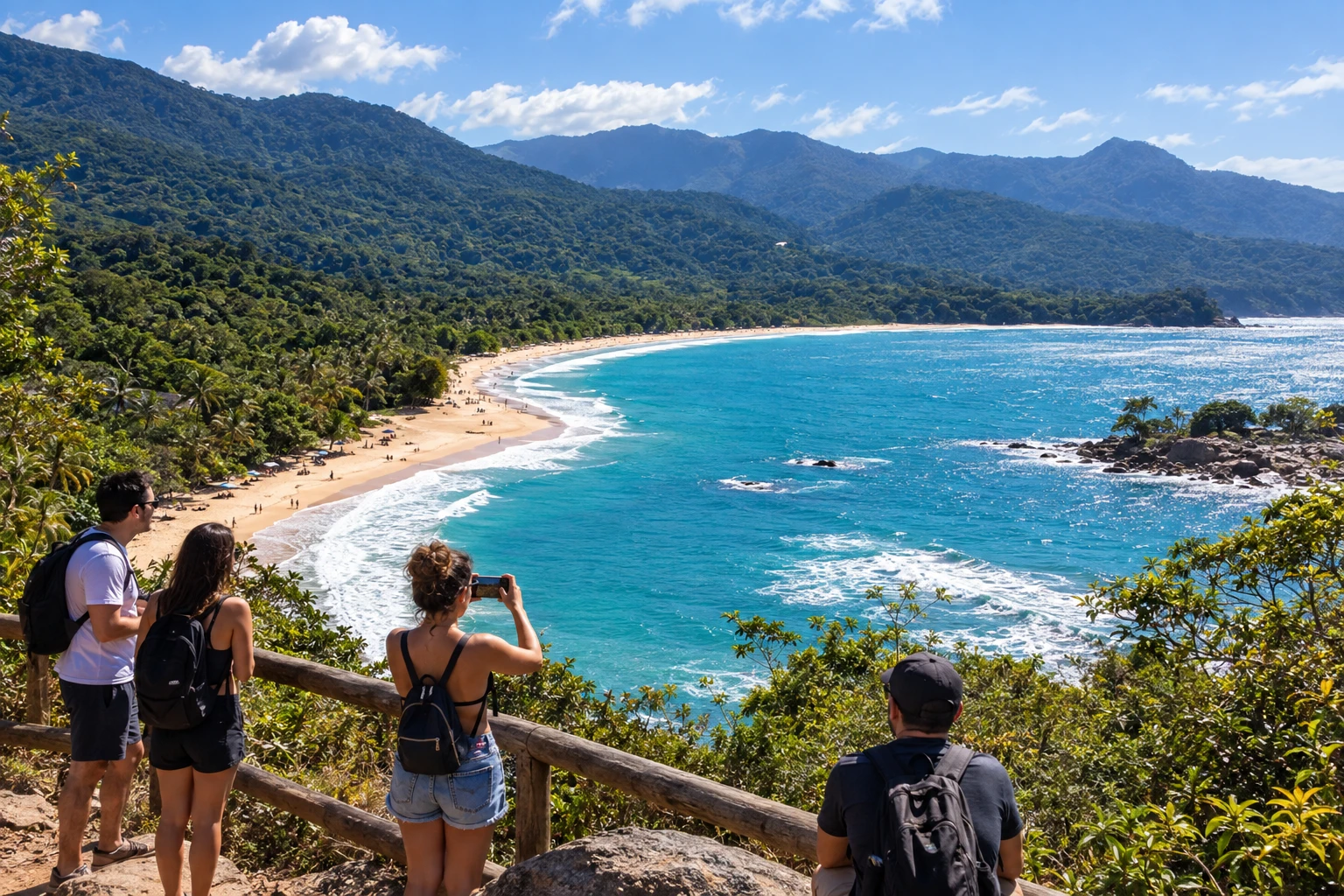
Ubatuba brings together beaches, caiçara (traditional coastal) communities and protected areas of Atlantic Forest on the São Paulo coast. A stay here lets you explore the sea and learn about the town's history and culture.
Routes
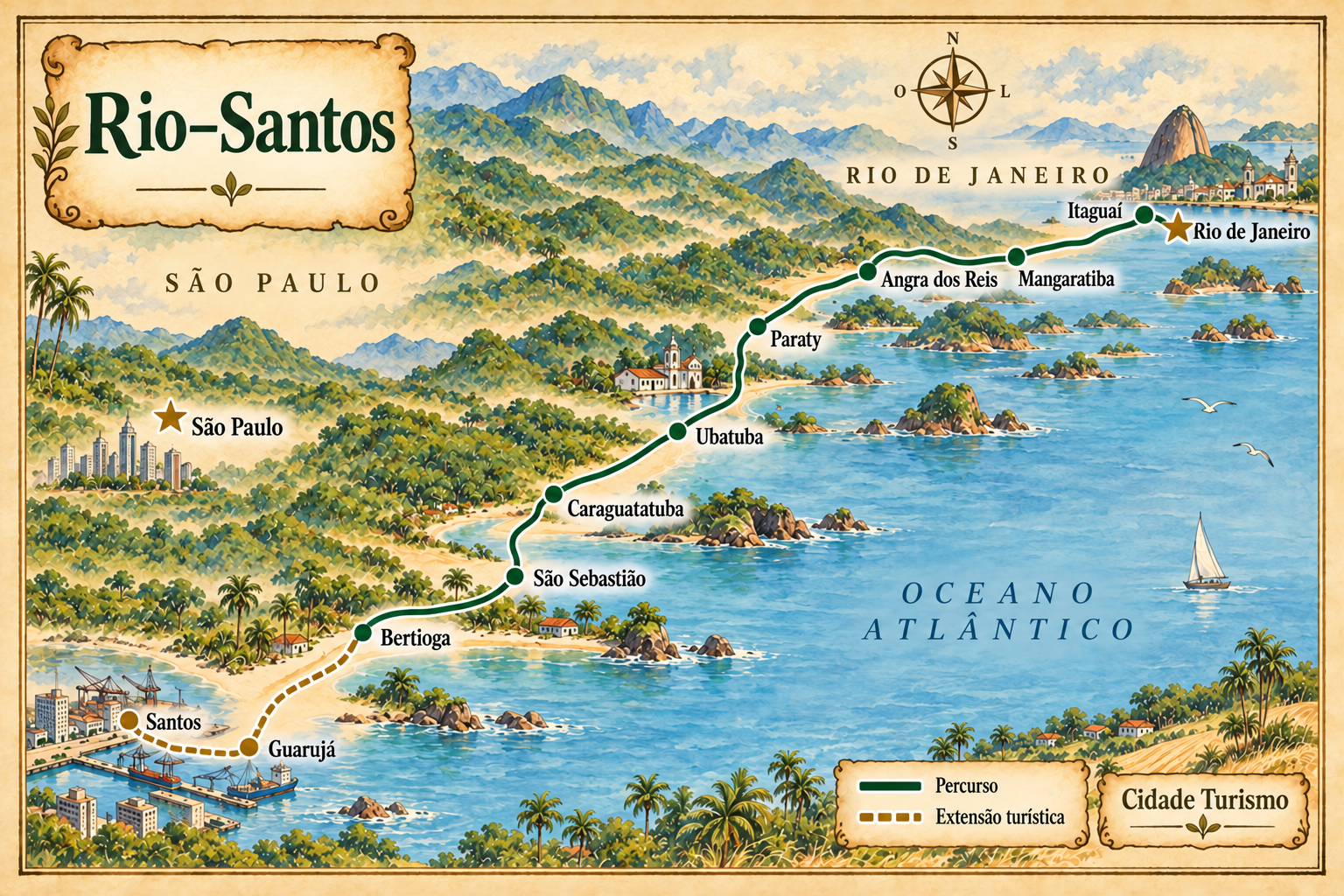
From the Costa Verde to the São Paulo coast, with beaches, heritage and an extension via Guarujá to Santos.
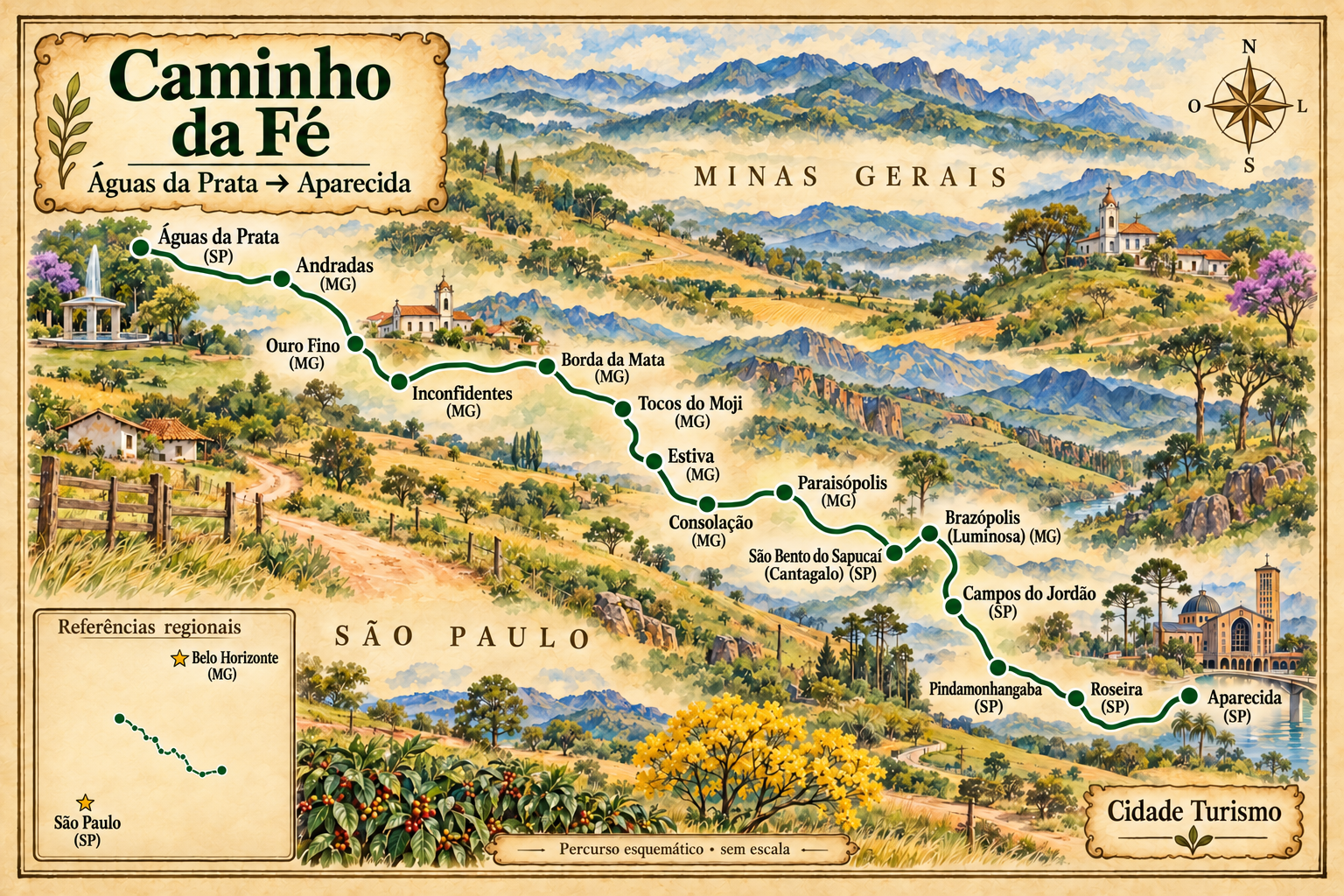
From Águas da Prata to Aparecida, a pilgrimage branch through towns and landscapes of the Mantiqueira.
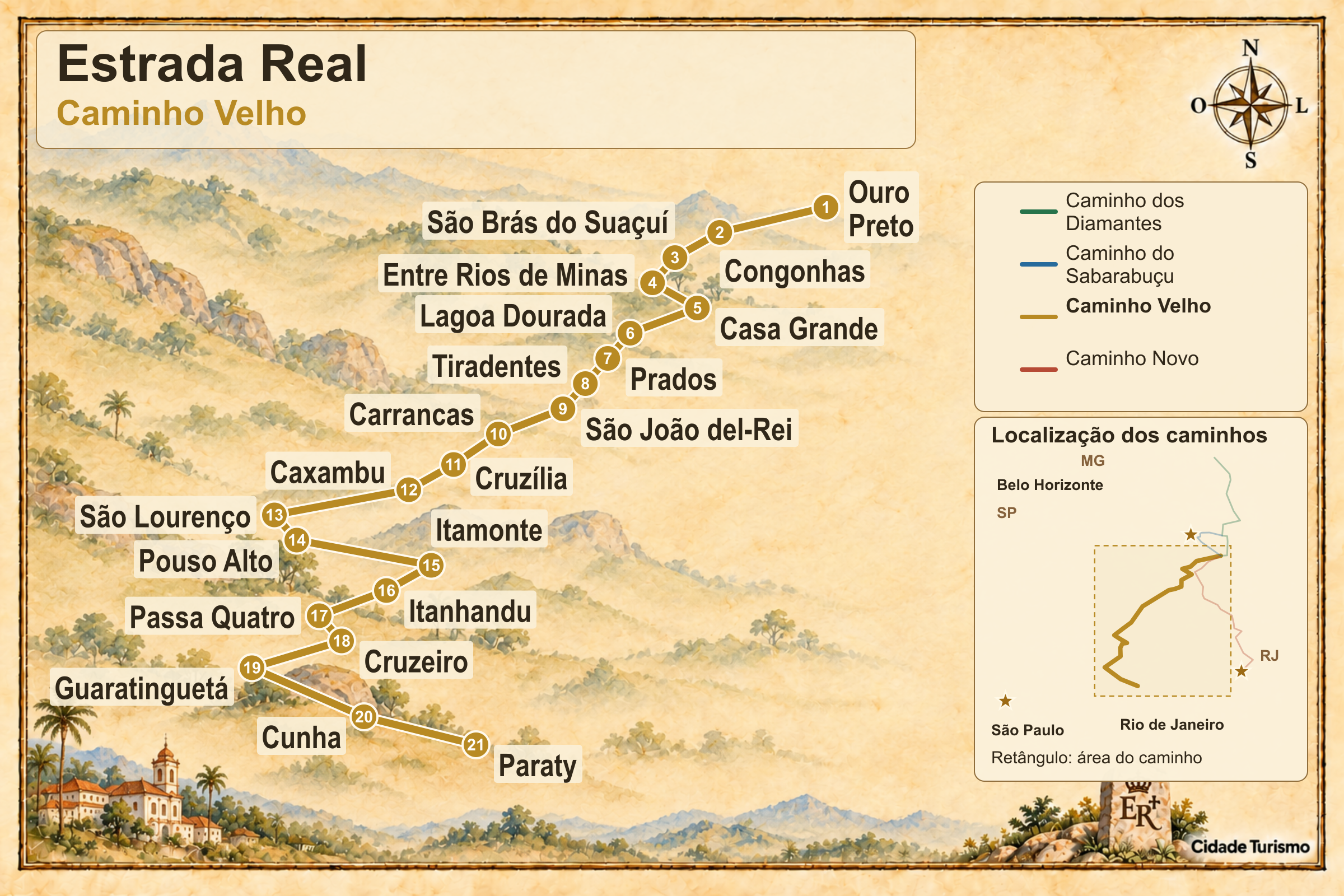
From Ouro Preto to Paraty, the oldest route of the Estrada Real passes through historic towns, spa towns, and the Mantiqueira.