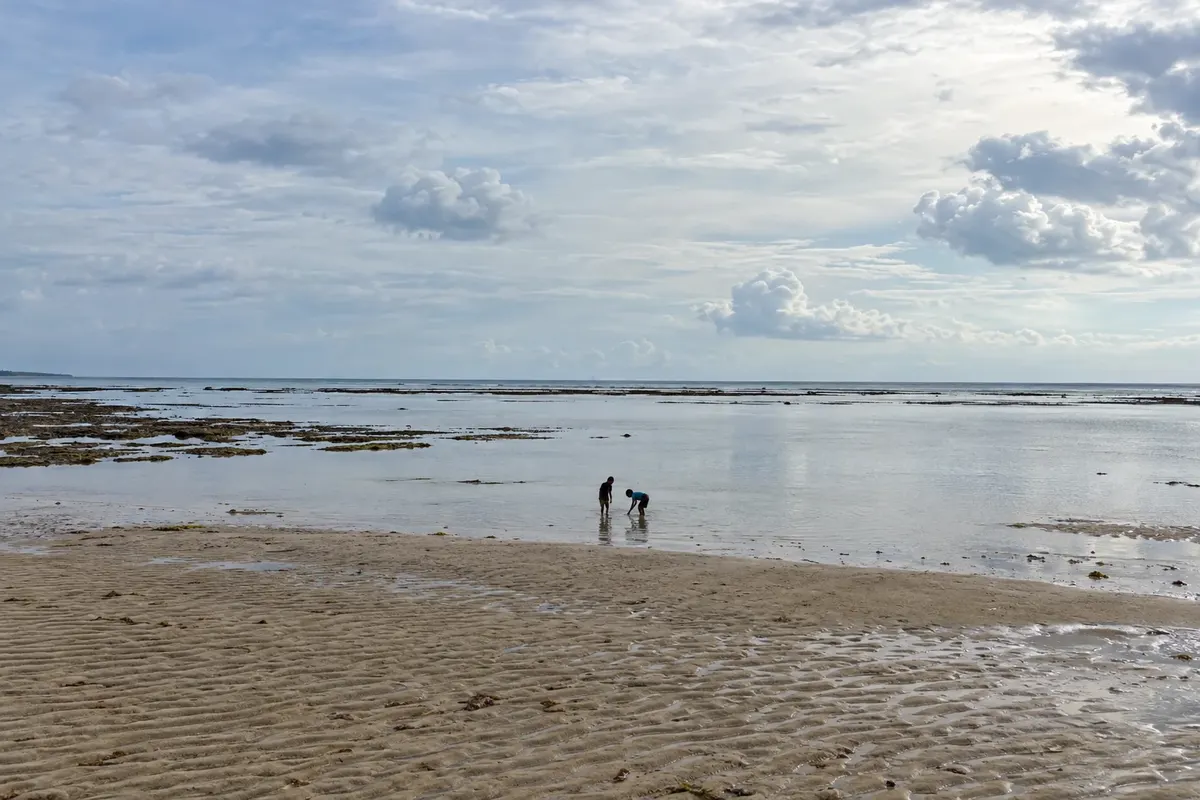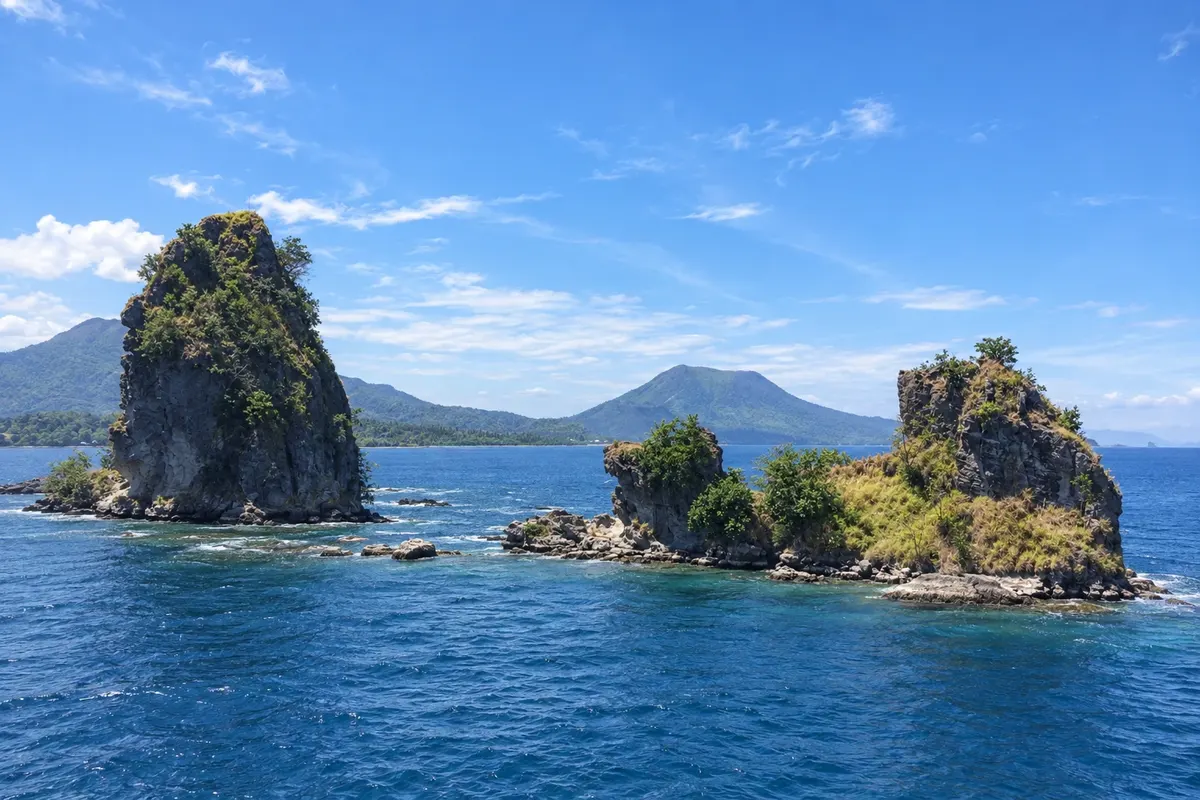
10 destinations
Destinations
The tourist regions in Papua New Guinea, each with its towns: things to do, when to go and how to get there.
See the destinations
 Search
 Brazil
 Argentina
 Bolivia
 Chile
 Colombia
 Ecuador
 Guyana
 French Guiana
 Falkland Islands (Malvinas)
 Paraguay
 Peru
 Suriname
 Uruguay
 Venezuela
 Germany
 Austria
 Belgium
 Croatia
 Denmark
 Spain
 Finland
 France
 Greece
 the Netherlands
 Hungary
 Ireland
 Iceland
 Italy
 Luxembourg
 Norway
 Poland
 Portugal
 the United Kingdom
 the Czech Republic
 Sweden
 Switzerland
 Turkey
 the United States
 Mexico
 the Dominican RepublicTurkey
 South Africa
 Australia
 Fiji
 New ZealandPapua New Guinea
Routes, destinations and cities in Papua New Guinea, with things to do, when to go and how to get there.
10 destinations 9 provinces 13 cities
Across Cidade Turismo: 45 countries · 78 routes · 604 destinations · 1,579 cities
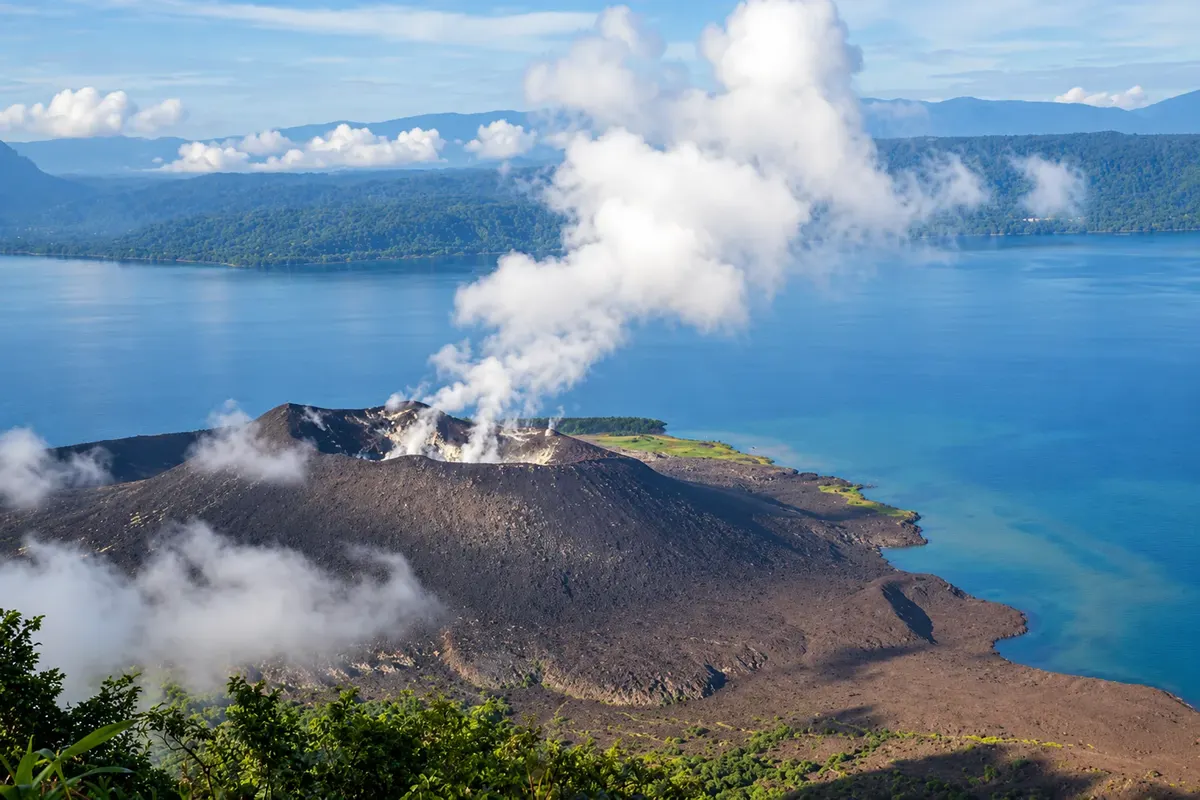
In the photo: Tavurvur Volcano — Rabaul
Illustrative images. The pictures in this guide are illustrations based on the real place, not photographs, and may differ from it.

The guide
The capital, Port Moresby, and the Kokoda Track; the islands and reefs of Milne Bay, Kimbe and New Ireland; the Rabaul caldera, the Sepik River and the Highlands festivals such as the Goroka Show. Each destination shows what to do, the best time to go and how to get there.
The guide has three ways in, so you can start wherever you like: routes, which link towns along one journey; destinations, which are the tourist regions; and the provinces, with the main cities in each one.
The texts are written from official tourism sources, such as national and regional tourism offices, national parks and city halls, and new cities and routes keep being added to the guide.
About Cidade Turismo: who we are and how the guide is made →
10 destinations
The tourist regions in Papua New Guinea, each with its towns: things to do, when to go and how to get there.
See the destinations13 cities in 9 provinces
The guide by province: each one with its destinations, cities and routes, and each city with its attractions.
See provinces and citiesThe map
Tap a region to see the names. Use two fingers to zoom in.
Boundaries: Papua New Guinea National Statistics Office / OCHA ROAP / geoBoundaries (CC BY 3.0 IGO). Adapted by Cidade Turismo.
Where to start
Six cities from the guide, changing every day.
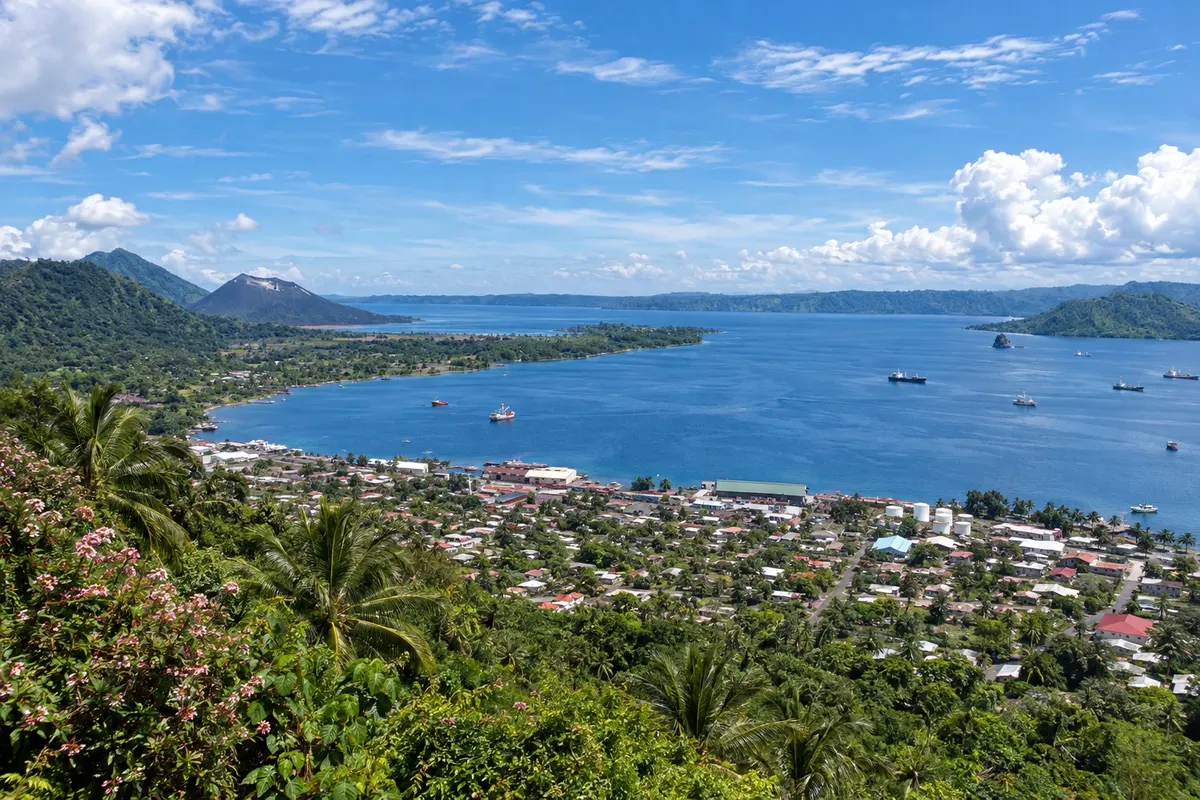
Rabaul lies within a volcanic caldera flooded by the sea, surrounding Simpson Harbour. The town was buried in ash during the 1994 eruption and is gradually rebuilding. There you can find the still-active Tavurvur volcano and the Rabaul Volcanological Observatory, which overlooks the caldera. From the time when Rabaul was the main Japanese base in the South Pacific remain Admiral Yamamoto’s bunker and the Japanese barge tunnels cut into the rock at Karavia Bay.
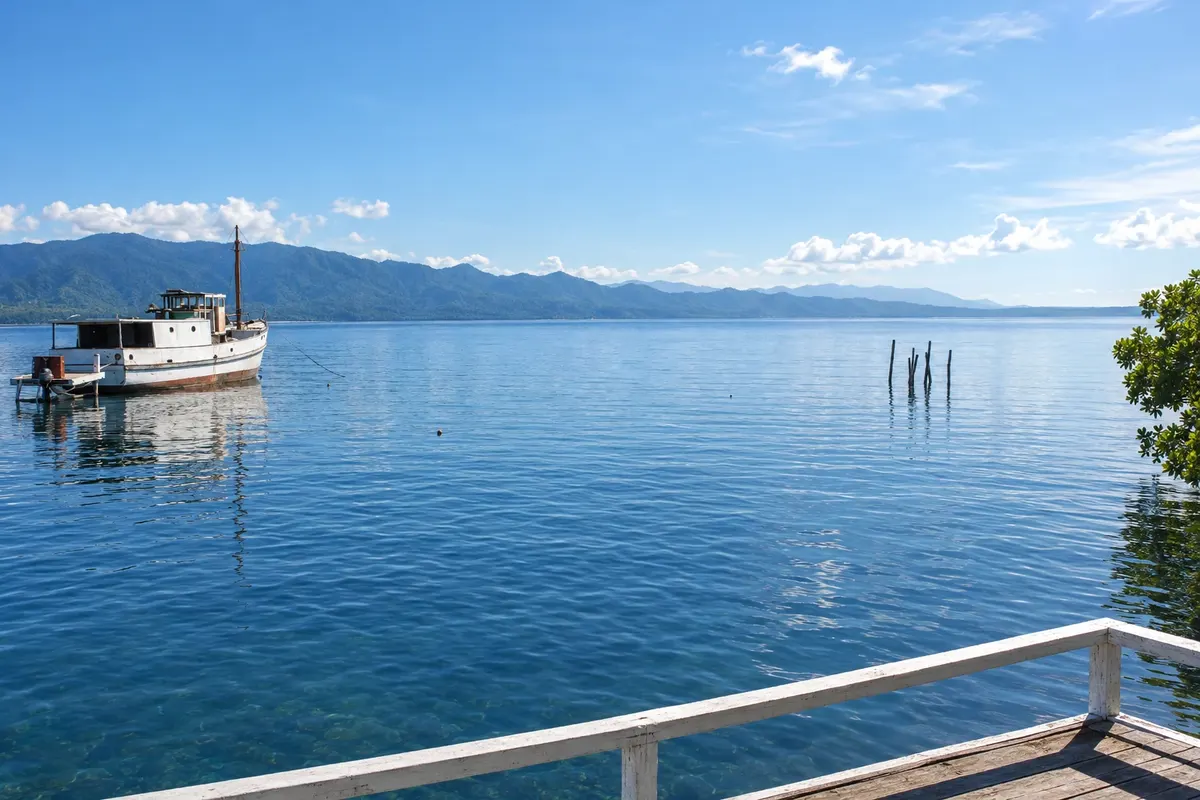
Alotau has been the capital of Milne Bay Province since 1969, on the bay’s northern shore facing the mountains. On the waterfront is the Milne Bay Memorial, dedicated to the 1942 battle; to the west, the Turnbull Field Memorial marks the point where the Japanese advance was halted. By boat, the former port town of Samarai in the China Strait makes a full-day outing. The town is the base for the bay’s dives and hosts the Kenu and Kundu Festival in November.
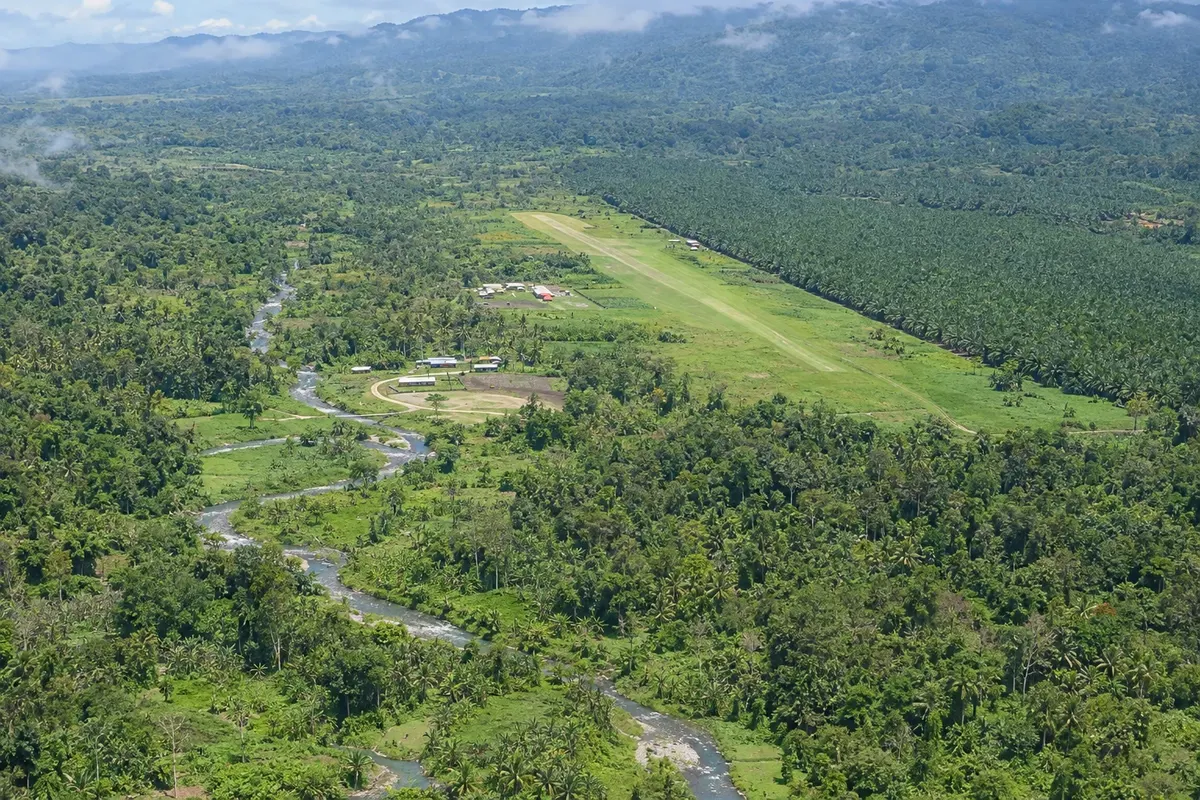
Kokoda is the government station, founded in 1904, on a plateau at the foot of the Owen Stanley Range in Oro Province, and is the northern terminus of the Kokoda Track. In the area of the old parade ground are the memorial with four stone markers and the Herbert Kienzle museum, about the 1942 campaign. To the south, the track climbs to Isurava, where a granite memorial marks the battlefield.
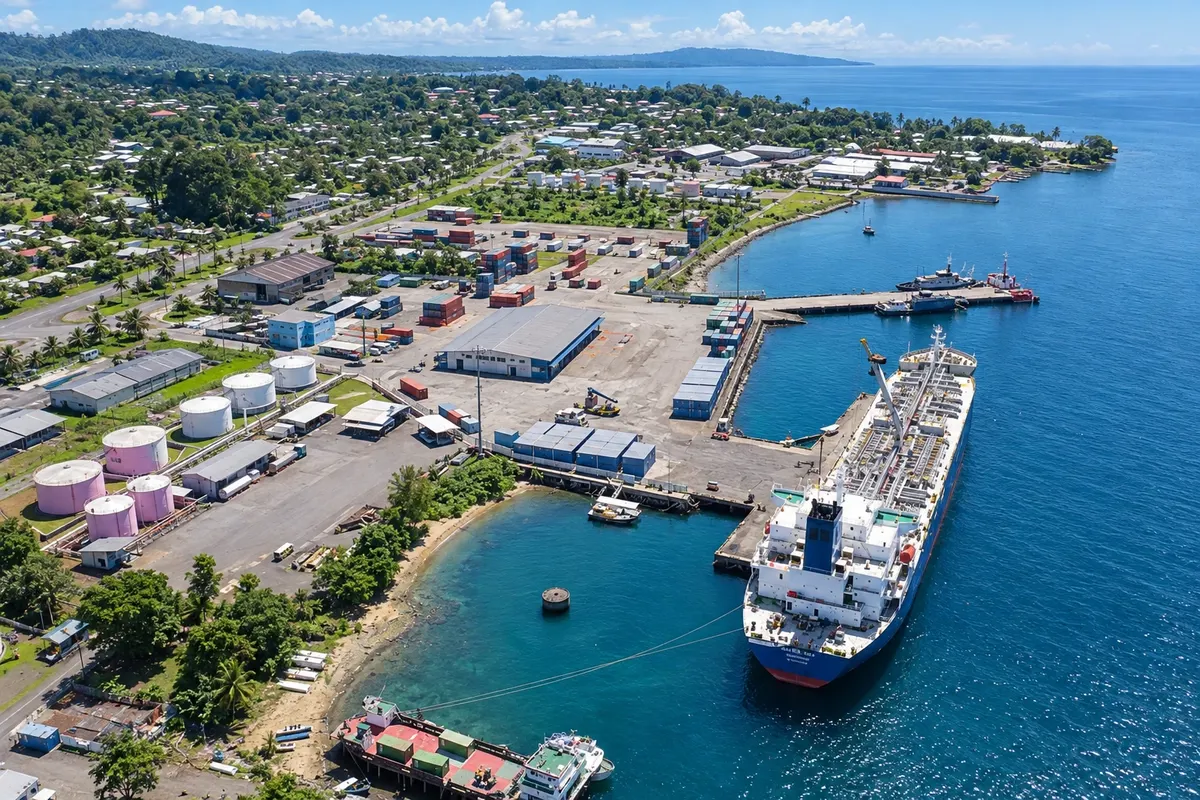
Kimbe is the capital and largest settlement of West New Britain, at the head of Kimbe Bay, with one of the country’s largest ports and oil-palm plantations around it. It is the base for diving on the bay’s reefs and for land trips to the warm Garu River in the forest to the west and the Pangalu hot springs near Talasea on the Willaumez Peninsula.
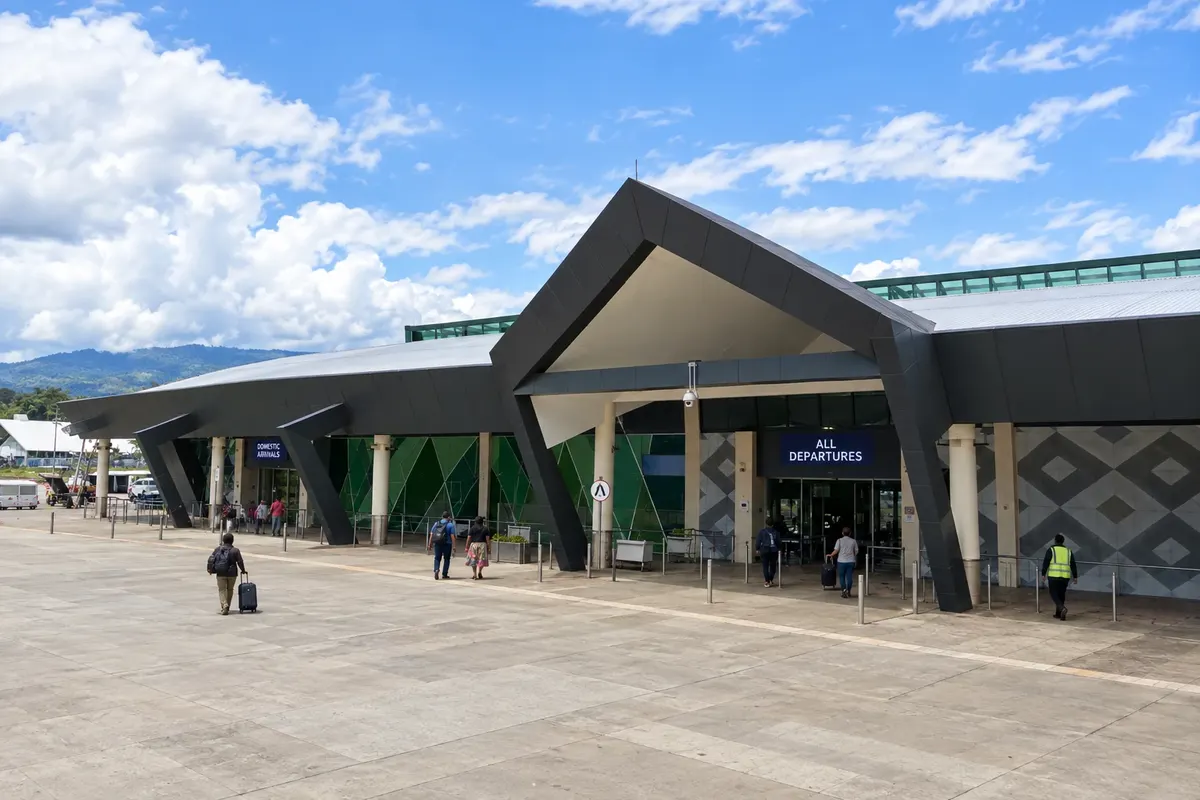
Goroka is the capital of the Eastern Highlands, at about 1,600 meters elevation, with a mild climate and the airport in the centre. In town are the J. K. McCarthy Museum, with objects from the Highlands cultures and photographs of first contact in the 1930s; Goroka Market, known for handwoven bilum; and the Raun Raun theatre, a national cultural institution. In September, the Goroka Show brings together over a hundred dance groups at the National Sports Institute grounds.
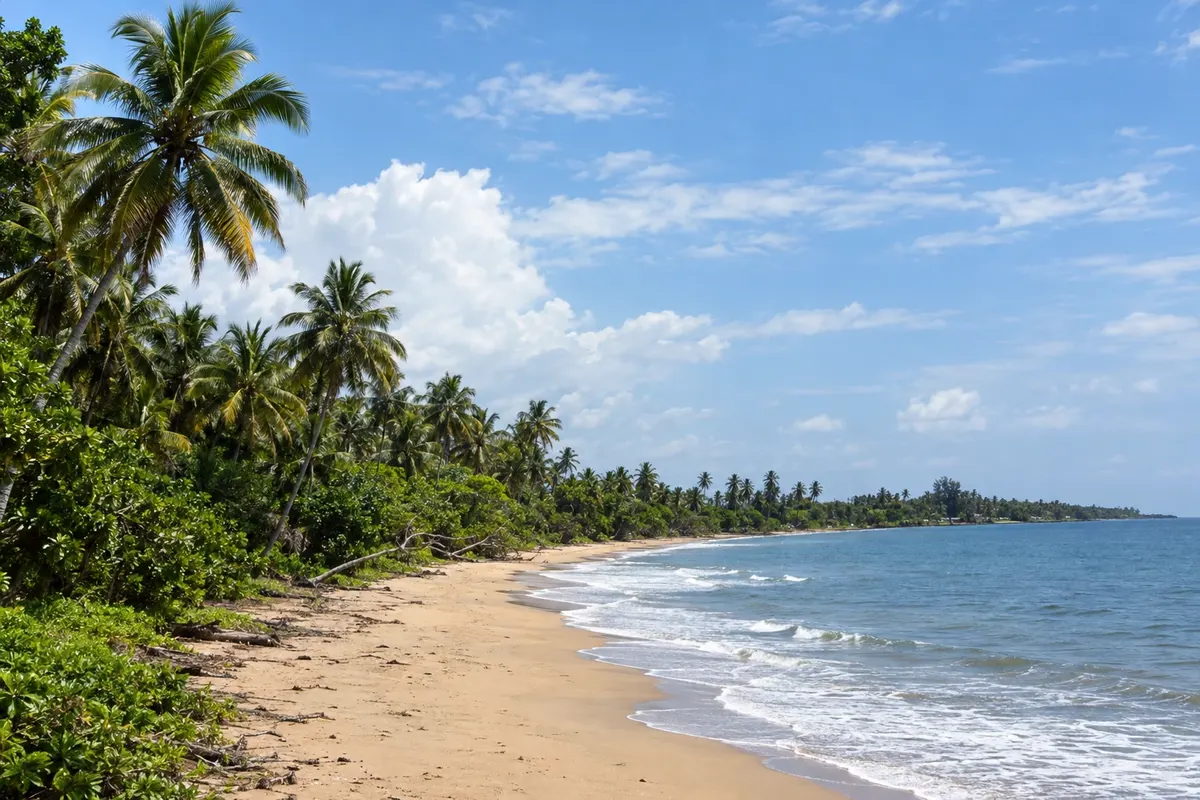
Wewak is the capital of East Sepik, on the northern coast, with nearby beaches and islands, and the gateway to the Sepik River. The airport occupies the former Japanese airstrip from World War II. West of the town centre, Cape Wom holds the memorial at the site where the Japanese army in New Guinea surrendered in 1945. From Wewak, a road runs south to Pagwi, in the middle Sepik.

Traveler area
The app
Save the destinations you want to visit, send your travel photos and get the guide's news.
Cidade Turismo around the world
The routes, destinations and cities of each country, with things to do, when to go and how to get there.
Papua New Guinea In the guide
FAQ
A travel guide to Papua New Guinea organized into routes, destinations, provinces and cities. Each city has things to do, attractions, when to go and how to get there.
A route is a journey linking several towns. A destination is a tourist region with its towns. A city is the place itself, with its attractions.
They are illustrations based on the real place, not photographs, and may differ from it. Photos sent by travelers are shown separately, as travelers' photos.
Type the name in the search box: it can be a route, destination, province, city or attraction. Or start from Routes, Destinations or Provinces and cities in the menu.
Yes. Destinations already translated are available in Spanish and English at cidadeturismo.com, and the rest are being added.
Yes, for Android, on Google Play. With it you can save the destinations you want to visit and get the guide's news.