Sepik River

East Sepik · Papua New Guinea

Sepik River

The largest river of New Guinea, with riverside villages, spirit houses (haus tambaran), wood carvings and the Chambri lakes, explored by motorized canoe.

Momase Region

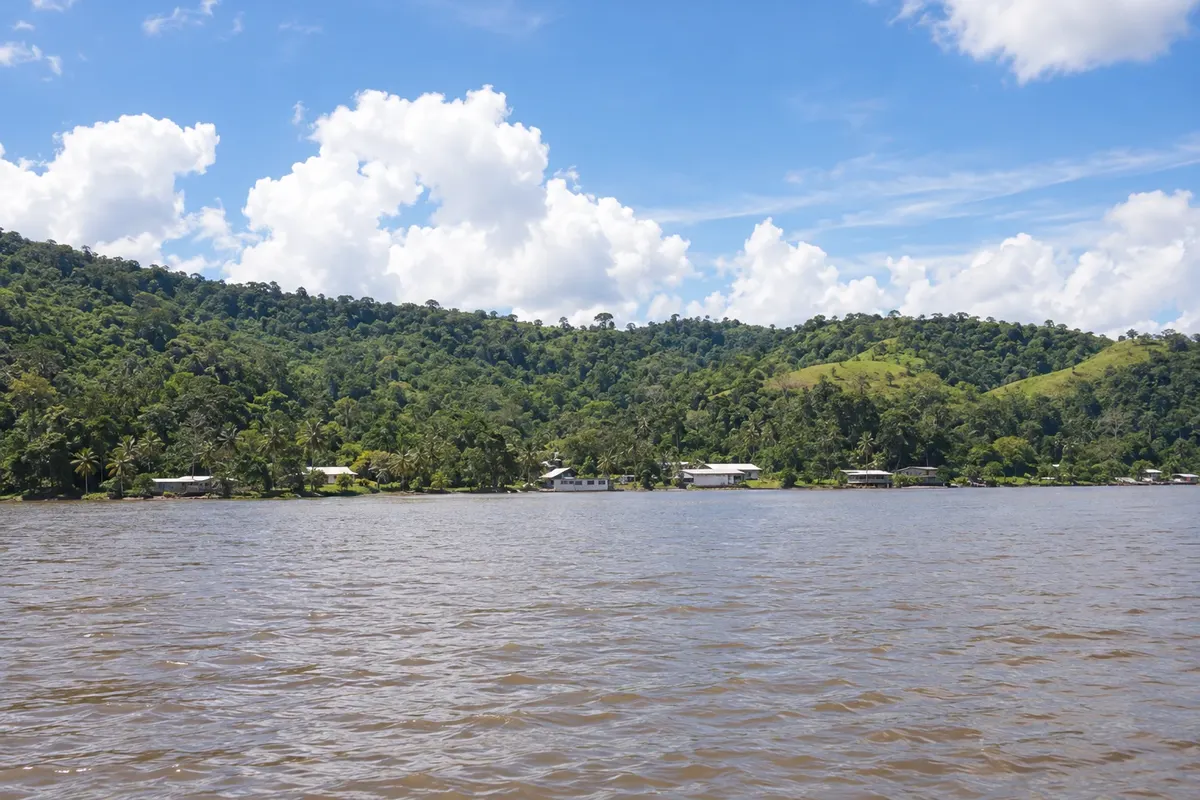
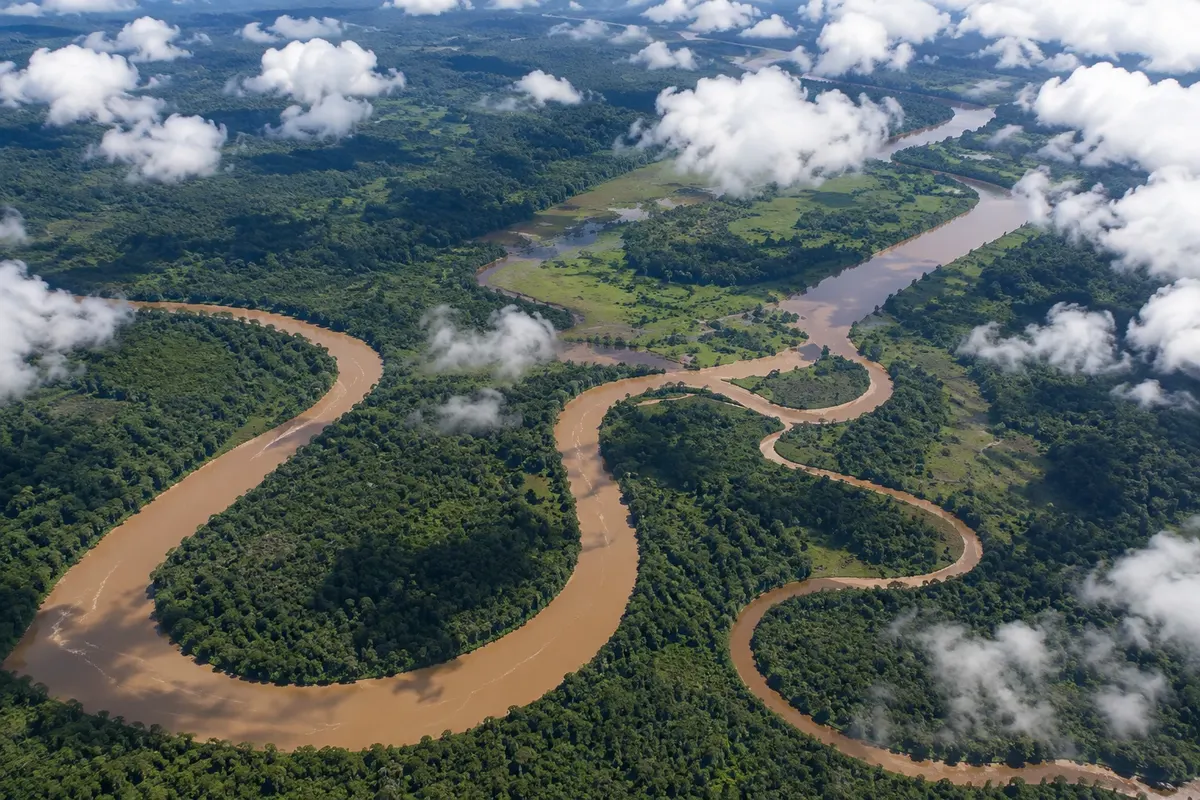
In the photo: Meanders of the Sepik River

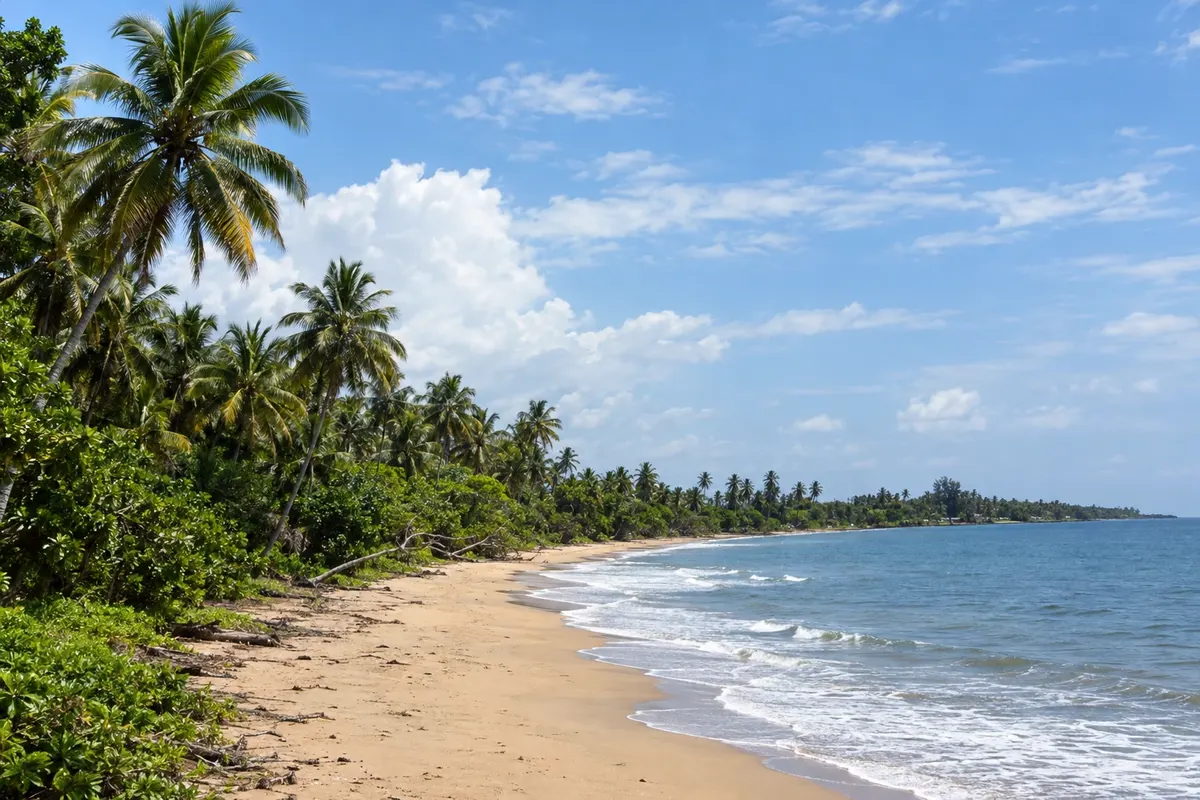
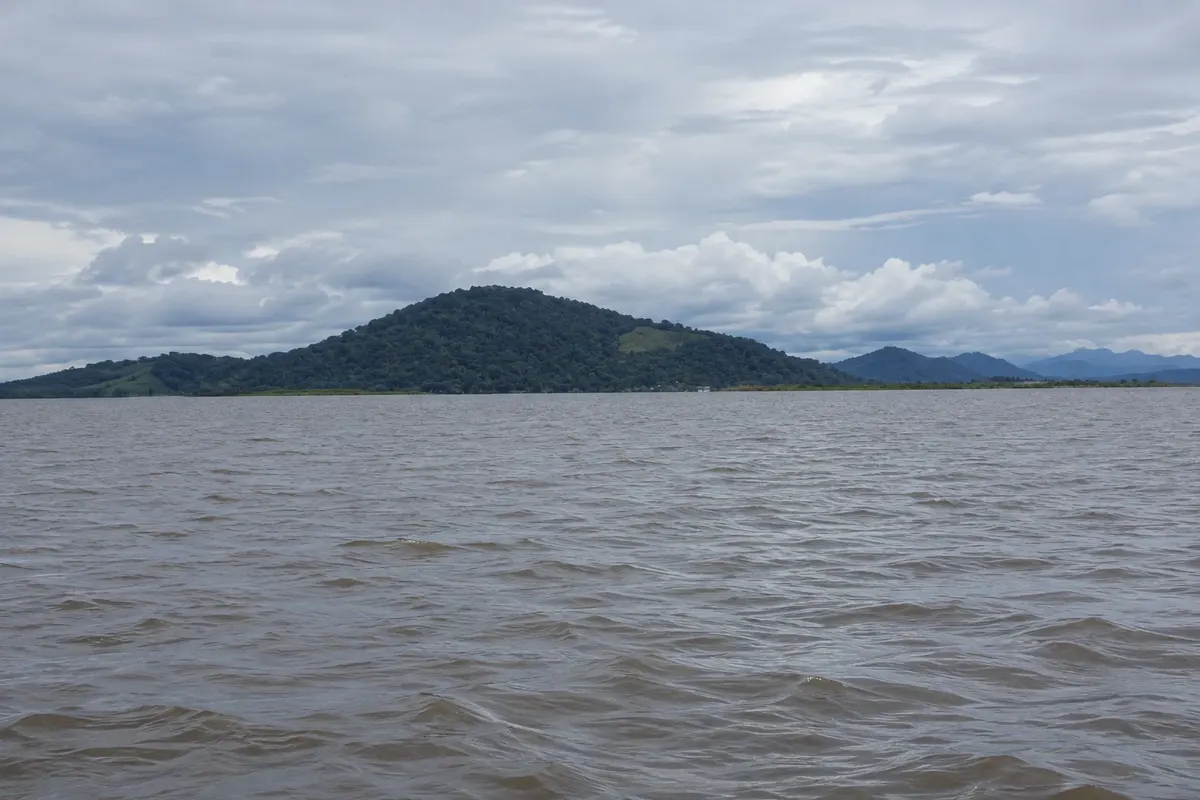
Illustrative images. The pictures in this guide are illustrations based on the real place, not photographs, and may differ from it.

Get it on Google Play Send your photos

Get to know the place

A region to enjoy
at your own pace.

The Sepik River runs for about 1,126 km across northern New Guinea, winding through floodplains, lagoons and forests to the Bismarck Sea. It is the island’s largest river, and its villages, reached by motorized canoe, preserve one of Oceania’s best-known artistic traditions.

In the mid-Sepik villages, the spirit houses, the haus tambaran, have high roofs and painted or carved facades, and they hold masks, flutes and ancestor figures. In some parts of the mid-Sepik, boys’ initiation rituals include scarification that imitates crocodile skin, an animal linked to the origin stories of the river peoples.

Wewak, the capital of East Sepik, lies on the coast to the north and is the region’s gateway; nearby, at Cape Wom, the Japanese army surrendered on September 13, 1945. Ambunti, on the mid-Sepik, is the base for canoe trips on the river and the Chambri lakes, and hosts the Crocodile Festival, established as part of conservation programs.

Travel on the Sepik requires time and preparation: transport is by boat, village accommodation is simple, and visits must be arranged with guides and communities.

This destination brings together 2 cities: Wewak, Ambunti.

Share: WhatsApp
Traveler, share your experiences through photos Up to 5 photos of each place you visited.

One destination, many paths

The cities on this trip

Start with one city or combine several in your itinerary.

Where Sepik River is
WewakAmbunti

Boundaries: Papua New Guinea National Statistics Office / OCHA ROAP / geoBoundaries (CC BY 3.0 IGO). Adapted by Cidade Turismo.

How to get there: Sepik River

✈ Aeroporto de Wewak (Boram) (WWK), in Boram · 5 km to Wewak

Wewak Airport (WWK) has flights from Port Moresby. From Wewak a road runs south to Pagwi on the river, where canoes take visitors to the villages and to Ambunti. Ambunti also has a small airstrip for light aircraft.

Suggested arrival point: Wewak

The local experience

Things to do in Sepik River

Cape Wom
Wewak · East Sepik · War memorial

Cape Wom

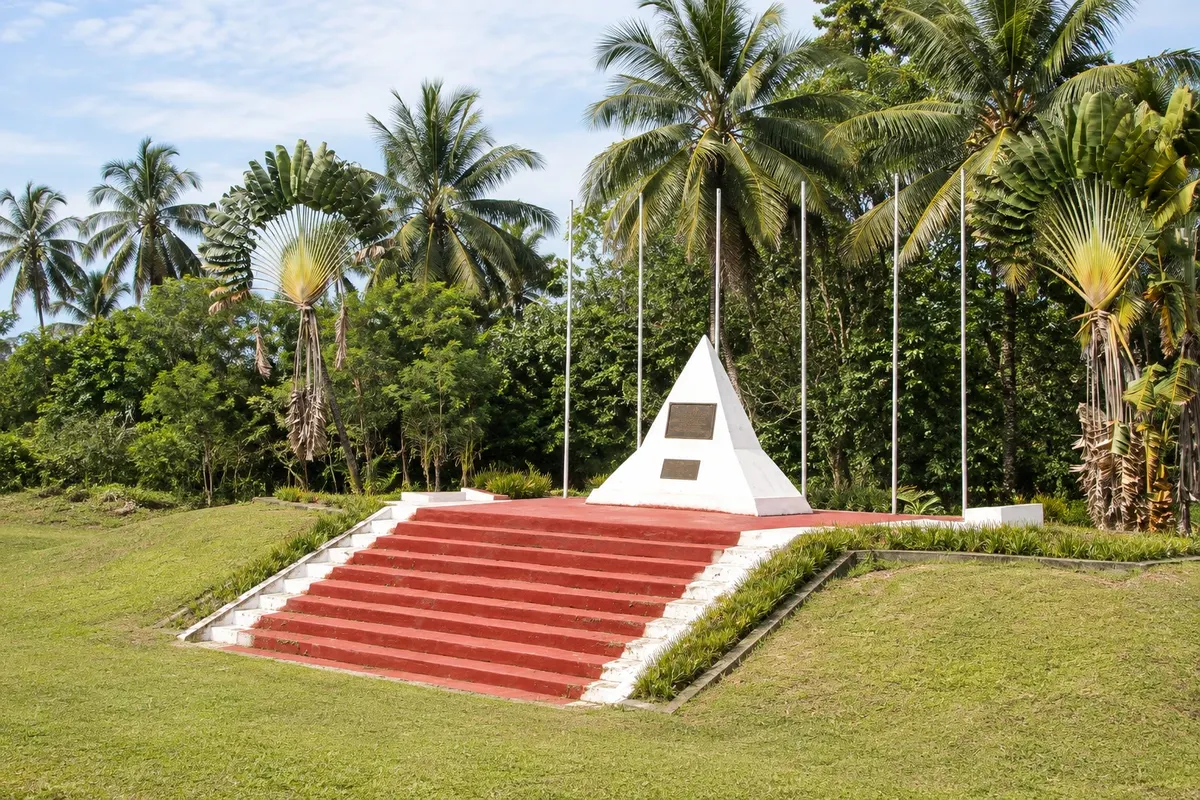
Peninsula west of Wewak where the Japanese army in New Guinea surrendered to Australian troops on 13 September 1945, now a memorial park with monument, remnants of the airstrip and tunnels.

Chambri Lakes
Ambunti · East Sepik · Lakes and villages

Chambri Lakes

A complex of lakes, swamps and shallow channels on the mid-Sepik, flooded by the river’s high water, with the Chambri villages known for their art.

Sepik River
Ambunti · East Sepik · River

Sepik River

The largest river in New Guinea, about 1,126 km long, running in large bends through flooded plains and forests, with riverside villages reached by canoe from Ambunti.

Before you go

Practical information

A little planning leaves more time to enjoy the journey.

When to go

It is hot and humid year-round. In the driest months the river falls and banks and villages become more exposed; from September to March the northwest monsoon fills the Chambri lakes. Confirm conditions with local guides.

The seasons shown are the most usual ones; nature doesn't always follow the calendar.

How many days to stay

At least four or five days for the mid-Sepik, plus a day in Wewak. Longer trips include villages in the upper or lower Sepik.

Which city to stay in

In Wewak lodging is in the town center and on the waterfront. On the mid-Sepik, Ambunti has a simple riverside guesthouse, and the villages offer very basic guest rooms with mosquito nets. There is also a permanent floating guesthouse on the river.

Respect the place

Take your trash with you, follow the signs and support local businesses. In natural areas, follow the visiting guidelines.

Get your questions answered

Frequently asked questions about Sepik River

How to travel on the Sepik River?

By motorized canoe from Pagwi or Ambunti, with local guides who arrange transport, village visits and community accommodation. Book everything in advance.

How many days to allow for the Sepik River?

At least four or five days for the mid-Sepik, plus Wewak, because of boat distances.

What is a haus tambaran?

It is the spirit house of the Sepik villages, with a high roof and a painted or carved facade that stores masks, flutes and sacred objects. Visits depend on community permission.

Where to sleep on the Sepik River?

In Ambunti, in a simple riverside guesthouse, or in very basic village guest rooms with mosquito nets. There is also a permanent floating guesthouse on the mid-Sepik.

Where to check travel advice before going to the Sepik?

Several governments publish travel advice for the country, divided by region, and these change over time. Read your government’s guidance before booking a trip to the Sepik and arrange your itinerary in advance with a guide and transport.

Explore other destinations Search by state and city