Corumbá
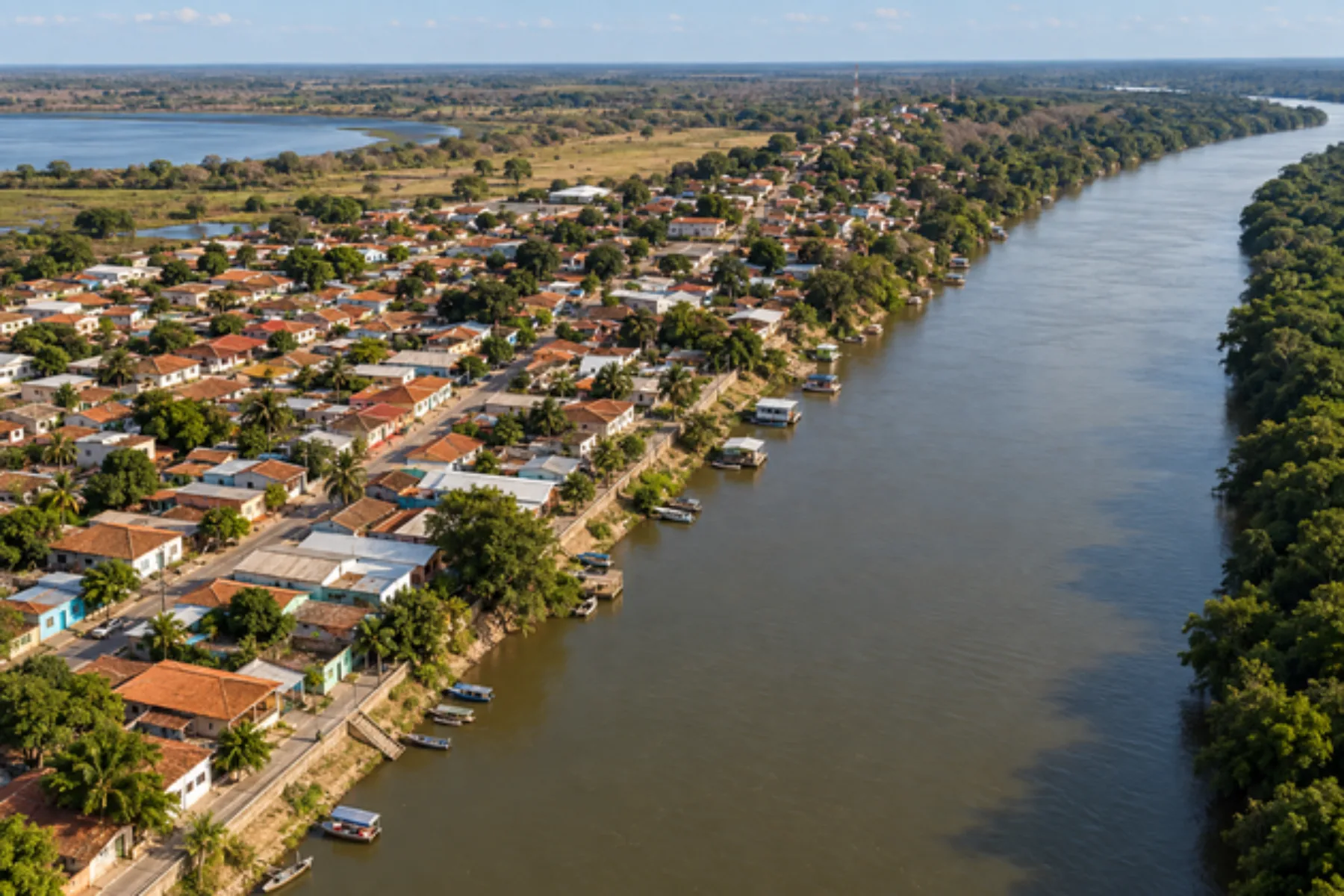
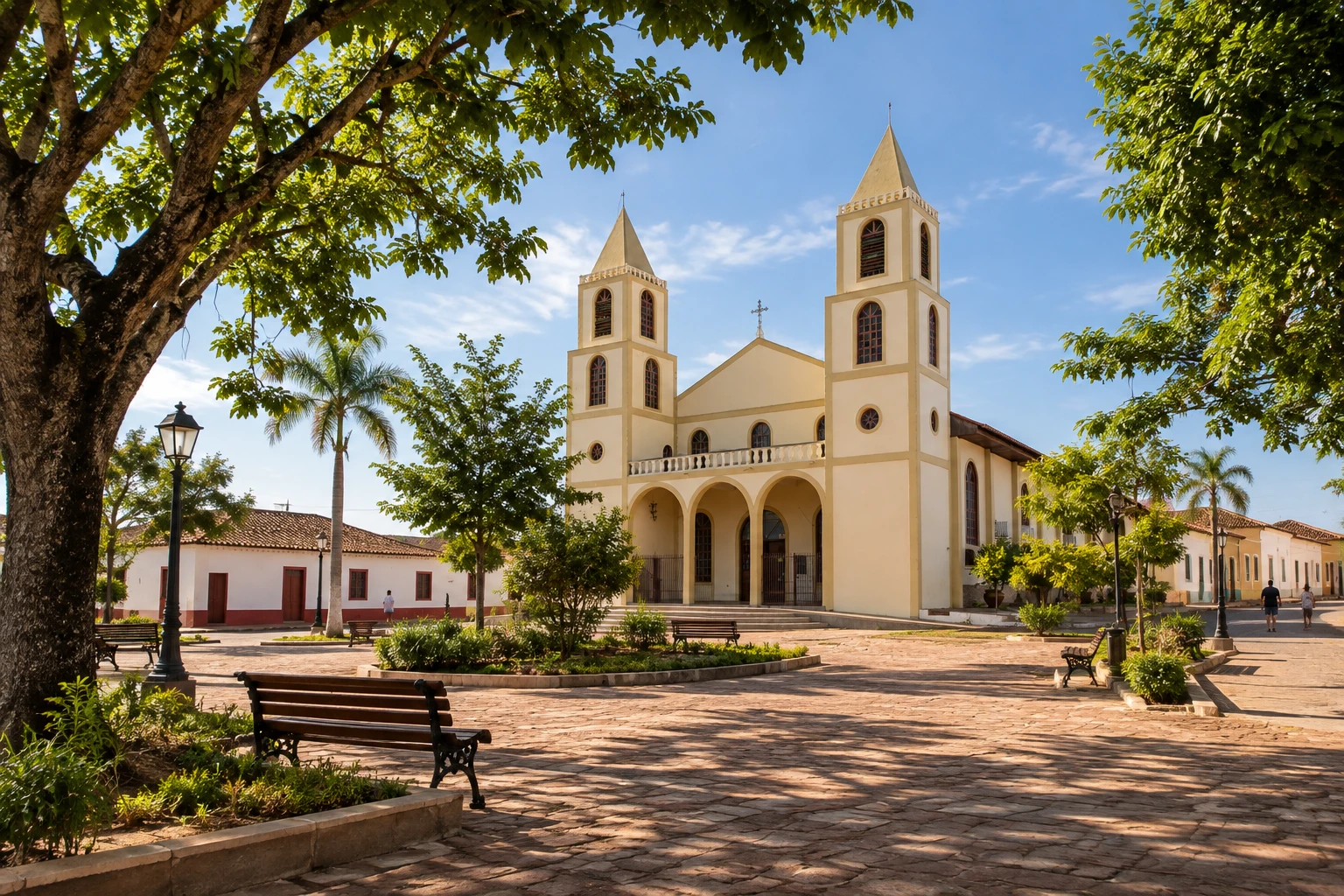
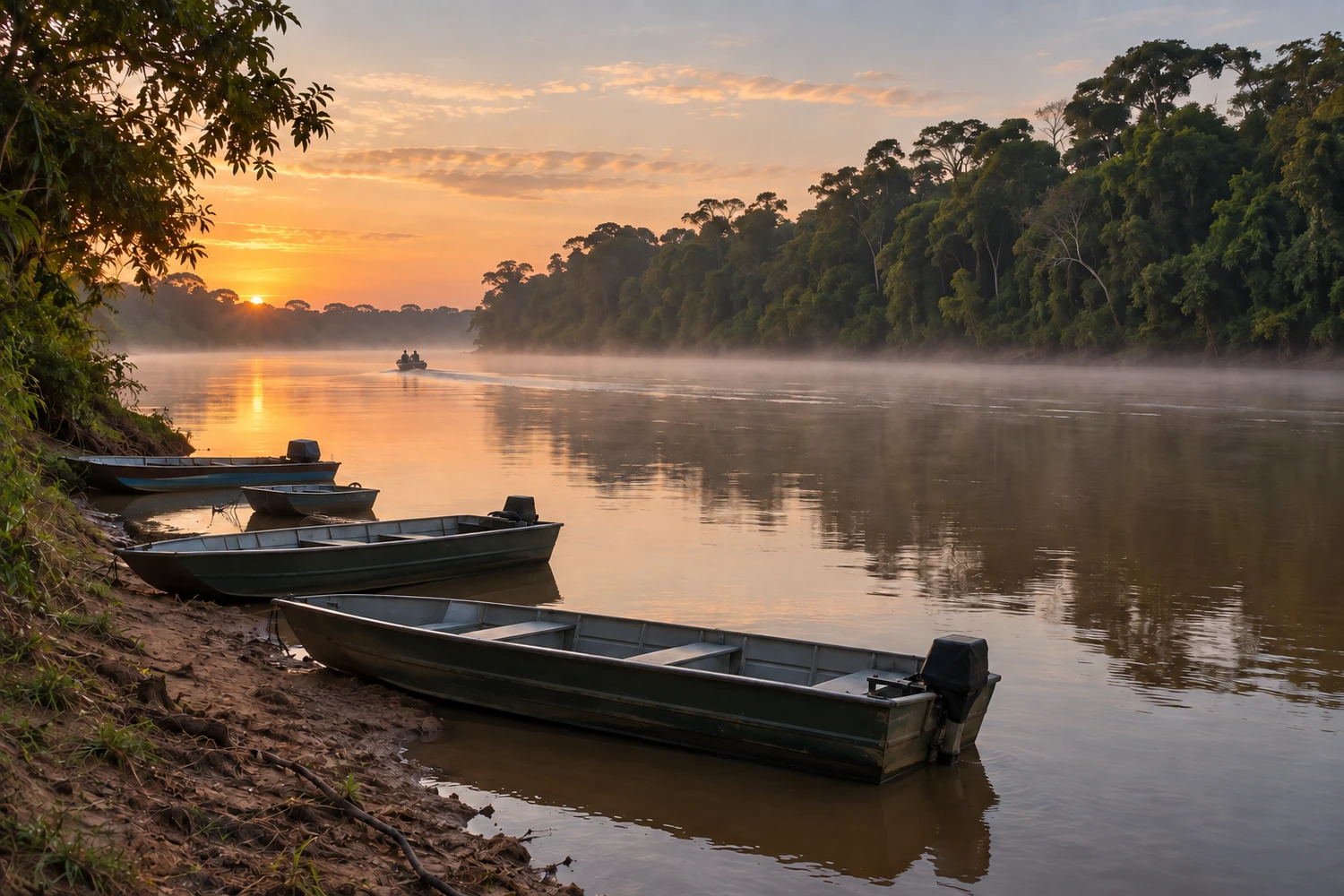
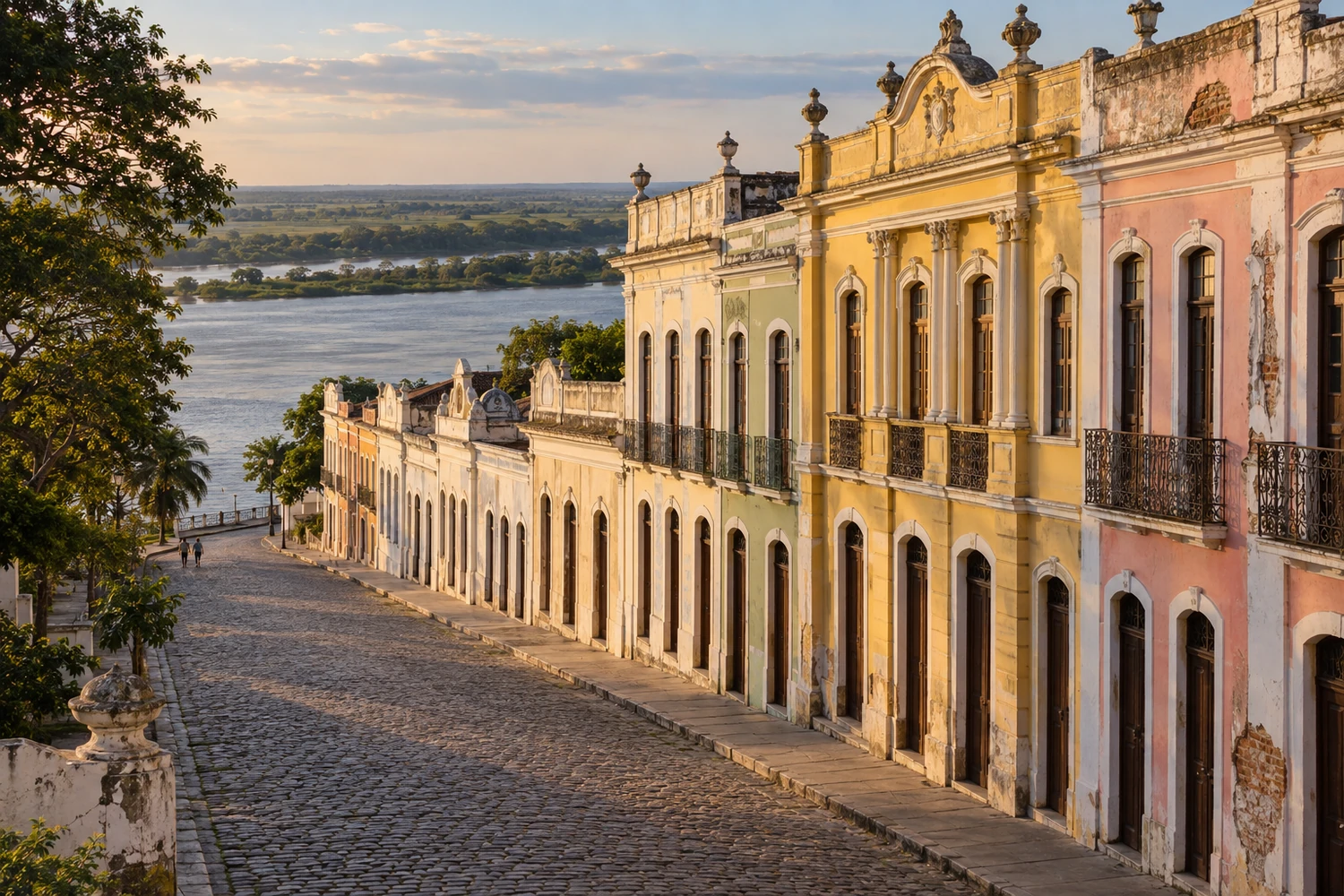
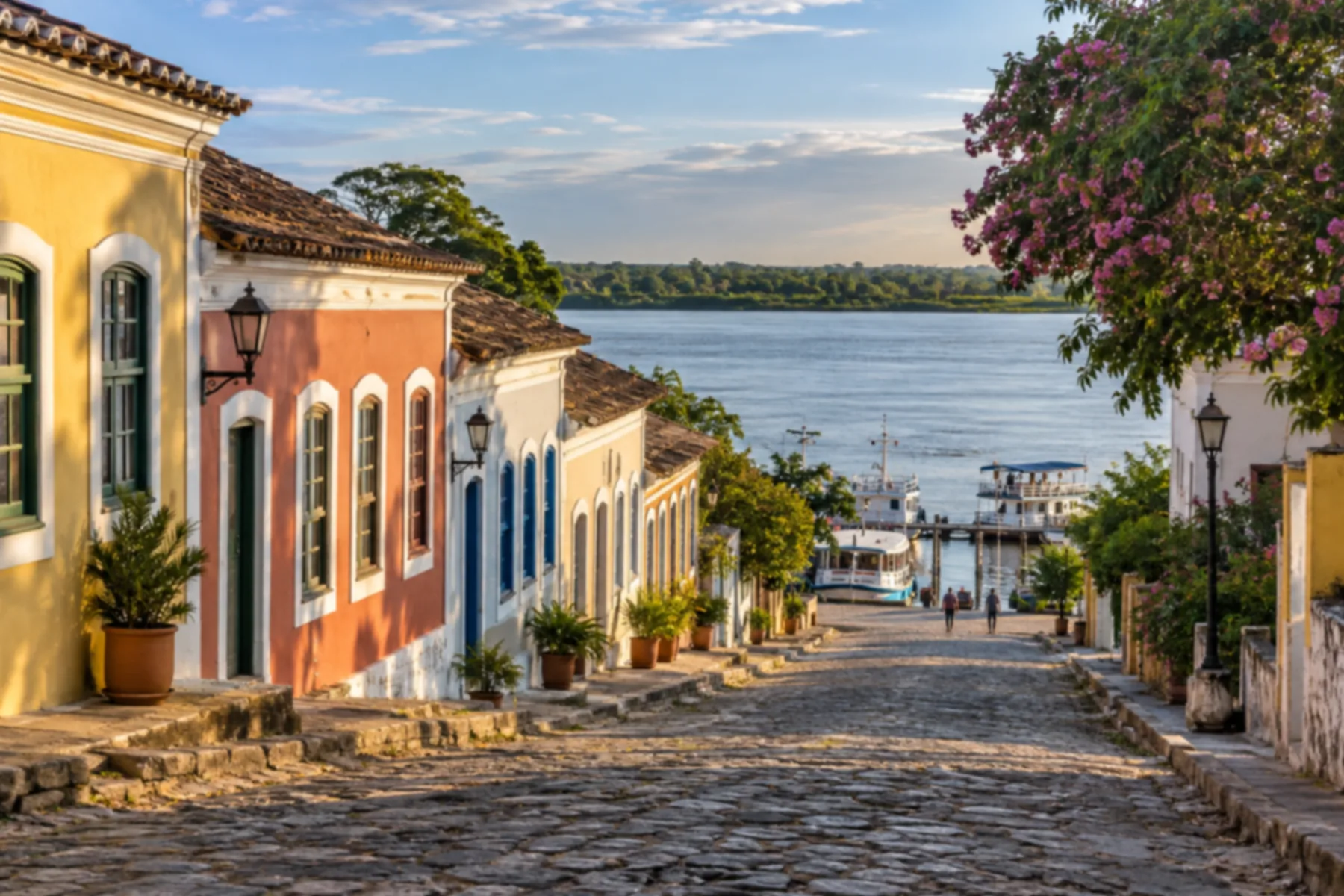
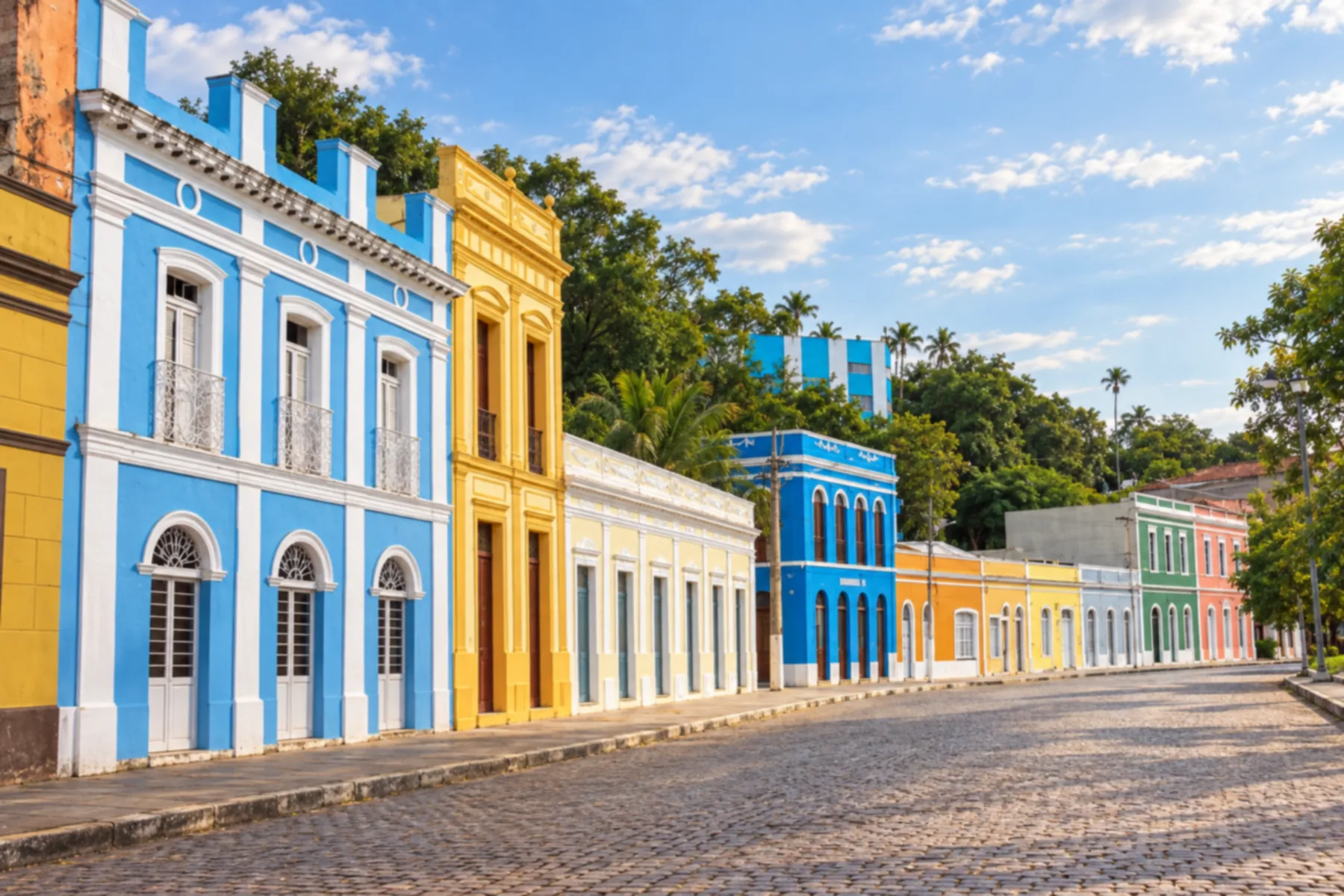
Corumbá combines historic houses and Pantanal scenery on the banks of the Paraguay River. Porto Geral preserves the memory of the river trade and navigation that shaped the city.
MS · MT · Brazil
Illustrative images. The pictures in this guide are illustrations based on the real place, not photographs, and may differ from it.
Get to know the place
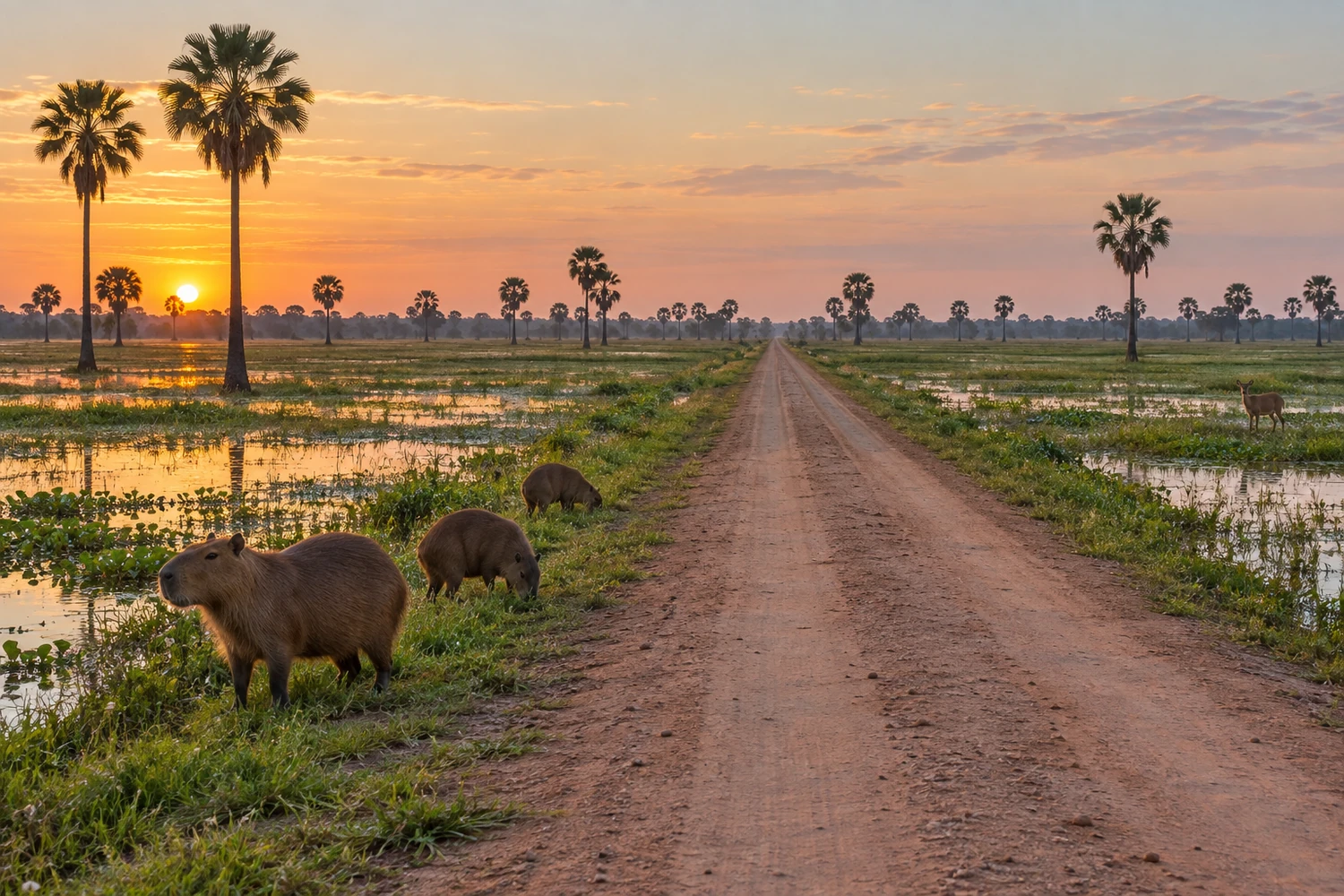
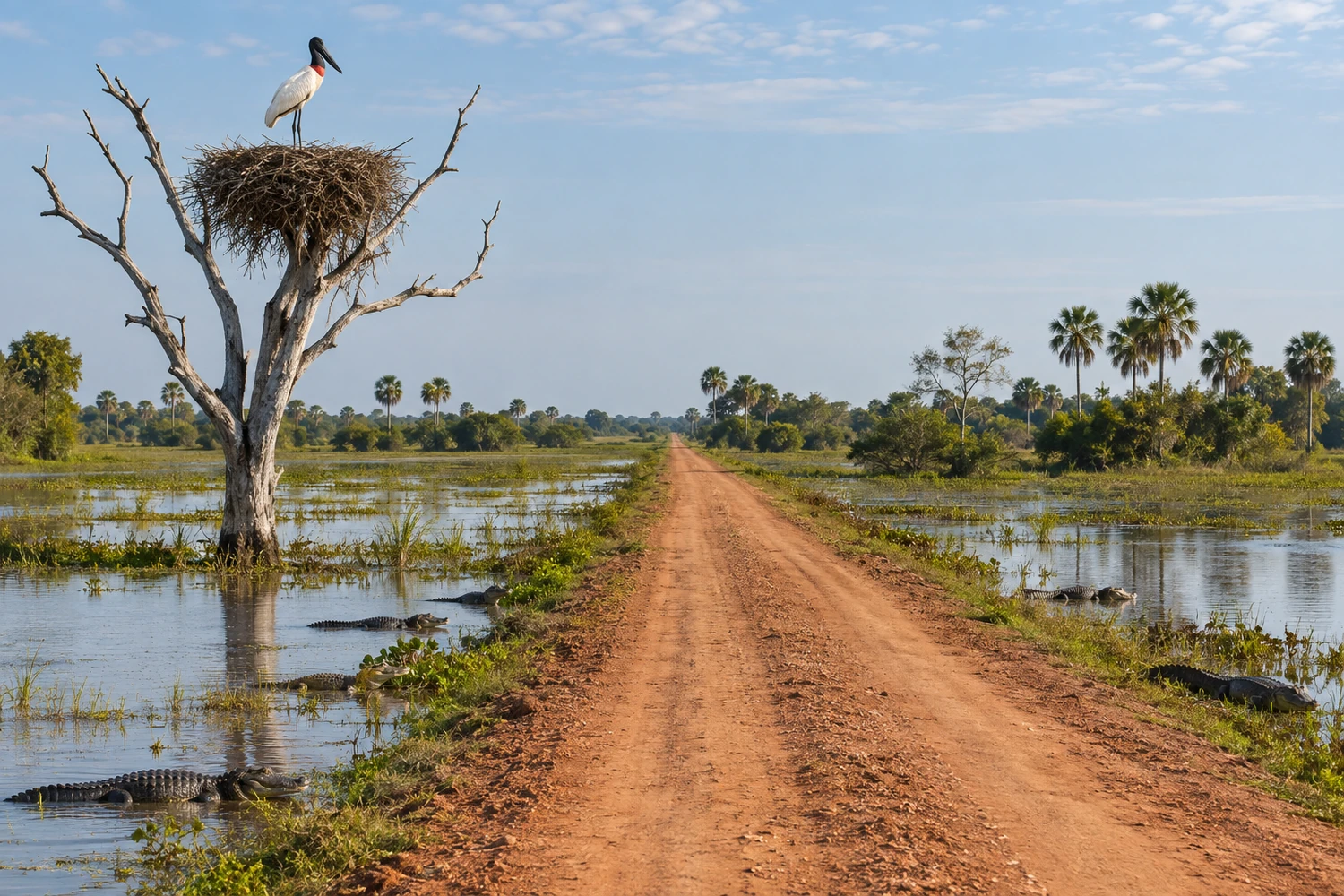
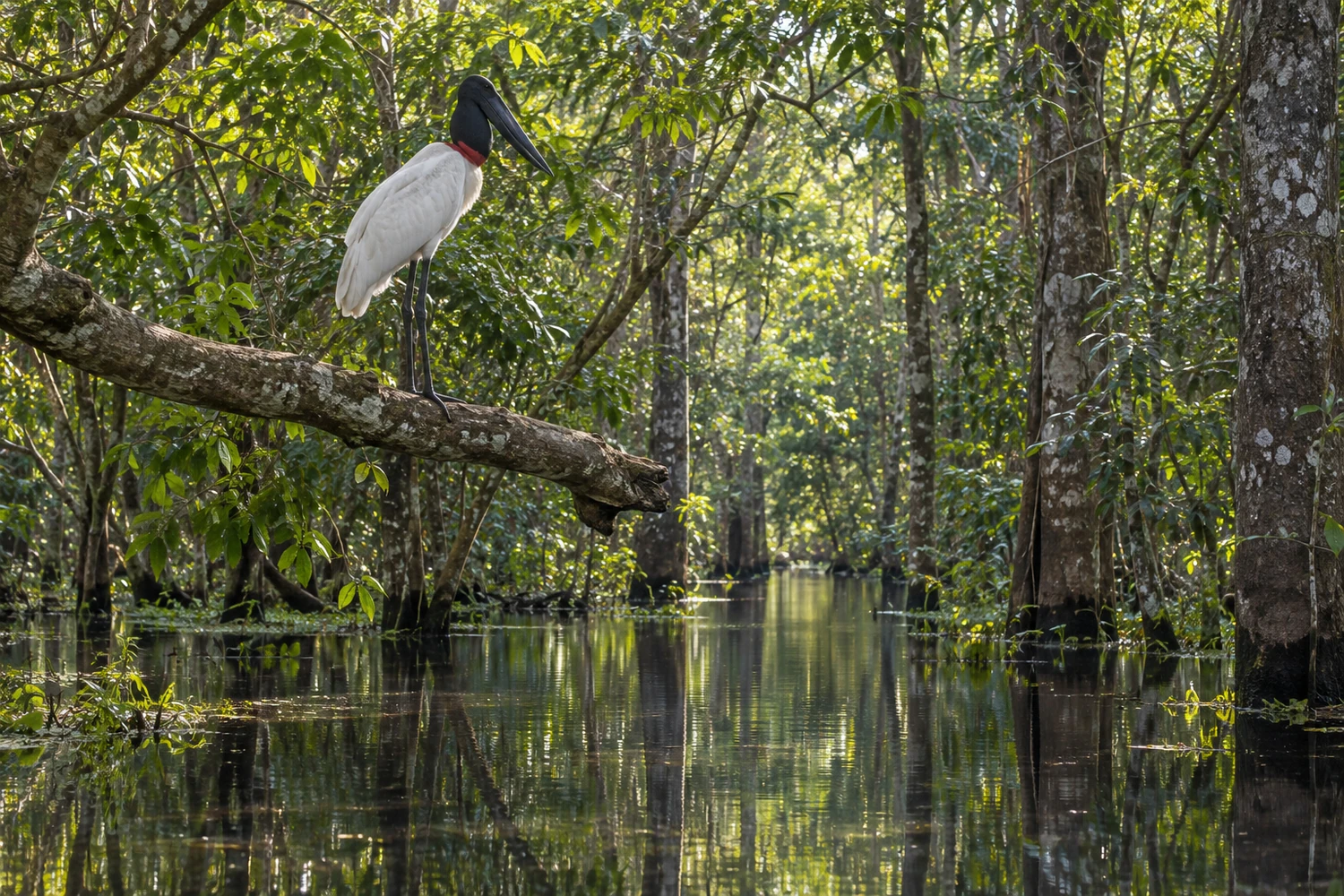
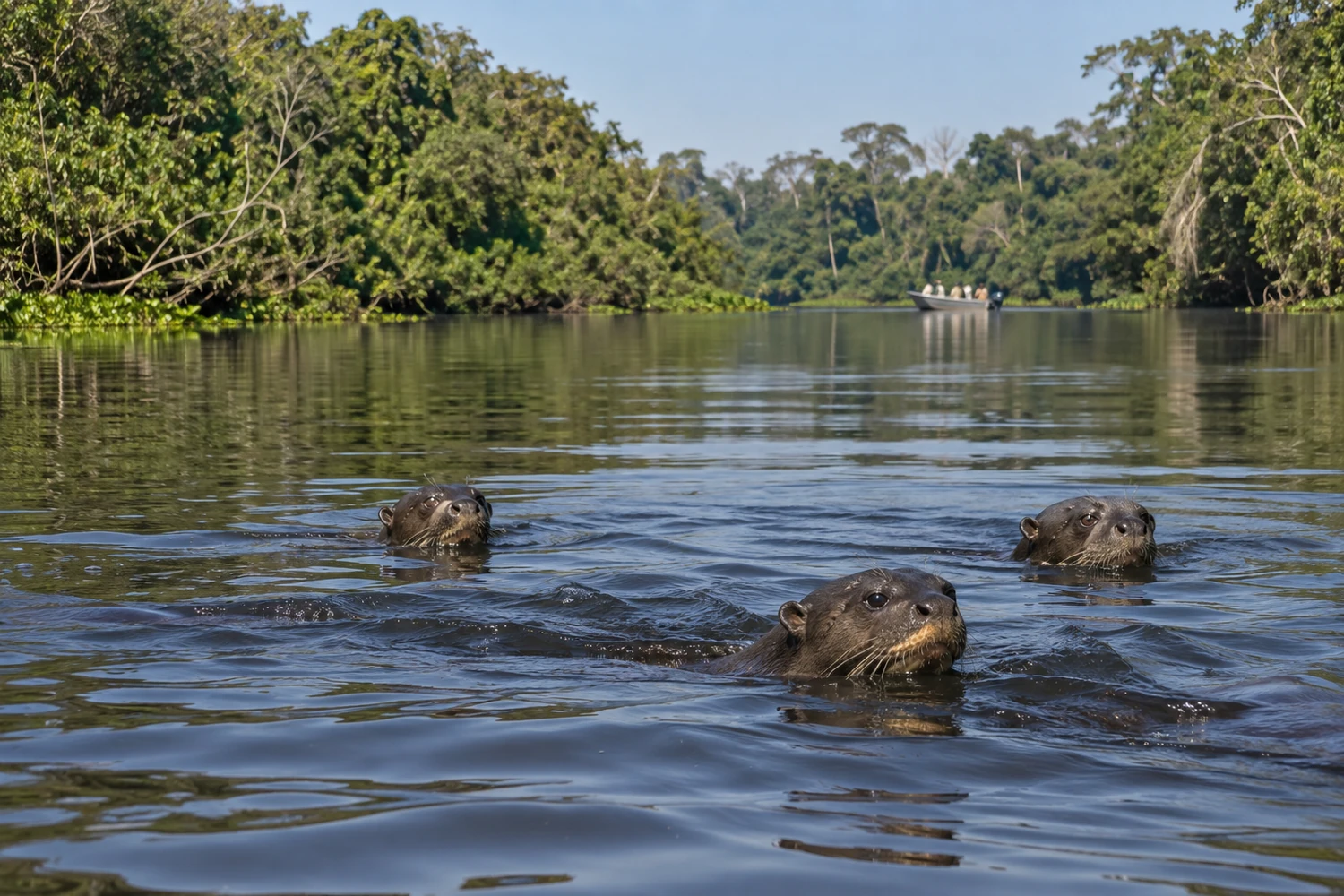
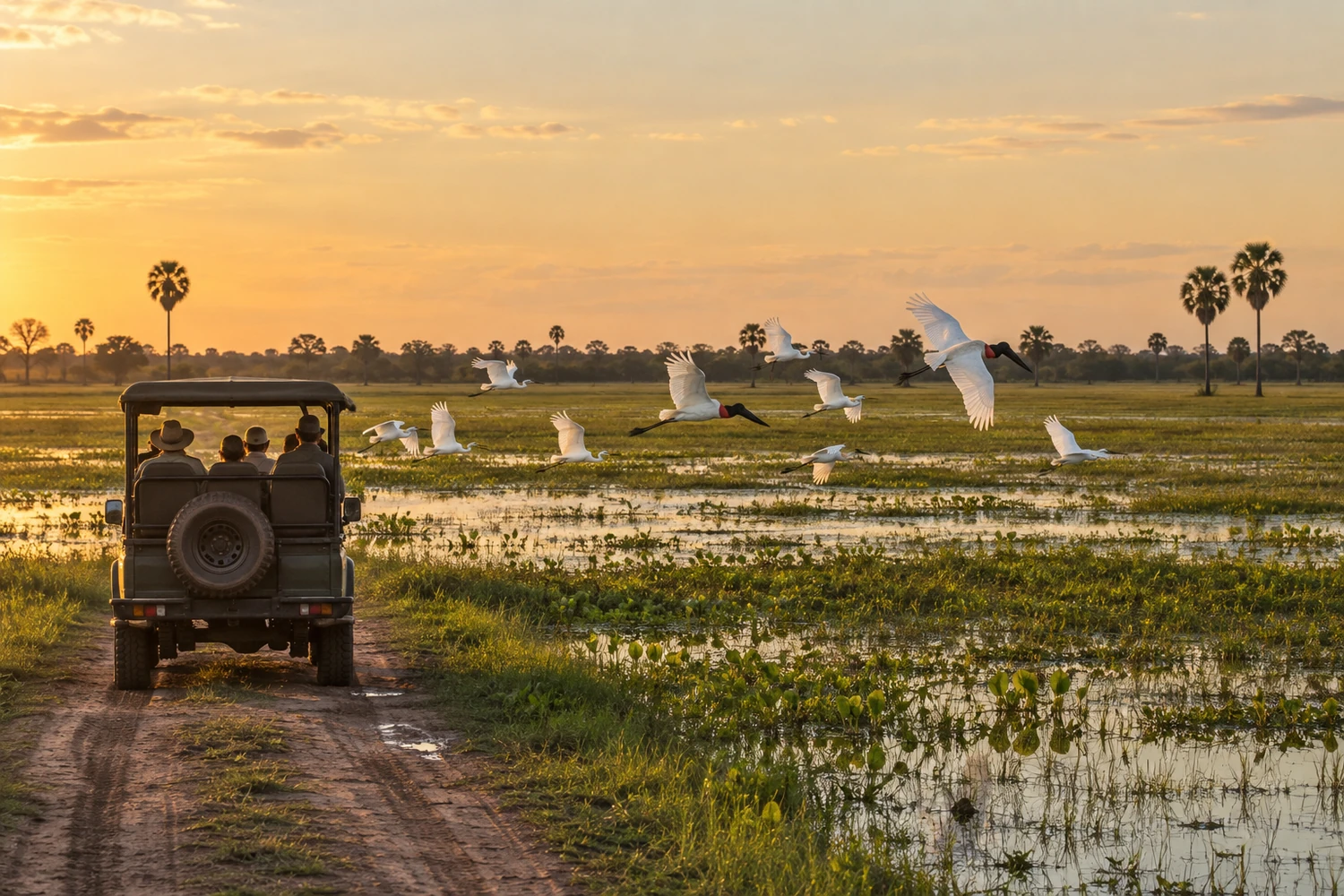
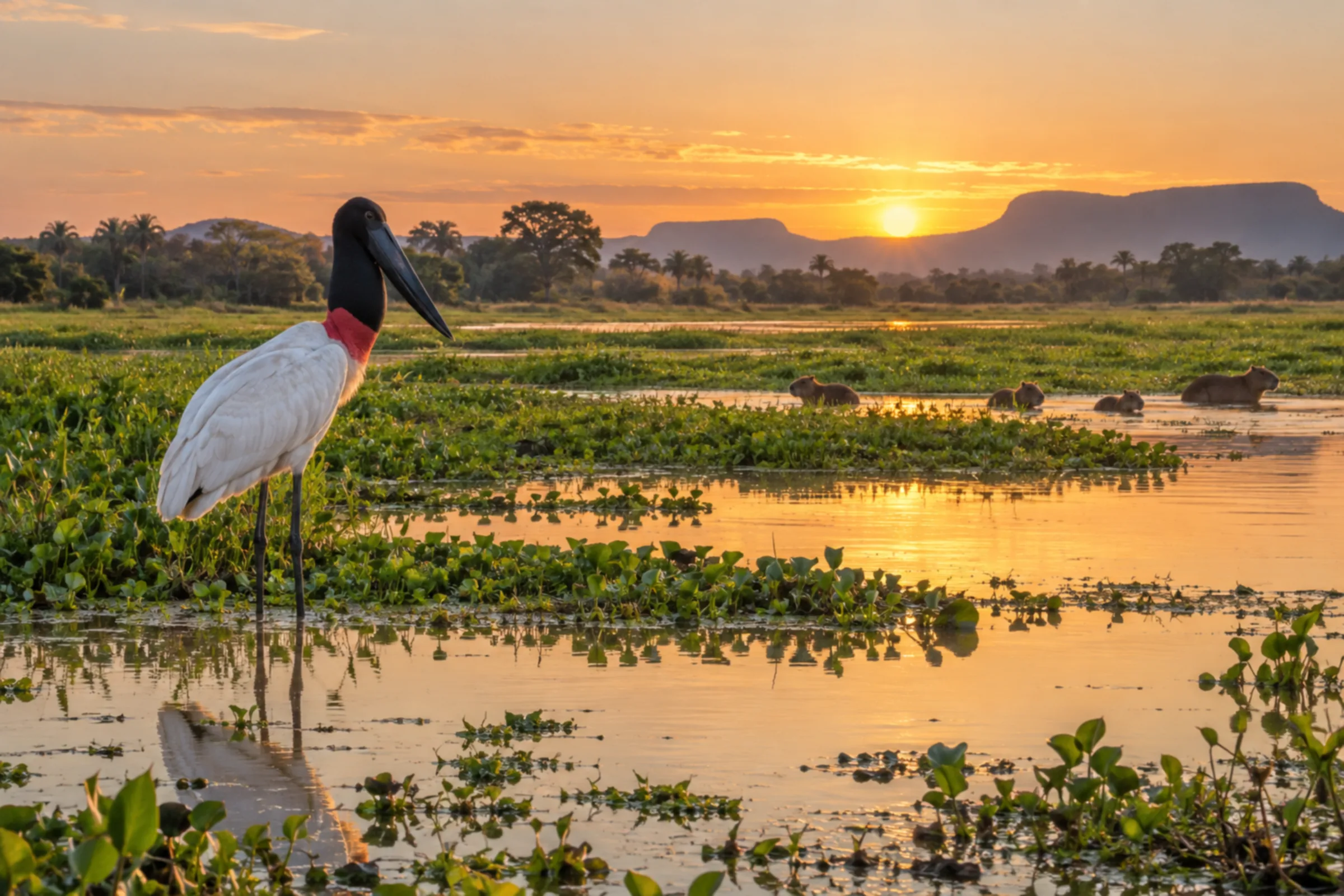
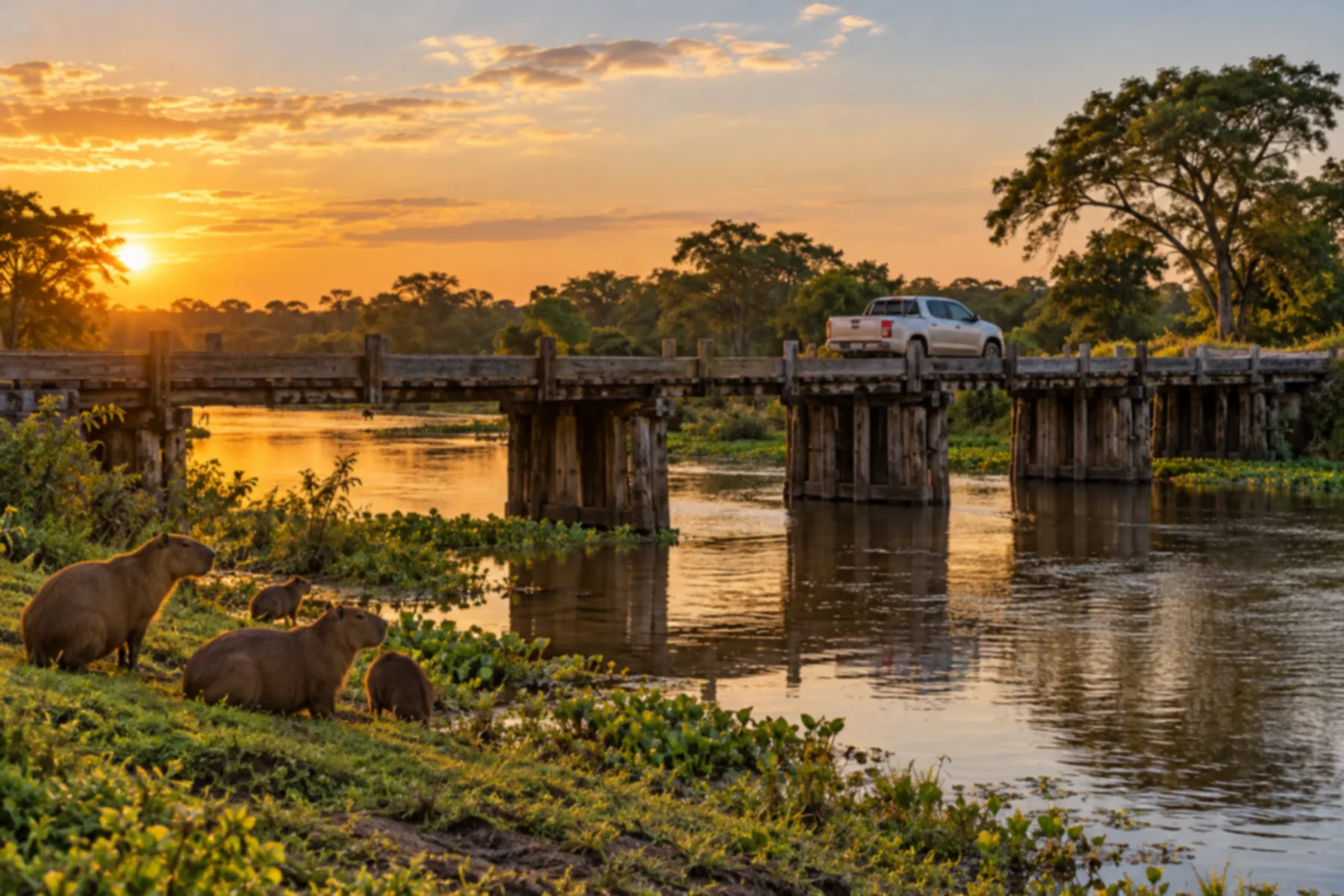
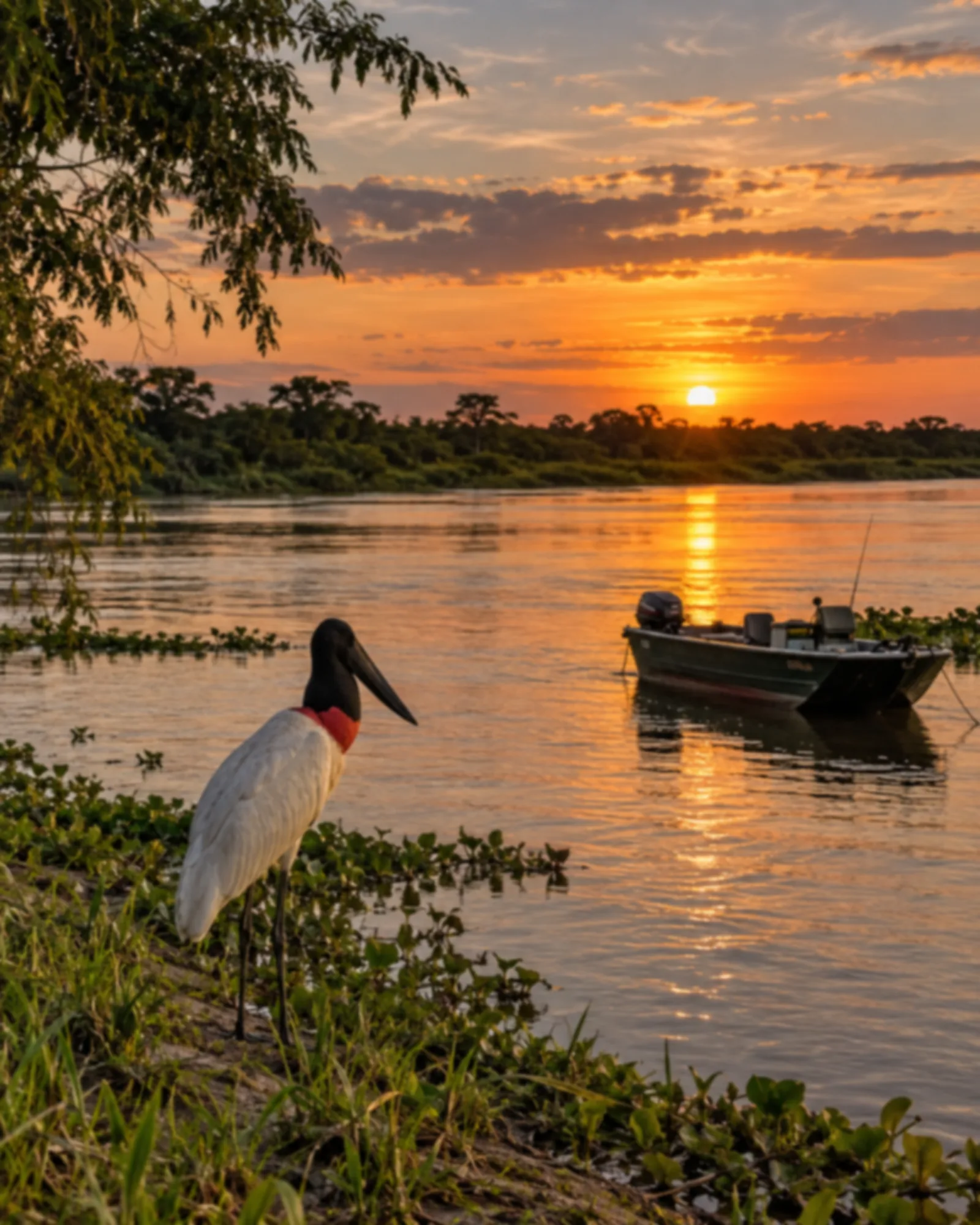
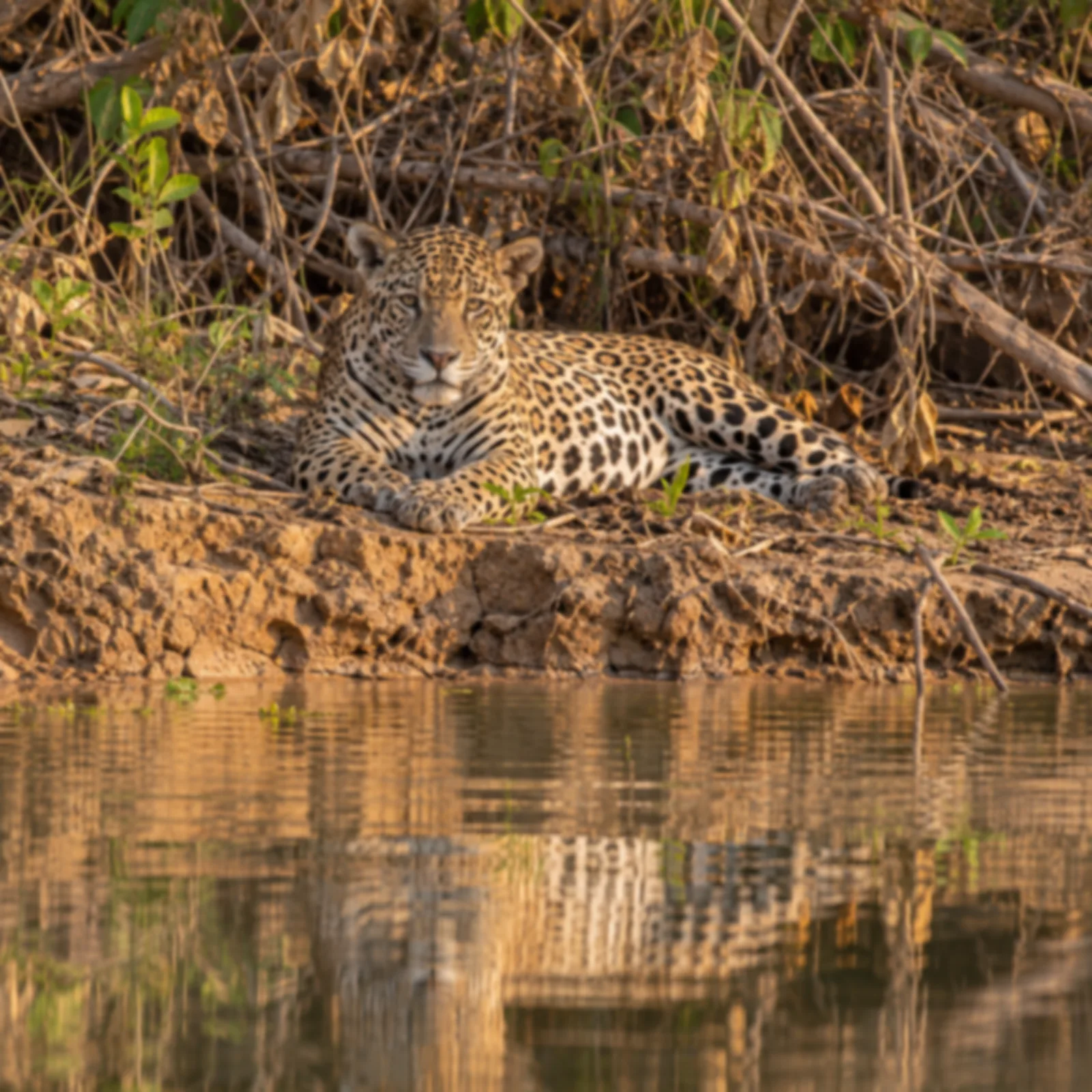
The world's largest tropical wetland is a place where wildlife simply shows up by the roadside: caimans, capybaras, jabiru storks and, with luck, the jaguar. Your days are split between boat safaris, horseback rides with Pantanal cowboys and night wildlife spotting under starry skies. It is the closest thing to an African safari that Brazil has to offer.
This destination brings together 6 cities: Corumbá, Miranda, Aquidauana, Poconé, Cáceres, Barão de Melgaço.
A look at the place
These pictures are illustrations based on the real place, not photographs. They may differ from the place.
Click the picture to enlarge it.
One destination, many paths
Start with one city or combine several in your itinerary.
Corumbá combines historic houses and Pantanal scenery on the banks of the Paraguay River. Porto Geral preserves the memory of the river trade and navigation that shaped the city.
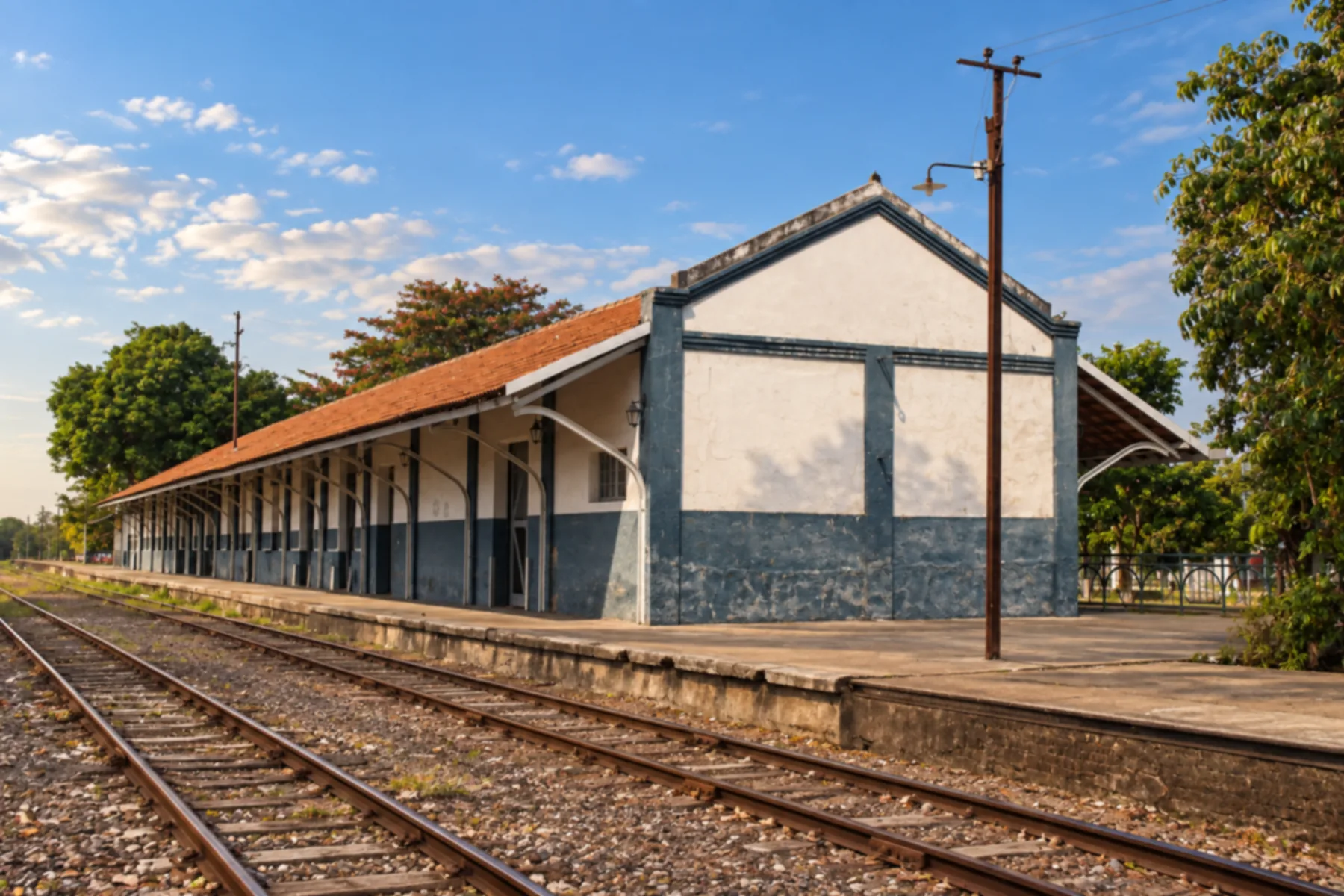
Miranda combines railroad heritage, local traditions and the landscapes of the Pantanal of Mato Grosso do Sul. The old station preserves part of the history of the routes that connected the region.
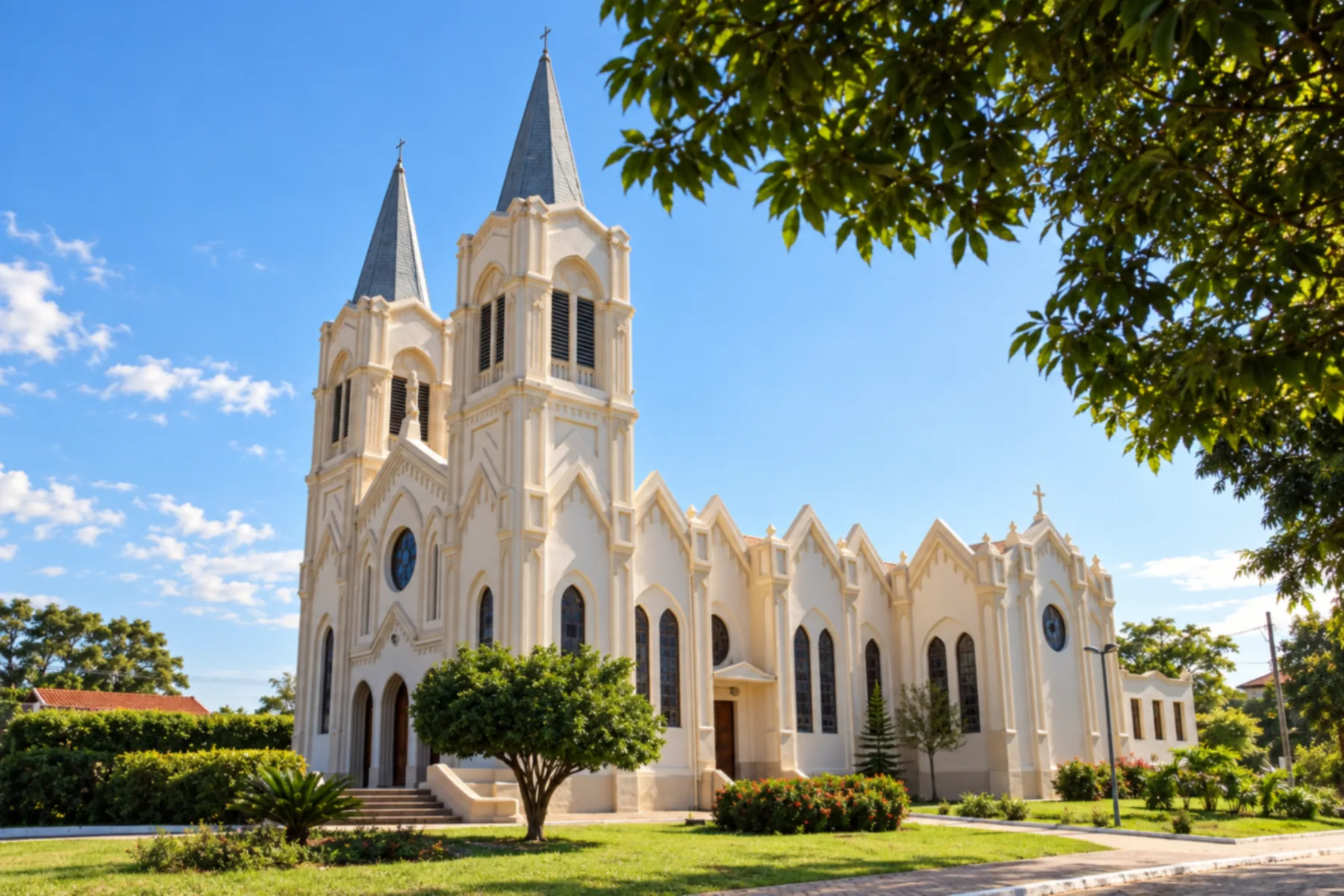
Aquidauana combines historic heritage with landscapes shaped by the river that gives the city its name. The main church and downtown spaces are part of the gateways to the Pantanal of Mato Grosso do Sul.
Poconé is the starting point for driving the Transpantaneira and exploring the Pantanal's landscapes. The road runs through floodplains and native vegetation to the Porto Jofre area.
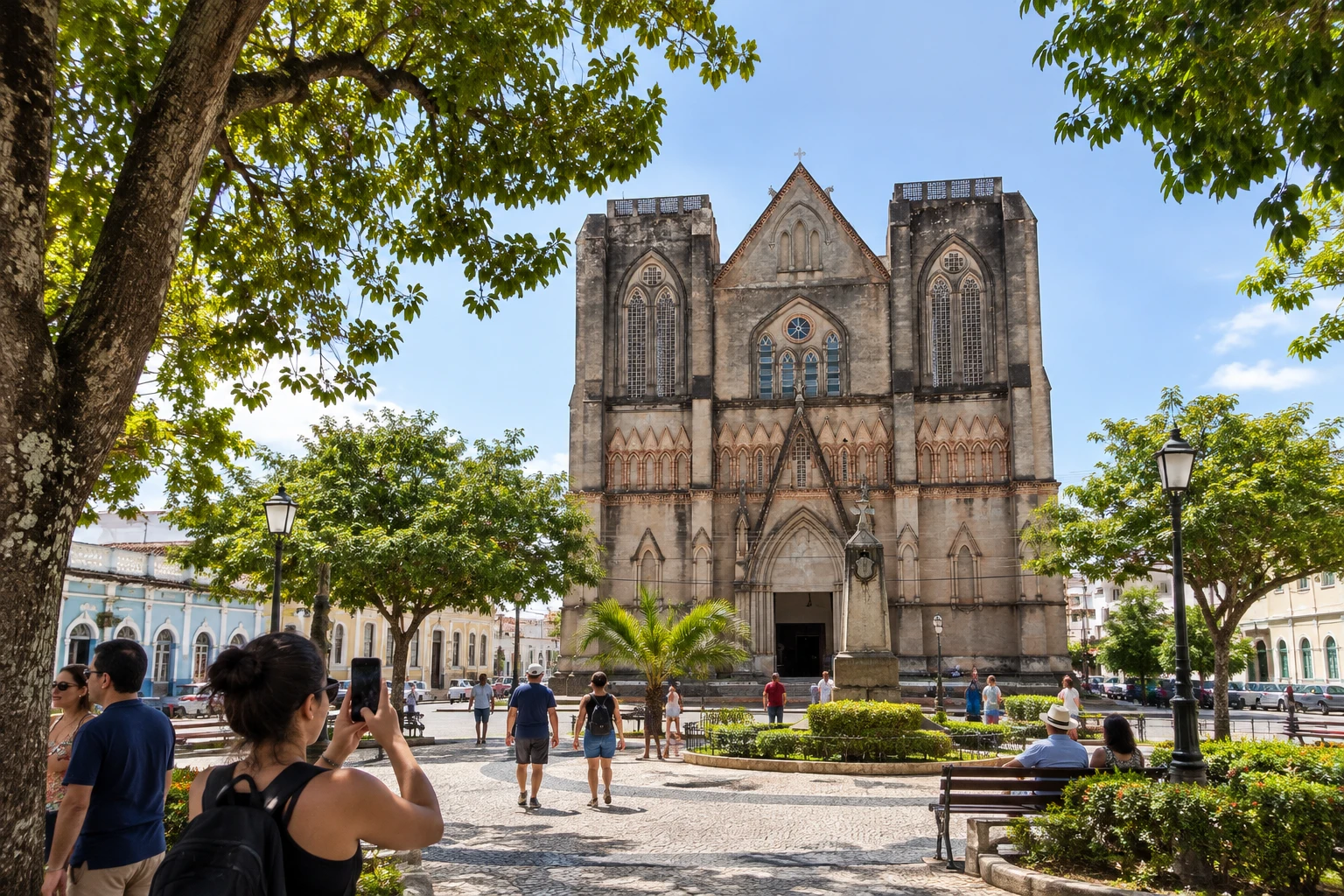
Cáceres brings together historic heritage and Paraguay River scenery on the edge of the Pantanal. The Catedral de São Luiz and the old downtown houses reveal different chapters in the city's history.
Barão de Melgaço's landscape is shaped by rivers, bays and the changing waters of the Pantanal. Baía de Chacororé is part of this environment, tied to the daily life of riverside communities.
The local experience
One of the largest bays in the Pantanal, linked to the Cuiabá River by corixos (natural channels) and fed by streams flowing down from the plateau. It is a fish nursery and supports dozens of riverside communities.
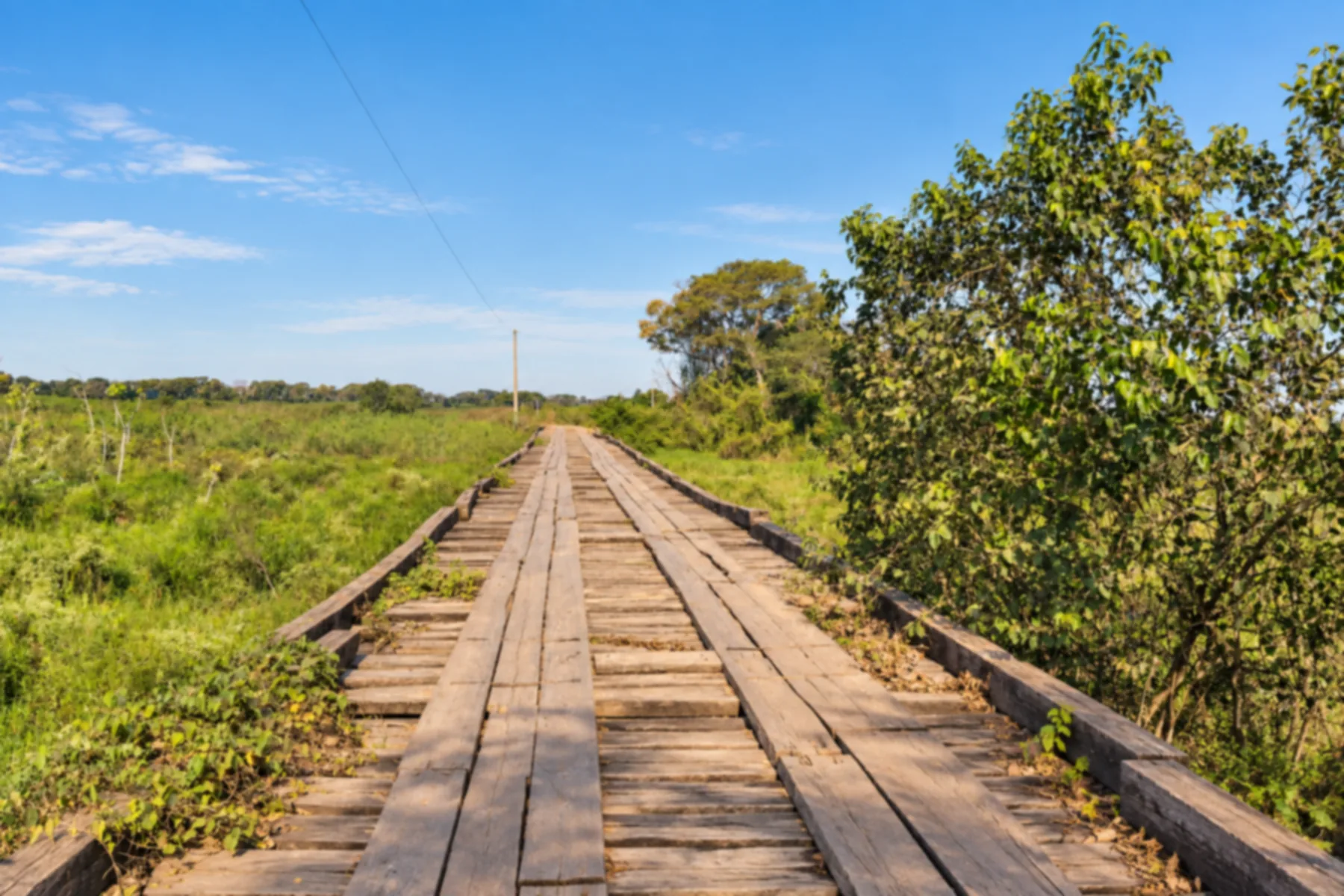
About 120 km of dirt road crossing the Southern Pantanal between Corumbá and the BR-262, with wooden bridges and wildlife in sight the whole way. You can drive it on your own.
Discover Estrada Parque Pantanal
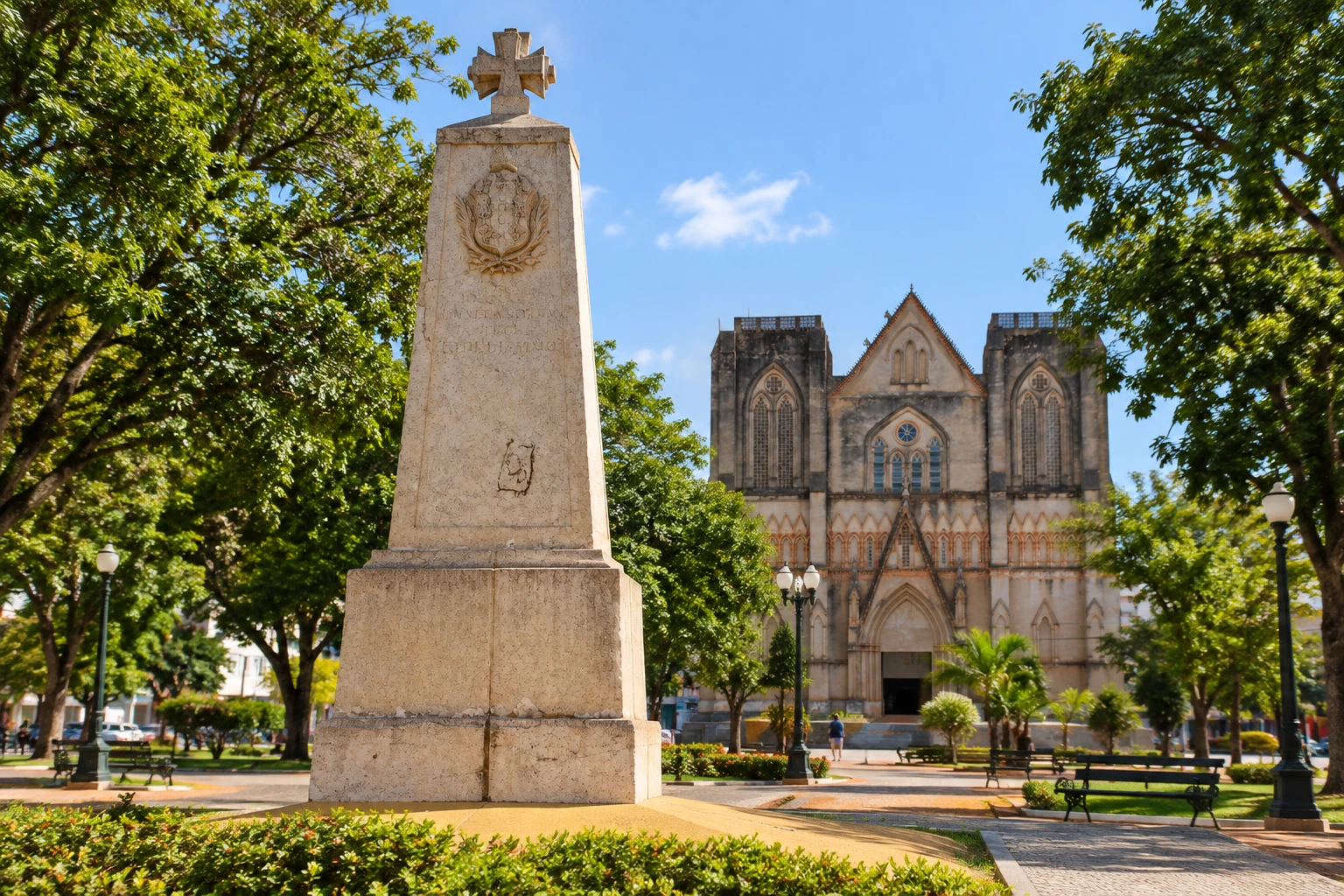
Carved from lioz limestone in Lisbon to mark the border set by the Treaty of Madrid, it was planted at the mouth of the Jauru River in 1754. In 1883 it was moved to the square in front of the cathedral, where it remains.
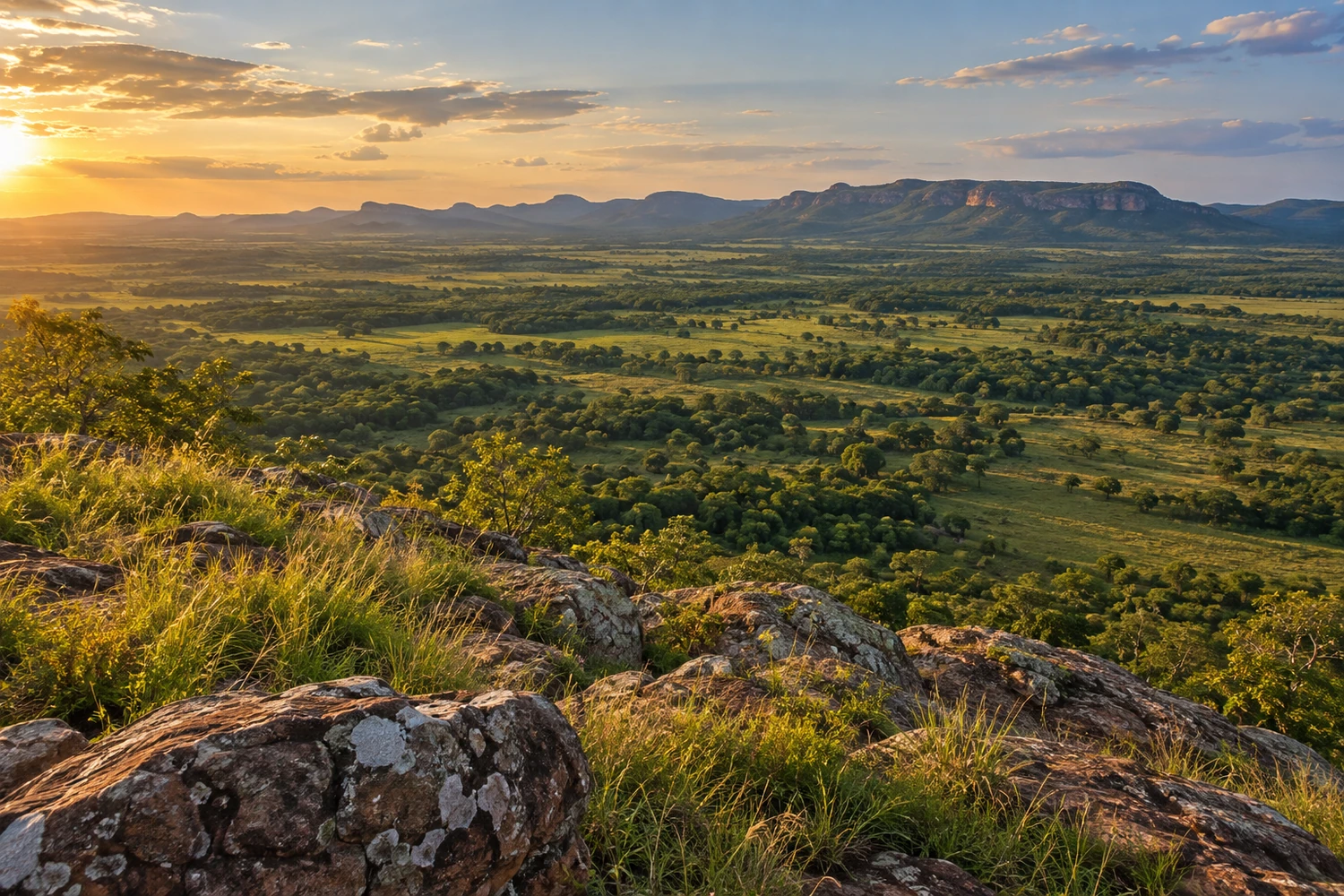
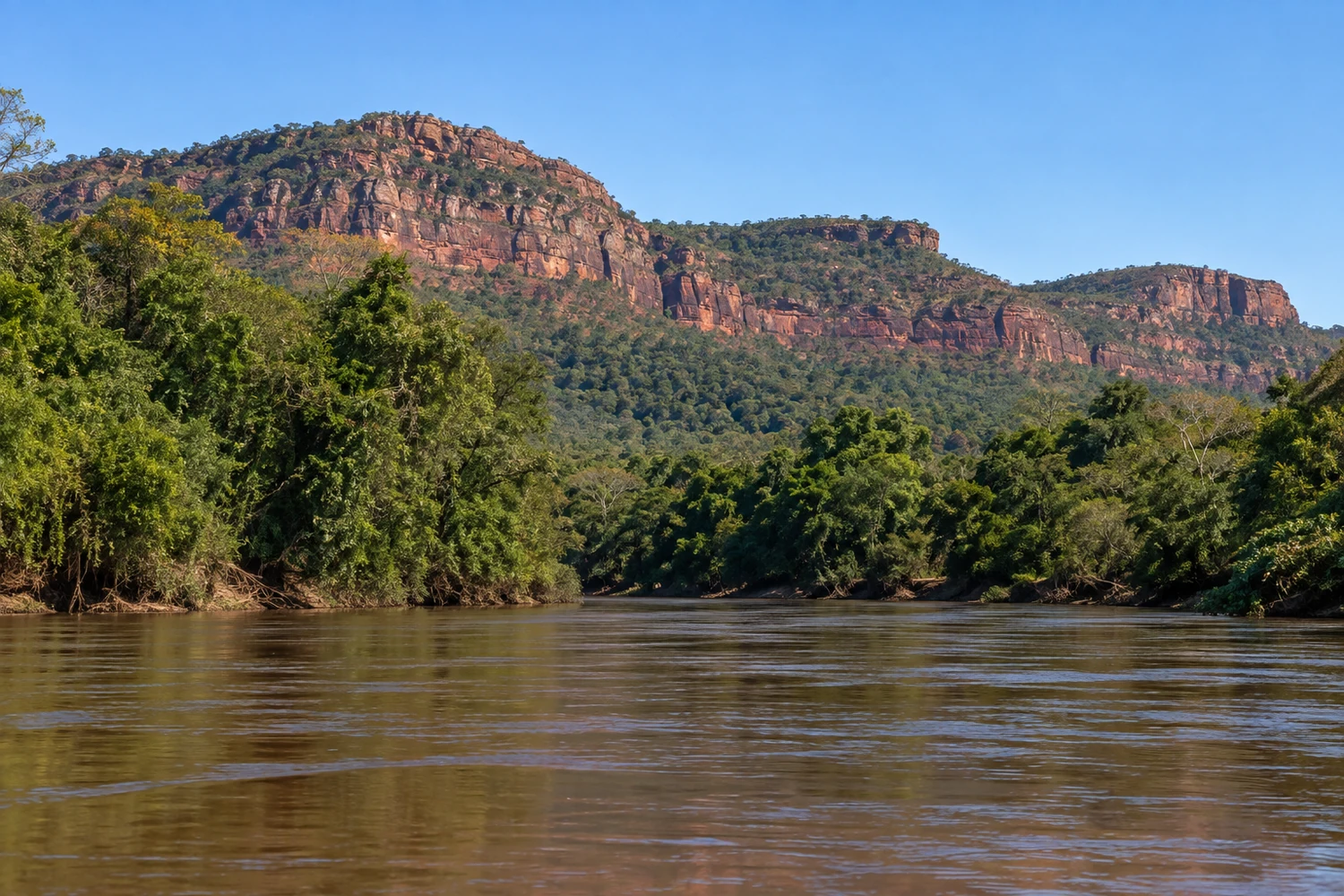
It is about 23 km from downtown, reached via the district of Camisão and a final stretch of dirt road. From the top you get a panoramic view of the cerrado (Brazilian savanna) and the edge of the Pantanal plain.
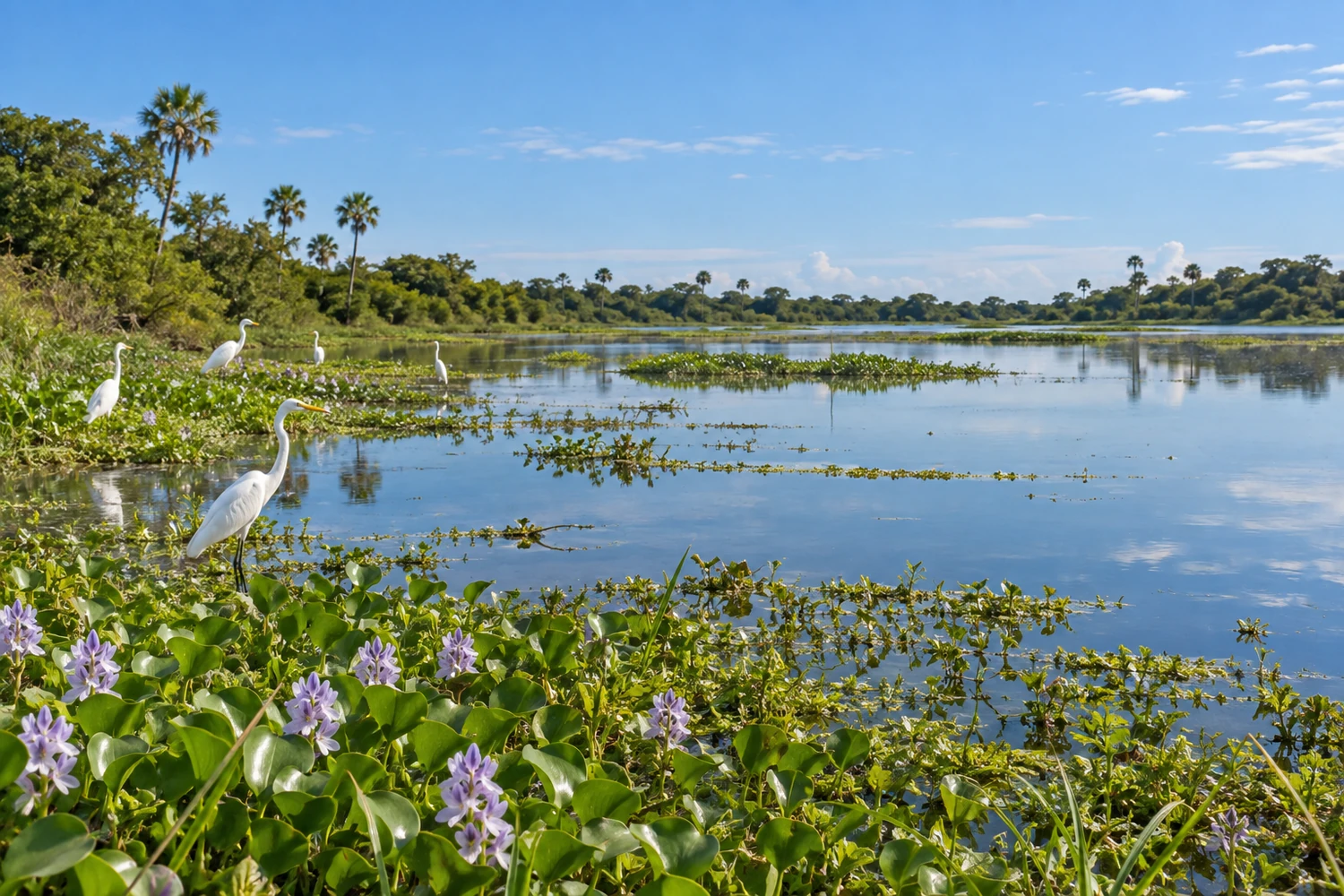
Next to Chacororé, it forms one of the postcard views of the municipality, which is almost entirely flooded at high water. It is popular for fishing and boat trips through Pantanal waters.
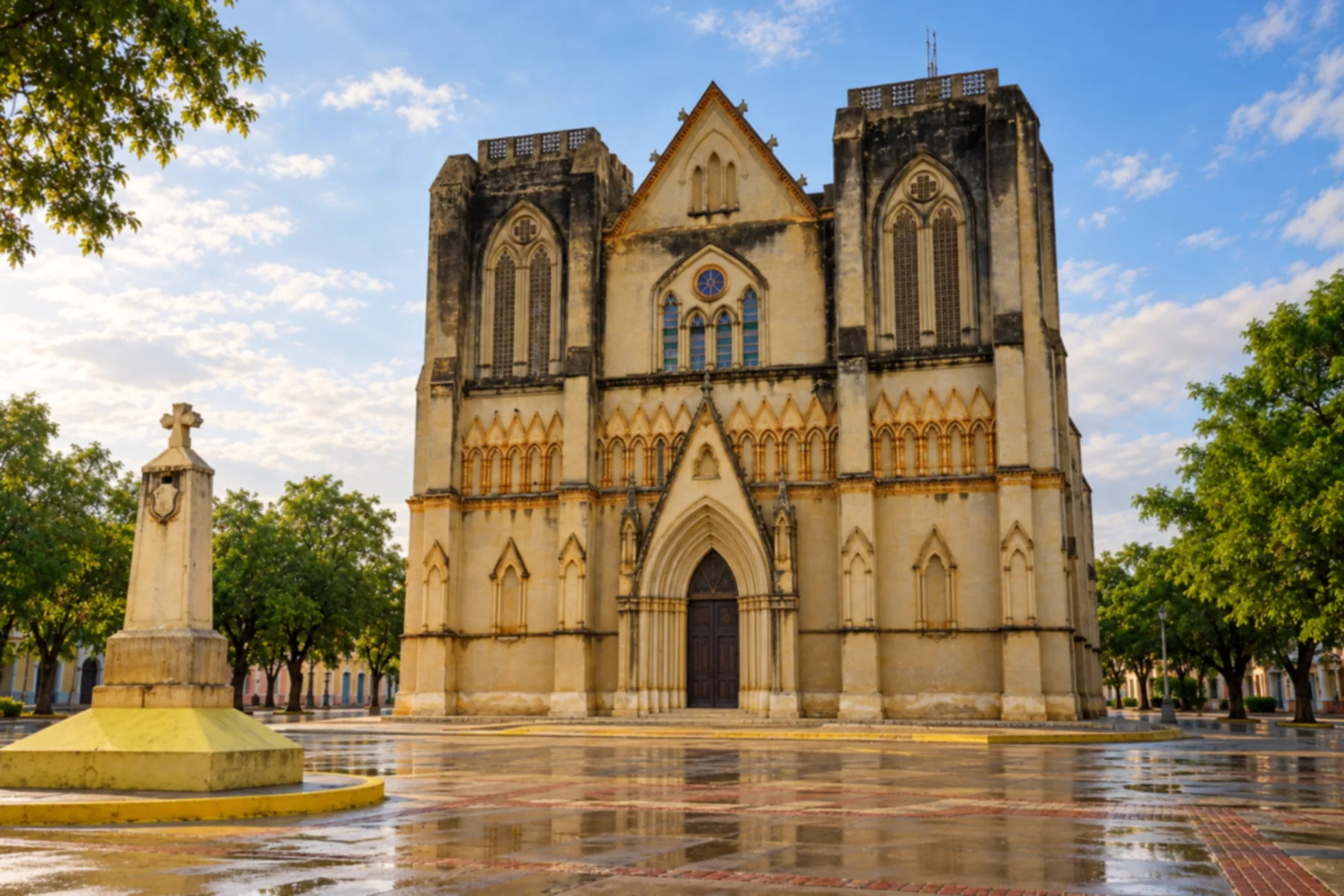
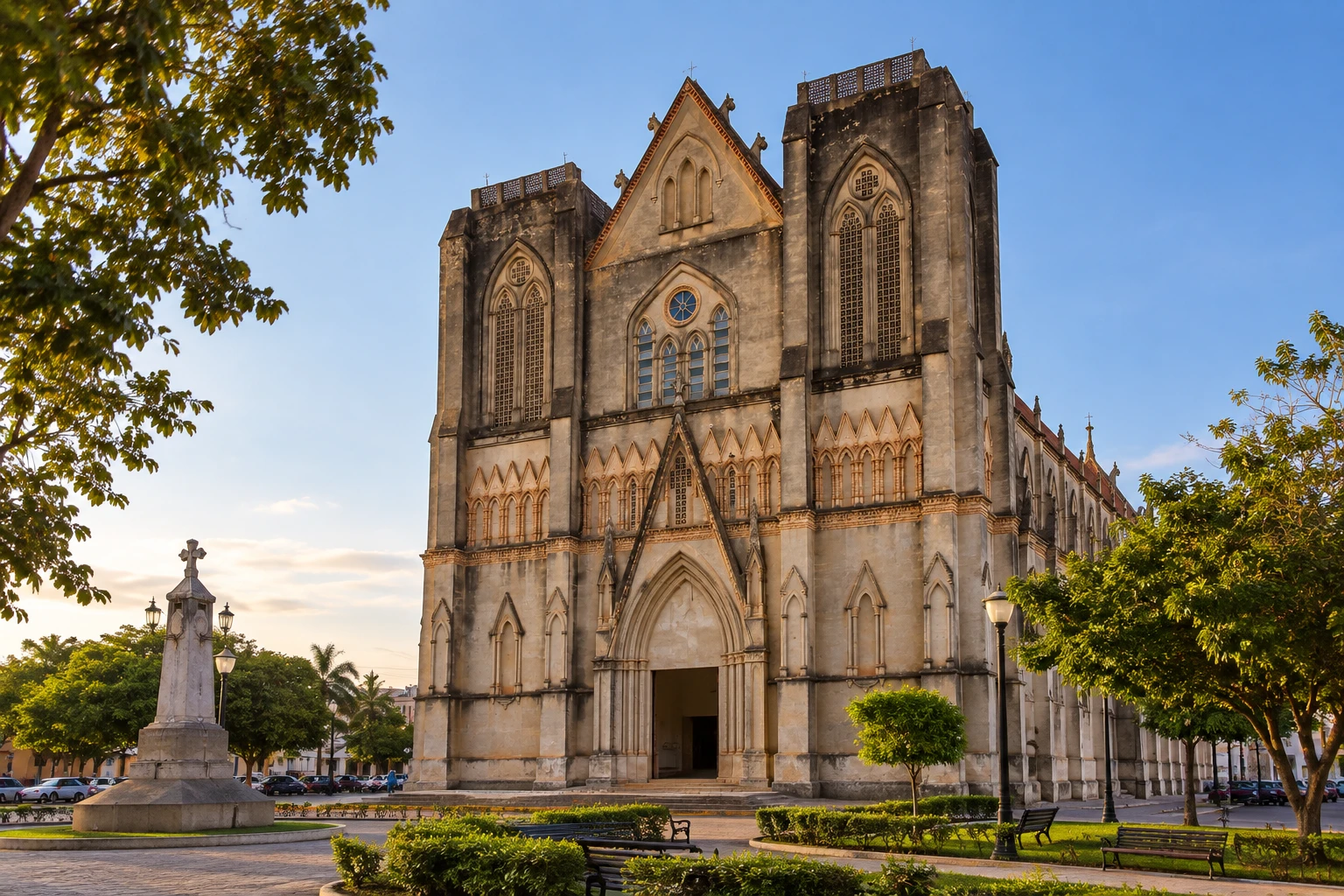
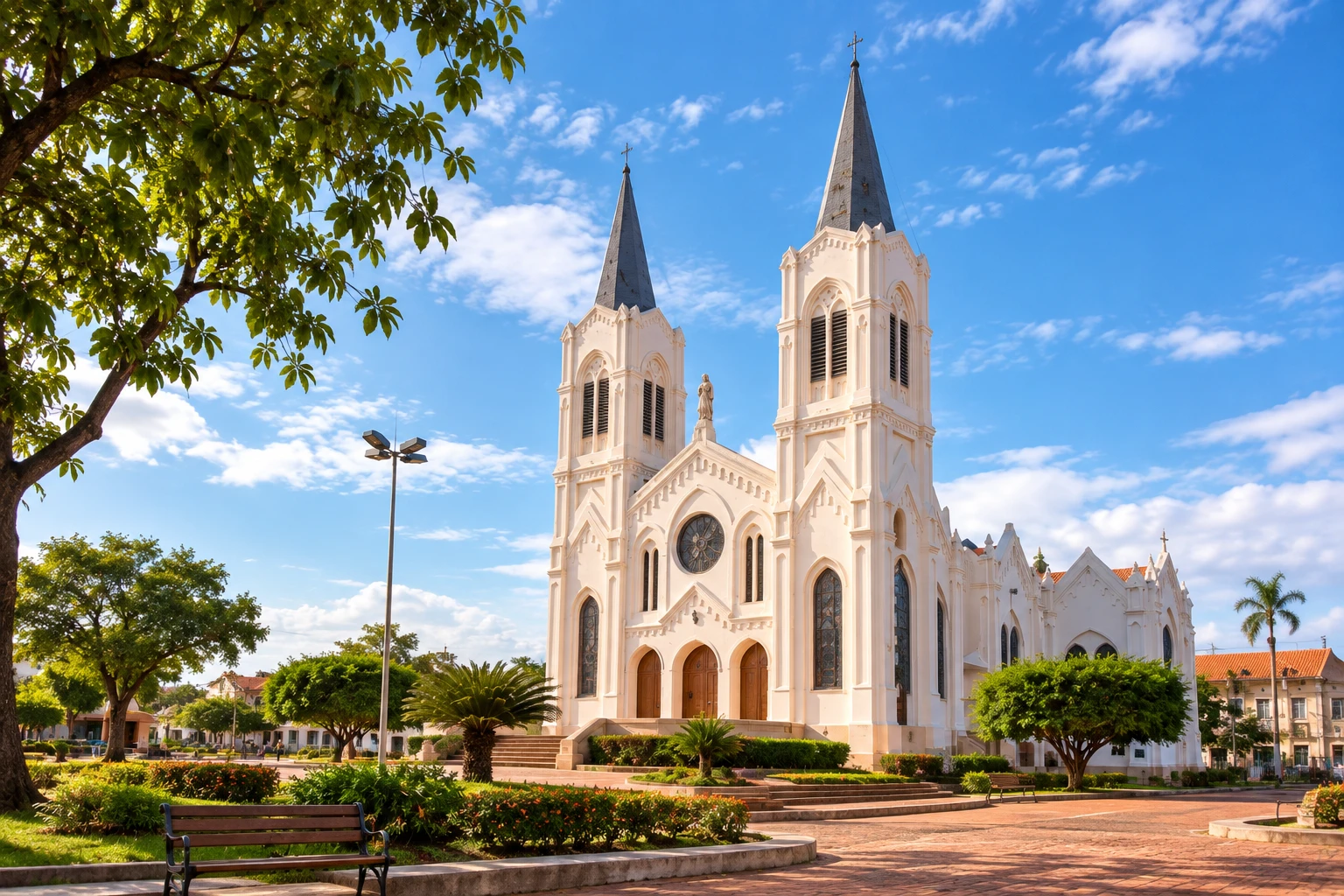
Begun in 1919 with a design inspired by Notre-Dame de Paris, it was only completed in 1965, after structural problems and the architect's death. The style mixes Gothic and Neo-Gothic elements.
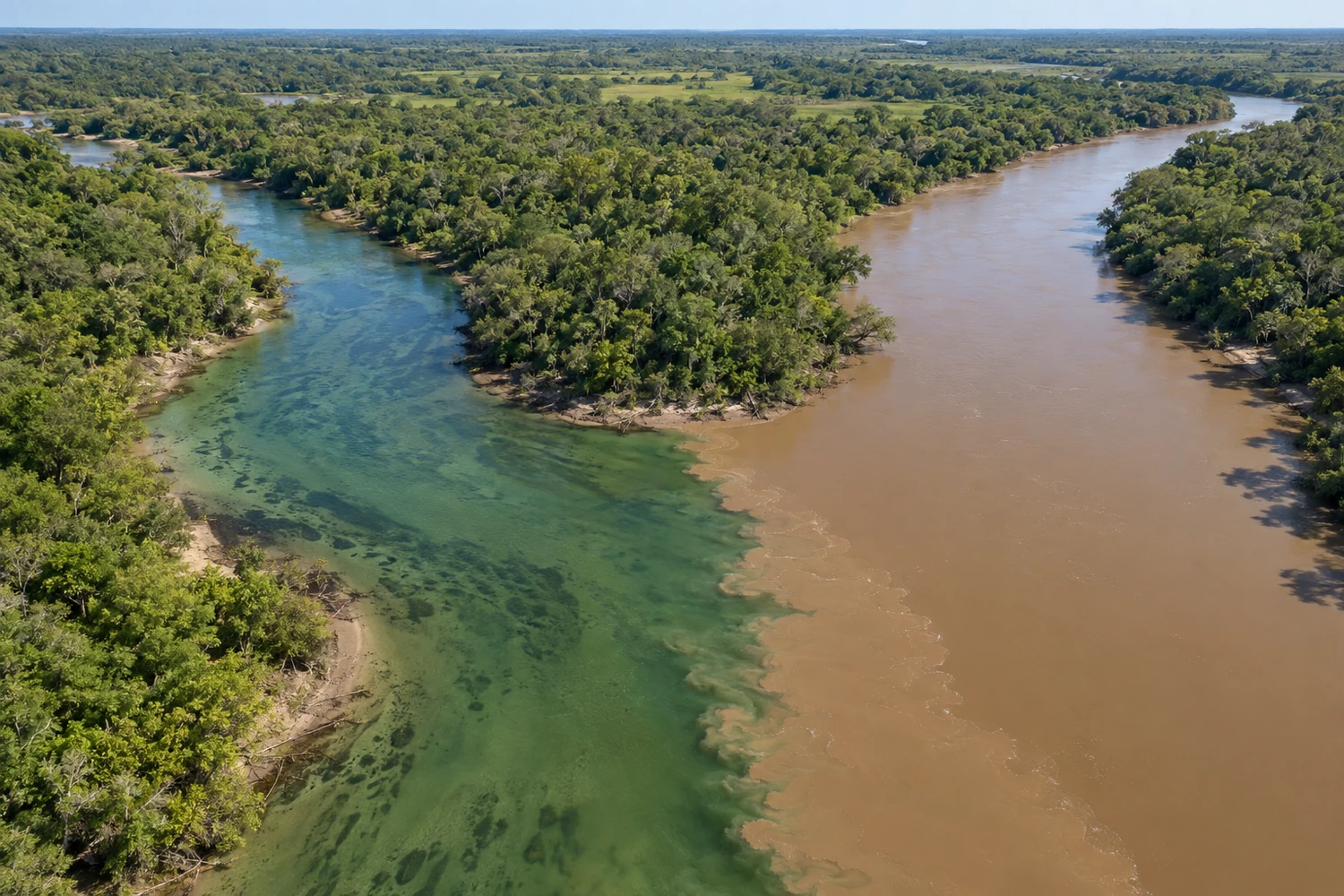
The spot where the clear waters of the Salobra River join the muddy waters of the Miranda River, creating a sharp color contrast. The trip combines boating and an easy walk, with sightings of marsh deer, capybaras and jabiru storks.
Discover Encontro dos Rios Salobra e Miranda
A district about 31 km from downtown, on the banks of the Aquidauana River and surrounded by the Serra de Maracaju. It is popular for fishing, river swimming and mountain bike races.
About 145 km of dirt road with dozens of bridges linking Poconé to Porto Jofre. Each bridge is an improvised viewpoint over bays full of wildlife.
Discover Rodovia Transpantaneira
Founded after gold was discovered in 1777, the old core was listed as a state historic heritage site in 2007. Around the main church square stand old mansions and the Igreja de Nossa Senhora do Rosário, stage of the traditional cavalhada (a horseback pageant).
On the banks of the Paraguay River, the core of the city founded in 1778 was listed as a national heritage site in 2010. It has mansions in colonial, Neoclassical, Art Deco and Neo-Gothic styles, such as Casa Dulce, from 1871.
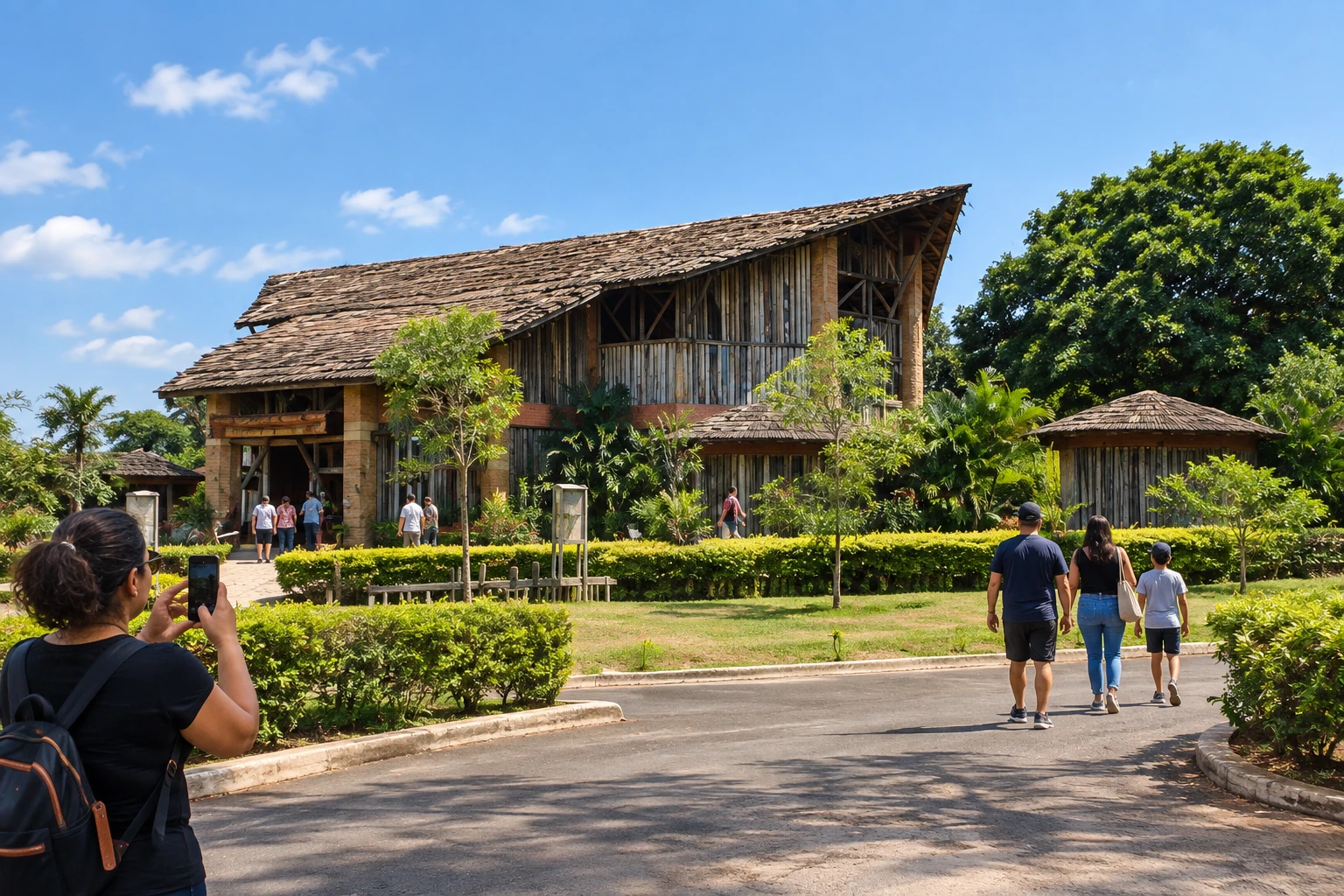
A space dedicated to the culture of the Terena and other Indigenous peoples, reopened in 2024 after restoration by the state government. It serves as a showcase and sales point for crafts made mainly by Indigenous women.
Discover Centro Referencial da Cultura Terena
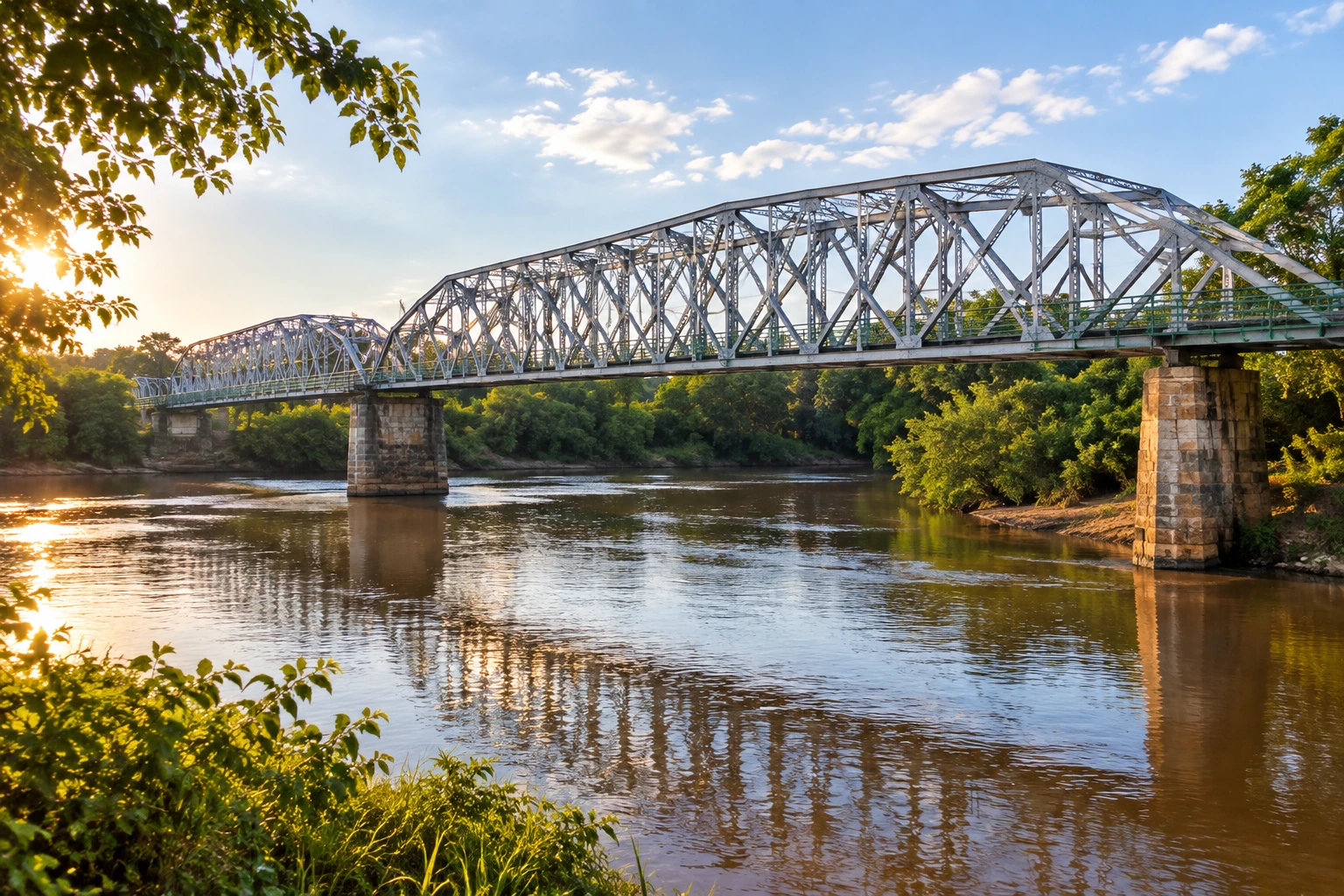
Built between 1918 and 1921, it is 23 meters high and 63 meters long over the Aquidauana River. It links the city to Anastácio and is one of the region's historic landmarks.
Discover Ponte Velha (Ponte Roldão Carlos de Oliveira)
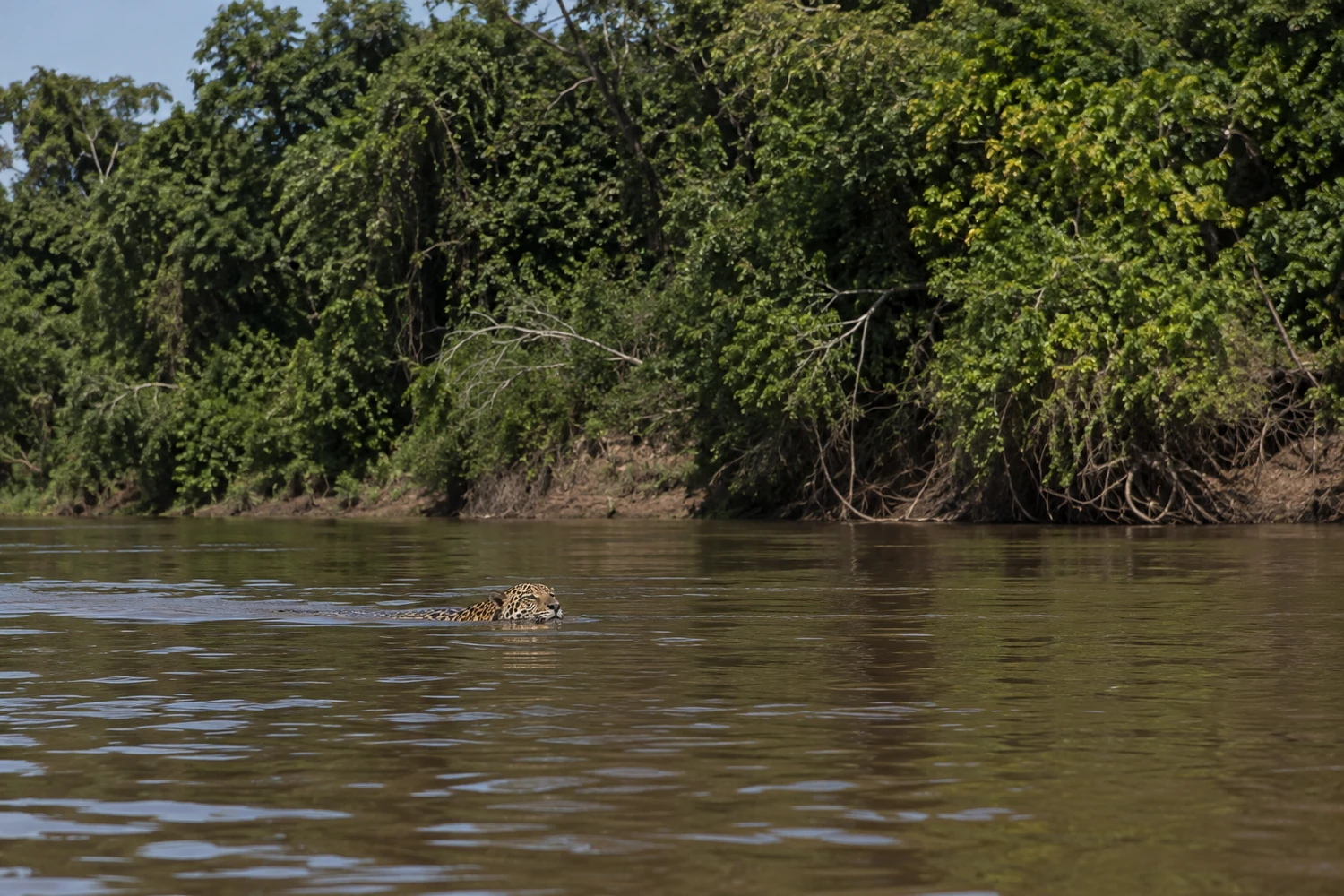
The end point of the Transpantaneira and a world-renowned base for spotting wild jaguars from boats on the Cuiabá River. In the dry season, jaguar sightings on the riverbank are almost routine.
Created in 1997, it is the largest private natural heritage reserve in the country, with about 108,000 hectares, and is part of a Ramsar site. It welcomes visitors on tours guided by Pantanal locals.
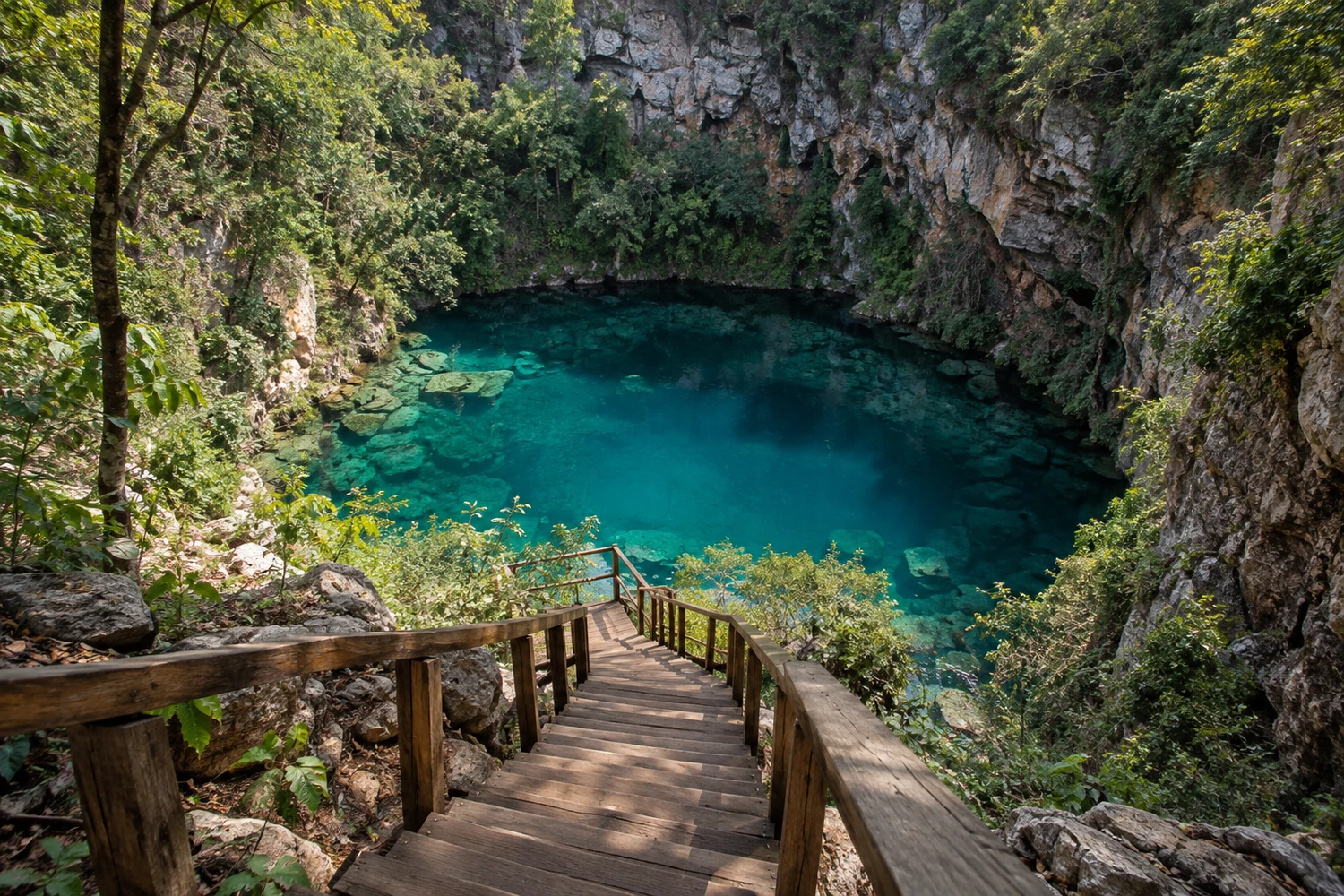
A sinkhole about 25 km from downtown, with a lake whose water ranges from turquoise blue to emerald green, reached by a trail and a stairway. It draws divers, and locals believe the water has healing properties.
Discover Dolina Água Milagrosa
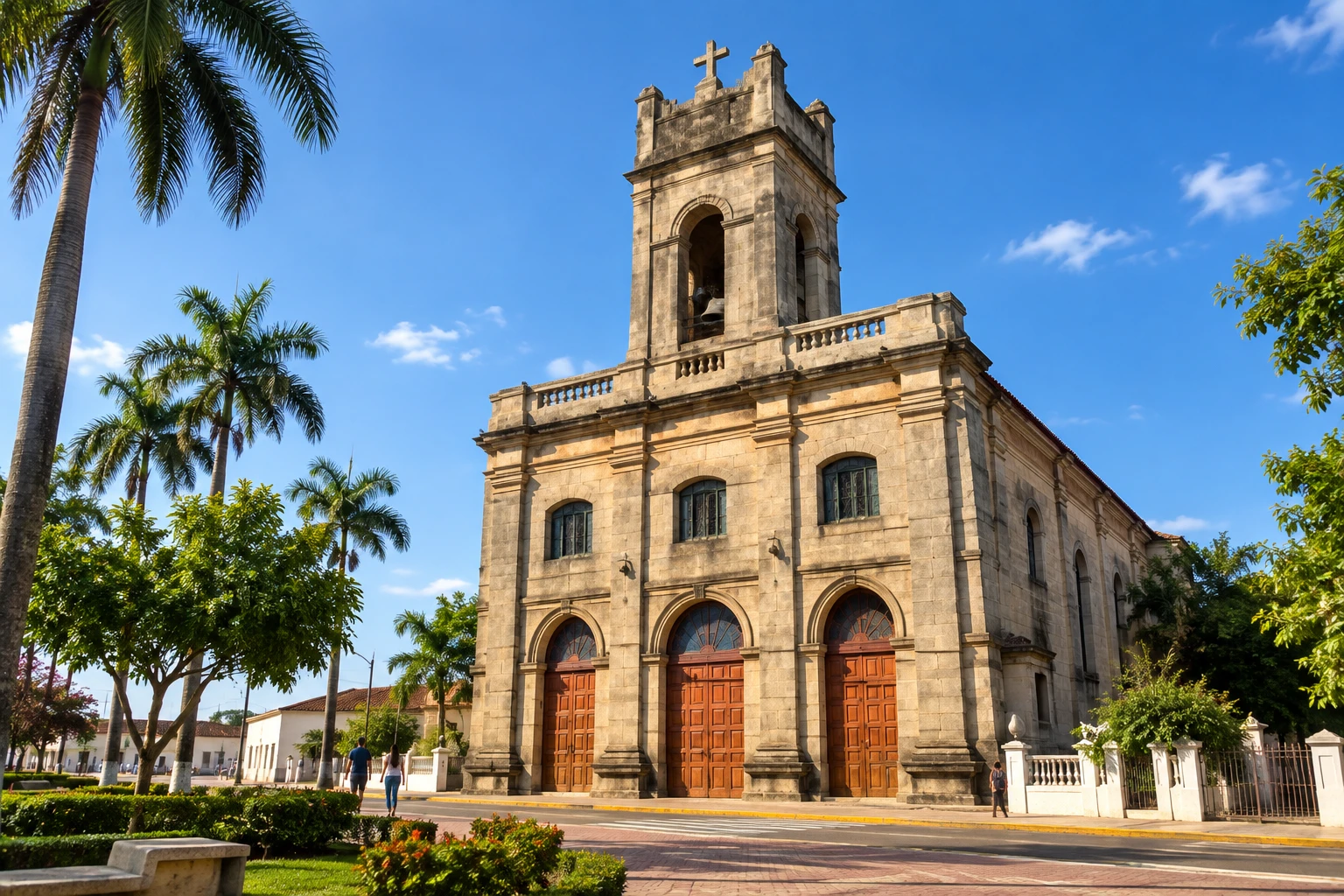
Built in 1931 with eclectic influences, it faces Praça Agenor Carrilho and has been listed by the state government since 1998. It belongs to the Diocese of Jardim and has been restored to recover its original features.
Discover Igreja Nossa Senhora do Carmo
The town's main church, with a parish created in 1912. The current building dates from the 1930s, when the church came under the care of American Redemptorist priests.
Discover Igreja Nossa Senhora Imaculada Conceição
Created in 2004, it protects about 109,000 hectares of Pantanal, mostly in the municipality, at the confluence of rivers such as the Cuiabá and the São Lourenço. It is home to a large population of jaguars, seen on boat trips.
Discover Parque Estadual Encontro das Águas
A stretch of the Miranda River lined with Pantanal pousadas (guesthouses), famous for sport fishing and sunset boat trips. It is one of the classic gateways to the Estrada Parque.
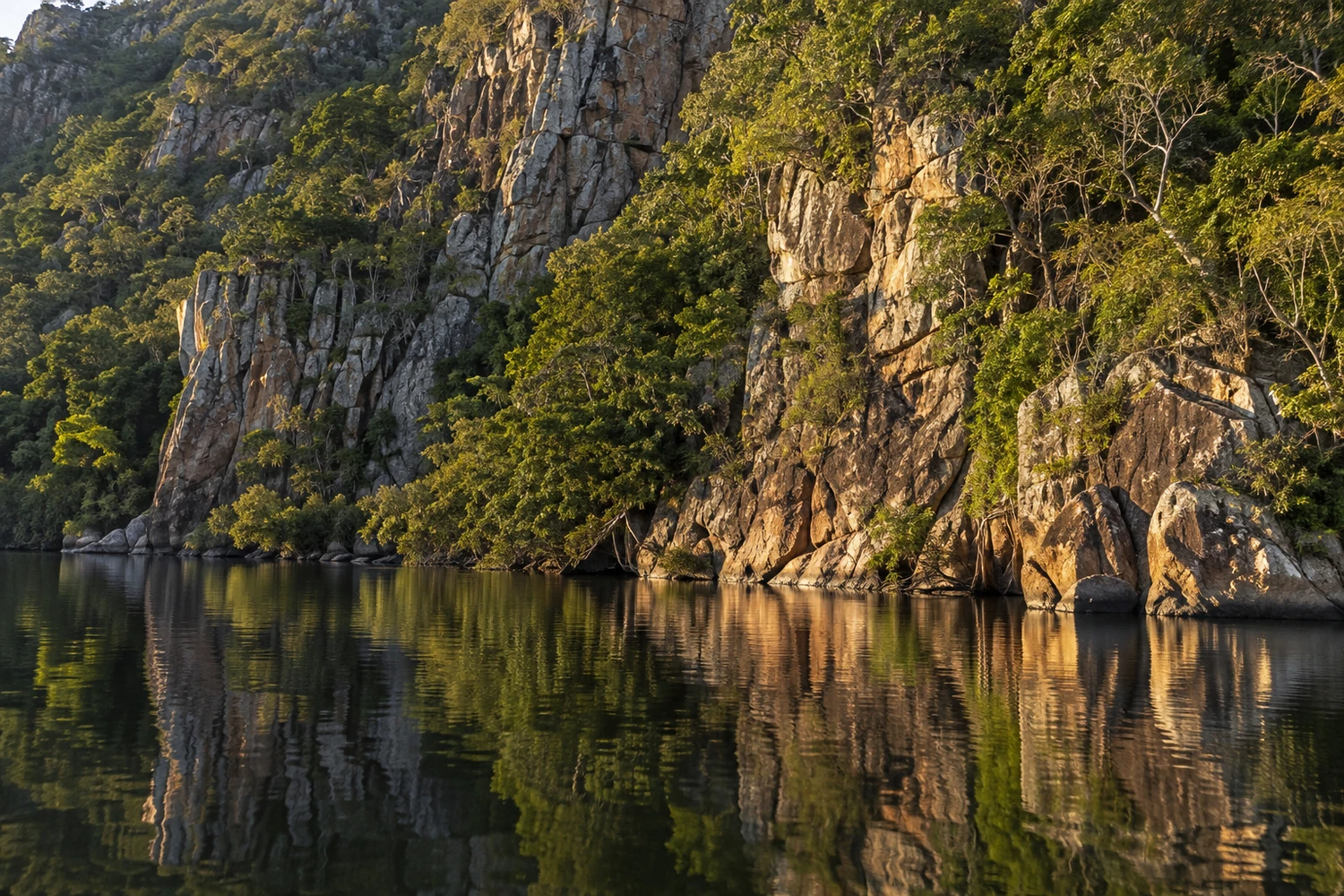
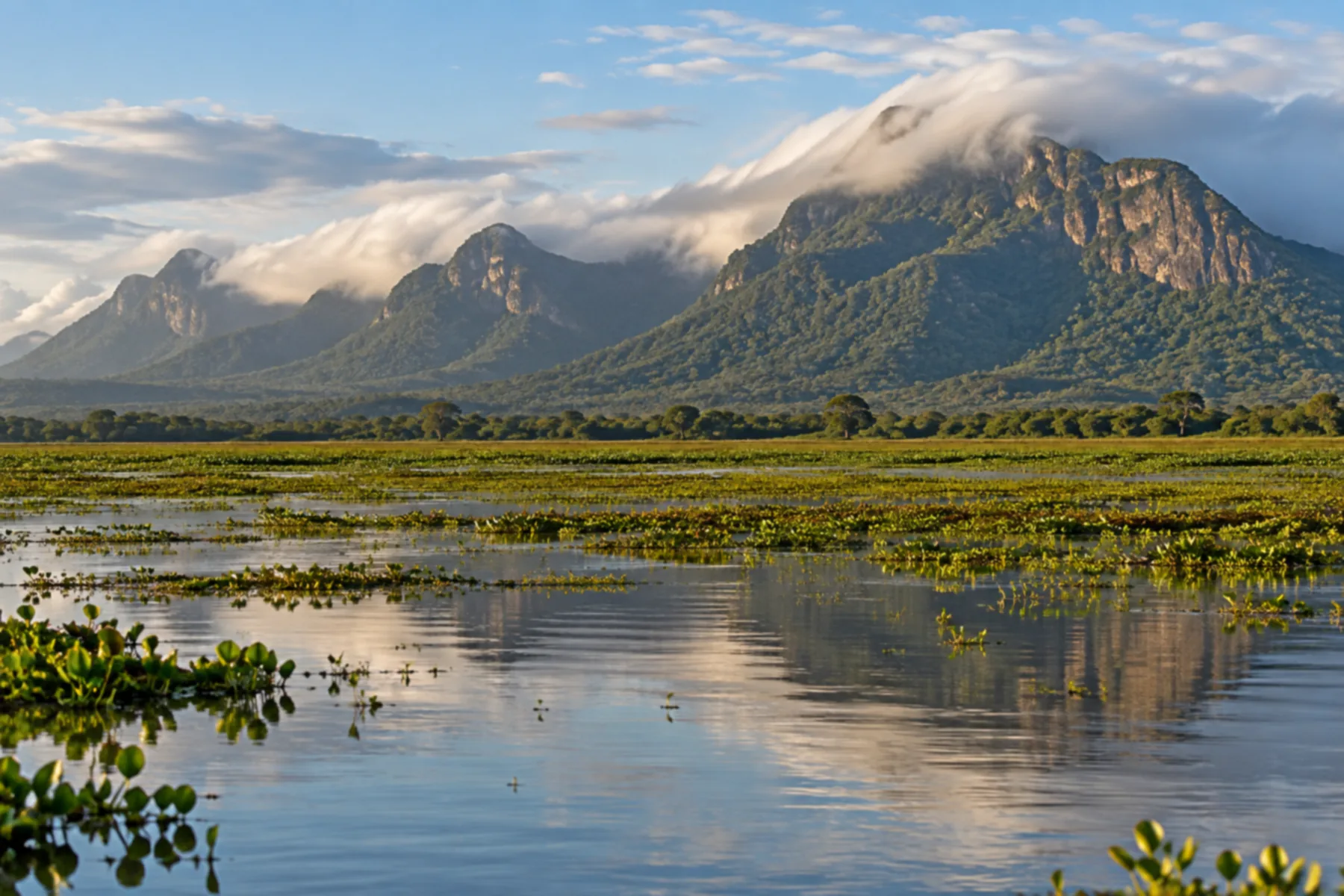
A chain of mountains that breaks the Pantanal plain on the border with Bolivia, reached by boat along the Paraguay River. The view from the top reveals the whole Pantanal stretching to the horizon.
A group of 19th-century warehouses and townhouses on the Paraguay River, a reminder of the time when Corumbá was a major river port. Today it houses bars, shops and museums.
Discover Casario do Porto Geral
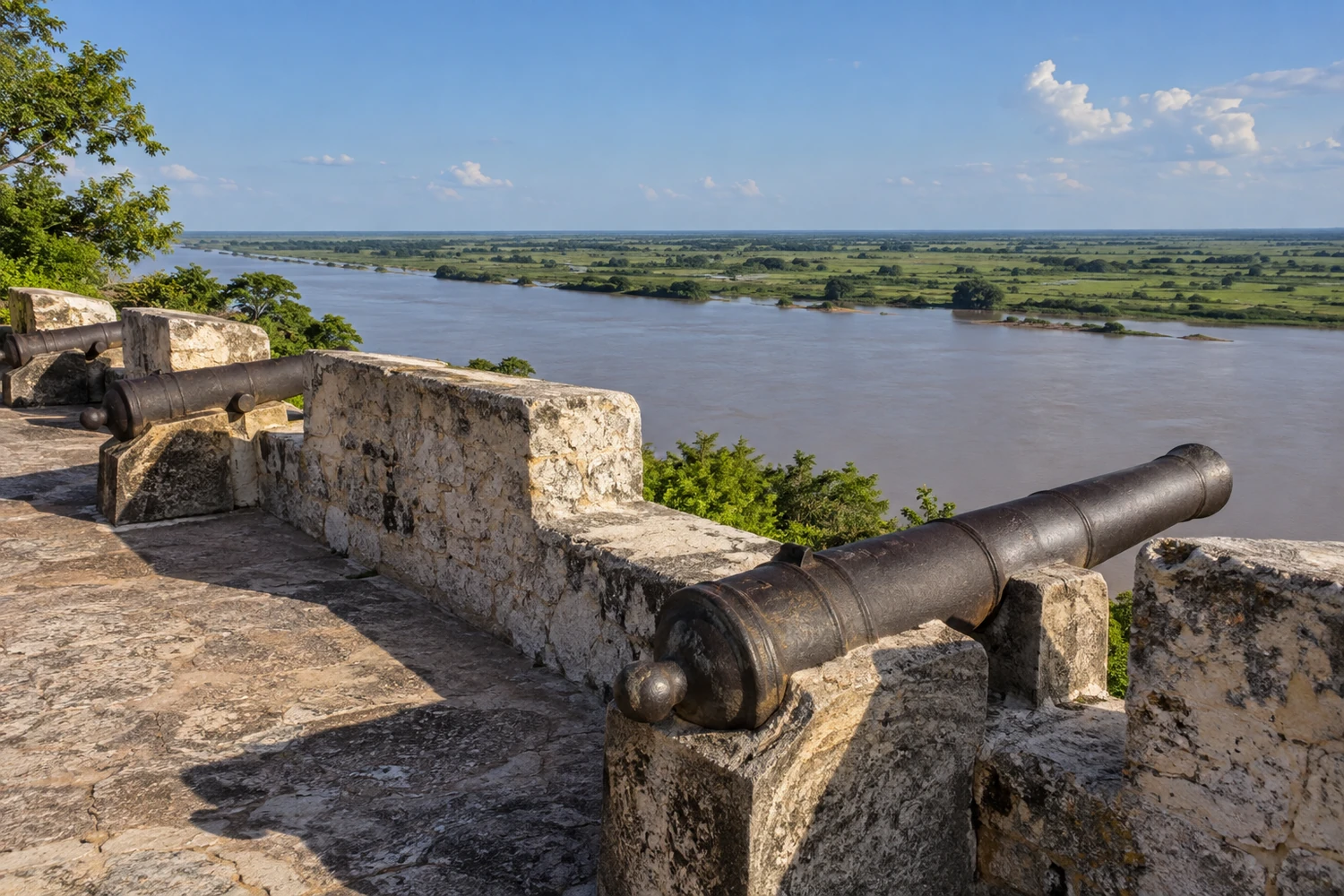
A 19th-century fort built to defend the western border, now open to visitors. From the top there is one of the best views of the Paraguay River.
A working ranch that has opened its gates to tourism with daytime and nighttime photo safaris among bays and rice fields. It is popular for seeing wildlife up close.
Your base to explore
Where you stay is part of the trip. Choose the area that best fits your itinerary.
A pousada (guesthouse) in Passo do Lontra, on the banks of the Miranda River, by the Estrada Parque (MS-184), in rural Corumbá, with full board. It offers guided safaris, boat trips, horseback rides and piranha fishing.
A pousada (guesthouse) on Fazenda São José, a cattle ranch in rural Aquidauana, with horseback riding, day and night safaris, boat trips, canoeing and piranha fishing. It suits travelers who want to experience daily life on a Pantanal ranch.
A Pantanal pousada (guesthouse) at the start of the Transpantaneira highway, in rural Poconé, with observation towers, a lake, a pool and Pantanal outings. It suits travelers who want to start the Transpantaneira close to town.
A fishing pousada (guesthouse) on the left bank of the Cuiabá River, in the Conchas community, in Barão de Melgaço, with fishing packages including boat and guide, a pool and a restaurant. It serves anglers during the season.
An ecological retreat on Estância Caiman (ranch), in rural Miranda, home to the Onçafari and Arara Azul (hyacinth macaw) projects. It is geared to travelers who want safaris and sightings of jaguars and other Southern Pantanal wildlife, with guided outings.
A city hotel on Avenida São Luís, in the Jardim Marajoara neighborhood of Cáceres, next to the BR-070, with a pool and breakfast. It suits business travelers and those passing through on the way to the Pantanal.
A pousada (guesthouse) on an agro-ecotourism ranch beside the BR-262 and the Miranda River, with wildlife safaris, boat and canoe trips, piranha fishing and a pool. It welcomes overnight guests and day-use visitors.
A fishing and ecotourism hotel in Passo do Lontra, on the banks of the Miranda River, by the Estrada Parque, in Corumbá, with a pool and a restaurant serving Pantanal cuisine. It suits anglers and travelers looking for safaris, horseback riding and canoeing.
A city hotel on Rua Pandiá Calógeras, in the Alto neighborhood of Aquidauana, with a pool and breakfast. It suits tourists on their way to the Pantanal, business travelers and visitors to events such as ExpoAqui.
A rustic-style lodge on the Transpantaneira, in rural Poconé, about two hours from Cuiabá, with guided walks, horseback riding, canoeing and birdwatching. It has a restaurant serving Pantanal cuisine.
A fishing and ecotourism pousada (guesthouse) on the banks of the Cuiabá River, in Barão de Melgaço, near the Siá Mariana and Chacororé bays, with a restaurant serving regional food. It offers fishing and wildlife-watching packages.
A hotel in downtown Cáceres, on Rua General Osório, a few steps from the history museum and the cathedral, with a pool and a breakfast featuring regional recipes. It suits business and leisure travelers.
A Pantanal pousada (guesthouse) on the Mimoso–Capoeirinha highway, in rural Barão de Melgaço, with a pool, a restaurant and boat and canoe trips. It suits travelers who come to the Pantanal to watch birds and other wildlife.
A pet-friendly pousada (guesthouse) in downtown Miranda, on Avenida Afonso Pena, listed on the city's tourism website. It suits travelers using the town as a base for the Southern Pantanal and those passing through on the BR-262.
A family-run lodge on a Pantanal ranch on the banks of the Rio Negro, about 130 km from the town of Aquidauana, mostly on dirt roads. It welcomes birdwatchers, photographers and families for safaris and boat and horseback outings.
A riverside hotel in Porto Jofre, at the end of the Transpantaneira, in Poconé, used as a base for jaguar-watching boat trips. It suits travelers heading to the Northern Pantanal for wildlife, with meals included.
A fishing and leisure hotel on Fazenda Santa Lúcia (ranch), on the bank of the Paraguay River, outside the urban area of Cáceres, with a pool and regional cuisine. It welcomes anglers and families who want to spend a few days in the Pantanal.
A city hotel on Rua América, in Corumbá, with a pool, breakfast and a restaurant. It suits travelers visiting the city or passing through on the way to the Pantanal and the Bolivian border.
Flavors of the destination
A steakhouse on the edge of Poconé, at the start of the Transpantaneira highway, with a pay-by-weight buffet and all-you-can-eat grilled meats. It is a stop for travelers heading into the Pantanal along the Transpantaneira.
A floating restaurant on the banks of the Paraguay River, in downtown Cáceres, specializing in regional fish, such as spit-grilled pintado and pacu. In 2025 it moved to a new spot downtown.
A Pantanal cuisine restaurant on Rua 15 de Novembro, in downtown Corumbá, open since 2000. It serves typical regional fish, à la carte and at the buffet.
A pay-by-weight buffet restaurant on Rua Manoel Antônio Paes Barros, in downtown Aquidauana, with meat, fish and typical Pantanal dishes. It is open for lunch and dinner.
A restaurant and snack bar on the BR-262, in Miranda, open day and night, with a pay-by-weight buffet, sandwiches and savory snacks. It is a stop for travelers between Campo Grande and Corumbá.
A pay-by-weight, self-service restaurant on Praça Barão do Rio Branco, in downtown Cáceres, that also serves set plates. It is air-conditioned and has a play area for children, which makes it convenient for a family lunch.
A Pantanal cuisine restaurant in the district of Piraputanga, on Avenida Presidente Getúlio Vargas, near Morro do Paxixi. The menu centers on regional fish, such as pintado in annatto sauce and pacu ribs, and it serves Estrada Parque visitors, families and groups.
A steakhouse on Rua Frei Mariano, in Corumbá, with all-you-can-eat grilled meats and a buffet at lunch and à la carte service in the evening. It serves locals and visitors.
A lunch restaurant on Rua Barão do Rio Branco, in central Miranda, with barbecue and regional home-style food served self-service. It serves locals, workers and tourists passing through town on the way to the Pantanal.
A restaurant on Rua Barão do Rio Branco, in downtown Miranda, with pizzas, sandwiches and Brazilian dishes and a play area for children. It is a dinner option for locals and for tourists staying in town.
A Japanese restaurant and sushi bar on Rua Sete de Setembro, in the Guanandy neighborhood, open in Aquidauana for more than a decade. It serves sushi, sashimi, temaki, yakisoba and teppan dishes if you are looking for something other than regional cuisine.
A Brazilian restaurant on Avenida São Luís, in the Jardim São Luiz neighborhood of Cáceres, with table service at lunch and dinner. It serves locals and travelers passing through town.
A restaurant and steakhouse open for more than 30 years in downtown Corumbá, on Rua Treze de Junho, with self-service and à la carte options. The menu includes Pantanal fish, shrimp served in a pineapple, and Arab and Bolivian dishes, and it serves locals, tourists and families.
Before you go
A little planning leaves more time to enjoy the journey.
Fly to Campo Grande or Corumbá (Southern Pantanal) and follow the BR-262 to the Estrada Parque, or fly to Cuiabá (Northern Pantanal) and take the Transpantaneira from Poconé.
From May to September, in the dry season, when animals gather near the water and the roads are passable.
Take your trash with you, follow the signs and support local businesses. In natural areas, follow the visiting guidelines.